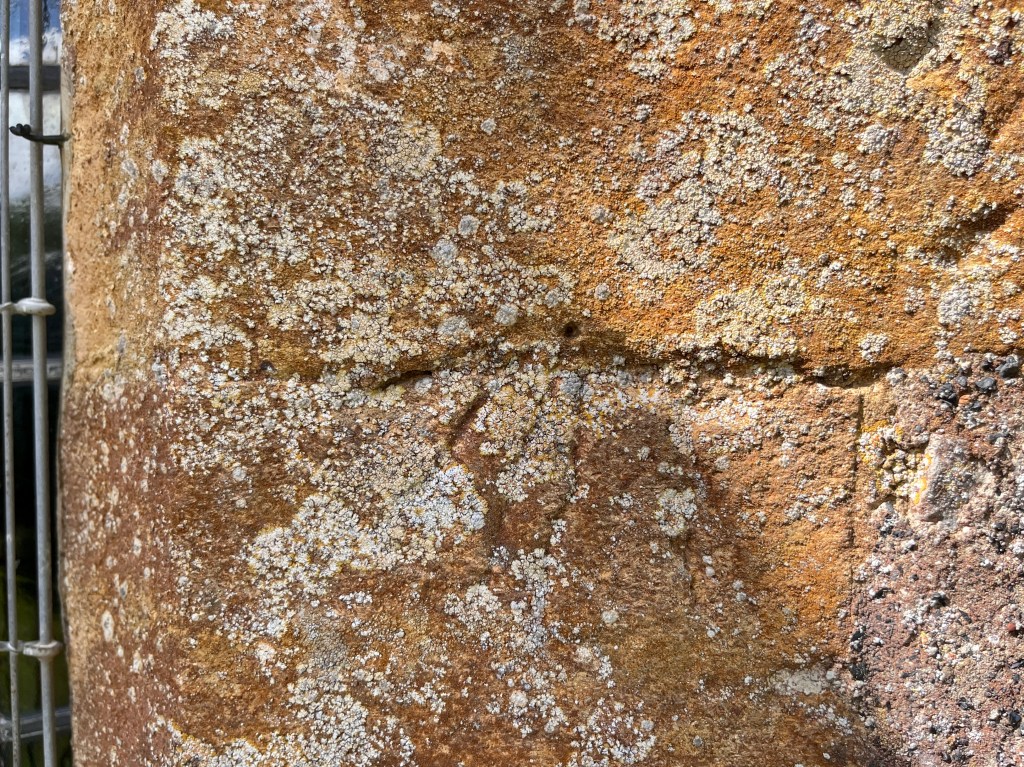
ABBOTSBURY . DORSET . ST NICHOLAS – Vertical Dial

St Nicholas . Abbotsbury . Dorset

ST NICHOLAS . ABBOTSBURY . DORSET

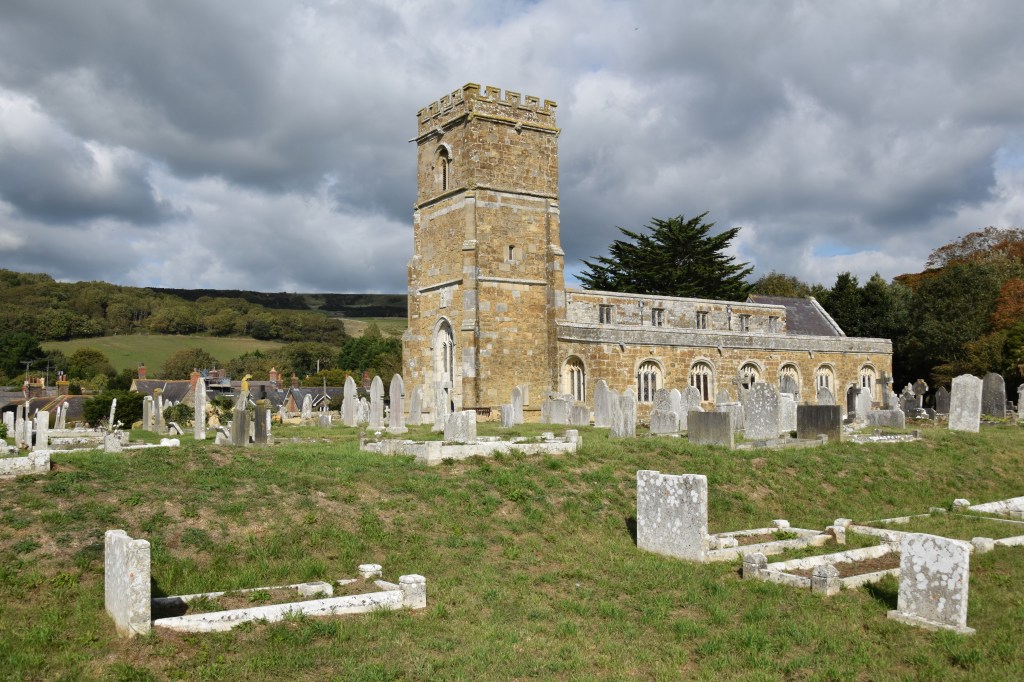
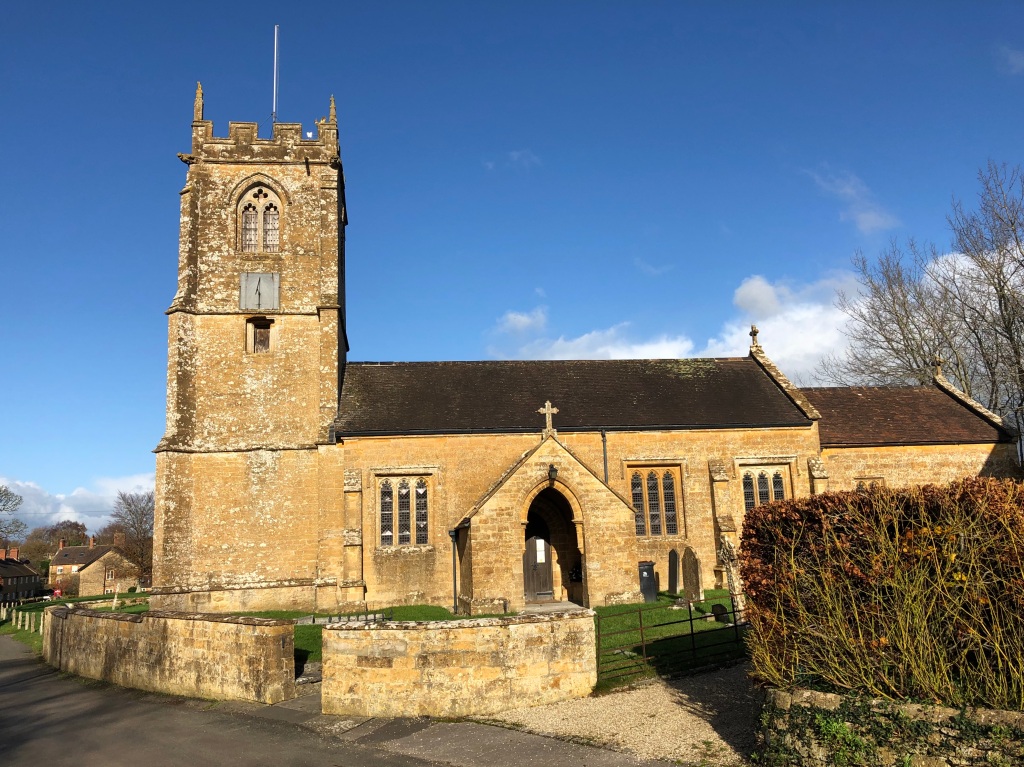
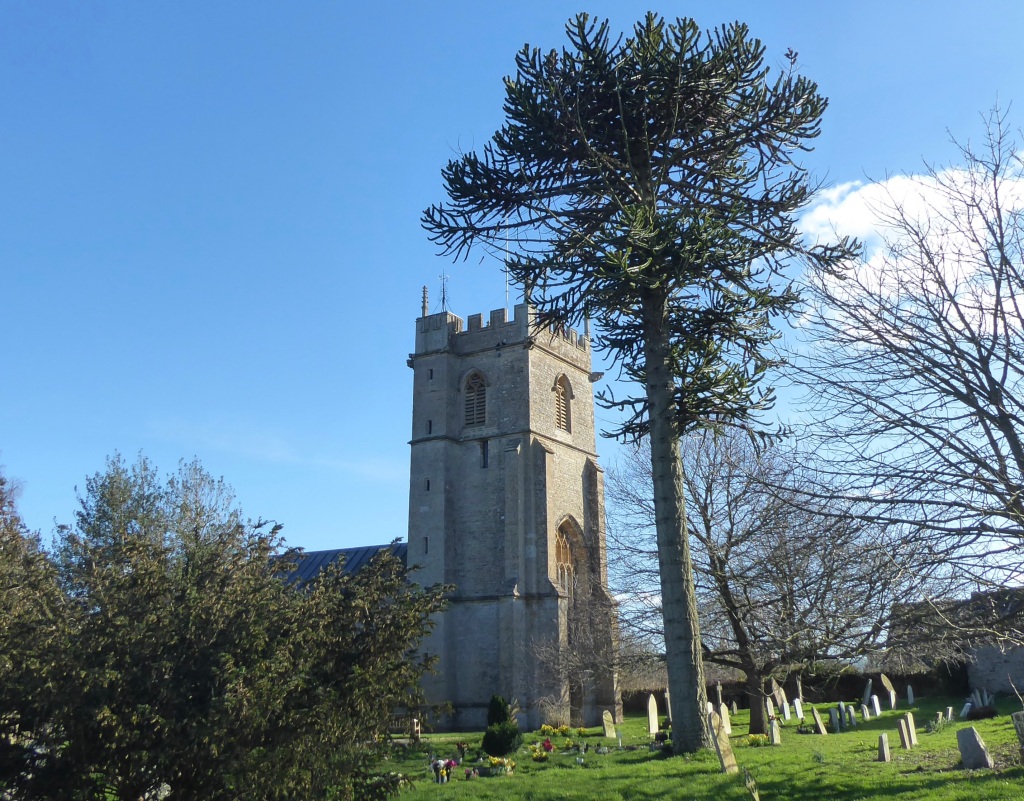
GRADE I † C14 with older origins; gradual development, rebuilding and restorations. This church represents a far wider history of the area ecclesiastically, architecturally and socially. There are a great many good online sources of information, both general and specific, accessible with a single Gxxgle search. One of the most authoritative resources for deeper delving is British History Online BHO. 50.665 / -2.5989 / SY577852

DIAL

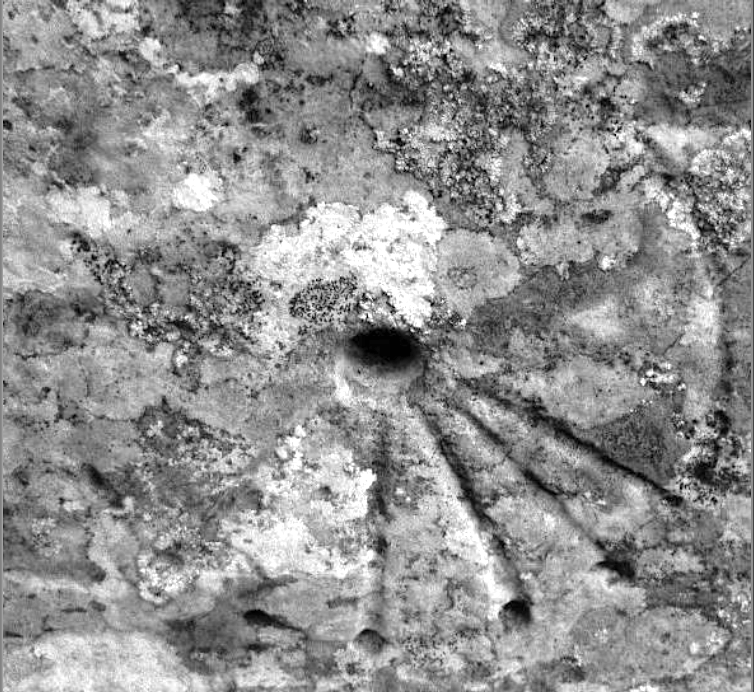
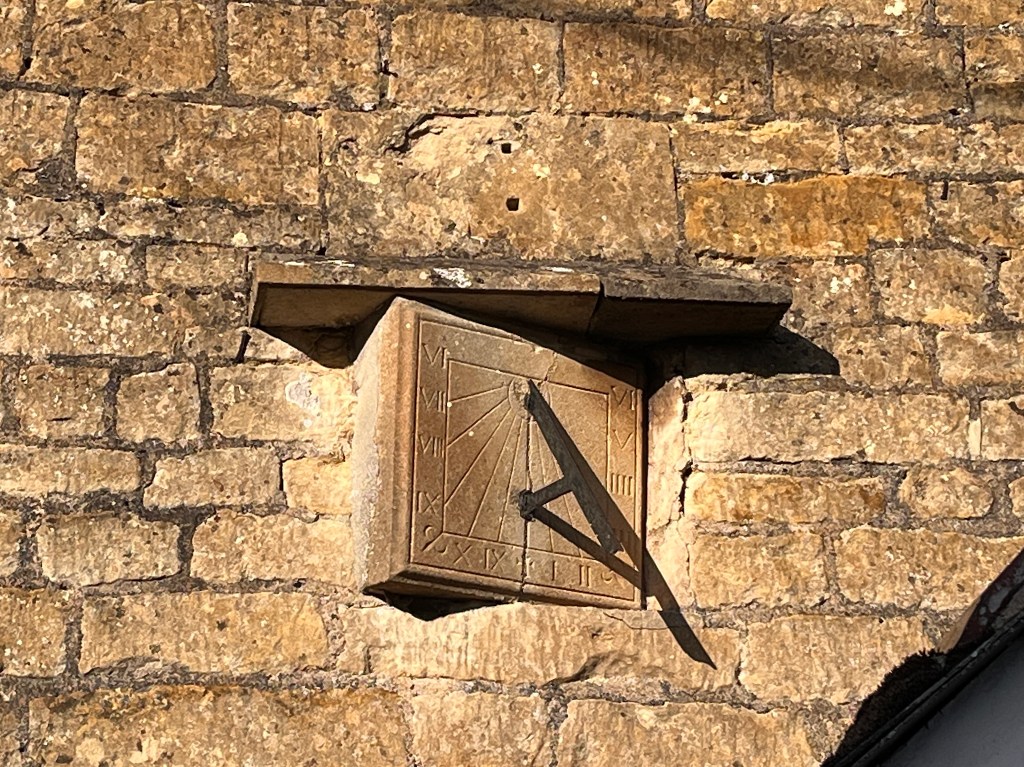
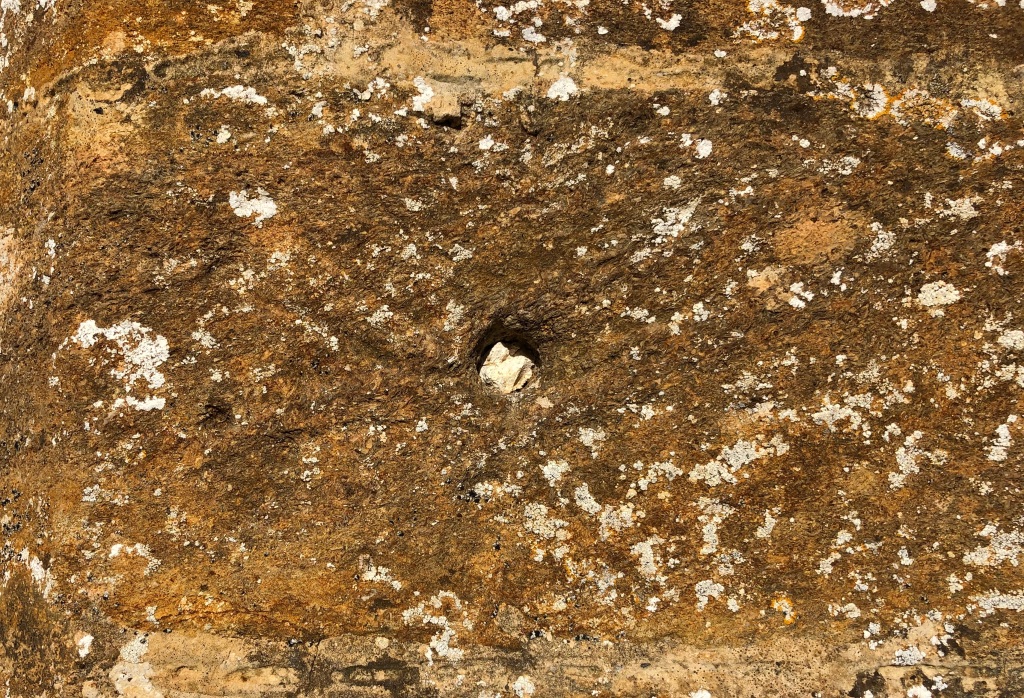
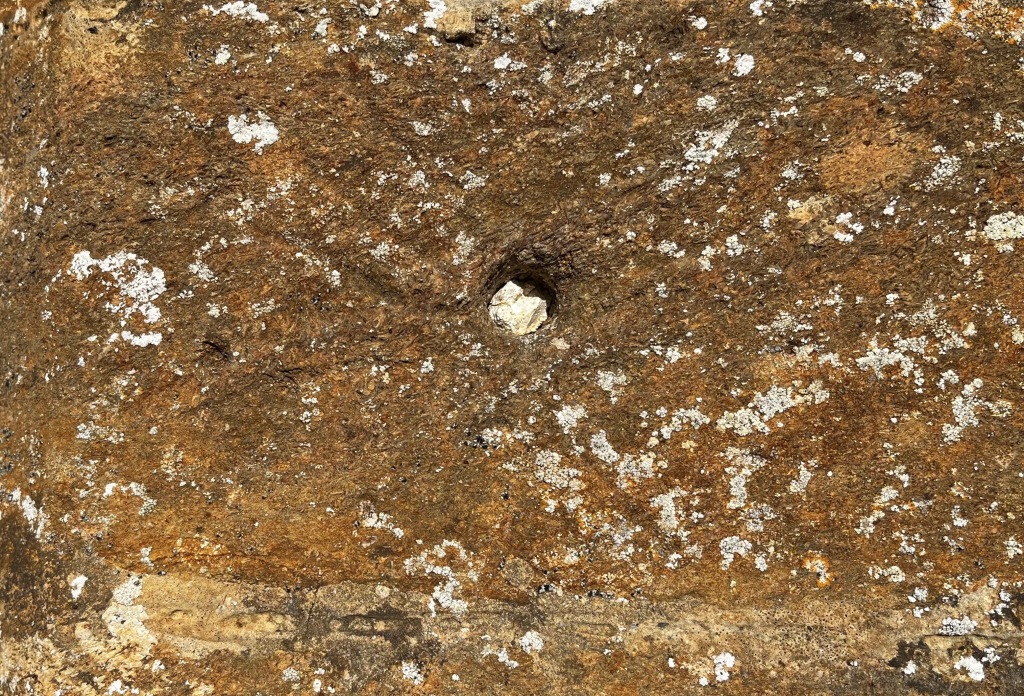
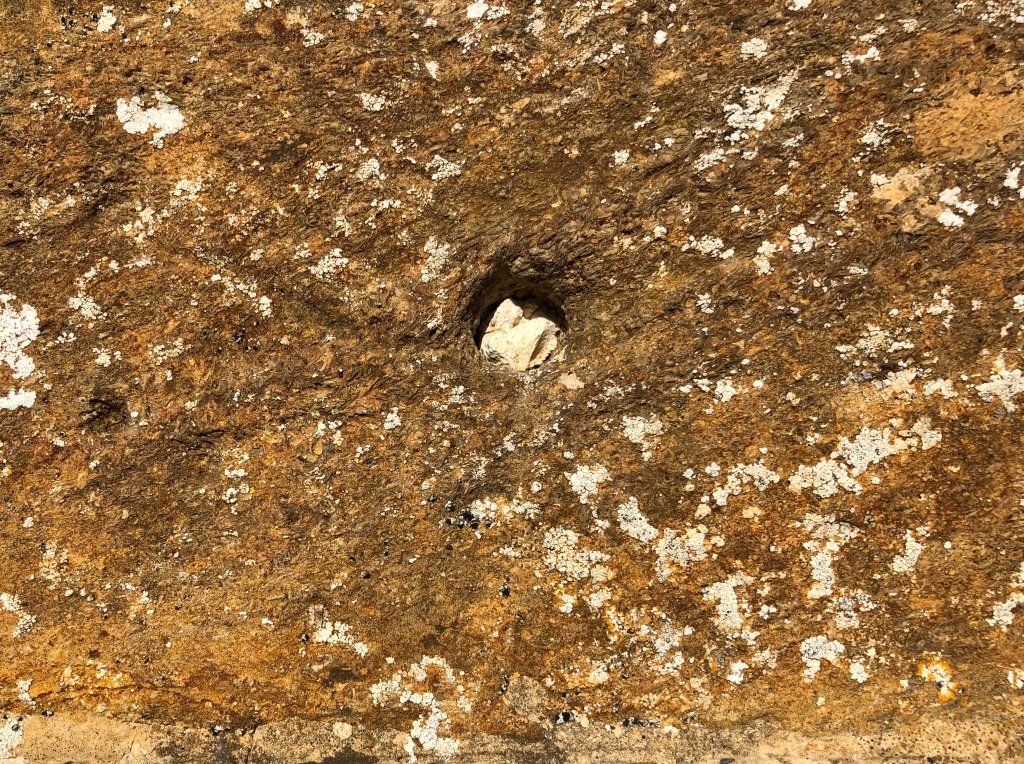
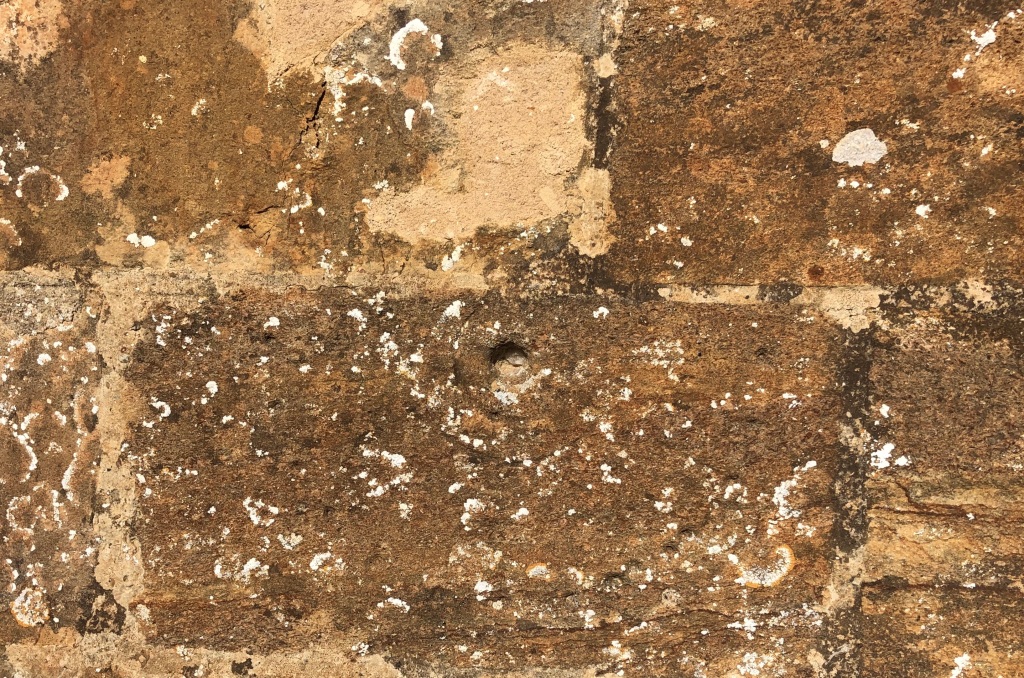
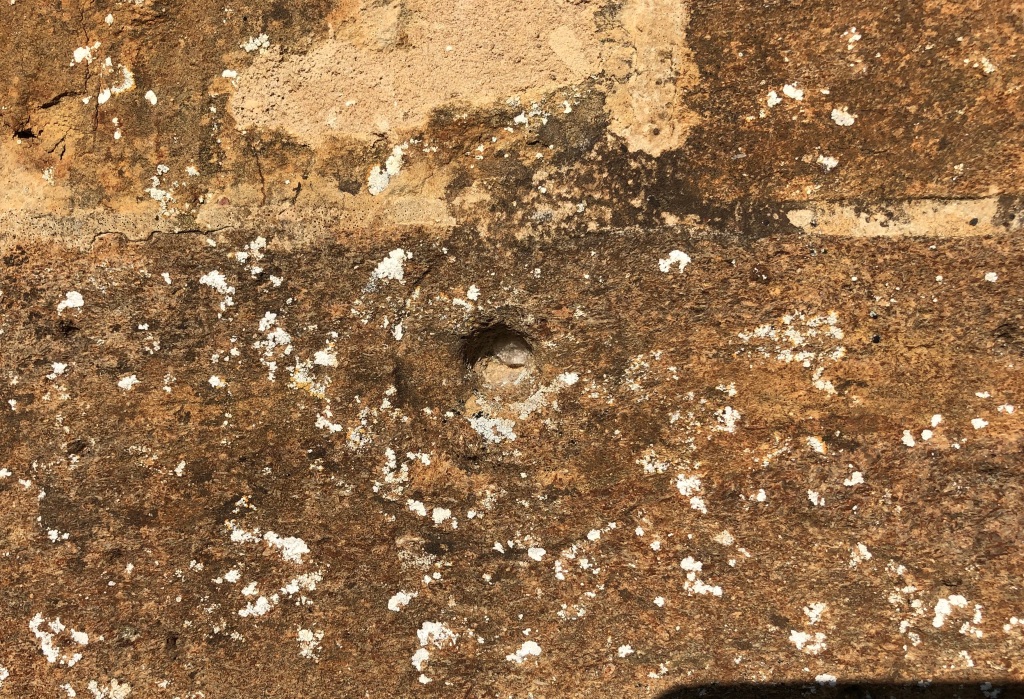
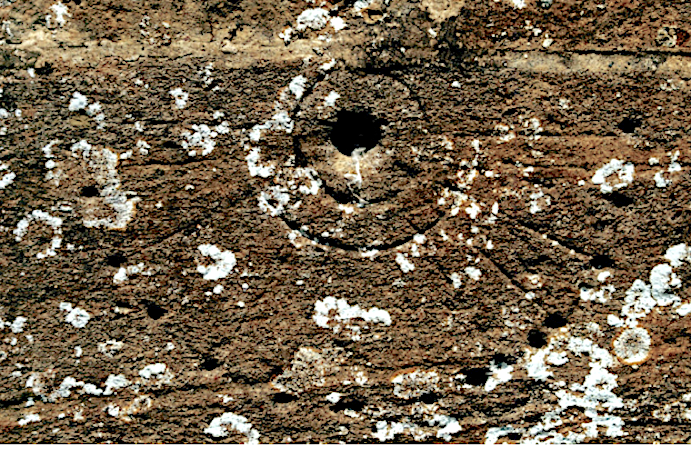
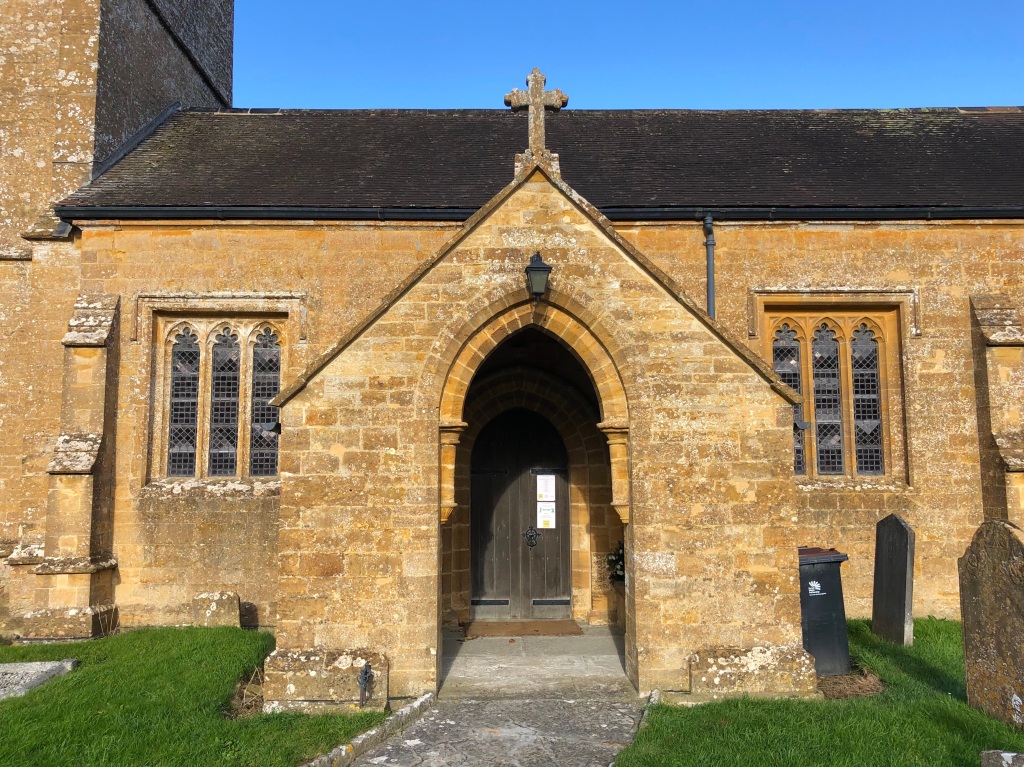
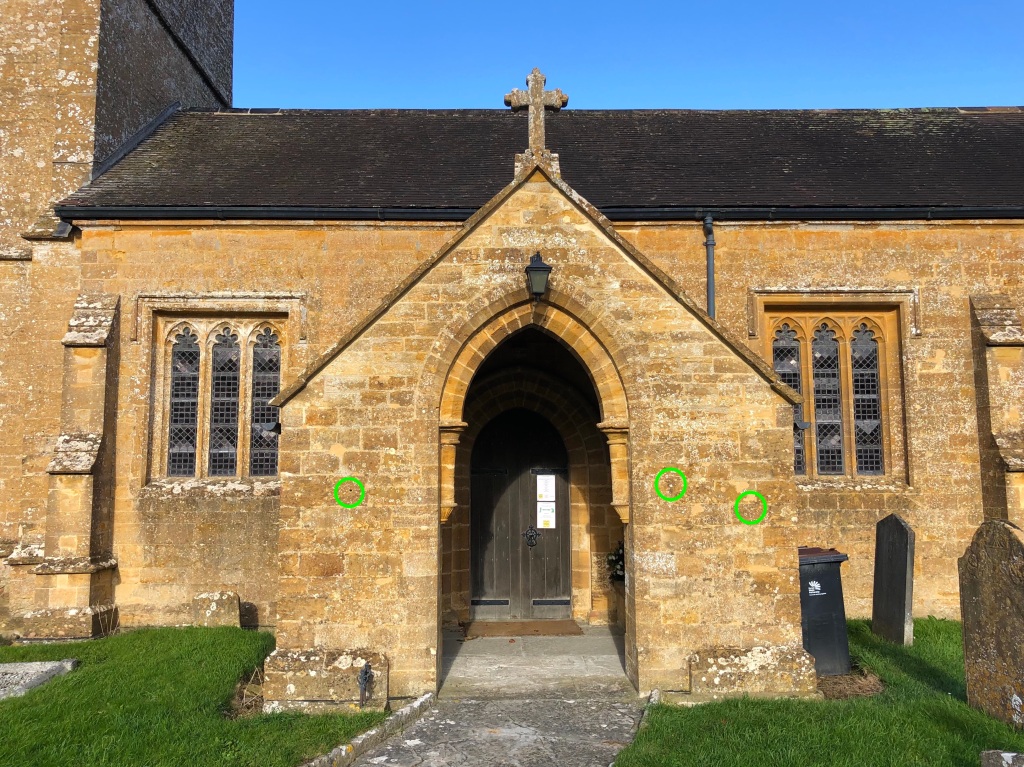
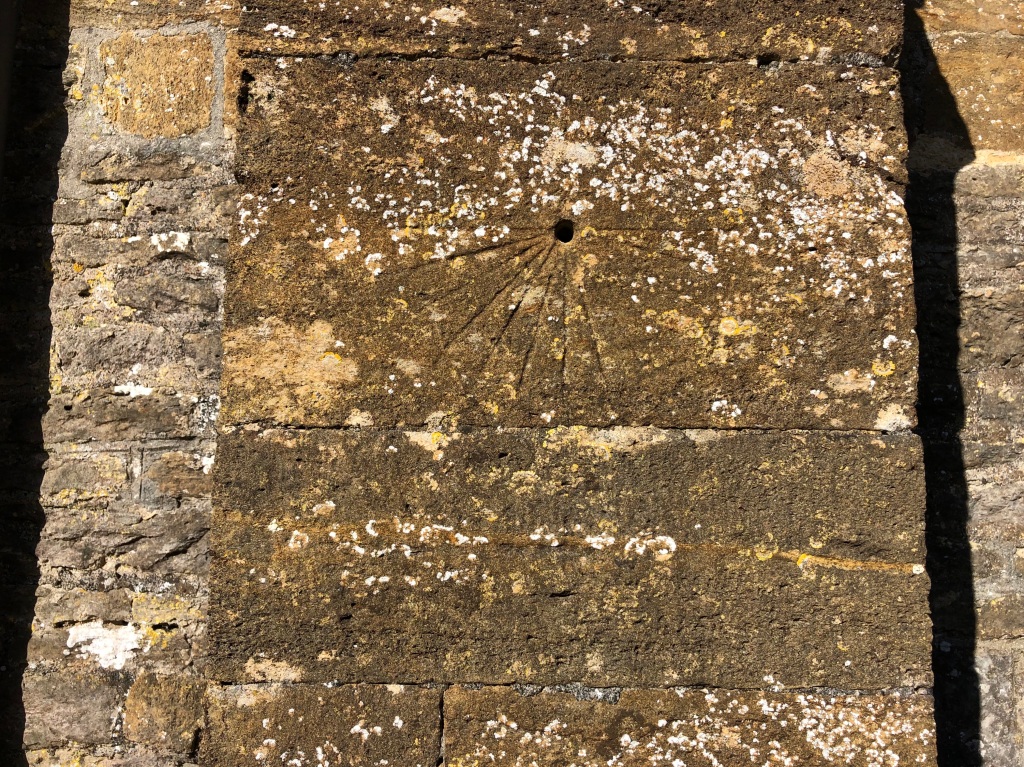
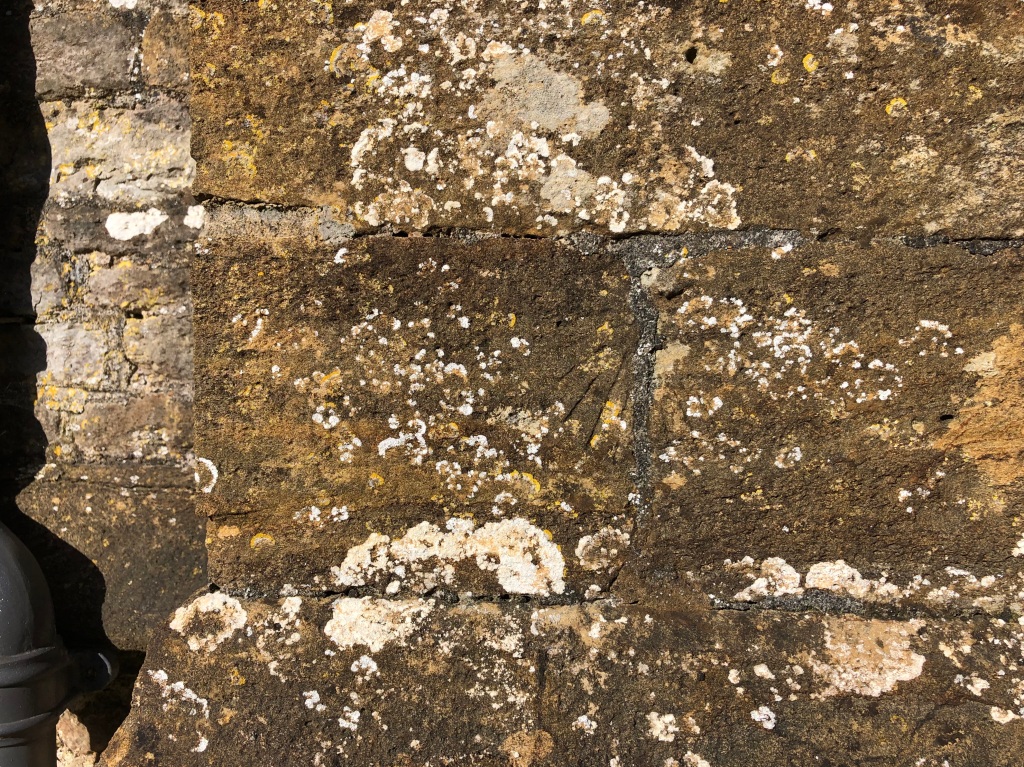
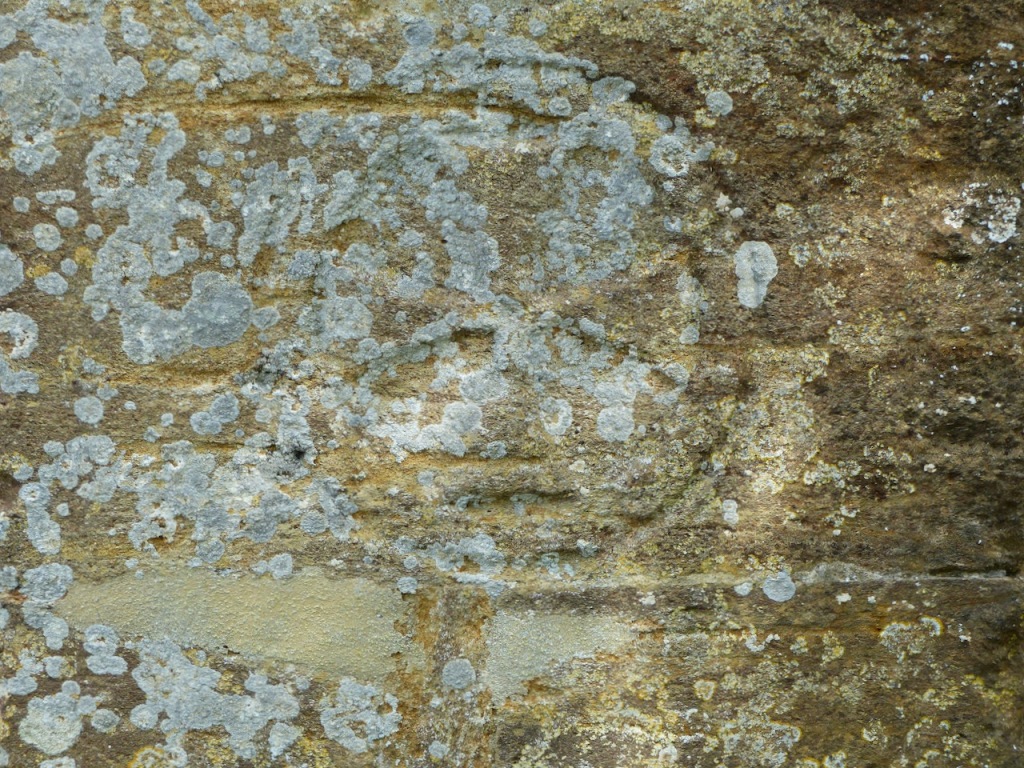
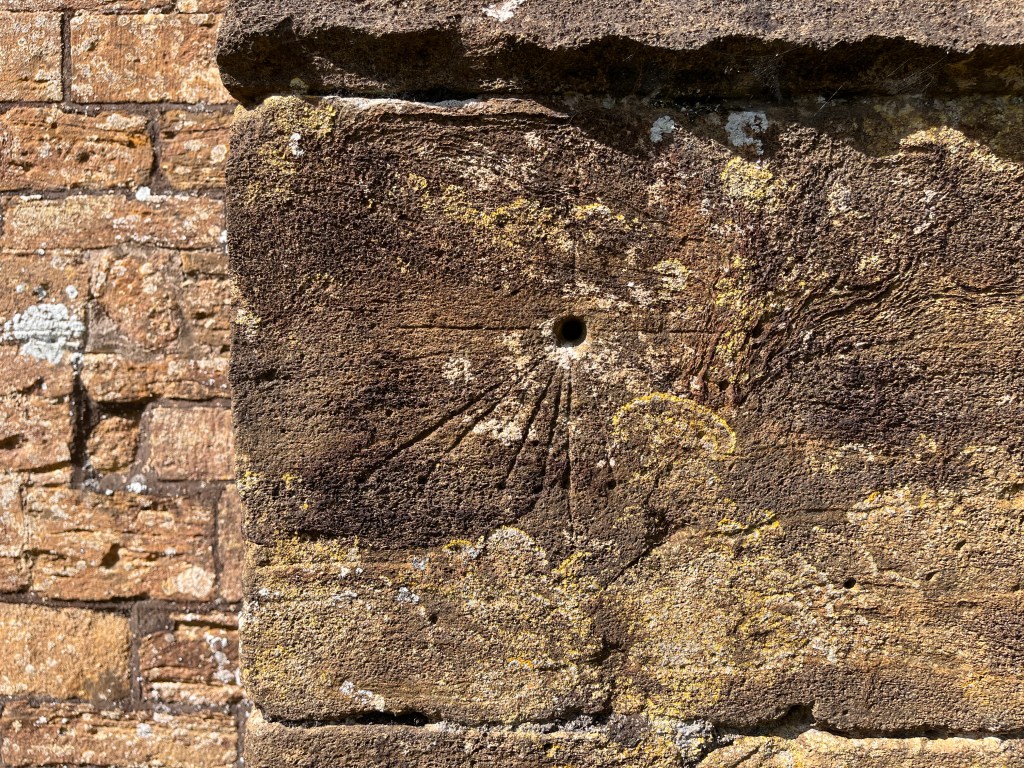
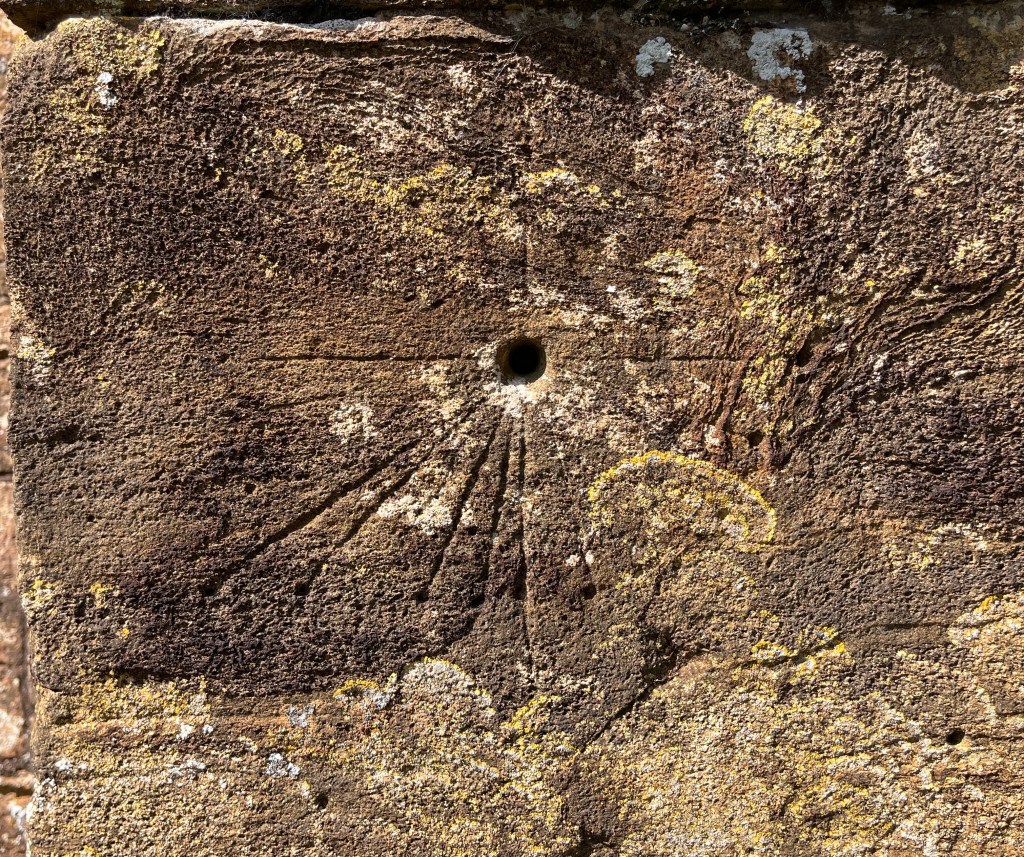
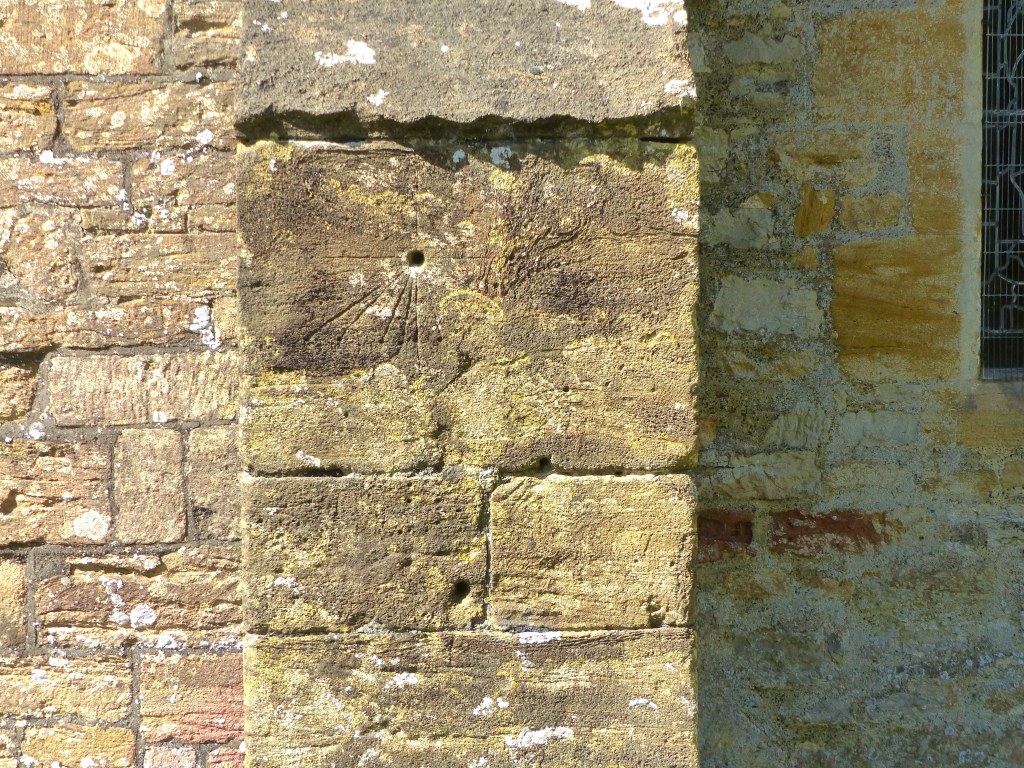
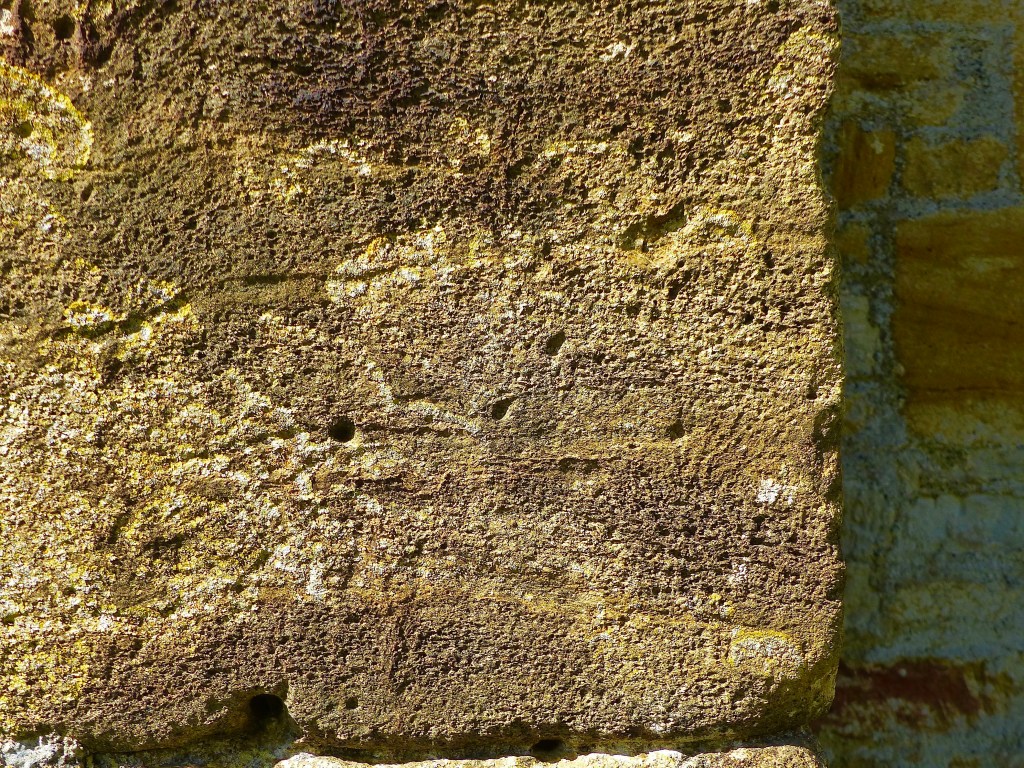
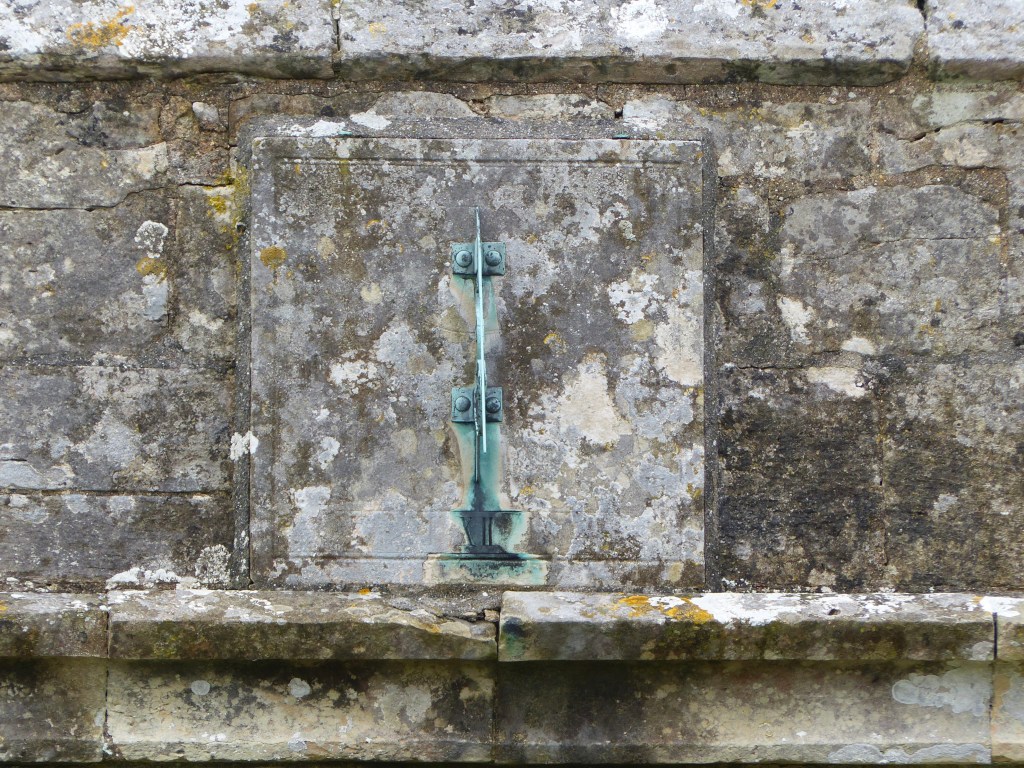
The vertical dial is set in the parapet of the south wall of the south aisle. It is weathered, like the stone around it. A survey some time ago found no visible markings; the high position, extent of weathering and prevailing light probably explains that. A long lens picks out more detail. It is hard to date the dial – ± 1800?

St Nicholas . Abbotsbury . Dorset – Vertical Sundial

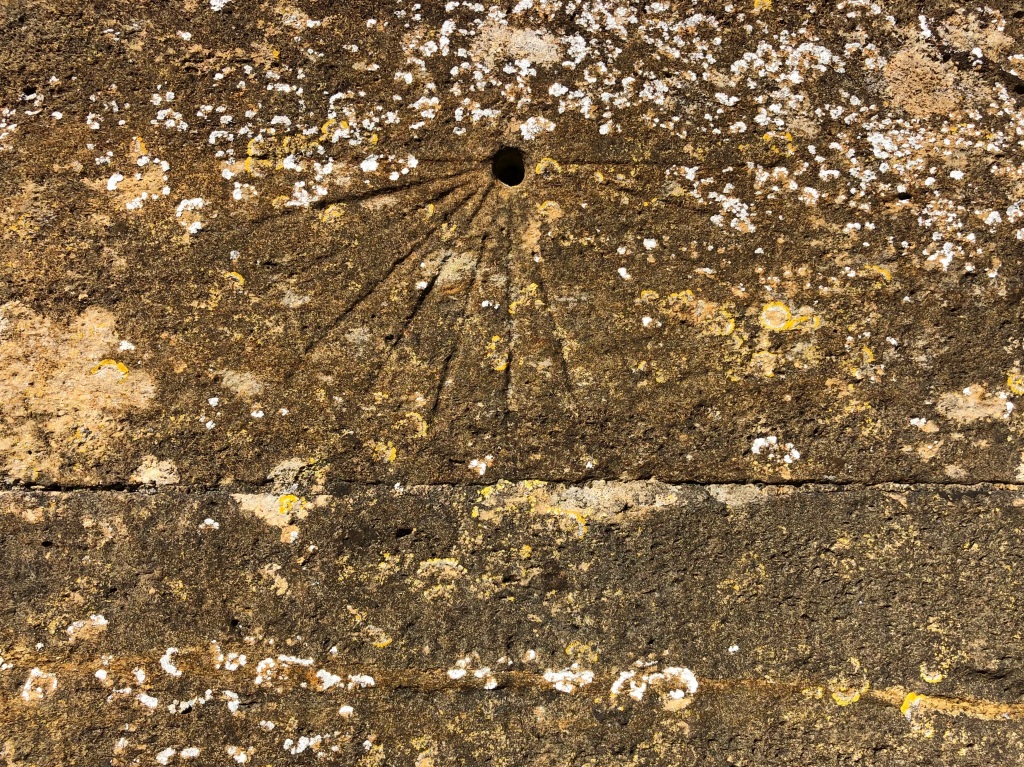
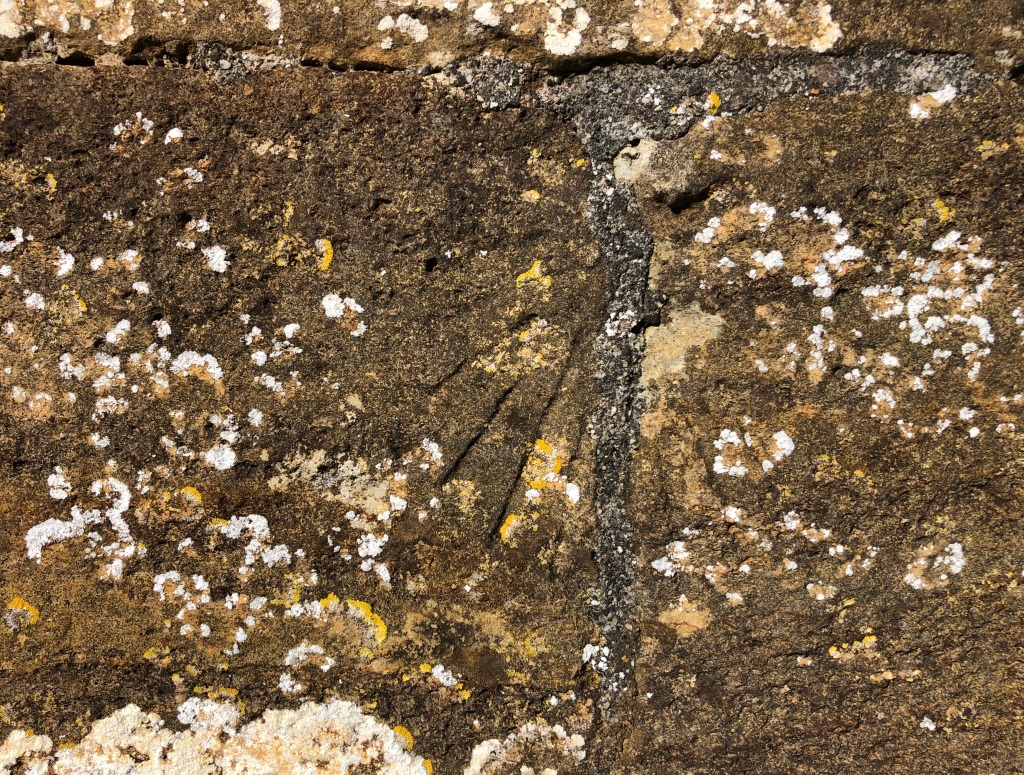
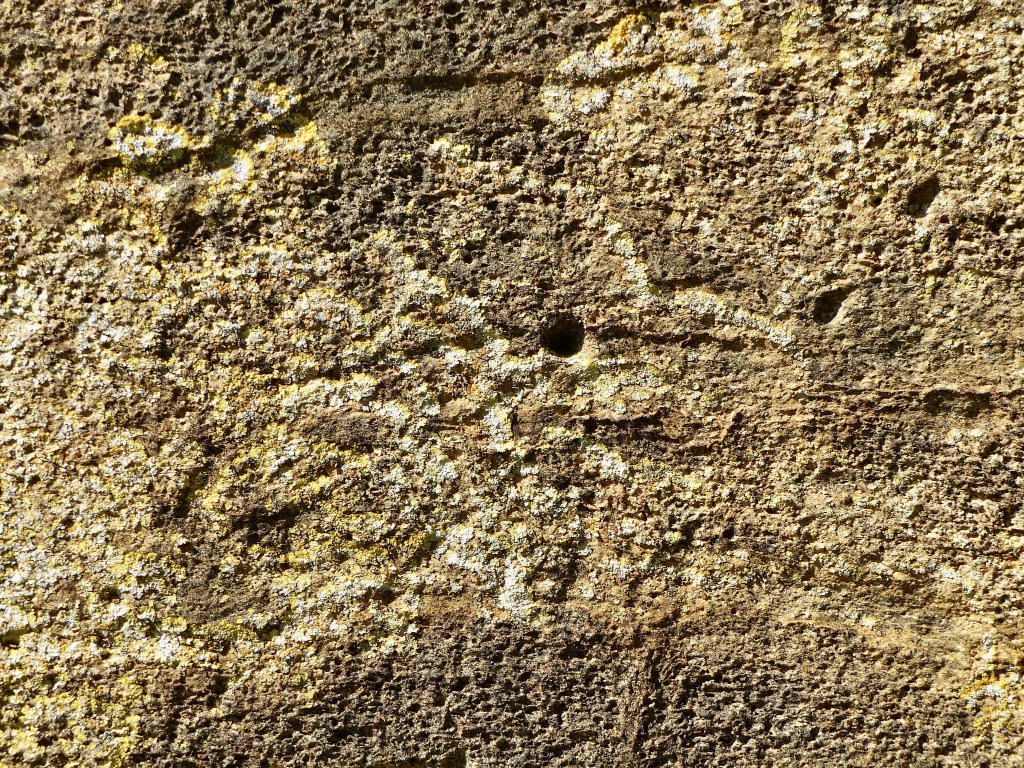
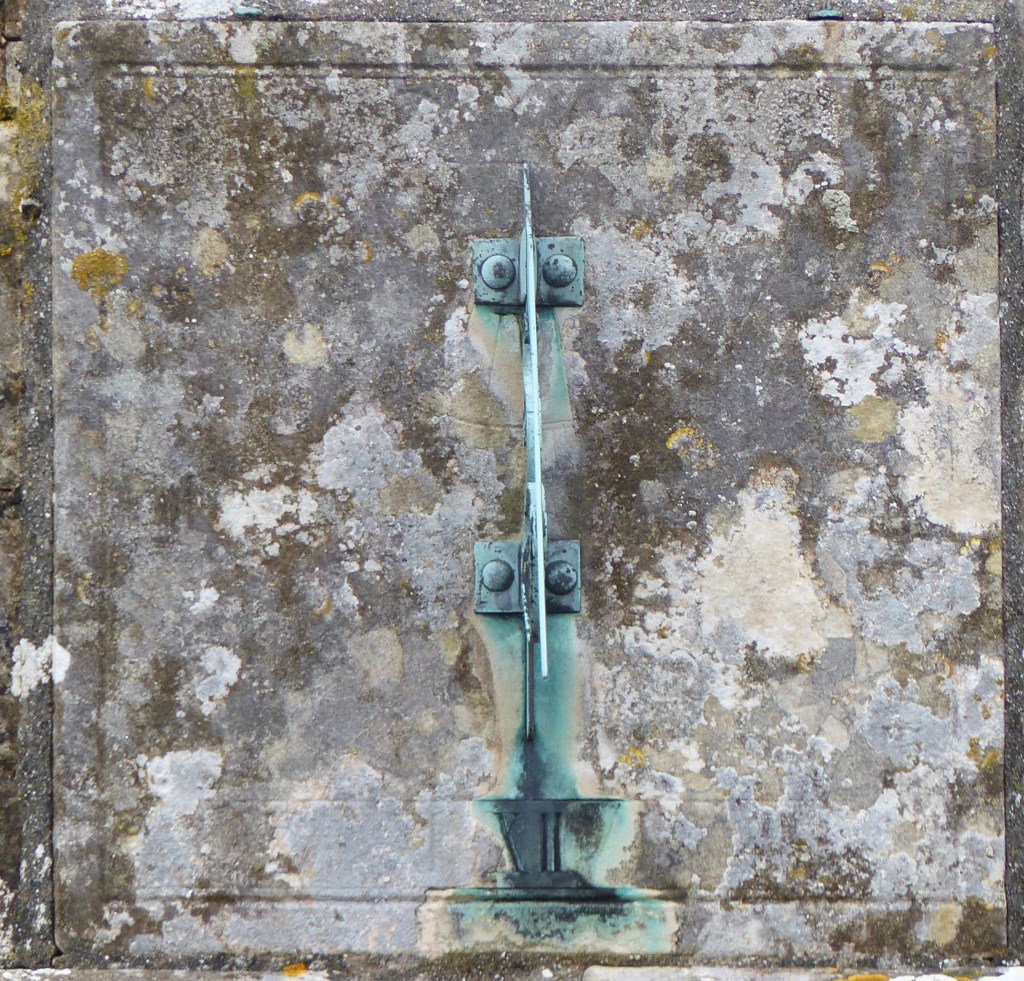
The dial is cemented onto the parapet, supported by a ledge and with 2 iron supports at above it. A frame surrounds the dial. In the upper section is a semicircular dial, with the footing of the rather hefty gnomon centred within it. 2 clear lines descend either side of the noon line / gnomon blade.

St Nicholas . Abbotsbury . Dorset – Vertical Sundial

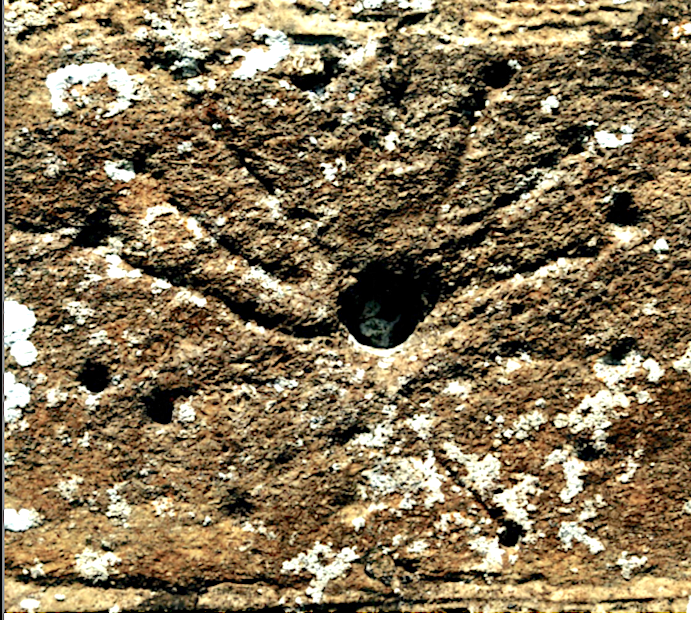
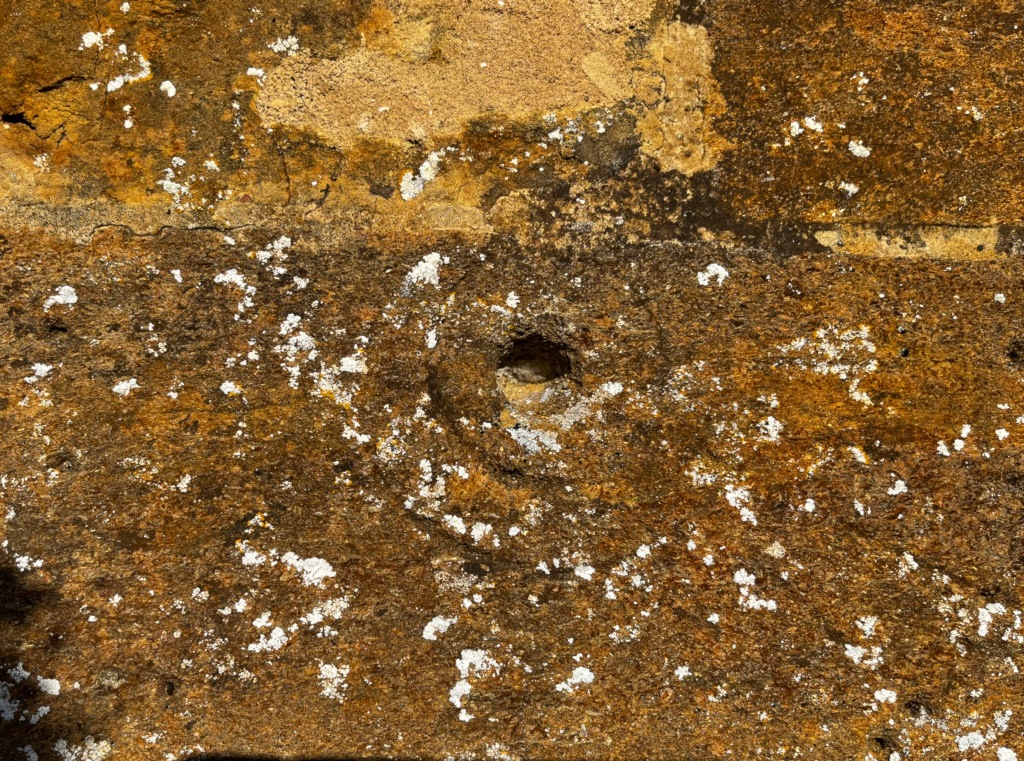
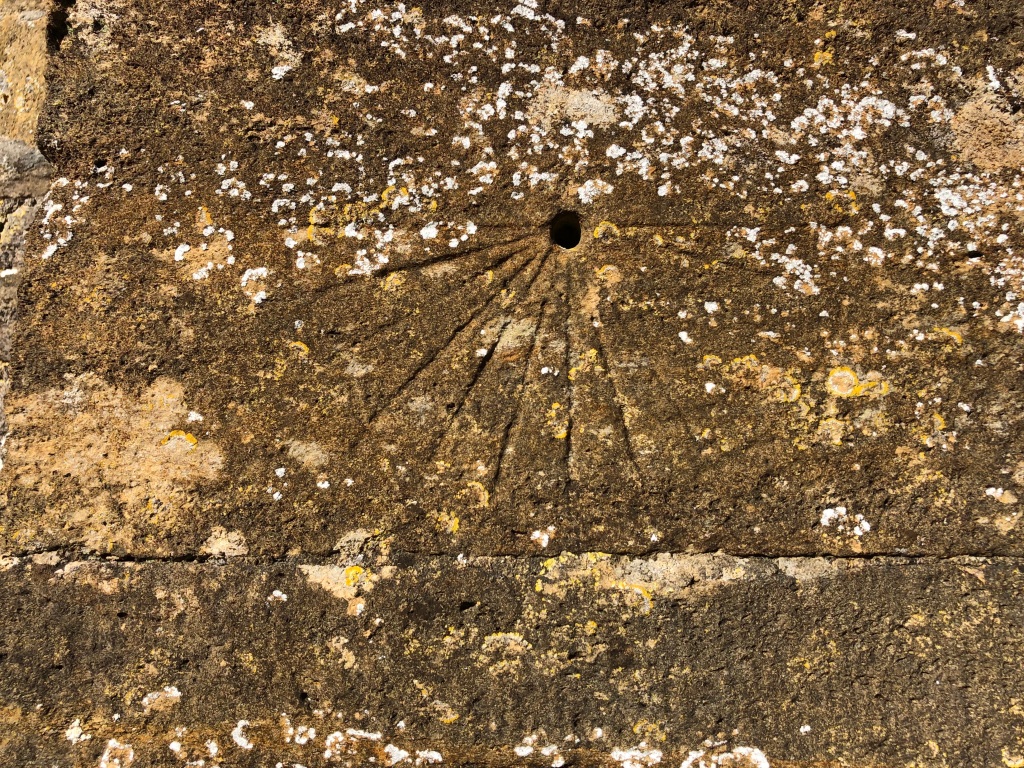
The hint of 2 converging lines above the bolts suggest they radiate down from the horizontal line of the dial. At the base of the semicircle there are traces of an outer semicircle and, significantly, of a few short lines between the two. These seem to be half hour markers. If so, there was once a more complex dial that has all but vanished.
St Nicholas . Abbotsbury . Dorset – Vertical Sundial

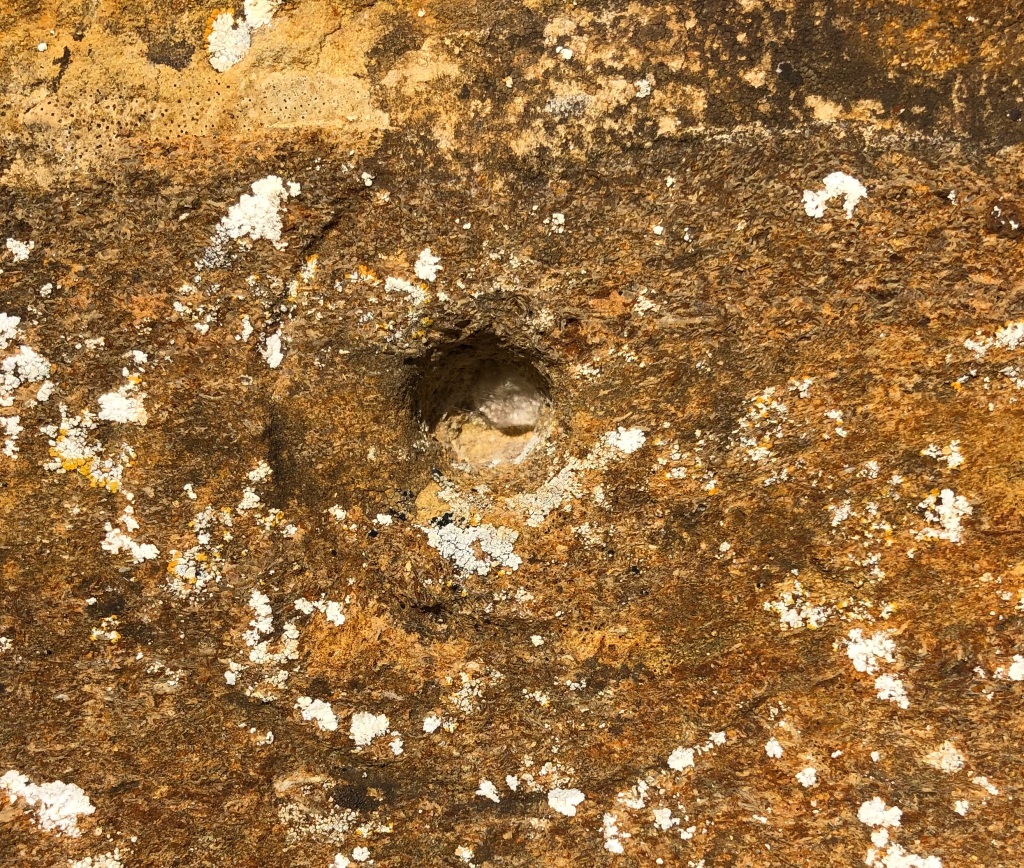
Beneath the lower gnomon footing, the number XII is very clear. Possibly it was recut (maybe more than once) to continue to emphasise the noon marker. Apart from that, all other numbers are completely erased except for a ghost of XI.

GNOMON

Is the rather clunky gnomon original? Initially I thought not, but some features suggest it might be. The precision of the tip of the top being exactly on the edge of the frame; the extent of the staining; and the degree to which it has protected the centre line of the dial and in particular XII. Against that, the angled view of the dial makes it seem rather incongruous.

St Nicholas . Abbotsbury . Dorset – Vertical Sundial / S. face with parapet dial above centre windows – stevekeirtsu cc

GSS Category: Vertical Dial; Church Sundial; Gnomon

All photos Keith Salvesen except the last, stevekeiretsu Geo cc
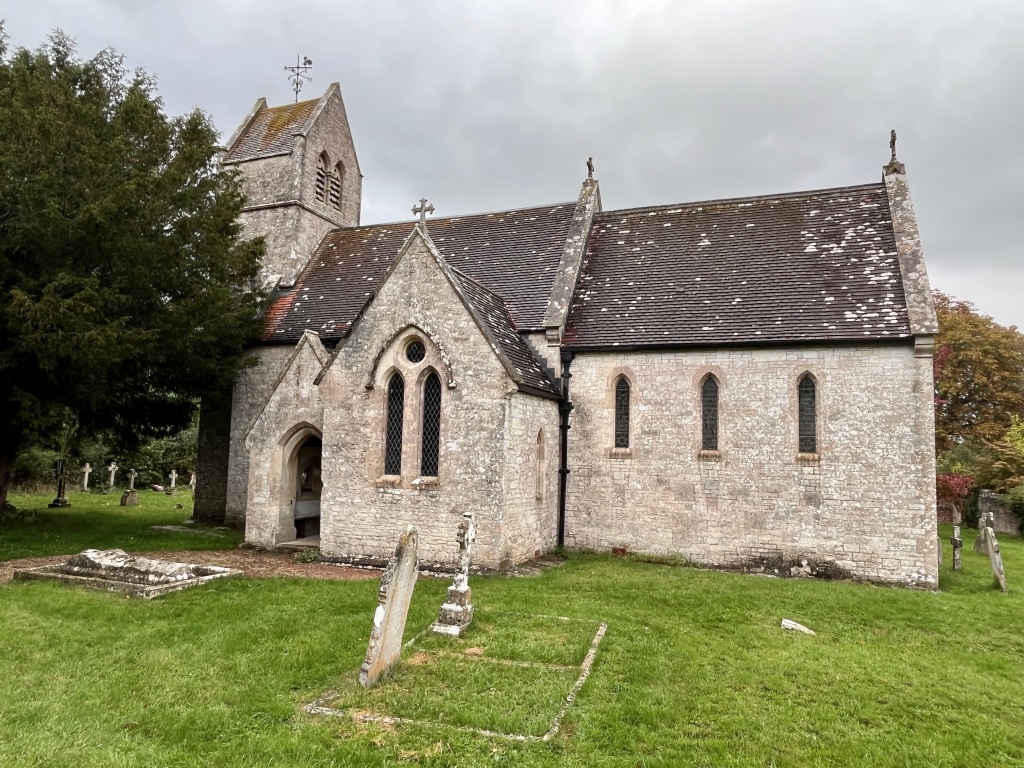
WOODSFORD . DORSET . ST JOHN THE BAPTIST – Scratch Dial

St John the Baptist . Woodsford . Dorset

ST JOHN THE BAPTIST . WOODSFORD . DORSET

GRADE II † C13th origins of which traces survive at the W end; substantial rebuilding 1860s by Wyatt. Set in peaceful countryside close to R. Frome. An excellent folder with details about the church and contents is kept in the church. Woodsford Castle / fortified house is nearby, the largest thatched building in England. 5m E of Dorchester 50.7143 / -2.3383 / SY762905

DIAL

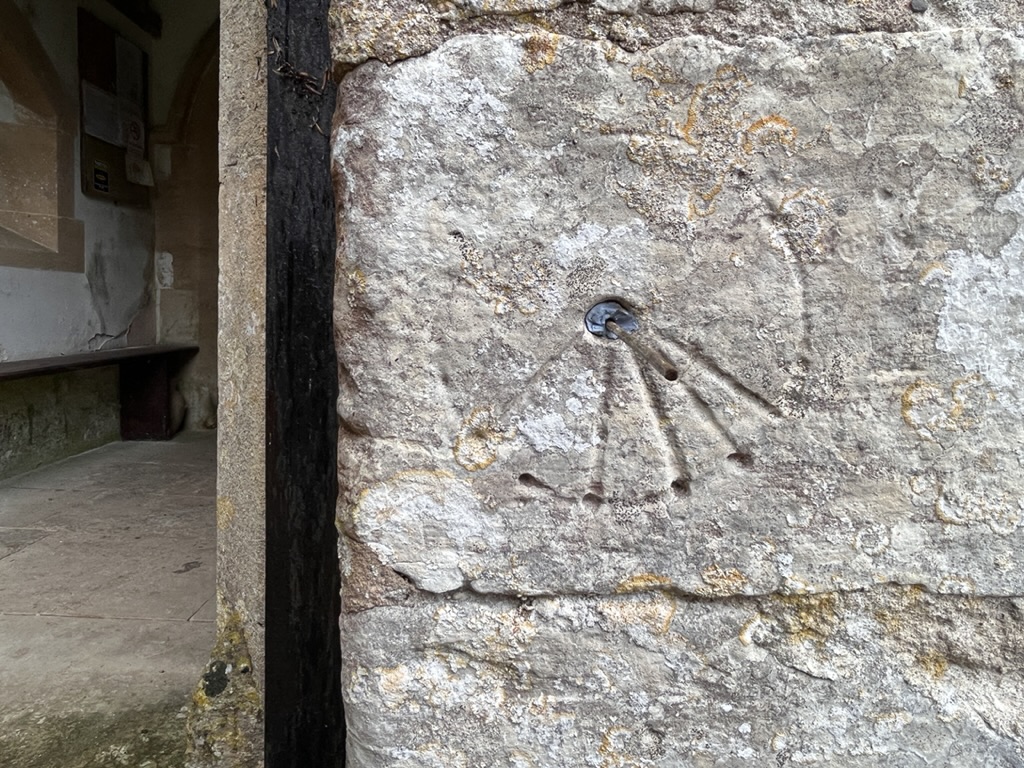
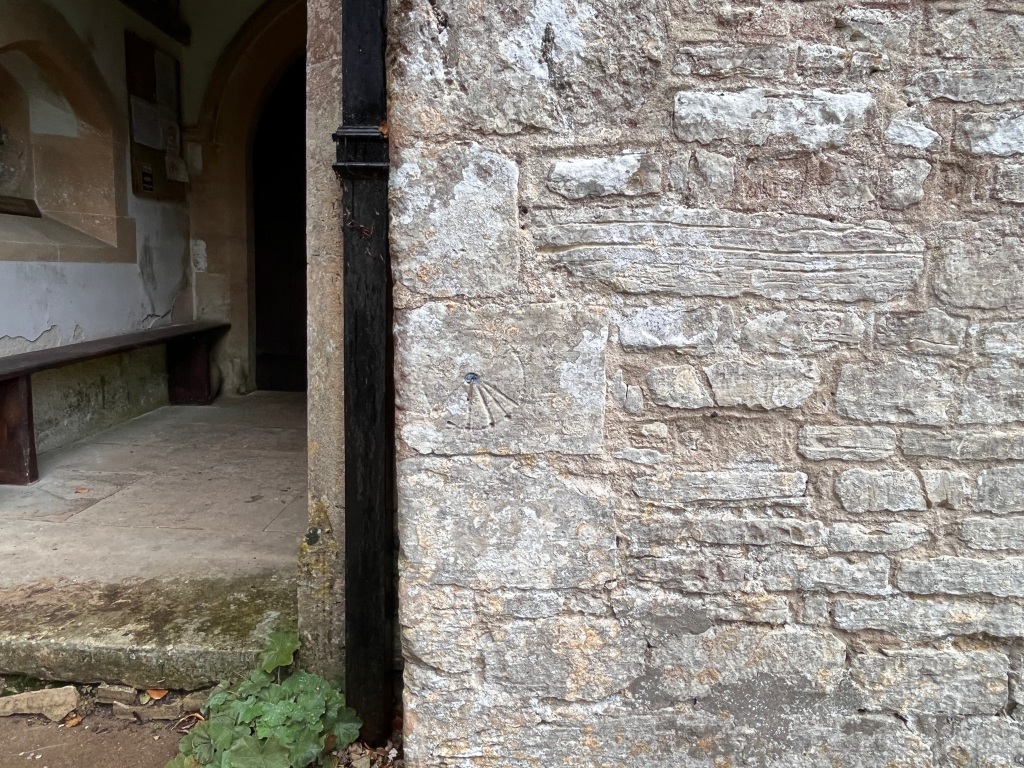
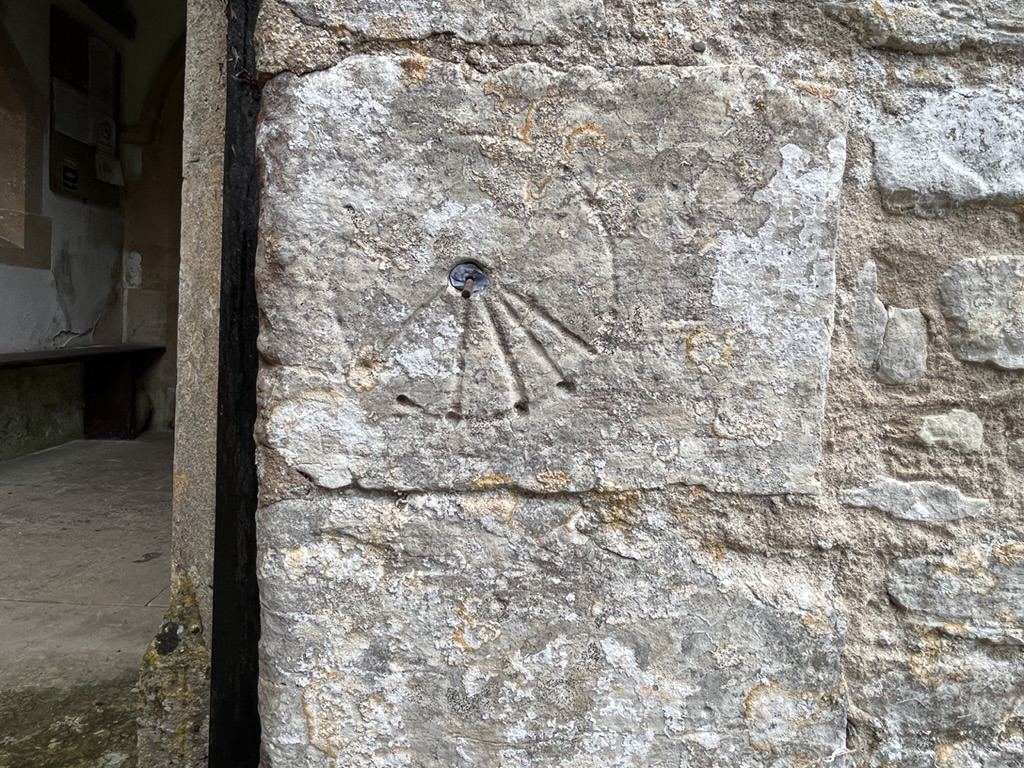
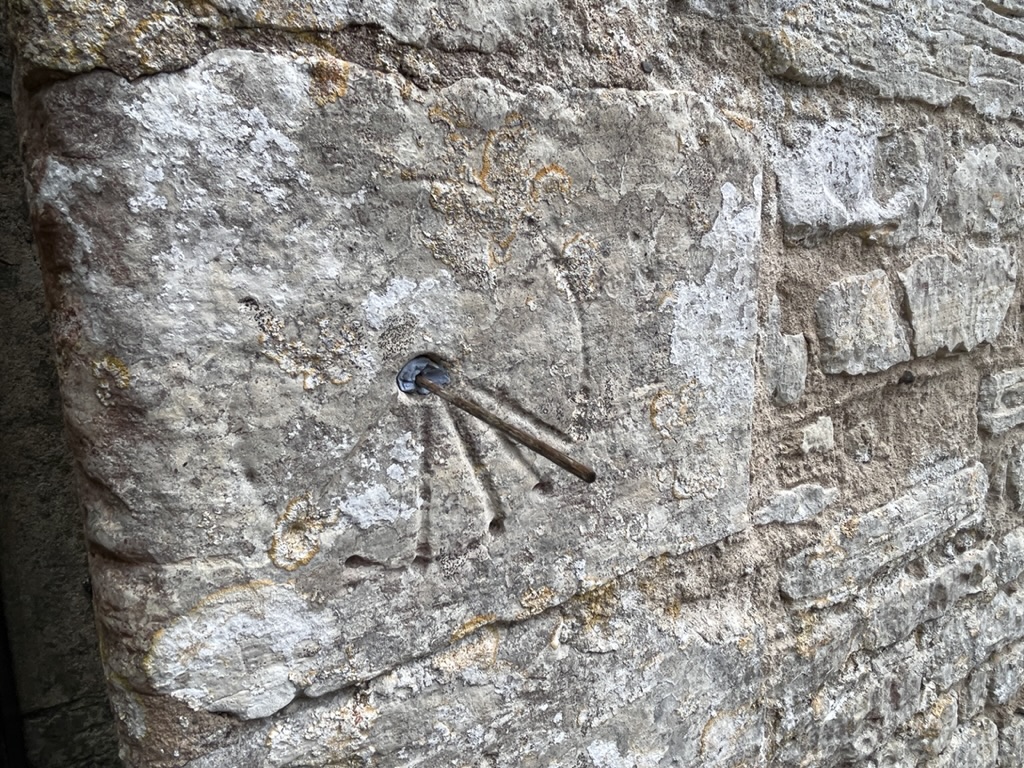
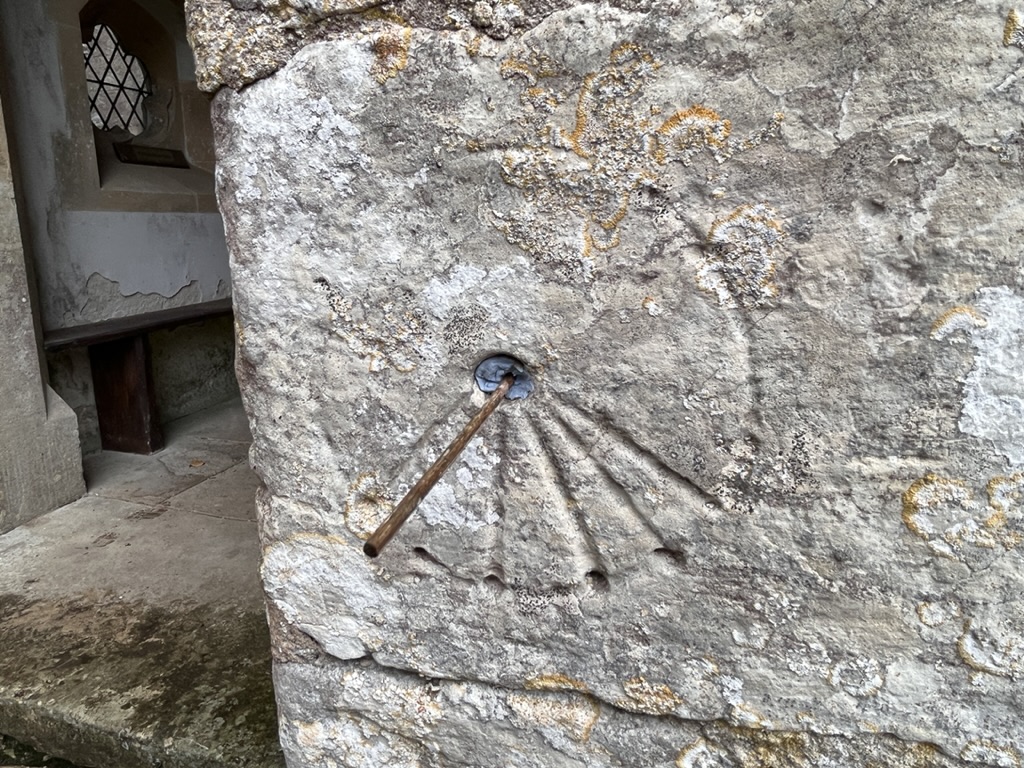
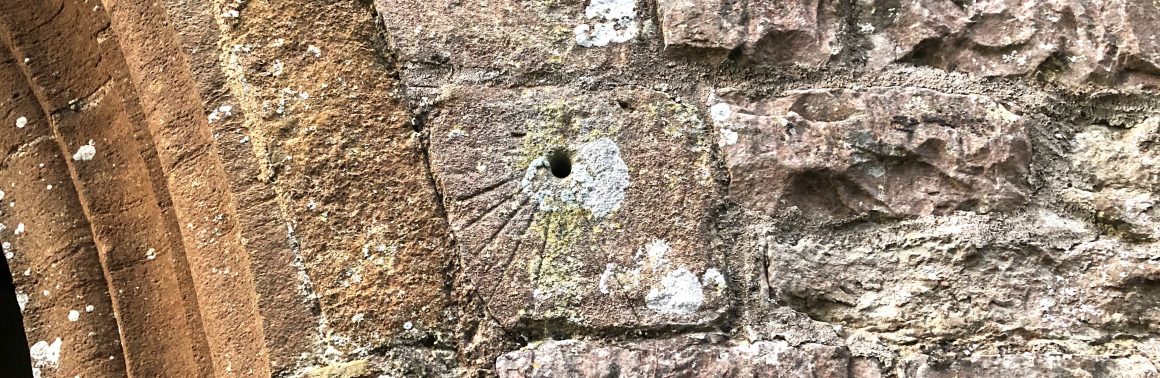
The single dial is just E of the entrance door, on the quoin of the S chapel. Plain and clearly cut. Now adorned with a slim metal rod bedded into blu-tack in the large gnomon hole (not quite as strange as the drill bit gnomon I found in Shropshire…).

St John the Baptist . Woodsford . Dorset – Scratch Dial

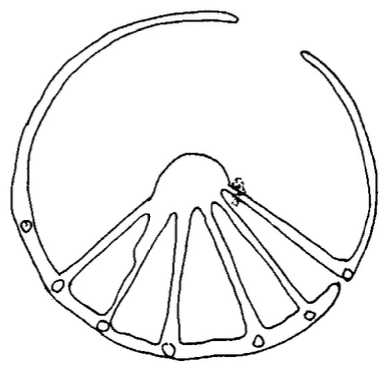
The dial has 5 clear lines descending from the gnomon hole to the lower perimeter of the complete circle. There are large terminal pocks and several other smaller pocks round the circumference that plausibly could be part of the overall design.

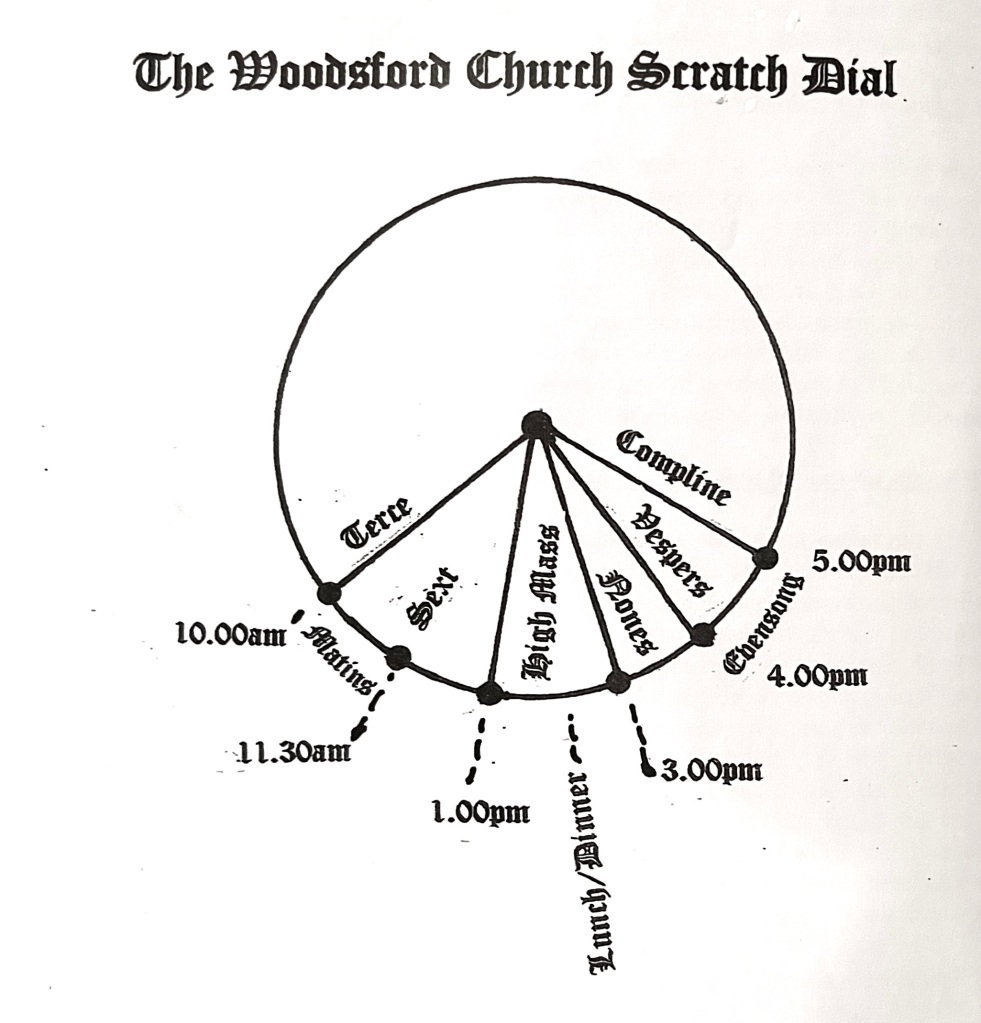
A most informative diagram with commentary explains the intricacies of the medieval day and the significance of the passing hours between dawn and dusk. You can find more on this topic HERE but the material below provides a good straightforward overview.
Woodsford . BSS Diagram

GSS Category: Scratch Dial

All photos Keith Salvesen; Dial Diagram and Explanation courtesy of the Church

MARNHULL . DORSET . DIAL HOUSE

Vertical Dial on Village House . Marnhull . Dorset

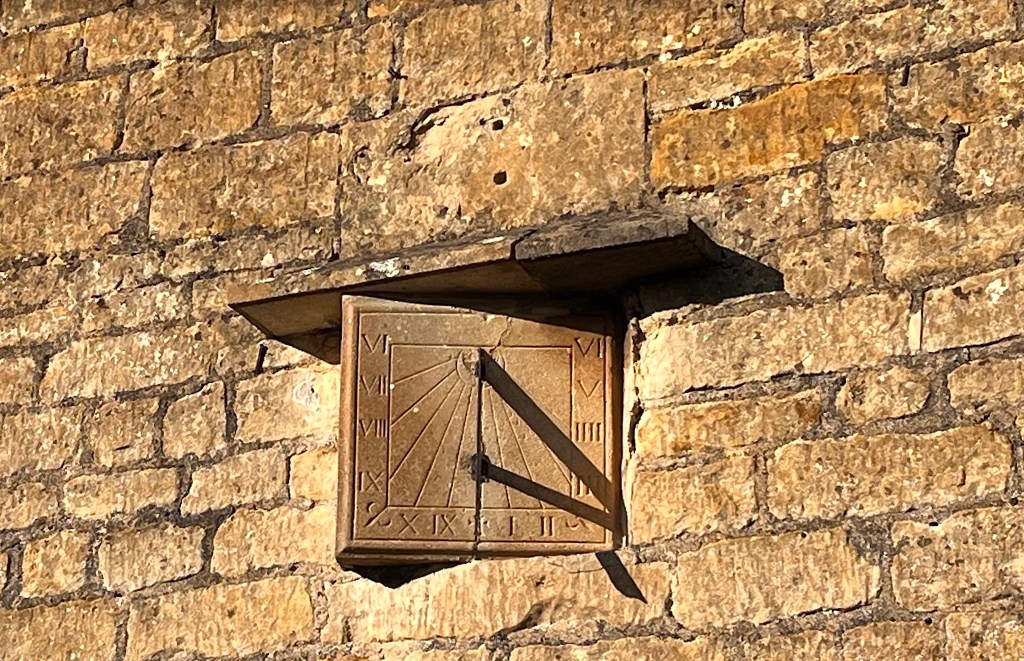
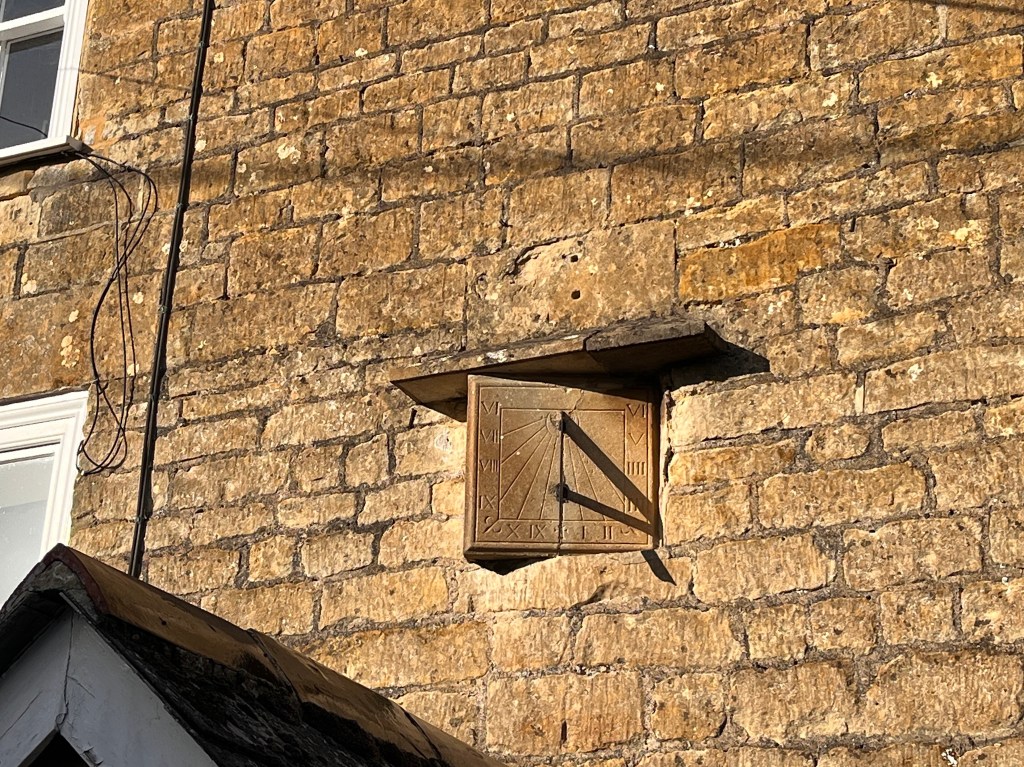
The dial is above the front door of a house in the village, with a stone ledge above it. It doesn’t give the impression of being old. There is little sign of weathering or erosion and the incisions are all equally clean. BSS gives it as C18?? and suggests it may be a replacement for an earlier dial. Given the design, I wonder if it is actually a modern C20 direct copy of the original?

The dial is canted to face south and provide an accurate reading. Noon is marked, as often, by a cross. The archaic use of IIII for IV might also suggest a careful copy of an old dial, as may the flourishes in the lower corners.

GSS Category: Vertical Dial; Canted Dial; Dial on house

All photos: Keith Salvesen

NETHER COMPTON . DORSET . ST NICHOLAS – 3 Scratch Dials

St Nicholas . Nether Compton . Dorset

ST NICHOLAS . NETHER COMPTON . DORSET

GRADE I † C13 nave, chancel, S porch inc outer archway. C15 alterations & additions – chapel, tower. Restored 1885. 2 Purdue bells. 4m W of Sherborne and E of Yeovil.  50.9532 /  -2.5732 / ST598172

DIALS

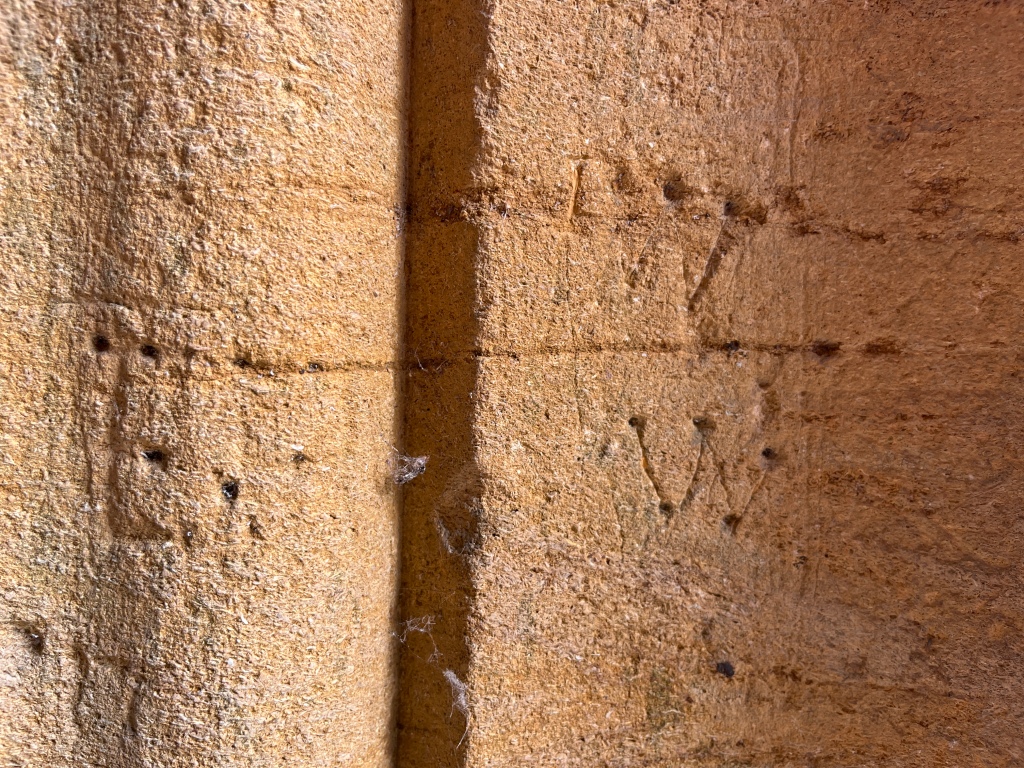
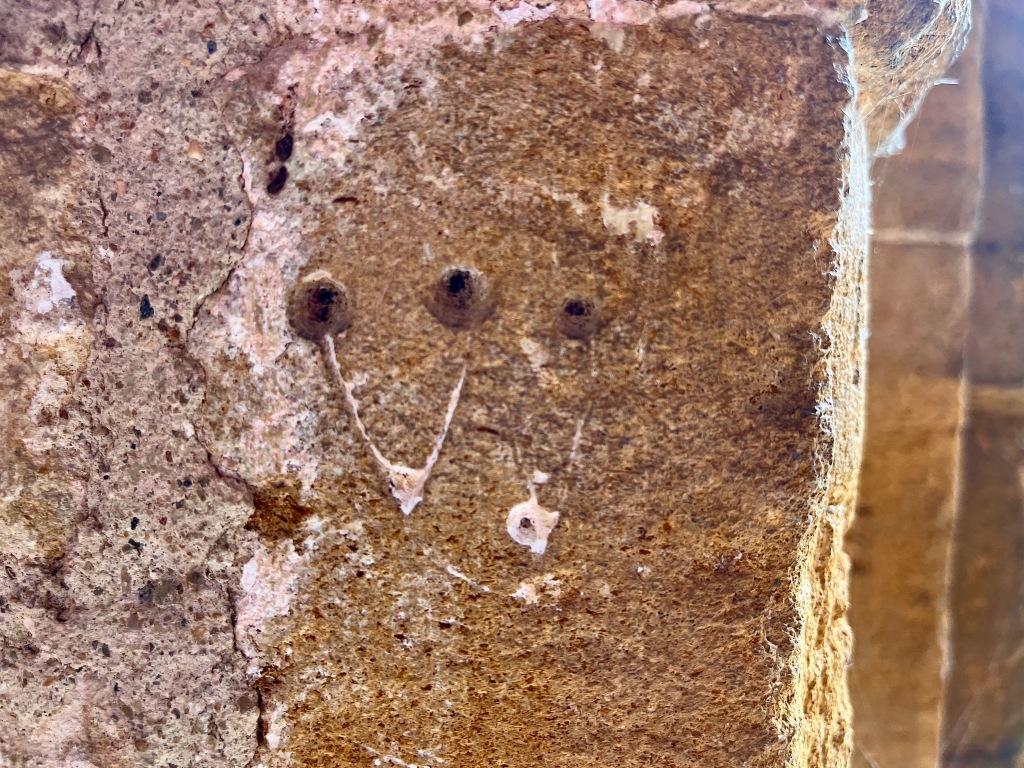
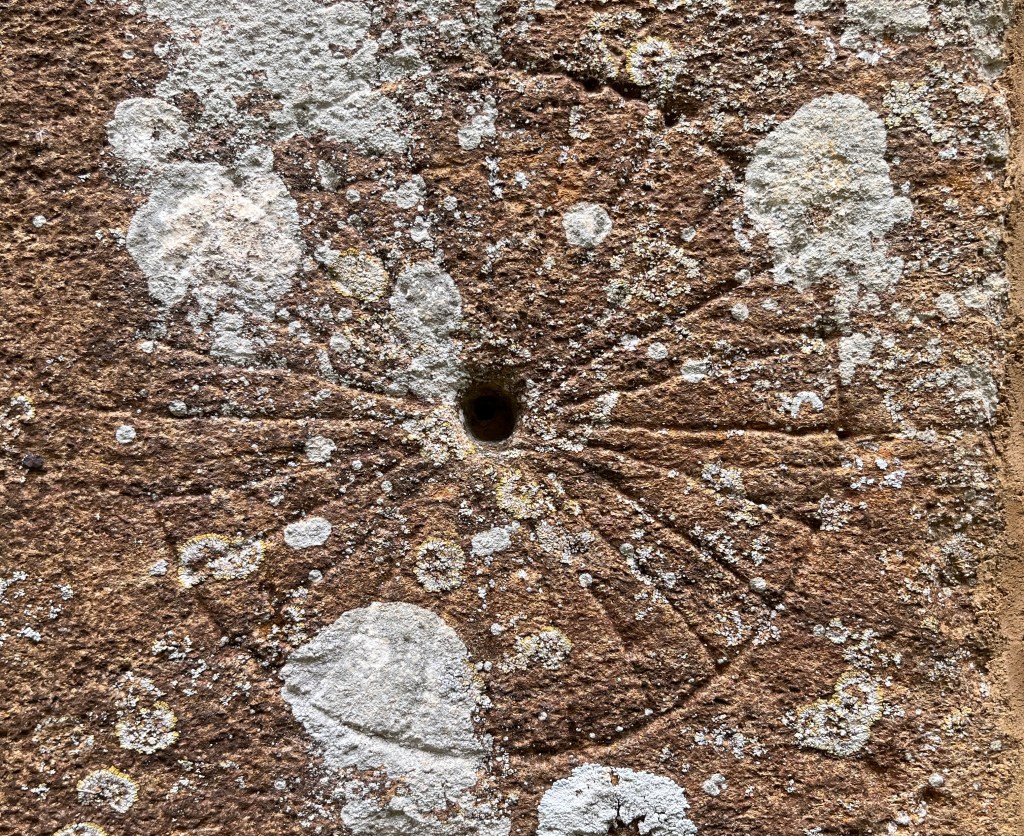
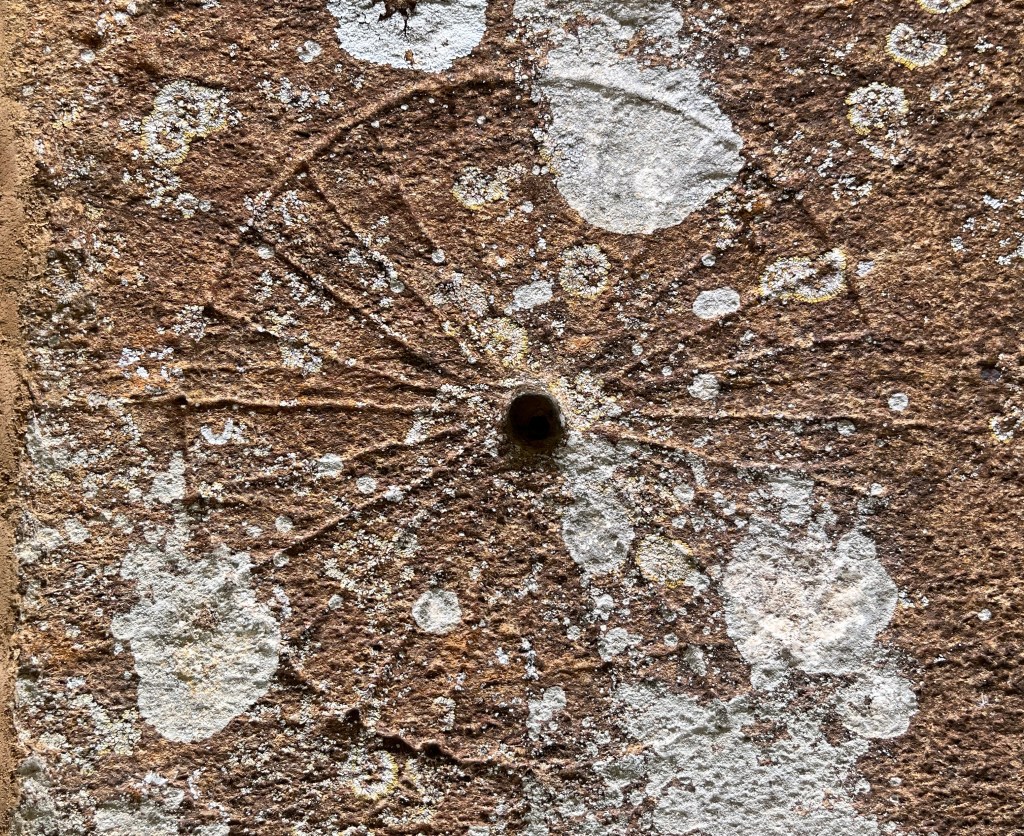
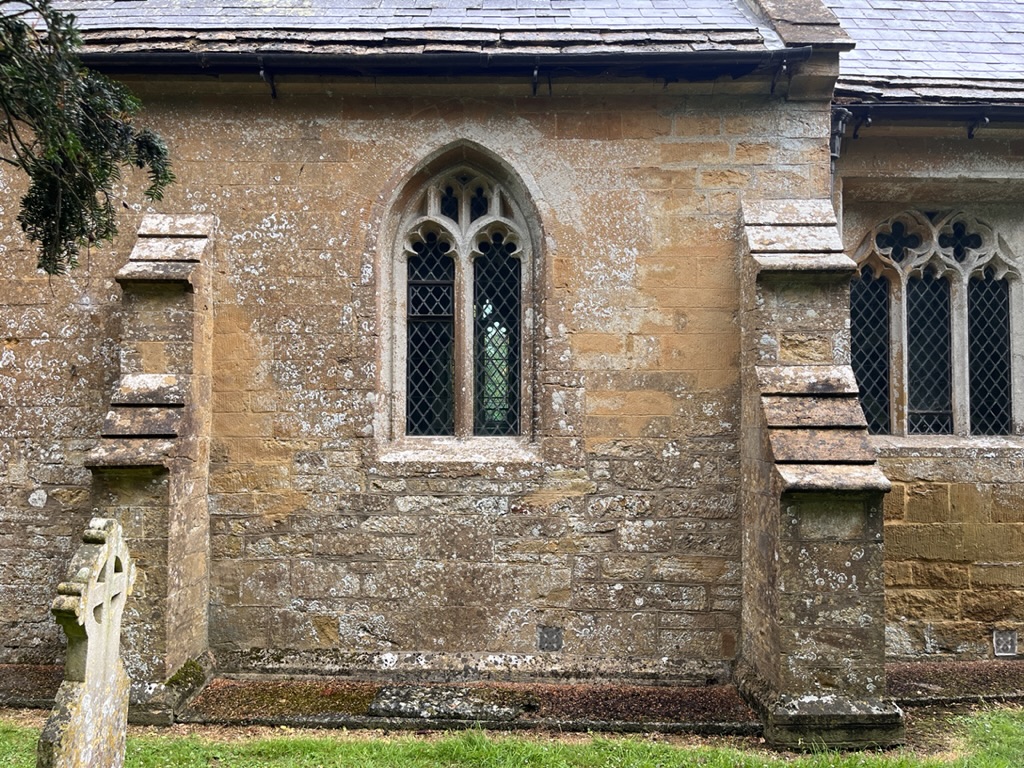
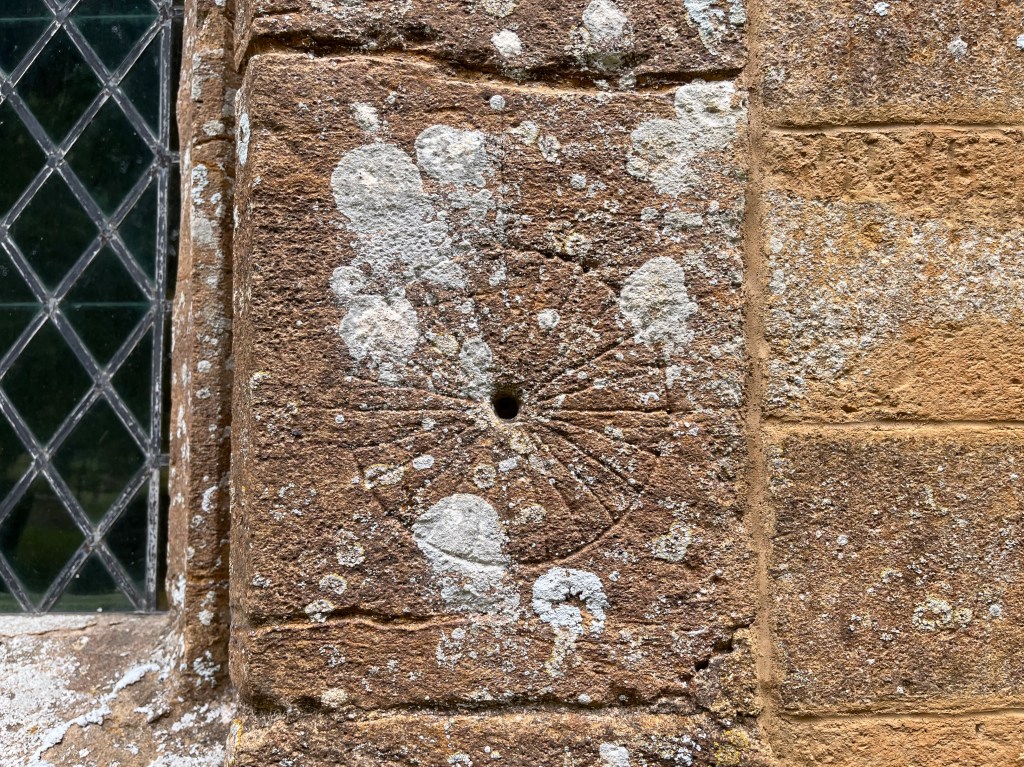
There are 3 dials beside the porch doorway, 1 on the left side and 2 on the right. The intricacies of the dials are clearer from the BSS archive photos and diagrams compared with my photos, taken in bright sunlight and not picking up the details.

DIAL 1

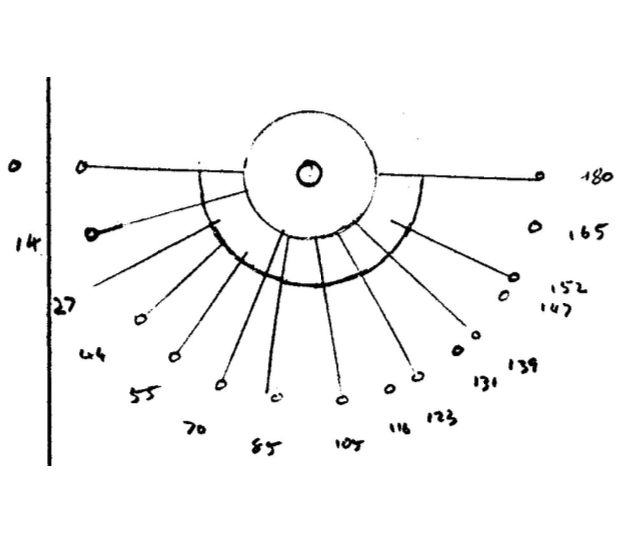
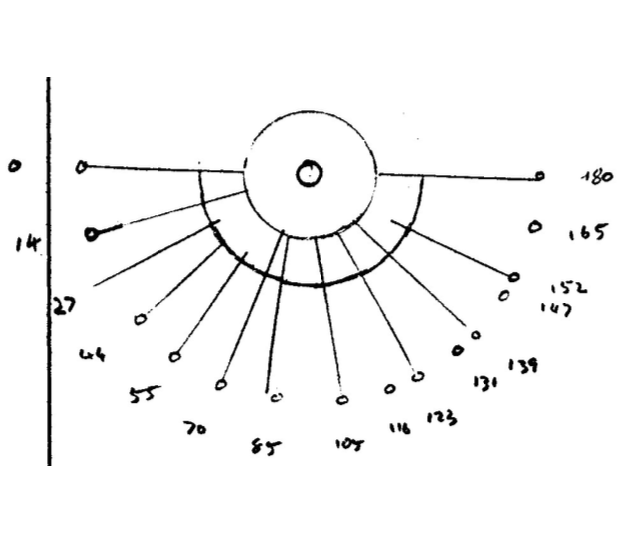
South Porch L of doorway. 13 lines, with the noon line extended, and 23 pocks. The diagram suggests 1, perhaps 2, mid-morning Mass markers. GLP points out that the lines are below the horizontal whereas almost all the pocks are above it; and that the design is accurate.

DIAL 2

South porch R of doorway. Despite the extended ‘noon line’ (as it appears), the dial must in fact be upside down. If not, it can’t have had any practical use. 10 lines with very variable angles and 12 pocks. GLP describes it as crudely cut as a tide / octaval dial. The white item is a stone, which was in place when I originally saw the dial, and still 18m later. I left it in peace.

DIAL 3

A semi-circular dial with 13 lines, almost all of which end pocks. There is a complete inner circle round the gnomon hole, with semi-circle outside it. GLP found the dial to be accurately cut.

CONSECRATION CROSSES

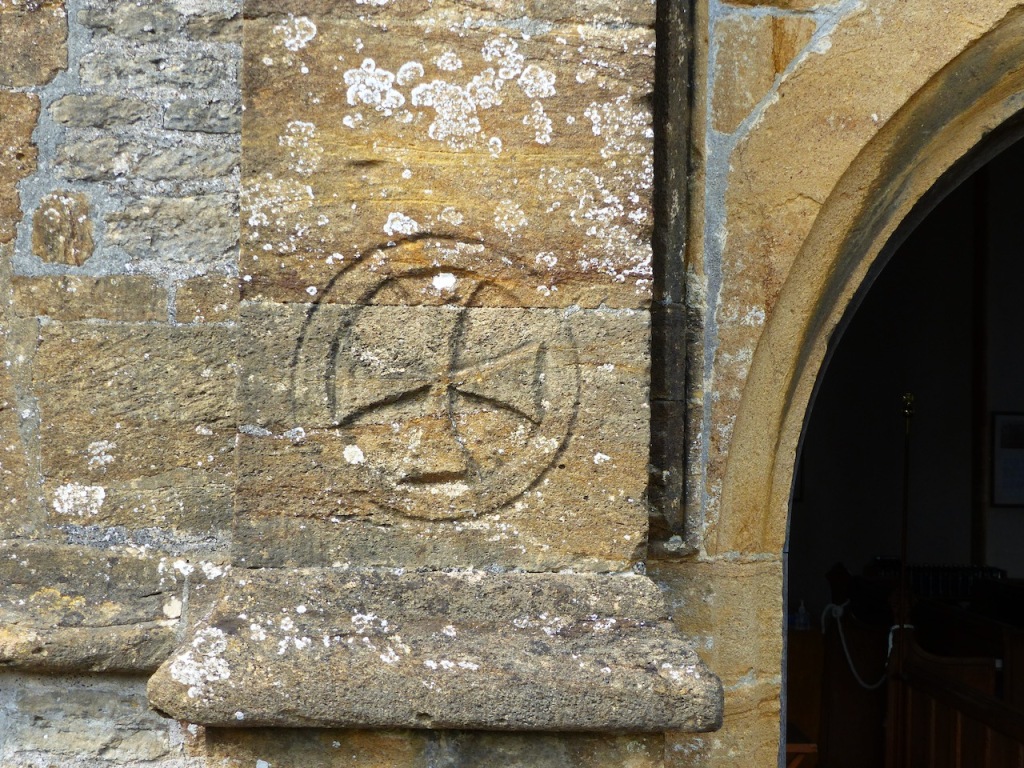
On chancel—(a) on external S. wall, W. of S. window; on N. chapel—(b) on N. external wall, W. of N.E. window, reset; on nave—(c) on external N. wall, between N.E. window and doorway; (d) on E. splay of N. doorway; (e and f) on E. jamb of S. doorway, two crosses; (g) on E. splay of S. doorway; (h) on E. splay of S.W. window; on W. face of tower— (i) against N. buttress; all formy crosses in circles except second on jamb of S. doorway, mediæval (BLB)

St Nicholas . Nether Compton . Dorset – Consecration Cross

GSS Category: Scratch Dial; Consecration Cross

All photos Keith Salvesen + BSS archive (also diagrams)

HINTON ST GEORGE . SOM. ST GEORGE – Scratch Dial

Hinton St George Church . Som

ST GEORGE’S CHURCH . HINTON ST GEORGE . SOMERSET

GRADE I † C13 origins: masons’ marks on the fabric date from C13 and are identical with some found at Wells cathedral BHO. Development mainly C15 (tower) and C16, with C19 work by Wyatt and later attention. Poulett family much in evidence. Good graffiti / protection marks. Fine gilded weathercock dated to 1756. 4m N of Crewkerne . 50.9107 / -2.8286 / ST418126

DIAL

Hinton St George Church . Som – Scratch Dial

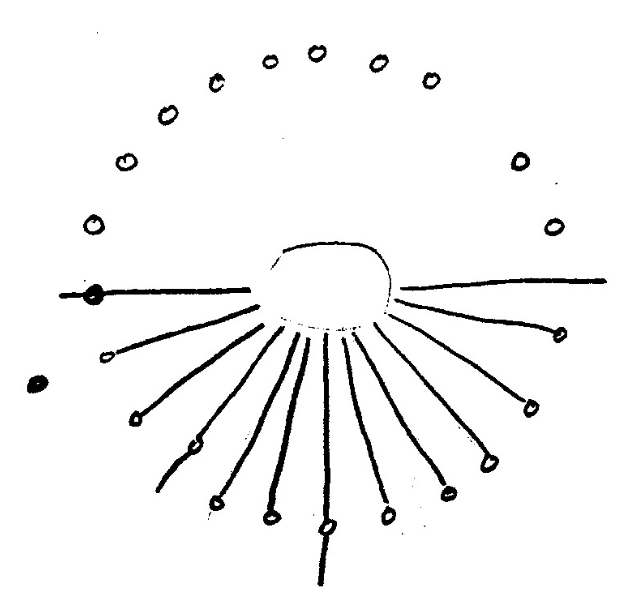
A single scratch dial tucked away on the W side of a buttress, and of doubtful value as a time marker, both for position and orientation. There are 4 lines with terminal pocks on the left side; and a single pock at the top (ie midnight). The gnomon hole, already quite big, has been crudely enlarged – and quite recently, by the look of it.

An explanation for the unpromising location and the unsatisfactory design is that the dial was relocated at some stage, perhaps when the tower was built (and the buttress added?). It is far from unusual for a dial reused in this way to be inverted, as if decommissioning it. An inversion of the image above makes far more sense, with the noon line marked by a single pock, and the radials to its right. An afternoon dial.

Hinton St George Church . Som – Scratch Dial (inverted)

GRAFFITI & APOTROPAIC SYMBOLS / PROTECTION / MARIAN MARKS

GSS Category: Scratch Dial

All photos: Keith Salvesen

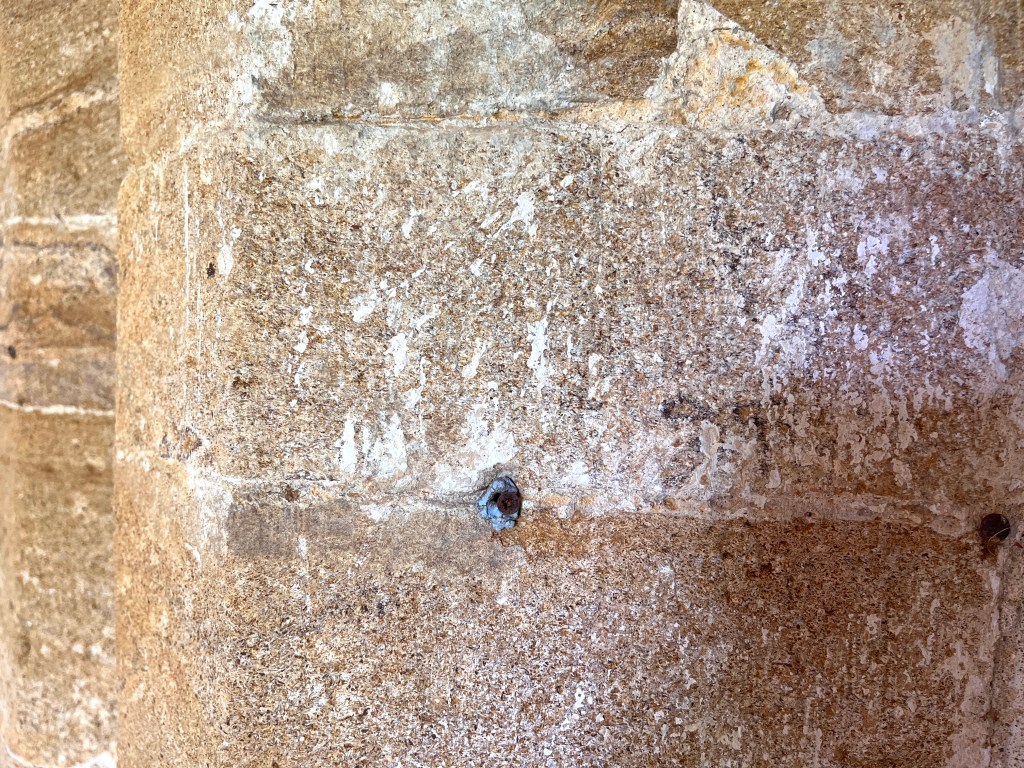
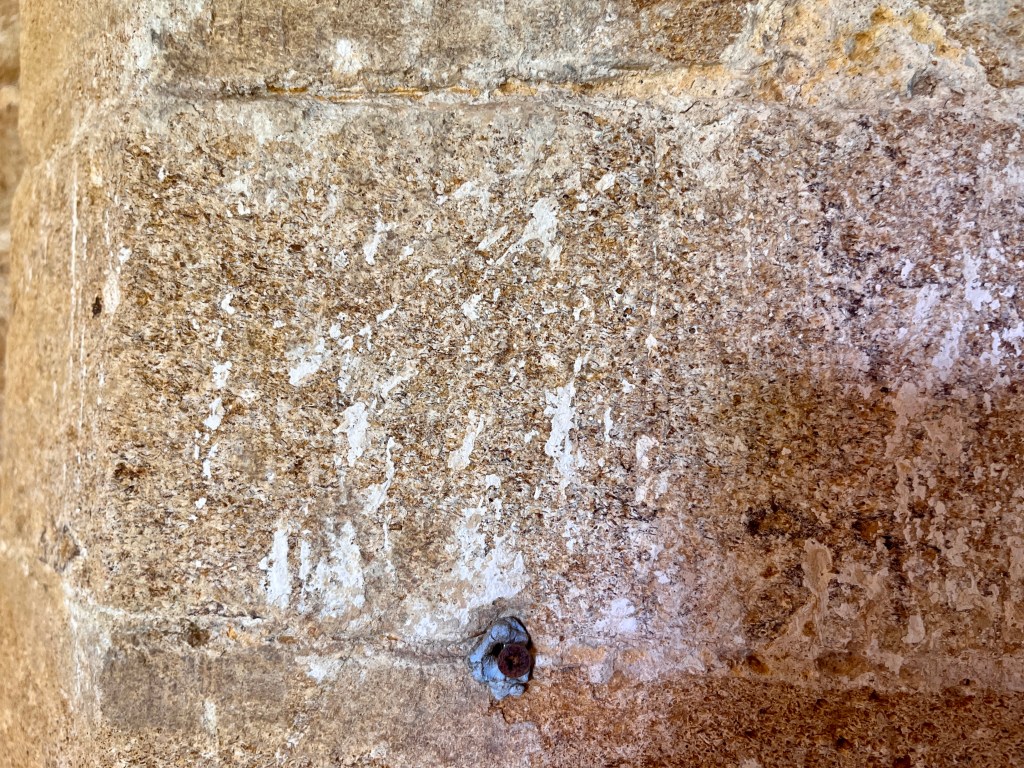
RIMPTON . SOM . ST MARY – Vertical Dial

St Mary . Rimpton . Som.

ST MARY . RIMPTON . SOMERSET – VERTICAL DIAL

ST MARY † Grade 1. Early C13, alterations c.1500, N transept added C19. Between Sherborne & Marston Magna, on the Som. / Dorset boundary. Scratch dials, vertical dial, porch graffiti and protection (‘witch’) marks. 50.9948 / -2.5565 / ST610218

St Mary . Rimpton . Som. – Vertical Dial

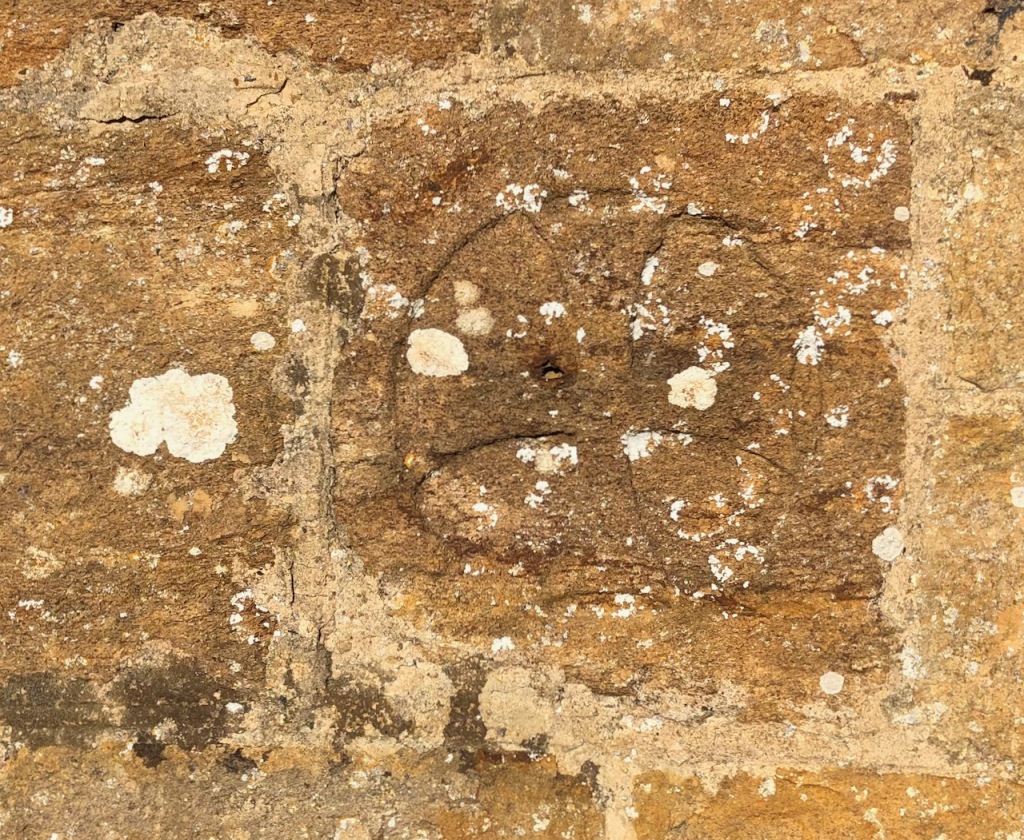
Quite a while ago I wrote (in 2 parts) about the 4 main medieval scratch dials at the church. The links are below. I recently revisited St Mary for a further look at the dials (there are a couple of others to write up) as well as some interesting church marks including a small hexfoil within the porch. A revised single post featuring all of the above will emerge in due course.

DIAL

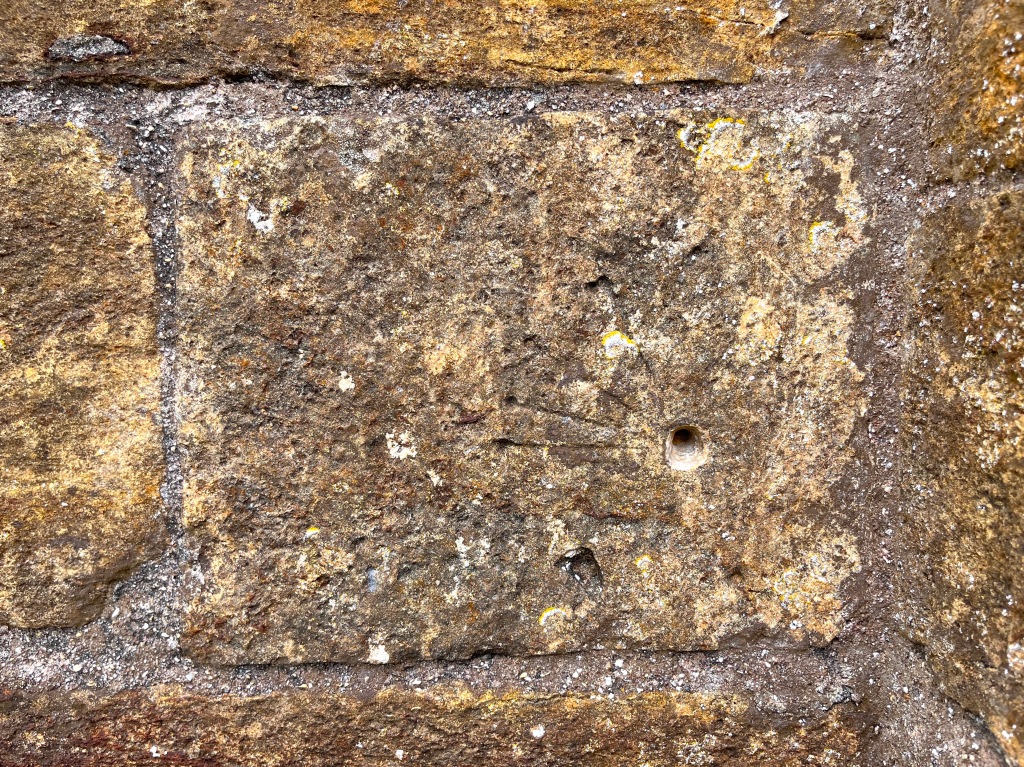
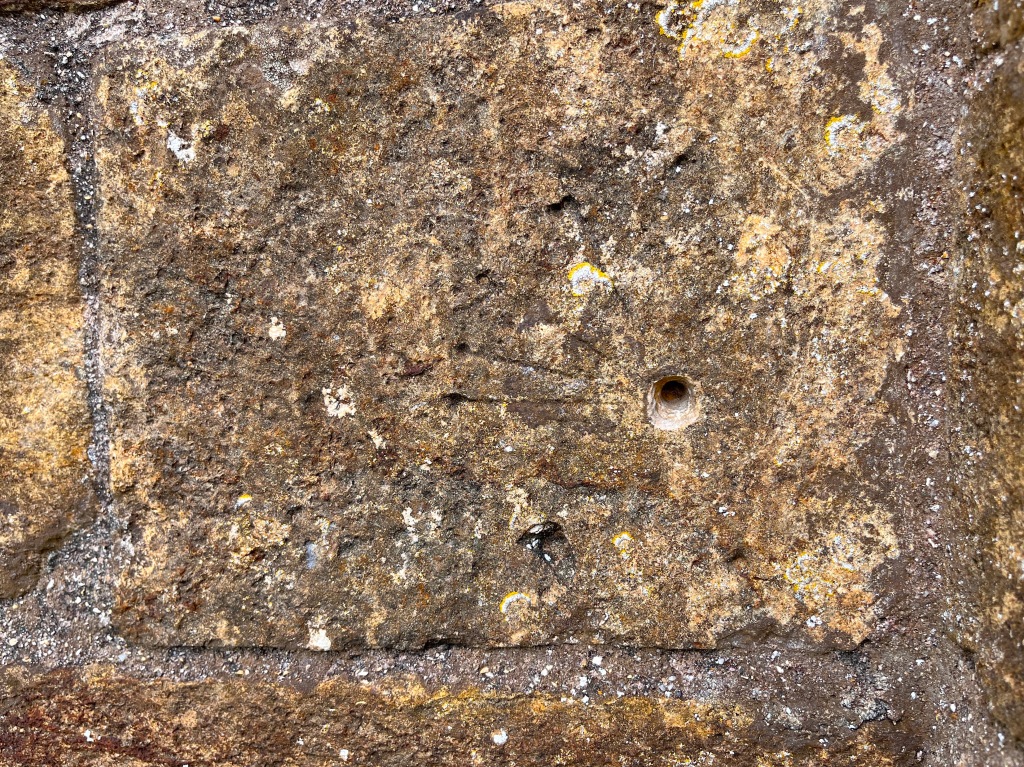
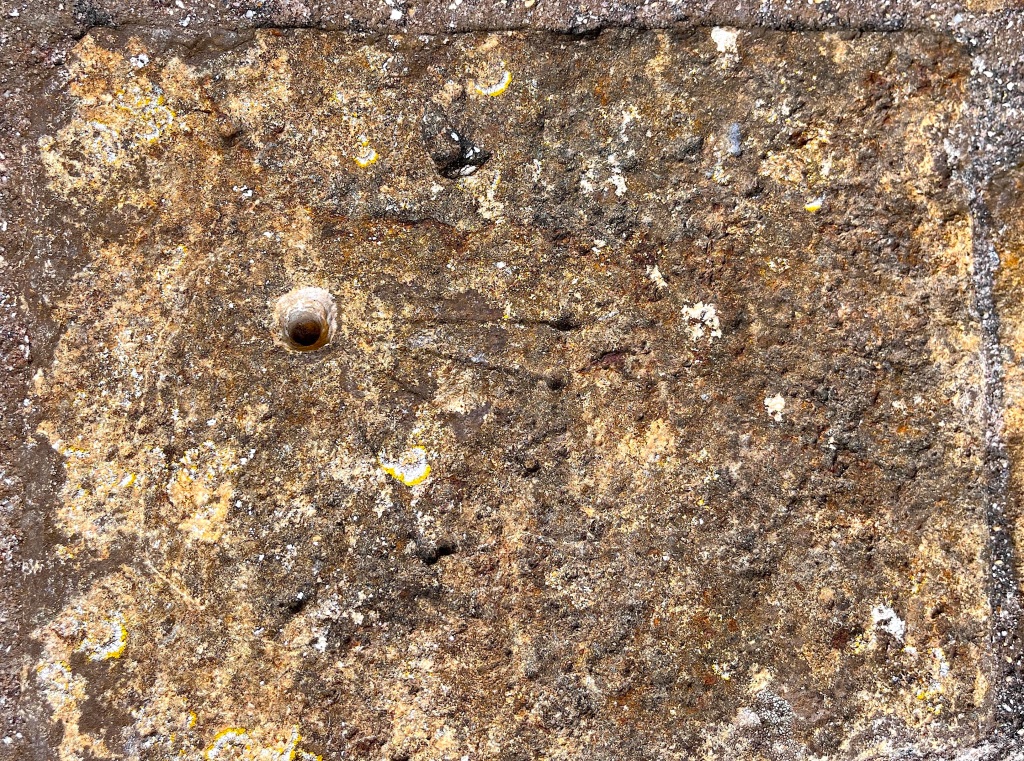
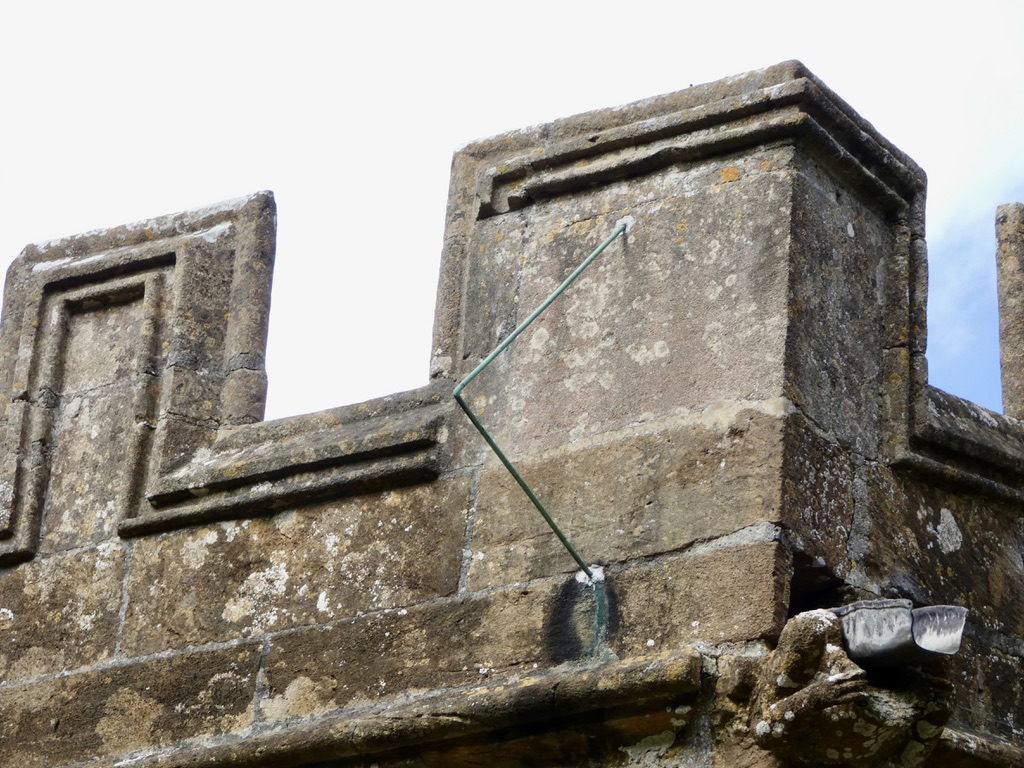
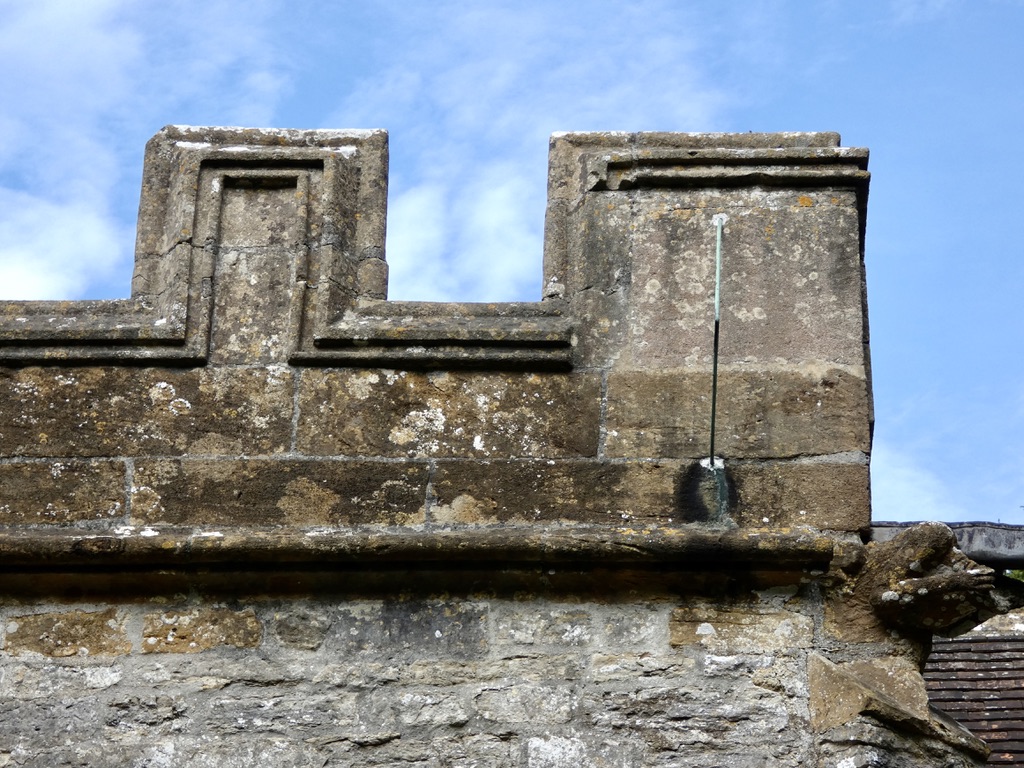
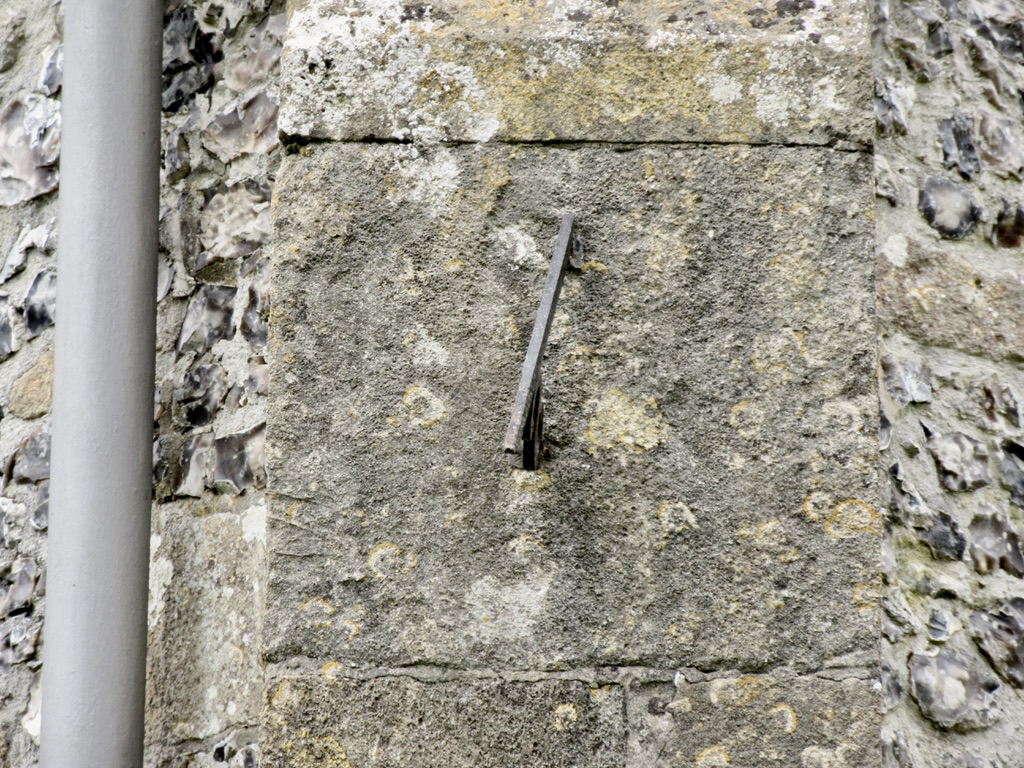
I also photographed the Vertical Dial for BSS records. It is located on the end merlon of the parapet, easily visible. It has a simple, almost square face. The plain metal gnomon is fixed into the top of the dial stone, and into the mortar line under the stone below it.

There are other unmarked (no lines, pocks, numerals) dials in the S Somerset / W Dorset region and I though this was one. However, later examining the main photograph in the gallery below, I detected 2 faint lines in U L quadrant that seem deliberately cut. There’s a ghost of a line on the opposite side. So possibly this was once a conventionally marked dial that has slowly and very evenly eroded.

It is hard to date. The dial stone differs from the ones around it. At a guess, it was added C19, perhaps when other work was carried out (eg adding the N transept). BHO notes that in 1827 the church was ‘repaired and beautified’. Perhaps adding the dial was part of that process.

RIMPTON 1 (scratch dials 1 & 2)

RIMPTON 2 (scratch dials 3 & 4)

GSS Category: Vertical Dial

All photos: Keith Salvesen

DINNINGTON . SOMERSET . ST NICHOLAS – Scratch Dial

St Nicholas . Dinnington . Som. (Geo / Sarah Smith )

ST NICHOLAS . DINNINGTON . SOMERSET

GRADE II † Established C12, first recorded 1207; mostly C15; restoration 1863. C13 (?) font. Originally the chapelry to nearby Seavington St Mary. Very pretty, both the building and the dial. 5m NW of Crewkerne. 50.9113 /  -2.8505 /  ST403127

DIAL

St Nicholas . Dinnington . Som. – Scratch Dial

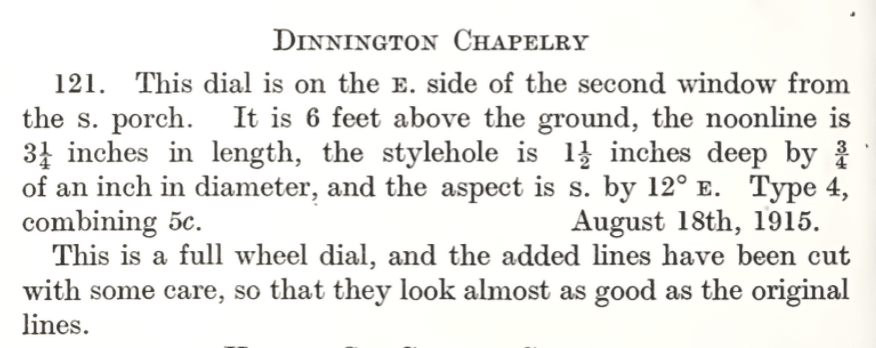
DEH visited in August 1915 and added a note to his often largely measurement-based record.

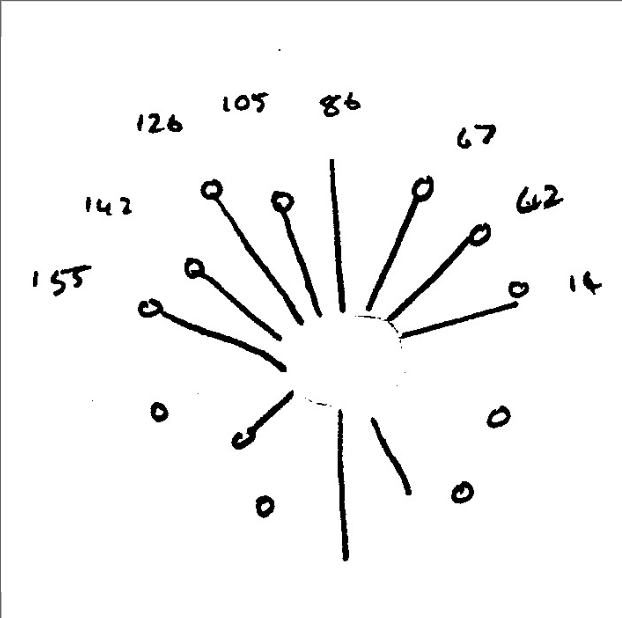
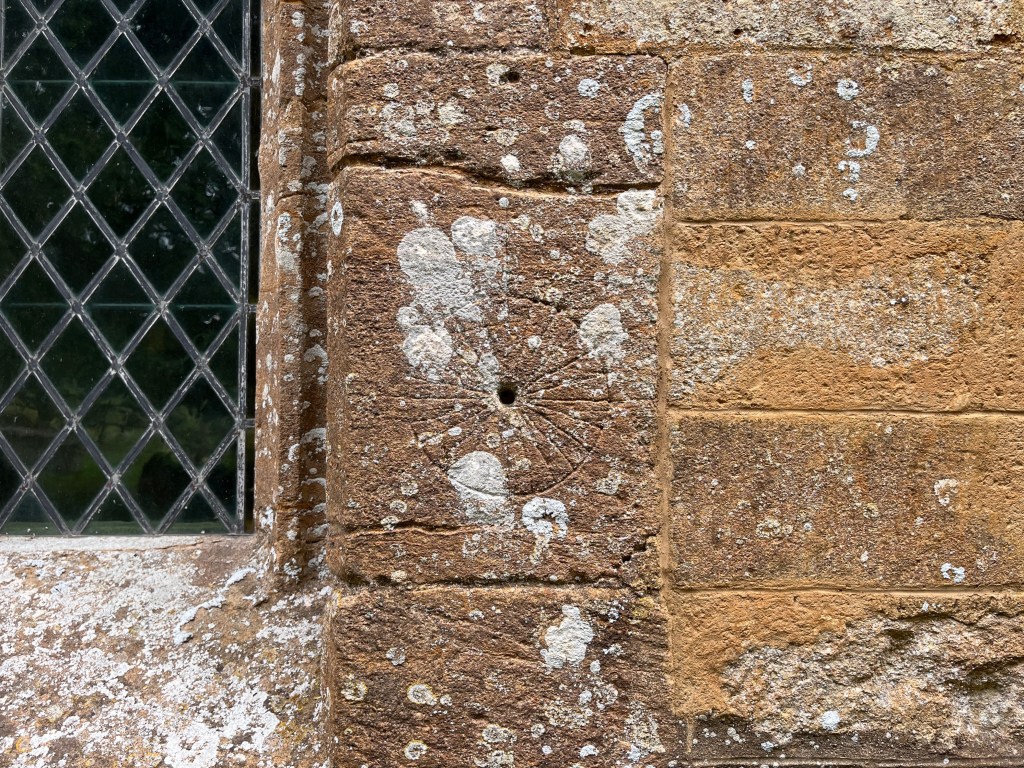
There is a full complement of 24 lines, with areas of erosion, radiating from the gnomon hole in the centre of the dial stone. I am not clear which added lines DEH refers to. I infer that the dial may have been a hemisphere marking dawn to dusk only from the horizontal 6-to-6 lines. Then perhaps for reasons of aesthetics / symmetry an upper hemisphere was cut to match it.

There’s another conundrum concerning the 4 terminal pocks in UR quadrant (above). If the dial is in its original position (L), they would have been useless and indeed pointless. But if the dial stone was at some stage at 90º or (more likely and convincingly) 180º from its present position, they would be effective as daytime Mass markers. In the rotated image (R), the pocks are in the right place to emphasise forenoon Mass.

GSS Category: Scratch Dial; Mass Dial

All photos: Keith Salvesen, except header image Sarah Smith / Geo /

YETMINSTER . DORSET . ST ANDREW – 2 Scratch Dials

St Andrew . Yetminster . Dorset

DEDICATION † ST ANDREW . Parish church. Late C13, consecrated 1312, completed C15, restoration from C19. A ‘major church’ PEV. A good place to find out more is the RCHM entry ST ANDREW YETMINSTER. Carefully compiled church and Parish Archive. 10 Consecration Crosses from medieval to (relatively) modern. An important very early (1683) clock, now in restoration (see below).

LISTING † Grade 1

LOCATION † 5 miles SW of Sherborne, / SE of Yeovil. Noteworthy village easily accessed. Fine vernacular Ham stone buildings give the feel of an earlier era. Many listed buildings. Village also highly regarded by PEV. Station in village (not, as elsewhere locally, a wayside halt). Etiminstre in DB 50.8939 / -2.578 / ST594106

DIALS † Two dials on the buttress E. of S door, both C15

DIAL 1

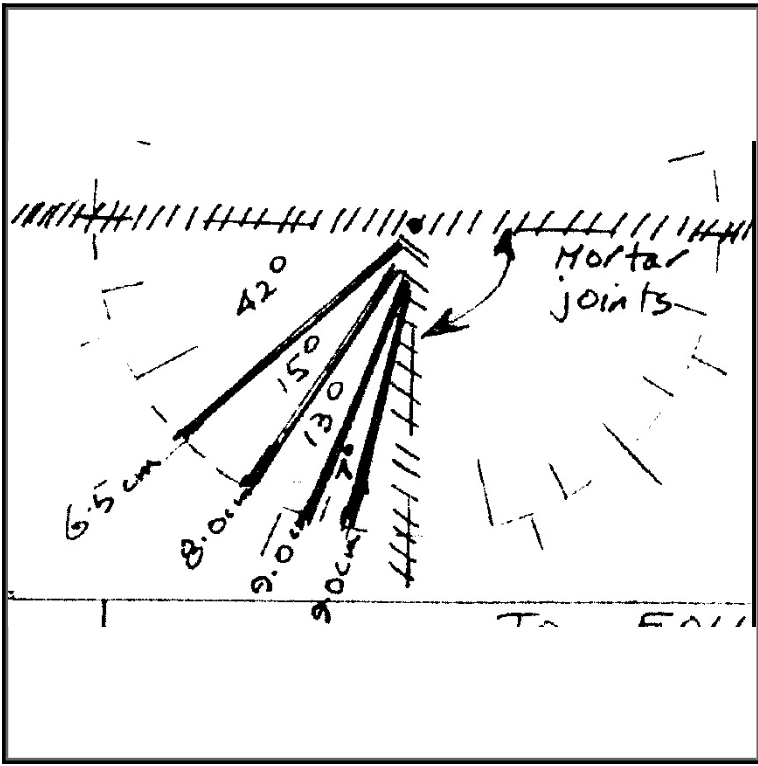
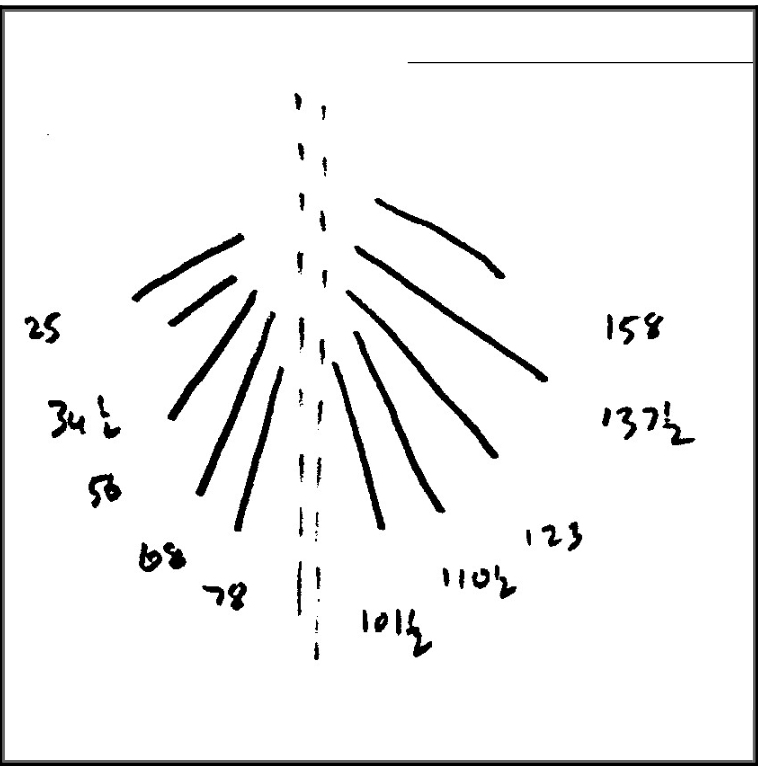
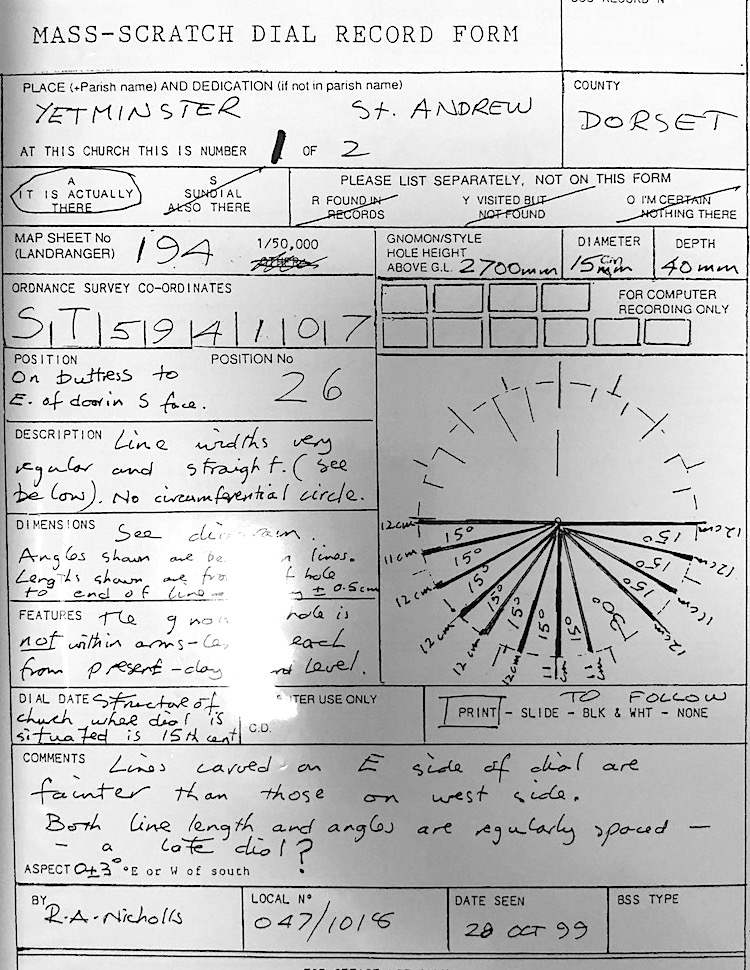
A semicircle dial with 13 lines (including the horizontal). BSS notes no circumferential circle. The noon line is extended, and 4 others end slightly beyond the circumference . GLP describes it as very neat and accurately marked. Both dials have been thoroughly examined – clips of the original records from the excellent church archive are below.

DIAL 2

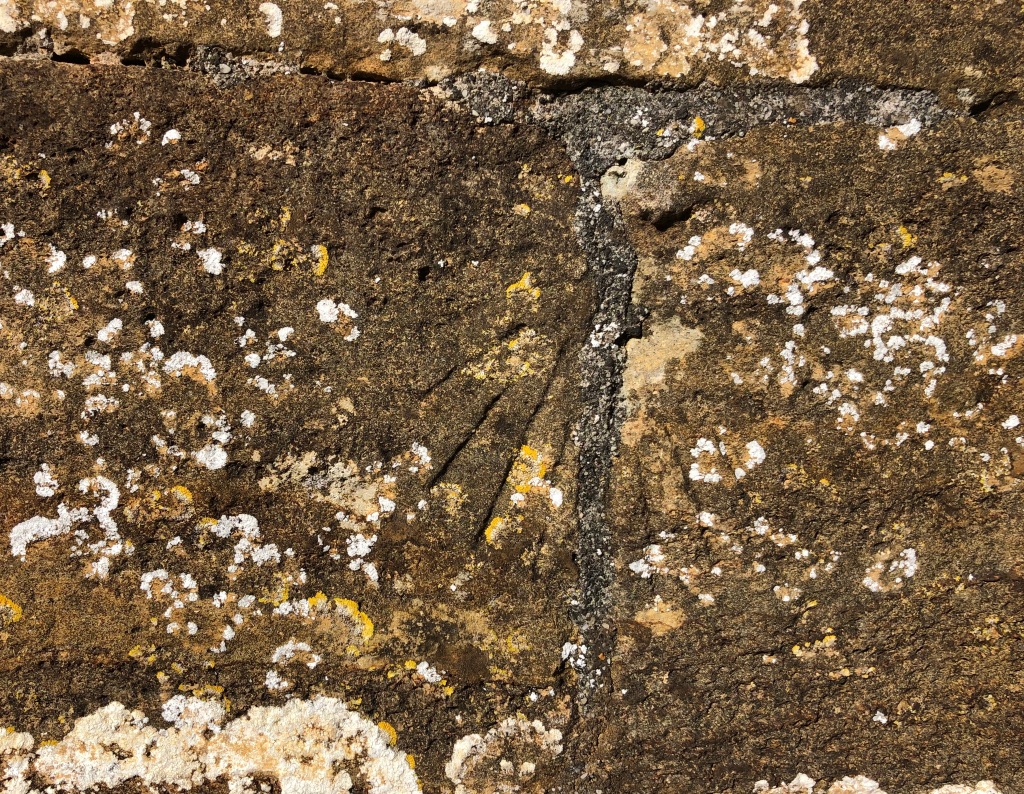
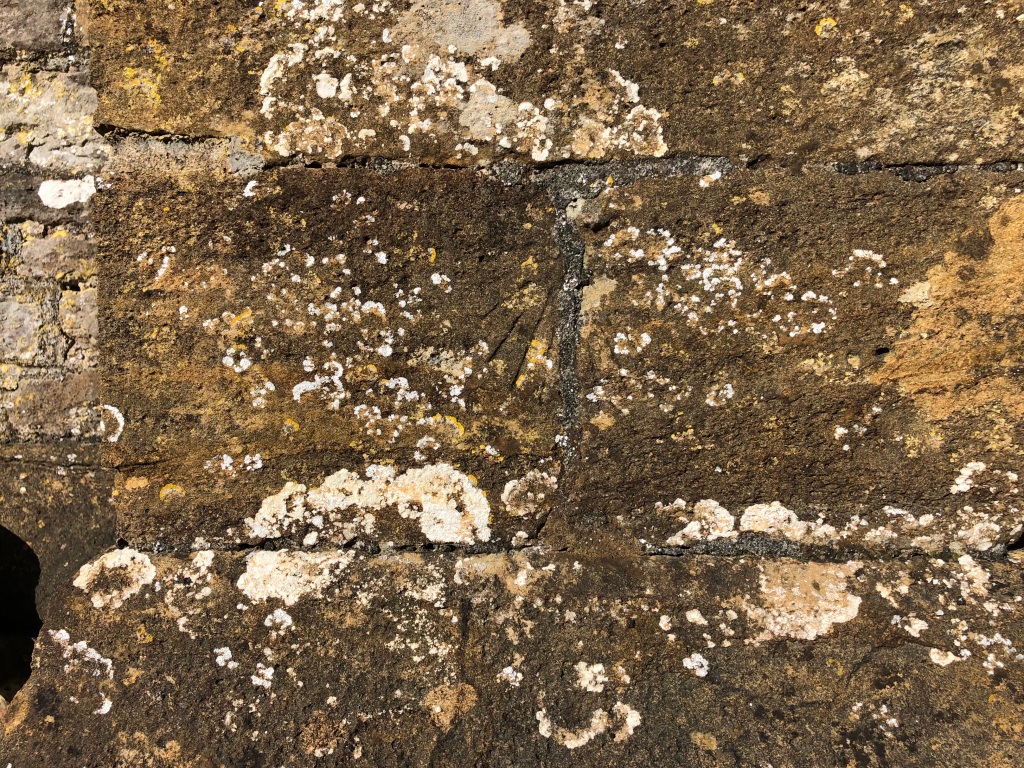
An unusual rather drooping design, explained below. Gnomon hole in the mortar line. The dial is split across 2 stones by a vertical mortar line. There are 11 lines, if one includes the mortar joint as the vertical / noon line. The lines RHS are badly eroded.

GLP noted that this dial is of particular interest as the angle of the lines suggest that it may be an early Scientific Dial. Comparing the lines with the correct angles for the latitude only one of the lines is more than 4º out. A further even more technical conclusion is that to function this dial would have needed a gnomon at an angle of 39º to the wall. This evidences an advance from earlier dials where the gnomon was simply inserted into its hole straight rather than angled.

CLOCK † The historic faceless pendulum clock (1683) is being restored at the moment. I am writing the day after the Queen’s death, and by coincidence the clock has a specific significance: The Clock carillon plays the National Anthem at 3-hourly intervals. This dates from 1897 when it was installed by local benefactors for Queen Victoria’s Diamond Jubilee, and is very rare, and possibly unique. For the Platinum Jubilee of HM The Queen this year, the carillon was operated manually to ring out as part of our Jubilee Celebrations.

NOTES † 10 ‘formy’ Consecration Crosses in sunk round panels on external wall-faces BHO (locations specified); C10 Saxon cross shaft fragment; faceless clock of interest; good hunky punks. Links with Robert Boyle (chemistry, founder of the school) and  Benjamin Jesty (smallpox); quite a lot of external graffiti – initials, dates and some Marian (‘witch’) marks

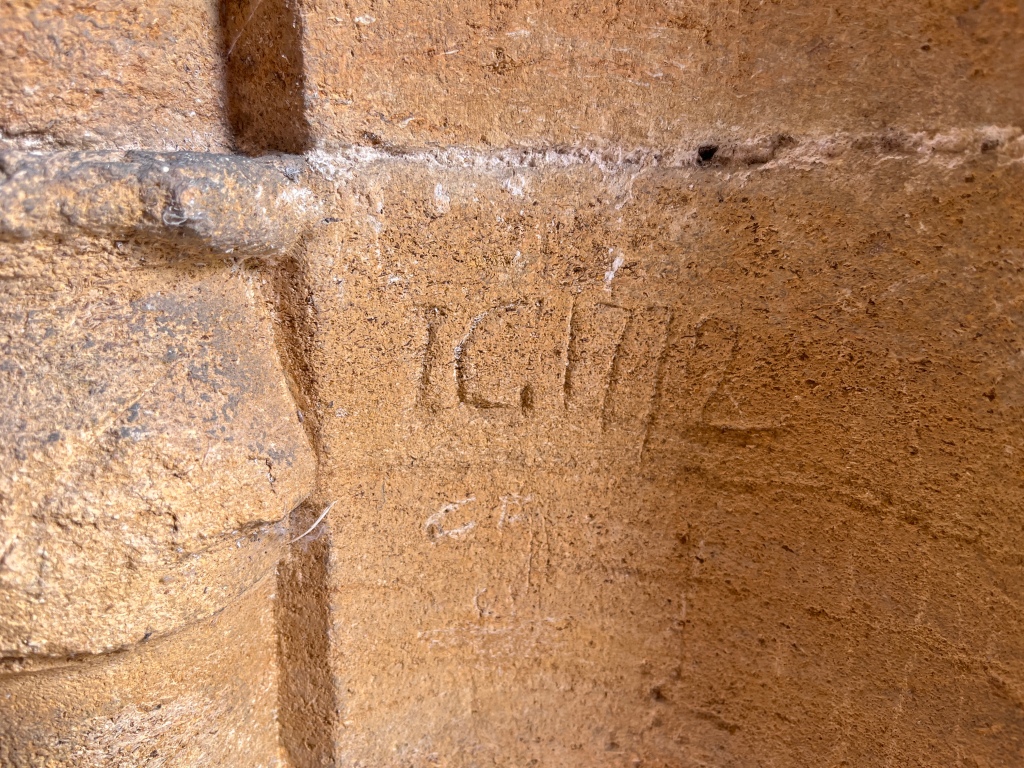
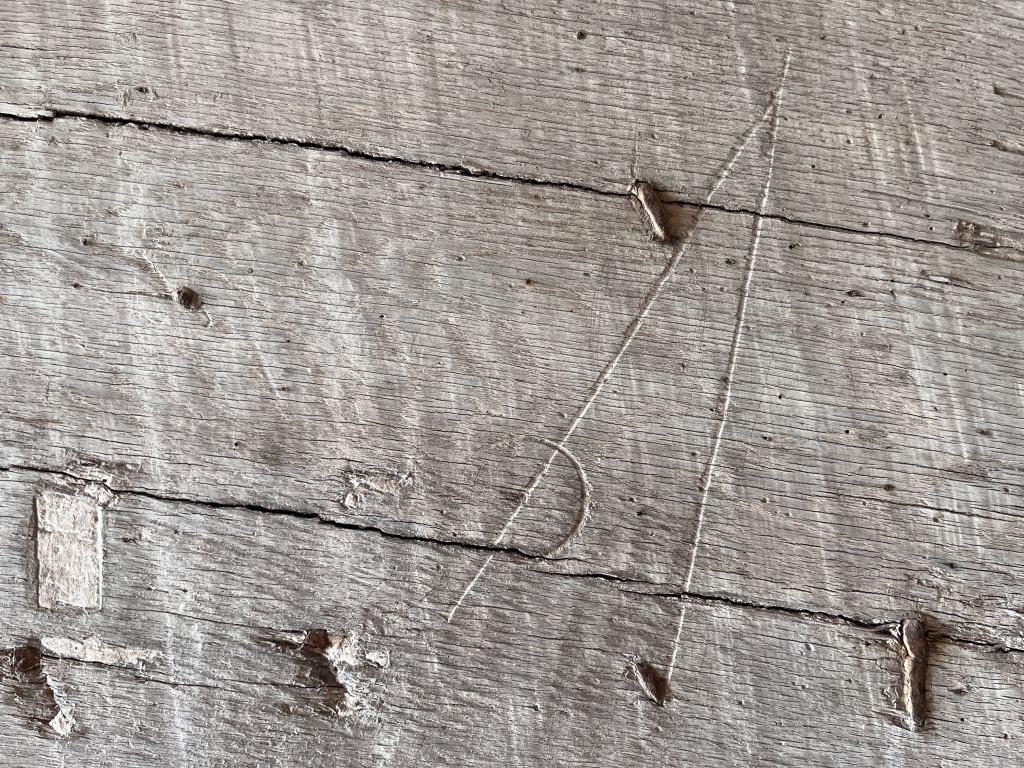
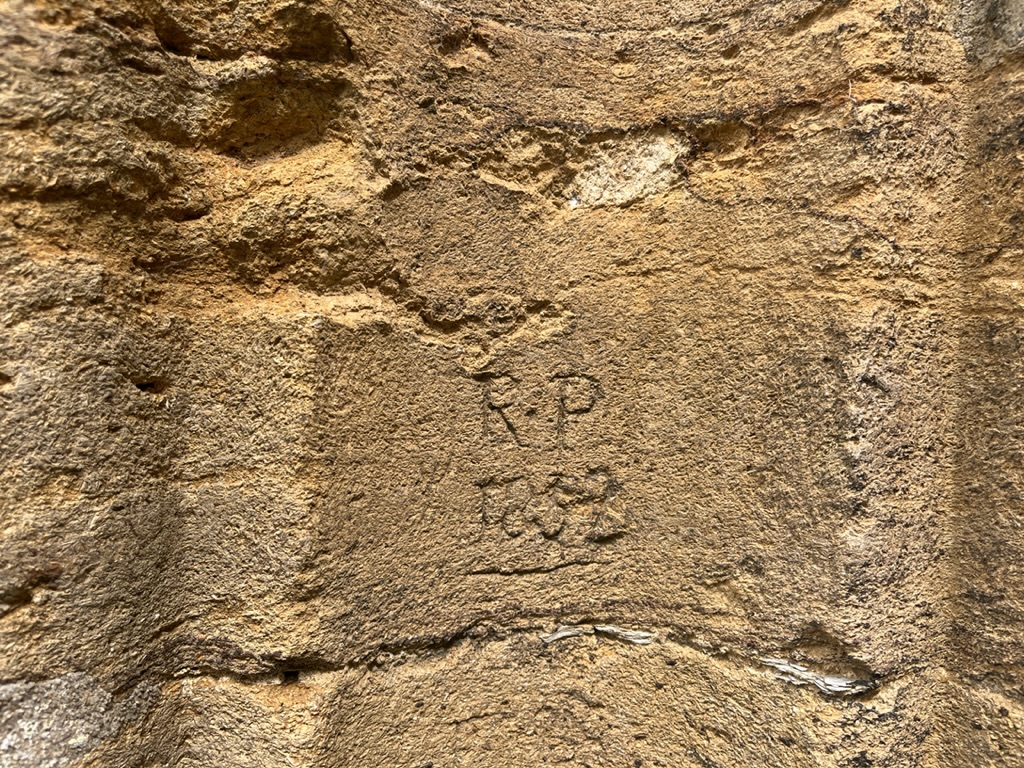
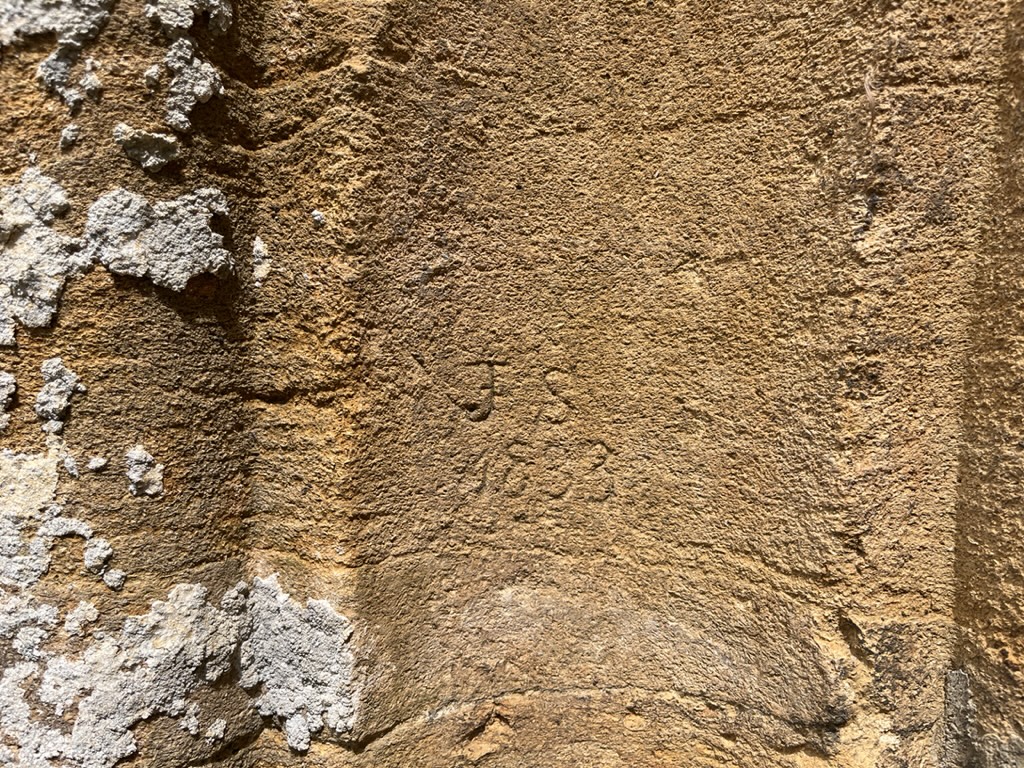
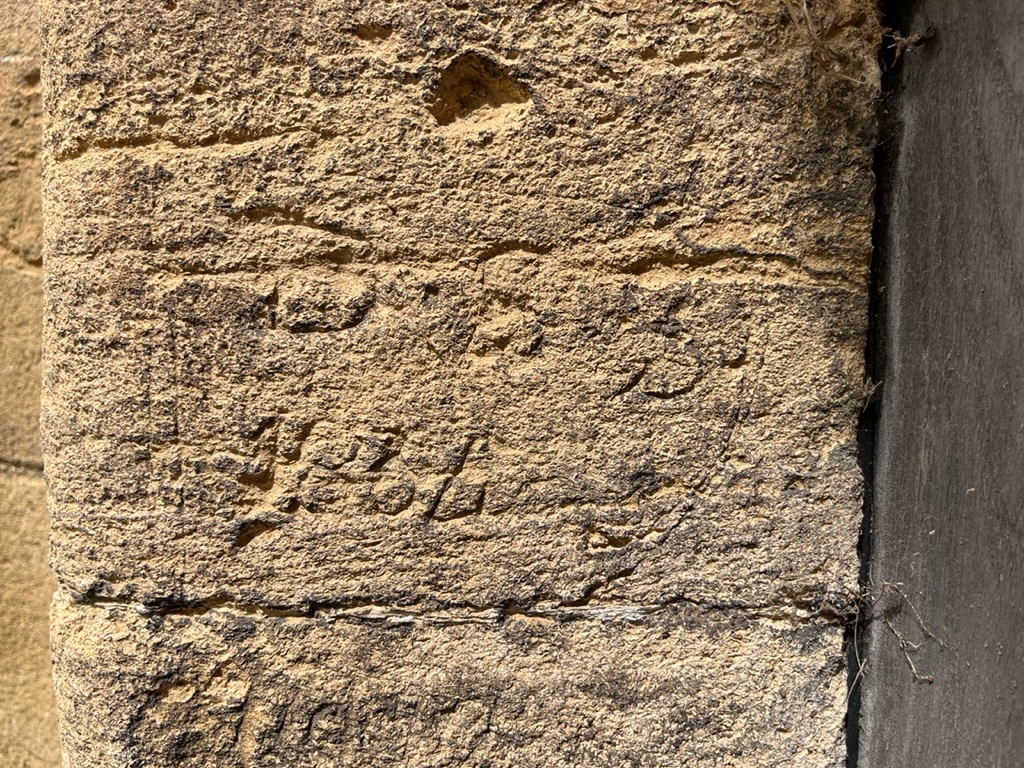
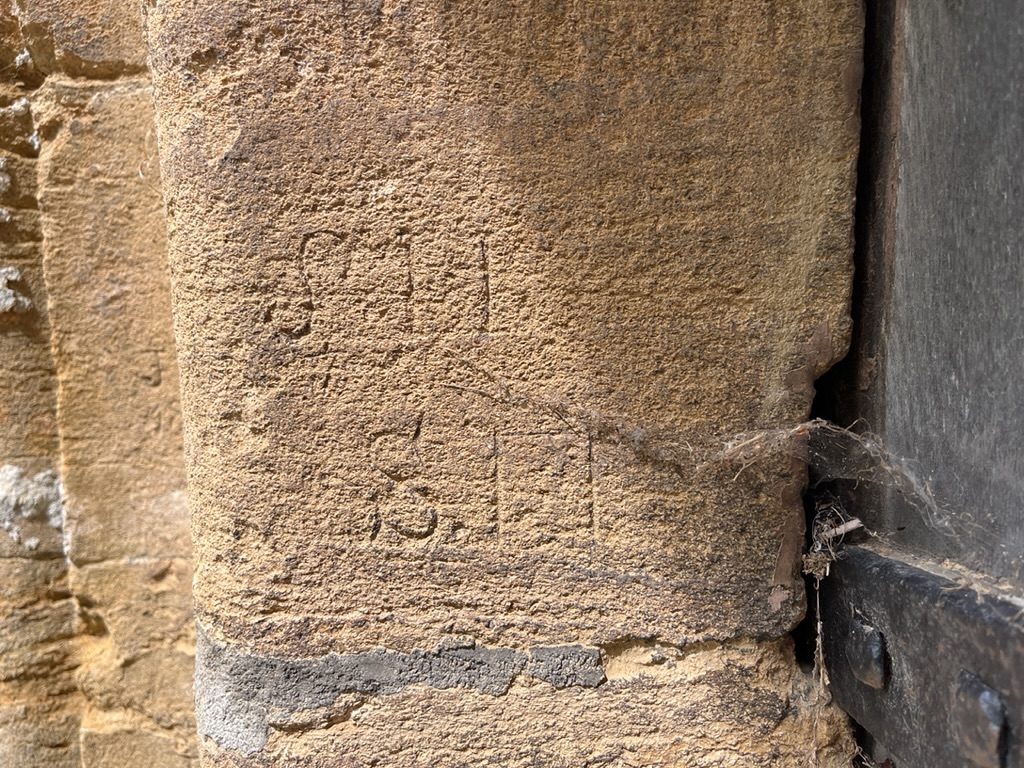
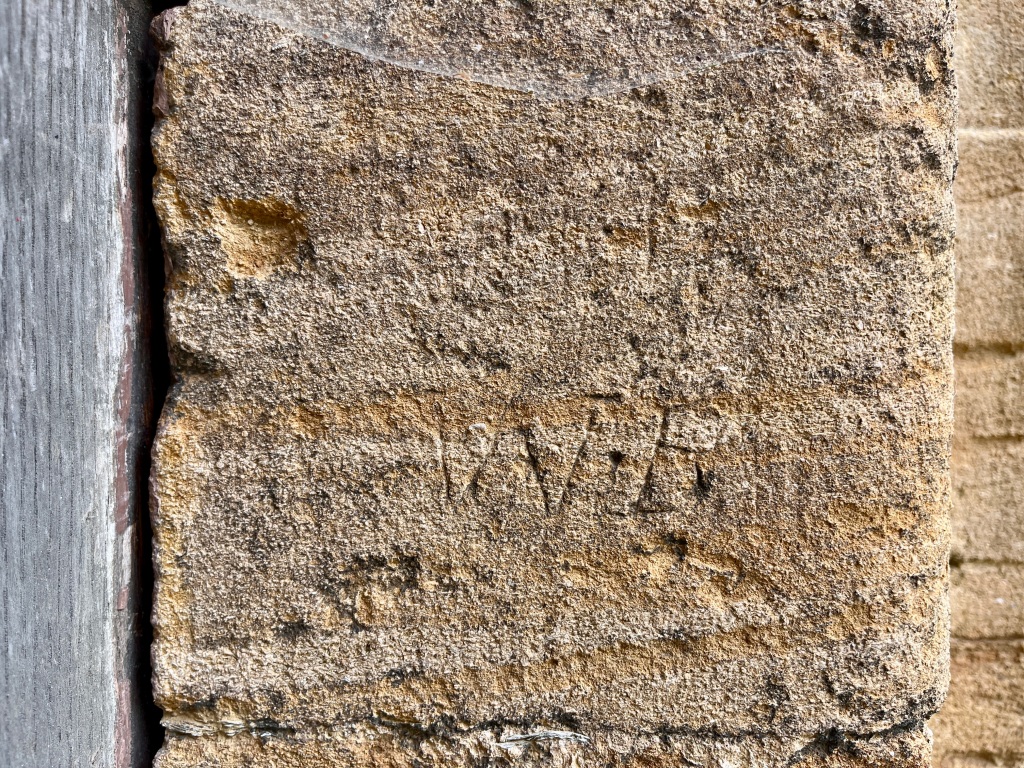
St Andrew . Yetminster . Dorset – Graffiti and a Marian (ritual protection) mark. The 3 initialled and dated marks are likely to be cut by masons who did work on the church in the 1830s (cf Melbury Osmond)

GSS Category: Scratch Dial

All photos: Keith Salvesen

CHILTHORNE DOMER . SOMERSET . ST MARY – Multiple Scratch Dials

St Mary . Chilthorne Domer

ST MARY . CHILTHORNE DOMER . SOMERSET

GRADE II* † C13, C14, C15, some C19 restoration. A charming church, with its battlemented parapet and delightful bell turret. Several churches in the area have similar turrets eg Brympton D’Evercy. 5m NW of Yeovil. 50.9723 / -2.6781 / ST524194

DIALS

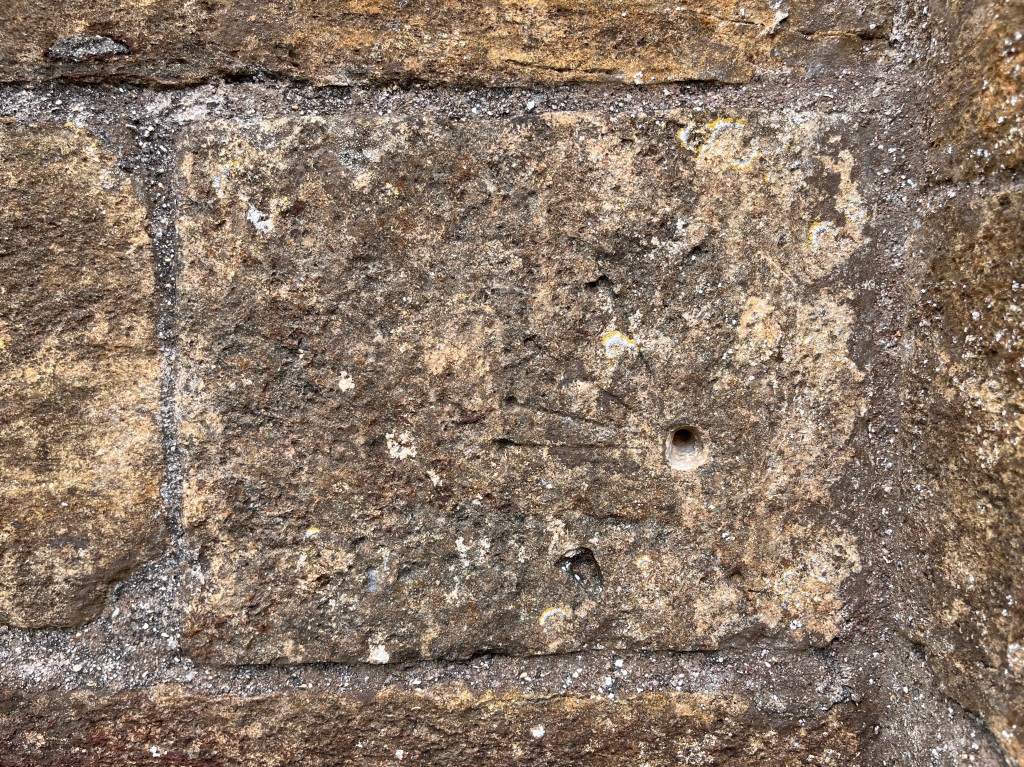
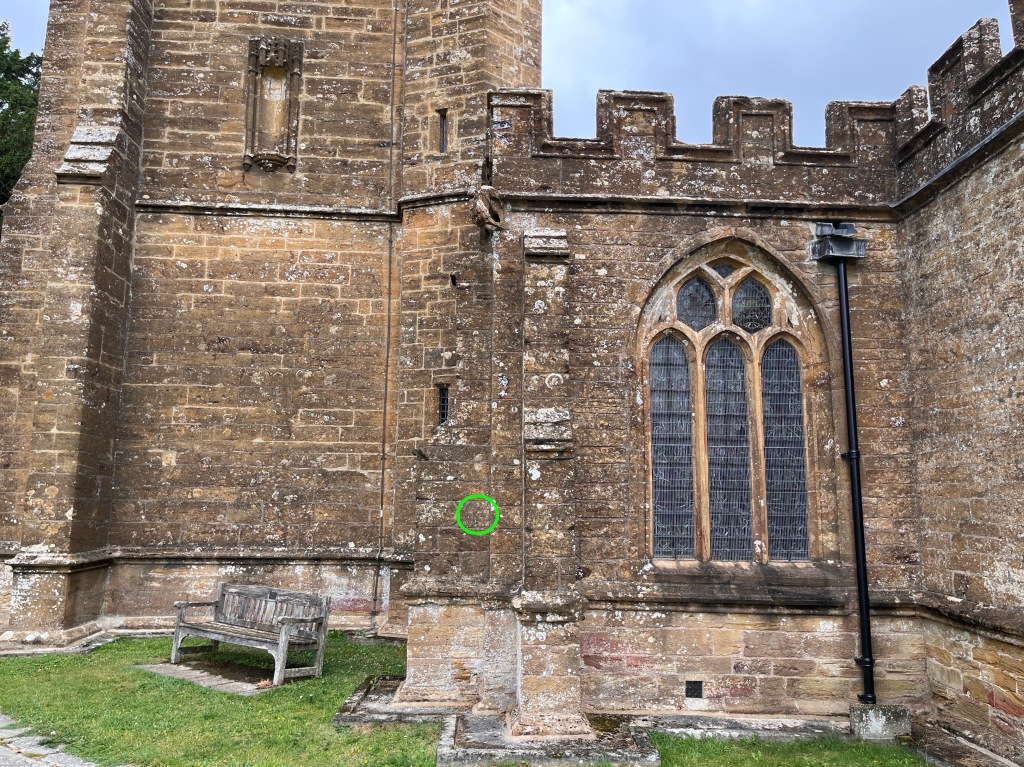
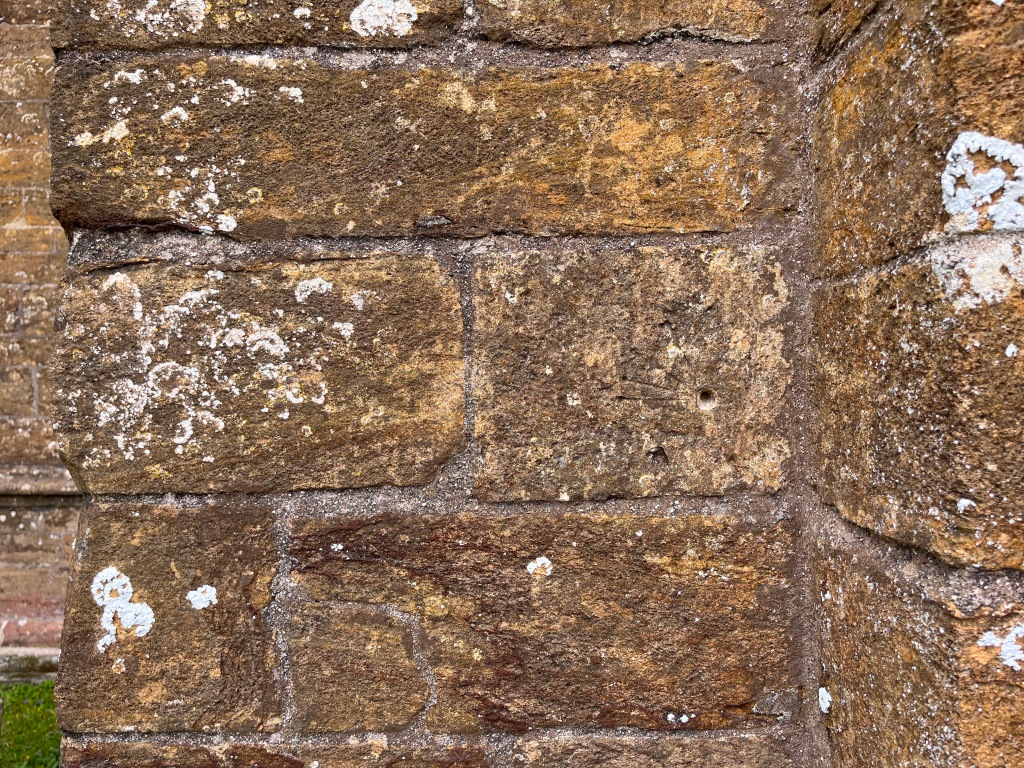
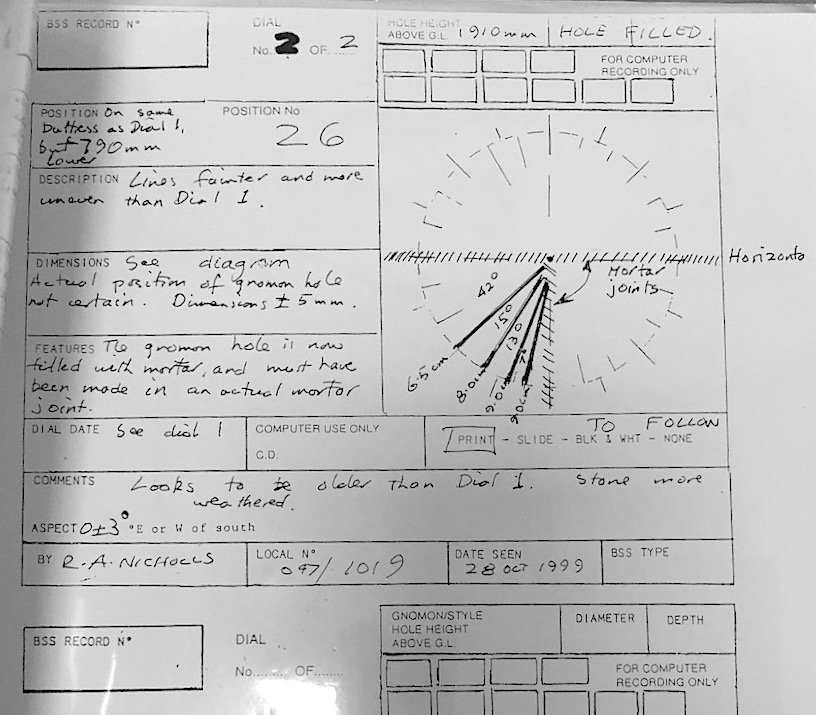
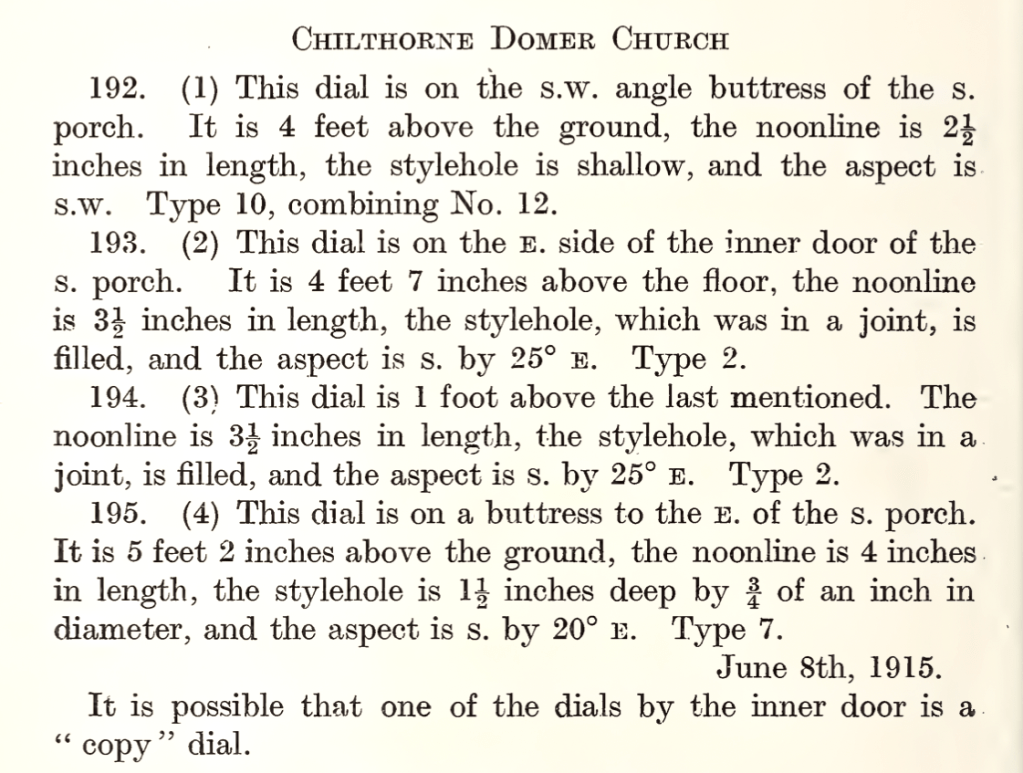
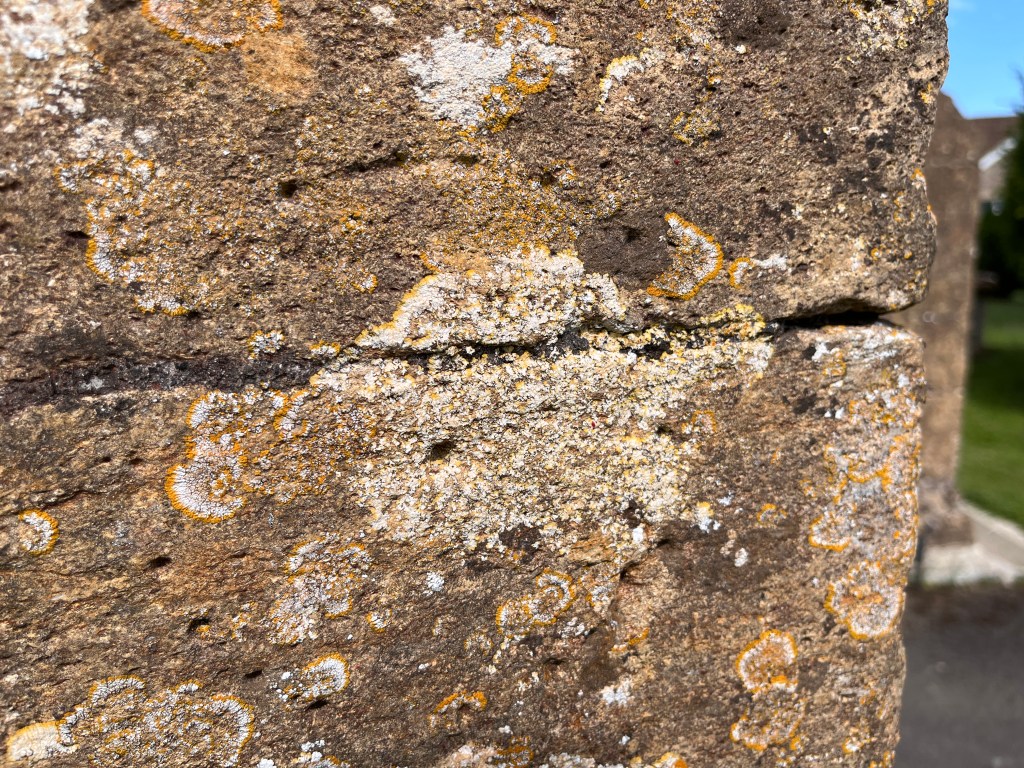
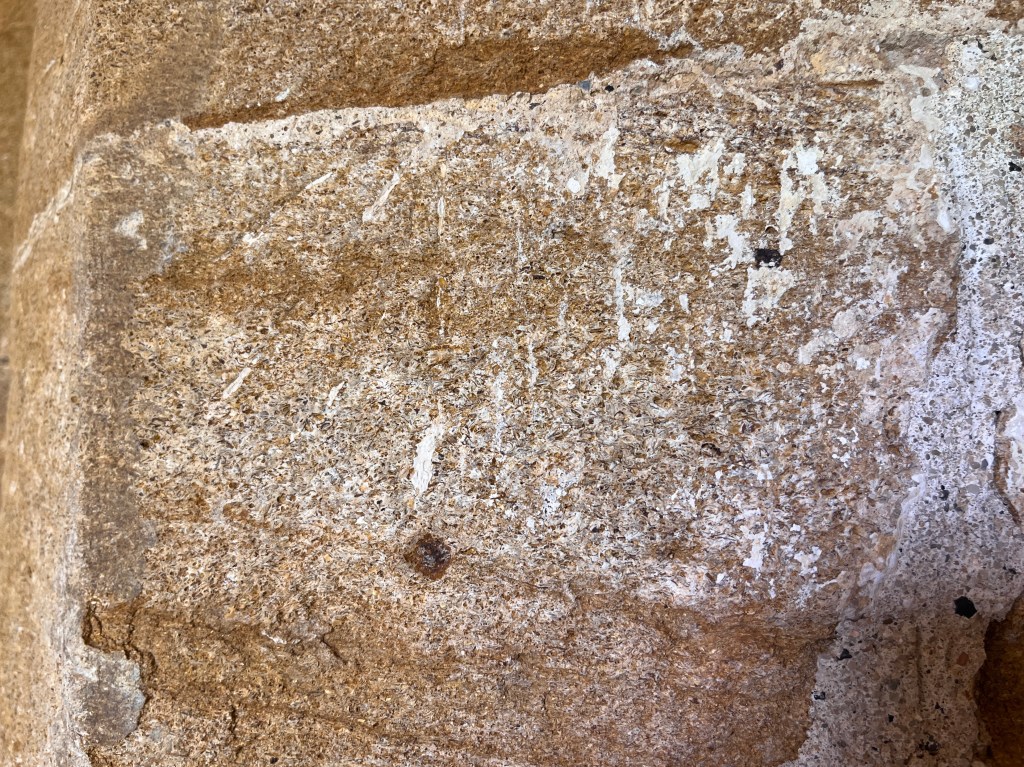
DEH visited St Mary in 1915 and recorded 4 dials (1 – 4 below). 2 of these are within the porch on the R jamb of the original doorway. There are at least 2 other certain dials and a couple of less convincing candidates

DIAL 1

DIAL 2

DIAL 3

DIAL 4

St Mary . Chilthorne Domer – Dial 4 (Dials 6 and 7 are on the same buttress, below R)

UNRECORDED / PLAUSIBLE DIALS

DIAL 5

Located on the R jamb of the window E of the porch

DIALS 6 & 7

Located together on the buttress E of the porch below R of Dial 4

DIALS 8 & 9

Two very simple dials in an appropriate place on the porch? Plausible but not definite? Not?

GSS Category: Scratch Dial, Multiple Dials

All photos: Keith Salvesen

St Mary . Chilthorne Domer – Keith Salvesen

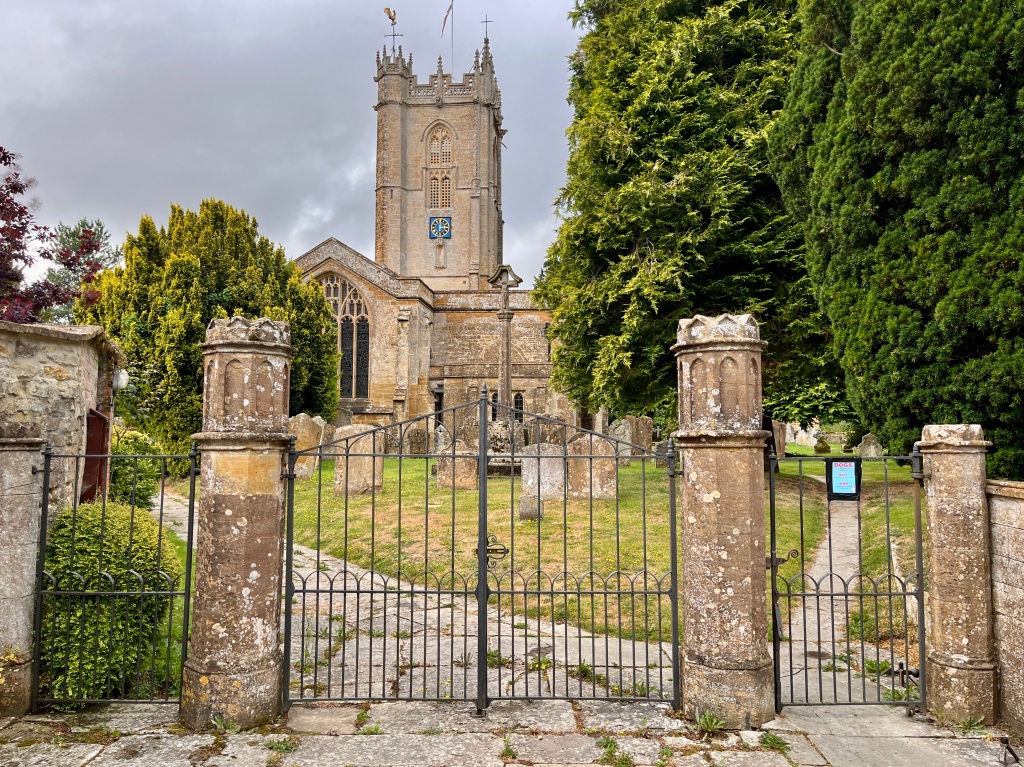
LITTLE BEDWYN . WILTS . ST MICHAEL – Vertical Dial

St Michael . Little Bedwyn . Wilts

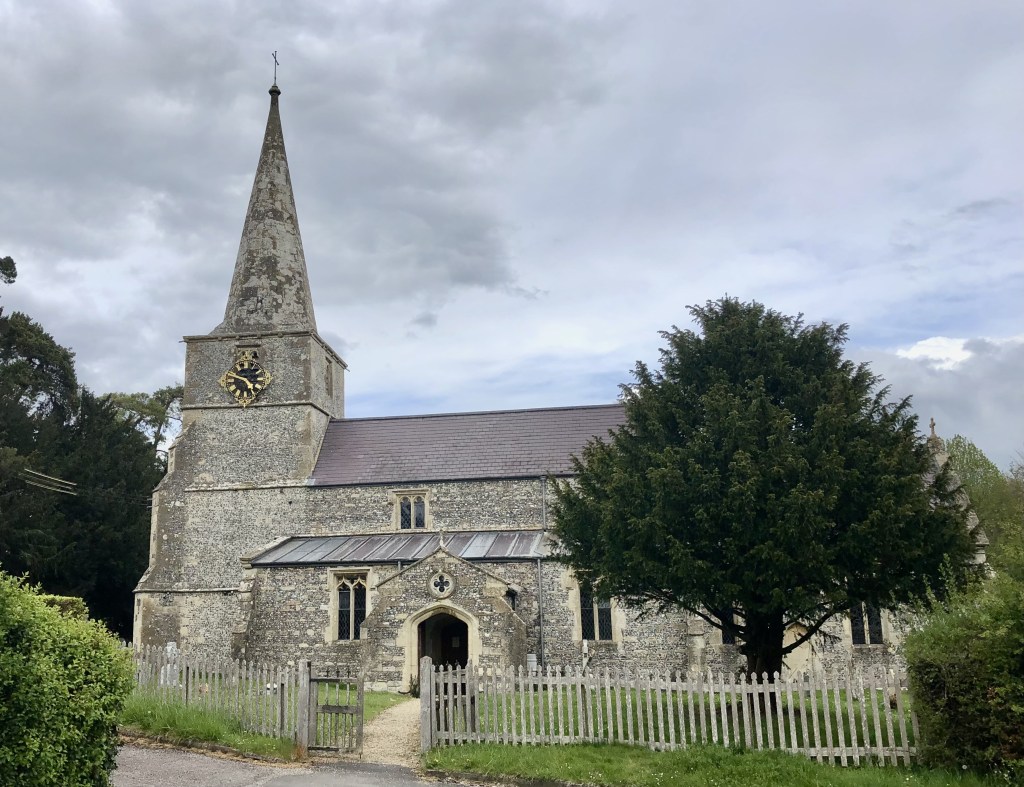
ST MICHAEL . LITTLE BEDWYN . WILTS

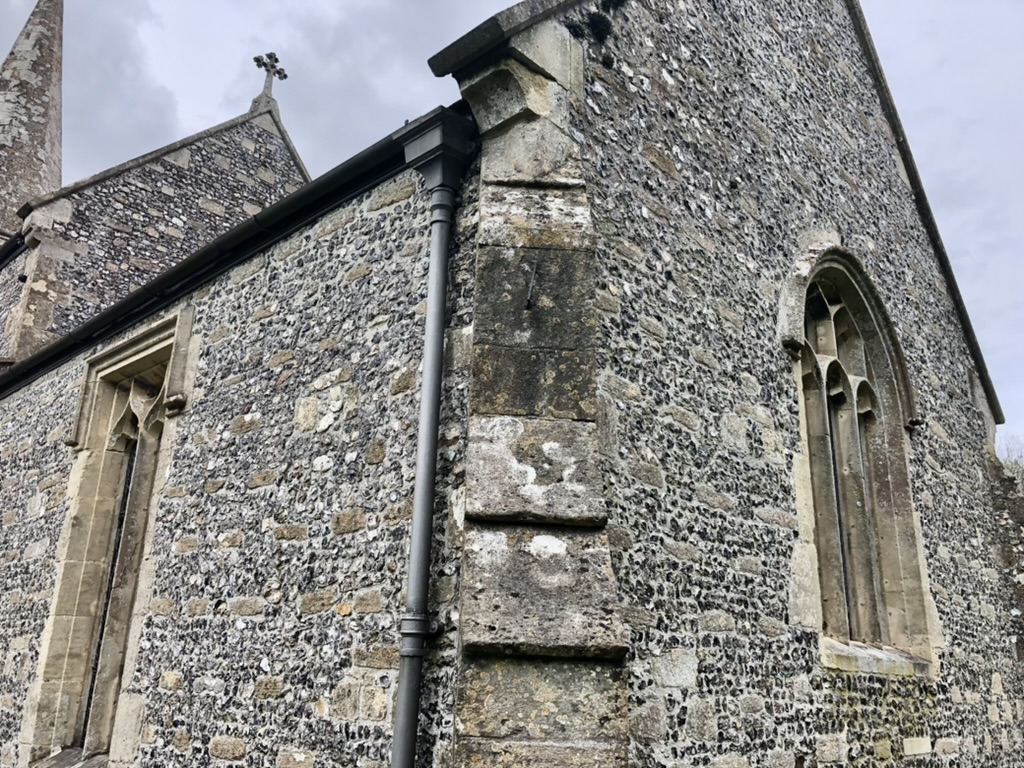
GRADE I † C12, C13, C15; C19 restoration. A pretty church with a 4-stage tower and short steeple, close by the Kennet & Avon canal. No discernible scratch dials though a likely-looking location. A single vertical dial, angled. 7 miles W of Hungerford. 51.3941 /  -1.5828 /  SU291661

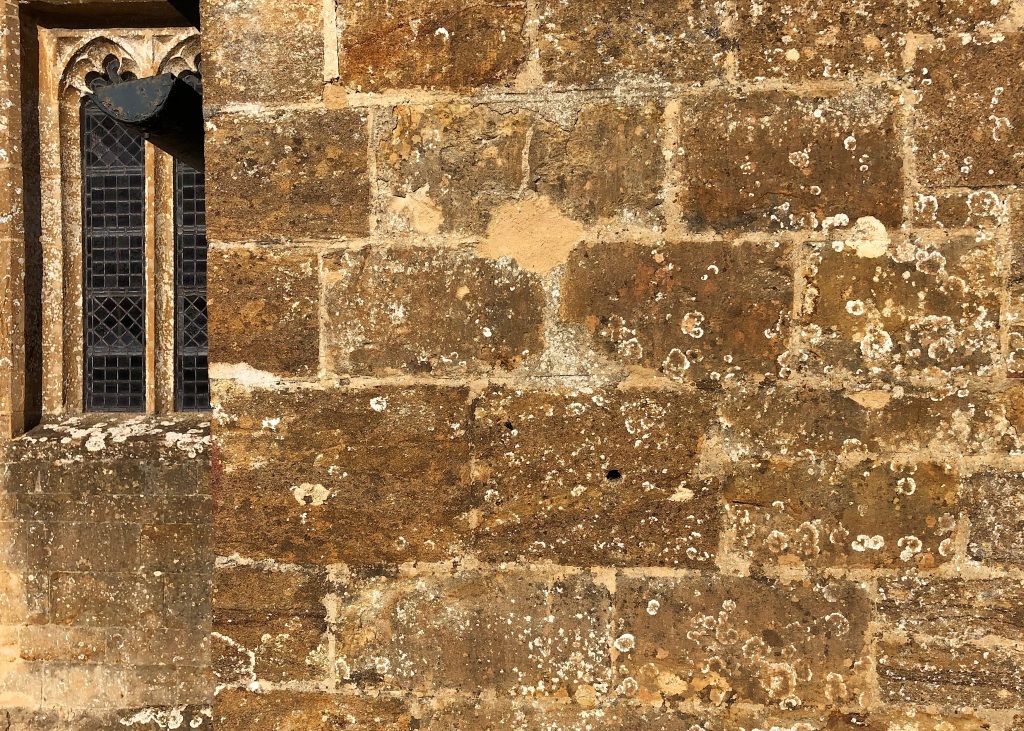
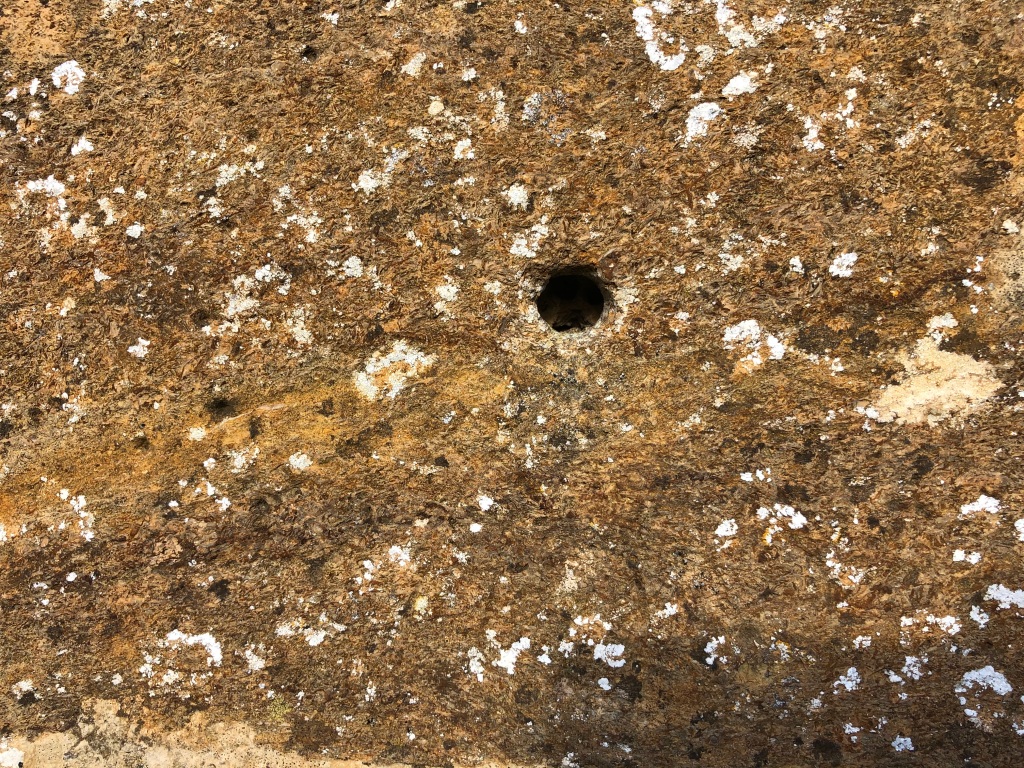
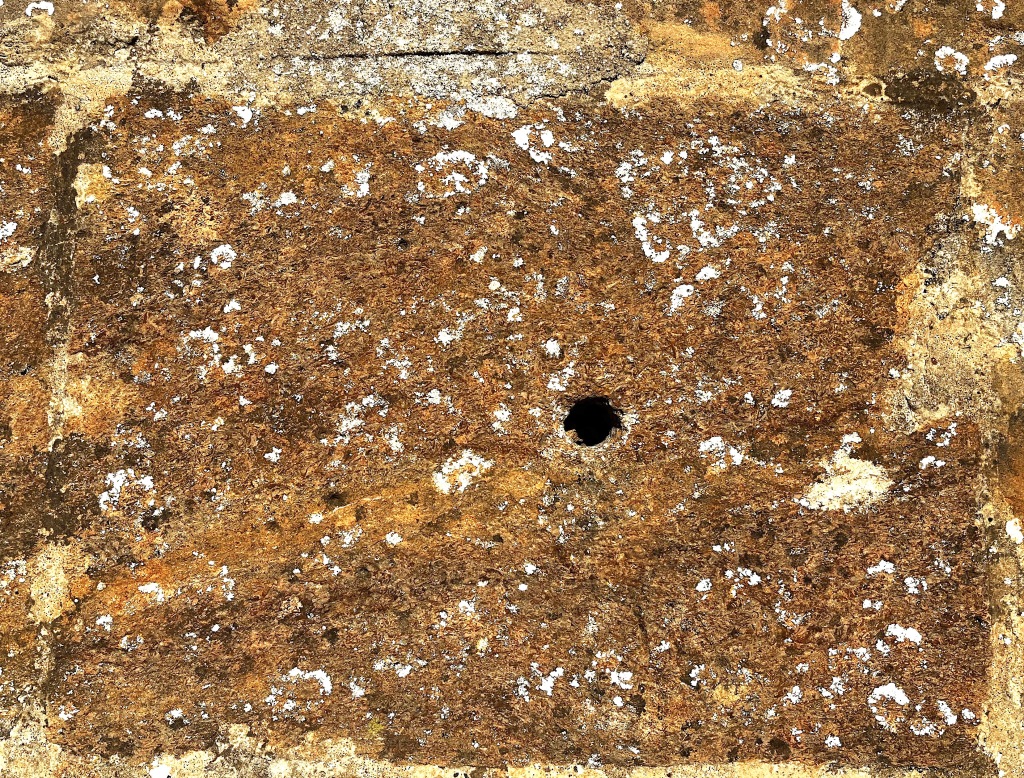
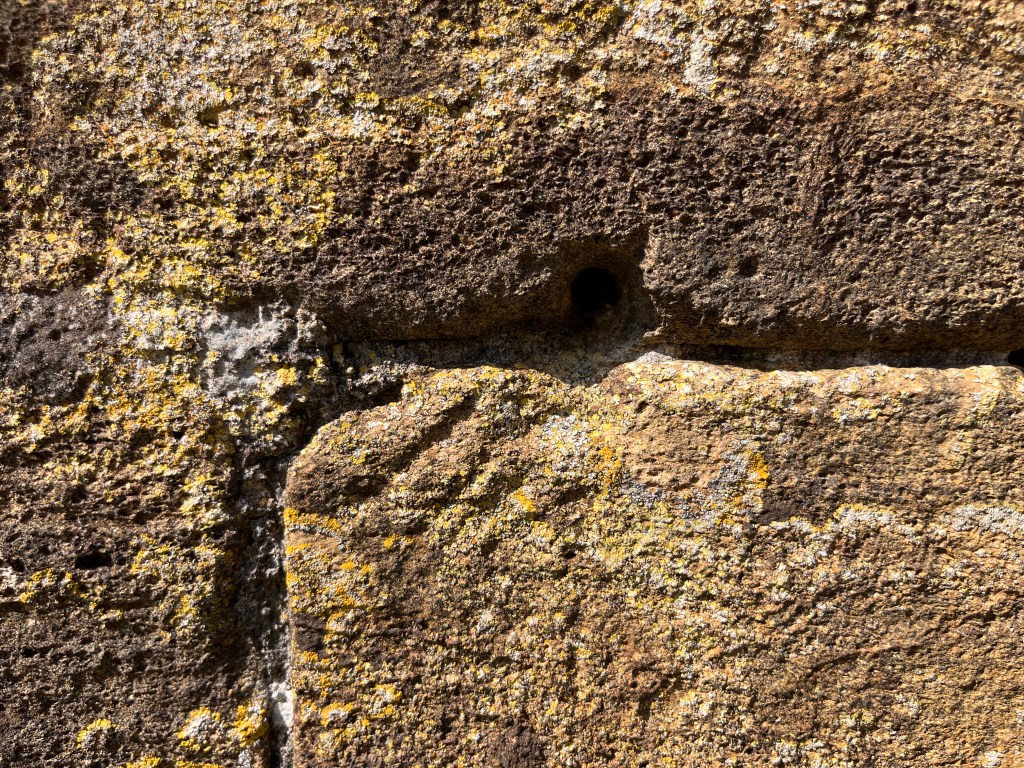
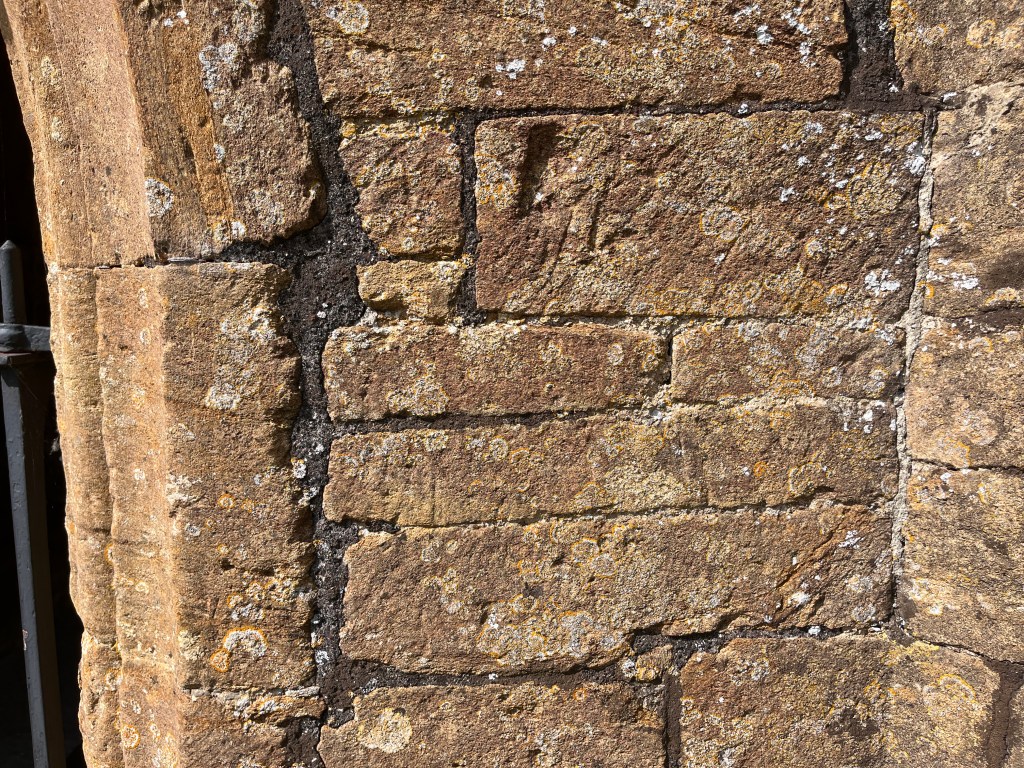
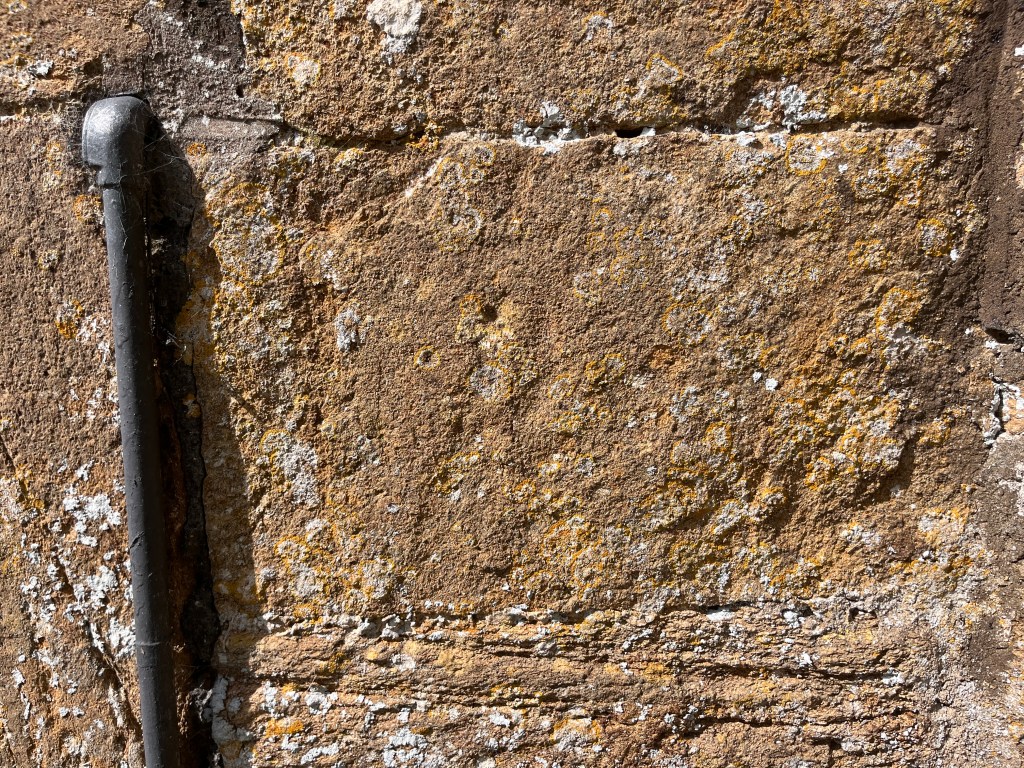
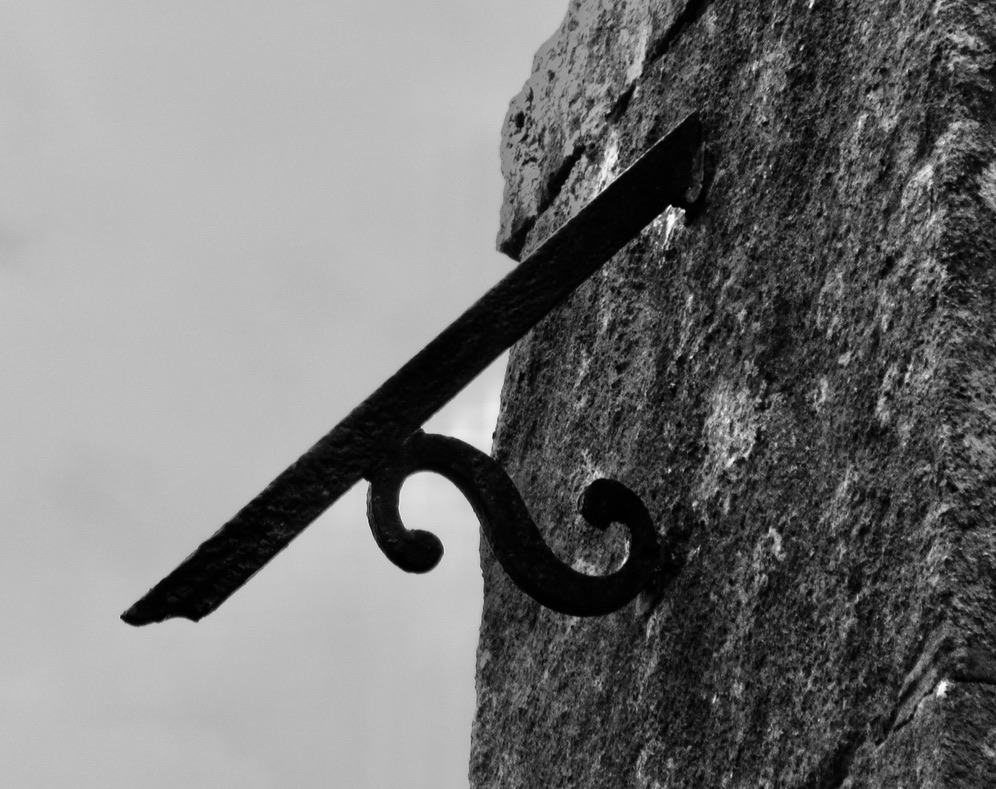
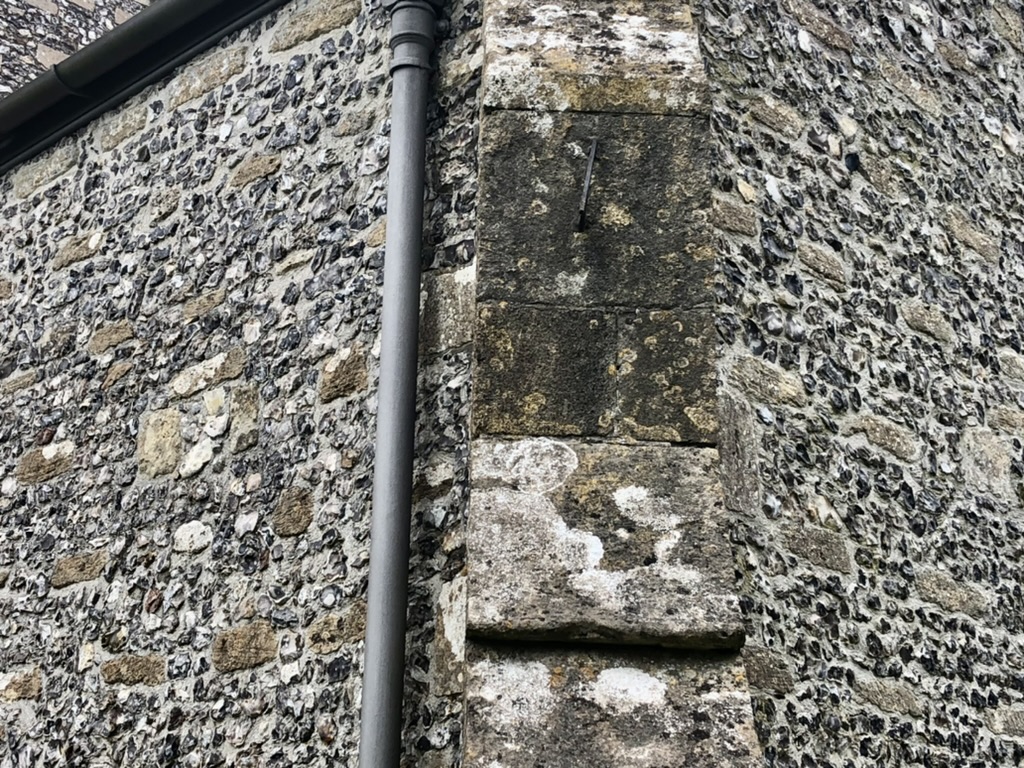
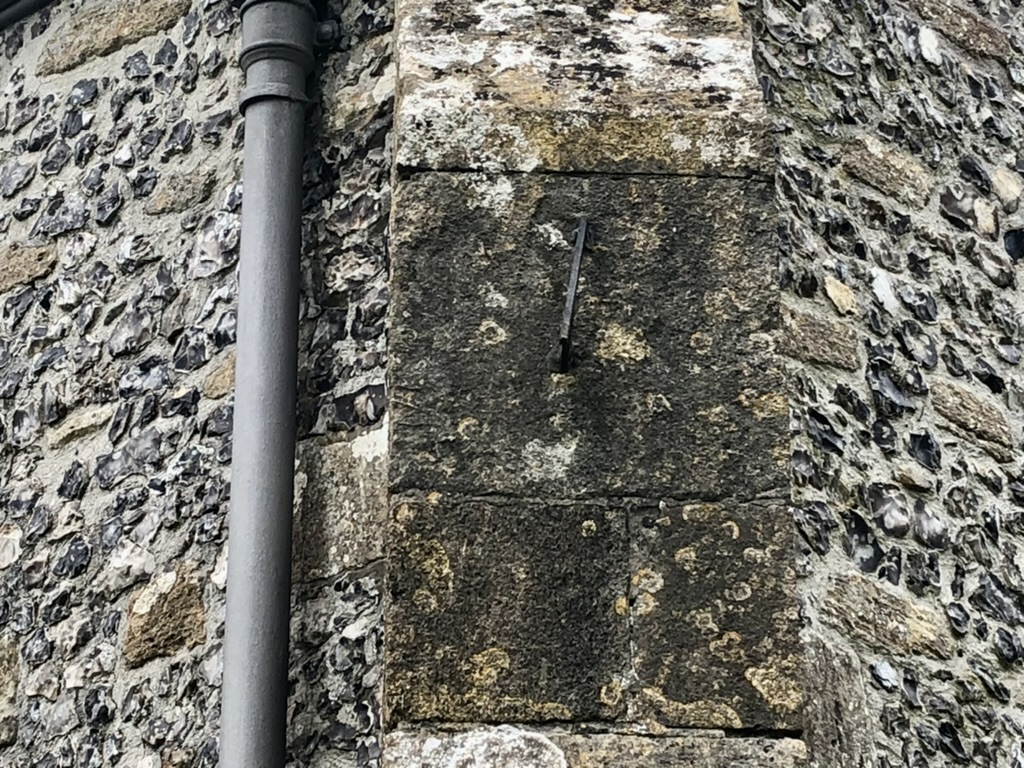
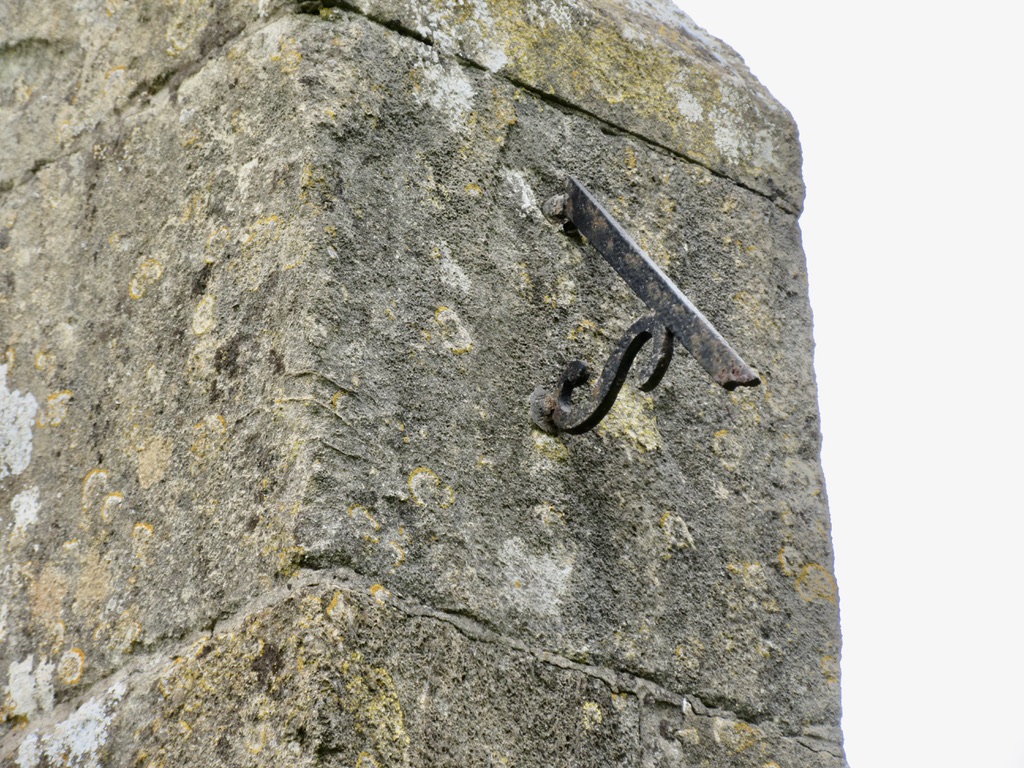
The dial is high up on a SE facing buttress, with an iron gnomon set into the stone. It has an S-shaped support. The face is completely plain, with no evidence of numbers, lines or a frame. Possibly it was originally painted. Hard to date, though the gnomon is plainly not original.

Using a different camera sheds another light on the dial* and confirms the absence of markings

*and demonstrates how 2 cameras, used at the same time, tell different stories

GSS Category: Vertical Dial; Church Sundial

All photos: Keith Salvesen