KINGSDON . SOMERSET – All Saints

ALL SAINTS . KINGSDON . SOMERSET

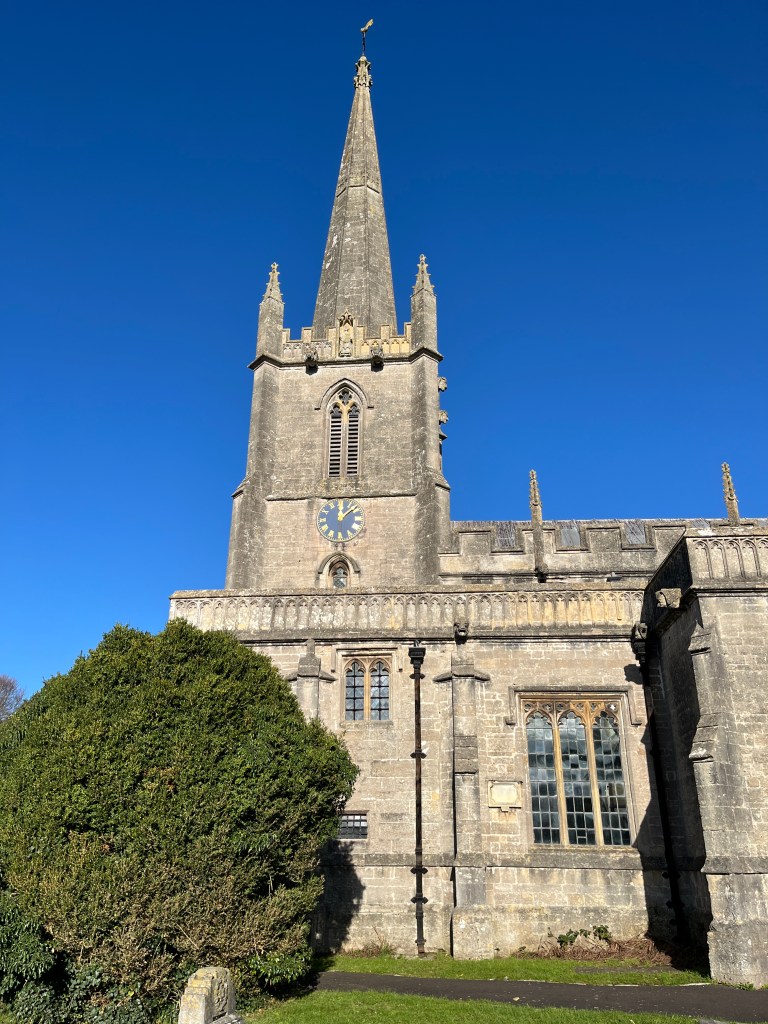
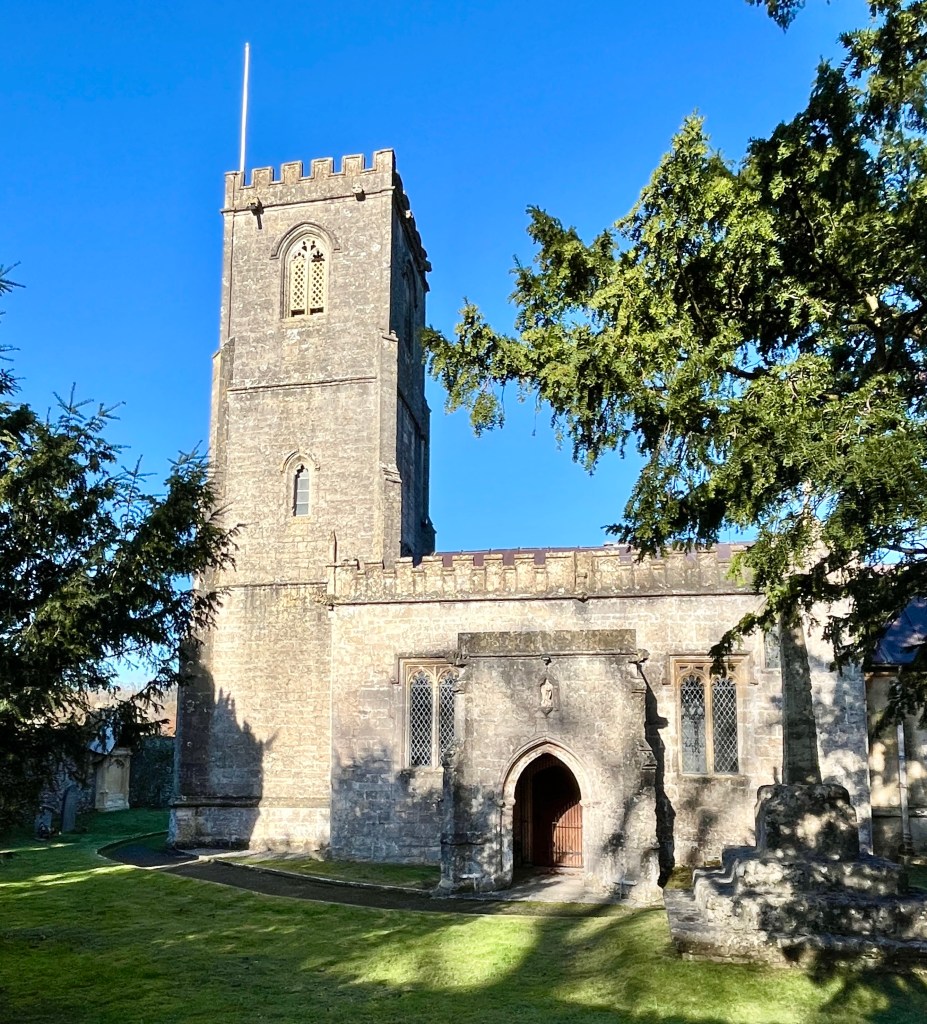
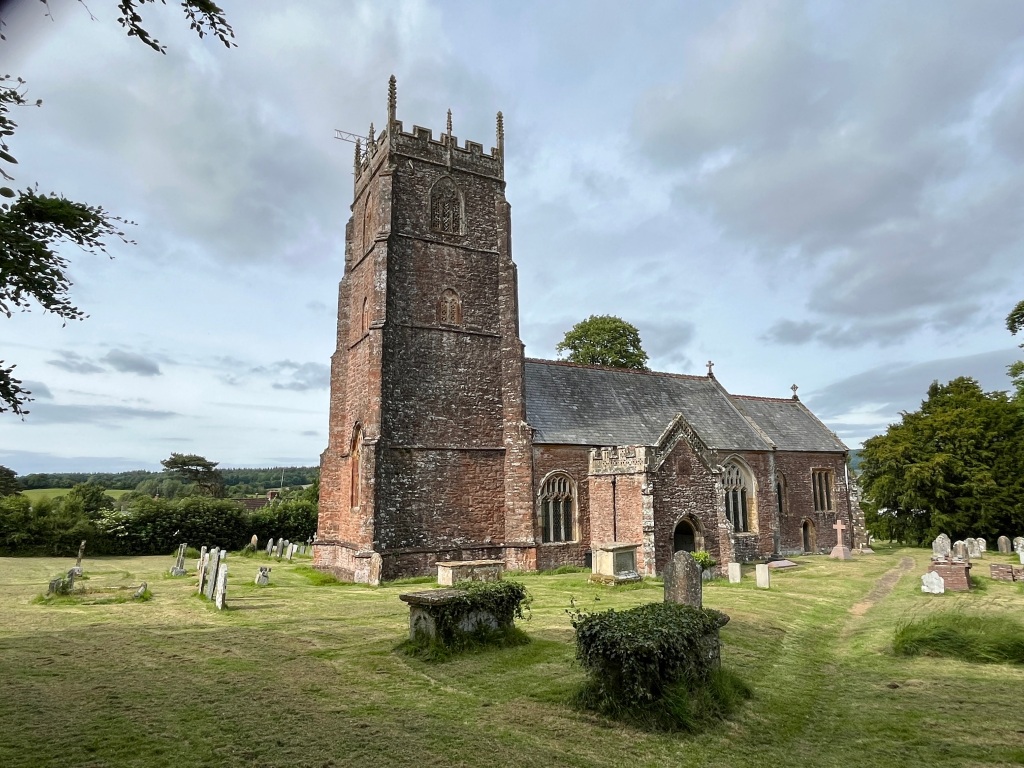
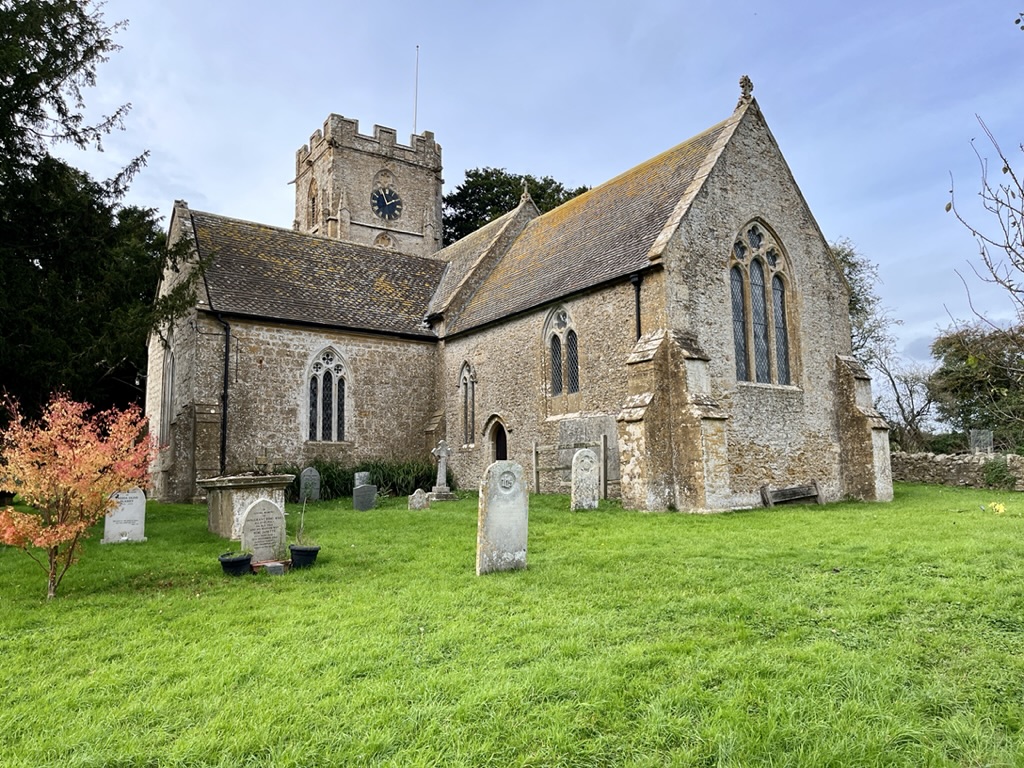
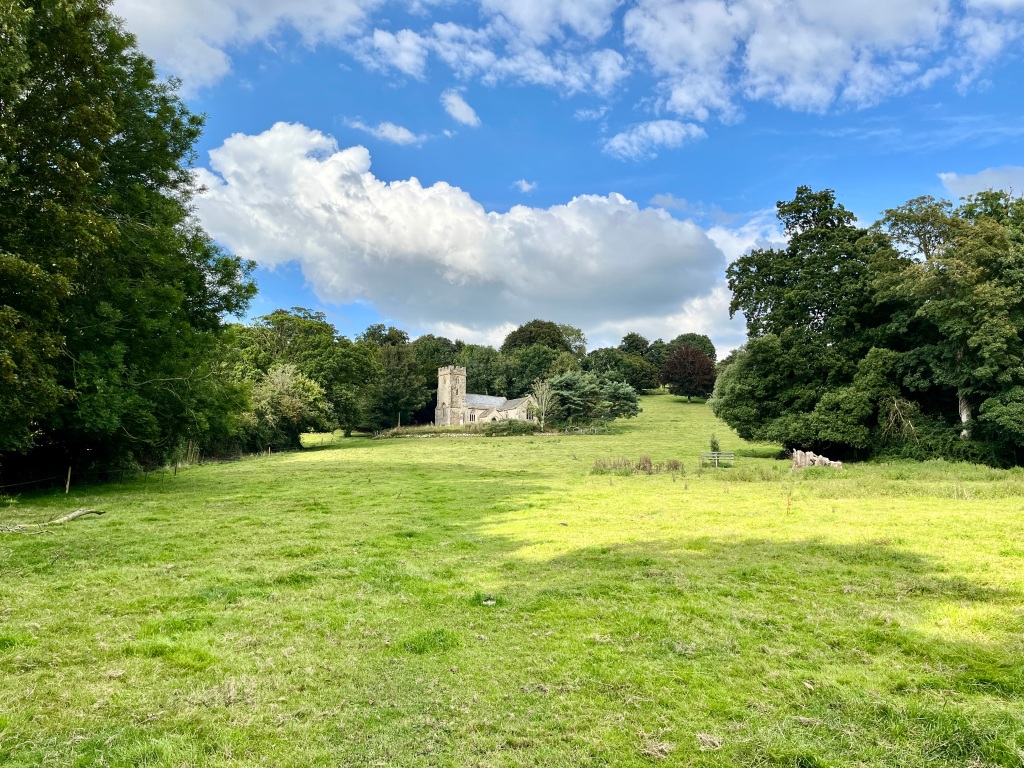
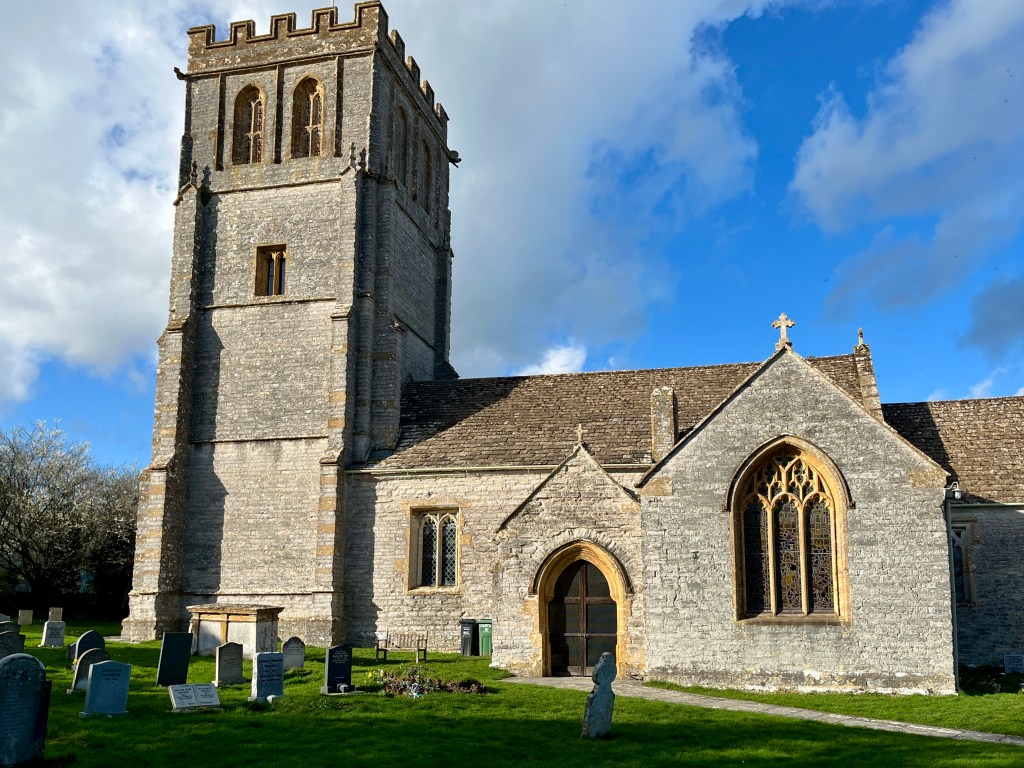
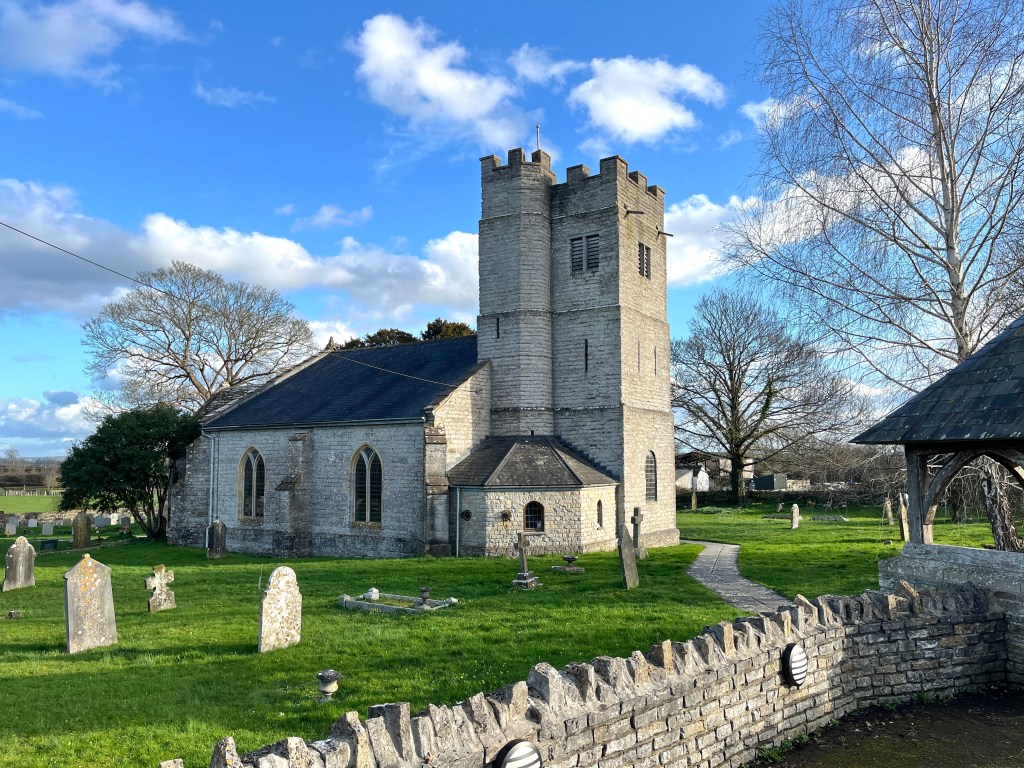
GRADE II* ❖ Dates from C13th; Original N tower replaced C15 with W tower; revisions and renovation until full restoration 1869, with further work 1906. Local lias. Halfway between Ilchester / Somerton. 51.0331 / -2.692 / ST515262

DIALS

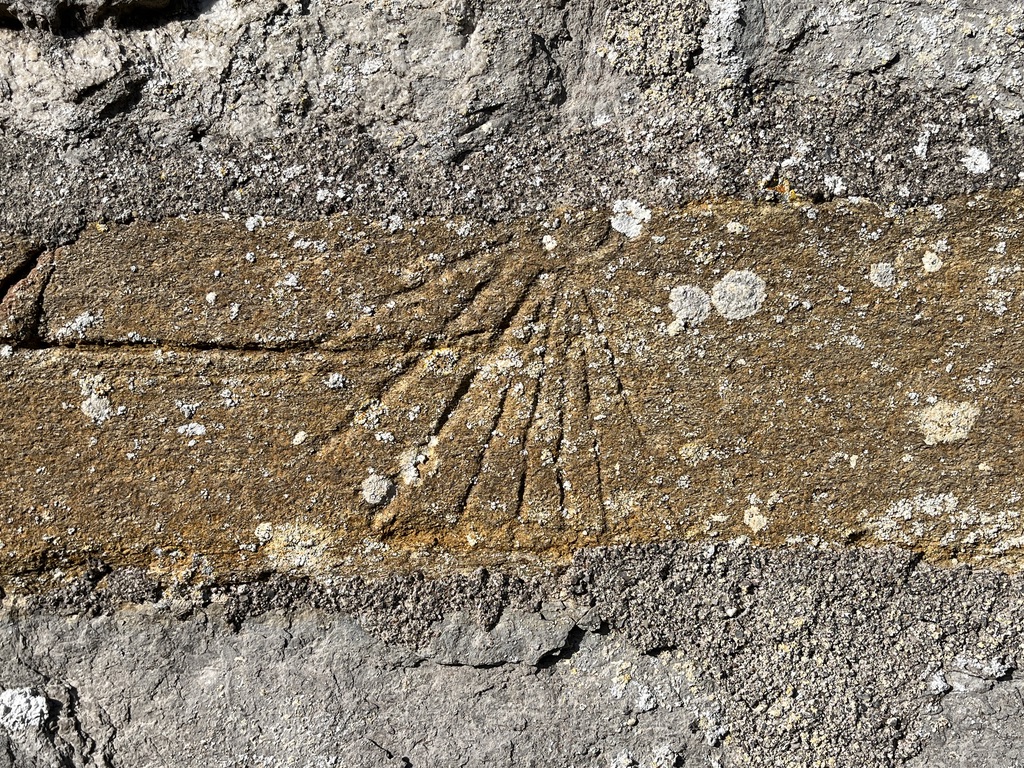
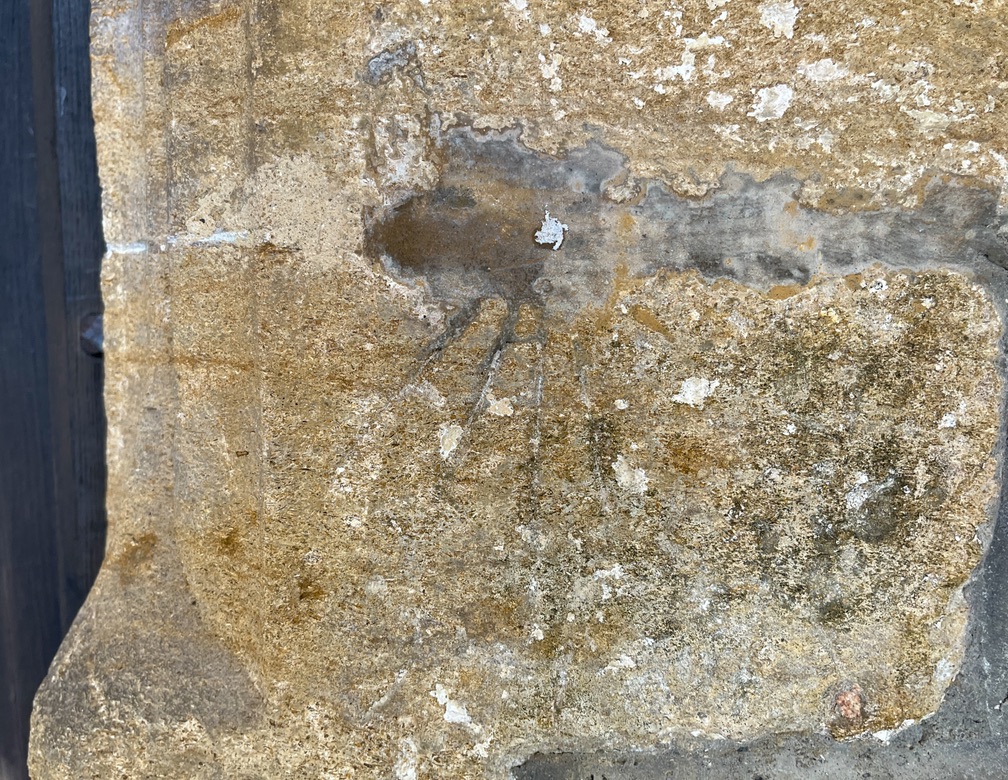
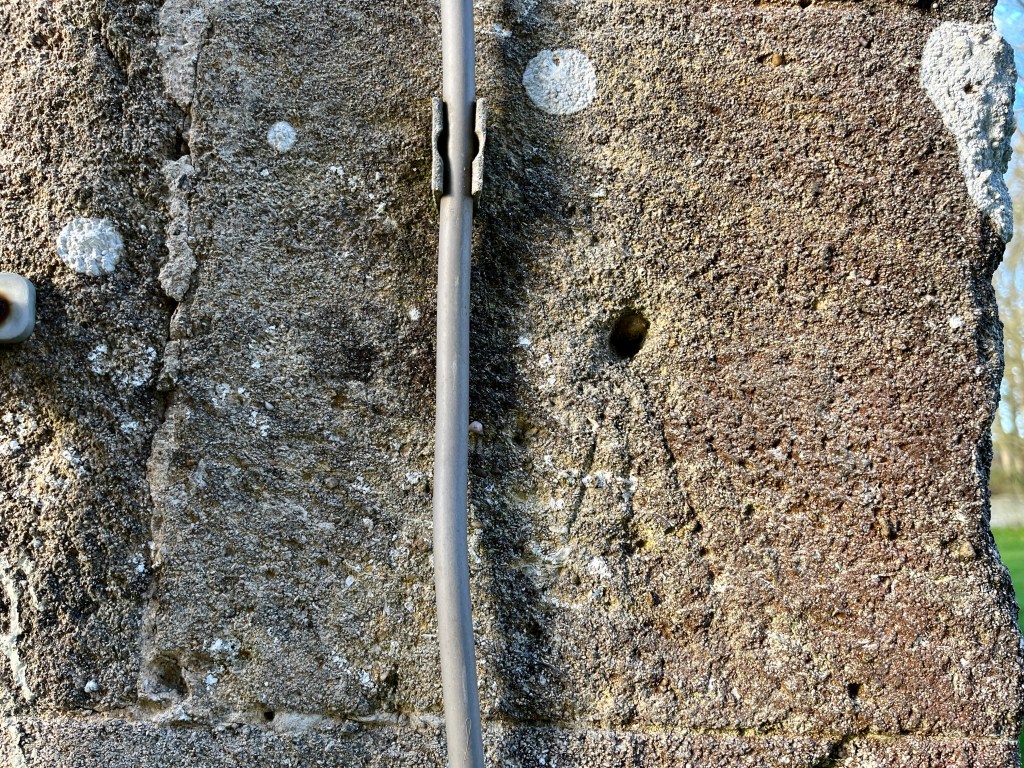
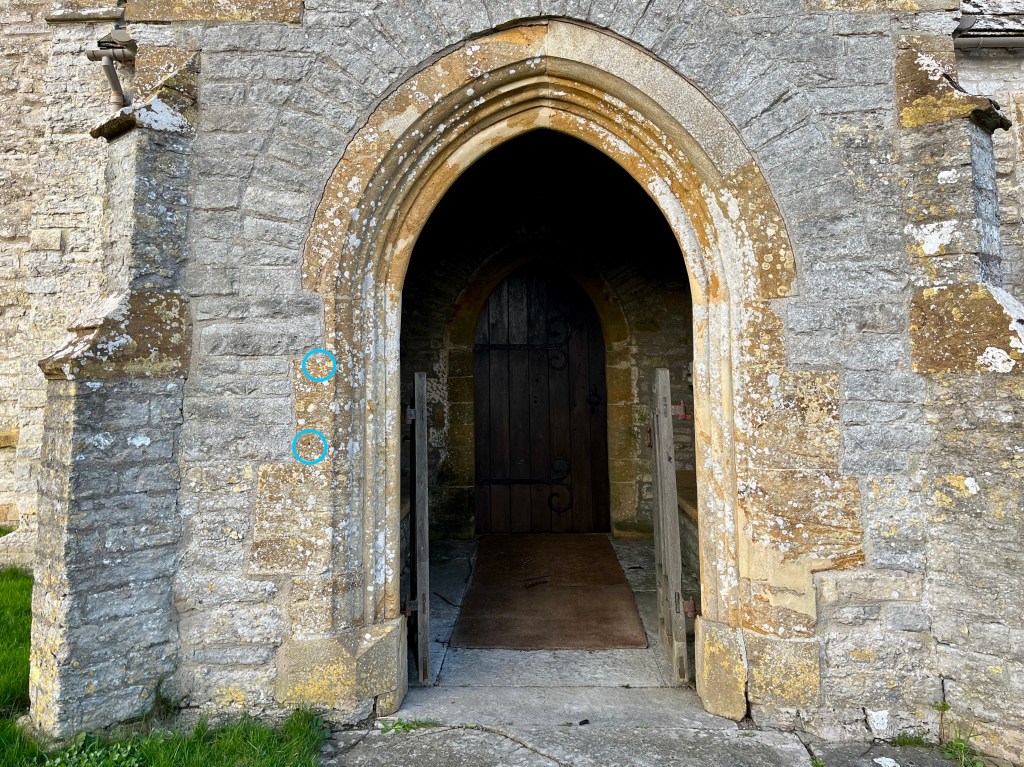
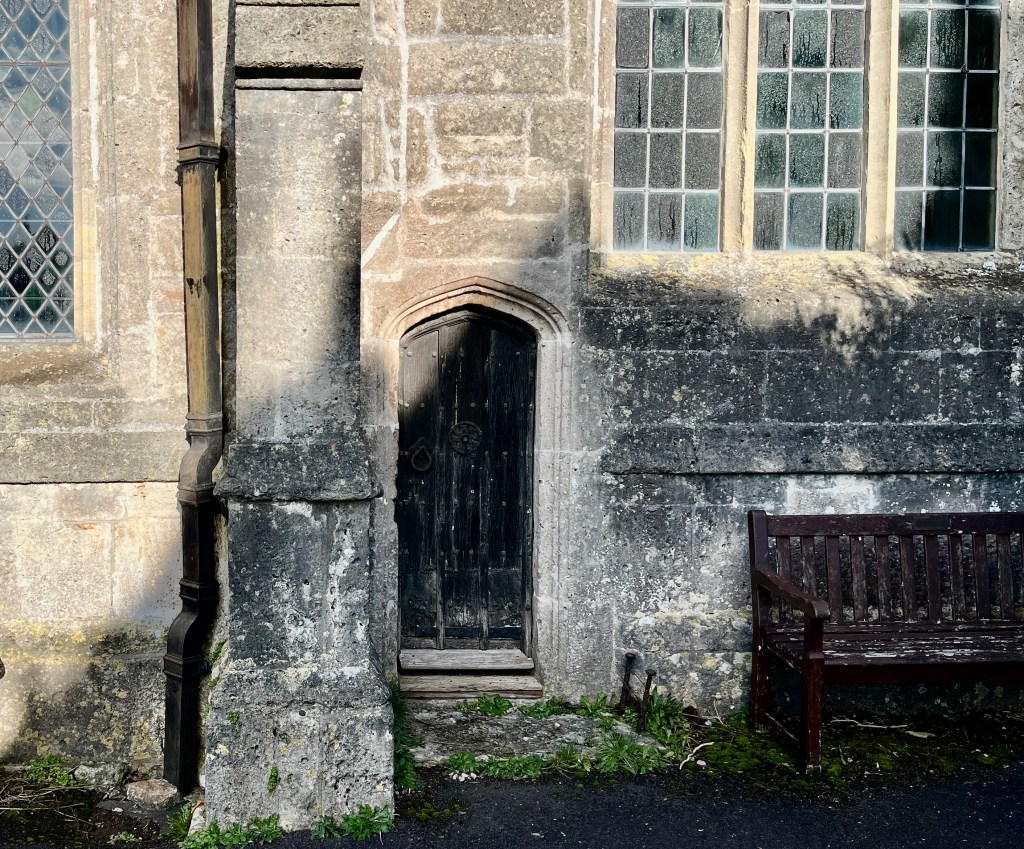
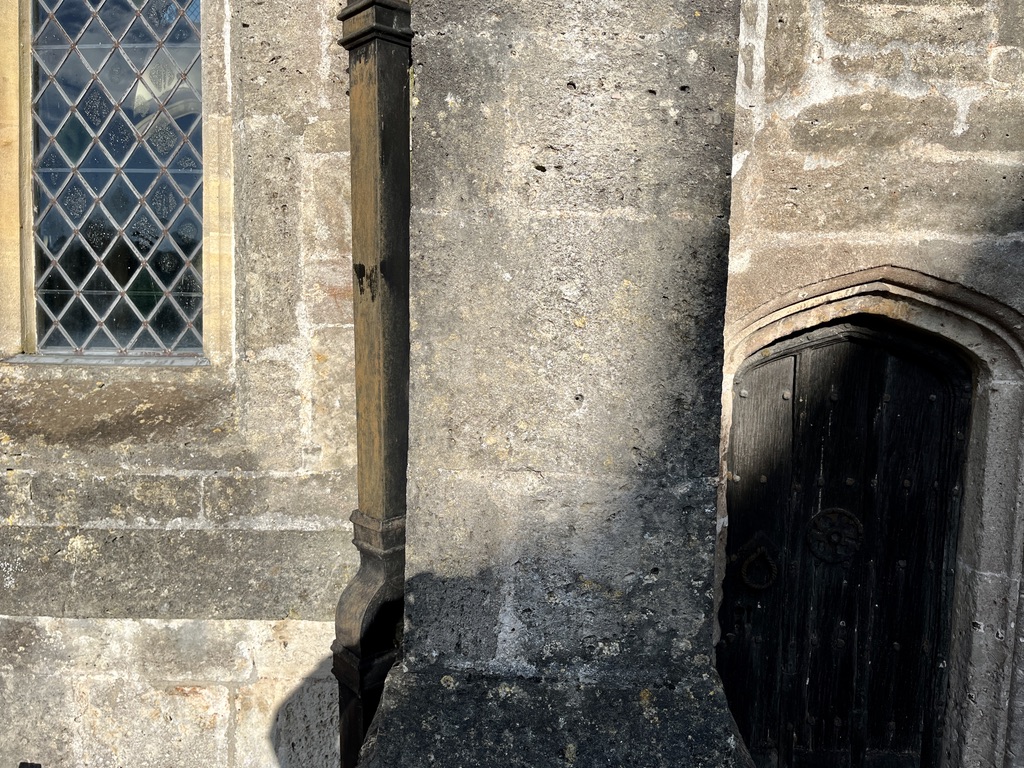
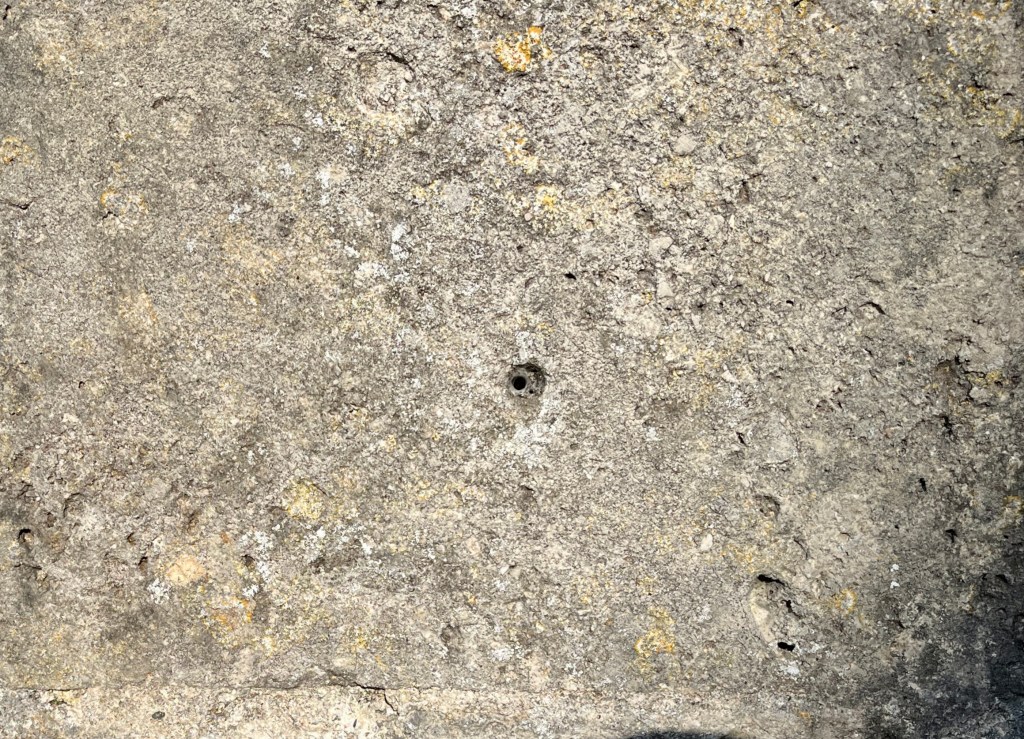
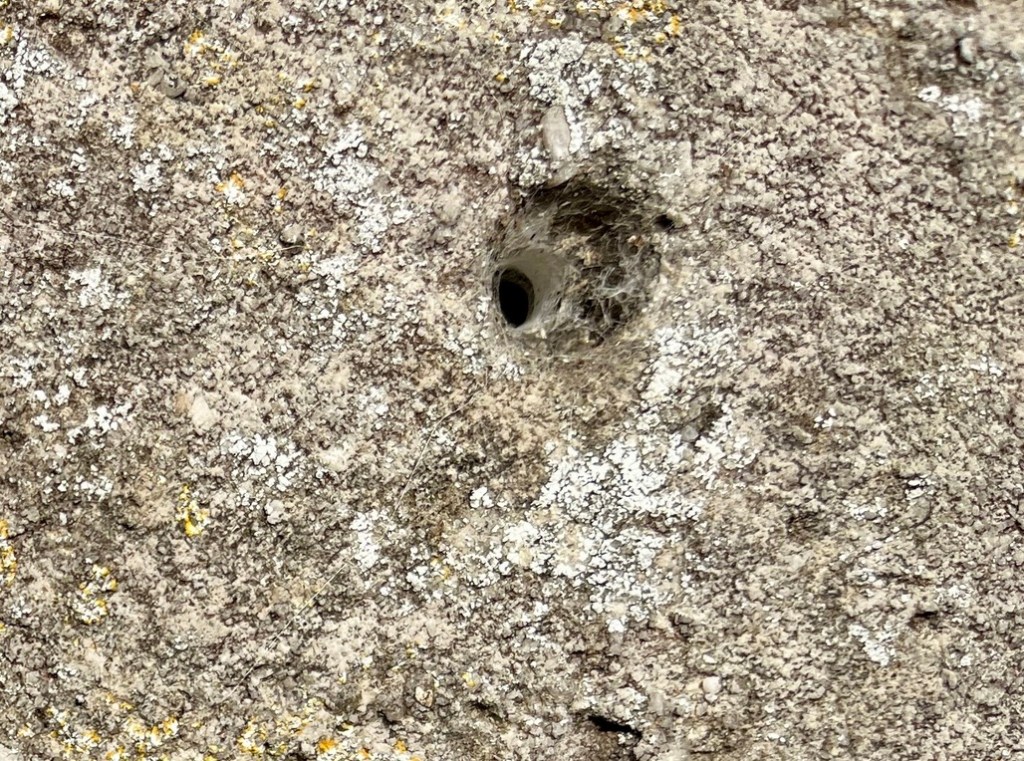
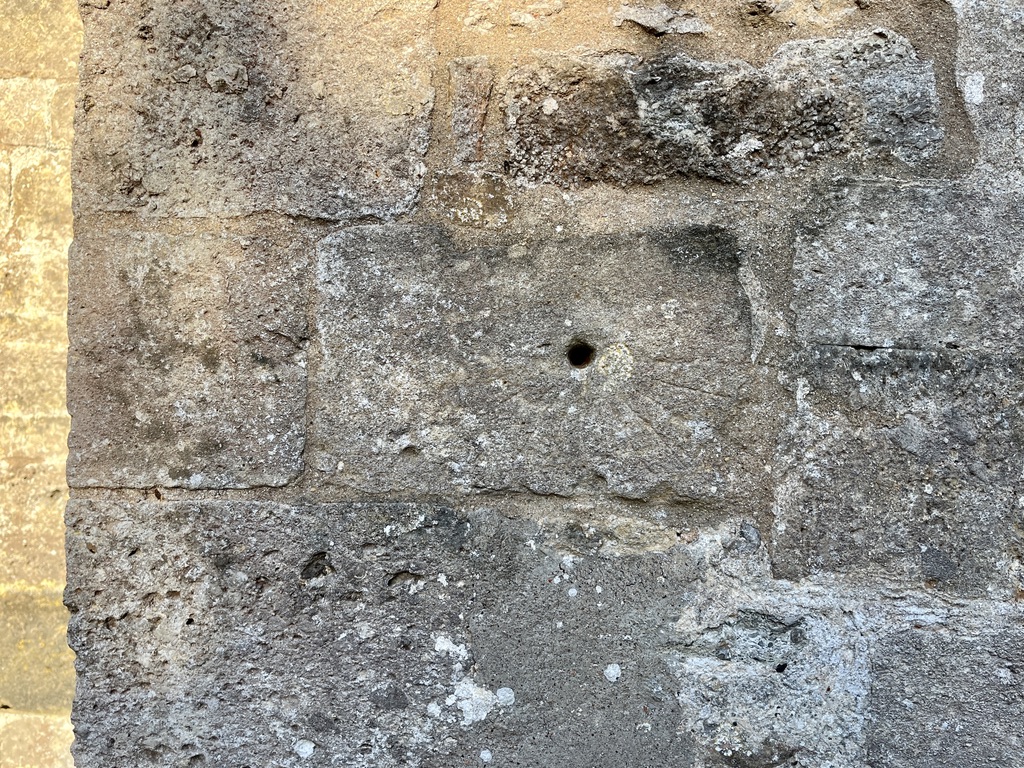
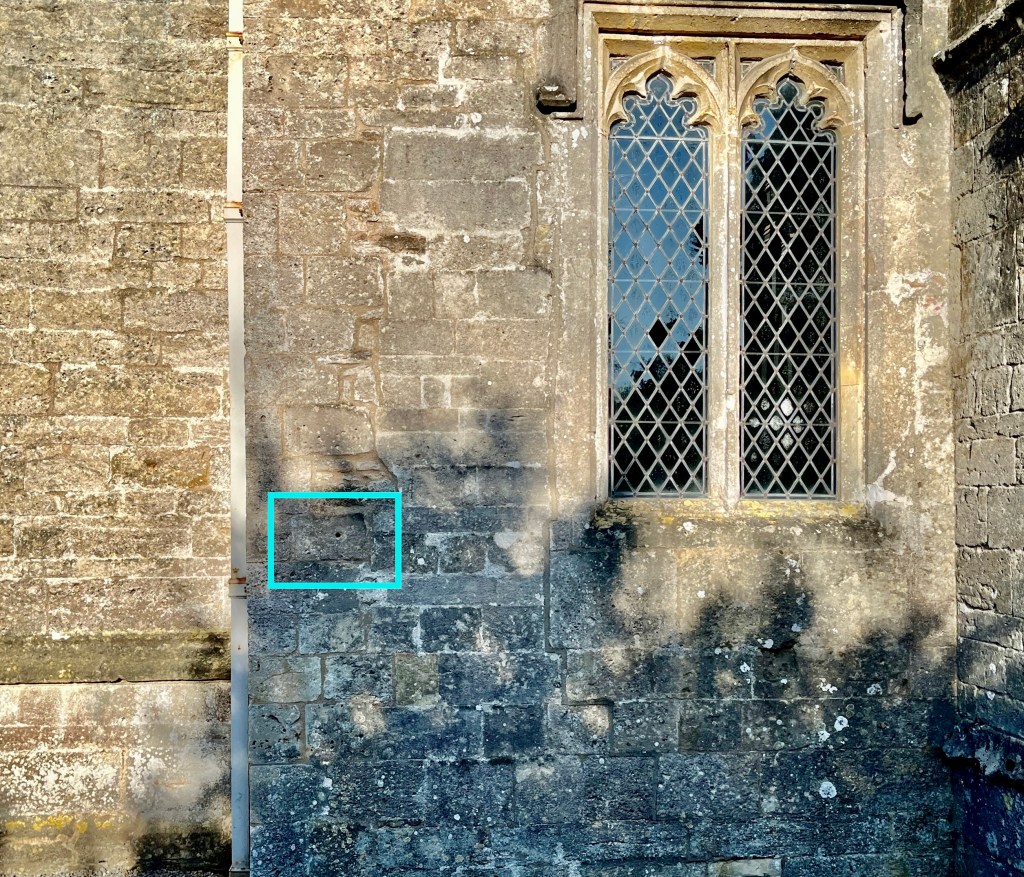
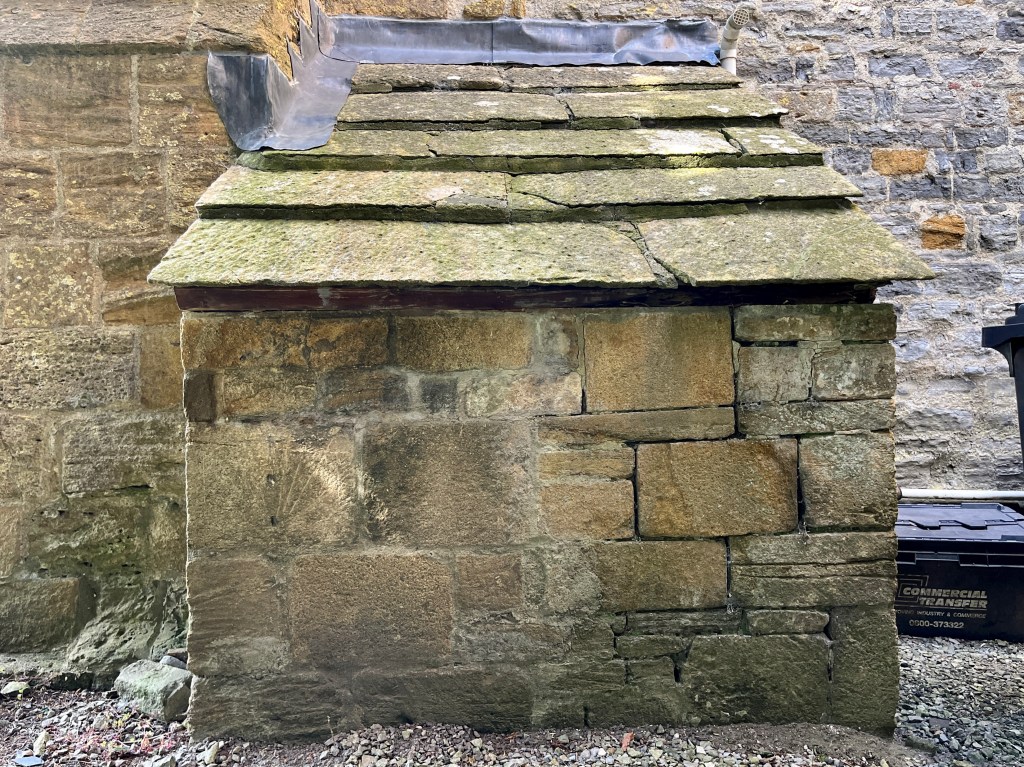
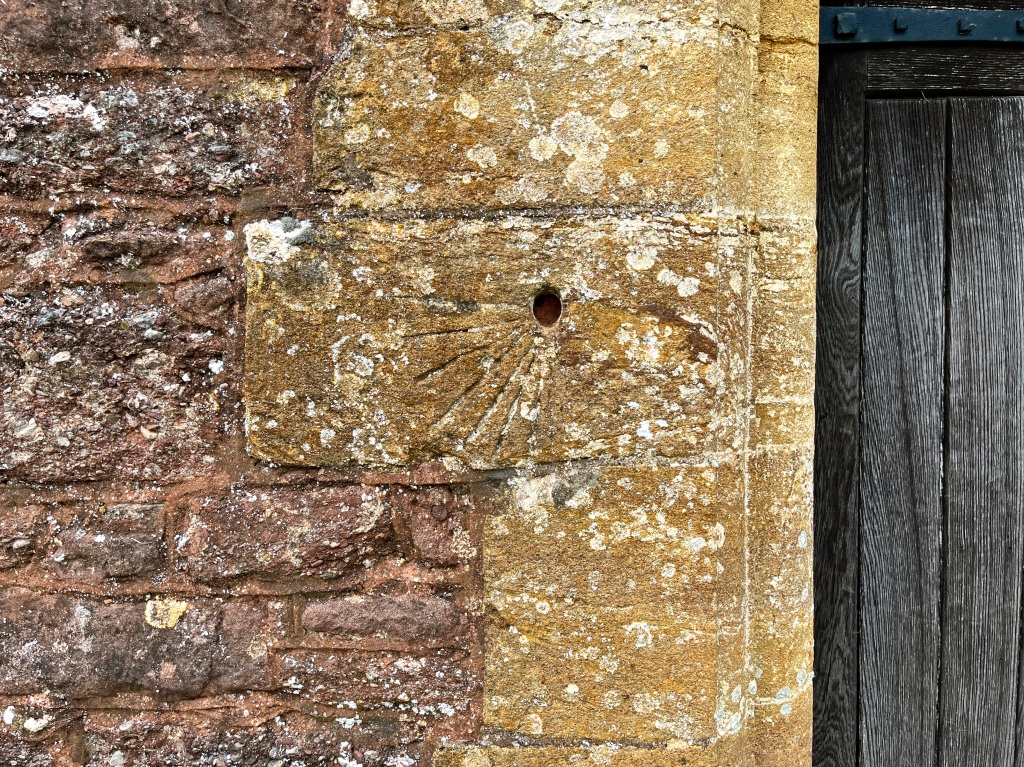
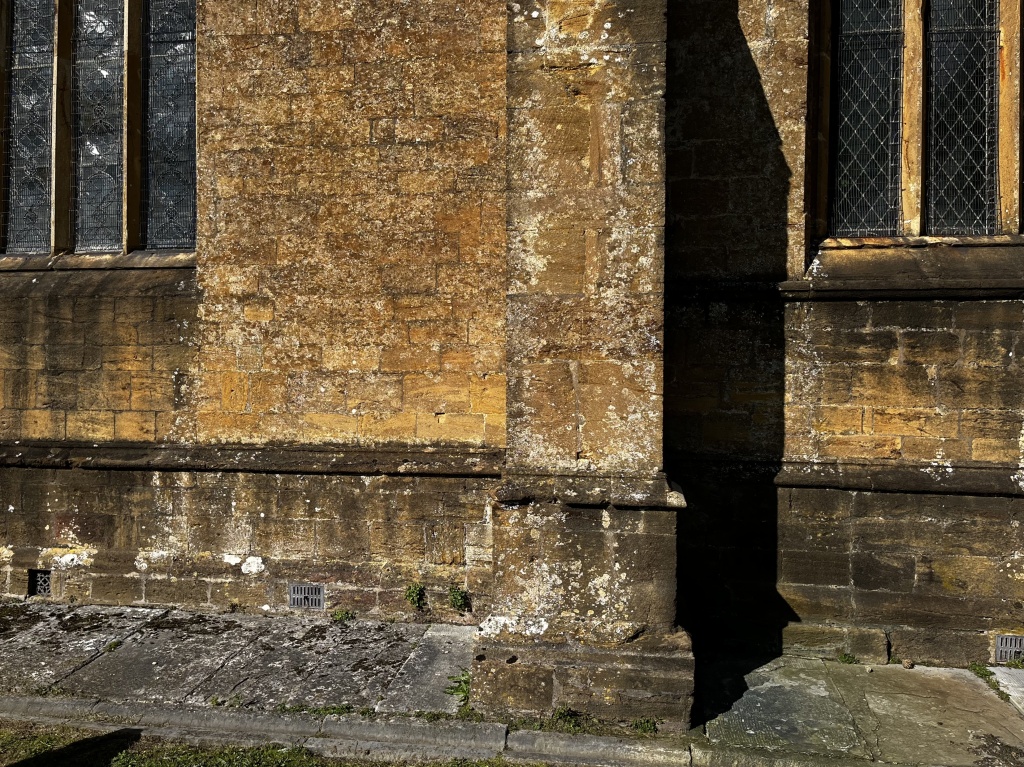
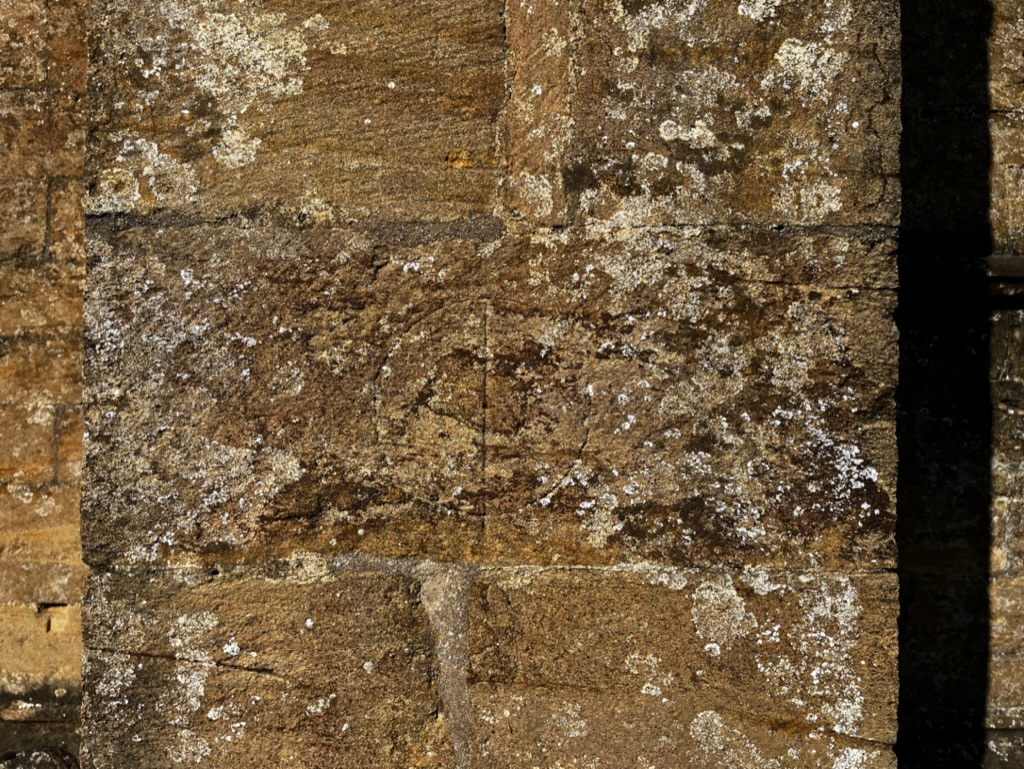
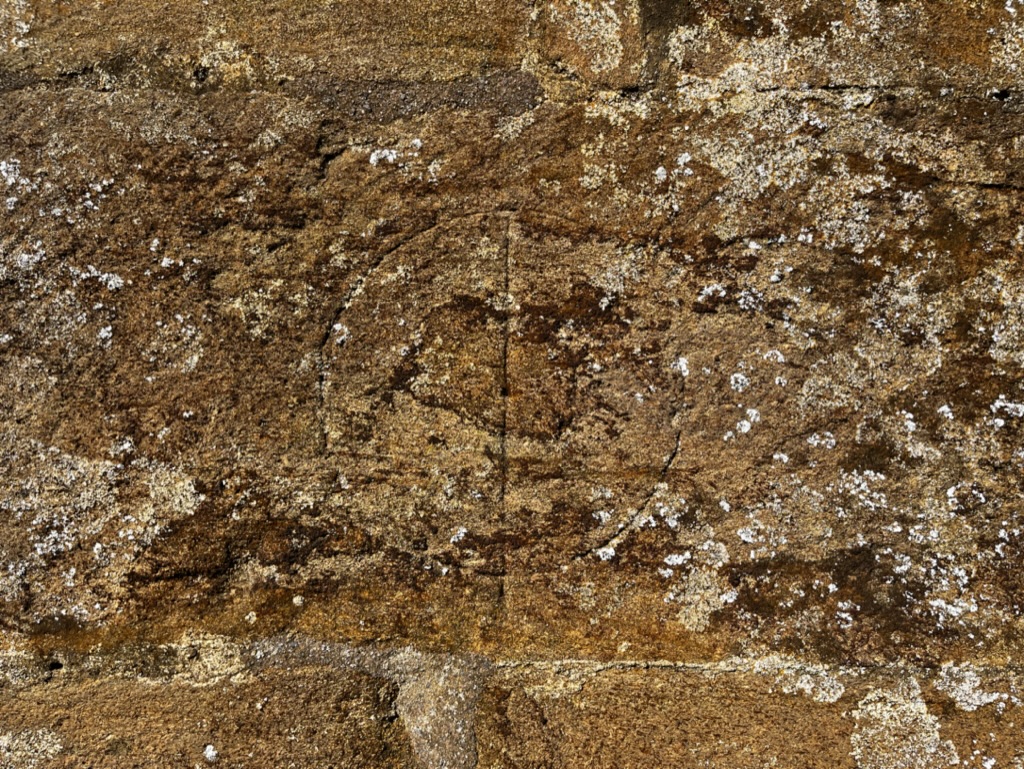
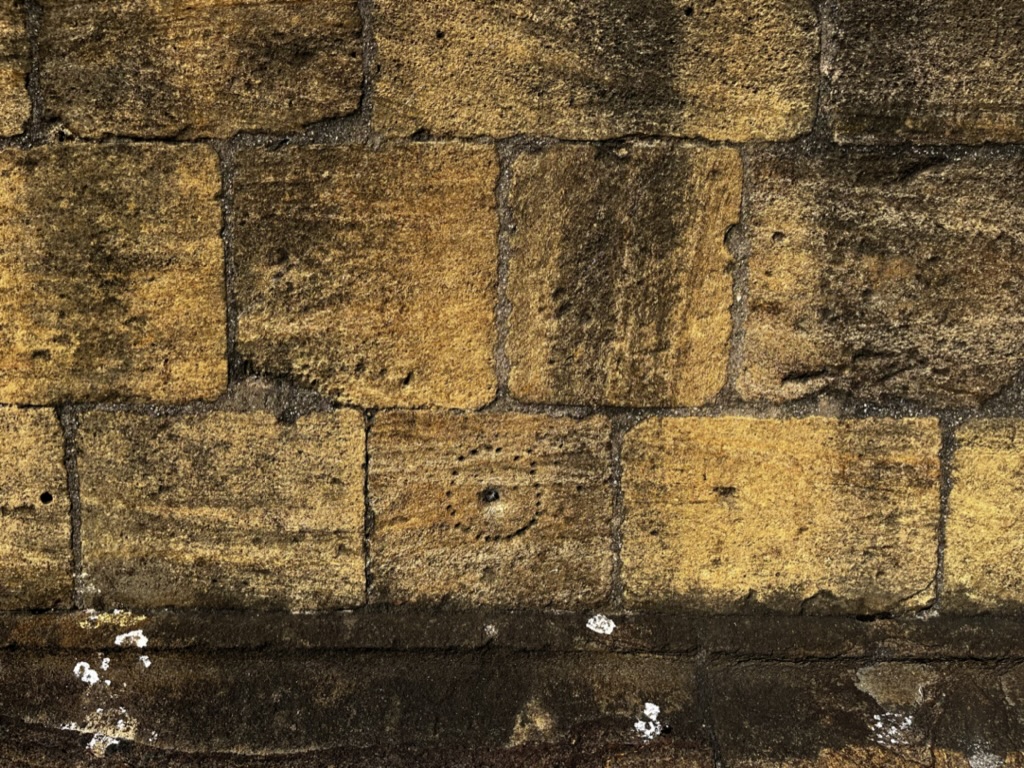
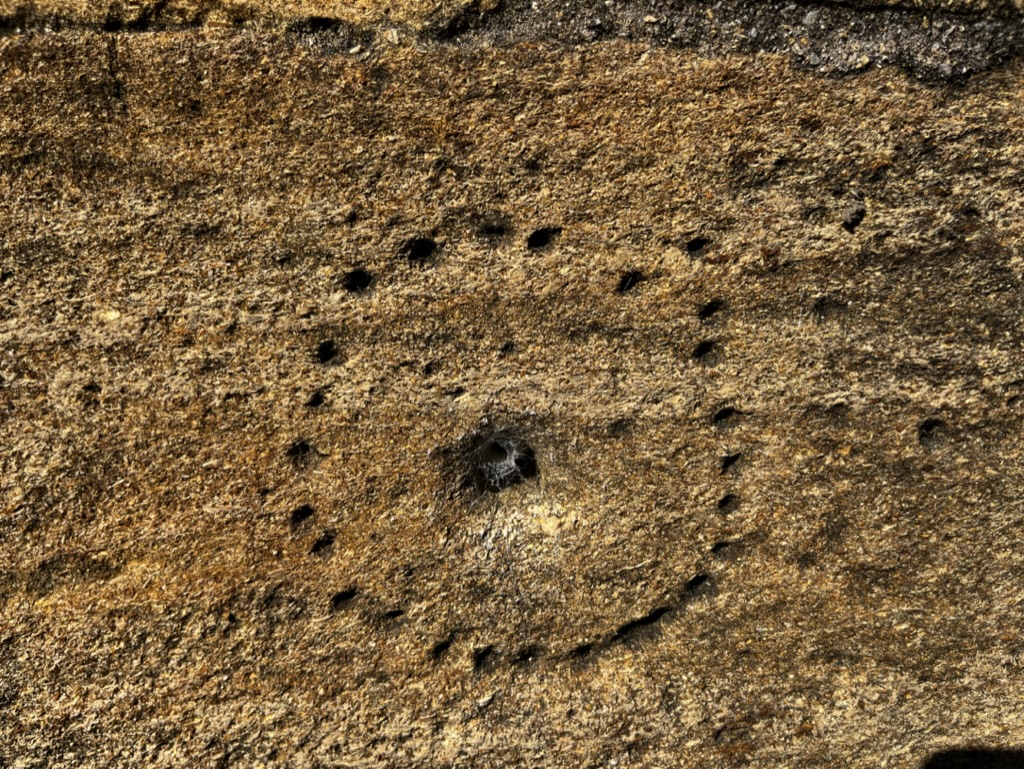
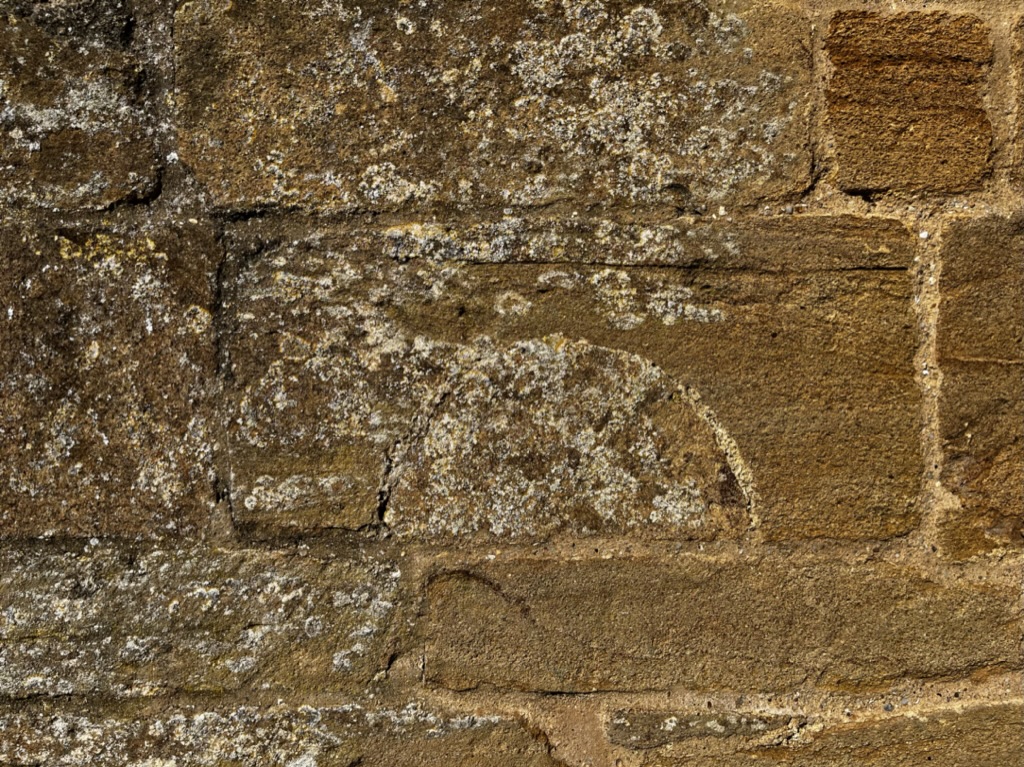
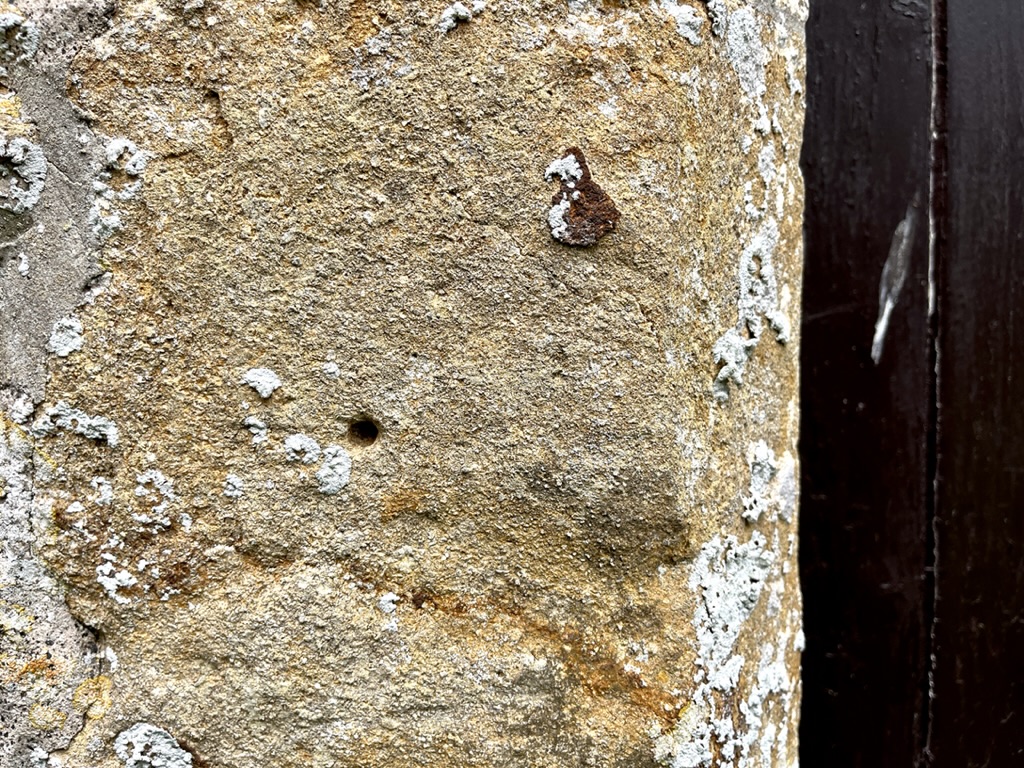
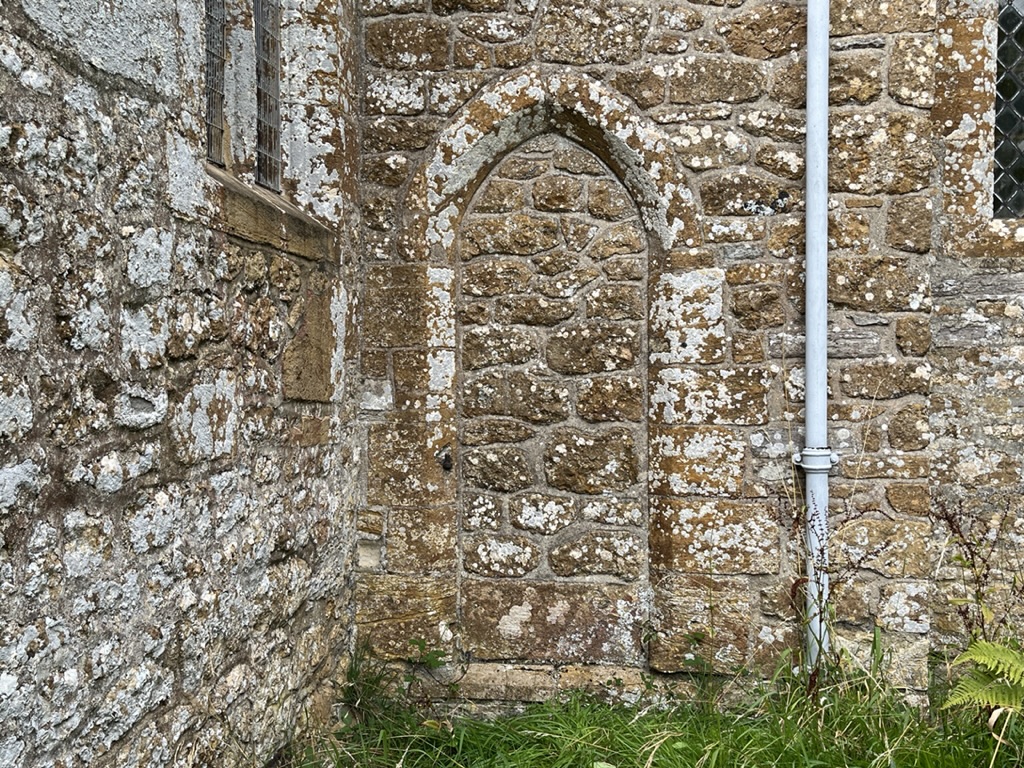
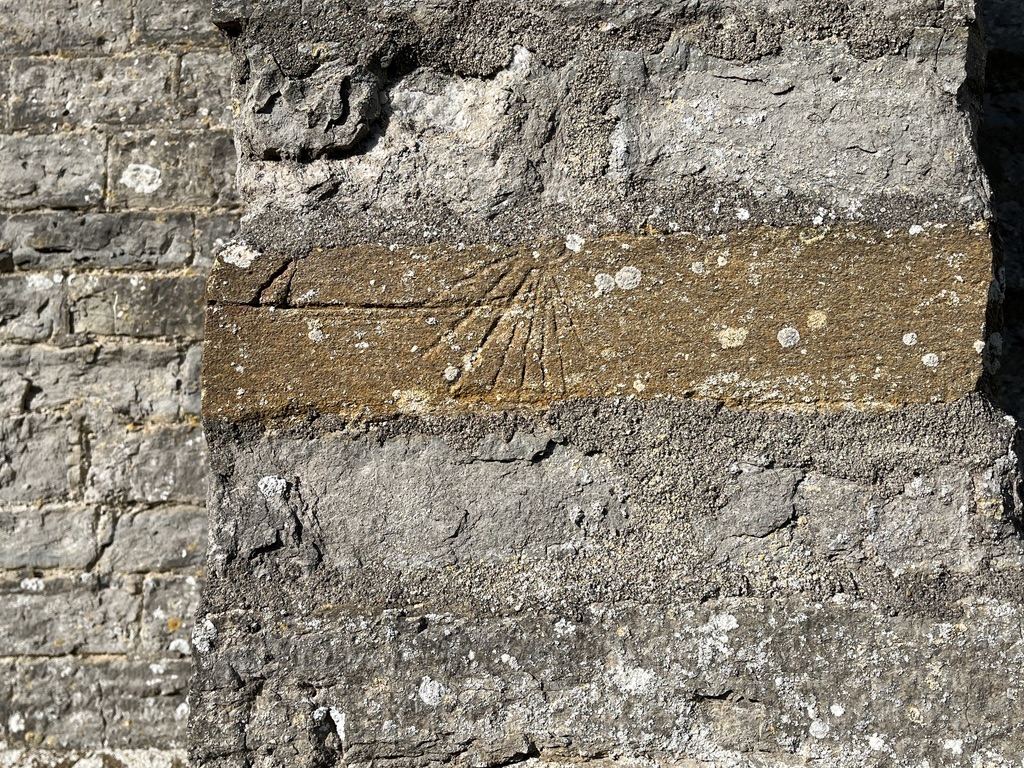
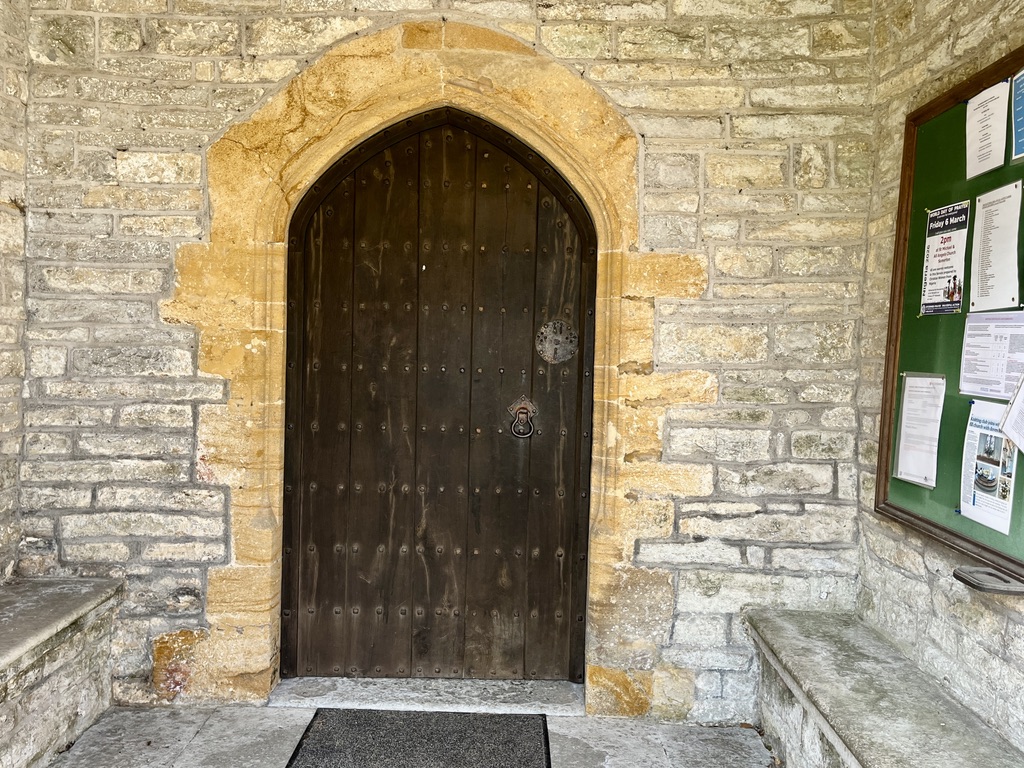
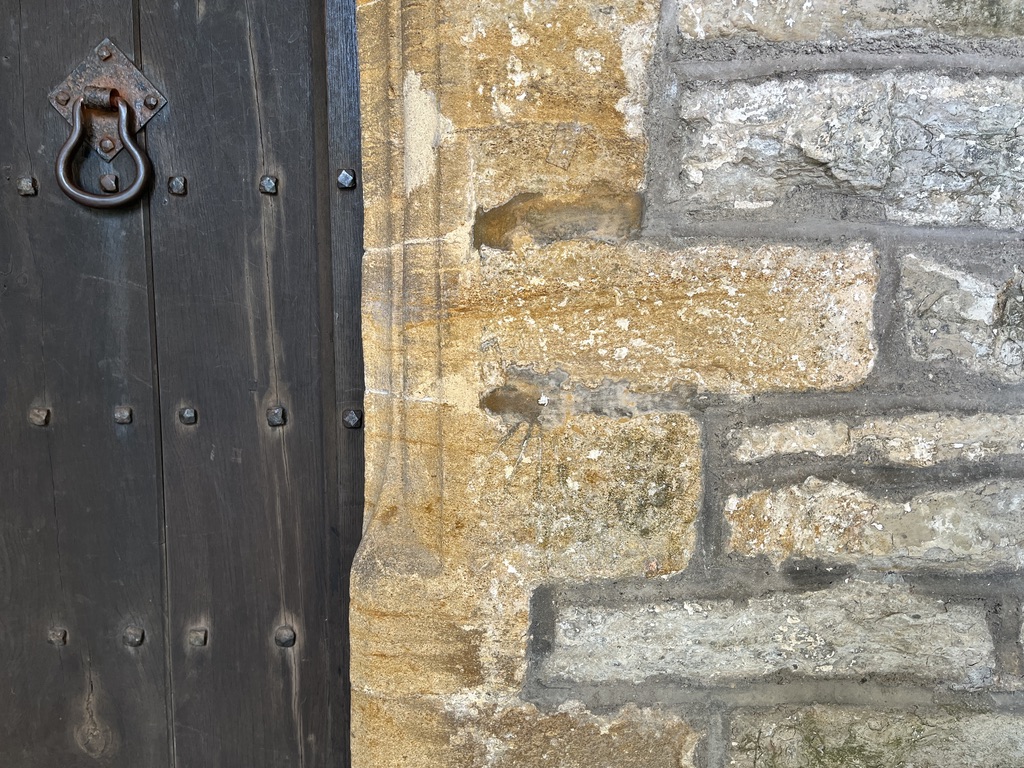
DEH visited on Oct 1st 2014. He found 3 dials and gave a longer account than usual. Dial 1 is on E buttress of the Tower, at head height. Dial 2 is on W side of S porch. The 3rd dial is low down within the porch, on E side.

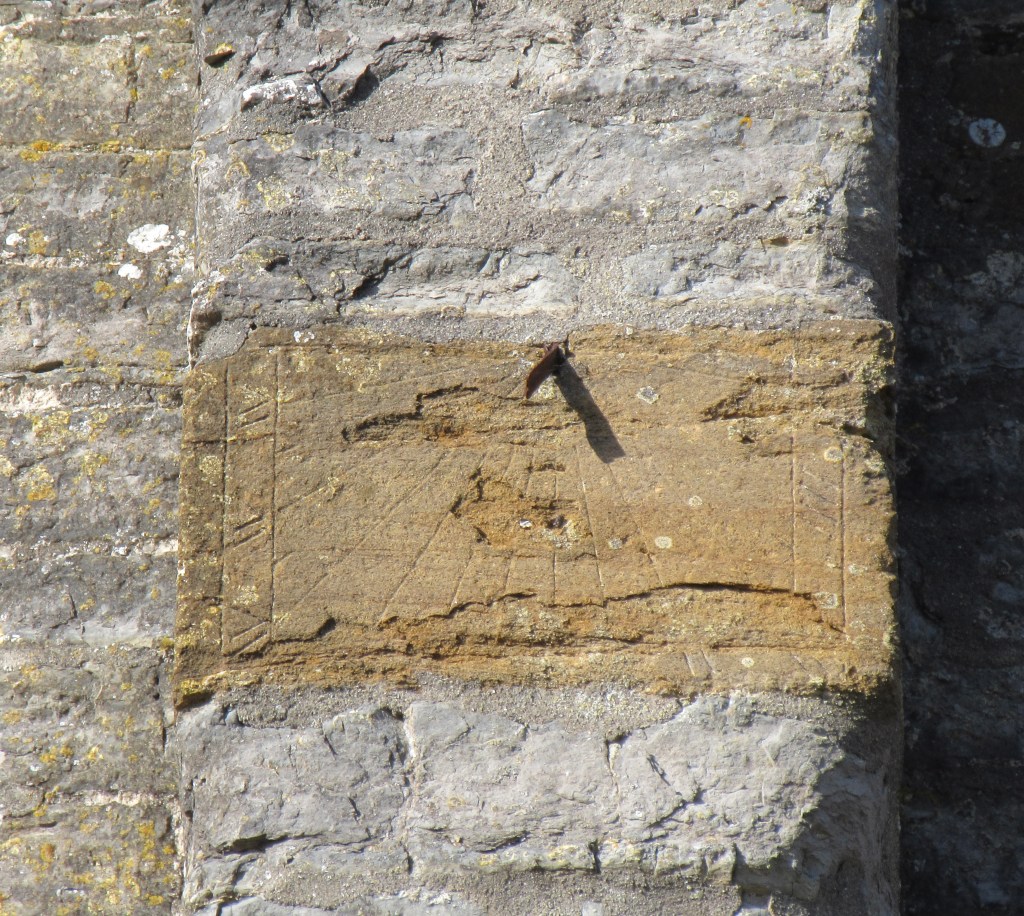
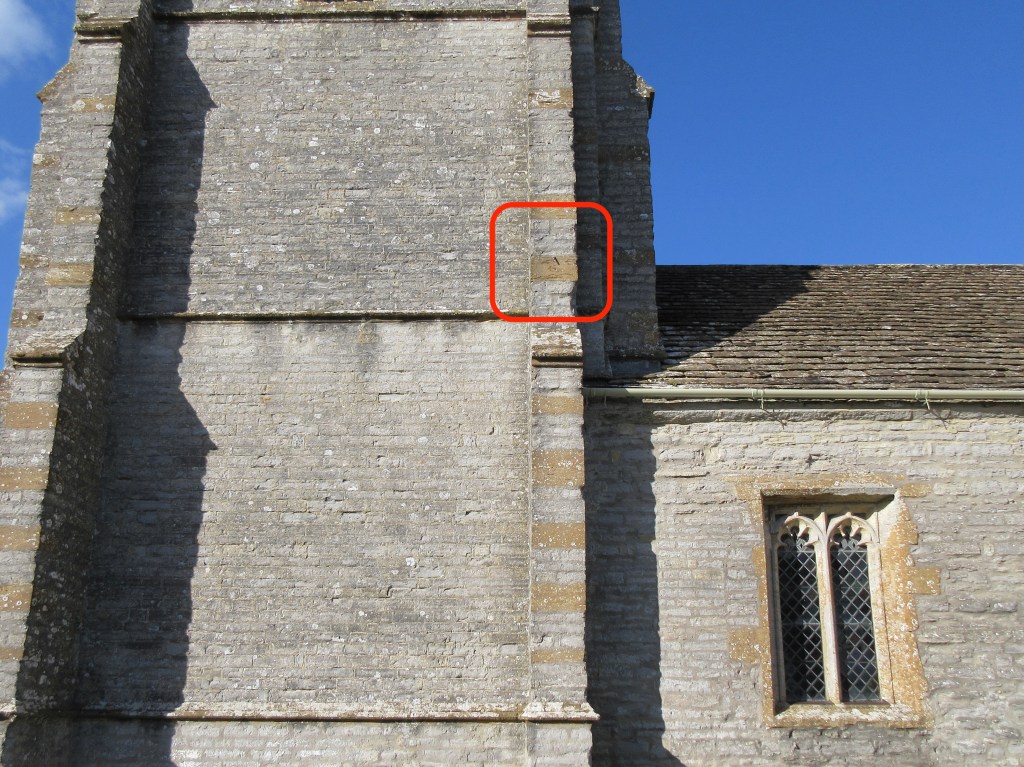
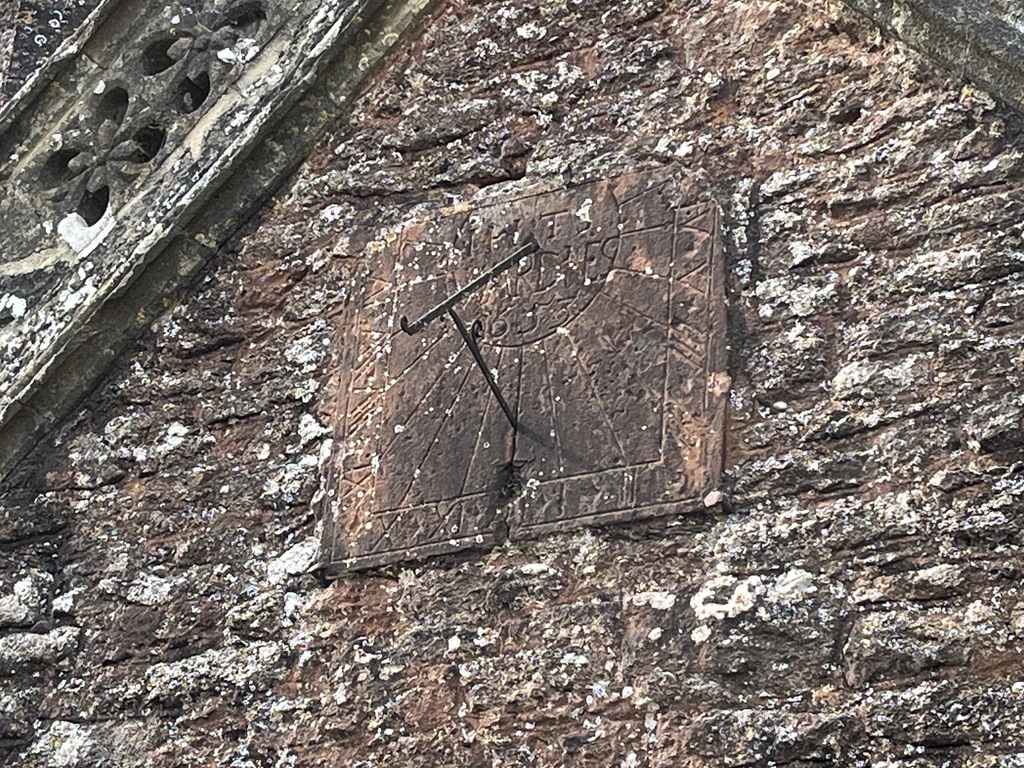
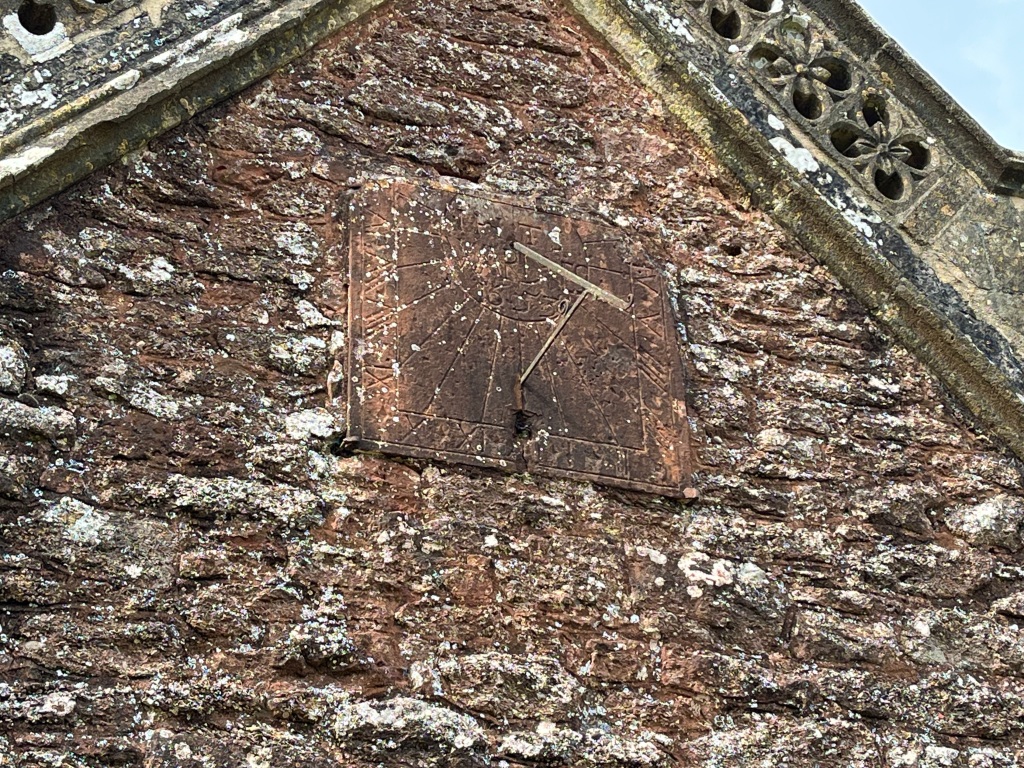
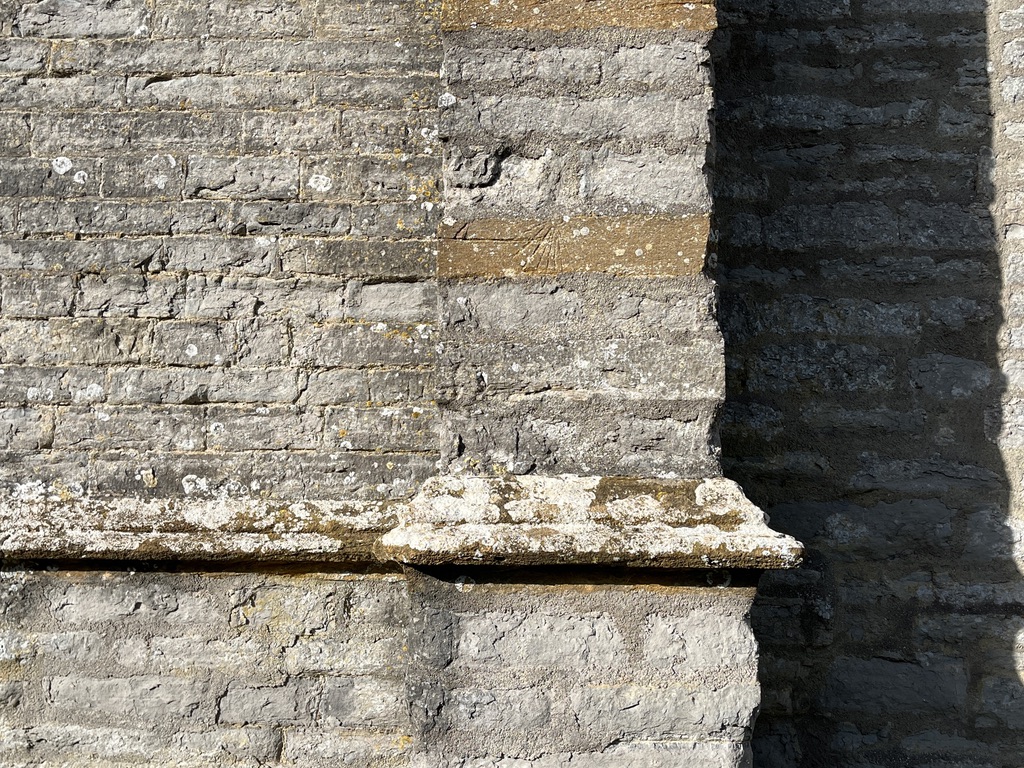
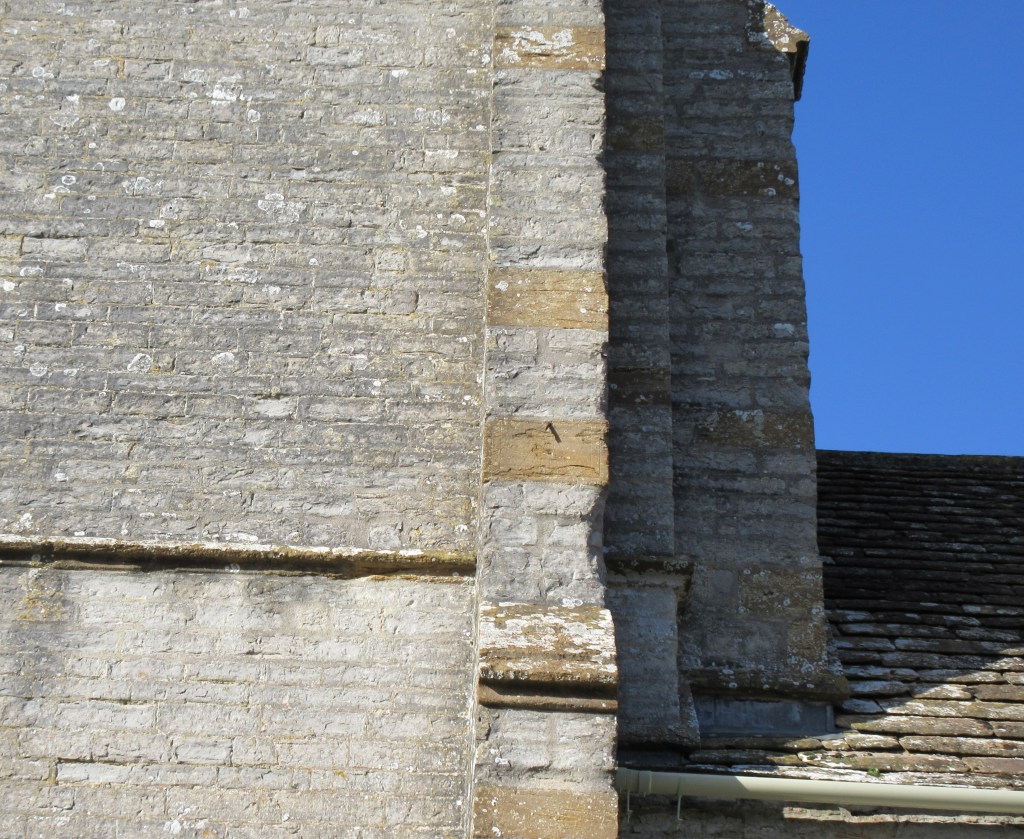
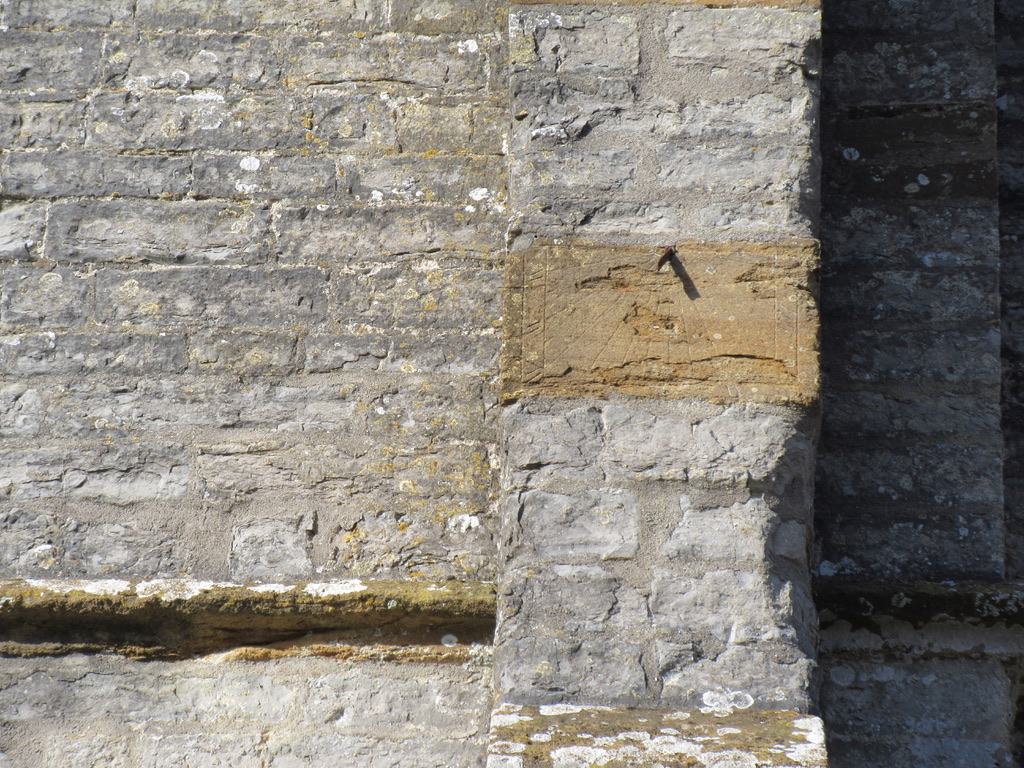
There is also a rather splendid though much worn vertical dial high up on the same buttress as Dial 1. DEH either missed it (because he was examining the south side at usual dial level); or perhaps he saw it and decided it was outside the scope of his scrutiny (see below).

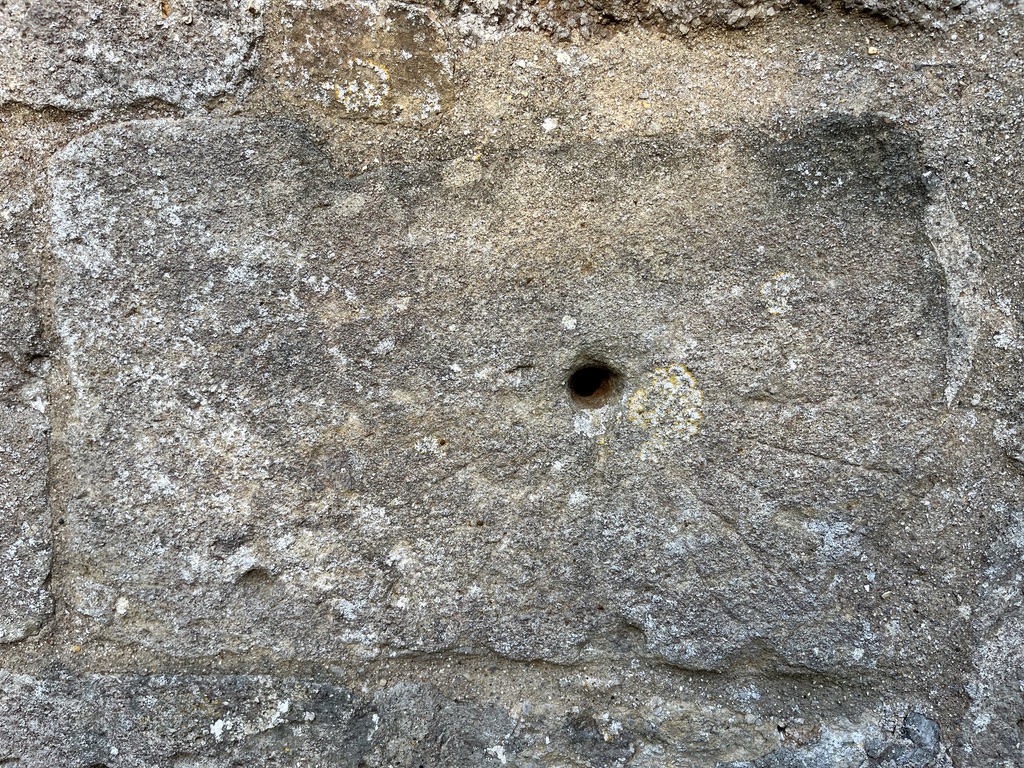
DIAL 1

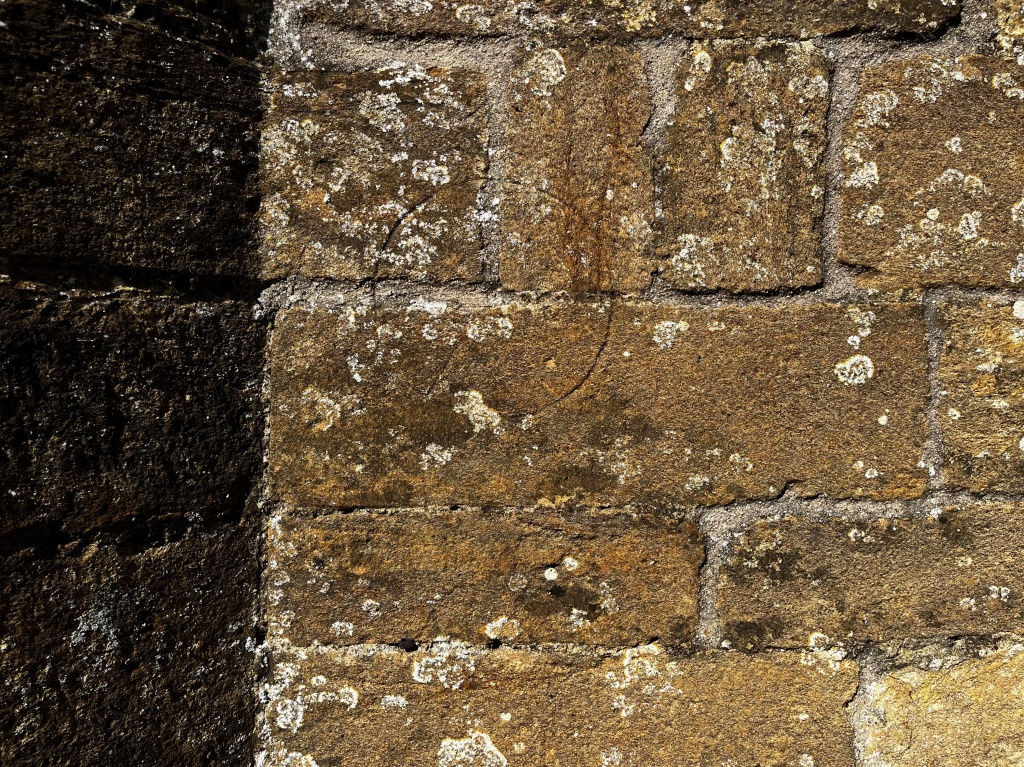
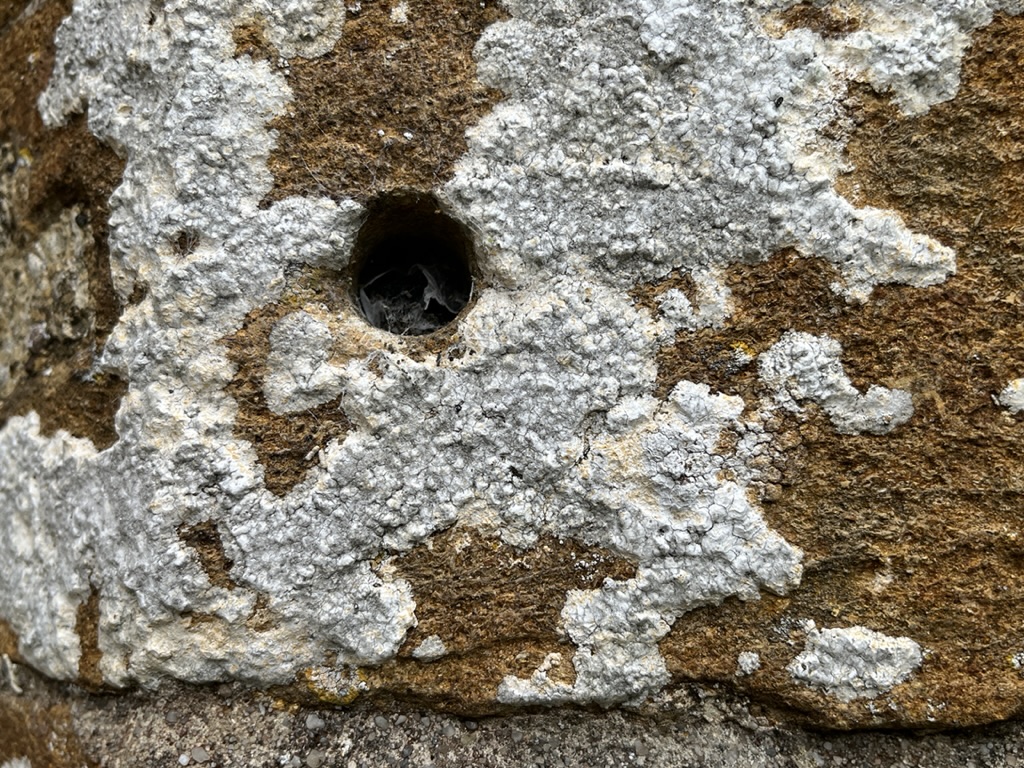
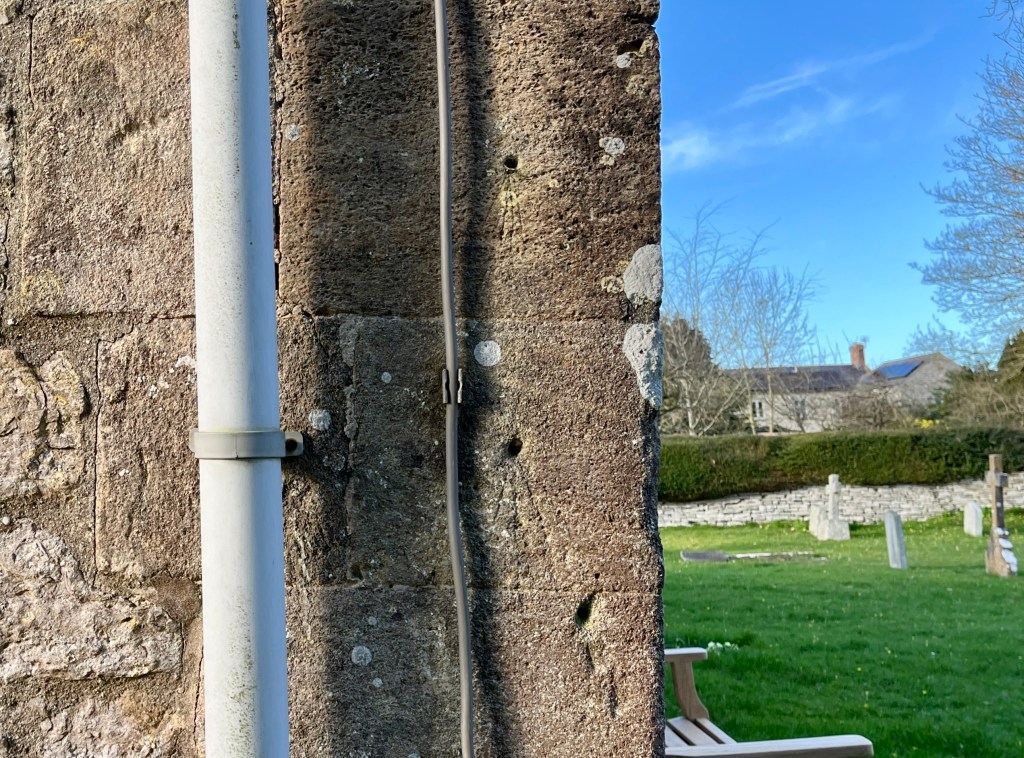
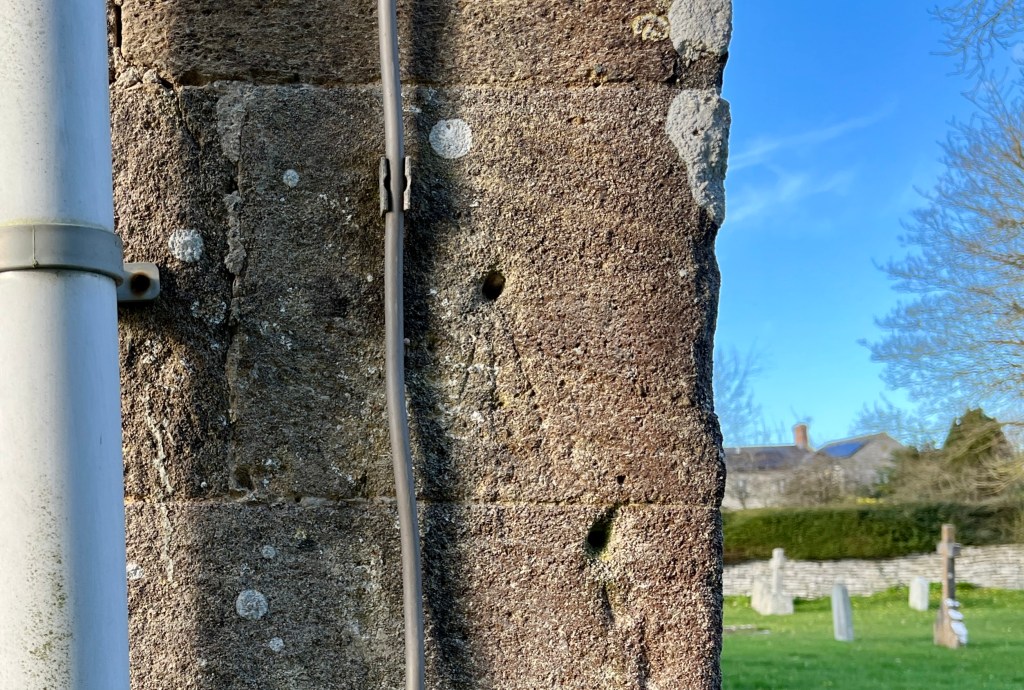
There are 8 radials. The configuration suggests a noon arrangement of 5 lines with quite accurate spacing and line length. The other 3 radials seem to have been added rather rustically RHS at a later date. The plugged gnomon hole is still discernible in the mortar line.
DIAL 2

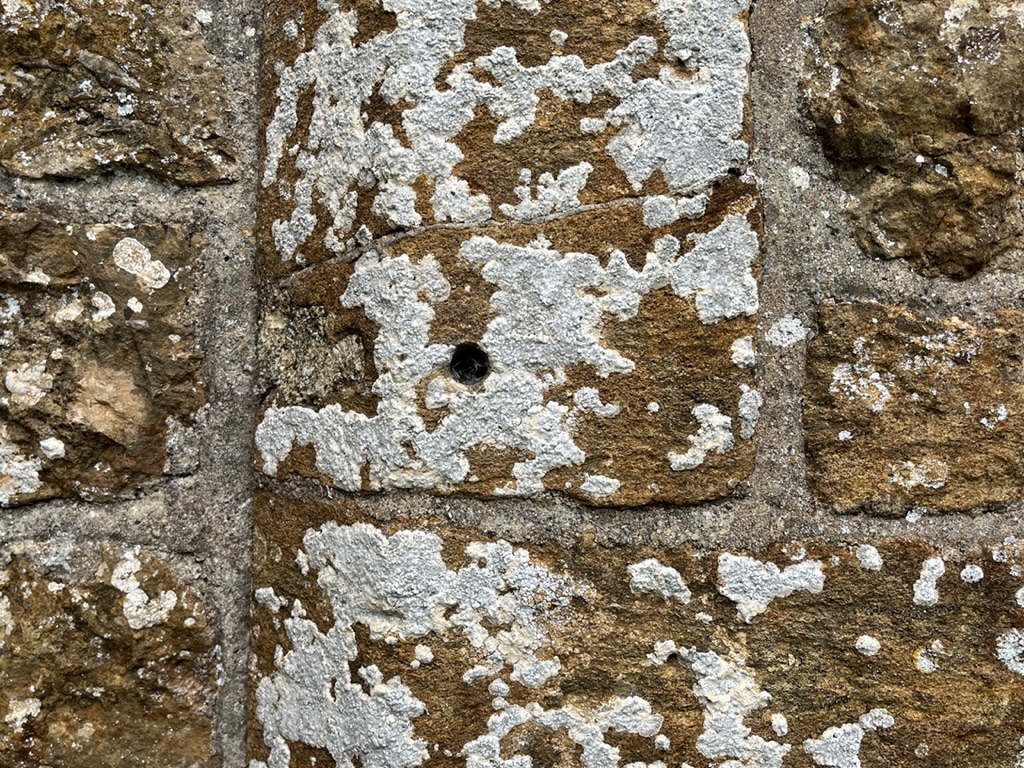
I either forgot to photograph this dial, or my camera and I had a misunderstanding. The dial is on W side of S porch. DEH noted: It is 5 feet 5 inches above the ground, the noonline is about 5 inches in length, and the style hole is open and badly shaped.

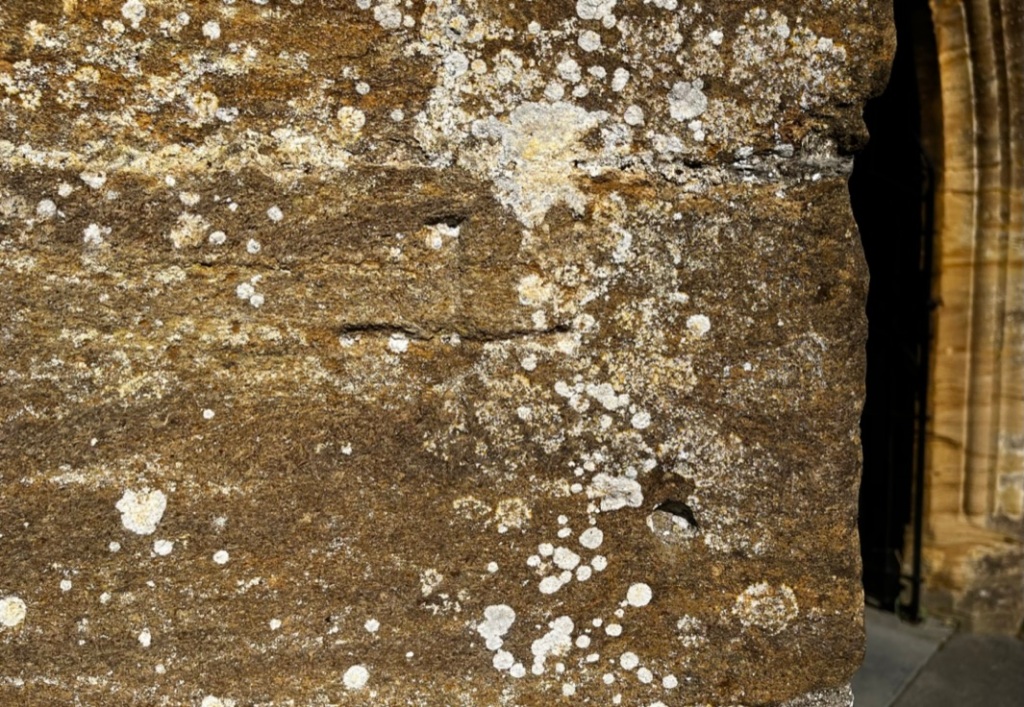
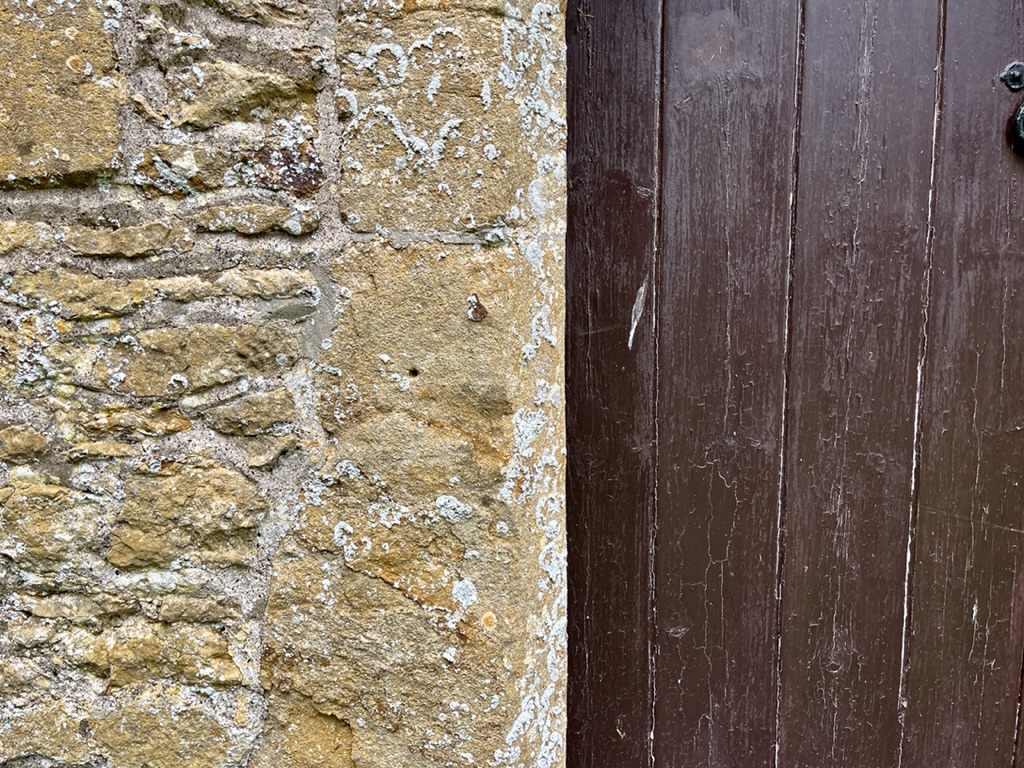
DIAL 3

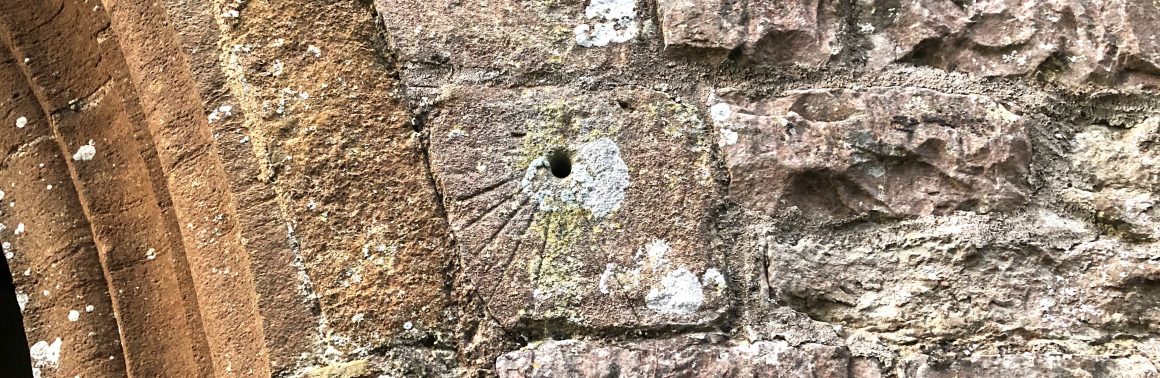
The dial is within the present porch, RHS of the the original church door. Before the outer porch was added, the dial may have served well as a time-of-day checker for passers-by, or perhaps for an Acolyte to keep an eye on before ringing the bell for a service. Later, it becomes decoration.
VERTICAL DIAL

The dial is unusually high up for a country church, and the finer details must have been rather lost on viewers. It is now badly damaged and in need of some TLC before it flakes away. I will probably write it up for my Vertical Dial page, however of interest include: the simple horizontal iron gnomon; the carefully graduated lines; the numbers being within a frame; and the use of IIII for IV.
GSS Category: Scratch Dial; Mass Dial; Scratch Dial within Porch; Somerset Scratch Dials; Vertical Dial

All photos: Keith Salvesen / Rolling Harbour
KEINTON MANDEVILLE . SOMERSET – St Mary Magdelene

ST MARY MAGDALENE . KEINTON MANDEVILLE . SOMERSET

GRADE II ✢ C13 chancel; remainder C19. C12 font. Local lias stone prettily incised PEV. Tower so simple it could be early C20 BHO. Midway between Somerton and Castle Cary. 51.068 / -2.647 / ST547300

DIALS

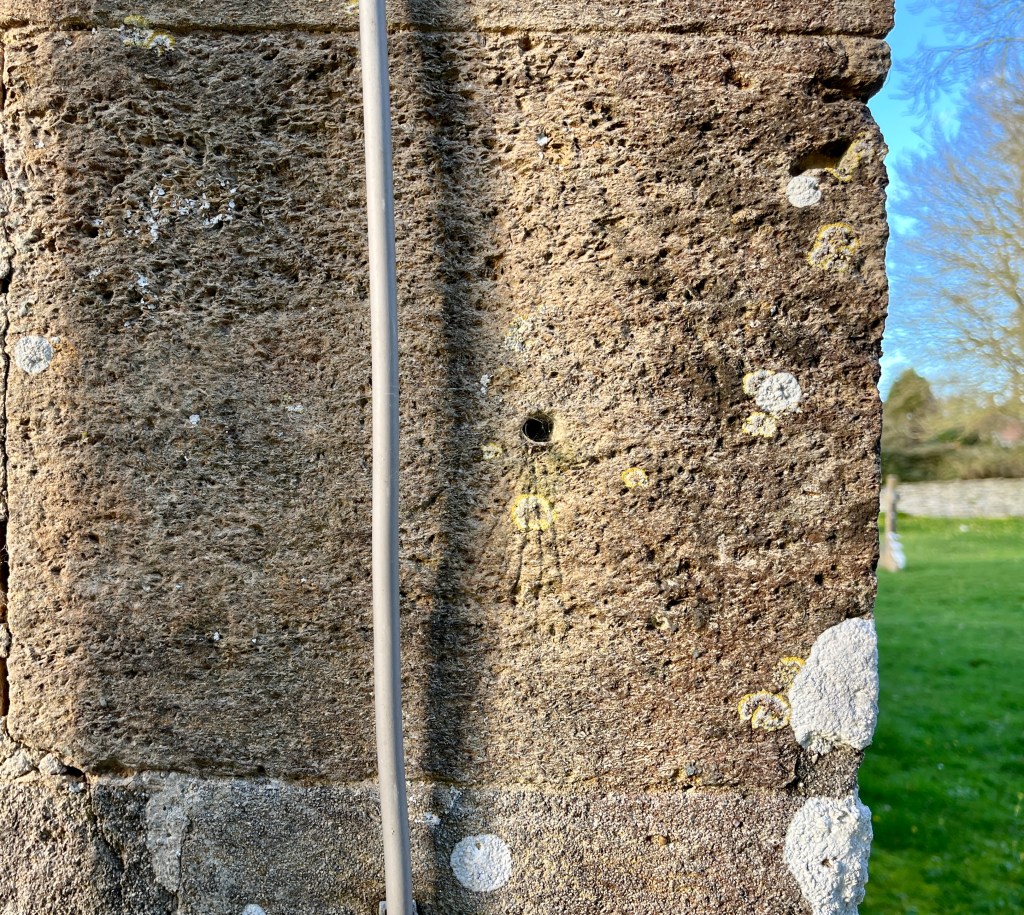
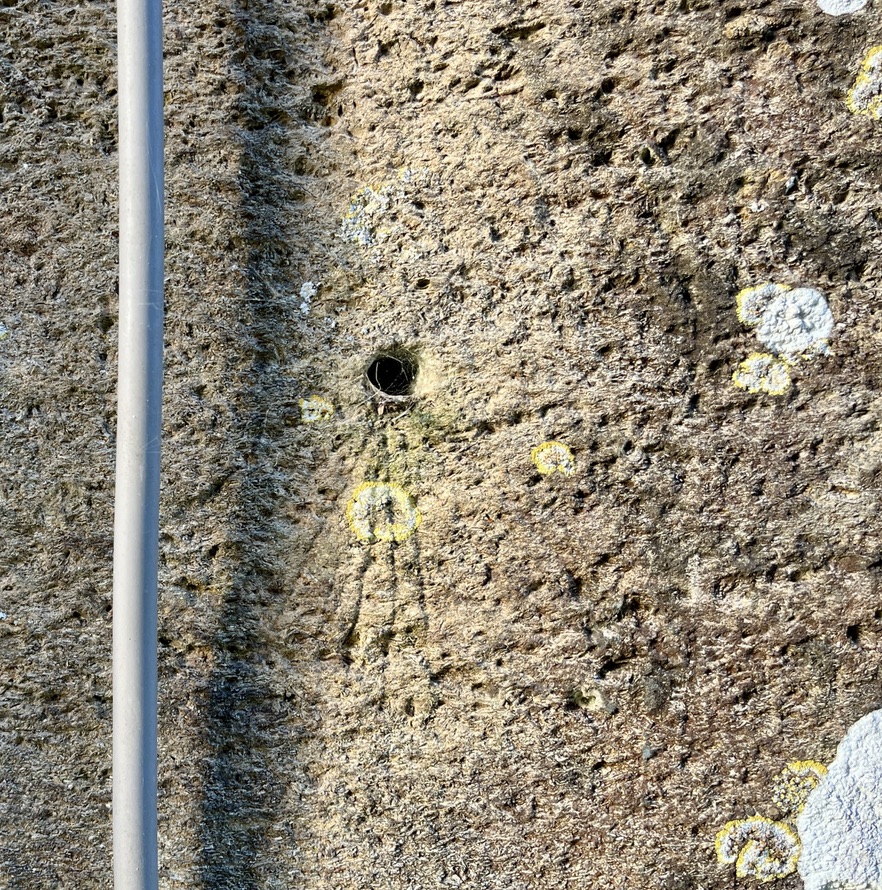
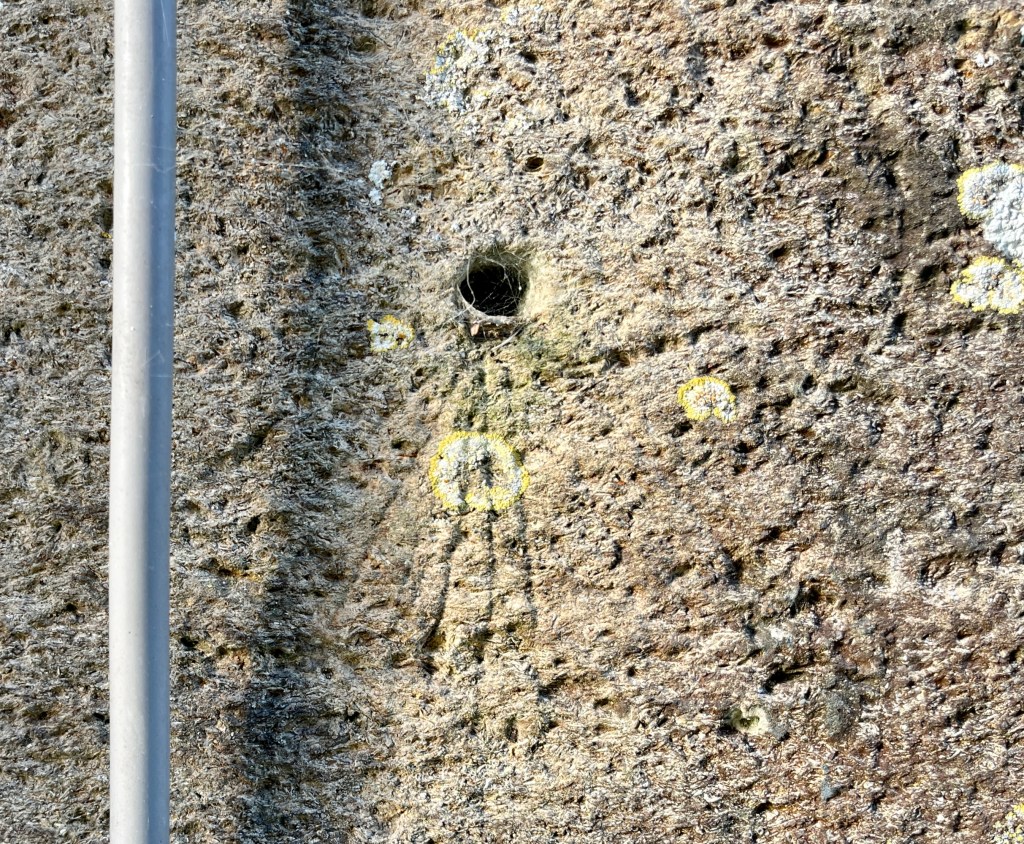
DEH visited on May 26th 1914. He recorded two dials close together on the quoins on SE corner, one above the other. These differ quite markedly. Dial 1, the lower, is simple though not rustic. A few inches above, Dial 2 is more sophisticated, presumably cut to improve on the earlier dial.

DIAL 1

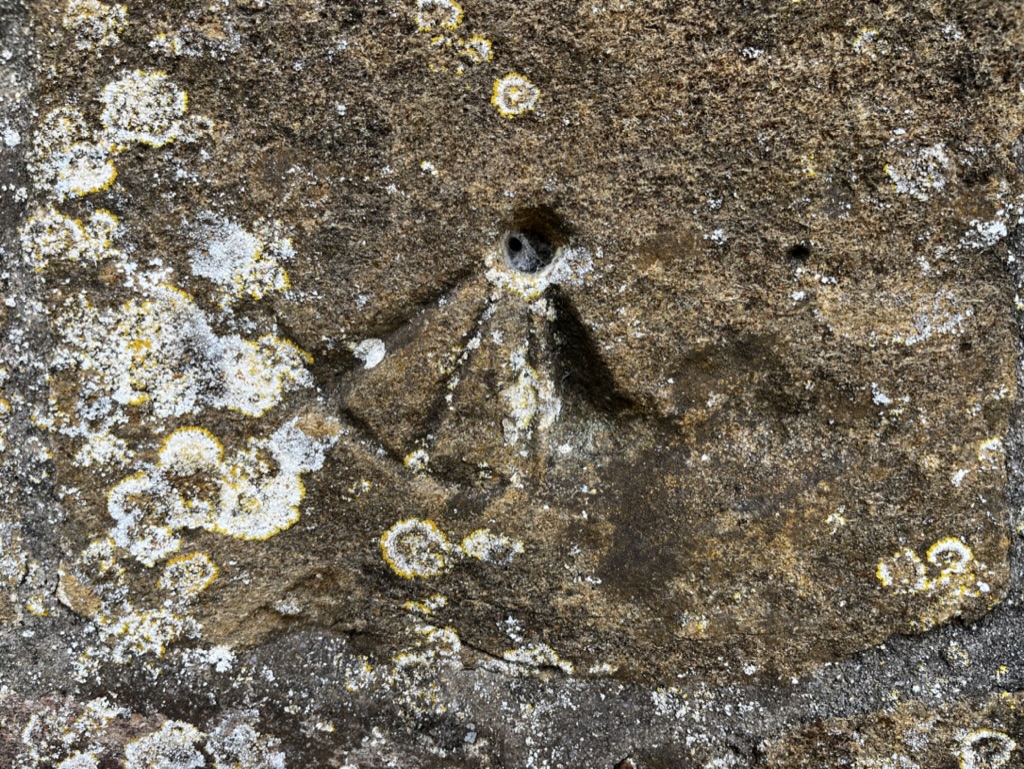
The lower of the 2 dials is straightforward. 3 radials descend for from a large (now) gnomon hole. The noon line is flanked by a line either side. The spacing is more or less accurate. The line of dots on the radial RLQ, if deliberate, may have been Mass-markers for the main time of observance – after noon.

DIAL 2

This dial has 5 radials (perhaps 6) and a large quite deep gnomon hole. Two almost vertical lines are deeper cut and end in small holes. This arrangement suggests noon may have been the Mass-time, marked from mid morning. The most interesting feature is the faint arc of a circle RHS. In places, there is the hint of a secondary circle. One must presume that at one time the rings were complete but are long-since worn away.

GSS Category: Scratch Dial; Mass Dial; Time-marking; Somerset Scratch Dials

All photos: Keith Salvesen / Rolling Harbour
BABCARY . SOMERSET – Holy Cross

CHURCH OF THE HOLY CROSS . BABCARY . SOMERSET

GRADE II* ❖ Early origins; mainly C14 / C15; additions C19 (inc. Ferrey). PEV gives this small church quite a detailed entry. This is lias stone country. The building, the churchyard, and the setting make this a fine country church. There are 2 scratch dials. Visited by DEH on 10 Sept 1912. 12m N of Yeovil. 51.0566 /  -2.6271 / ST561287

DIAL 1

On a quoin stone W side of S porch, the gnomon hole easily seen. DEH calls it a faint scratchy dial, and thought that the hole may still contain the style. He seems not to have checked; later in his dialing project, he would have. There’s no trace now.

DIAL 2

A few inches above Dial 1 is an indistinct dial, noted by DEH. But for his careful records, no one would notice it now, a century later. 4 faint and somewhat wonky radials can just be made out LLQ, descending from a shallow hole now covered by lichen. This has a slight bluish tinge suggestive of a copper rod being used as a gnomon, a speculation too far.

GGS Category: Scratch Dial; Mass Dial; Somerset Scratch Dial

All photos: Keith Salvesen / Rolling Harbour
CROSCOMBE . SOMERSET – St Mary the Virgin

ST MARY THE VIRGIN . CROSCOMBE

GRADE 1 ❖ Mainly C15, C16; C19 restoration. Plenty of interest for the visitor / church crawler, including C15 wagon roof; particularly well furnished interior BLB; box pews; fine Jacobean woodwork. Peal of 6 bells (earliest 1613). Inc. by Simon Jenkins in ‘England’s Thousand Best Churches’, with photo. 51.1975 / -2.5873 / ST590444

DIAL

The existence of a scratch dial is debatable. The church was one of the earliest visited by DEH, on October 8th 1911. His record is one of the shortest of his entire project: On the buttress to the W of the priest’s door into the chancel is a stylehole at a height of 5′ 10″ from the ground. There are no remains of either a circle or lines, but from the soft nature of the stone they may have been weathered away.

Points in favour of dial status include its central position on the stone and the height. Against is the peculiarity of the hole itself; and the fact that the stone shows no sign of weathering, even 100+ years later,

GSS Category: Scratch Dial; Mass Dial; Doubtful Dail eg

Photos: Keith Salvesen

DINDER . SOMERSET – St Michael

ST MICHAEL . DINDER . SOMERSET

GRADE II* ❖ Norman origins, C14 work, rebuilt C15, restored 1872. An attractive church both outside and in. Visited by DEH on 6 Oct 1911 on one of his early dial expeditions from Downside Abbey. Roughly halfway between Wells and Shepton Mallet. 51.199 / -2.6094 / ST575446

DIAL

DEH recorded a single dial on W corner of S aisle. He noted a 2.5 inch deep gnomon hole, and commented ‘…this dial is cut on soft red sandstone and has all 12 hour lines… many of them probably added to the original design’. More than 100 years later, only 9 are legible.

GSS Category: Scratch Dial; Mass Dial; Dial erosion

All photos: Keith Salvesen / Rolling Harbour
ILCHESTER . SOMERSET . ST MARY – Scratch Dial

ST MARY MAJOR . ILCHESTER . SOMERSET

GRADE II* ❖ C13 and later, south aisle added 1870s. Three stage octagonal tower, a feature of this area of Somerset (see Barrington, Stoke St Gregory, North Curry, Podimore and Weston Bamfylde). Close by is a fine market cross with a cube dial, also found in other towns and villages locally (eg Martock, Ilchester) – separate post in due course. 51.0009 / -2.6818 / ST522226

DIAL

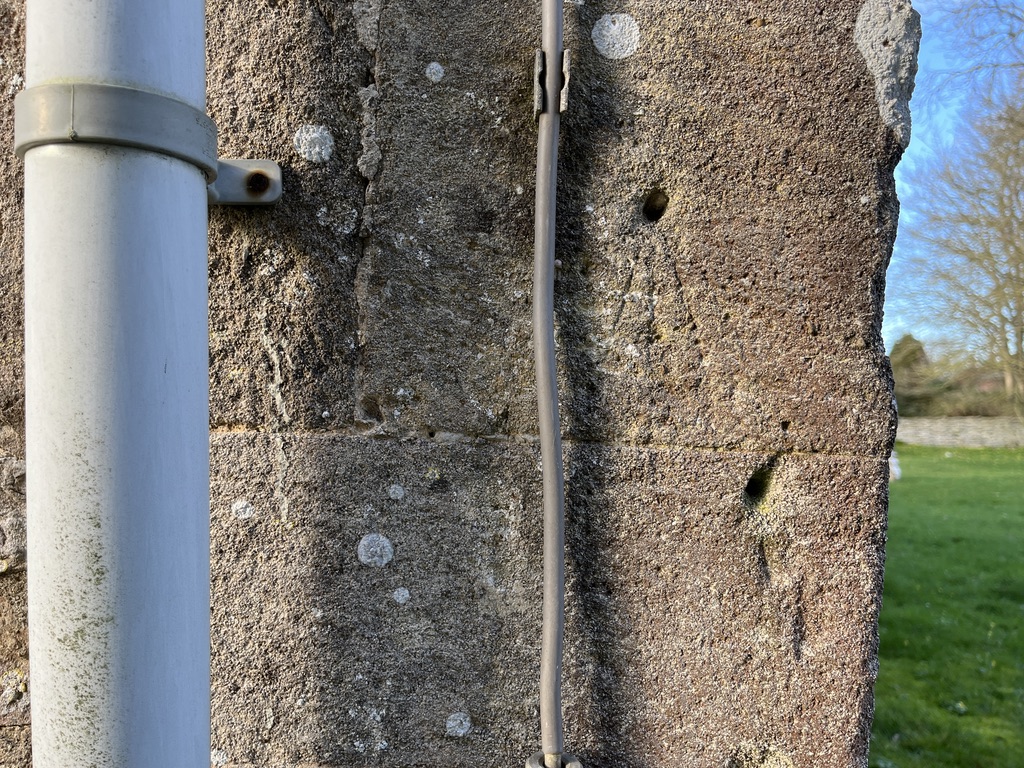
Without guidance, it would be easy to overlook the dial. DEH does not mention it. I only discovered it from the very informative church leaflet. Despite the clues to its position, it still took me a while to find the relocated and inverted dial, barely 2ft off the ground.

Dial details – Church Leaflet

.

REVERSION

With relocated dials, especially inverted ones, it’s often worth seeing how they originally looked. This dial takes on a different appearance when righted.

The two dark areas are almost certainly the footings for a vertical sundial. The slight alignment to the right of vertical suggests a calculated angle. The leaflet note that the dial used to be high on the south wall of the nave definitely suggests a vertical dial rather than a scratch dial (which would be pointless in a high position). Seeing it in its original location, I might have described it as an inverted vertical dial with a damaged surround and erosion evident, especially RHS where faint lines can just be detected.

So, without being didactic, I can’t be sure that this is a scratch dial as opposed to a later vertical dial. All comments welcome.

GSS Category: Scratch Dial; Mass Dial; Octagonal Church Tower Somerset; Vertical Dial

All photos: Keith Salvesen

LYDEARD ST LAWRENCE . SOMERSET – Scratch Dial; Vertical Dial 1653

ST LAWRENCE . LYDEARD ST LAWRENCE . SOMERSET

GRADE 1 ❖ Saxon / Norman origins. Chancel and nave c1350, rest C15, restorations 1869 and late C20. A fine example of a Somerset church, most rewarding to visit. Early C16 screen, bench ends of note. Jacobean inverted font. Splendid doors that look entirely original. A bier and an interesting clock (not openly accessible). 10m NW of Taunton. 51.0819 / -3.2461 / ST128321

SCRATCH DIAL

The dial is easily seen on W side of the priest’s door. It is a pleasingly straightforward quarter dial marking 6 to noon. The line spacing is somewhat random, and there is some confusion around noon, with faint lines detectable.

DEH visited St Lawrence on Sep 27th 1913, one of his early expeditions. He noted: The stylehole is large and oval, and may have been made so in efforts to extract the style. It is hard to see why this should be done with no new style added; but it does show that the removal of the gnomon was more than a century ago, and not a recent act of vandalism.

VERTICAL DIAL 1653

BSS Record: The hours use XII for noon and IIII for four pm, and VI, VII and VIII am are written backwards (round the clock’), as is not uncommon. Around the gnomon are carved I HT S / WARDNES / 1653, the W of WARDNES being superimposed Vs, and the letters NE being conjoined, both presumably to save space.

The gnomon is an iron bar with a hooked tip, and the straight support has a curled spur on the upper side and its own hook at the top.

GSS Category: Scratch Dial; Mass Dial; Vertical Dial; Dated Dial

All photos: Keith Salvesen

MARTOCK . SOM . ALL SAINTS – Multiple Scratch Dials

ALL SAINTS . MARTOCK . SOMERSET

GRADE 1 Mid-C13 with earlier origins; expansion to C16; restorations by Ferrey and Scott 1860 and later. A most impressive Parish church with a 4-stage tower. Admired by PEV as one of the loveliest of Somerset churches on account of its splendid Perp. work on the nave; and for being remarkably airy and spacious. 50.9693 / -2.7687 / ST461191

DIALS

A most rewarding multi-dial church. As often, estimates of the number vary. DEH recorded 5 dials in June 1915 and included a photograph of the dial above in his book.

DIAL 1

DIAL 2

DIALS 3 & 4

DIAL 5

DIAL 6

DIAL 7

DIAL 8

DIAL 9

DIAL 10

DIAL 11

ARCS etc

Having recently written up Winterbourne Stoke and a few other multi-dial churches, I have decided not to include a plain arc as (part of) a dial unless there’s at least one other dial-ish feature – evidence of a centered hole in the mortar line; perceptible lines; pocks; and so on. I’ll still feature them but not as part of a dial count. Unless corrected of course – please do.

CONSECRATION CROSS OUTSIDE PORCH

The pride of Martock Church is its superb angel roof, installed in the first decade of the 16th century and completed in 1513. The roof design is a king-post style with tracery infill between the truss beams. There are central pendants from each cross-beam, above which rise beautifully carved figures. (David Ross, Britain Express)

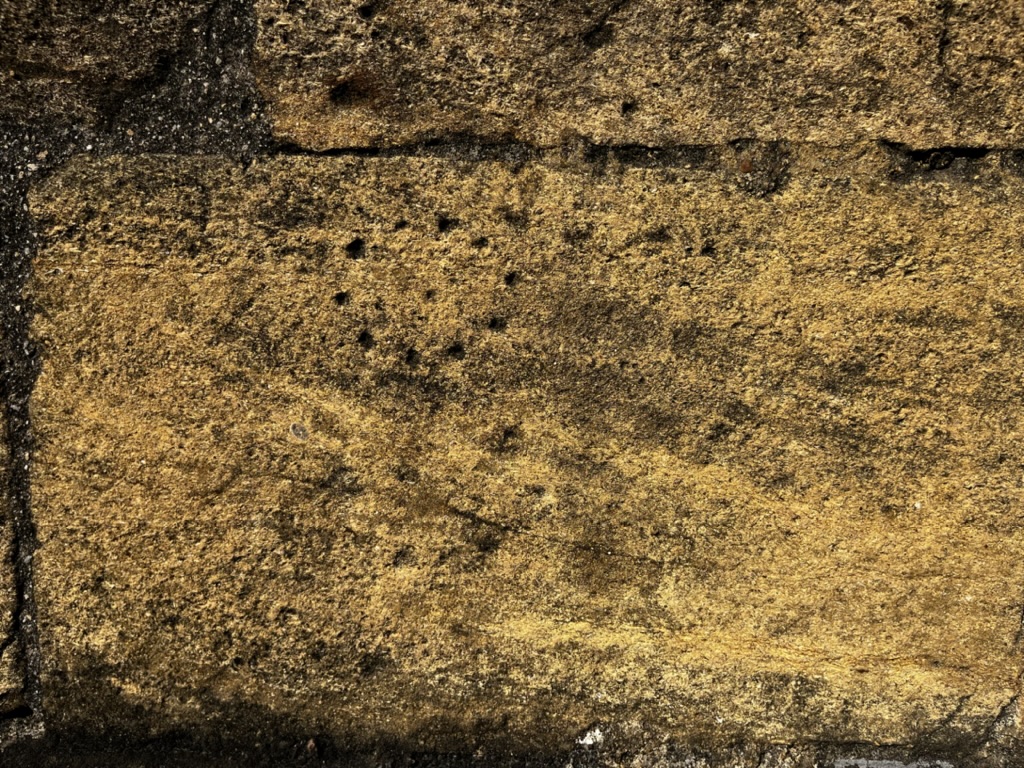
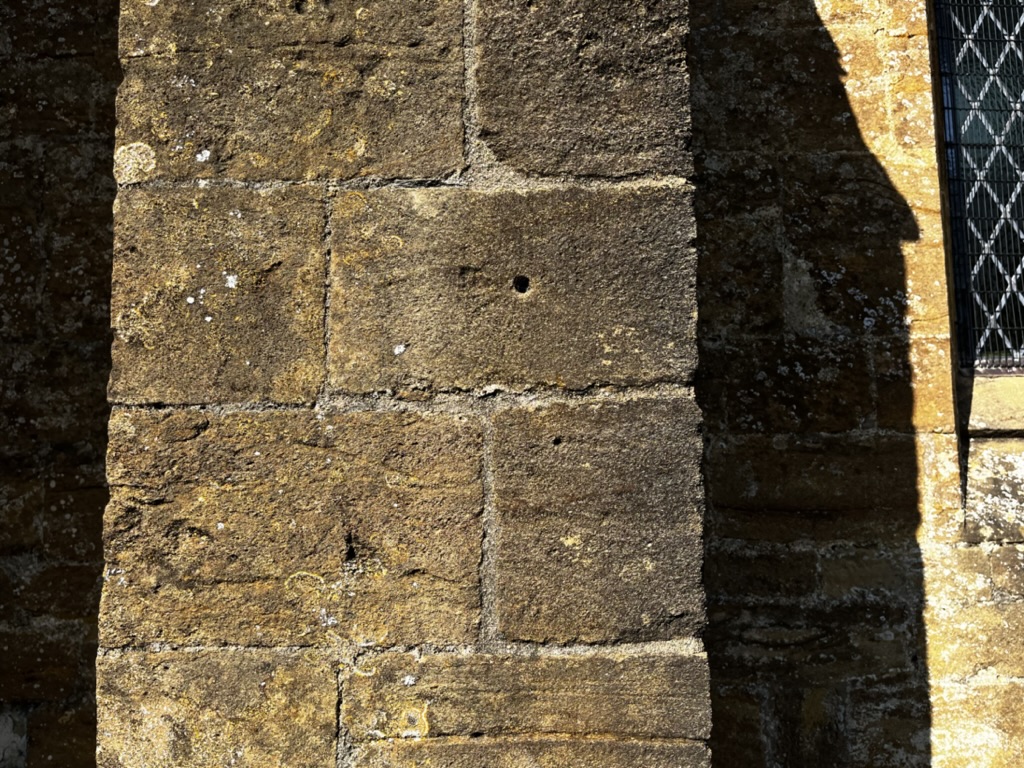
200. (1) This dial is on the w. side of the s. porch. It is 6 feet 1 inch above the ground. The noon line is 3 3/4 inches in length, the style hole is 1 inch deep, and is in a joint. The aspect is s. by 5° e. (See No. 12.)

201. (2) This dial is under the first window E. of the s. porch. It is 4 feet 7 inches above the ground, the noon line is 3 inches in length, the style hole is 1 3/4 inches deep, and the aspect is s. by 15° e. Type 6.

Dial No. 2 is of the unique shape that exists at Tintinhull (224) and Swainswick (25).

202. (3) This dial is on the second buttress e. of the s. porch. It is 5 feet 9 inches above the ground, the noon line is 3 1/2 inches in length, the style hole is very shallow, and the aspect is s. by 15° e. Type 3.

203. (4) This dial is under the third window e. of the s. porch. It is 3 feet 10 inches above the ground, the noon line is 2 inches in length, the style hole is If inches deep, and the aspect is s. by 15° e. Type 10.

204. (5) This dial is on the fifth buttress e. of the s. porch. It is 5 feet 1 inch above the ground, the noon line is 5 1/4 inches in length, the style hole is 1 1/4 inches deep, and the aspect is s. by 15° e. Type 5c.

GSS Category: Scratch Dial; Mass Dial; Multiple Dial Church

All photos: Keith Salvesen

PUCKINGTON . SOM . ST ANDREW – Scratch Dial

ST ANDREW . PUCKINGTON . SOM

GRADE II* C13 (of which traces), C15, major C19 restoration. An attractive church to visit, close to Barrington Court NT. 50.9606 / -2.8884 / T377182

DIAL

DEH visited in Sept 1912 and recorded: The dial is on the W side of the Priest’s door… 2 early A.M. lines are all that show but the stone is badly weathered and others may have been on it.

The erosion is doubtless worse now. One can just about make out a short horizontal 6-line L side, and a trace line below. Without DEH’s pioneering scratch dial project, I doubt that this little dial would ever have achieved a later mention.

GSS Category: Scratch Dial

All photos: Keith Salvesen

STOCKLINCH OTTERSEY . SOM . ST MARY – Scratch Dial

ST MARY . STOCKLINCH OTTERSEY . SOM

GRADE II* Mainly C13, C14. Norman font. Alone on a hillside, accessible only on foot. Originally a separate parish from the close-by village of Stocklinch Magdalene; later amalgamated; now redundant and in the care of CCT.  3m NE of Ilminster. 50.9535 / -2.8813 / ST381174

DIAL

DEH visited St Mary in September 1912, one of his earliest field trips from Downside Abbey on his motorcycle in search of scratch dials. As he described it there is a doubtful dial on the E side of the Priest’s door. It is in a likely position, but the stone is so badly weathered that no lines can be traced upon it. To which I can only add even less so 100+ years later, especially with lichen obscuring scrutiny.

I include this record both because St Mary repays a visit for its location alone, and for completeness. Very close is the small Church of Stocklinch Magdalene, and it’s a short distance to BARRINGTON church with 4 scratch dials; and Barrington Court (NT) which has 2 outstanding pillar dials in the gardens.

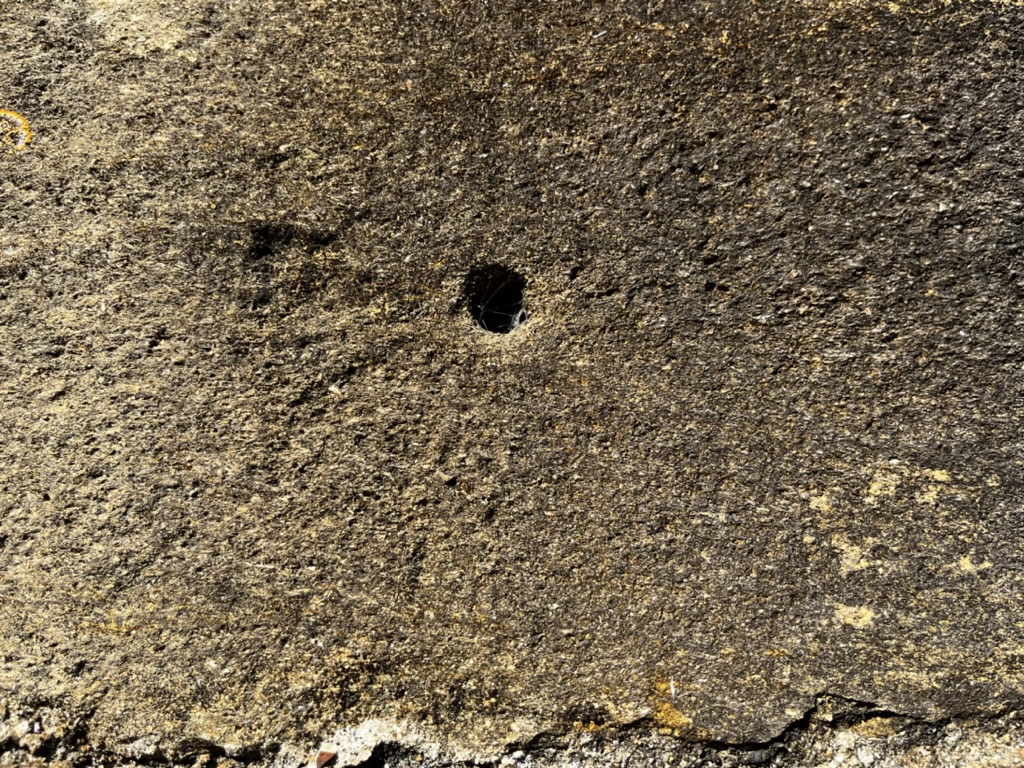
On the same side of the priest’s door, 2 stones lower, is a smaller apparently drilled hole with some sort of lining (?), but also no dial-ish features.

GSS Category: Scratch Dial

All photos: Keith Salvesen