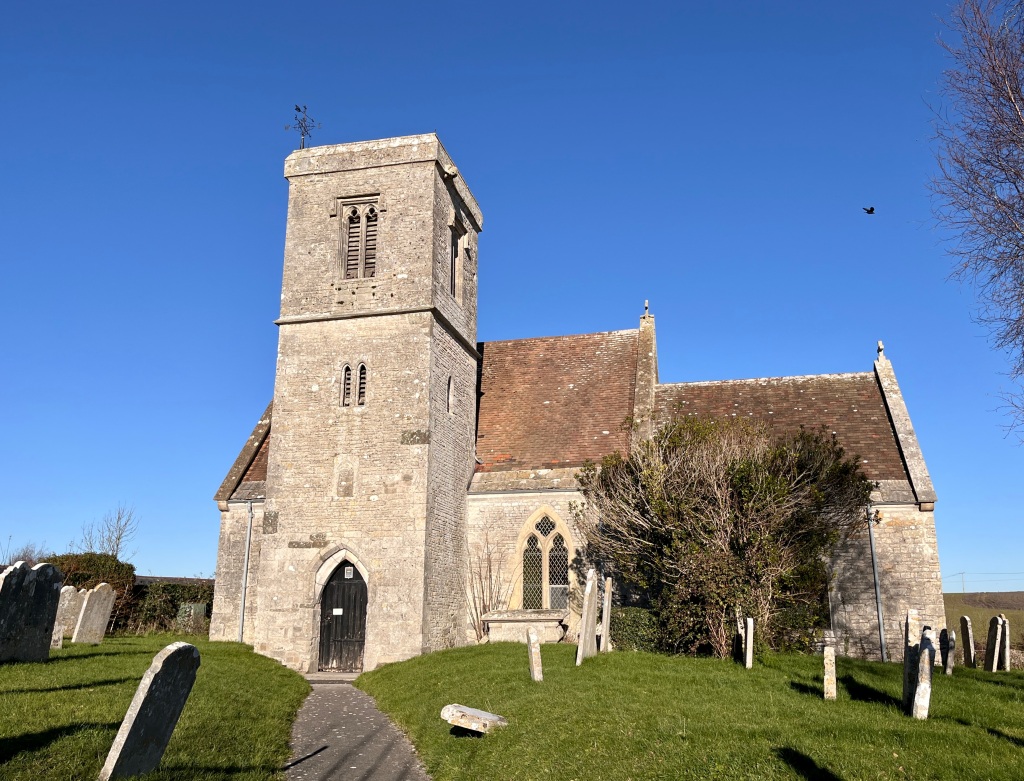
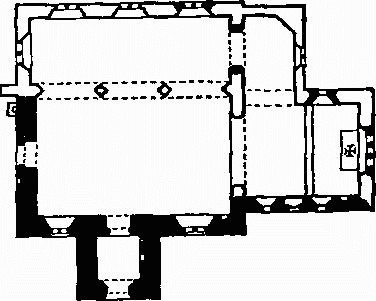
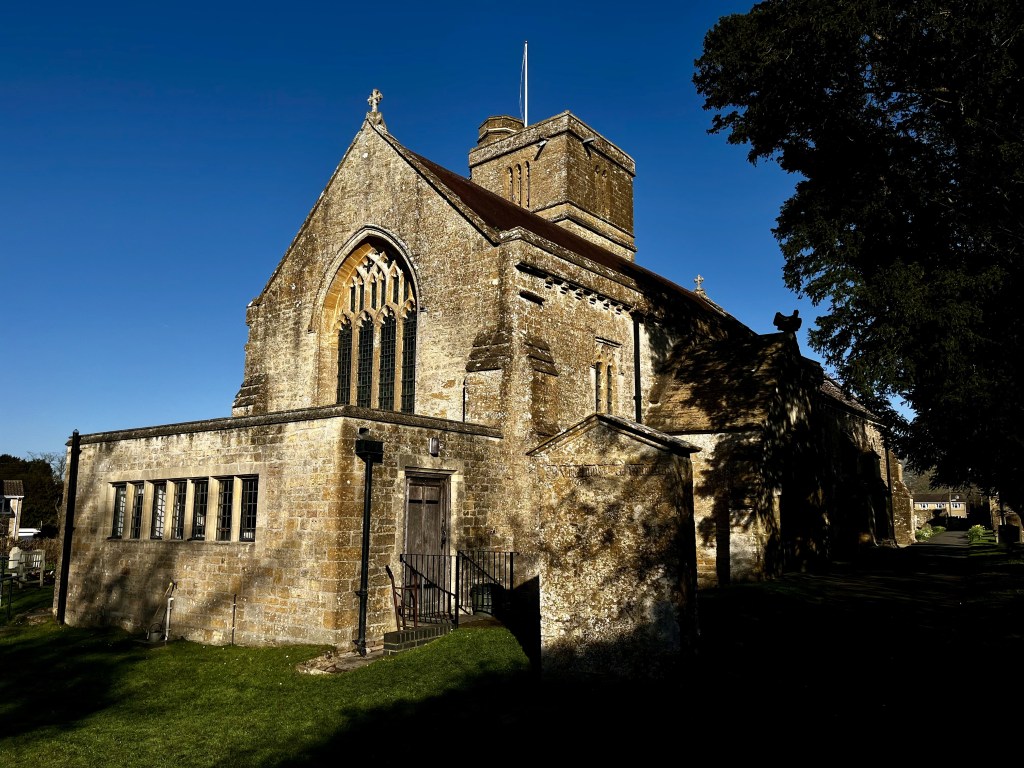
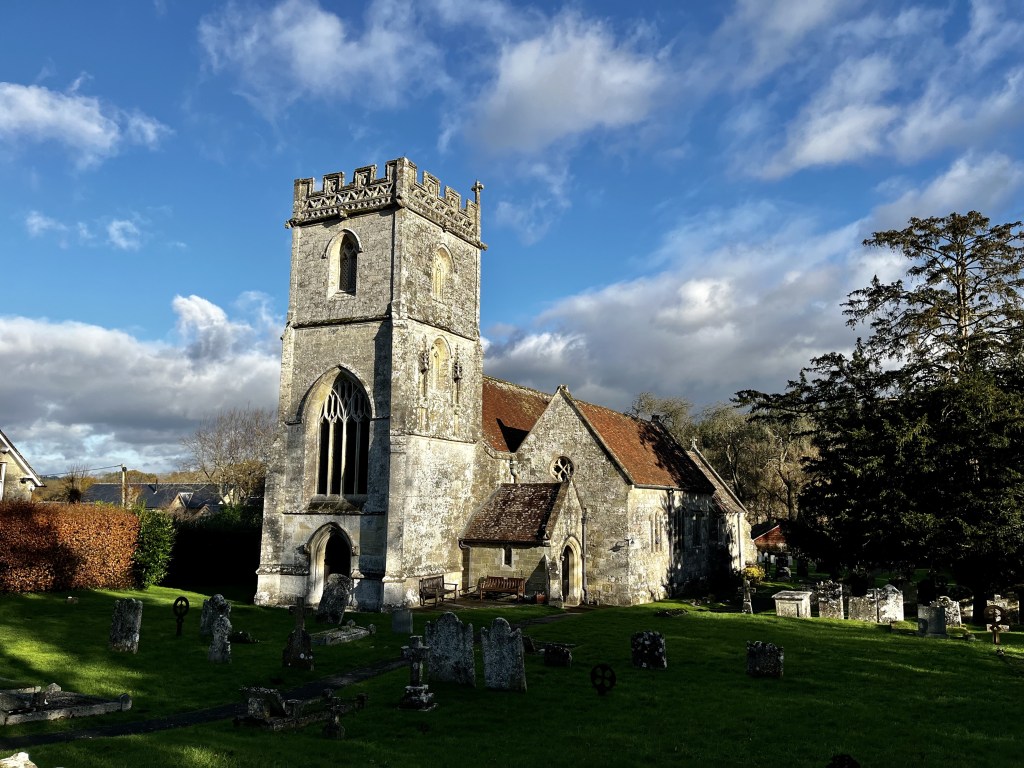
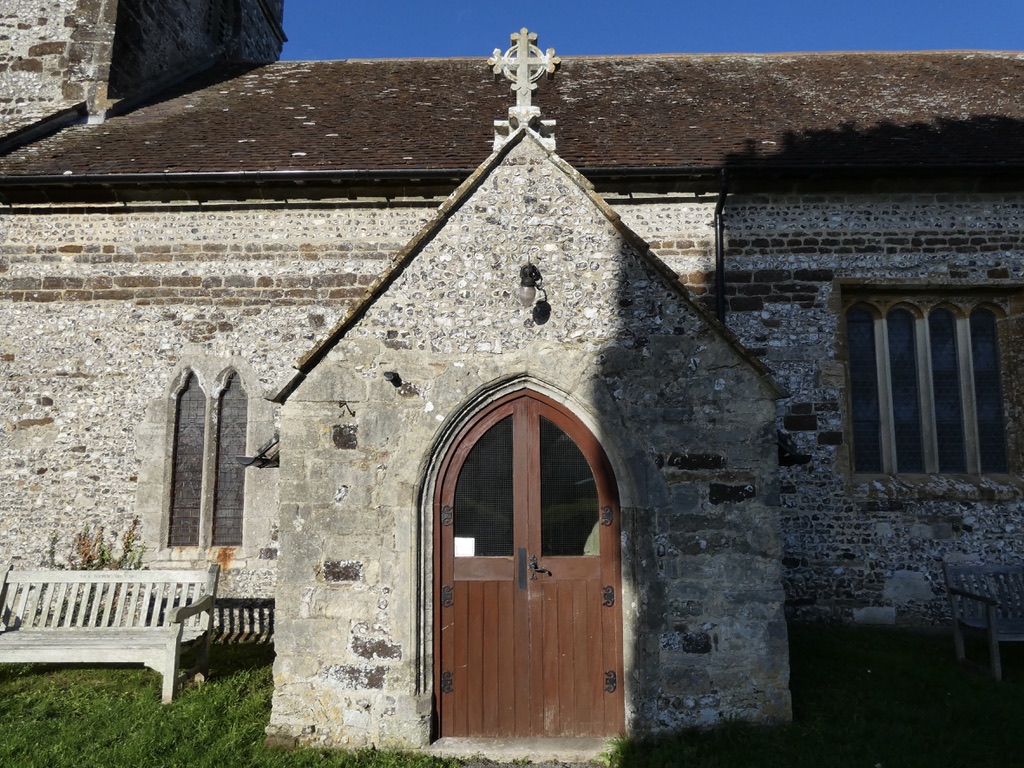
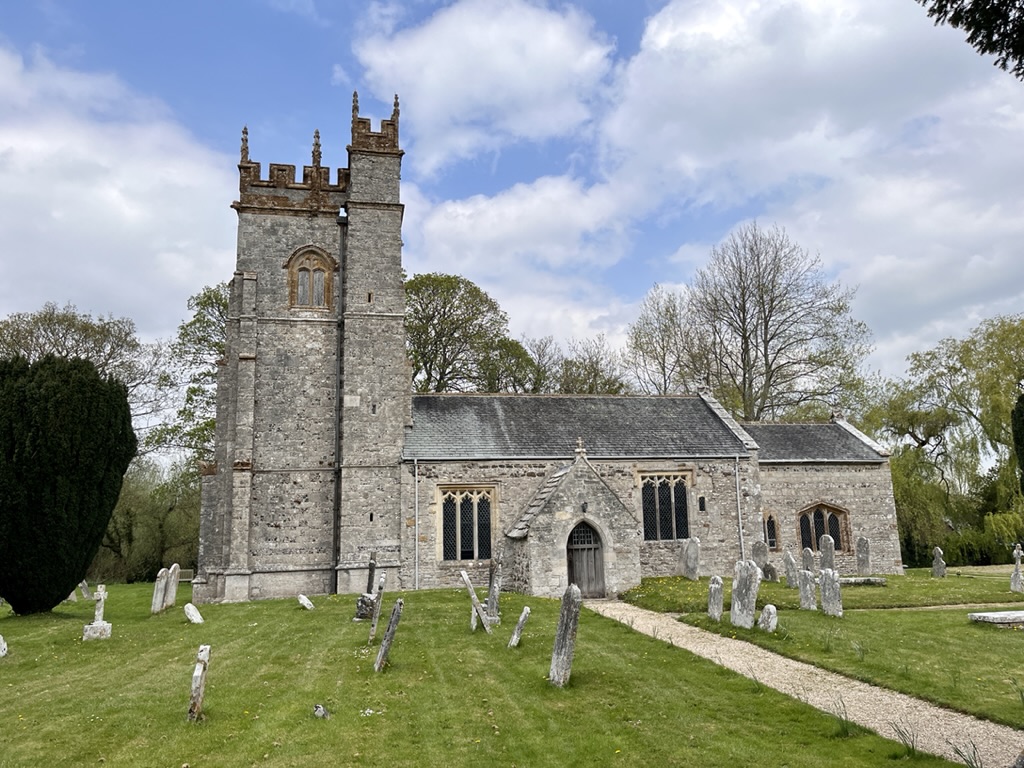
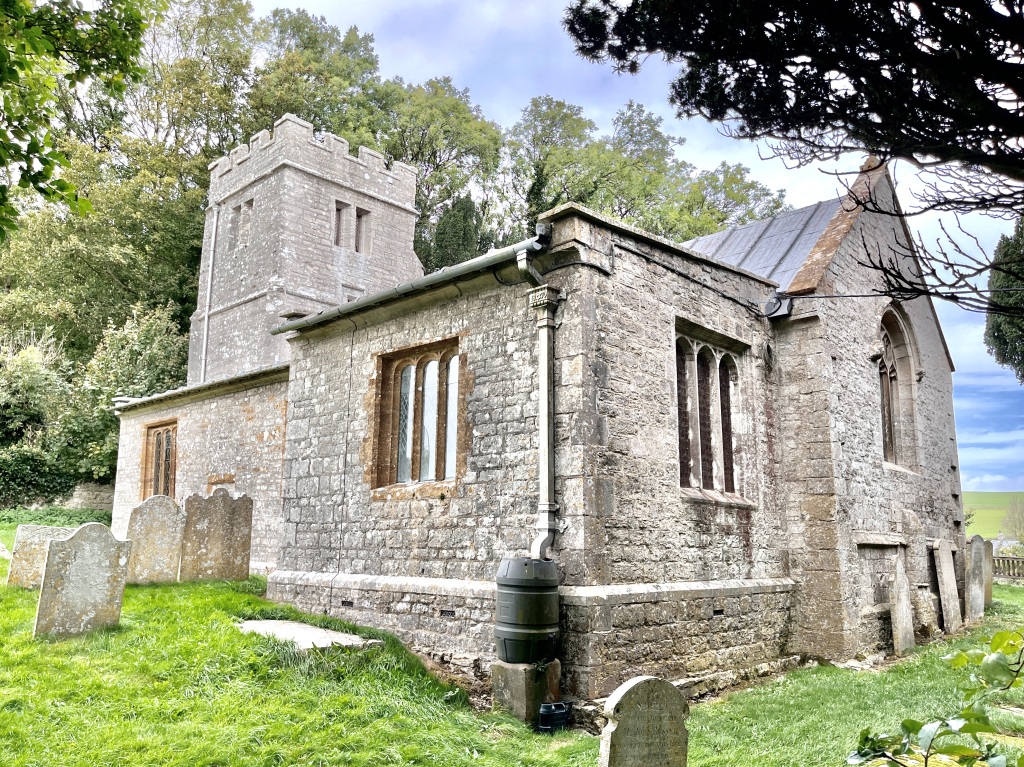
GRADE II* † C13 chancel; C14 nave and lower tower with porch (top stage added later); extensive mid-C19 restoration and rebuilding by J Hicks (Thomas Hardy is said to have drawn the plans while apprenticed.) Portland Stone. 5m SE of Dorchester. 50.6788 / -2.3857 / SY728866
DIALS
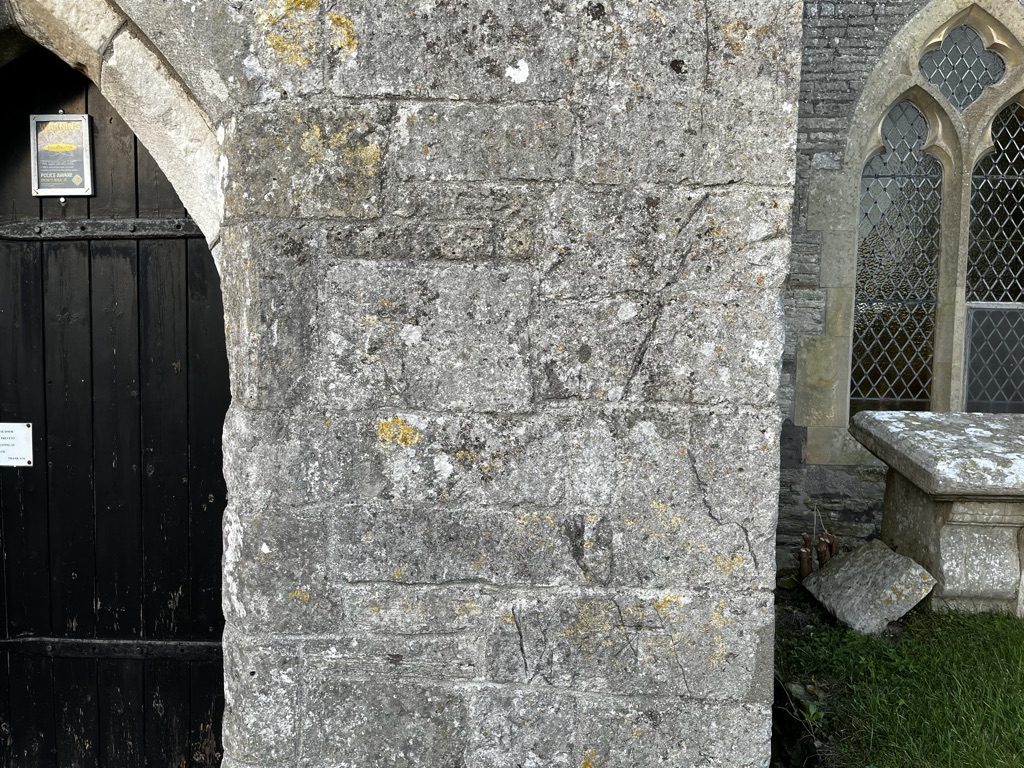
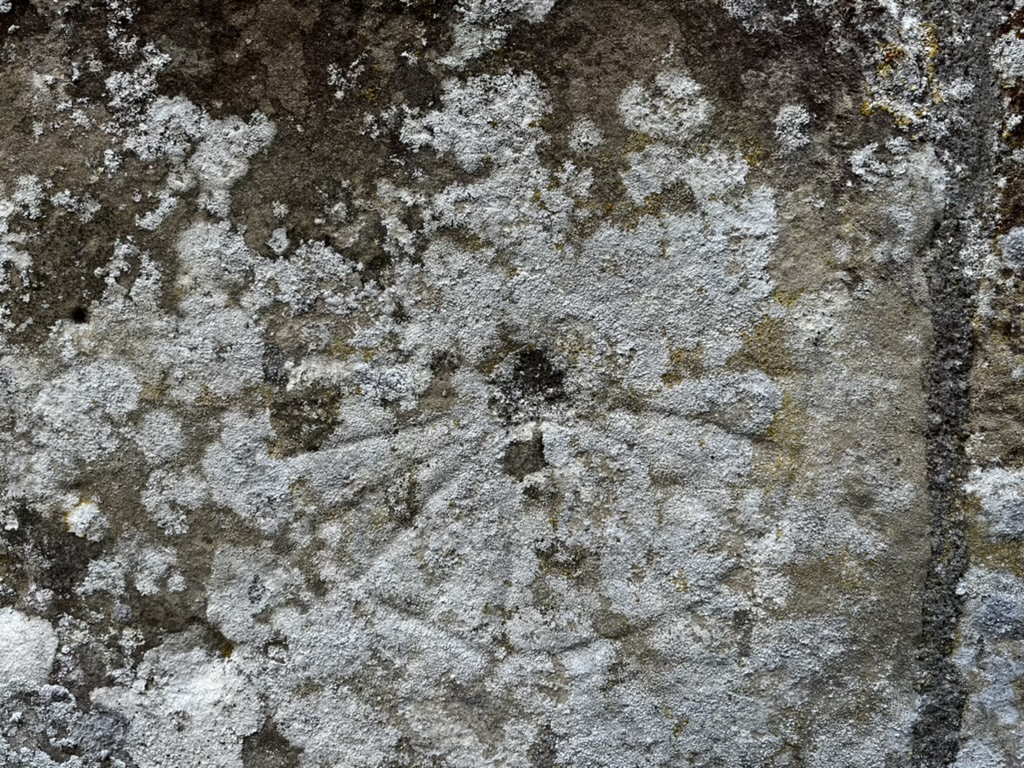
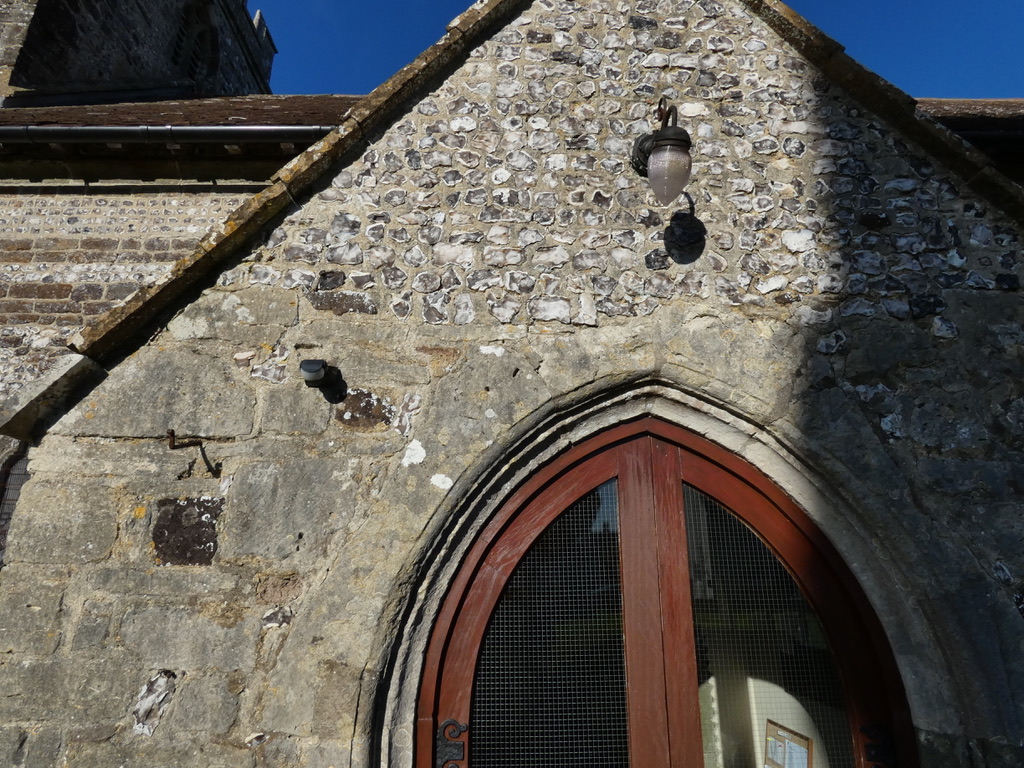
There are 3 dials. 2 are adjacent on E side of the porch which is (unusually) set in the tower. Dial 1 is eroded but visible. Dial 2 is vestigial and easily overlooked (eg by BHO / RCHM). Dial 3 is relocated well out of sight on the NE quoin of the church, a place it could never have been originally. It is much the clearest cut of the 3.
DIAL 1
St Martin . Broadmayne . Dorset – Scratch Dial 1
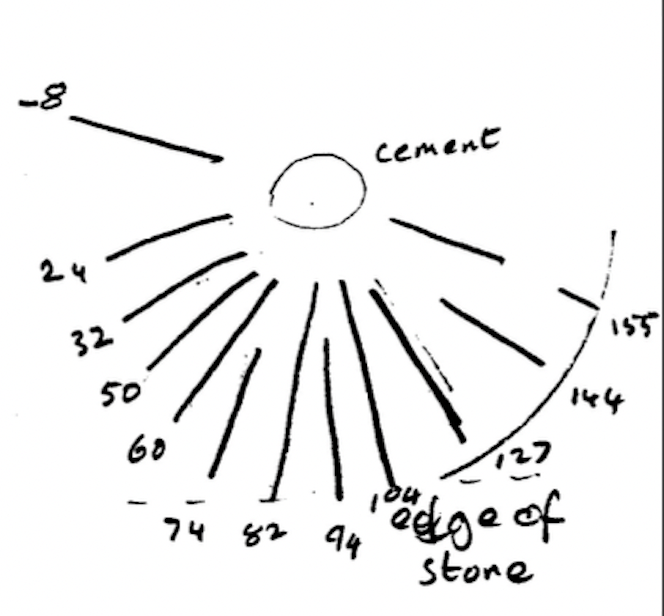
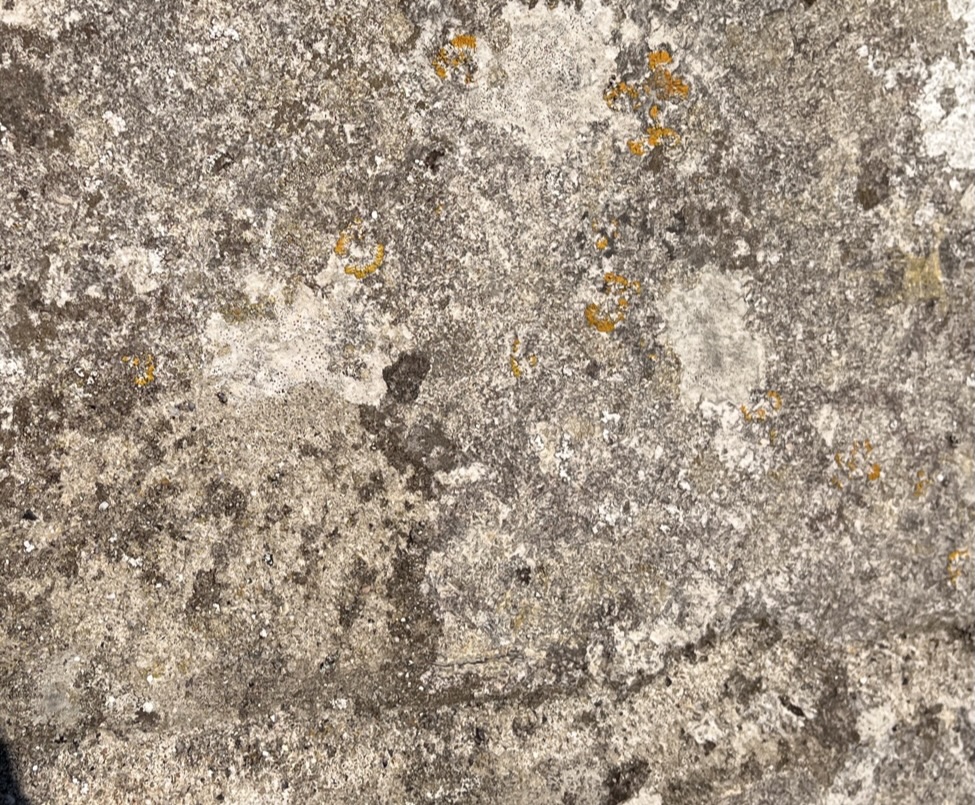
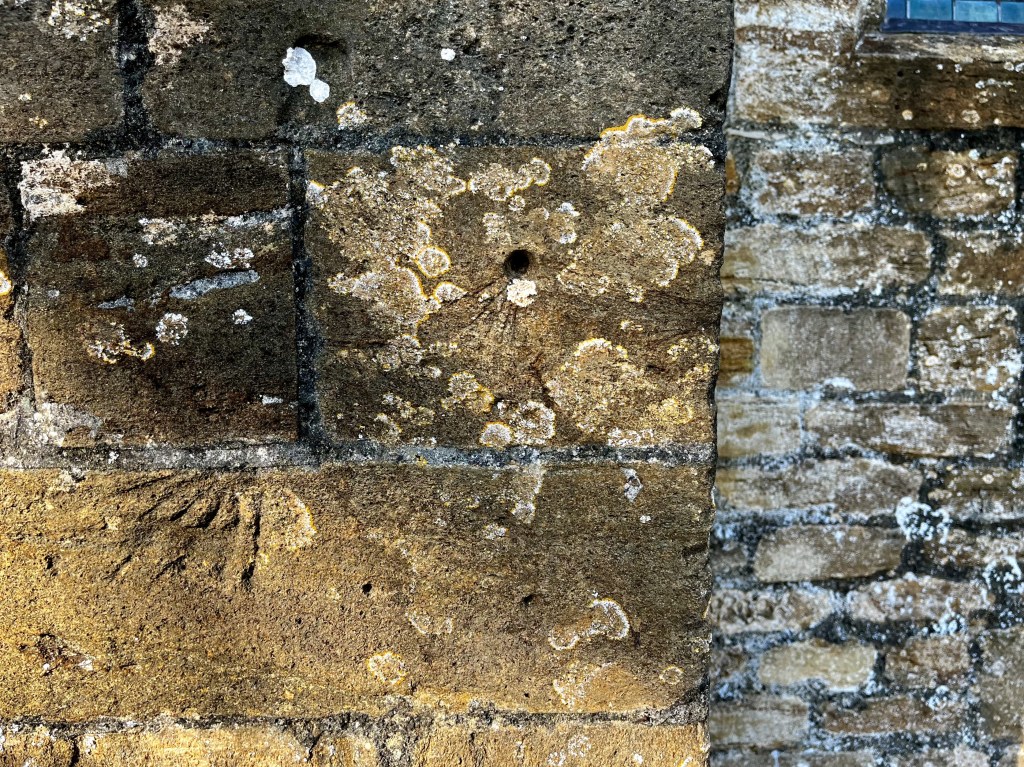
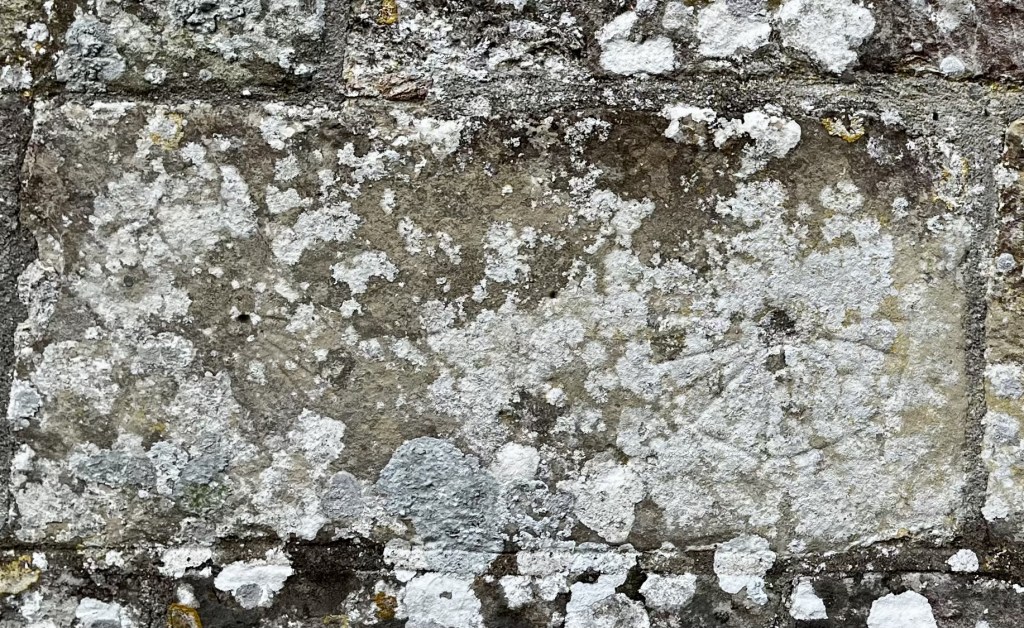
Dial 1 is visible as one walks up the path from the gate, but the details remain unclear even close to. The BSS record shows 12 lines within a partial circle, the lower part cut off at the edge of the dial stone, suggesting it may have been relocated during rebuilding. I’ve visited St Martin twice, in sunlight and in early evening, and frustratingly I haven’t been able to make out the complete dial shown below. The colour of the stone is a factor. RHS is quite eroded; or perhaps LHS was more deeply incised because it marked the most signifiant time of day for observance.
St Martin . Broadmayne . Dorset – Scratch Dial 1
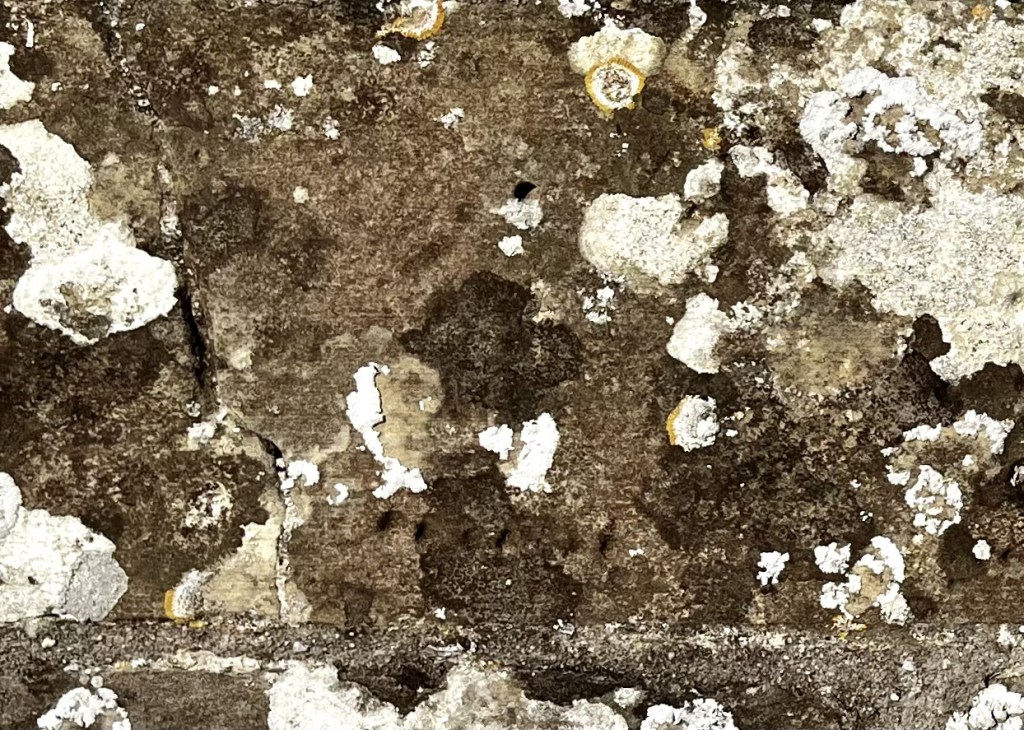
DIAL 2
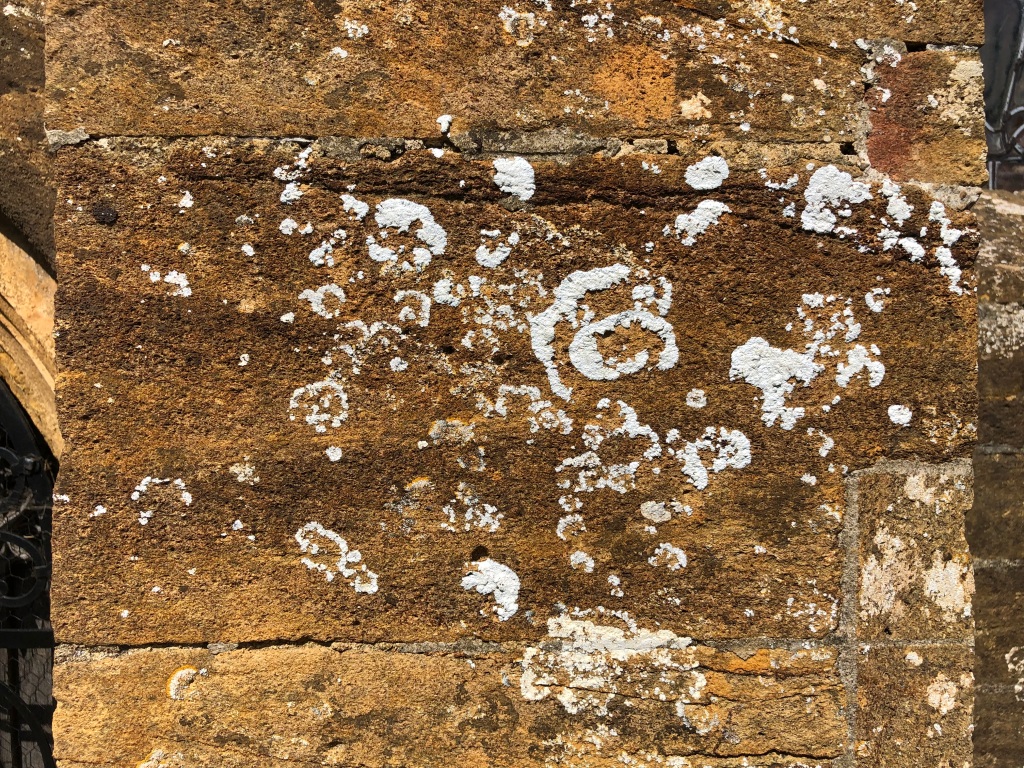
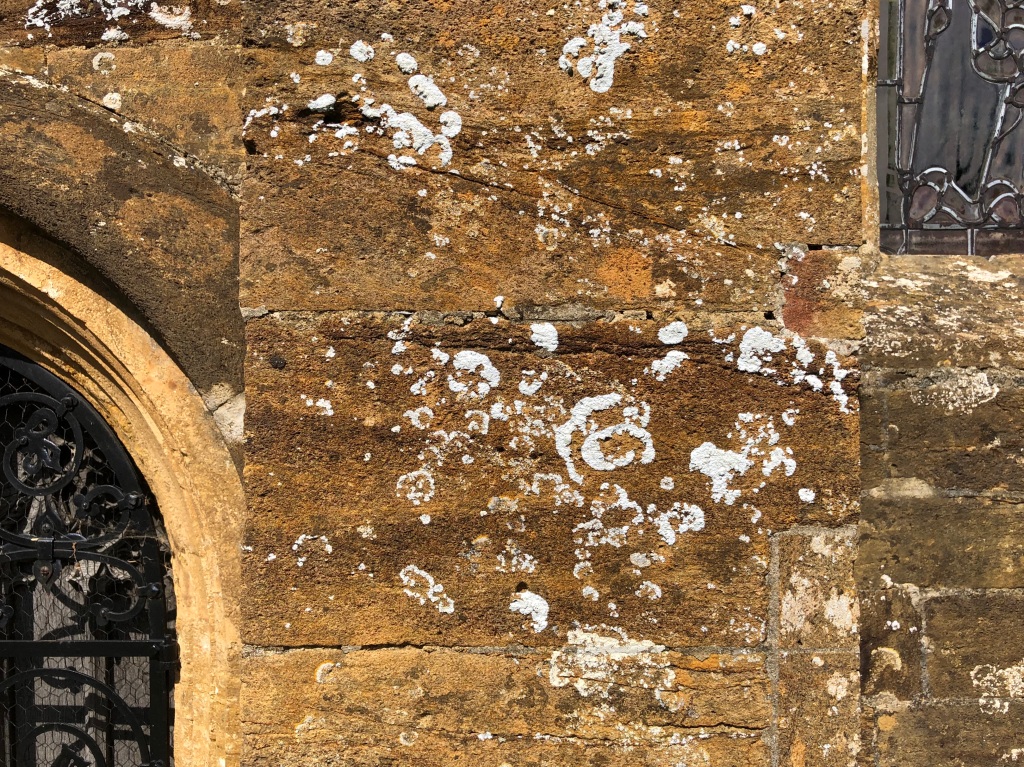
St Martin . Broadmayne . Dorset – Scratch Dial 2
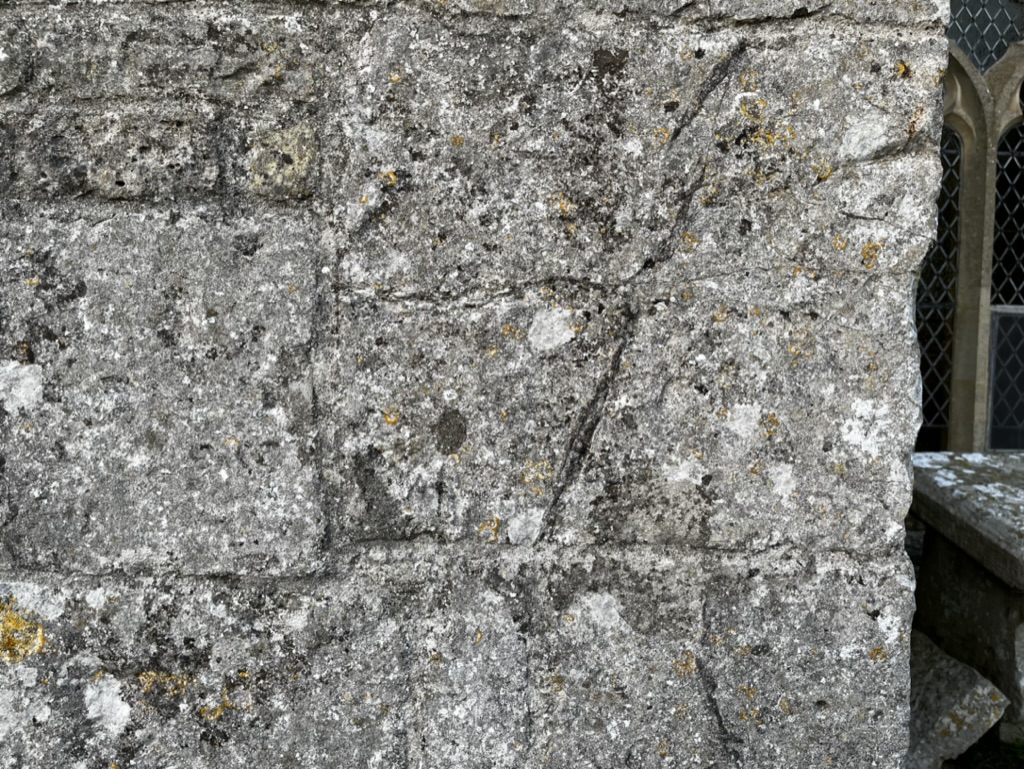
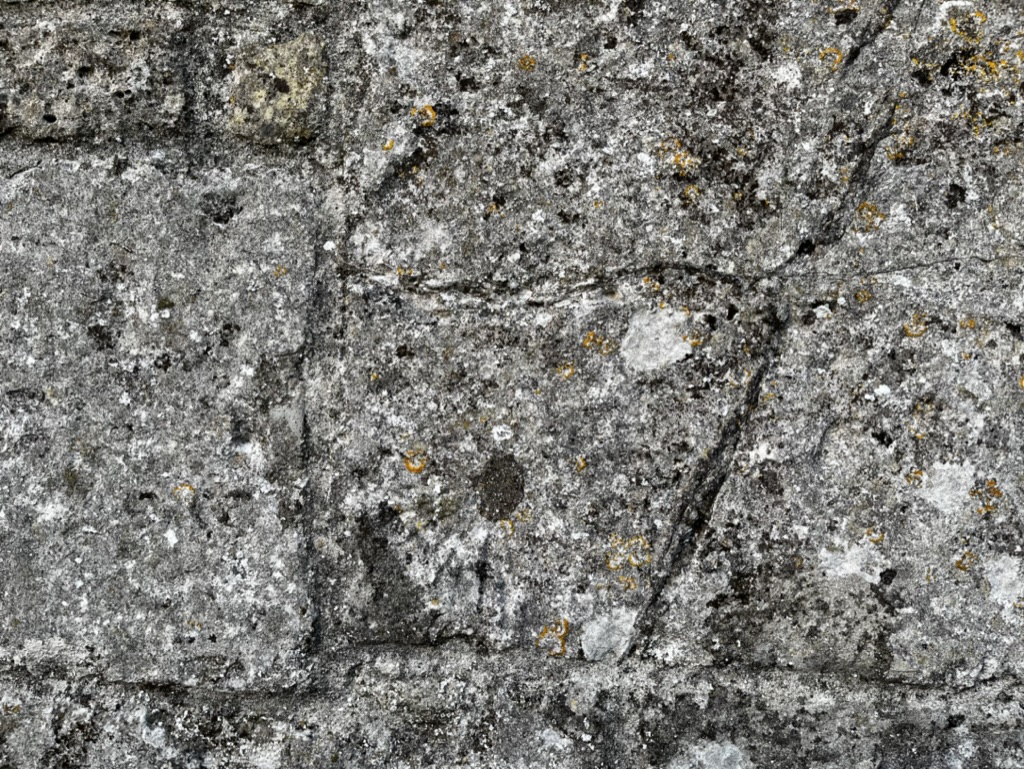
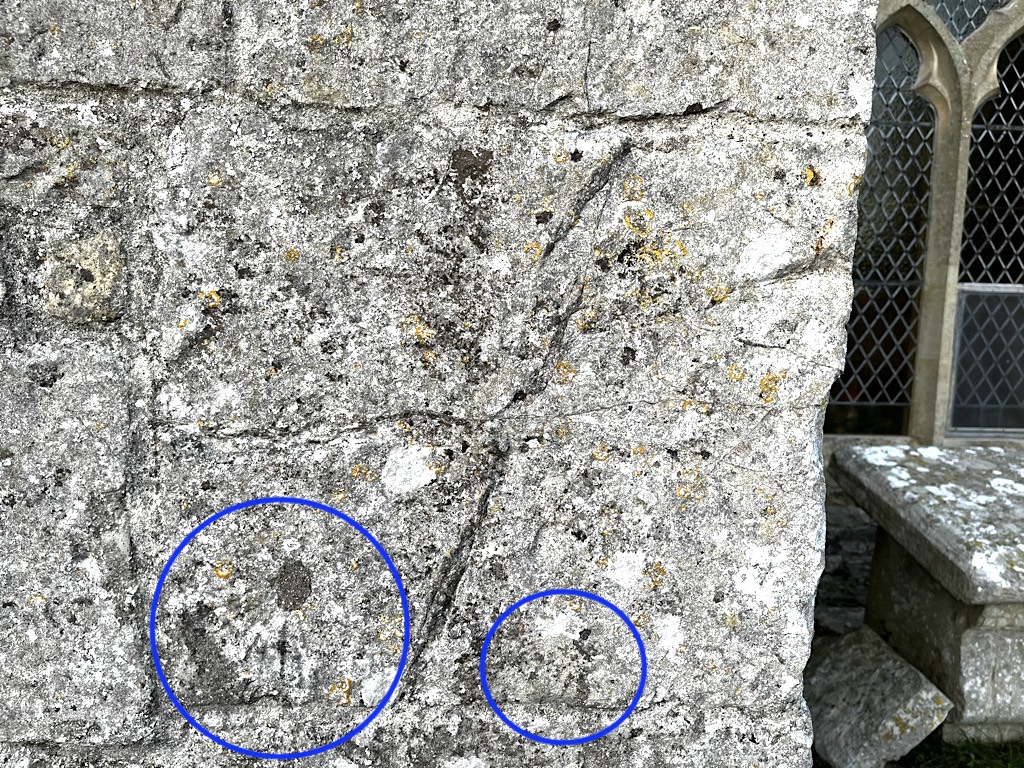
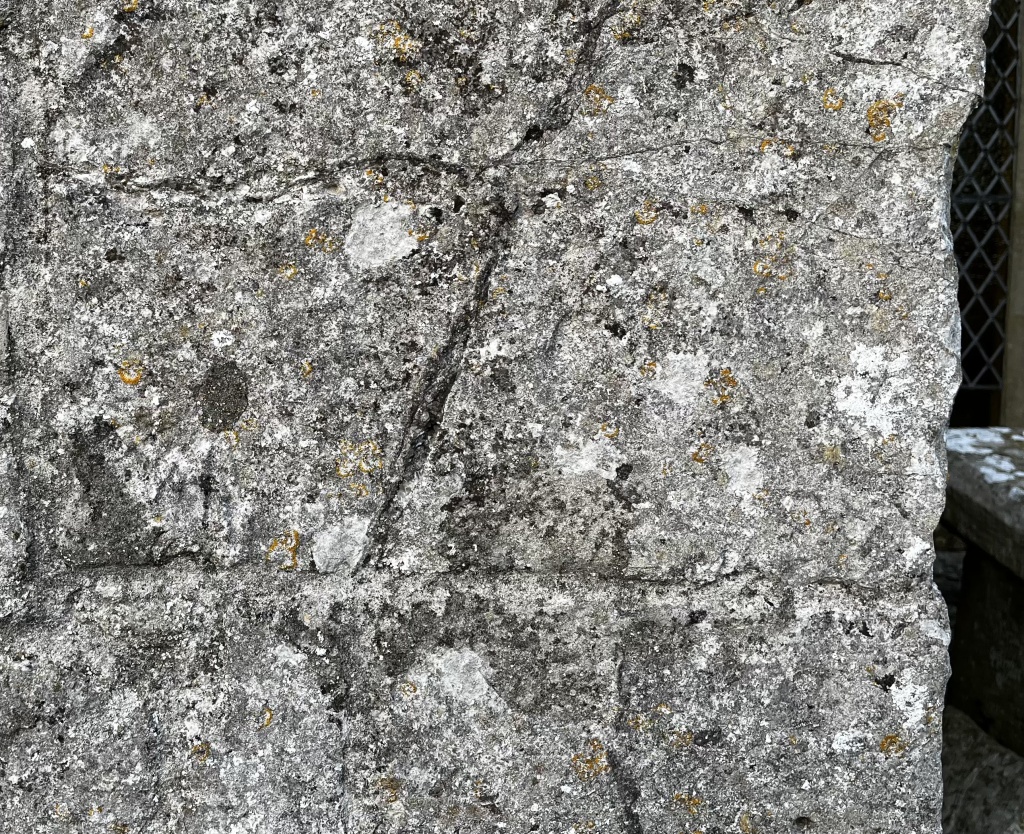
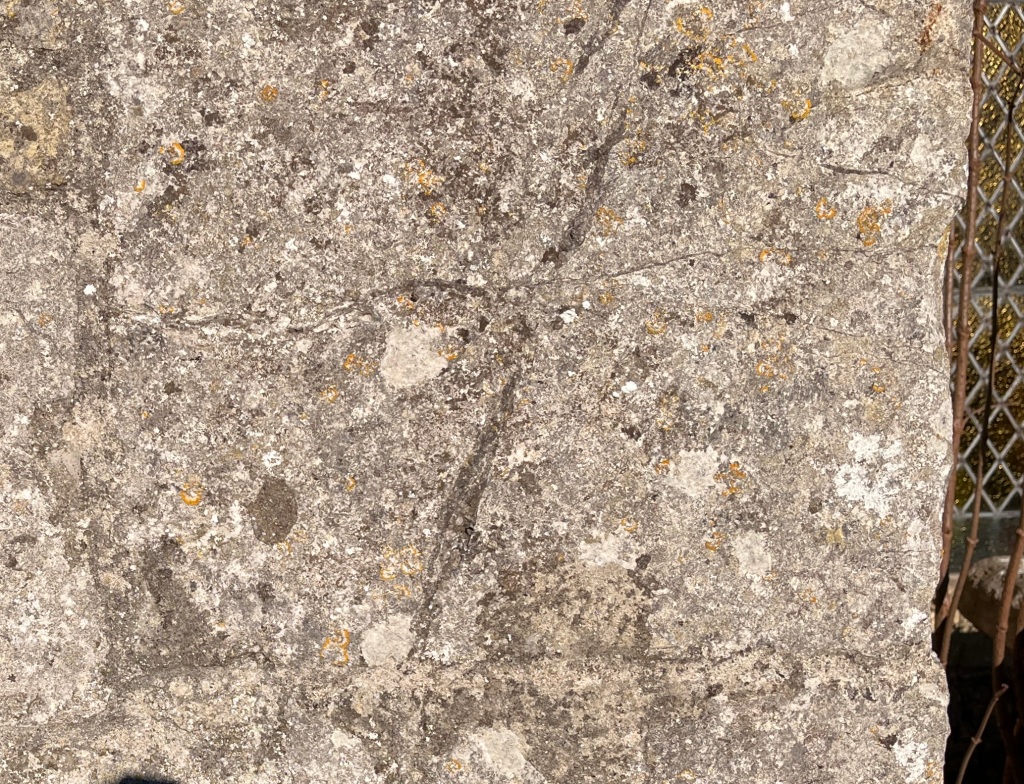
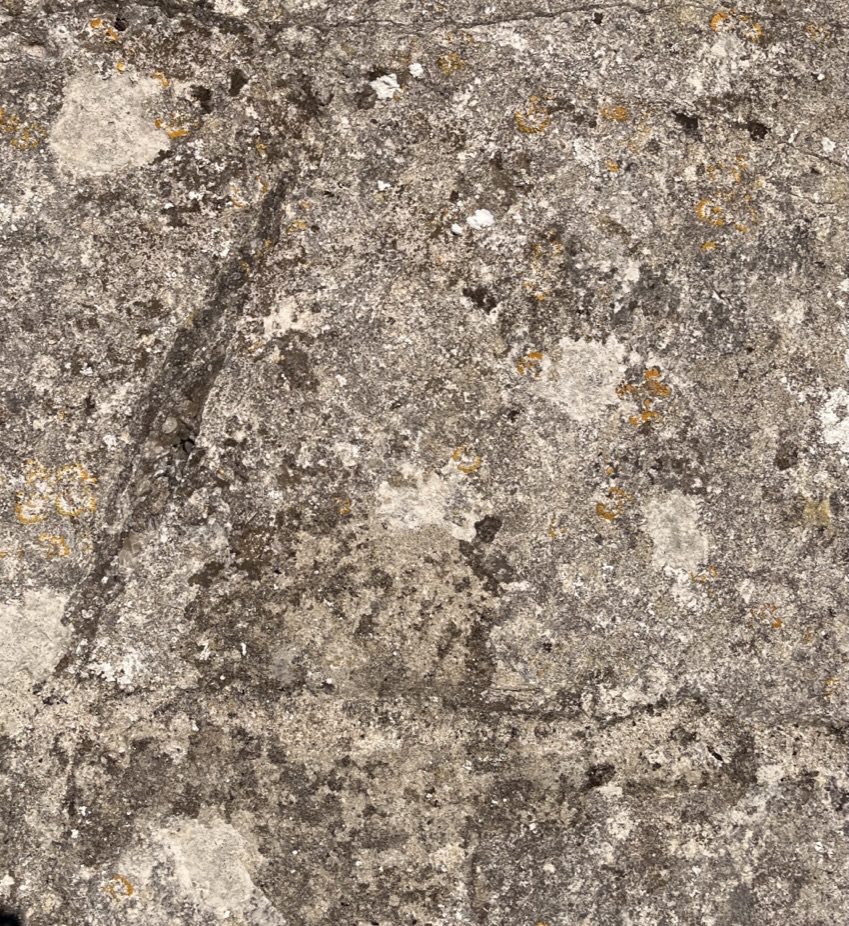
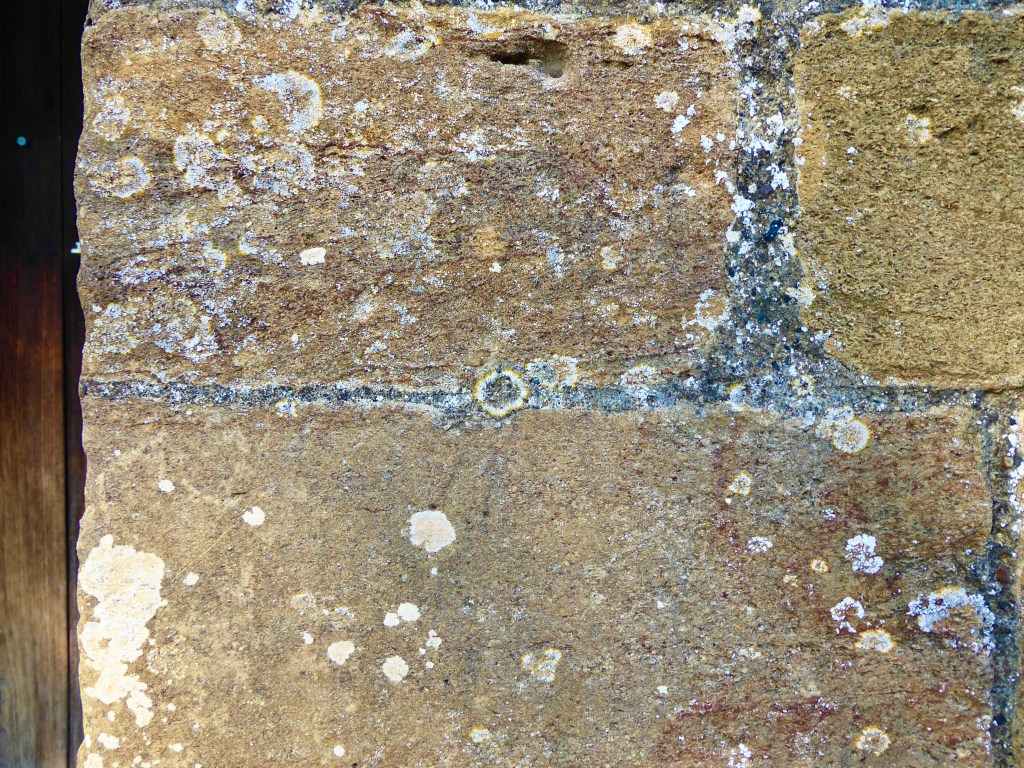
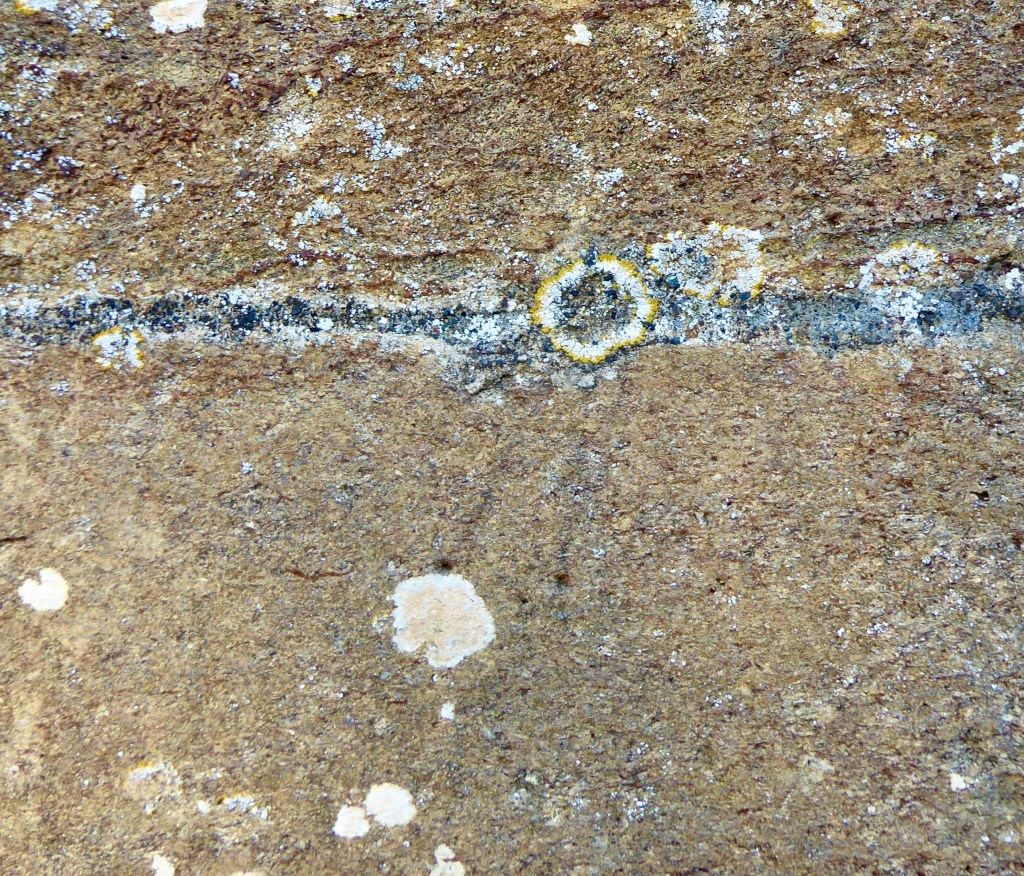
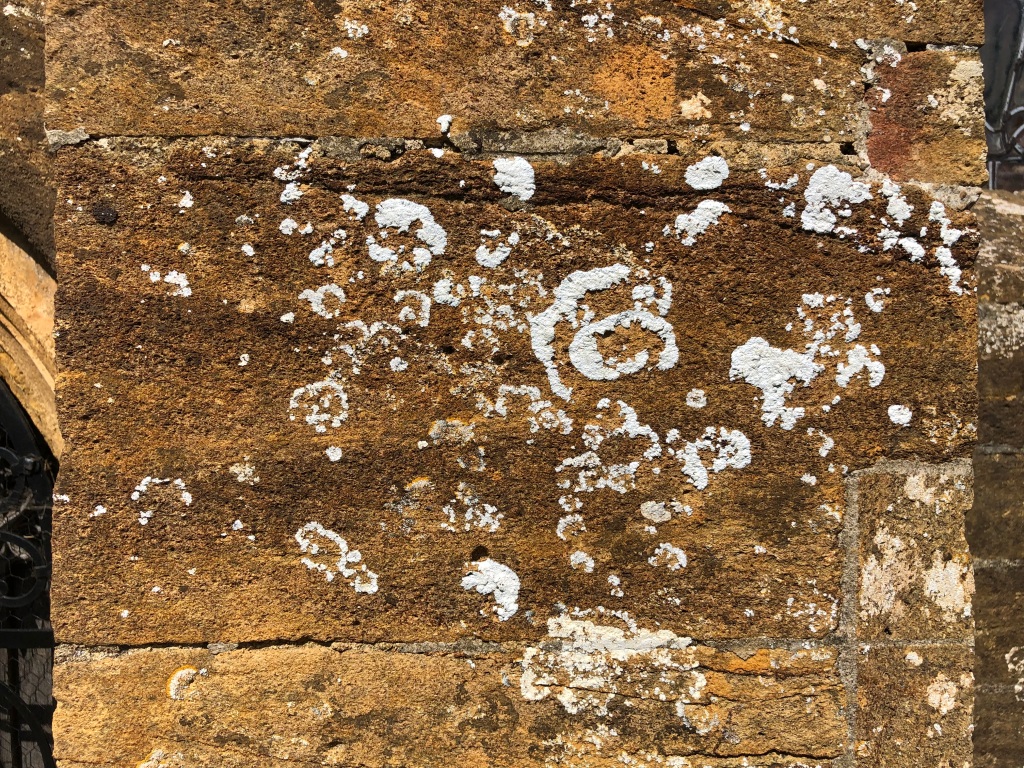
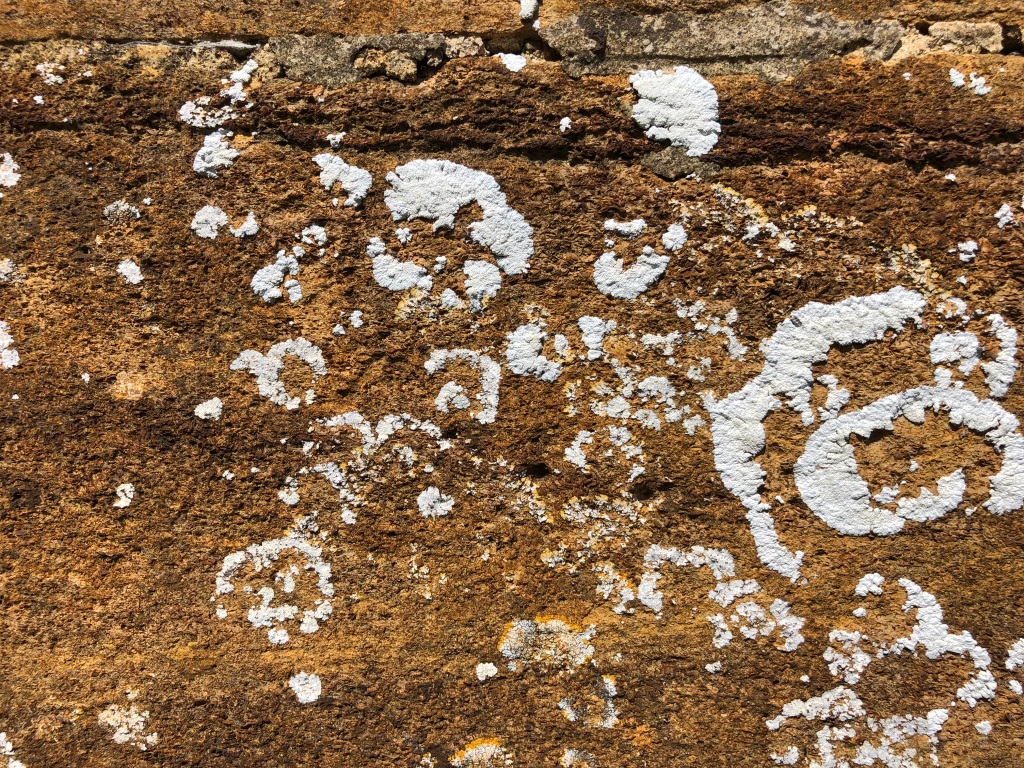
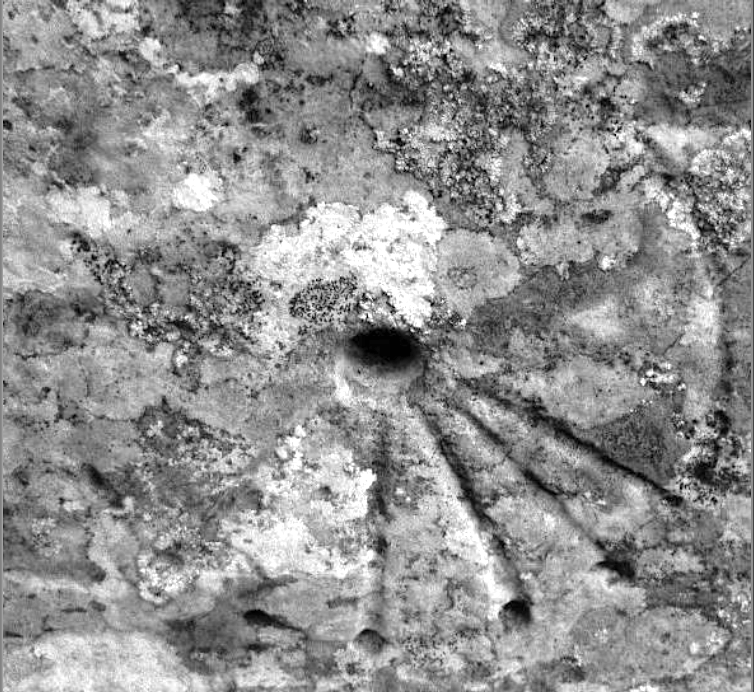
As indicated above, dial 2 is unrewarding. Records suggest 4 lines and 2 circles, though I couldn’t see the latter. The images below have been recoloured to bring out the details, such as they are…
St Martin . Broadmayne . Dorset – Scratch Dial 2
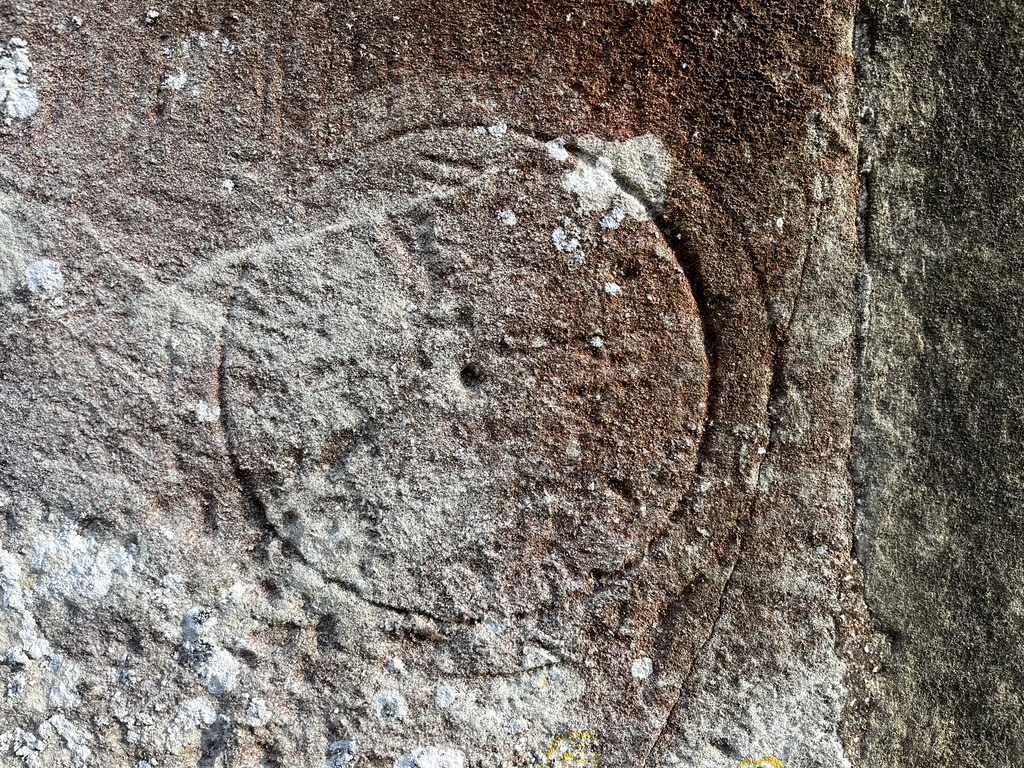
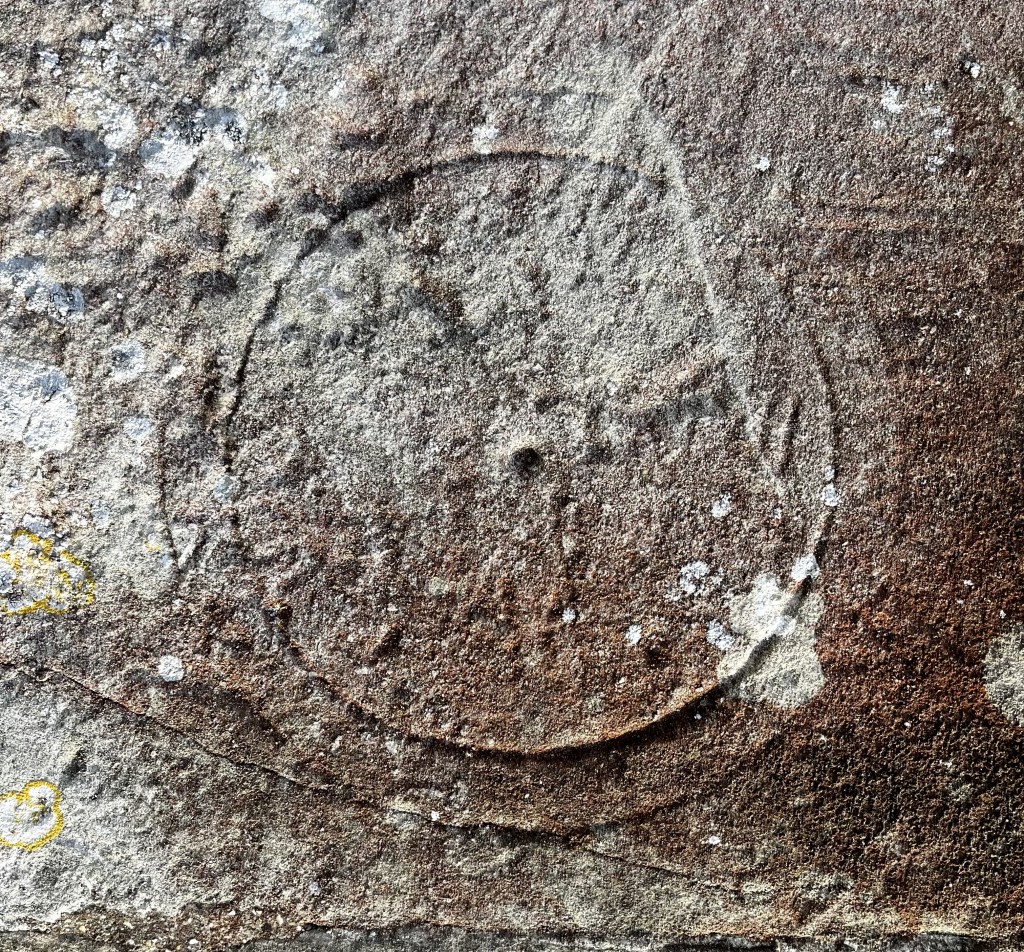
DIAL 3
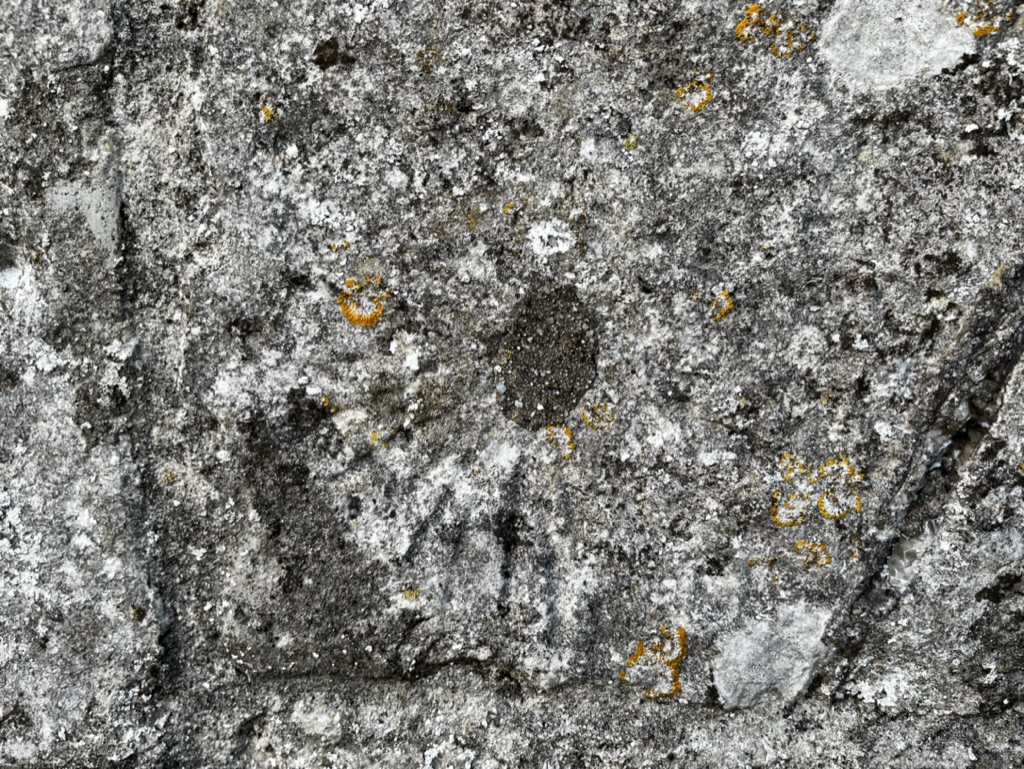
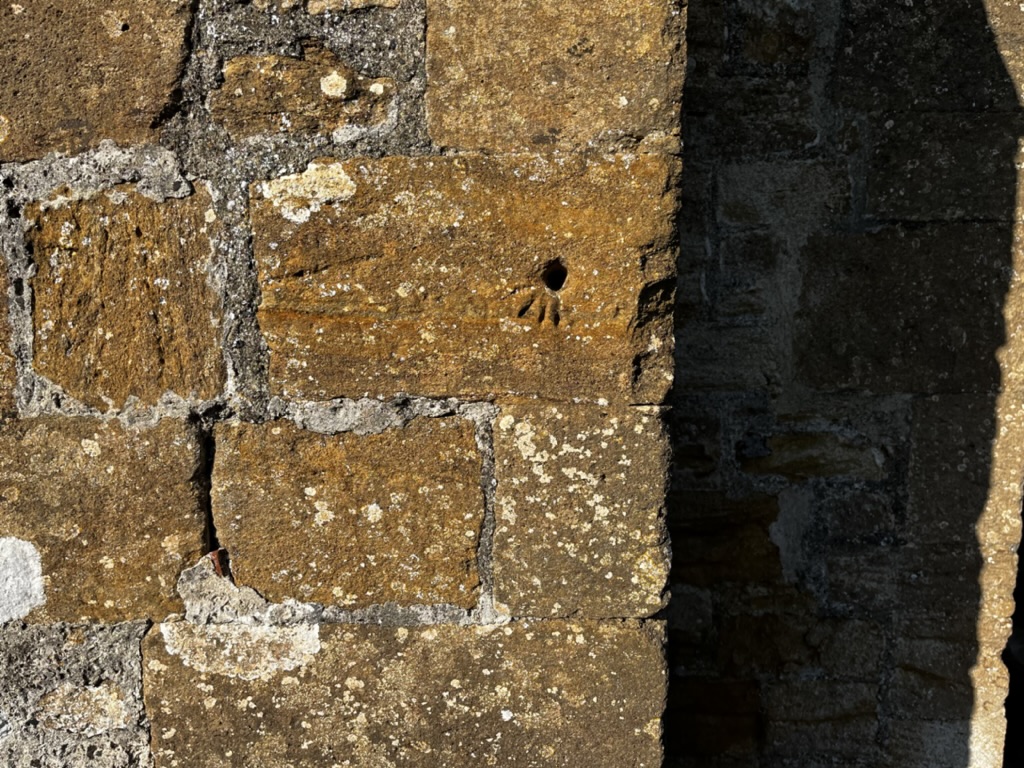
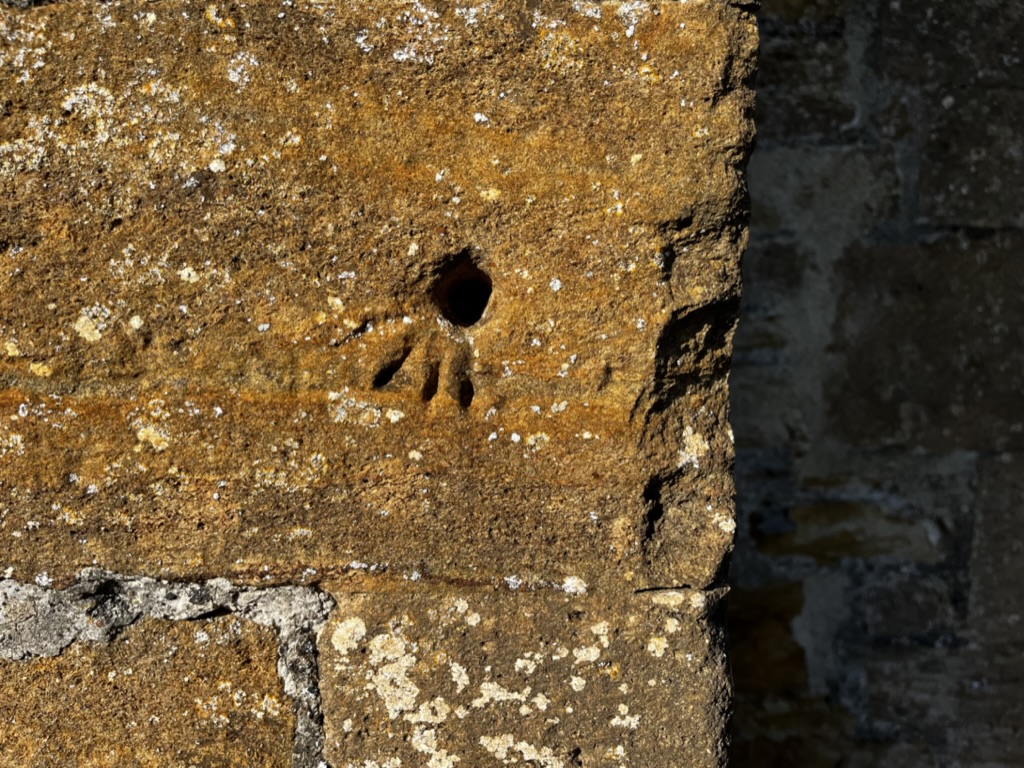
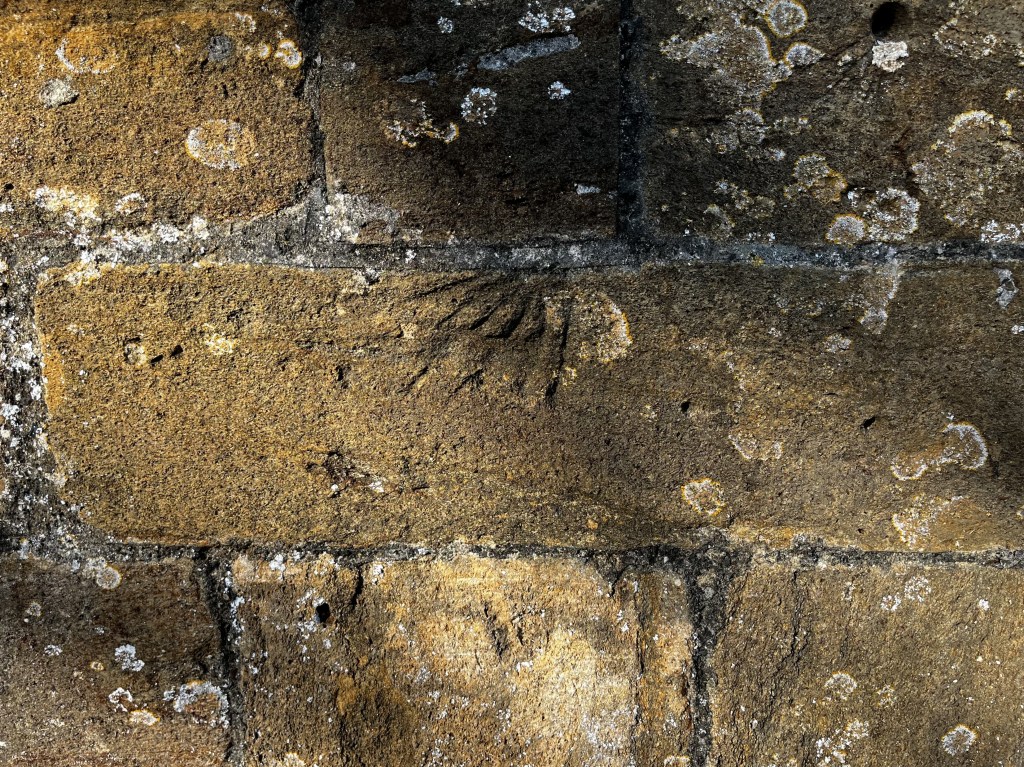
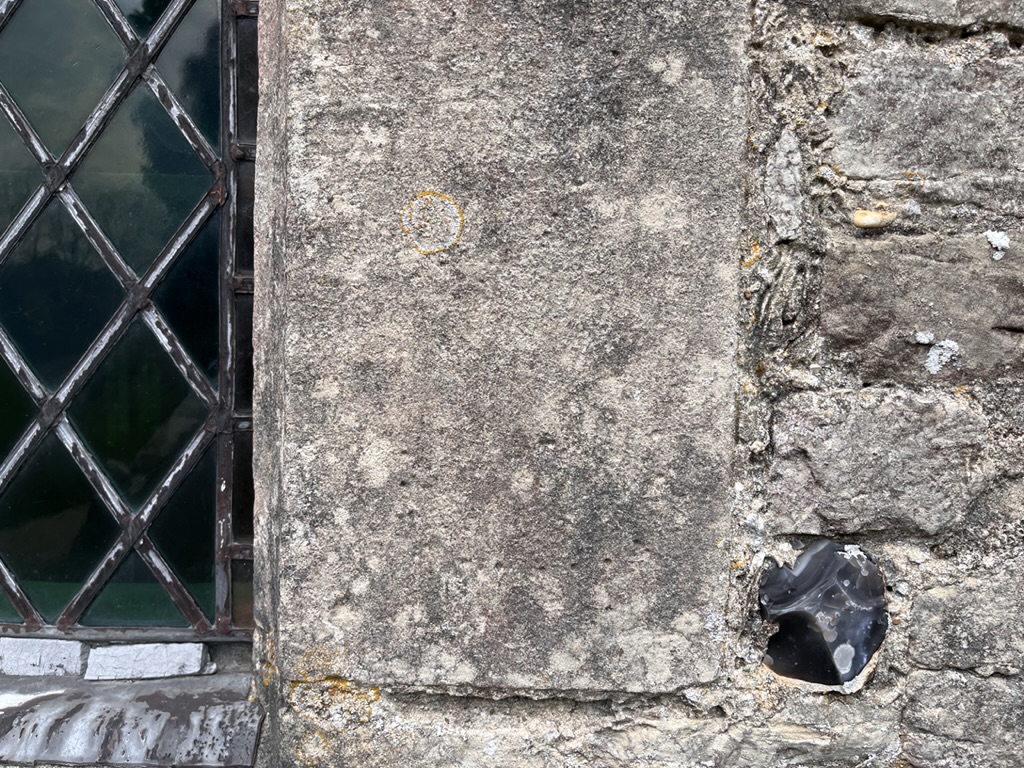
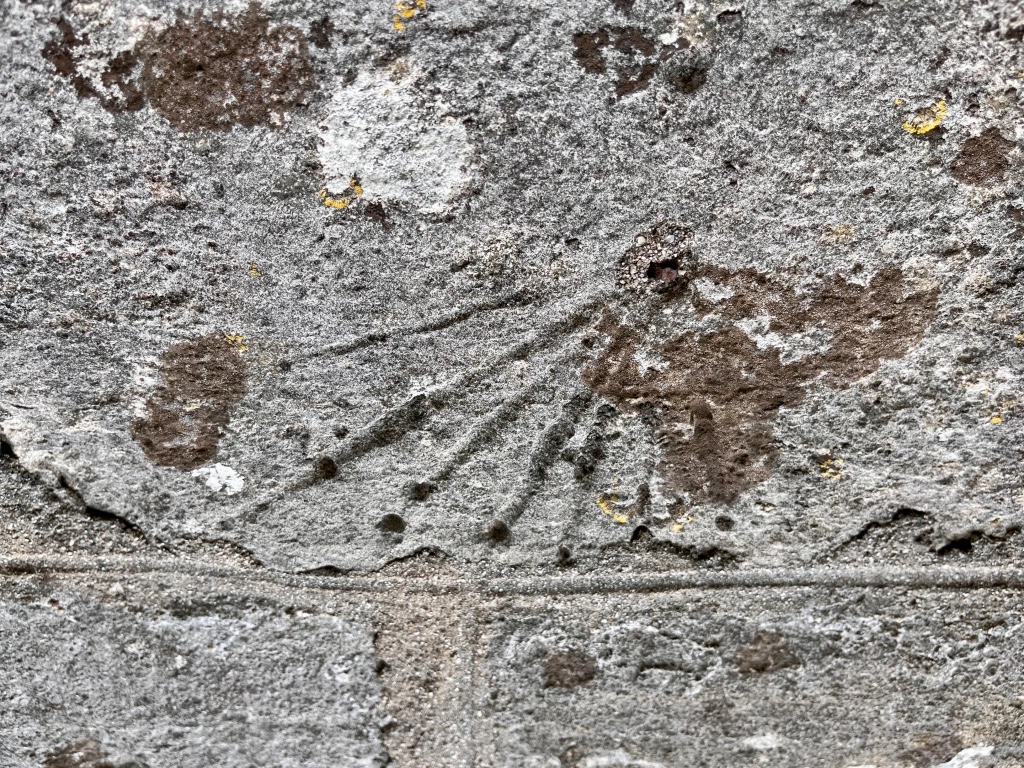
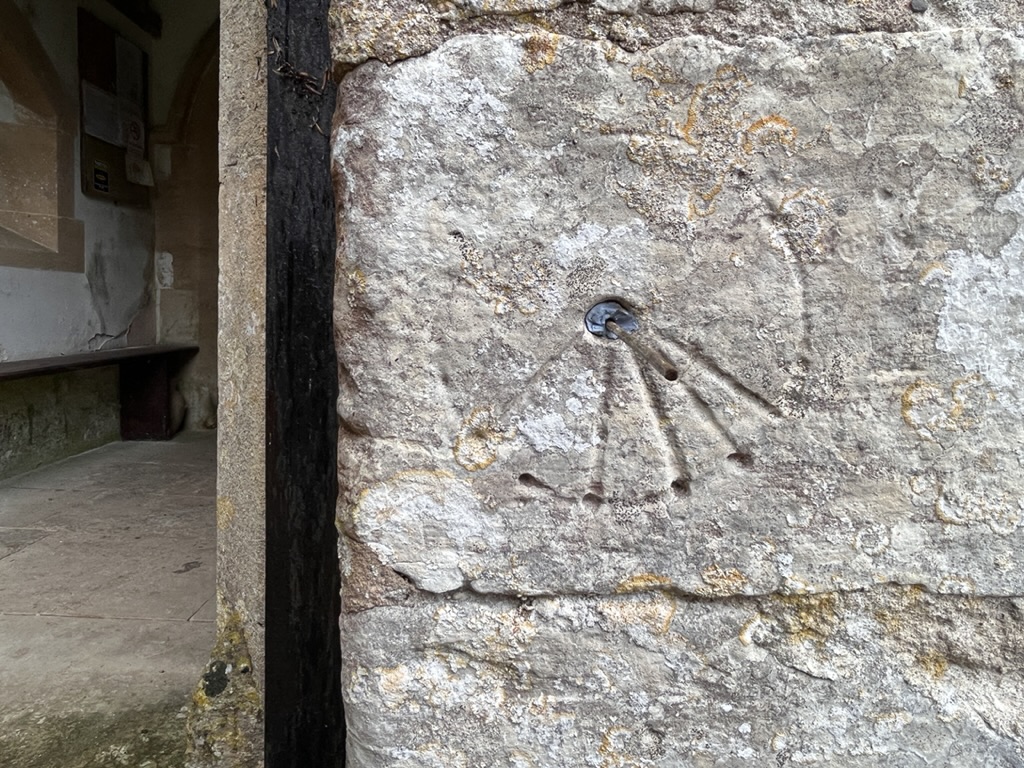
Dial 3 is a small and simple one, with 4 lines. The noon line is emphasised; and the Mass line (Tierce) has a cross.
St Martin . Broadmayne . Dorset – Scratch Dial 3
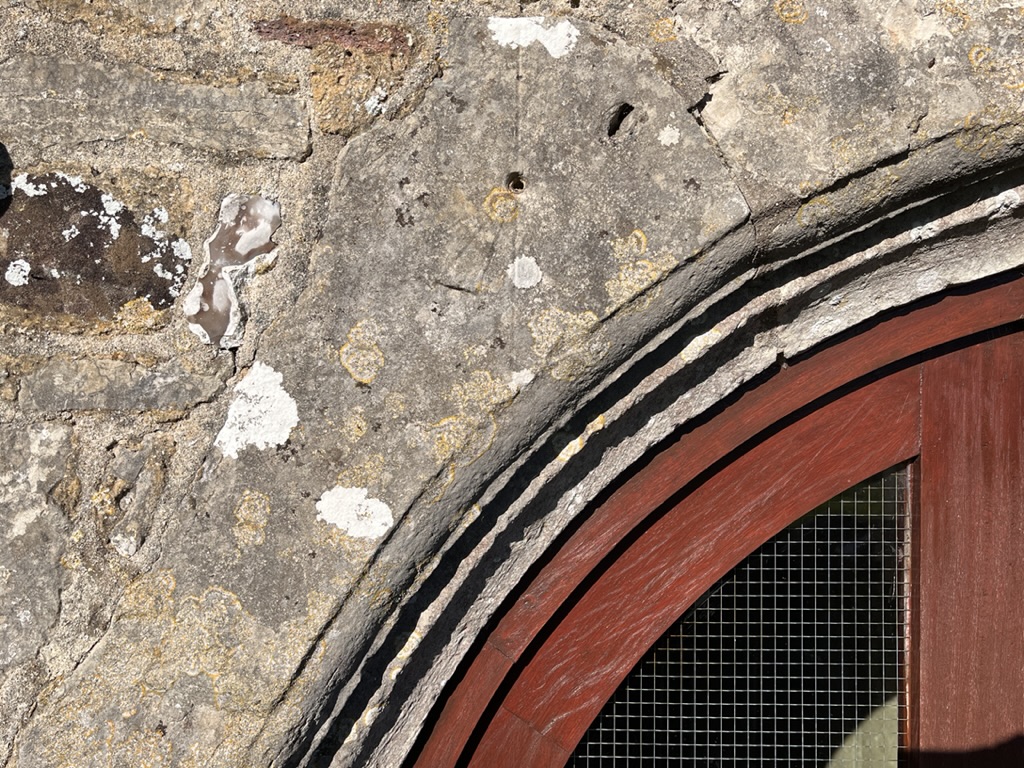
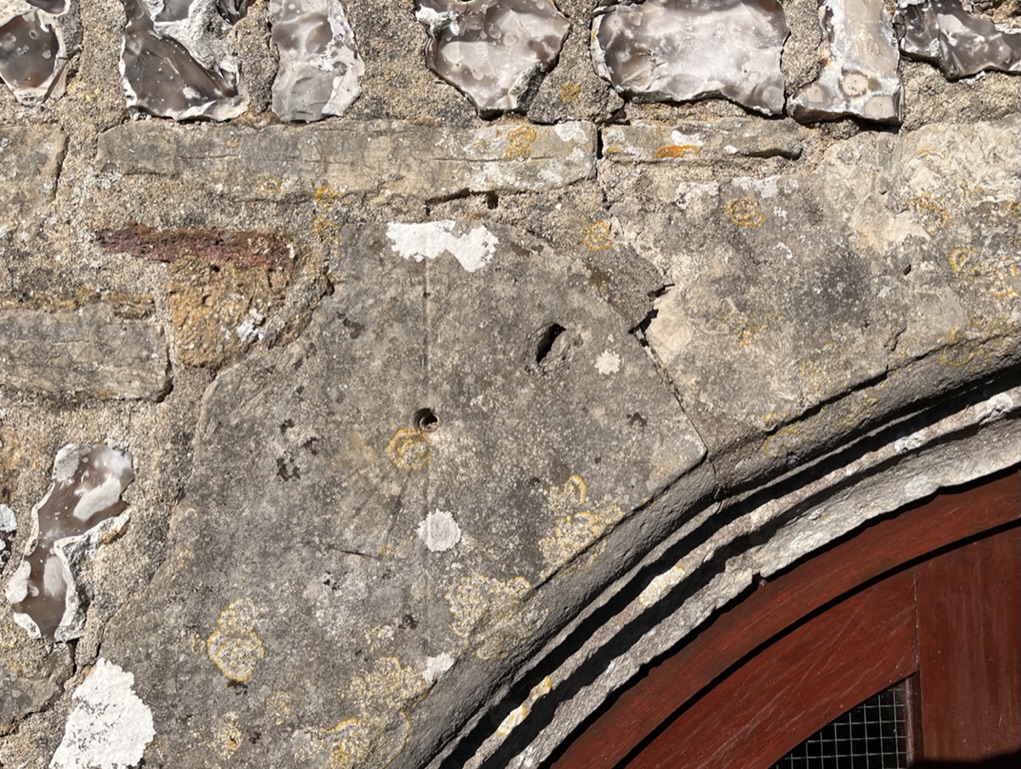
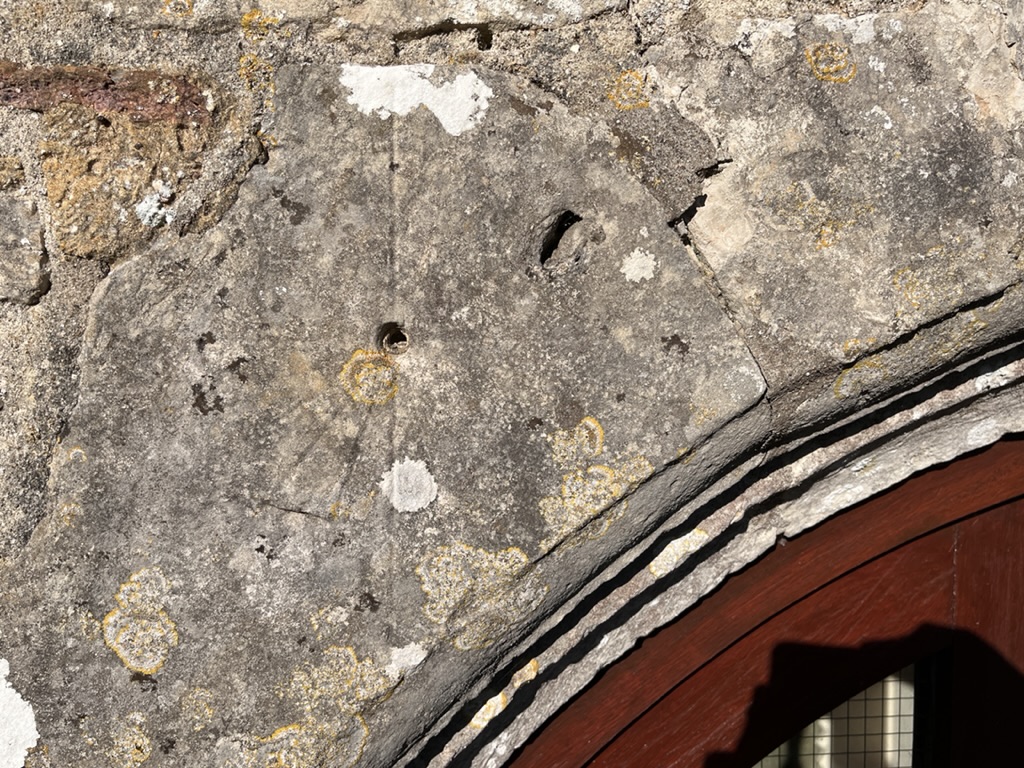
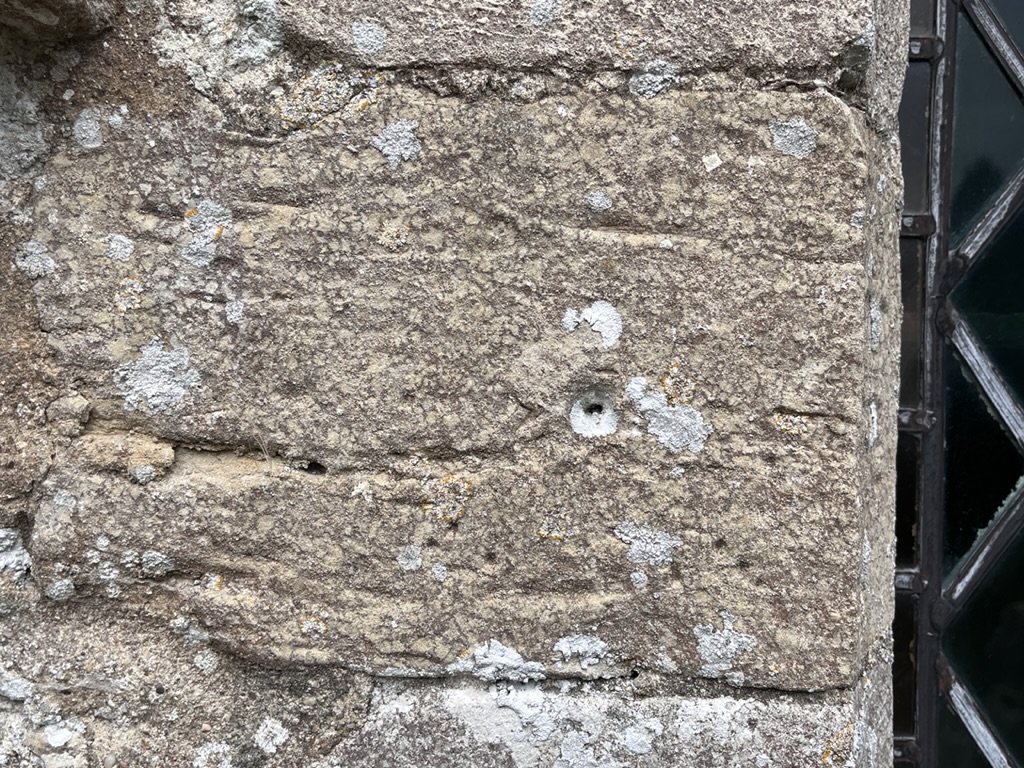
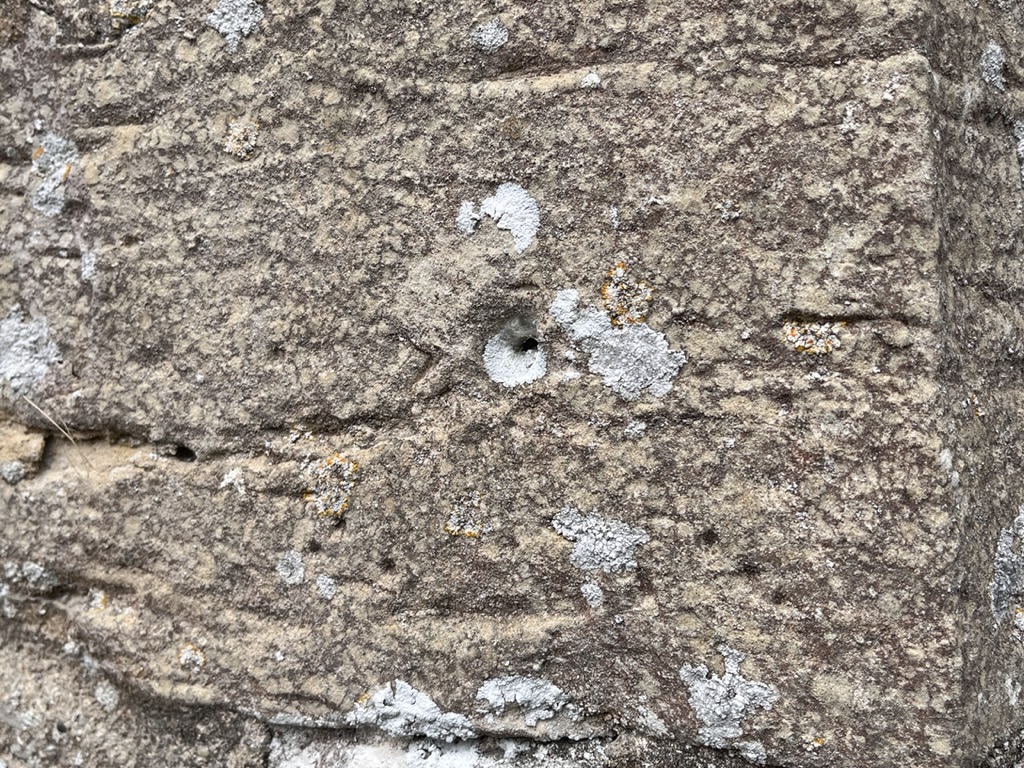
UNRECORDED DIAL?
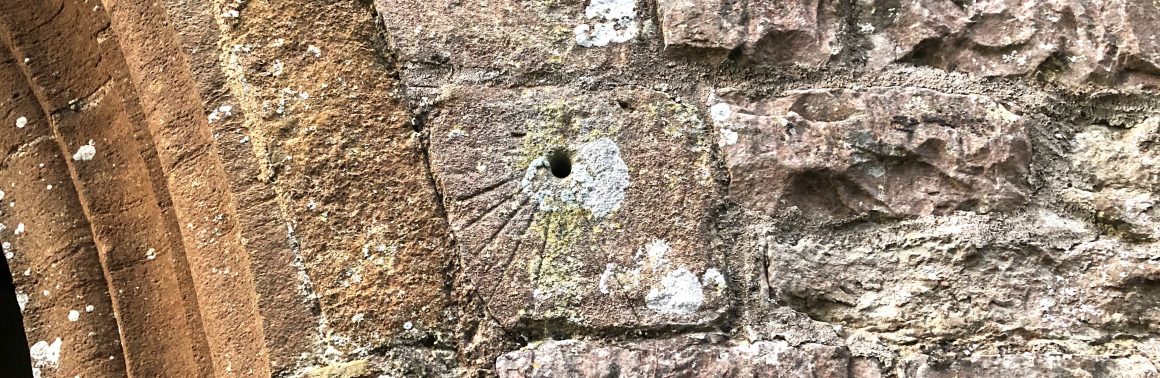
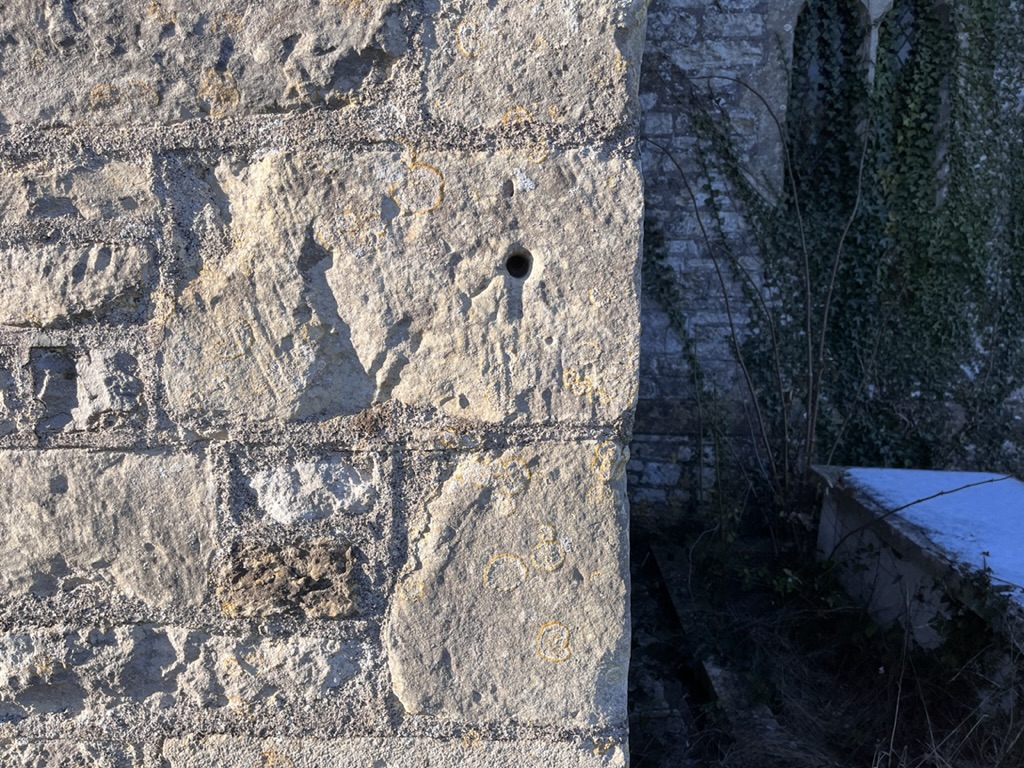
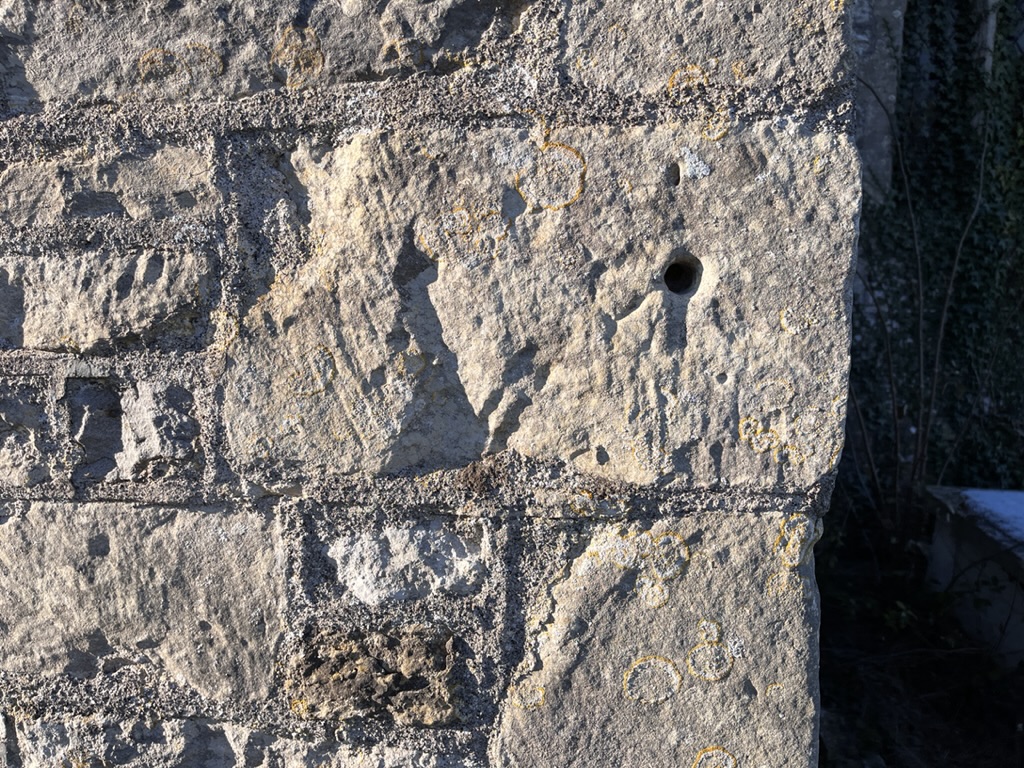
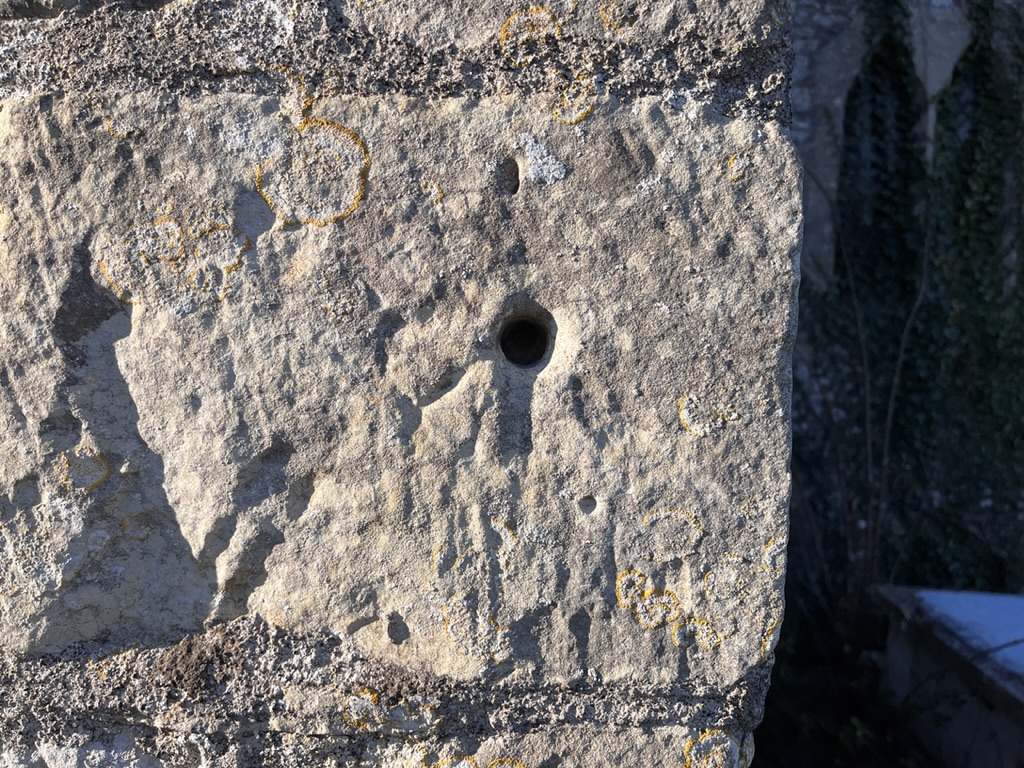
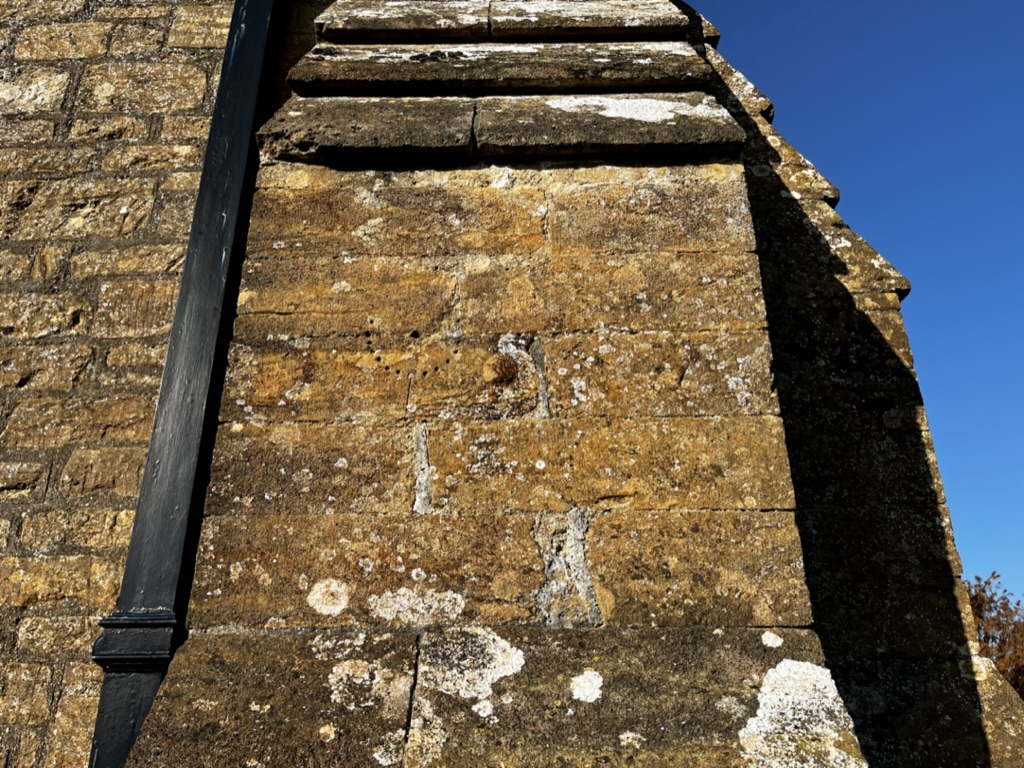
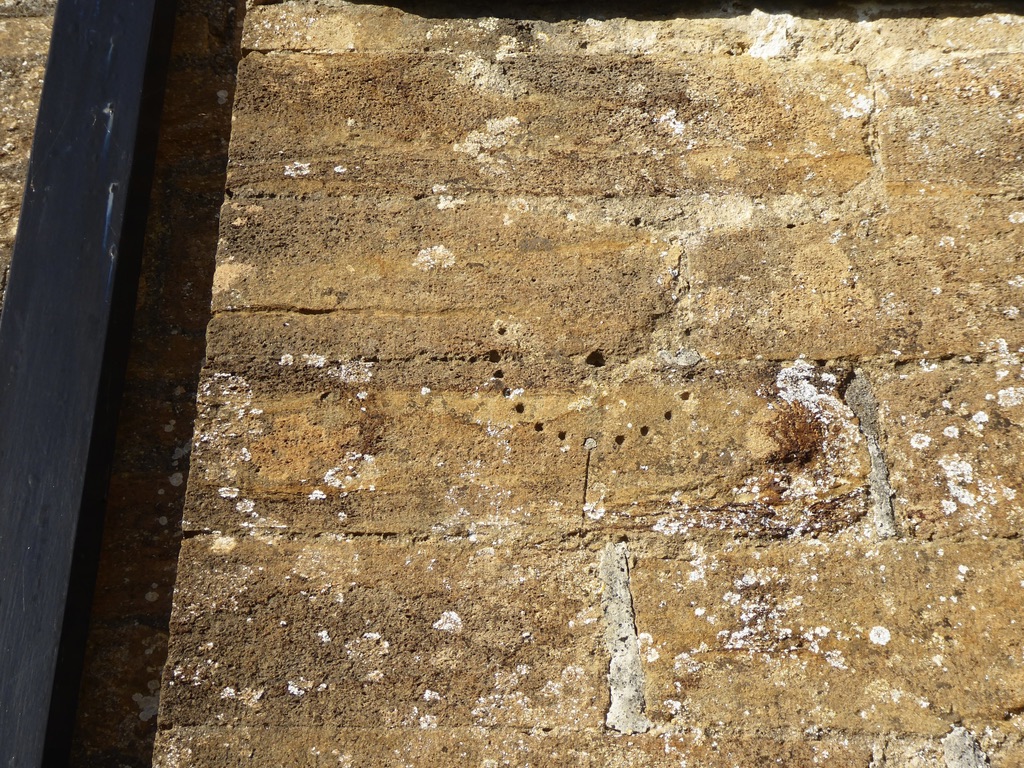
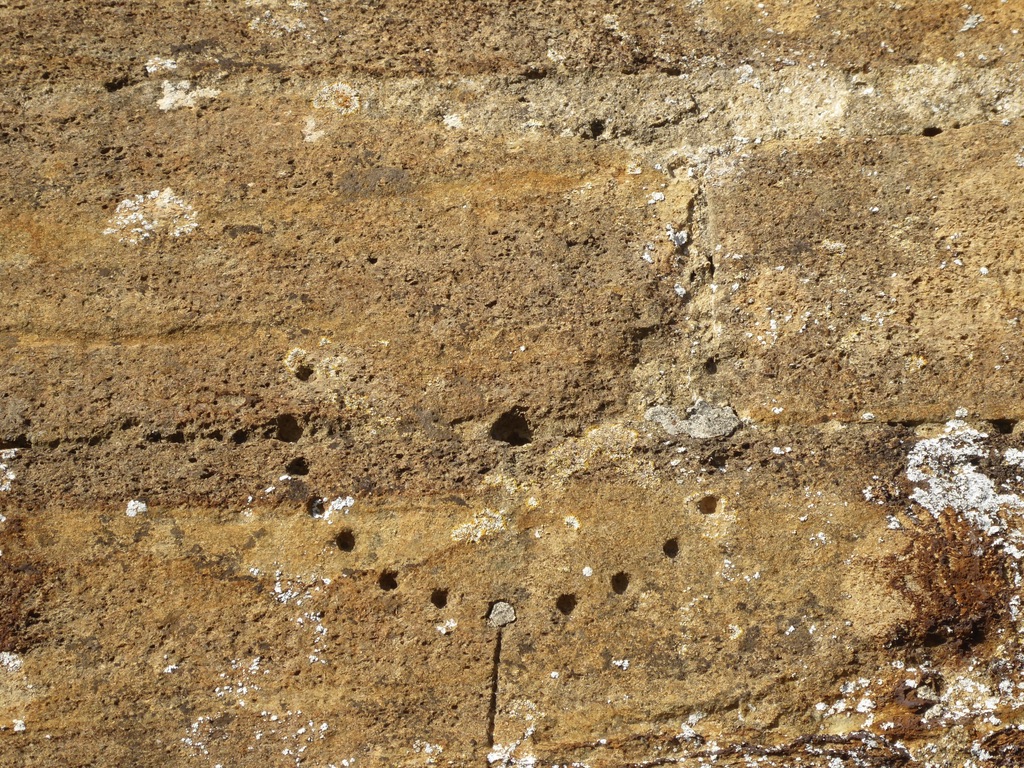
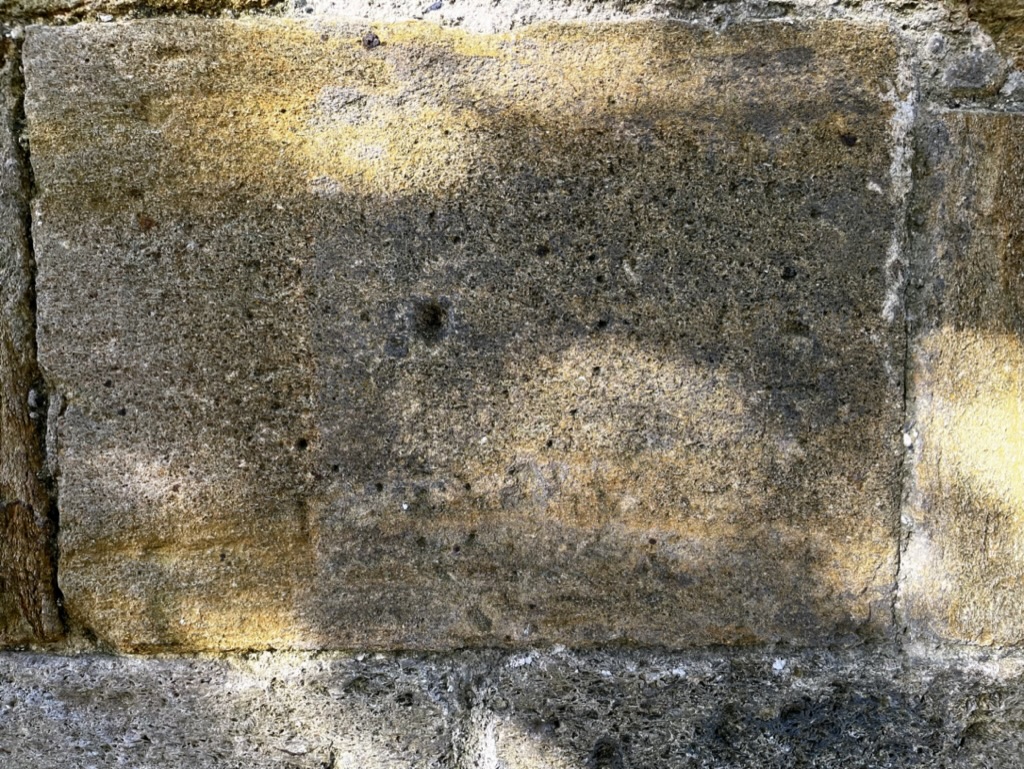
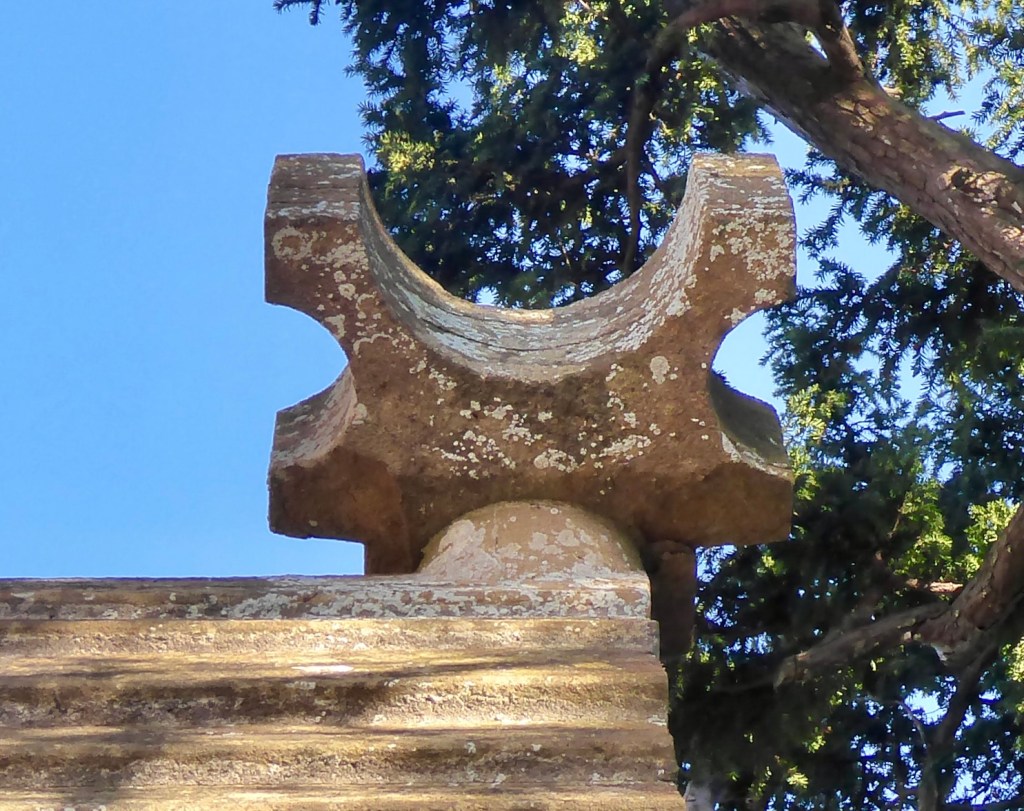
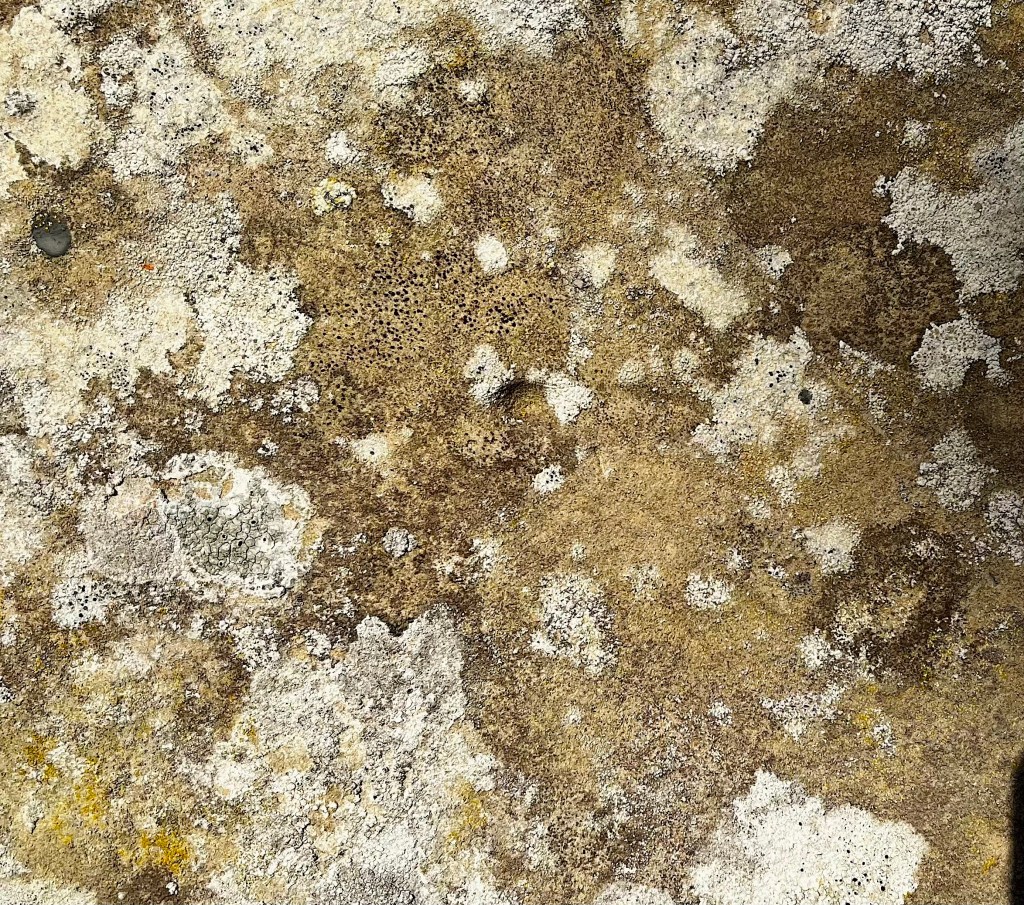
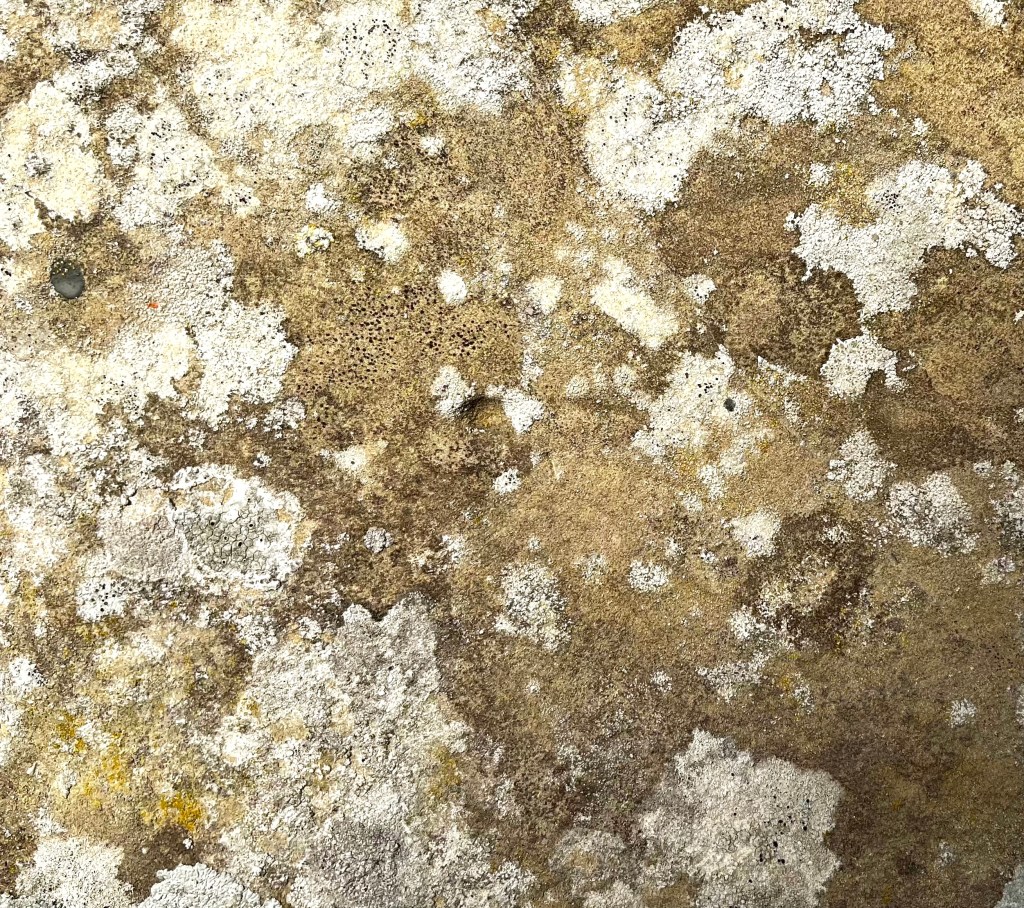
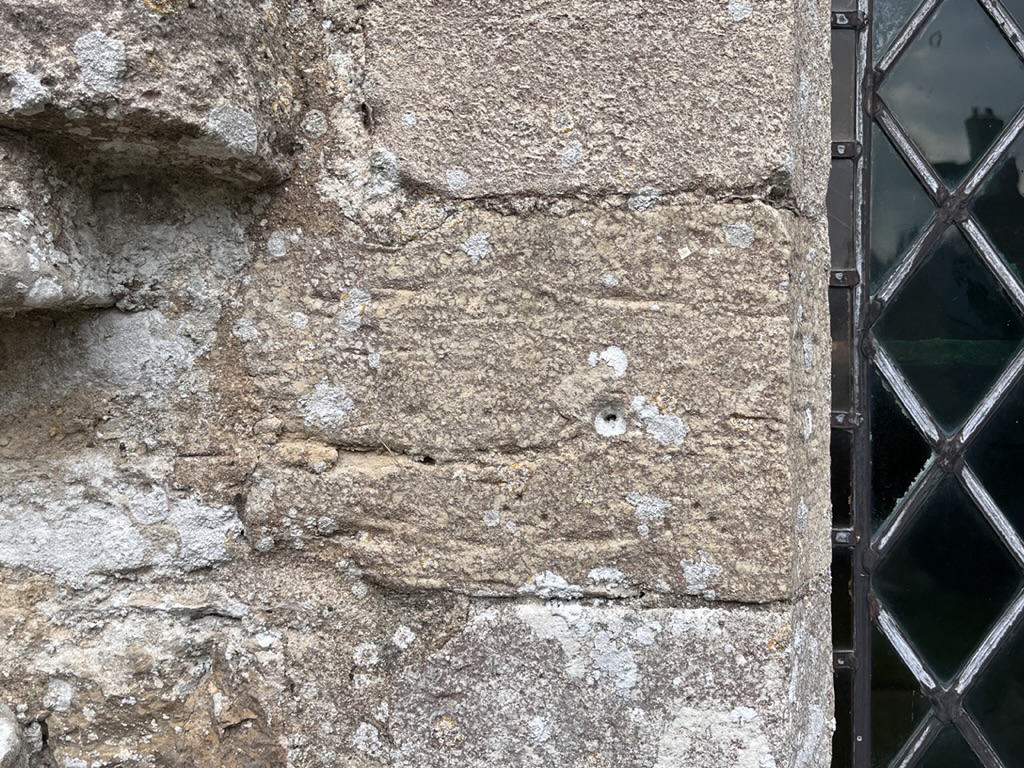
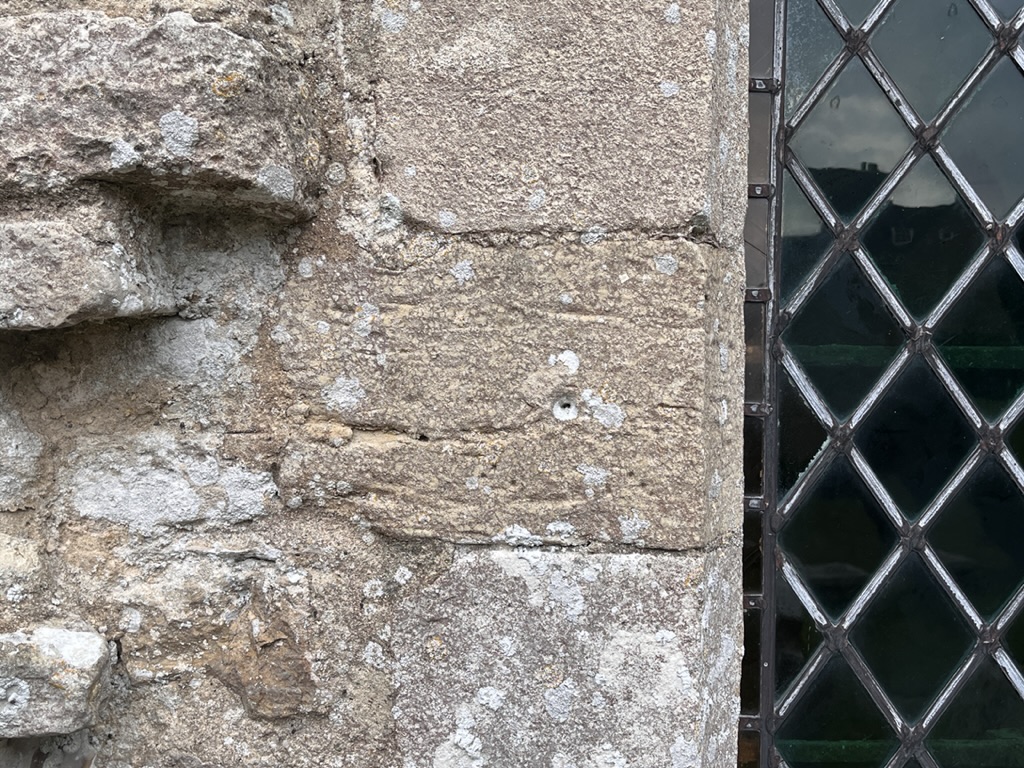
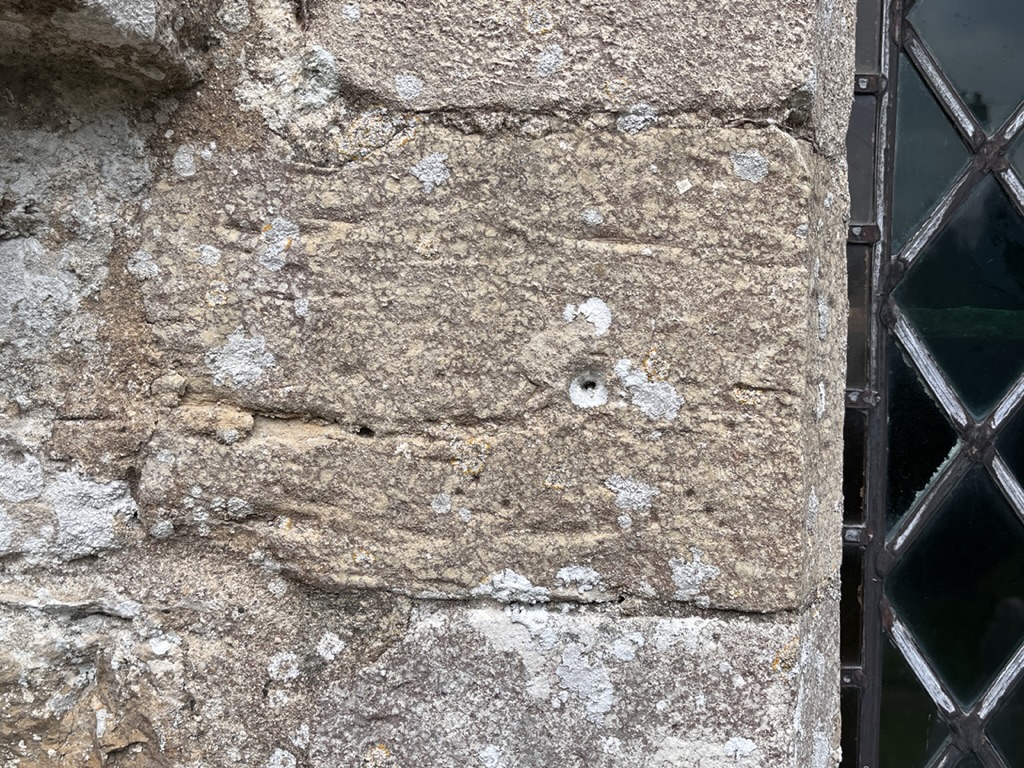
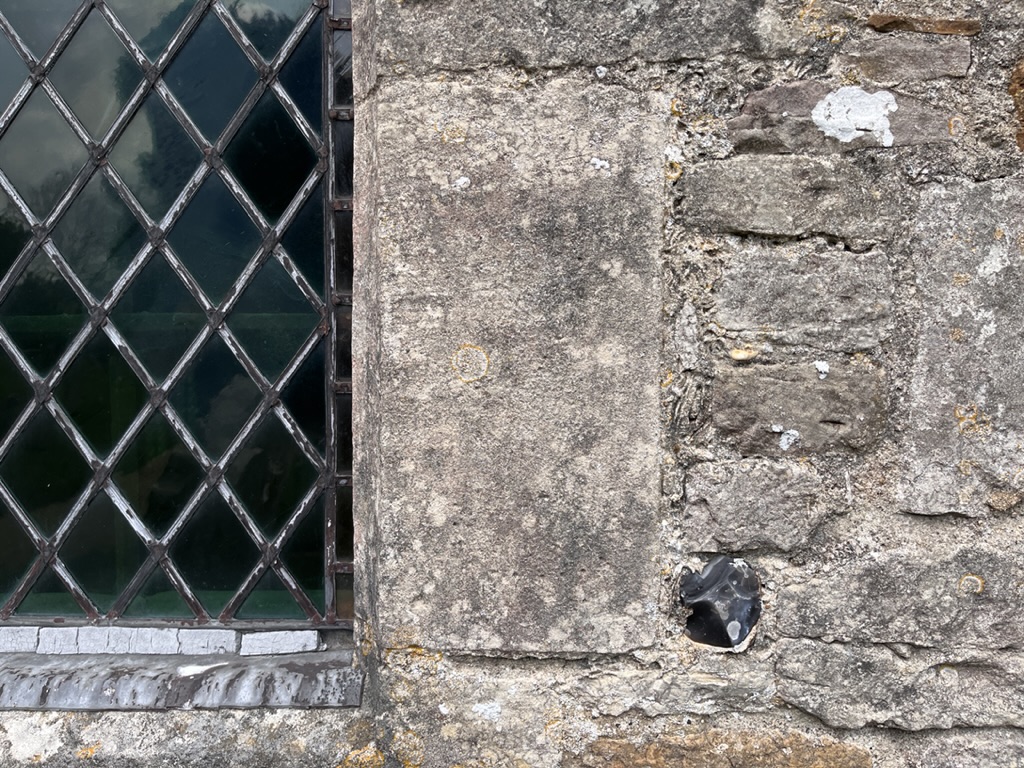
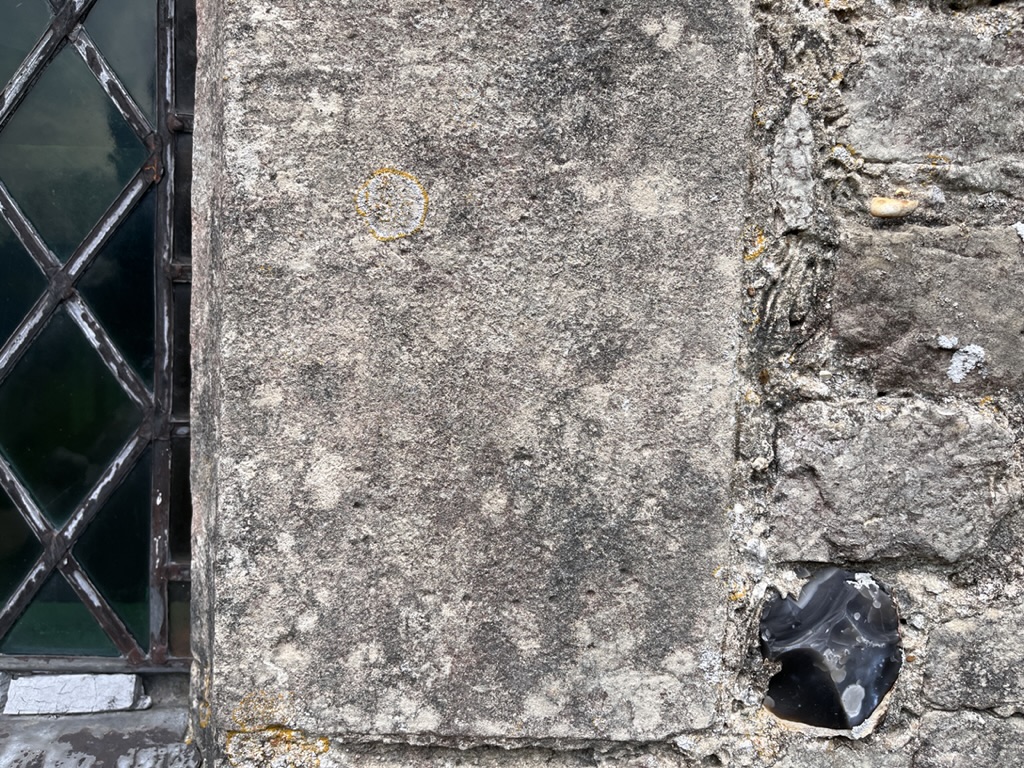
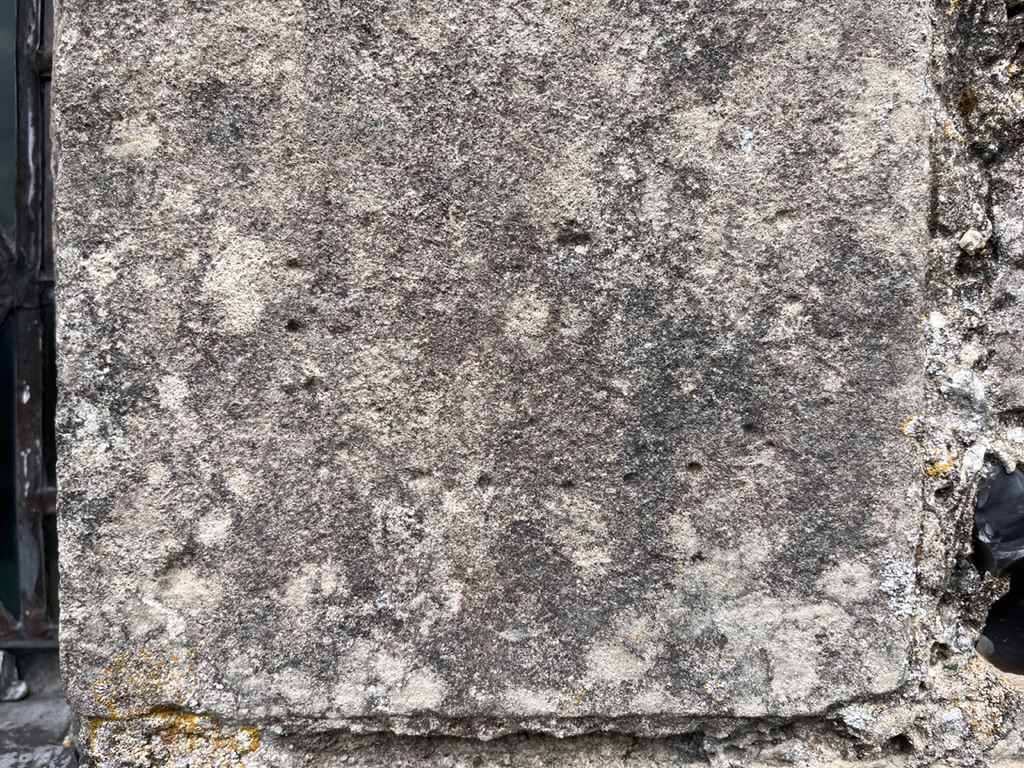
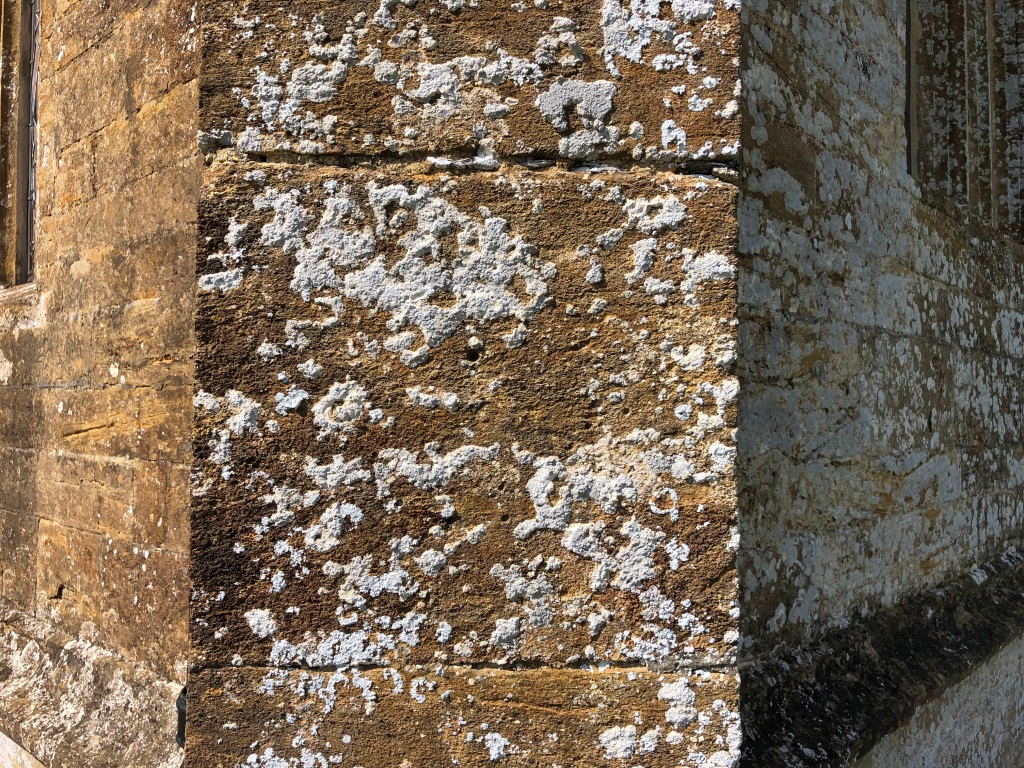
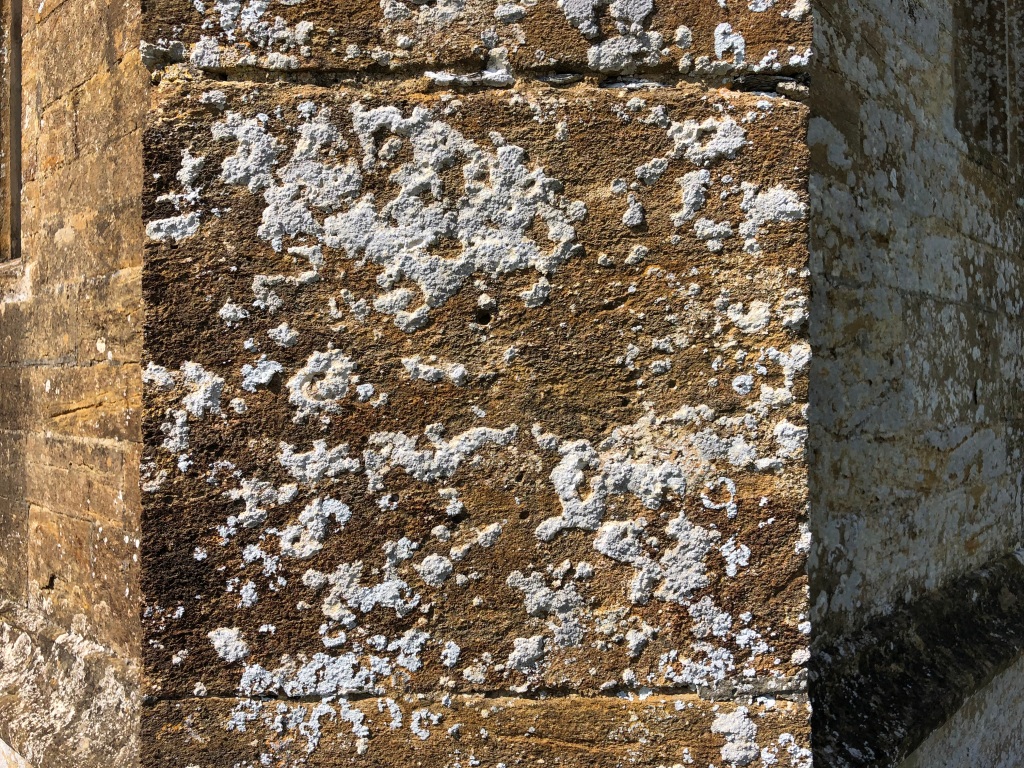
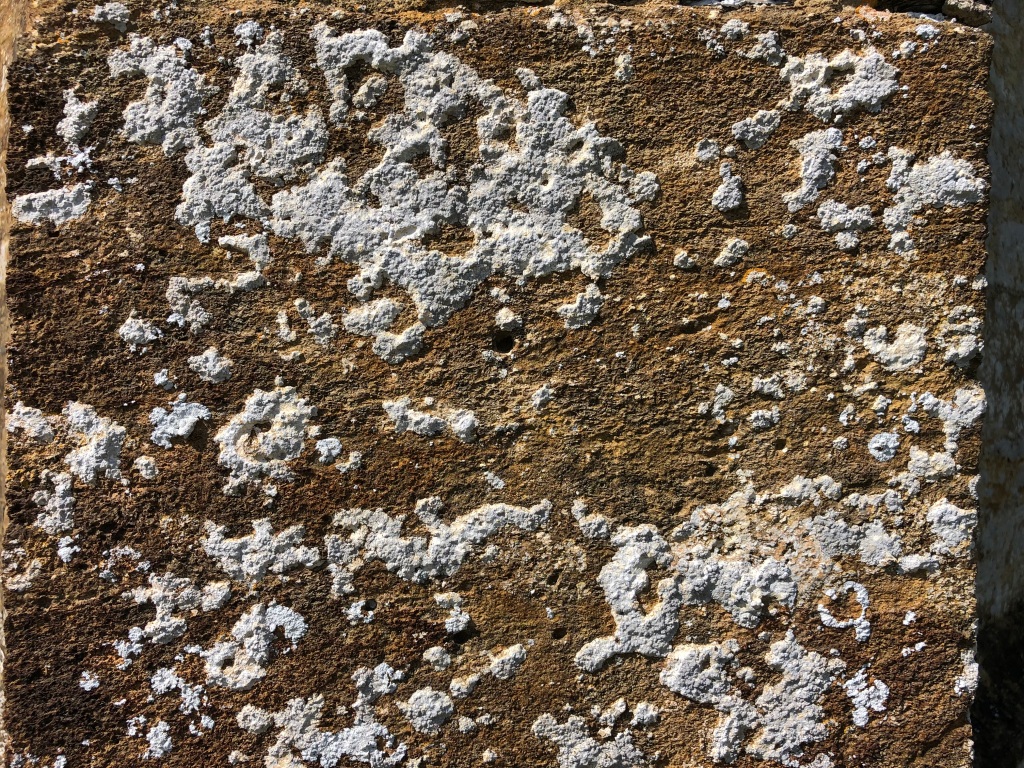
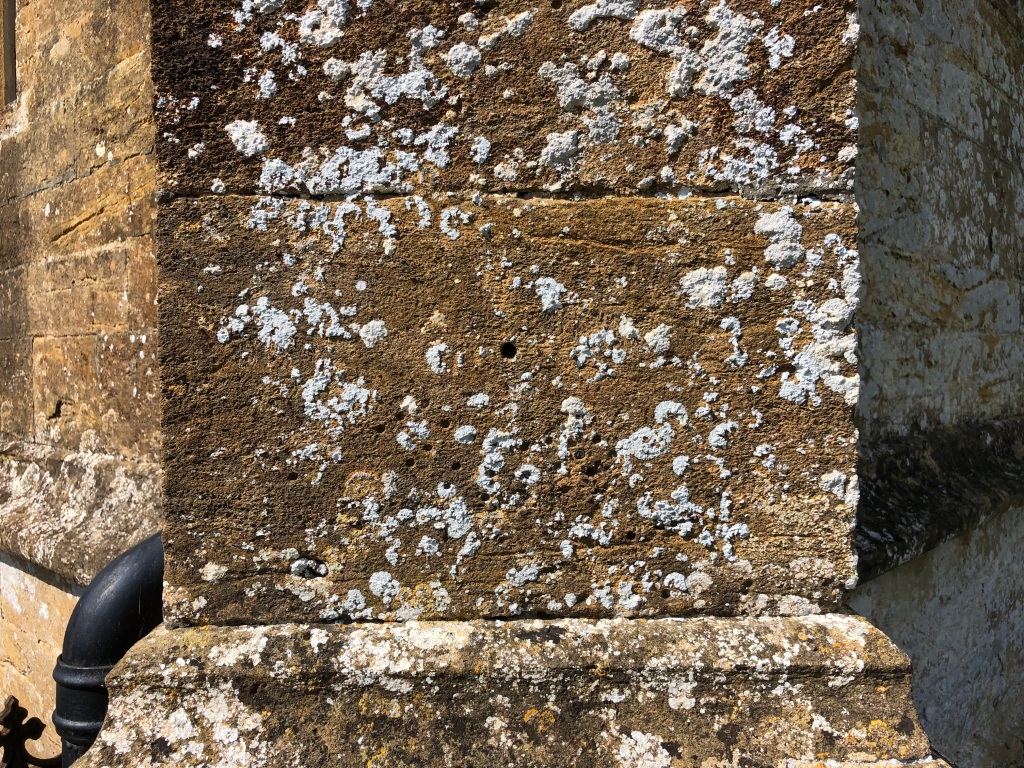
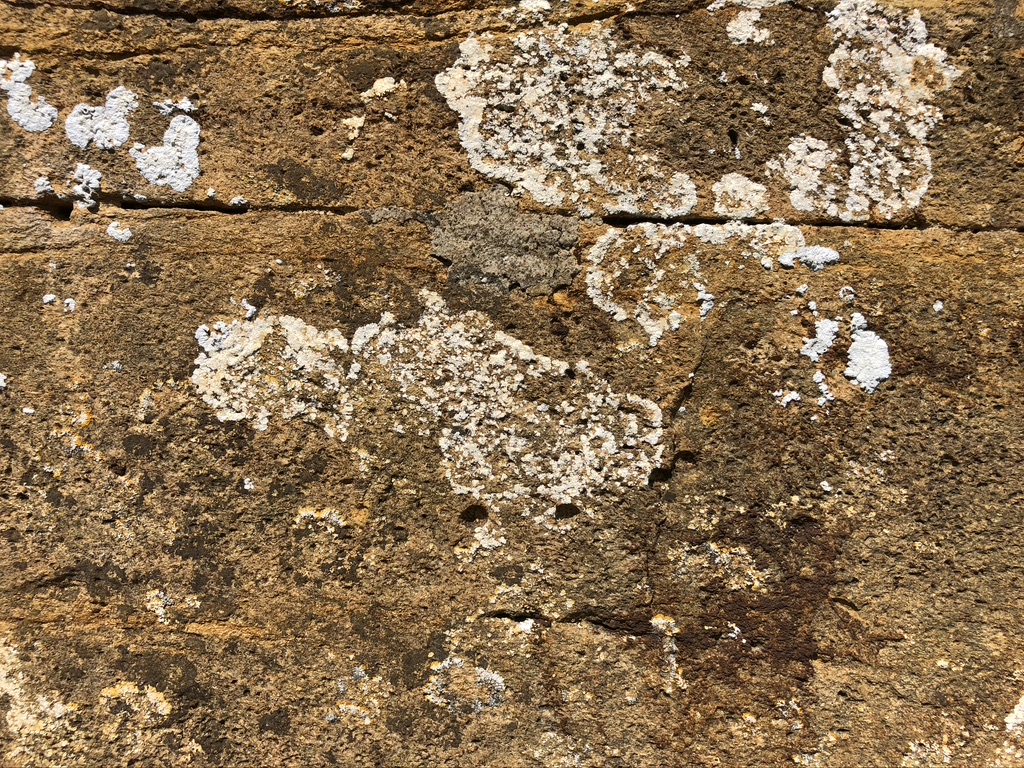
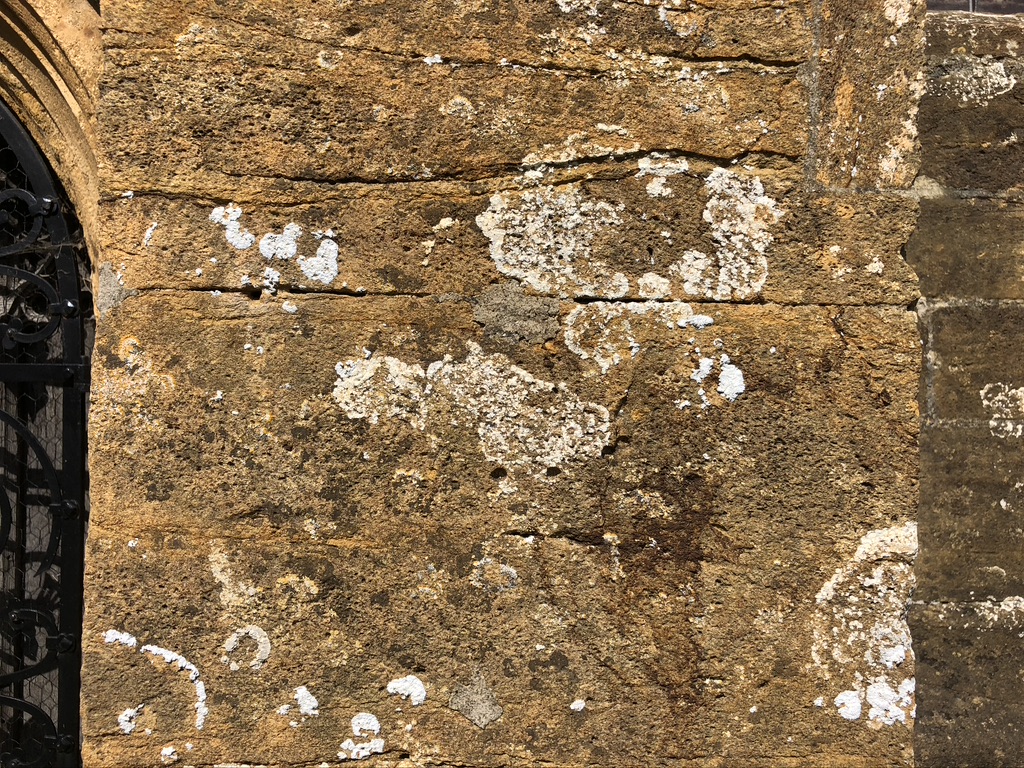
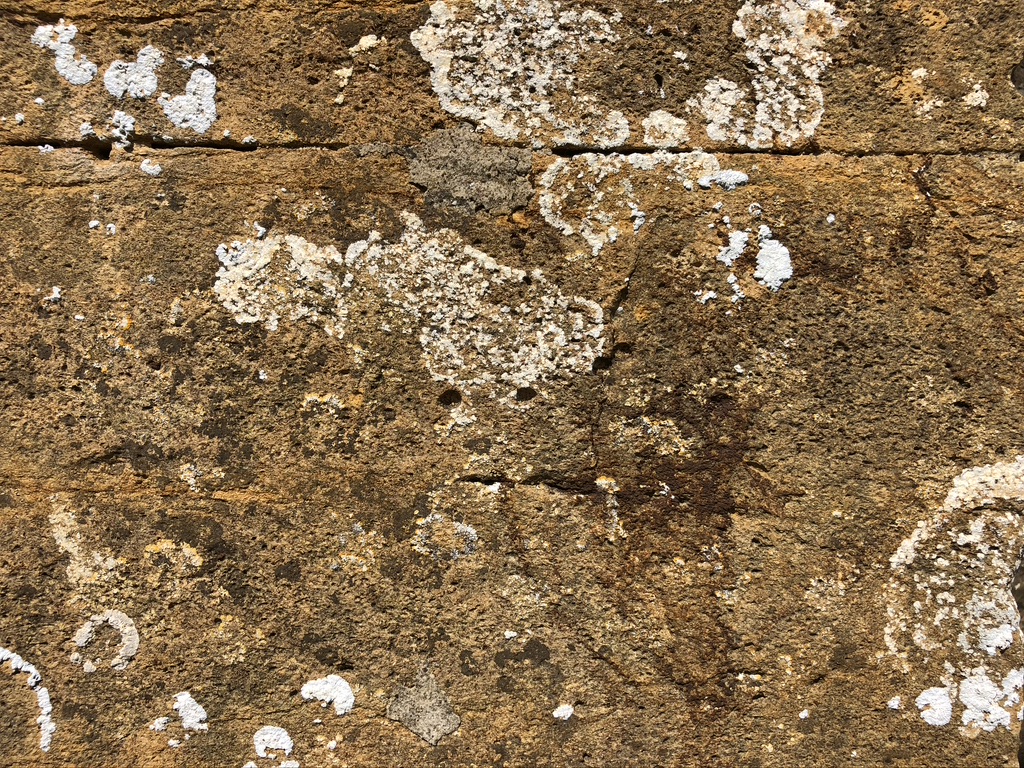
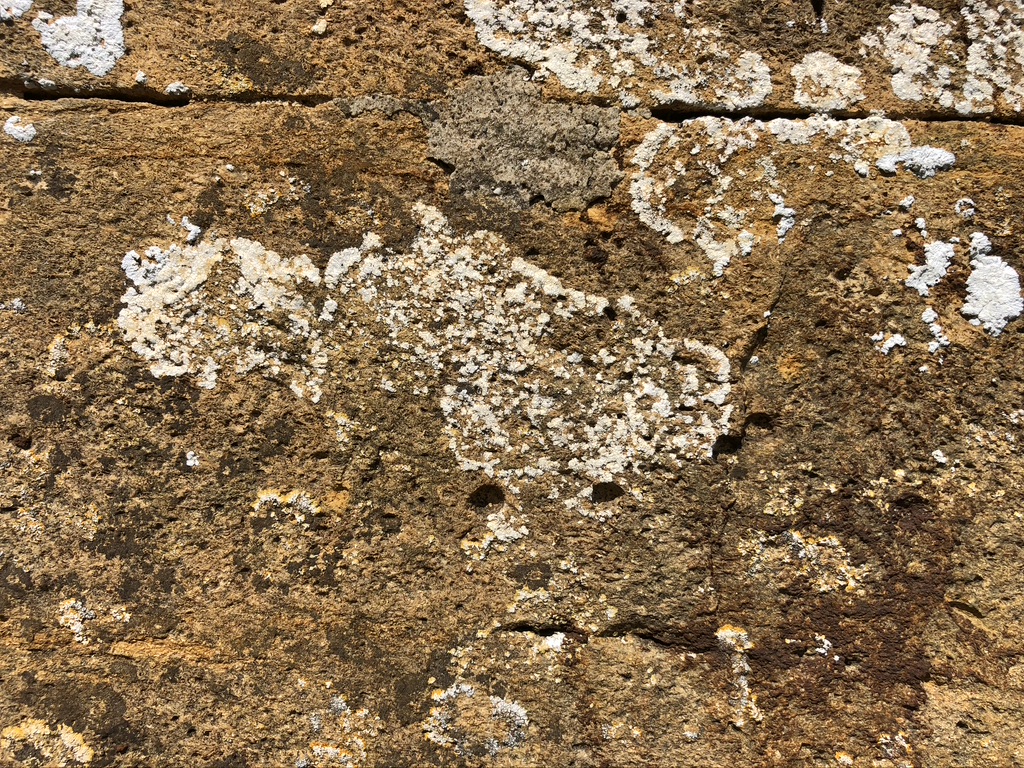
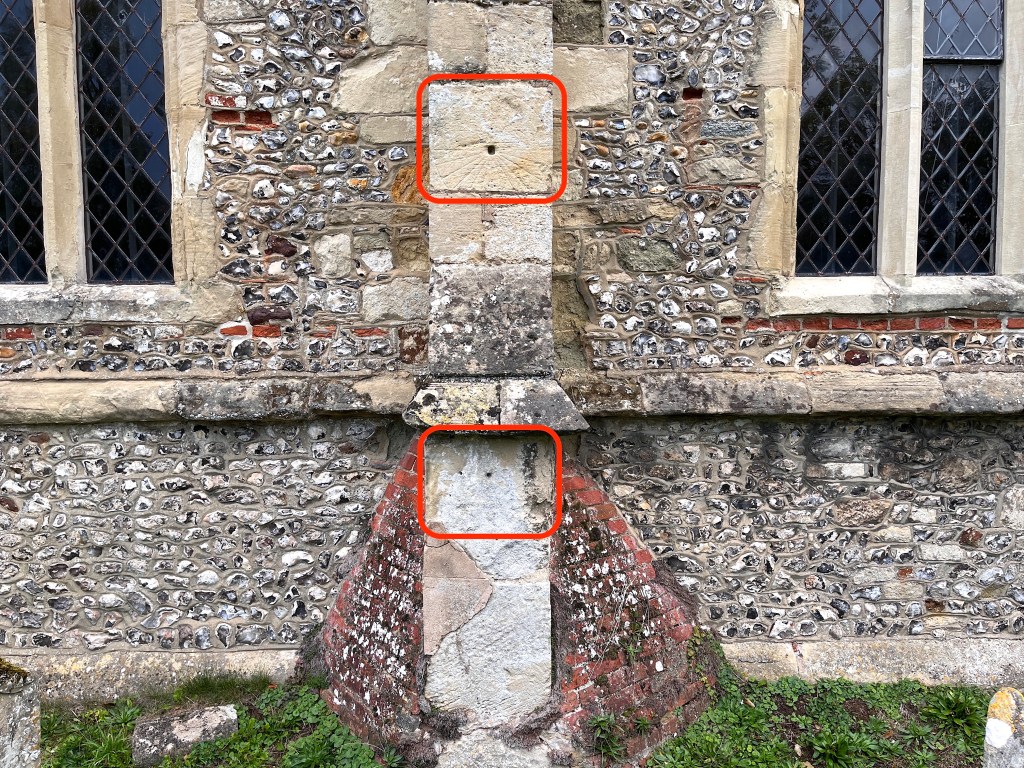
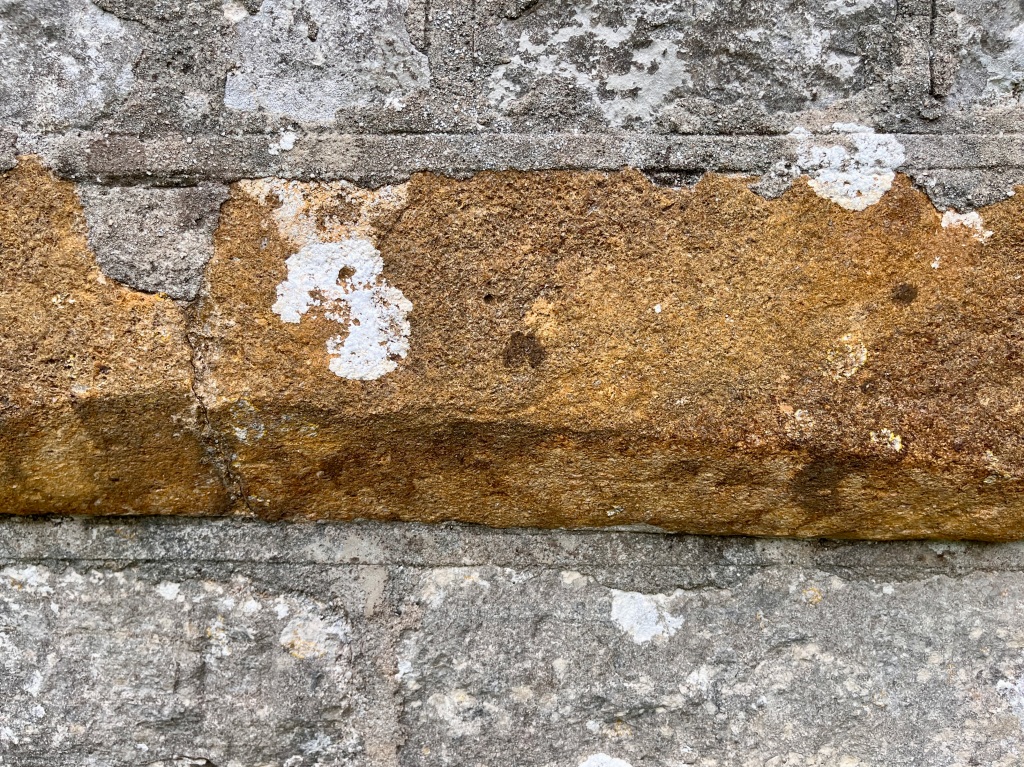
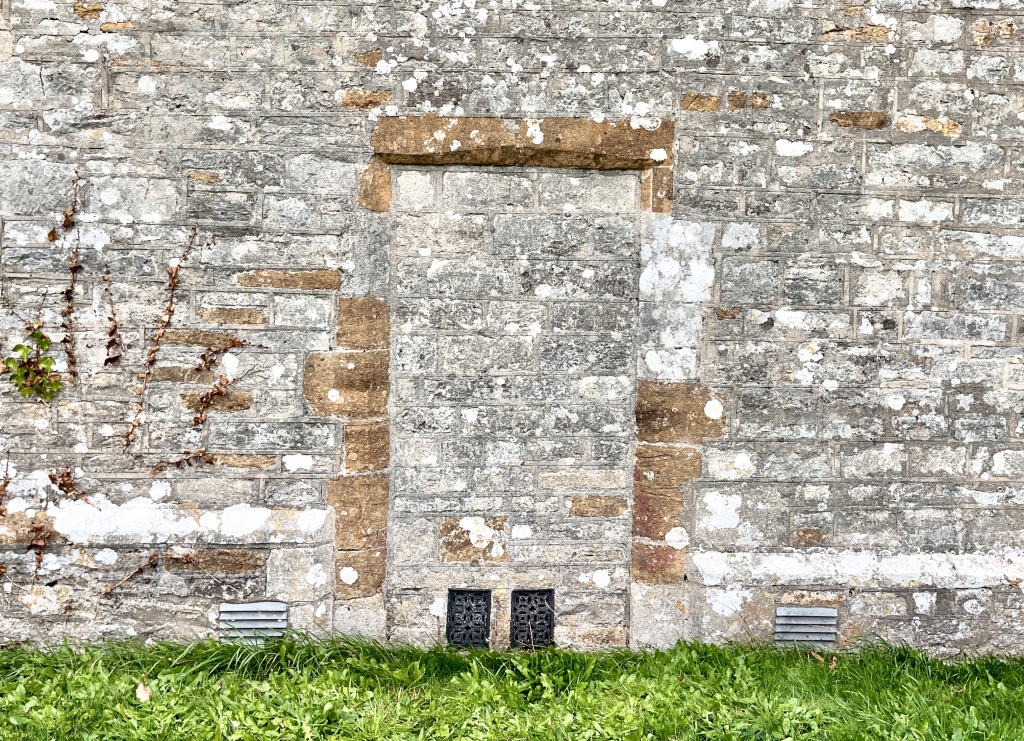
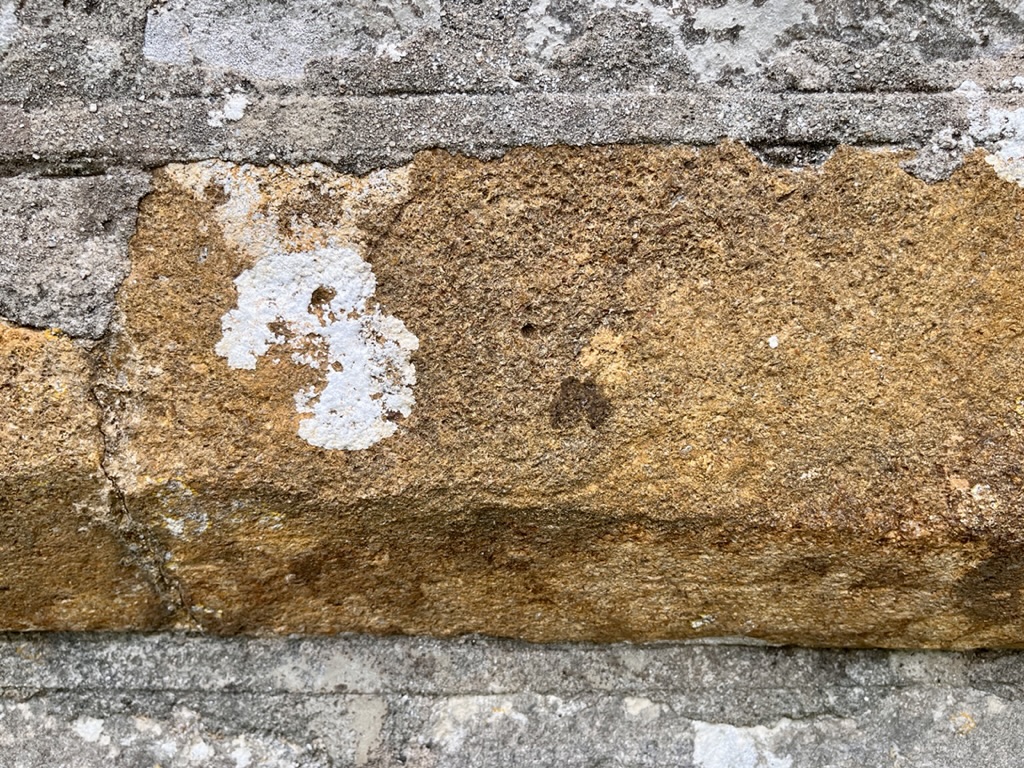
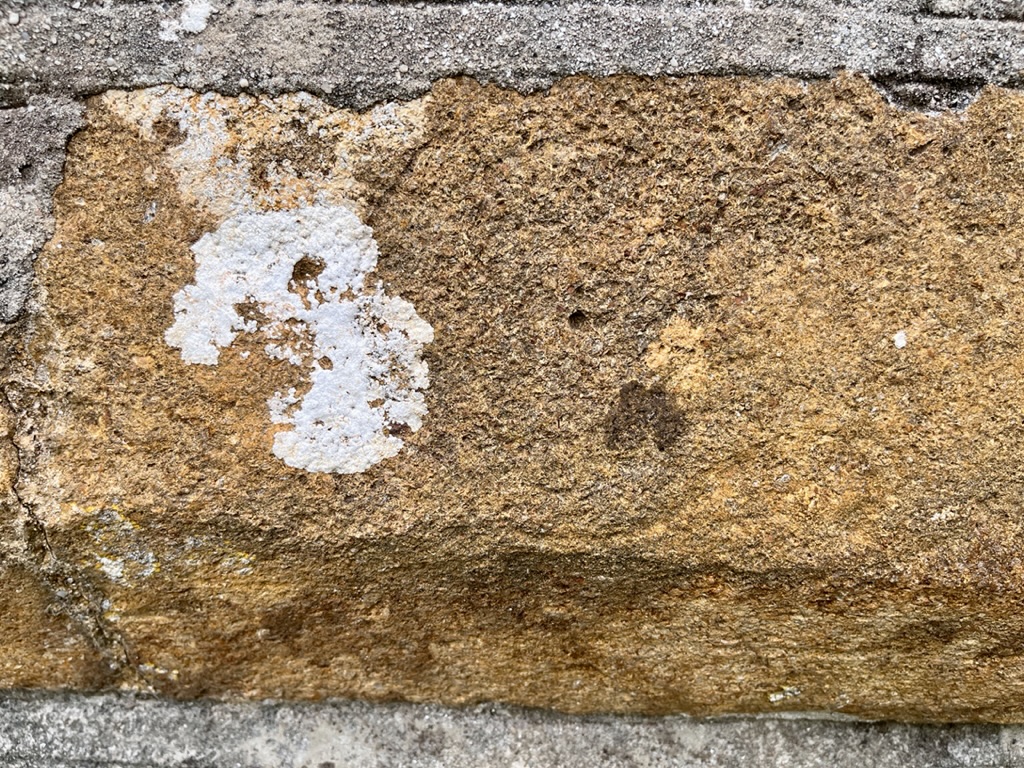
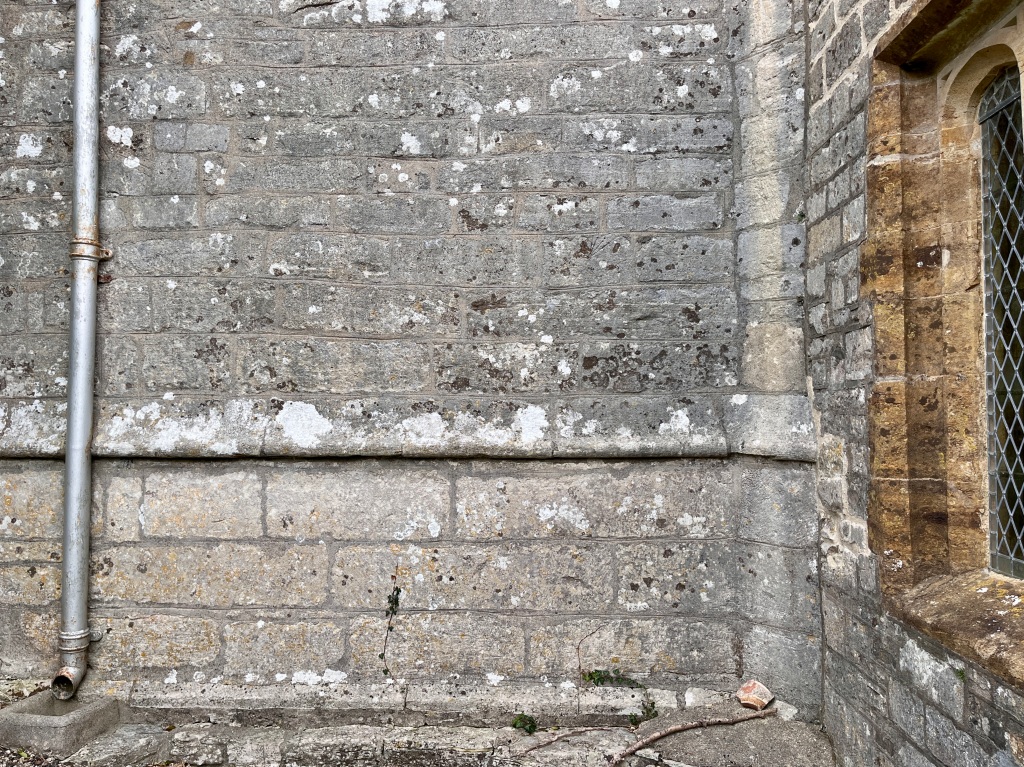
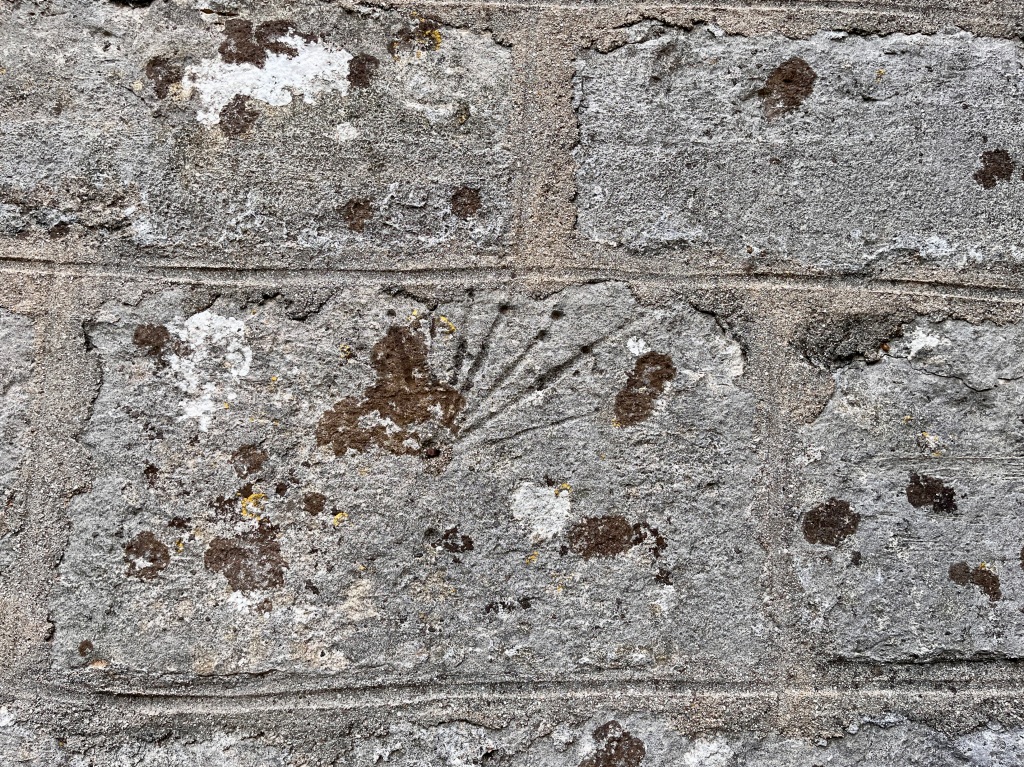
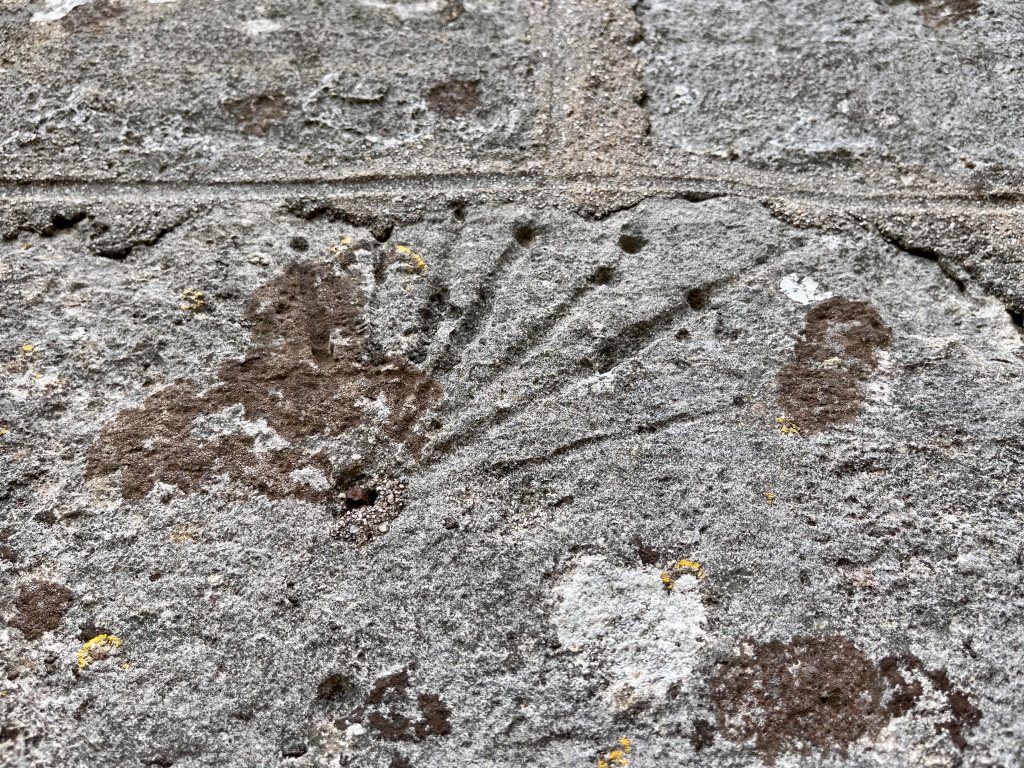
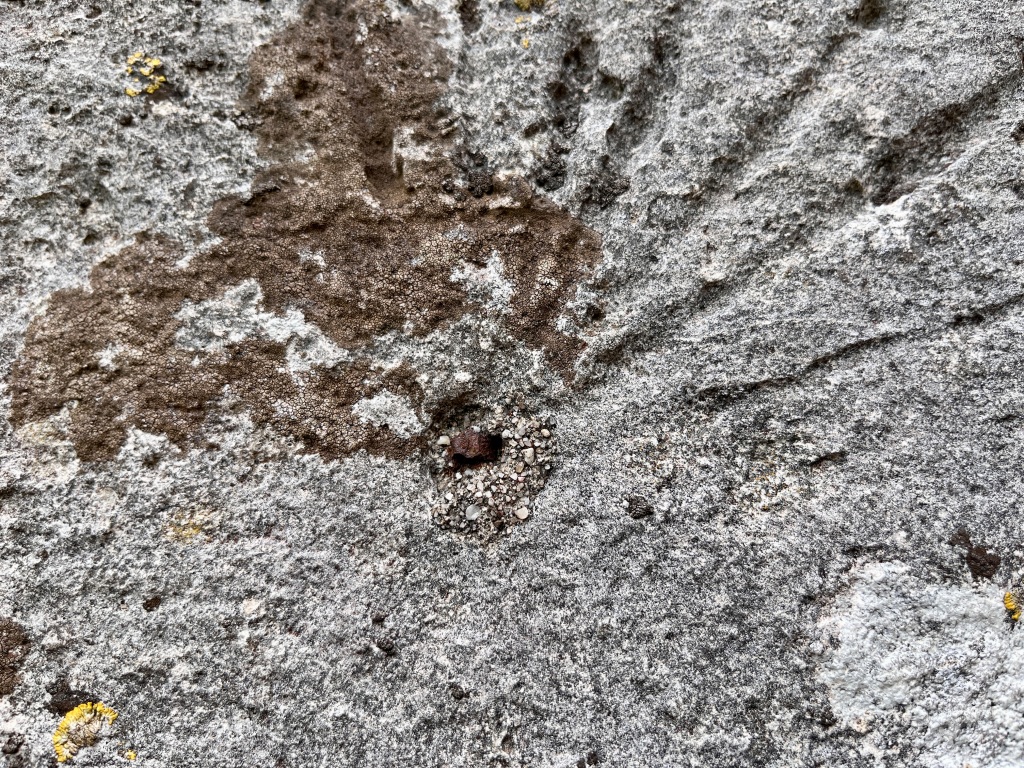
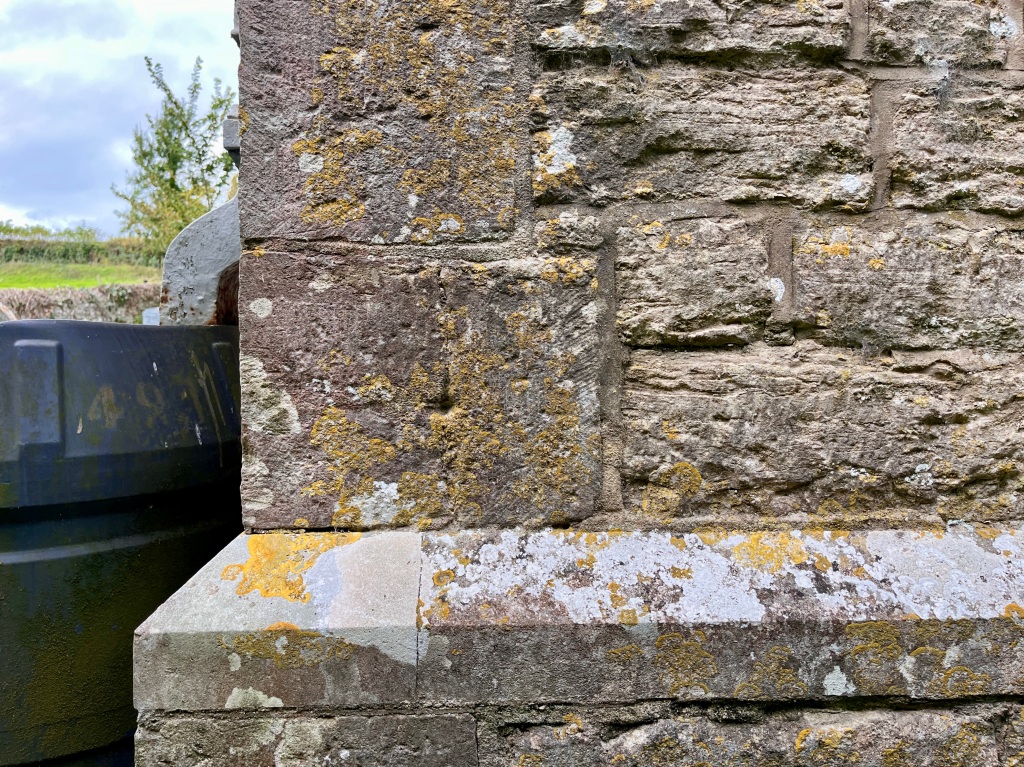
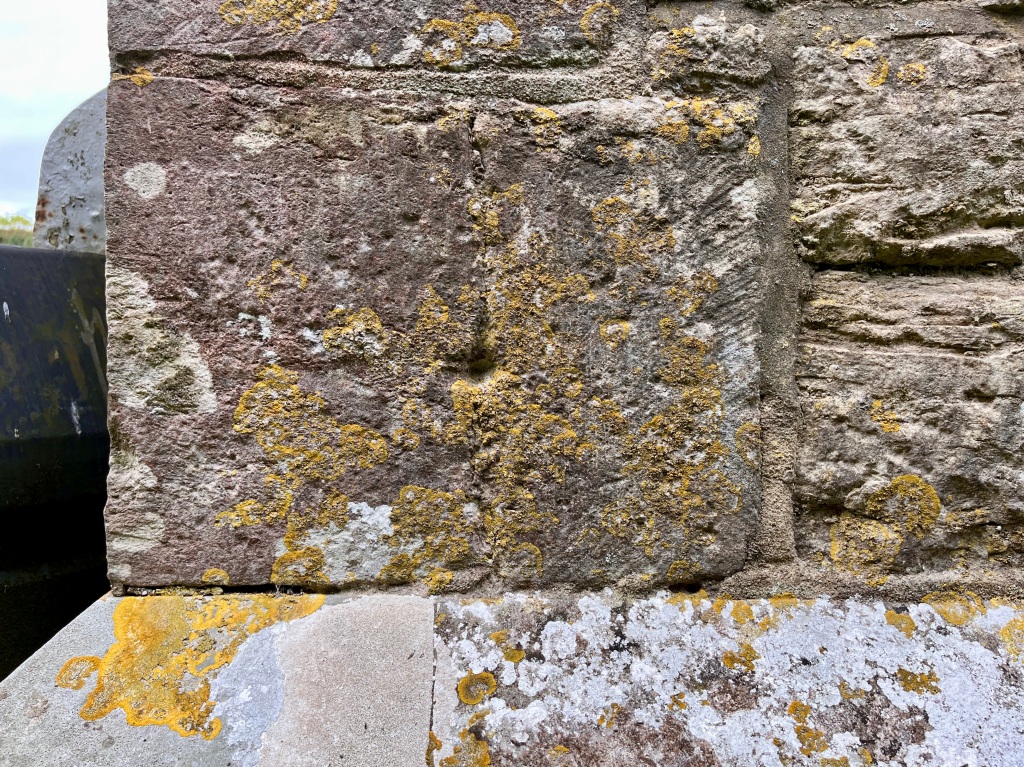
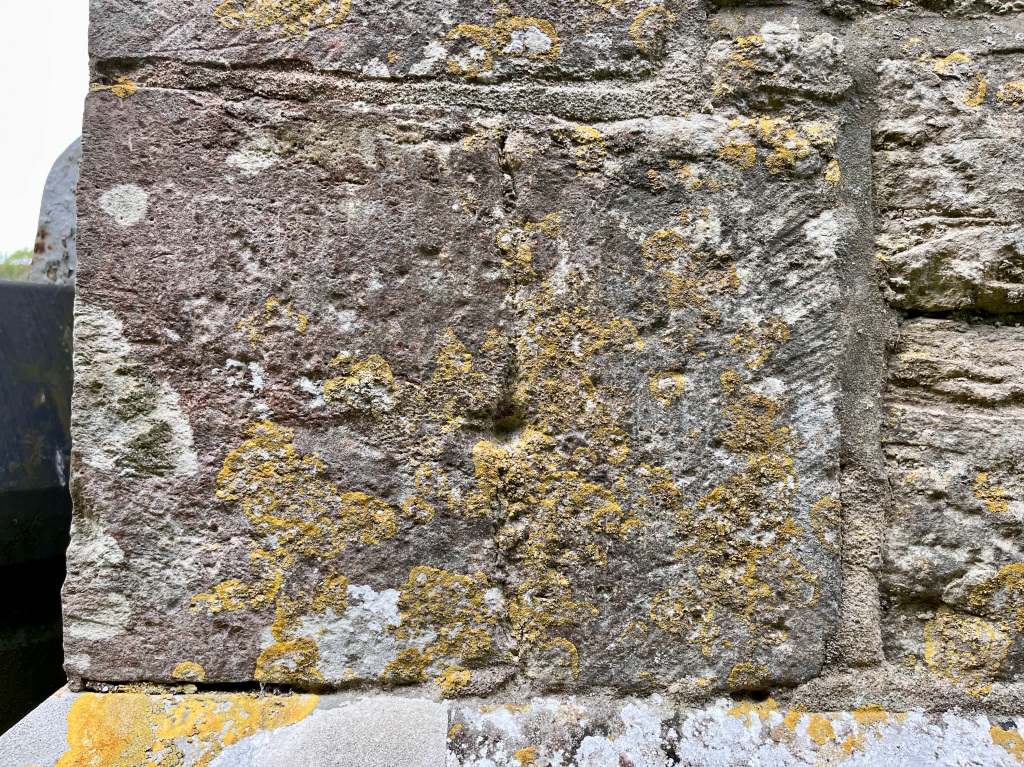
The fact that the hole in this buttress stone is centered made me look at it more closely. In 3D rather than in the photo, it is a plausible dial with 2 quite long lines, being the noon line and ‘1.00pm’. With a stick in the hole, it would have been perfectly serviceable for marking the sun’s progress from morning to afternoon. There is a similar dial at MUDFORD Somerset, where the 2 lines are at 11 and 1, cut so that the noon line is centered between them.
GRADE I † C13 et seq, on early C12 site. Gradual development but (unusually) with little obvious C19 workBHO. Good C16 bench ends. S porch built c1440, originally thatched, with the polar scaphe sundial added later, see LINK. The multiple scratch dials of St Margaret are shown below. DEH recorded 4, but there are several more. 5m NW of Yeovil; just S of dread A303. 50.9746 / -2.7156 / ST498197
DIALS
I visited St Margaret some time ago and have mislaid my notes on the various locations. The dials are all on the S side and all but one are in predictable locations though a couple are not easy to see. Most are on buttresses. One dial (3) is quite high up and would be easy to overlook. There are enough dials for me to skip – and for you to be spared – analysis of each one individually (for the time being at least).
DIAL 1
On the buttress at E end of the church
St Margaret . Tintinhull . Som – Scratch Dial
DIAL 2
On the same buttress as dial 1
St Margaret . Tintinhull . Som – Scratch Dial
DIAL 3
High on a buttress, E end
St Margaret . Tintinhull . Som – Scratch Dial
DIAL 4
S buttress
St Margaret . Tintinhull . Som – Scratch Dial
DIAL 5
On the buttress E of the Priest’s door
St Margaret . Tintinhull . Som – Scratch Dial
DIAL 6
Close to Dial 5
St Margaret . Tintinhull . Som – Scratch Dial
DIAL 7
S buttress
St Margaret . Tintinhull . Som – Scratch Dial
DIAL 8
S buttress near doorway
St Margaret . Tintinhull . Som – Scratch Dial
DIAL 9
E of porch
St Margaret . Tintinhull . Som – Scratch Dial
DIAL 10 (?)
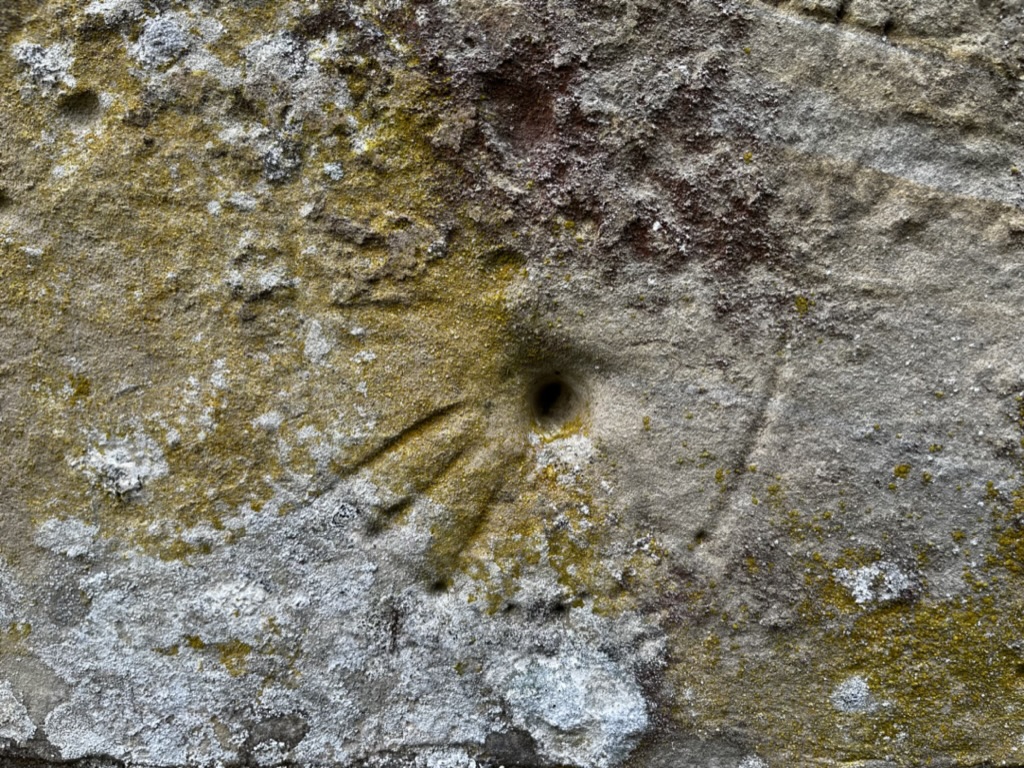
According to the very useful resource Sundials On The Internet, the smallest known scratch dial is at St Margaret’s, location unspecified. It measures a mere 2 inches in height. Possibly it is the hole below. There is a very similar one at Leintwardine Shrops that has been deemed a dial, though it’s just hole with a couple of minimal indentations around it. I saw no other candidate, and had I not known about the 2″ dial I would have passed this by without a second glance.
St Margaret . Tintinhull . Som – Scratch Dial… the smallest recorded?
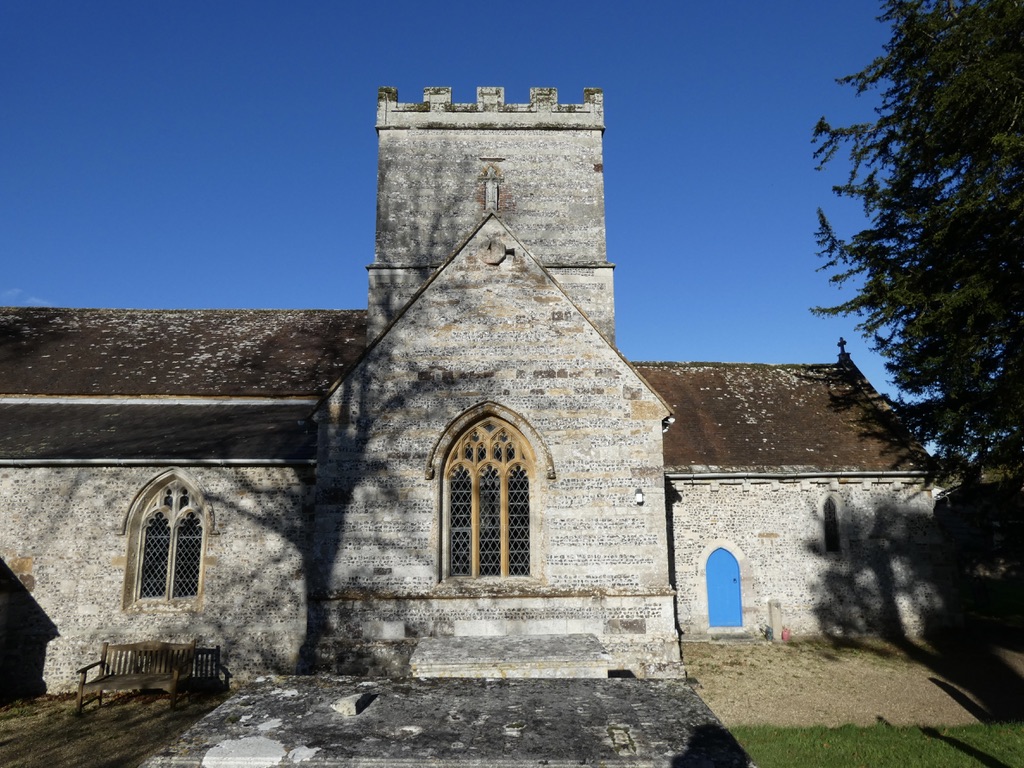
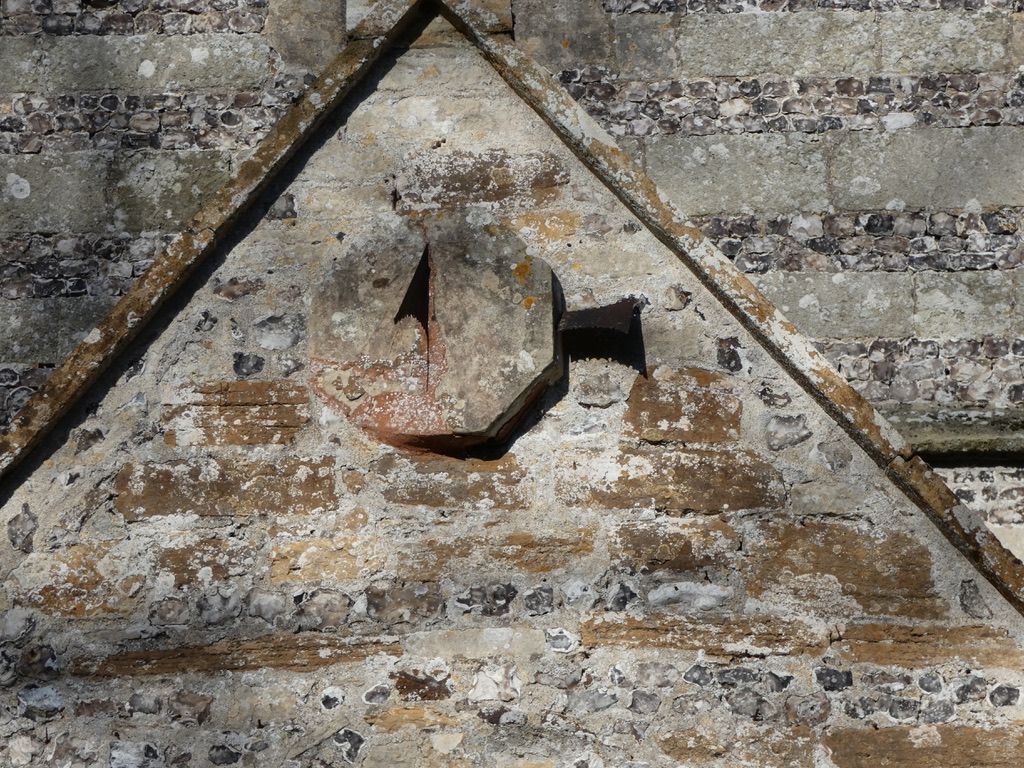
GRADE I † Early C13 chancel with trace transepts (BHO); C14 crossing tower; C15 south chapel and nave; restoration mid-C19 (Ferrey). A most unusual late C17 octagonal dial; 6m SW of Blandford Forum, just off the main road to Dorchester (12m). 50.8004 / -2.234 / ST836001
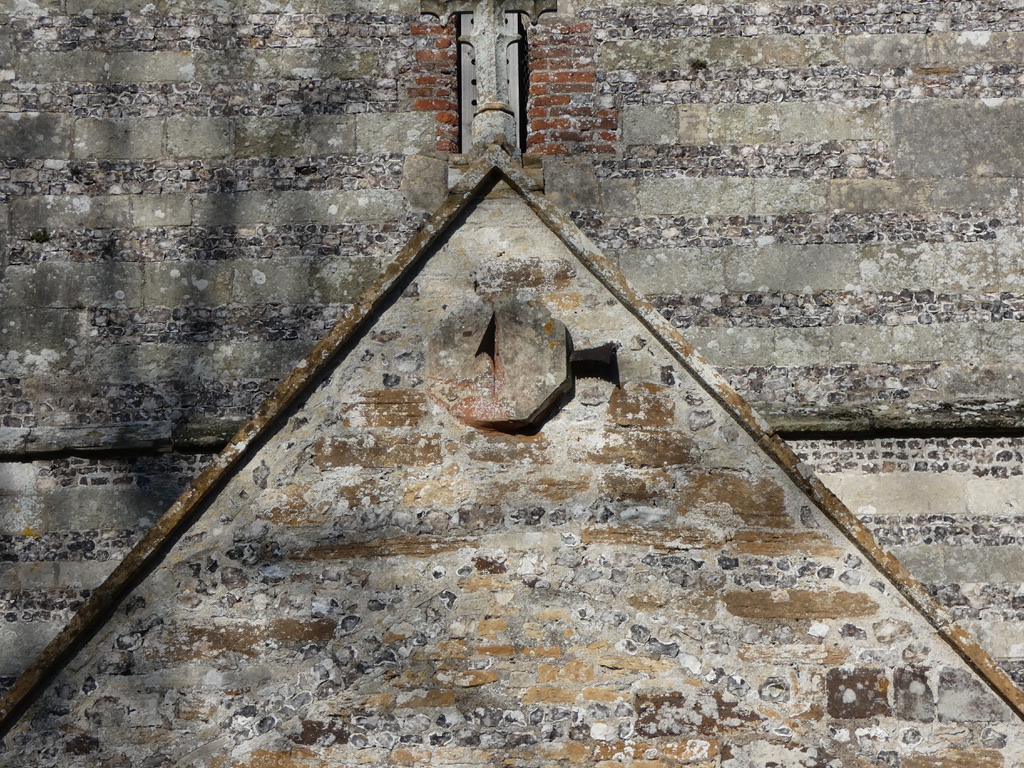
VERTICAL DIAL C17
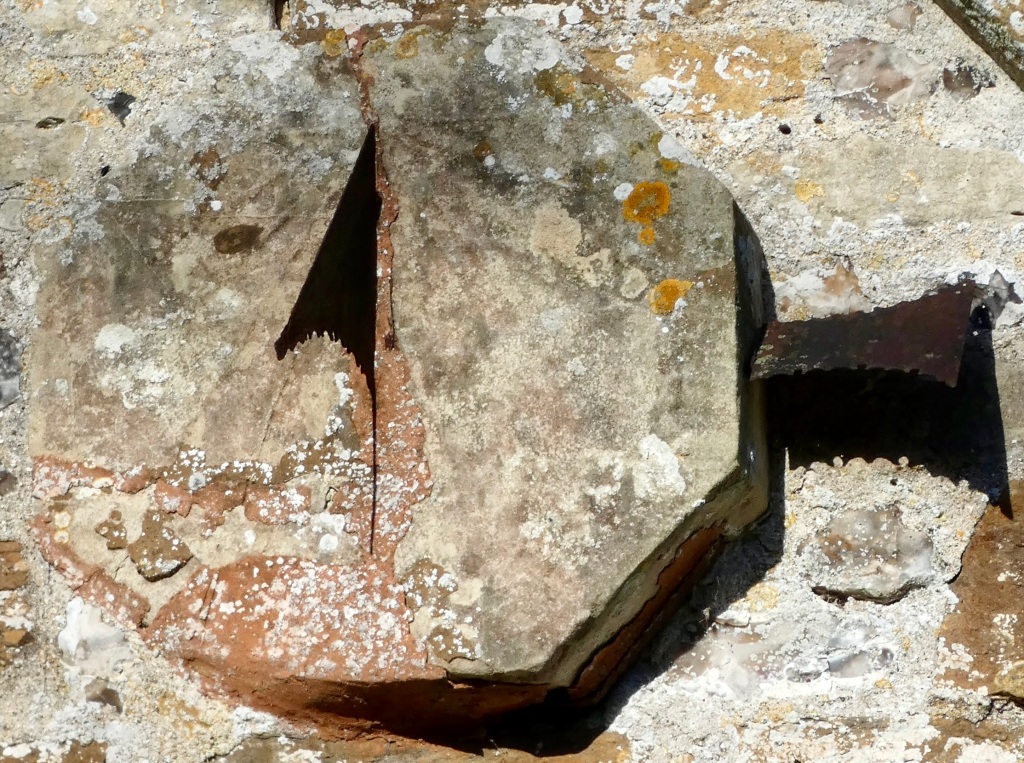
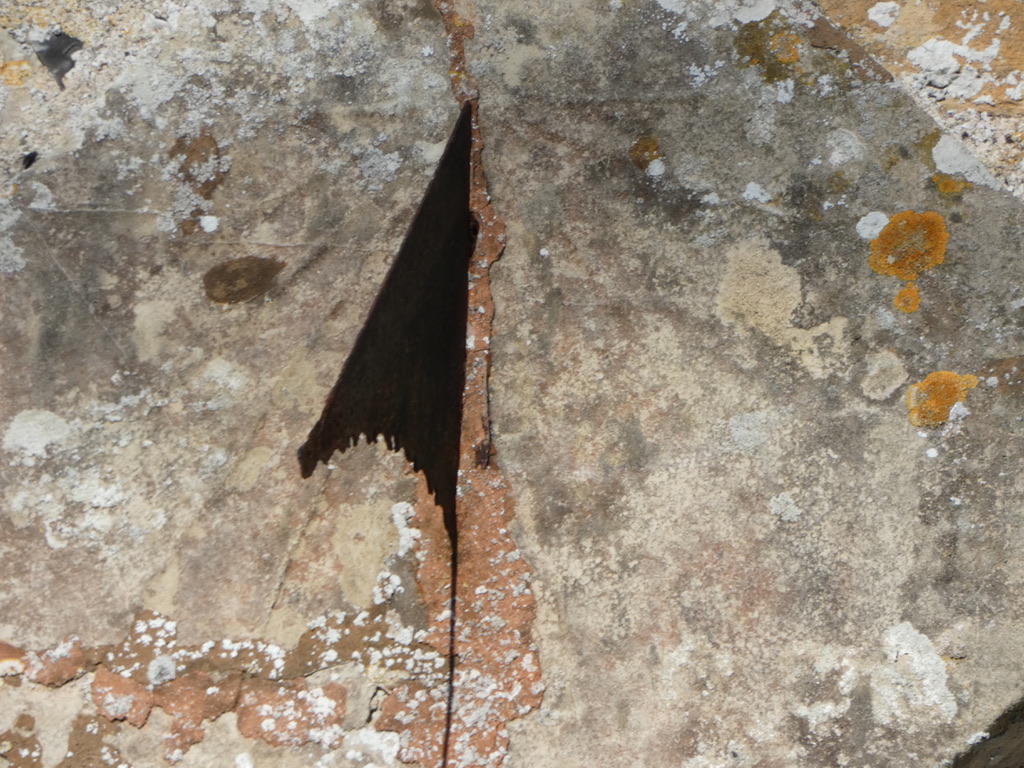
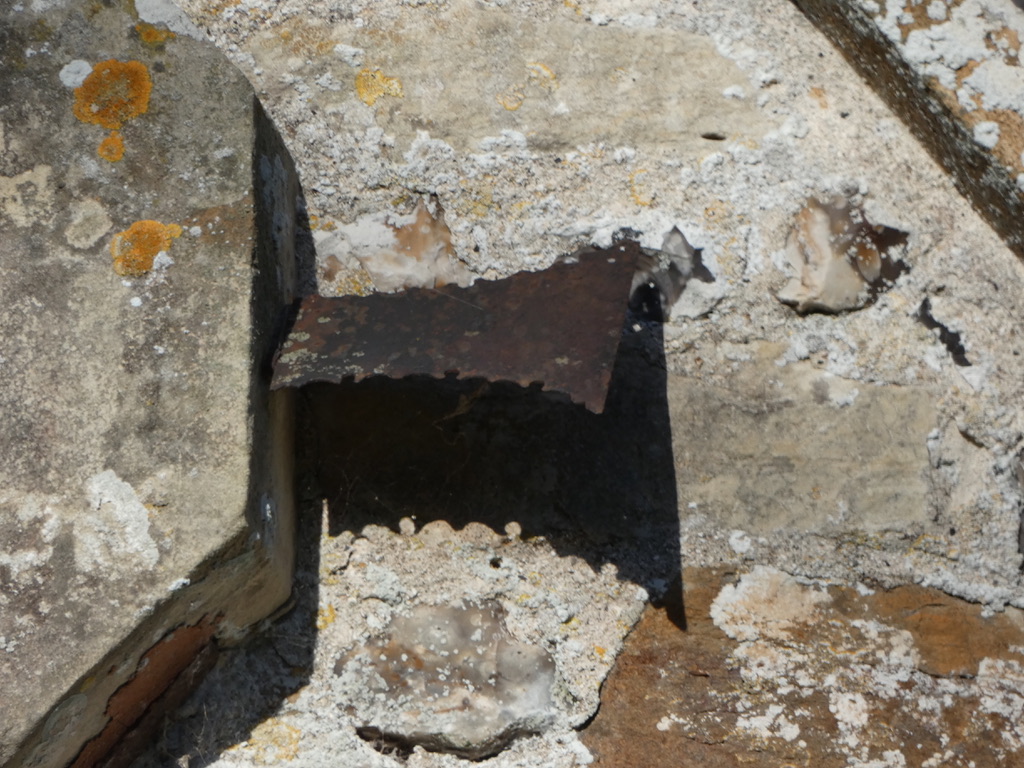
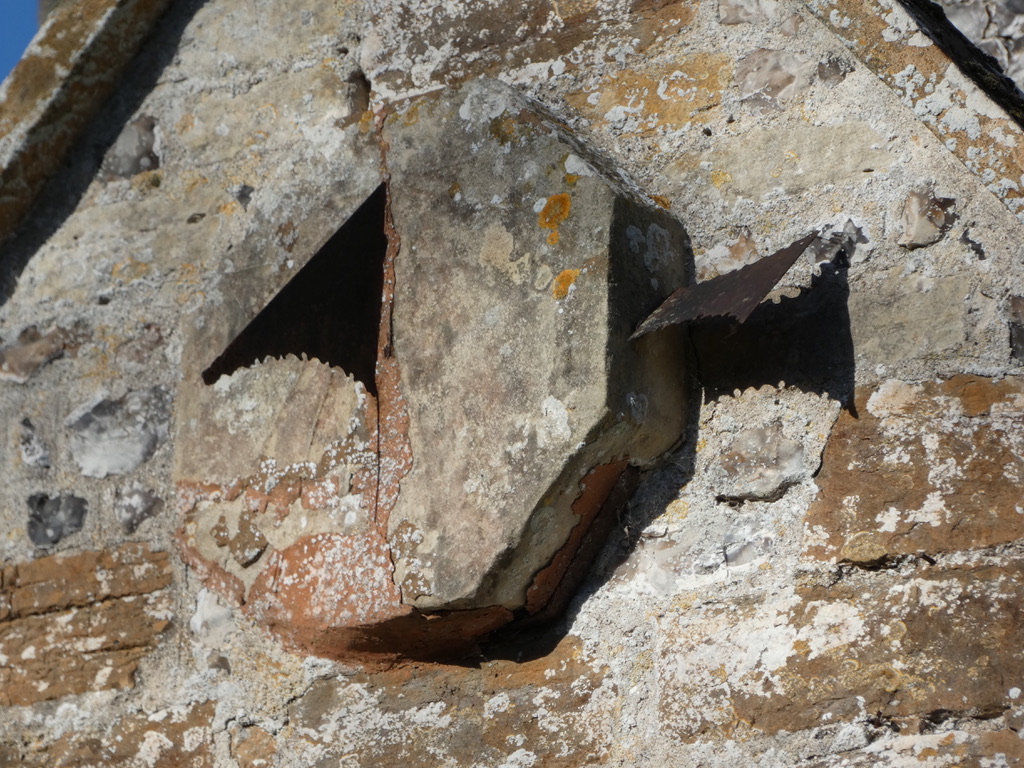
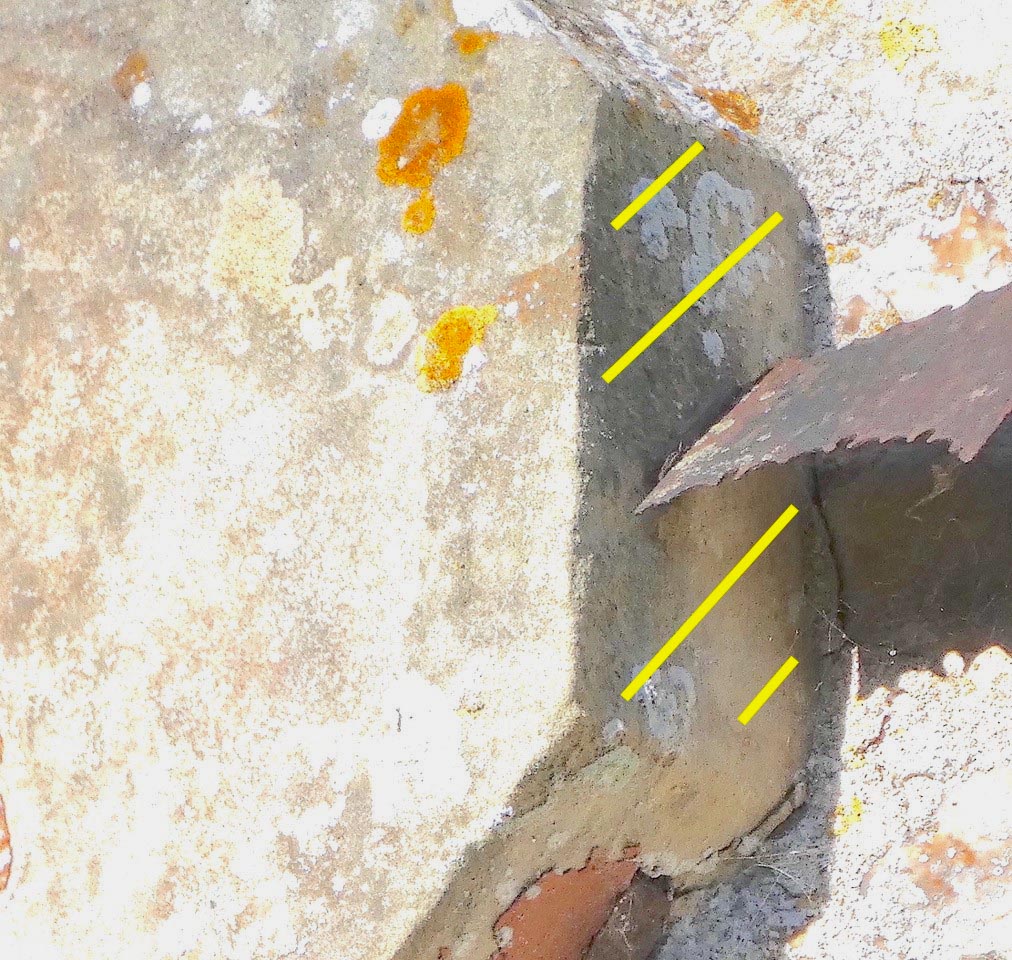
The remarkable vertical dial is located at the apex of the S Chapel gable. It dates to late C17 (BHO). The lines radiating from the top end of the gnomon are reminiscent of a scratch dial. The dial is canted for accuracy, and deeply enough to accommodate a rare E dial. Both gnomons are unusual, not least by being more toothed than merely serrated.
THE EAST DIAL
It is very unusual (and possibly unique) to bother to delineate the east or west edge of a canted dial; and really quite strange to use such a tall gnomon, which will only cast a shadow for an hour or two at most.JF / BSS
John Foad (BSS) kindly marked up a close-up of the E. dial to show how it would have worked. He writes: It should have diagonal hour lines on it, though there is probably only room for a couple, as it will only see the sun briefly around 6 each morning. There is a suggestion in the records that there were at one time 2 raised lines, but a magnified image reveals no surviving evidence.
GRADE II † C13, C14, C15, restored 1863 (T.H.Wyatt); tower restored 1988. A sad history of disrepair (C15, C17), but nowadays a most attractive and surprisingly secluded church. One bell (of 6) is C15. A cluster of votive / pilgrim crosses externally. Midway between Salisbury and Shaftesbury, N of A30. Note: the church is some way past the centre of the village – persevere. 51.0654 / -2.0068 / ST996295
DIALS
St George is a multi-dial church. There are certainly 6, plus one candidate that is debatable and may have a different function entirely. I have a note of an 8th dial, and seen a passing reference to one. Unusually, there are 5 dials spread over 2 adjacent stones, a rare proximity of so many.
DIALS 1 – 3
St George . Fovant . Wilts – Scratch Dials 1 -3
This group of dials are all cut on a single stone. It looks as if the simplest dial (3) was superseded by a similar more detailed one (2) ; and that both were eventually made redundant for practical purposes by a relatively sophisticated replacement (1).
DIAL 1
Dial 1 has 10 lines (including the horizontals) that radiate from the filled gnomon hole, within a semicircle. The spacing of the lines is rather haphazard and it is quite hard to relate their positions to specific hours. One line in LRQ has a cross, presumably to emphasise the afternoon Mass time Nones. In LLQ there are 4 (perhaps 5) holes denoting an important part of the day for observance. The positions of the radials on the 2 earlier dials beneath Dial 1 rather confirm this theory. Is the horizontal line above the semicircle part of the dial? There is a short vertical line from its centre – a short ‘midnight’ line? – that suggests some connection but not one that would assist marking the passage of the day. Probably a later addition, purpose unknown.
DIAL 2
Dial 2 is simple dial with a homespun attempt at incising a perimeter. It has 3 strong lines LLQ, each ending in a pock. The noon area is a confusion of trace / eroded lines with pocks that extend further round the approximate circumference, signifying the early afternoon hours
DIAL 3
Dial 3 is a rustic-looking little dial, presumably the earliest of the group. Although from a distance it seems to be just a pair of stubby lines descending from the style hole, close inspection suggests shallow pocks on a curve beyond the noon line – others perhaps hidden by the lichen. If so, it is more sophisticated that it looks at first sight. But for the size of the style hole, it is a candidate for the ‘smallest dial’ category, of which Tintinhull is supposedly the leader
DIALS 4 – 5
Both dials are together on the same stone, immediately W of the dial stone of dials 1 – 3.
DIAL 4
Dial 4 is hard to analyse in detail because of lichen. The style hole is filled. There is a semicircle – again with an inexact curve – and a hint that there was once a full (misshapen) circle. It is just about possible to make out 12 lines, of which only 6 or 7 are distinct. There are no visible pocks.
DIAL 5
Dial 5 is the only dial with all lines in LRQ: an afternoon dial (but see also dial 8). There are 6 lines, of which 5 radiate directly from the style hole. The line at (roughly) 1pm, if part of the dial, passes to L of the hole.
DIALS 1 – 5
DIAL 6
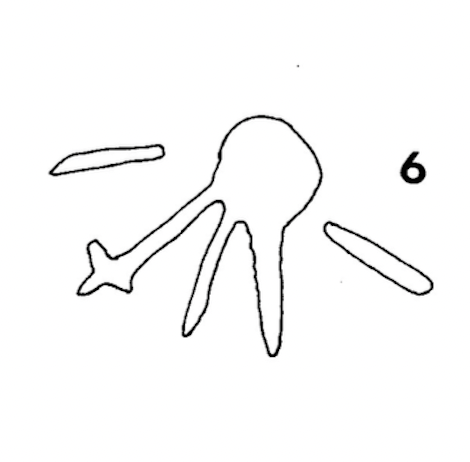
Dial 6 is different from the other dials, and relatively uncomplicated. The style hole is quite high on the dial stone. There are no radials, simply a gentle curve of several pocks either side of noon. There are 7 in all, and presumably the central one marked noon. There’s a significantly clearer image than mine via the first link below!
DIAL 7 -v- NOT A DIAL
There is debate as to whether this design is a dial, or was incised for some other purpose. Two concentric circles with a hole at the centre are not rare for a dial but one would expect to see lines – even just a noon line – and / or dots around the perimeter of the inner circle. Being sited at the W end, it would only be effective late in the day. Again, this is not particularly unusual where a church has been rebuilt stones relocated – Rimpton, Lillington and Stockbridge are examples.
Sometimes it helps to interpret a possible dial – one that may have been re-sited – by rotating the image. It could be argued that the two small pocks equidistant either side of a notional the noon line indicate a simple rather elegant double-ringed marker of the passage of time in the later part of the day. Alternatively it could be a straightforward dial with two pocks that was moved from the S side to W end. Anyway, it looks more dial-ish with this orientation.
DEH noted that this line-less, pock-less design – a hole at the centre of one or two circles – is not uncommon. He suggests that such configurations may have been dials with the details painted within the circles or on the circumference. This was a common practice and can still be seen in a few churches where there is a dial within the porch, cut next to the pre-porch main doorway. West Camel is one example; Chilthorne Domer nearby even has 2.
Local research (see below), originally in conjunction with Tony Woods / BBS, suggests this may in fact be a form of Consecration Cross or ‘event’ mark. That may well be so. However while these often have double circles, crosses generally (always?) do actually feature a cross or at least some form of incised device.
Consecration Crosses within concentric circles – St Andrew . Yetminster . Dorset
DIAL 8?
As mentioned earlier, I have a note of – and seen a reference to – an 8th dial. It may have been this faint spidery design with its shallow style hole, the lines all LRQ. If it is a dial at all – on balance I am 66% in favour.
These links will take you to two excellent analyses of the dials by Fovant village online resources. Both are interesting in their own right; the second link provides a good overview of the whole community.
GRADE II* † C14, with (unusually) few changes until C19 additions and restorations (Street). An attractively uncomplicated church and churchyard. The tower houses 7 bells, of which 4 are dated 1600. 14m E of Dorchester 50.7778 / -2.1967 / SY862976
St Nicholas . Winterborne Kingston . Dorset
DIAL
As I read it, the dial has a clear ‘midnight to noon’ line, extended at both ends; and a fainter 6-to-6 horizontal that ends more or less on the circumference. There are 3 other clear lines in LL quadrant, and perhaps other faint traces. I can’t make out more than that, even in a close-up. GLP recorded 13 lines, 7 of which extend beyond the circumference and notes that the dial is partially divided into decimal hours (LL quadrant), with ‘morning hours’ divided into 5 sections and the ‘afternoon hours’ into 6 (I’m not seeing the afternoon hours). He compares it to PIDDLEHINTON.
St Nicholas . Winterborne Kingston . Dorset – Scratch Dial
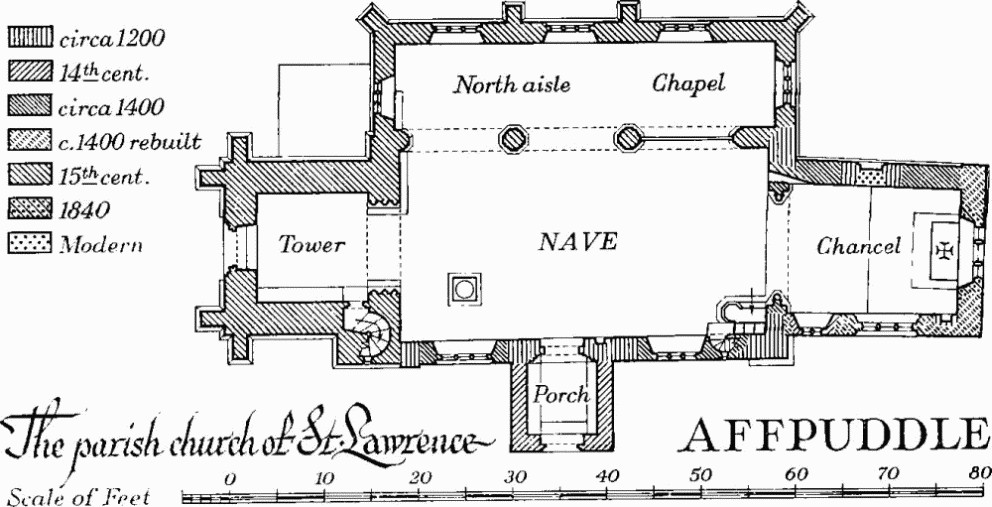
GRADE I † C13 origin (nave, chancel); C14 S porch; C15 enlargement, tower; C19 restorations inc Wyatt. Good C13 south door: cusped arch, carved heads as dripstones BHO. 2 Purdue bells. Early C16 oak pulpit, bench ends. 10m NE Dorchester. A most attractive and well-kept church. 50.7427 / -2.2772 / SY805937
THES SEATYS WERE MADE YN THE YERE OF OWRE LORD GOD MCCCCCXLV
IN THE THYME OF THOMAS LYLLYNGTON VICAR O THYS CHERCH.
DIALS
St Laurence has 2 dials, one either side of the nave window. Unusually, both are entirely designed with holes (cf TRENT) apart from a token noon indicator on Dial 1, barely discernible (see diagram).
DIAL 1
St Laurence . Affpuddle . Dorset – Scratch Dial 1
W jamb of the nave window, in poor condition. Besides the single vertical line, there are 8 small holes in a curve below the style hole. 2 further holes emphasise Nones, the Mass time equating in clock terms to 3pm. GLP notes that the dial is accurately cut.
St Laurence . Affpuddle . Dorset – Scratch Dial 1
St Laurence . Affpuddle . Dial 1 BBS
DIAL 2
St Laurence . Affpuddle . Dorset – Scratch Dial 2
Dial 2 is on the E jamb, a longer and clearer semicircle of 12 holes. There are a couple of small holes that might be for emphasis / to mark a half hour (see eg between 9 and 10). GLP notes that the style hole is very small / shallow for a gnomon. Again he found the dial very accurate, most holes being within 4º of true, with 5 exactly correct.
St Laurence . Affpuddle . Dorset – Scratch Dial 2
St Laurence . Affpuddle . Dial 2 BSS
CHURCH MARKS OF ST LAURENCE
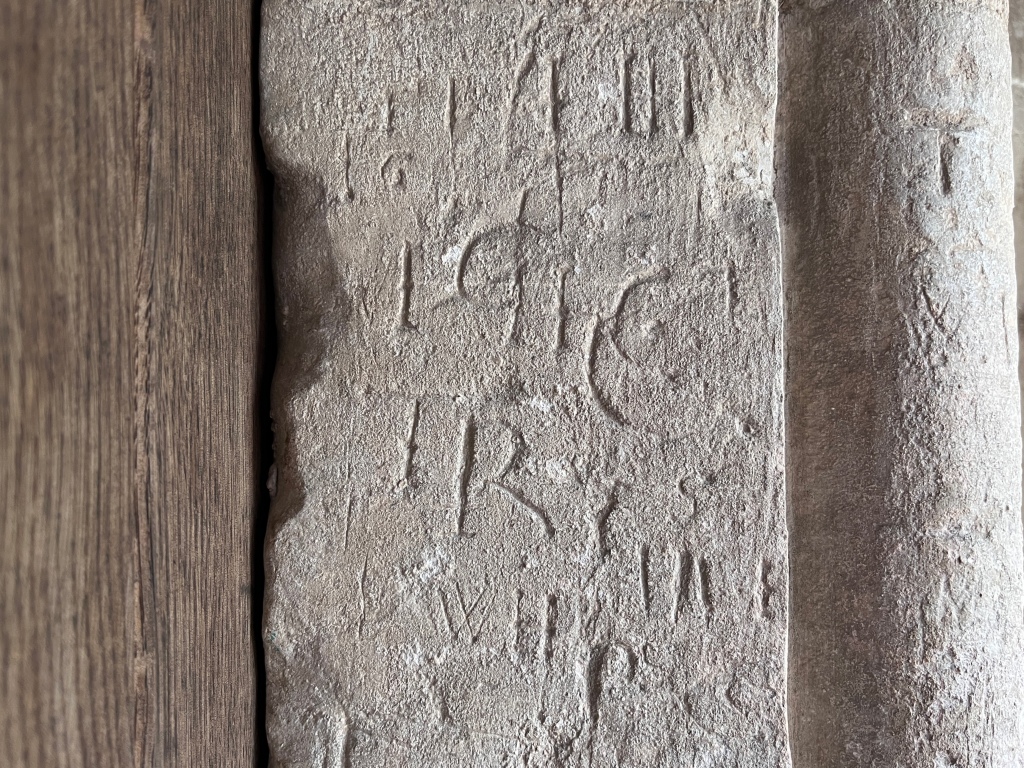
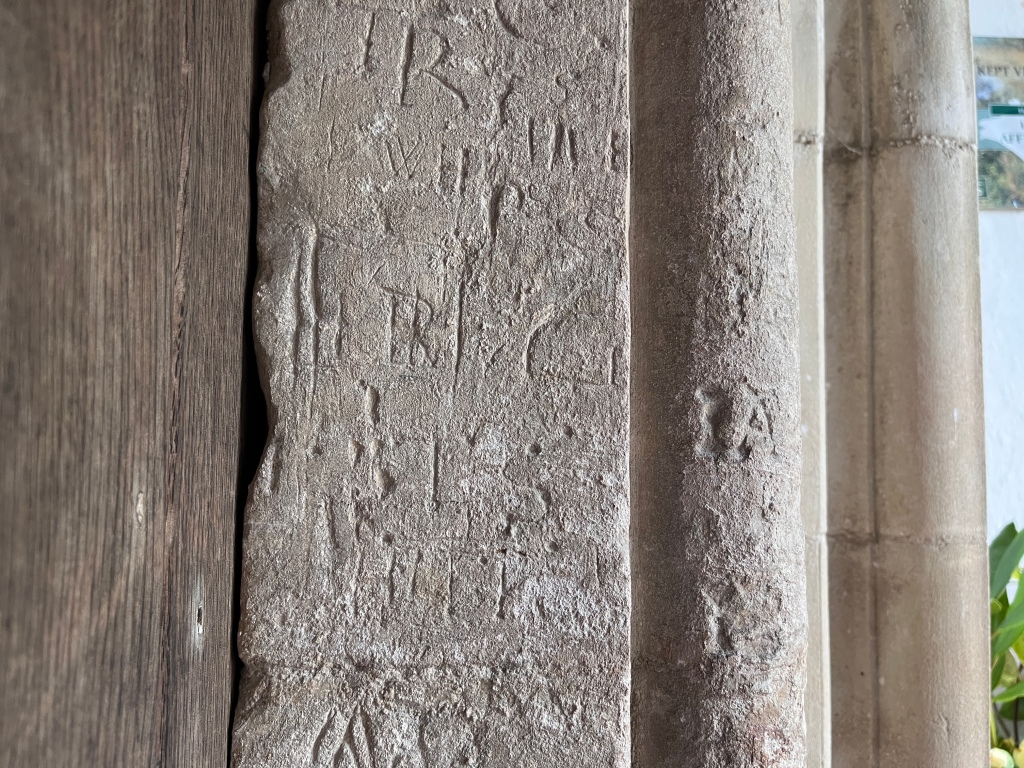
Some of those interested in medieval church dials (and you have after all reached here) are likely to check a church for other medieval marks. St Laurence is worth visiting for these alone. Here are just 3 examples, of which one is especially intriguing and needs be researched further (not by me).
St Laurence . Affpuddle – Medieval Graffiti: Initials, Dates, Witch Marks & drawing of a house
GSS Category: Scratch Dial; Mass Dial; Church Marks; Medieval Graffitti
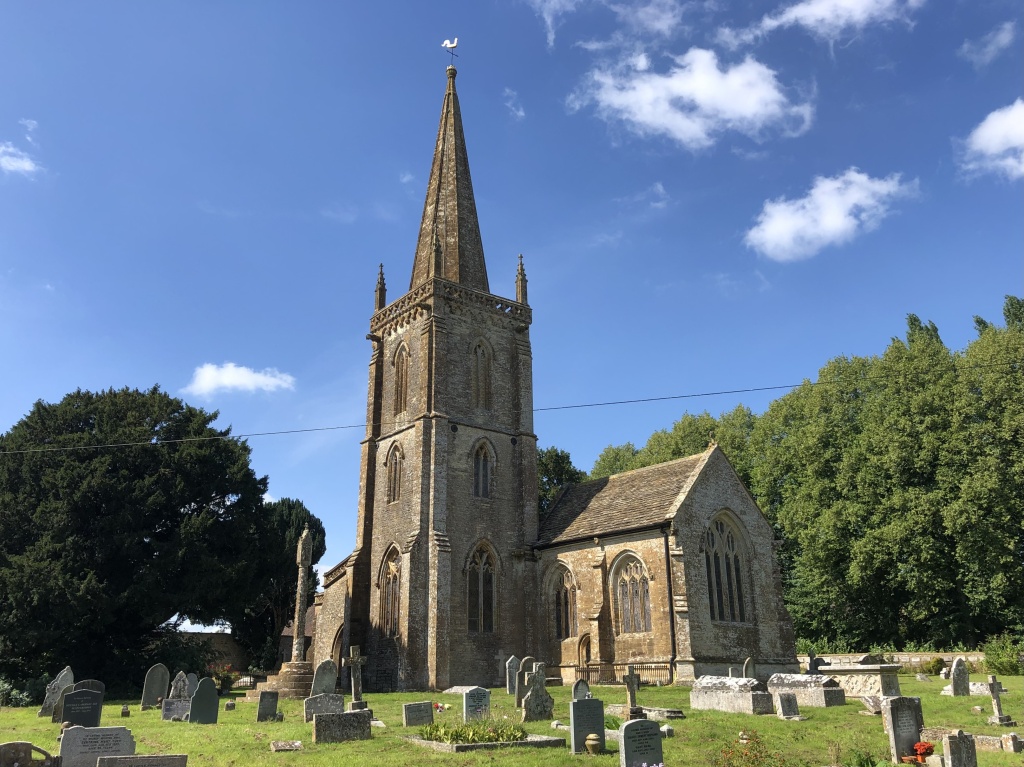
GRADE I † C13 origin nave, N chapel, later enlarged; C14 tower & porch; C15 rebuilt chancel; subsequent repairs and C19 restorations. One of only 3 Dorset medieval churches with a spire (with Iwerne Minster & Winterborne Steepleton). A fascinating church smothered in history, the details best researched separately. C15 font. Pride of place is taken by the superb 16th century screen, which is one of the best in DorsetNCT. Good C16 bench ends. For a quick overview of St Andrew BLB. At the centre of the Sherborne – Yeovil – Marston Magna triangle. 50.9648 / -2.5859 / ST589185
DIALS
There are 4 dials in 2 pairs. They have much in common. All are on buttresses; all are C15; and unusually, all are designed entirely with pocks, without any lines at all. There are a couple of other plausible dials with a promising style hole in a mortar line or roughly central on a stone. There are hints of pocks that may be related, but erosion and lichen make it hard to be sure. Best left as a mystery.
DIAL 1
St Andrew . Trent . Dorset – Scratch Dial 1
On the chancel, SW face of the end buttress. The gnomon hole is in the dial stone, with a curve of 7 pocks below it, of which one has a second that perhaps marked a an off-vertical noon line.
St Andrew . Trent . Dorset – Scratch Dial 1
St Andrew . Trent . Scratch Dial 2 – BSS
DIAL 2
St Andrew . Trent . Dorset – Scratch Dial 2
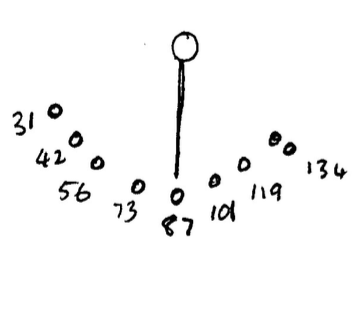
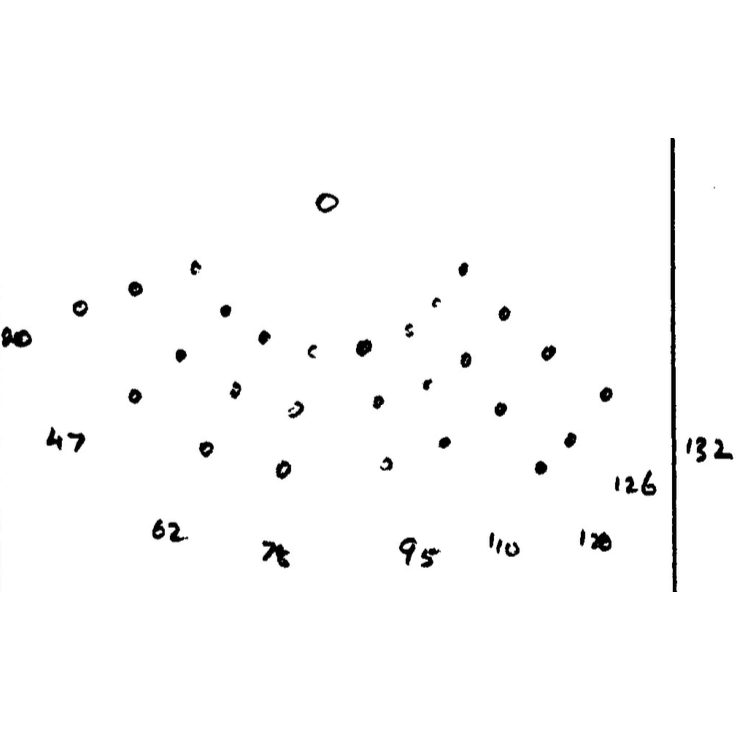
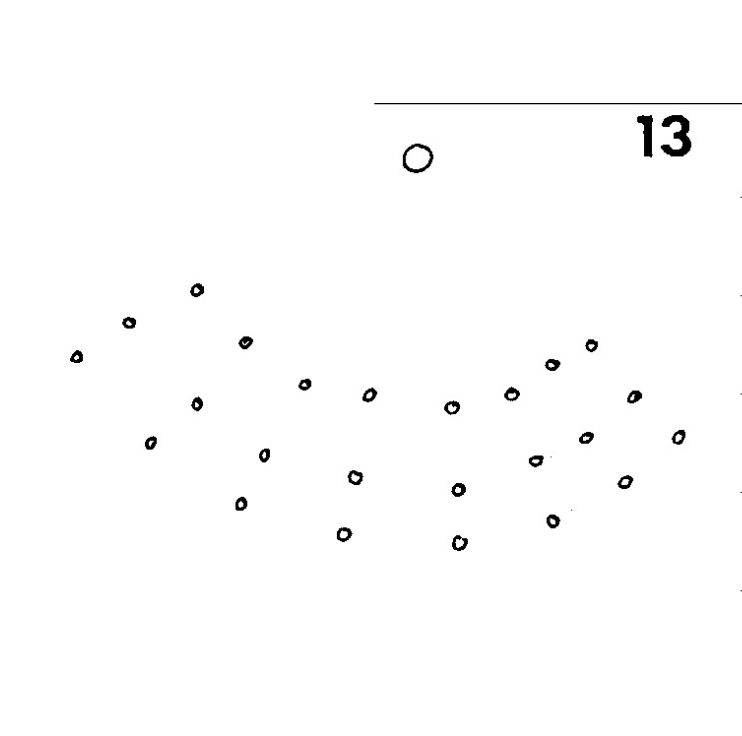
Dial 2 is the most intriguing of the 4 dials. It is below Dial 1 on the SW face of the chancel buttress. There are 24 holes drilled in a curve of 3 rows, with 8 in each row. The careful design has the dots radiating accurately from the gnomon hole as though they were lines. Additionally, there are outlier dots – 3, perhaps 4 – below the neat curve: see image above. They are drilled more or less in line with the design on the main dots, in a way that looks meant. GLP refers to them as extra dots.
St Andrew . Trent . Dorset – Scratch Dial 2St Andrew . Trent . Scratch Dial 2 – BSS diagram
DIAL 3
St Andrew . Trent . Dorset – Scratch Dial 3
Dial 3 is on the cancel buttress E of the doorway. There are 6 pocks in a curve below a gnomon hole presumed to have been in the mortar but no longer identifiable. GLP concluded that this dial and its companion below were unlikely to have been accurate.
St Andrew . Trent . Dorset – Scratch Dial 3
St Andrew . Trent . Dorset – Scratch Dial 3 BSS
DIAL 4
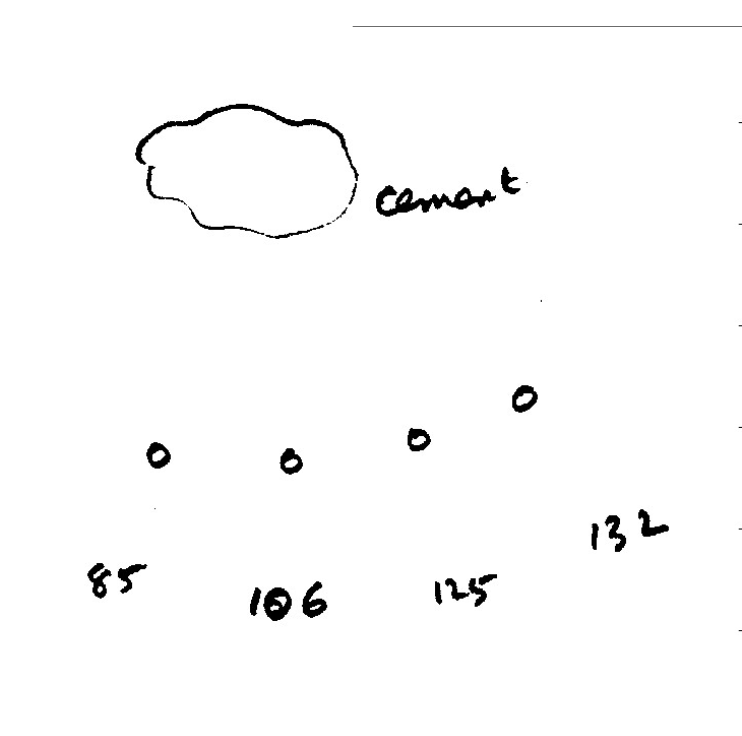
A similar dial with 4 pocks and a cement-filled gnomon hole in the mortar line. GLP also doubted its accuracy. It is hard to account for the fact that 2 such similar basic dials are so close. Rival sextons? A competition? A new incumbent?
St Andrew . Trent . Dorset – Scratch Dial 4
St Andrew . Trent . Dorset – Scratch Dial 4 BSS
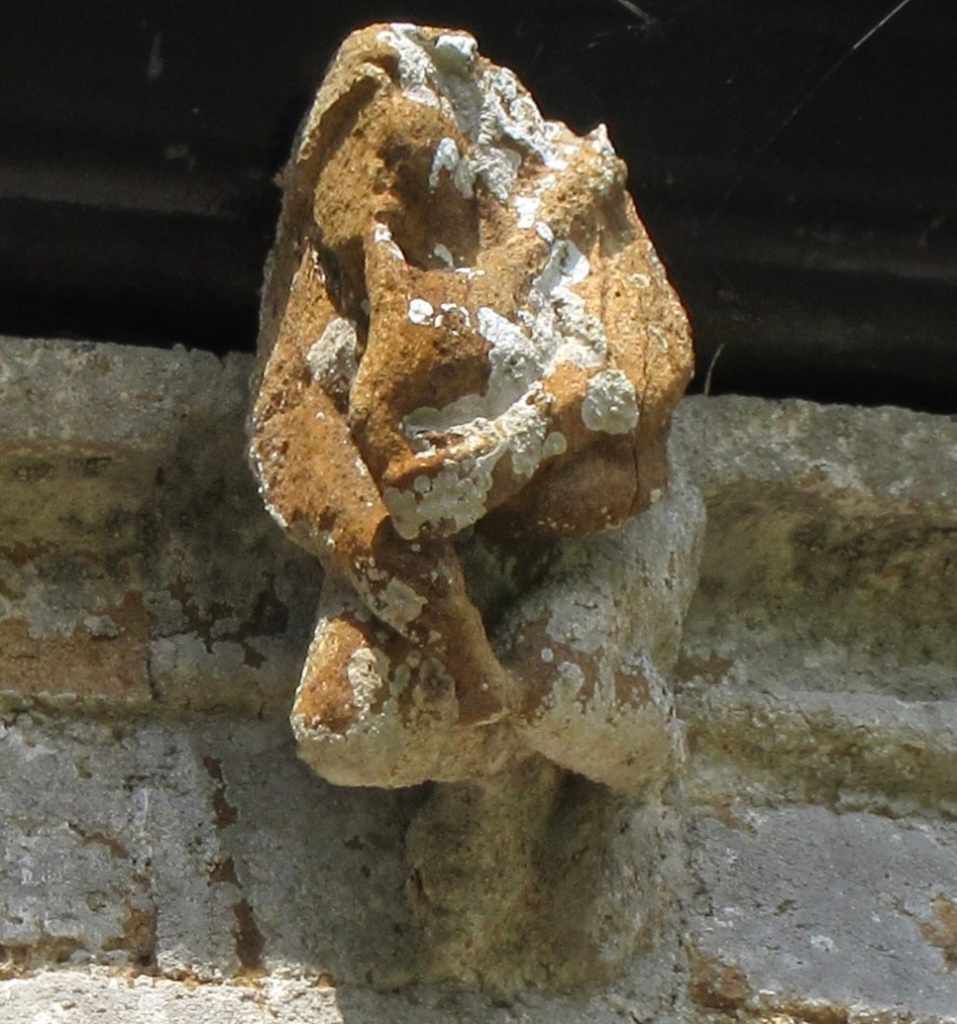
Bagpipe-playing hunky punk – St Andrew Trent Dorset (Keith Salvesen)
Note: To see the Vertical Dial, visit the Old Dial page HERE
GRADE I † C11 nave; C13 transepts; C14 chancel. From C17, alterations and restorations inc by Wyatt in 1860. Large and interesting cruciform churchPEV. Marble Feversham family monuments by Scheemakers. Significant local legacy from Neolithic, Iron Age, Roman (Villa) and Saxon times. 9m S of Salisbury. 50.9937 / -1.7433 / SU181216
✣
DIALS
St Laurence has 2 dials on the 2nd buttress E of the porch, one above the other. The upper one is a fine example of a large dial filling the dial stone. The lower is so badly damaged / eroded that it would be easy miss; and it is quite hard to imagine what it looked like originally.
✣
DIAL 1
Dial 1 is encircled, with 13 lines and 24 pocks around the perimeter and forming 2 crosses . This large dial not only takes up the width of the stone, the circumference continues onto the stone below as do some lines (esp. 11am). The noon line ends in a 4-dot cross on the main stone, and the 9am line has a 5-dot cross on the lower stone.
The gnomon hole is of particular interest; I haven’t come across a square hole with (apparently) a circular one inside it before. Possibly the original gnomon was a basic rod, and its round hole later enlarged to accommodate a more visible square rod.
St Laurence . Downton . Wilts – Scratch Dial 1
✣
DIAL 2
St Laurence . Downton . Wilts – Scratch Dial 2
Dials Locations
GSS Category: Scratch Dial; Mass Dial; Medieval Sundial; Church Dated Initials
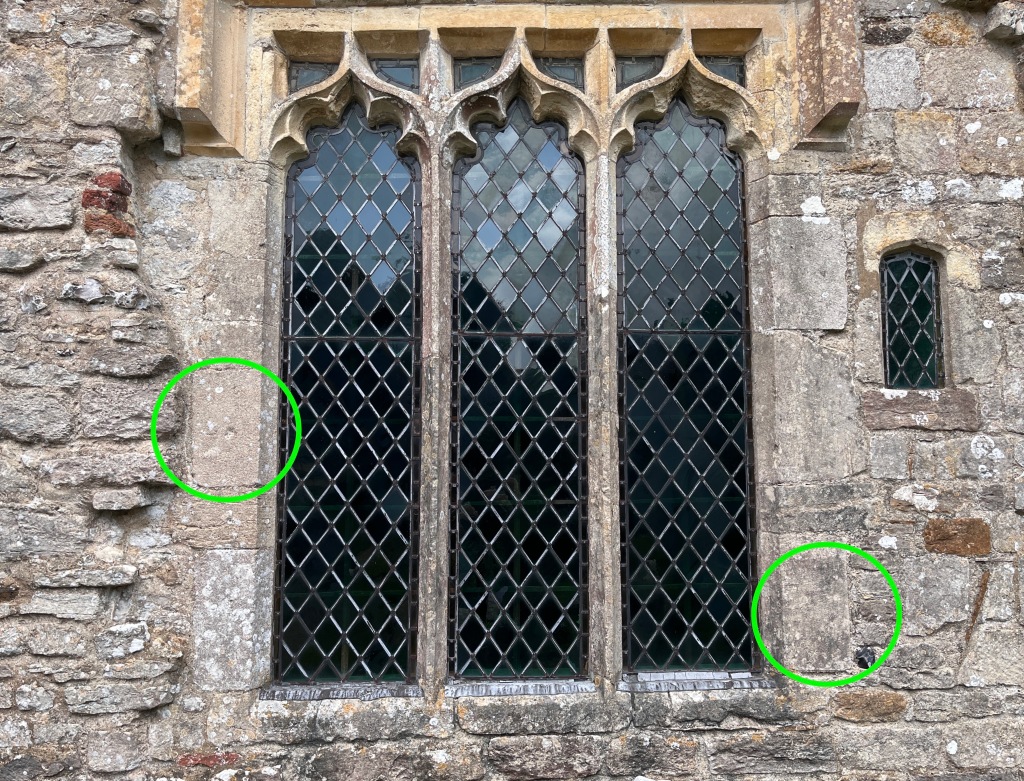
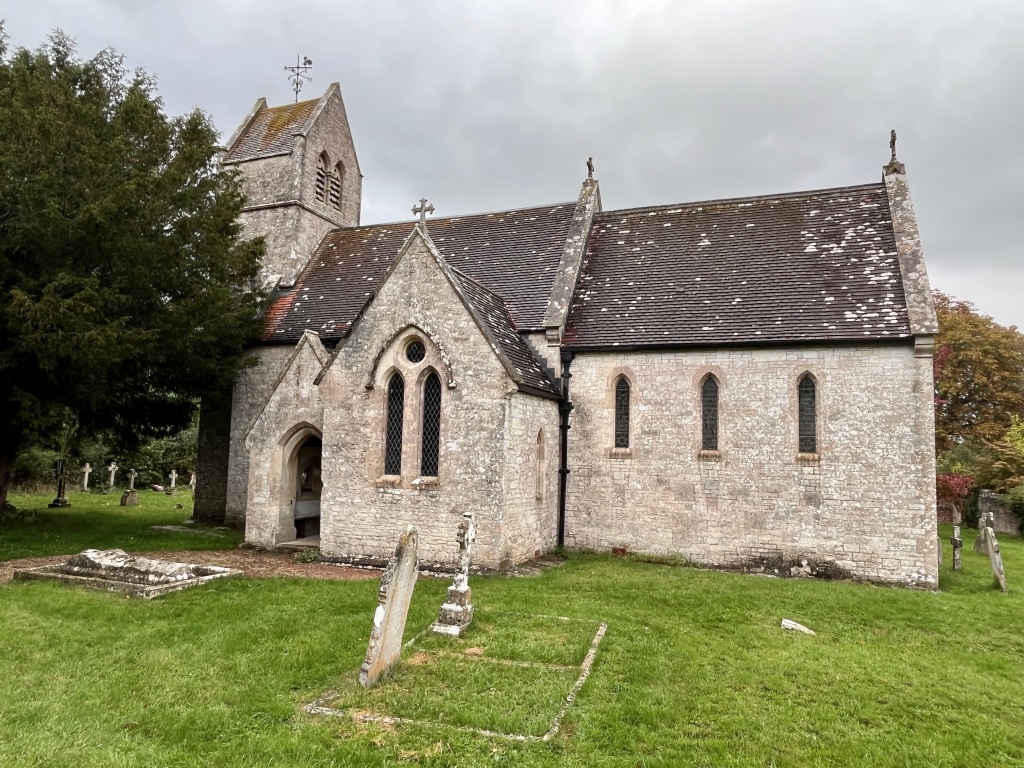
GRADE II* † Early C13 chancel, nave, N doorway; C15 N porch; c1500 W Tower; later additions; C19 restorations. A simple typically Dorset small church in an attractive location. 2m S of Dorchester (can be combined with Winterborne Steepleton nearby (2 dials). 50.6884 / -2.4604 / SY675877
✣
DIALS
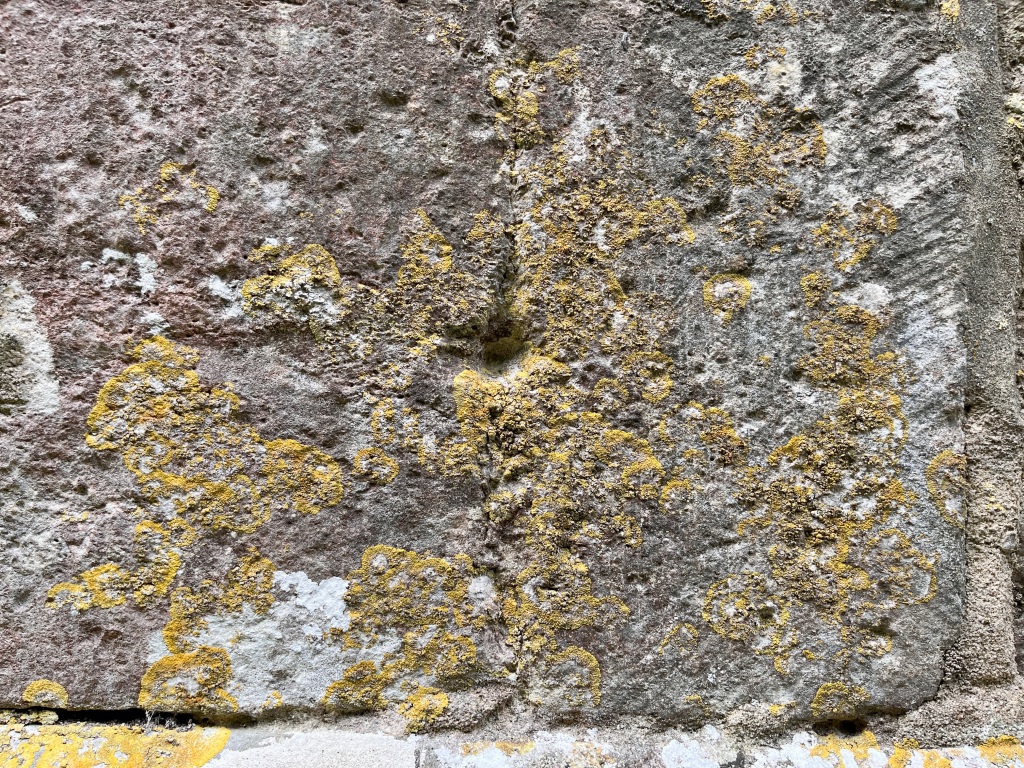
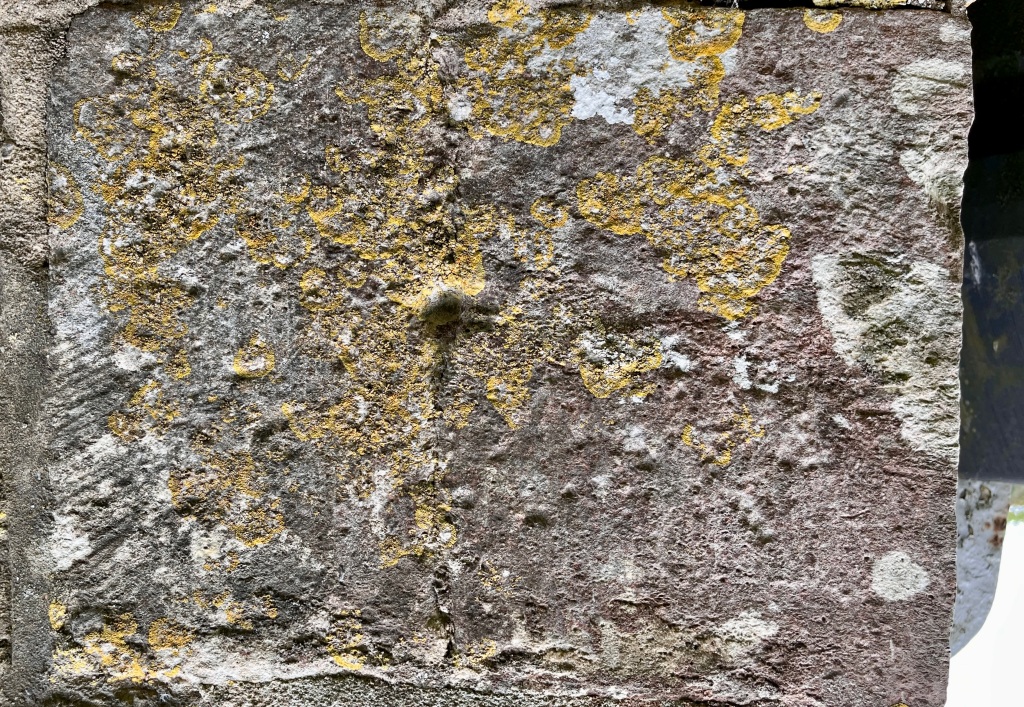
GLP notes a single doubtful dial over a blocked doorway, not included in BSS records. However there is a clear inverted dial elsewhere on S side. There is also a dial-ish quoin stone that I include. There’s not enough evidence to consider it much more than doubtful, but the location is conventional and the overall ‘jizz’ (to use a birding term) invited more than a glance.
✣
DIAL 1
Above the blocked S aisle door, C16. GLP suggests a masons’ mark rather than a scratch dial and notes a similar ‘dial’ at Hilton, near Blandford. There are 2 faint concentric circles. The very small central hole that would be more consistent with the use of a compass inscribe the circle.
✣
DIAL 2
Quite high up at the W end of the S face is a very clear dial that I have not found recorded elsewhere. There are 7 lines, each ending in a pock and with the (presumed) 9-line having a second pock, doubtless the main Mass time. The reversion below shows how the design would have worked well as a morning dial.
The most intriguing feature is the presence of (the remains of) a square rod in the style hole, with filler material round it. It seems highly unlikely to be original, though it may have been inserted many years ago perhaps as a replacement gnomon. A square rod in not so rare: there is one at St Mary, Glanvilles Wootton, for example.
Winterborne Monkton . St Simon & St Jude . Scratch Dial
Winterborne Monkton . St Simon & St Jude – Reverted Scratch Dial
✣
DIAL 3 ?
An excellent dial position, a hole almost central to the stone, and inverted (if a dial at all) as often the case where a dial has been superseded or its stone relocated. I have included a reversion that makes the upwards mark into a noon line. There are hints of perimeter pocks in LR quadrant.
Winterborne Monkton . St Simon & St Jude – Possible Scratch Dial
✣
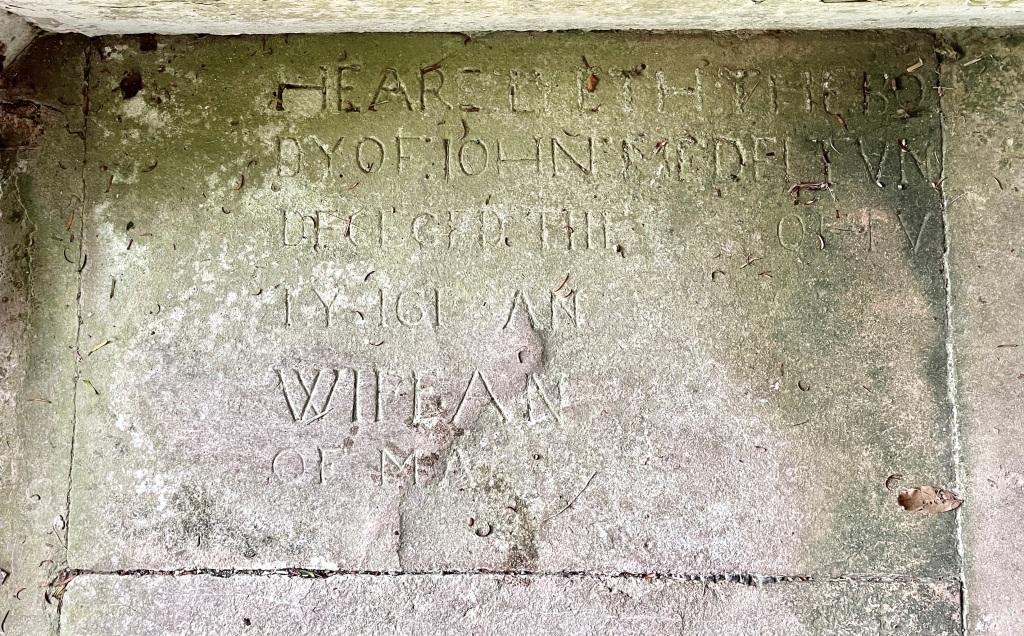
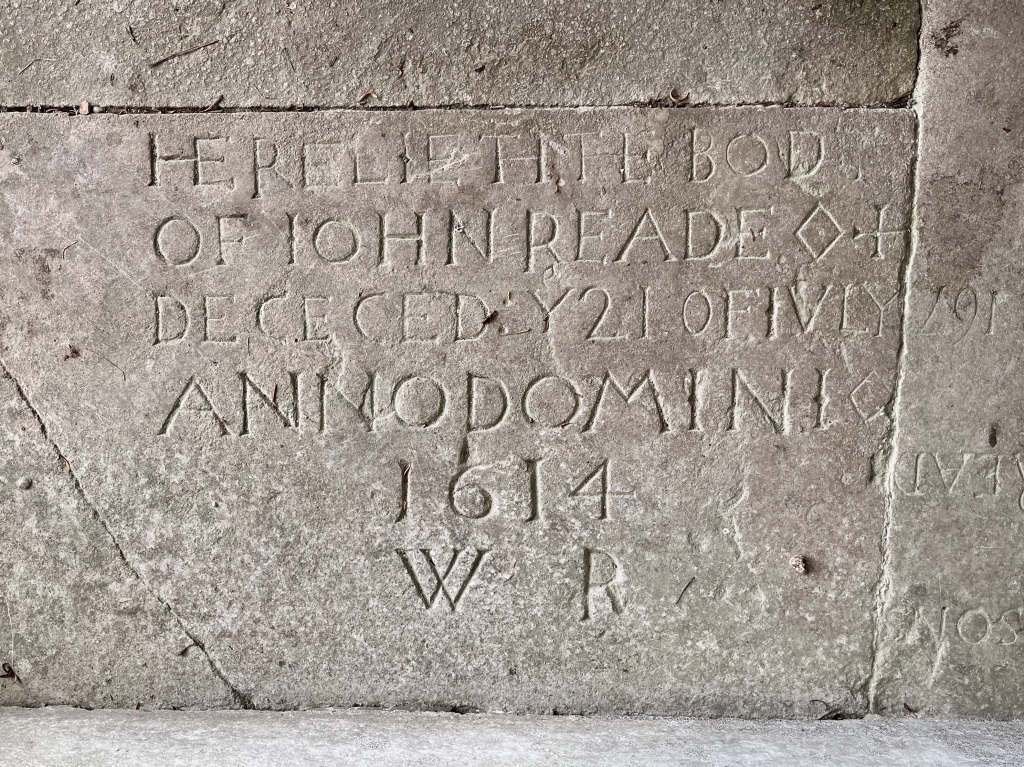
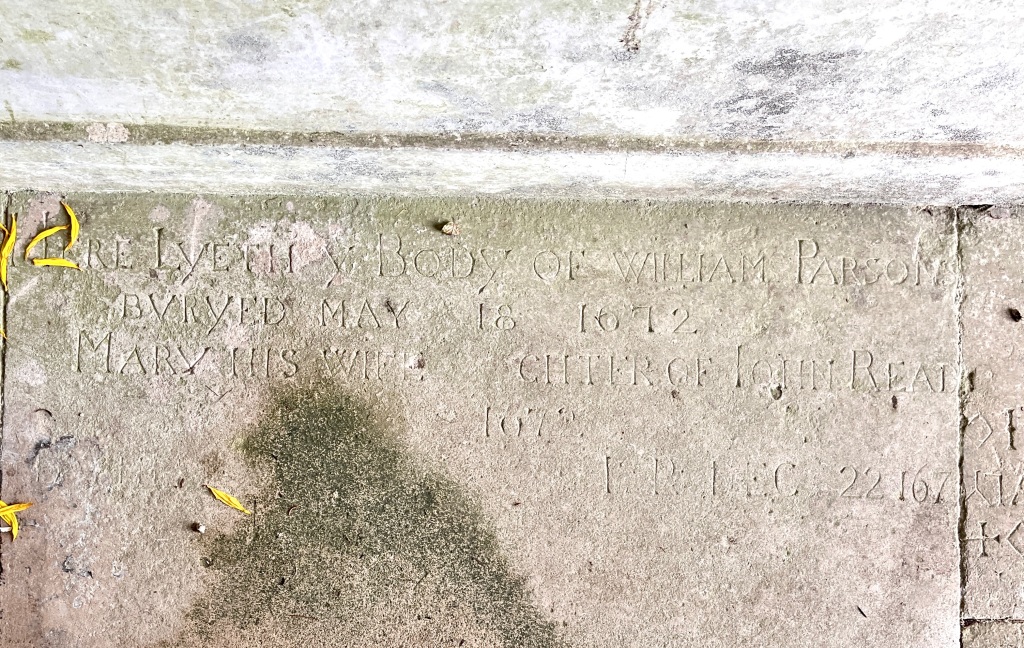
Finally, there are 3 fine C17 memorial floor slabs to admire
GSS Category: Scratch Dial; Mass Dial; Gnomon Rod; Masons’ Mark, C17 memorial floor slabs
GRADE II † C13th origins of which traces survive at the W end; substantial rebuilding 1860s by Wyatt. Set in peaceful countryside close to R. Frome. An excellent folder with details about the church and contents is kept in the church. Woodsford Castle / fortified house is nearby, the largest thatched building in England. 5m E of Dorchester 50.7143 / -2.3383 / SY762905
DIAL
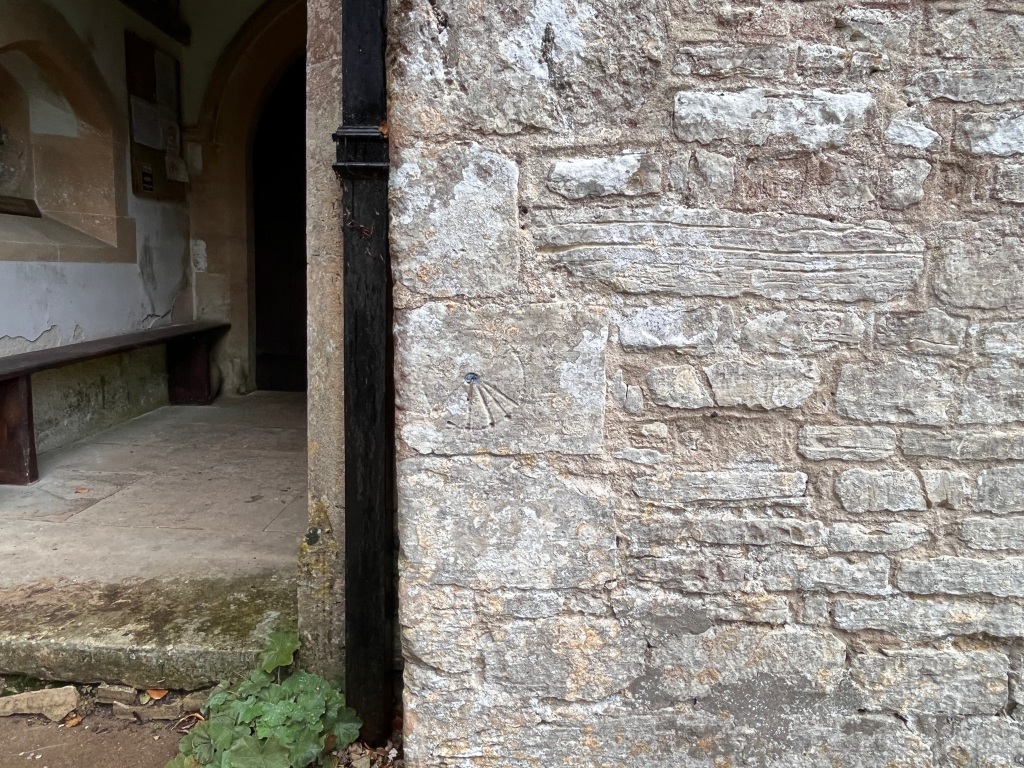
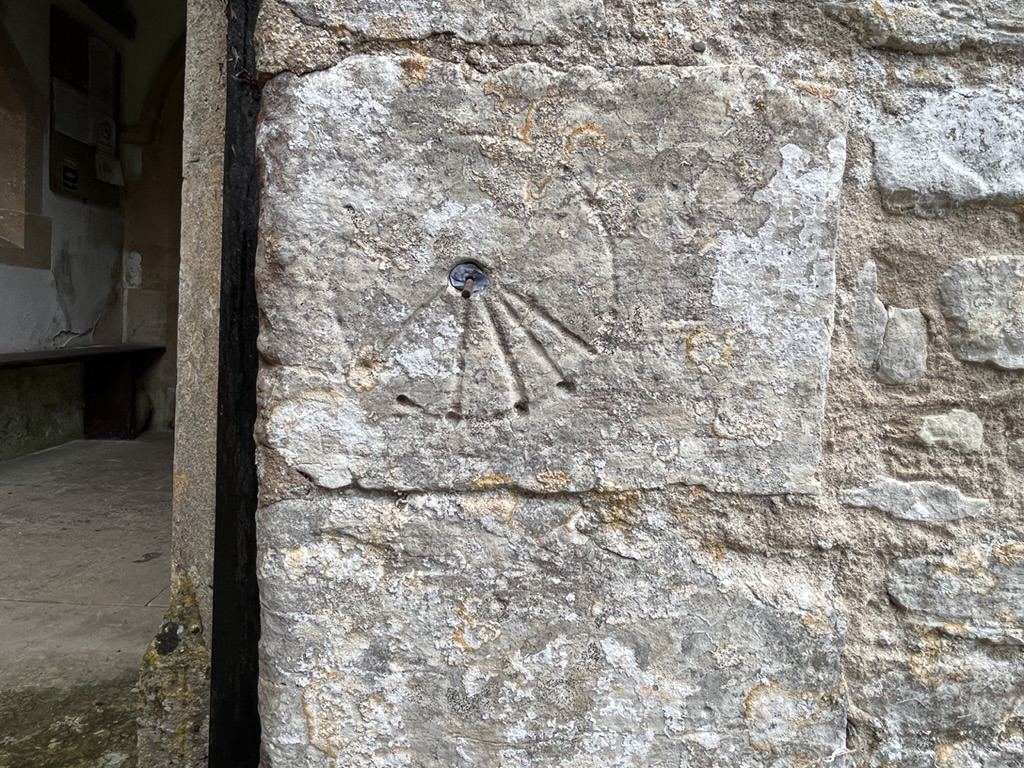
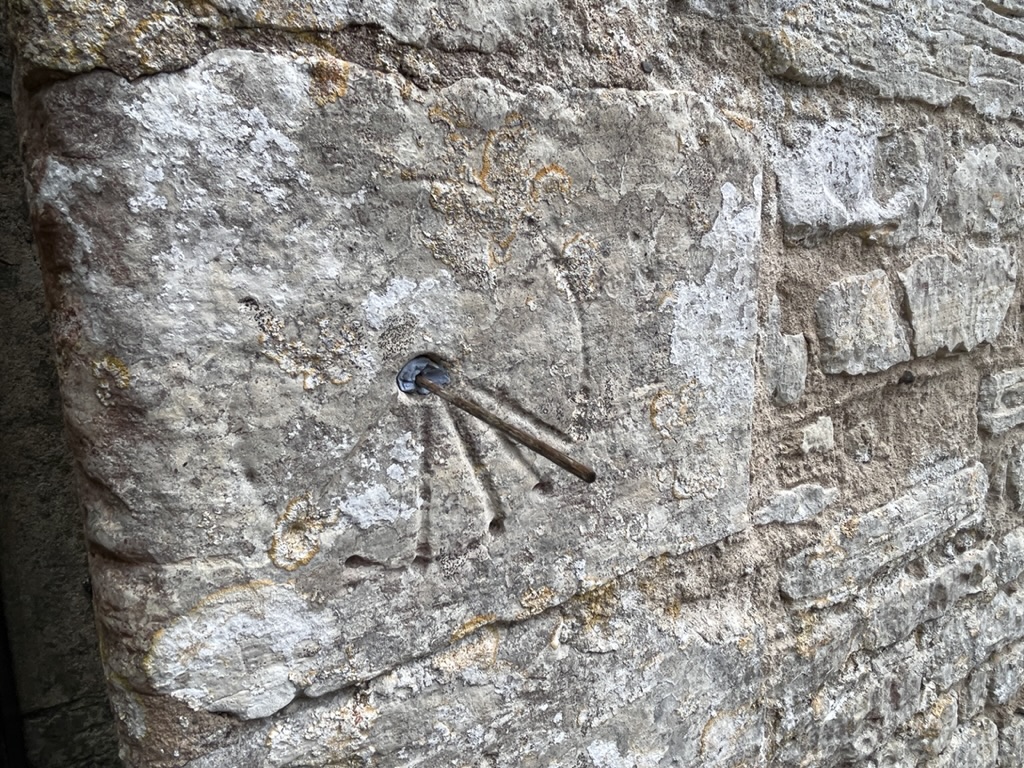
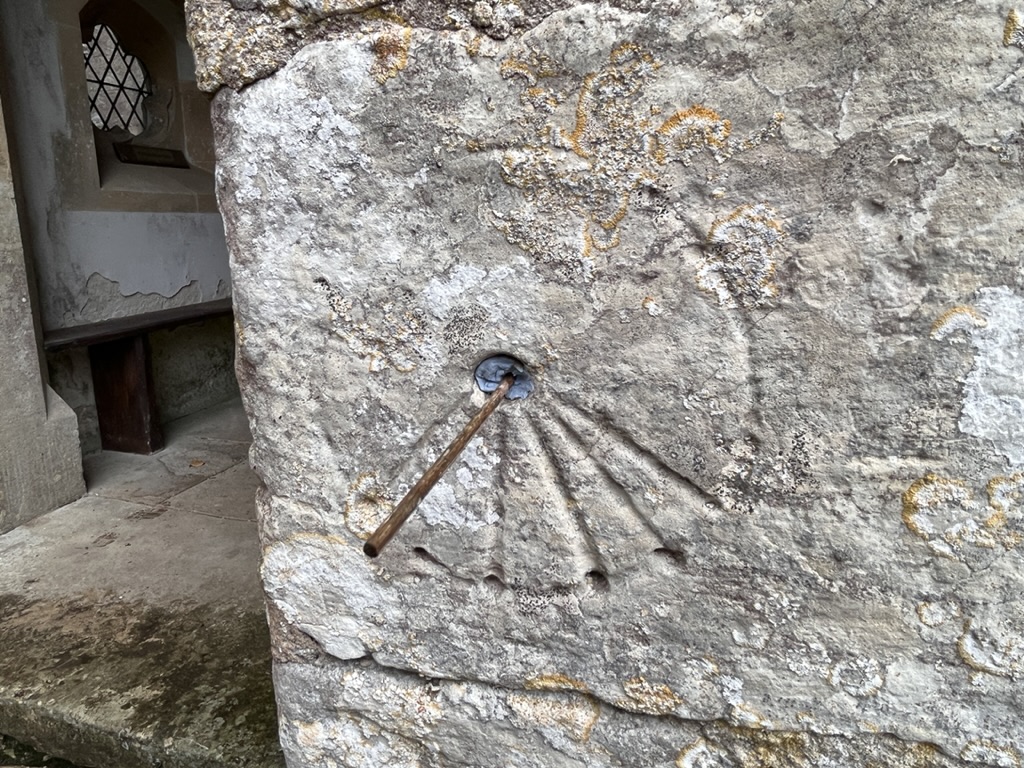
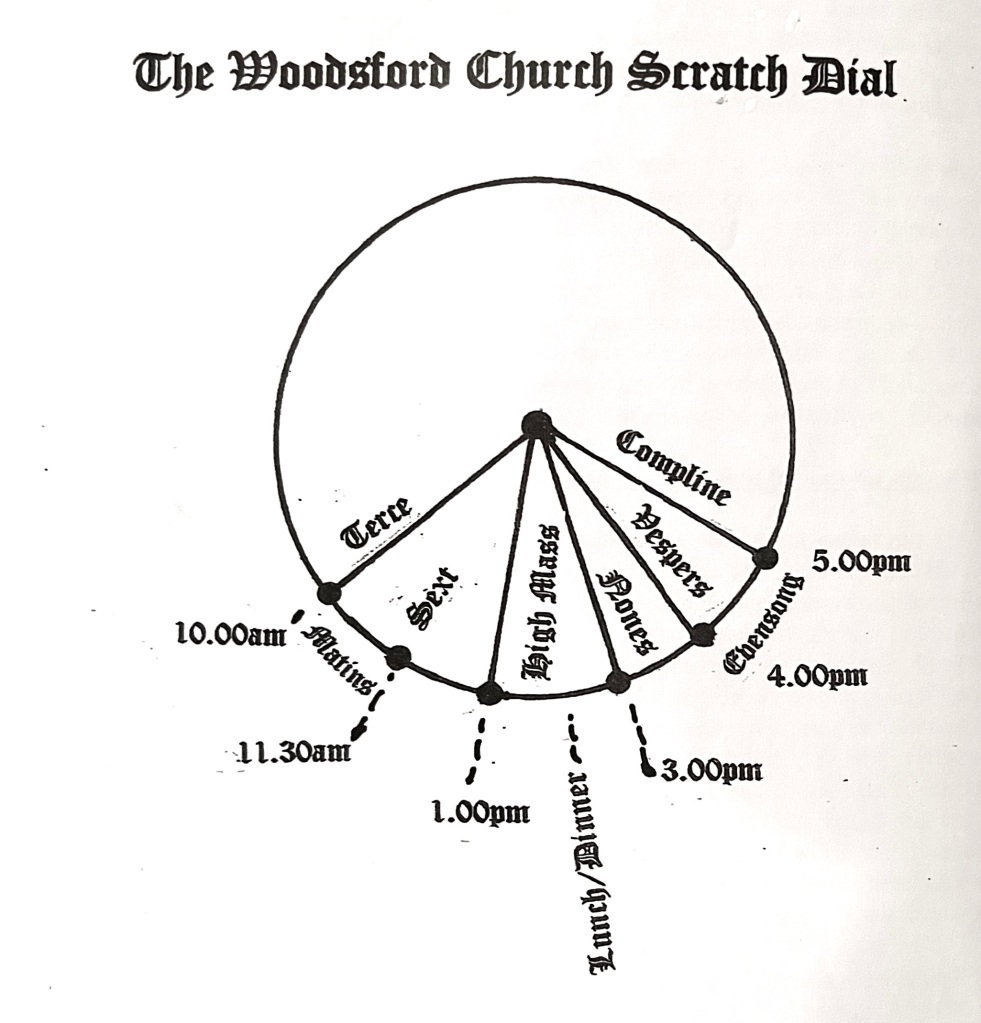
The single dial is just E of the entrance door, on the quoin of the S chapel. Plain and clearly cut. Now adorned with a slim metal rod bedded into blu-tack in the large gnomon hole (not quite as strange as the drill bit gnomon I found in Shropshire…).
St John the Baptist . Woodsford . Dorset – Scratch Dial
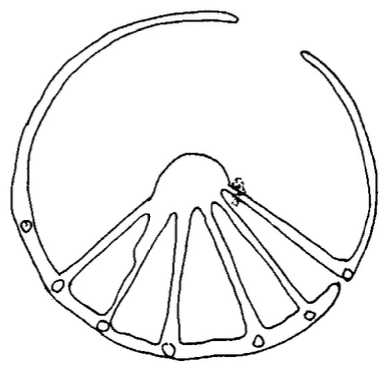
The dial has 5 clear lines descending from the gnomon hole to the lower perimeter of the complete circle. There are large terminal pocks and several other smaller pocks round the circumference that plausibly could be part of the overall design.
St John the Baptist . Woodsford . Dorset – Scratch Dial
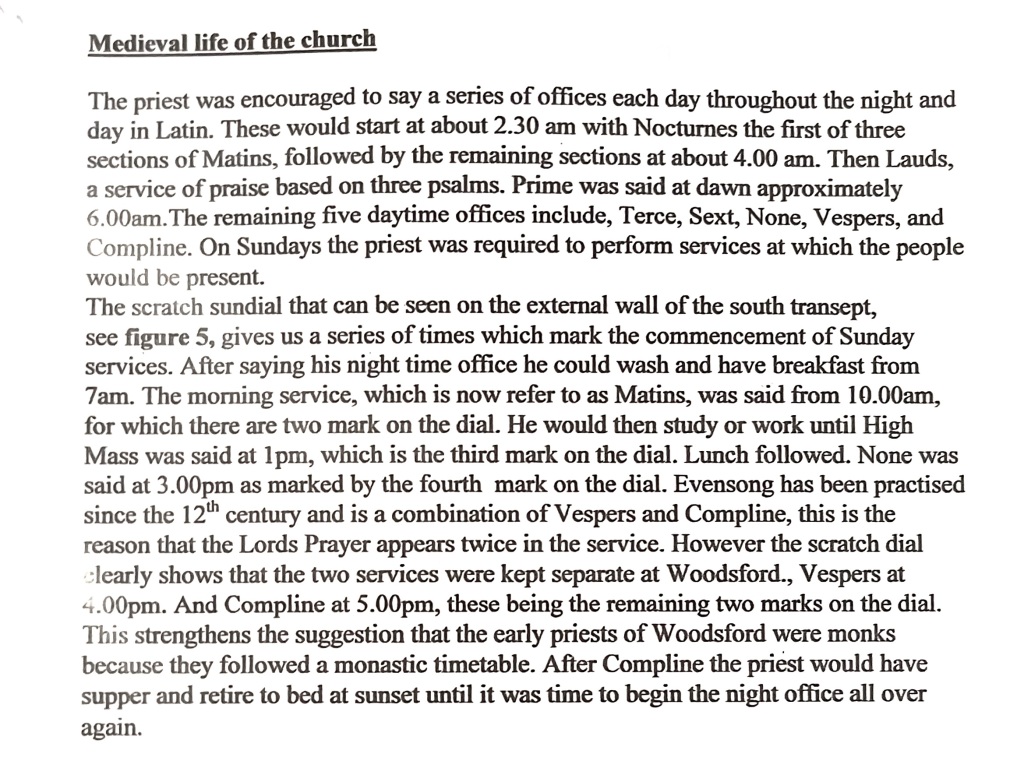
A most informative diagram with commentary explains the intricacies of the medieval day and the significance of the passing hours between dawn and dusk. You can find more on this topic HERE but the material below provides a good straightforward overview.
Woodsford . BSS Diagram
GSS Category: Scratch Dial
All photos Keith Salvesen; Dial Diagram and Explanation courtesy of the Church




































 GAUDIUM SUB SOLE . SUNDIALS . MEDIEVAL TO MODERN