BOXGROVE . W SUSSEX . St Mary and St Blaise

Oxenhillshaw – Own work . Permissions ‘Public Domain’

BOXGROVE . W SUSSEX . St Mary and St Blaise

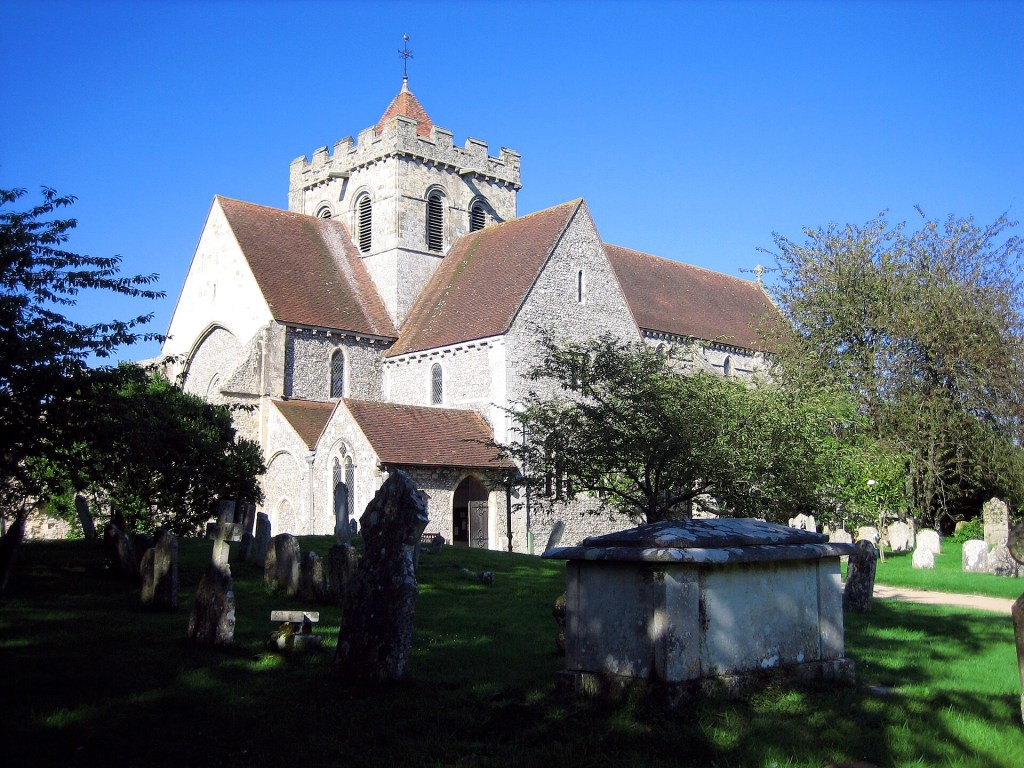
GRADE 1 ✢ C12. Much remains of the original cruciform church, noted as ‘one of the finest medieval churches in Sussex’. Simon Jenkins: “It is a magical church full of echoes of French influence along the Sussex coast. Its crossing is a mystery of light and dark and the great chancel is alive with Tudor roses and heraldry. The De La Warr chantry contains beautiful early French motifs from a Book of Hours. These must be some of the best renaissance carvings in any English church. 3m NE of Chichester; 50.8599 / -0.7109 / SU908075

‘ADJACENT’ BUTTRESS DIALS
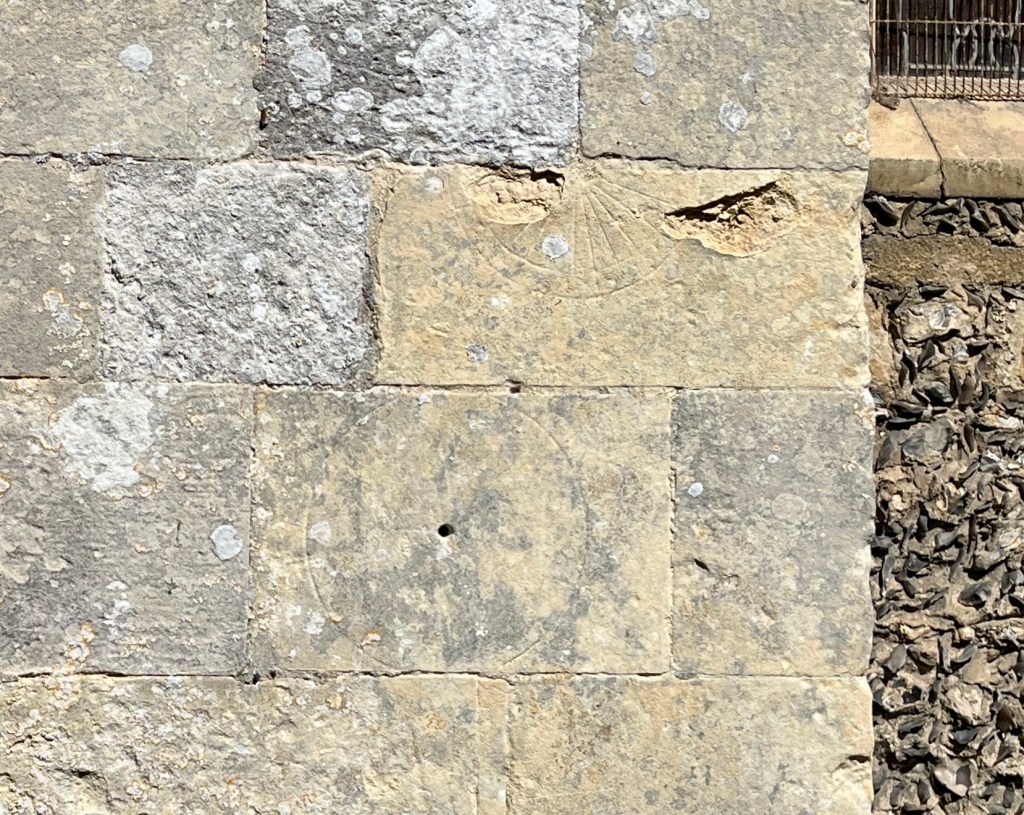
DIAL 1

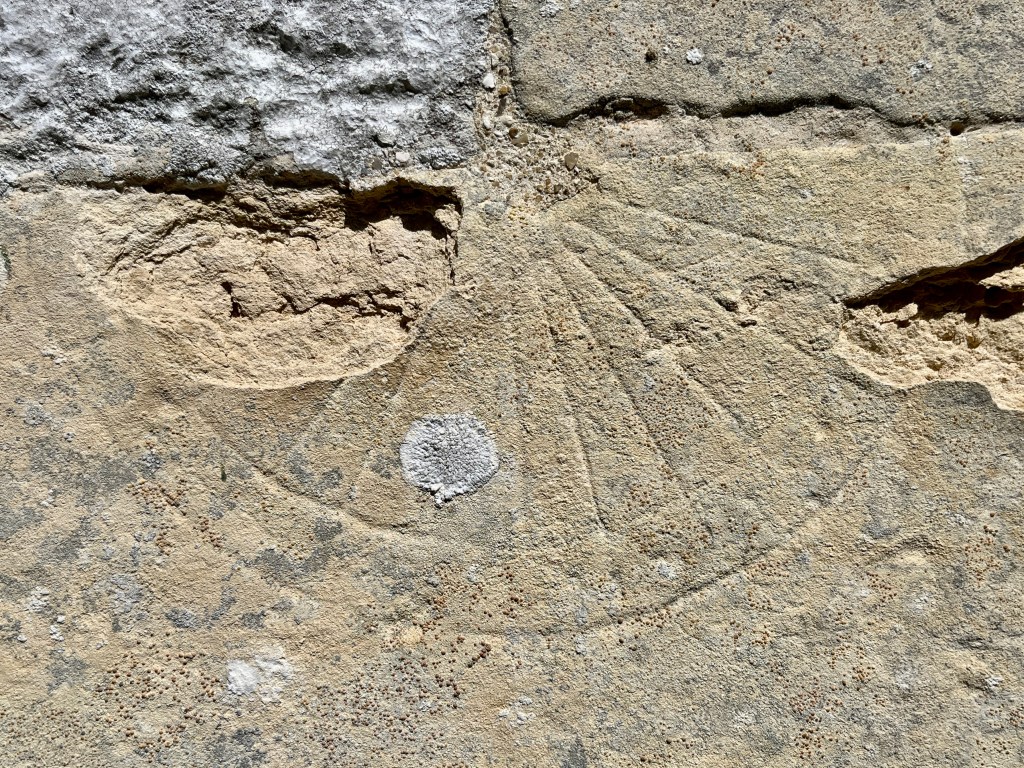
The very damaged lower part of a dial that, when recorded in 1919, appears to have had a complete double ring around the perimeter (Sussex Archaeological Collections Vol. LX). In which case, the two stones above the half-dial as it is today must have been replaced – perhaps with other work in that area – between then and now.
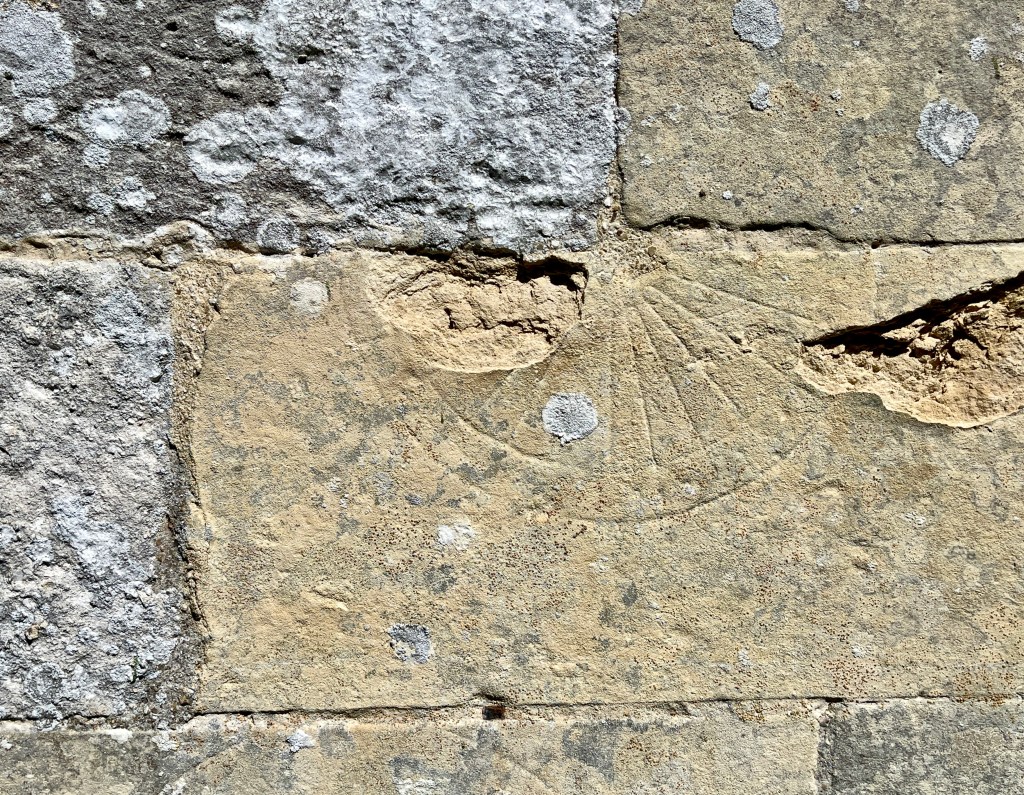
DIAL 2

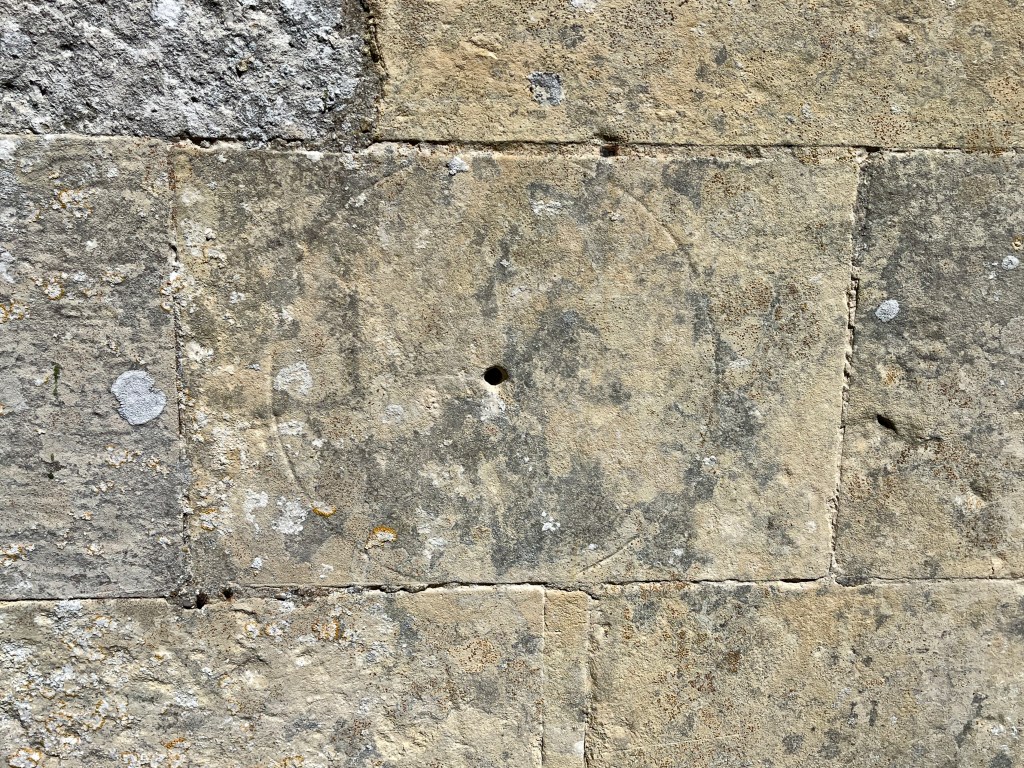
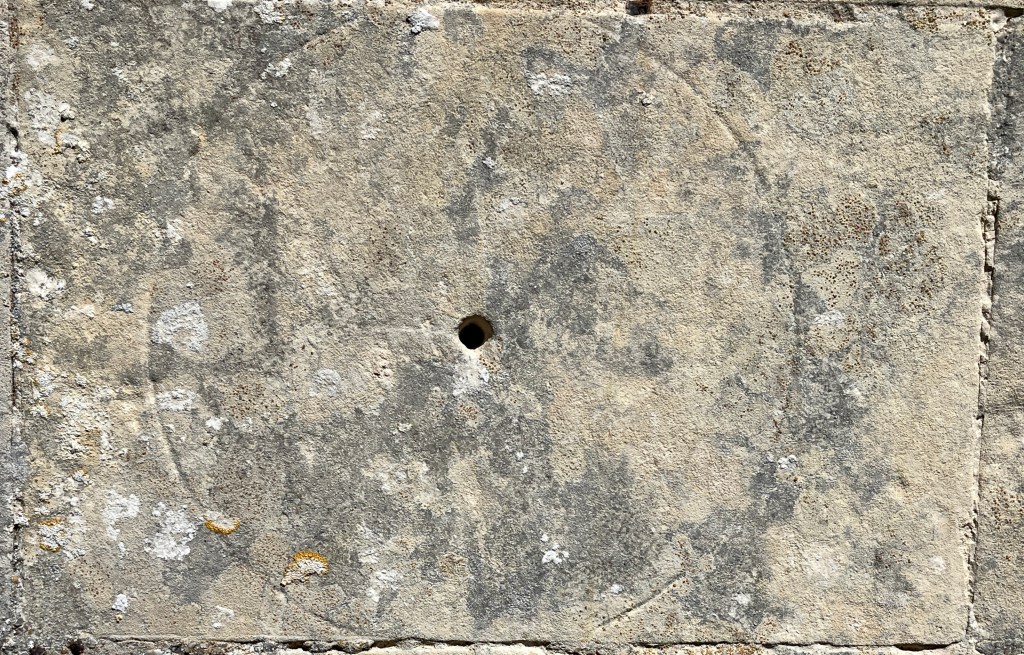
The simplest of dials. I have not come across many dials where the circumference fit exactly within the dial-stone. Here, the shadow of a wooden or iron rod at the centre of such a large dial would have served the community well by being easily visible. It could of course have been a sexton’s compass-accuracy project.
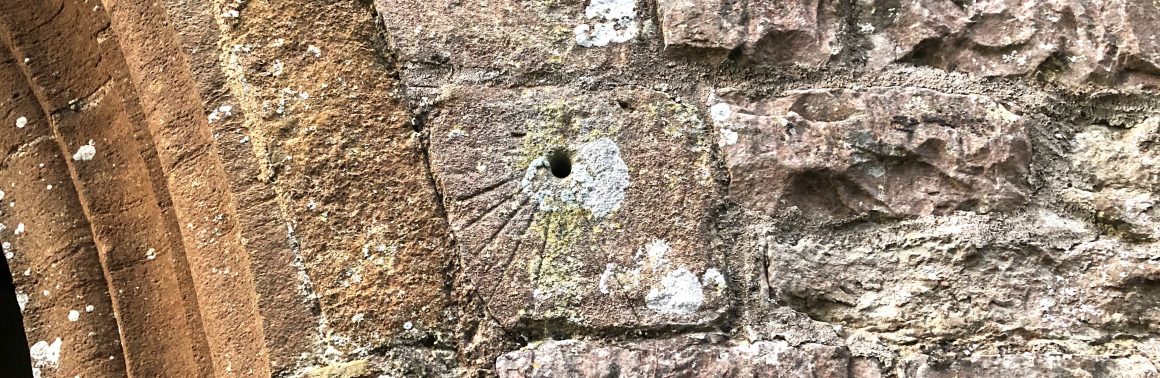
PLAUSIBLE DIAL?

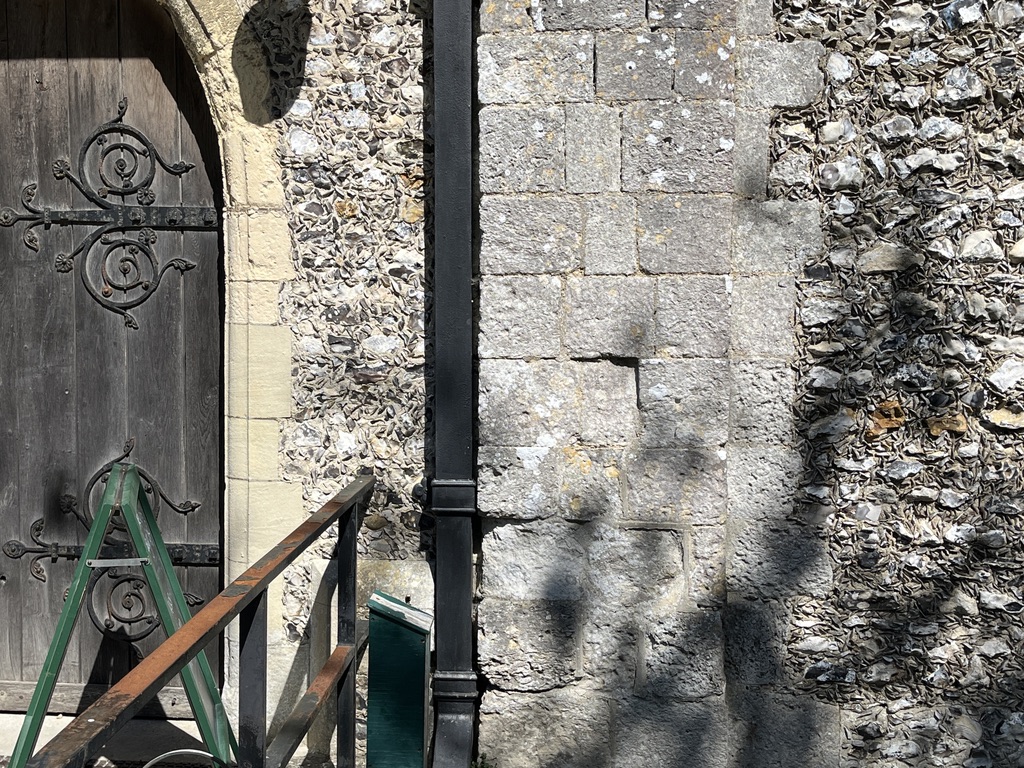
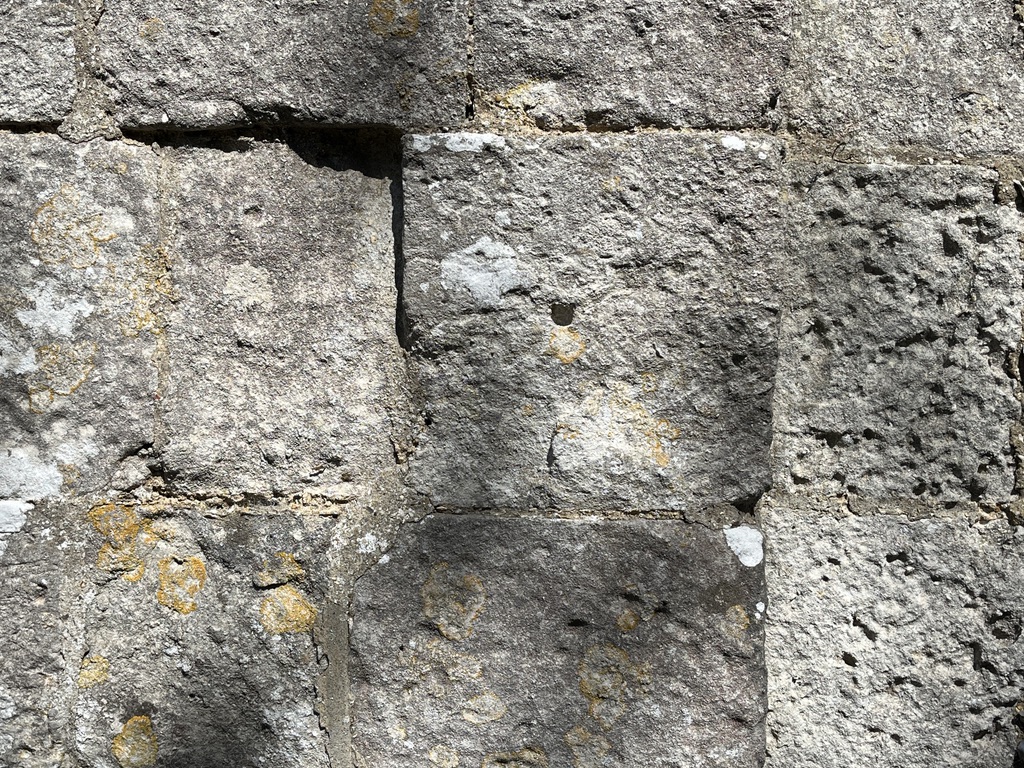
I had seen no mention of a dial in this position, but I saw it on my way to the buttress dials and took a closer look. It is certainly – close to the doorway – in a very good location for a dial. The hole is almost centered on its rough stone, and there must have been a reason for this. More research needed, I think…
GSS Category: Scratch Dial; Mass Dial; Sussex Dials.

All photos: Keith Salvesen / Rolling Harbour

PARISH COUNCIL Excellent detailed examination of the church and much of interest in the Parish Records from Doomsday on.

GREAT ENGLISH CHURCHES Detailed entry for Boxgrove Priory

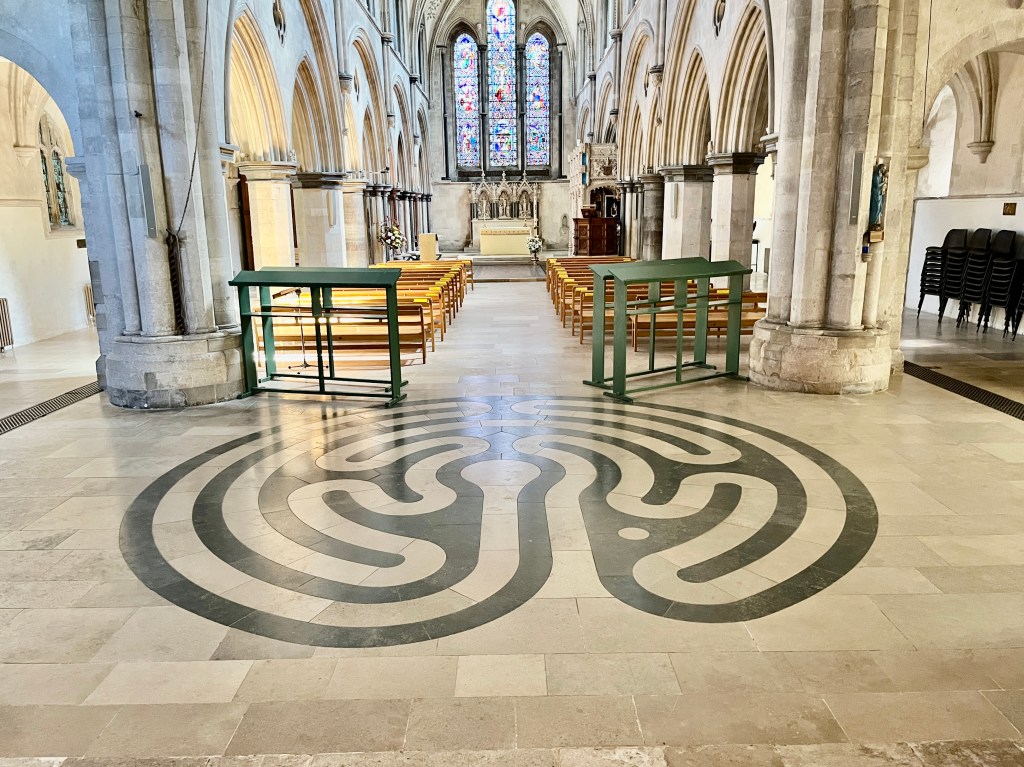
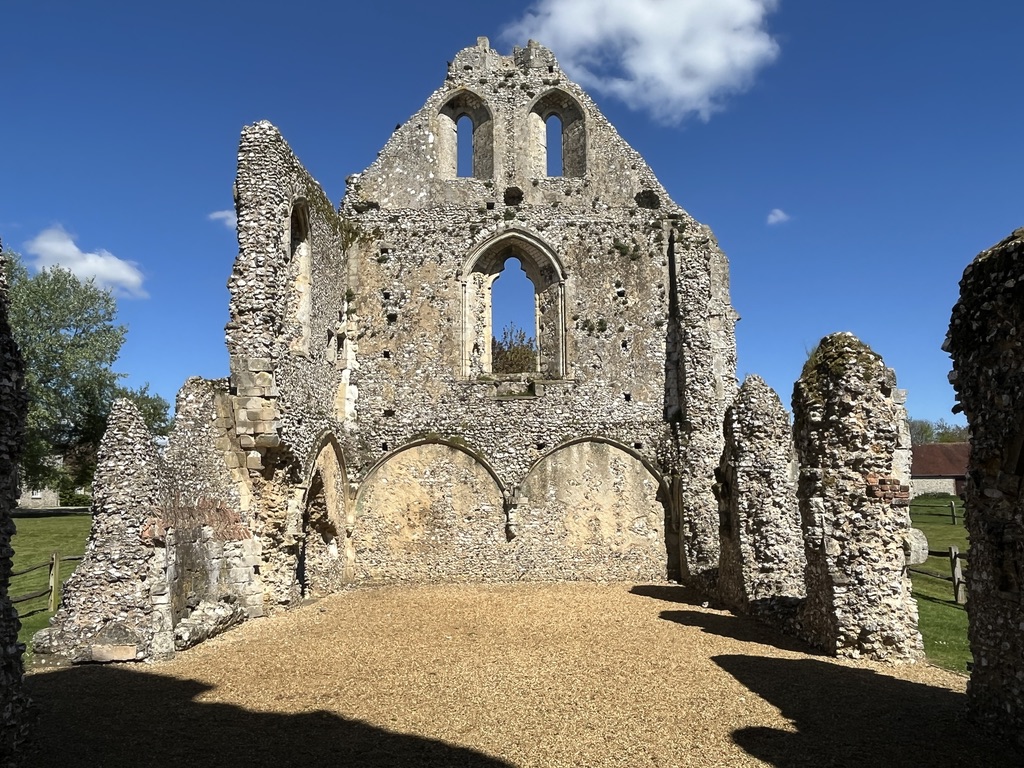
RUINS OF THE ADJACENT PRIORY & THE LABYRINTH
OXFORD . HISTORY of SCIENCE MUSEUM – GRAFFITI, SYMBOLS & SCRATCHINGS

OXFORD HISTORY OF SCIENCE MUSEUM

OXFORD . HISTORY of SCIENCE MUSEUM – GRAFFITI, SYMBOLS, & SCRATCHINGS

The History of Science Museum in Broad Street, Oxford, has a wonderful collection of scientific instruments dating from the Middle Ages to C19. There is a rich hoard to be investigated. As you enter, you will see an outstanding display of the many instruments that over the ages have been used to measure the passage of time. A superb pair of armillary spheres is / are featured HERE. Only the Museo Galileo in Florence has given me such pleasure.

GRAFFITI, SYMBOLS, & SCRATCHINGS

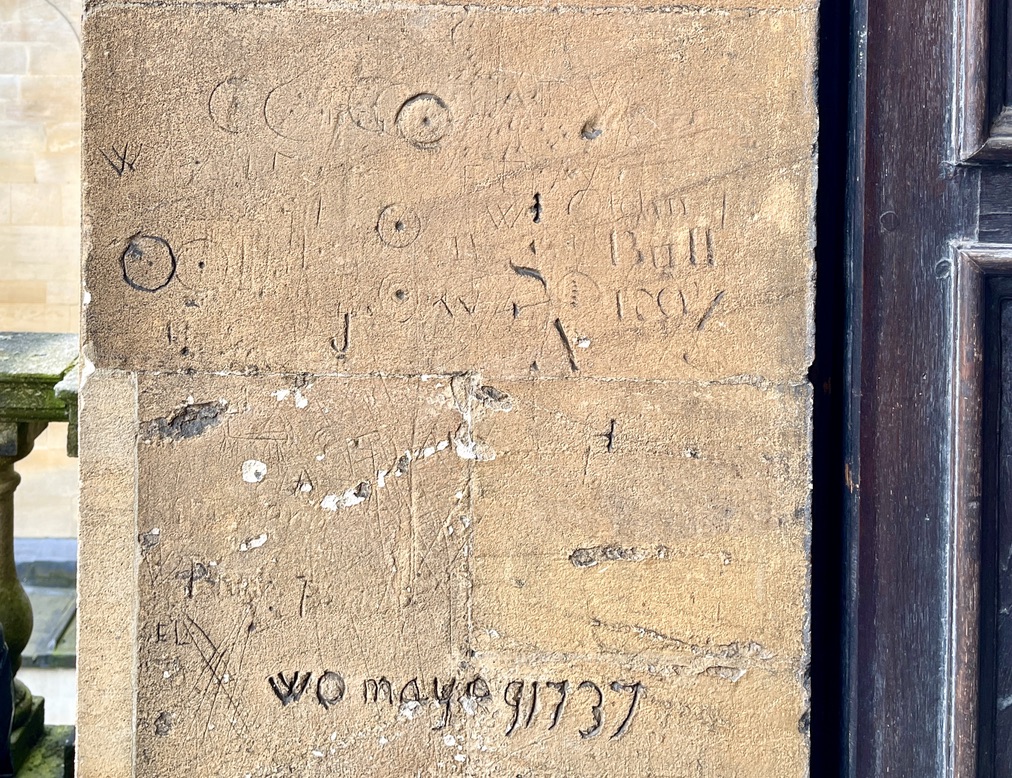
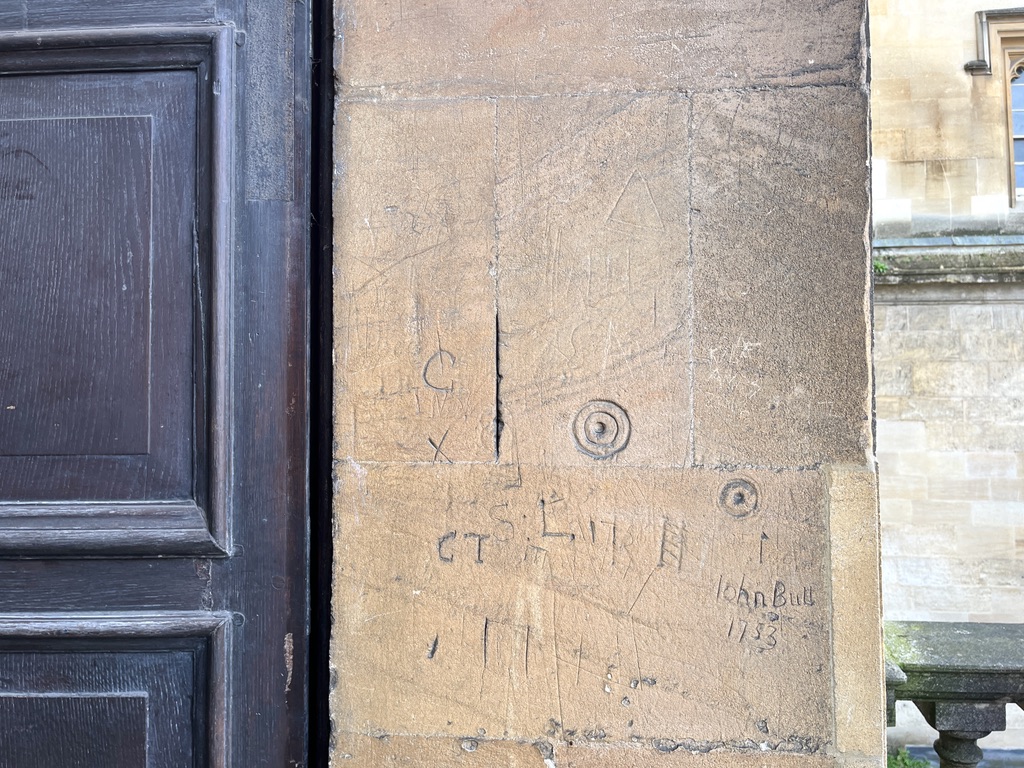
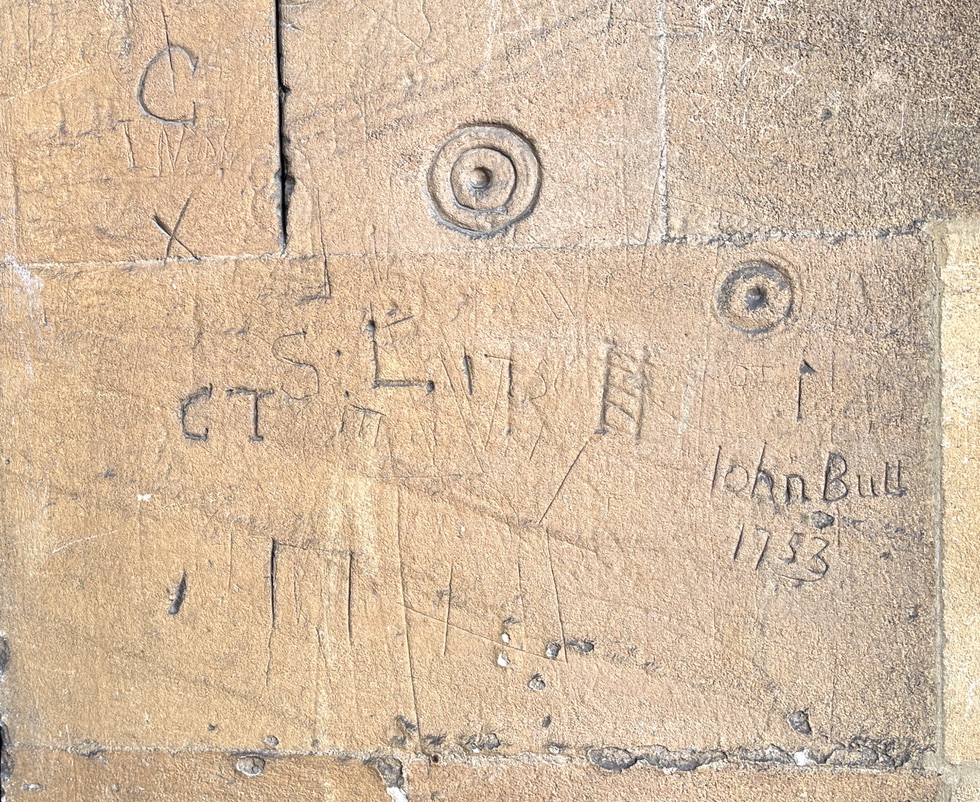
On each side jamb of the entrance to the Museum, there is a fine collection of graffiti of several kinds. Below is a selection of the marks from either side, left first. These include names and dates, with a Bull (1753) on one side, and a later Bull (1891) on the other; and a couple of probable mason’s marks, together with random scratchings accumulated over time.

MARIAN MARKS and PROTECTION (APOTROPAIC) SYMBOLS

By C17 the concept of thwarting evil by means of incised marks on churches and other buildings (eg the TITHE BARN Bradford-on-Avon) was weakening, yet superstition and the fear of evil lingered on. This building – the original Ashmolean – dates to the late C17. By this time, many medieval incised devices – eg scratch dials – had become things of the past. However, to some extent the comfort of cutting marks to ward off evil persisted. This would explain the various Marian marks VV (Virgo Virginum) on the jambs.

There is also a good collection of compass-drawn circles of varying completeness, accuracy, and depth. In medieval times these were the simplest form of demon trap, luring evil inside a circle from which it could not escape. The principle continued in later centuries.

LEFT SIDE

RIGHT SIDE

GSS Category: Apotropaic marks; Marian marks; Protection marks; Demon Traps; Compass-drawn circles; Graffiti on public buildings;

Reference: History of Science Museum – Oxford; Matthew Champion – Medieval Graffiti

All photos: Keith Salvesen / Rolling Harbour