OXFORD . HISTORY of SCIENCE MUSEUM – GRAFFITI, SYMBOLS & SCRATCHINGS

OXFORD HISTORY OF SCIENCE MUSEUM

OXFORD . HISTORY of SCIENCE MUSEUM – GRAFFITI, SYMBOLS, & SCRATCHINGS

The History of Science Museum in Broad Street, Oxford, has a wonderful collection of scientific instruments dating from the Middle Ages to C19. There is a rich hoard to be investigated. As you enter, you will see an outstanding display of the many instruments that over the ages have been used to measure the passage of time. A superb pair of armillary spheres is / are featured HERE. Only the Museo Galileo in Florence has given me such pleasure.

GRAFFITI, SYMBOLS, & SCRATCHINGS

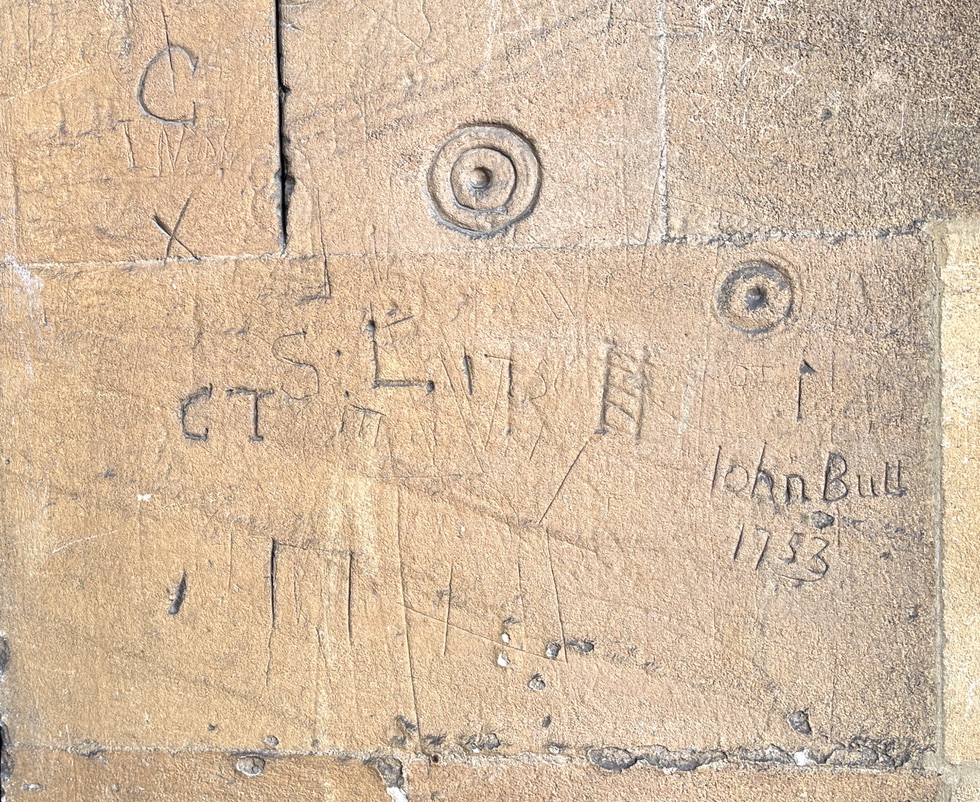
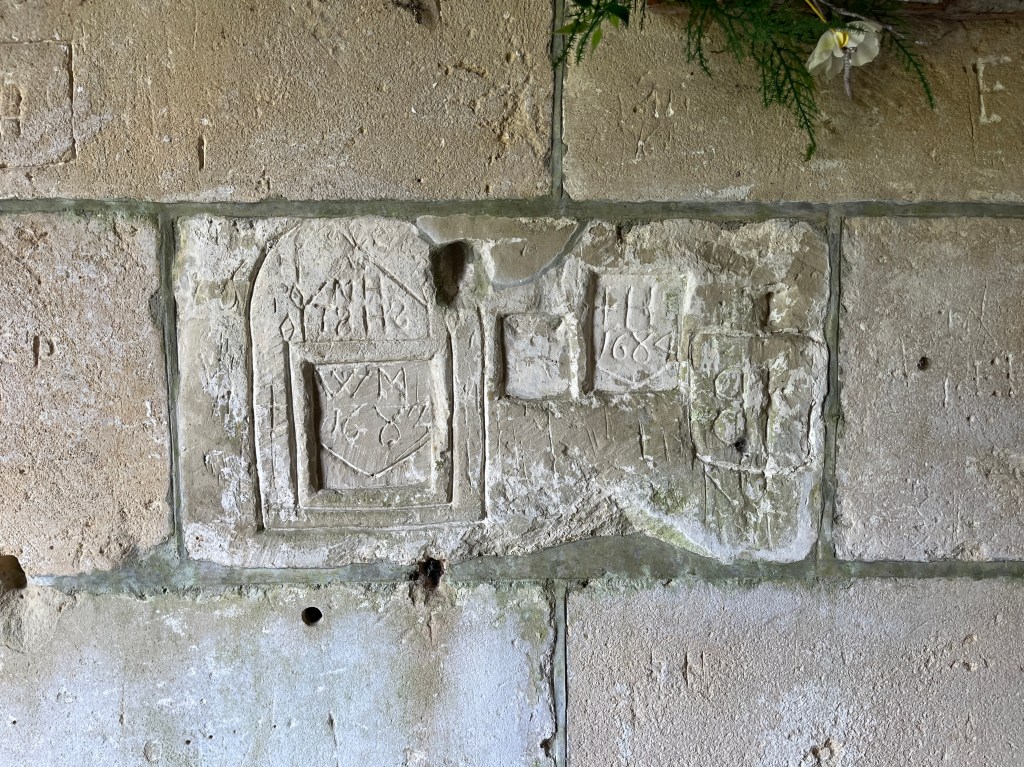
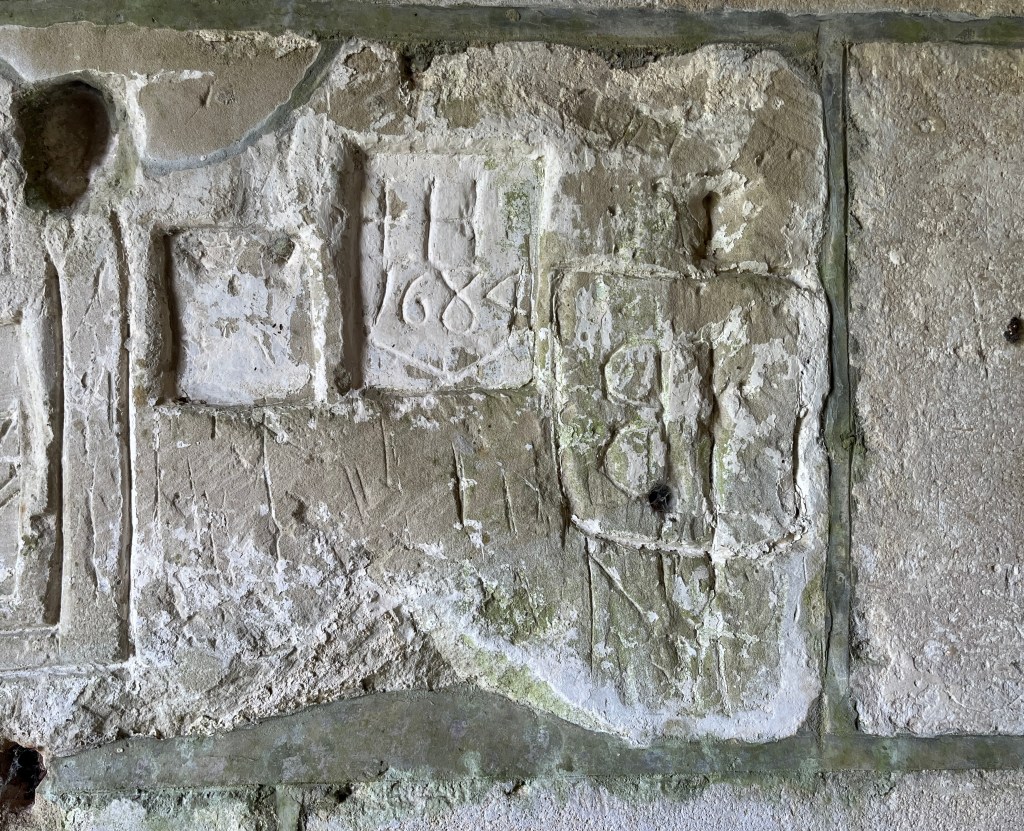
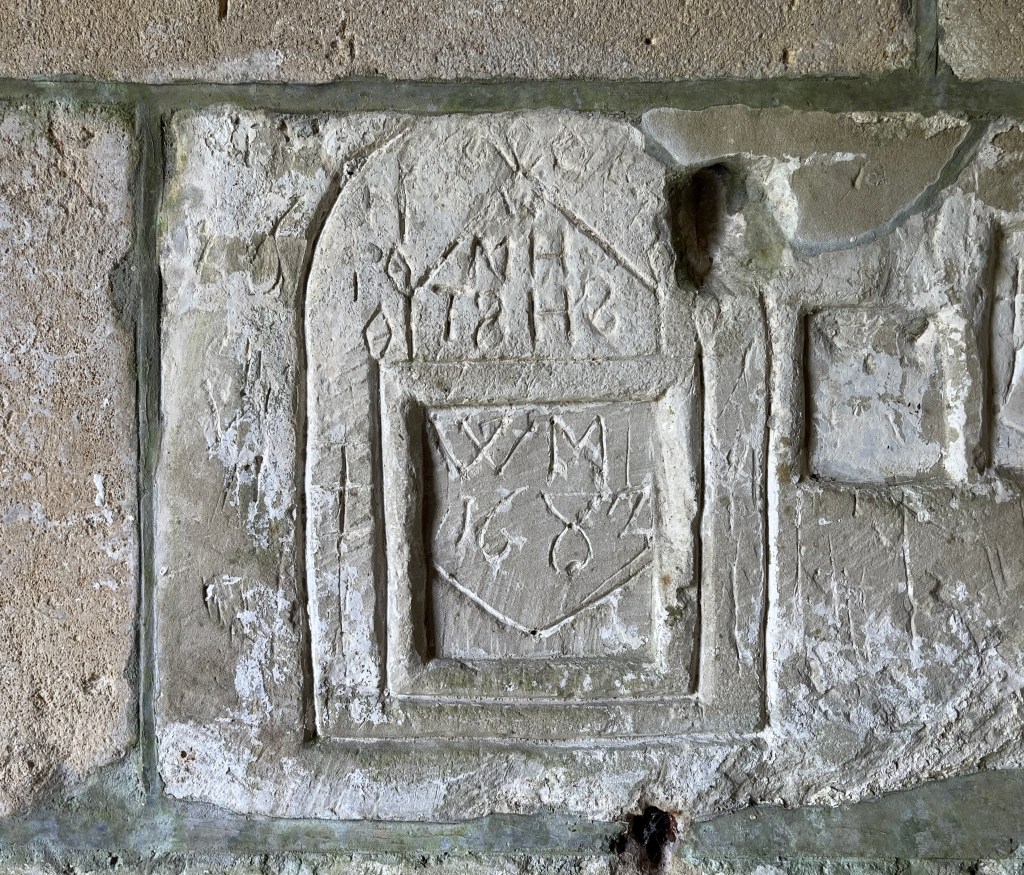
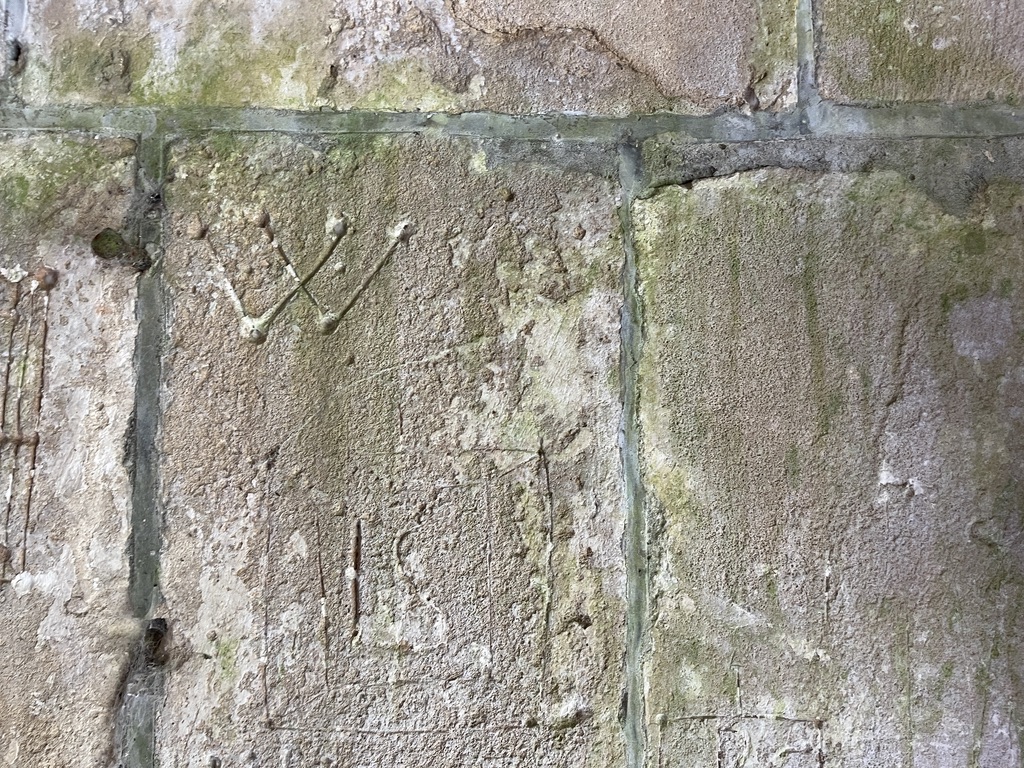
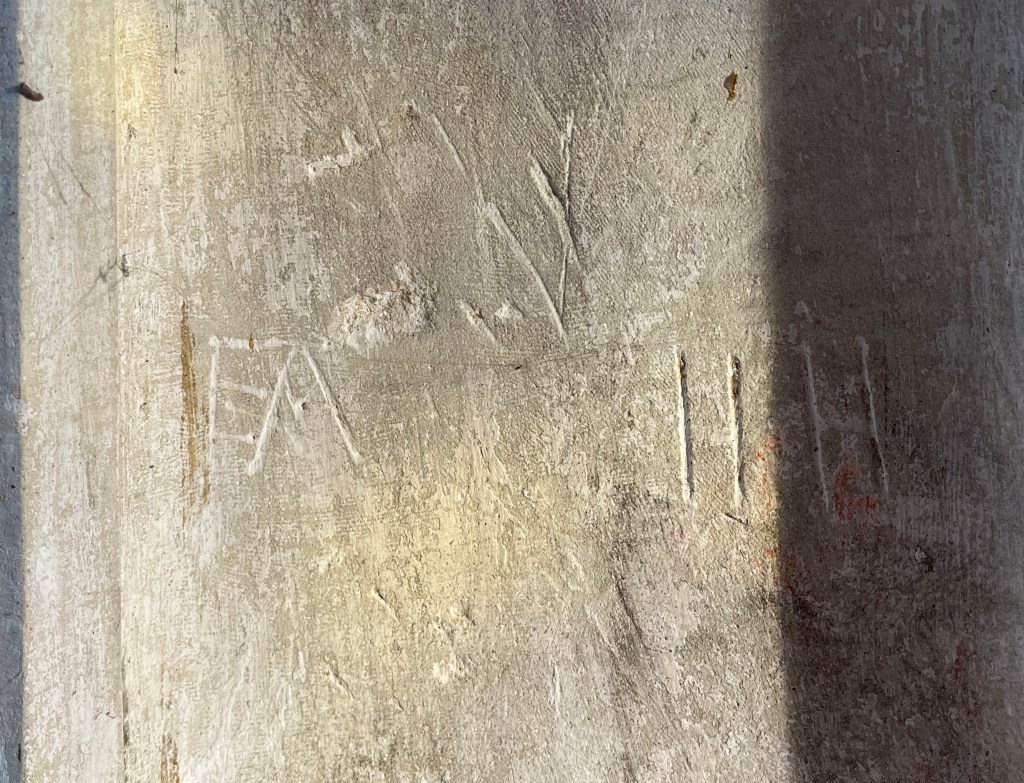
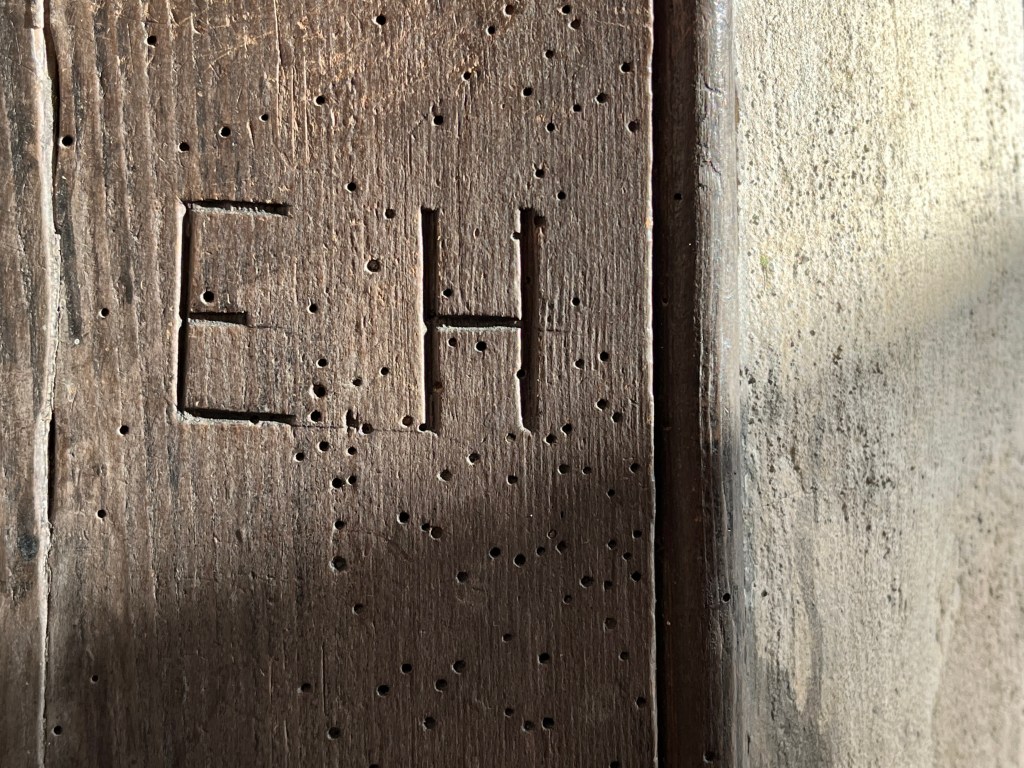
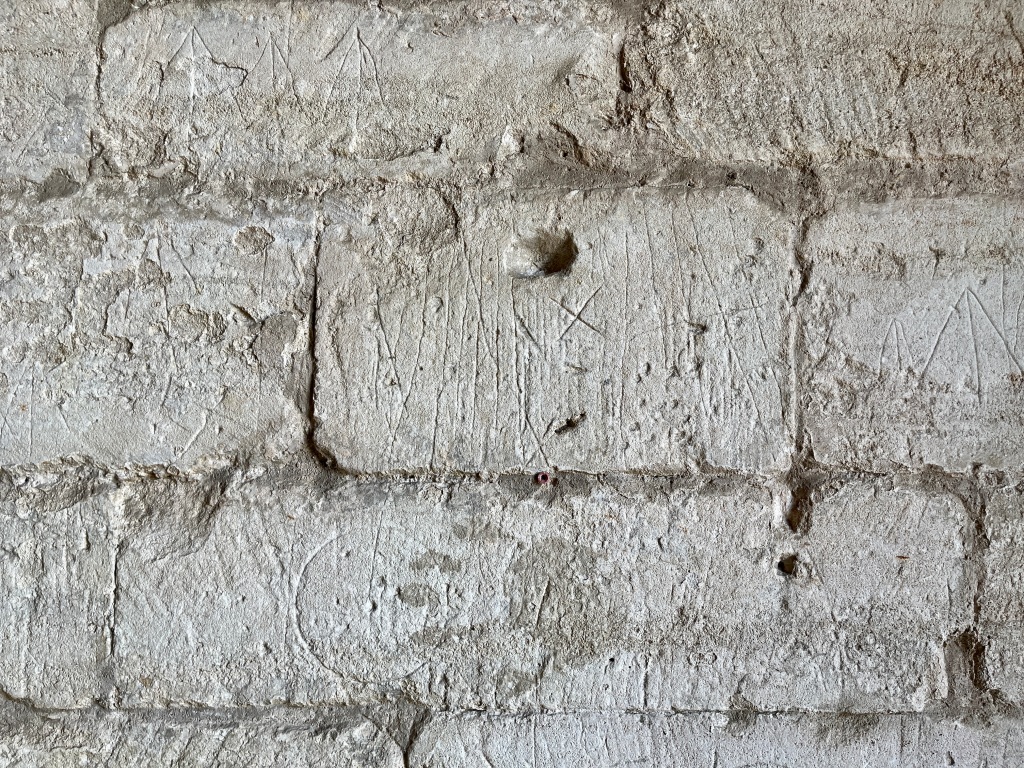
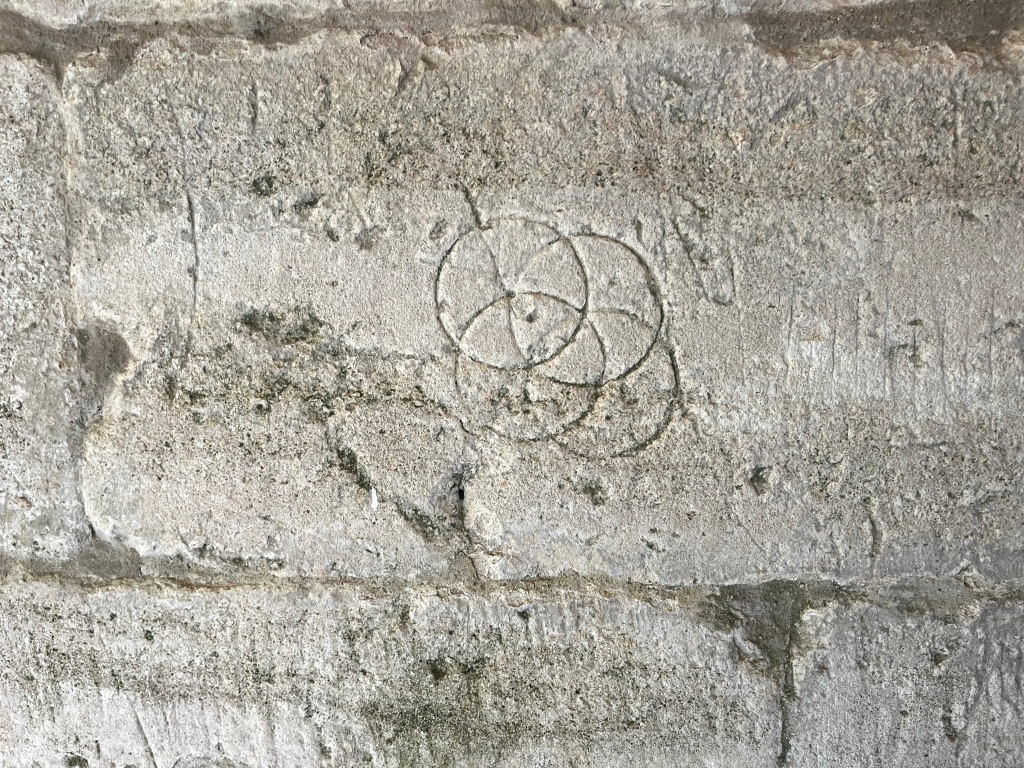
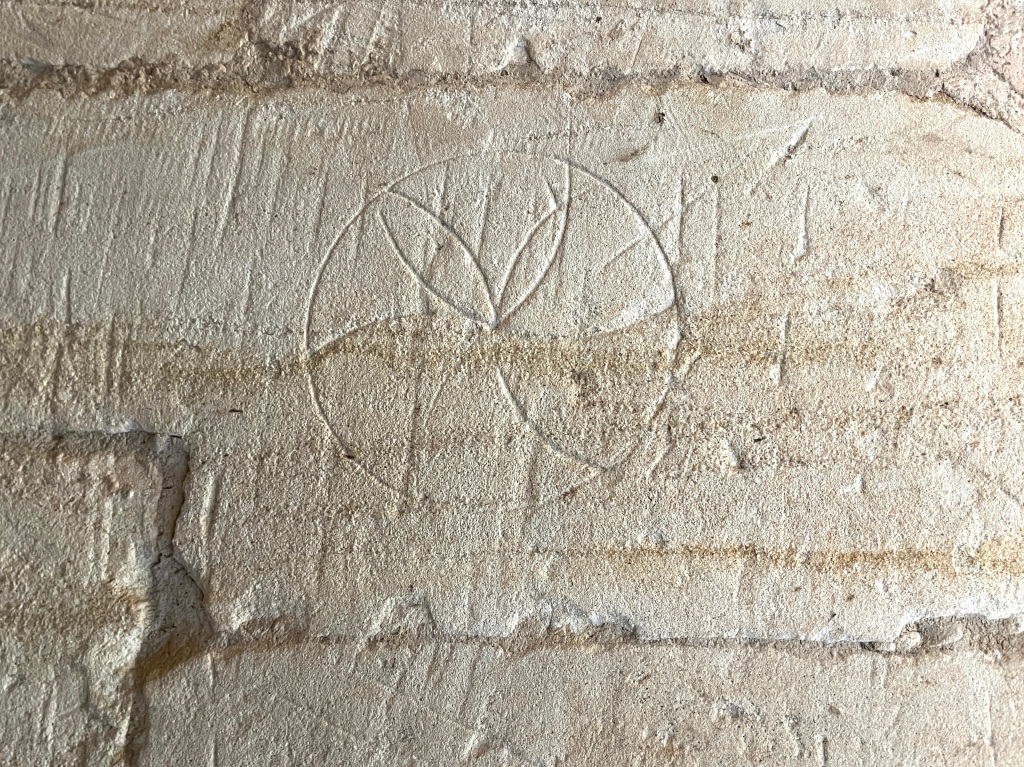
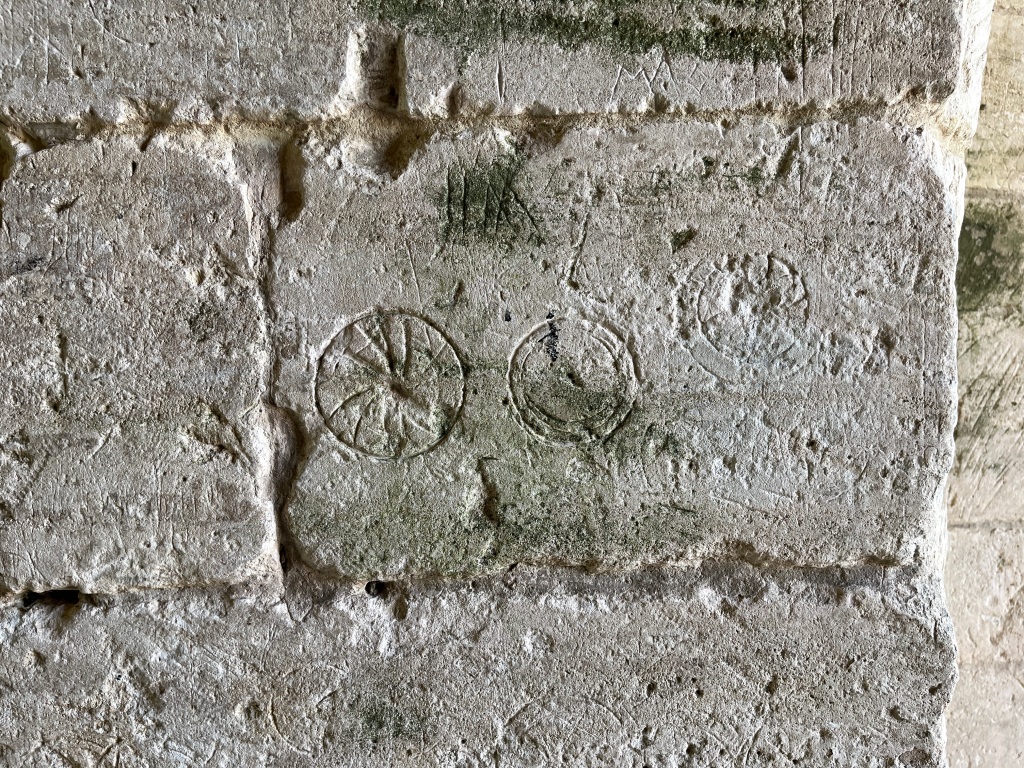
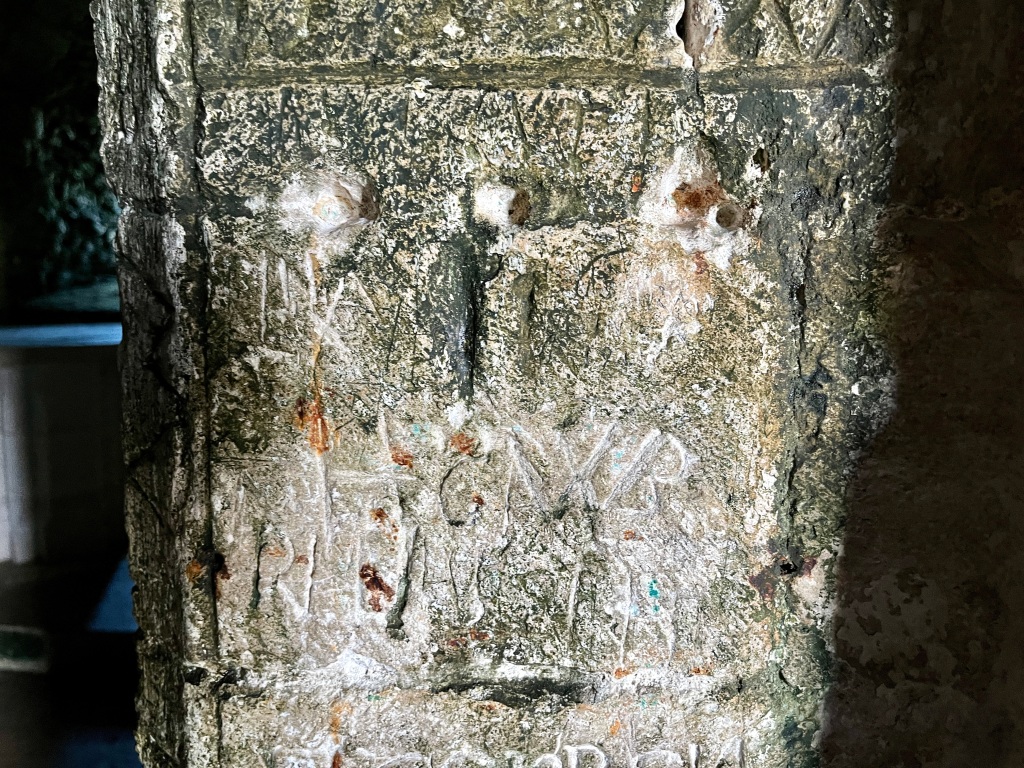
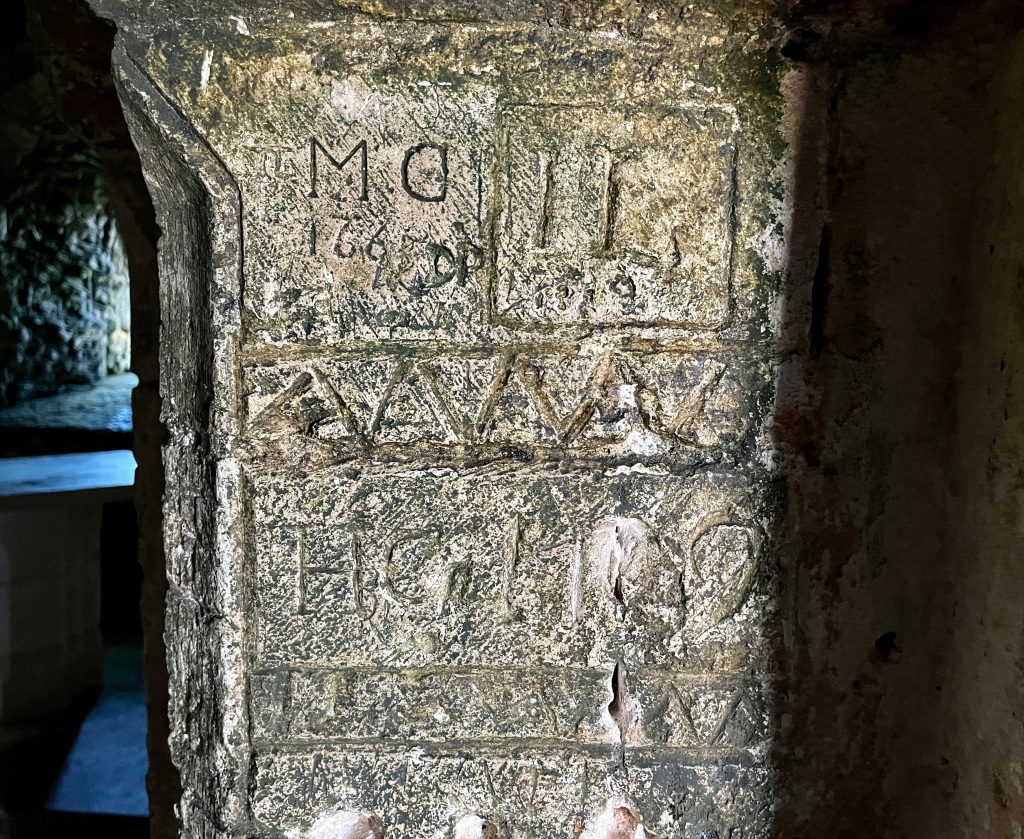
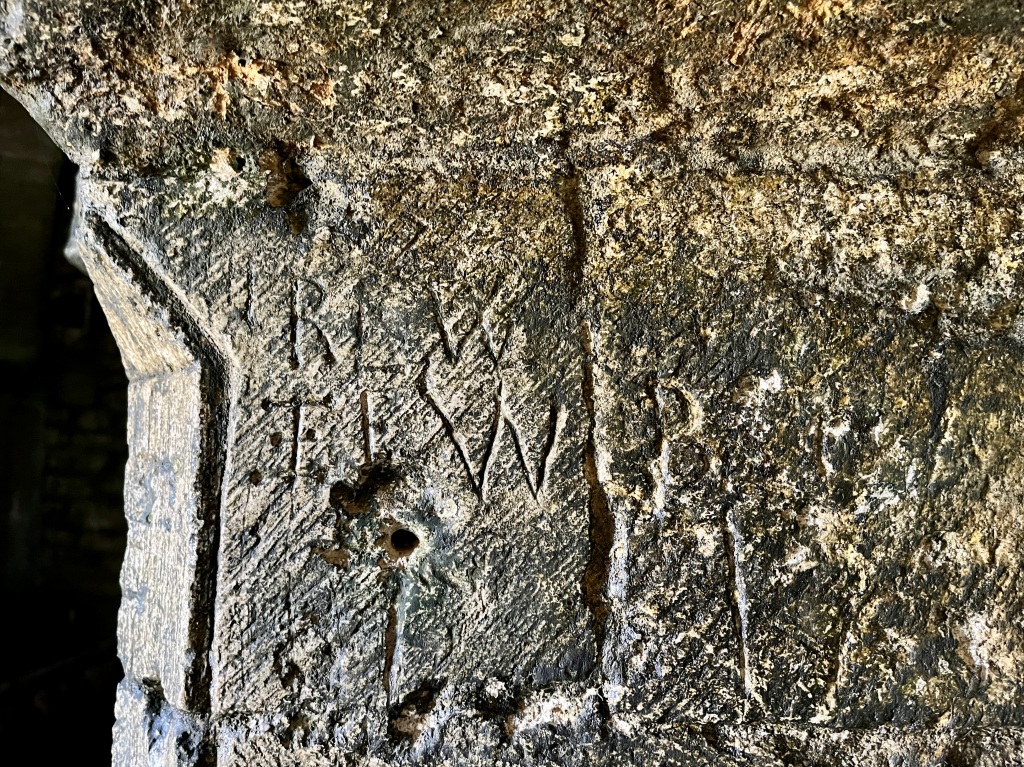
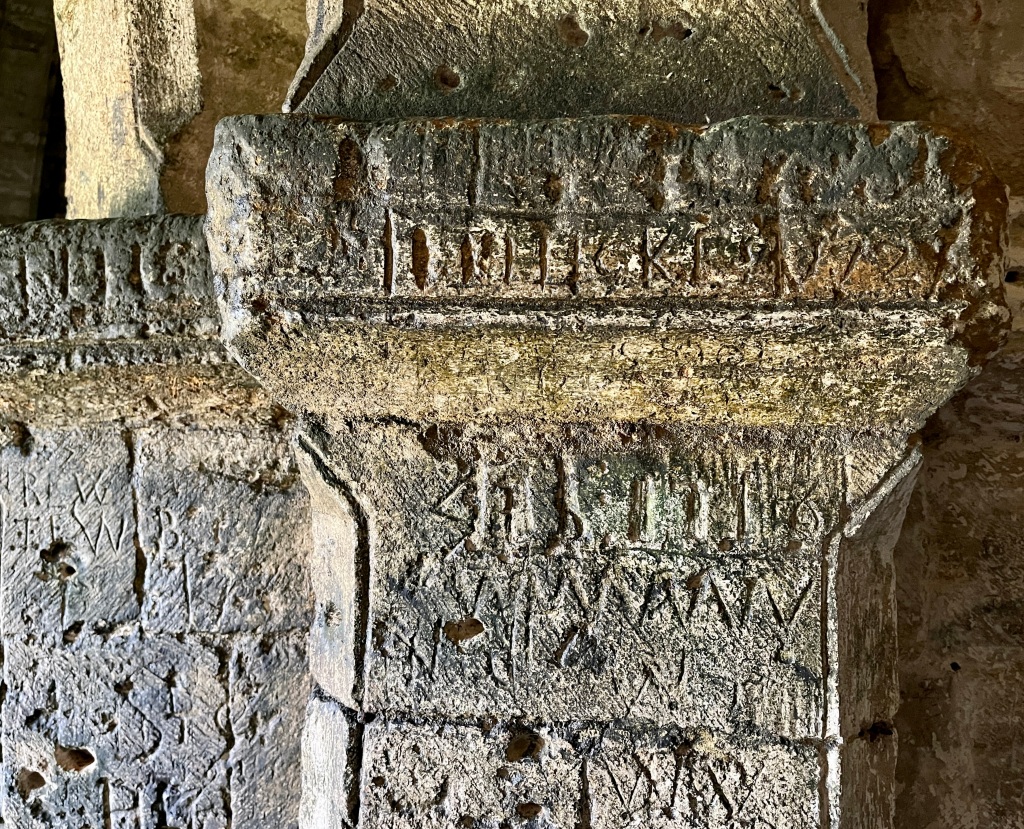
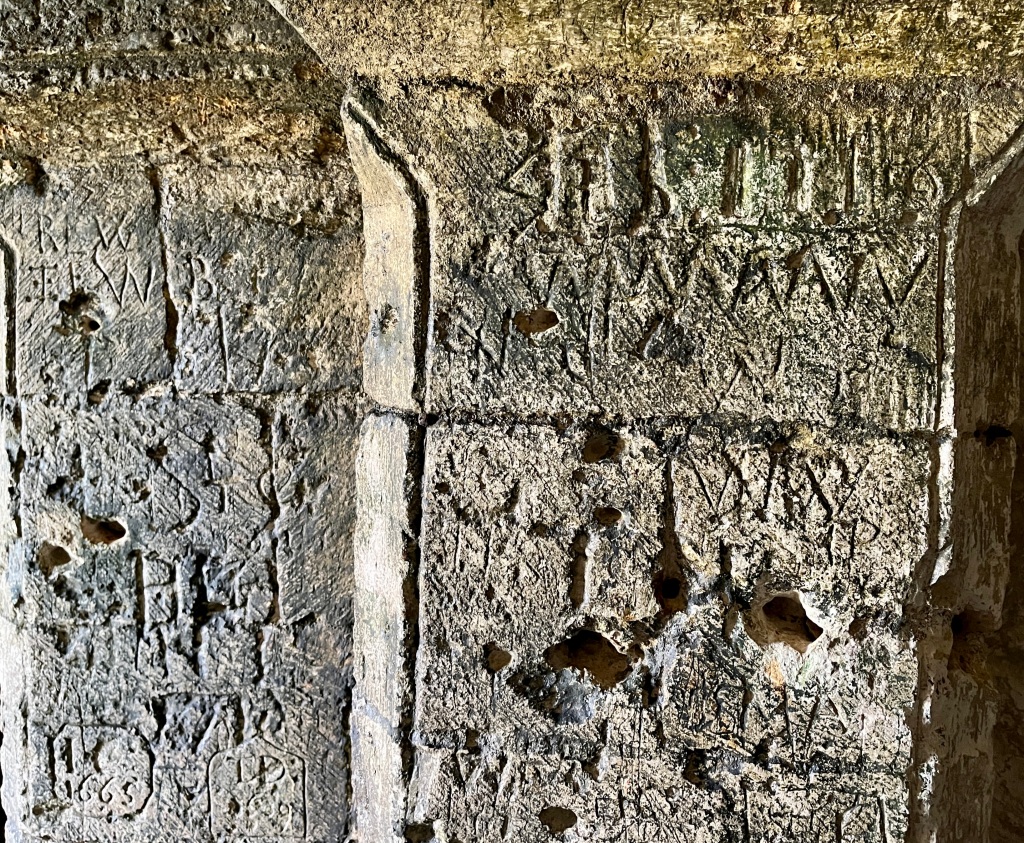
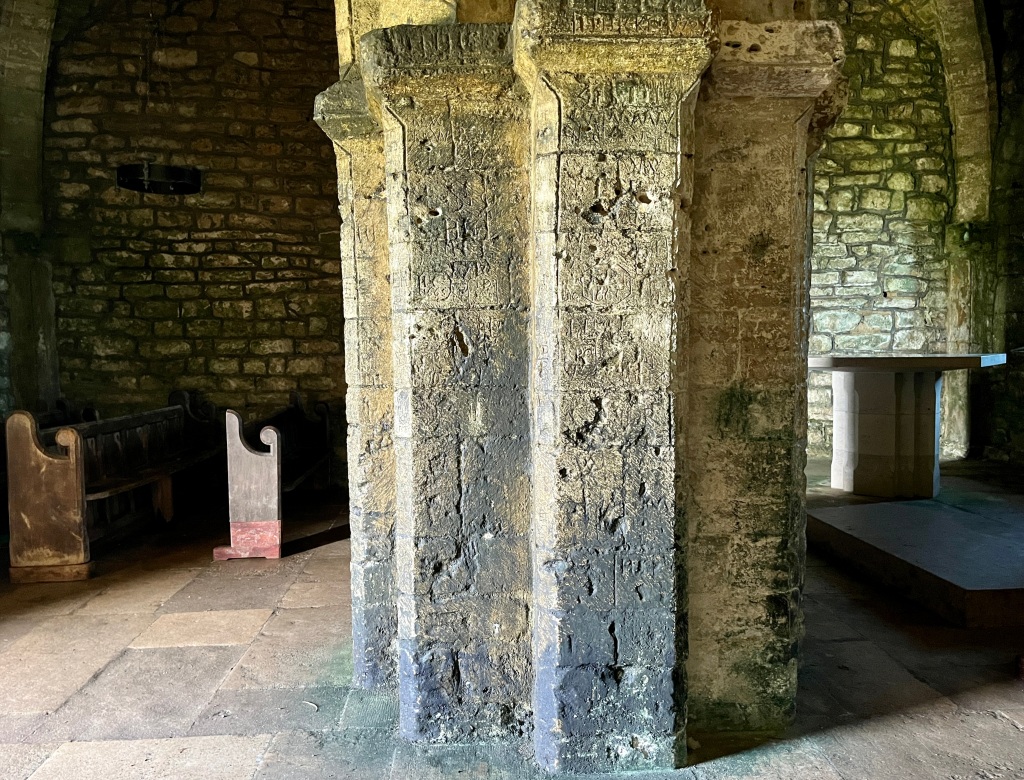
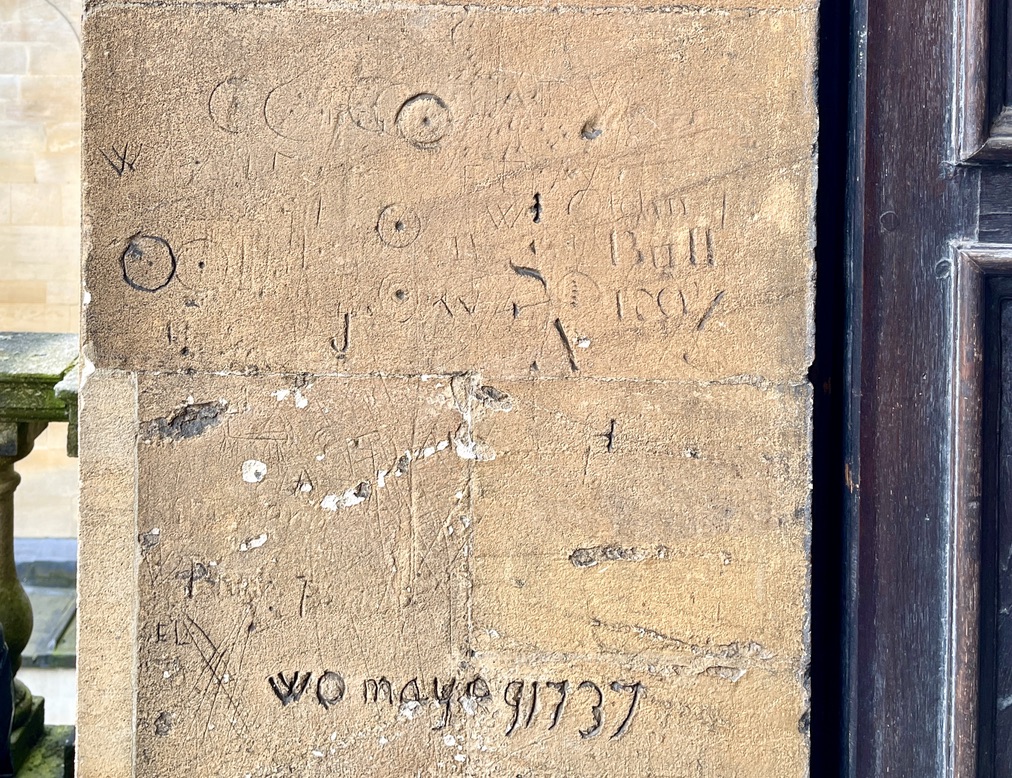
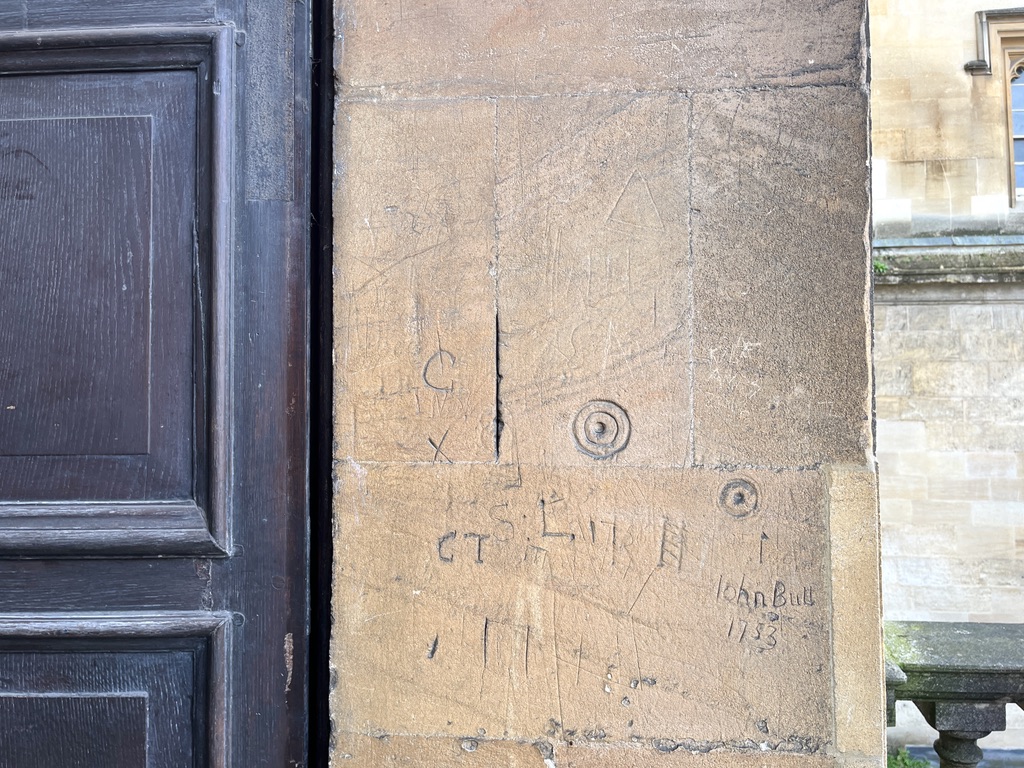
On each side jamb of the entrance to the Museum, there is a fine collection of graffiti of several kinds. Below is a selection of the marks from either side, left first. These include names and dates, with a Bull (1753) on one side, and a later Bull (1891) on the other; and a couple of probable mason’s marks, together with random scratchings accumulated over time.

MARIAN MARKS and PROTECTION (APOTROPAIC) SYMBOLS

By C17 the concept of thwarting evil by means of incised marks on churches and other buildings (eg the TITHE BARN Bradford-on-Avon) was weakening, yet superstition and the fear of evil lingered on. This building – the original Ashmolean – dates to the late C17. By this time, many medieval incised devices – eg scratch dials – had become things of the past. However, to some extent the comfort of cutting marks to ward off evil persisted. This would explain the various Marian marks VV (Virgo Virginum) on the jambs.

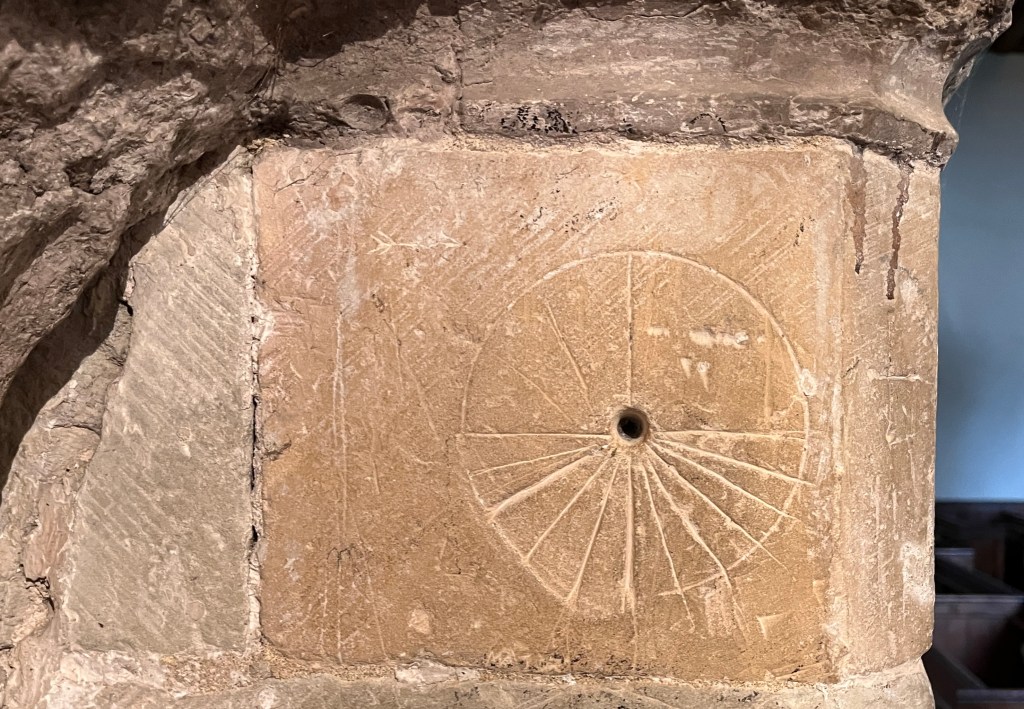
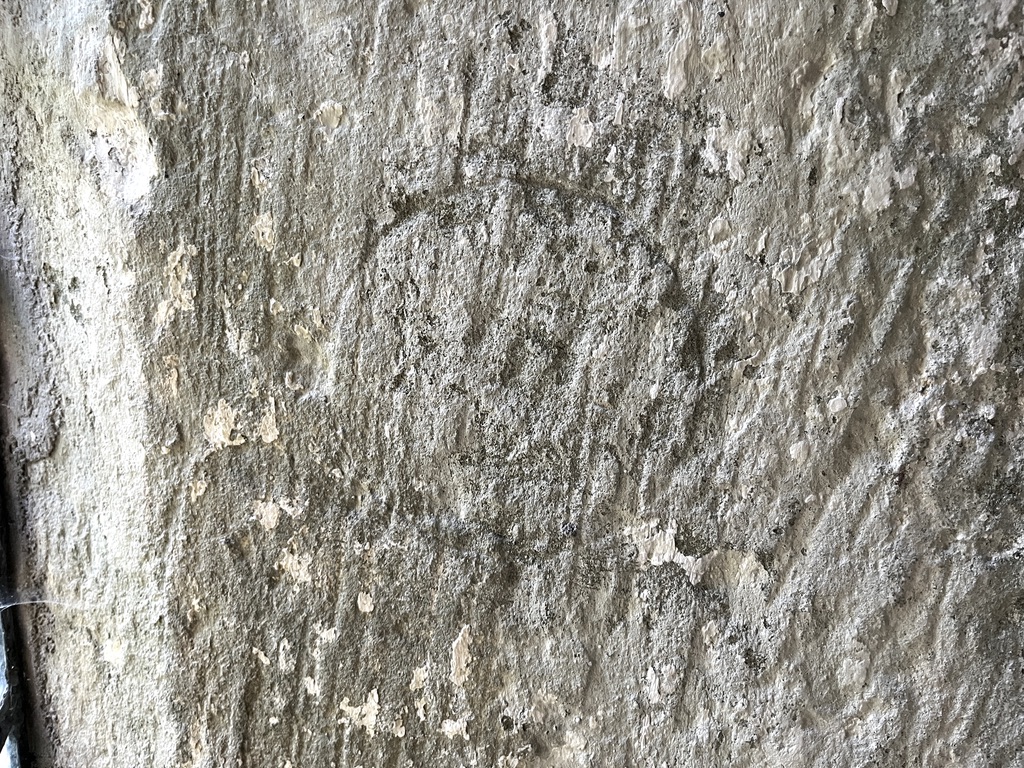
There is also a good collection of compass-drawn circles of varying completeness, accuracy, and depth. In medieval times these were the simplest form of demon trap, luring evil inside a circle from which it could not escape. The principle continued in later centuries.

LEFT SIDE
RIGHT SIDE
GSS Category: Apotropaic marks; Marian marks; Protection marks; Demon Traps; Compass-drawn circles; Graffiti on public buildings;

Reference: History of Science Museum – Oxford; Matthew Champion – Medieval Graffiti

All photos: Keith Salvesen / Rolling Harbour

SHERE . SURREY . ST JAMES – Multiple Scratch Dials

ST JAMES . SHERE . SURREY

GRADE I ❖ C12 Norman tower and north nave wall; C13 south aisle and chapel; C14 enlargement, chancel; restorations 1895 by S. Weatherley. Fine C13 font. Most unusual C14 Anchorite cell, definitely in use. Excellent graffiti, in particular several shields. Approved by PEV. Midway between Guildford and Dorking. 51.2191 /  -0.463 / TQ074477

DIALS

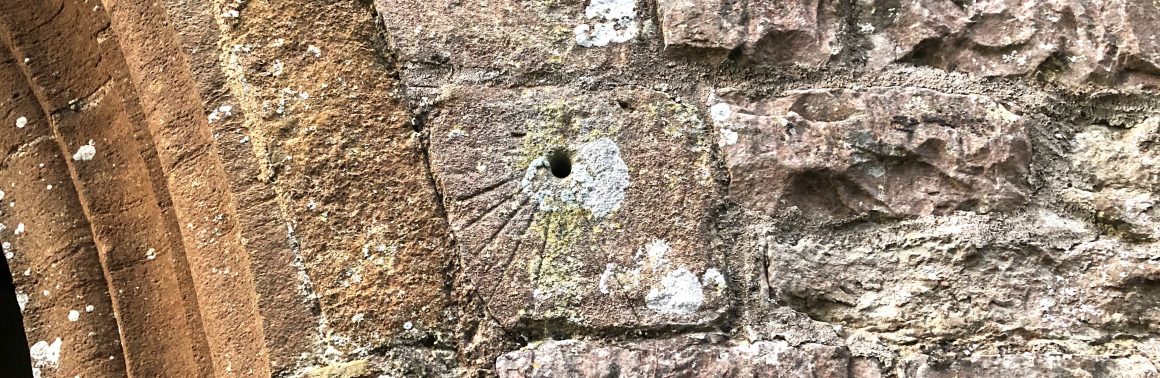
As with many multiple scratch dial churches, there are differing estimates of the number of dials, in this case of between 7 and 11. Sources vary, as do the eras when researches were carried out: Victoria County History Surrey (1911); D Renn 1986 (detailed survey); BSS 2000 (images – Lester); 2008 (drawings – Wood). I have decided to lead with 8 dials that are (I think) indisputably the real thing. Each is headed by the relevant BSS diagram and all are close to the pre-porch doorway. The close-up photos say as much about each dial than I could usefully describe.

DIAL 1

DIAL 2

DIAL 3

DIAL 4

Unusually, this dial has 3 circles, and incorporates decorative compass work to form 2 petals.

DIAL 5

DIAL 6

DIAL 7

DIAL 8

A simple deeply-scored dial that cuts into a quatrefoil ‘4-leaf cover’ compass design, presumably apotropaic. The church has a great many protection marks of all kinds, together with several shields. I may feature a selection in due course.

DIALOGRAM

The 8 blue-ringed designs below are all dials. The arrowed 9th, LHS, is debatable – see below The arrows RHS indicate (1) probably one of many crosses; and (2) a mystery, see below.

DIAL 9?

Renn’s count of 10 dials includes this ‘lamda’ incision. When I photographed dial 7, only the top of the scar was included. I am a confirmed dial optimist, but it didn’t occur to me to photograph it separately / include it as a dial..

DIAL 10?

Perplexing. An afternoon dial. Noted in Renn’s survey, on which BSS record is based. Described as Inside church (inside S porch). E face of W jamb. Behind door frame. Lines 4. I didn’t find it. Unlike the impressive array of forward- facing dials in the porch, this one must be small, cut on an angle as Renn indicates, and of little use for marking the passage of the day.

ANNOTATED DRAWING

The green circles mark the uncertainties. There is also a suggestion that there were once 2 other dials, now extant (S chancel wall, E pilaster buttress).

REFERENCES

Victoria County History, Surrey, 3 (1911), 120

Renn DF: Scratch Dials in Surrey, Surrey Archaeological Collections, vol 77, 1986

The British Sundial Society

SPETISBURY . DORSET . ST JOHN THE BAPTIST – TWO SCRATCH DIALS (?)

Spetisbury Church as drawn by Thomas Rackett for the 2nd edition of Hutchings’ History of Dorset

ST JOHN THE BAPTIST . SPETISBURY . DORSET

GRADE 1 ✣ Late C12 / early C13 origins; west tower late C15 / early C16. Major mid C19 restorations from 1858 by T H Wyatt, and later works. 3m SE of Blandford Forum. 50.8258 / -2.13 / ST909029

TWO PROXIMATE DIAL-LIKE DESIGNS

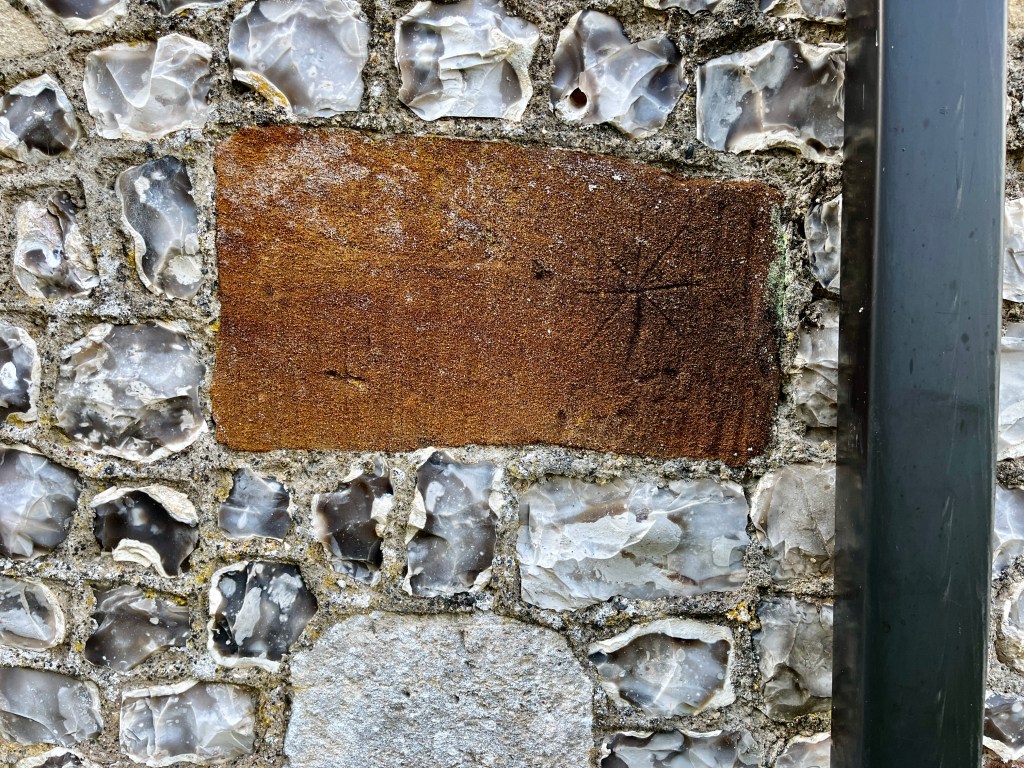
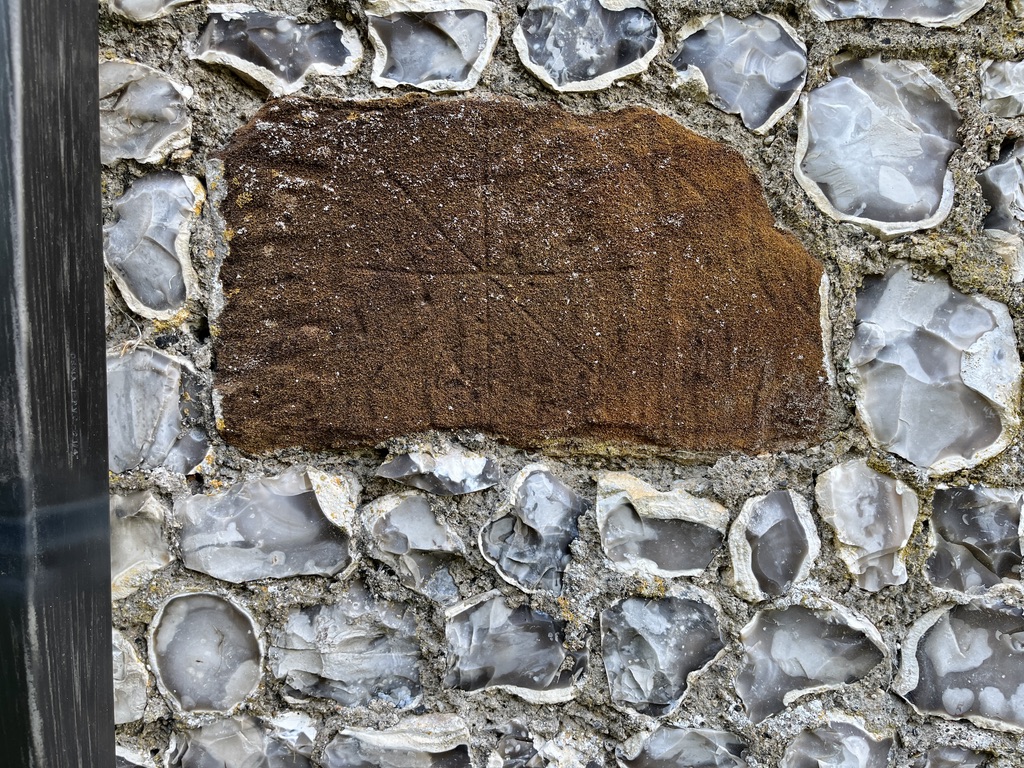
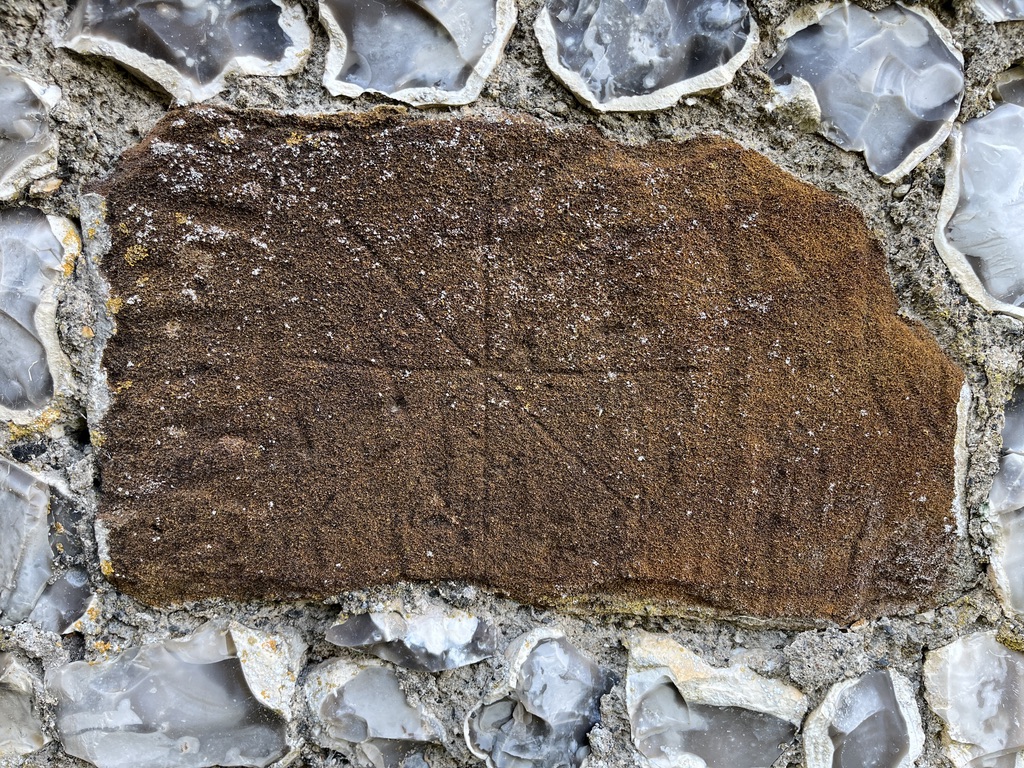
The two incised stones are located either side of the drainpipe on S wall of the chancel. Both have 8 segments (as with a Saxon / Tide Dial). A gnomon hole is conspicuously absent from both. There’s no trace of filling. There are one or two pocks on each, but random and with no specific relation to the overall designs.

GLP in his comprehensive survey of Dorset church scratch dials concluded that the dials “…are just graffiti of unknown date”. He explains that he has included these near-matching designs since otherwise “they might be mistaken for genuine dials”.

Apotropaic symbols? These don’t conform to any mainstream style of protection mark. And they are not in a location that Evil would naturally choose to gain entry.

My own theory is that these 2 designs were scratched on adjacent dark stones during the lengthy C19 restoration period. Perhaps there was a small competition between 2 apprentice masons engaged on the work, or bored by it.

DIAL 1

The cruder of the two, with bent lines and an awkwardly gouged curving ‘noon line’.

DIAL 2

More carefully designed and executed than Dial 1, and with the hint of circle round it.

GSS Category: Scratch Dial; Mass Dial; Church Graffiti circular pattern; False scratch dials

All photos: Keith Salvesen; Rackett print OS

TARRANT CRAWFORD . DORSET . ST MARY – Scratch Dial

ST MARY . TARRANT CRAWFORD . DORSET

LISTING Grade I ✣ C12 origins with abbey links; C12 chancel; C13 nave and refenestration, porch; C15, tower. An astonishing church beyond the scope of this project. Besides the building itself, there are wonderful early C14 wall paintings to admire, also C16 wagon roof & C13 coffin lids. Major restoration in 1911. A very unspoilt church retaining many medieval features PEV. In the care of CCT. 5m SE of Blandford Forum 50.8307 /  -2.1107 / ST922034

DIAL

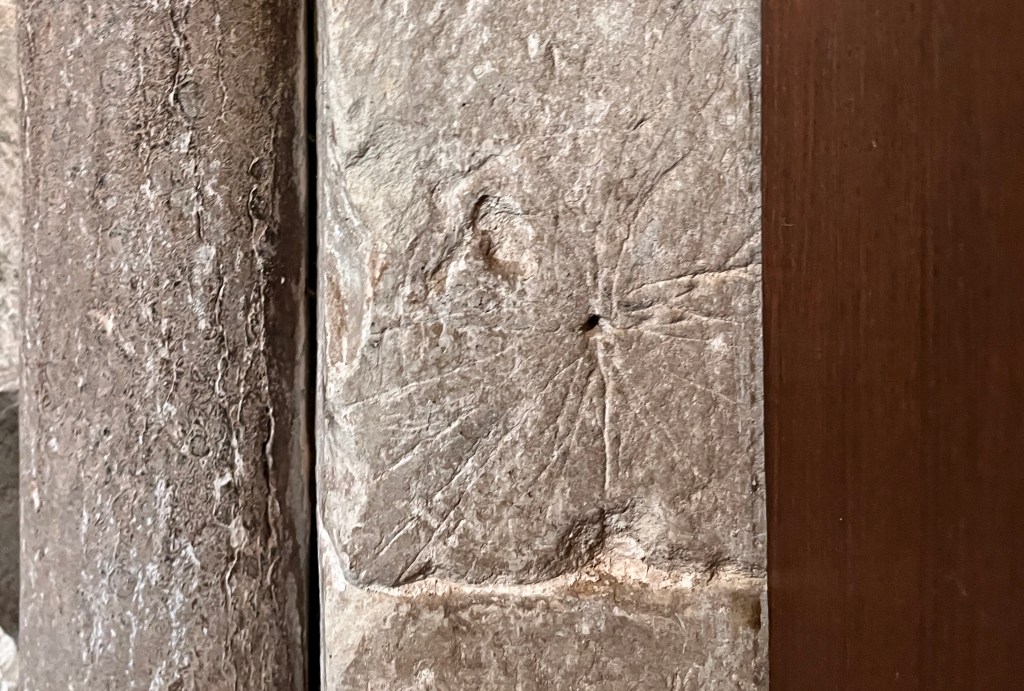
A number of features make this dial rather special. It is inside an intriguing church; it is cut into the architrave of a (historically) relocated doorway; and the design is endearingly haphazard. There are 5 radials from the gnomon hole, mainly LLQ from (roughly) Terce to just past midday. The lines are uneven in length, depth, spacing and straightness ,not least because of the oddly squarish perimeter. One can’t tell what lies behind the cement repair, but it doesn’t seem that the perimeter continues beyond what one can see.

BSS Diagrams

APOTROPAIC CIRCLES

There are two circles cut into one of the window jamb, the lowest with a dot in the centre. These are a simple form of protection symbol, repelling evil and preventing it from entering the church. Some theorise that these and more complex designs (eg ‘daisy wheels’) trapped evil within the circle – so-called demon traps.

GSS Category: Scratch Dial; Mass Dial; Protection Mark, Apotropaic Symbol

All photos: Keith Salvesen

IMBER . WILTS . ST GILES – Graffiti and Apotropaic Symbols

ST GILES . IMBER . WILTS

A lost village with a sad backstory. Once it was a remote small community in the centre of the vast acres of Salisbury Plain, with pretty cottages and a fine church. It was already a huge military training area before WW2 and the decision was made to evict the populace. As the record states: Given nowhere else to go, Imber’s villagers were ‘liberated’ of their homes in 1943, with just 47 days notice, to make way for American troops to train for the liberation of Europe during World War II. 

The displaced population believed – or were led to believe – that in due course they would be able to return to their homes and to normality, but they were not permitted to go back. The cottages were replaced by large buildings to create battle scenarios. Only the Church of St Giles was left alone. You can read more HERE

DIALS

For obvious reasons, access is permitted on only a few specific days of the year. I recently visited on an Open Day, not least because I had found a clear record of two scratch dials. There aren’t any. However there is a wonderful collection of church marks of all types. Much of the trove is in inaccessible parts of the church.

GRAFFITI AND APOTROPAIC SYMBOLS IN THE PORCH

In the time available I briefly examined the porch. Shown below is an illustrative selection (by an amateur) from a far wider choice; I hope to return the Church. Meanwhile here are the key references for further exposition.

Wiltshire Medieval Graffiti Survey – General

Wiltshire Medieval Graffiti Survey – St Giles

Imber Village – account of the village history

In a different light (2024) – a clear, authoritative new book by Tony Hack of WMGS with excellent photography and detailed overlays

ST GILES IMBER: THE PORCH

TIMSBURY. HANTS . ST ANDREW – Scratch Dial & Church Marks

ST ANDREW . TIMSBURY . HANTS

GRADE II* ✣ C13; C15 chancel rebuilt; C16 porch, bell-cote; later restorations esp 1847. A fascinating small church with plenty to offer the visitor besides the look of it including: medieval protection marks and graffiti; remains of wall paintings; tiles; good pew ends; an intriguing porch; a nice memorial horizontal dial in the churchyard; and the grave of Noel Thelwell (beloved pony cartoonist) and his wife. The church information sheets are models of their kind. 3m N of Romsey; 8m S of Stockbridge. 51.0193 / -1.5084 / SU345245

Horizontal Dial in Churchyard HERE

DIAL

The dial was recorded in April 1922 by ARG, the originator of scratch dial research in Hampshire. He, like pioneer Somerset dial researcher DEH 10 years earlier, was equipped with a camera.

ARG noted 4 definite lines of equal length, perhaps more under the lichen. Located on SE quoin stone of the chancel, facing due S. Style hole about 4 ft high, in mortar line (thus forming the horizontal / 6-to-6 line).

There were several later descriptions of this dial. The last official BSS record (photo below) was made in 1994.

DIAL IN JANUARY 2024

The condition of the dial may have deteriorated from weathering, however the apparent repair work since 1994 may be the reason why the lines are now so indistinct.

GRAFFITI and PROTECTION MARKS

FUTHER READING

HAMPSHIRE FIELD CLUB & ARCHAEOLOGICAL SOCIETY HERE

GSS Category: Scratch Dial; Mass Dial; Church Graffiti; Protection Mark; Marian Mark

All photos: Keith Salvesen

CANFORD MAGNA . DORSET . Scratch Dial

CANFORD MAGNA CHURCH . DORSET

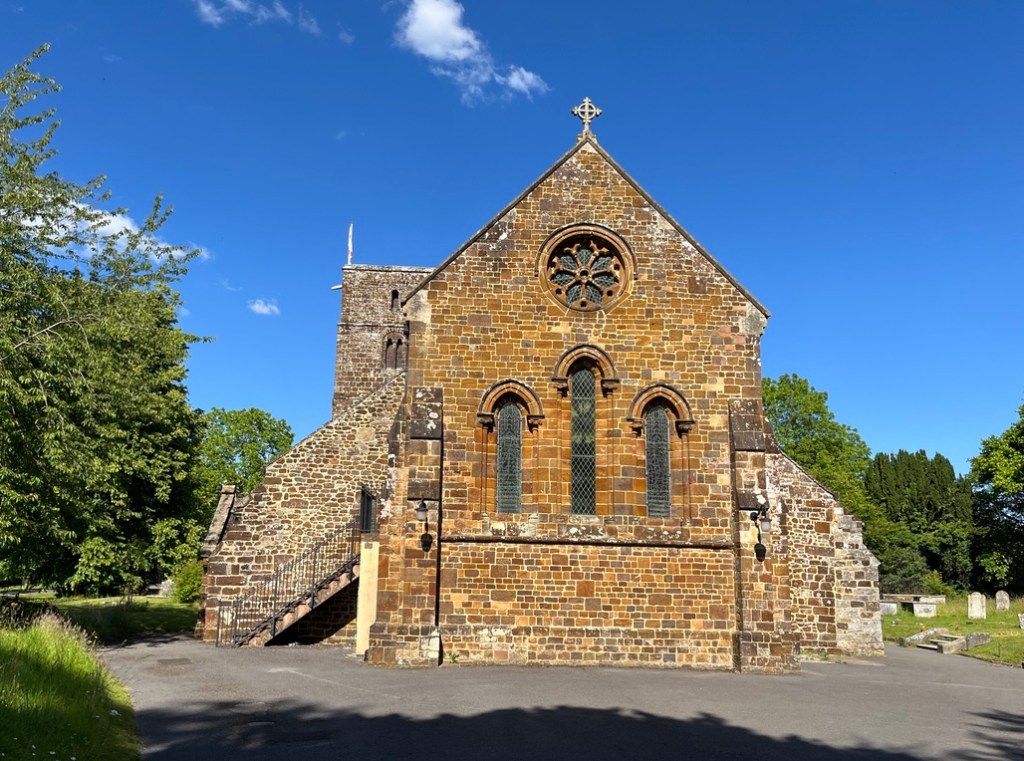
GRADE I ❖ Saxon origins as cruciform chapel. Tower added c1180. Expansion C13, C14; C15 additions; C19 alterations. No dedication. A very fine and interesting church, the late Saxon work being of major importance HE. Without any doubt one of the most interesting churches in Dorset PEV. 50.7889 /  -1.956 / SZ031988

See Canford’s Vertical Dial HERE

DIAL

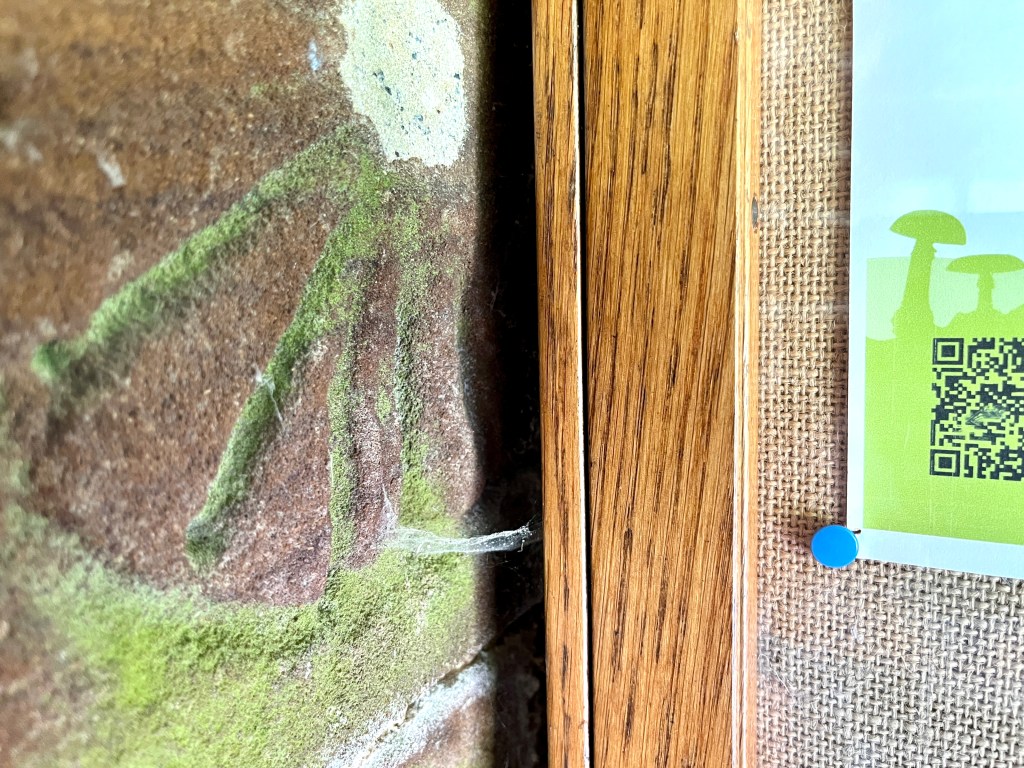
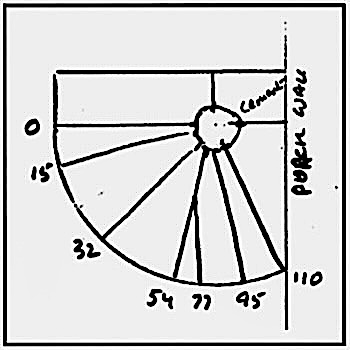
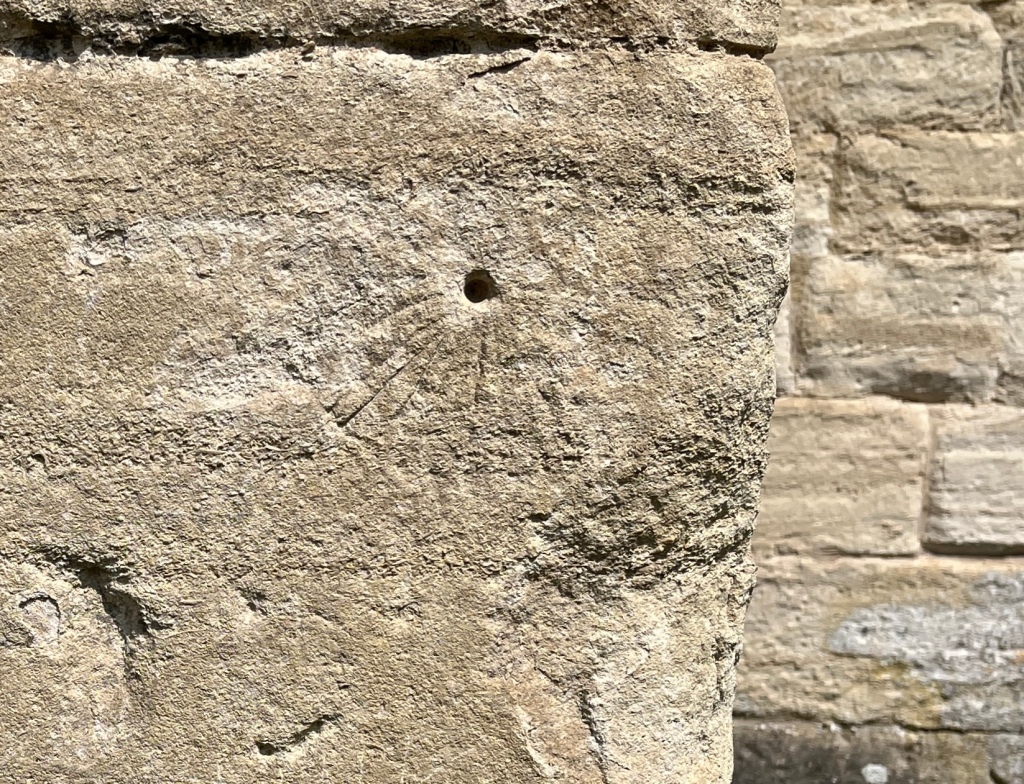
The dial is within the porch, RHS of the door and partially obscured by a noticeboard. The original BSS record (2006) notes a filled gnomon hole with 8 radials, encircled [see diagram]. Four irregular moss-filled lines are clearly visible; a couple more are just detectable. The noticeboard stymies the sort of hopeful slantwise photo behind an obstruction that can occasionally be revealing.

BSS Diagram

Although this is a Parish Church, it lies within the grounds of Canford School. There are some unsurprising visiting restrictions. If you have an interest in early churches, you will want to spend some time investigating the interior and working out the gradual development. See PEV DORSET p171 and ff.

There is quite a lot of graffiti, much of it old but with later pupil initials etc. As a bonus, there is a good vertical dial on the apex at the E end, which will be written up separately.

GSS Category: Scratch Dial; Mass Dial; Scratch Dial within porch; Vertical Dial

All photos: Keith Salvesen

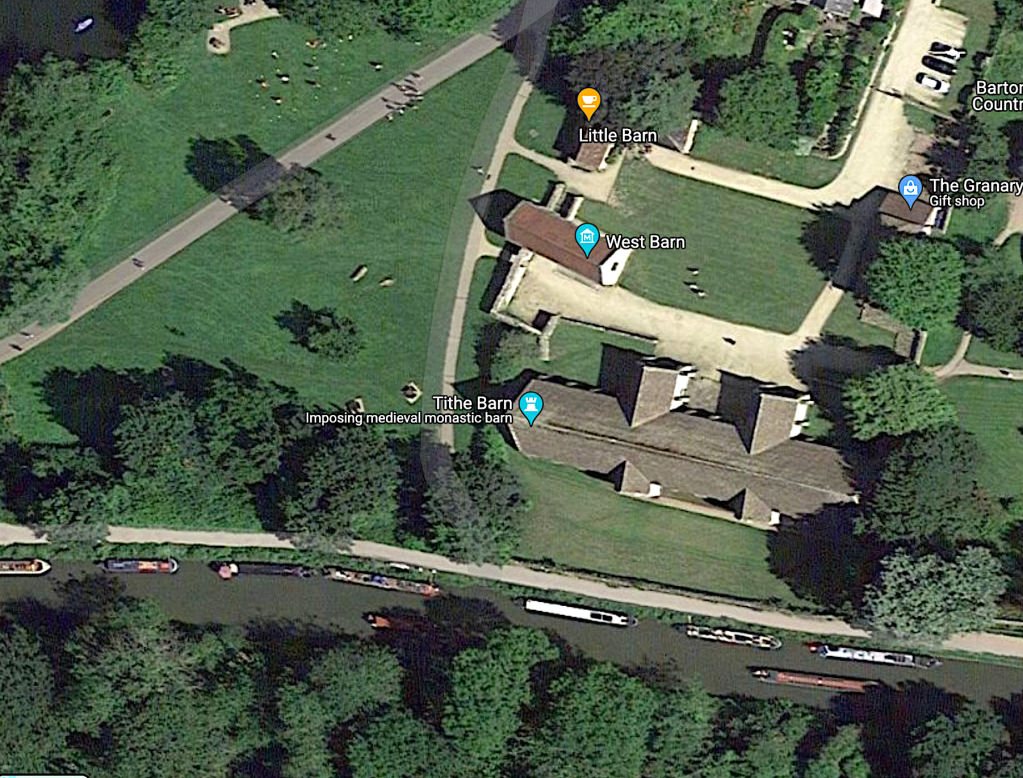
BRADFORD-ON-AVON . WILTS . TITHE BARN – Scratch Dial

TITHE BARN . BRADFORD-ON-AVON . WILTS

GRADE I ✣ The huge tithe barn is dated to the 1330s, replacing an older barn. Even allowing for restoration and maintenance over the centuries, the barn very much retains the feel of a building unchanged for several hundred years. Its situation right by – and lower than – the K&A canal adds to the pleasure of the general surroundings.

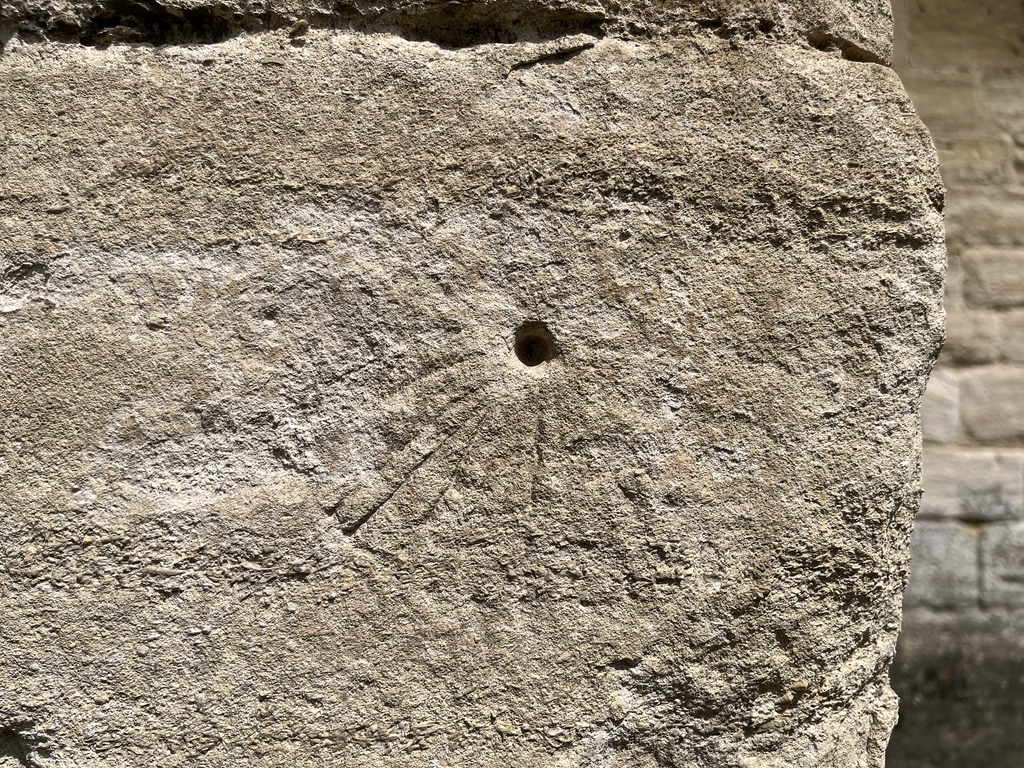
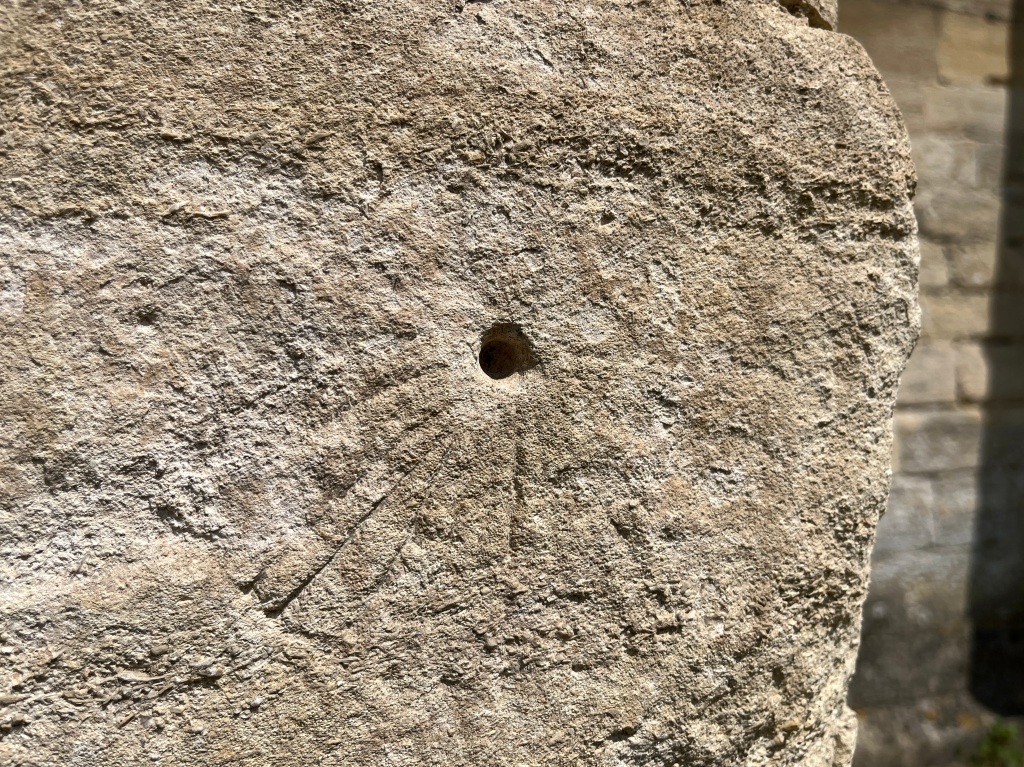
DIAL

Scratch dials on buildings other than churches are rare. TWC mentions only 4 in his (admittedly dated) list of non-church dials, one of which is a tithe barn. Featured in this project are KENILWORTH ABBEY which has a dial on a barn that is a small part of the whole; and MUCHELNEY ABBEY which has one on the S wall of the Abbot’s Lodging. Neither can be regarded as entirely secular.

The Bradford dial is located on the S wall on a buttress quoin stone near the entrance of the large E doorway. It is considerably eroded and damaged. I can’t see any trace of a dial above the horizontal and I take it to be a semicircle. There are ± 8 visible lines – impossible to be sure. The noon line is deeper cut and 9 (terce) seems more sharply incised, suggesting the main hour of observance. I am almost certain there there are terminal pocks on several lines, an impression taken more from the photos than from direct observation.

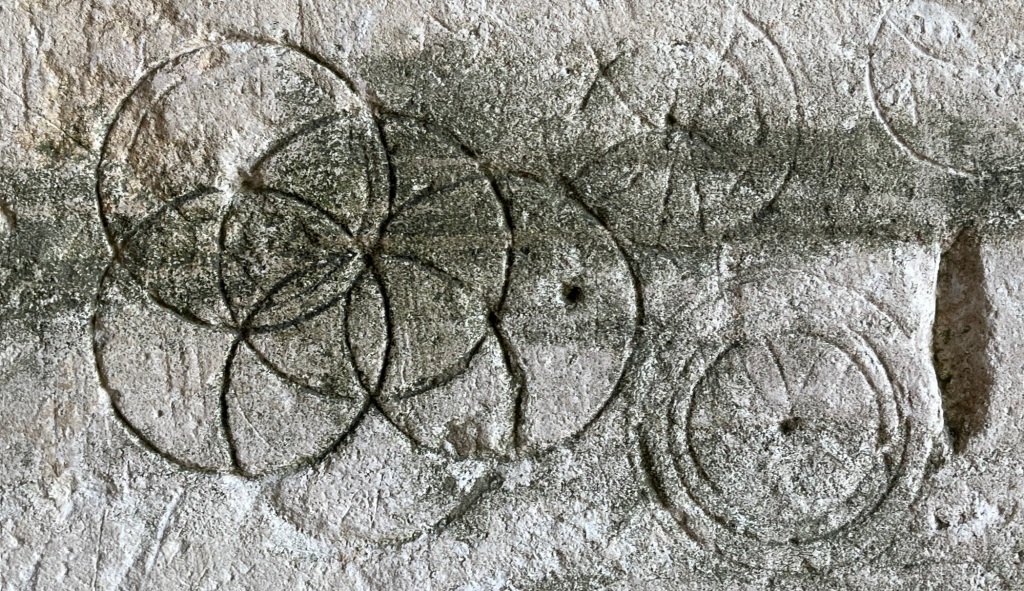
PROTECTION MARKS AND GRAFFITI

Unsurprisingly for such a magnificent medieval structure, there is a vast omnium-gatherum of graffiti and protection marks, mainly at or close to the great entrances as one might expect. Anyone remotely interested in such marks will have a field day. Here is a small gallery.

ENGLISH HERITAGE

BRADFORD-ON-AVON MUSEUM

GSS Category: Scratch Dial; Scratch Dial on Barn; Secular Mass Dials; Protection Marks; Medieval Graffiti

All photos: Keith Salvesen. Please ask for specific use permission to use any of these. Normally I am relaxed, but these images relate to parallel research.


POTTERNE . WILTS . ST MARY – Scratch Dial

St Mary . Potterne . Wilts (Benefice drawing)

ST MARY . POTTERNE . WILTS

GRADE I ❖ Saxon origins; built C13; C15 work to tower; restorations 1870s. A remarkably uniform E.E. design HE; An E.E. church of exceptional purity and classicity PEV. Features of interest include an Anglo-Saxon tub font with rim inscribed in Latin; a C14 font; fine woodwork; C17(?) Royal Arms of puzzling design. Good graffiti on pillars. Outside, there is an unusual Dole Stone; and the scratch dial featured here. 2m S of Devizes. 51.326 / -2.0079 /  ST995585

DIAL

The dial is located on a quoin stone of the buttress at W end of S side. The gnomon hole is centred quite accurately, and surrounded by a ring of small pocks of roughly equal size. The spacing is uneven. 12 of them are drilled in the lower half, in a semicircle that includes the horizontal ‘6-to-6’ line. The other 7 are above the horizontal in the night zone. The pock at notional midnight has 3 on either side, forming an almost symmetrical design. These can only be for decorative purposes, being of no use in marking the passage of the day / night.

As for radial lines, despite erosion 5 lines are visible – 3 LLQ, a faint noon line, the horizontal line RHS. Each terminates with a pock. There remain hints of 2 or 3 others.

GRAFFITI . FONT WITH LATIN INSCRIPTION . COMPASS-DRAWN PROTECTION MARKS

The VV in the first image, assuming it is an initial, is in the distinctive form of a Marian mark, a commonly found protection symbol standing for the ‘Virgin of Virgins’.

GSS Category: Scratch Dial; Mass Dial

All photos Keith Salvesen; header drawing from the Benefice site

WORTH MATRAVERS . DORSET . ST ALDHELM’S CHAPEL – Protection Marks & Graffiti

ST ALDHELM’S CHAPEL

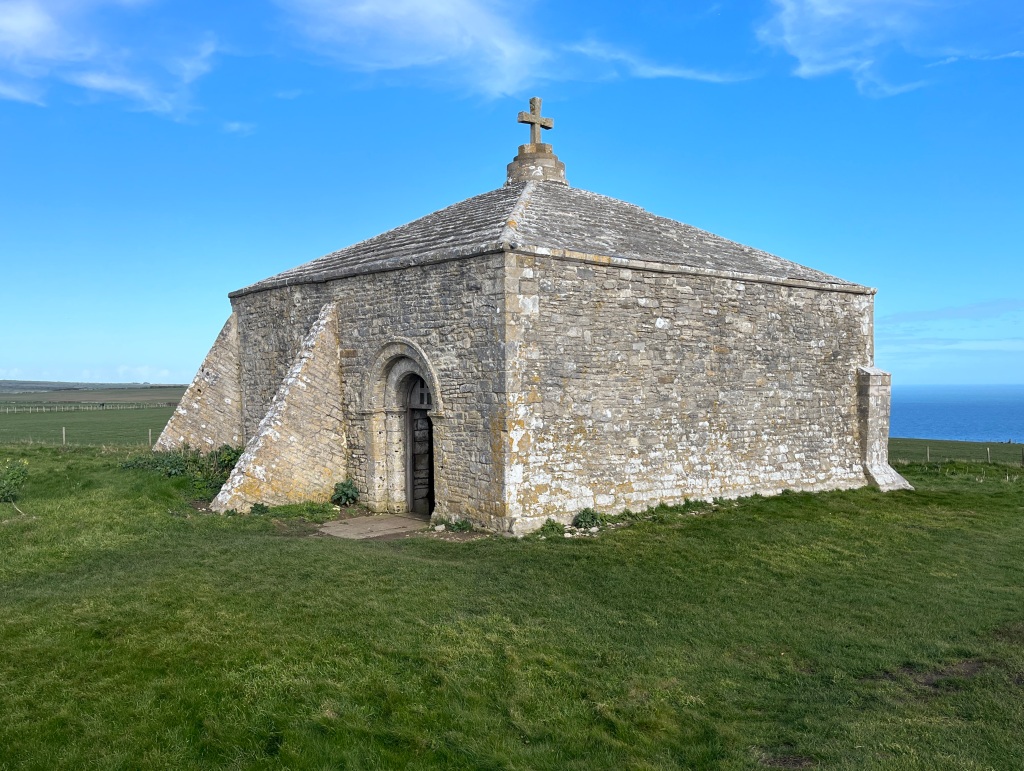
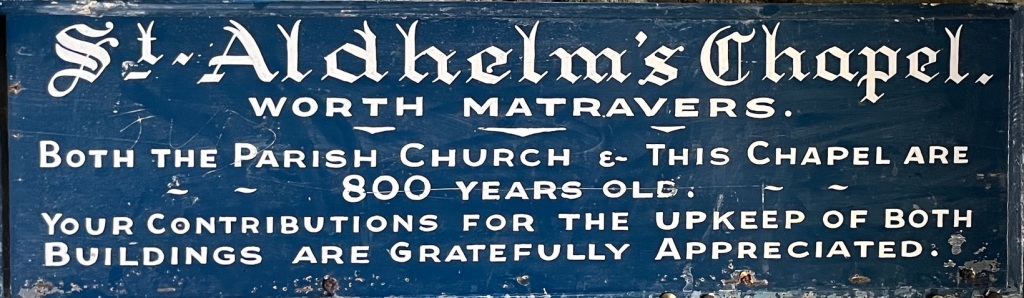
GRADE I ♱ St Aldhelm’s is an isolated Norman chapel high on the Dorset cliffs with only a coastguard station and a couple of cottages for company. Its quite a walk from the car park. There are various theories about the chapel and its purpose. Was it a chapel originally? There’s no evidence of an altar or piscina. Might it have been built as a watchtower before taking on a religious purpose, evidenced by payments made in C13 to a chaplain? There is a thorough Wiki entry for the chapel HERE.

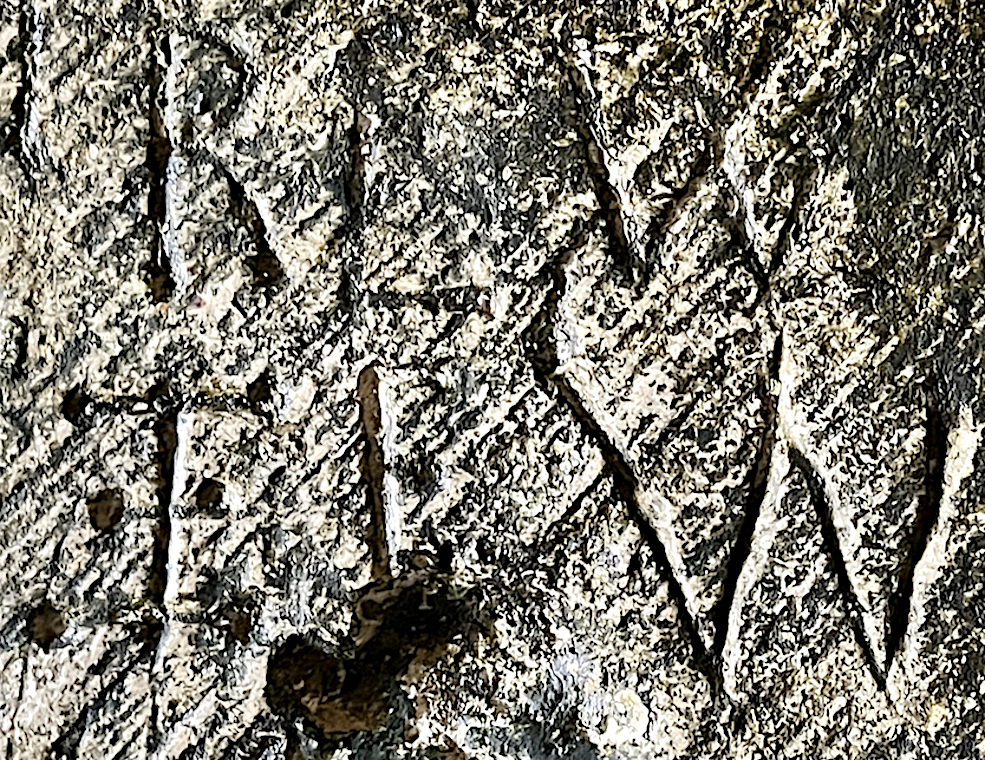
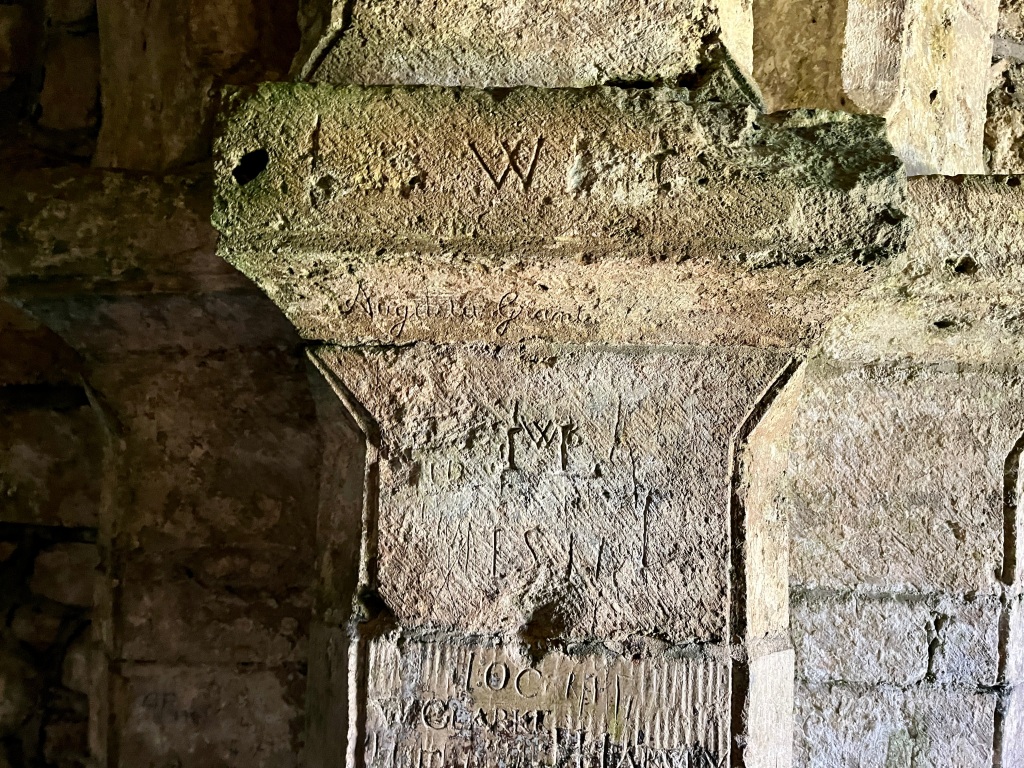
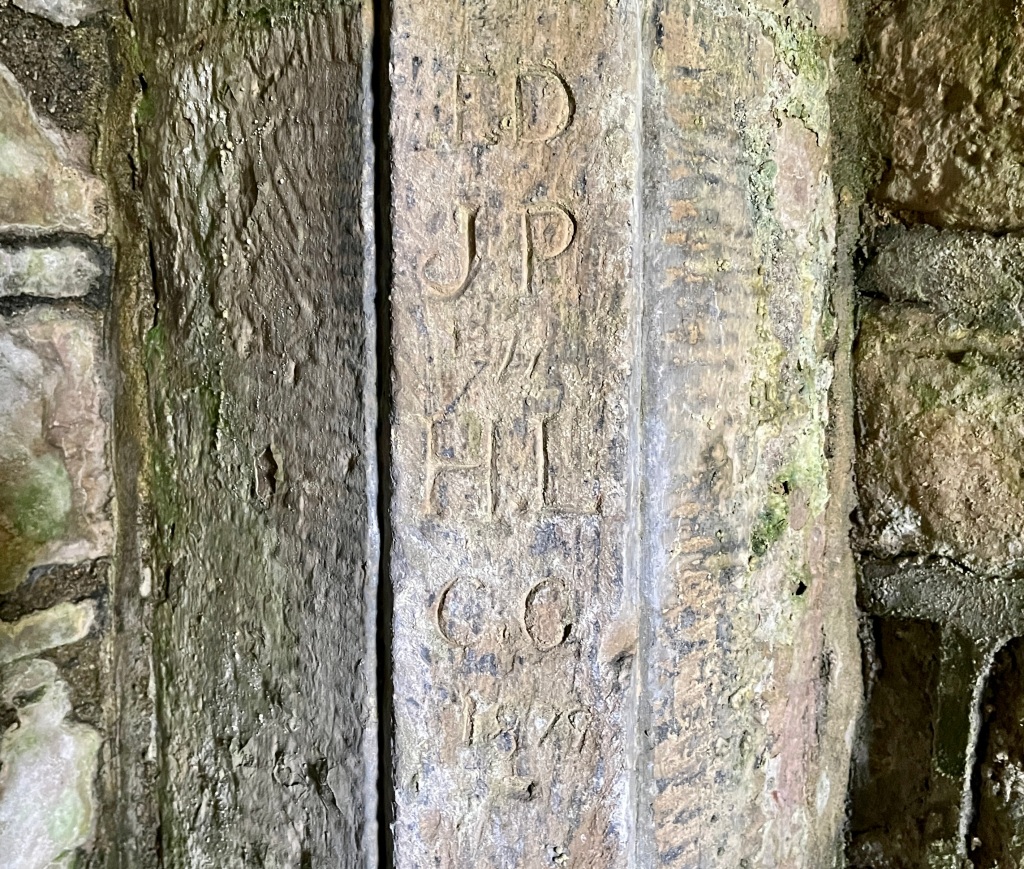
Besides sundials from Saxon times to the present day, other medieval features merit inclusion here. The relevant pages can be found in the main menu. A broad category of ‘Church Marks’ includes protection marks such as the Marian VV, daisy wheels and other circular / interlocking circles dates and initials, taper marks, masons’ marks.

PROTECTION MARKS & GRAFFITI

HIGHLIGHTS FROM ST ALDHELM’S CHAPEL

PURBECK RADAR MEMORIAL

Commemorating the pioneering radar work carried out in WW2, with an inspired design that harks back to the fire beacons that warned of the Spanish Armada.

All photos: Keith Salvesen