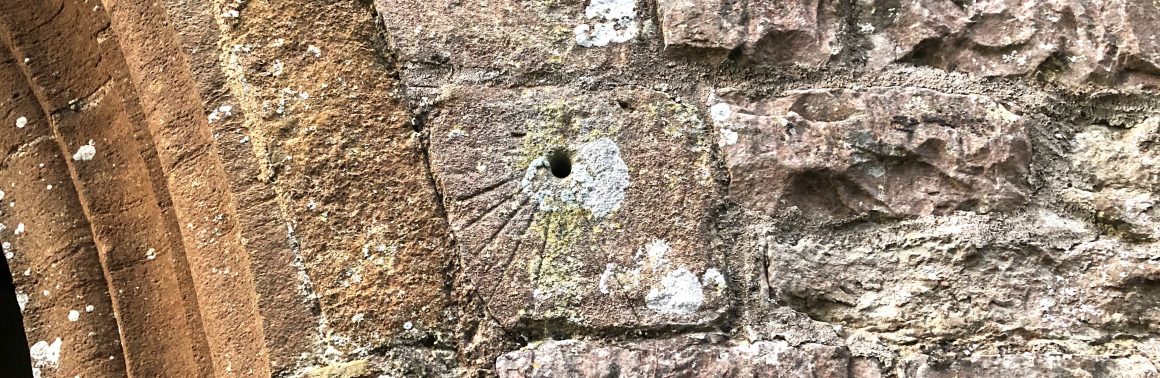
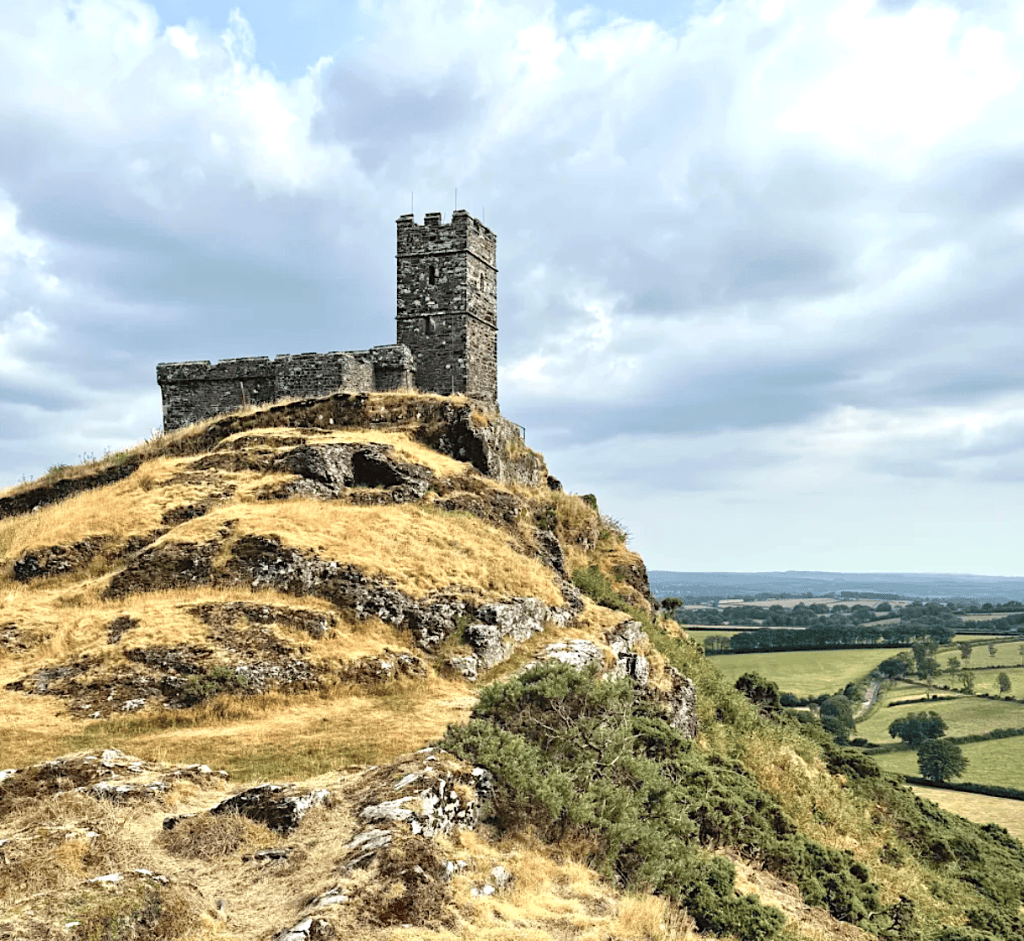
ST MICHAEL de RUPE . BRENTOR . DEVON

ST MICHAEL DE RUPE . BRENTOR . DEVON

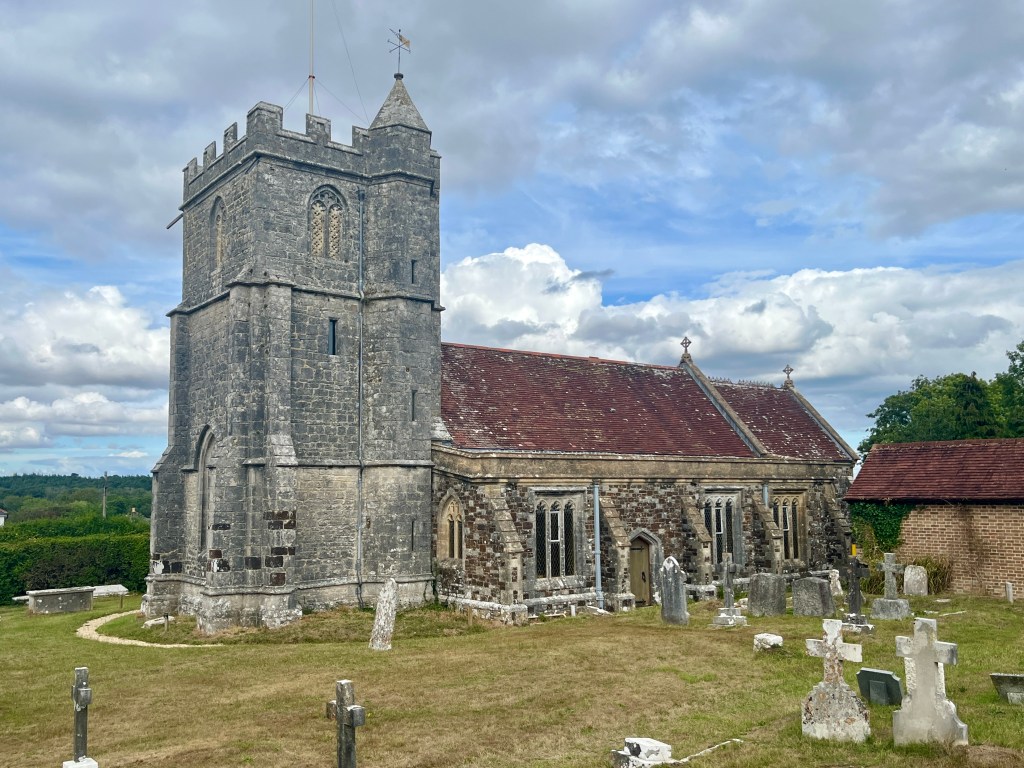
GRADE 1 ❖ Original church mid-C12; rebuilt C13; C15 tower, alterations; restorations 1890. Perched on a volcanic tor, visible for miles around and – from its lofty position – with a view even further. PEV admired this ‘exciting sight’ in a short but enthusiastic entry, noting that ‘… the W front is not 3 feet from the precipice’. 6m N of Tavistock. 50.6033 / -4.1623 / SX470804
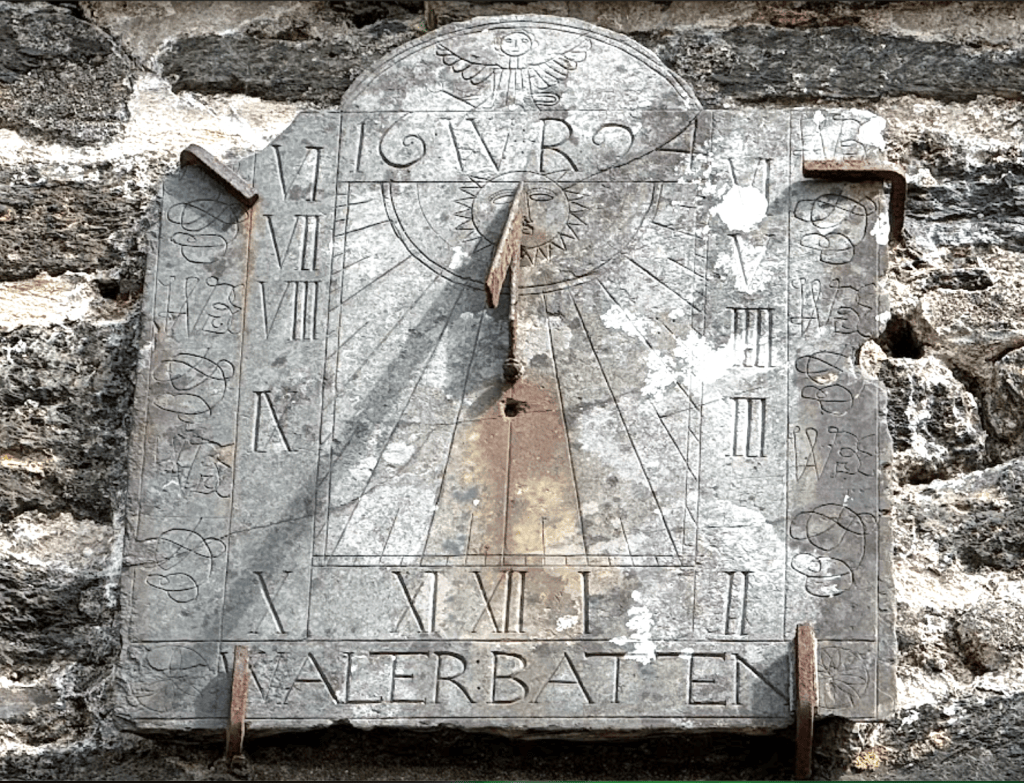
SUNDIAL DETAILS
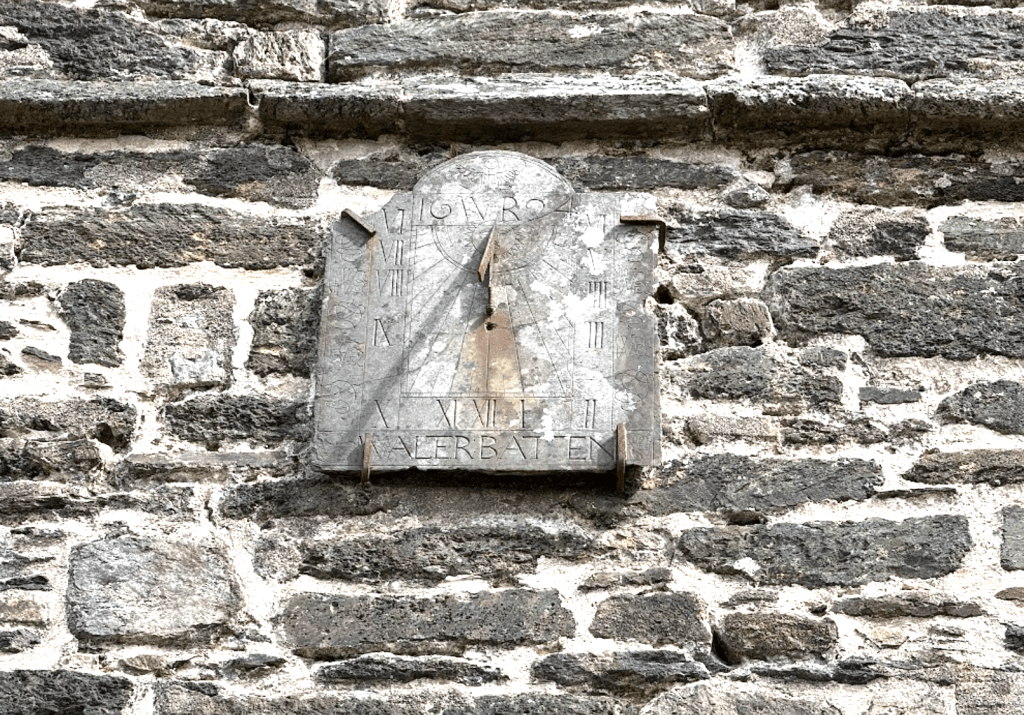
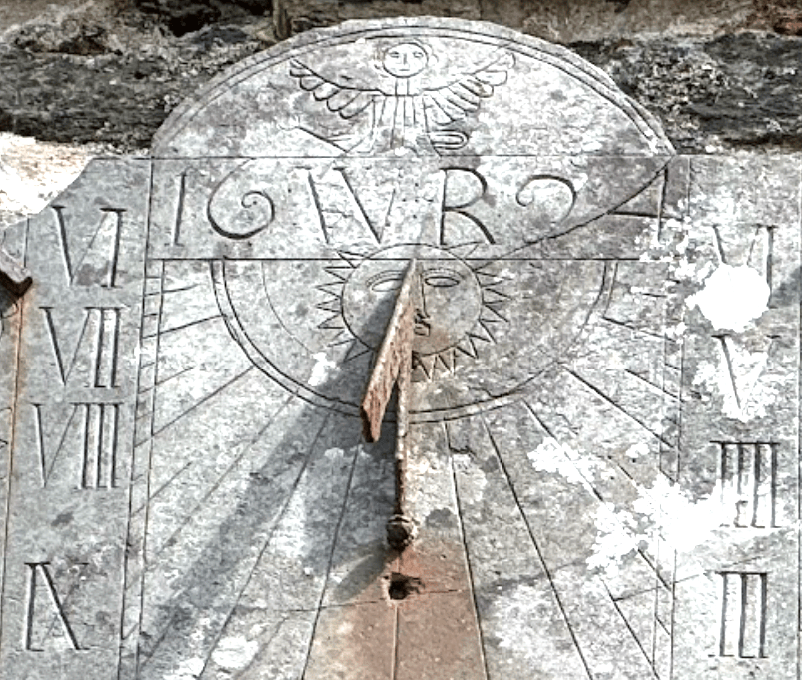
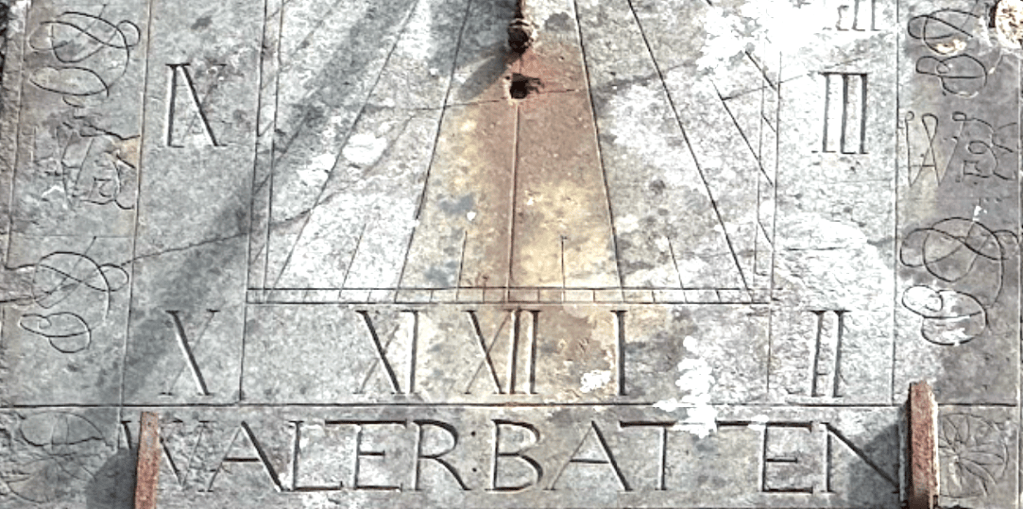
The slate sundial, dated 1624, is fixed high up on the south wall of tower. The date at the top encloses the initials of Walter Batten, viz 16 WB 24. It is surmounted by a cartoonish angel, as if drawn by a child. The gnomon emerges from a rustic sun, with a hole (from an earlier dial) beneath it. IIII stands for IV. Apart from damage ULQ, the condition is remarkably good, especially given the exposed position of the church (‘Rupe’ = rock / cliff).

UPPER
LOWER

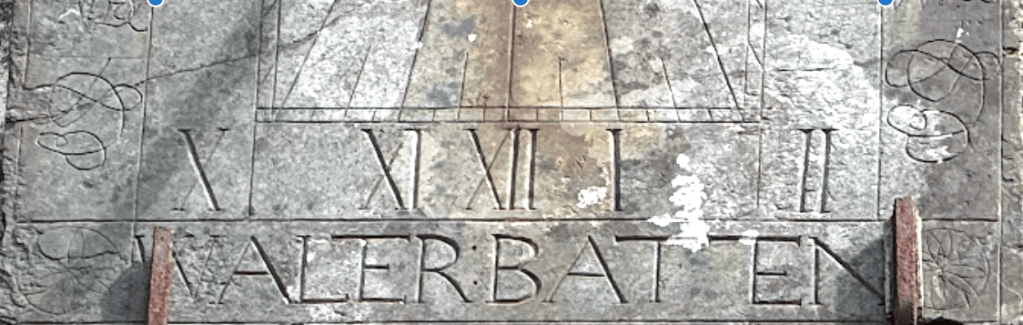
The standard resources (HE, BLB etc) reference the 12 signs of the Zodiac as forming a border. In fact there are 6 decorative designs – squiggles – on either side in approximately matching pairs, with a floral pattern in each corner below. BSS notes that the T and E of WALTER are ‘fused’; and the Ts of BATTEN are also stylized. You can see all these details clearly in the top image.
EARLIER RESEARCH – MRS CROWLEY

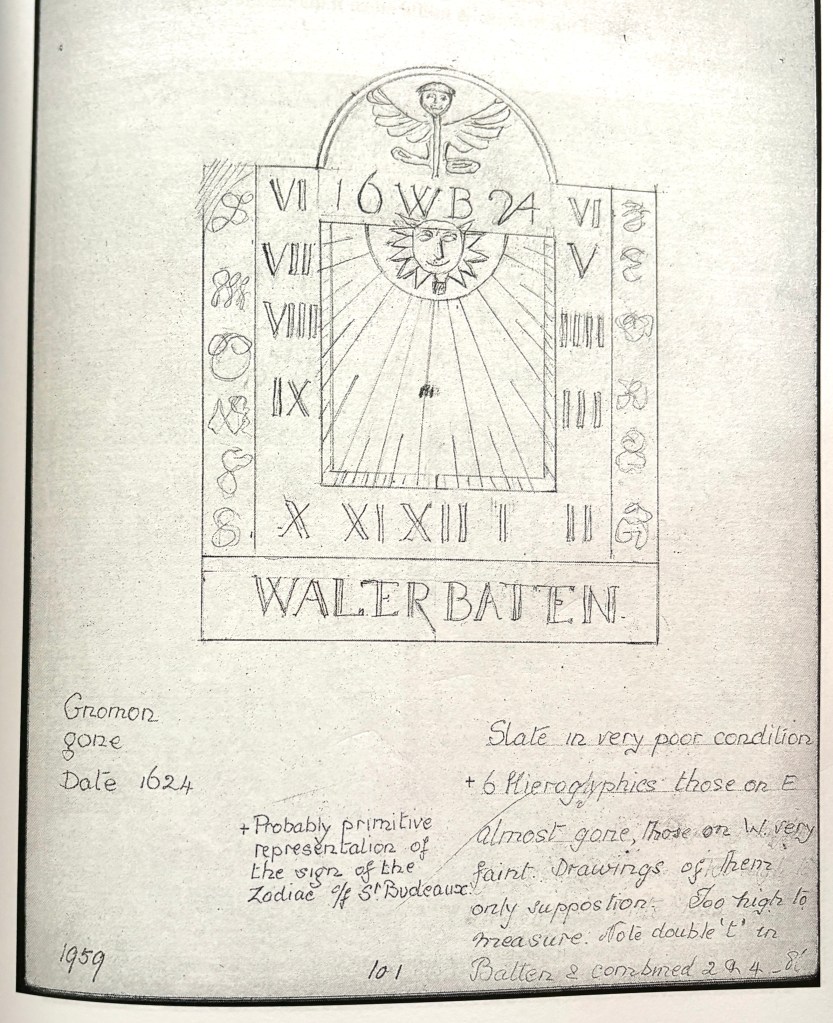
Between about 1950 – 1965, Mrs Jeanie Crowley undertook the massive task of recording dozens of church sundials in Cornwall and Devon. With great skill, she made detailed and accurate pencil drawings of each dial. In most cases she gave other details – measurements, unusual features, damage etc. For St Michael, this includes ‘gnomon gone’, suggesting that the present one is relatively recent. This would explain the hole below. She also suggests a ‘primitive’ Zodiac link.

Fortunately, St Michael was included in her survey, drawn in 1959. Mrs Crowley’s notes are your guide. 60 years later a powerful lens confirms them.
All photos by our friend John Renner, to whom much thanks for enabling this post.

Ref. Mrs Crowley’s Sundial Sketchbooks of Devon & Cornwall, edited by John Lester. 386pp. British Sundial Society; The Antiquarian Horological Society
WOOL . DORSET . Holy Rood

HOLY ROOD . WOOL . DORSET

G II* C13 origins; enlarged in C15; rebuild / extensive renovation late C19. The church is hard to find in the thick fleece of modern Wool. It is S of the station, with a smallish sign directing you up a country lane that is a no through road. After your visit, you’ll be straight back into modern life. 50.6776 / -2.2172 / SY847864

DIAL

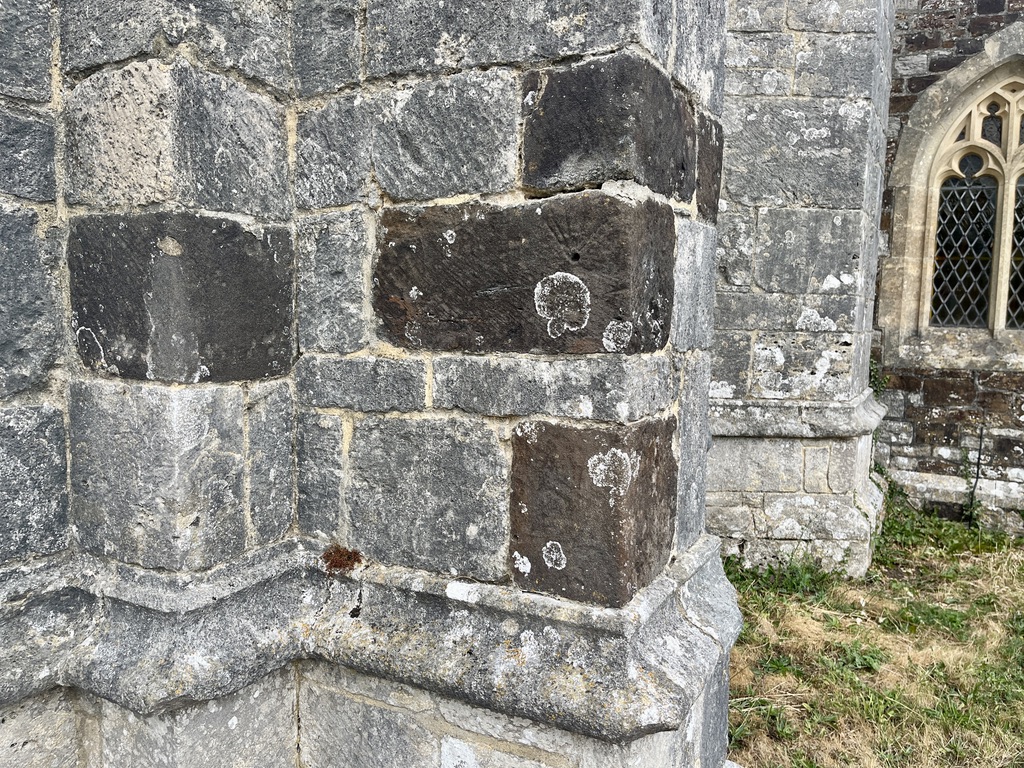
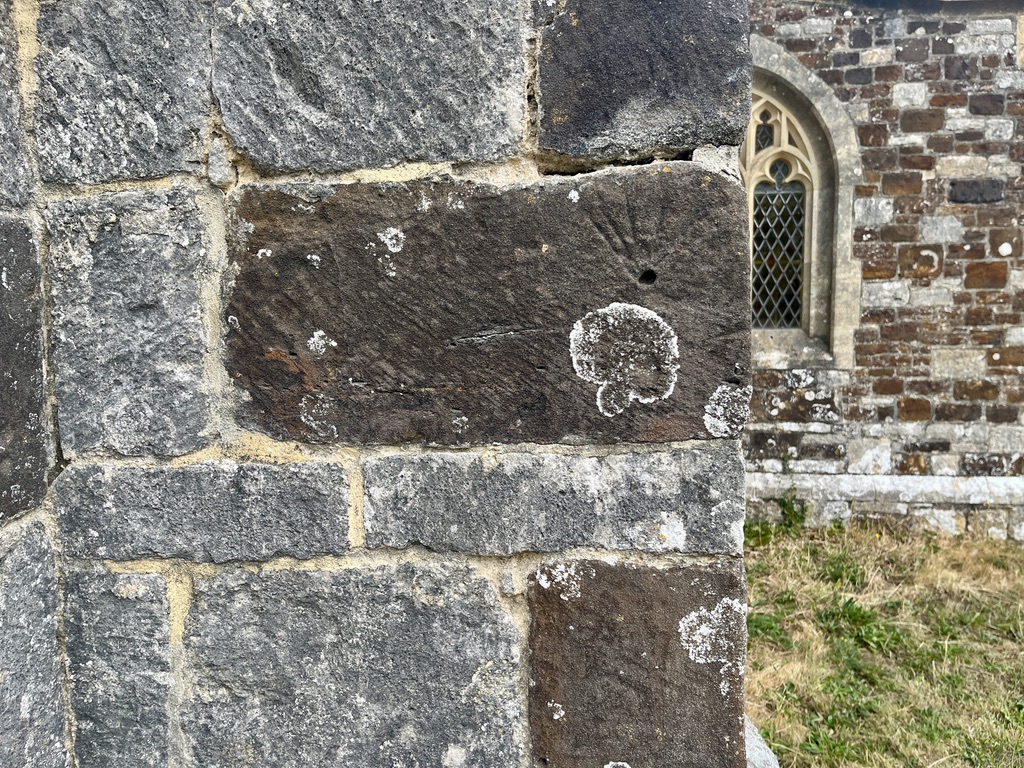
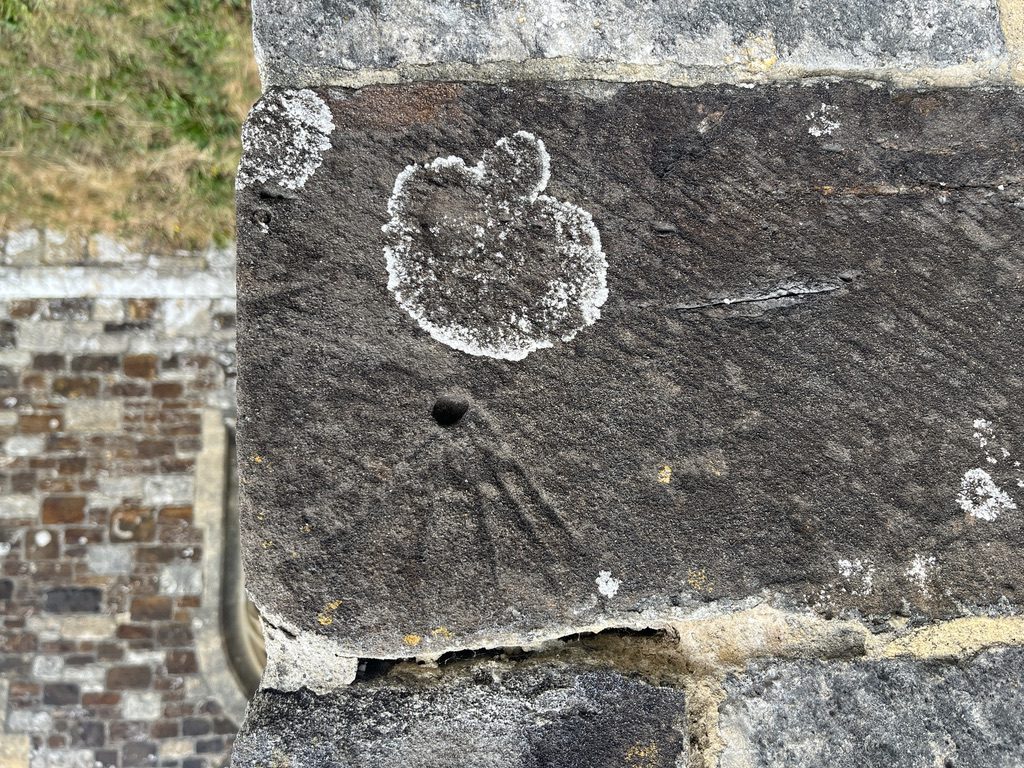
At some stage during work on the church, a dozen or so black stones were used at W end, as the photo above shows. On one of these, on W side of the buttress, is a simple dial cut into the black stone and inverted.

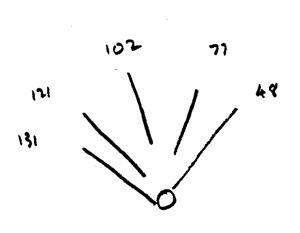
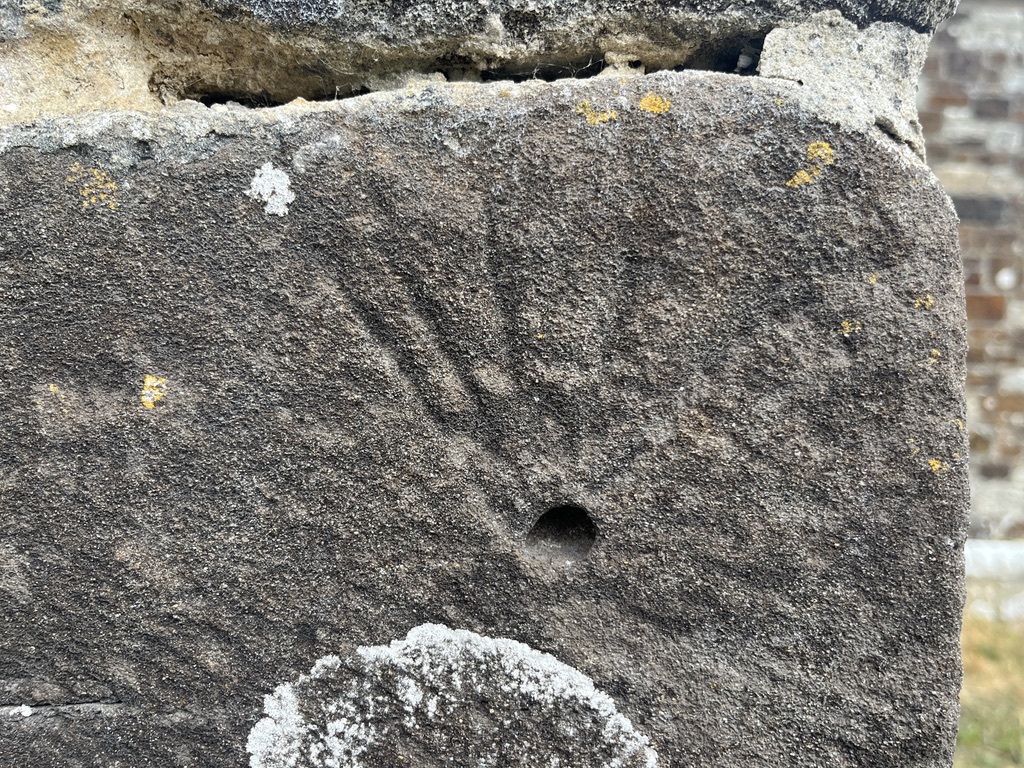
The dial has 5 upward-facing radials

DIAL REVERTED

The dial, reverted, suggests from the deeper cut radials LRQ that originally the time of observance was in the afternoon.

GSS Category: Inverted Dial; Reverted Dial (image); W facing Dial

All photos Keith Salvesen / Rolling Harbour

PATTINGHAM . STAFFORDSHIRE . St Chad’s – Baluster Dial 1818

Pattingham . St Chad’s

ST CHAD’S . PATTINGHAM . STAFFS

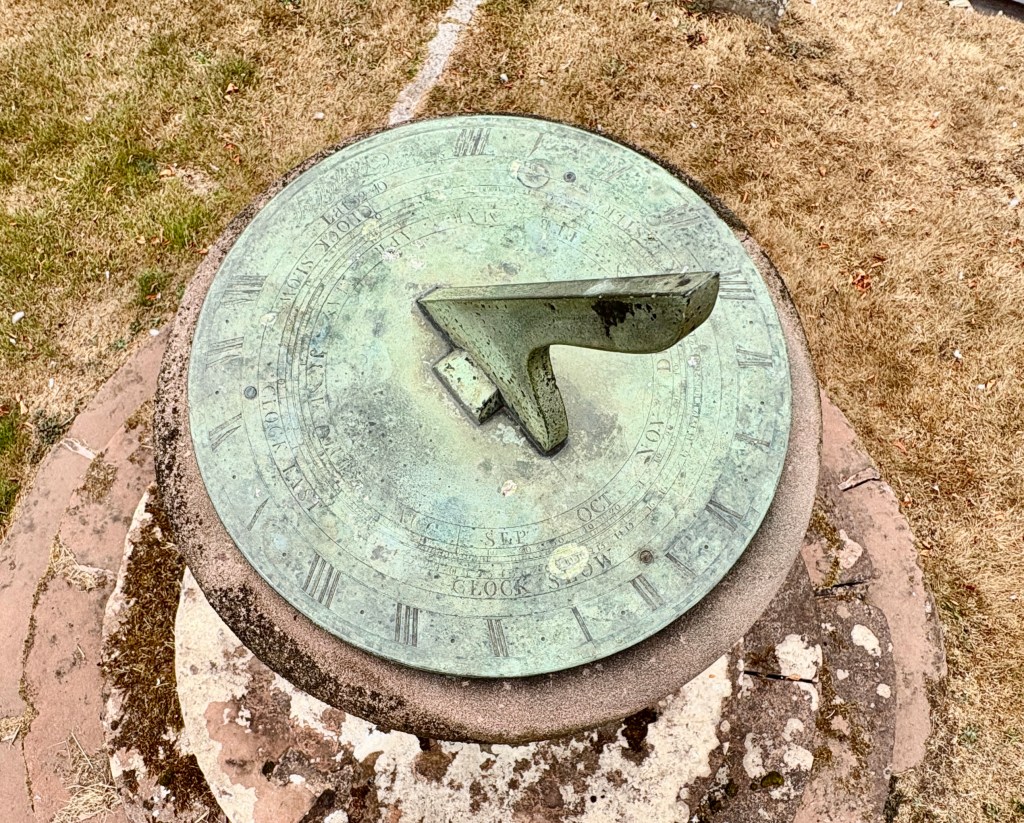
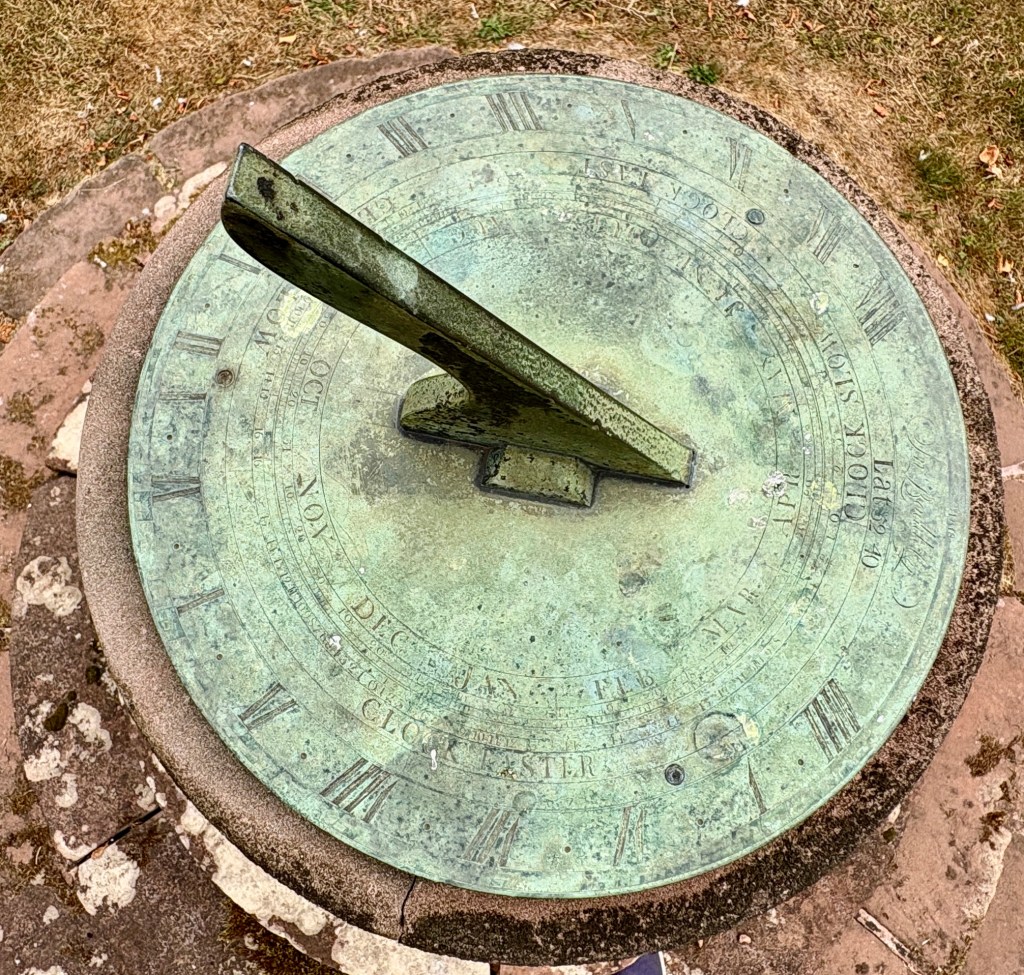
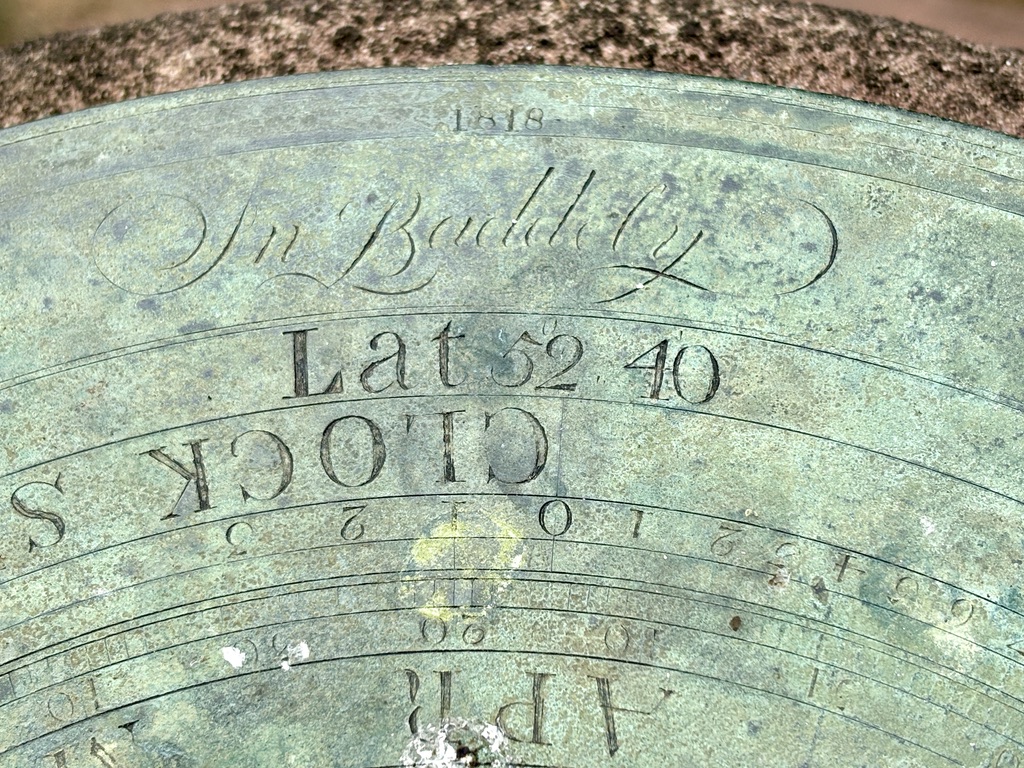
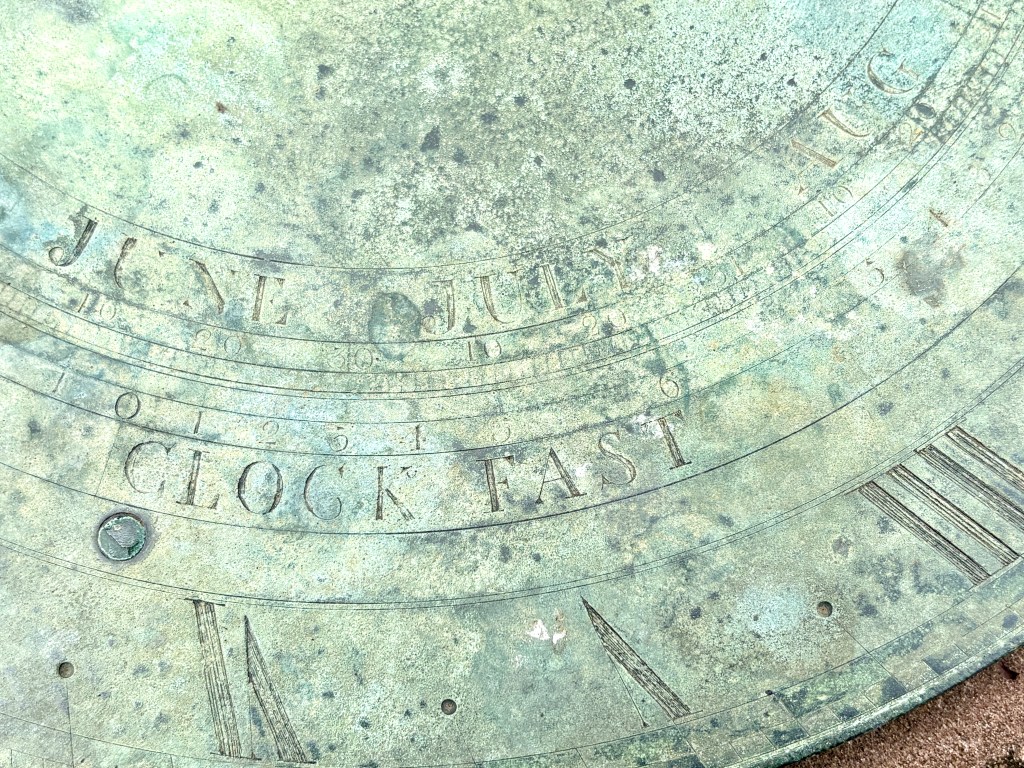
BALUSTER DIAL 1818

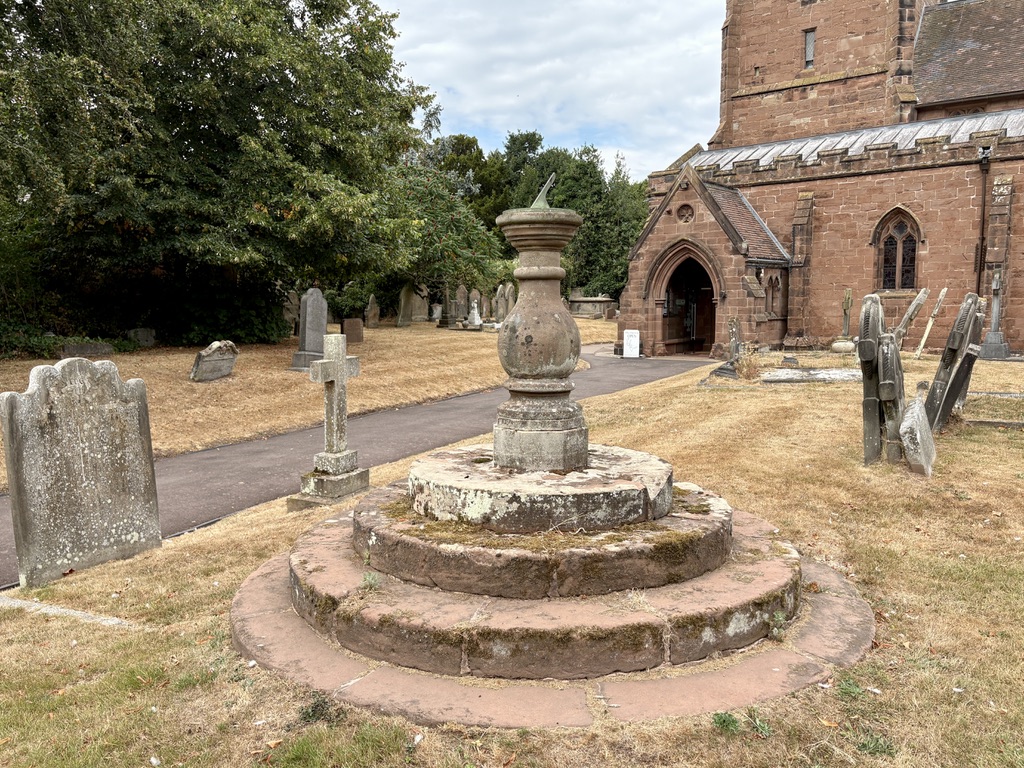
GRADE II* Late C12 – C14; rebuilt mid-C17 after fire; extensive restoration late C19 (G Scott). In addition to scratch dials [see https://gaudiumsubsole.org/2026/09/] there is a very fine baluster sundial in the Churchyard, dated 1818. Mid-way between Bridgnorth and Wolverhampton. 52.5898  -2.2657  SO820991

DIAL


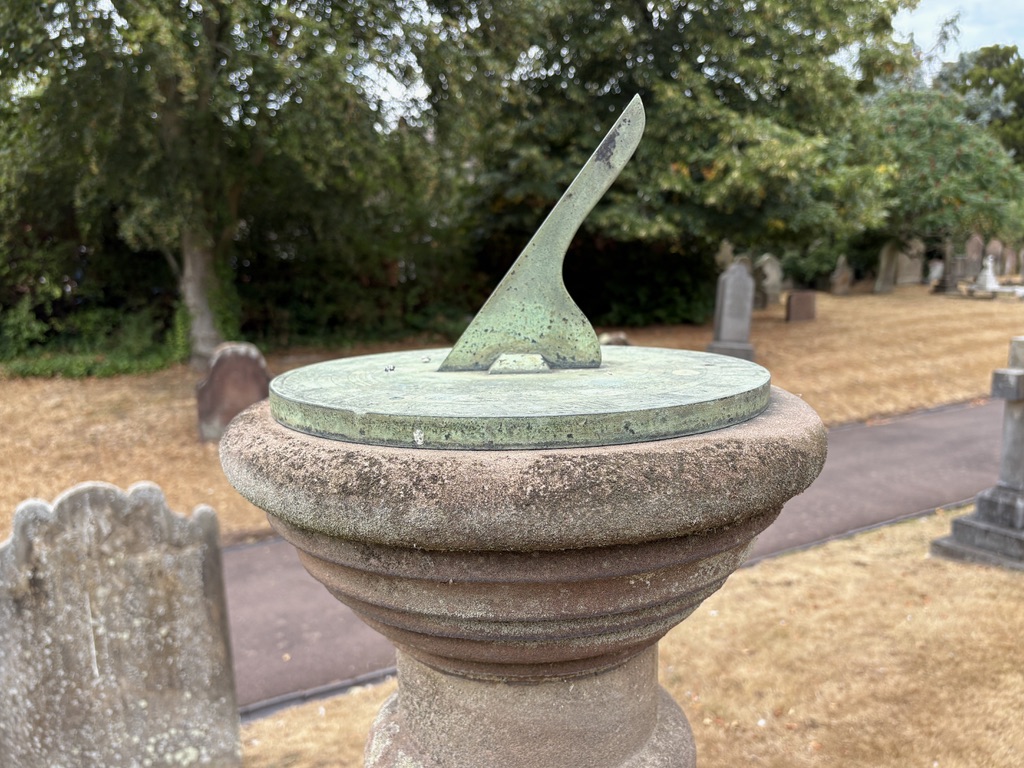
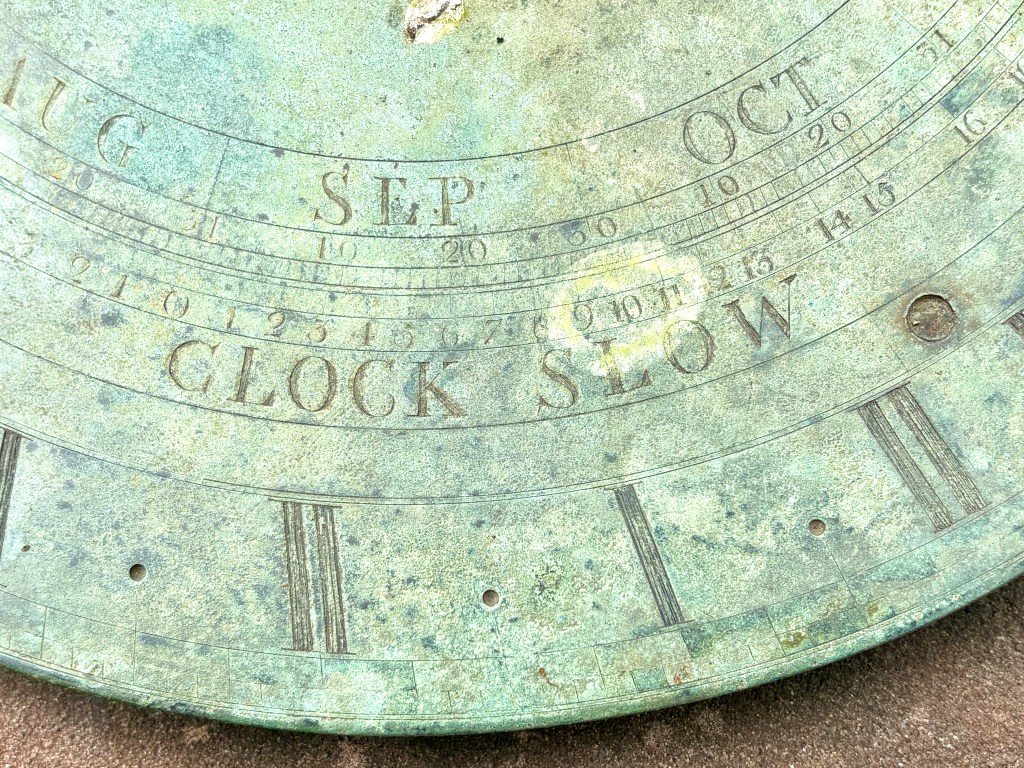
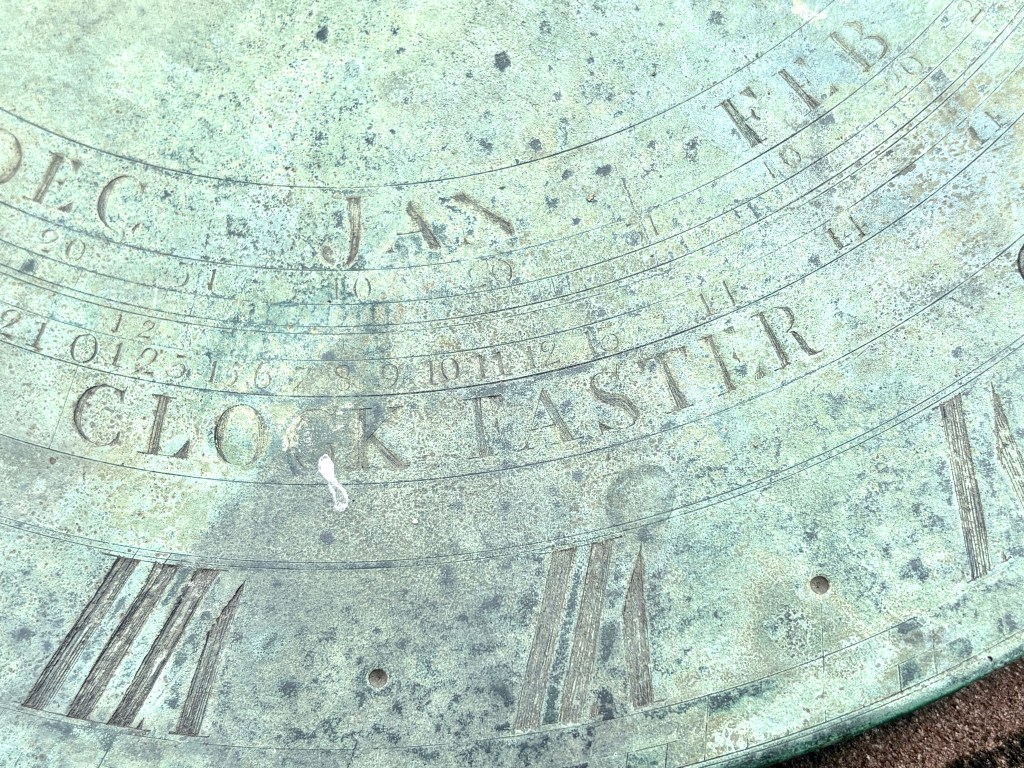
This fine dial seems to be in very good condition. It is a ‘Baddeley’ dial dated 1818, so not made by the pre-eminent John who died in 1804. Those more skilled in dial interpretation than I will, I think, enjoy it. I haven’t been able to work out how the clock speed works.

THE CLOCK SPEEDS

GSS Category: Baluster dial; Pedestal dial; Baddeley dial maker; Clock reader

All photos: Keith Salvesen / Rolling Harbour

PATTINGHAM . STAFFORDSHIRE . St Chad’s . Scratch Dials

Pattingham . St Chad’s

ST CHAD’S . PATTINGHAM . STAFFS

SCRATCH DIALS

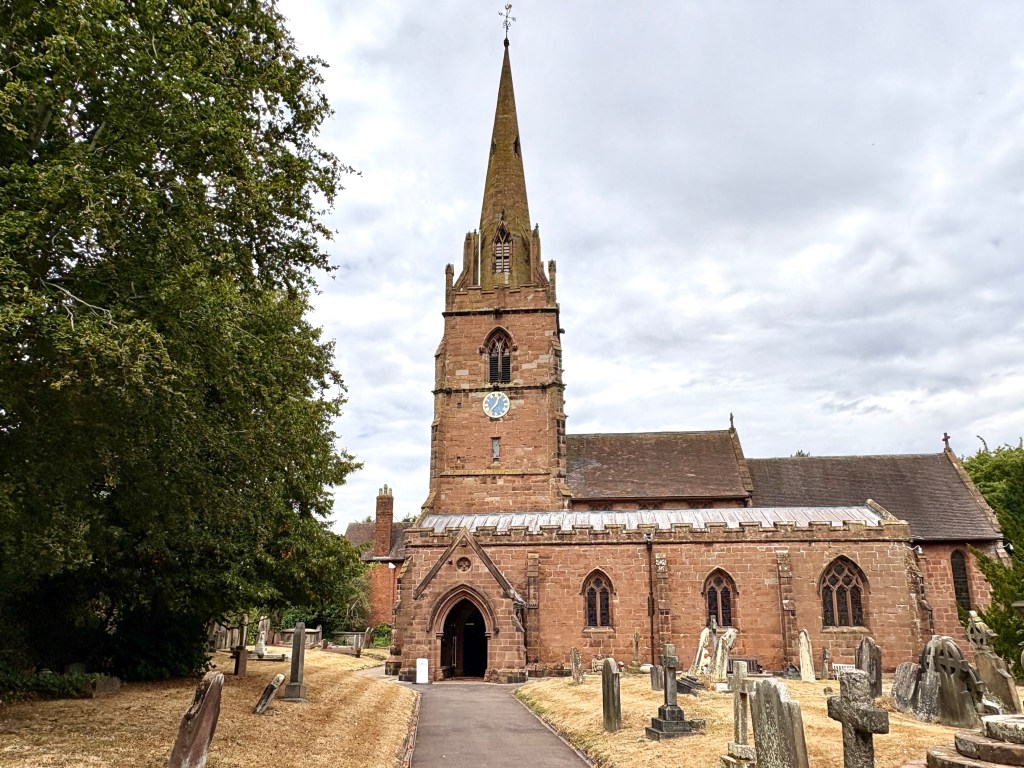
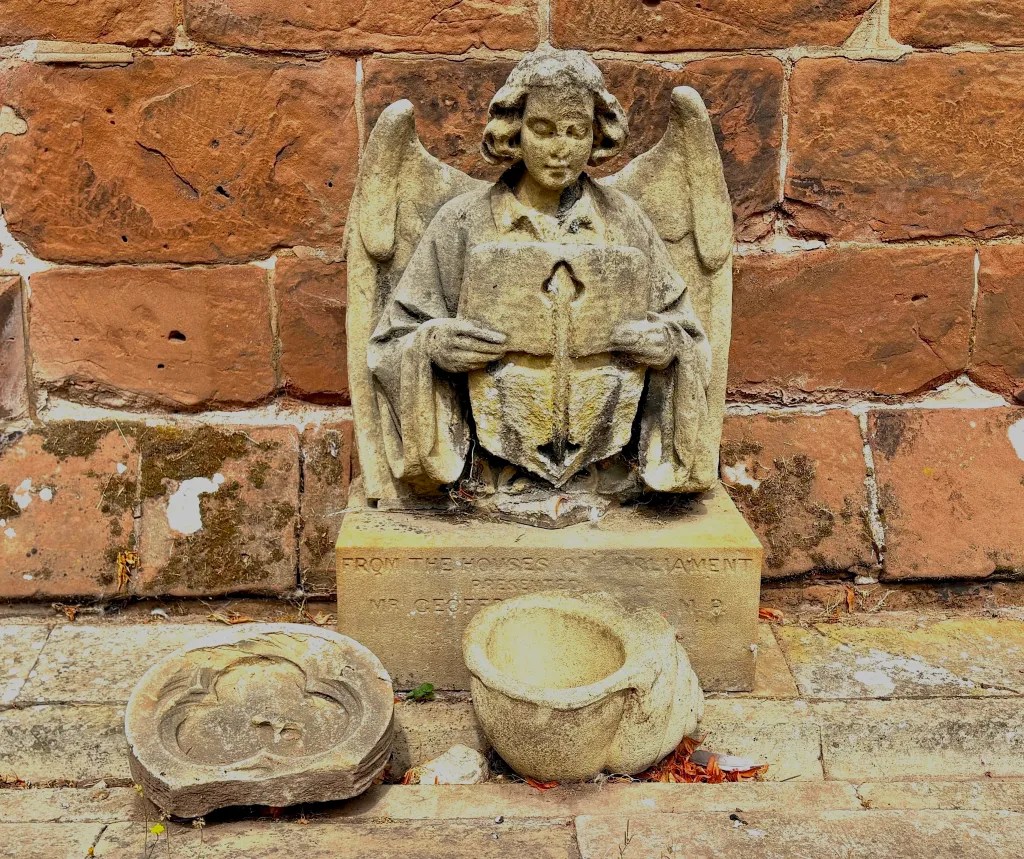
GRADE II* Late C12 – C14; rebuilt mid-C17 after fire; extensive restoration late C19 (G Scott). A lovely church with plenty to admire. PEV has a small but enthusiastic entry. In addition to scratch dials, there is a very fine baluster sundial in the Churchyard, dated 1818 that will be written up separately in the relevant section. On the ground in front of S wall is the bust of an angel, formerly an adornment of the Houses of Parliament. Mid-way between Bridgnorth and Wolverhampton. 52.5898  -2.2657  SO820991


DIALS

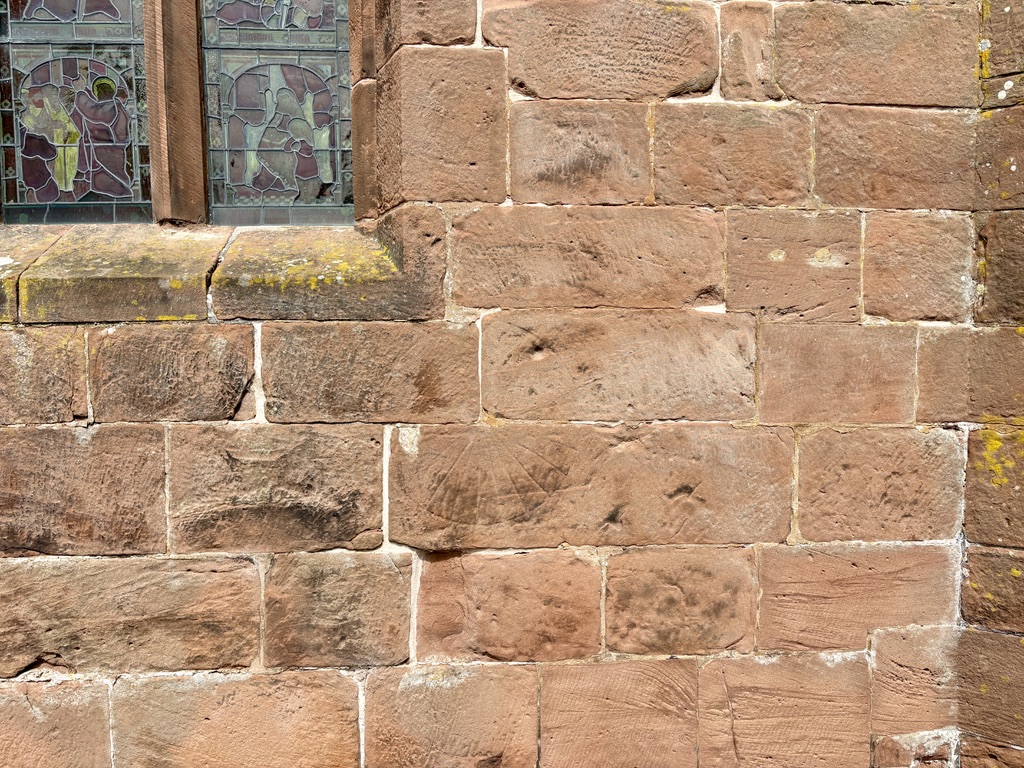
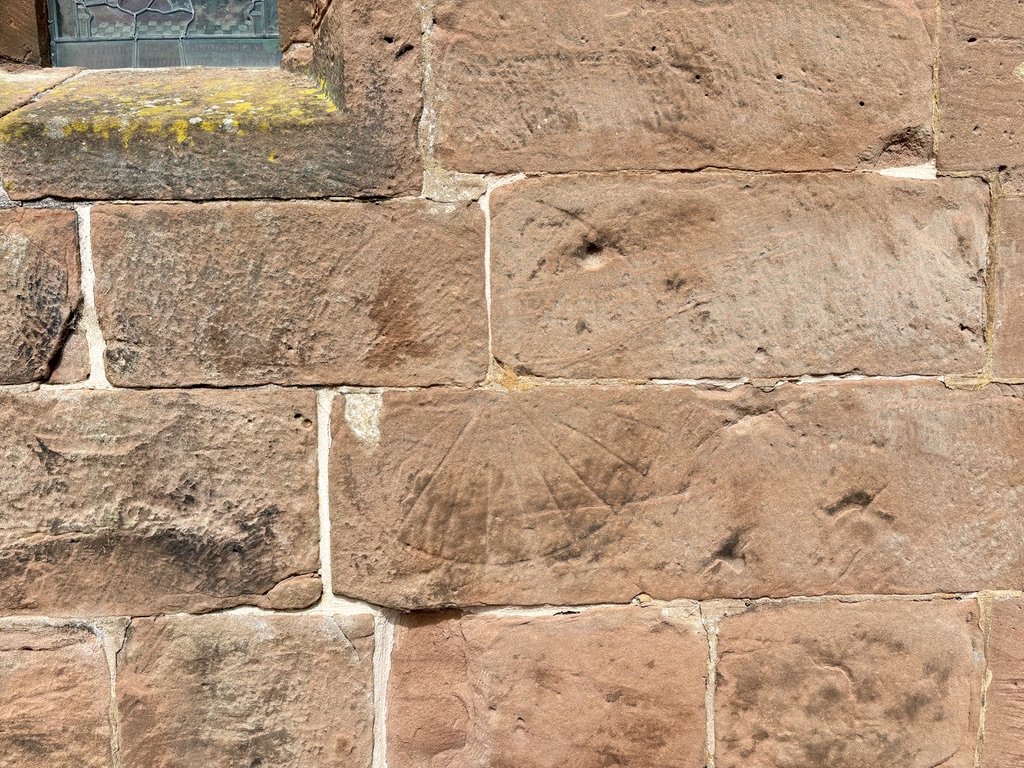
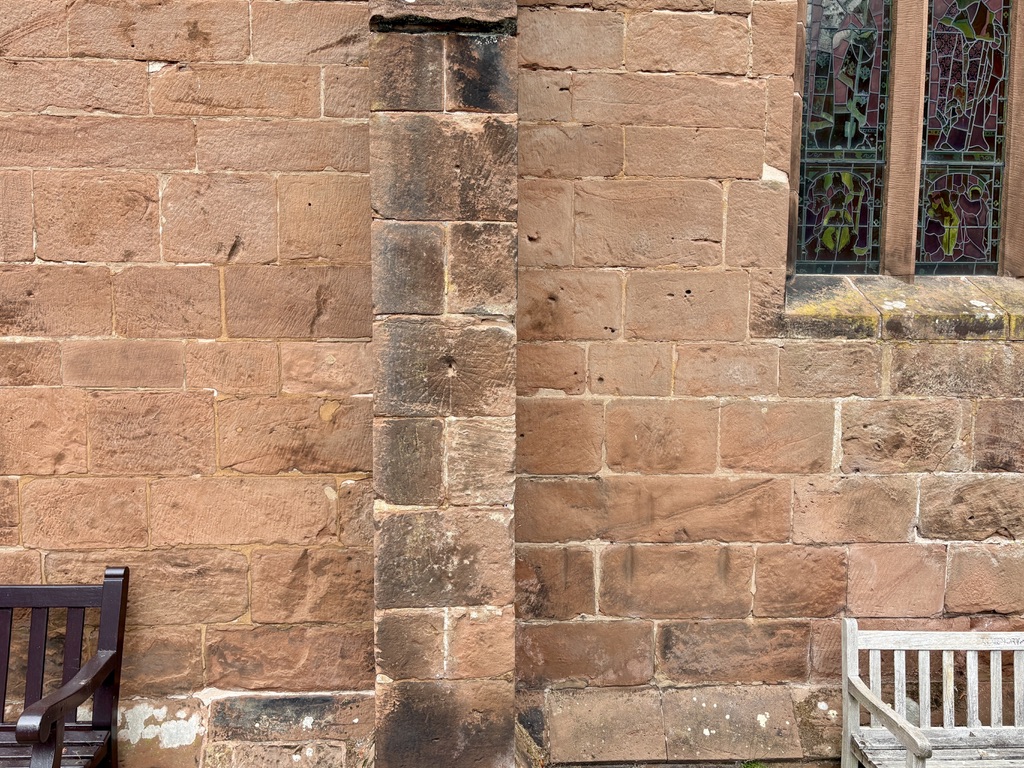
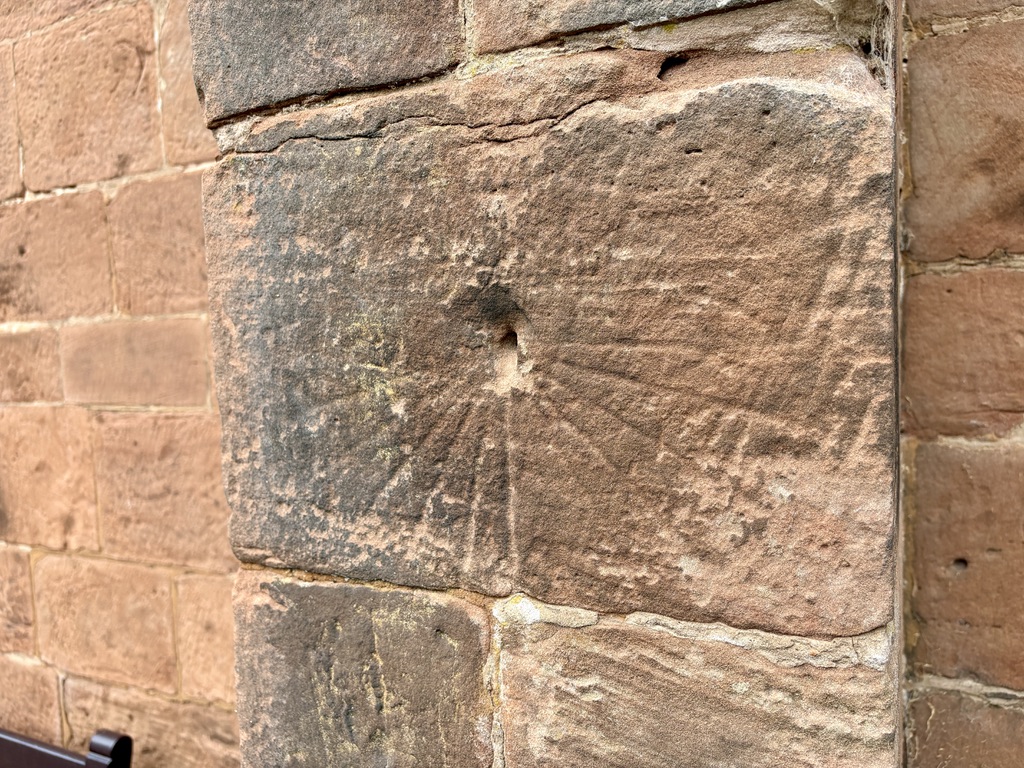
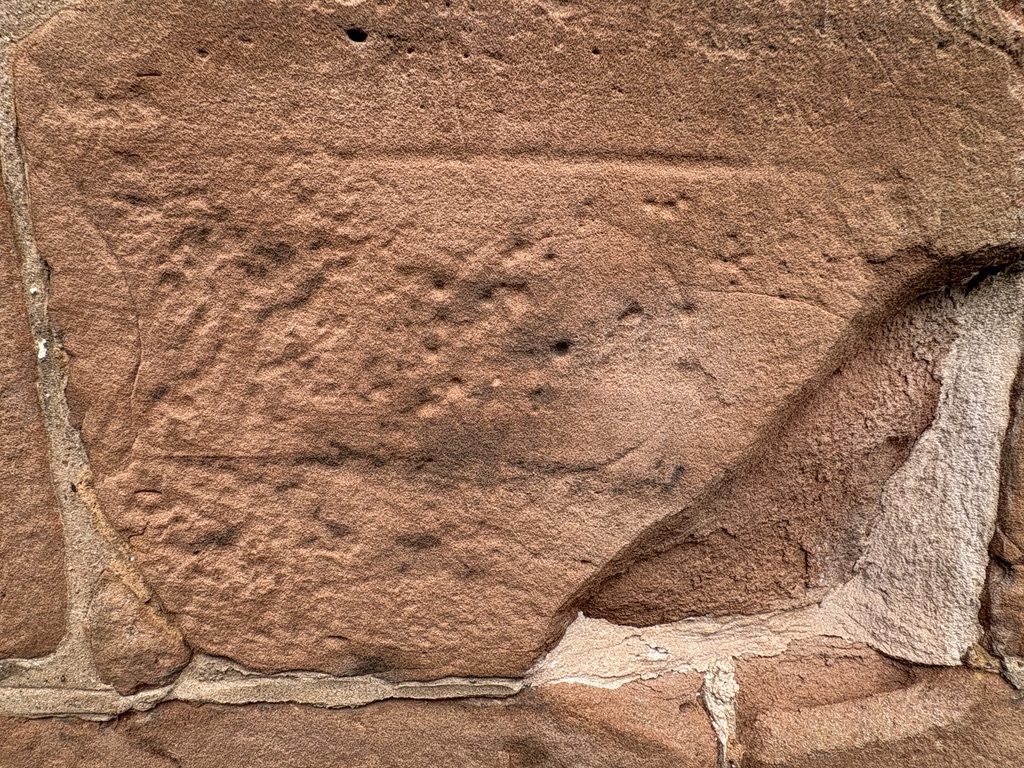
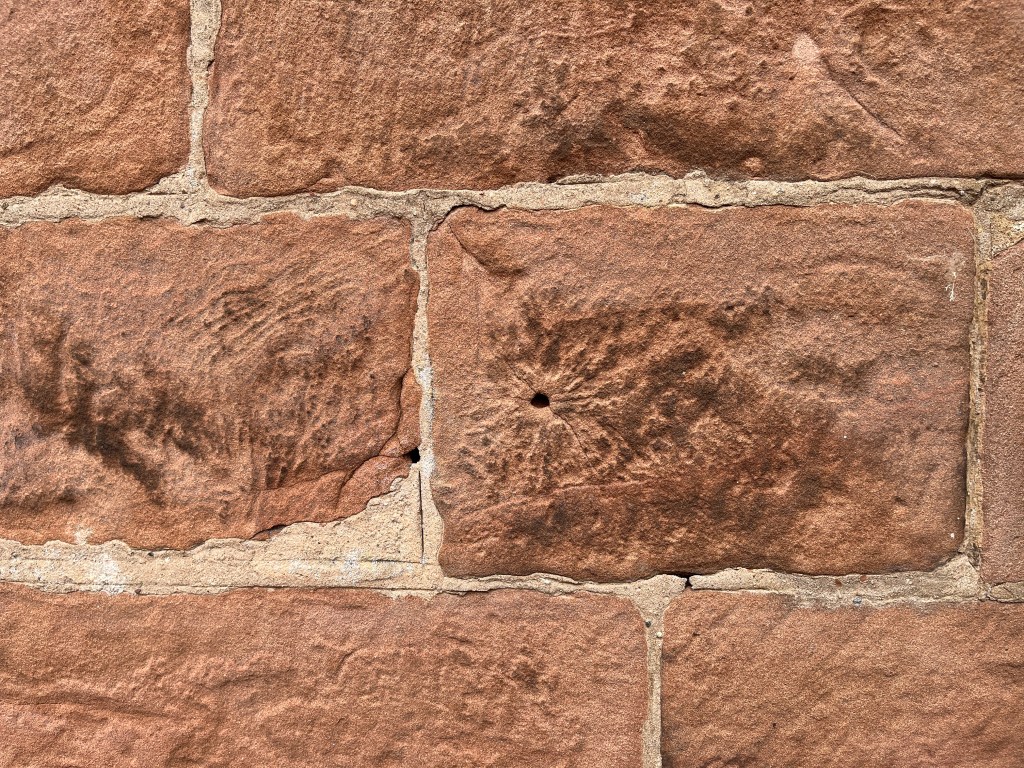
St Chad’s has 2 fine dials on S wall – large, clear-cut, and easy to see. In another area of S wall, I found a small design that is plausibly a simple dial – a small circle with a hole at the centre. Nearby was a less convincing design that I discounted. For the excellent Baluster Dial (1818) in the churchyard, see https://gaudiumsubsole.wordpress.com/wp-admin/post.php?post=25027&action=edit

DIAL 1

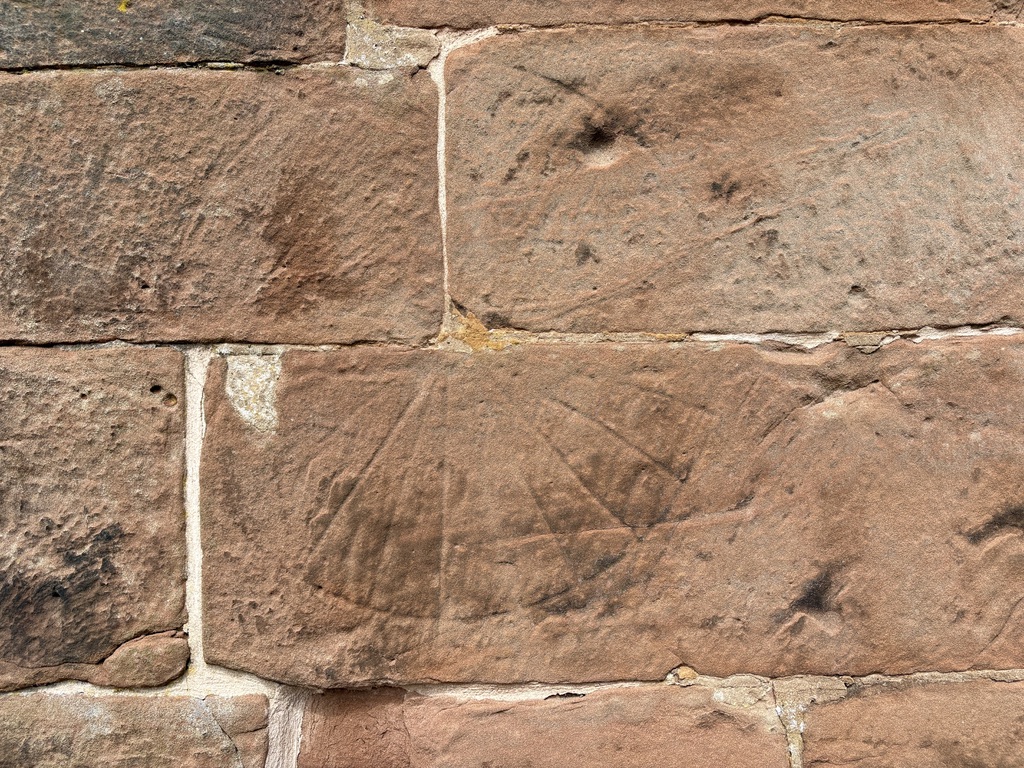
Located at E end of S wall. Large, covering 3 stones. A full circle split horizontally by the mortar-line. The upper half has no radials or other marks dial-ish marks. Probably the large, deep hole URQ has nothing to do with the dial. The gnomon hole in the mortar line and the area round it is significantly damaged.

The lower half is a ‘6-to-6’ dial, below which 8 radials are clear. The deeper cut line at mid-morning may indicate the significant time of day for observance at this church.

DIAL 2

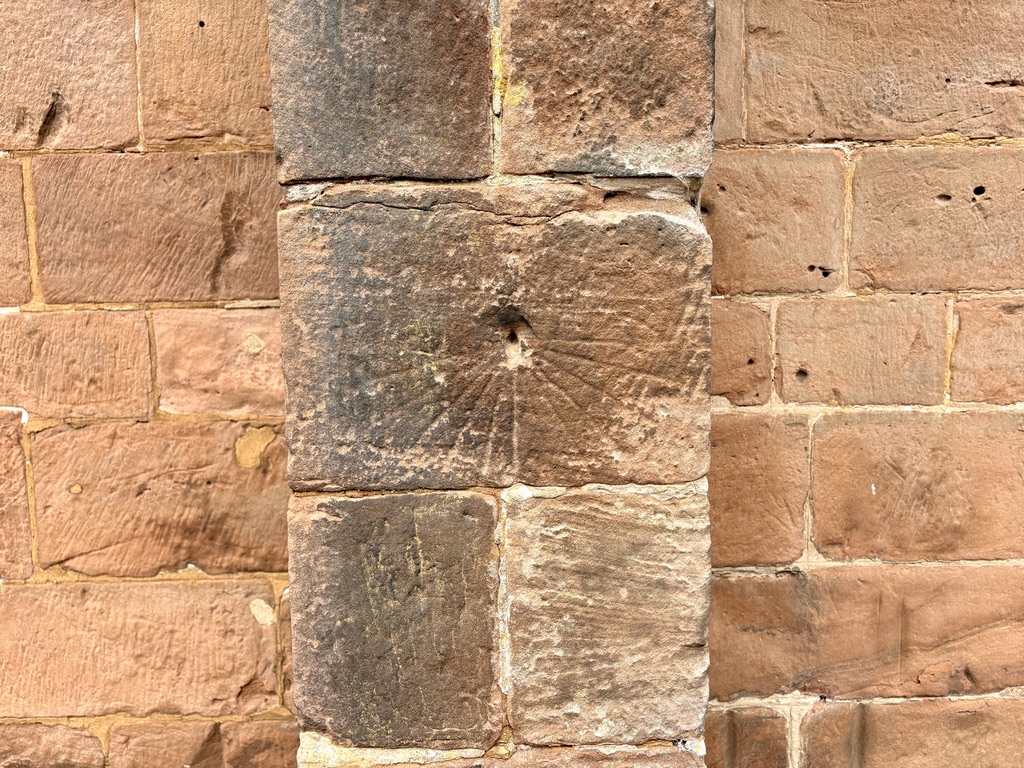
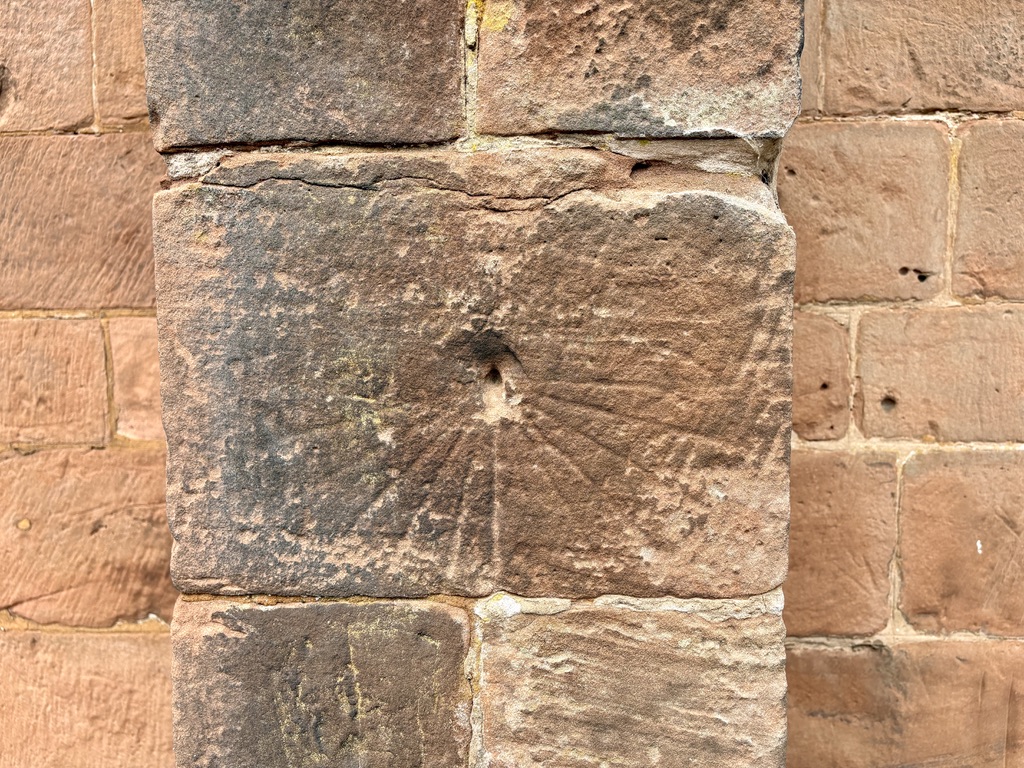
A very visible buttress dial, cut into a single stone. The style hole is (almost) at the centre, and has been enlarged over time (on purpose rather by corrosion). The position and spacing of the radials is unusual, making the dial significantly asymmetric. There are 5 lines visible LLQ, then the noon line, then five more LRQ. There are faint suggestions of other, eroded lines, but overall the dial lacks the symmetry one might expect.

DOUBTFUL