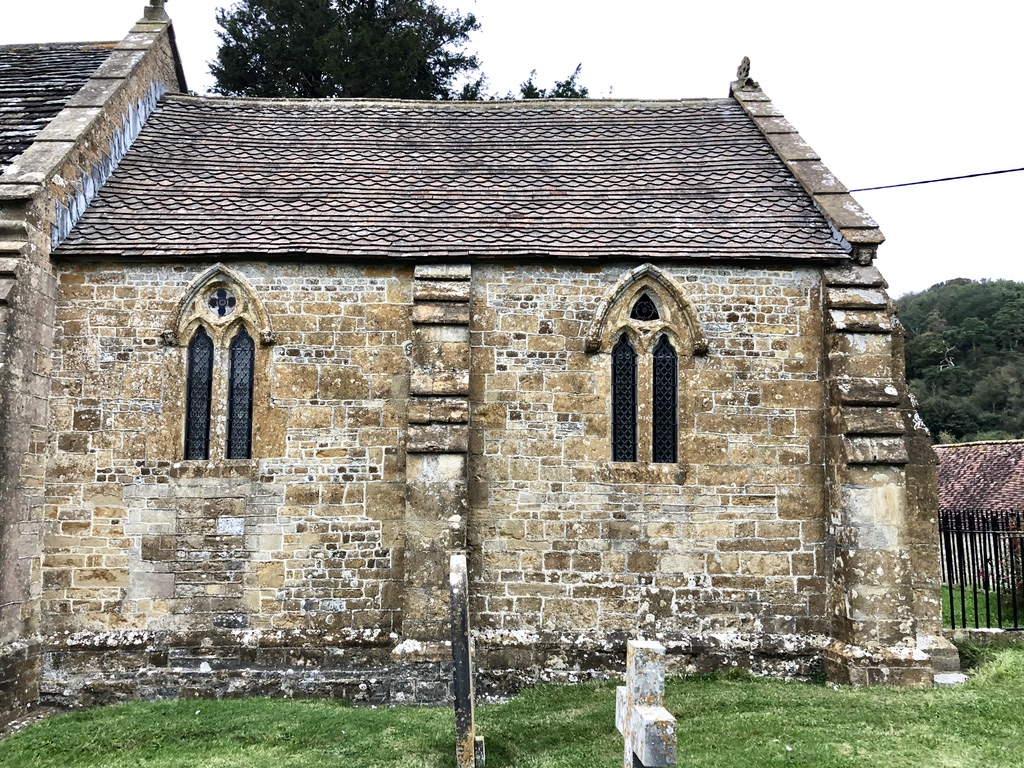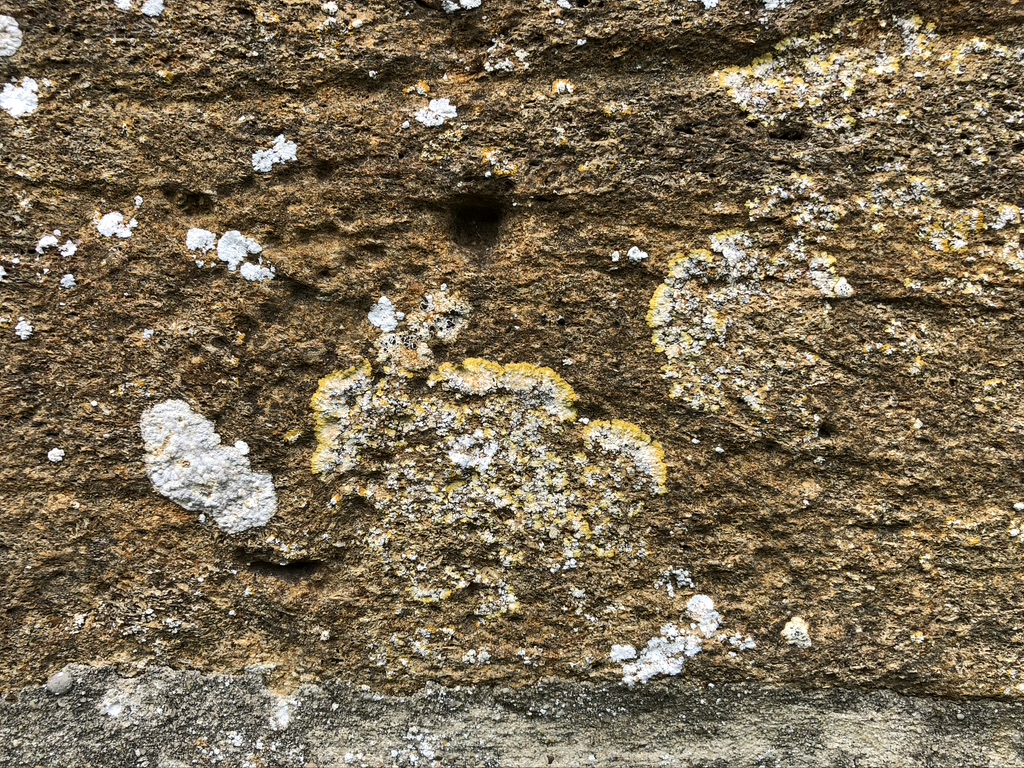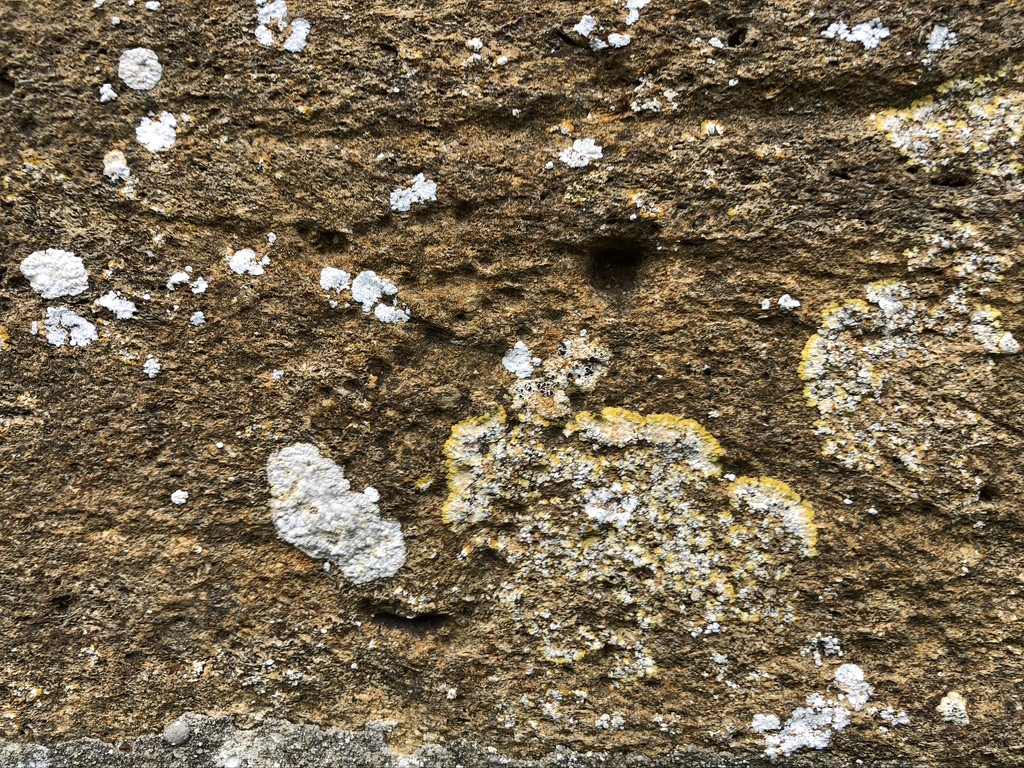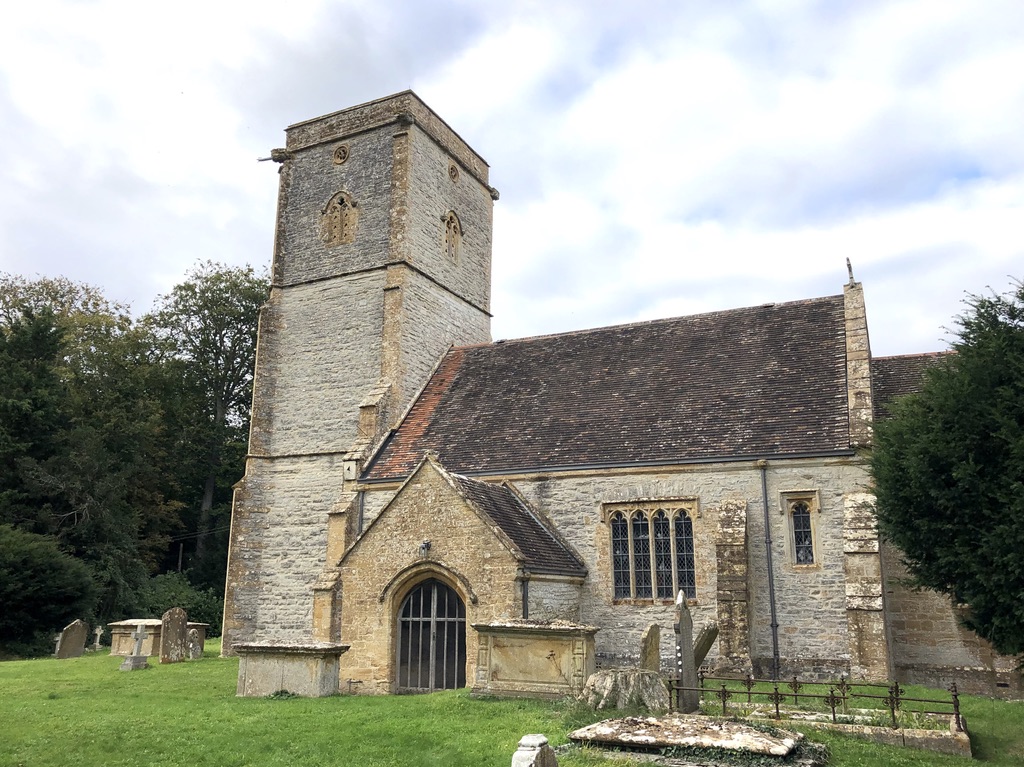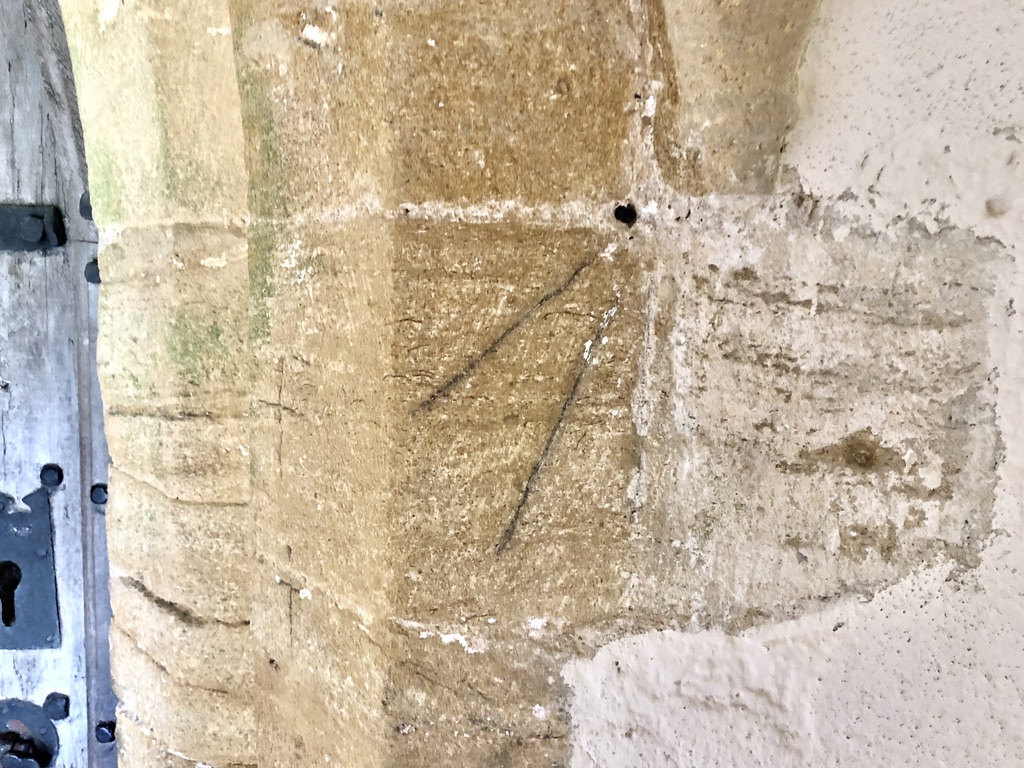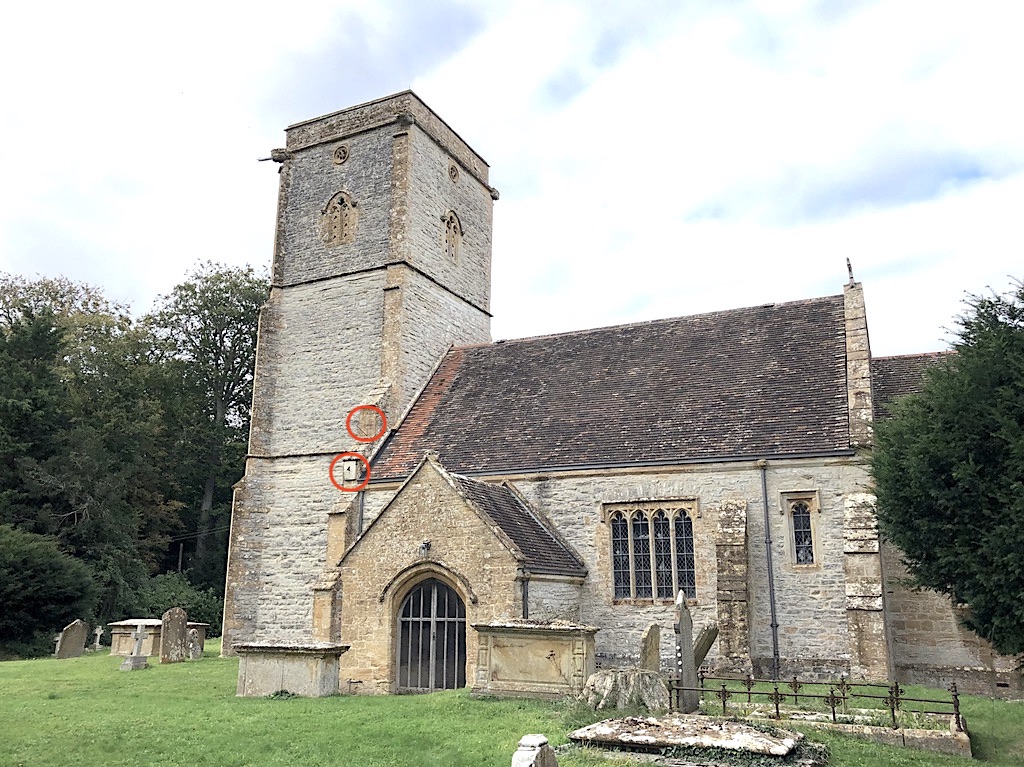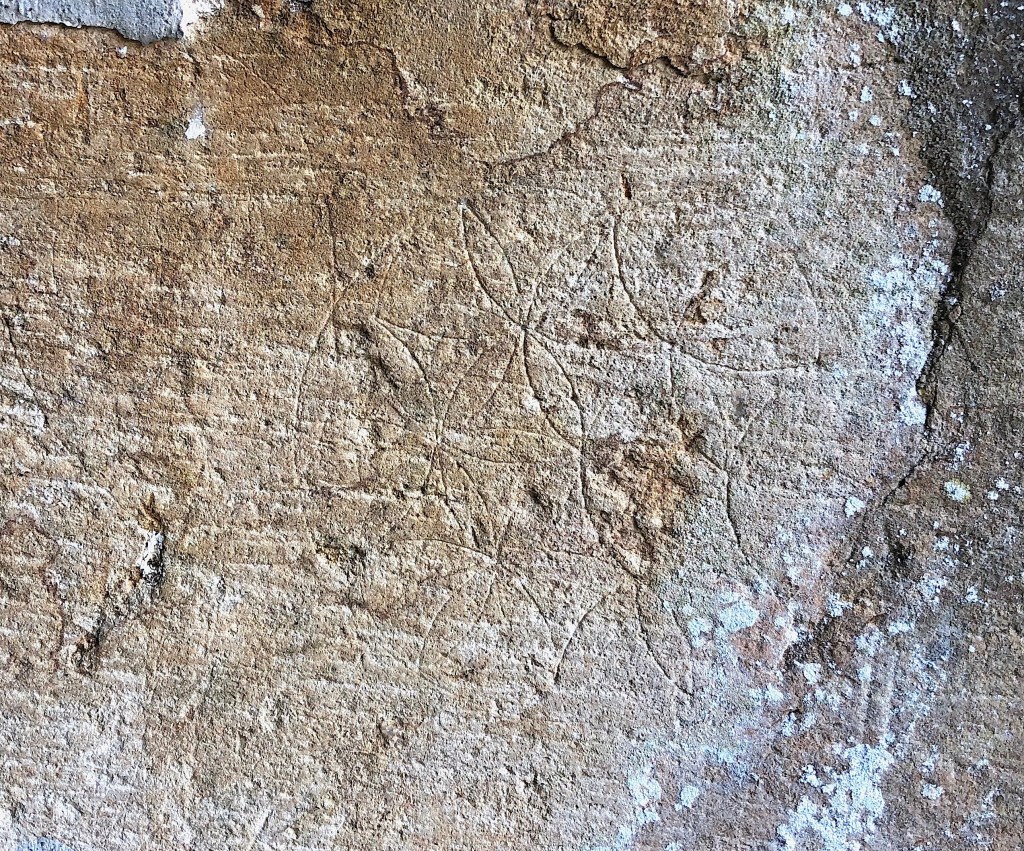
STOKE-sub-HAMDON . SOM . ST MARY THE VIRGIN – 4 scratch dials

St Mary the Virgin . Stoke-sub-Hamdon . Som

ST MARY THE VIRGIN . STOKE-sub-HAMDON . SOM

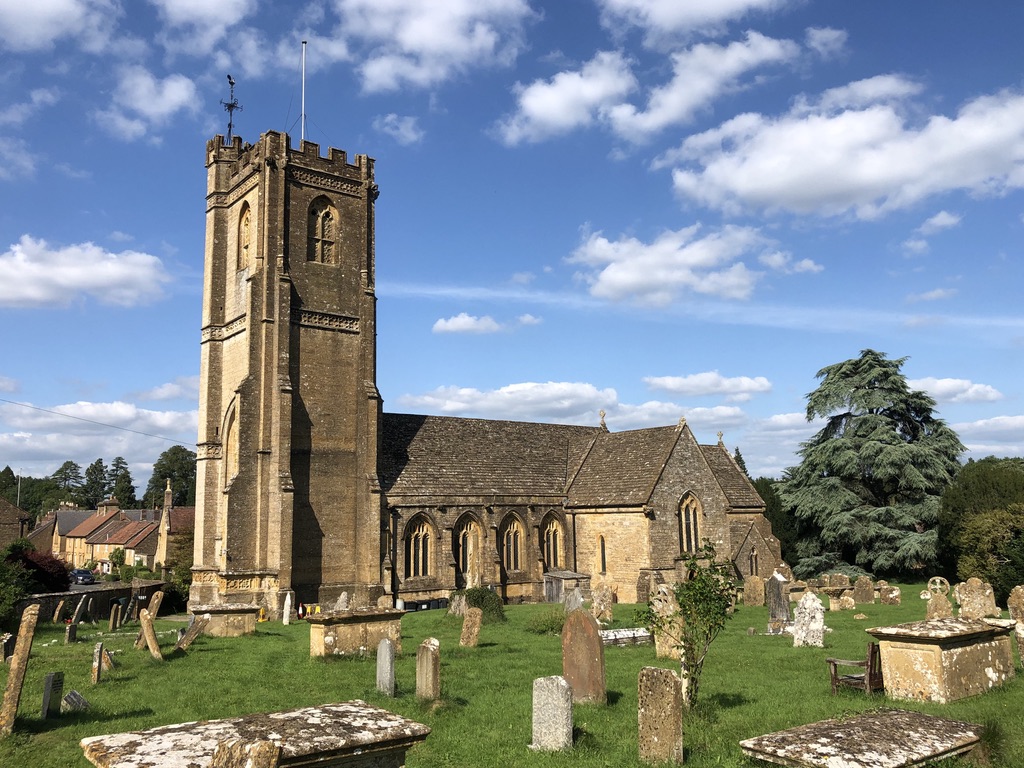
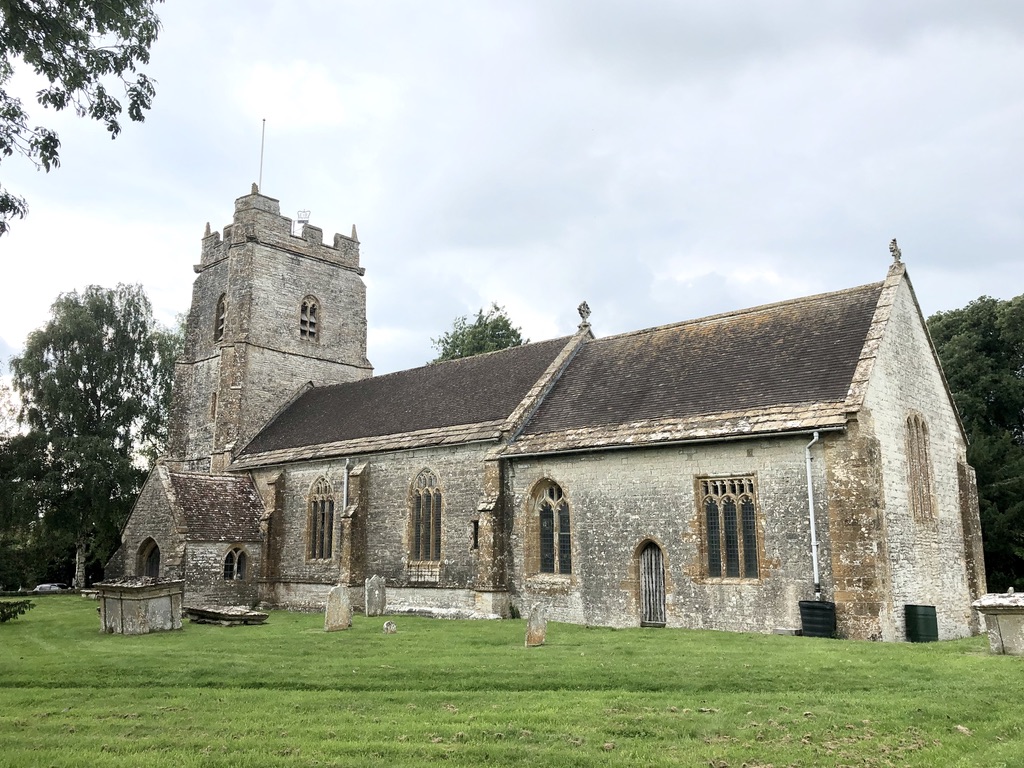
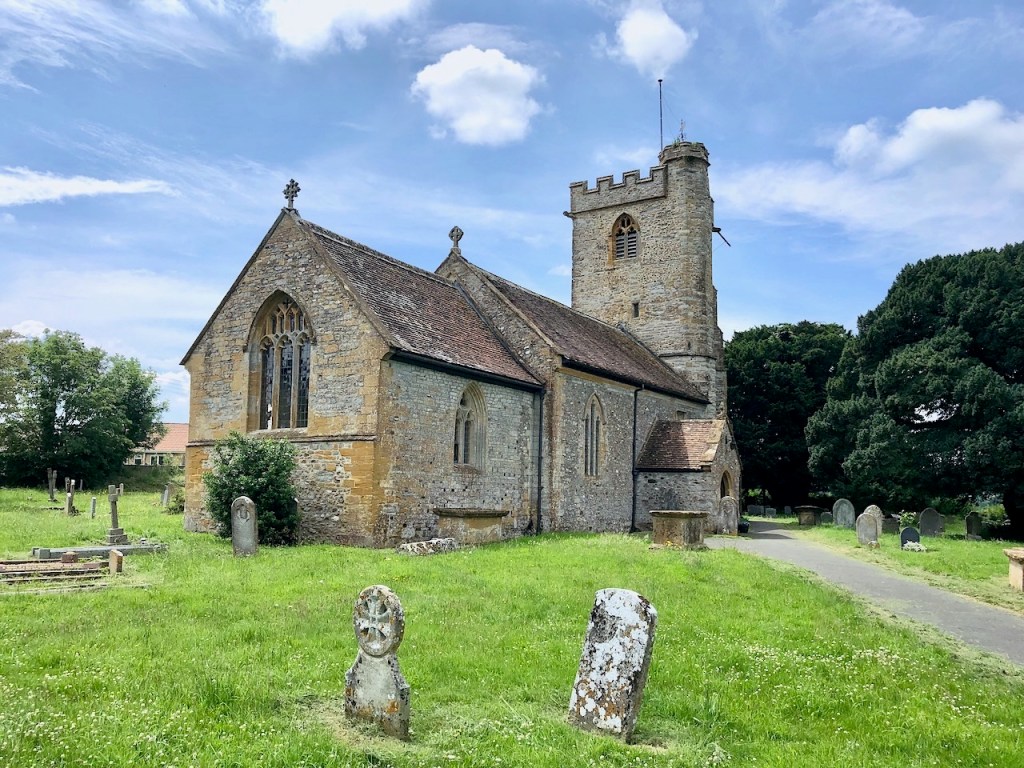
GRADE I † C12 origins (Chancel c1100), C13 et seq, restored 1862. A pleasingly geometric church in a fine setting below Ham Hill, the Iron Age hill fort where the original stone for the Norman church was quarried. Close to Montacute House (NT) and St Catherine Montacute. 50.9526 /  -2.7361 /  ST483172

DIALS

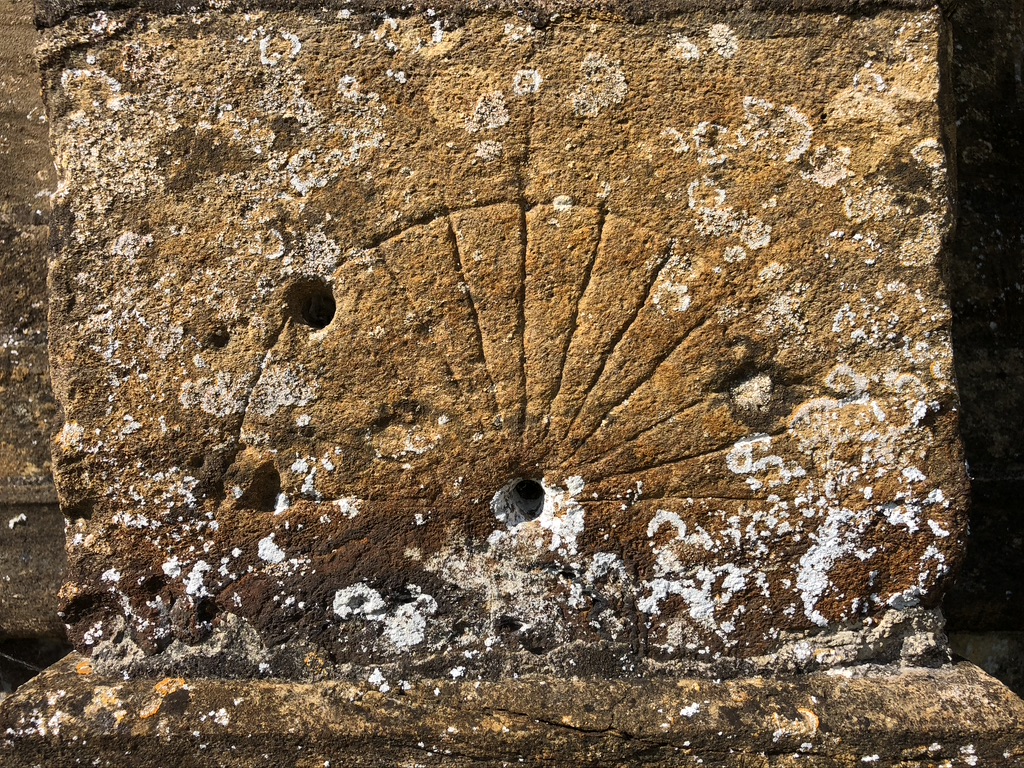
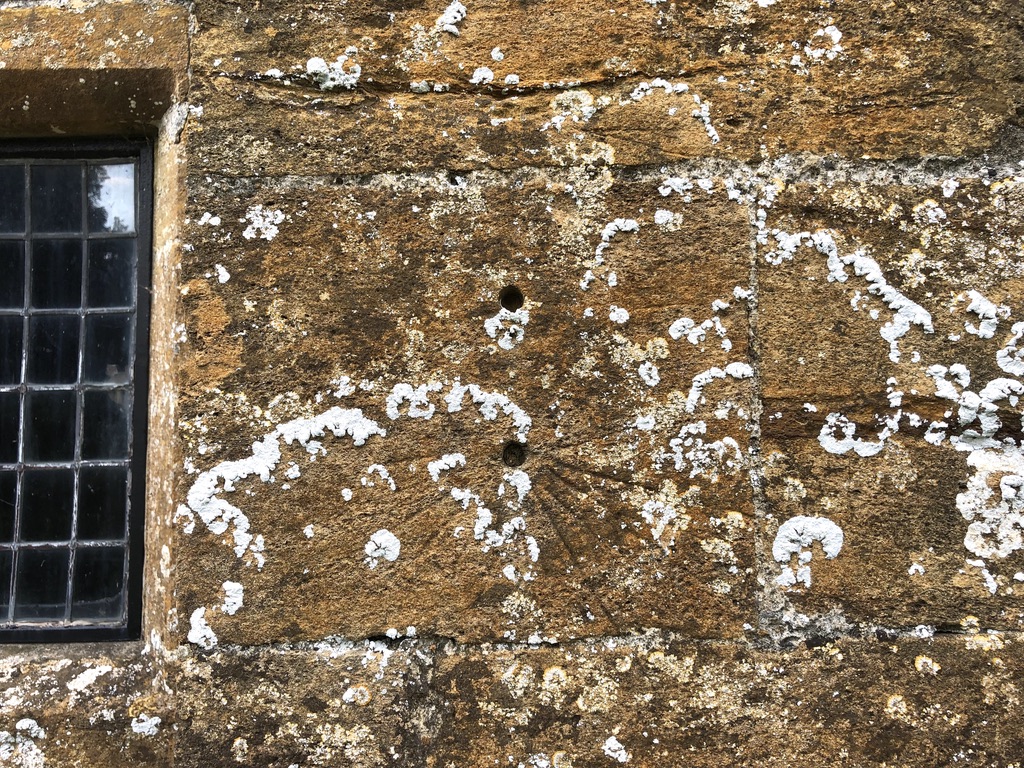
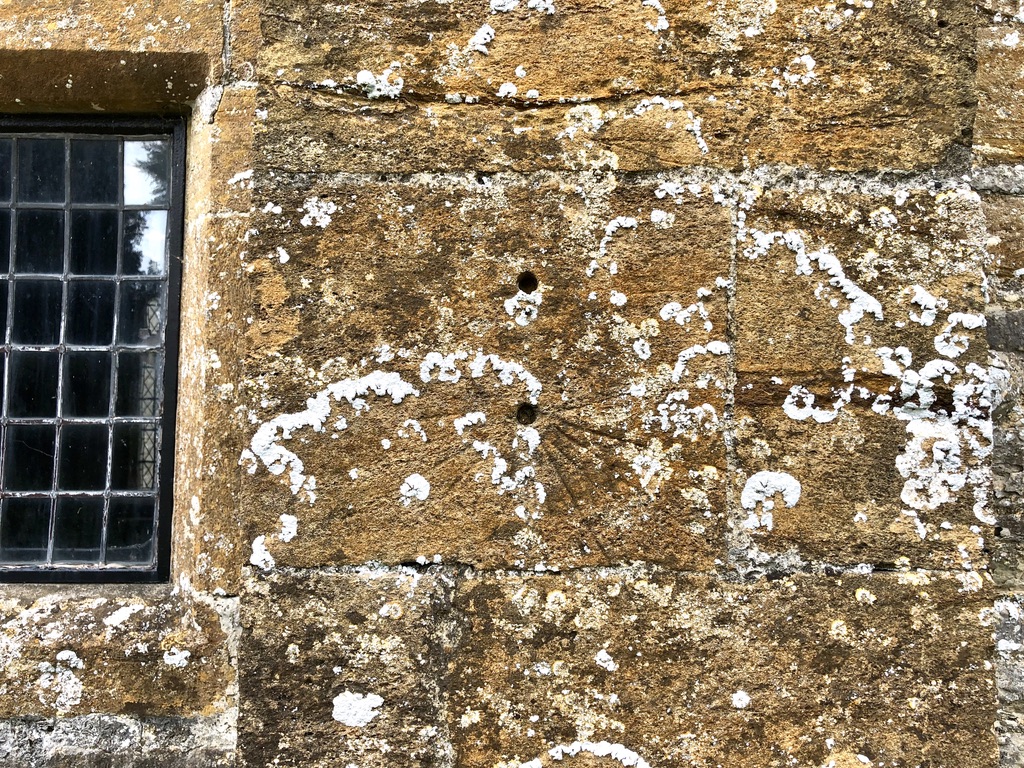
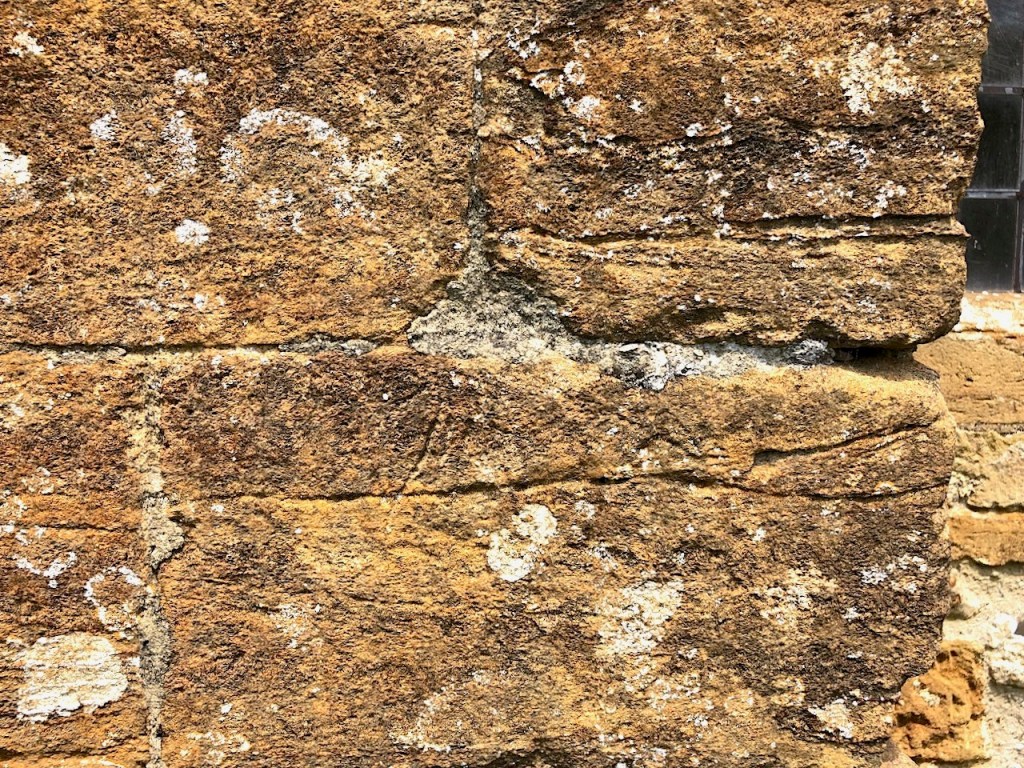
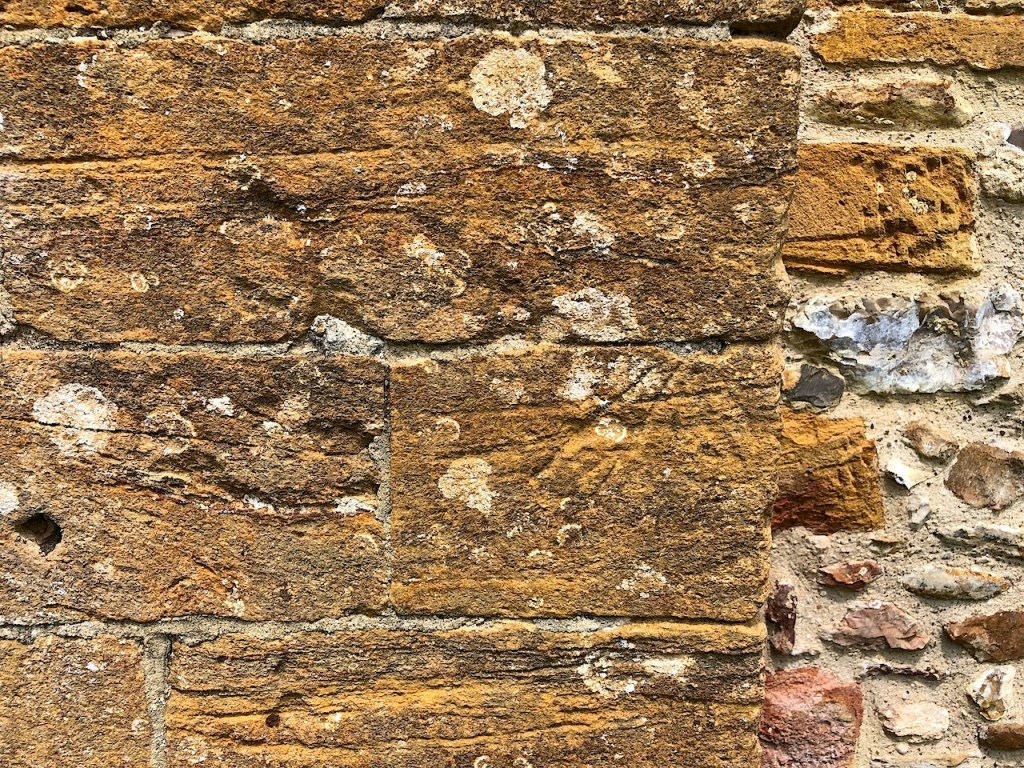
St Mary has 4 dials on the S. side, all of different types and all quite easily found. The different styles and levels of sophistication on a single church reflect the development of scratch dials with increasing scientific knowledge, and their continuing usefulness to the church and the community.

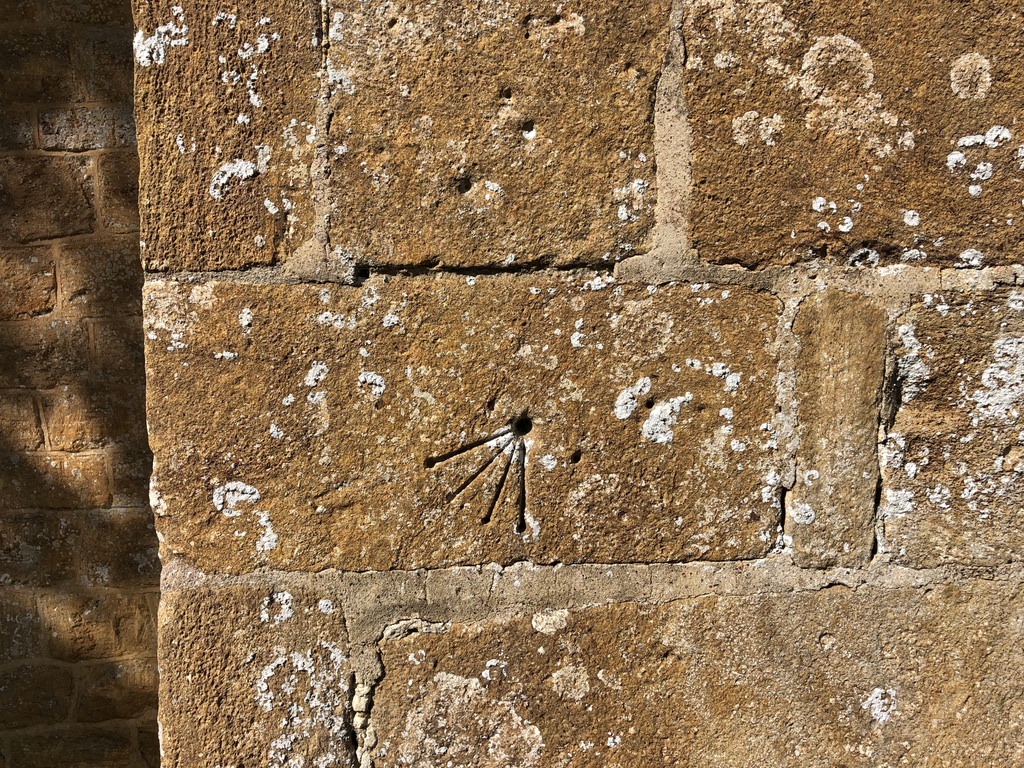
DIAL 1
St Mary the Virgin . Stoke-sub-Hamdon . Som – Scratch Dial 1

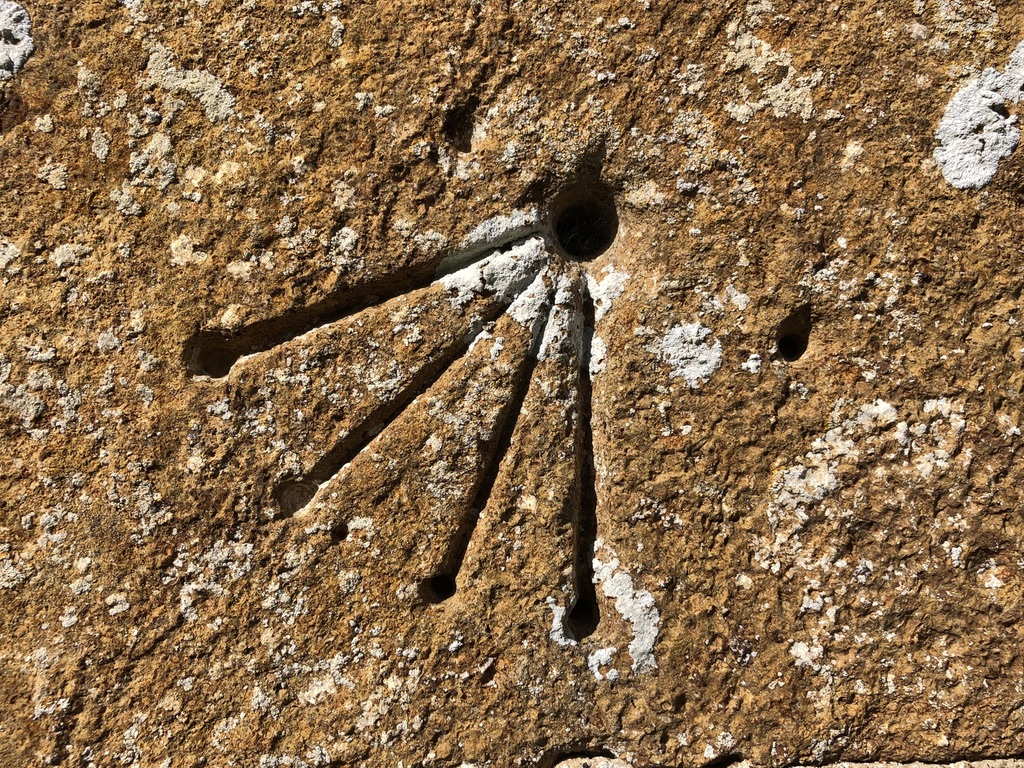
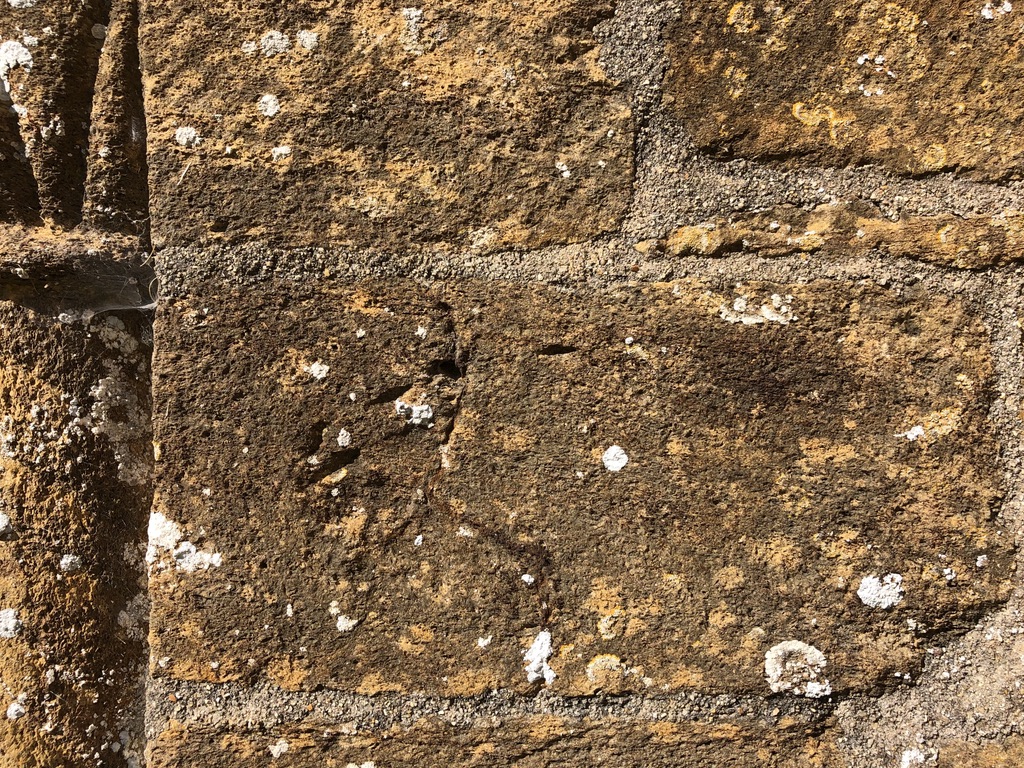
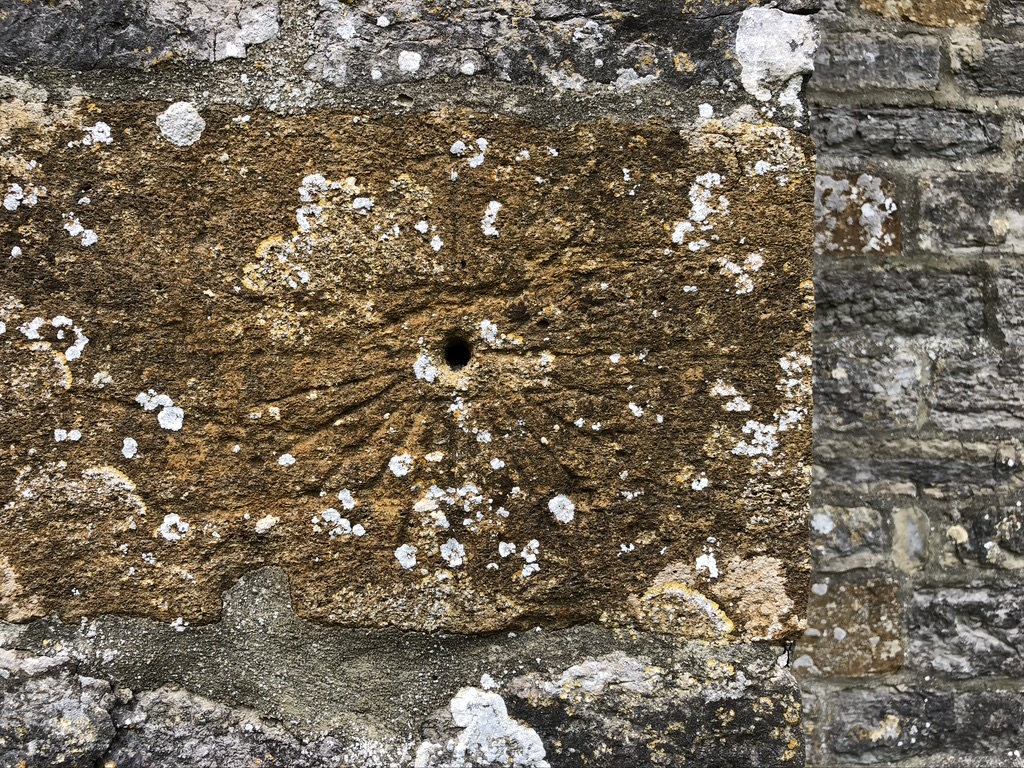
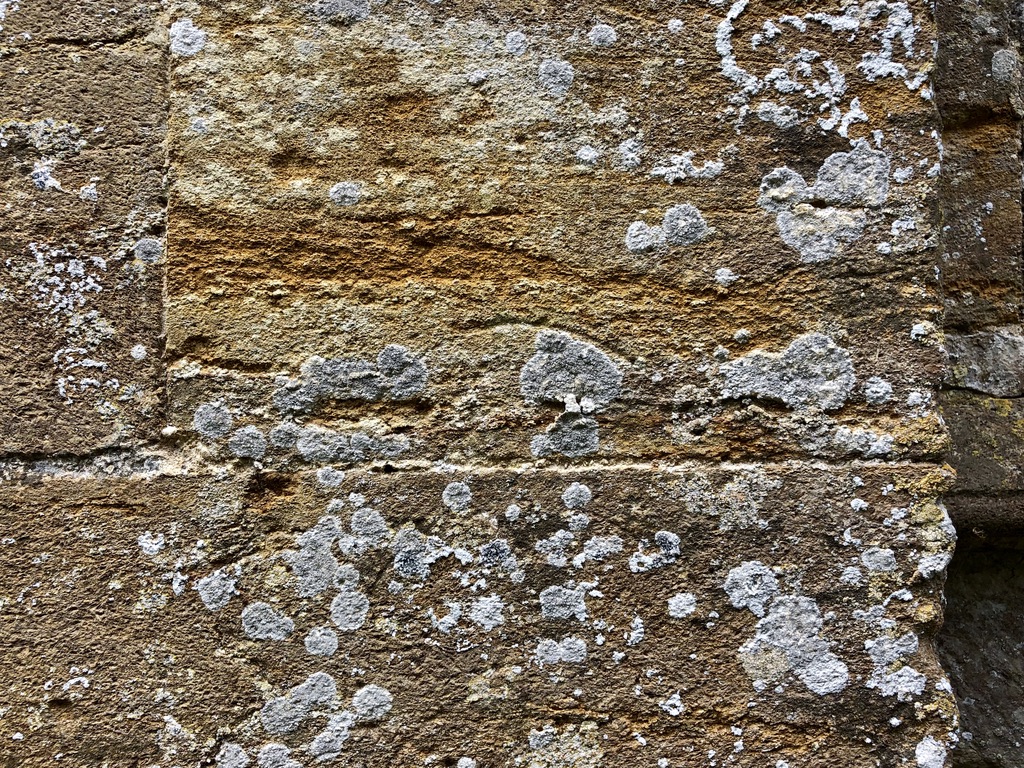
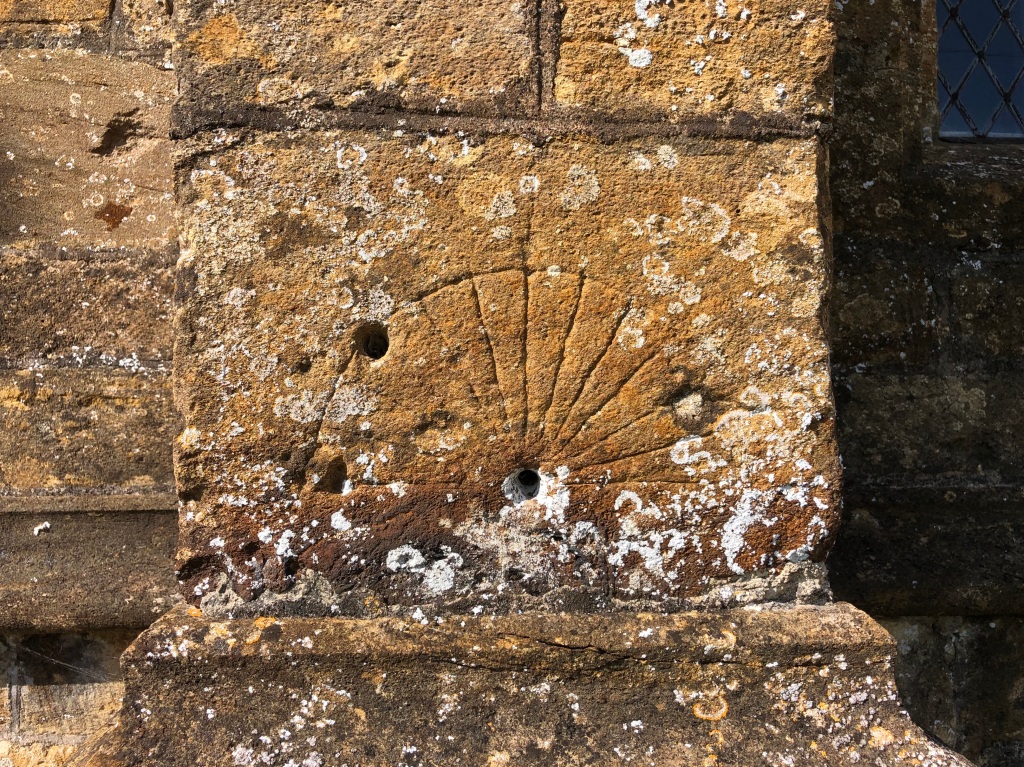
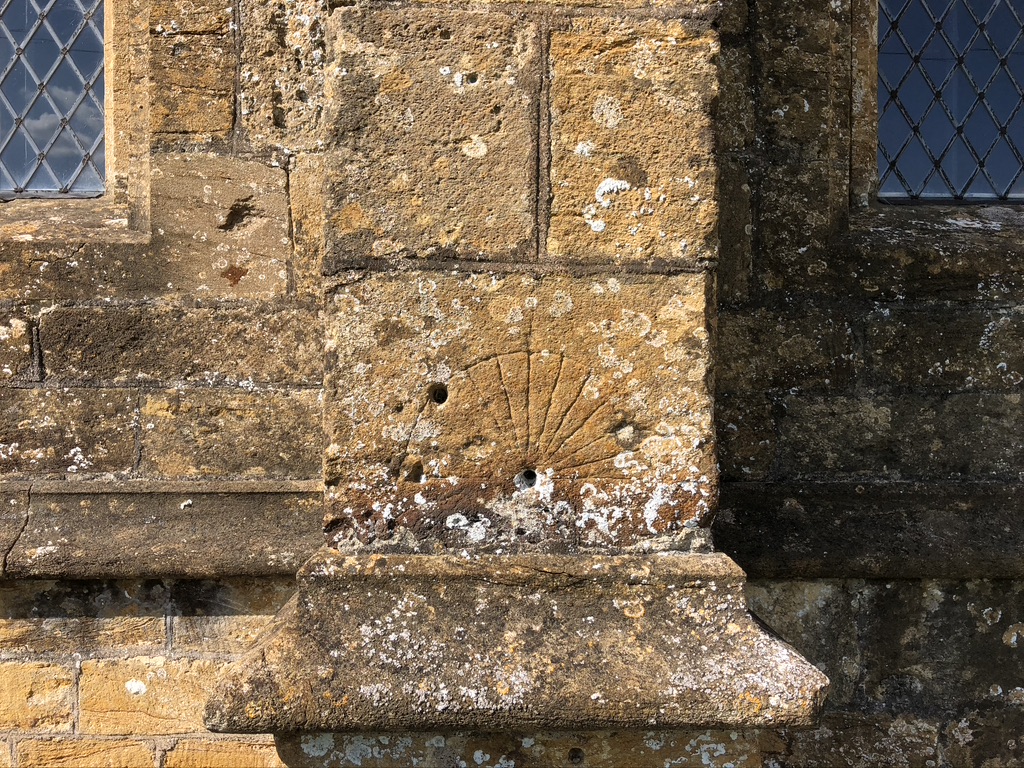
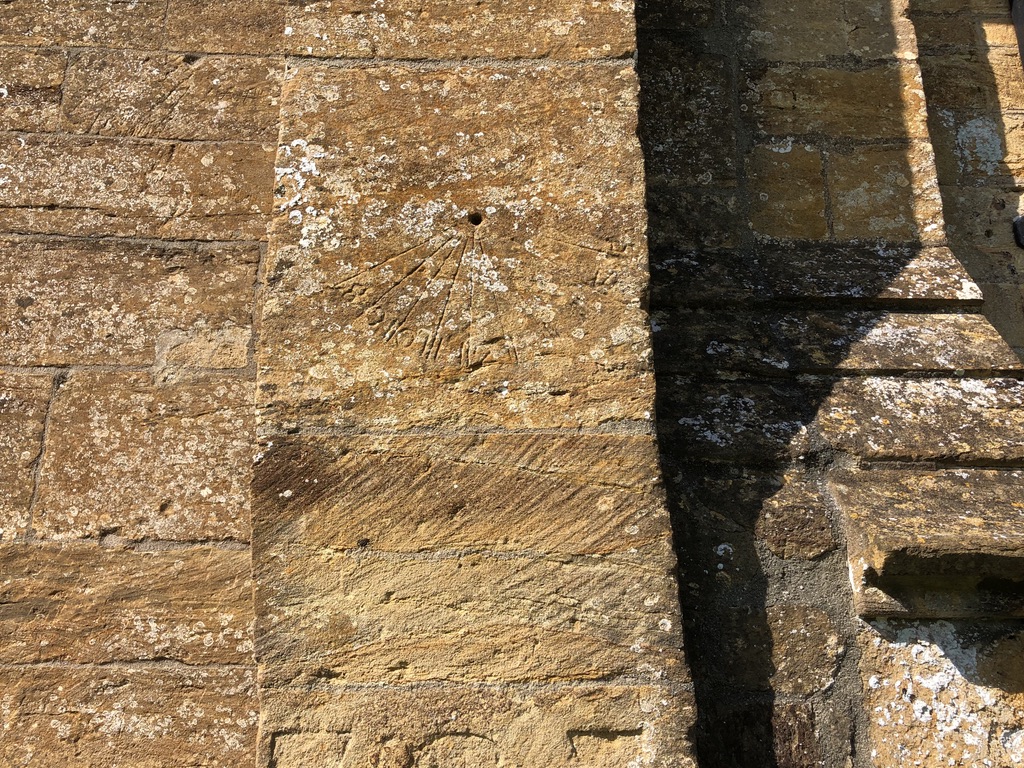
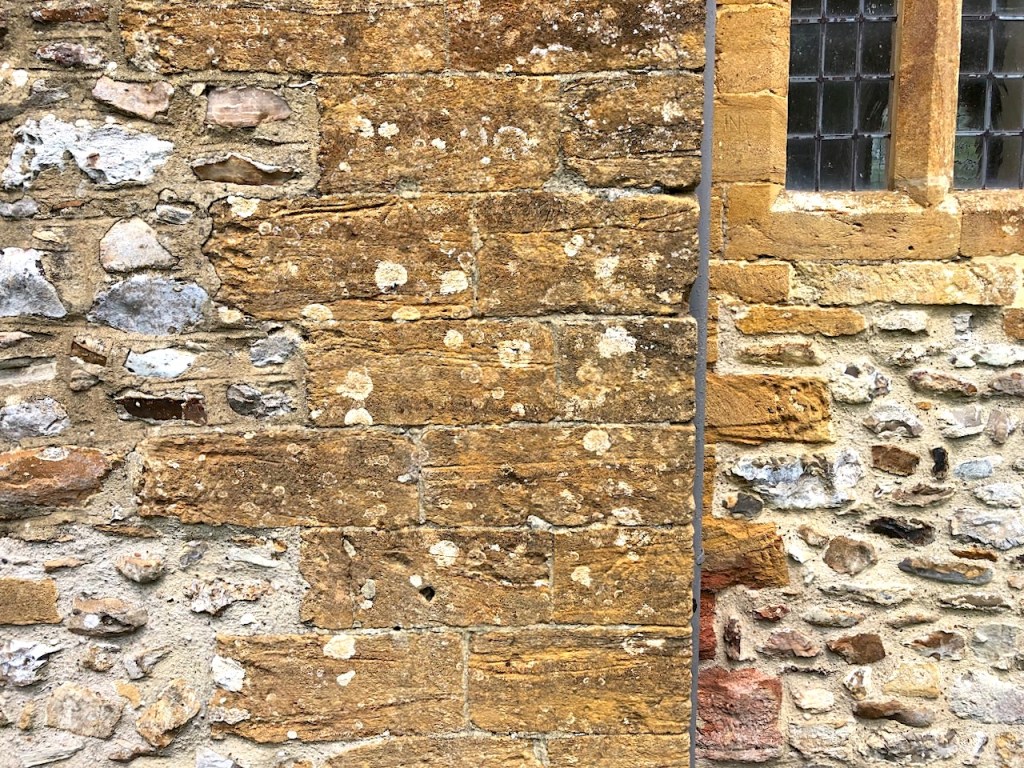
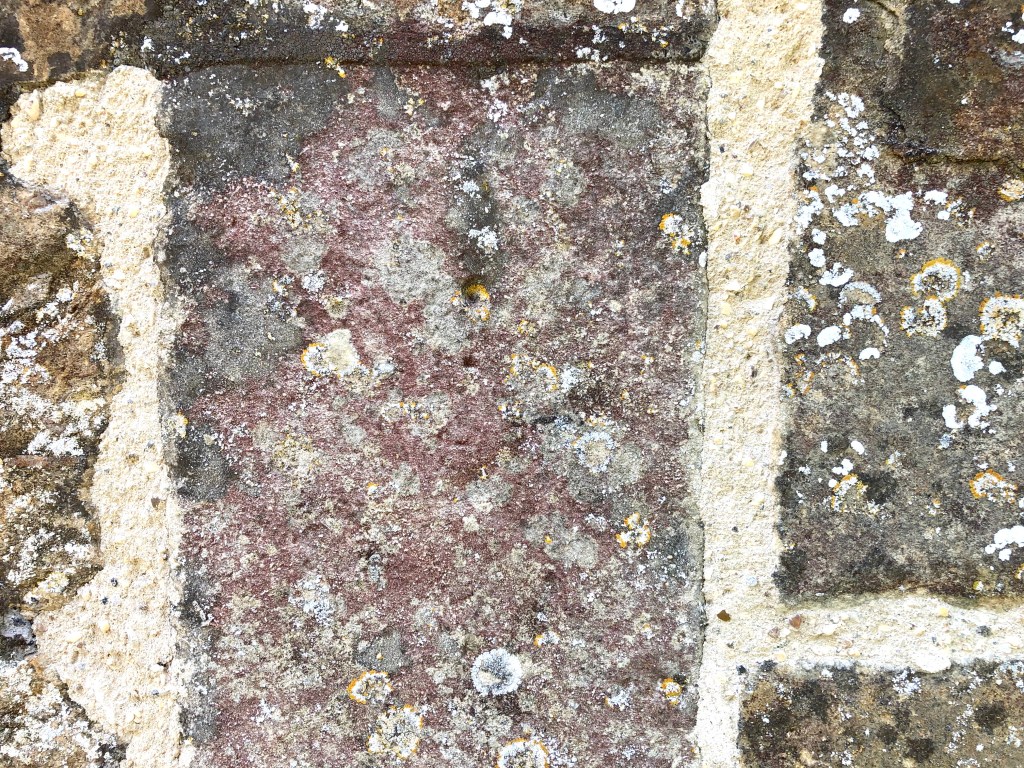
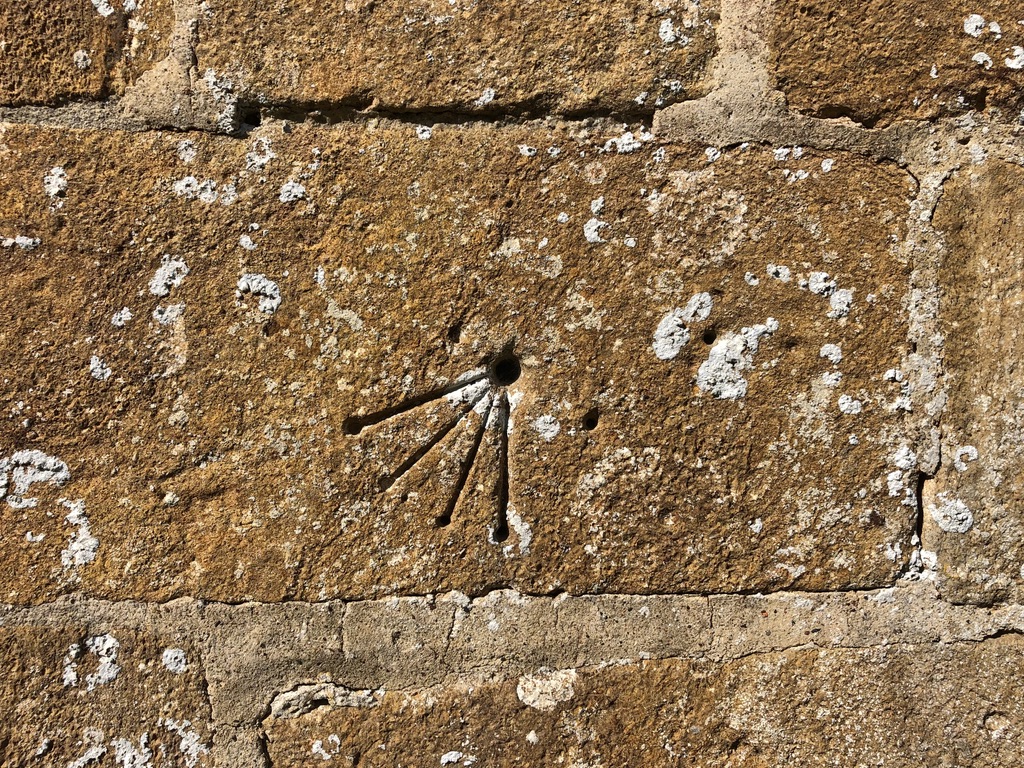
Dial 1 is low-down on a quoin at the W. end, unusually assertive and straightforward. However, in the middle of the 4 strong lines is a very faint one with a dot at the end. Since it adds little to the dial’s purpose, I wonder if evidences eroded remains of an earlier dial? Also, are the dots either side of the gnomon hole part of the original dial or were they added later? It’s hard to see how they might help the dial’s function. Or so I thought until I saw similar oblique marks in Dial 2, in that case lines (see below).

DEH visited St Mary in July 1914 and recorded: 216. (1) This dial is on the s.w. corner of the nave on a quoin. It is 4 feet 3 inches above the ground, the noonline is about 4 inches in length or a little less, the stylehole is 1 3/4 inches in depth by 3/4 of an inch in diameter, and the aspect is s. by 30° e. Type 3.

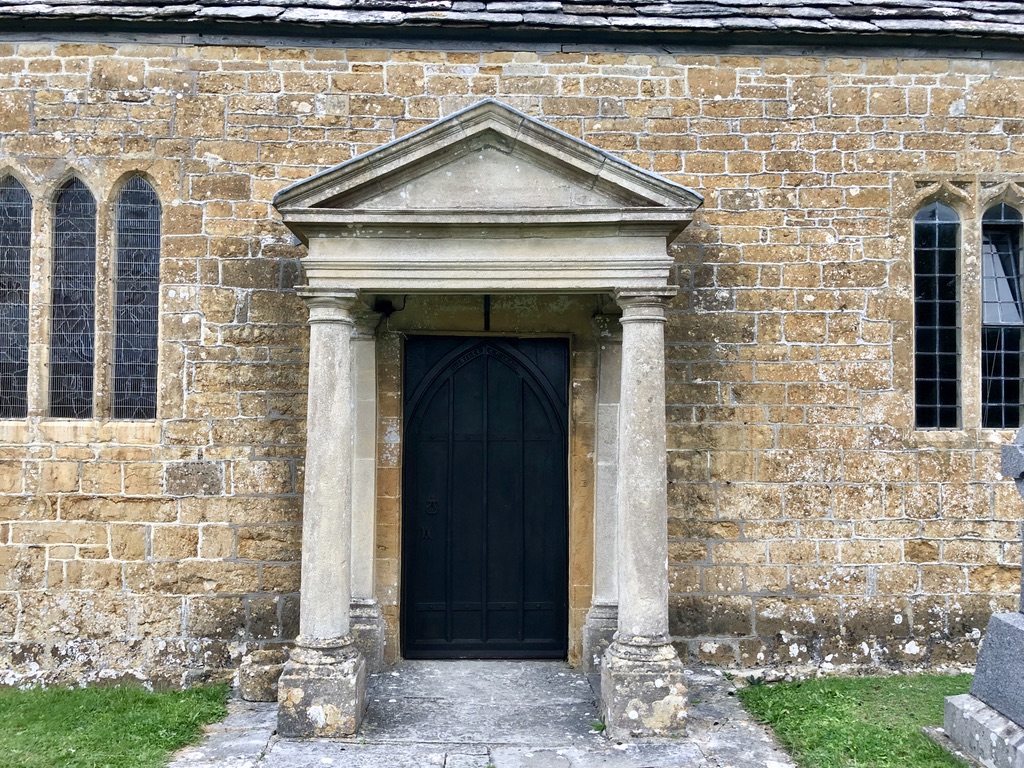
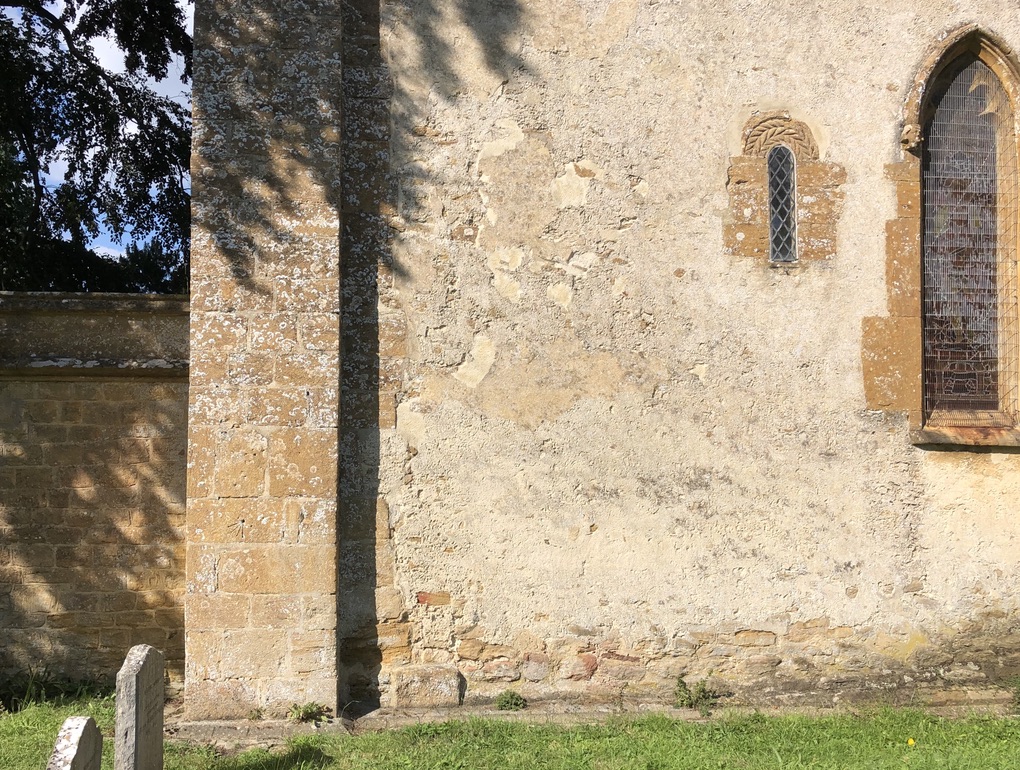
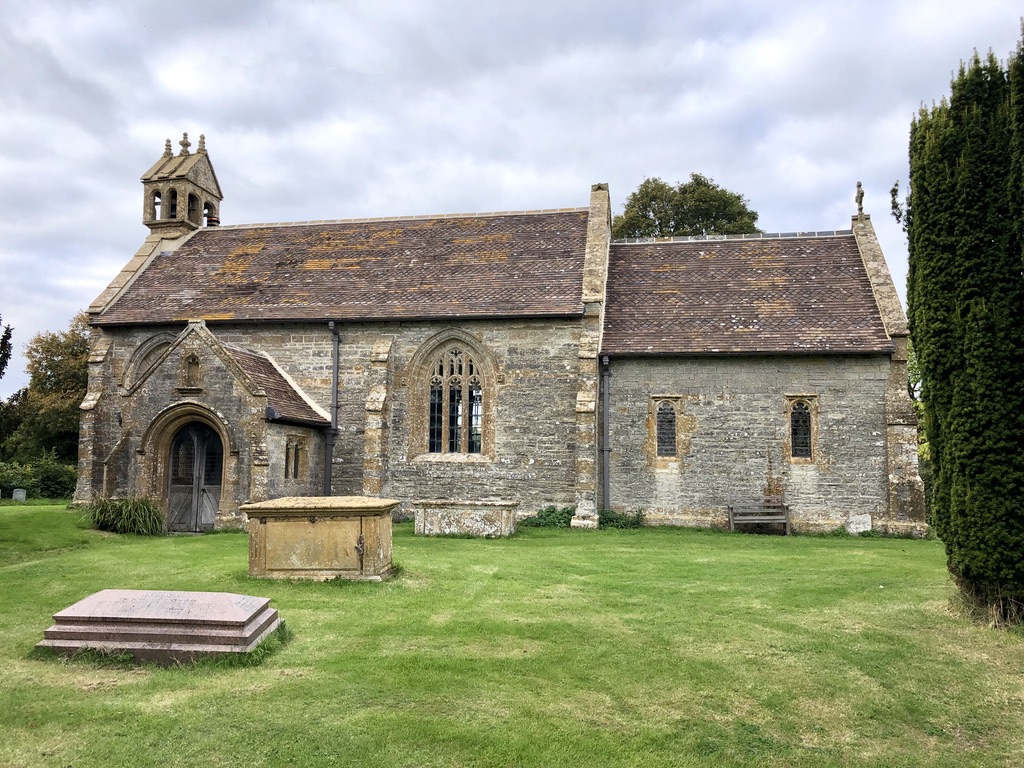
In the first image, note the Norman window, one of 2 that survive. The other is shown below.
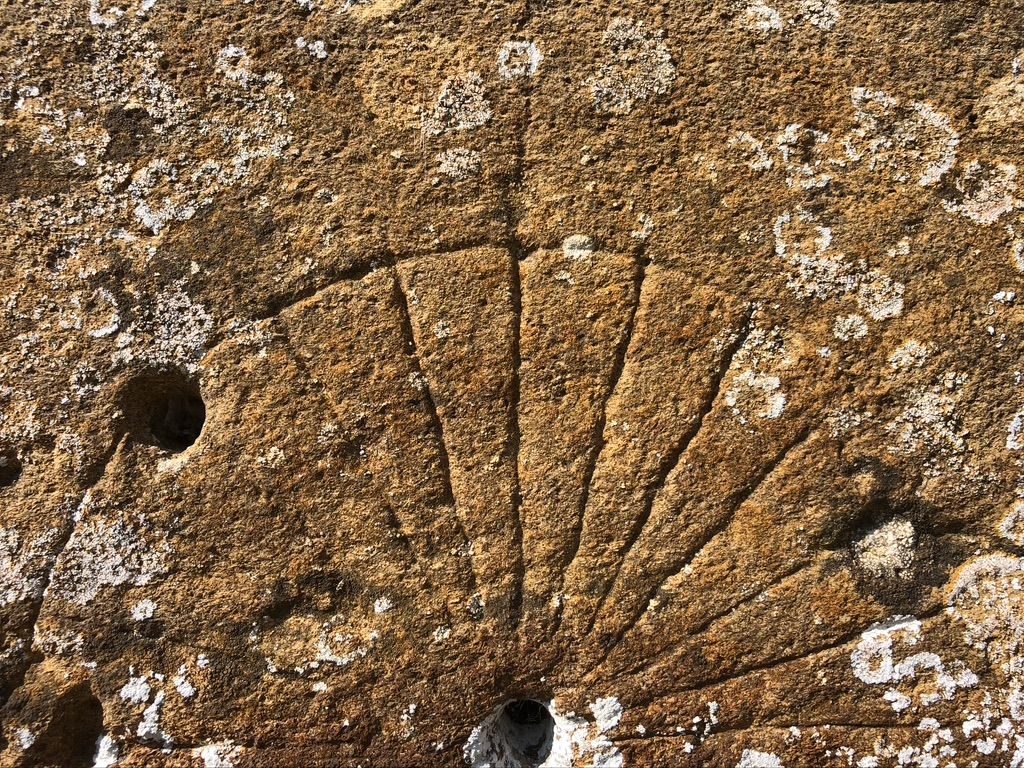
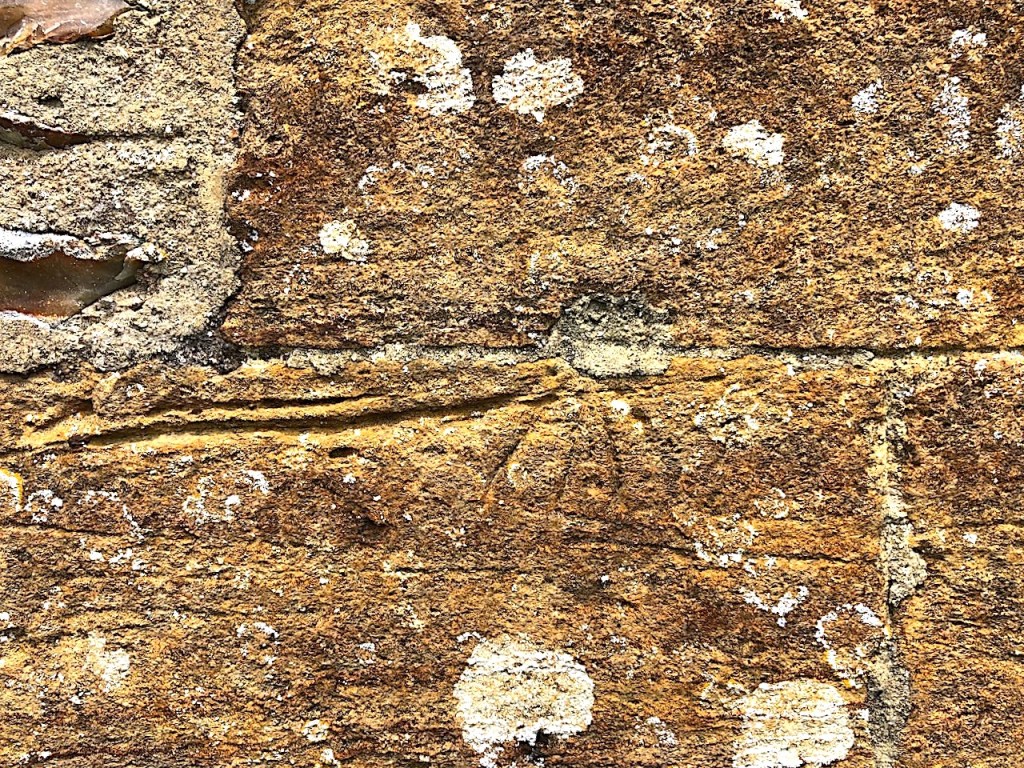
DIAL 2
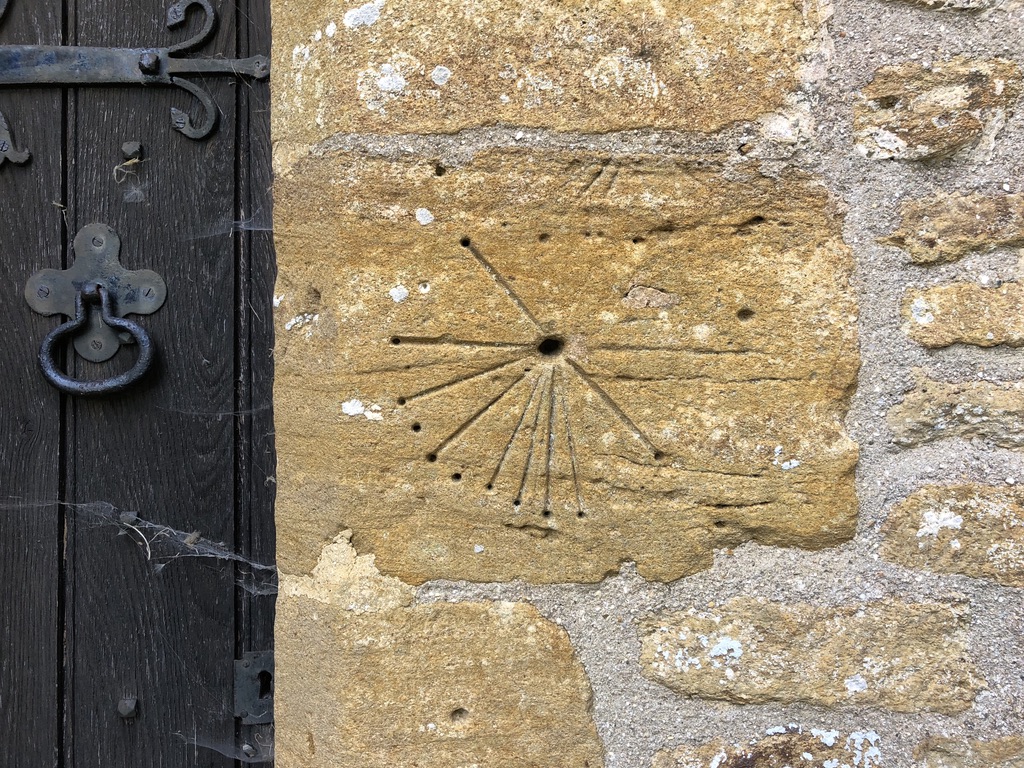
St Mary the Virgin . Stoke-sub-Hamdon . Som – Scratch Dial 2

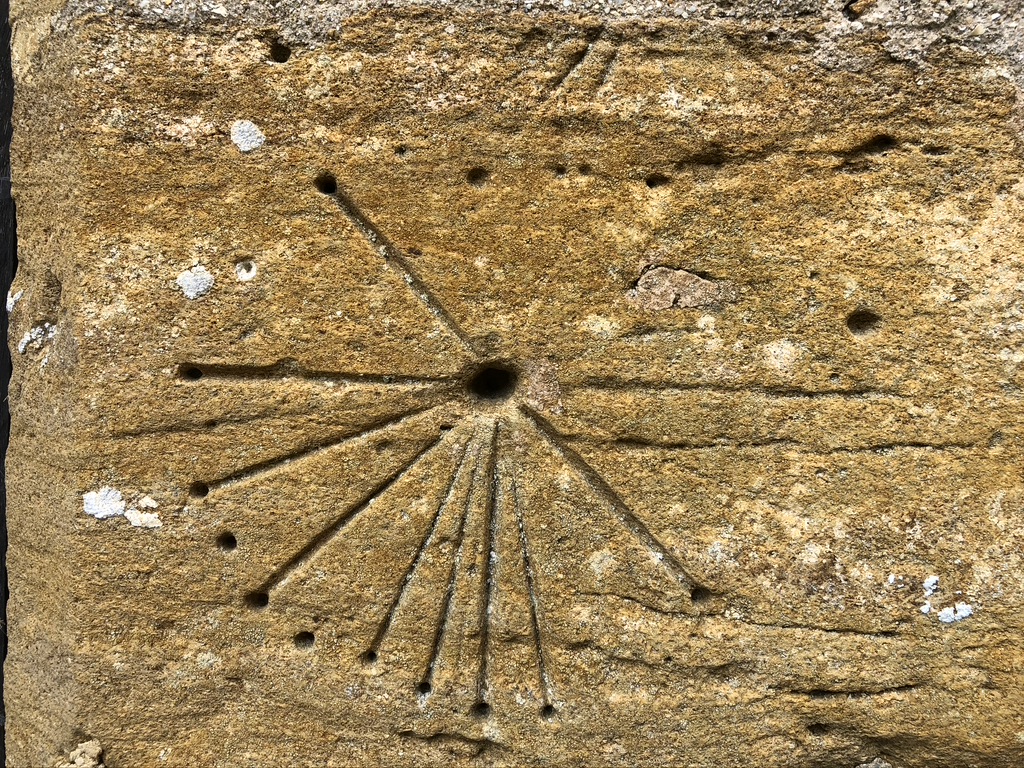
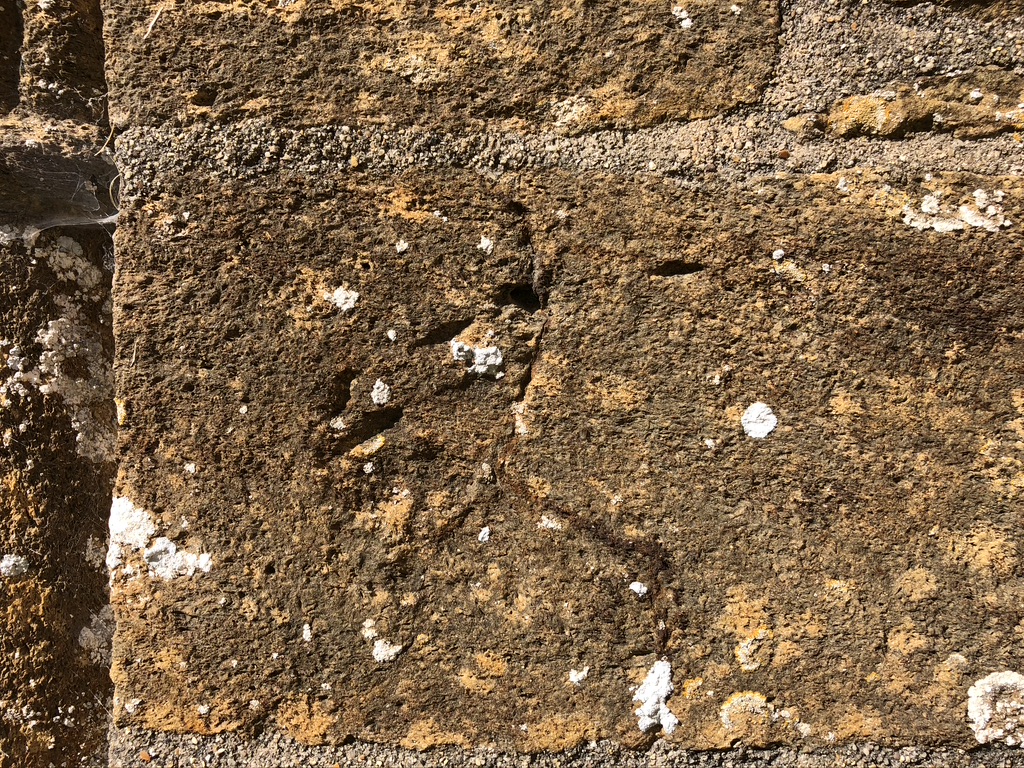
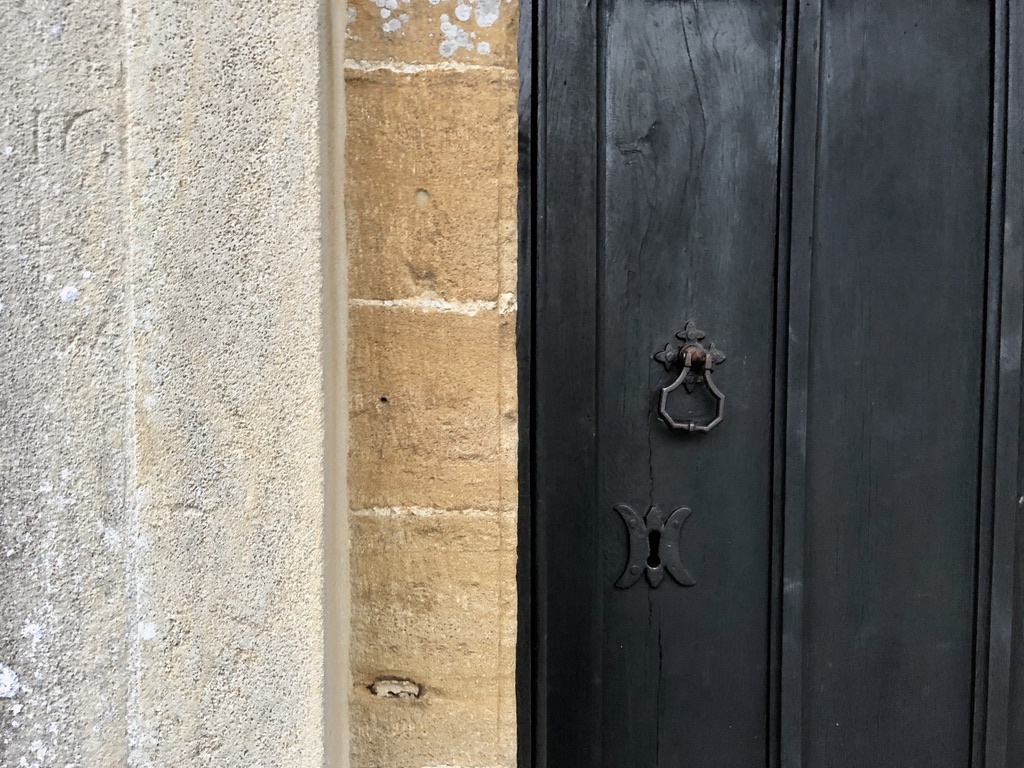
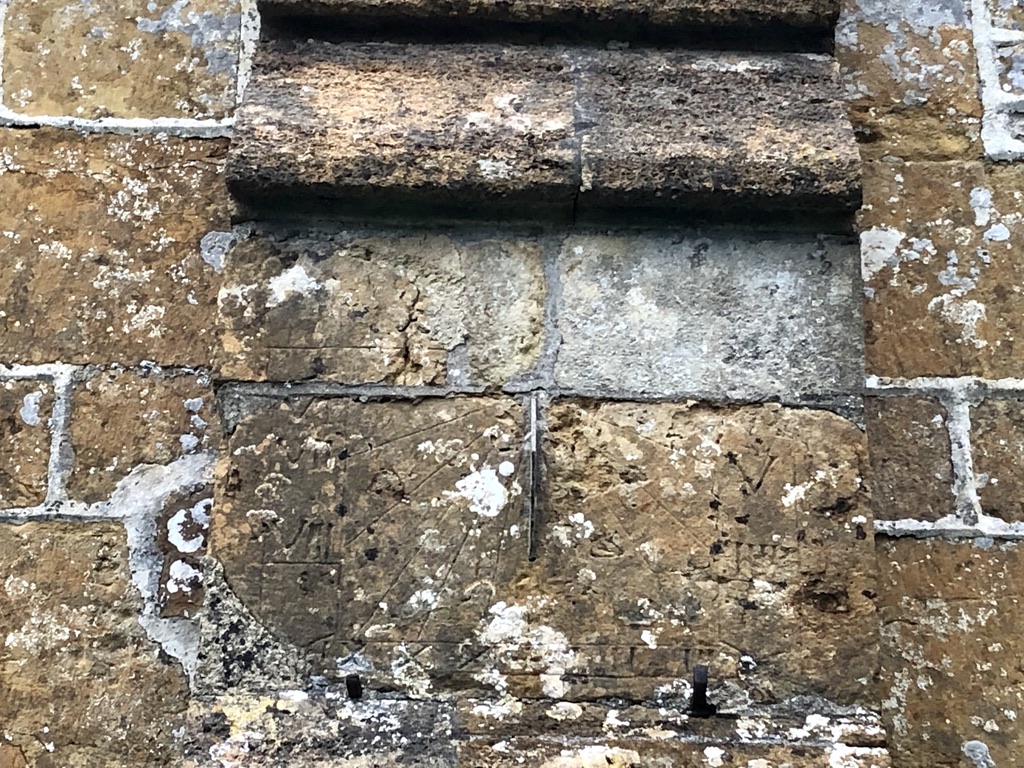
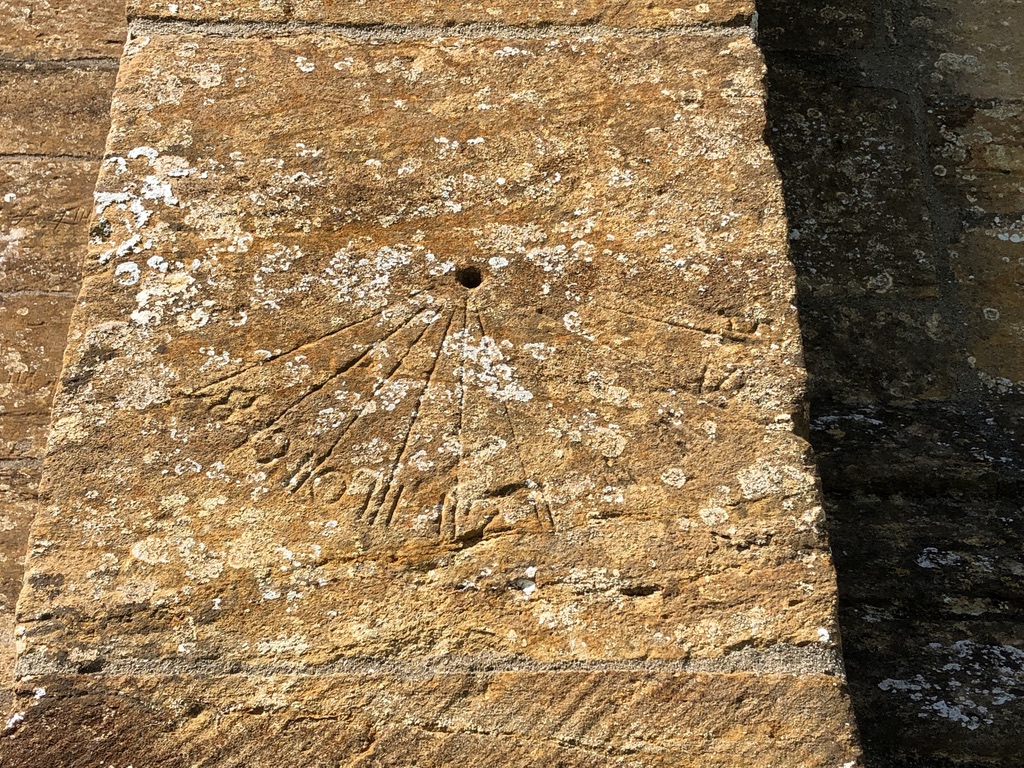
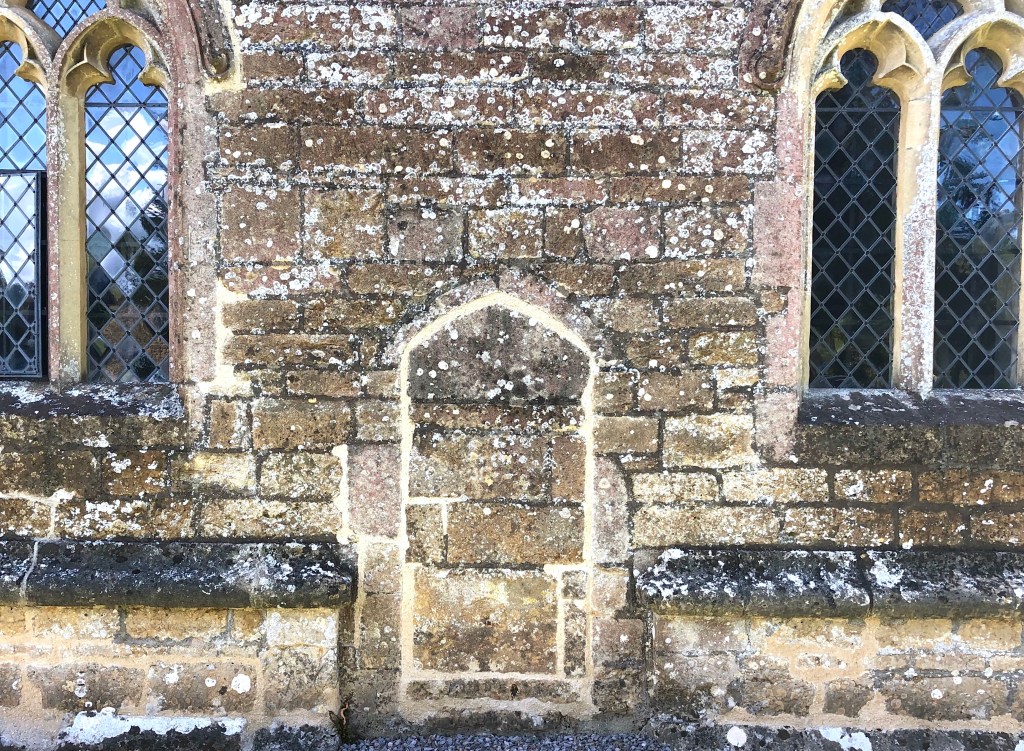
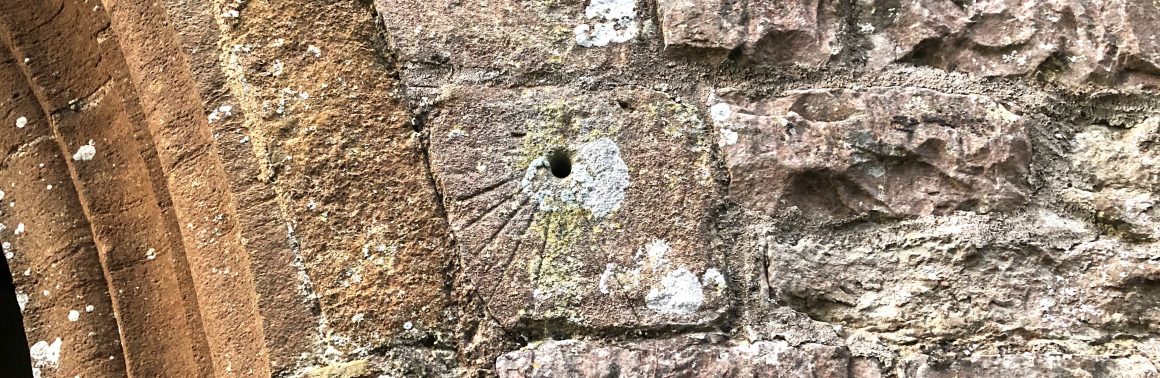
Dial 2 on the E. side of the recessed priest’s door, is a fine example of a later, more complex design. It certainly marks the hours with clarity and precision. Its sophistication suggests it must be a late dial, my guess being late C15 / early C16. The morning hours are all marked with carefully graduated lines down to the noon line. All terminate in pocks which themselves are graduated from large to small at noon. Two half-hours are marked with pocks. The emphatic oblique incision is hard to analyse other than in terms of marking canonical hours (Compline & Nones?) cf the pocks on Dial 1. Any help to explain it would be welcome.

DEH recorded: 219. (4) This dial is on the e. side of the priest’s door. It is 4 feet 6 inches above the ground, the noonline is 5 inches in length, the stylehole is 1 1/2 inches in depth by 3/4 of an inch in diameter, and the aspect is s. by 25° e. Type 3.
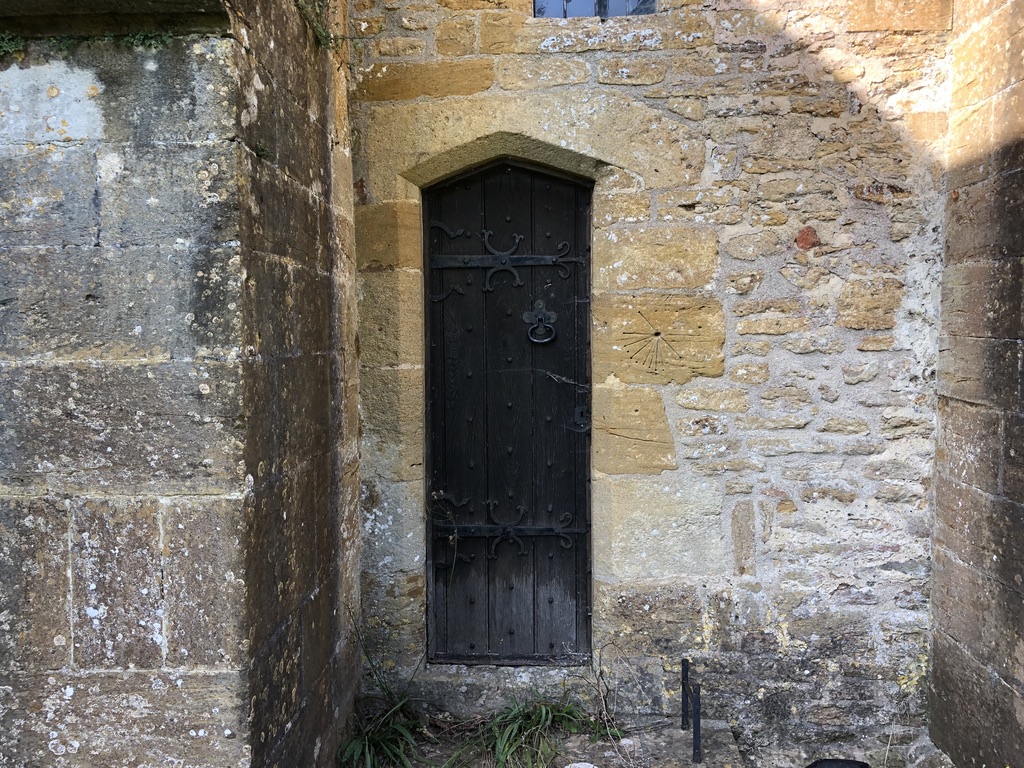
A final note for Dial 2. There is some evidence that there was originally a dial on a stone above it, later replaced. There are scratch marks that suggest the end of radials; and a row of dots, including a double dot that might relate to a noon line.

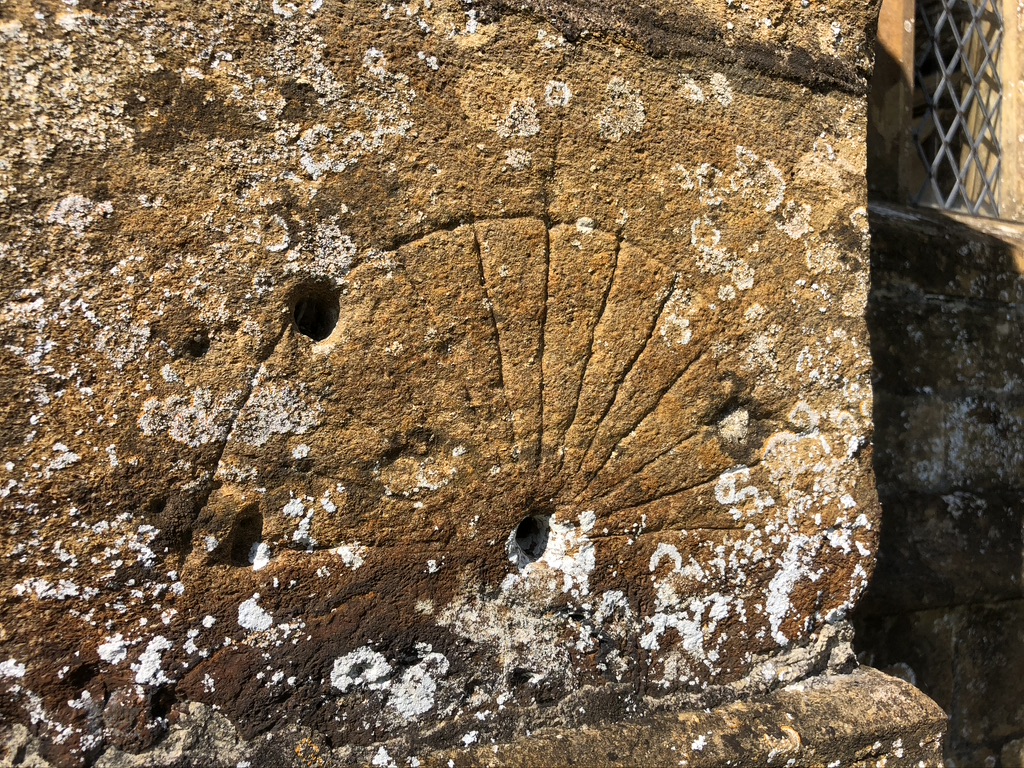
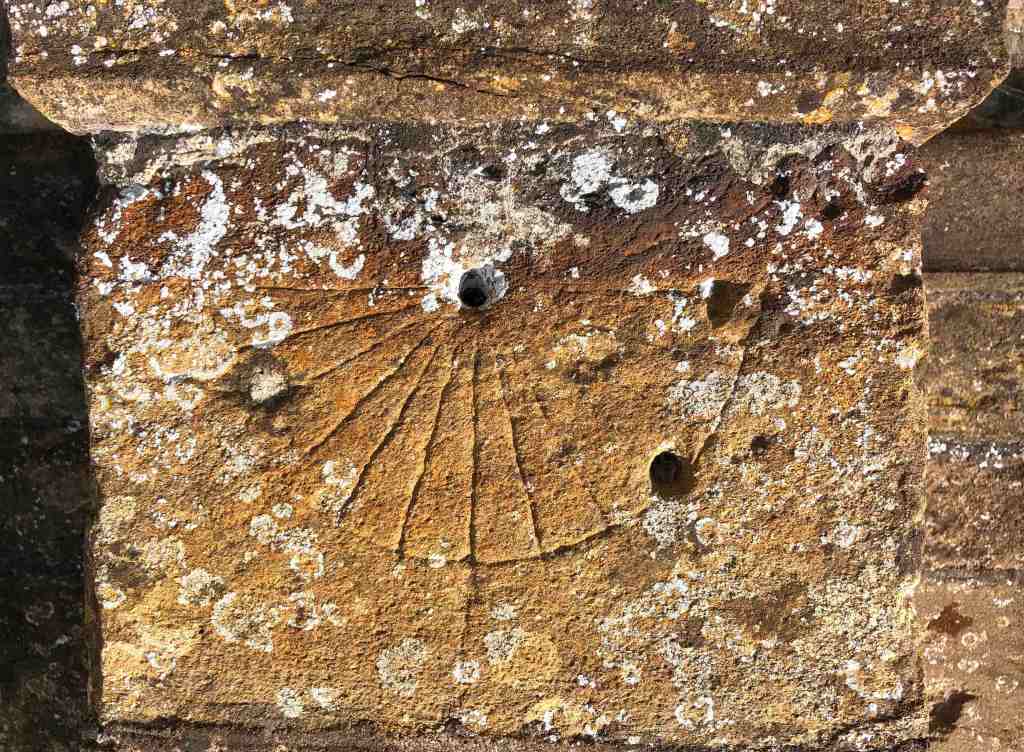
DIALS 3 & 4
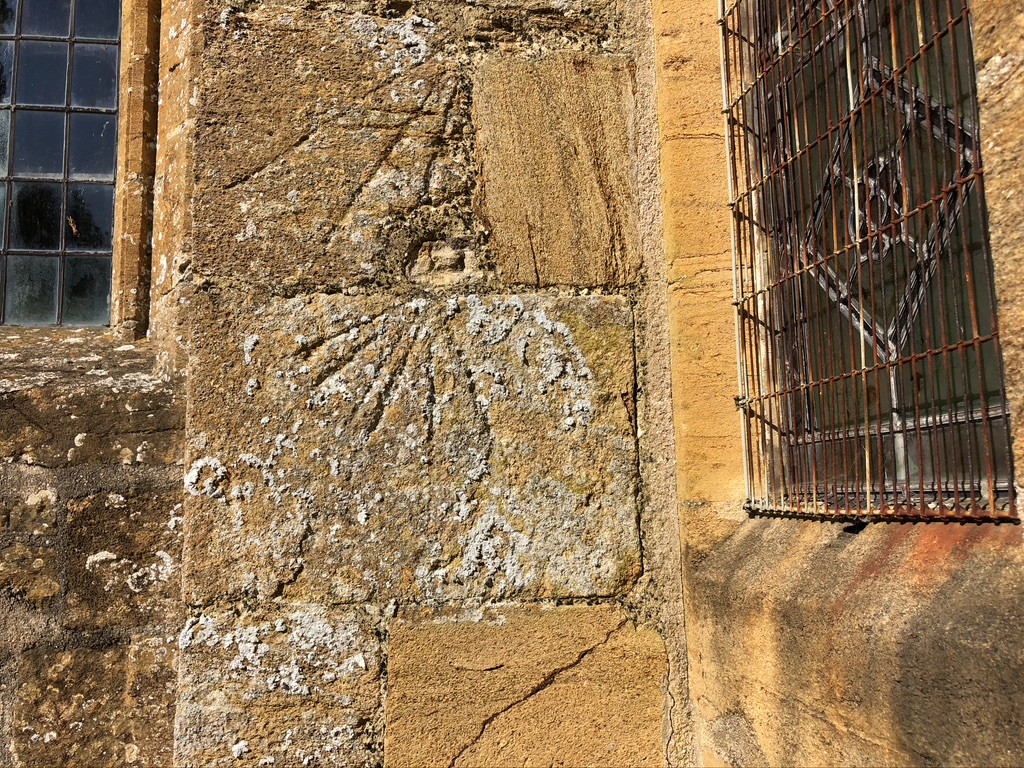
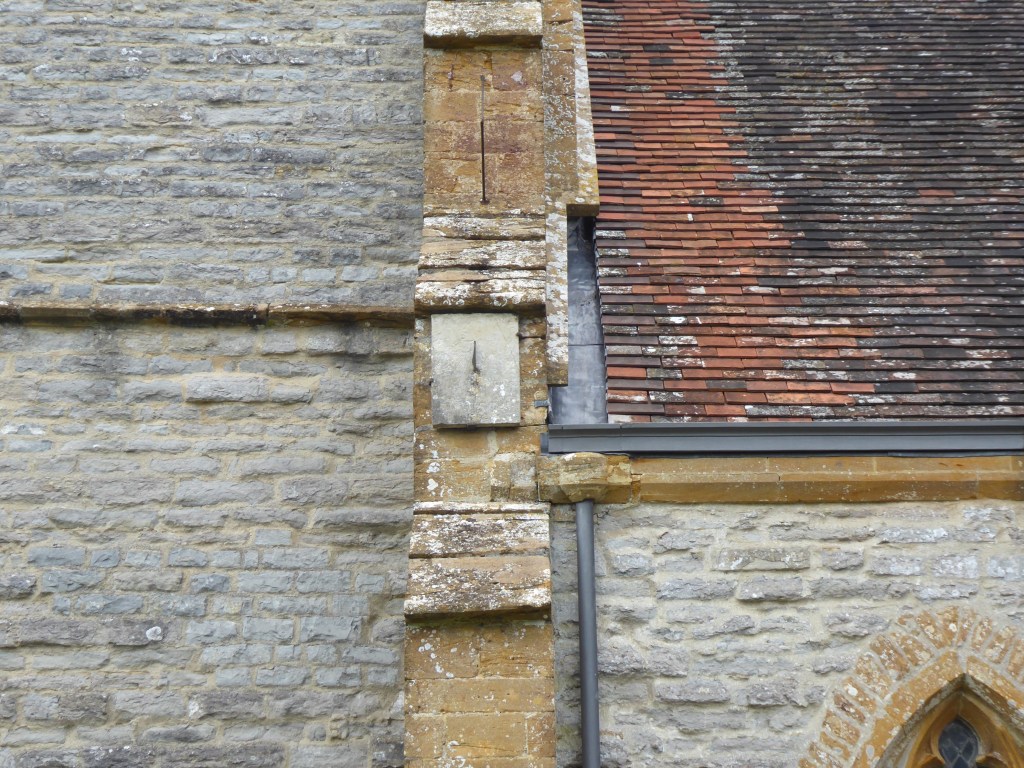
St Mary the Virgin . Stoke-sub-Hamdon . Som – Scratch Dials 3 & 4

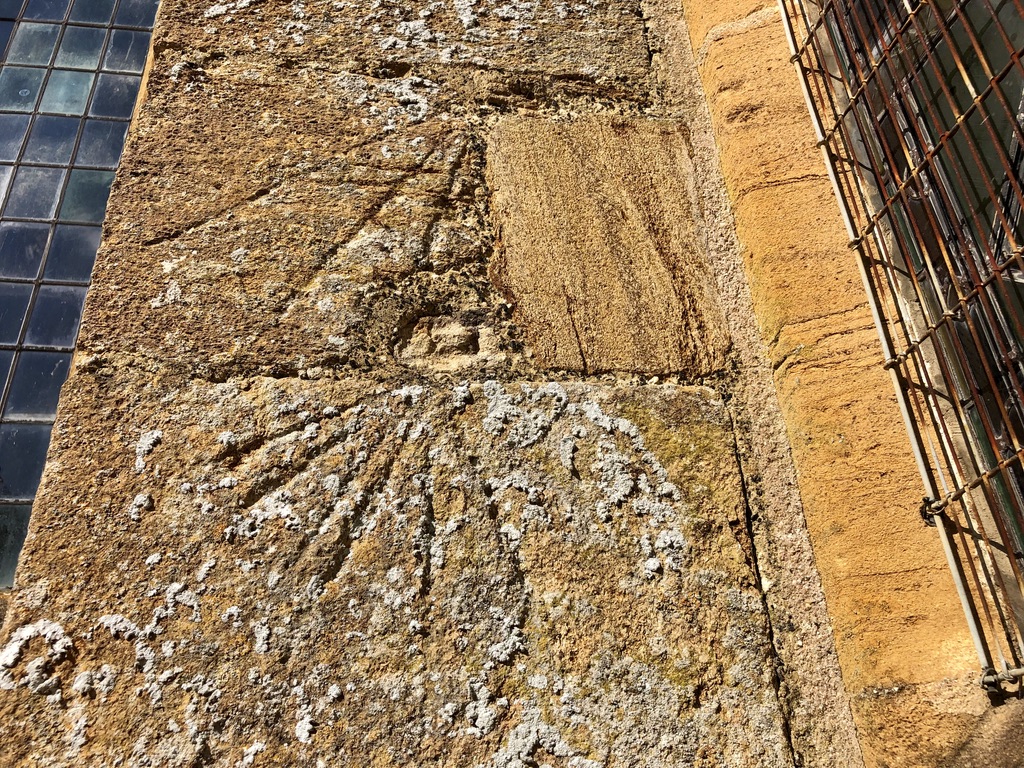
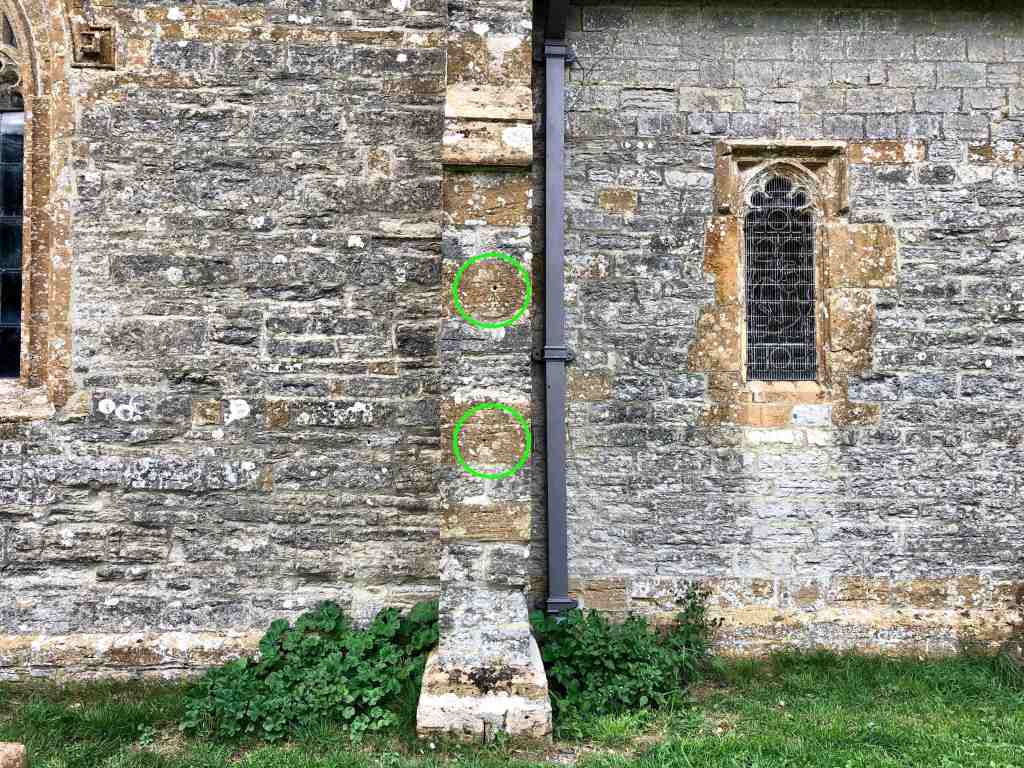
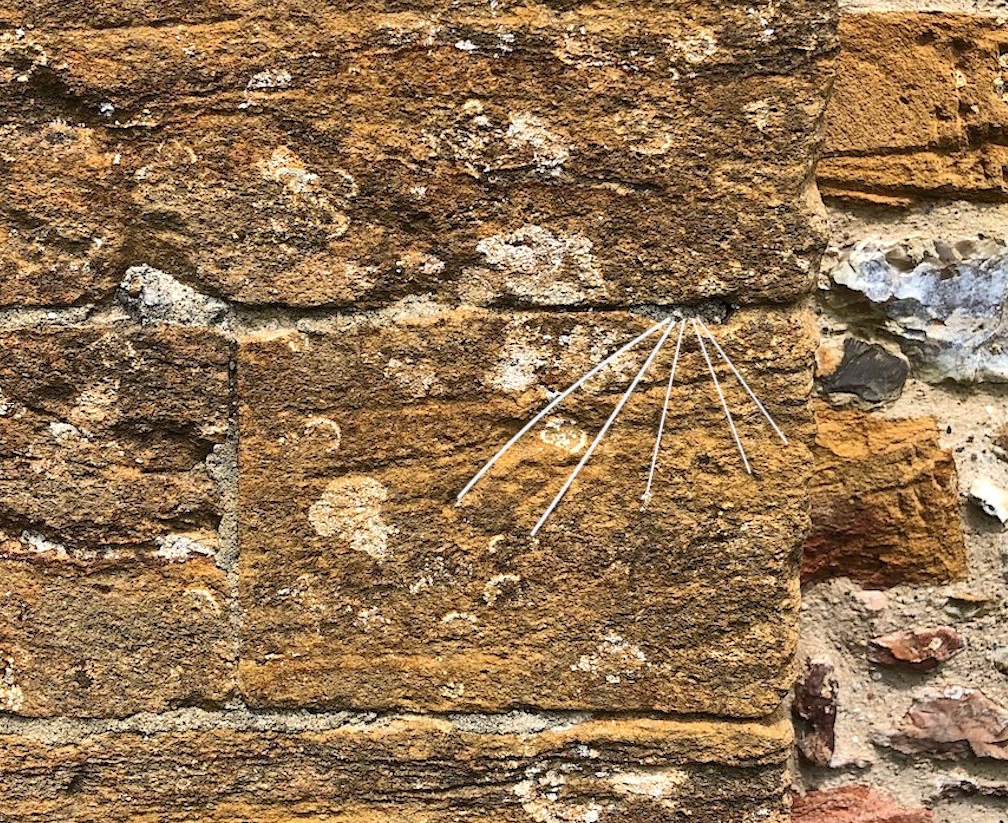
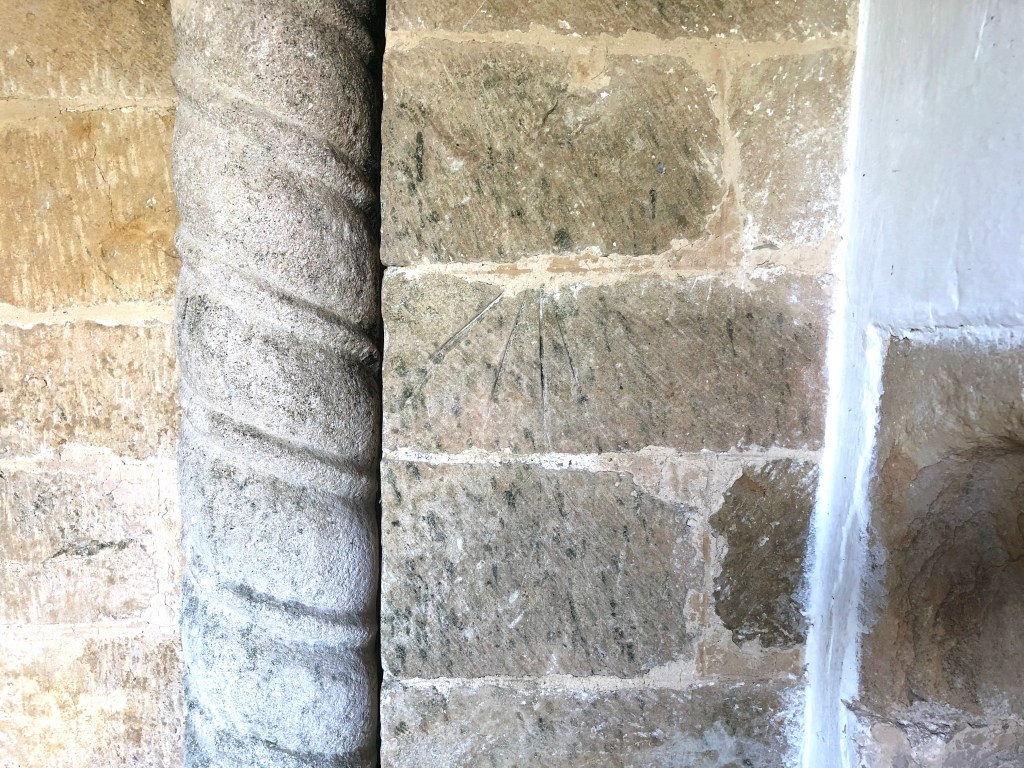
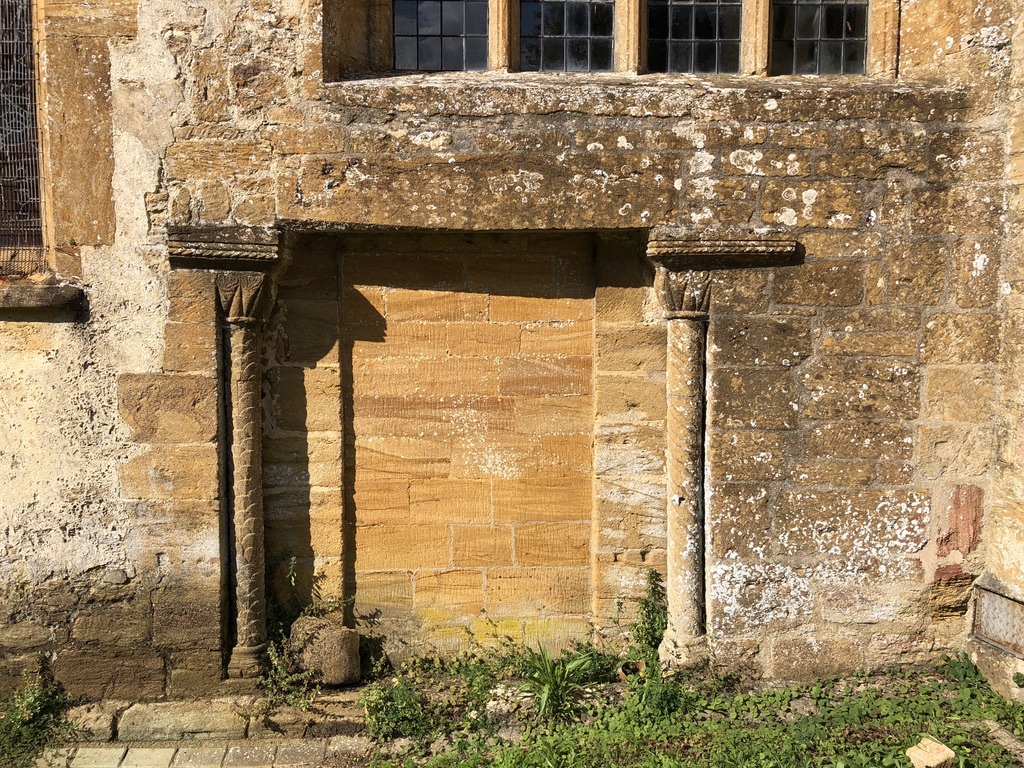
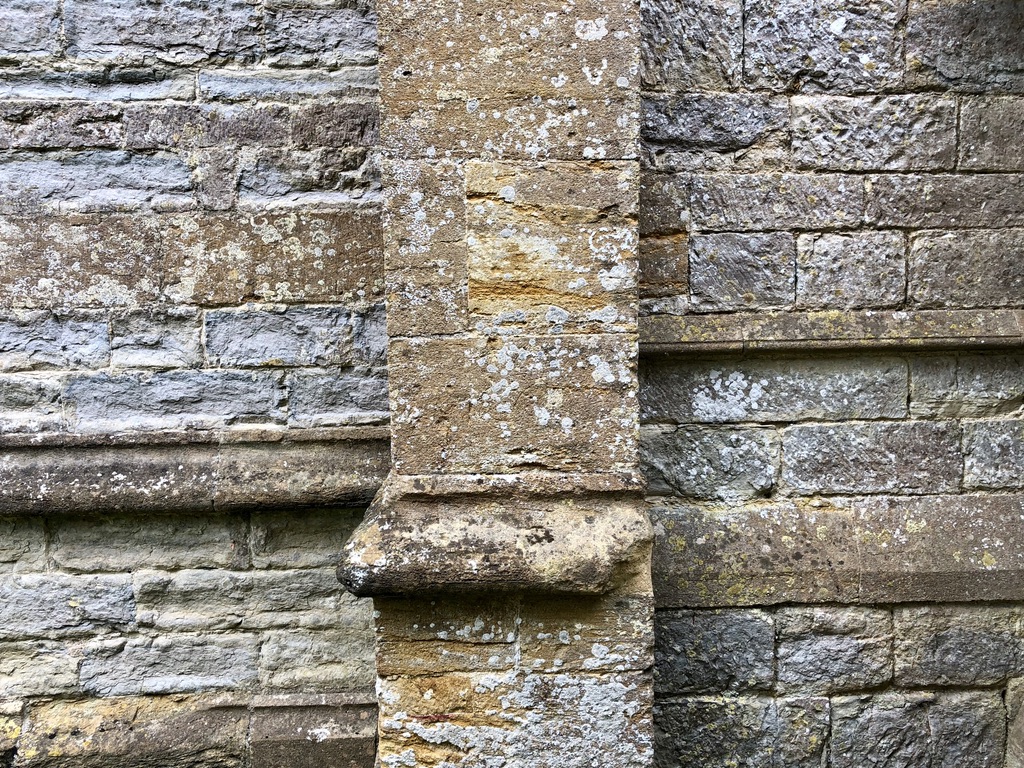
Dials 3 & 4 are together, one above the other, E. of the blocked doorway with its slender columns. They are quite high (about 10′) in the angle where the S. wall meets the transept.

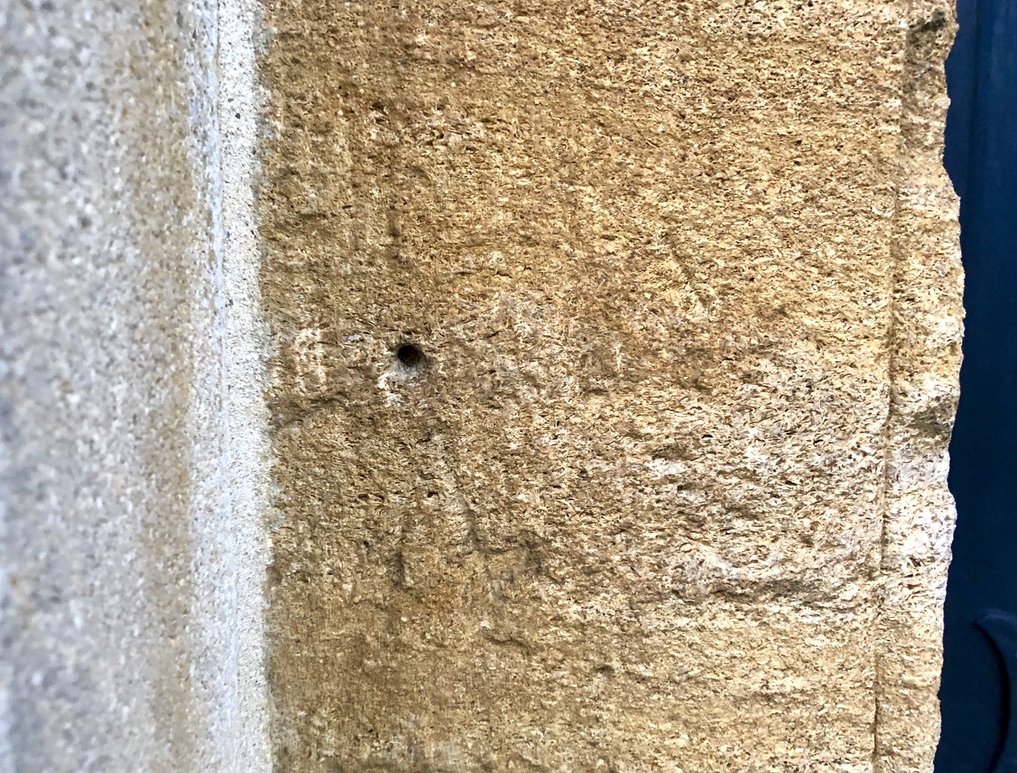
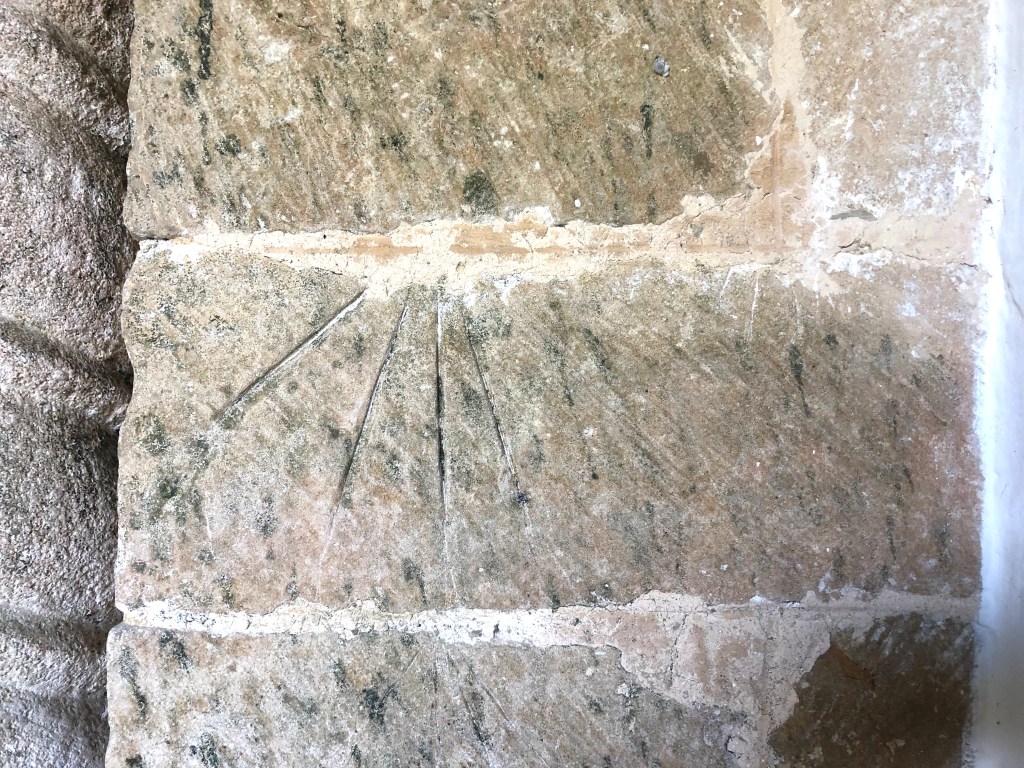
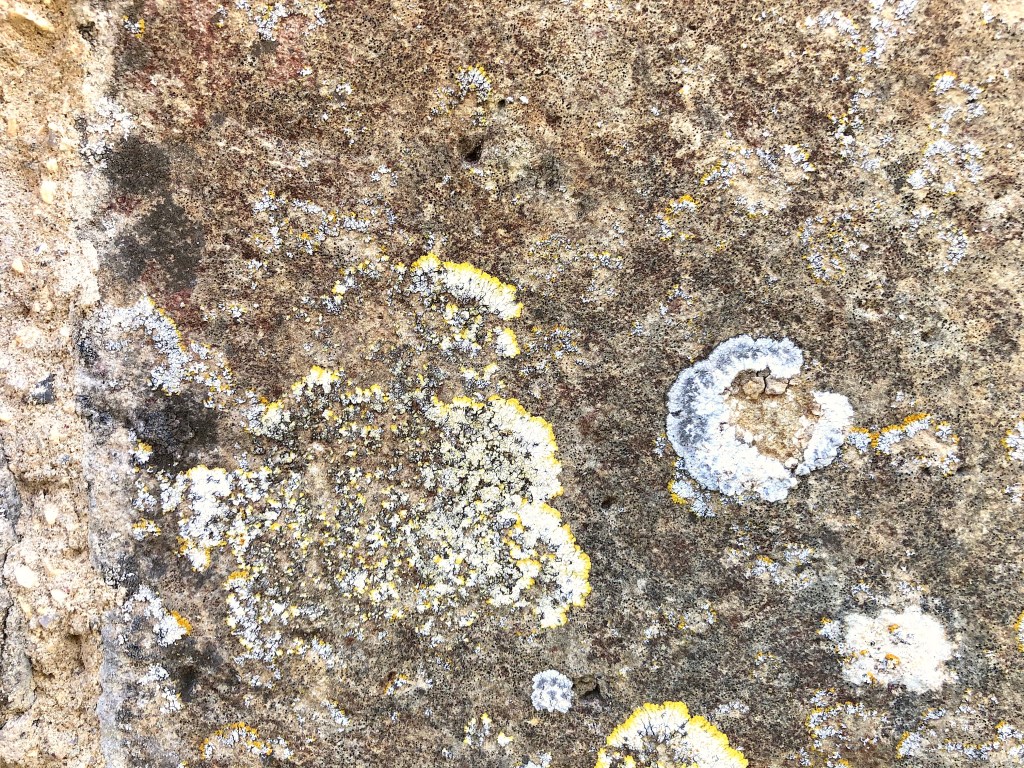
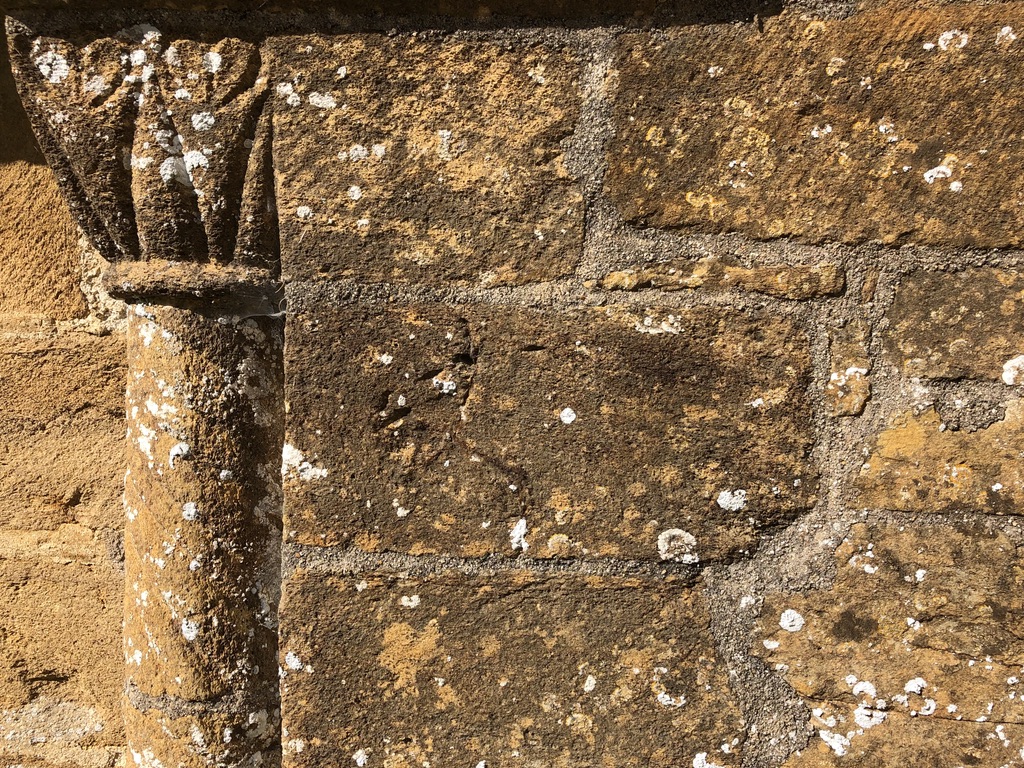
Dial 3 is the lower of the two. The style hole would have been in the mortar line acting as the horizontal ‘6-to-6’ line, but the area has a large repair that presumably covers it. 6 lines descend from it in a conventional fan, mainly in the lower L. quadrant. Their spacing is imprecise; the noon line is extended.

Dial 4 above is less ambitious. I imagine it is the earlier of the two. There are 3 long lines emerging from a filled style hole. The noon line runs down the edge of the adjacent stone, which looks as though it was a replacement from later restoration work. If so, perhaps the dial originally had lines in the lower R. quadrant.

DEH wrote: 217. (2) This dial is on the s.w. corner of the s. transept. It is 5 feet 1 inch above the ground, the noonhole is 2 inches distant, the stylehole is 1 inch in depth by 1/4 of an inch in diameter, and the aspect is s. by 20° e. Type 9.

His record for this location is puzzling because there are in fact 2 dials not one; and they are much higher than he gives. It’s quite possible I missed a dial – his single dial – nearby and at the height DEH specifies. However, since DEH records only 3 definite dials for St Mary, he must therefore have missed (for height?) this pair.

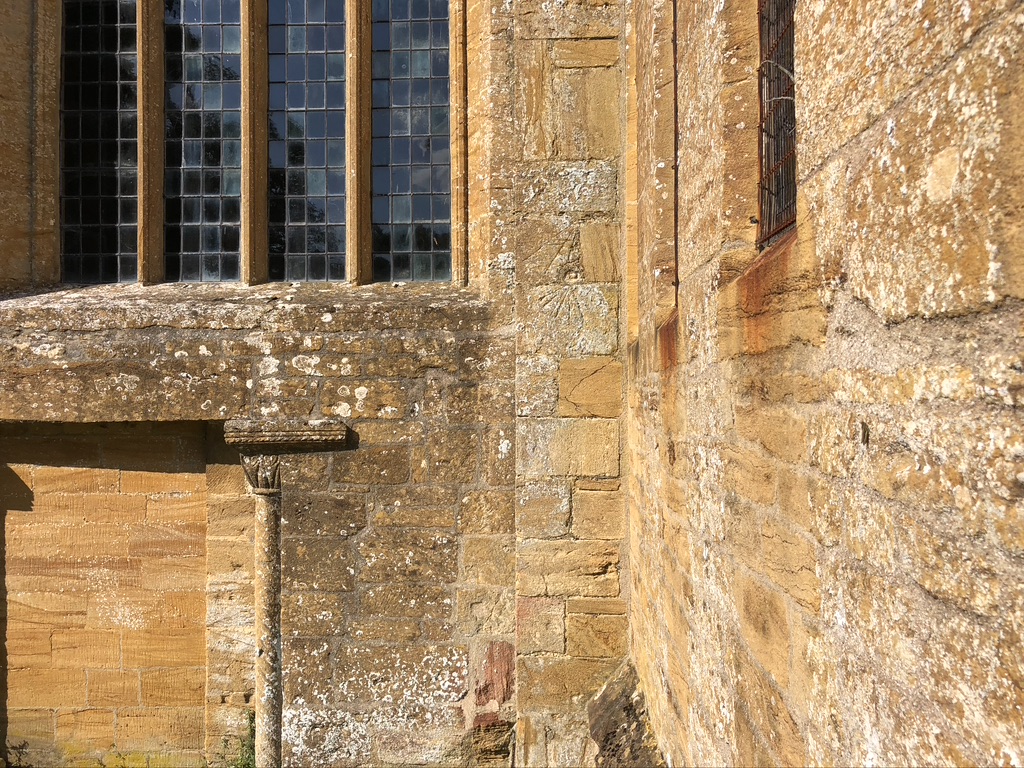
St Mary . Stoke-s-Hamdon – Norman window

DOUBTFUL DIAL

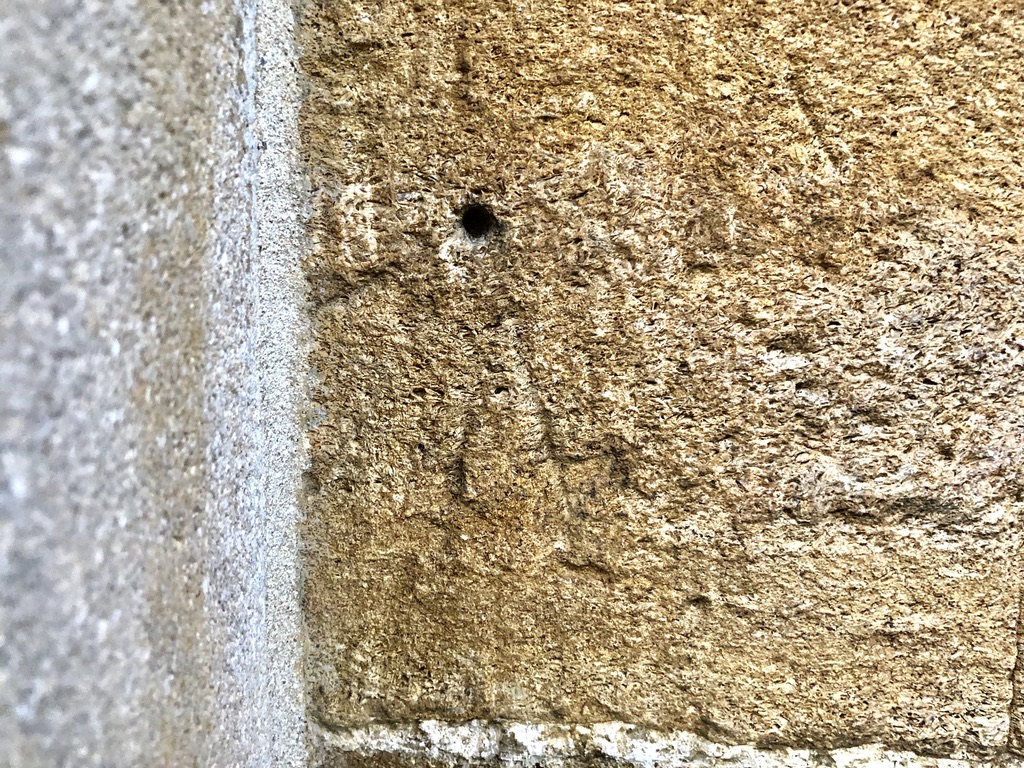
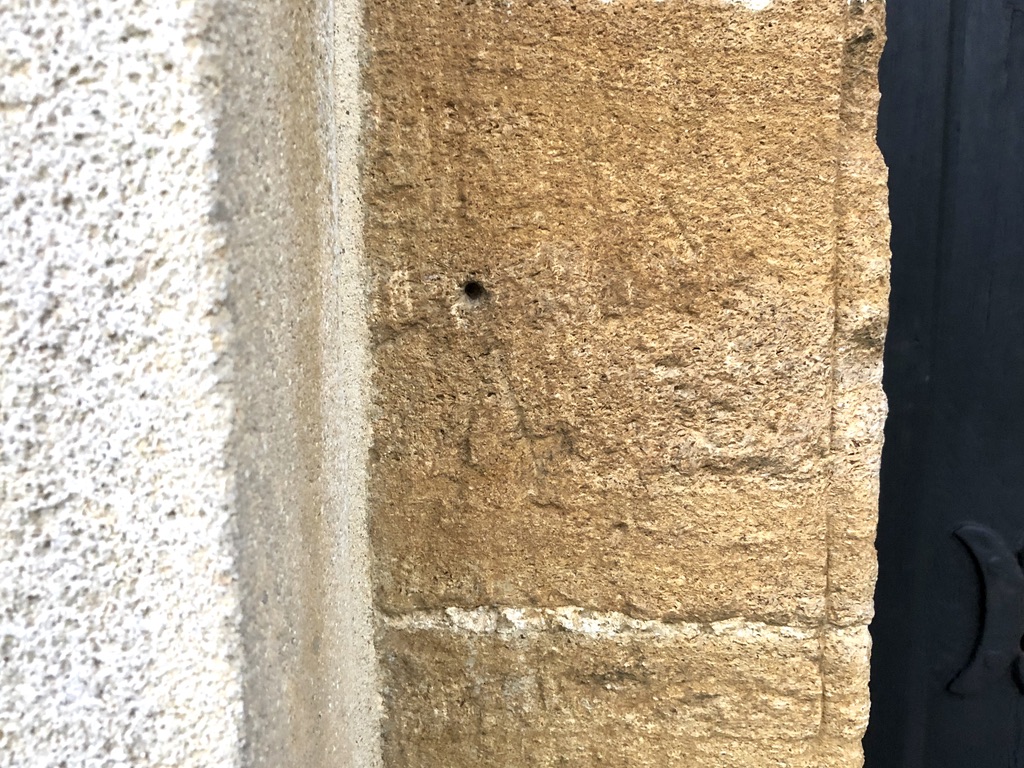
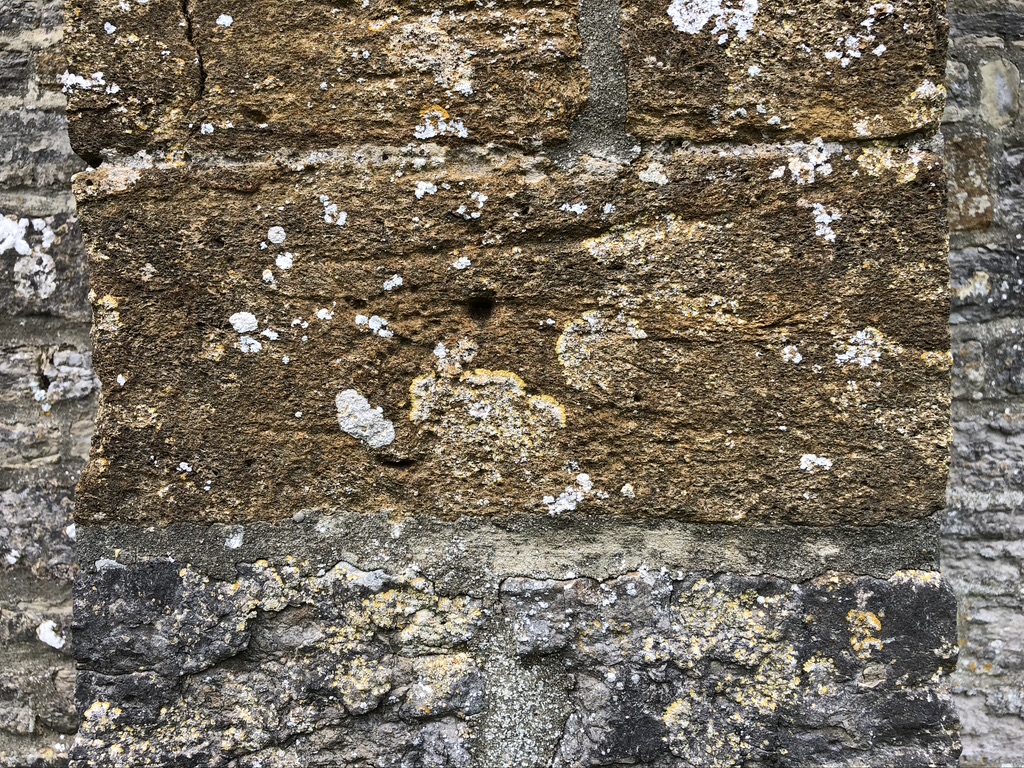
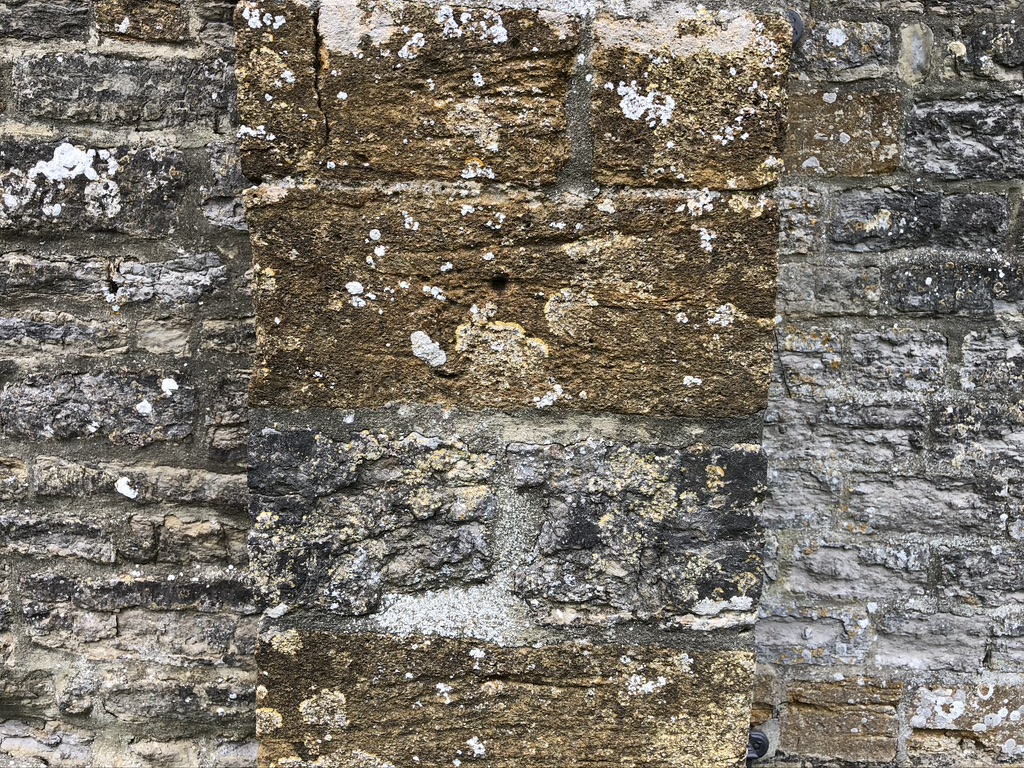
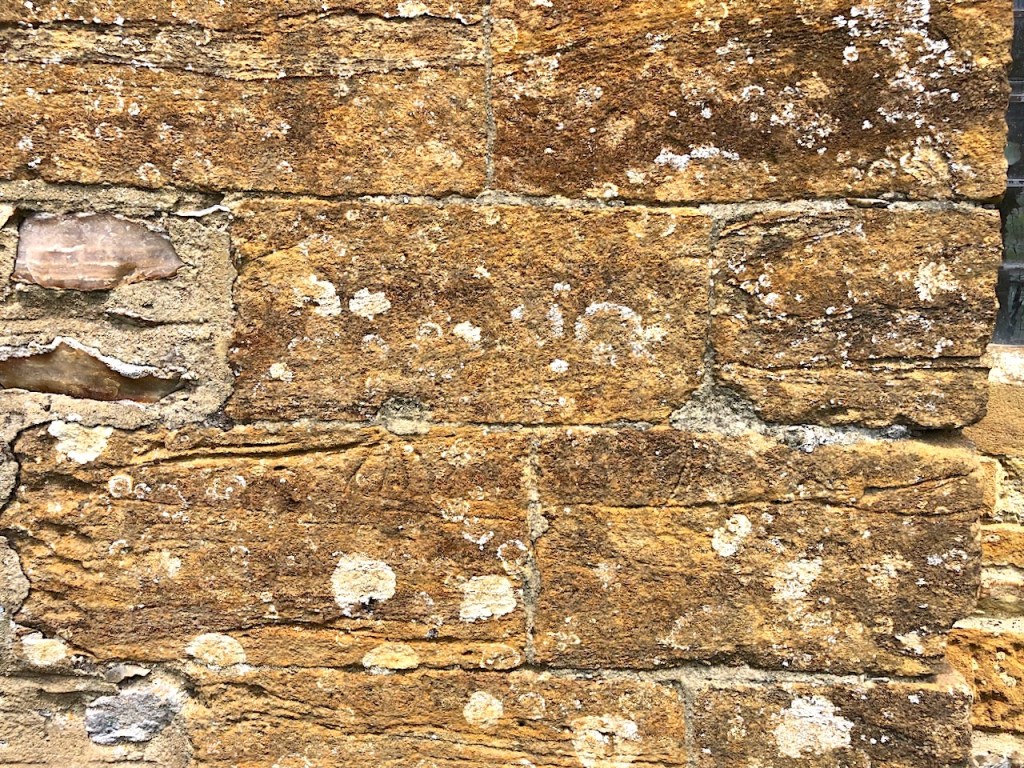
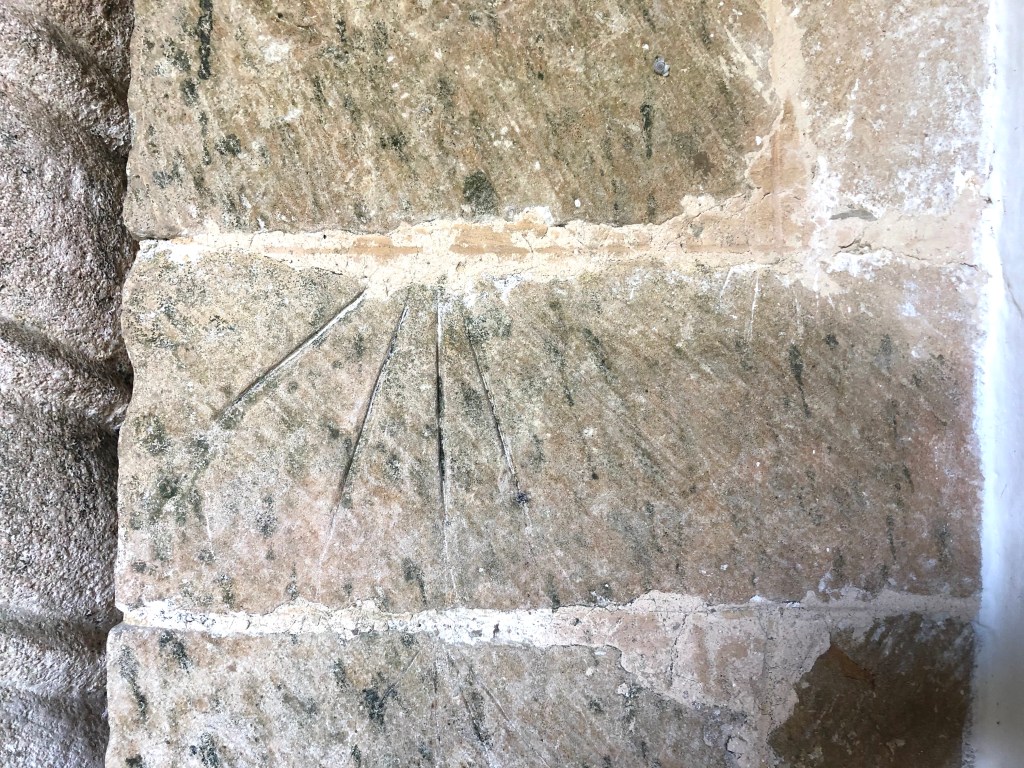
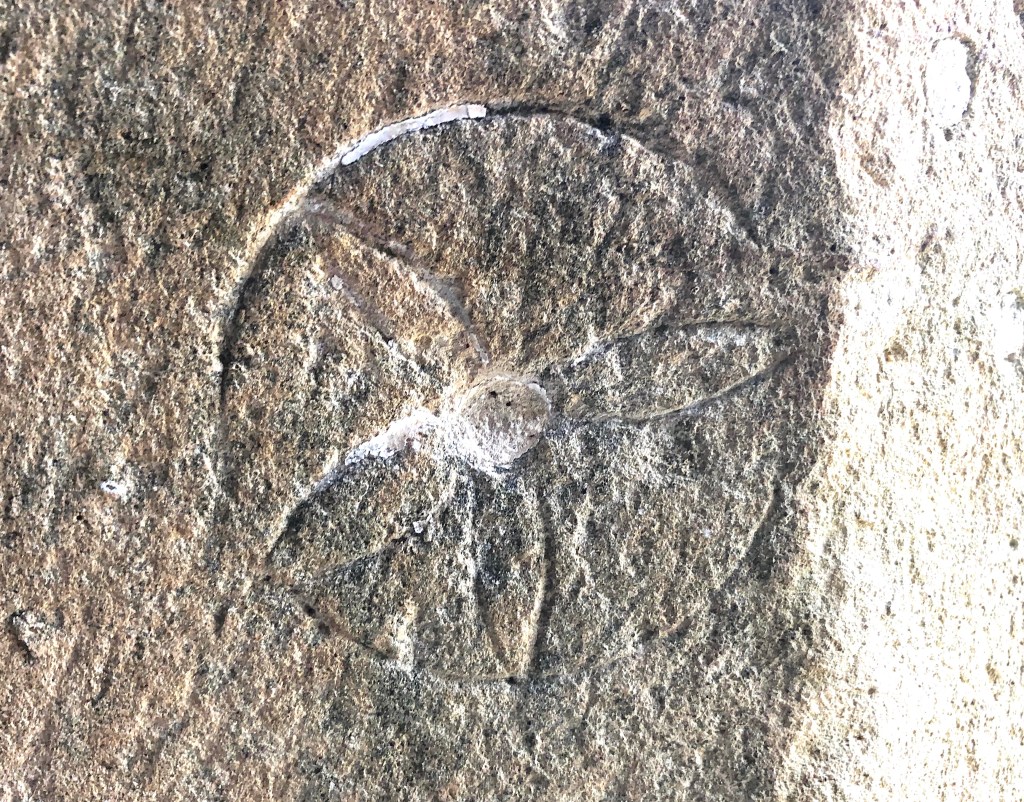
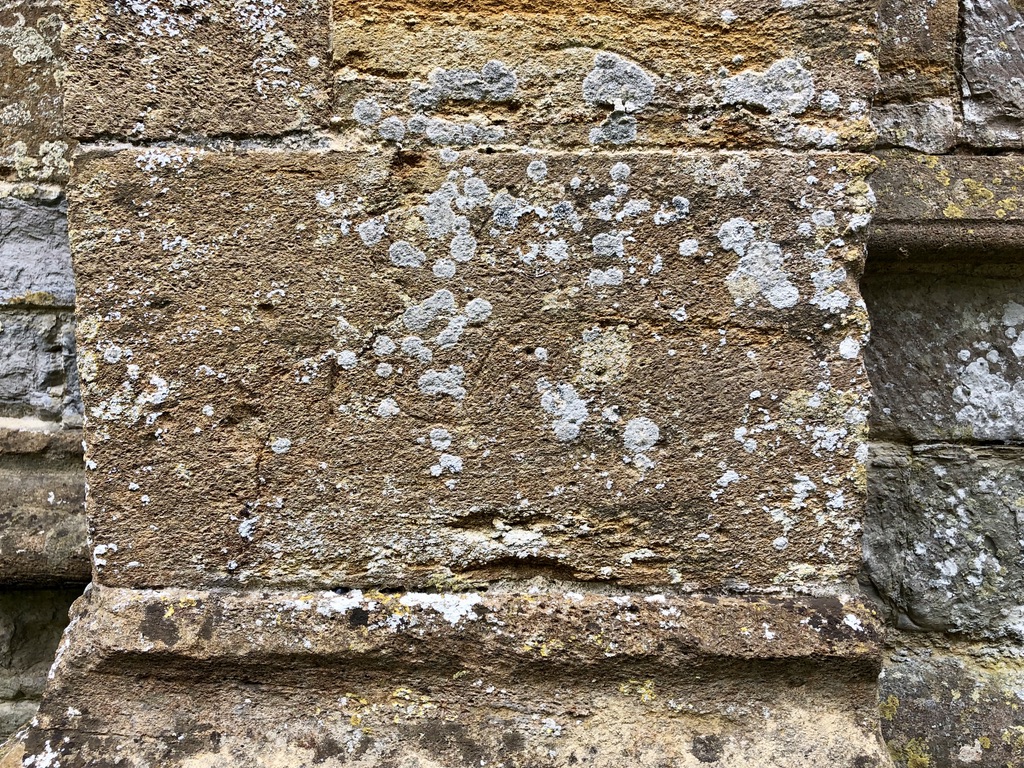
DEH recorded a possible 4th dial, but with reservations. He wrote: 218. (3) This doubtful dial is on the e. side of the closed doorway in the nave. It is 5 feet 2inches above the ground, the noonline is 3 1/2 inches in length, the stylehole, if it exists at all, is filled.

I had already photographed it thinking it might be a damaged dial. I’m an optimist and an amateur, not the best combination for a balanced judgement. If this is the dial candidate referred to by DEH, then the style hole is no longer blocked. It looks plausible as a very crude dial, and it is a conventional dial location. Is it a much earlier dial than the others, cut beside what was clearly a significant doorway and now degraded by time and weather? Any views welcome.
GSS Category: Scratch Dials (multiple)

All photos: Keith Salvesen

SUTTON MONTIS . SOM . HOLY TRINITY – 2 Dials (one unrecorded)

Holy Trinity . Sutton Montis . Somerset

GRADE I † Saxon origins; surviving work of C12 and all subsequent periods BLB. Chancel C12 / late C13, Victorian restorations. An attractive church with its squat tower and portico; secluded and approached by narrow lanes. 6m N. of Sherborne; 7m W. of Wincanton. 51.0214 / -2.537 / ST624248

DIALS

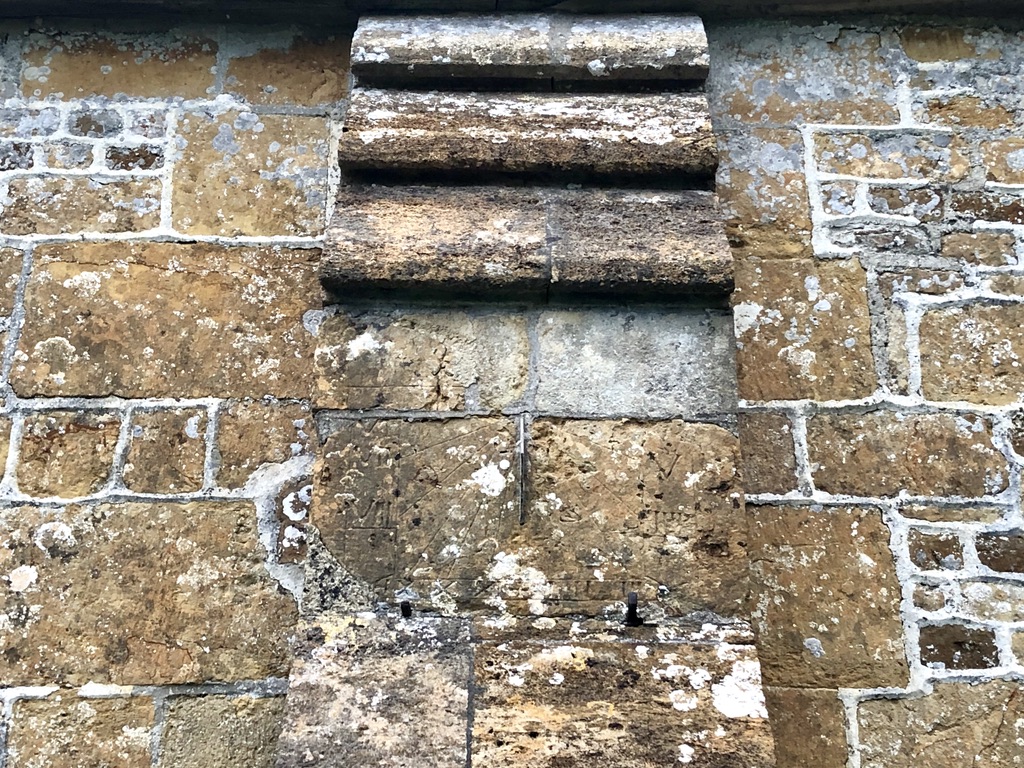
Holy Trinity has 2 dials. The first is a small unobtrusive scratch dial by the S. doorway, possibly unrecorded unless in the church archives. It was not noted by DEH during his thorough coverage of the area; and it is not in the BSS register. The second (C18?) is clearly not strictly a scratch dial but an early vertical sundial. It definitely deserves inclusion as a most intriguing dial from a later period.

DIAL 1

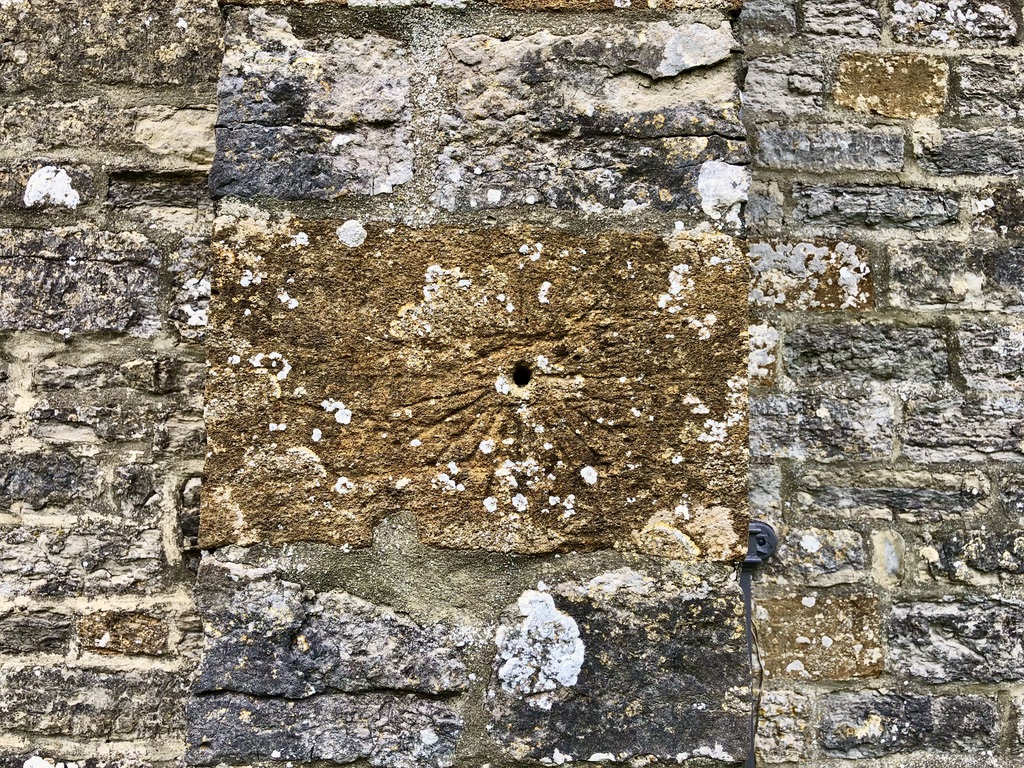
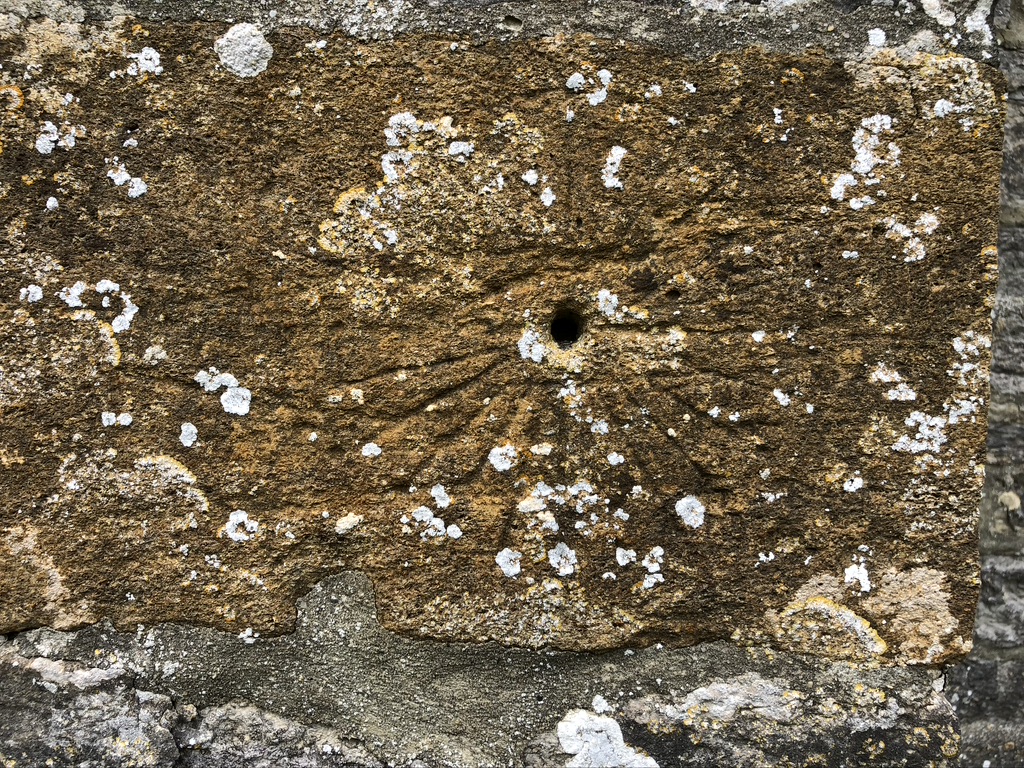
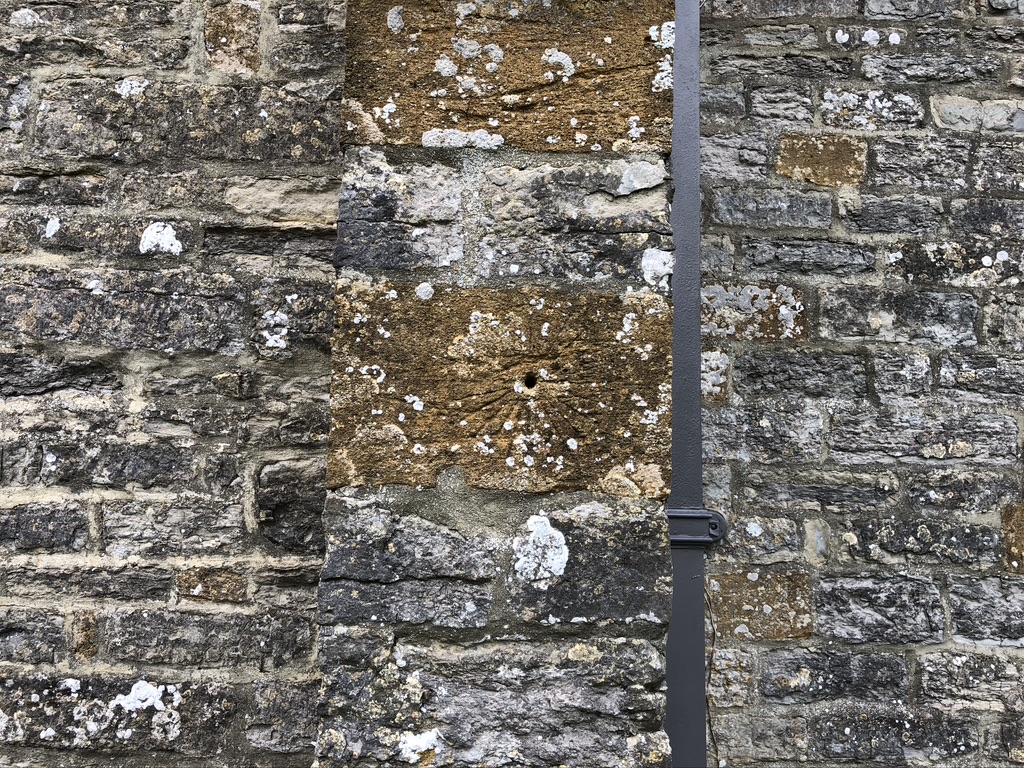
This simple conventional scratch dial is inside the portico on LHS of the door. There are 2 clear lines from the style hole, with a fainter 3rd somewhat offset between them. The deeper cut line possibly indicates a Mass time (Terce).

Holy Trinity . Sutton Montis . Somerset – Scratch Dial

DIAL 2

Holy Trinity . Sutton Montis . Somerset – C18? sundial

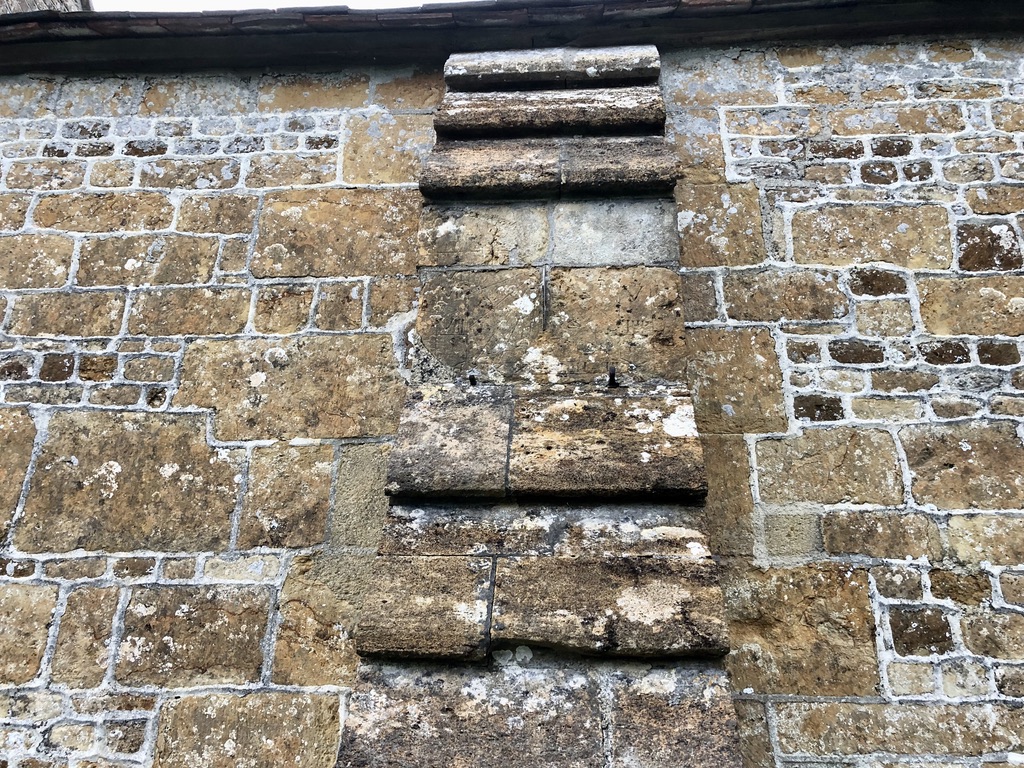
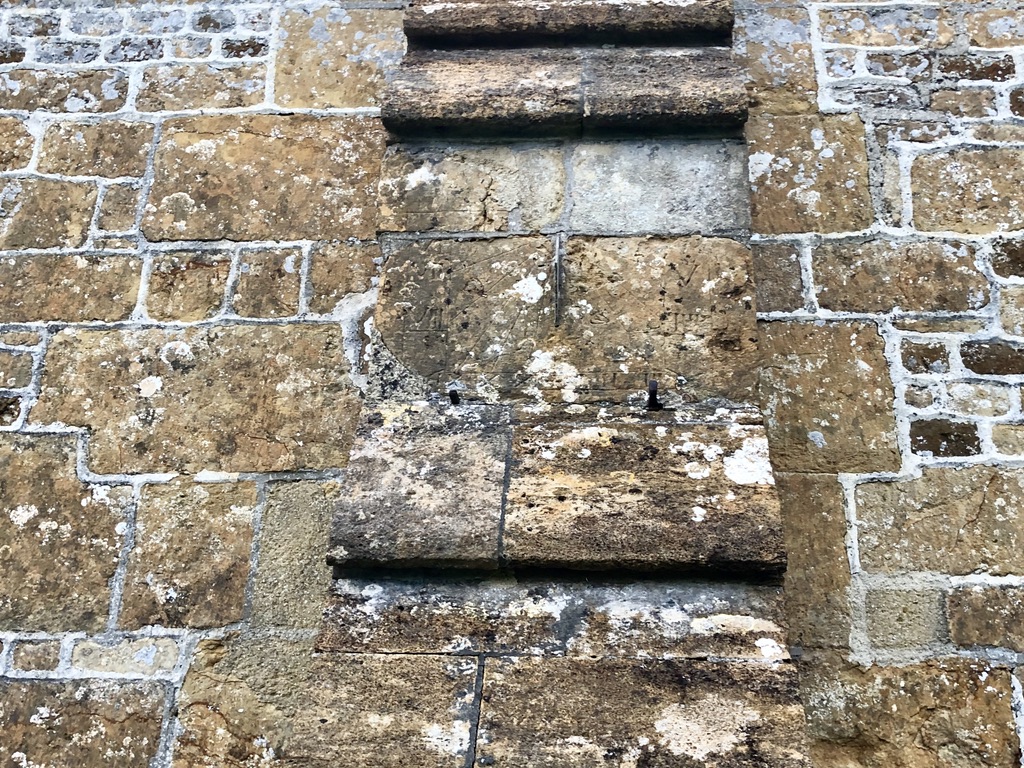
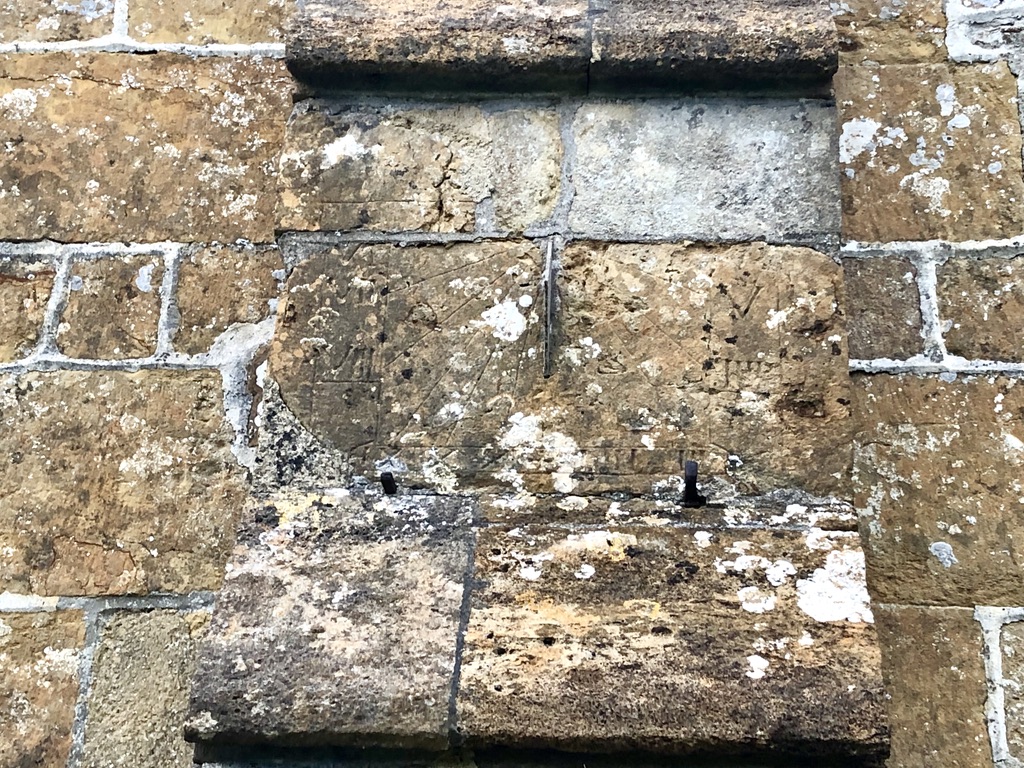
On the central buttress of the chancel. A single oblong stone slab with the mortar line as the horizontal ‘6-to-6’ and the numerals framed. The top edge of the frame is cut along the stones above; clear on the left one, faint on the right. Large Roman numerals on each side; small ones along the bottom of the dial. IIII for IV. The radials – more distinct on RHS – are graduated, with the noon line termination in a cross. The present gnomon is a simple metal triangle. It is hard to tell whether there was originally a wood or iron style or not.

It is unclear what the 2 iron pegs at the bottom are for, though they appear to be designed to hold up a stone tablet – perhaps at one time a different dial or a memorial slab was placed over the original dial.

ADDITIONAL FEATURES

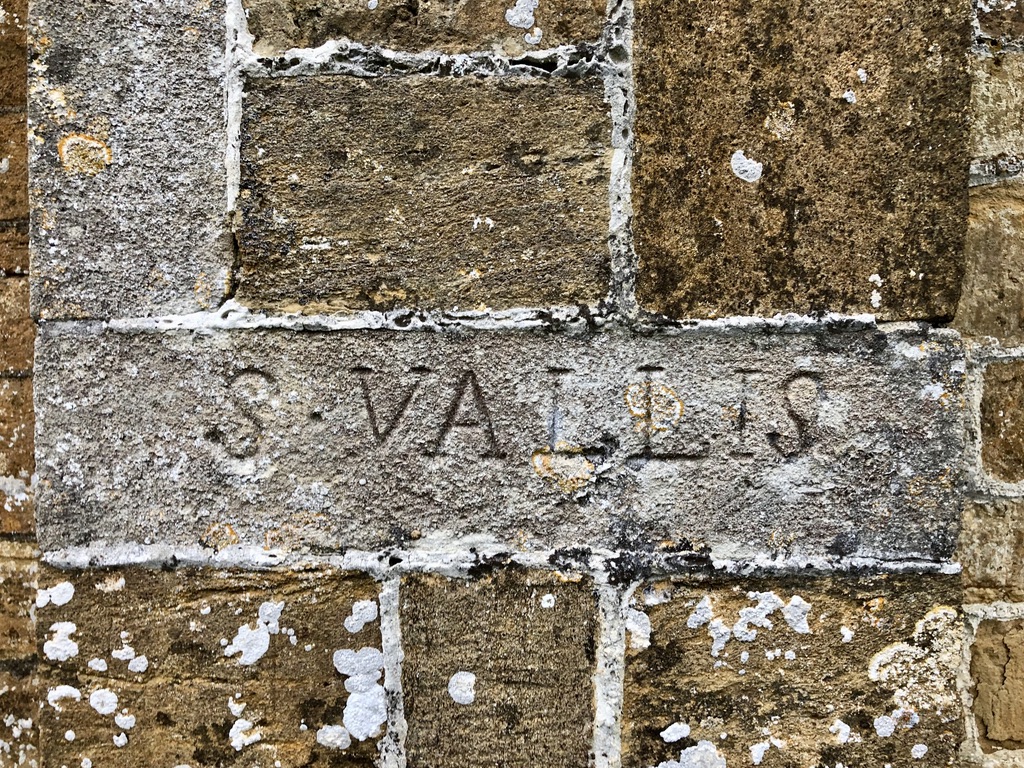
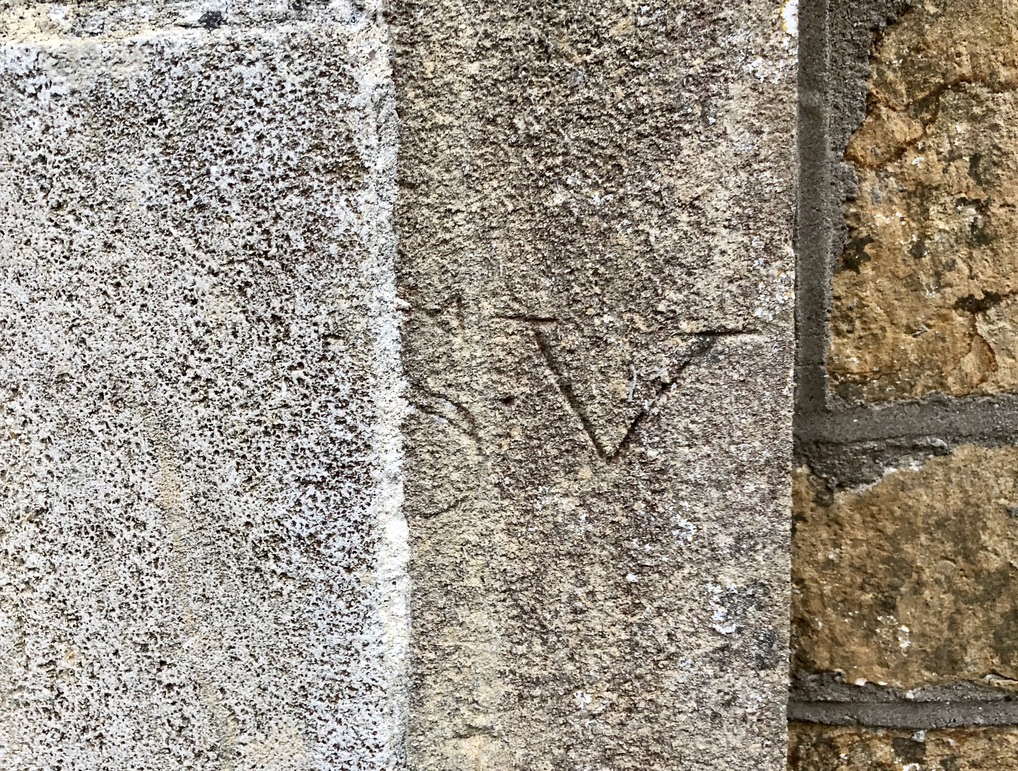
Holy Trinity has other features to note – graffiti including dates and initials; at least one Marian (witch) symbol; and a mystery inscription. Sutton Montis indicates a hill hamlet and is clearly marked on historical maps. However I can find no historical or cartographic reference to the ‘valley hamlet’ of Sutton Vallis. And yet…

GSS Categories: Scratch Dial; Old Dial

All photos: Keith Salvesen
ASHINGTON . SOM . ST VINCENT – 2 Scratch Dials

St Vincent . Ashington . Som.

ASHINGTON . ST VINCENT . SOM

GRADE I † C13 origins in simple form, with later additions of porch, nave and chancel. A pretty and unassuming small church adorned with a notable bell turret. BLB highlights a number of interesting features. Located between Yeovil and RNAS Yeovilton, close to several other good ‘dial’ churches. 50.9904 /  -2.6267 / ST561214

DIALS

DIAL 1

The buttress where the nave joins the chancel is the focal point for 2 scratch dials, one above the other. The upper circle dial is pleasingly elaborate with ± 18 radials fanning out from the style hole, many ending in pocks. Because of erosion I can’t be sure, but given that the circle was evidently complete, I suspect the full 24 hours were once cut. The lines in the lower ‘morning’ quadrant are deeper cut. Some lines extended to the mortar. A very satisfactory dial for an amateur to find.

St Vincent . Ashington . Som – Scratch Dial 1

DEH visited St Vincent and other churches in the vicinity in May 1915. His field research primarily involved locating scratch dials throughout Somerset, taking meticulous but limited measurements of them, and making a general record, with occasional specific notes. As the pioneer of modern dial study, he was less concerned with the finer details we can now hope for, and he rarely included information about radials, pocks, angles and so on – nor put forward theories. Of Dial 1, he simply noted:

184. (1) This dial is on the second buttress e. of the s. porch. It is 6 feet 5 inches above the ground, the noonline is 4 inches in length, the stylehole is nearly 2 inches in depth by 3/4 of an inch in diameter, and the aspect is s. by 10° e. Type 4.

DIALS 1 & 2

St Vincent . Ashington . Som – 2 Scratch Dials

DIAL 2

St Vincent . Ashington . Som – Scratch Dial 2

DEH 185. (2) On the same buttress, 2 feet 3 1/2 inches lower down, is a second dial. The noonline is 3 inches in length, and the stylehole is 1/2 an inch deep. Type3. May 19th 1915.

He added the comment: The lower of these two dials may be only a copy of the one above, but it is badly weathered and it is difficult to judge. Puzzling, because this dial (to which DEH assigns a different Type) seems quite unlike its companion above. There are few discernible lines, and some are wholly or in part made up of pocks. It is much less ambitious and much more rustic. It almost seems that it was the first dial on the buttress, and Dial 1 was a much more artful improvement.

GSS Category: Scratch Dial

Photos: Keith Salvesen

LIMINGTON . SOM. BLESSED VIRGIN MARY – Scratch Dial (inside porch); 2 Vertical Dials

St Mary . Limington . Som.

LIMINGTON . SOM . BLESSED VIRGIN MARY

GRADE I † C14 with earlier C13 features -1st Rector recorded 1215 BLB; C15 work and later; C19 restoration. Cardinal Wolsey’s first Living. One of several good village churches with dials in the vicinity of RNAS Yeovilton. 50.9989 / -2.6546 / ST541223

DIALS

DIAL 1

South Somerset is unusual for the number for scratch dials located inside a (later added) S. porch beside the original doorway. Limington is one (see also BLACKFORD, for example). St Mary also has medieval graffiti and other marks in the porch, some shown in the images below. As often over the life of a church, walls were whitewashed so the paint flecks are not unusual. For a good example of an ‘internal’ porch still painted over, see WAYFORD.

NOTE: There are also 2 vertical dials, one above the other, on the S. buttress of the tower. In due course I’ll add a link to a separate post about them; meanwhile see below.

St Mary . Limington . Som. – Scratch Dial inside the S. porch

DEH visited St Mary in May 1915 and noted that ‘the lines are sharp and clean cut’. He records:

197. (1) This dial is on the e. side of the inner door of the s. porch. It is 4 feet 11 inches above the floor, the noonline is 5 inches in length, the stylehole, which is in a joint, is filled, and the aspect is s. by 20° e. Type 2

DIAL 2

DEH also found a second dial and, from his description, I missed it on my visit and walked straight past it. He records:

198. (2) This dial is on a buttress to the w. of the priest’s door. It is 5 feet 1 inch above the ground, the noonline is 4 inches in length, the stylehole is 1/2 inches deep by 3/4 of an inch in diameter, and the aspect is s. by 15° e. Type 5c.

I took a rather bad photo of the buttress from a distance and can find no obvious dial. However I did find what may be an eroded and be-lichened dial on the angled buttress at the E. end, facing SE. There’s more than one part circle here. So this may be a third dial – or it doesn’t rank as a dial and (if he saw it) DEH discounted it. The latter, most likely. Limington is yet another church to revisit and check. I will amend accordingly.

TWO VERTICAL DIALS

There are 2 vertical dials on the buttress of the tower. I didn’t photograph them specifically, though they are visible in a general photo of the church. The image on the right is (I think) CC but if not, many apologies to the photographer…

GSS Category: Scratch Dials

Photos: Keith Salvesen

CHILTON CANTELO . SOM . ST JAMES – trace dials? (unrecorded)

St James . Chilton Cantelo . Som

GRADE II* † C15 tower, ‘earlier fragments’ BLB. Later church significantly restored mid C18 (‘unremarkable’). An early church made Gothic. Located N. of Yeovil, S. of the dreaded A303, an area with several good dial churches and some intriguing village names. 50.9974 / -2.6138 / ST570221

DIALS (?)

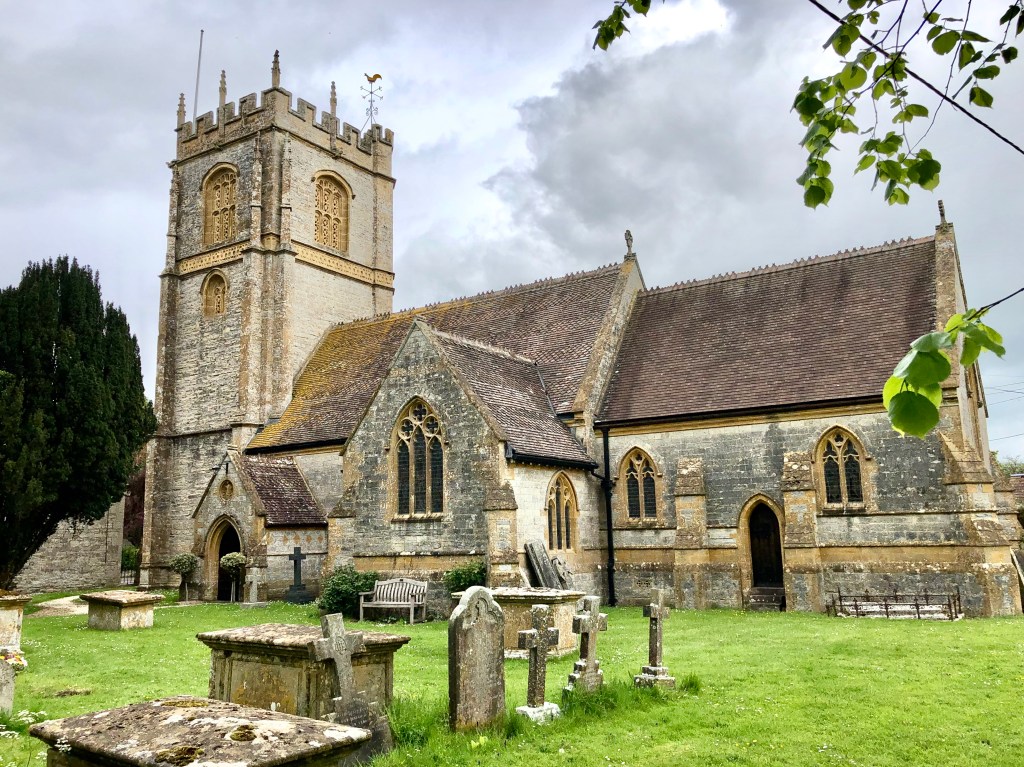
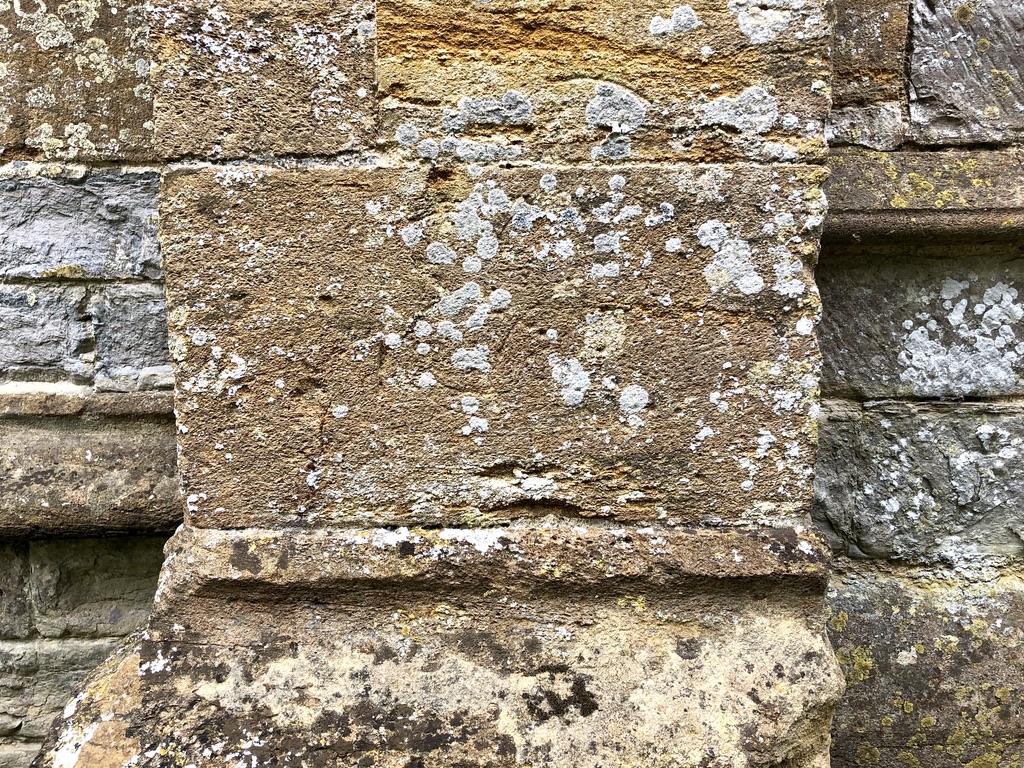
This buttress on the tower is not one to get too excited about. However, 2 stones caught my attention. The top eroded or damaged stone shows most of a semicircle. It does not appear to continue onto the stone below. The lower stone has – just below the mortar line – a similar very faint semicircle, with a more visible one underneath. To the left are some scratchings including a crescent.

One feature of this group is that the damaged stone may have been relocated; it doesn’t match those around it. Overall it is probably best to view these marks as doodles – using a nail and string? – more than dials. It is not recorded by DEH of BSS. All the same, it was worth taking a close look. Any views, positive or negative, welcome.

St James . Chilton Cantelo . Som – traces of scratch dials?

GSS Category: Scratch Dials (possible)

Photos: Keith Salvesen

MONTACUTE . SOMERSET . ST CATHERINE . 2 dials

St Catherine . Montacute . Somerset

MONTACUTE . SOMERSET . ST CATHERINE

GRADE II*. C12 origins on earlier pre-conquest site; extended in C13; tower C15; Victorian restoration. Outcompeted as an historic building by Montacute (the house) NT, worth a visit in its own right, obviously. 4 miles NW of Yeovil. 50.9498 / -2.7178 / ST496169

DIALS

DIAL 1

Repositioned and inverted on a S. buttress. An unusually large style hole, with other holes and pocks that may be markers, or perhaps irrelevant. The top left hole, on the circle, is the most likely to be related – perhaps a emphatic reminder for Mass. The afternoon lines are emphasised and the noon line elongated, though it looks a casual later addition. See below for image with the dial reverted

St Catherine . Montacute . Som – Scratch Dial 1

Father Horne DEH visited Montacute on 18 June 1914 and recorded it thus:

205. This dial is on the second buttress from the tower, at a height of 5 feet 7 inches above the ground. The noonline is 5 inches in length, the stylehole is 1 1/4 inches deep by 3/4 of an inch in diameter, and the aspect is s. by 12° e. Type 5b.

This is a rare example (and perhaps none exists now, a century later) of a possible style fragment found in situ. The record continues:

This dial is upside down, and hence has been moved from its original place. A fragment of the metal style was extracted about an inch in length, and which had rusted down to about 1/2 of an inch in diameter. It appears to be a piece of iron. June 18th, 1914.

DIAL 1 REVERTED

St Catherine . Montacute . Som – Scratch Dial 1 Reverted

DIAL 2

On the second (E.) tower buttress on the S. side, another dial, unrecorded by Father Horne presumably because it doesn’t strictly fall within the – or his – scratch dial definition. However, it is a fine dial in its own right and deserves to feature here even if not quite qualified for inclusion.

I haven’t yet found an analysis of this dial in the usual resources. The lines are unevenly spaced but not graduated. The hours are clearly marked from 8 to noon in Arabic numerals; then faintly (eroded?) from 1 to 5 in Roman numerals. The 3-line is barely visible.

This Arabic / Roman numbering mix is not something I have come across before. It may help to date the dial – late C16 perhaps? Any further information would be welcome.

Ref: Somerset Historic Environment Record: There are two engraved sundials on the south side of the church. The first is semicircular and reset upside down on the second buttress west from the steps down to the boiler house. There are three marker holes. The second is on the E buttress for the tower and the divisions are numbered in a combination of Roman and arabic numbers. 

GSS Category: Scratch Dial(s); Old Dial

All photos: Keith Salvesen
ODCOMBE . SOMERSET – ST PETER & ST PAUL: SCRATCH DIAL

St Peter and St Paul . Odcombe . Somerset

ST PETER AND ST PAUL . ODCOMBE . SOMERSET

GRADE II*. C13 origins, mainly C15, later restoration, transepts added 1874. 3 miles W. of Yeovil, close to Montacute. 50.9365 / -2.7031 / ST506154

DIAL

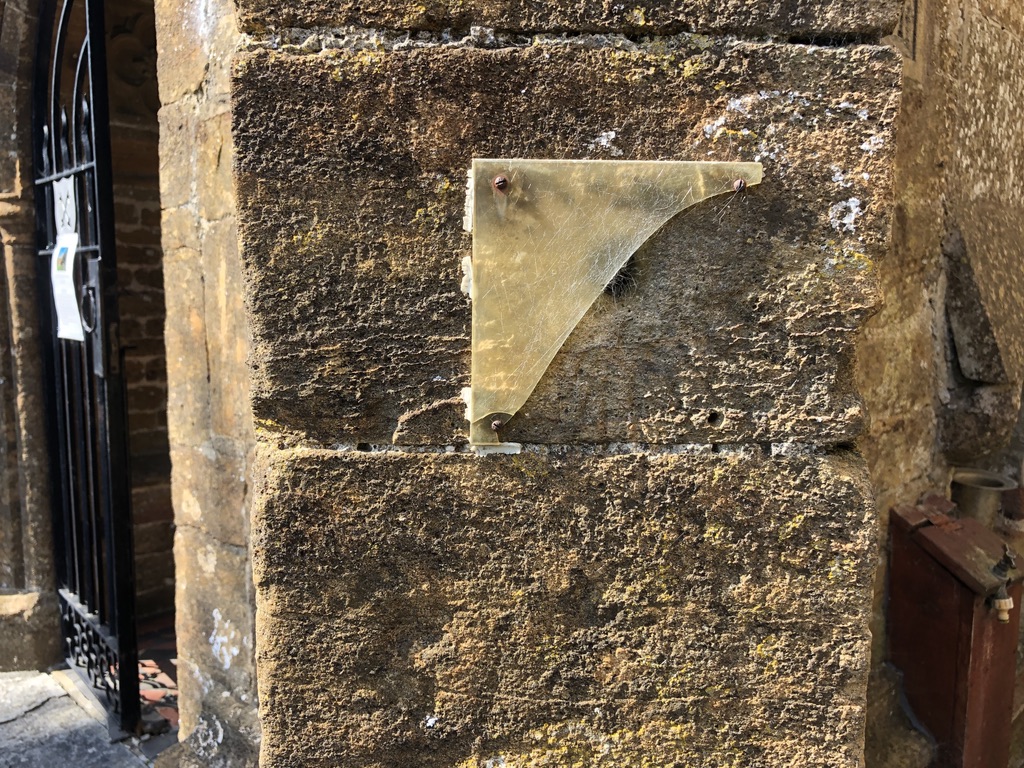
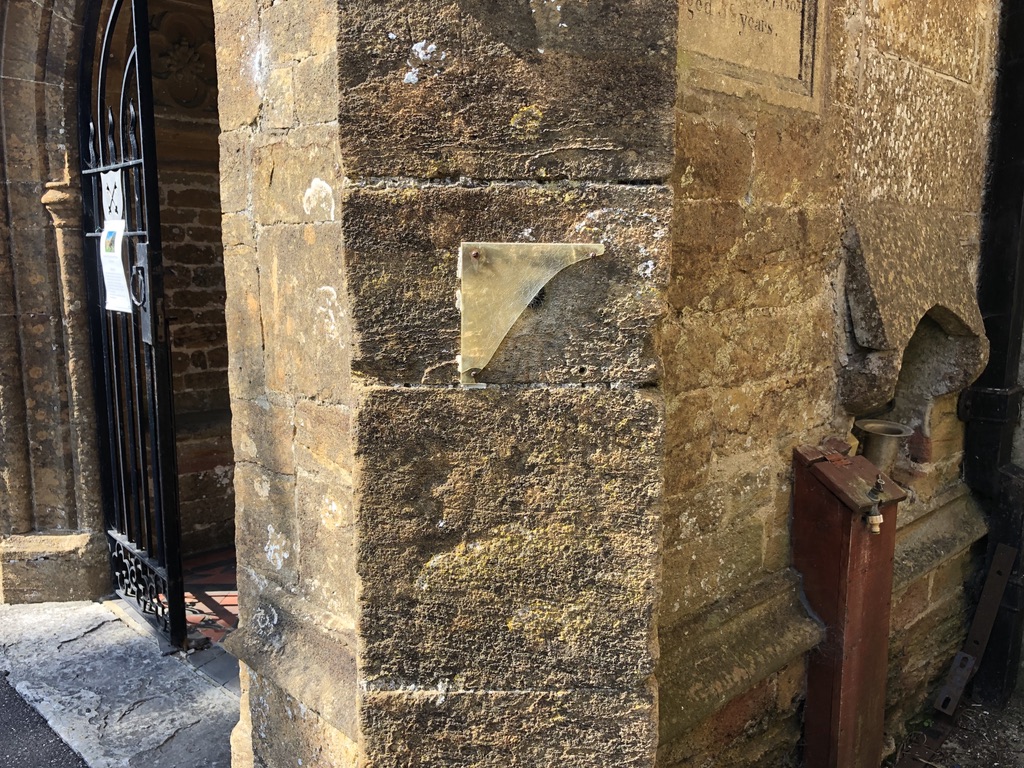
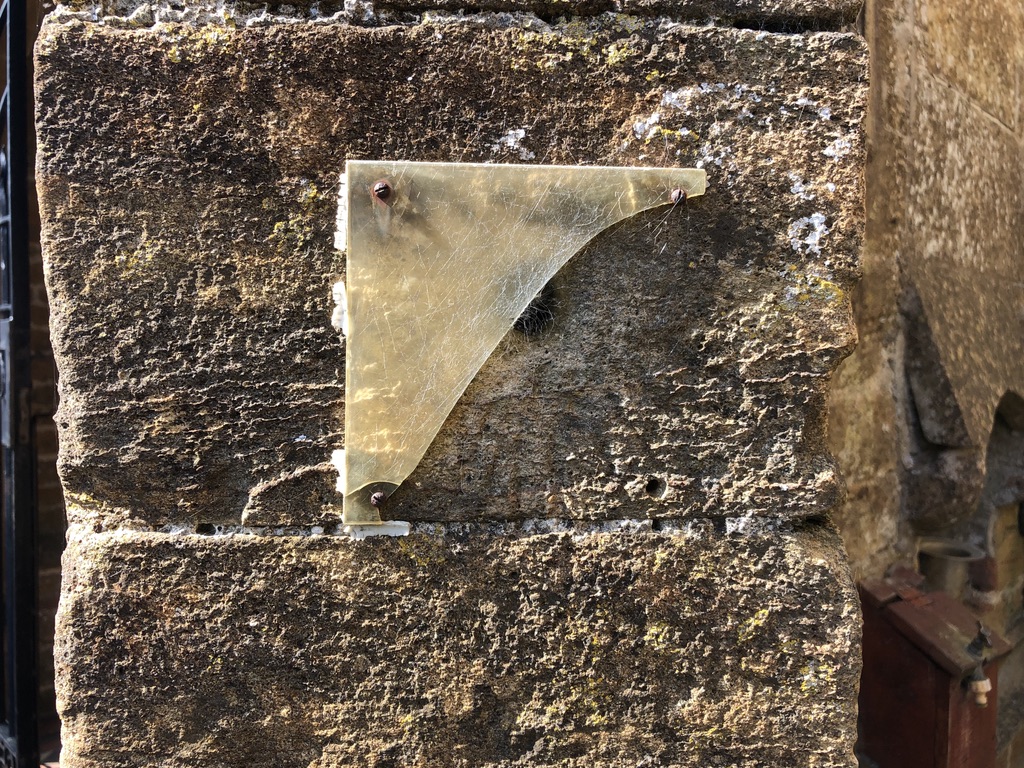
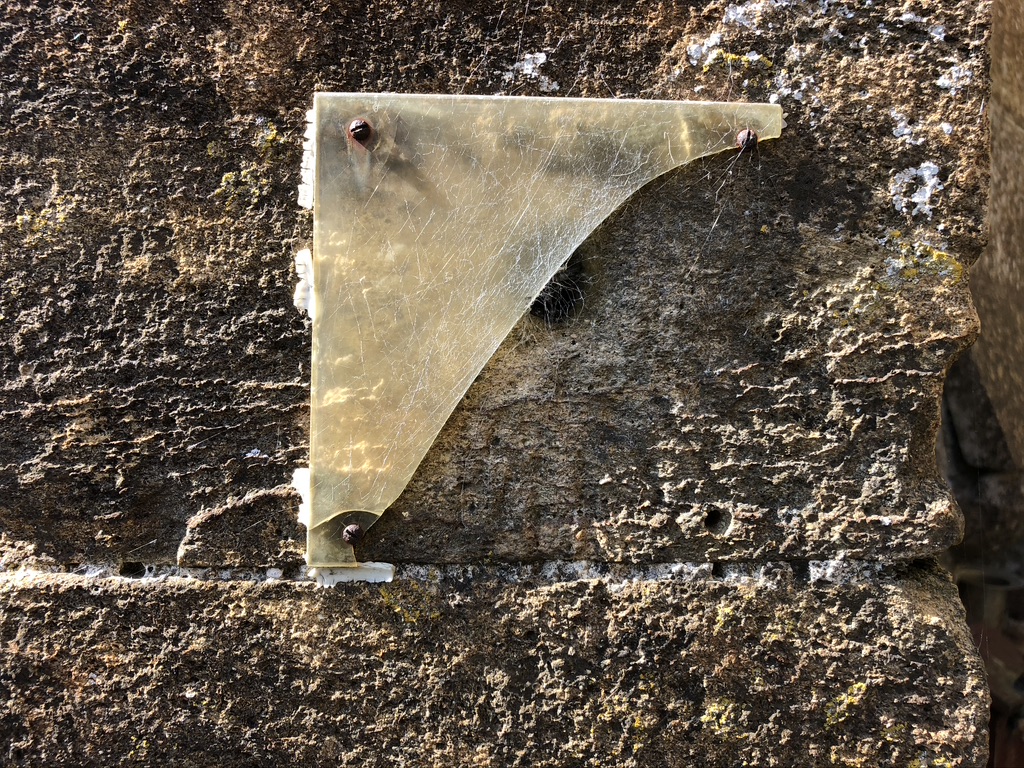
The dial, once located E. of the porch, is disappointingly half-concealed by a discoloured and broken perspex sheet screwed over it. It’s a well-intended method of protection, of course, but some say it is preferable to leave a dial to erode naturally over the centuries. Possibly a covering like this could actually cause deterioration.

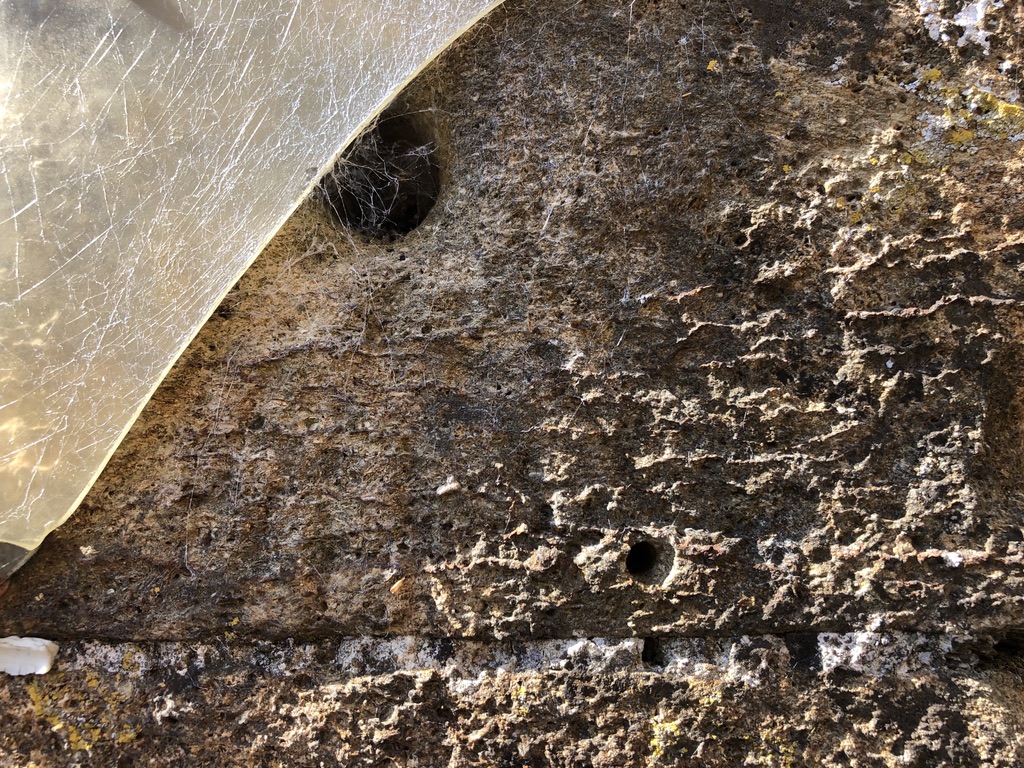
A number of clear graduated lines are visible in the lower R quadrant. There is a large pock, with a couple of small holes in the mortar below. The large one – between the terminus of two afternoon lines – may well be part of the dial. It’s too large to be the location of the missing screw for the covering. Perhaps that was fixed in a smaller hole in the mortar.

St Peter and St Paul . Odcombe . Somerset – Scratch Dial

Dom Ethelbert Horne DEH visited Odcombe church on June 8th, 1915. He noted: this dial is on the s.e. face of the buttress, and hence may not be in its original position and his record states:

208. This dial is on the s.e. angle buttress of the s. porch. It is 4 feet 4 inches above the ground, the noonline is 3 inches in length, the stylehole is 4 1/4 inches deep by 1 inch in diameter, and the aspect is s.e. Type 3. June 8th, 1915.

GSS Category: Scratch Dial

All photographs – Keith Salvesen

MARSTON MAGNA . SOM. ST MARY – SCRATCH DIAL

St Mary . Marston Magna . Som

ST MARY . MARSTON MAGNA . SOM .

GRADE I. Pre-conquest origins, largely rebuilt in c.1360 and reworked thereafter. Plenty to investigate and to test your building dating skills. BLB summary HERE. 5m NE of Yeovil, NW of Sherborne. 50.999 / -2.5807 / ST593223

DIAL

A single dial. St Mary was visited by DEH on May 18th 1915 and he recorded:

199. This dial is on the first buttress to the w. of the priest’s door. It is 7 feet 4 inches above the ground, the noon-line is 4 1/2 inches in length, the style hole is 1/2 an inch deep by 3/4 of an inch in diameter, and the aspect is s. by 10°e. Type 3. May 18th, 1915.

St Mary . Marston Magna . Som – Scratch Dial

The radials go beyond 180º, with quite a variation in spacing, depth, and length. There are notably longer and deeper afternoon lines with one extending to the stone below, which may signify a Mass time. Either that quadrant more deeply incised, or maybe recut at a later date. The extent of erosion in the lower left quadrant suggests the latter.

The style hole is large. DEH makes no comment on the equally large hole immediately above. I could see no other dial signs – lines or pocks – linked to it. I wondered if it was the original dial on this prominent buttress, of the most basic type – simply a hole with a stick in it (the shadow would still be an indicator of the passage of time). Rather than elaborate it, a new dial was added beneath.

GSS Category: Scratch Dial

Photos: Keith Salvesen

ASHILL . SOM . CHURCH OF THE BLESSED VIRGIN MARY – 3 SCRATCH DIALS

Church of the Blessed Virgin Mary . Ashill . Somerset

CHURCH OF THE BLESSED VIRGIN MARY . ASHILL . SOM.

GRADE II*. C12 / C13 on the site of an earlier church; later additions and alterations. Just off the A303 between Taunton (7m) and Ilminster (3m). 50.9508 / -2.9677 / ST321172

DIALS

Dom Ethelbert Horne DEH visited Ashill, during his Somerset dial-seeking perambulations, on 16 August 1915. He found 3 dials closely grouped on the SE corner of the nave. As I am finding, his descriptions from more than a century ago have been eroded by the passage of time and by work carried out in the intervening period, for example filled style holes.

DIAL 1

115. (1) This dial is on the s.e. corner of the nave. It is 6 feet above the ground, the noonline is 2 1/2 inches in length, the stylehole is 1 1/4 inches deep by 1 inch diameter, and the aspect is s. by 10° e. Type 2

Notes: the ‘6 feet’ is from the base of the nave wall, which is below the churchyard level; the style hole has been filled in the interim

Church of the Blessed Virgin Mary . Ashill . Somerset – Scratch Dial 1

DIAL 2

116. (2) About 10 inches to the e. of the above is another dial, which may be only a copy. The noonline is 2 1/2 inches in length, the stylehole, which is in a joint, is filled, and the aspect is as above. Type 2.

Notes: the lines are more spidery, less distinct, and more random than dial 1

Church of the Blessed Virgin Mary . Ashill . Somerset – Scratch Dial 2

DIAL 3

117. (3) Two feet below the last named is another, also probably a copy. The noonline is 4 1/2 inches in length, the stylehole, which is in a joint, is filled, and the aspect is as above. Type 2. August 16th 1915.

Church of the Blessed Virgin Mary . Ashill . Somerset – Scratch Dial 3
Church of the Blessed Virgin Mary . Ashill . Somerset – Scratch Dial 3 annotated

DIALS 1 & 2

Church of the Blessed Virgin Mary . Ashill . Somerset – Dials 1 & 2

DEH notes that ‘it is rather difficult to determine whether Nos. 2 and 3 are only copies of No. 1 or whether they are original’. Having seen and photographed (as he could not) the dials, I am wondering whether the rudimentary dial 2 was in fact the first, with ‘dial 1’ cut later, copying and improving on it.

Dial 3 is rather different to either of its companions. DEH categorises each dial as being in his ‘Type 2’ (of about 12); perhaps that is what he means by ‘copy’ – ie the general style, not the physical details

BLB LINK

GSS Category: Scratch Dial

All photos: Keith Salvesen
BLACKFORD . SOM . ST MICHAEL – 2 SCRATCH DIALS

Blackford . Som . St Michael

ST MICHAEL . BLACKFORD . SOM.

GRADE II*. C11 origins with Norman features inc. doorway inside the porch; enlarged in C14 (tower) and C15 (S. porch); C19 restoration. One of many attractive villages in the area. 4m W of Wincanton, with only the A303 to spoil the peace. 51.2261 /  -2.8478 / ST 65722673

DIALS

Dom Ethelbert Horne DEH visited Blackford on April 24th, 1914, during one of his tours around Somerset examining medieval churches and recording the details of the scratch dials he discovered. Blackford is one of a very small number of Somerset churches where he found a dial inside the porch. It must predate the added C14 S. porch to have had any practical use. Another example of an interior dial can be found at WAYFORD.

DIAL 1

DEH 165. (1) This dial is on the e. side of the inner door of the s. porch, at a height of 4 feet 6 inches above the floor. The noonline is 4 inches in length, the stylehole, which is in a joint, is filled, and the aspect is due s. Type 2

Blackford . Som . St Michael – Dial 1

There are 4 sharply incised lines with no discernible traces of others. The mortar line at the top acts as the horizontal ‘6-line’ and the style location. The spacing of the lines is somewhat unusual for such a well-cut, being neither the 15º equal segments of an old design nor the carefully graduated lines of a later scientific dial. Perhaps this indicates an even earlier origin, even possibly contemporary with the original doorway?
The stone immediately below the dial has a very small (apparent) dial descending in the same way from the mortar line. One could probably dismiss it as a later copy or doodle of the dial above. On the other hand, crude though it is, the radials are differently configured with more emphasis on the LR quadrant. Perhaps a practice dial?

Blackford . Som . St Michael – Dial 1a?

DIAL 2

DEH 166. (2) This dial is on the w. side of the priest’s door, which is blocked up. It is 2 feet 6 inches above the ground, the noonline is 2 1/2 inches in length, the stylehole is small and shallow, and the aspect is due s. Type 3. April 24th, 1914.

Blackford . Som . St Michael – Dial 2

This dial on W. side of the blocked Priest’s door would be easy to miss, though the newly mortared surround is not. DEH doesn’t note its state, but I wonder if has eroded significantly in the intervening century since his visit. There is the hint of a full circle. It’s hard to make out a noon line as such. Now only a single pock below the shallow style hole indicates the vertical.

ADDITIONAL DIALS?

Besides the small ‘dial’ in the porch mentioned above, there are 2 other candidates, both by the Priest’s door. The first one is faint, but there are 2 visible lines leading from a small hole in the stone. Each has a pock at or near the end. Other pocks in the vicinity may be relevant to the theory. The other candidate looked promising, but is less likely I think.

Blackford . Som . St Michael – possible Dial 4

NOTES

St Michael is worth visiting just for the splendid apotropaic marks (ritual protection / witch marks) in the porch, in particular a deeply incised flower-like hexafoil; and a delicate and complex multiple hexafoil design.

Useful general information can be found at CAMELOT PARISHES

GSS Category – Scratch Dial

All photos – Keith Salvesen