STRATTON-ON-THE -FOSSE . SOMERSET . ST VIGOR – 3 Scratch Dials

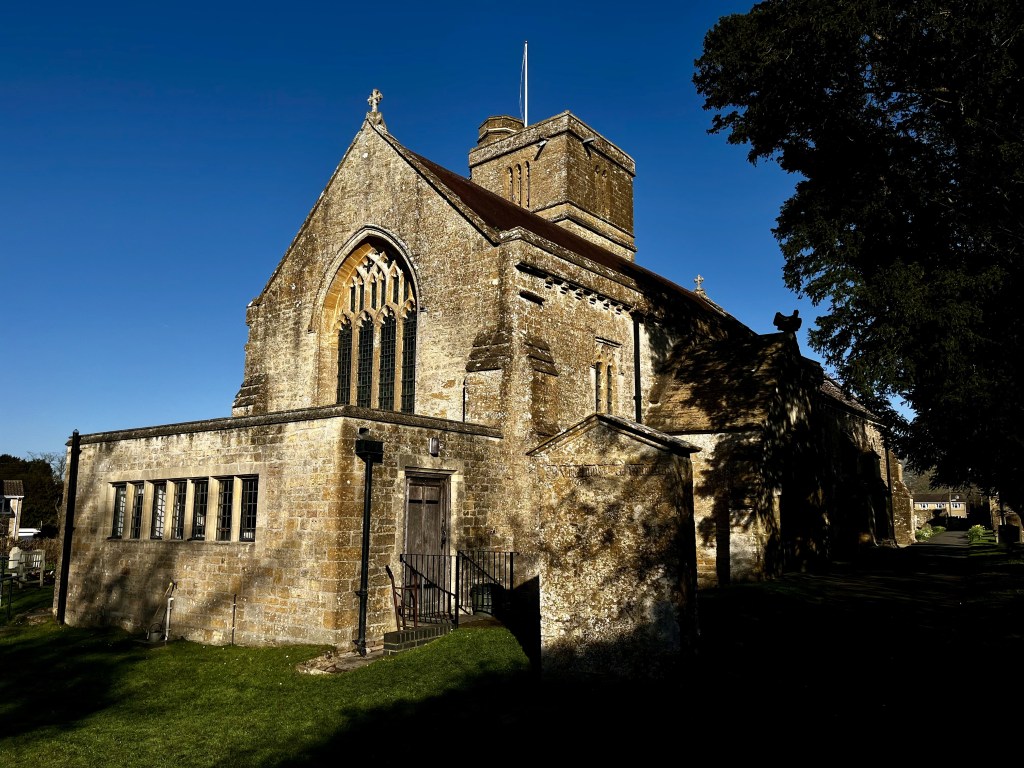
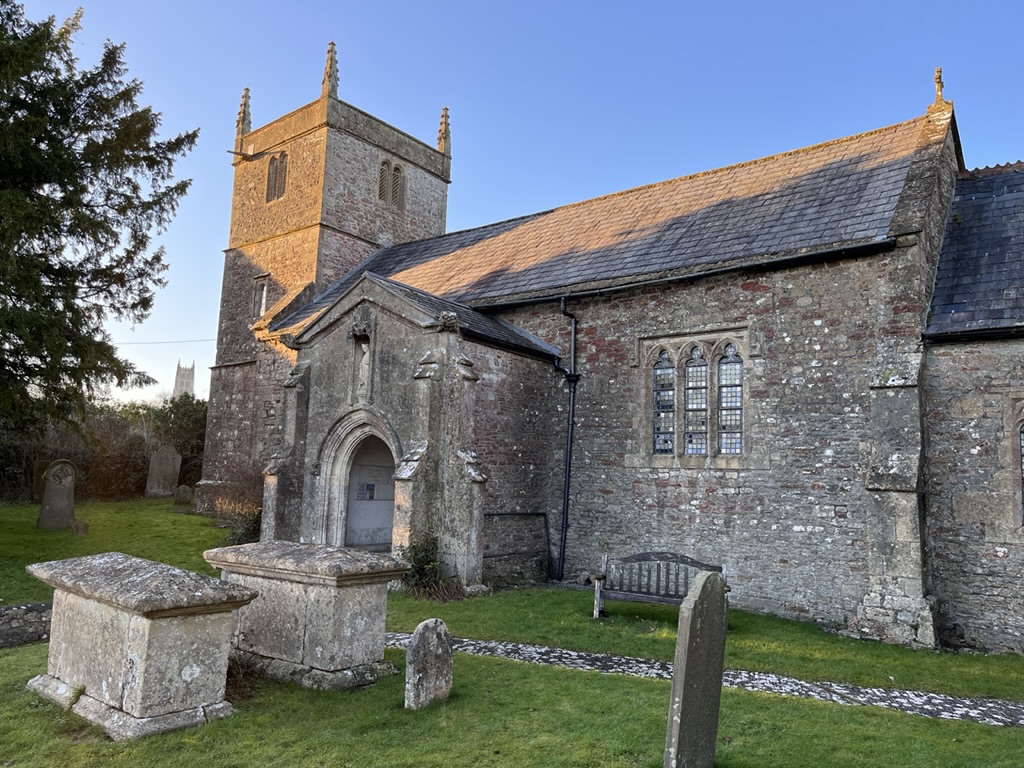
GRADE 1 C12 origins; mainly C14; much rebuilt C15/C16; further rebuilding late C18; restoration C19. One of only two churches with this Dedication (Fulbourne Cambs is the other). A pleasing and unpretentious church. Very close to Downside Abbey/. 51.2552 /  -2.4896 / ST659507

DIALS

Downside Abbey was home to Dom Ethelbert Horne, the pioneer dial collector and analyst who covered Somerset with skill and determination, using a motorcycle to get around. He began the project in 1913, and recorded the dials at St Vigor on Nov 3 – perhaps they were his first finds. His book with its careful explanations is a vade mecum for any dial enthusiast (even one with no connection with the County).

DIAL 1
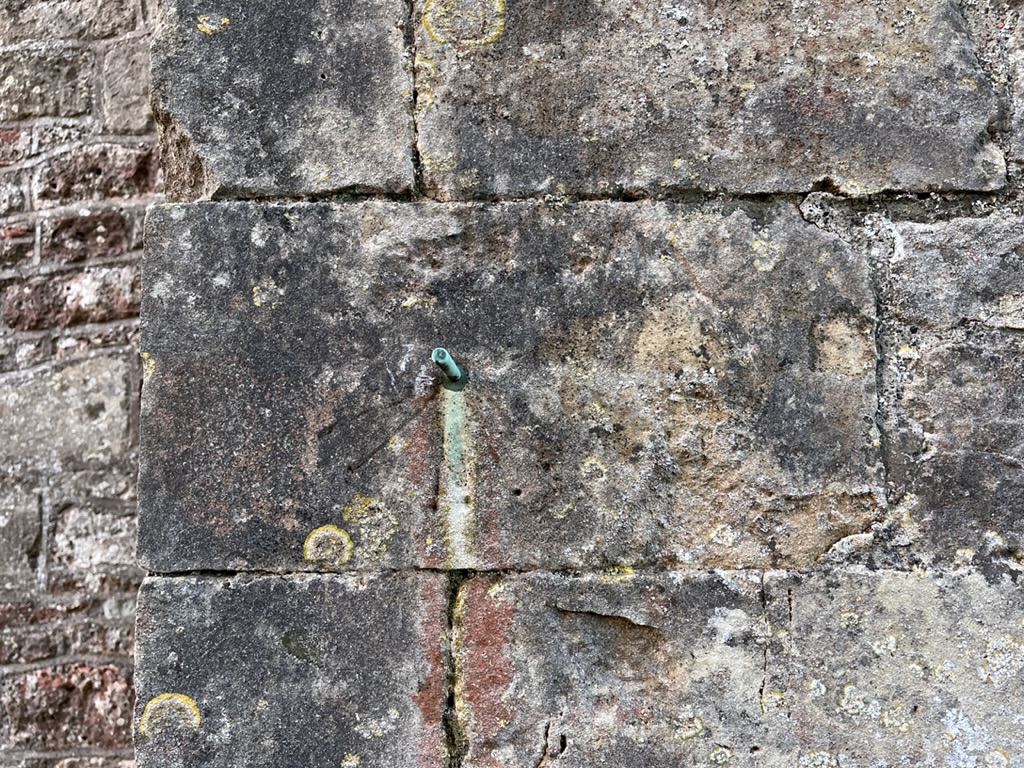
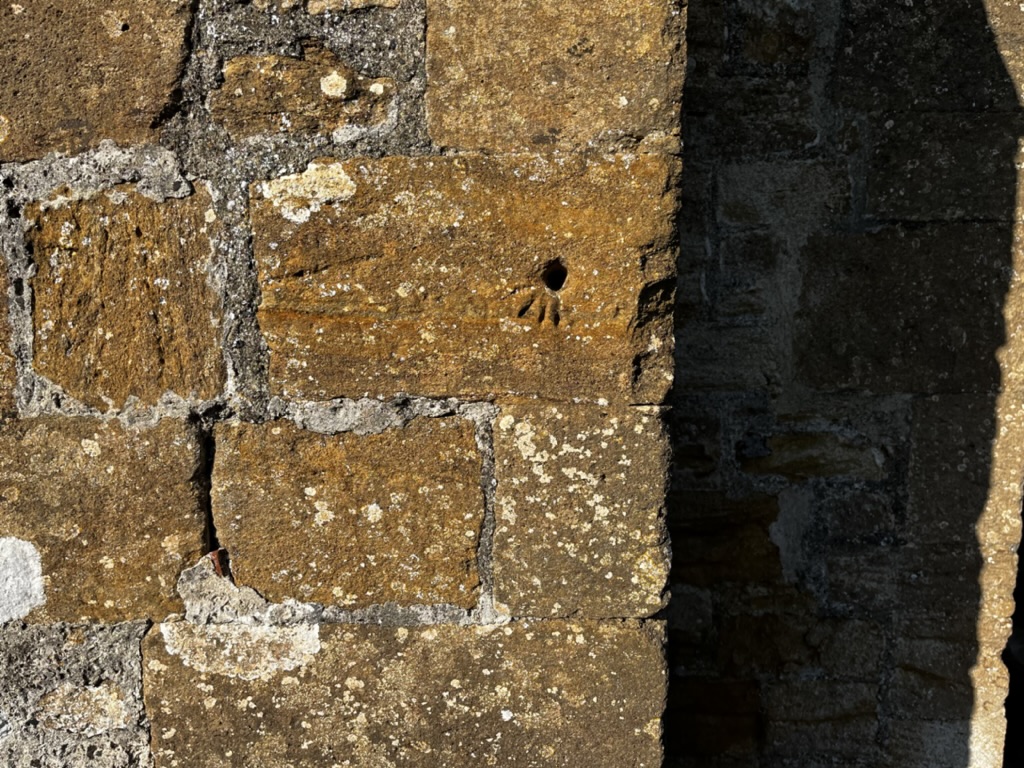
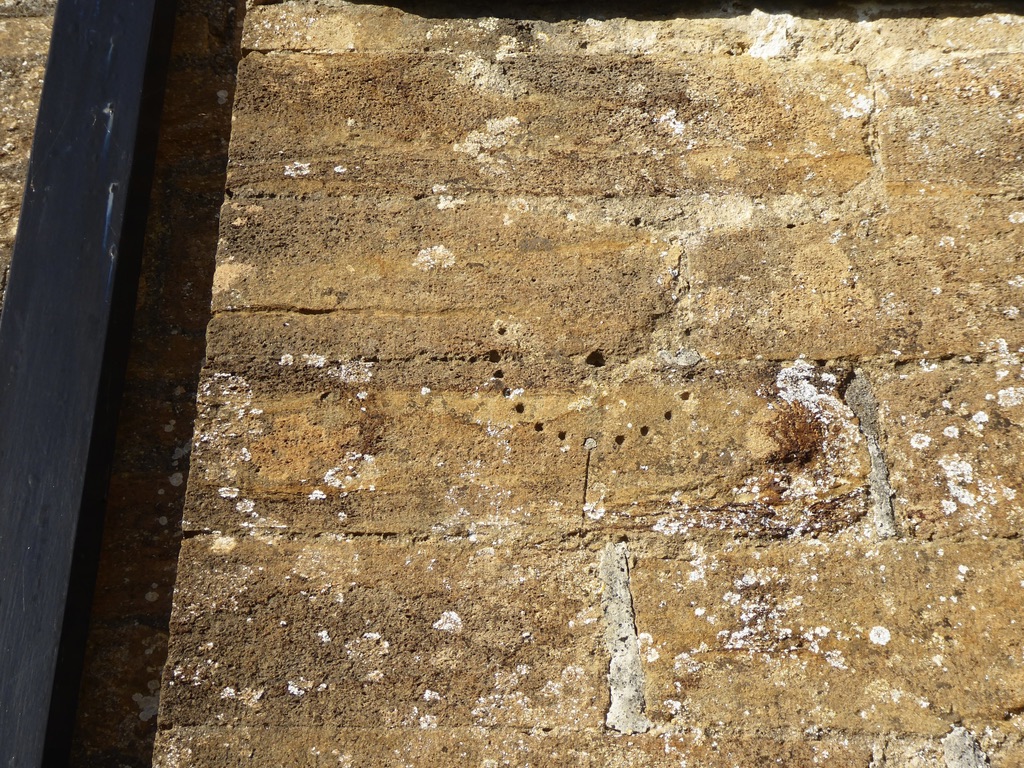
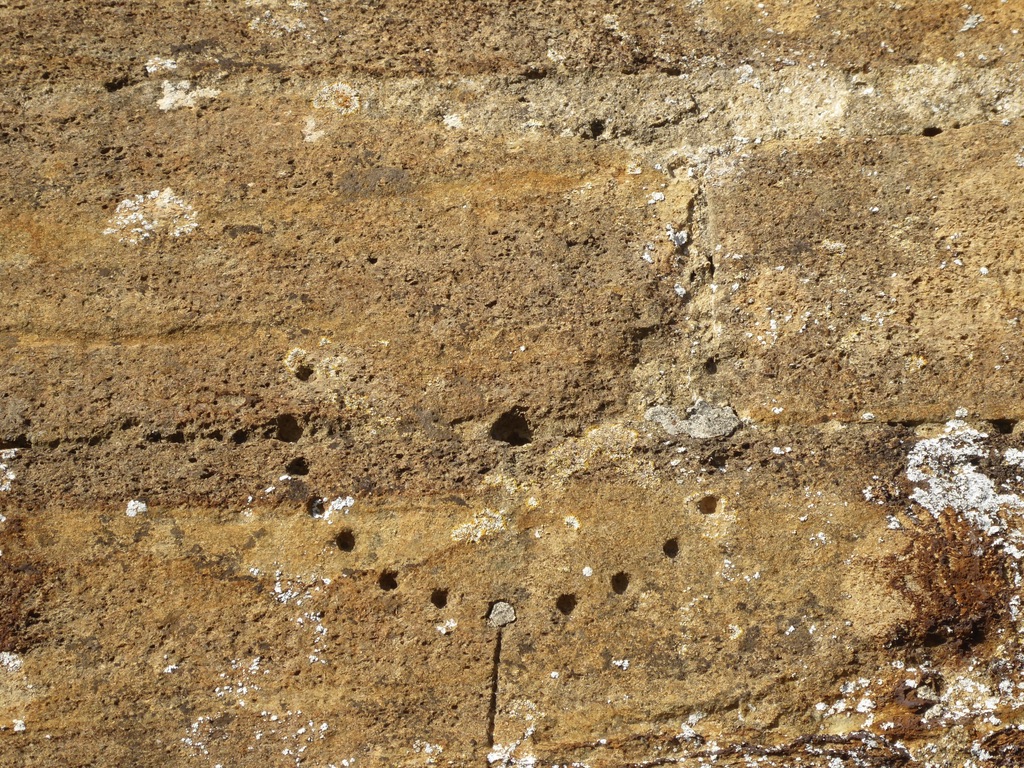
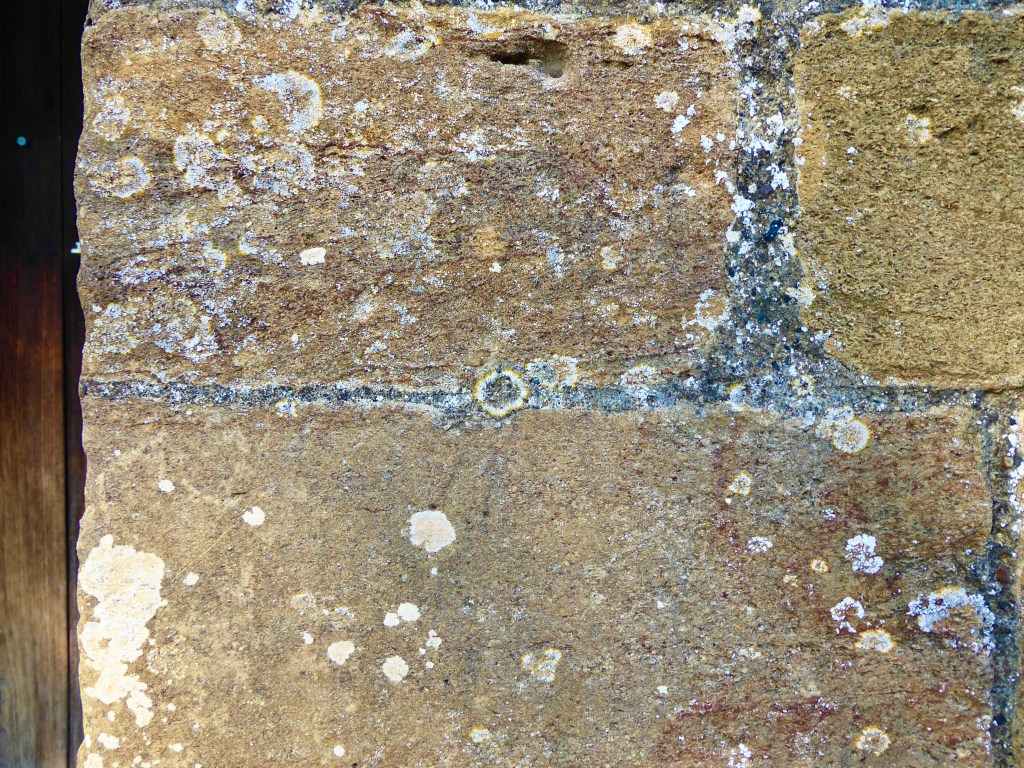
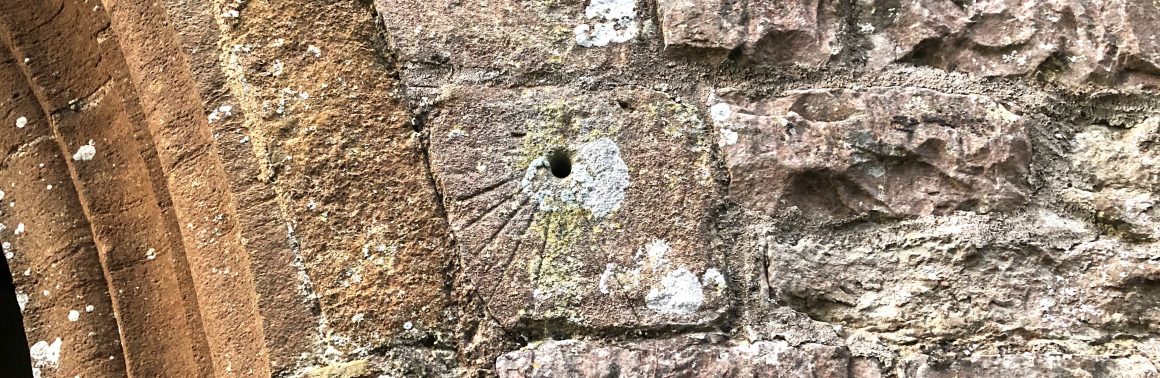
Dial 1 is located at SW corner of the nave, high up (7′) on a quoin stone. DEH noted The Mass line in this dial is sharp and distinct, and made at a different time from the other lines. He makes no comment on the design. There are 6 lines each with a terminal pock, with hints of a couple more. DEH makes no mention of a gnomon, but with his usual thoroughness measured the depth of the hole. It is certain, therefore, that the existing (copper?) rod was inserted relatively recently.
DIAL 2

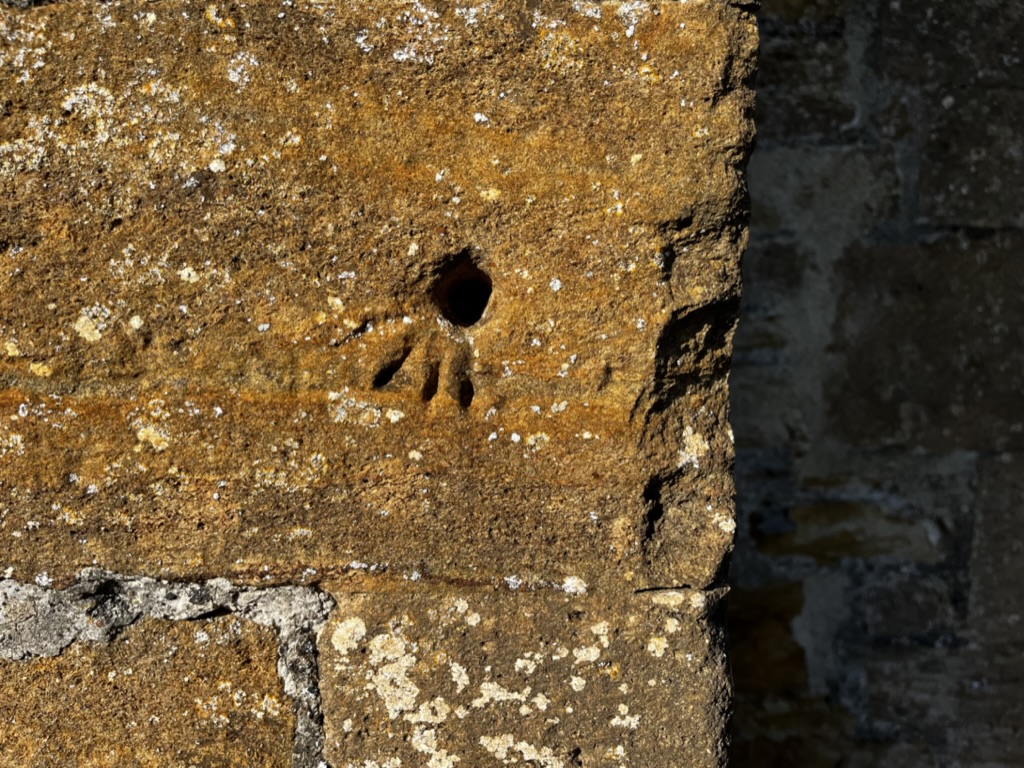
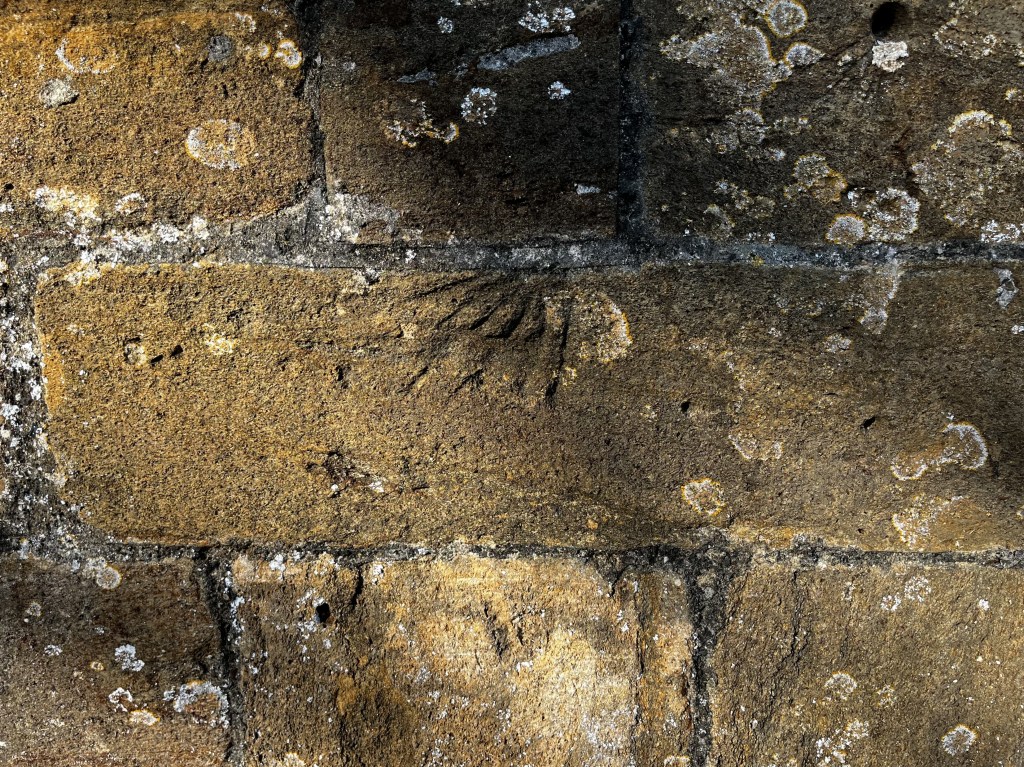
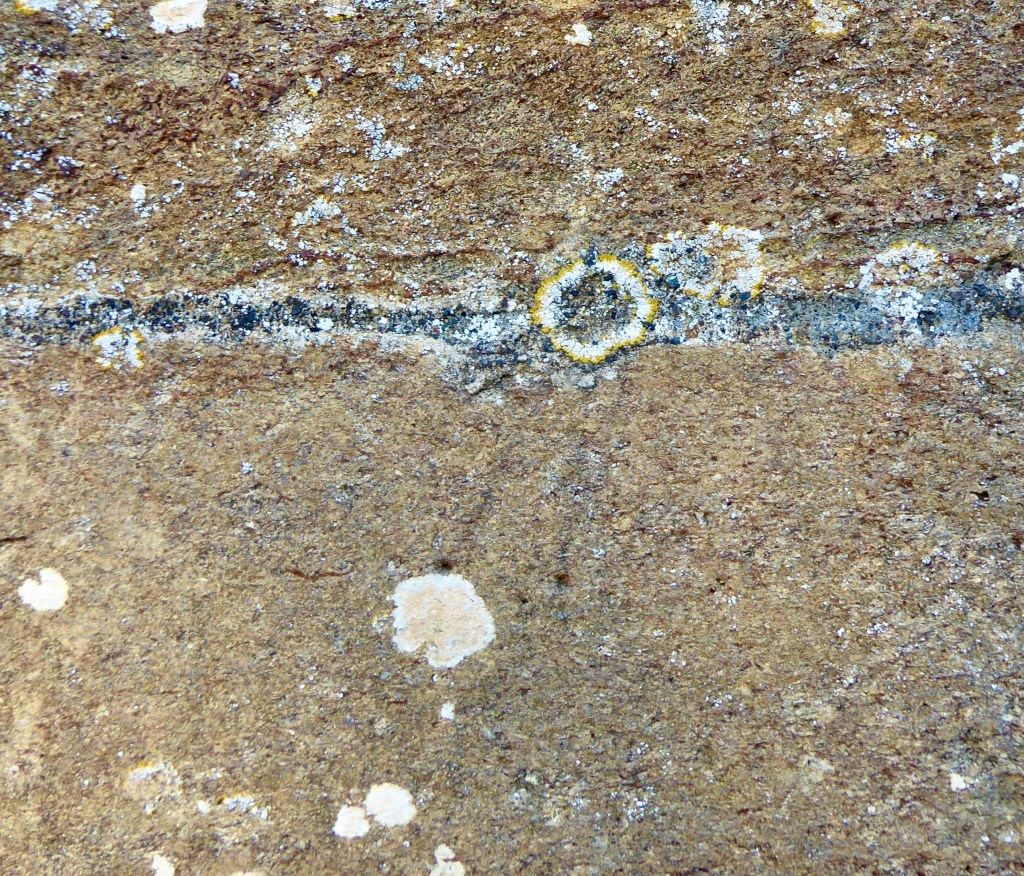
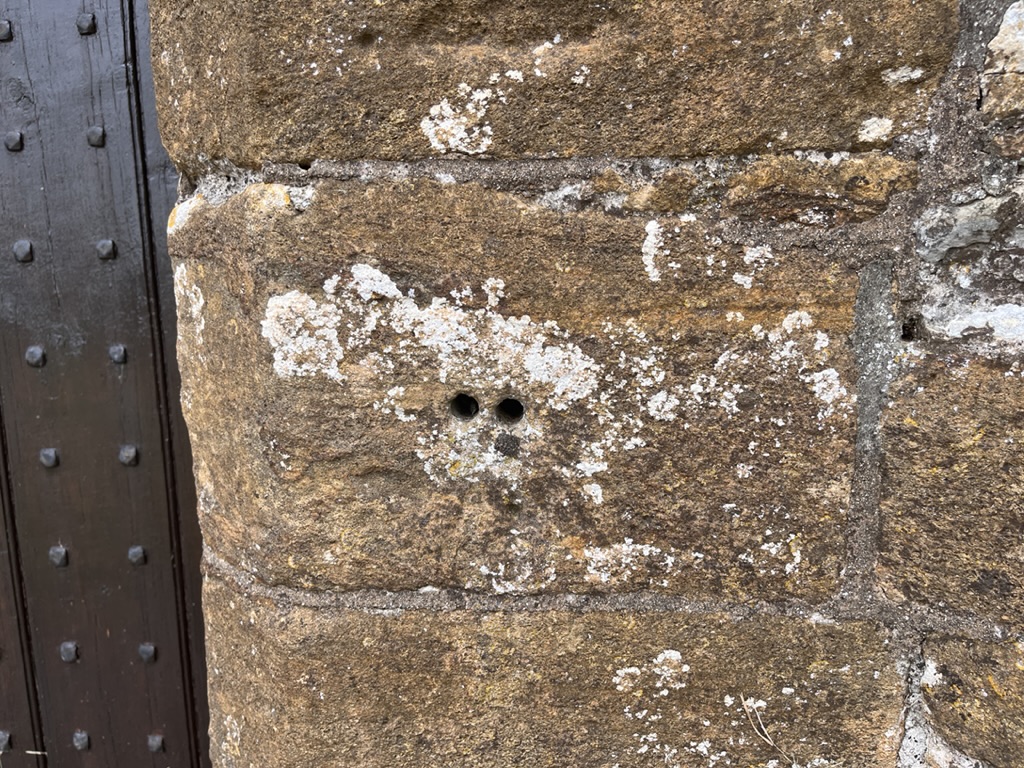
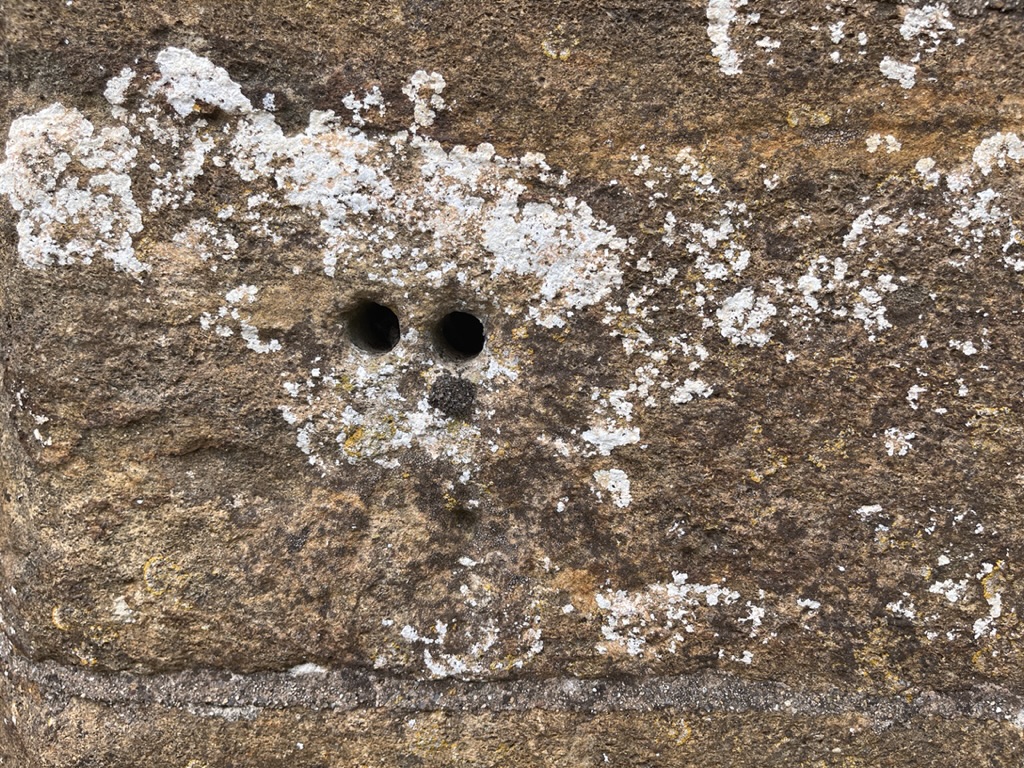
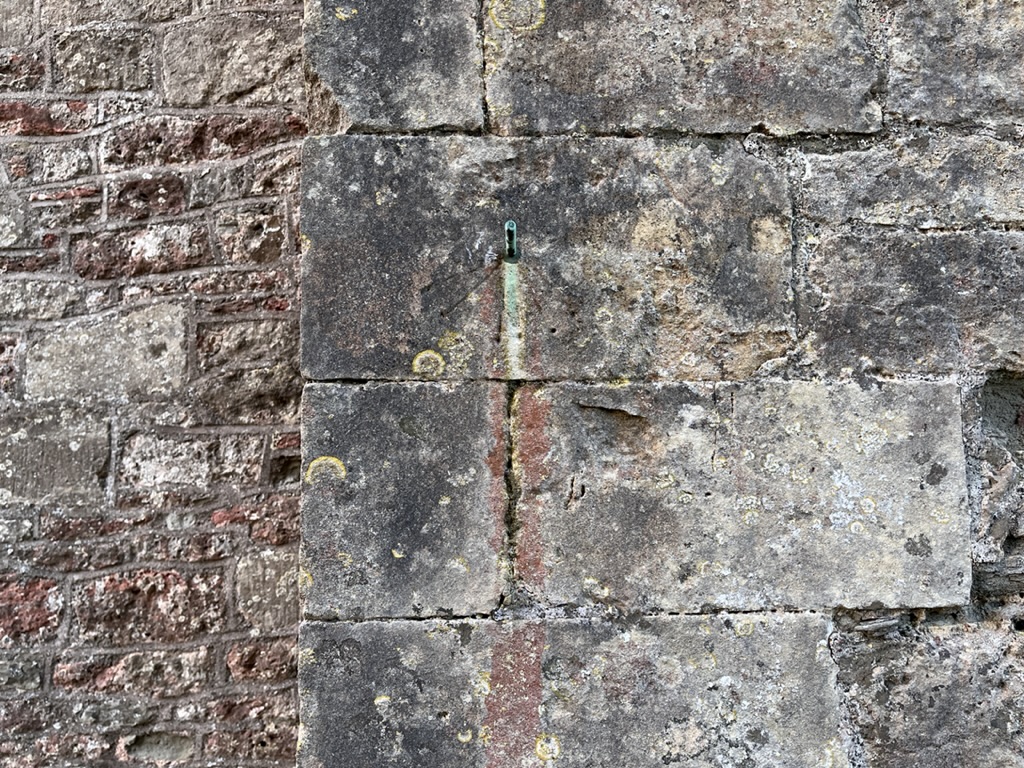
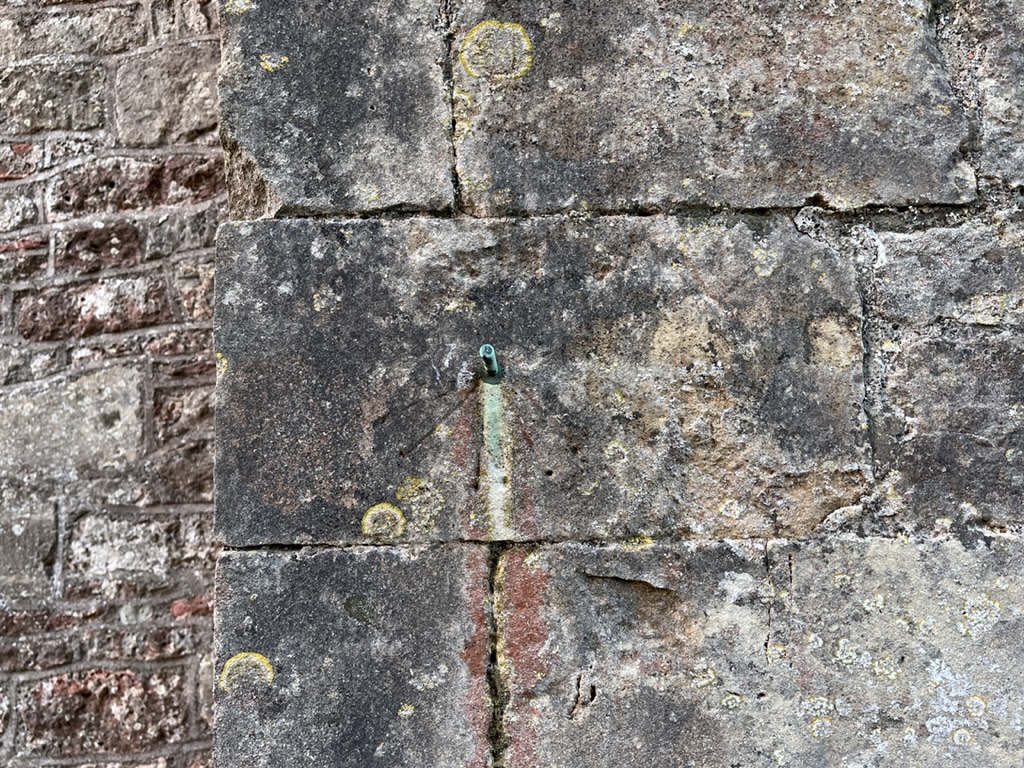
Dial 2 is on the buttress between S porch and E end of the nave. DEH commented: Encircled. No hour lines can be seen on this ancient and badly worn dial. the remains of 2 circles close apart. Were it not for the noticeable gnomon hole, it would be easy to pass this one by.

DIAL 3

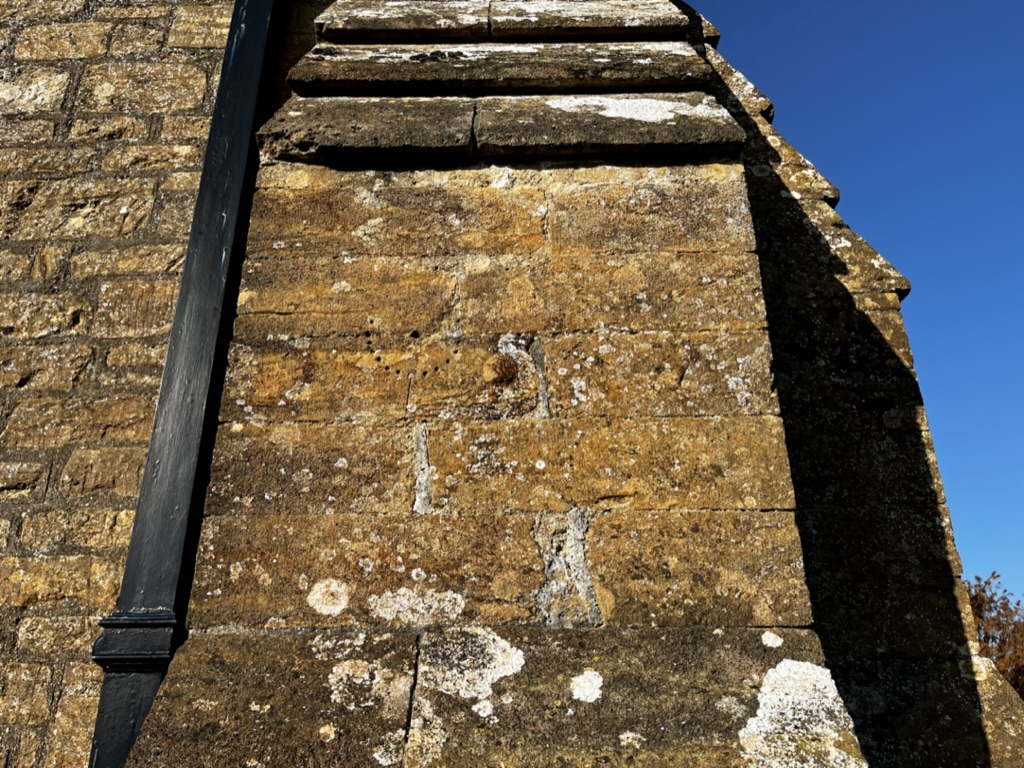
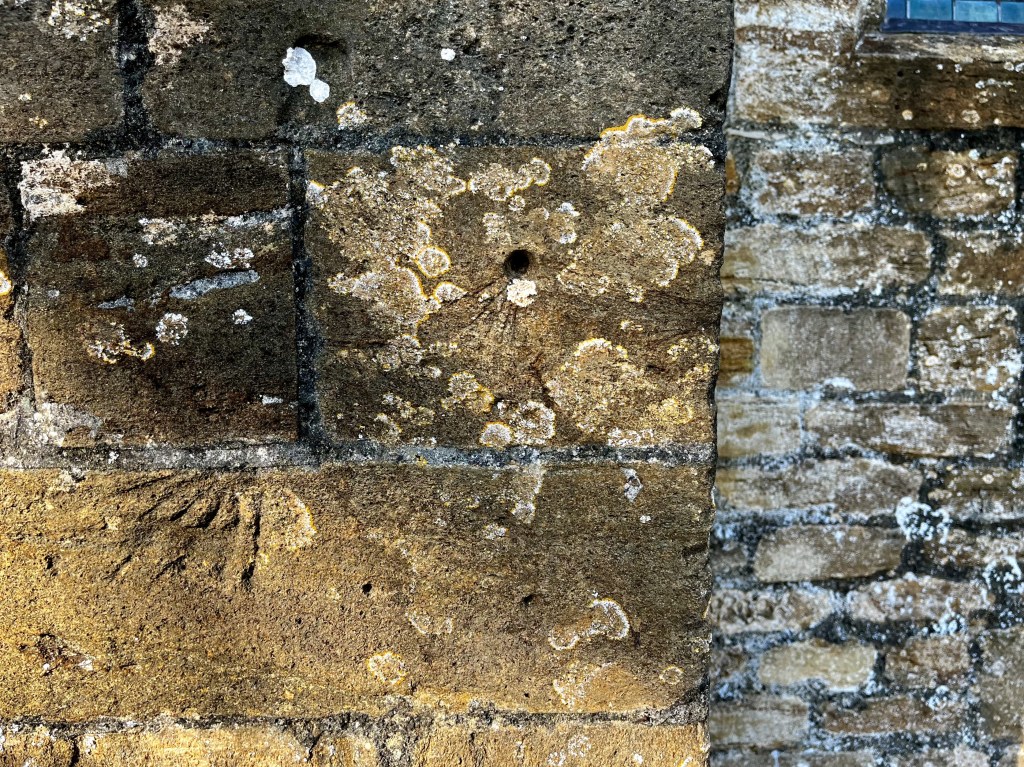
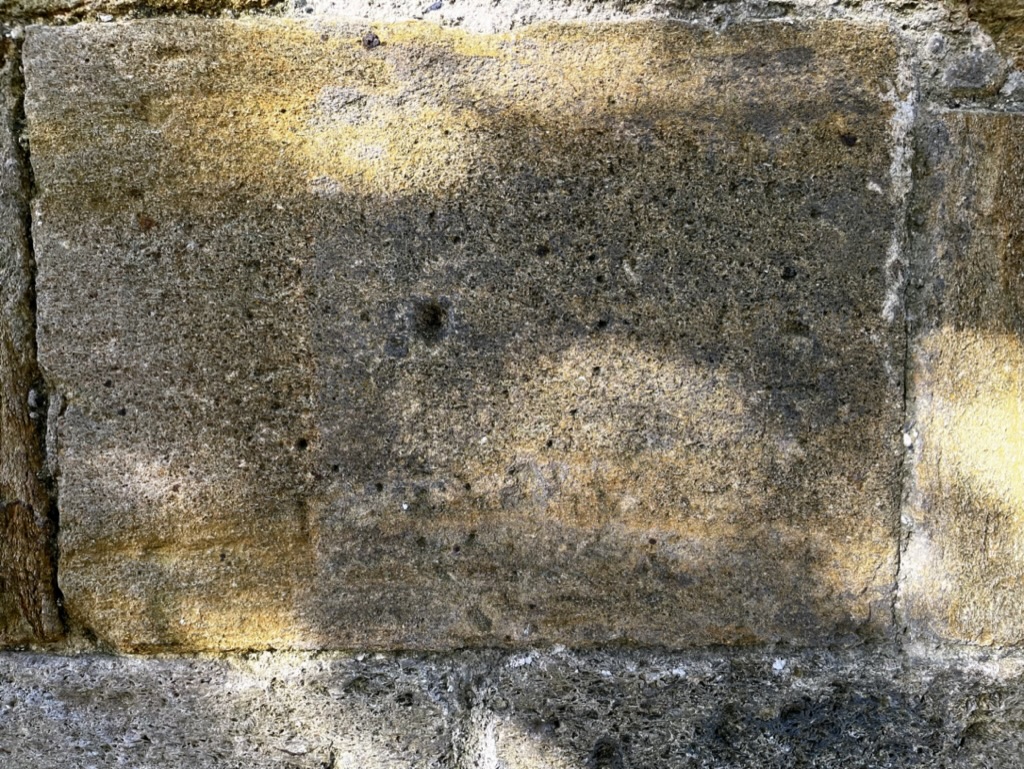
To be found on the W side of the entrance to S porch, 3′ 3″ high. Or so noted DEH very specifically. He mentions a style hole and a noon line 3½” long, but I spent some time examining this area and indeed the corresponding position on E side of the doorway (because field notes are occasionally confused), with no convincing dial identifiable. Here are photographs of the location, for what they are worth…

DEDICATION

In C6 there was a ‘hermit preacher’ and Christian missionary who became Bishop of Bayeux. He died c537 AD and was canonized as St Vigor (Lat.) or in due course Saint Vigeur (Fr.). The Norman conquest brought his followers to England and his name first appears in an eleventh-century breviary at Worcester.

Another account is that in the early C12, manorial rights for Stratton passed to a Norman family who came from Saint-Vigor-le-Grand, Normandy.

ST VIGOR IN FRESCO

GSS Category: Scratch Dials

All photos Keith Salvesen; St Vigor as credited; source material Bath Record Office, Wiki

Home

TINTINHULL . SOMERSET . ST MARGARET OF ANTIOCH – Multiple Scratch Dials

GRADE I † C13 et seq, on early C12 site. Gradual development but (unusually) with little obvious C19 work BHO. Good C16 bench ends. S porch built c1440, originally thatched, with the polar scaphe sundial added later, see LINK. The multiple scratch dials of St Margaret are shown below. DEH recorded 4, but there are several more. 5m NW of Yeovil; just S of dread A303. 50.9746 / -2.7156 / ST498197

DIALS

I visited St Margaret some time ago and have mislaid my notes on the various locations. The dials are all on the S side and all but one are in predictable locations though a couple are not easy to see. Most are on buttresses. One dial (3) is quite high up and would be easy to overlook. There are enough dials for me to skip – and for you to be spared – analysis of each one individually (for the time being at least).

DIAL 1

On the buttress at E end of the church

DIAL 2

On the same buttress as dial 1

DIAL 3

High on a buttress, E end

DIAL 4

S buttress

DIAL 5

On the buttress E of the Priest’s door

DIAL 6

Close to Dial 5

DIAL 7

S buttress

DIAL 8

S buttress near doorway

DIAL 9

E of porch

DIAL 10 (?)

According to the very useful resource Sundials On The Internet, the smallest known scratch dial is at St Margaret’s, location unspecified. It measures a mere 2 inches in height. Possibly it is the hole below. There is a very similar one at Leintwardine Shrops that has been deemed a dial, though it’s just hole with a couple of minimal indentations around it. I saw no other candidate, and had I not known about the 2″ dial I would have passed this by without a second glance.

Polar Sundial. St Margaret . Tintinhull . Som

GSS Category: Scratch Dials; Mass Dial; Medieval Sundial; Multiple Scratch Dials

All photos: Keith Salvesen

DINNINGTON . SOMERSET . ST NICHOLAS – Scratch Dial

St Nicholas . Dinnington . Som. (Geo / Sarah Smith )

ST NICHOLAS . DINNINGTON . SOMERSET

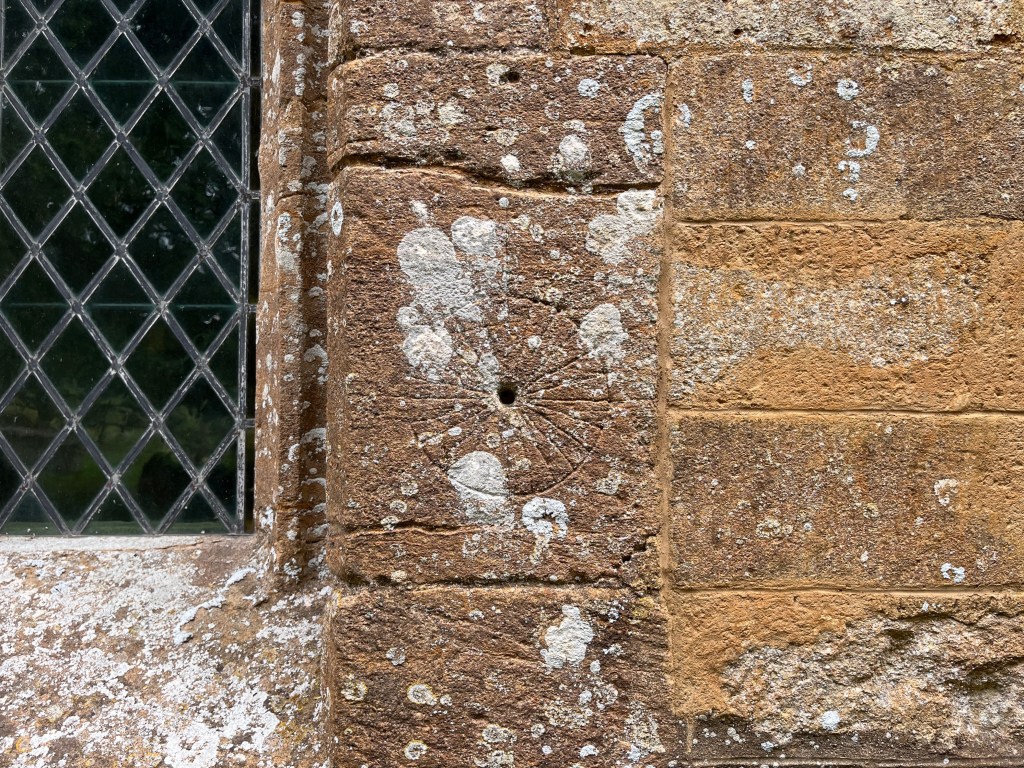
GRADE II † Established C12, first recorded 1207; mostly C15; restoration 1863. C13 (?) font. Originally the chapelry to nearby Seavington St Mary. Very pretty, both the building and the dial. 5m NW of Crewkerne. 50.9113 /  -2.8505 /  ST403127

DIAL

St Nicholas . Dinnington . Som. – Scratch Dial

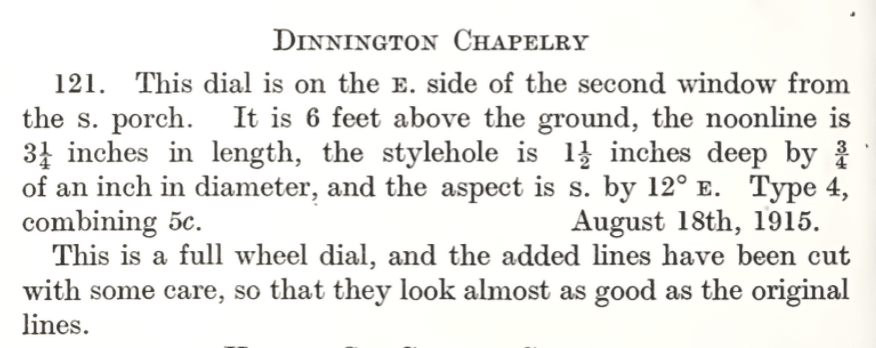
DEH visited in August 1915 and added a note to his often largely measurement-based record.

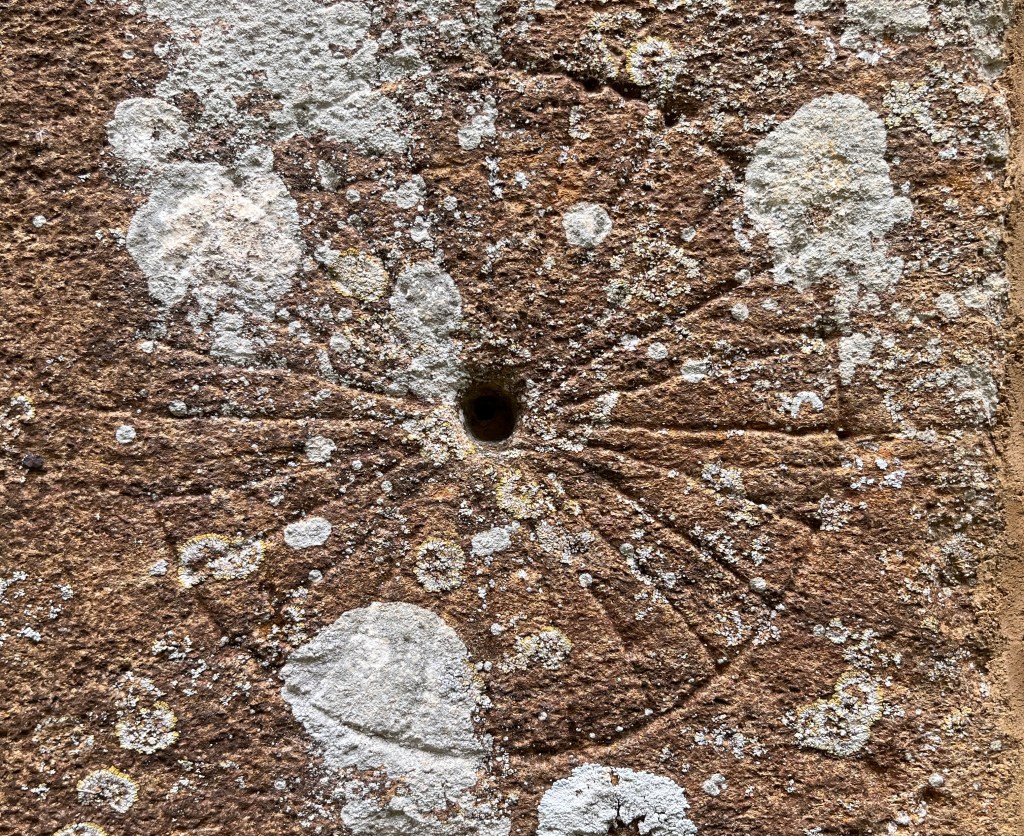
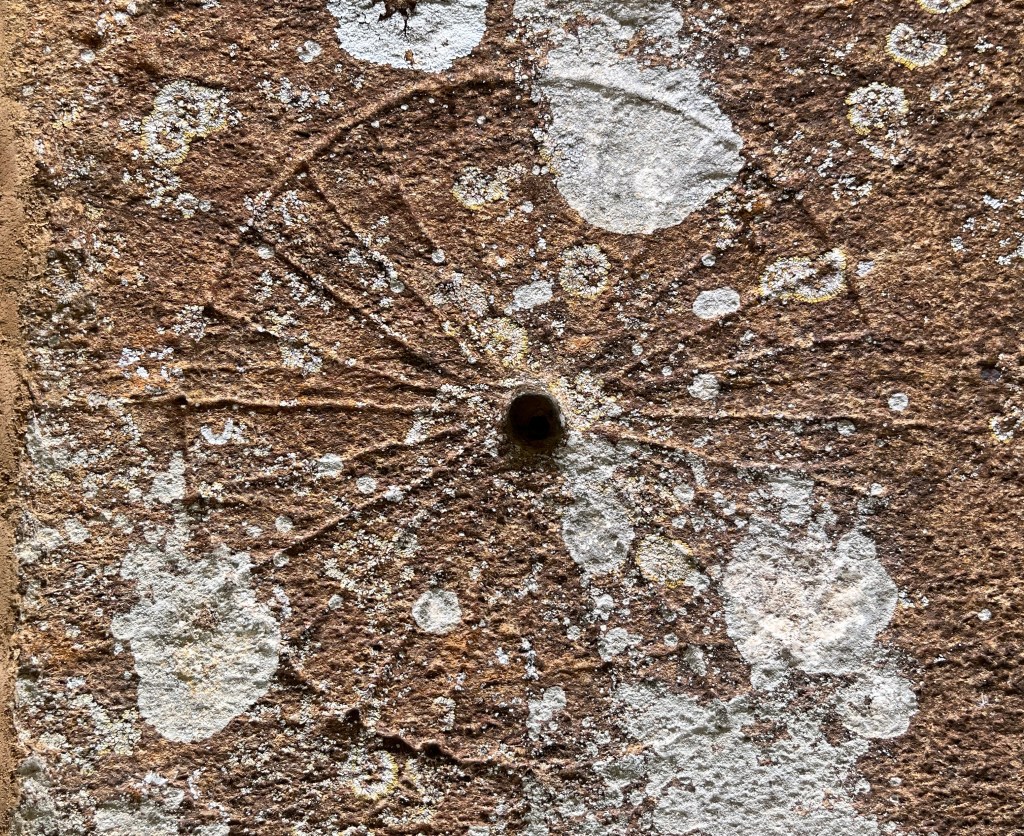
There is a full complement of 24 lines, with areas of erosion, radiating from the gnomon hole in the centre of the dial stone. I am not clear which added lines DEH refers to. I infer that the dial may have been a hemisphere marking dawn to dusk only from the horizontal 6-to-6 lines. Then perhaps for reasons of aesthetics / symmetry an upper hemisphere was cut to match it.

There’s another conundrum concerning the 4 terminal pocks in UR quadrant (above). If the dial is in its original position (L), they would have been useless and indeed pointless. But if the dial stone was at some stage at 90º or (more likely and convincingly) 180º from its present position, they would be effective as daytime Mass markers. In the rotated image (R), the pocks are in the right place to emphasise forenoon Mass.

GSS Category: Scratch Dial; Mass Dial

All photos: Keith Salvesen, except header image Sarah Smith / Geo /

KINGSTONE . SOMERSET . ST JOHN & ALL SAINTS – Scratch Dial

St John . Kingstone . Som. Credit: Julie Ann Workman

ST JOHN THE EVANGELIST & ALL SAINTS . KINGSTONE . SOMERSET

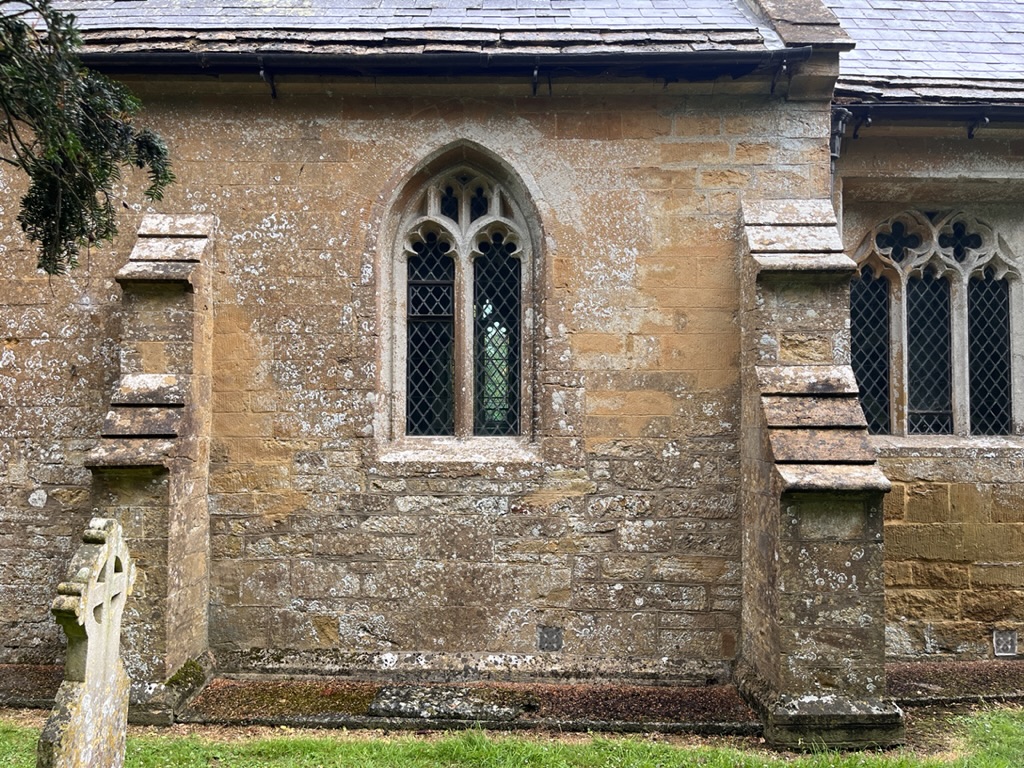
GRADE II* † Records from 1291; C14 chancel, porch; C15 tower, nave. A village with a long history, close to the Fosse Way, recorded in DB as Chingestone. 1m SE of Ilminster. 50.9188 /  -2.8851 / ST378136

DIAL

St John . Kingstone . Som.

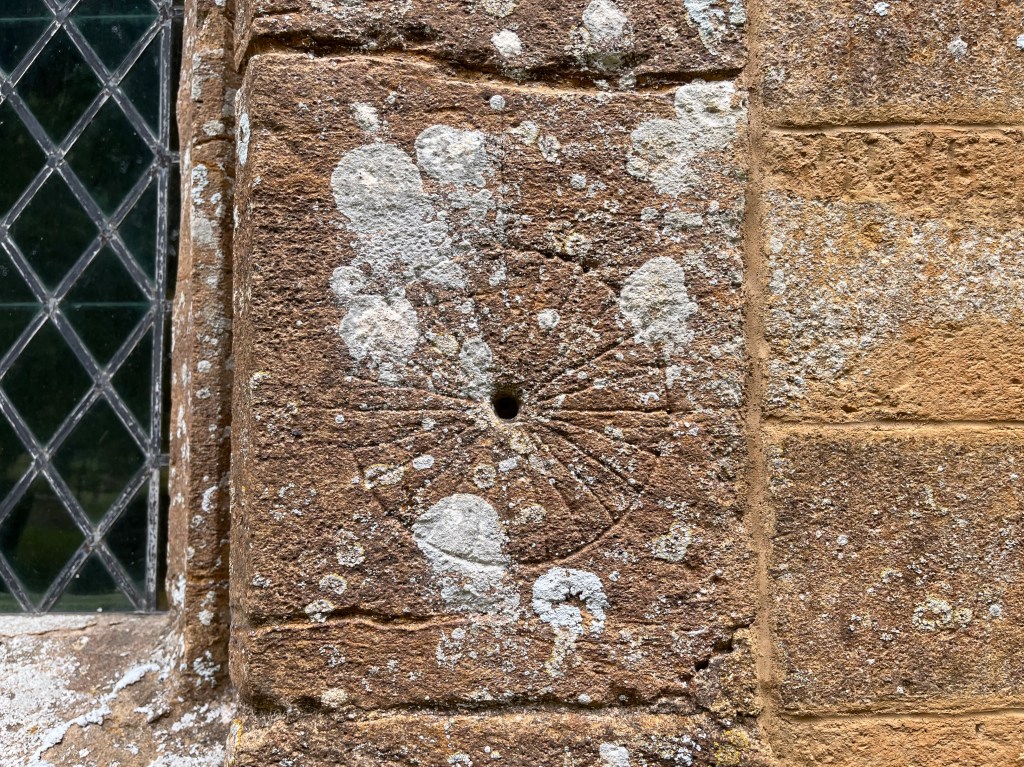
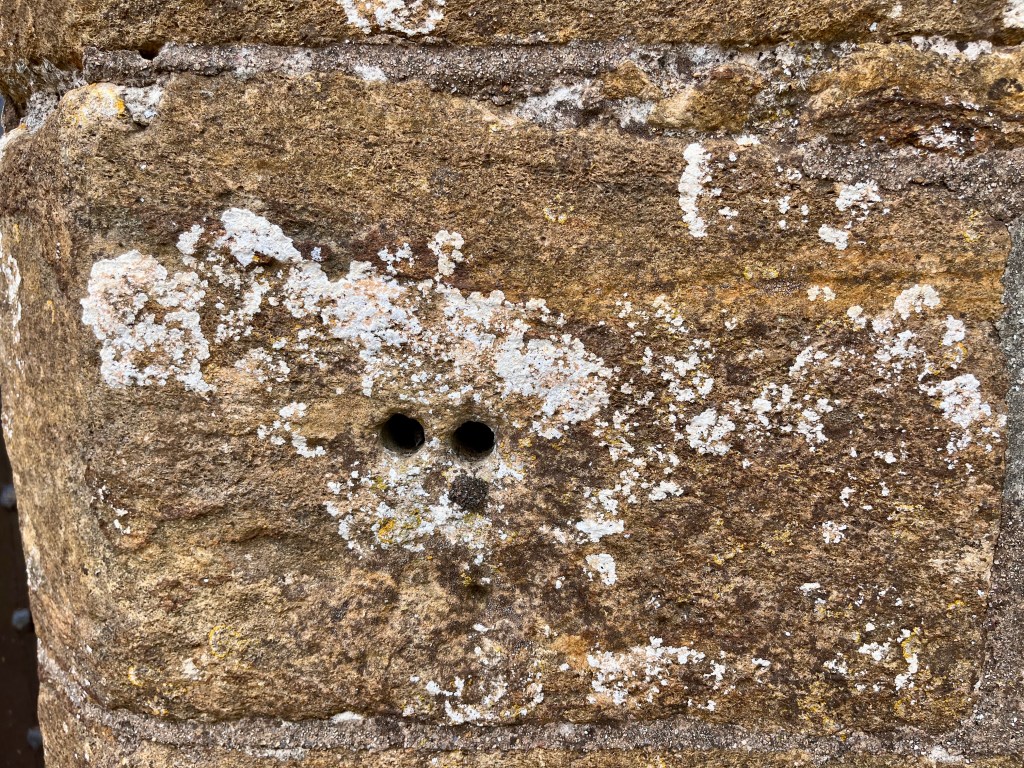
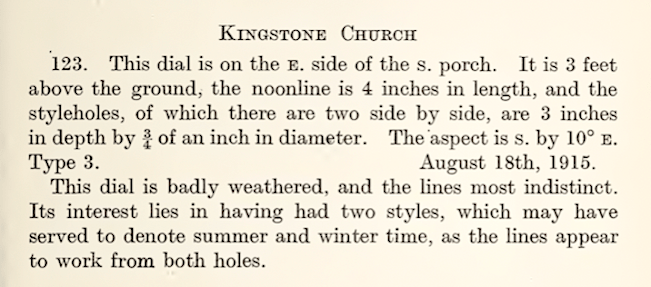
This is an unusual dial, not least because there is a pair of style holes L and R and they are both similarly large. The dial stone is quite badly damaged and it is difficult to analyse the dial. R seems to be the primary hole for the gnomon. The only discernible noon line is below R, marked by a single pock halfway to the mortar line below. On either side, at roughly 11 and 1, are the only 2 clear lines in the whole design. It’s hard to see the purpose of L at all, and perhaps it was a later addition that didn’t add much.

DEH visited in 1915 and included his own theory:

GSS Category: Scratch Dial

All photos: Keith Salvesen except header image as credited (a huge improvement on my own rain-affected photo).