GRADE I. Pre-conquest origins, largely rebuilt in c.1360 and reworked thereafter. Plenty to investigate and to test your building dating skills. BLB summaryHERE. 5m NE of Yeovil, NW of Sherborne. 50.999 / -2.5807 / ST593223
DIAL
A single dial. St Mary was visited by DEH on May 18th 1915 and he recorded:
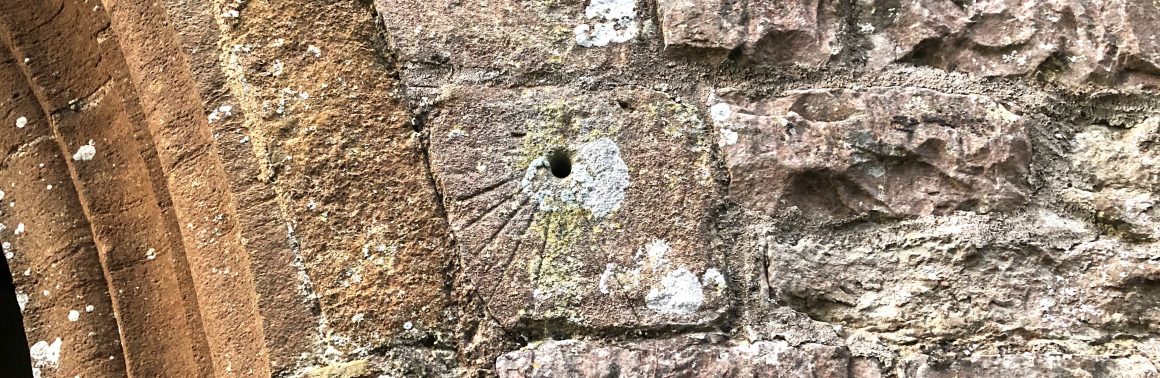
199. This dial is on the first buttress to the w. of the priest’s door. It is 7 feet 4 inches above the ground, the noon-line is 4 1/2 inches in length, the style hole is 1/2 an inch deep by 3/4 of an inch in diameter, and the aspect is s. by 10°e. Type 3. May 18th, 1915.
St Mary . Marston Magna . Som – Scratch Dial
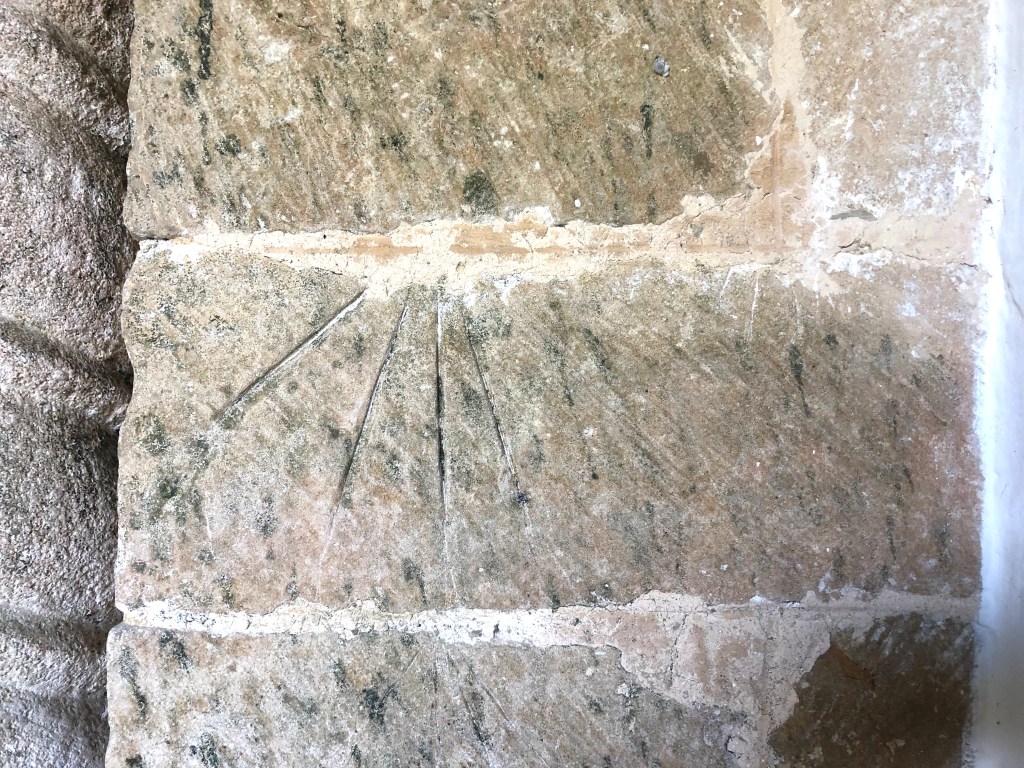
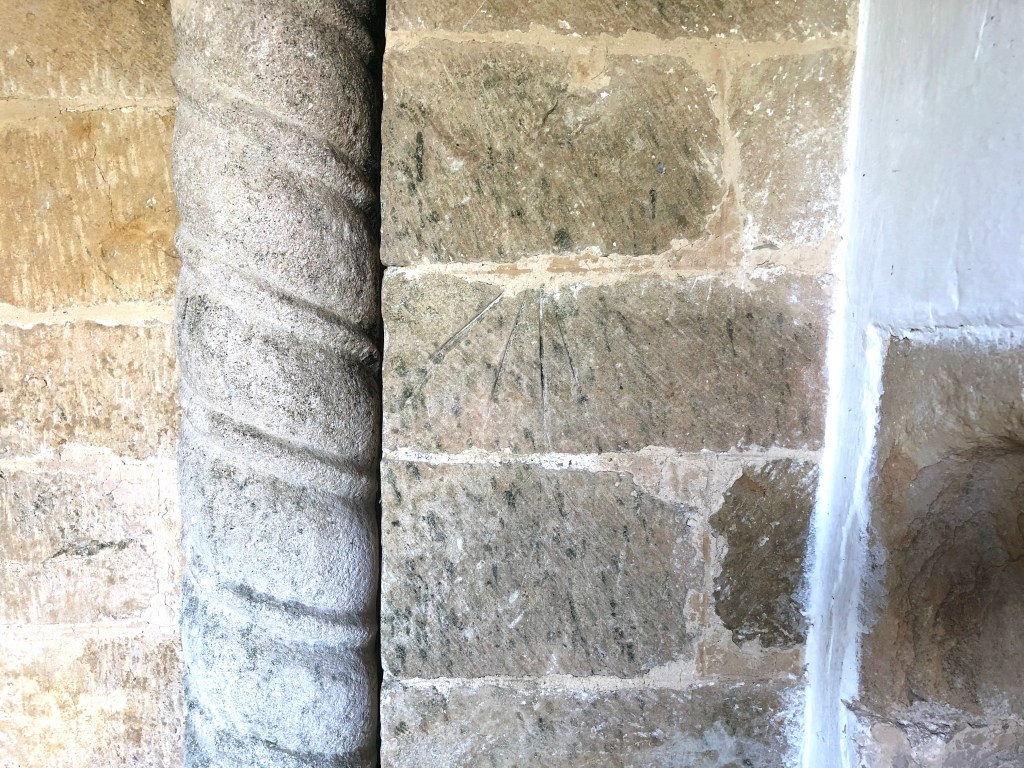
The radials go beyond 180º, with quite a variation in spacing, depth, and length. There are notably longer and deeper afternoon lines with one extending to the stone below, which may signify a Mass time. Either that quadrant more deeply incised, or maybe recut at a later date. The extent of erosion in the lower left quadrant suggests the latter.
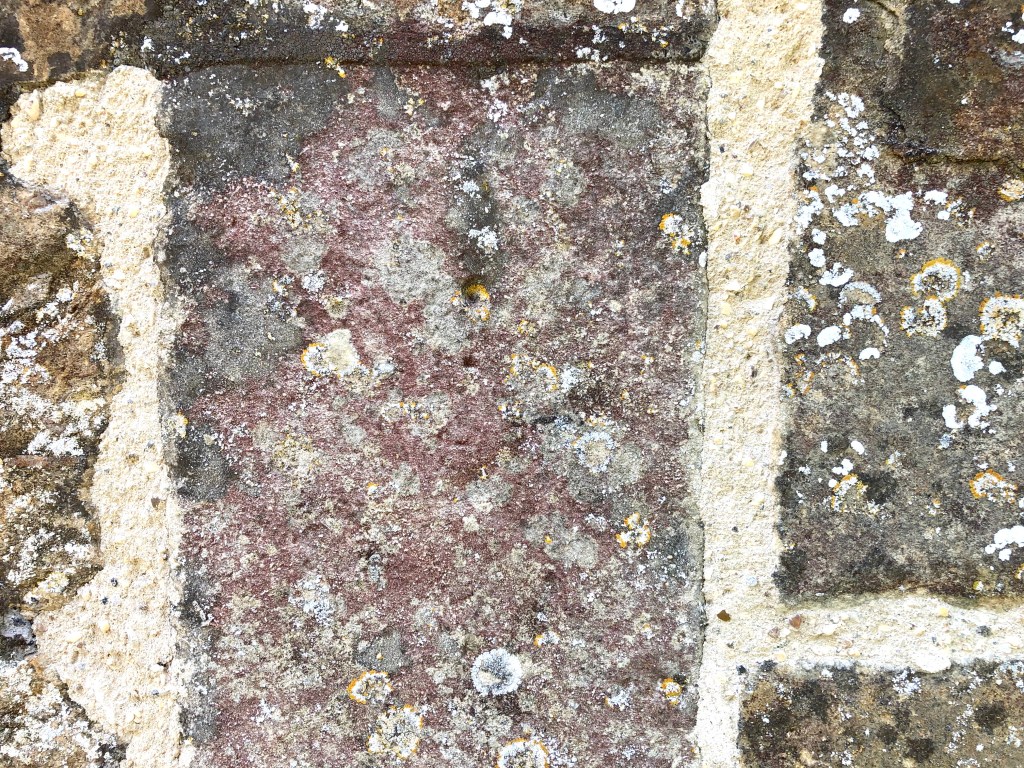
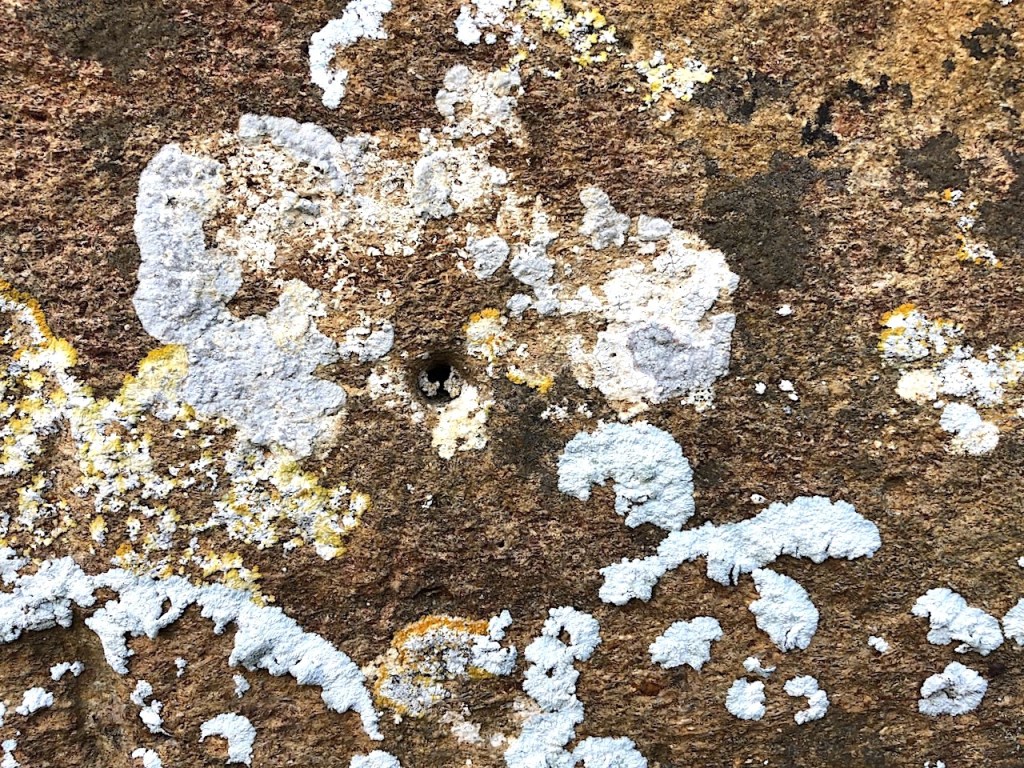
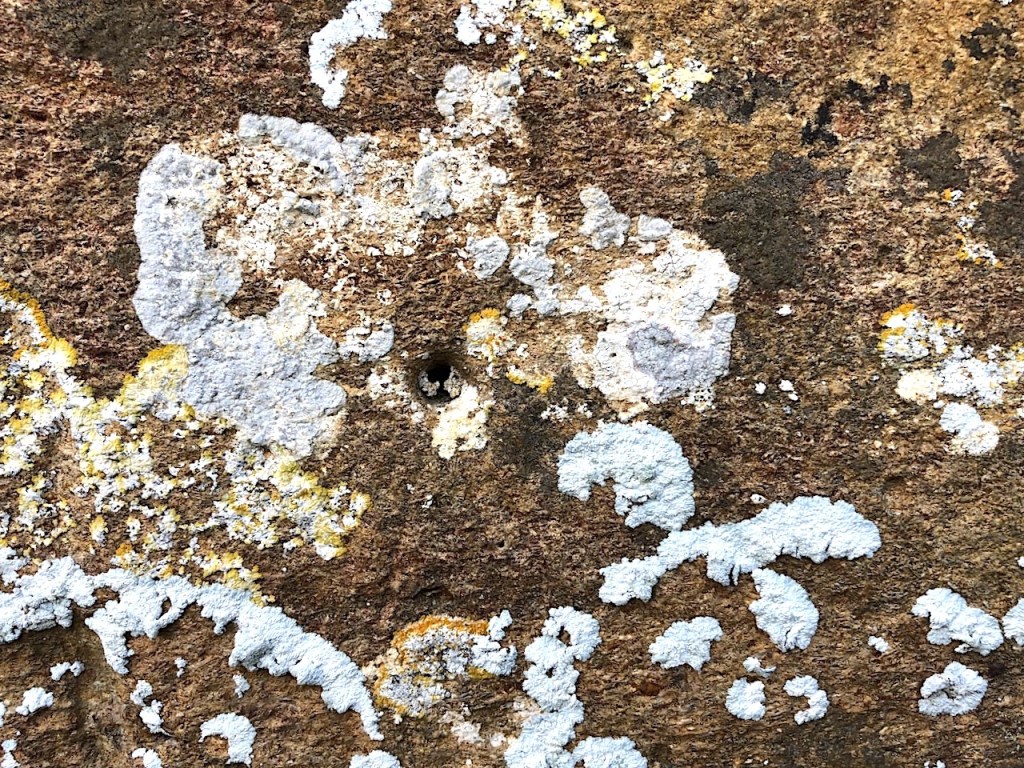
The style hole is large. DEH makes no comment on the equally large hole immediately above. I could see no other dial signs – lines or pocks – linked to it. I wondered if it was the original dial on this prominent buttress, of the most basic type – simply a hole with a stick in it (the shadow would still be an indicator of the passage of time). Rather than elaborate it, a new dial was added beneath.
GRADE II*. C11 origins with Norman features inc. doorway inside the porch; enlarged in C14 (tower) and C15 (S. porch); C19 restoration. One of many attractive villages in the area. 4m W of Wincanton, with only the A303 to spoil the peace. 51.2261 / -2.8478 / ST 65722673
DIALS
Dom Ethelbert Horne DEH visited Blackford on April 24th, 1914, during one of his tours around Somerset examining medieval churches and recording the details of the scratch dials he discovered. Blackford is one of a very small number of Somerset churches where he found a dial inside the porch. It must predate the added C14 S. porch to have had any practical use. Another example of an interior dial can be found at WAYFORD.
DIAL 1
DEH 165. (1) This dial is on the e. side of the inner door of the s. porch, at a height of 4 feet 6 inches above the floor. The noonline is 4 inches in length, the stylehole, which is in a joint, is filled, and the aspect is due s. Type 2
Blackford . Som . St Michael – Dial 1
There are 4 sharply incised lines with no discernible traces of others. The mortar line at the top acts as the horizontal ‘6-line’ and the style location. The spacing of the lines is somewhat unusual for such a well-cut, being neither the 15º equal segments of an old design nor the carefully graduated lines of a later scientific dial. Perhaps this indicates an even earlier origin, even possibly contemporary with the original doorway?
Blackford . Som . St Michael – Dial 1 and possible 1a gallery
The stone immediately below the dial has a very small (apparent) dial descending in the same way from the mortar line. One could probably dismiss it as a later copy or doodle of the dial above. On the other hand, crude though it is, the radials are differently configured with more emphasis on the LR quadrant. Perhaps a practice dial?
Blackford . Som . St Michael – Dial 1a?
DIAL 2
DEH 166. (2) This dial is on the w. side of the priest’s door, which is blocked up. It is 2 feet 6 inches above the ground, the noonline is 2 1/2 inches in length, the stylehole is small and shallow, and the aspect is due s. Type 3. April 24th, 1914.
Blackford . Som . St Michael – Dial 2
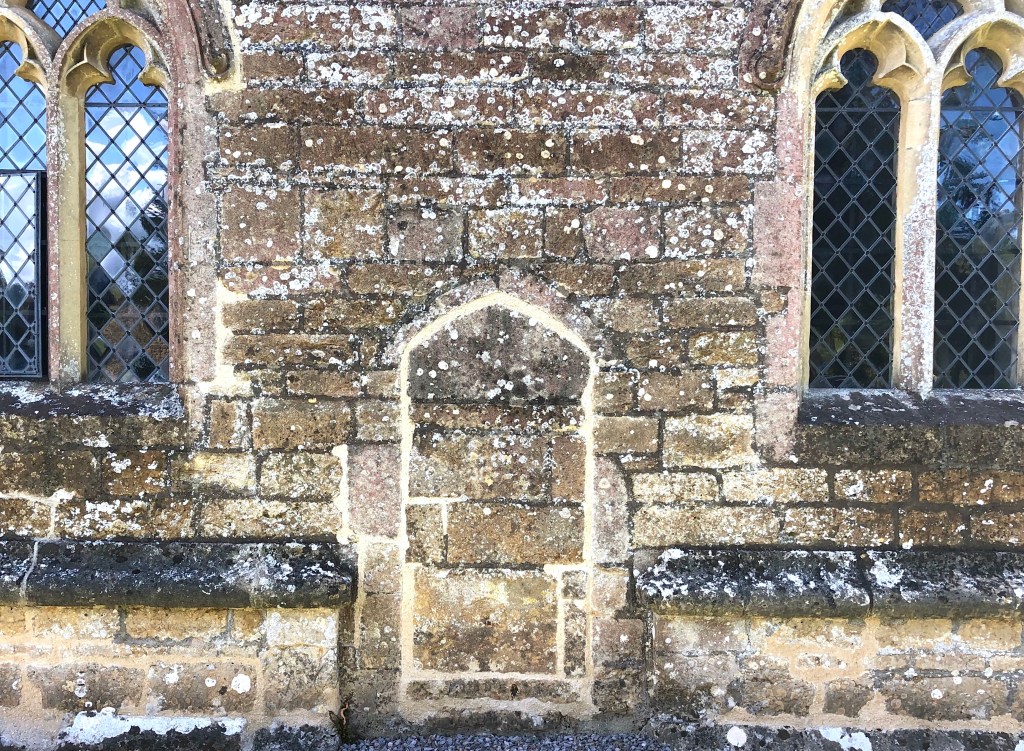
This dial on W. side of the blocked Priest’s door would be easy to miss, though the newly mortared surround is not. DEH doesn’t note its state, but I wonder if has eroded significantly in the intervening century since his visit. There is the hint of a full circle. It’s hard to make out a noon line as such. Now only a single pock below the shallow style hole indicates the vertical.
Blackford . Som . St Michael – Dial 2 gallery
ADDITIONAL DIALS?
Besides the small ‘dial’ in the porch mentioned above, there are 2 other candidates, both by the Priest’s door. The first one is faint, but there are 2 visible lines leading from a small hole in the stone. Each has a pock at or near the end. Other pocks in the vicinity may be relevant to the theory. The other candidate looked promising, but is less likely I think.
Blackford . Som . St Michael – plausible Dial 3
Blackford . Som . St Michael – possible Dial 4
NOTES
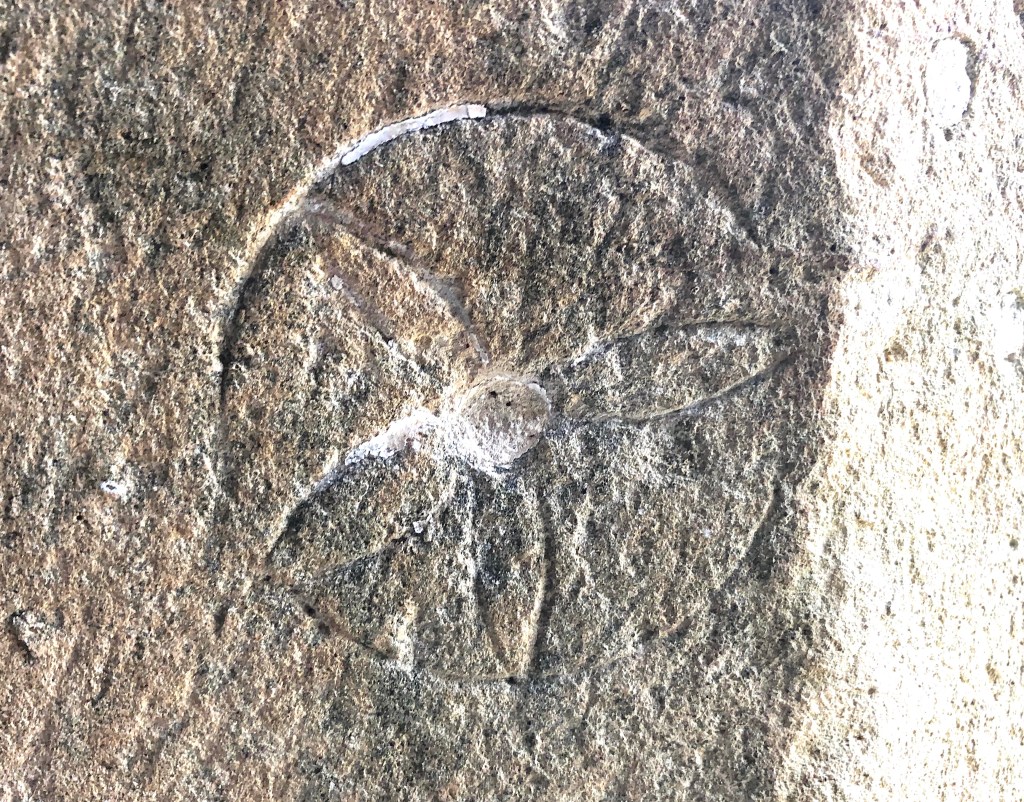
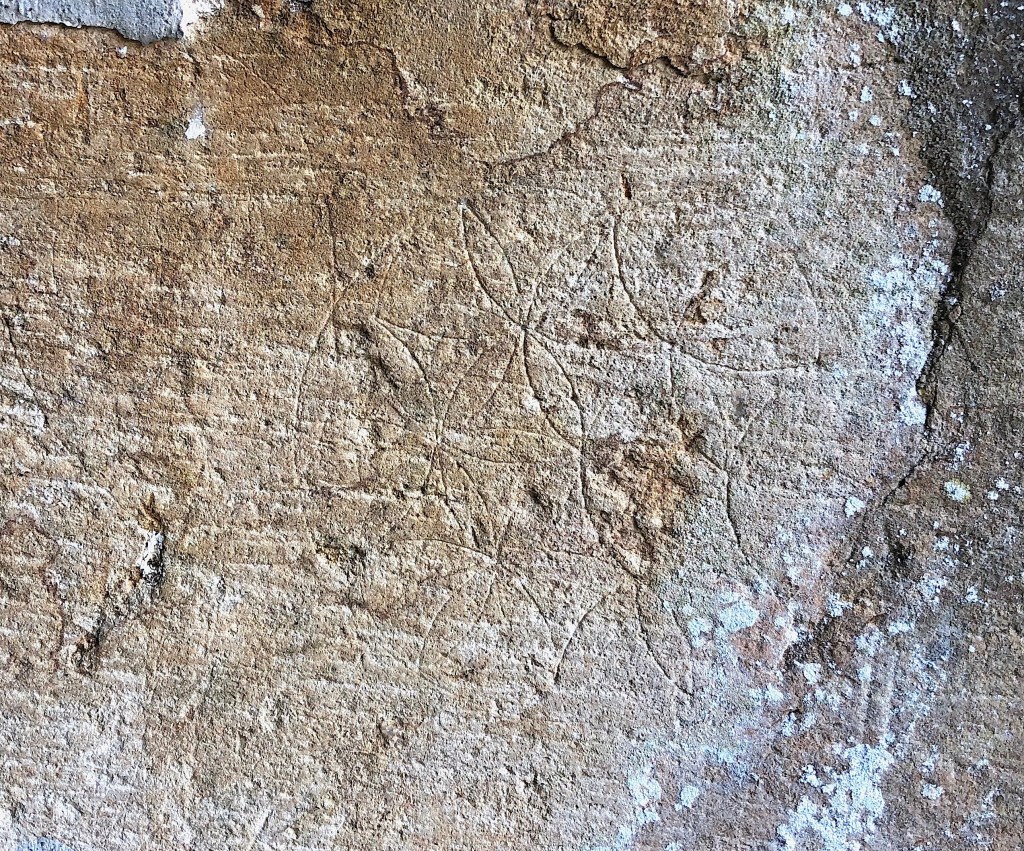
St Michael is worth visiting just for the splendid apotropaic marks (ritual protection / witch marks) in the porch, in particular a deeply incised flower-like hexafoil; and a delicate and complex multiple hexafoil design.
Blackford . Som . St Michael . Ritual Protection (‘witch’) marks
DEDICATION † St Mary Magdalene. C13 onwards, enlarged from a chapel. C19 rebuilding, chancel added. Norman font, good bench ends (‘a lively set’ PEV) including a carved Green Man), bells c.1400. An excellent information board / timeline in the churchyard
LISTING † Grade II*
LOCATION † Church 2 miles south of Yeovil, but you might never know. In folded country cut by deep sandy hollow ways PEV. Best approached from the hectic A37 down a long hill, formerly one of these sunken ways that are a feature of the area. The church is almost the first building as you enter the village from W. end, before the old village and newer housing. 50.9225 / -2.6301 / ST558138
BARWICK . SOM . ST MARY MAGDALENE . Scratch Dial 1BARWICK . SOM . ST MARY MAGDALENE . Scratch Dial 2
DIALS † Dom Ethelbert Horne DEH visited the church on June 16th, 1915 and found 2 dials
DIAL 1
186. (1) This dial is on the w. side of the s. porch. It is 4 feet 9 inches above the ground, the noonline is 3 inches in length, the stylehole is 5/8 of an inch deep by 1/2 an inch in diameter, and the aspect is s. by 25° e. Type 3.
The style hole is easy to see but the radials are hard to make out because of erosion and lichen. 4 or 5 lines are fairly clear, others barely discernible. DEH notes Dial No. 1 is just above a consecration cross, of which there are three cut upon the s. wall. See Notes below.
BARWICK . SOM . ST MARY MAGDALENE . Scratch Dial 1
DIAL 2
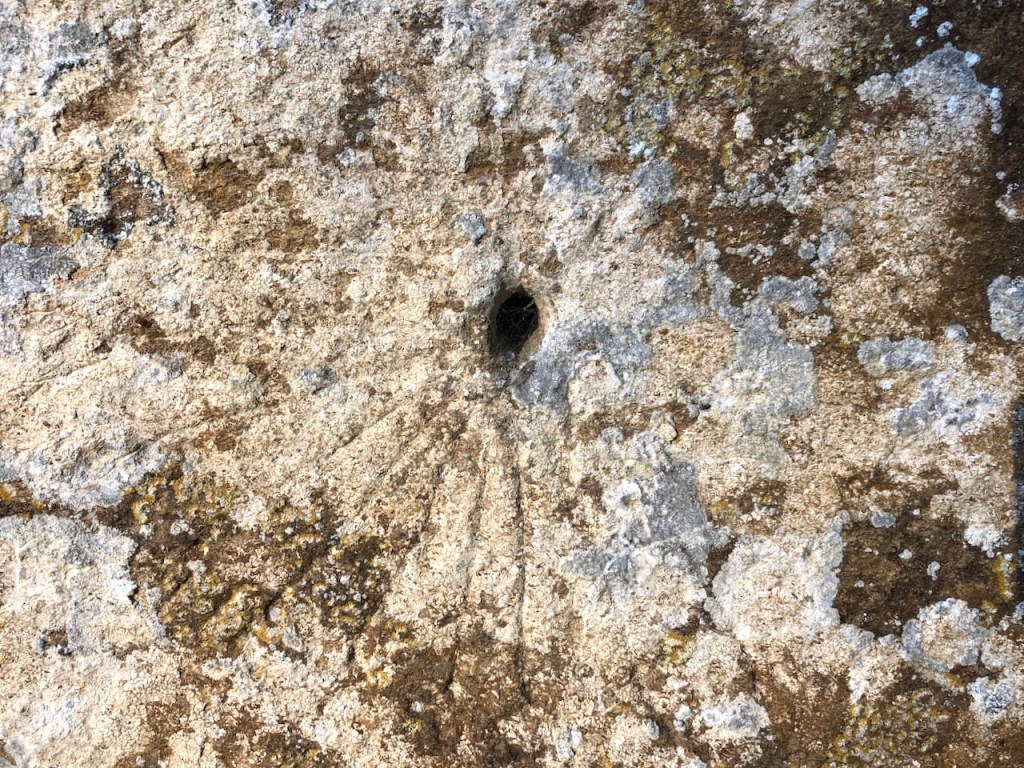
187. (2) This dial is on the s.e. corner of the s. aisle. It is 3 feet 6 inches above the ground, the noonline is 4 1/2 inches in length, and the stylehole is 1 1/2 inches deep by 3/4 of an inch in diameter, and the aspect is s. by 30° e. Type 4.
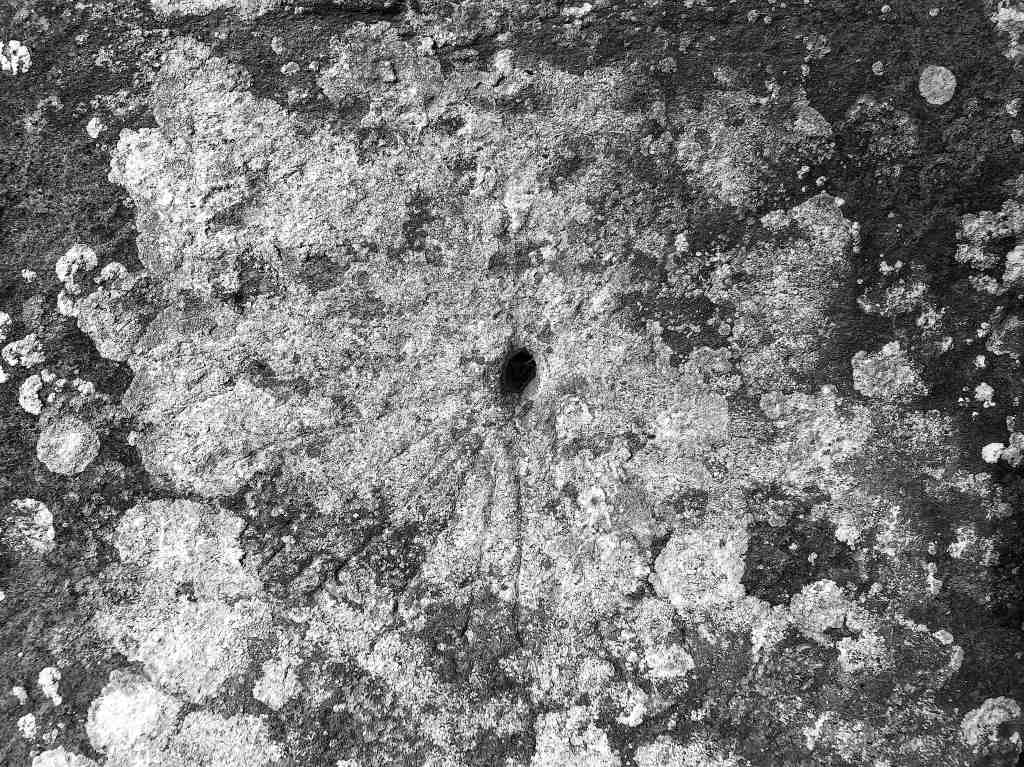
A strongly cut and pretty dial on the quoin E. of the Priest’s Door. The lines are straggly, with varying lengths, angles, straightness and depths. Some extend into the upper half of the dial.
BARWICK . SOM . ST MARY MAGDALENE . Scratch Dial 2
DEH notes: Dial No. 2 has Roman figures added at the ends of certain of the lines The two images below are the same, in both colour and B&W. Some find the latter makes for clearer reading. The numerals – in the lower left quadrant – are hard to make out now. More than a century after DEH’s visit, erosion and pollution may have caused significant deterioration.
NOTES † Consecration crosses – DEH noted 3 on the S. wall. In all there are 10 exterior crosses, and one interior by N. door. One has been dated to 1489. The hole in the centre of the first has made me ponder whether it held a gnomon, with the outline of the cross working as a ‘time of day’ marker.
BARWICK . SOM . ST MARY MAGDALENE .Two of the Consecration Crosses
LOCATION † 5 miles NE. of Sherborne, 5 miles SW. of Wincanton. A fine early church situated next to the Manor House, overlooking a pleasant village and with fine views. 51.0061 / -2.4785 / ST665230
Charlton Horethorne . Som . St Peter and St Paul . Scratch dials 1 & 2
DIALS † There are two dials. Dial 1, easily found, is on a quoin W. of the porch. Dial 2 is located where the foundations are well below present ground level, and is difficult to reach. The dial is E. of the window E. of the porch and only visible from a narrow trench behind a screen of laurels. Access with care.
Dom Ethelbert Horne – DEH visited the church of May 25th 1915. His observations follow below in italics.
DIAL 1
173. (1) This dial is on a quoin at the s.w. corner of the s. aisle. It is 8 feet 3 inches above the foundations, the noon- line is 4 inches in length, the stylehole is 1 3/4 inches in depth by 1/2 an inch in diameter, and the aspect is s. by 10° e. Type3.
Comment:
1. A faint trace of a circle rhs
2. The noon-line below the style hole has a considerable gap before the start of the line, which is longer and deeper cut than the other radials
3. Above the style hole there is a roughly incised and skewed line from the top of the stone towards the side of the style hole, with (possibly) some form of emphasis at the top end. It seems unlikely to be an upper noon-line, being squint and at odds with the neatly cut lower radials. Possibly it is just a random unrelated mark, from a different century even.
4. However the hint of a further short incision to the left of the crude one makes me wonder if it and the longer line are part of an earlier dial that radiated from a hole in the mortar line above. Perhaps it was superseded by the later more sophisticated dial we now see. DEH clearly did not consider these upper markings to be part of the main dial
Charlton Horethorne . Som . St Peter and St Paul . Scratch Dial 1
DIAL 2
174. (2) This dial is on a quoin on the e. side of the first window e. of the s.porch. It is 8 feet above the foundations, the noonline is 4 inches in length, the stylehole is filled up, and the aspect is s. by 10° e. Type 5b. May 20th, 1915.
Comment: an encircled dial with the upper half left blank. Elongated mid-line with the Prime line emphasised with 3 pocks. Hints of other pocks. The radials have rather random spacing, with the lower significantly elongated below the circle
Charlton Horethorne . Som . St Peter and St Paul . Scratch Dial 2
NOTES † Interesting to see 2 quite different types of dial like these, and on different types of stone. I can’t date them but I suspect Dial 1 is earlier than Dial 2





















 GAUDIUM SUB SOLE . SUNDIALS . MEDIEVAL TO MODERN