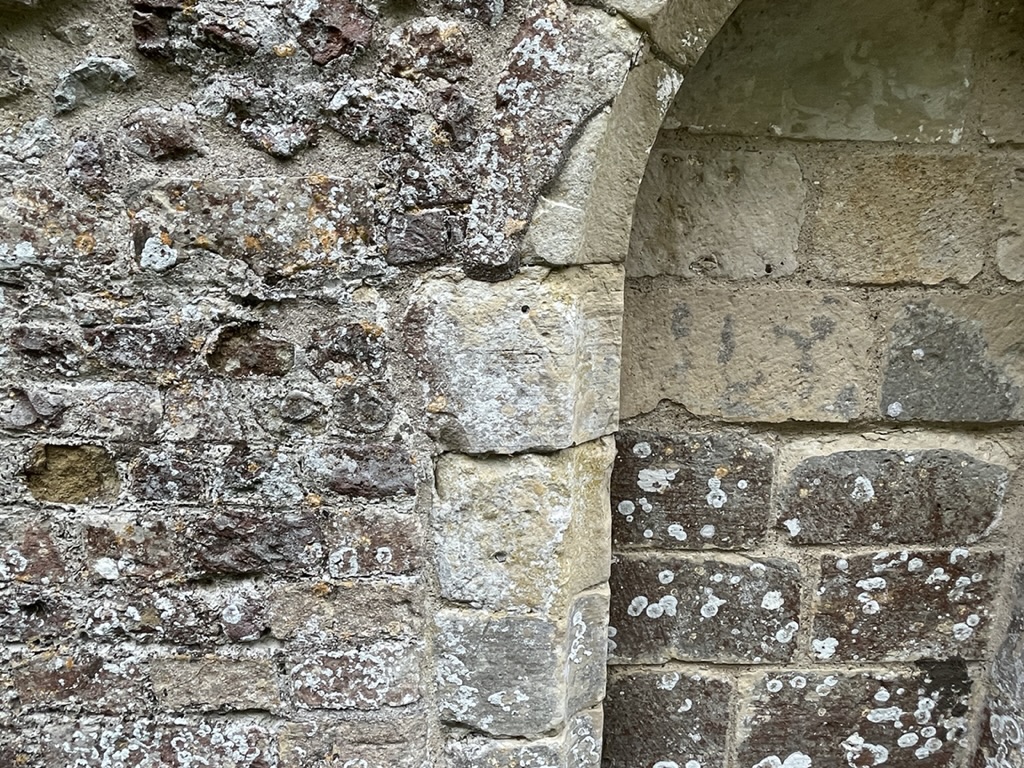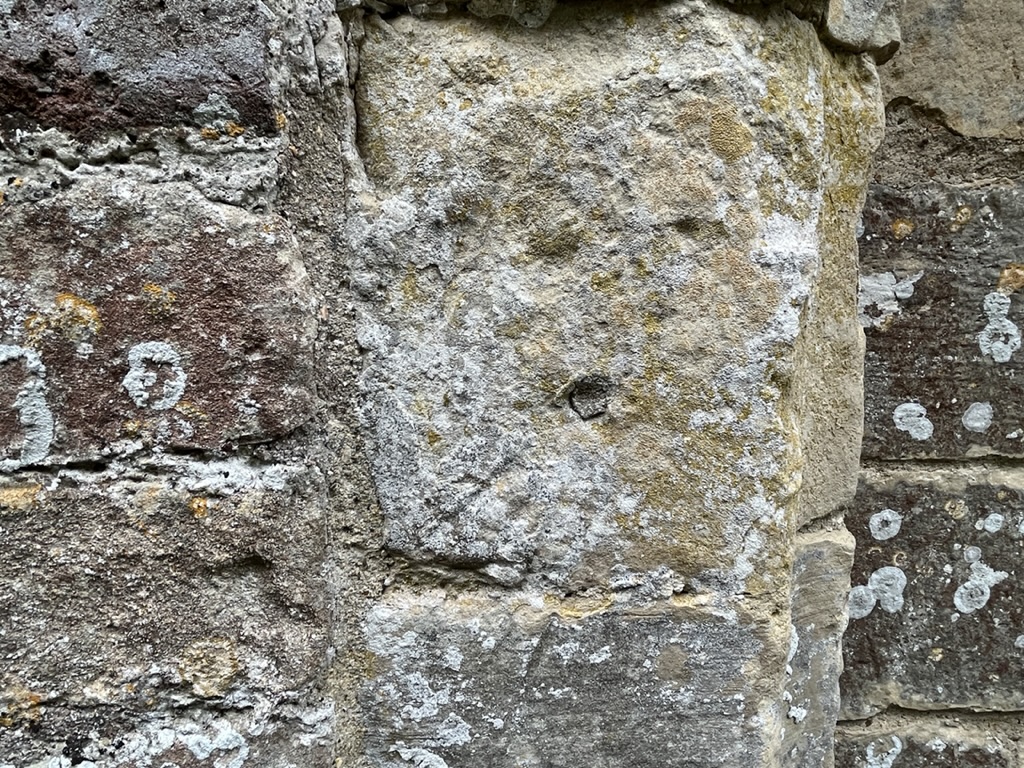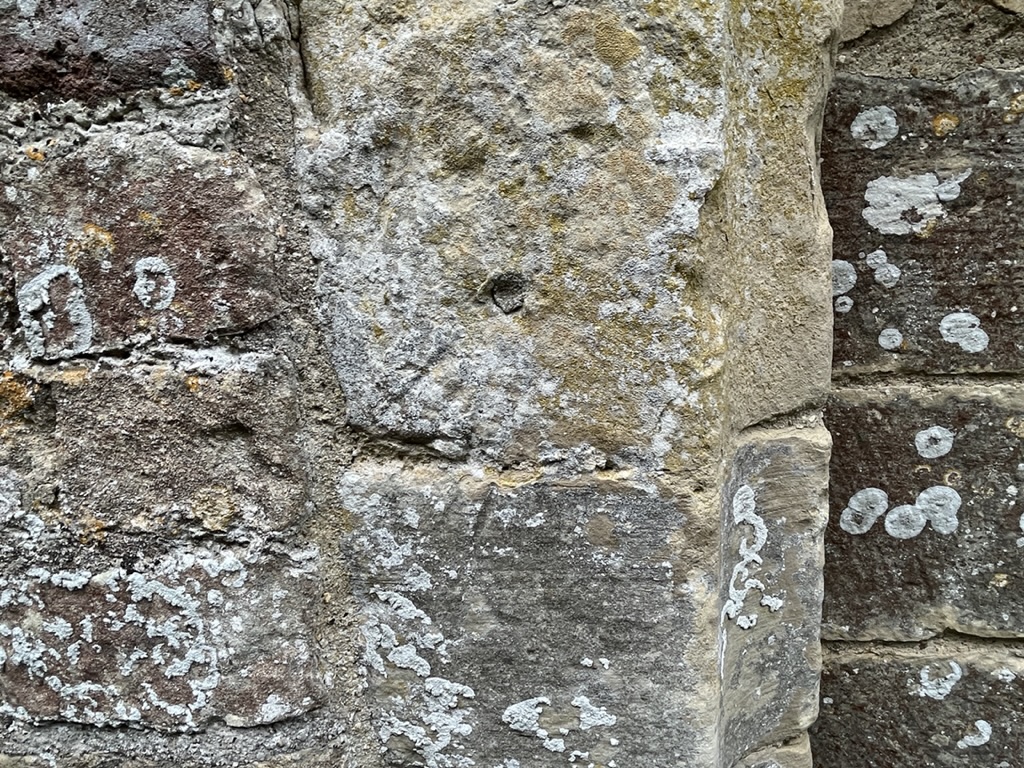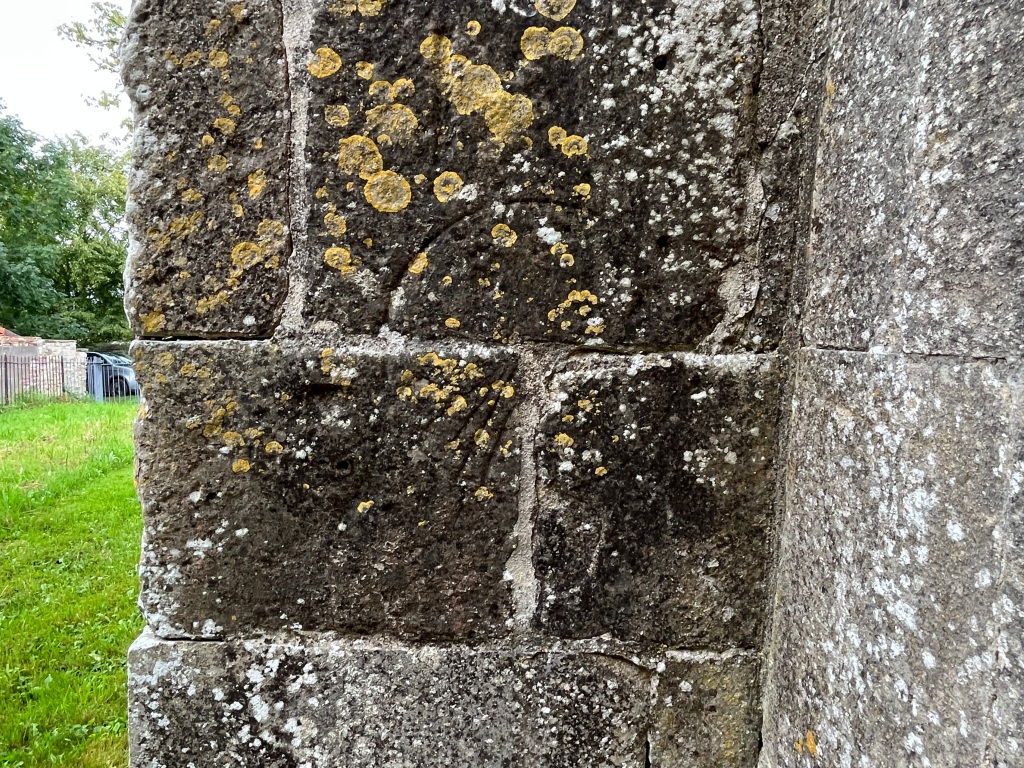
ROMSEY ABBEY . HANTS – Scratch Dial

ROMSEY ABBEY . HANTS

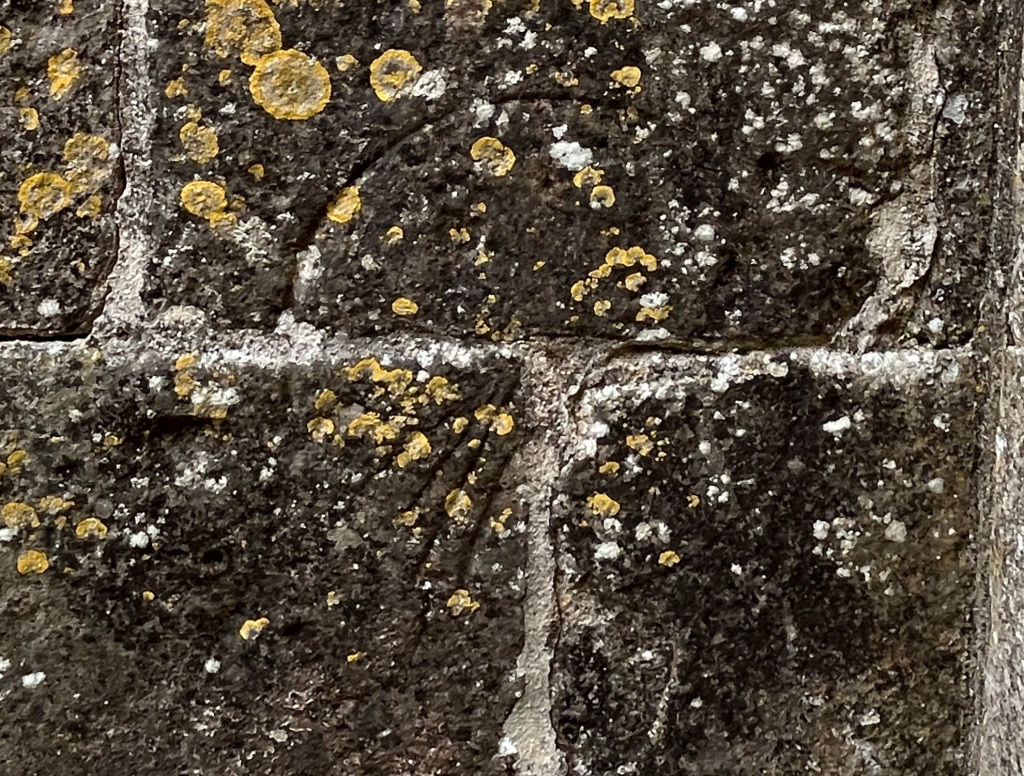
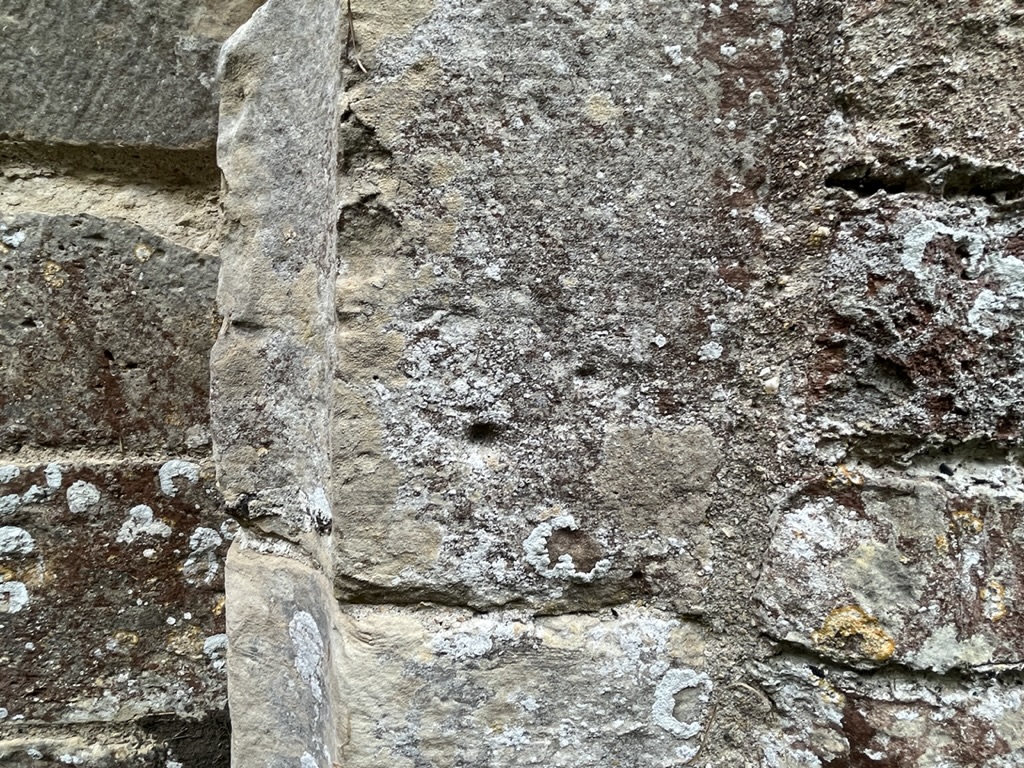
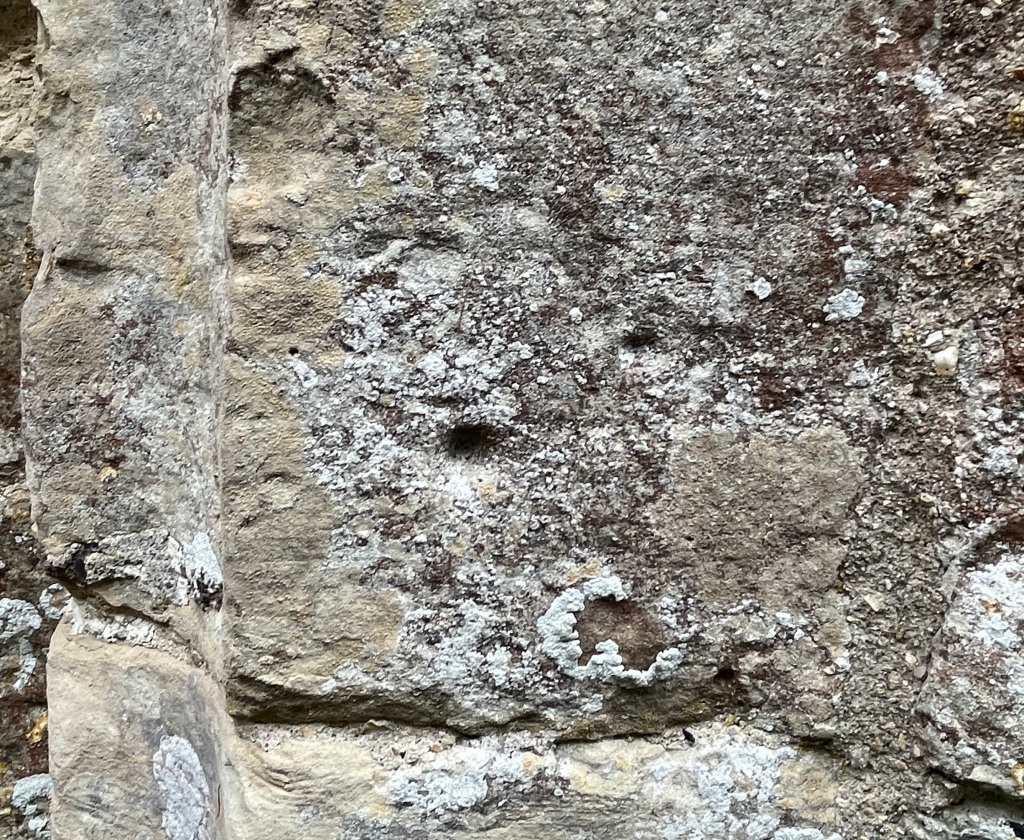
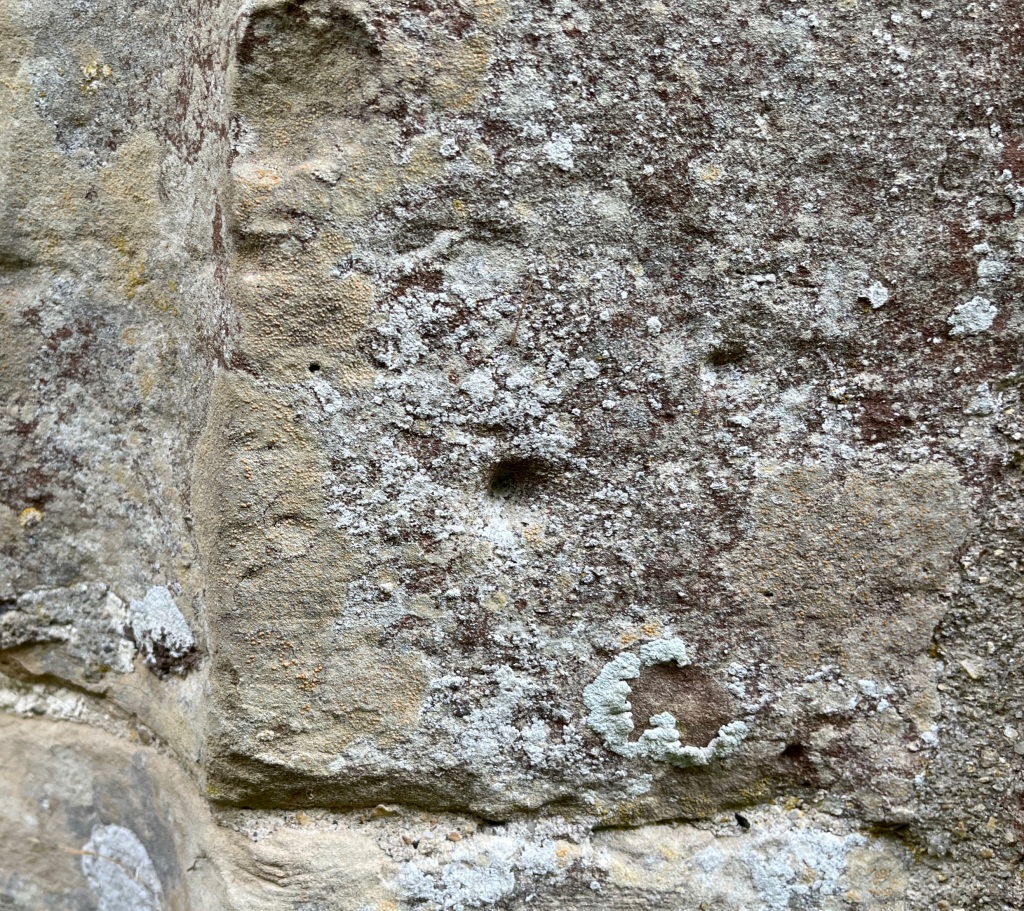
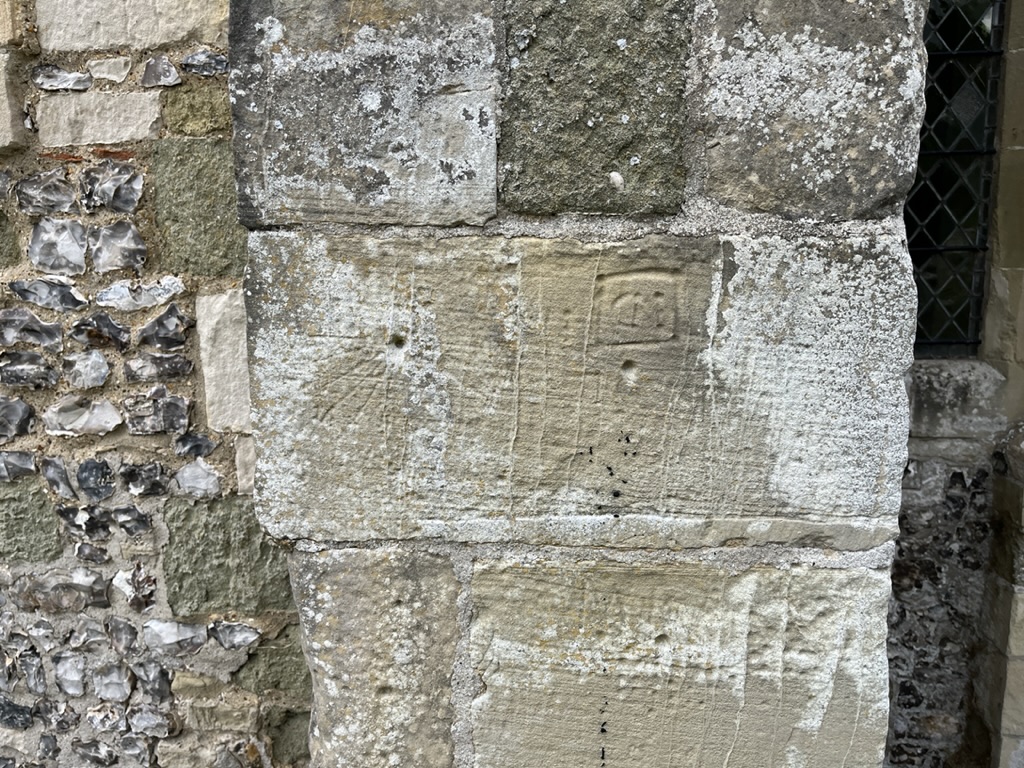
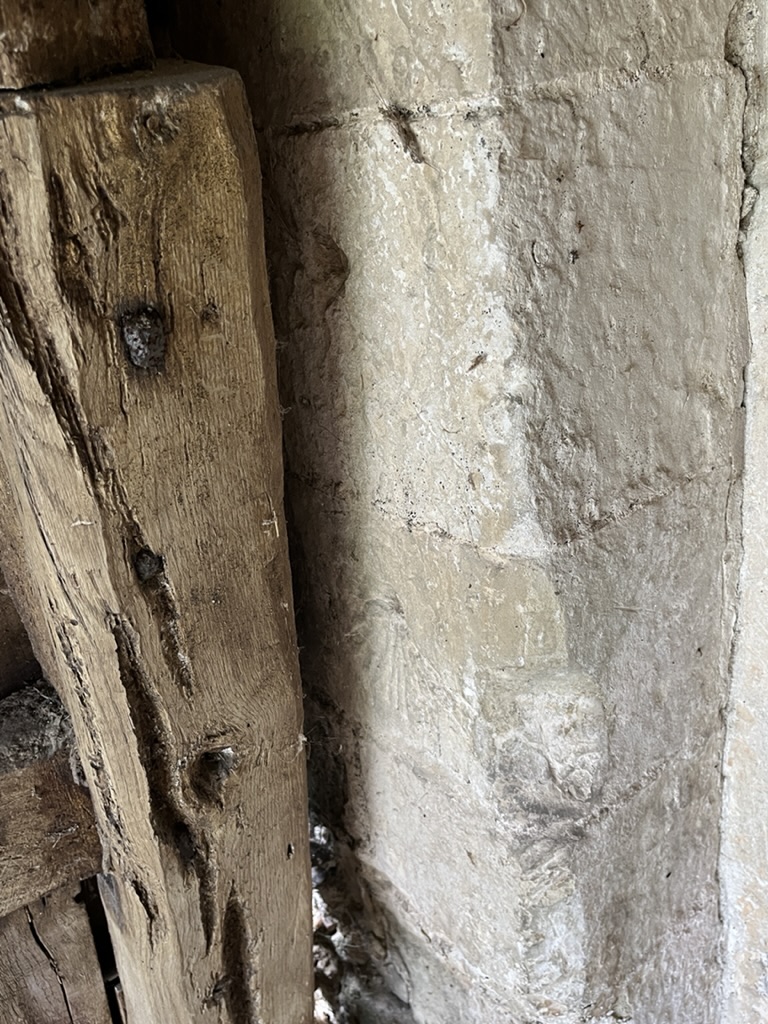
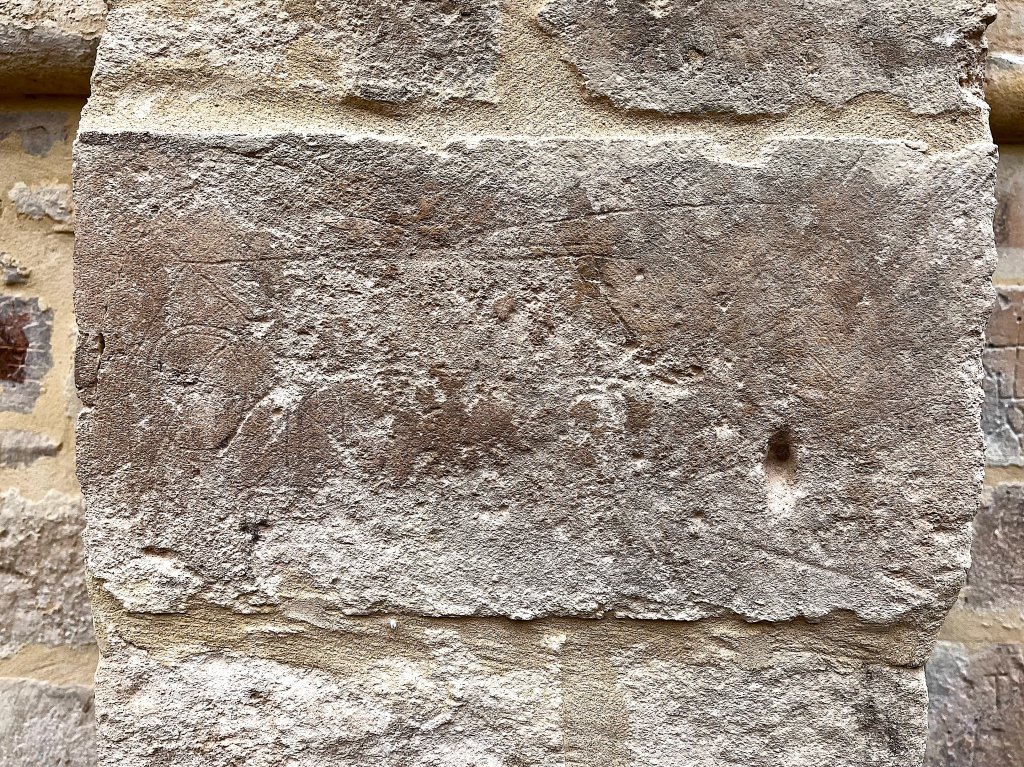
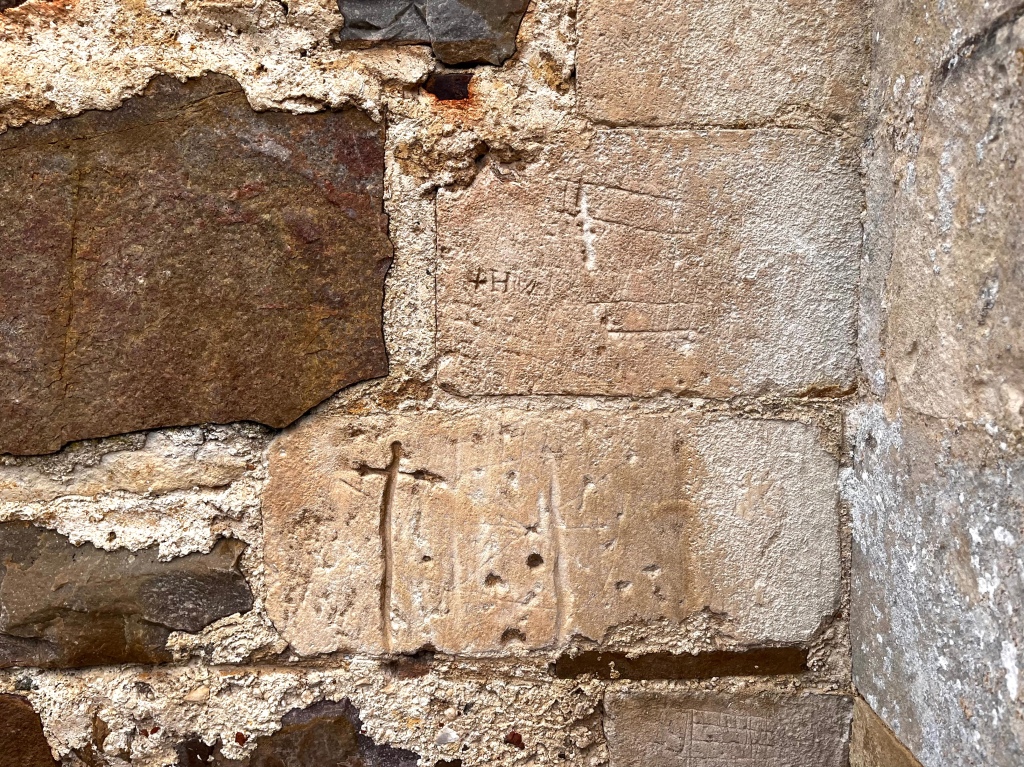
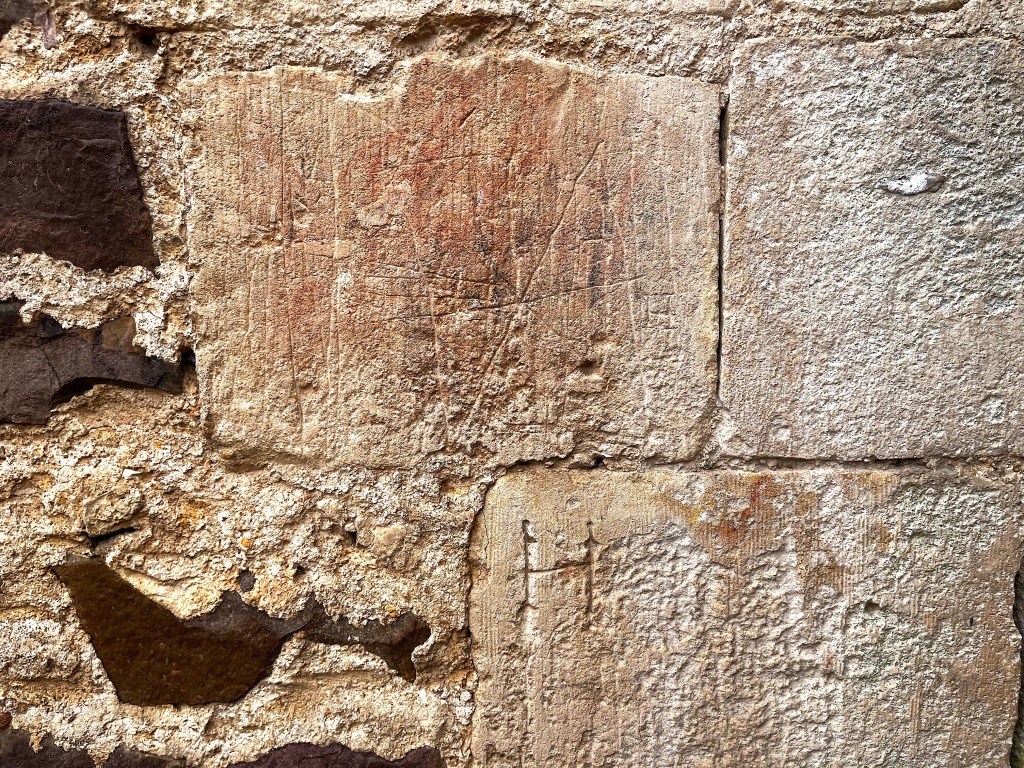
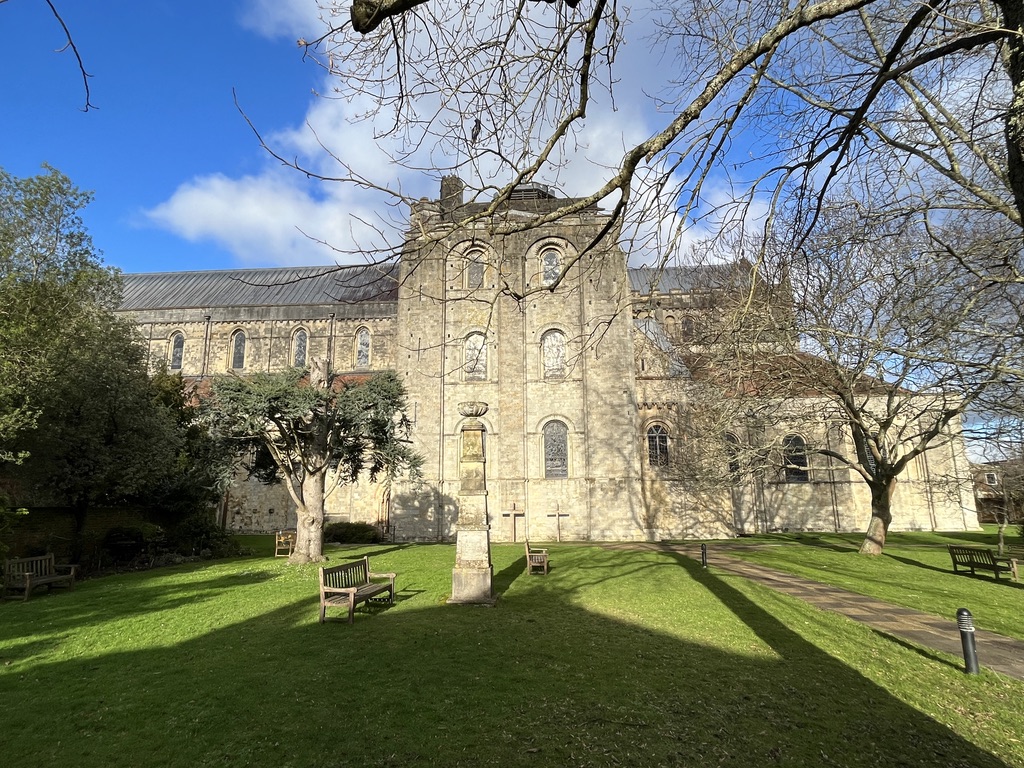
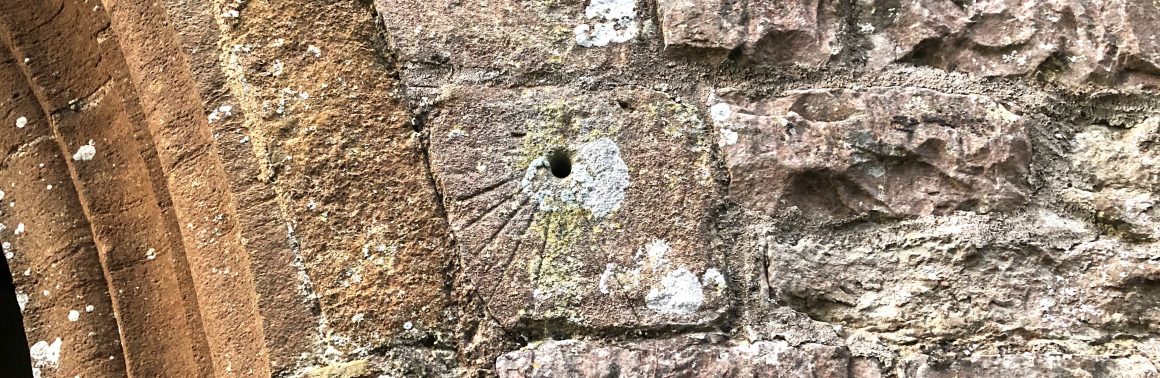
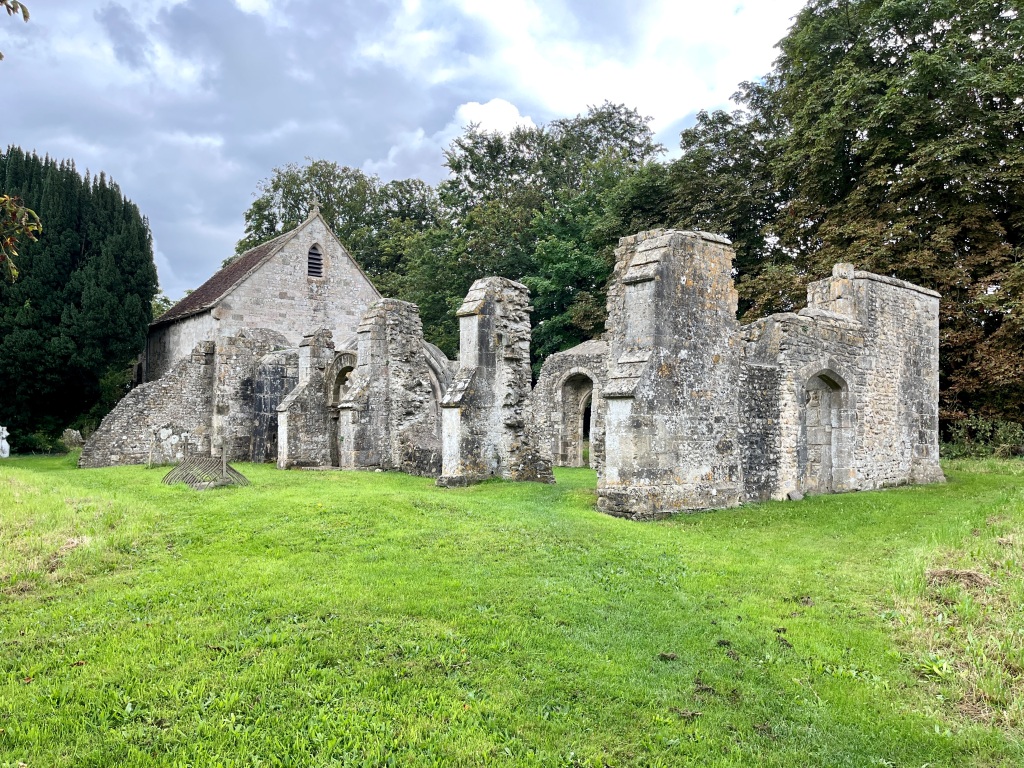
In a format variation, I will side-step the usual scene-setting para. In comparison with its host building, the somewhat elusive scratch-dial is an infinitesimal part. It is quite rare, I think, to find a scratch dial on a cathedral, abbey, or other major church building. Romsey has one that would be easily overlooked without clues. Next time I’m in Romsey I’ll take a proper camera on a sunny day.

DIAL

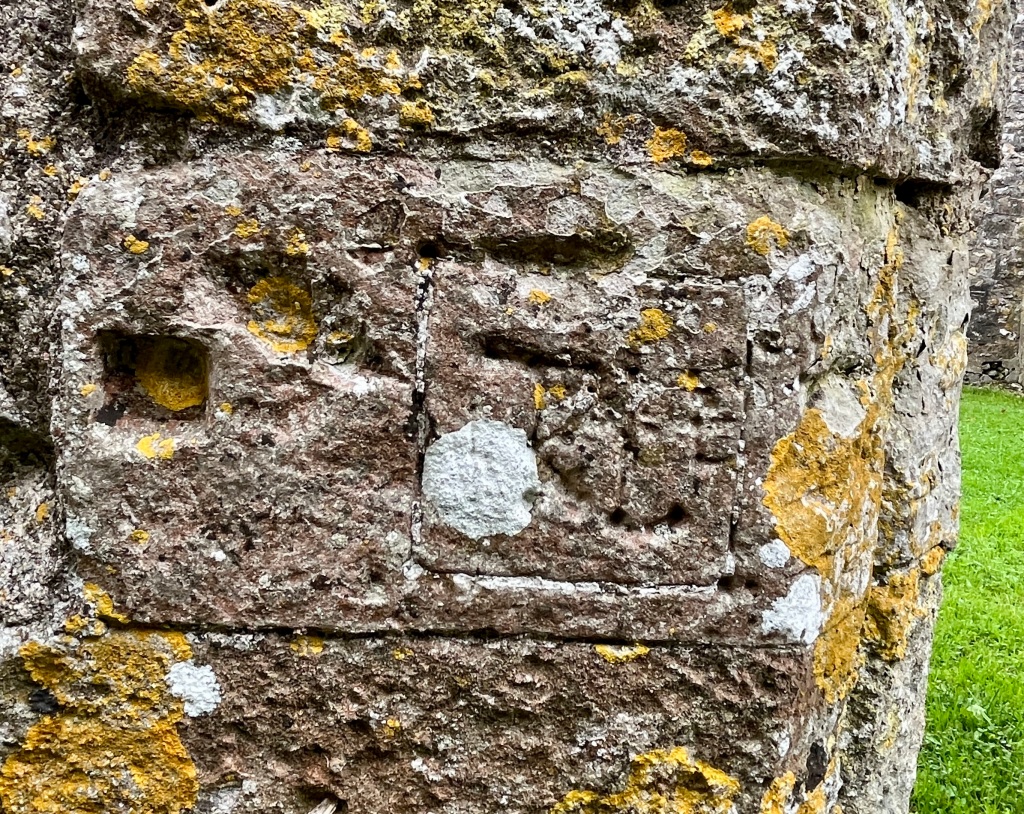
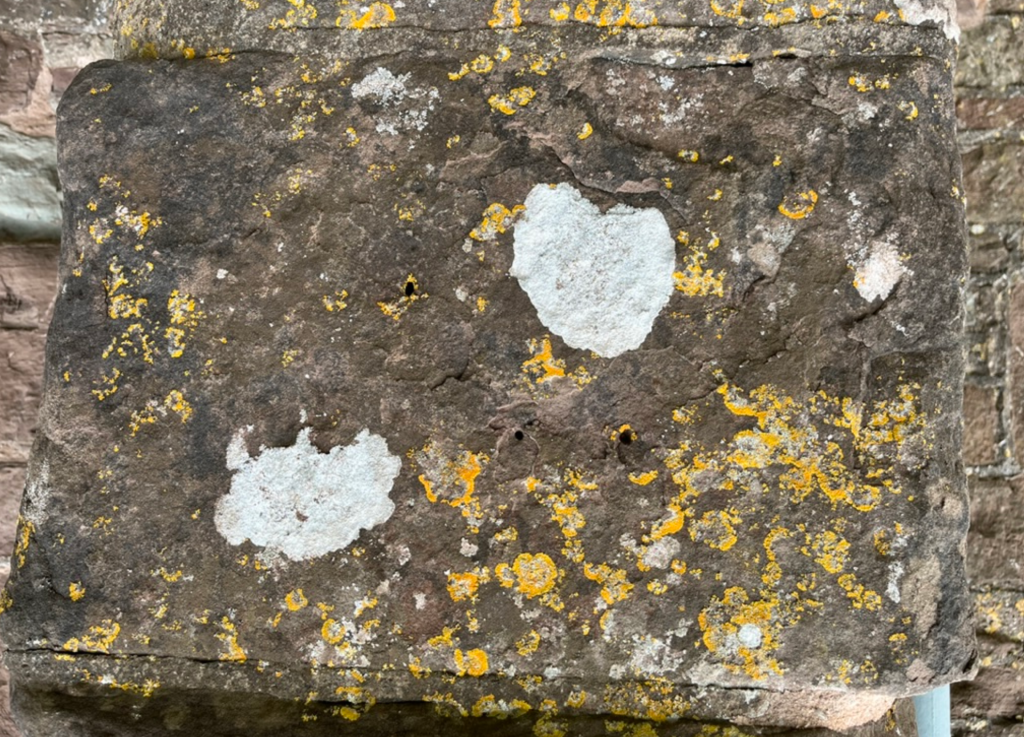
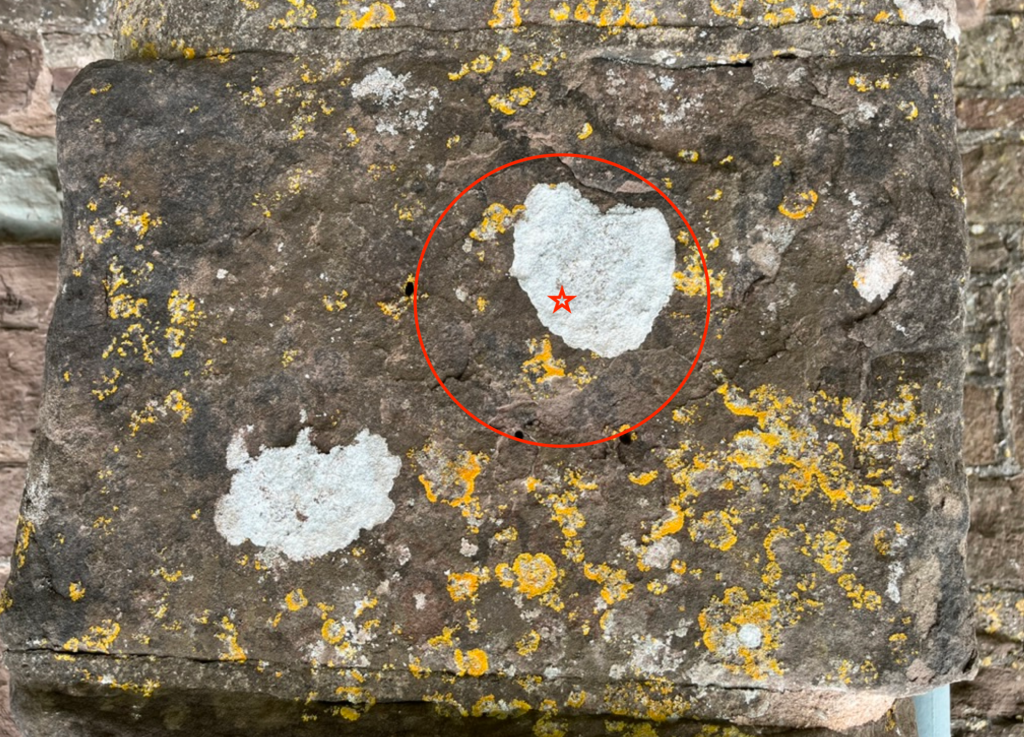
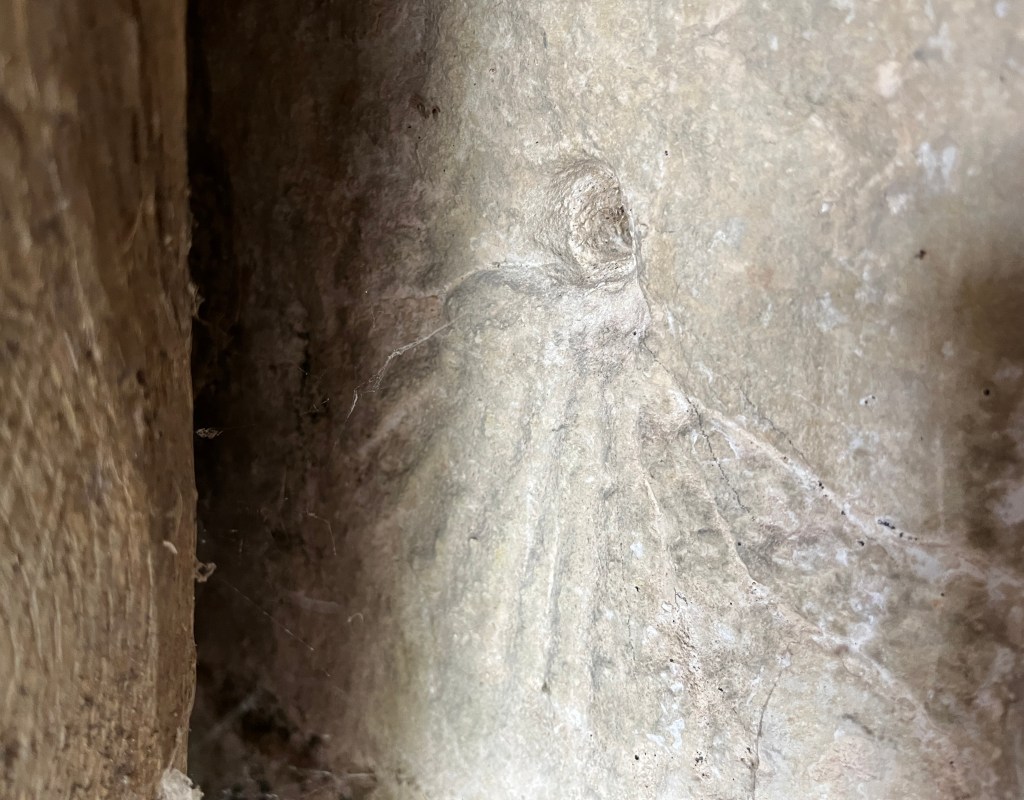
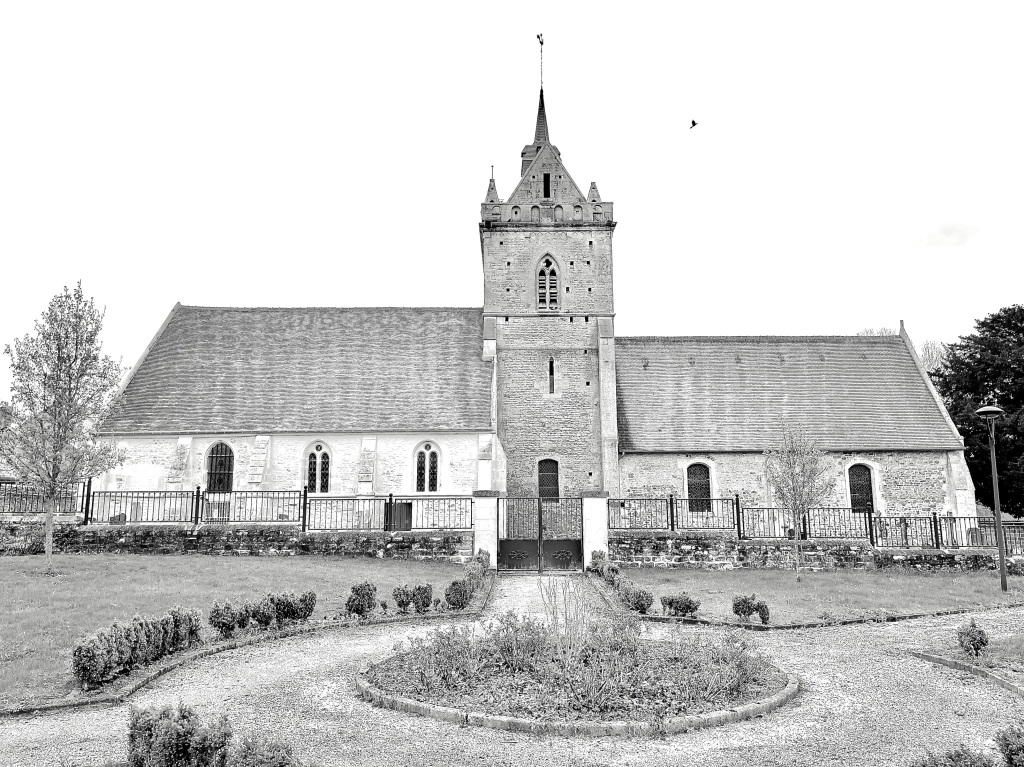
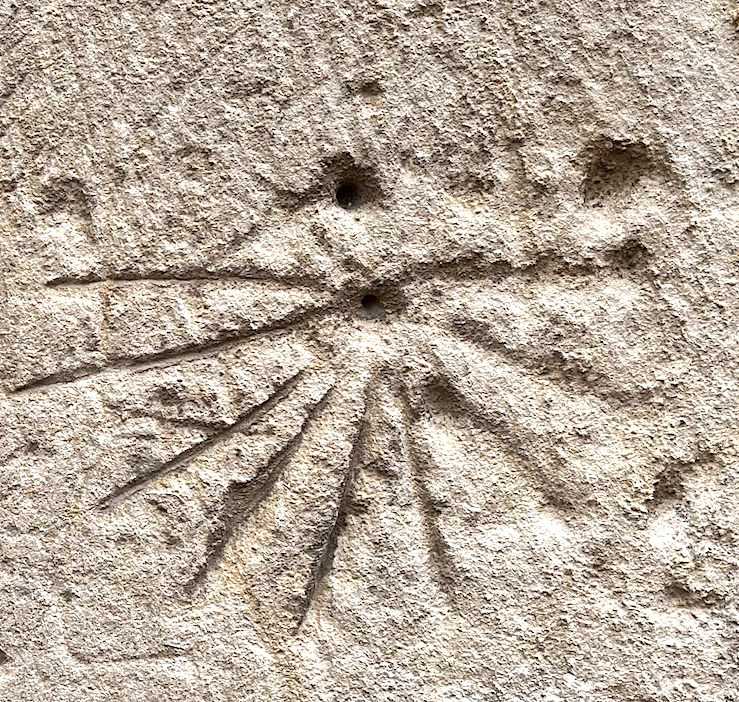
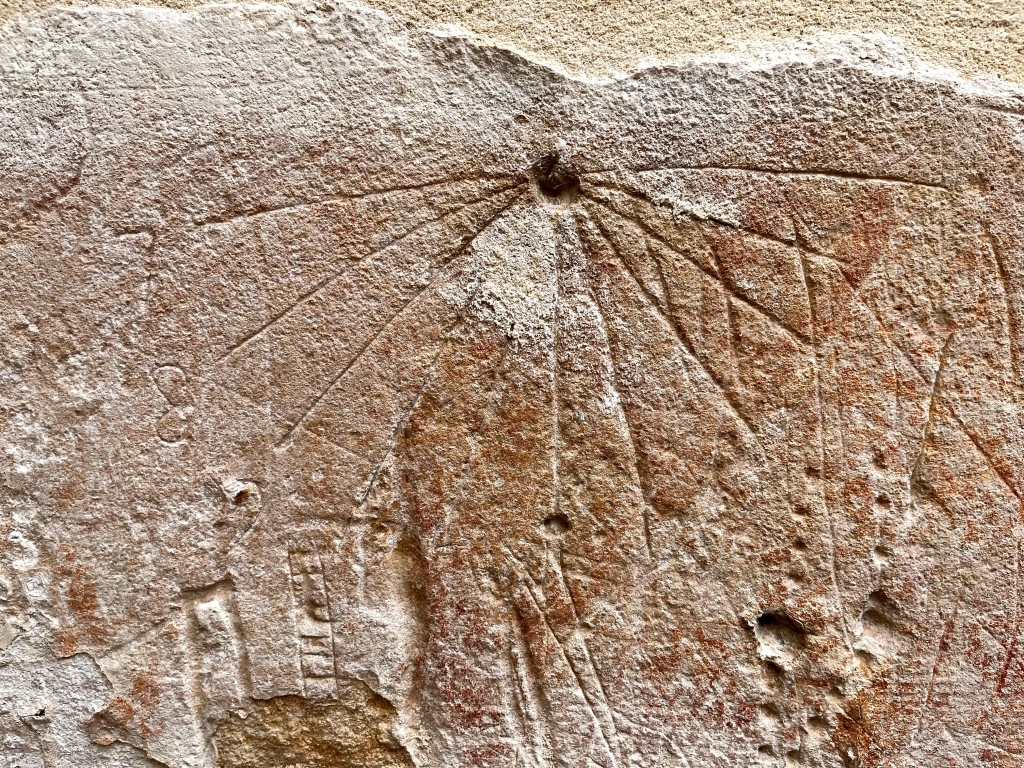
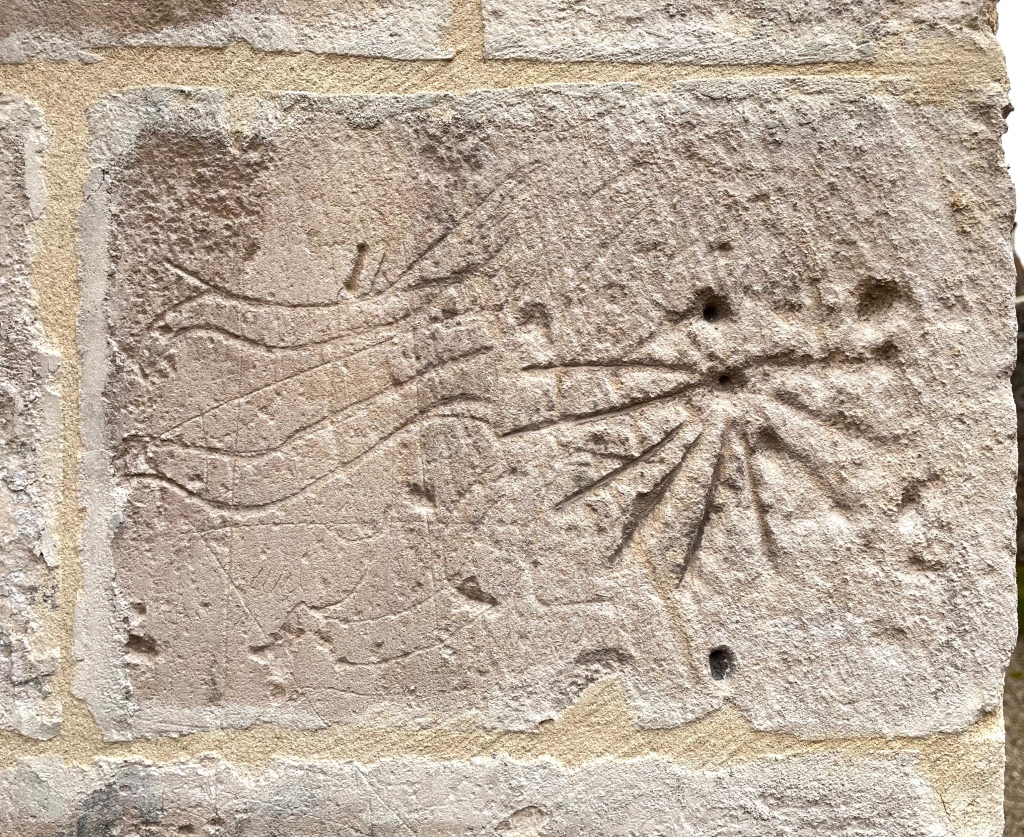
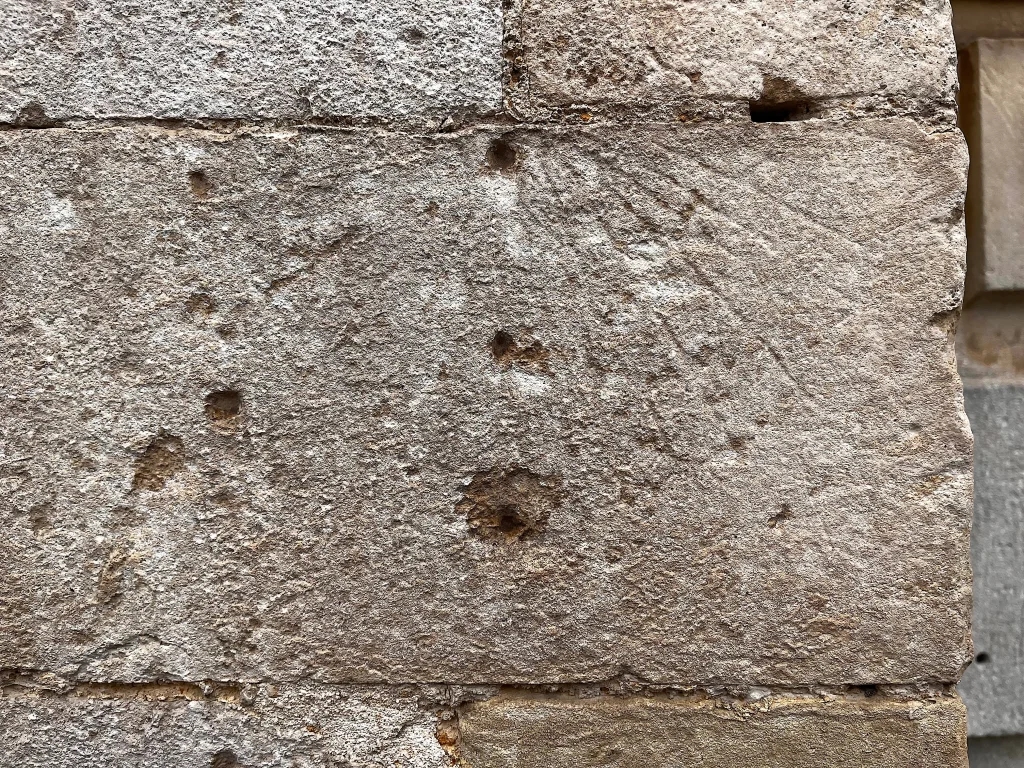
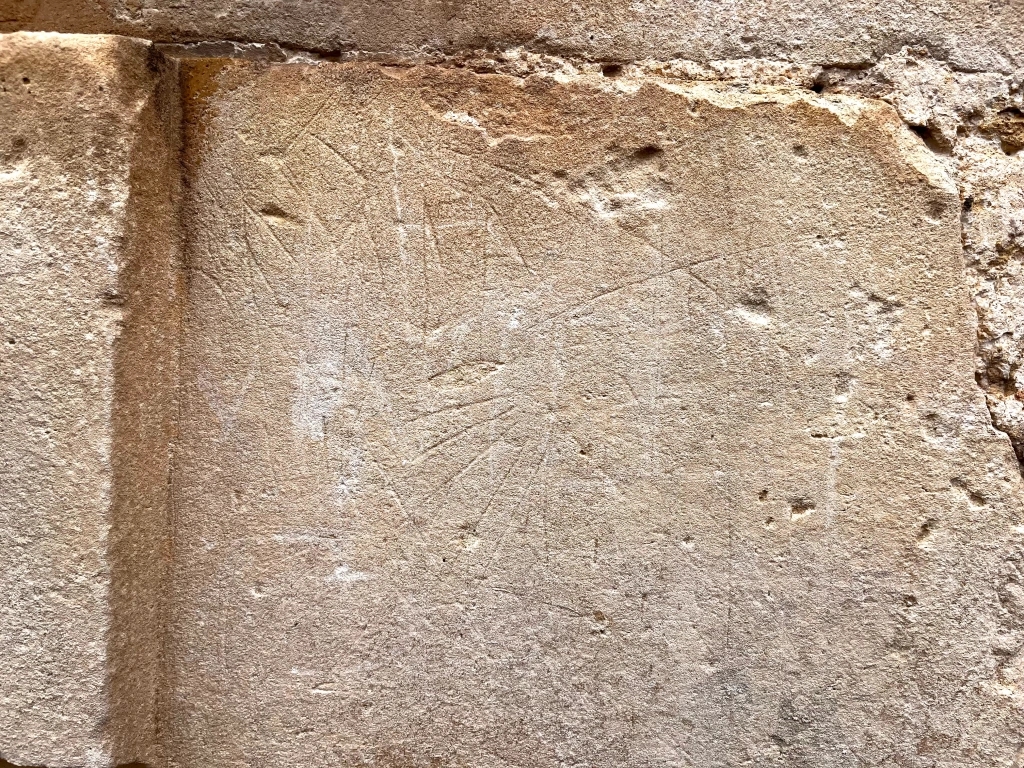
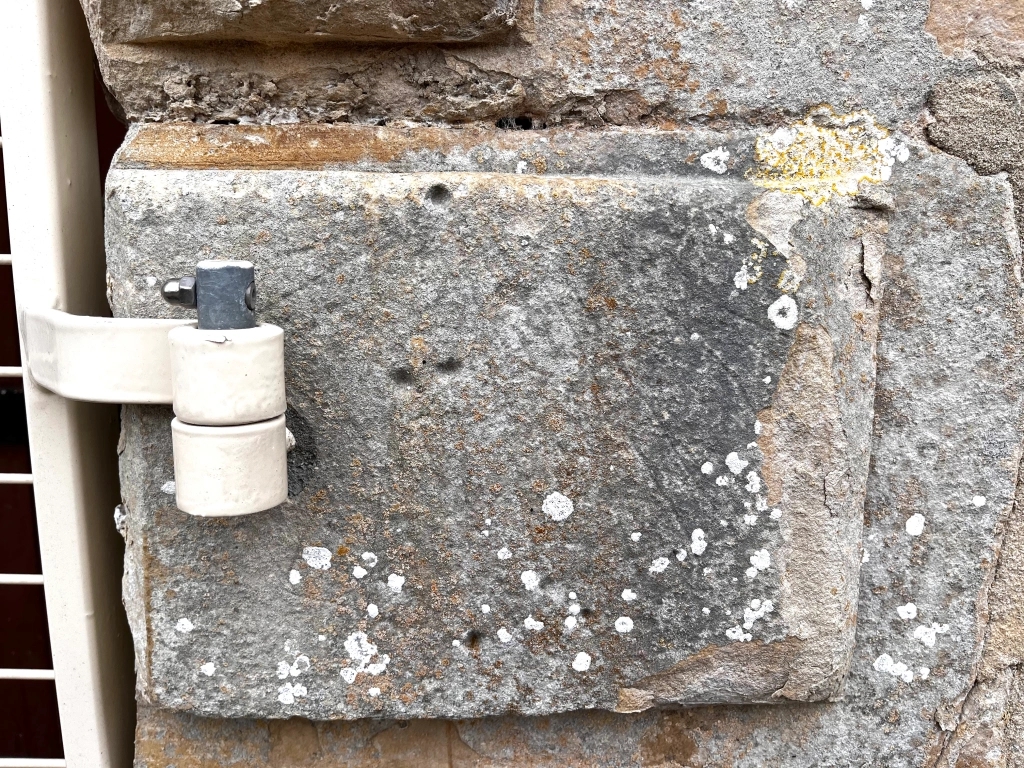
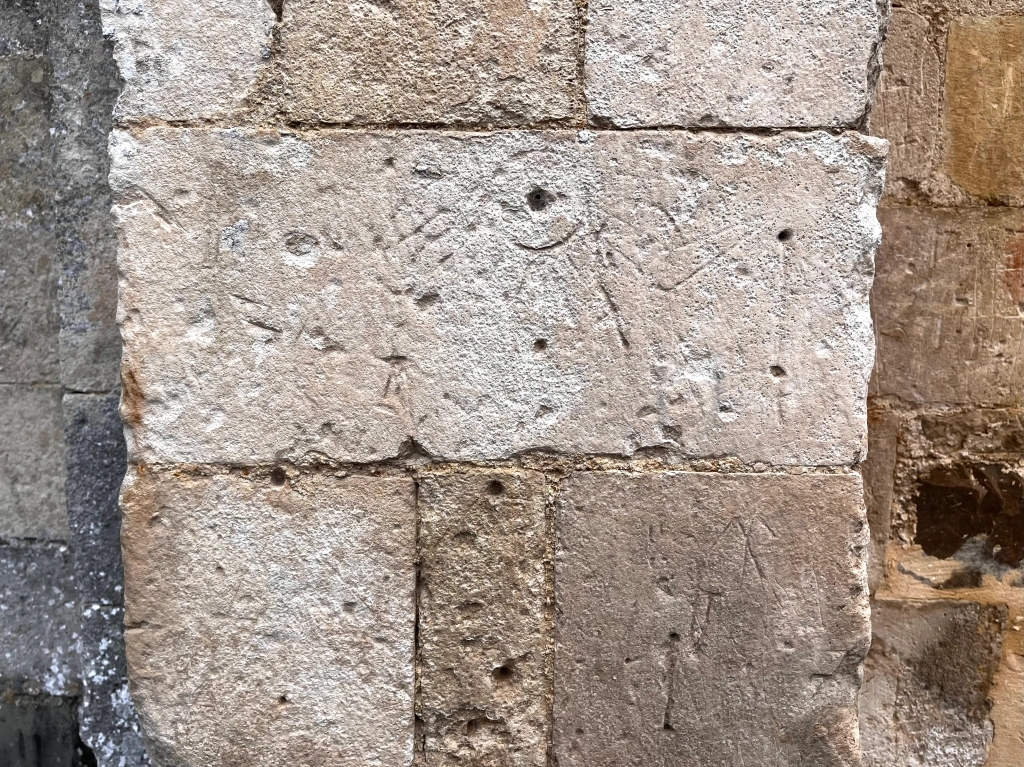
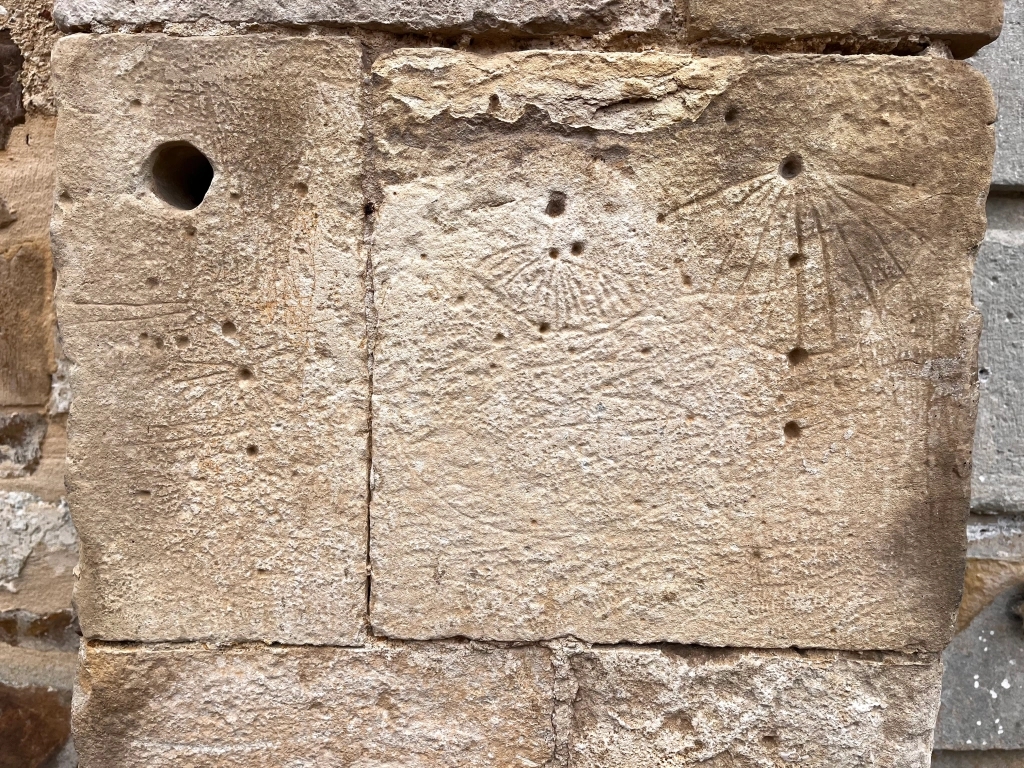
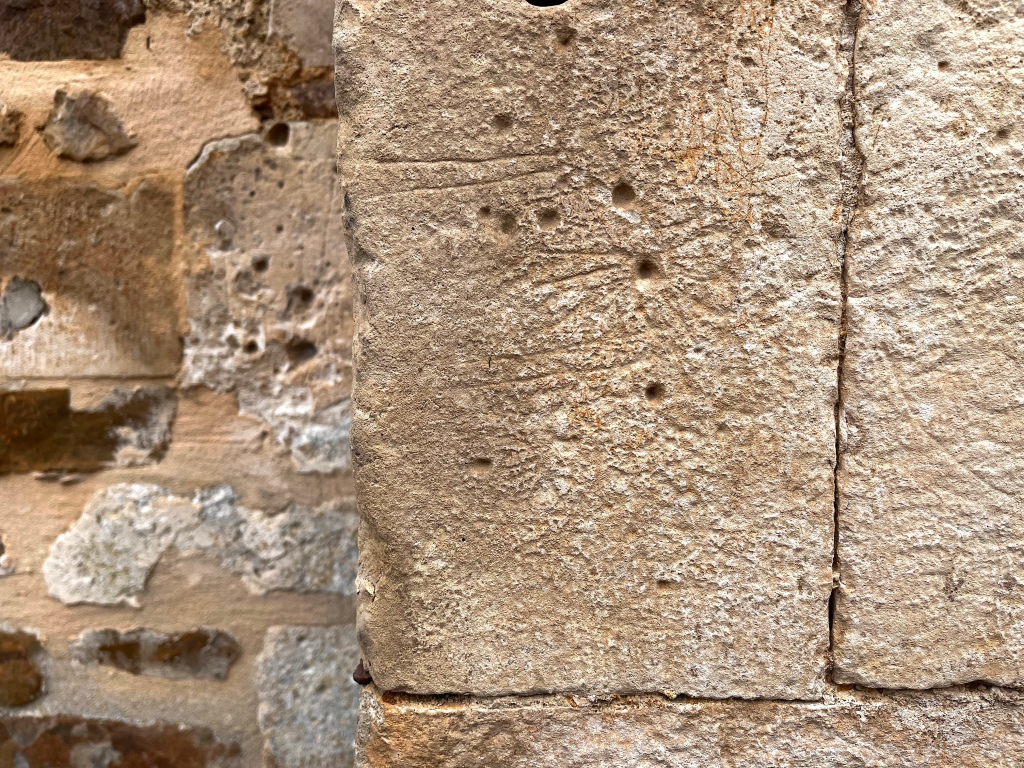
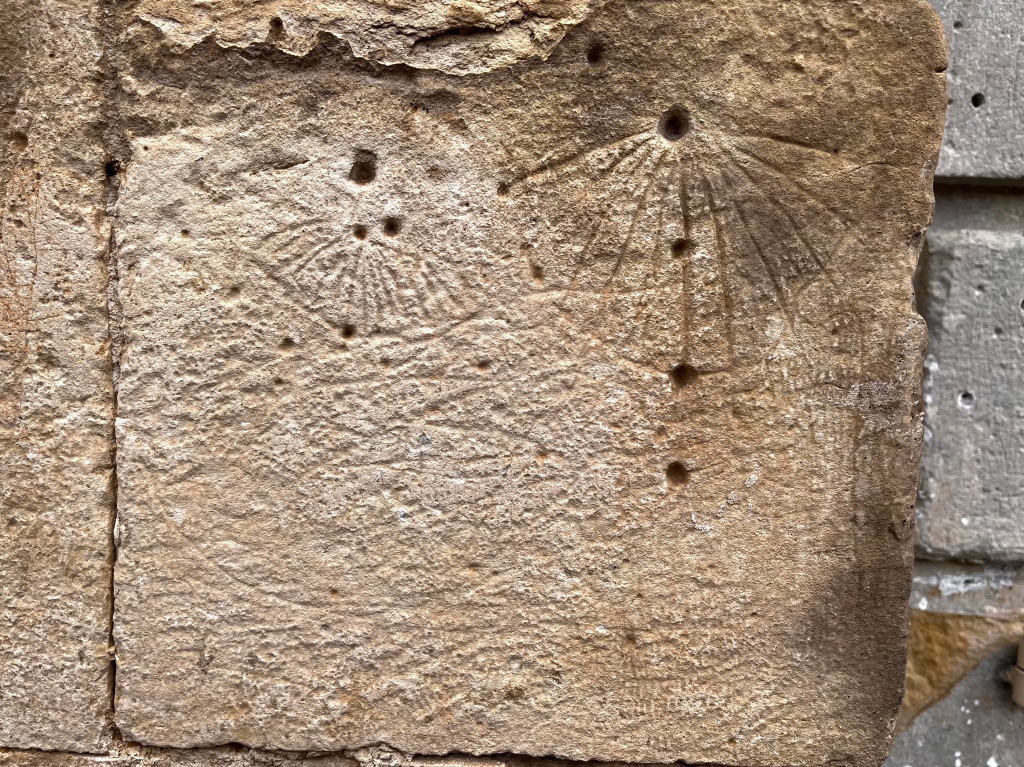
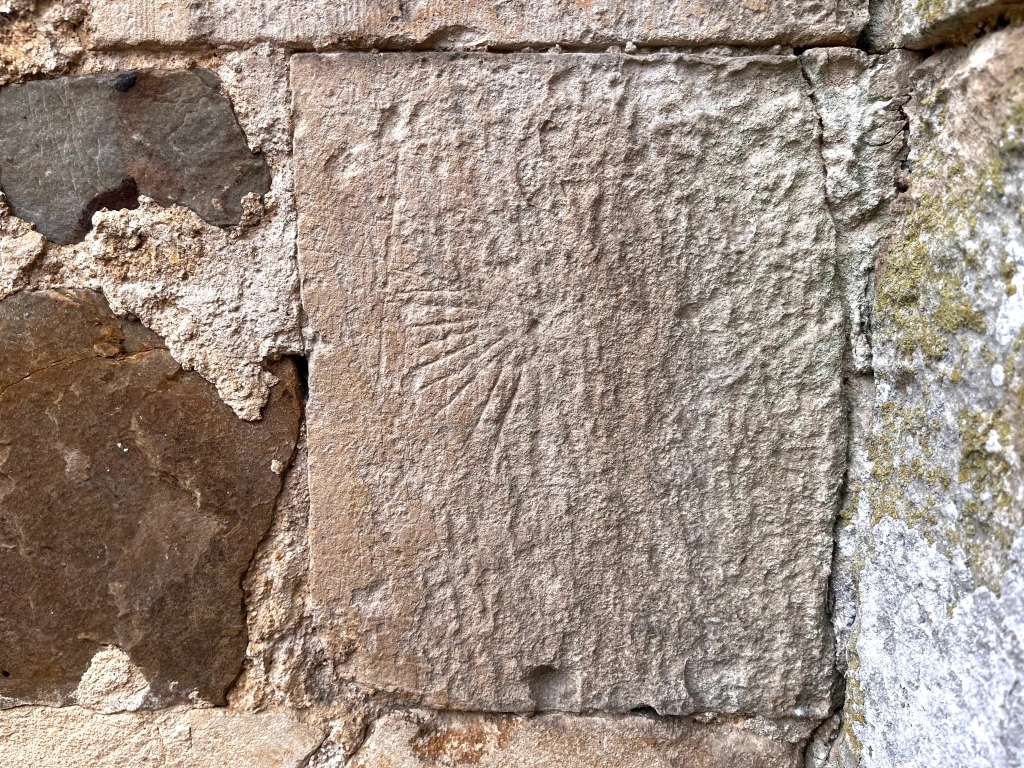
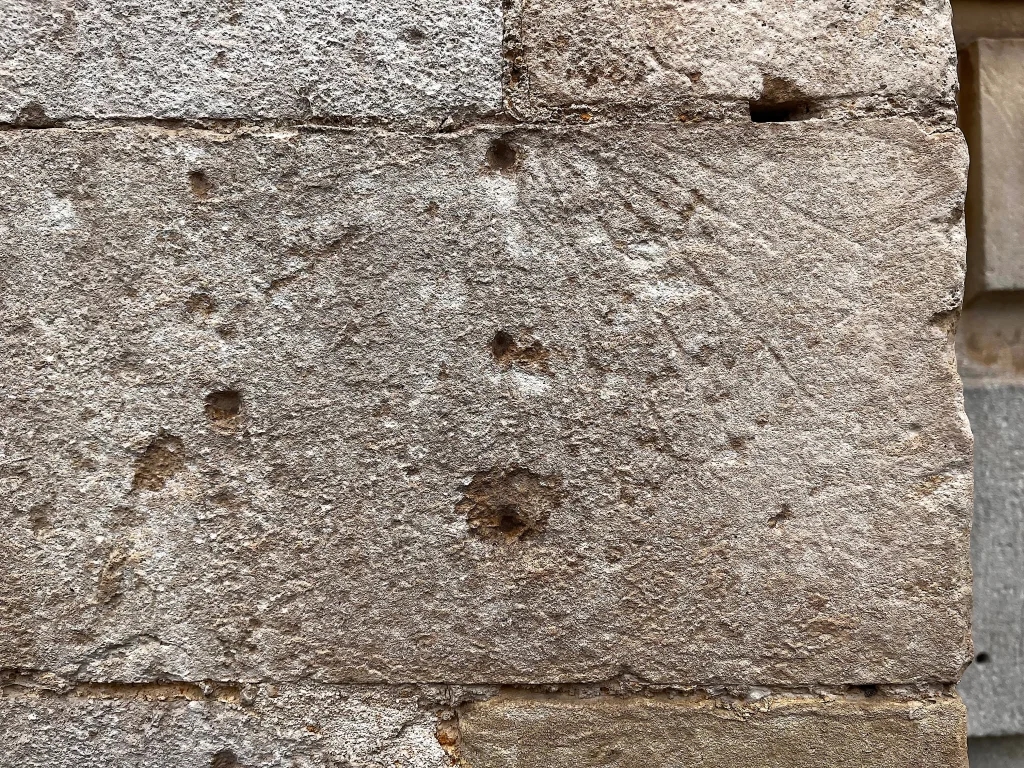
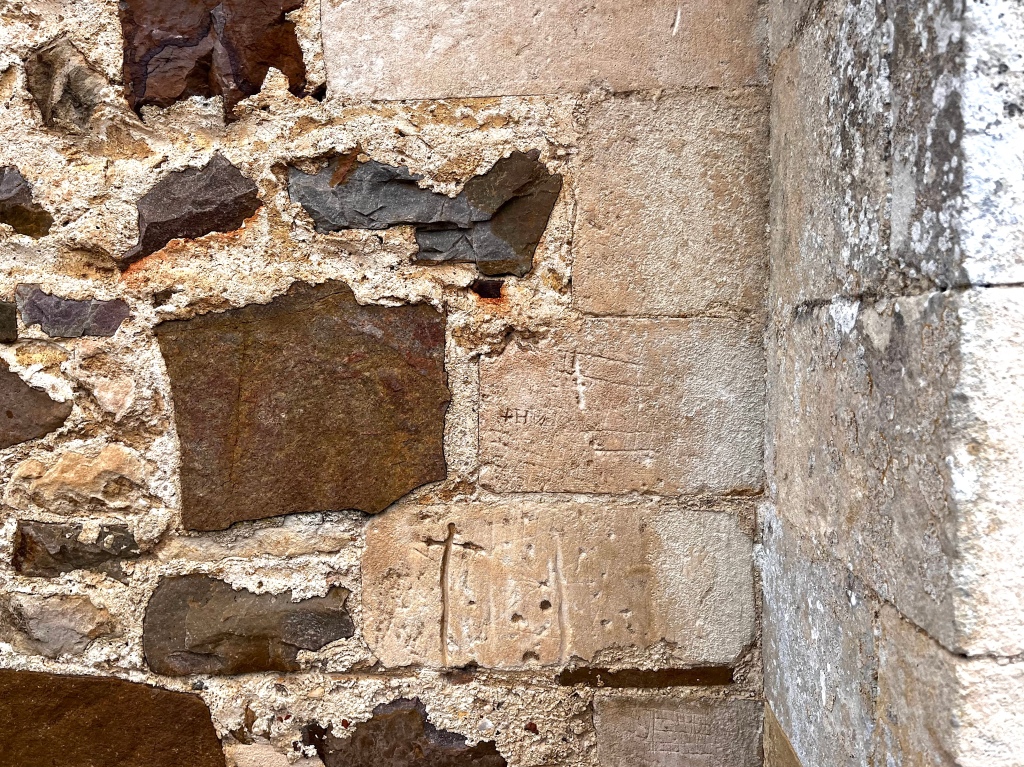
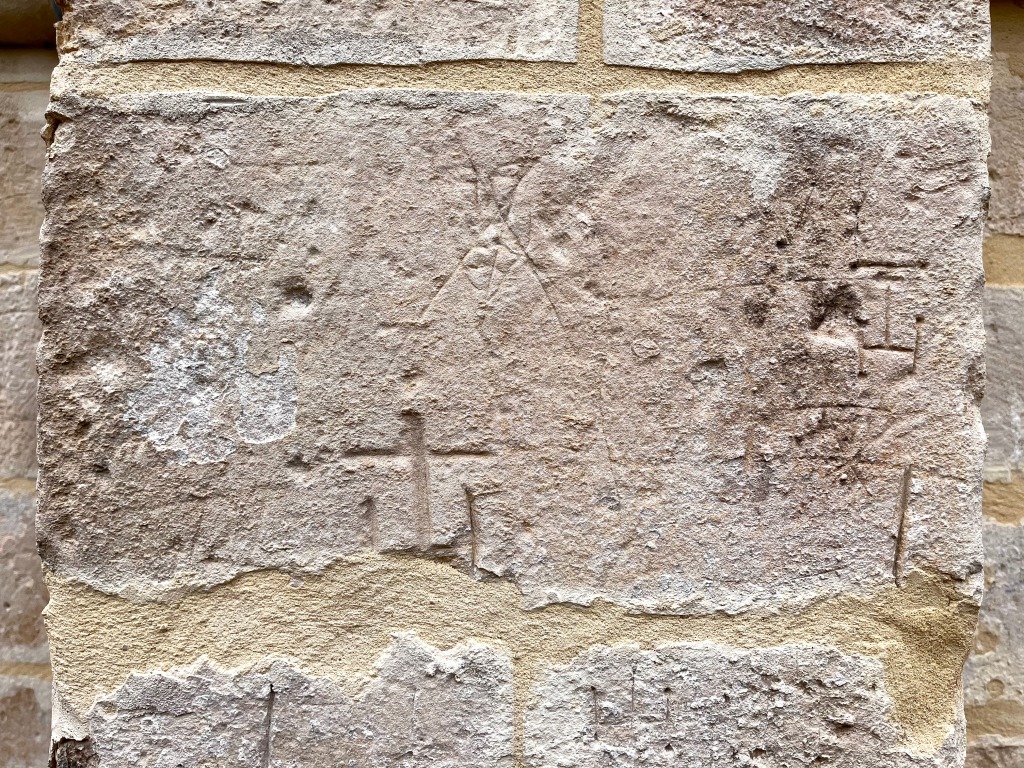
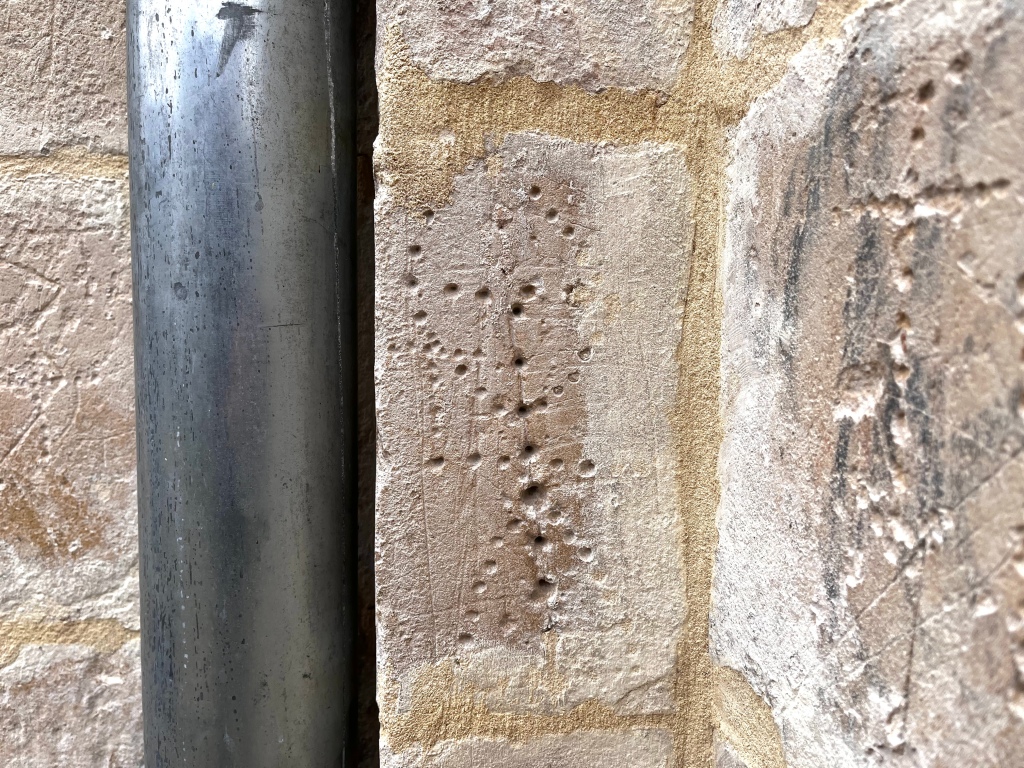
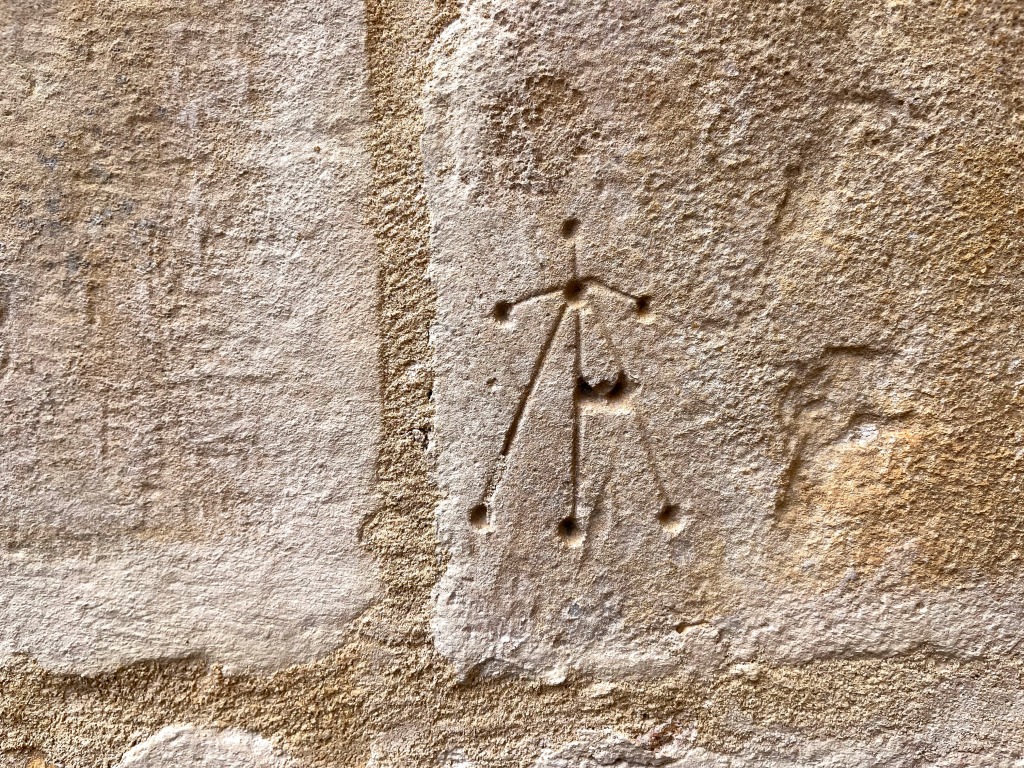
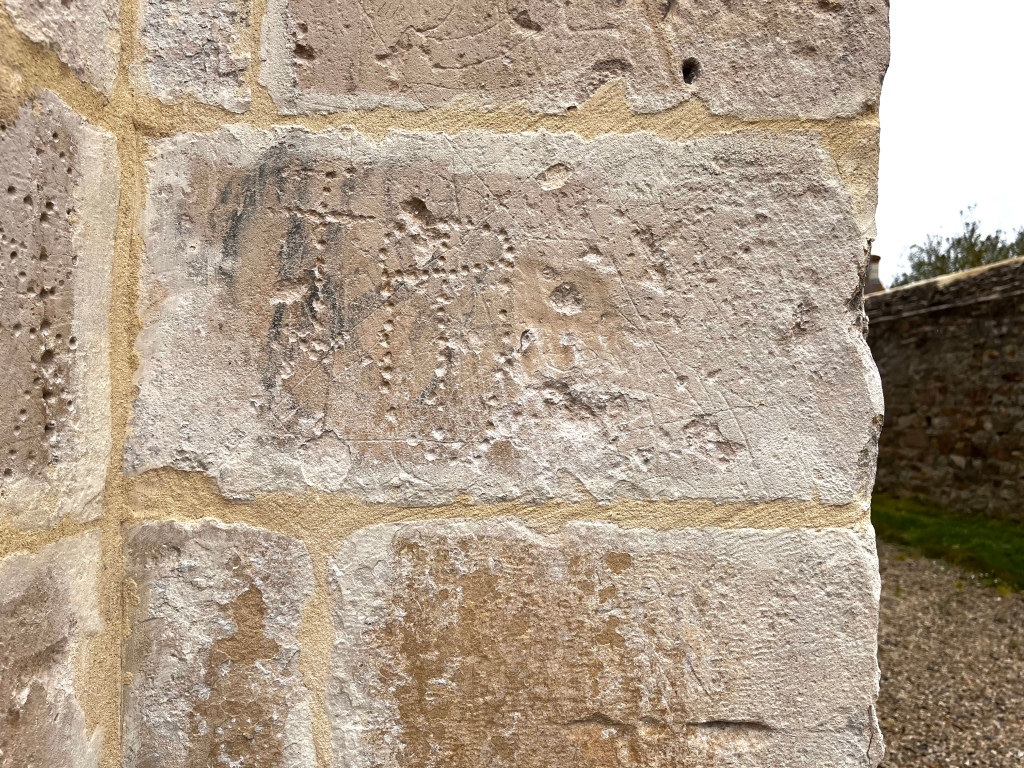
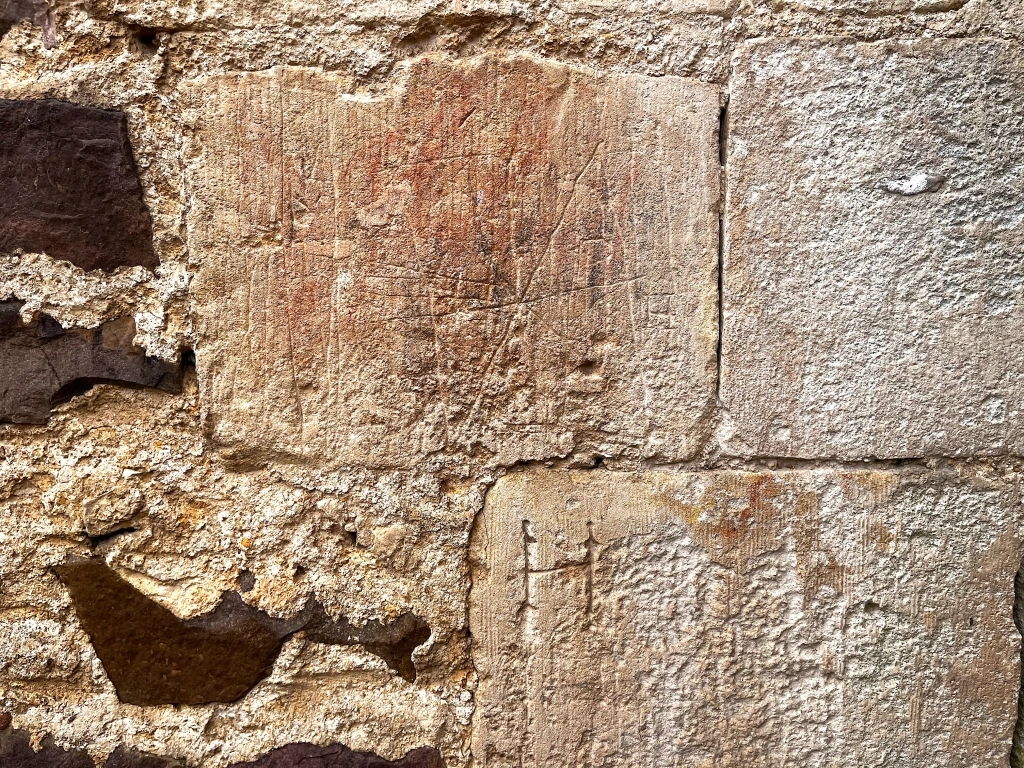
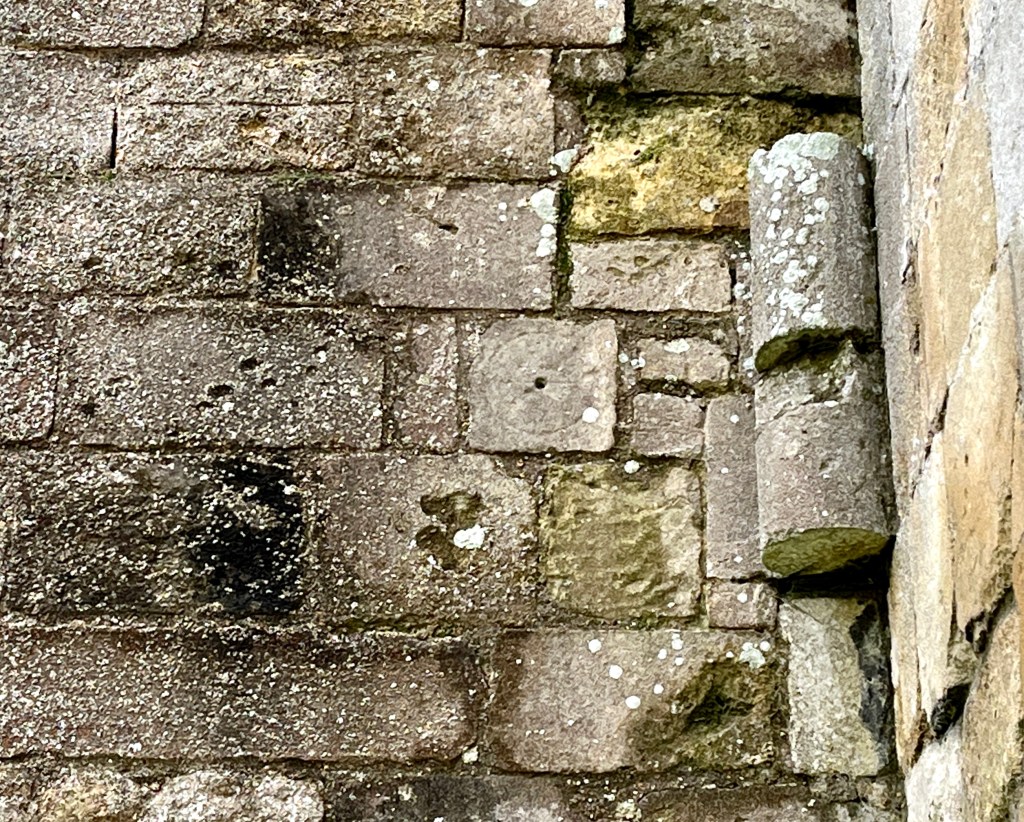
The dial is at the E end of the Abbey, inverted on the N face of the S buttress about 4 meters high.

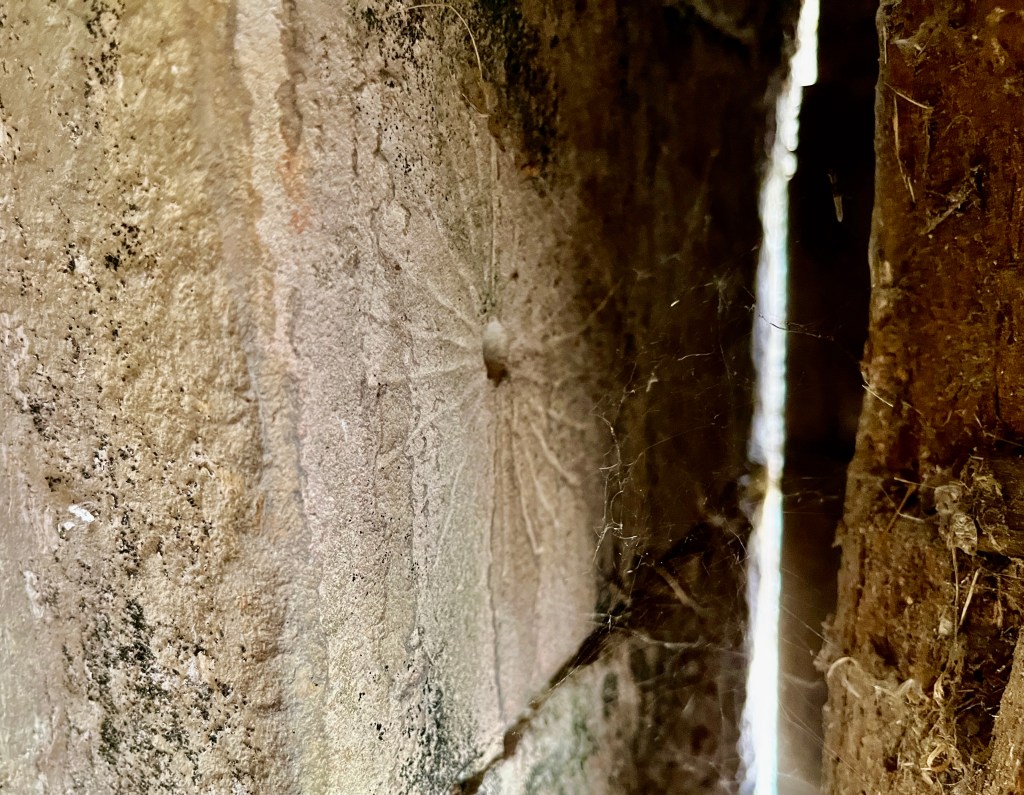
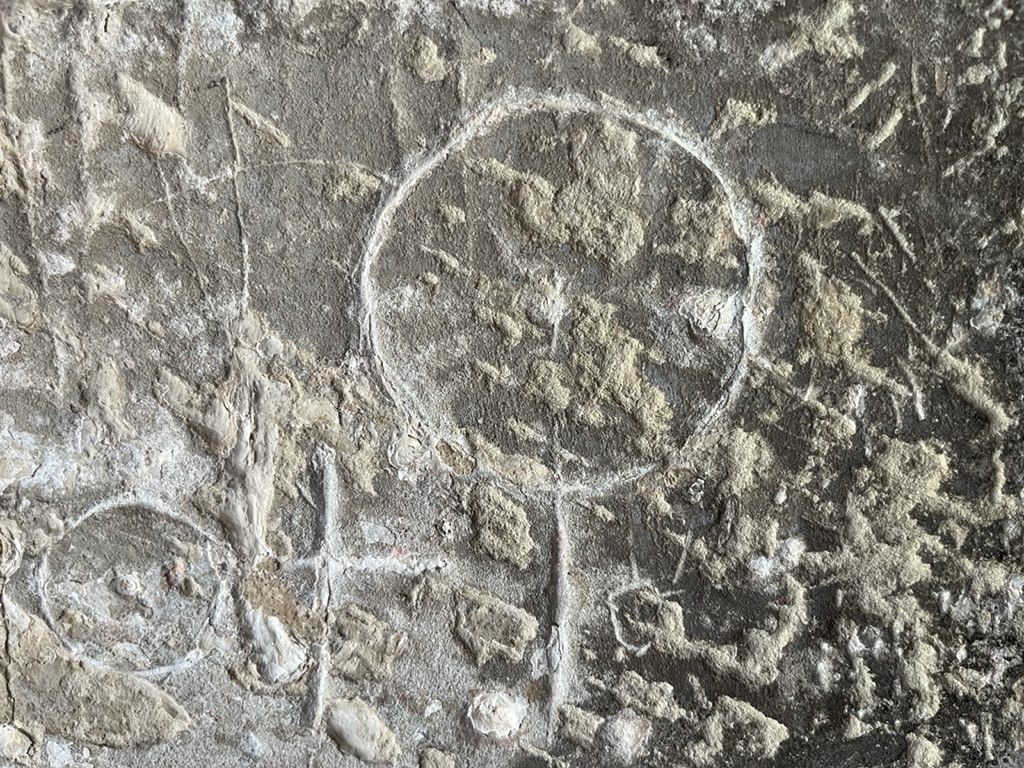
The BSS record describes it as Accurately cut or made. Repositioned, eroded, damaged. Rudimentary (Norman) dial. Probably inverted (faint line and pock URQ. Too high for measurement.

GSS Category: Scratch Dial; Mass Dial; Norman Mass Dial

All photos: Keith Salvesen

DIPTYCH DIAL

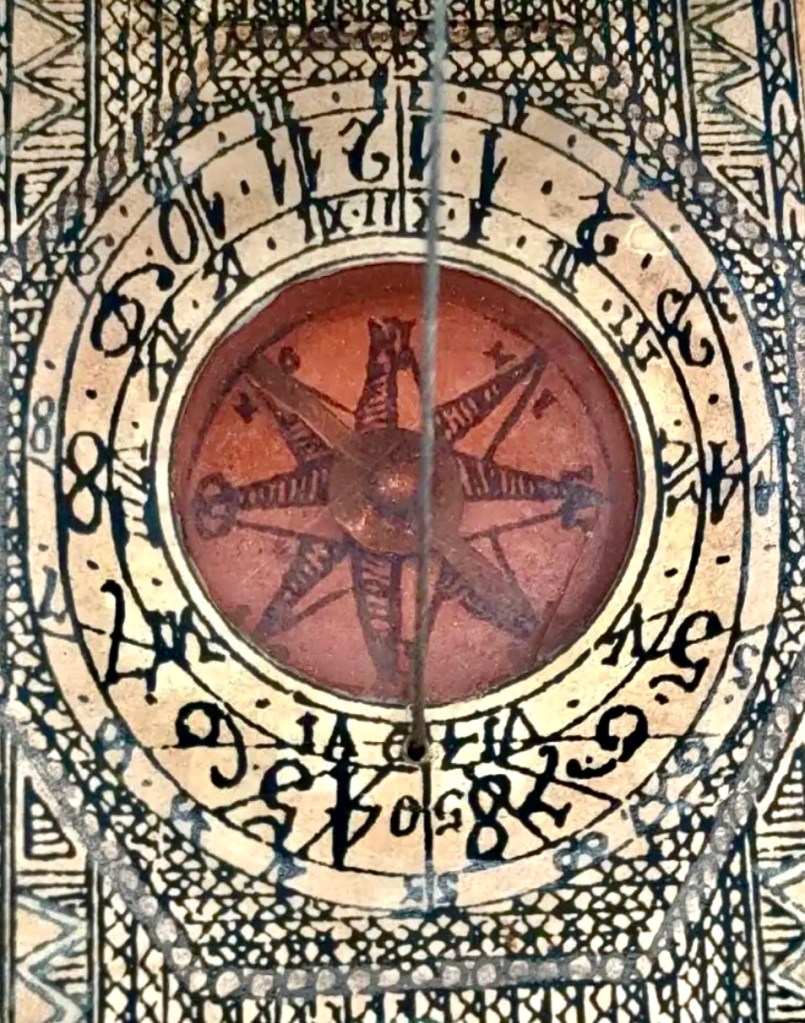
A diptych dial is a type of sundial with two hinged leaves which open like a book to use shadows cast by the sun to tell the time.

When opened, a cord holding the top leaf of the dial in its upright position acts as the gnomon. The dial is put on a horizontal surface and orientated so that the gnomon is pointing towards true north. This is done with the help of a compass embedded in the horizontal leaf within the main dial. As the Sun moves round, the shadow moves across the dial marking the passage of the day. Times in places of significance can also be calculated from the dial’s readings. MHS.OU

These beautiful pieces were intricate and costly, often made using ivory. The dial shown here is my own. I’d love to be able to say that it is a rather rustic version of a valuable diptych dial, but it is in fact a cheap knock-off from eBay that I bought to test the workings… or is it the real deal?

There are many museums with watch and clock collections – for example (in the south) Oxford (Museum of the History of Science), London (V&A, Science Museum), and Greenwich (Maritime Museum).

3 PRECIOUS IVORY DIPTYCH DIALS

Museum of the History of Science, Oxford University – DIPTYCH DIALS

CHEAP & CHEERFUL BUT QUITE FUN

GSS Category: Diptych Dial; Diptych Sundial; Unusual Sundial

All photos Keith Salvesen; Museum of the History of Science, Oxford University

MIDDLE WOODFORD . WILTS . ALL SAINTS – Scratch Dials; Vertical Dial

All Saints . Middle Woodford . Wilts

ALL SAINTS . MIDDLE WOODFORD . WILTS

GRADE II ✣ C12, C15; T.H.Wyatt restoration 1845. A fine church by the R. Avon, with plenty of interest. Focus here is on the splendid C12 inner doorway of the porch with nook shafts and scalloped capitals, and an outer order of arch lozenges, inner of horizontal chevrons BHO. See below for Church History. 5m N of Salisbury. 51.1244 /  -1.8301 /  SU119361

SCRATCH DIALS

DIAL 1

Dial 1 is by the capital LHS of the door, and quite easy to overlook. Weathered and damaged, with 3 lines visible within what remains of a double circle. Filled gnomon hole.

DIAL 2

Dial 2 is RHS on the arch of the doorway, and much easier to read. A morning dial with 4 clear lines from 9 (terce) to noon, and another fainter line earlier. The random line LRQ was evidently added some time later. Filled gnomon hole and remnants of a narrow double circle, as with dial 1. Perhaps this dial was cut as a replacement for dial 1 which certainly seems earlier; they could hardly be contemporary.

DIALS 1 AND 2

CHURCH HISTORY

VERTICAL DIAL (CHANCEL BUTTRESS)
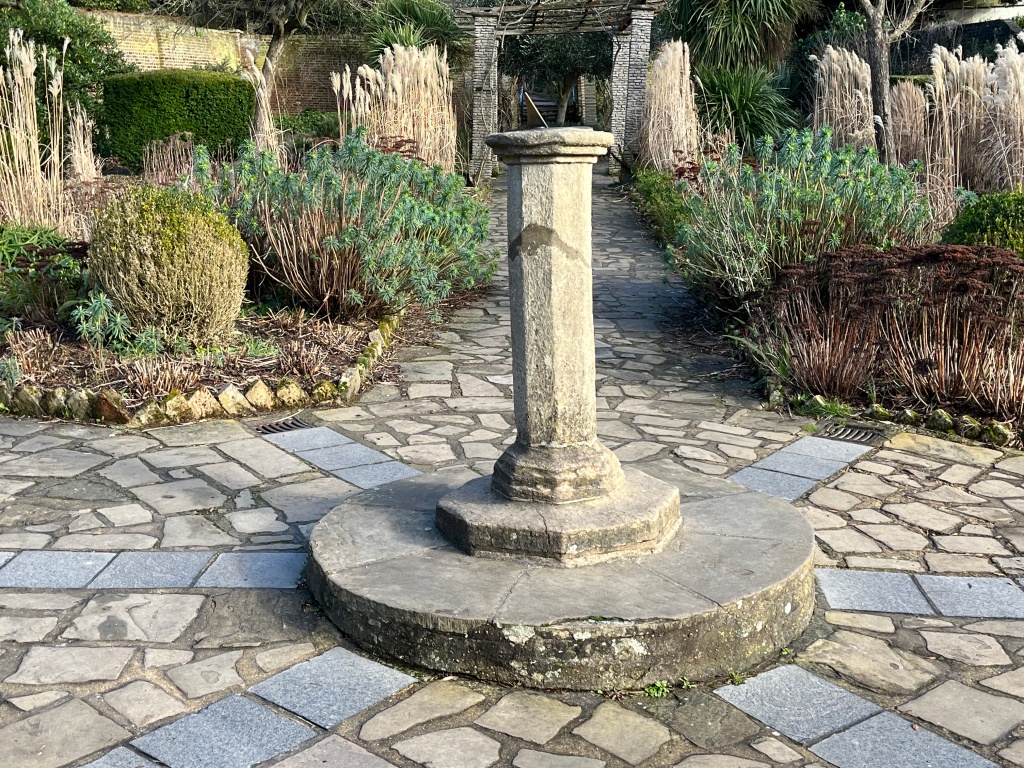
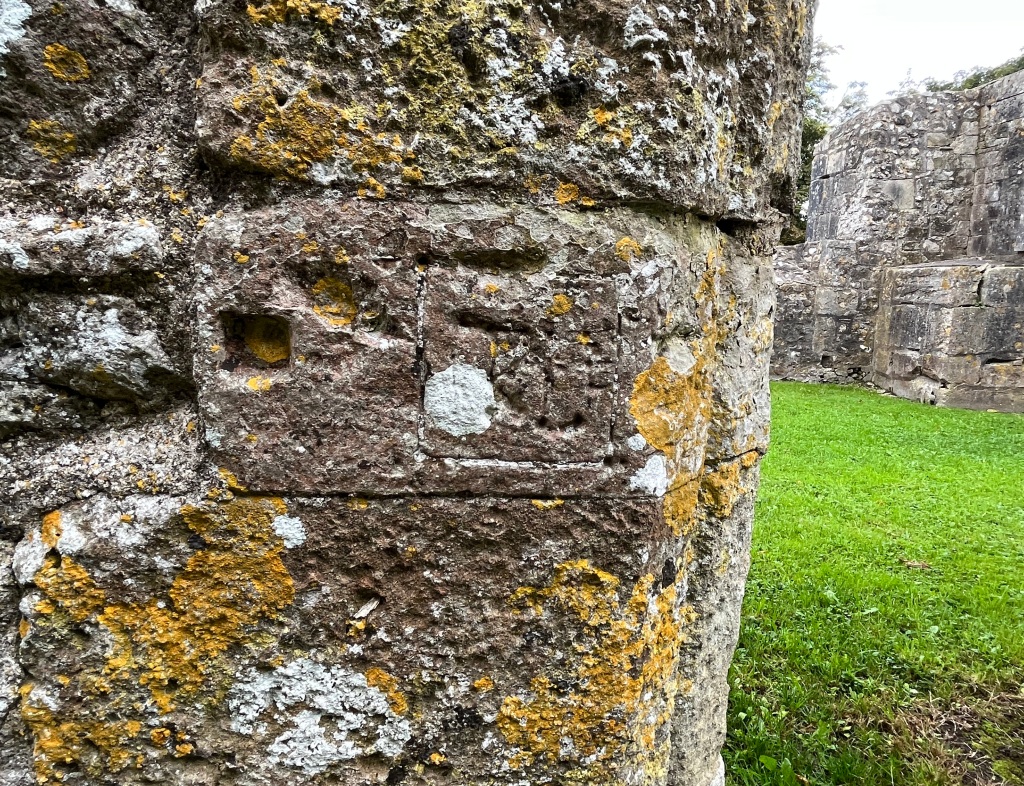
The dial is on a south buttress. Motto across the top in angular lettering reads: ‘Tempus Fugit’. Upright Arabic numerals – 10, 11, 12, 1, 2, 3, 4, 5 and 6 still just visible. Divided to 5 mins? Three-dot half hours (remnants of fleur-de-lys? Square frame with wide border, inset into stone of second buttress RHS of south porch. Needs restoring soon if it is to be saved. Would have been quite a good dial originally BSS

The most recent report was in 2005. Given the details mentioned above, the prediction of further deterioration has sadly come to pass.

GSS Category: Scratch Dial; Scratch Dial within porch; Vertical Dial

All photos: Keith Salvesen

OSLO . NORWAY . RÅDHUS . ASTRONOMICAL CLOCK


Not strictly within the scope of this site, but these photos – taken about 5 years ago – of the splendid astronomical clock on the City Hall in Oslo were rescued from a large folder of ‘delete me’ images. Worth saving and displaying, I decided.

The clock is situated on the north side of the west tower of the building. It shows the time and month; the positions of the sun and moon; and the signs of the Zodiac.

The Rådhus was built during the 1930s, but the outbreak of war delayed iinauguration until 1950. It is home to the presentation of the Nobel Peace Prize. It also houses a 49-bell carillon that chimes every hour.

GSS Category: Astronomical Clock

Photos: Keith Salvesen / Mandal

BRANSCOMBE . DEVON . ST WINIFRED – Scratch Dials & ‘ Sun-Clock’

ST WINIFRED . BRANSCOMBE . DEVON

GRADE I ✣ Saxon origins (c995?) perhaps on pagan site; Norman with continuing development. Vicars recorded from 1269. Careful restorations. Among the oldest and most architecturally significant parish churches of Devon SJ. A lovely location, concealed from potential marauders from the sea. Of great interest both inside and out; a church to explore thoroughly. The Church Guide (40pp) is excellent. Midway between Sidmouth and Seaton. 50.6902 /  -3.1403 / SY195884
DIALS

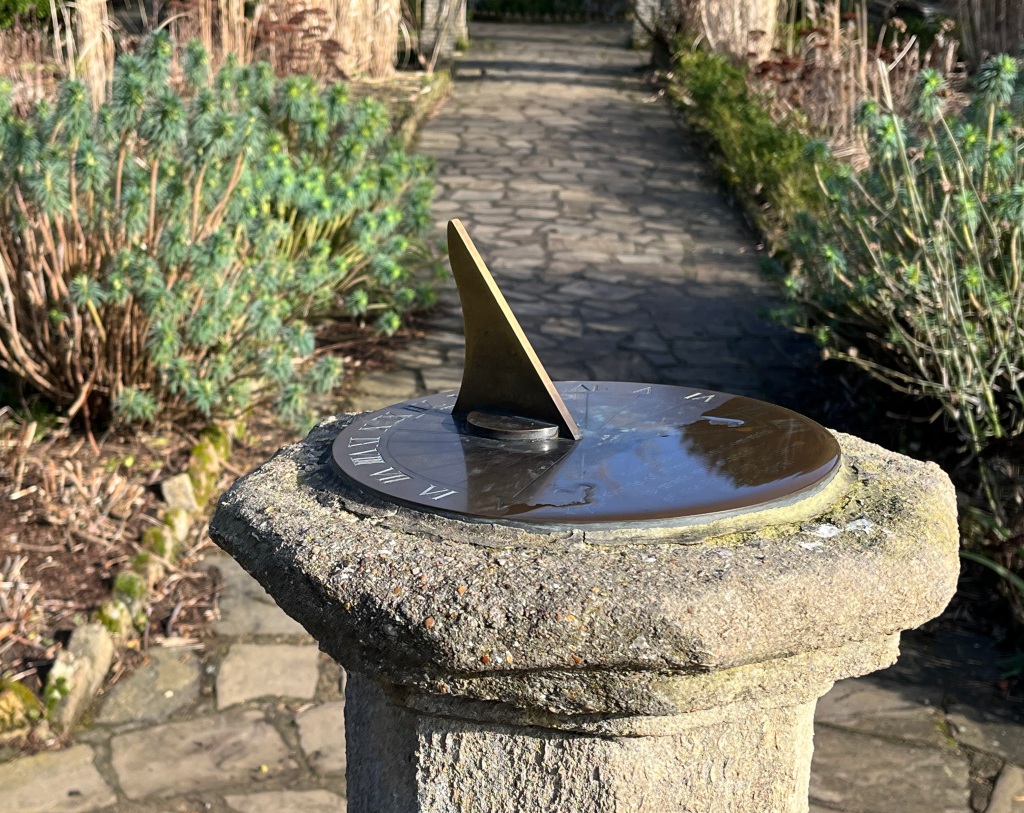
There are three completely different dials. Dial 1 is a linear dial thought to be unique in Britain, with a buttress acting as gnomon. Dial 2, cut on the lintel of a blocked doorway, may be Saxon. Dial 3 is relatively conventional and located high on E corner quoin of the chancel.


DIAL 1

This remarkable dial is not circular but linear, and is thought to be unique. Roman numerals are cut in an approximate row along the chancel wall, so that the chancel buttress acts a gnomon casting a shadow that moves across the longitudinal numbers. XI is obscured behind the drainpipe.

VI, VII and VIII are thought to be original numerals; IX, X and XI are larger and later. The Guide to the church describes this dial as a ‘sun-clock’, which is surely a more appropriate and accurate name for it than ‘scratch dial’, and reflects its uniqueness.

HOW THE DIAL WORKS

IFFLEY COMPARISON

There is another notable ‘buttress gnomon’ dial of a different kind at St Mary the Virgin, Iffley. It has 4 vertical incisions in a row, a compact marker of the passage of the day. Presumably it was designed to focus seasonally on the significant part of the day for Mass.

DIAL 2

Incised in the grey stone lintel of a blocked doorway believed to be Saxon. Unusual in that it has 6 lines (2 on the horizontal) cut almost with vertical symmetry, with no visible noon line. The 2 deeper cuts RHS suggest the time of day for the main Mass (None). The gnomon hole is big, perhaps enlarged at a later date. The BSS record includes the note Late Saxon / Norman? Originally on earlier church?

DIAL 3

A more familiar dial design high on a quoin stone at E end of chancel. There are 7 lines within a double circle. BSS notes that it has been re-sited, the top of the dial being on an adjacent stone. The gnomon is filled in a rectangle. Again, the two deeper cut afternoon lines suggest None as the main Mass time.

GRAFFITI

If you climb the stairs, as you surely will during your visit, you will find plenty of graffiti, much of it overpainted with long-weathered whitewash.

GSS Category: Scratch Dial; Mass Dial; Sun-clock; Unique Linear Sundial; Buttress as Gnomon; Medieval Graffiti

All photos Keith Salvesen; Drawings from Church & BSS

KENILWORTH . ABBEY BARN . WARKS – Rare Barn Scratch Dial

Erika Clarkson

ABBEY BARN . KENILWORTH . WARKS

Kenilworth Castle has a long and intriguing history, with royal, civil and military significance over C7 centuries or so. There is an excellent Wiki entry HERE . Anyone who learnt history at any level will be transported back to the classroom. Simon de Montfort C13; the insulting gift of tennis balls from the French to Henry V; Lady Jane Grey; Civil War(s); slighting. The entry is erudite yet clear and concise.

Erika Clarkson

HE Historic Print Archive

In the grounds close to the C14 gatehouse is a small 2-storey building known as the Barn, now thought unlikely to have been built as, or used as, a barn. The general view seems also to be that it had no monastic function. There were 2 latrines, which makes me wonder if it might have been some sort of lodging house for low-level family, or for visitors with a servant or two. The barn now serves as the Kenilworth Abbey Museum & Heritage Centre.

For present purposes, the barn’s significance is the scratch dial LHS on the front of the building. It is relatively rare for a dial to be cut on a secular building. Where found, it is most likely to be on a barn (Bradford-on-Avon has one on its famous tithe barn).

Erika Clarkson

DIAL

The dial is within a double circle. It has suffered from both erosion and damage – it has indeed been in the wars. There appears to be a complete set of 24 lines spaced fairly equally at 15º to form a complete circle of radials. Unusually I think, each line is matched to a small terminal pock on the ridge between the 2 circles. Those at 3, 4, and 5 have double pocks, perhaps an indication of the most important part of the day for observance. It corresponds with the canonical mid-afternoon hour NONE. The lines are also deeper cut (and thus less eroded), a common form of emphasis. It’s difficult to say whether the other more random pocks on the dial face were intended as part of it.

The gnomon hole is clearly not as it was originally. I expect there was a conventional central hole, (as the curve LHS hints) and at some stage something wedge-shaped was a clumsy substitute or replacement; or perhaps sword tips were sharpened there.

Motacilla . WIKI . OS / CC

The dial is difficult to date. Various features suggest a later date than medieval. The full 24 hour ‘clock’; the reasonably accurate c15º divisions and double circle; the decorative use of the little pocks. Overall a degree of sophistication compared with earlier dials. My uneducated amateur guess is late C15 / early C16.

One mystery is why a dial was cut onto the barn at all – why did it need one? Perhaps my ‘occasional lodging’ theory has a place here – to assist outlying guests to comply with Castle timings for Mass, feasting, or jousting.

The building has been liberally decorated with musket shot (cf All Saints Alton Priors, below), most plausibly during the Civil War, in which the Castle played a significant part. For building mark / symbols / graffiti enthusiasts, there are quite a few masons’ marks to collect.

All Saints . Alton Priors . Wilts – Musket damage

GSS CATEGORY: Scratch Dial; Scratch Dial on Barn; Scratch Dial on Secular Building

CREDITS: Erika Clarkson (dial detection, images); Motacilla (image OS CC); HE print archive; Kenilworth History and Archaeology Society; Warwickshire World Article by George Evans-Hulme

PAUL . PENZANCE . CORNWALL . St Pol de Leon – Vertical Dial 1810

ST POL de LEON . PAUL . CORNWALL

GRADE I ✣ C15; enlarged 1600; Restoration 1875. A most interesting church set on the hill above the famous small fishing village of Mousehole. St Pol has much to offer, not least a memorial to Dolly Pentreath, supposed last monoglot Cornish speaker; and a fine example of a coffin stone in the lychgate. The village churchyard has a small maze with a wonderful view LINK.  Congenial pub. 50.0896 / -5.5461 / SW464270

DIAL

BSS notes that the engraving is excellent and remains clear to this day. The half hour lines each have a fleur de lys and all the lines originate from the sun’s rays around the gnomon root. Caroline Martin’s delightful small book on Cornish Sundials notes the interesting and unusual gnomon. To which one adds that the gnomon points to XI rather than noon.

MRS CROWLEY

One benefit from a recent visit to the Penzance area was to make the acquaintance of Mrs Crowley and her remarkable sketch books of the dials of Devon and Cornwall. Her progress around both counties in the 1950s produced dozens of beautifully produced drawings of dials. The details are so closely observed and the drawings so clear that it is difficult to imagine how she managed the task.

On this page, Mrs Crowley – who usually drew compete dials – has focussed on 3 dials with similar designs on the ogee tops above the gnomon. I think it probable that she chose not to make drawings of the complete dials because she was so taken with the similar depictions of Old Father Time with his scythe and hourglass. All 3 churches are within 10 miles of each other.

COFFIN STONE . ST POL de LEON . CORNWALL

GSS Category: Vertical Dial; Cornish Sundial; Sundial Drawings; Coffin Stone;

All photos: Keith Salvesen

MARTOCK . SOMERSET . ALL SAINTS – Cube Dial

ALL SAINTS . MARTOCK . SOMERSET

GRADE 1  Mid-C13 with earlier origins; expansion to C16; restorations by Ferrey and Scott 1860 and later. A most impressive Parish church with a 4-stage tower. Admired by PEV as one of the loveliest of Somerset churches on account of its splendid Perp. work on the nave; and for being remarkably airy and spacious. 50.9693 / -2.7687 / ST461191

NOTE: All Saints has multiple scratch dials (10+) – see MARTOCK SCRATCH DIALS

CUBE DIAL

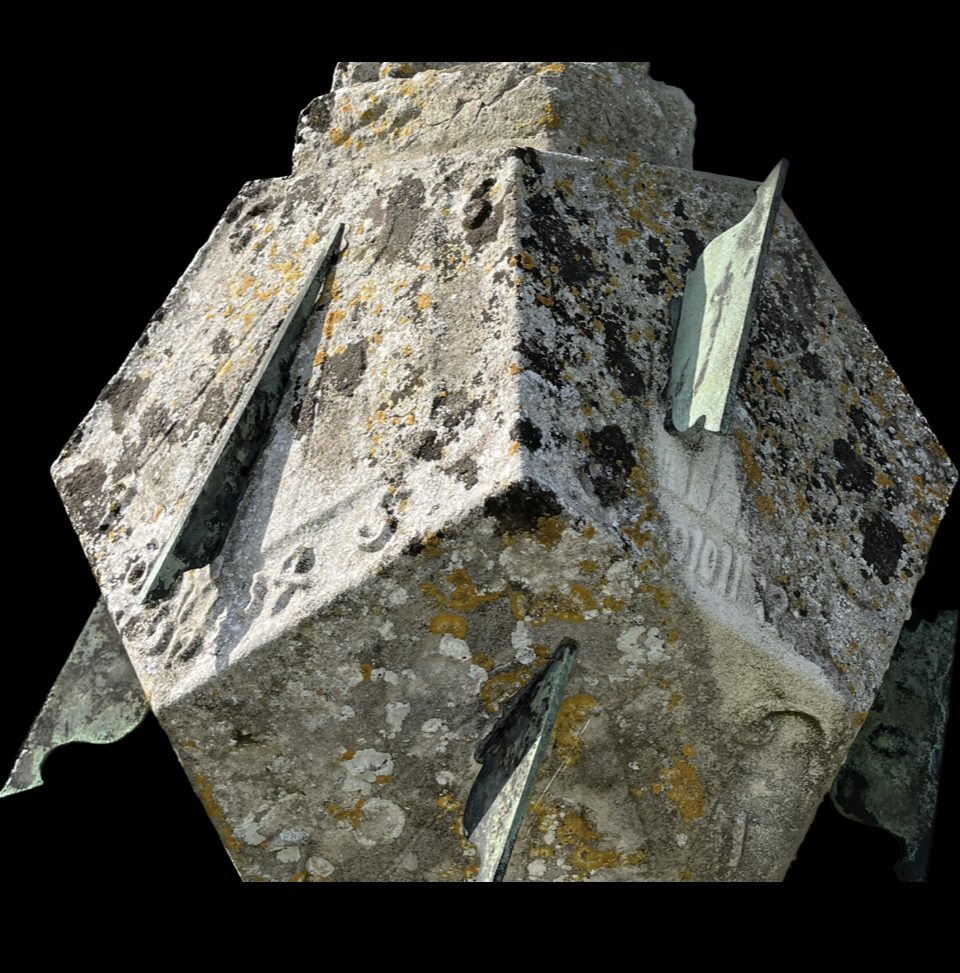
A fine cube dial in good condition. It apparently replaced one that had been in the same position, but it is not clear when. The images largely speak for themselves. However I have noticed from the close-up photos that the dial is canted slightly west. It’s worth repeating that it is never possible to get a decent photo of the 4th side of a cube.

All Saints merits time set aside for a visit. Stocks enthusiasts will enjoy a particularly fine example. You’ll find a gallery of them HERE.

GSS Category: Cube Dial; Church Sundial; Canted Dial; Village Stocks

All photos: Keith Salvesen

BOYTON . WILTS . ST MARY THE VIRGIN – Scratch Dials

ST MARY THE VIRGIN . BOYTON . WILTS

GRADE I ✣ Origins pre-date 1159 building; some C12 features; S chapel c1280. Mainly late C13 to C15; 1860 restoration by Wyatt. Fine Giffard Chapel. Described 1850 (Hoare) as one of the most interesting parish churches in the Vale of Wily [Wylye], and its architecture has been very little altered since the death of Bishop Giffard in 1301. W window described by PEV as a tour-de-force. Painted pews. Turkeys feature in the church decoration – for why, see below. 4m NW of Wylye. 51.1553 / -2.0722 /  ST950395

DIAL 1

The dial is prominent on the lower right corner of the transept window. It is cut into the attractive red stone. At some time it was inverted, along with the stone above it. It’s an assertive dial, unlikely to be missed. There are 9 lines, with the noon having a pock close to the gnomon hole, then extending onto the stone below. A reverted image is shown below.

REVERTED DIAL

DIAL 2

BSS records 2 other scratch dials. Examining the separate but very similar entries for these 2 dials, it seems near-certain that they are in fact one and the same. The notes for one includes worn, error, omission, query. Report date uncertain. They differ as to whether there is a large gnomon hole or none at all; and whether there may be a circle. As it happens, I could only find one plausible candidate in the given location, so I will leave it at that.

The dial is difficult to interpret, not least because it is so eroded. The larger image below hints at a noon line, with perhaps a trace of a line at XI and on the pm horizontal. There is a rough curve LRQ but no certainty that it was ever part of a circle. I doubt that the 3 shallow circular dents relate to the dial. A simple dial, then, but of use (in that location) to those passing after daybreak.

St Mary . Boyton . Wilts – Hypocrite Stone in the aisle

SIDE NOTE William Strickland, builder of Boyon Hall, was said to have brought the first wild turkey to Britain from America in the late 16th century. As a result, there are carved and painted turkeys all over the church; most notable is the lectern, shaped like a turkey instead of the traditional eagle. (David Ross – Britain Express BE)

GSS Category: Scratch Dial; Mass Dial

All photos: Keith Salvesen; ack. David Ross

OXFORD . ST GILES . ARMILLARY SPHERE

ST GILES . ARMILLARY SPHERE

The armillary sphere is on the grassy area close to St Giles churchyard, where the road north forks towards Blenheim NW, and to Banbury NE. It was evening and rain had been pelting down. The way to a pub led me past the dial, and I was tempted to see what an iPhone camera would make of it.

The dial was given to The City of Oxford in 1986 by its twin city Bonn, and made by a local blacksmith (to Bonn, that is.)

BSS RECORD: Modern equatorial memorial dial in an armillary sphere in the churchyard. The dial is the equatorial ring of an armillary sphere. It shows 6am to 6pm with raised cast Roman hour numerals and half hour dots. The other two rings are vertical – a north-south meridian ring open on the south side and an east-west ring. The axial arrow forms the gnomon. There is no nodus. It is not adjustable for latitude. The dial is mounted on a small stone slab. There is a small plaque on the slab.

Margaret Stanier in her book on Oxford dials, calls it a fine bit of ironwork, with bold numerals, easy to read. She notes that the rings are positioned so that their shadows cannot obliterate that of the gnomon.

The experiment with a phone worked quite well, I think. The details are legible, possibly more so than photos taken in sunlight. And it makes a change.

GSS Category: Armillary Sphere; Modern Dial; Oxford Sundials

All photos: Keith Salvesen