MUNICH . LAIM DISTRICT – Modern Noon Dial

NOON DIALS

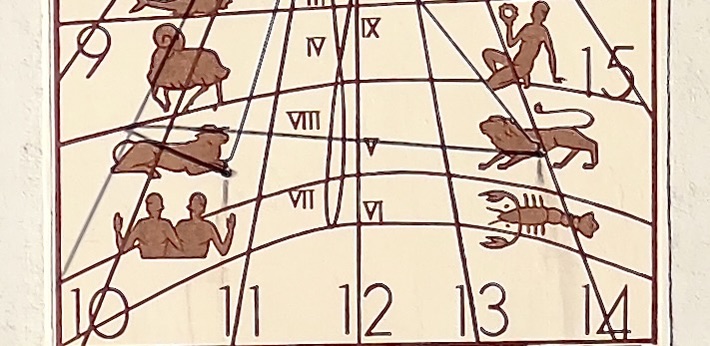
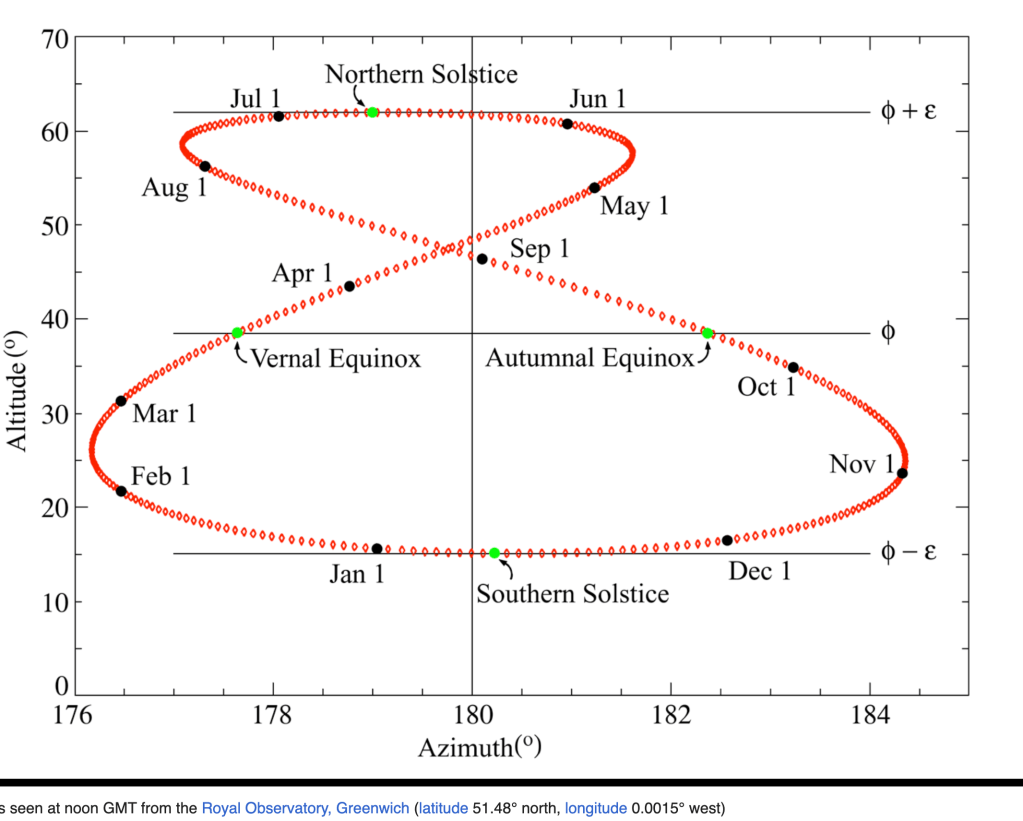
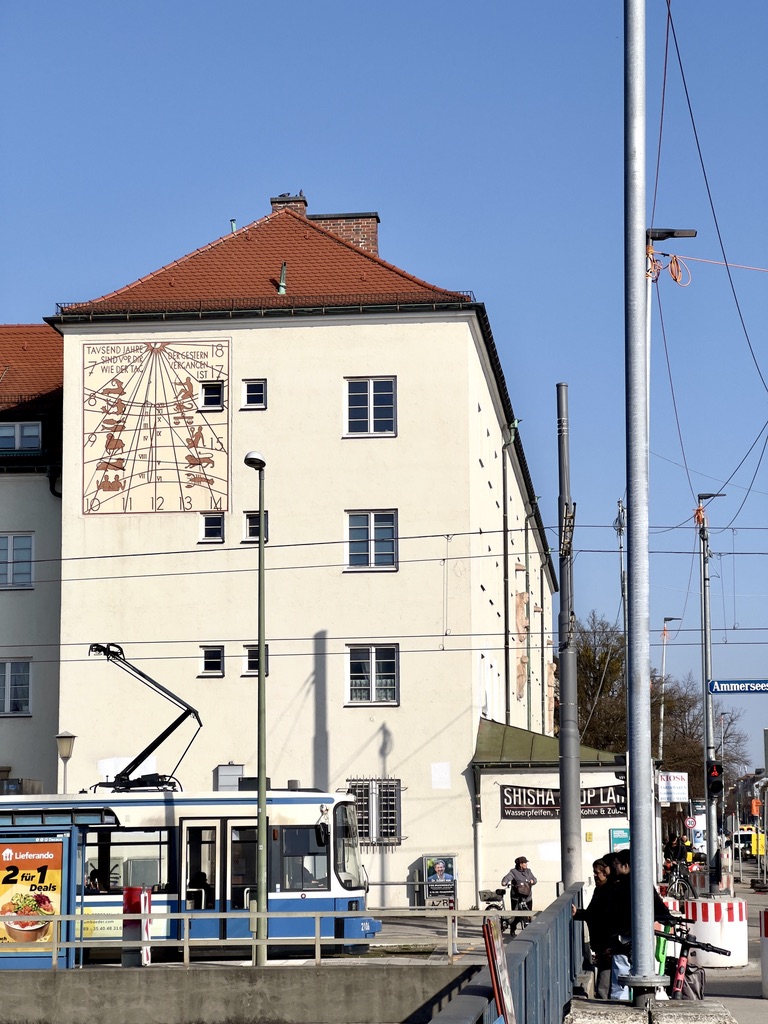
A noon dial / noon mark serves as a method of pinpointing midday, when the sun is at its highest and due south. The origins are ancient. Here, the relevant area is in the centre, flanked by Roman numerals. My maths / science skills are few and I will spare you a rudimentary explanation. The key words are Equation of Time, Analemma, and (my non-technical choice) figure of eight.
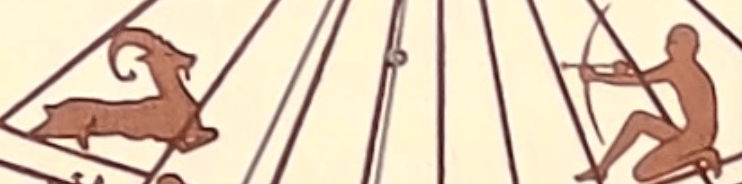
This image has an empty alt attribute; its file name is screenshot-2025-03-23-at-12.21.49.png

In the centre of the dial is a narrow figure of eight bounded by the numerals. You can just make out the raised bracket that supports a slender gnomon. You can see a small ring through which, at the perfect moment, the sun’s rays strike the face of the dial:
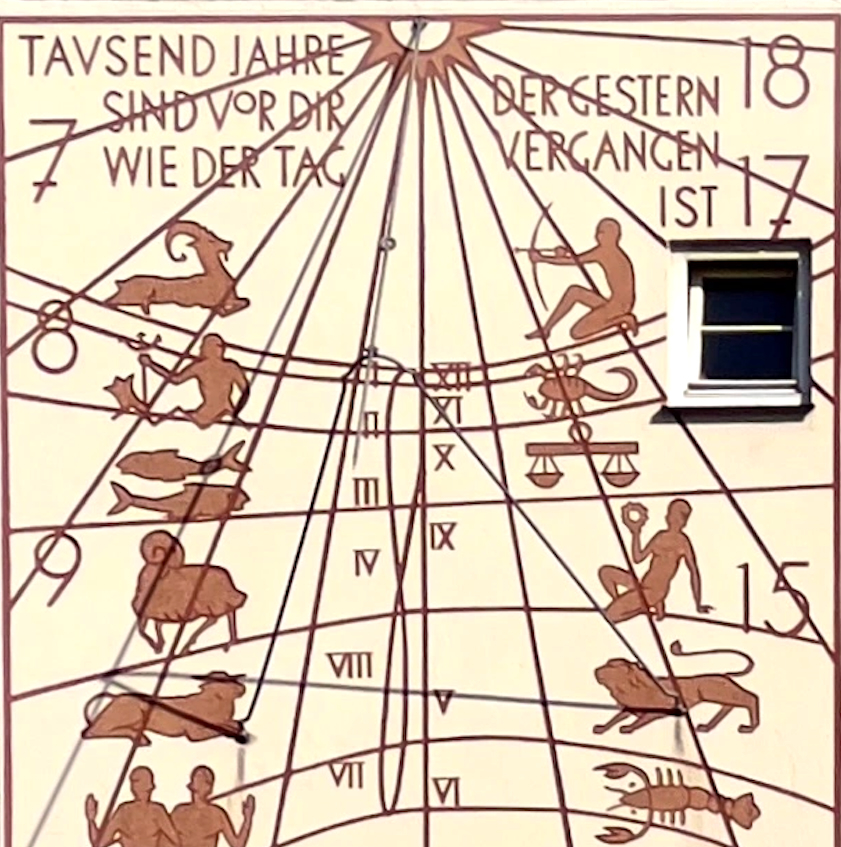
If you want to know more, there is a concise entry at ANALEMMA (Wiki)

This image has an empty alt attribute; its file name is screenshot-2025-03-23-at-12.21.49.png

This image has an empty alt attribute; its file name is screenshot-2025-03-23-at-12.21.49.png

GREEN TEMPLETON COLLEGE OXFORD

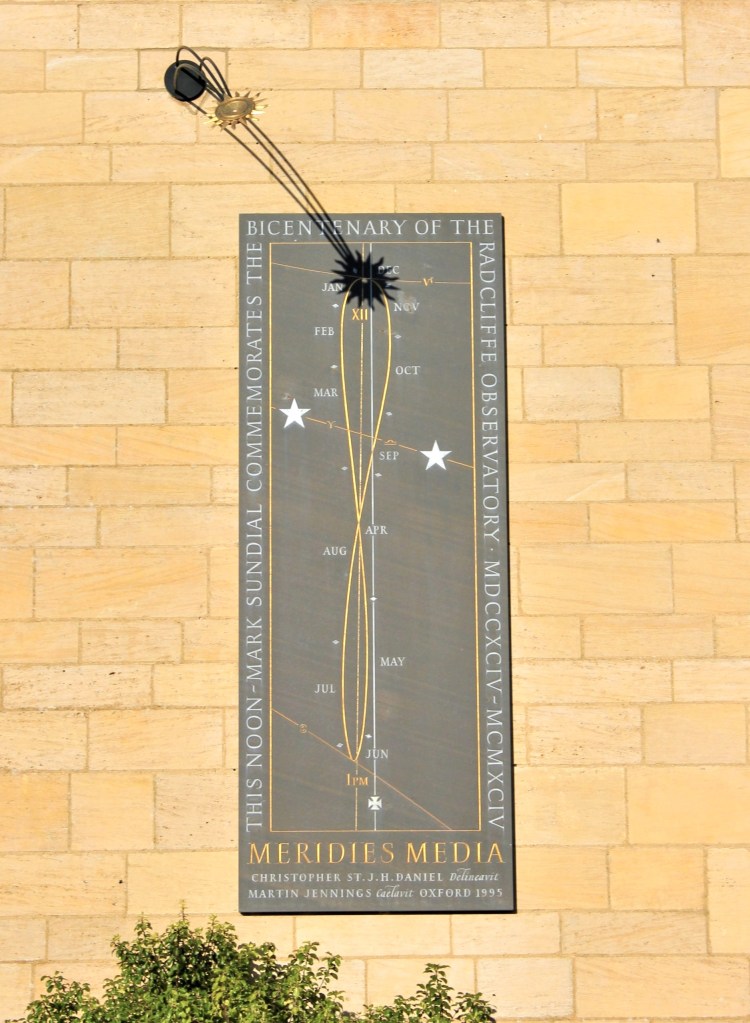
A modern (1995) noon-dial commemorating the Bicentenary of the Radcliffe Observatory, designed by the renowned Christopher Daniel, founder of the British Sundial Society. The critical alignment of the sun’s rays are projected onto the surface of the dial at noon (MERIDIES MEDIA), focused by the small ring.
THE COLLEGE’S NOTES

  • It works by using a spot of light cast by the nodus (the gilded sun with a hole in the middle), falling upon the slate dial-plate and tracking from left to right across it.
  • It is declining because the wall it is attached to does not face due south but ‘declines’ away from the compass point
  • Noon-mark means it gives the point at which the sun at its zenith crosses the Greenwich meridian and the Oxford meridian (the vertical white line down the centre of the dial)
  • Mean-time means you can read clock-time from the dial by following the progress of the year along the figure-of-eight marking, known as an analemma or equation of time correction curve. This makes allowances for the effect of variations in the apparent motion of the sun at different times of year.
Screenshot

GSS Category: Analemma; Equation of Time; Munich Sundial; Nodus; University Sundial

CREDIT: John Renner, for another great find from his travels
MINSTER LOVELL . OXON . ST KENELM – Scratch Dial

St Kenelm . Minster Lovell . John Renner

ST KENELM . MINSTER LOVELL . OXON

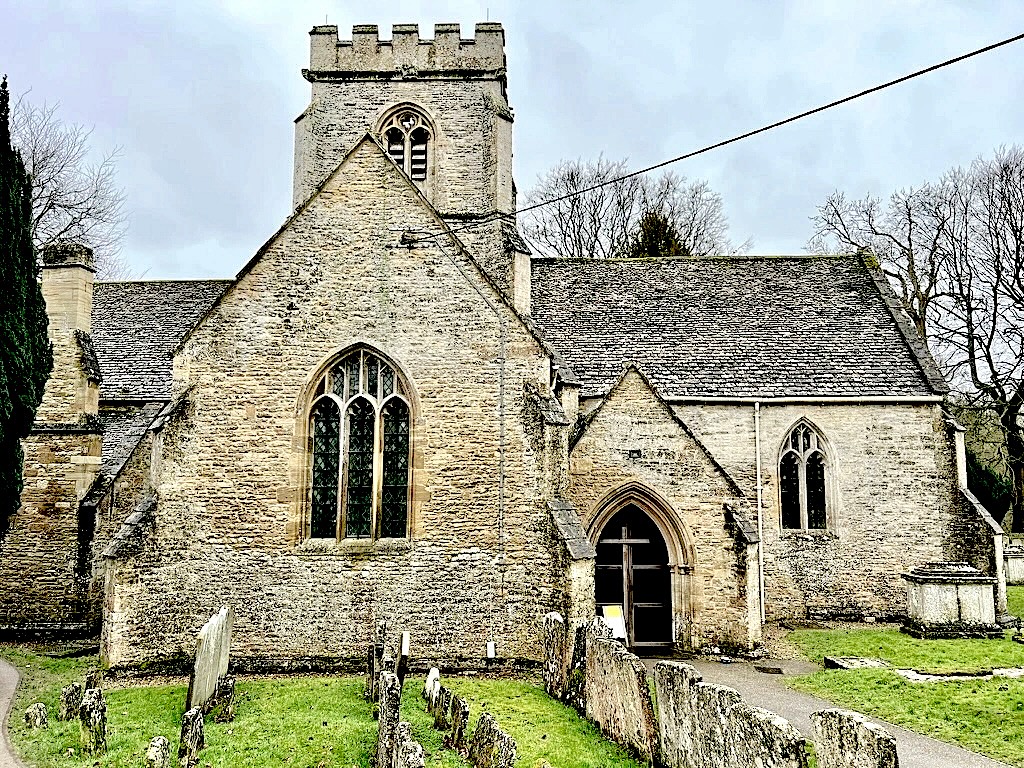
GRADE I ✣ Entirely rebuilt in the mid-15th century, incorporating earlier foundations and materials. C15 font and pews. Other details of the interior at BLB. Behind the church are ruins of its predecessor. 51.8001 / -1.5315 / SP324113

St Kenelm . Minster Lovell . ACNY cc/os

DIAL

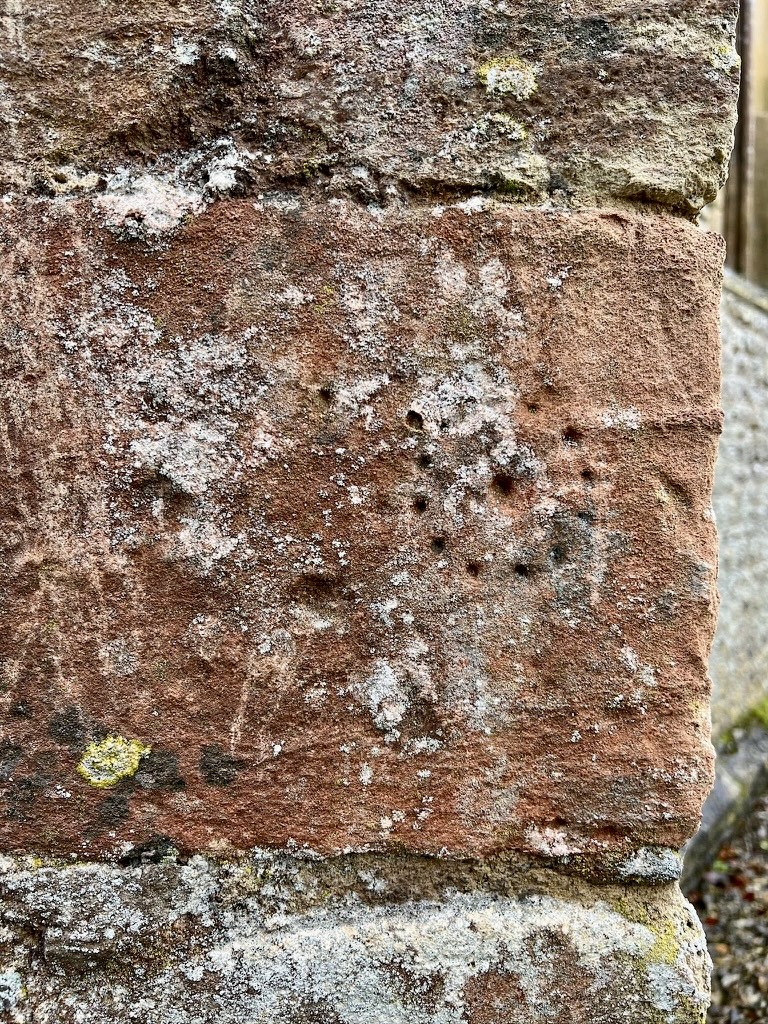
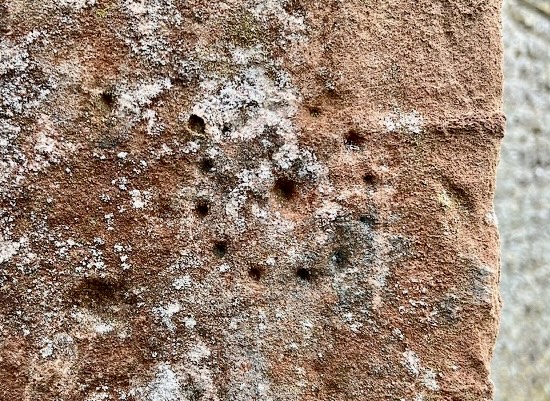
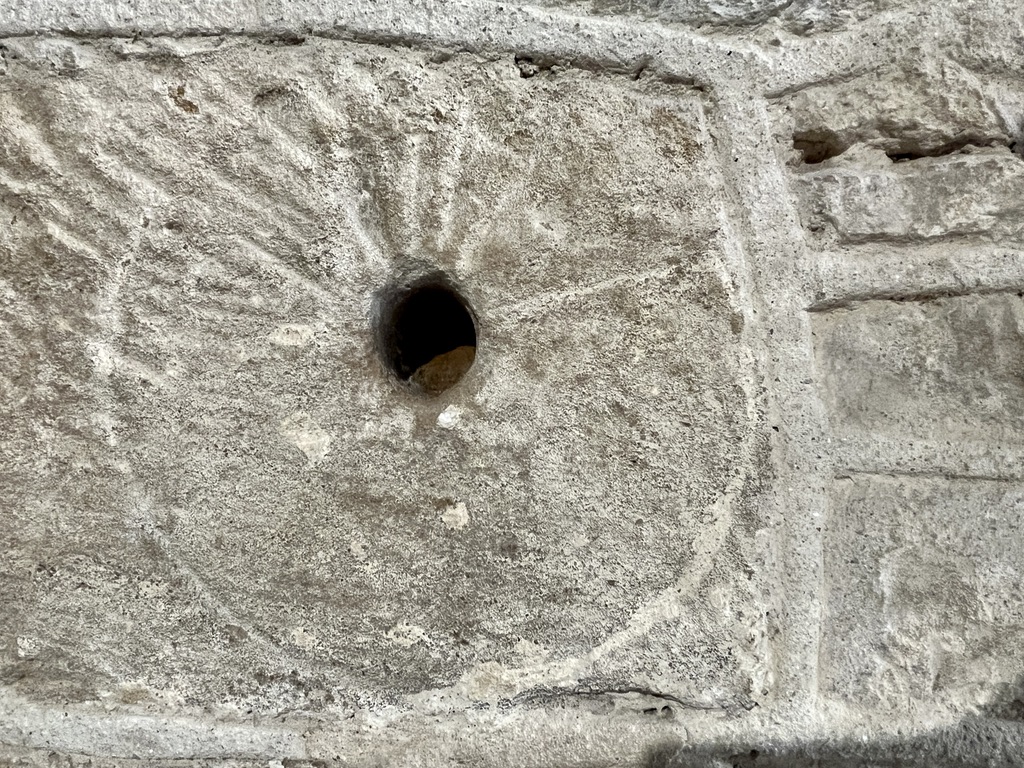
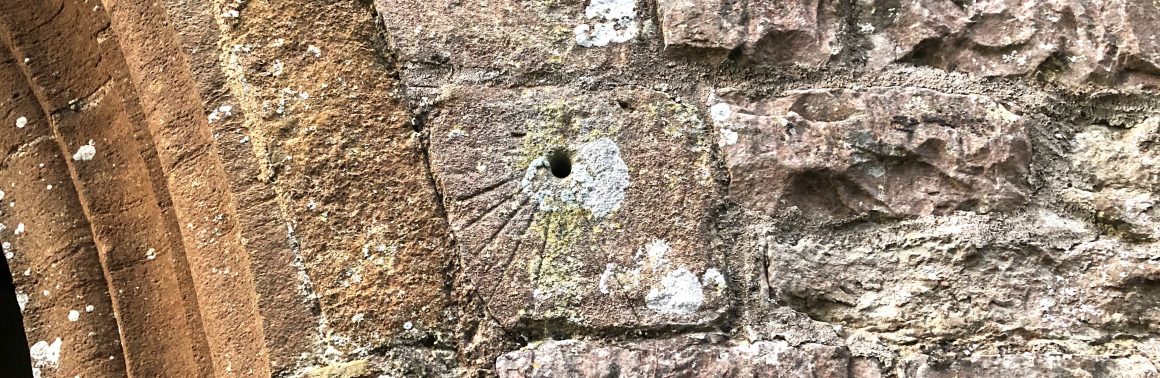
The dial consists of an incomplete circle of 9 holes, and no radials. There are a couple of eroded marks at the top that might have been linked to the design. A pleasingly small, neat dial.

LOCATION

The dial is on the buttress on L corner of N transept chapel, to the left of entrance porch. It was obviously repositioned at some time, given its orientation and the dissimilarity of the stone to those around it.

GSS Category: Scratch Dial; Mass Dial; Relocated Dial

Photos: John Renner with thanks, except 2 ACNY cc/os

LES CADRANS SOLAIRES DE COARAZE: CERAMIC TILE SUNDIALS IN PROVENCE

 Cadrans Solaires Sundials Coaraze (© Keith Salvesen)
Cadrans Solaires . Ceramic Sundials . Coaraze . Provence – Jean Cocteau
LES CADRANS SOLAIRES: THE CERAMIC TILE SUNDIALS OF COARAZE, PROVENCE

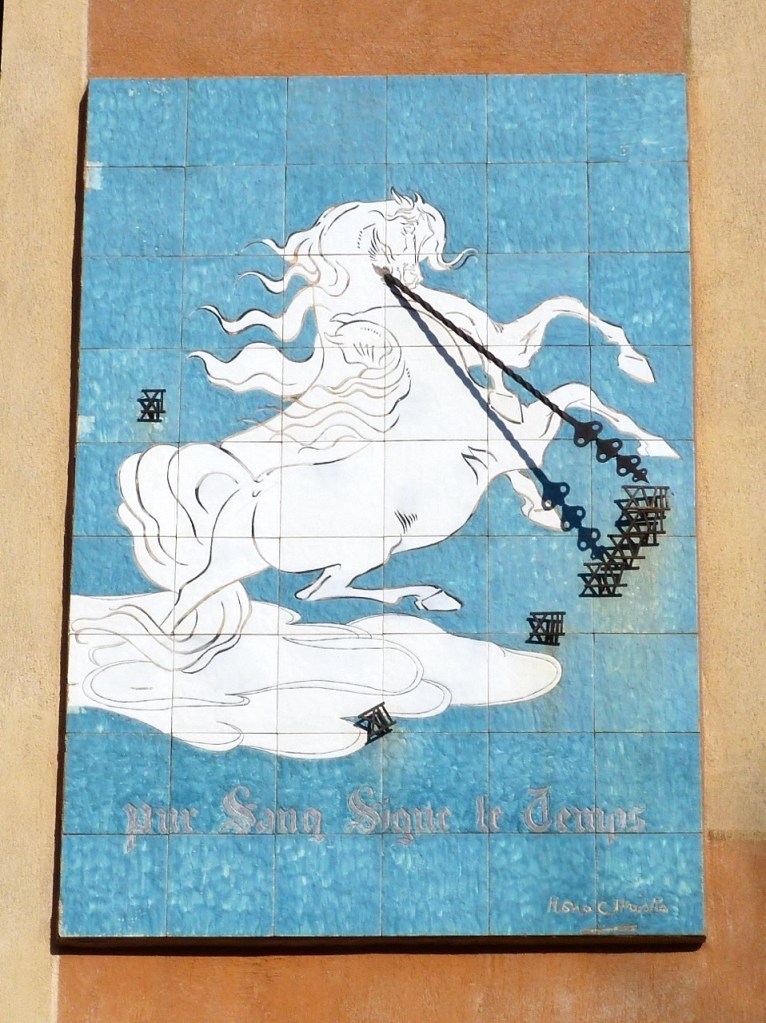
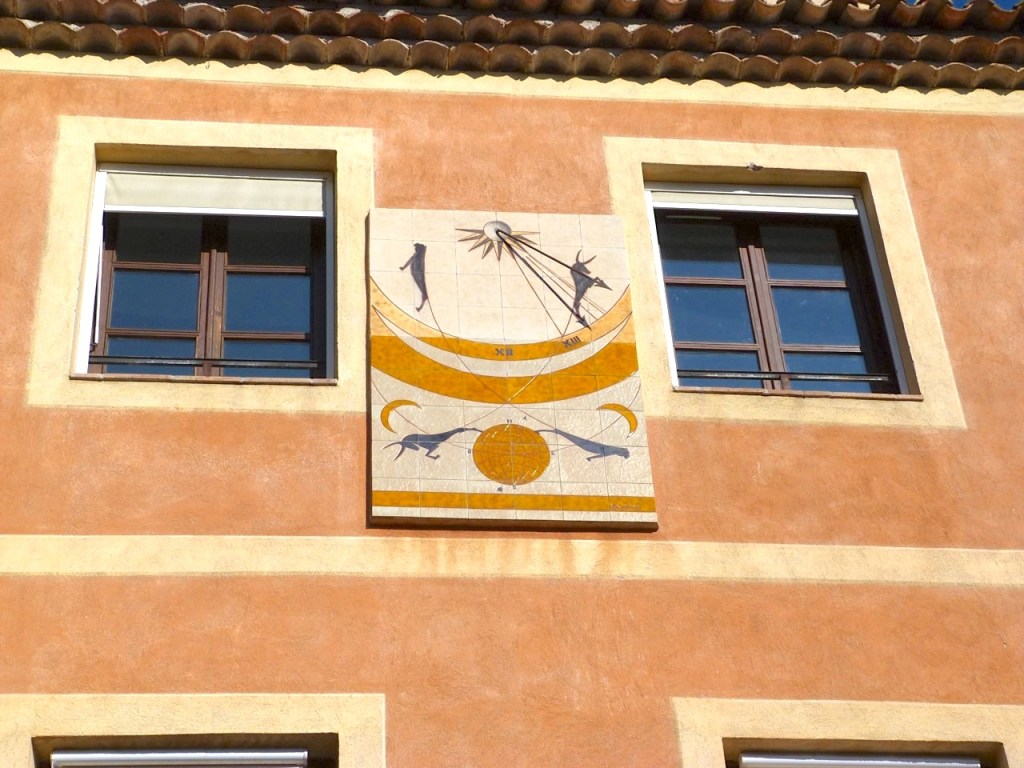
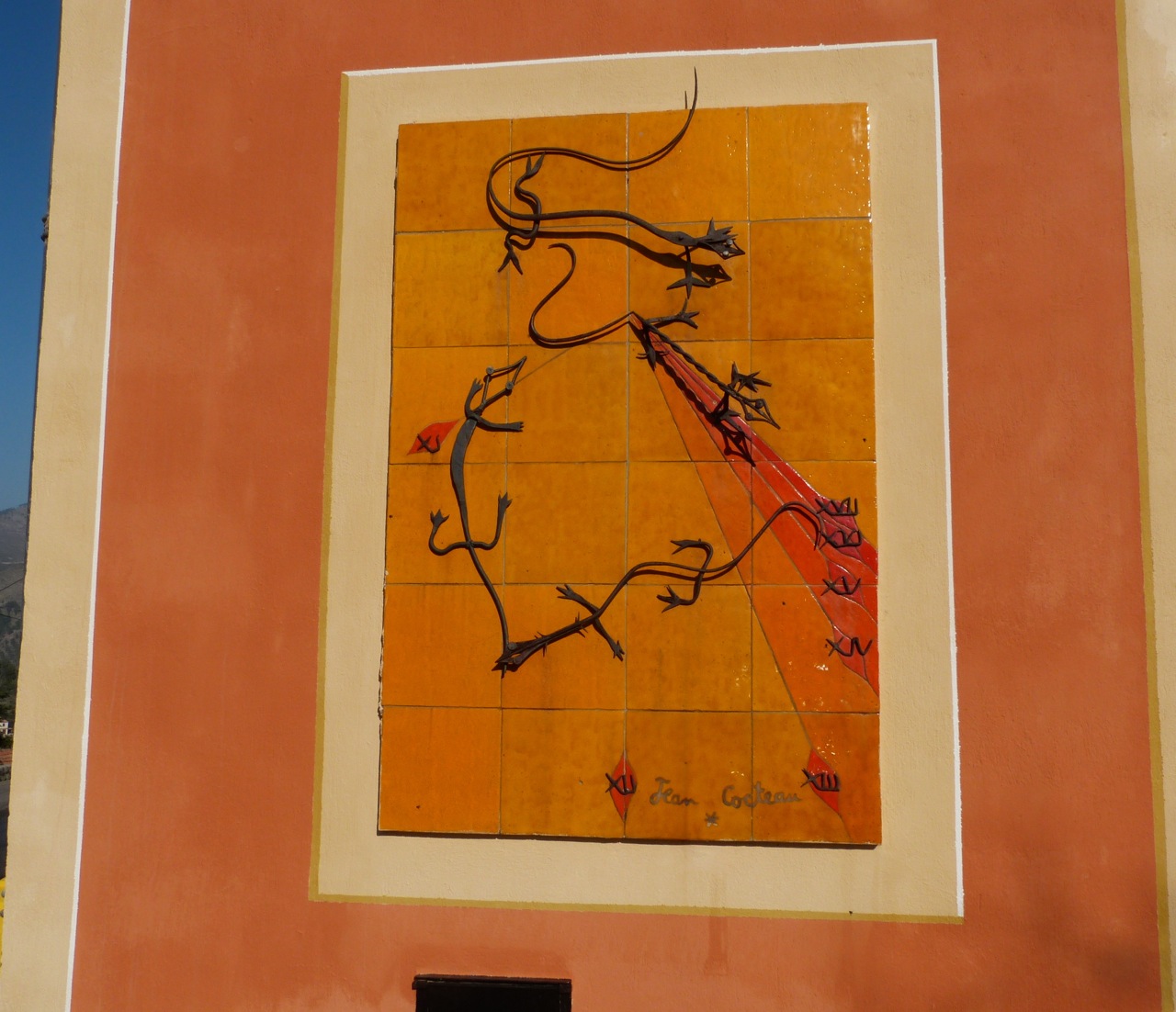
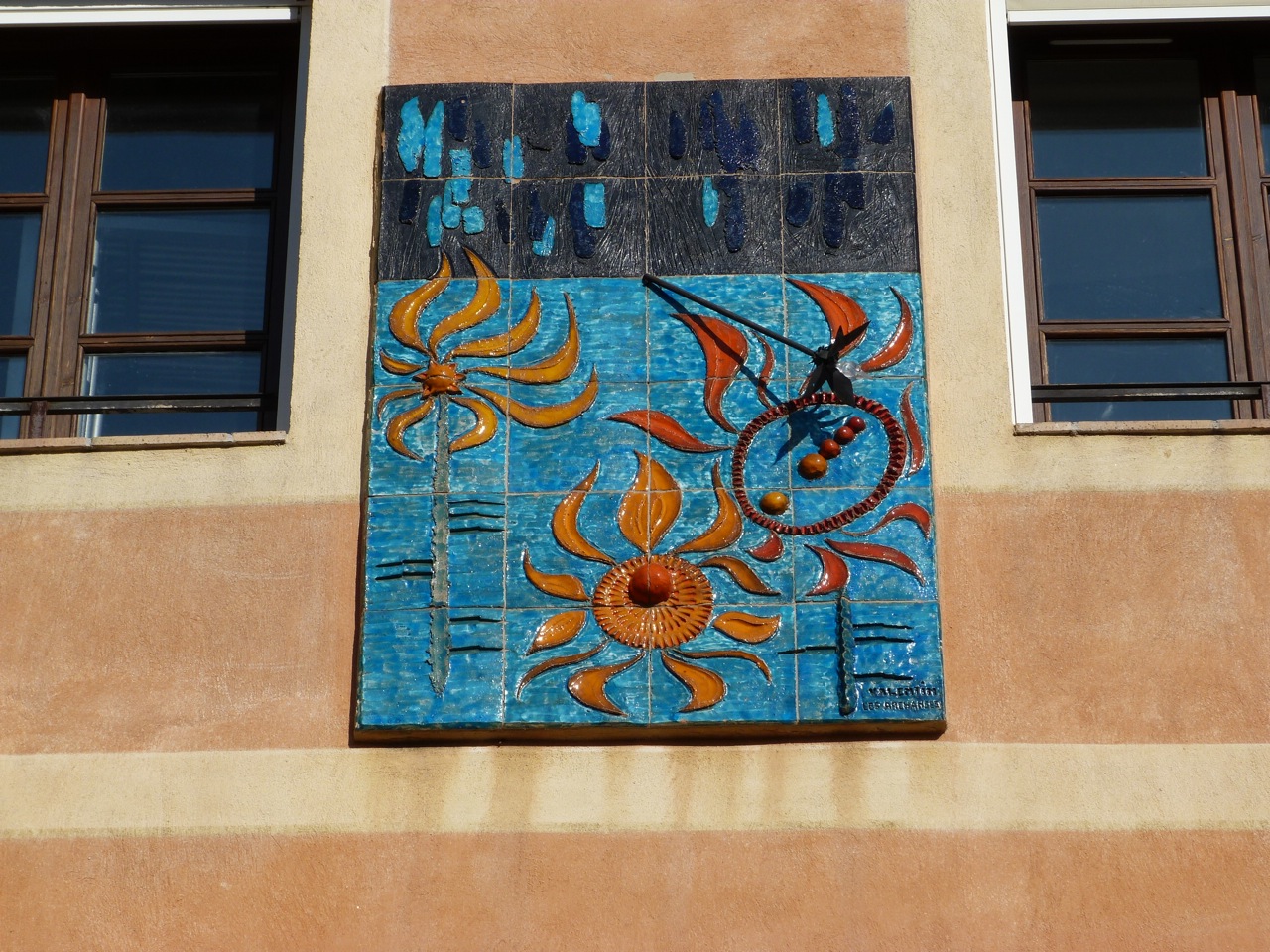
The nine sundials shown below are in Coaraze, a small medieval ‘village perché’ (650m) in the Alpes-Maritimes, Provence, north of Nice. They include sundials by artistic polymath Jean Cocteau (poet, novelist, dramatist, designer, artist and filmmaker); Ponce de Leon; and Henri Goetz, among others. They are located in two places in the village (1) on the front and side walls of the Marie (2) at the top of the village on a south-facing walls in the square in front of the church. They need no interpretation by me: everyone who views these wonderful sundials will experience their own personal response to each one.

MONA CRISTIE – LA CHEVAUCHÉE DU TEMPS

Cadrans Solaires . Ceramic Sundials . Coaraze . Provence – Mona Cristie

GEORGES DOUKING – LES ANIMAUX FABULEUX

Cadrans Solaires . Ceramic Sundials . Coaraze . Provence – Georges Douking

JEAN COCTEAU – LES LÉZARDS

Lizards are the historic symbol of the village

 Cadrans Solaires Sundials Coaraze (© Keith Salvesen)
Cadrans Solaires . Ceramic Sundials . Coaraze . Provence – Jean Cocteau
coaraze-sundial-3b.jpg (1280×960)
Cadrans Solaires . Ceramic Sundials . Coaraze . Provence – Jean Cocteau

GILBERT VALENTIN – LES  TOURNESOLS     

coaraze-sundial-4a.jpg (1280×960)
Cadrans Solaires . Ceramic Sundials . Coaraze . Provence – Gilbert Valentin
 Cadrans Solaires Sundials Coaraze (© Keith Salvesen)
Cadrans Solaires . Ceramic Sundials . Coaraze . Provence – Gilbert Valentin

FABIENNE BARRE (2008)

On the side wall of the Marie, with a view of the village

coaraze-sundial-5a.jpg (1280×1049)
Cadrans Solaires . Ceramic Sundials . Coaraze . Provence – Fabienne Barre
 Cadrans Solaires Sundials Coaraze (© Keith Salvesen)
Cadrans Solaires . Ceramic Sundials . Coaraze . Provence – Fabienne Barre

coaraze-sundial-5c.jpg (1280×963)
Cadrans Solaires . Ceramic Sundials . Coaraze . Provence – Fabienne Barre

ANGEL PONCE DE LÉON – BLUE TIME (1961)        

coaraze-sundial-6a.jpg (1280×960)
Cadrans Solaires . Ceramic Sundials . Coaraze . Provence – Angel Ponce de Léon

 Cadrans Solaires Sundials Coaraze (© Keith Salvesen)
Cadrans Solaires . Ceramic Sundials . Coaraze . Provence – Angel Ponce de Léon

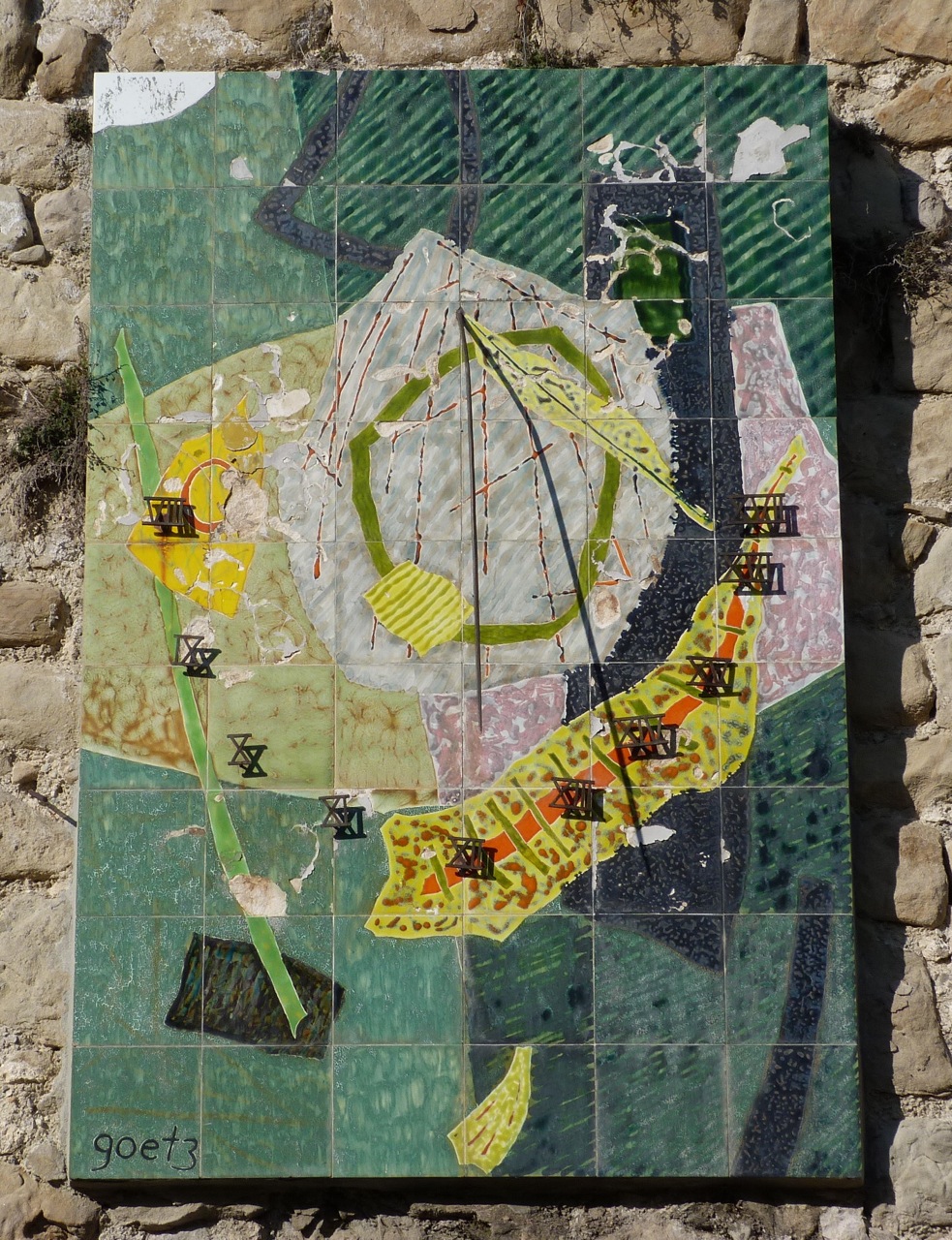
HENRI GOETZ – LE PYTHON ET SA COURONNE EN VERT ET OR (1961)           

coaraze-sundial-7a.jpg (1280×1006)
Cadrans Solaires . Ceramic Sundials . Coaraze . Provence – Henri Goetz
 Cadrans Solaires Sundials Coaraze (© Keith Salvesen)
Cadrans Solaires . Ceramic Sundials . Coaraze . Provence – Henri Goetz

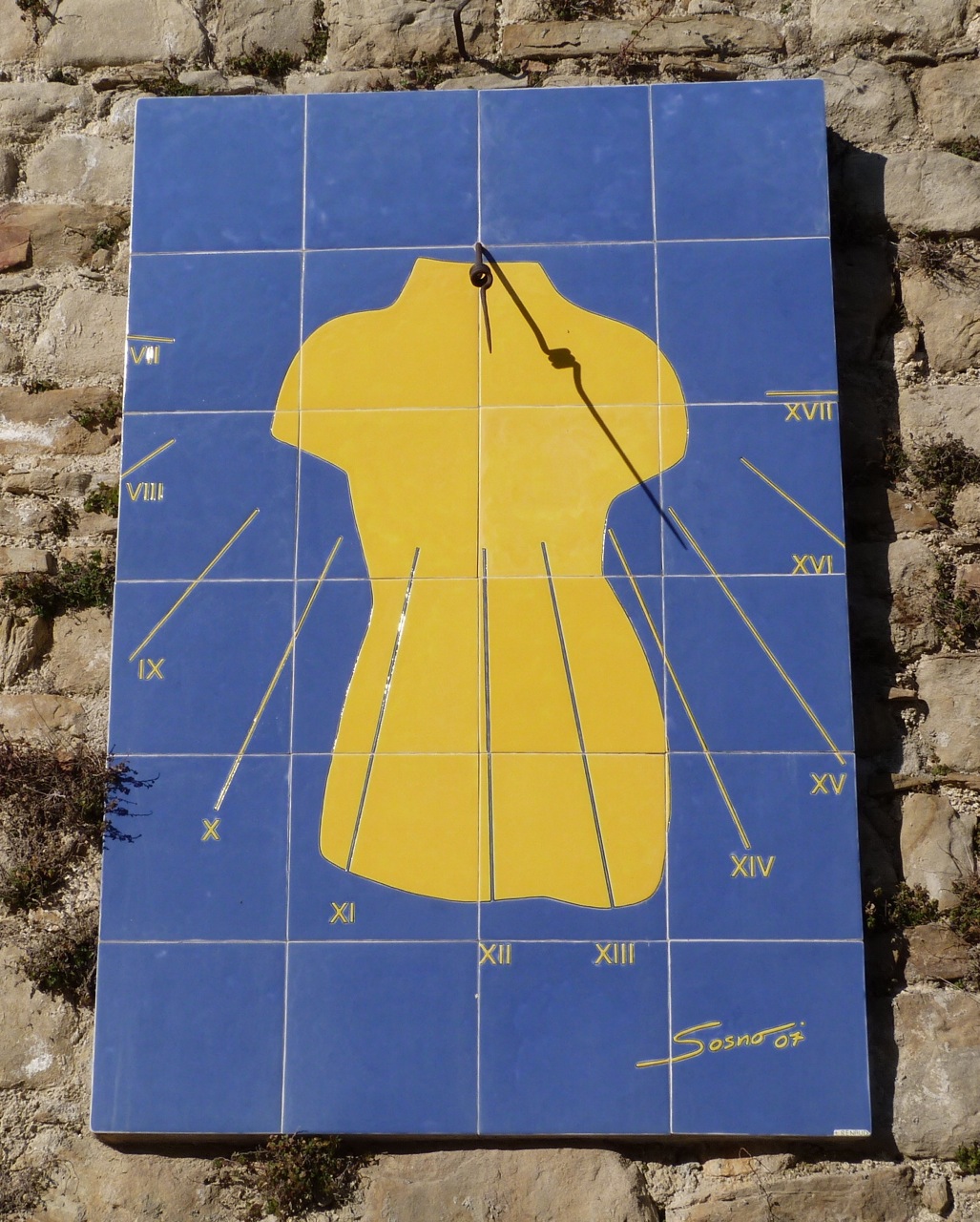
SACHA SOSNO (2007)        

coaraze-sundial-8a.jpg (1280×960)
Cadrans Solaires . Ceramic Sundials . Coaraze . Provence – Sacha Sosno
 Cadrans Solaires Sundials Coaraze (© Keith Salvesen)
Cadrans Solaires . Ceramic Sundials . Coaraze . Provence – Sacha Sosno

“BEN” – BENJAMIN VAUTIER (2008)

coaraze-sundial-9a.jpg (1280×960)
Cadrans Solaires . Ceramic Sundials . Coaraze . Provence – Benjamin Vautier
 Cadrans Solaires Sundials Coaraze (© Keith Salvesen)
Cadrans Solaires . Ceramic Sundials . Coaraze . Provence – Benjamin Vautier

coaraze-a.jpg (1280×978)
Cadrans Solaires . Ceramic Sundials . Coaraze . Provence

coaraze-sundial-10.jpg (1280×960)
Cadrans Solaires . Ceramic Sundials . Coaraze . Provence

Cadrans Solaires . Ceramic Sundials . Coaraze . Provence – Benjamin Vautier
coaraze-sundial-7a.jpg (1280×1006)

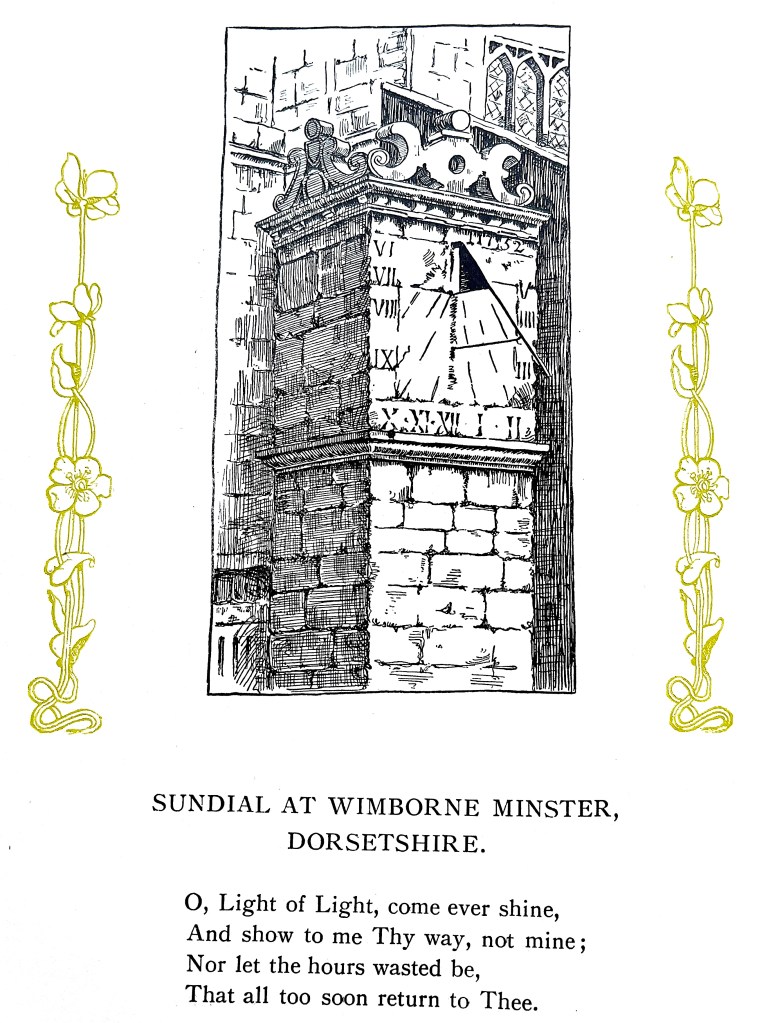
WIMBORNE MINSTER . DORSET . ST CUTHBERGA – PILLAR DIAL

Ethan Doyle White . Wiki. CC/OS

ST CUTHBERGA . WIMBORNE MINSTER . DORSET

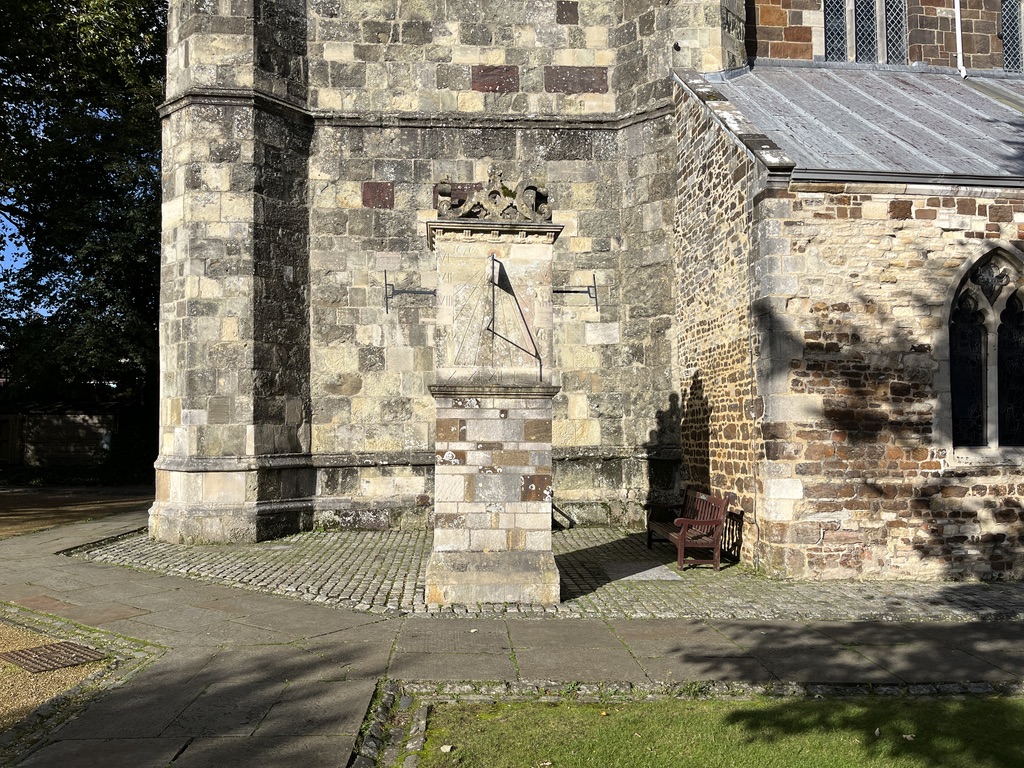
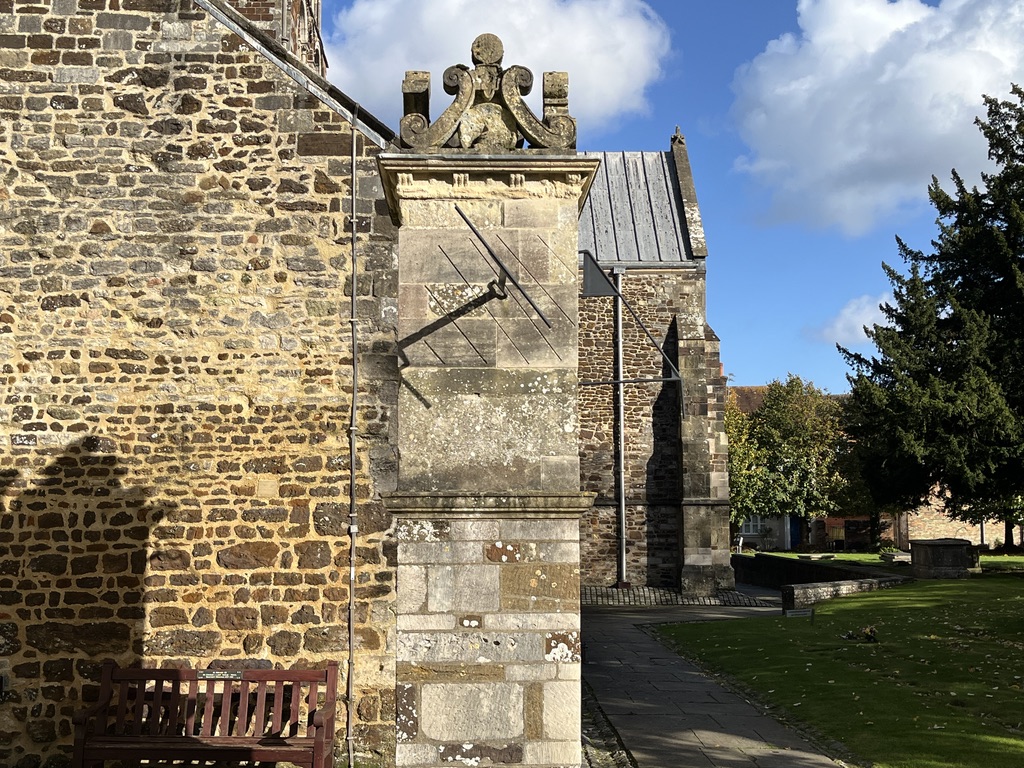
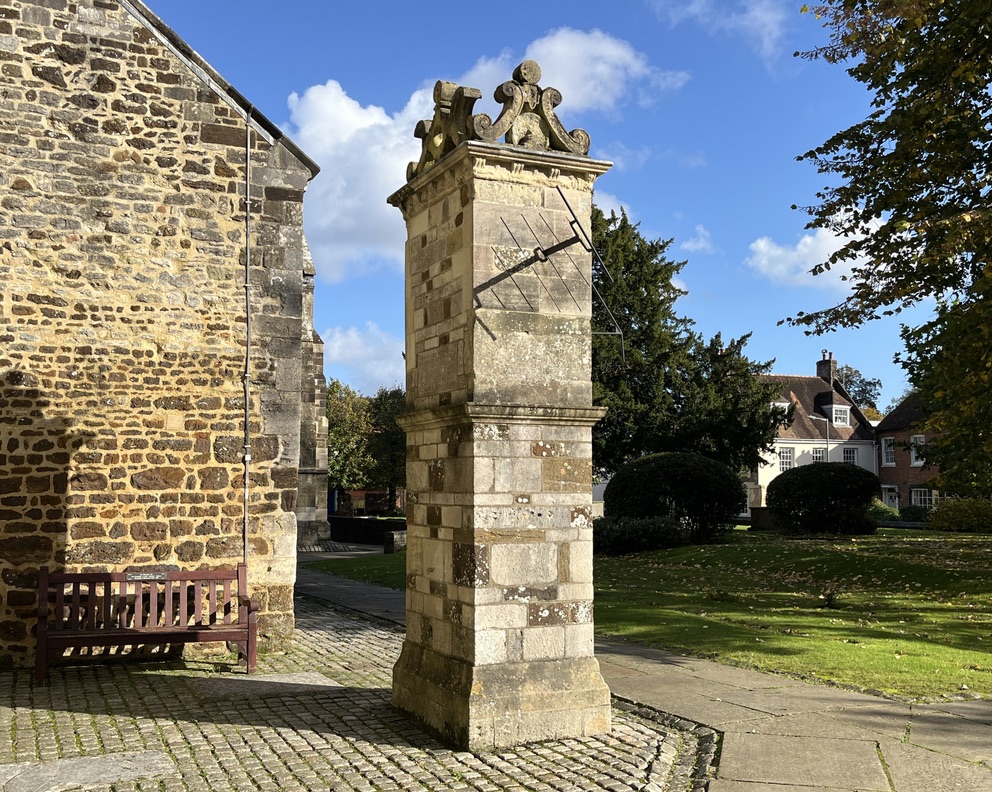
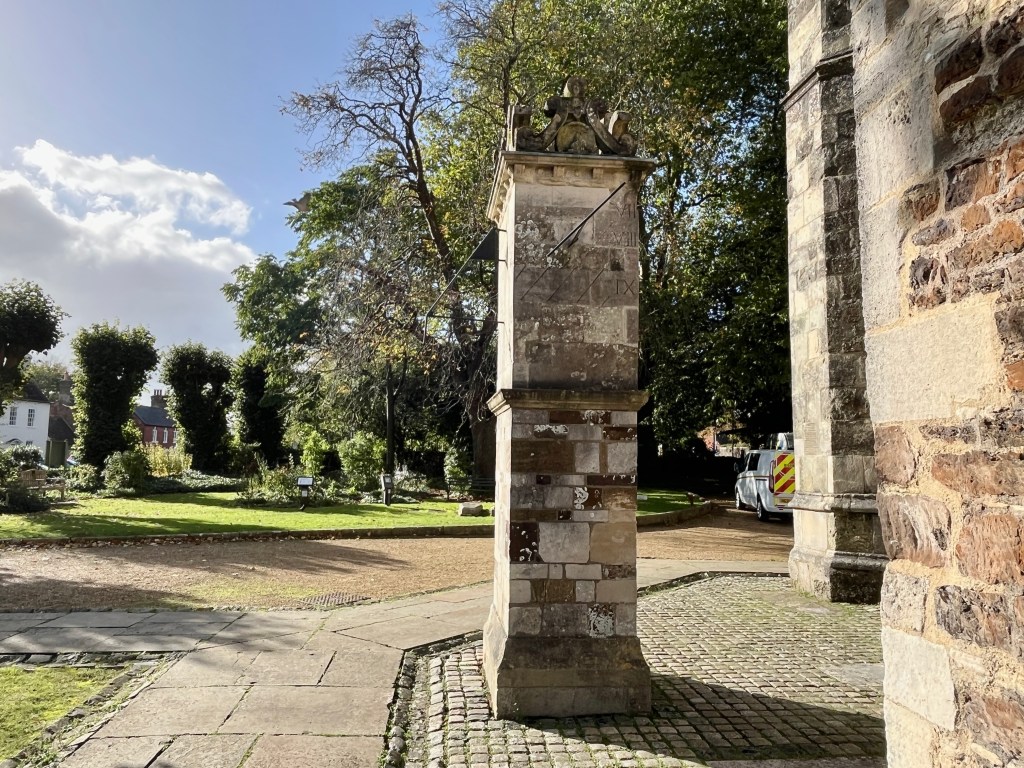
The origins of the Minster date back to the C8. The building seen today dates from early C12 with development during subsequent centuries. Leaving aside the merits of the splendid building, the impressively large stone block on the S side is unmissable. The plinth alone is 6′ high; S face is 4′ wide; E & W faces are 3′ wide. N face has an inscribed tablet only.

DIAL DATES

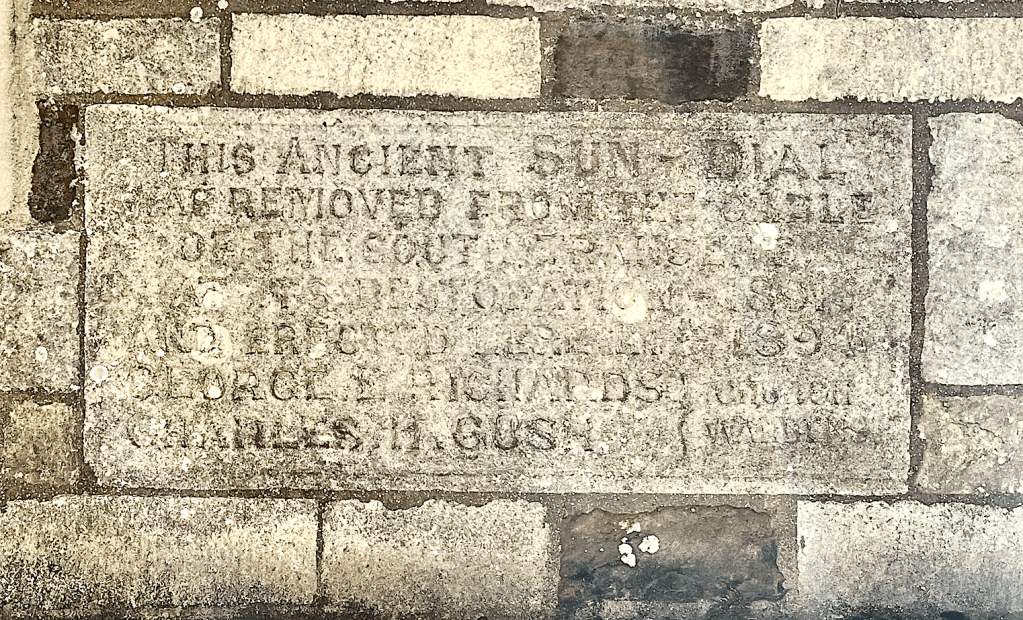
The images featured below give a good idea of each face, gnomon, and relative aspects, so I won’t go into more detail. However there is a conundrum about dates. There was at least one relocation of the dial, and areas of restoration / repair are evident. The inscription on N face is This ancient sun-dial was removed from the gable of the South transept at its restoration 1891 and was erected here 1894 George E Richards [and] Charles H Gush Churchwardens.

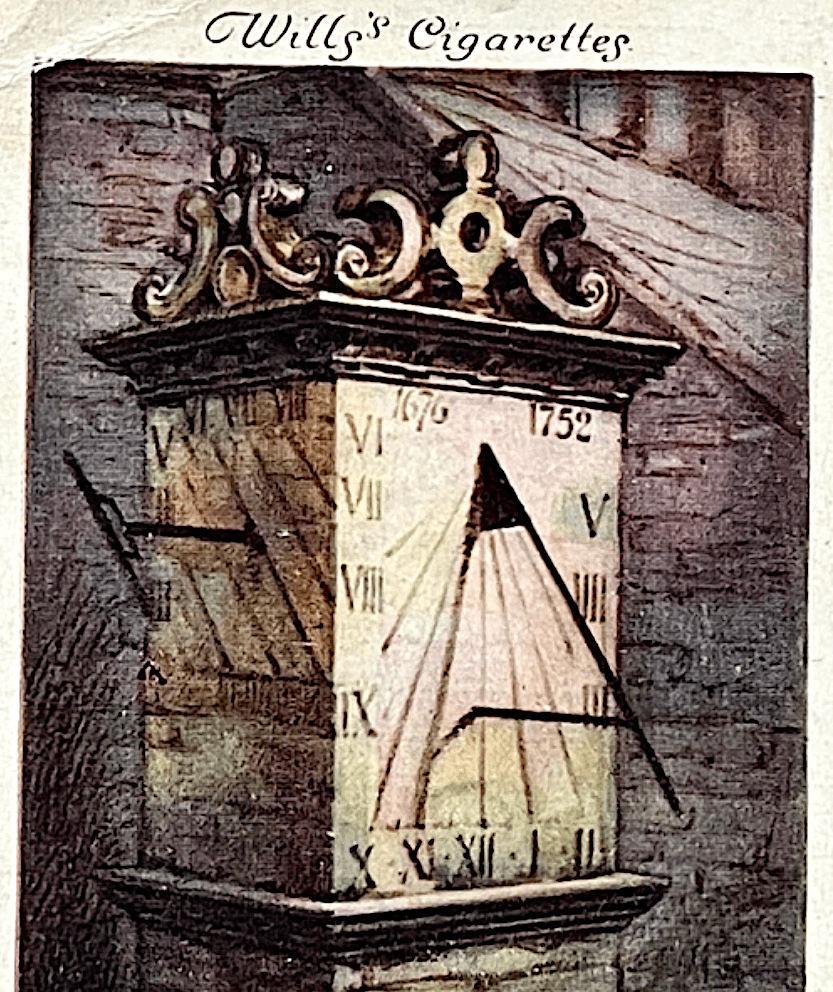
As seen today, the date 1676 is given top left of the south face on new stone. There is no date in the corresponding position on the right side. However in T G W Henslow’s delightful Ye Sundial Booke (1st ed 1914), his charming drawing shows the date 1732 in the top right of the south face with no date on the left side. And more confusingly, in the Wills’s cigarette card sundial series (1928, see below), both dates are shown.

SOUTH

SOUTH WEST

WEST

NORTH WEST

NORTH

EAST

SOUTH EAST

Ye Sundial Booke . T G W Henslow

A BRIEF HISTORY OF THE MINSTER

WILLS’S CIGARETTE CARD SUNDIAL SERIES 1928

FRY’S CHOCOLATE CARD SUNDIAL SERIES

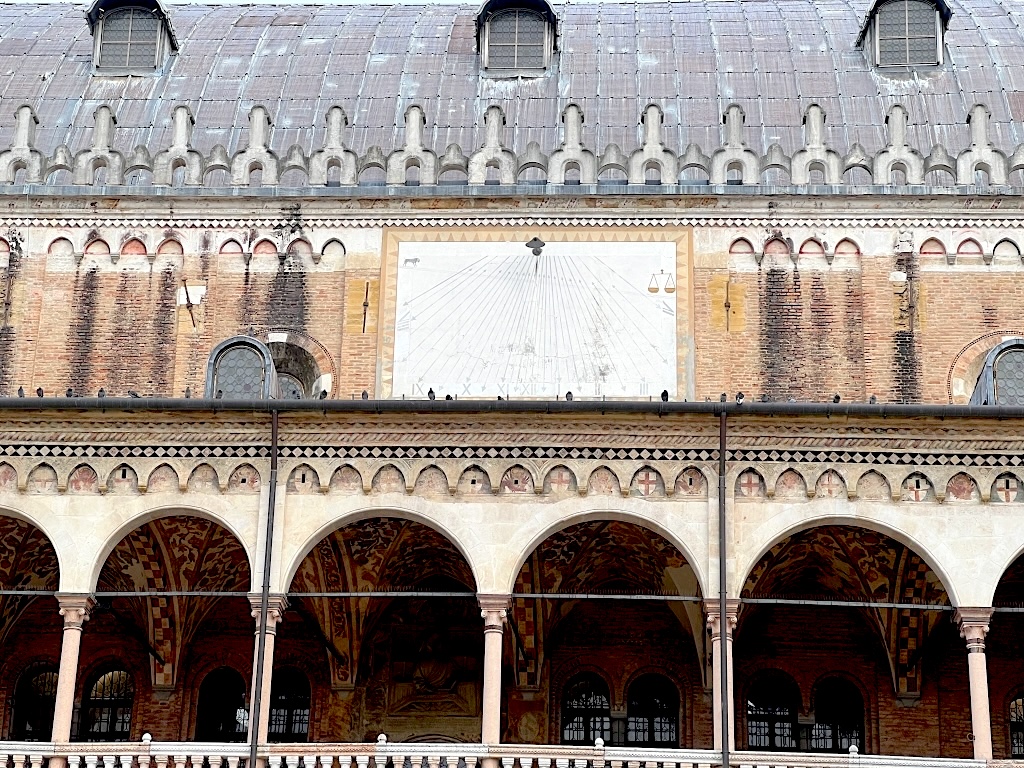
PADUA . PALAZZO DELLA RAGIONE . SPECTACULAR SUNDIAL

Padua . Palazzo della Ragione . Sundial . John Renner

PADUA . PALAZZO DELLA RAGIONE . SUNDIAL

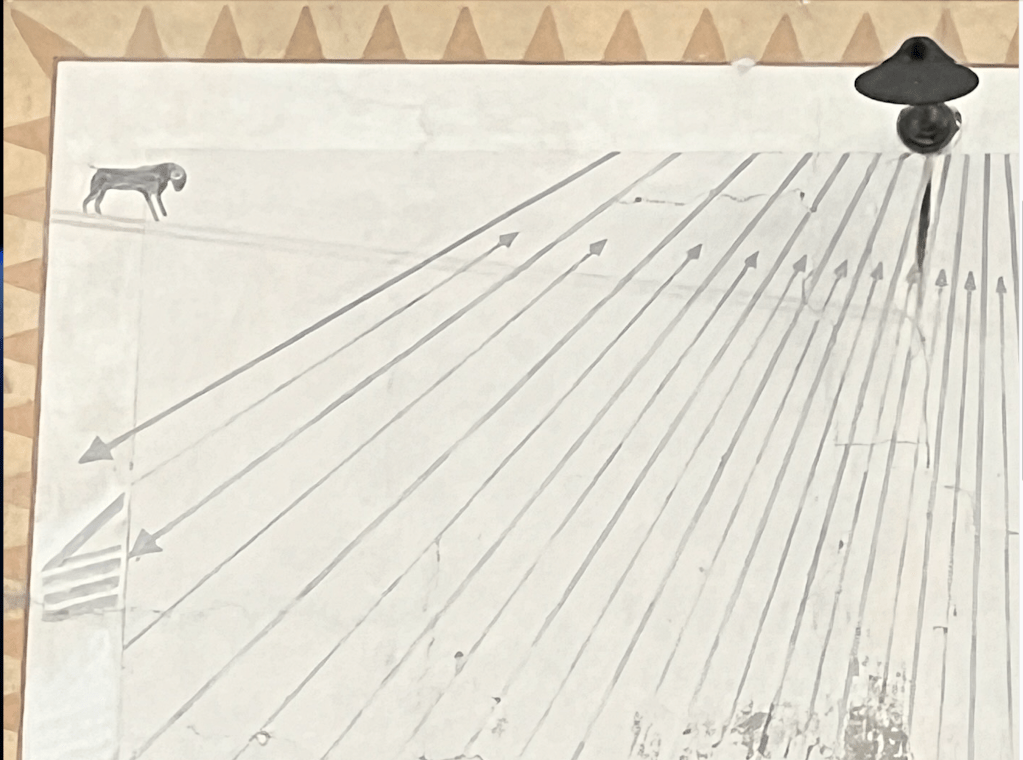
A confident and assertive sundial to match the glory and prosperity of the city. The lines divide the hours from VIII to IV into quarters. Each has an arrowhead, with (?unusually) reversal of the ‘minor quarter’ arrows.

GNOMON

At first glance you may wonder why there’s just a dark splodge where one might hope to see a gnomon. It is the gnomon. In researching the dial I came across a really helpful photo by Richard Mortel* that reveals the gnomon to be the ‘pin-hole’ type, the effectiveness of which is clearly shown.

Padua . Palazzo della Ragione . Sundial Pinhole . Richard Mortel

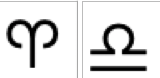
The upper half of the dial has an angled line across the whole dial, leading from an indeterminate animal (in fact a sheep) to a set of scales: Aries and Libra in opposition (Note: this Zodiacal conjunction should not be investigated, for fear of unwanted advice about who you should be dating).

There is an additional aspect to this dial that I am currently researching. First of all I have to clear use permission, but I hope to add to write again soon about this splendid dial. The clue is ‘Meridian’.

Credits: John Renner for his excellent photos of this fantastic sundial taken recently; *Richard Mortel for his clear illustrative photo of the gnomon taken a while back (with apologies if I have wrongly taken it as CC / OS)

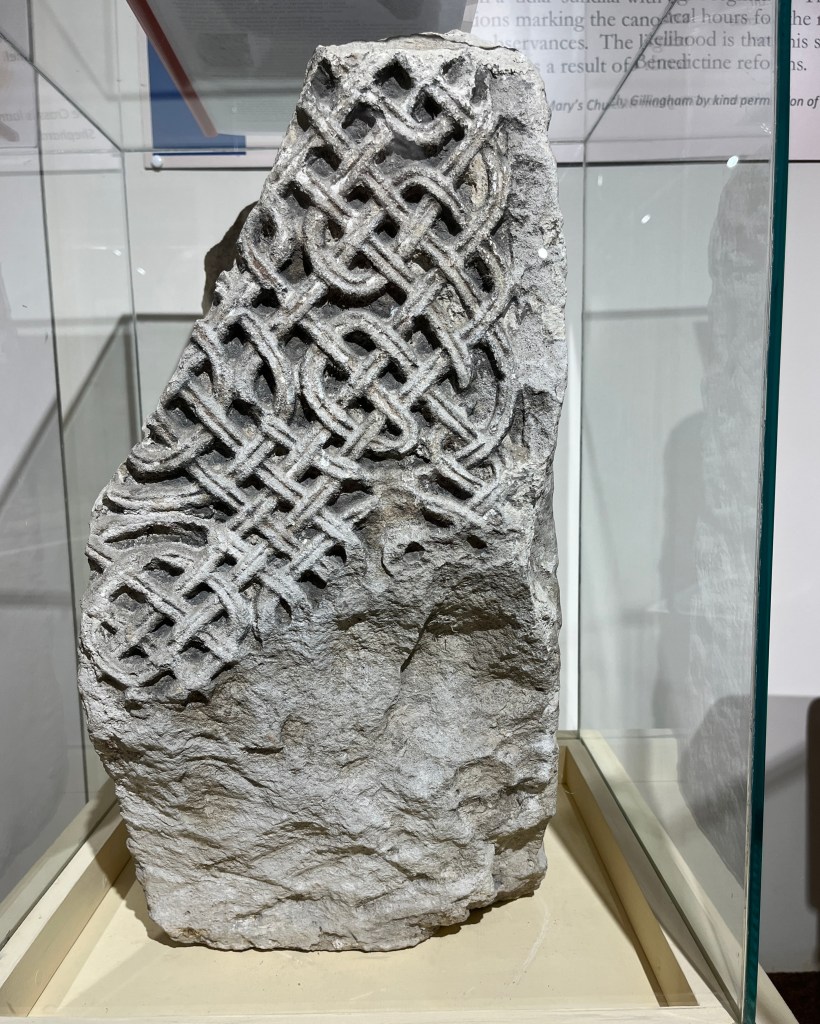
GILLINGHAM MUSEUM . DORSET – Scratch Dial cut into Anglo-Saxon Cross

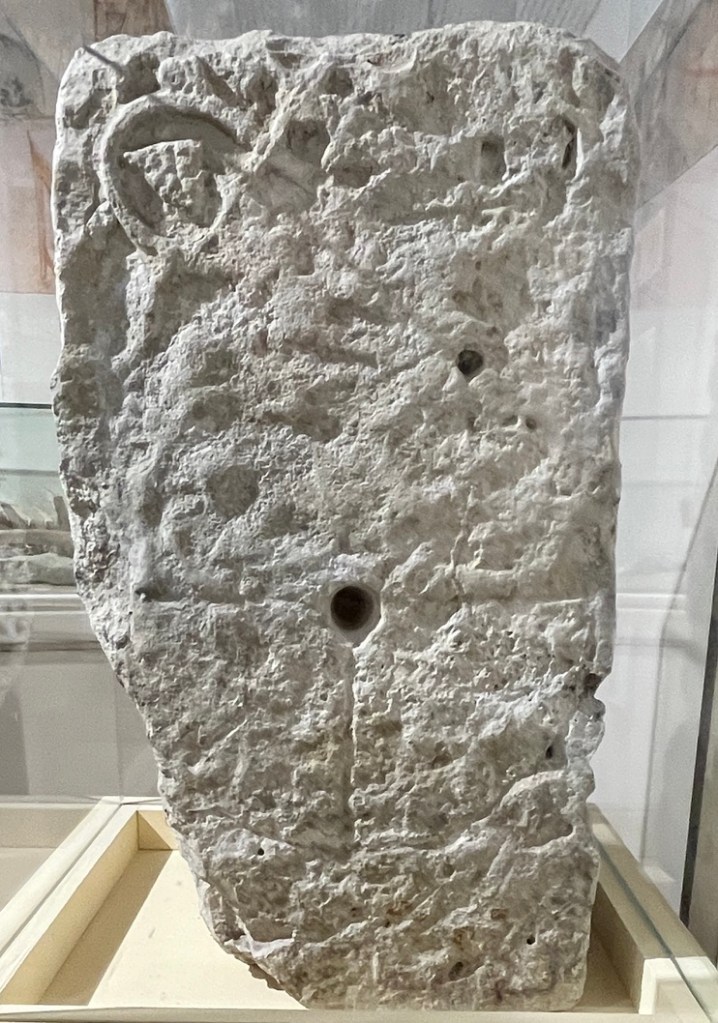
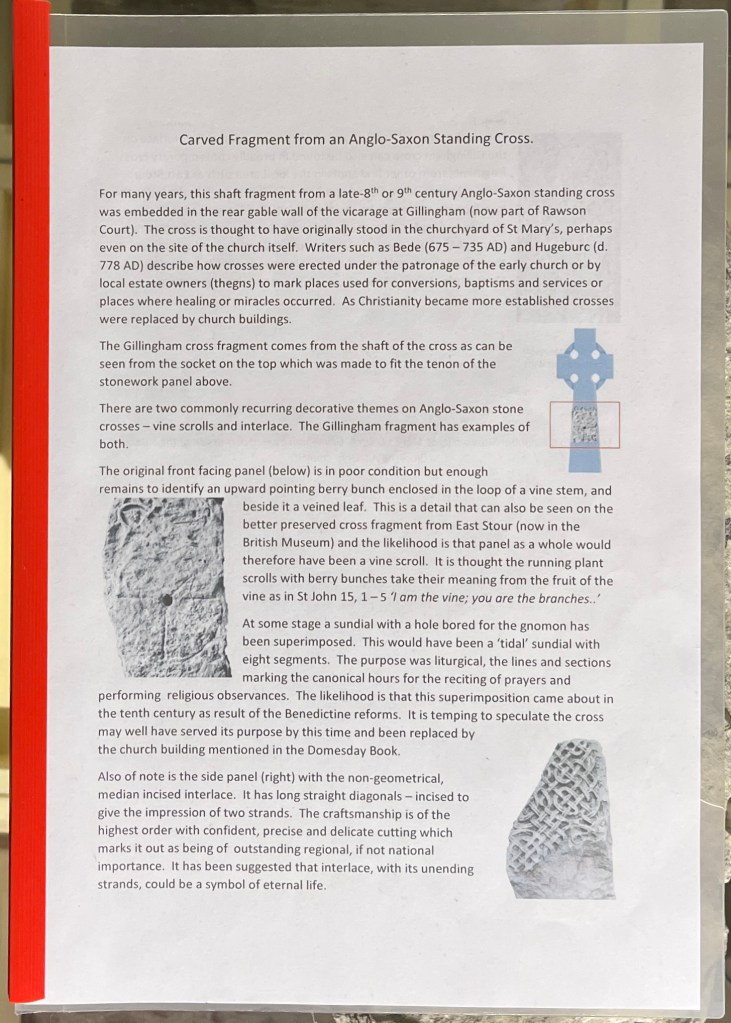
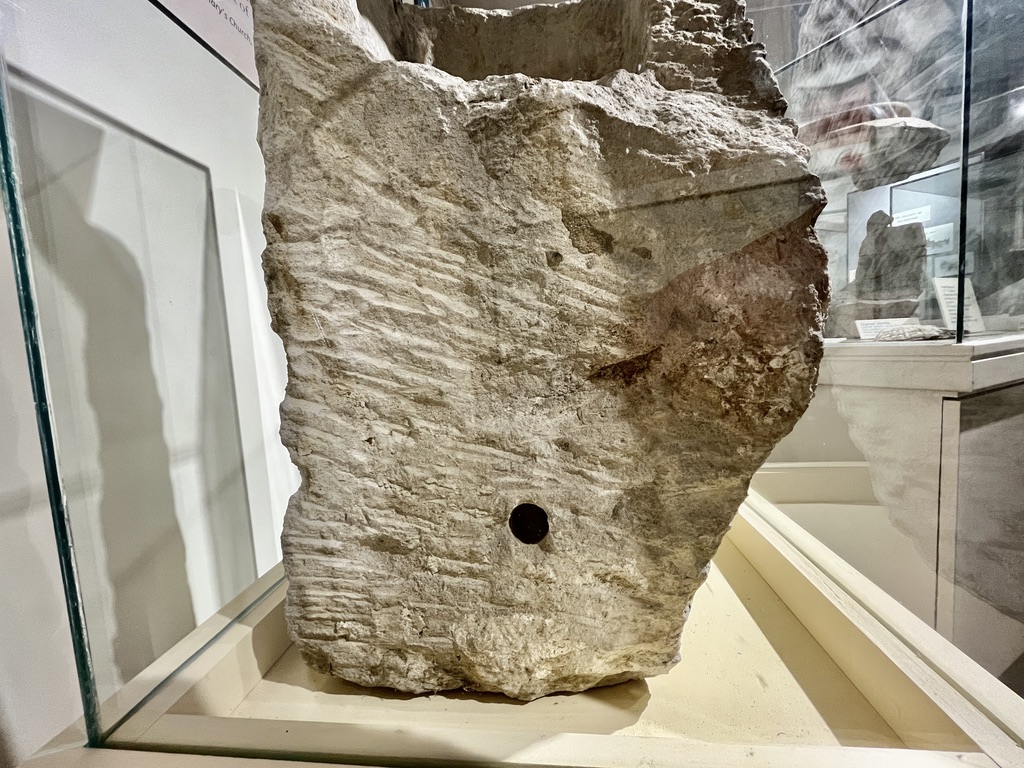
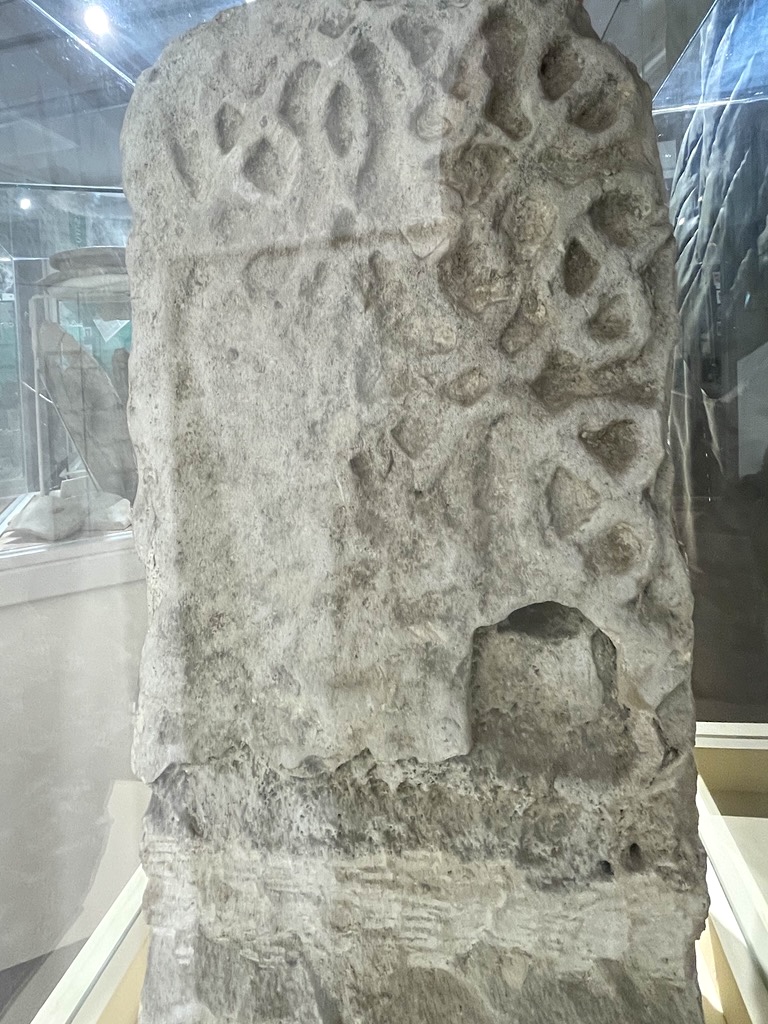
GILLINGHAM in Dorset has a well-curated Museum spanning prehistory to our lifetime. The many and varied displays include a very special one, a handsome carved fragment of an Anglo-Saxon standing cross. Below are images of all four sides of this wonderful stone. It is enhanced by the later addition of an early dial – a Tide dial.

TIDE DIAL

The dial has a complete horizontal (‘6-to-6’) line, an emphatic noon line, and a short deep line corresponding to the canonical Terce, marking the significant part of the day for observance. An arc of circumference is below; there is no hint of a complete circle.

MUSEUM INFORMATION SHEET

DIAL TWO?

Above right on the stone is a smaller hole with (from some angles) 3 very faint lines radiating from it. Very doubtful, but mentioned for completeness. Possibly an imitative attempt by a bored sacristan.

Second Dial above right?

THE OTHER THREE SIDES

Gillingham Museum, where the stone is on loan from the Church of St Mary the Virgin, Gillingham.

Dr John Shepherd: Shephard J F (2023) – Carved fragment from an Anglo-Saxon standing cross and the arrival of Christianity in Gillingham in Annual Report and Review, Dorset Historic Churches Trust 18,  6-7.  

David Lloyd – Gillingham Local History Society

 Images courtesy Tom Wickson (Dorset Historic Churches Trust)

D

WIMBLEDON (SW London) . Fitness Centre . Modern Dial by Christopher St.J.H. Daniel

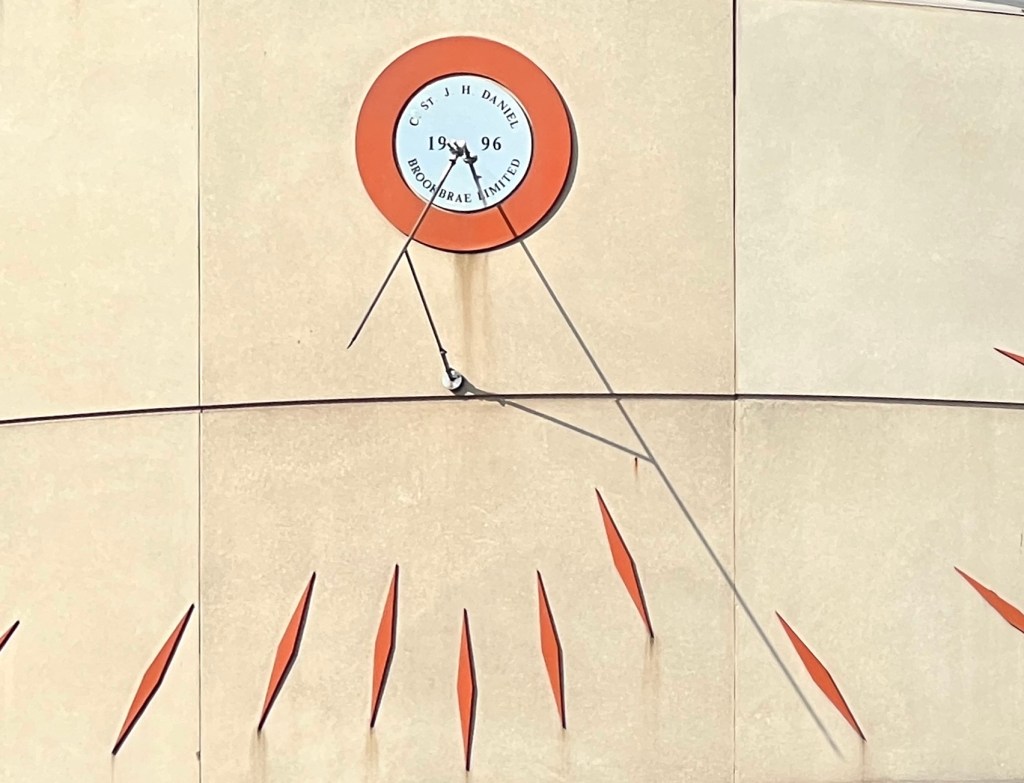
WIMBLEDON . FITNESS CENTRE . MODERN DIAL 1996

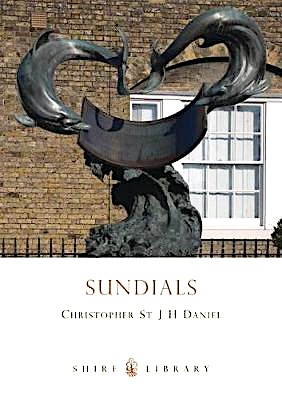
Christopher St.J.H. Daniel MBE, the maker of this dial, was the pre-eminent and most prolific sundial designer of the modern era. With 3 others, he was a founder member of the British Sundial Society BSS. He died in 2022, leaving a rich legacy of erudition and skill within his specialised sphere and beyond. His sundial book, published by Shire, is an excellent place to learn about sundials and their continuing relevance in a somewhat esoteric field.

BOROUGH GARDENS . DORCHESTER – Analemmatic Sundial

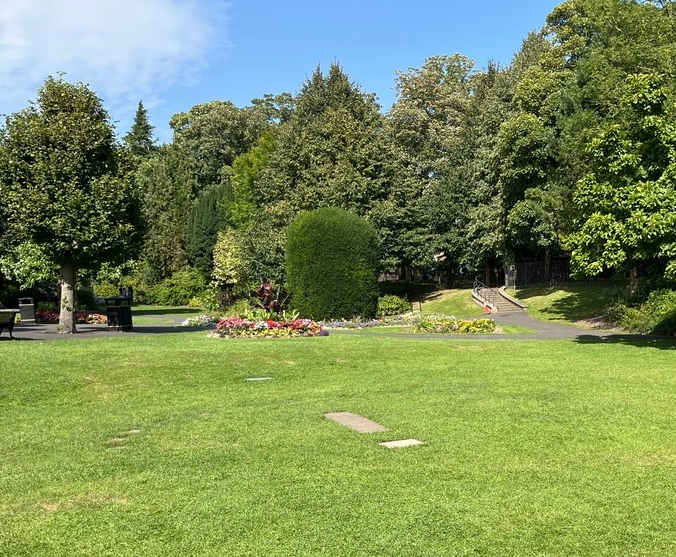
The Borough Gardens in Dorchester are close to the centre of town. They were laid out and opened in the 1890s as ‘pleasure grounds’, as they remain. There is plenty to offer for all ages in an agreeable undulating space. Lawns, tennis courts, bandstand, paddling pool, playground, fountain, a memorial obelisk, and more.

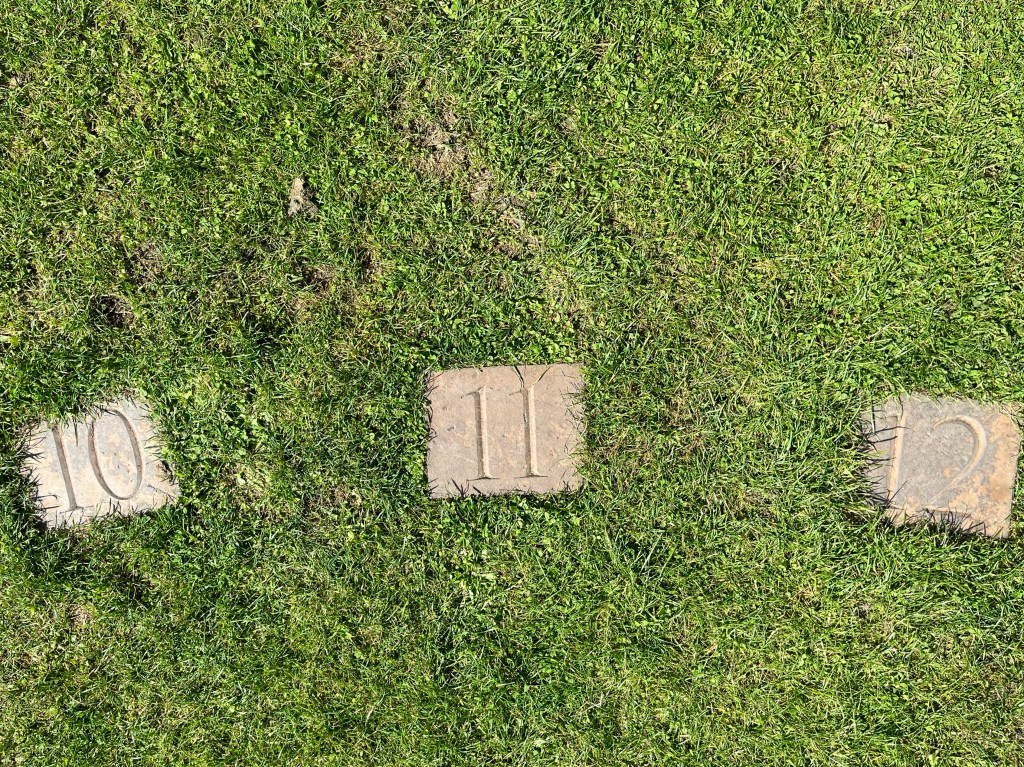
ANALEMMATIC SUNDIAL

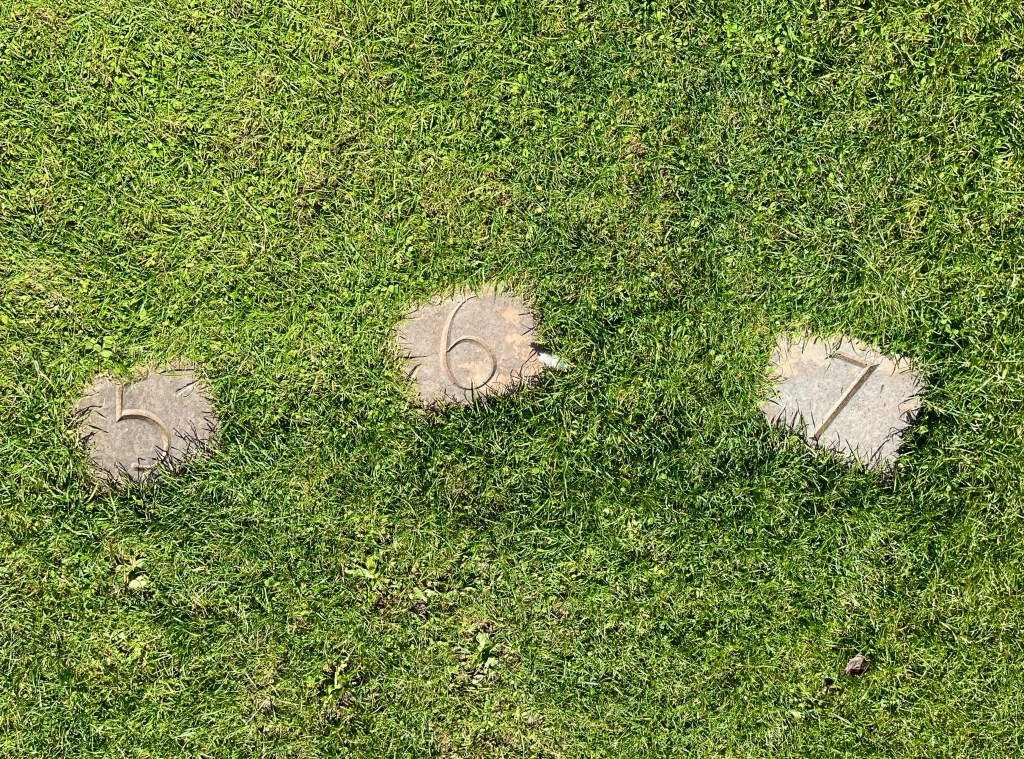
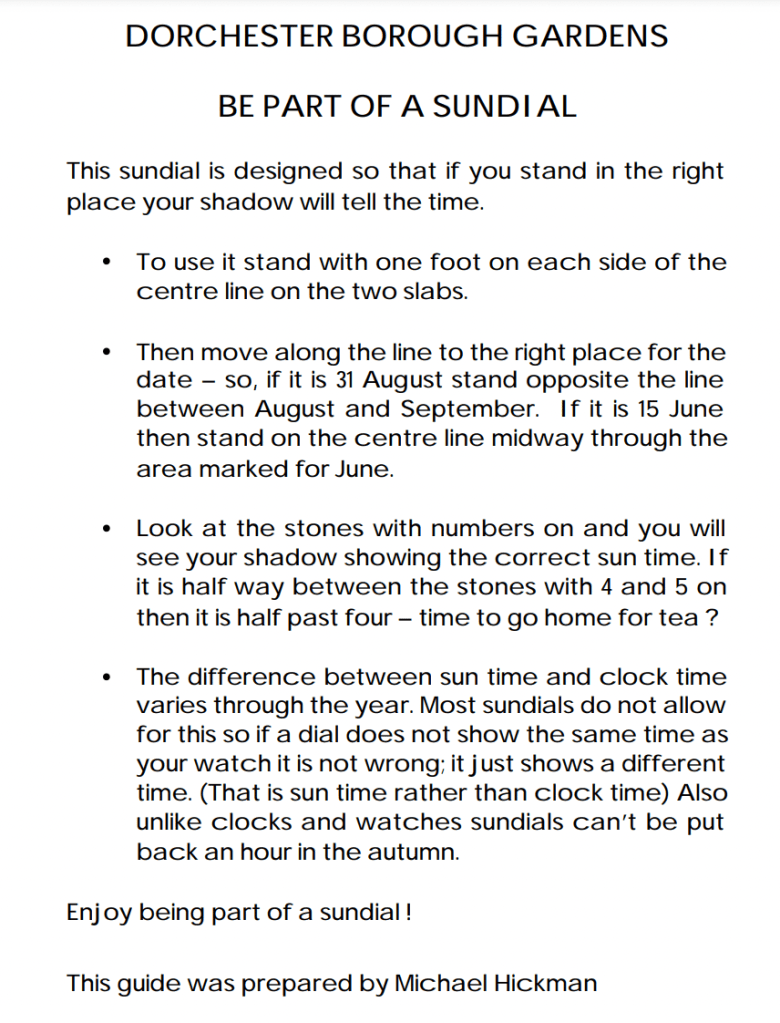
Amongst the attractions, close to the bandstand, is a modern analemmatic sundial. I don’t know the actual date it was laid out, but the BSS record is 1998 with the note: The dial is laid out in the play area near the bandstand. Hour markers adjusted for longitude, an hour added for summertime use. Shows hours from 7am to 7pm.

CALENDAR

GSS Category: Analemmatic Sundial

All photos: Keith Salvesen; written information from municipal sources with thanks

COGOLIN . VAR . FRANCE – Vertical Dials

booking.com

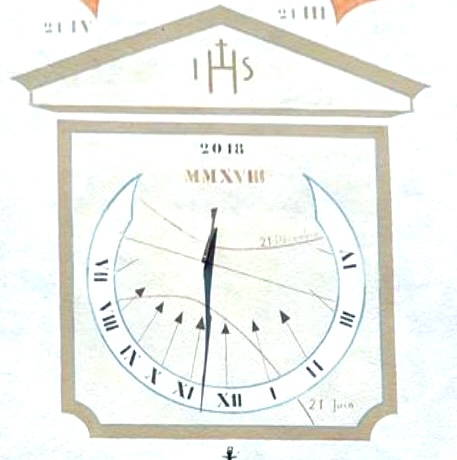
L’ÉGLISE SAINT-SAUVEUR et SAINT ÉTIENNE . COGOLIN . VAR

COGOLIN is an attractive and relatively small town with a harbour close to Port Grimaud. Both towns are a short jet-ski ride from St Tropez. The church, with its double dedication, may date to C11.

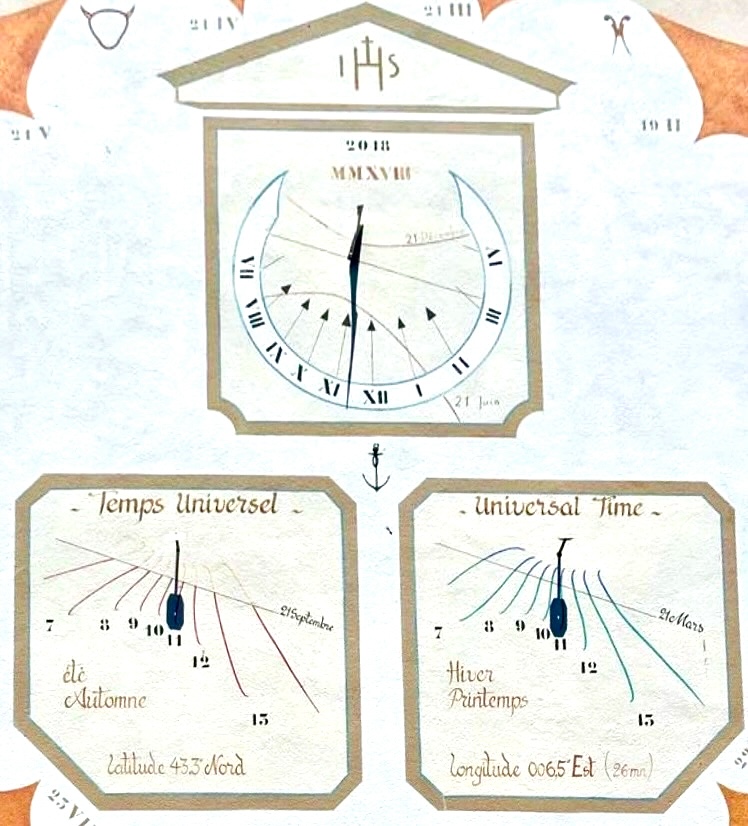
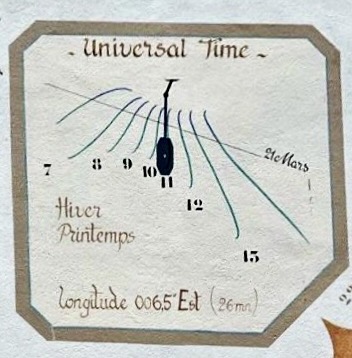
This intriguing dial was created by M. Garde-Lebreton in 2018. It manages to combine accuracy, legibility, and charm. An excellent bonus is the very careful explanation of the dial on a separate plate. An object lesson of modern dial design and analysis.

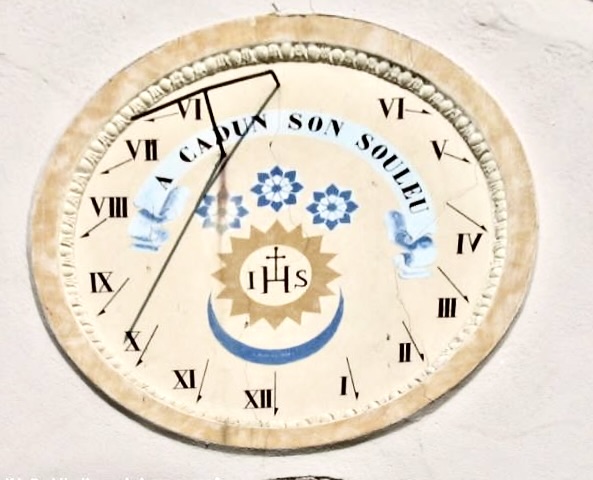
DIAL 2

St-Sauveur has a second attractive dial, another good example of a modern dial that combines its purpose with cheerful style. Engraved and painted on cement.

Props: Michel Lalos

GSS Category: Vertical Dial; Dial on Church Wall; Modern Dial; France Sundial

CREDITS: Charly Salvesen with many thanks; R Collins; booking.com; Michel Lalos

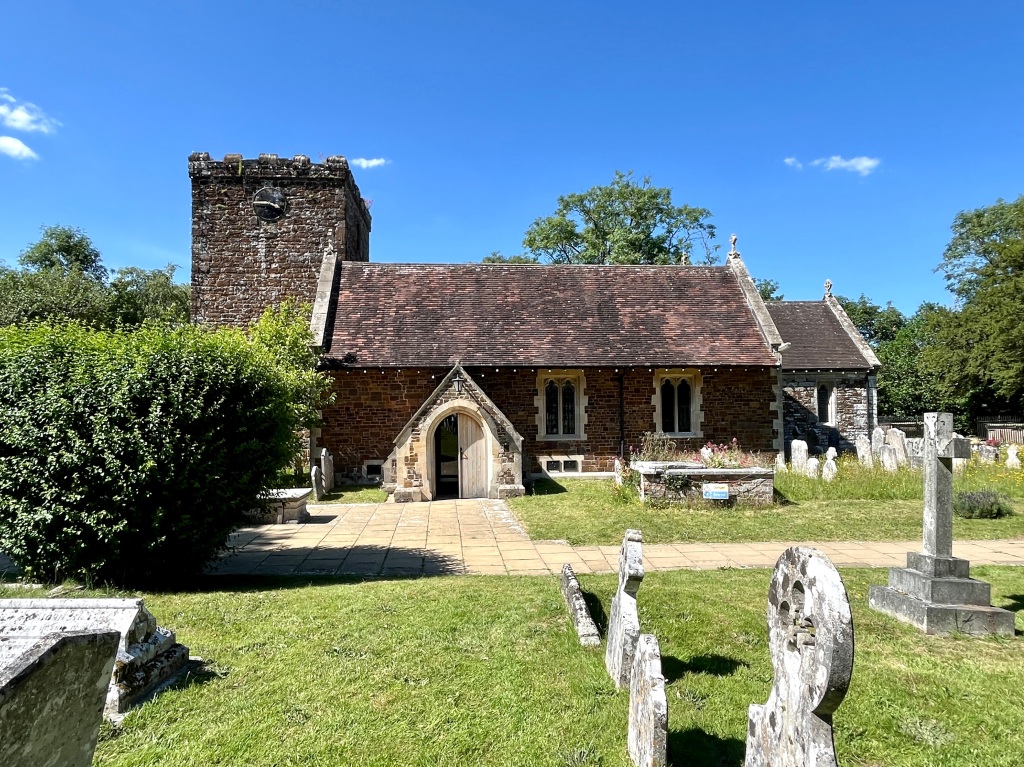
KINSON . DORSET . ST ANDREW – Scratch Dial

ST ANDREW . KINSON . DORSET

GRADE II* ❖ C13, little altered until rebuilt 1870s (chancel) & 1890s (nave & aisles). A fine, squat Norman tower. A rare interior dial, relocated to the chancel arch. Church now within the outer fringes of N Bournemouth yet happily just off the many beaten tracks that now surround it. 50.7719 / -1.905 / SZ067969

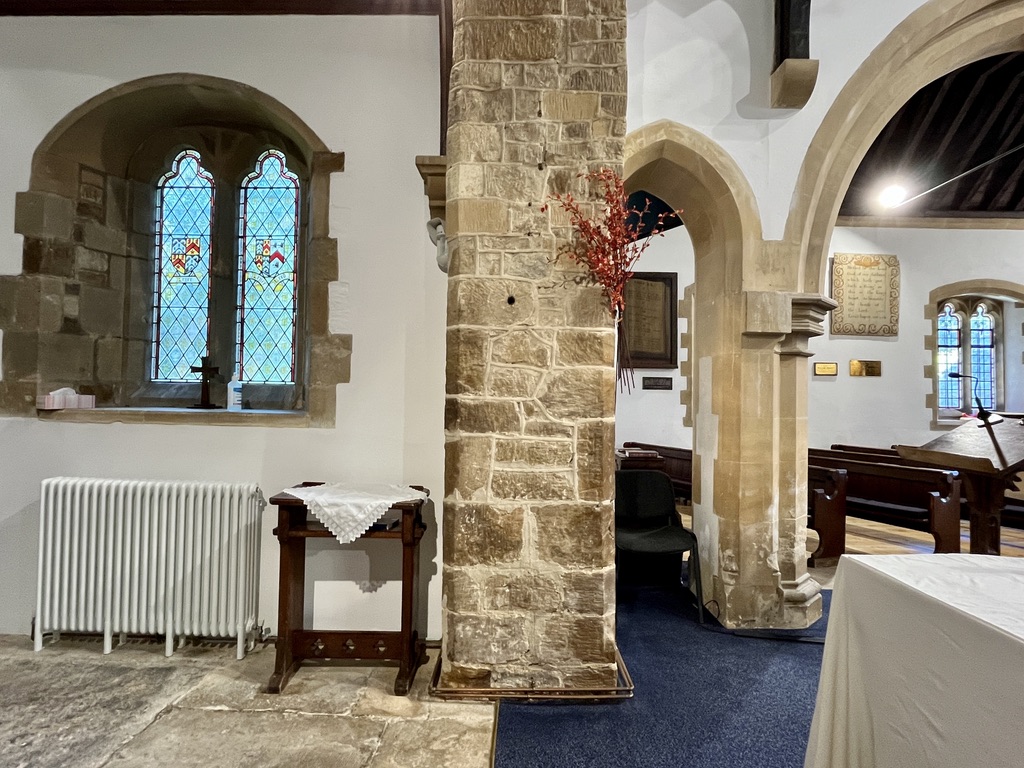
DIAL

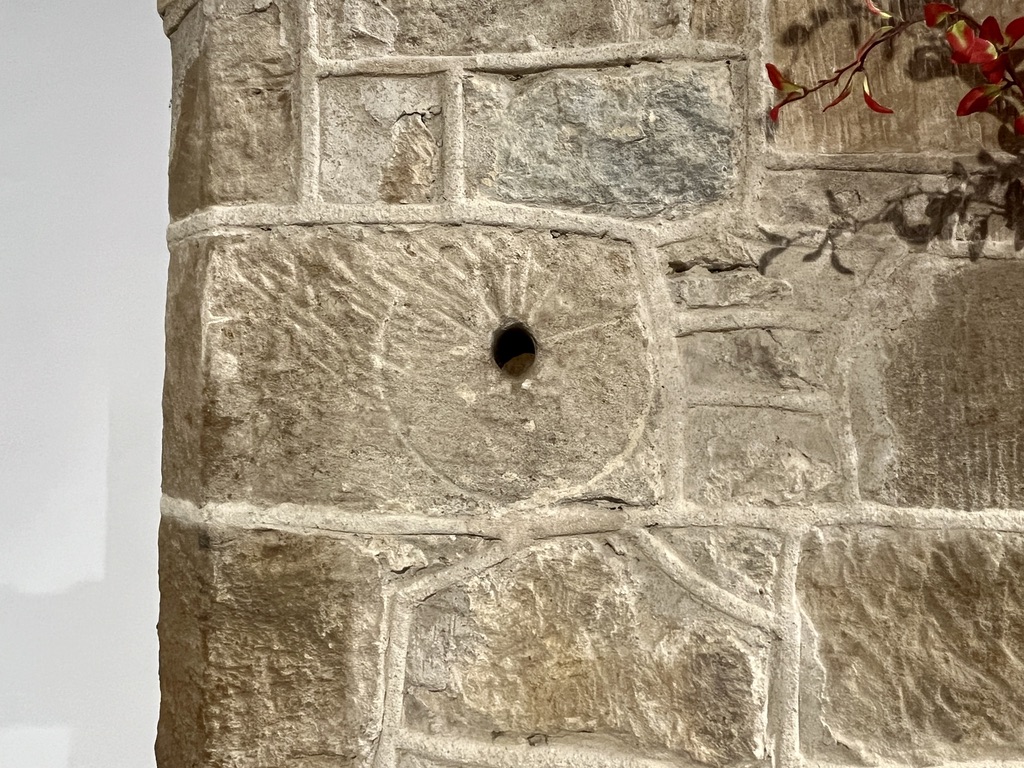
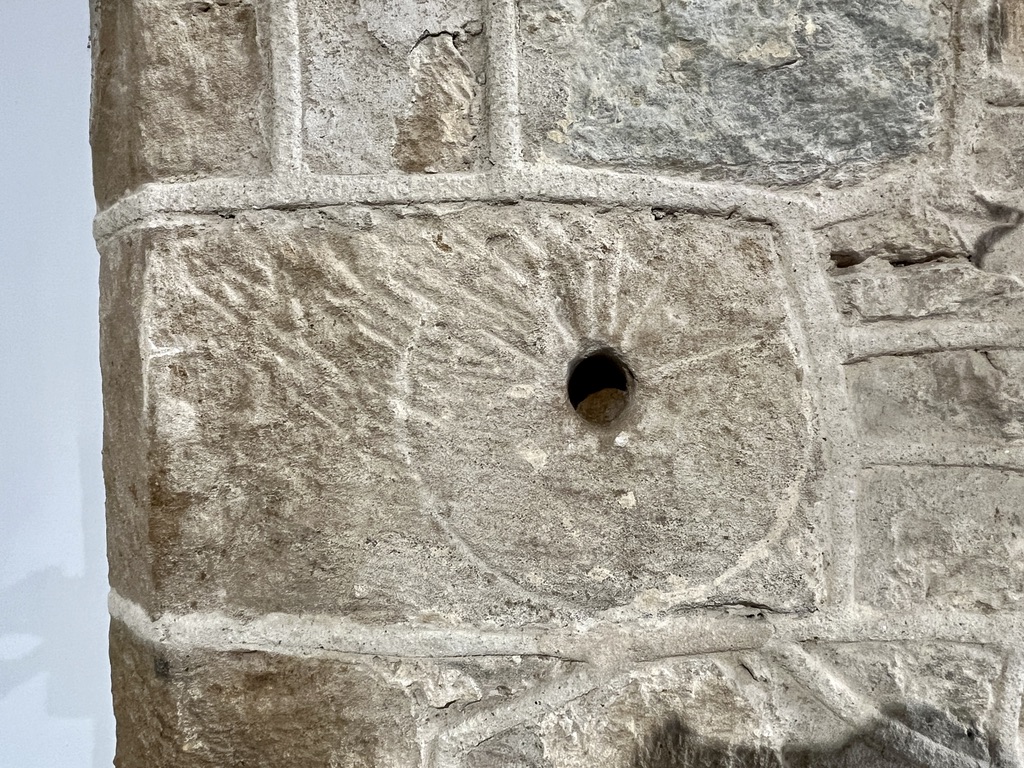
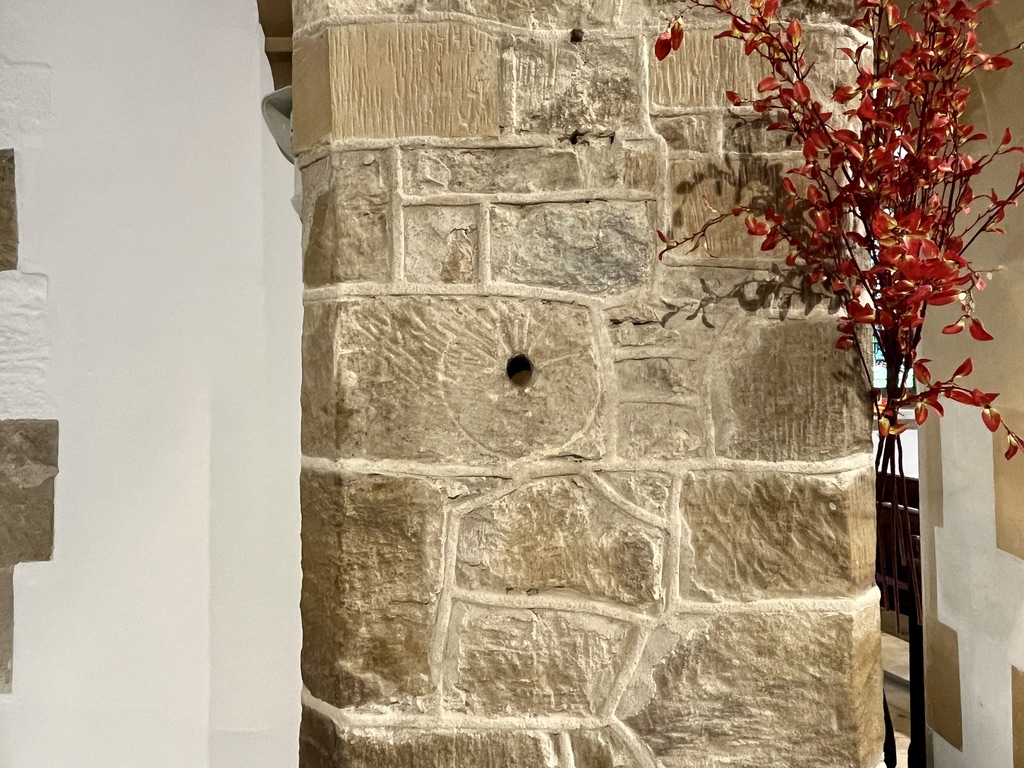
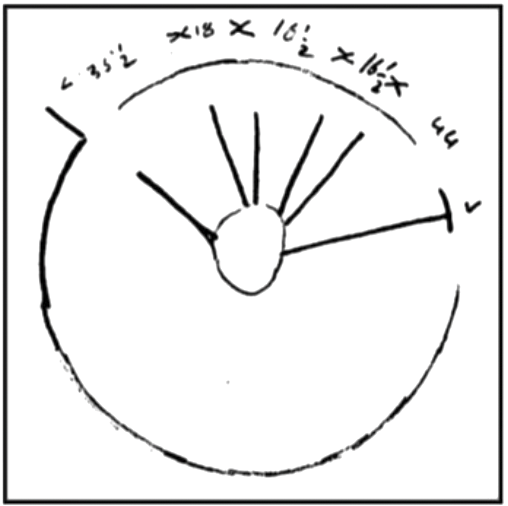
The dial, repositioned and inverted, is located on the S chancel arch. There are 6 encircled lines, one going beyond the ring. GLP notes that the circumference line is poorly drawn and does not form a circle; and he suggests that the re-siting within the church would probably have been during the 1875 rebuild. I wondered if URQ also shows damage from fitting the dial in its new position.

The gnomon hole is both large and deep, though almost certainly not so originally.

INTERIOR DIALS

Scratch dials within a church are relatively rare. Included in these pages are Thornford Dorset; Stoke St Gregory Somerset; Firle Sussex; and W Clandon Surrey (3).

GSS Category: Scratch Dial; Mass Dial; Internal Scratch Dial; Internal Church Sundial

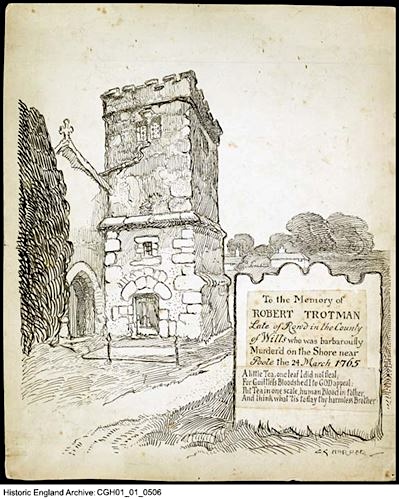
All photos Keith Salvesen; drawing from HE archive