ST MICHAEL . MERE . WILTS
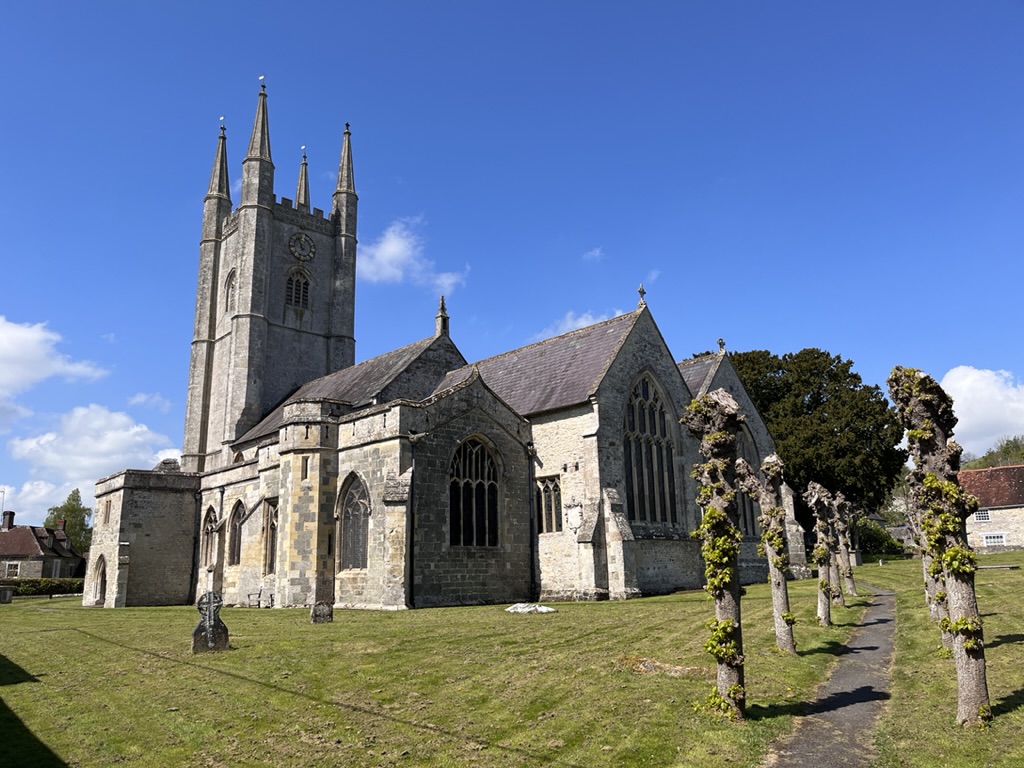
GRADE I ✣ Saxon origins, remnants from late C12; Chancel C13, north and south chantries C14, aisles rebuilt late C14, remainder C15. Highly praised *** by SJ: the screen is the best in Wiltshire; excellent stained glass… A small town fortunately by-passed by the dread A303. 51.0893 / -2.2711 / ST 811322

DIALS
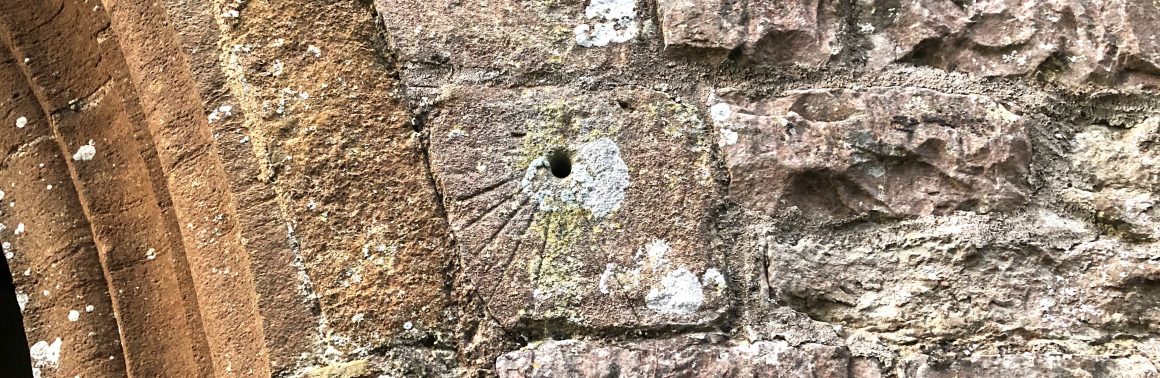
St Michael provides plenty of scope for scratch dial sleuths to bicker about. BBS records 6. The Mere Historical Society records show Handwritten notes on green paper by John Ingram to Dr David Longbourne relating to a sundial (scratch dial) on the buttress of St Michael’s Church, Mere, 1990’s. The Church’s helpful info suggests 2 or perhaps 3. I believe there are at least 6 and possibly up to 10 dials in all.
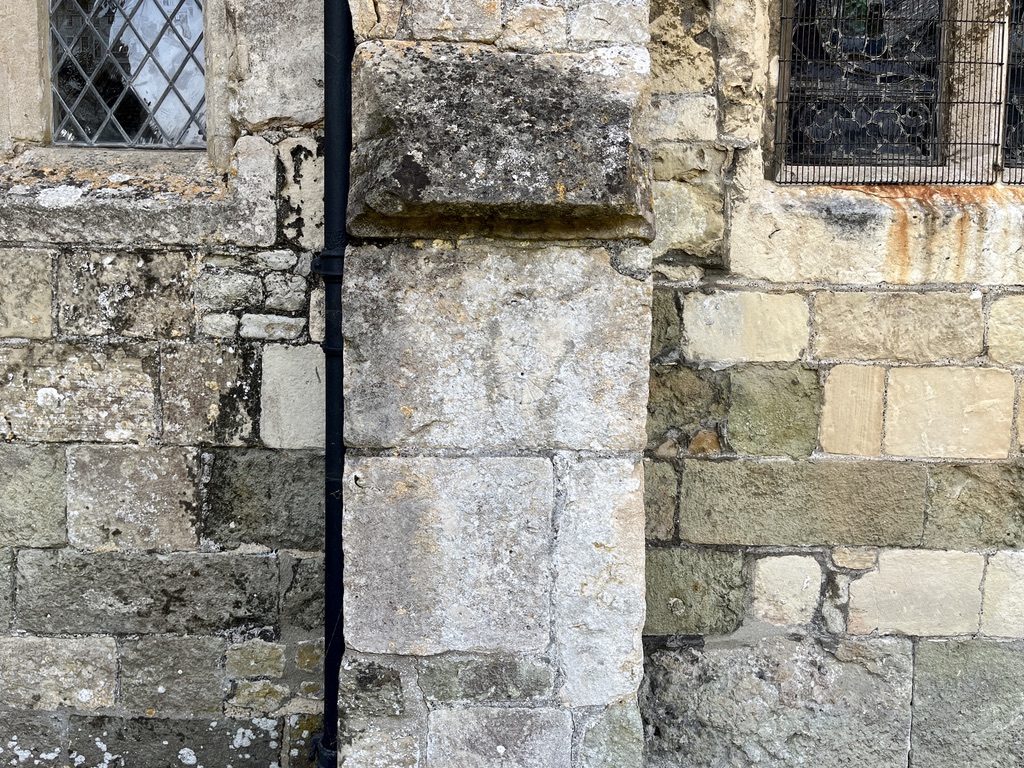
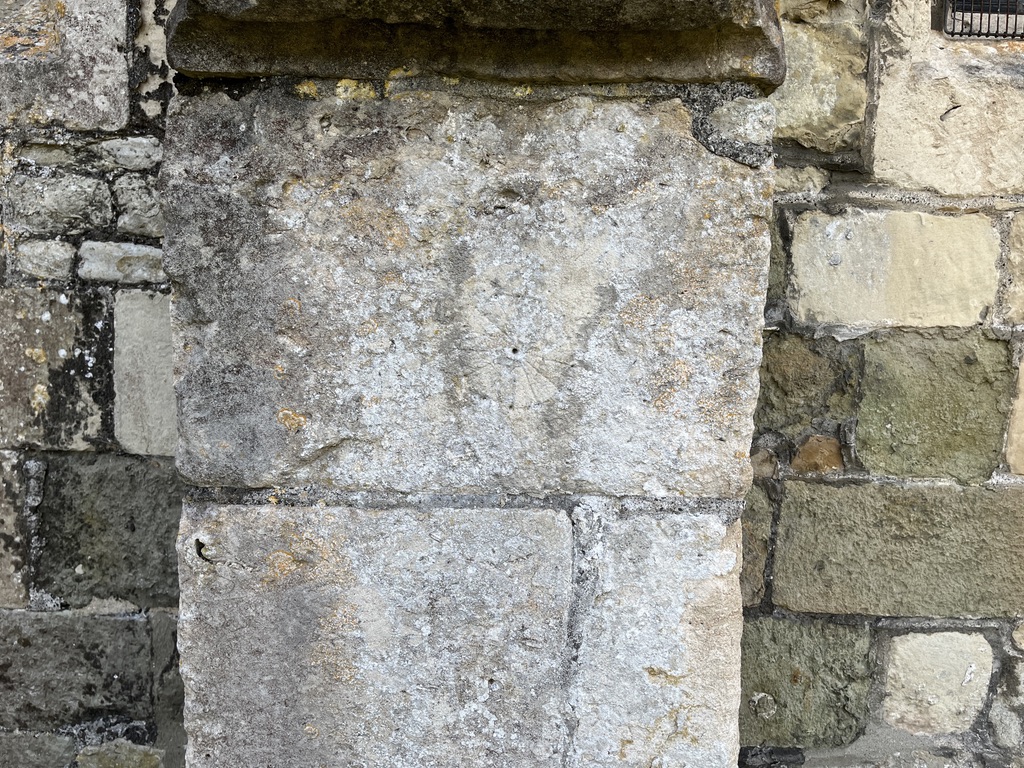
The BSS record of 6 dials gives 1 – 3 in a cluster on buttress 2 E of the porch (see 4, 9 & 10 below); and 4 – 6 grouped further E on buttress 5 / S wall stairway area.
DIAL 1

DIAL 2
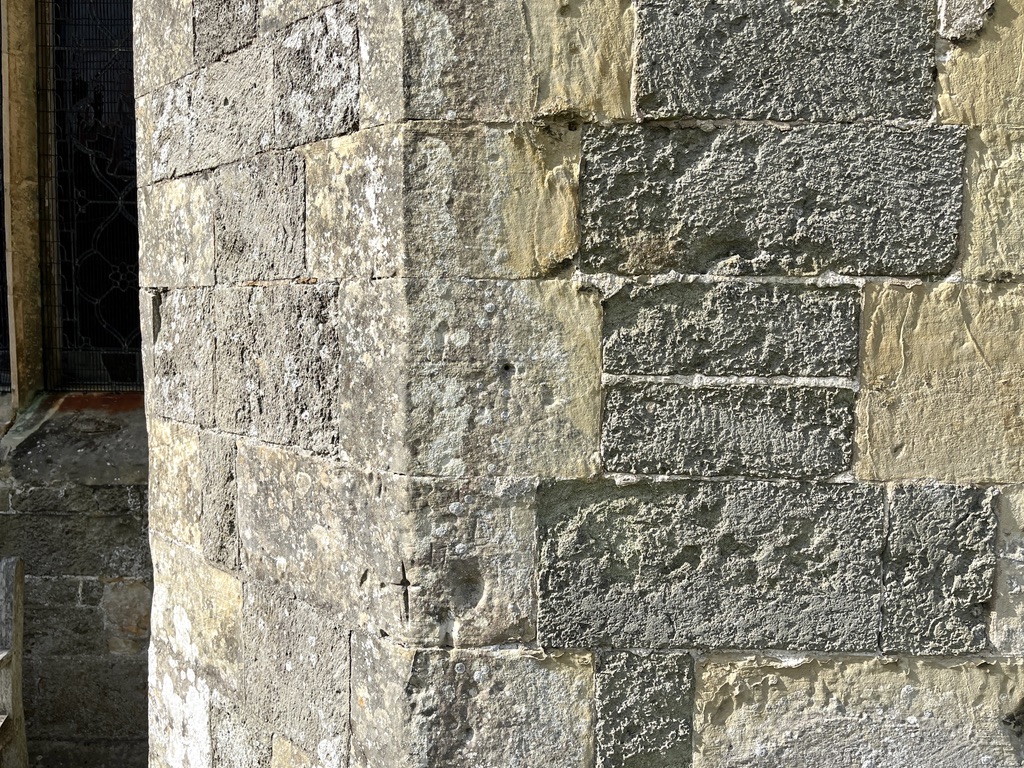
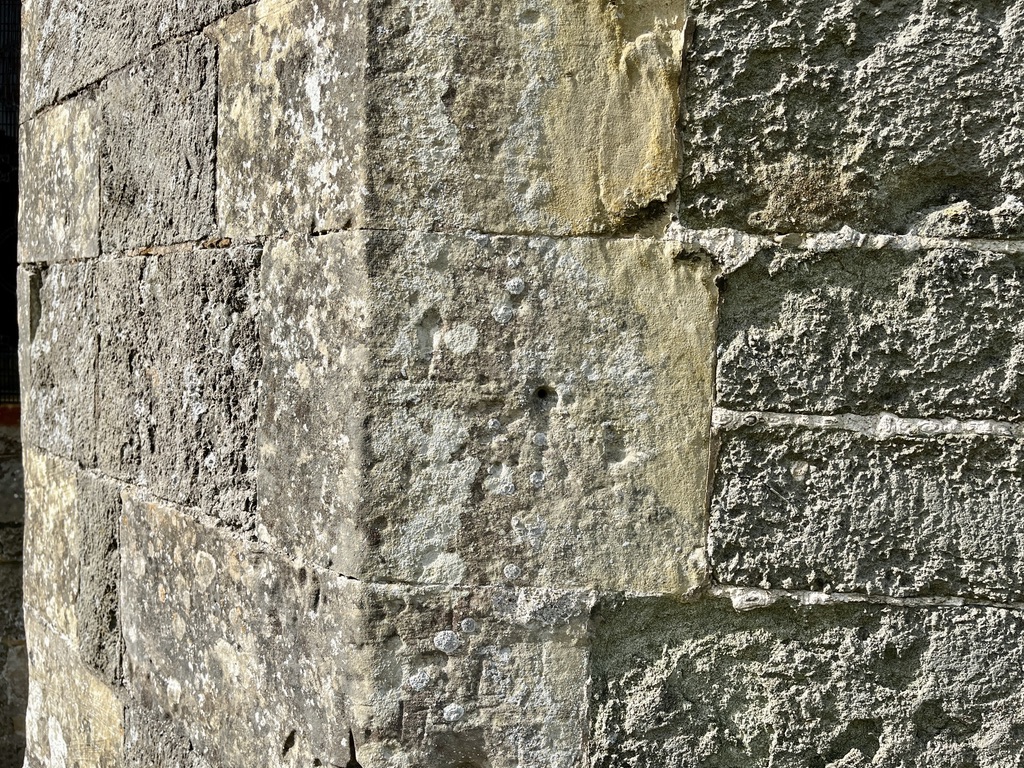
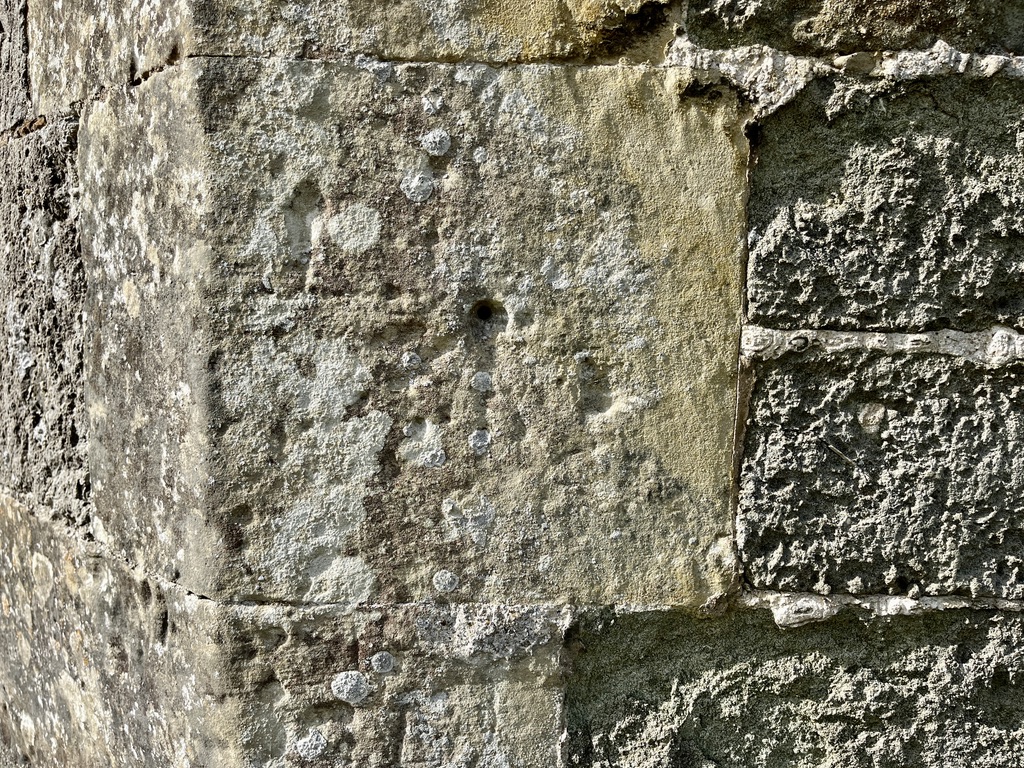
DIAL 3
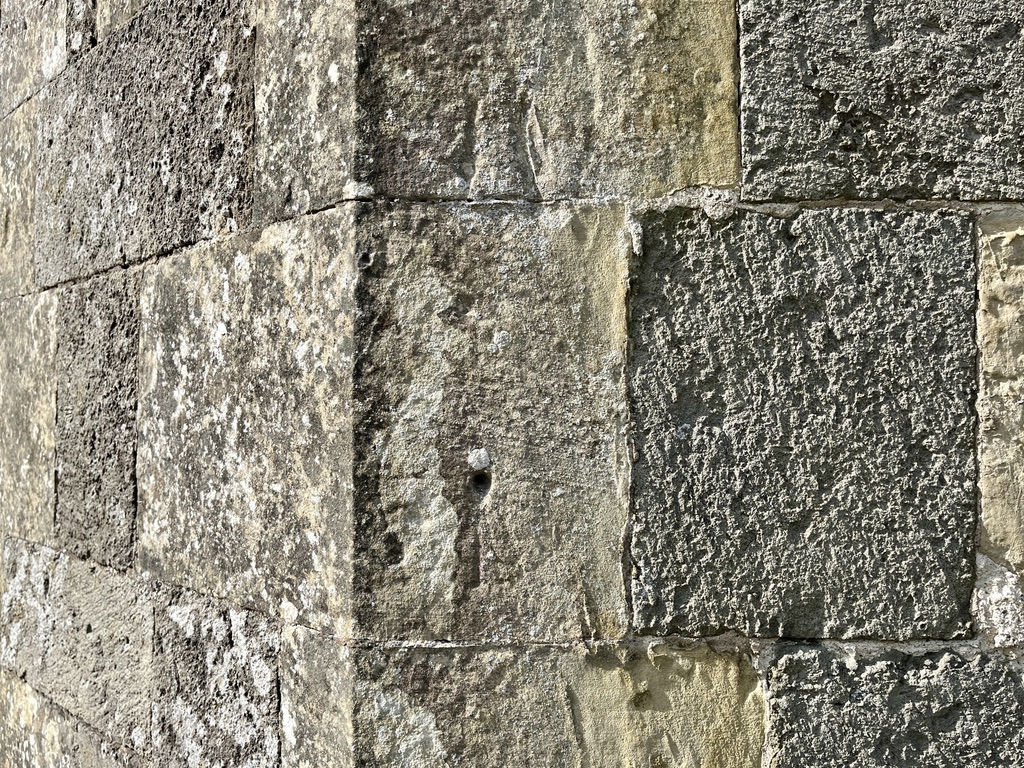


DIAL 4
(and see plausible dials 9 & 10 on same stone))
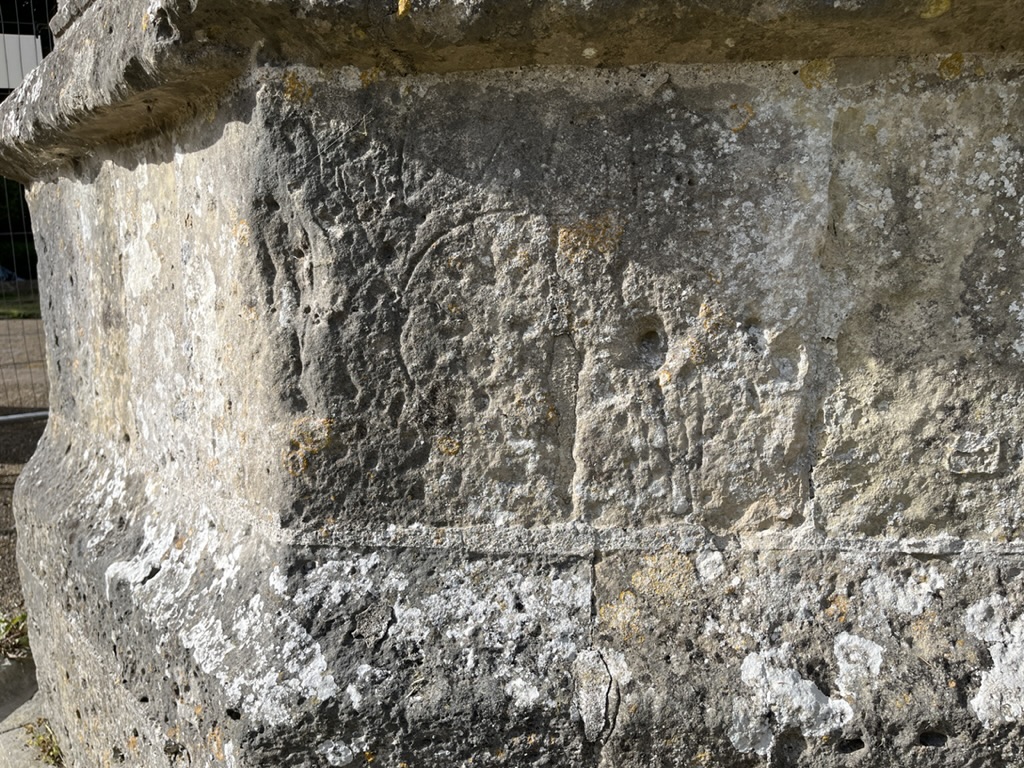


DIAL 5
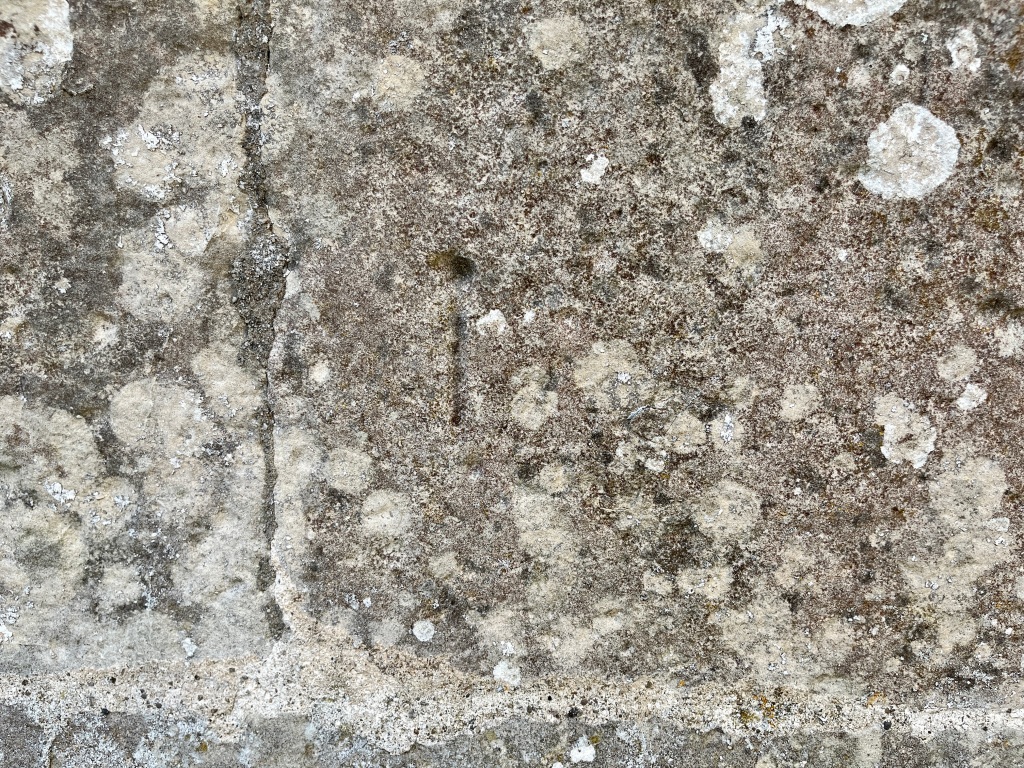
DIAL 6
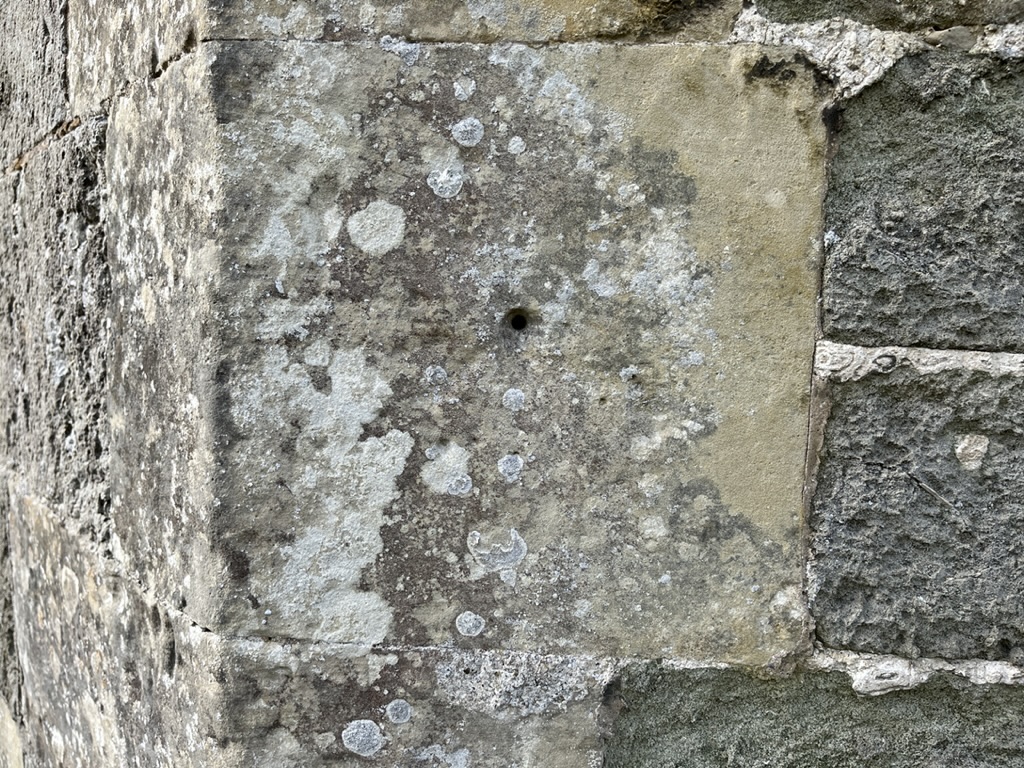
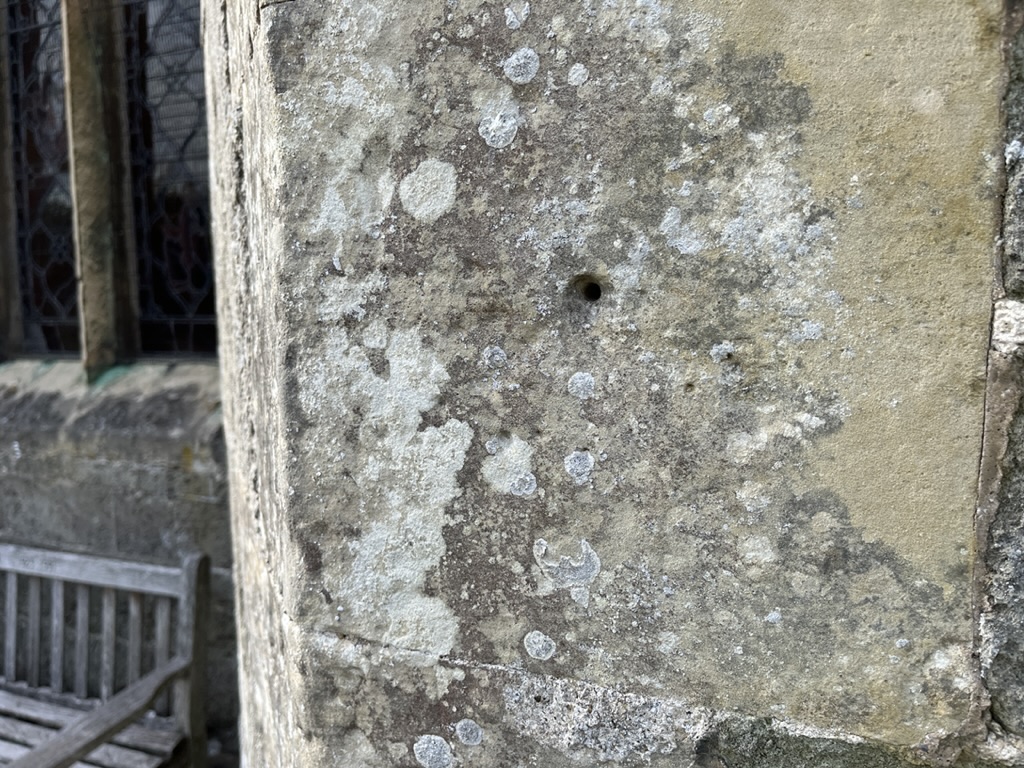
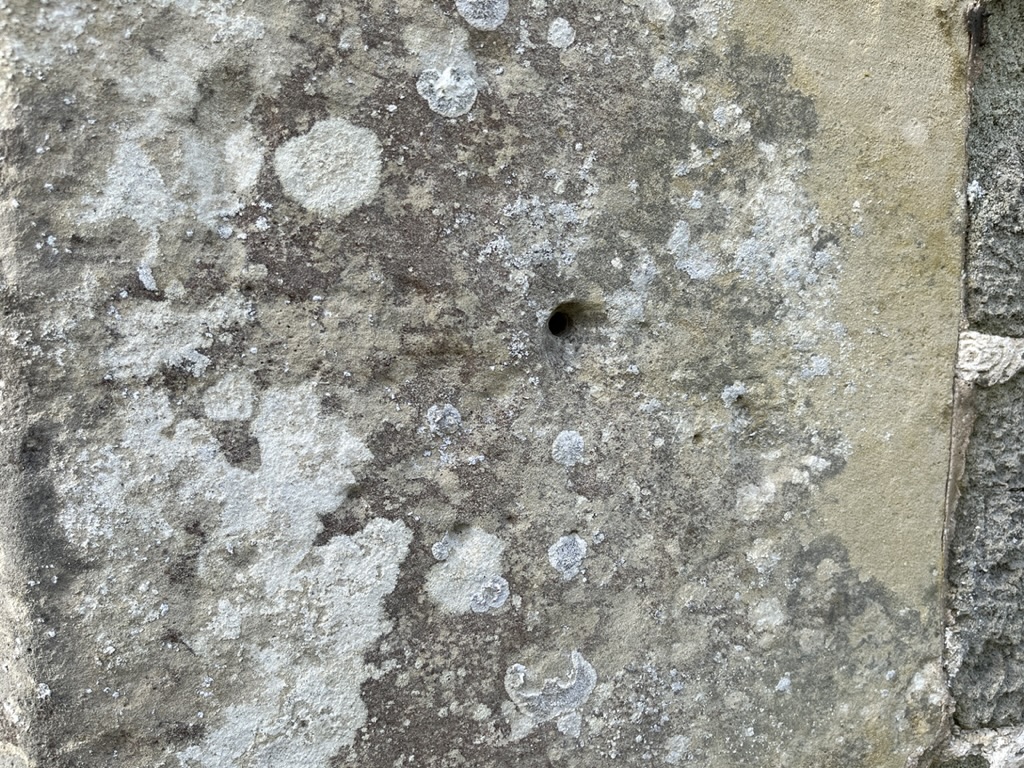
DIAL 7
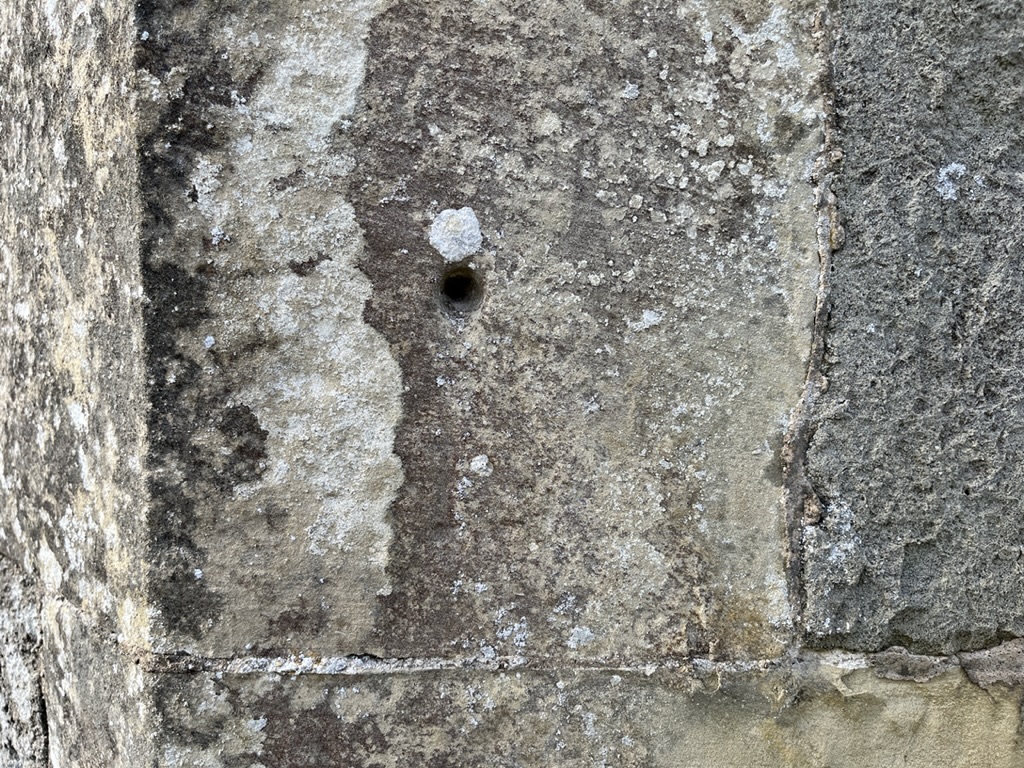


DIAL 8 (?)
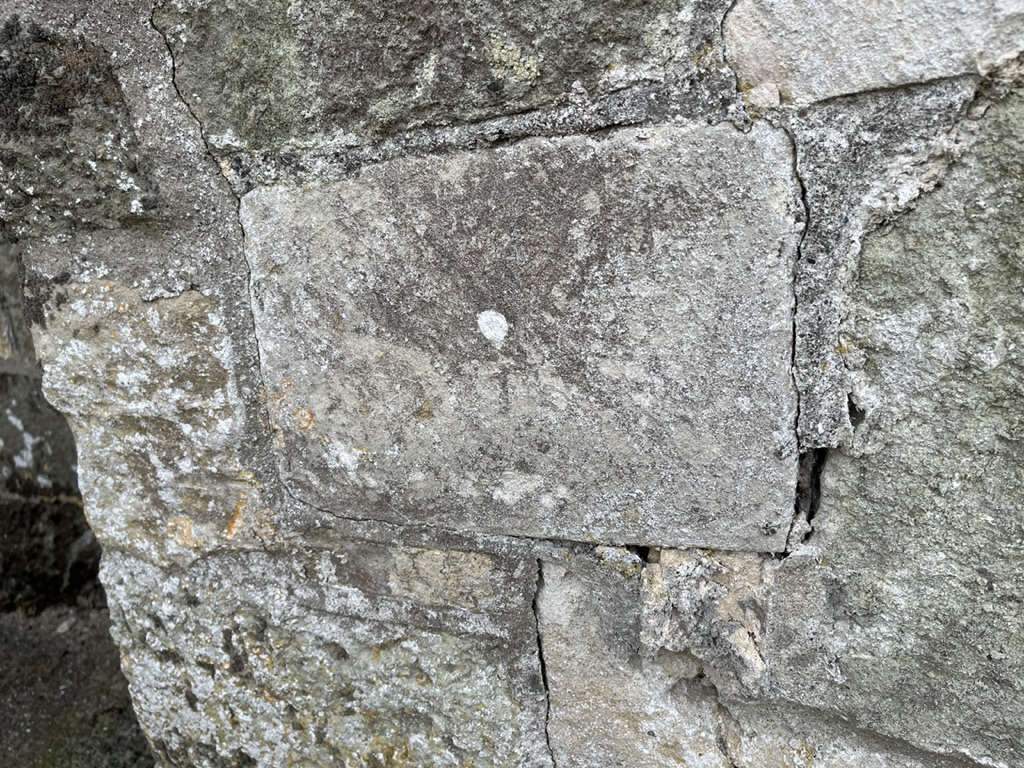

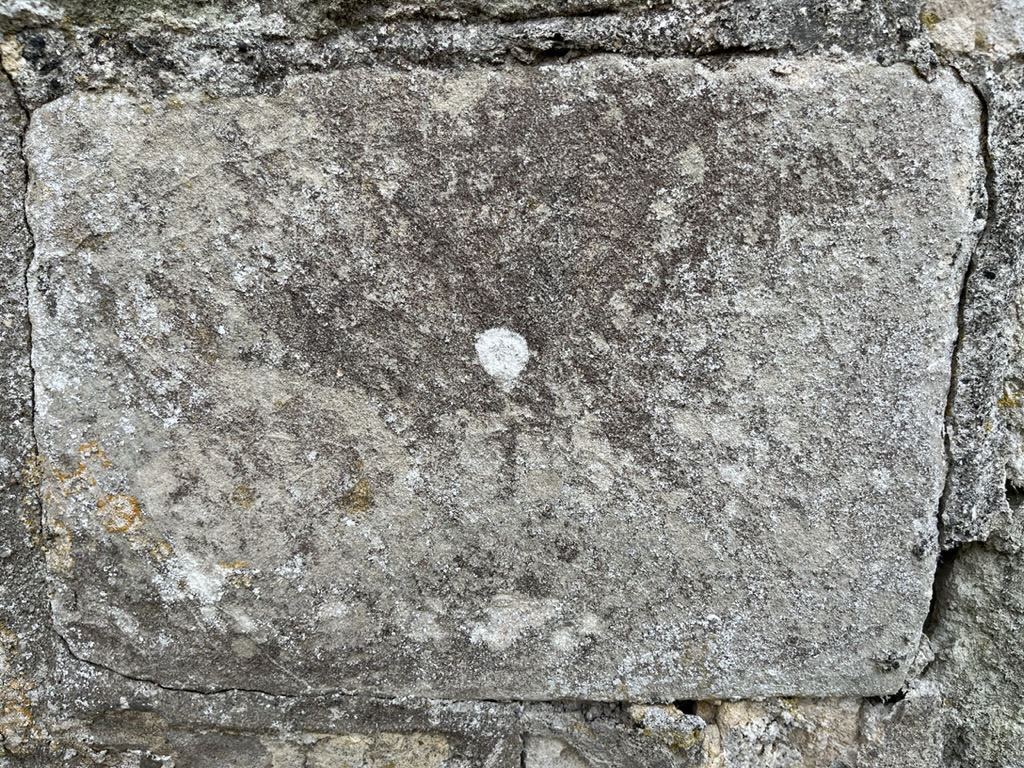
DIALS 4 (above), 9 & 10
Dials 4, 9 and 10 – all different types – are on the same stone and to an extent impinge on each other.

DIAL 9
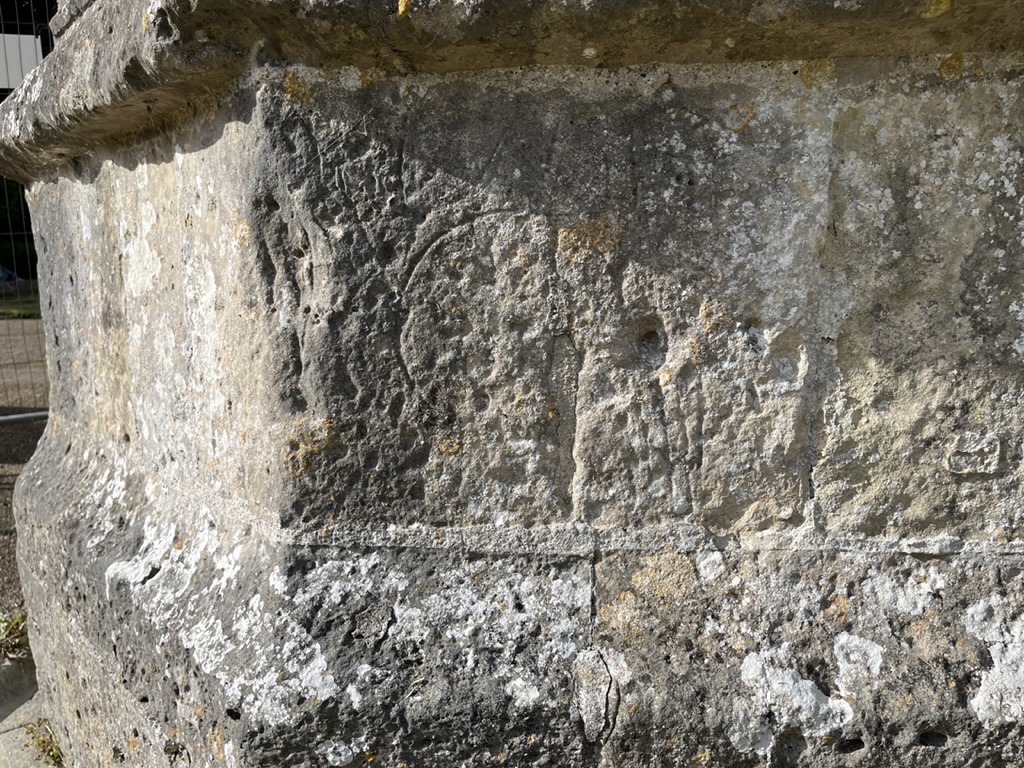
DIAL 10
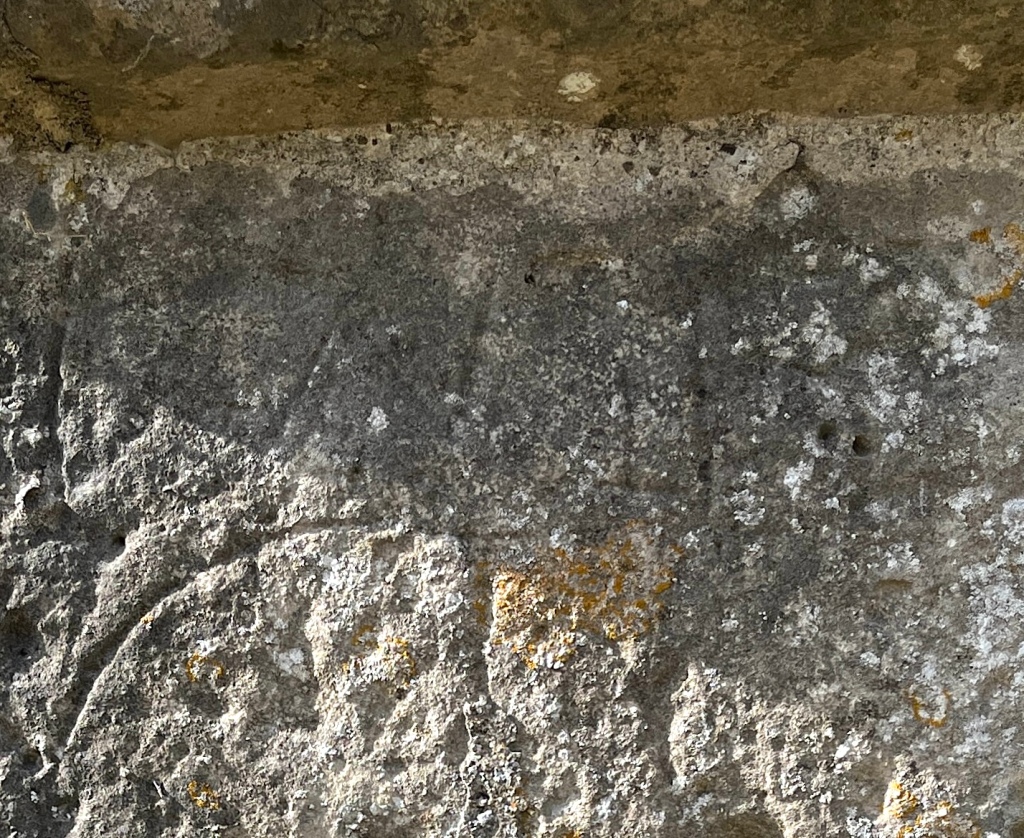
CONCLUSION: enthusiasm can be an enemy of accuracy, and there is always some leeway with multiple dial Churches. I haven’t tried to analyse each dial – the array will with any luck elicit some opinions.
GSS Category: Scratch Dial; Multiple Scratch Dials; Scratch Dial Clusters
All photos: Keith Salvesen
 GAUDIUM SUB SOLE: Scratch Dials & Sundials Medieval to Modern
Hi – Dial 9 could also be considered as either a:
Demon Trap
In superstitious medieval times it was believed that evil could be prevented from entering a Holy Building with protection marks. In this type of mark, evil would become trapped within the never-ending circle.
OR
Witches Mark [ very worn or incomplete ], also referred to as Daisy Wheels and Hexafoil Marks.
These ritual protection symbols or apotropaic marks – have been found in many historic places, from medieval churches and houses to barns and caves. Apotropaic comes from the Greek word apotrepein ‘to ward off’ from apo- ‘away’ and trepein ‘to turn’ for averting evil.
The marks were usually scribed onto stone or woodwork near a building’s entrance points, particularly doorways, windows and fireplaces, to protect inhabitants and visitors from witches and evil spirits.
Wbw
Graham
Graham Cummins
TechDraw Associates
Design & Drafting Services
[ Mechanical Engineering ]
Mob: 0 7 7 3 8 7 0 9 3 9 0
Email: grahamacummins@gmail.com grahamacummins@gmail.com
| Poole | Dorset | BH15 4EE | UK |
| Special Purpose Machinery | Transmission Devices | Industrial Sculptures |
| Self-Build House Projects:- Design; Management & Materials Procurement |
| DIY Mentoring | Material Handling Devices | UK Patent Applications / Details |
| Retail Packaging: Delivery, Display & Product Carton Design & Templates |
| Contributing Writer | SolidWorks 3D & AutoCAD 2D Visualisations |
LikeLike
Hi Graham, thanks for your comment. Yes, a design similar to a simple demon trap. However one would not expect to find one on a buttress. Their power and effectiveness was (believed to be) at the entrance to the church, most usually the porch area. Evil that got past might get caught up in traps within the church, or be repelled by other protection marks eg Marian VV. KS
LikeLiked by 1 person