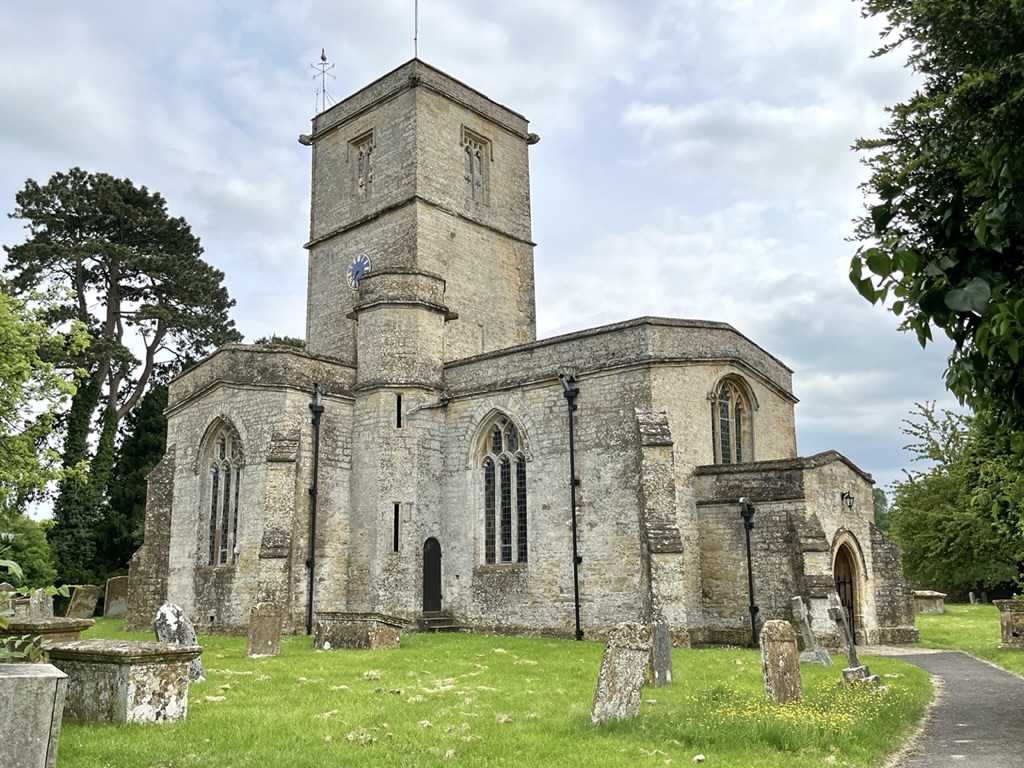
SOUTH PERROTT . DORSET . ST MARY – Scratch Dial

St Mary . South Perrott . Dorset

ST MARY . SOUTH PERROTT . DORSET

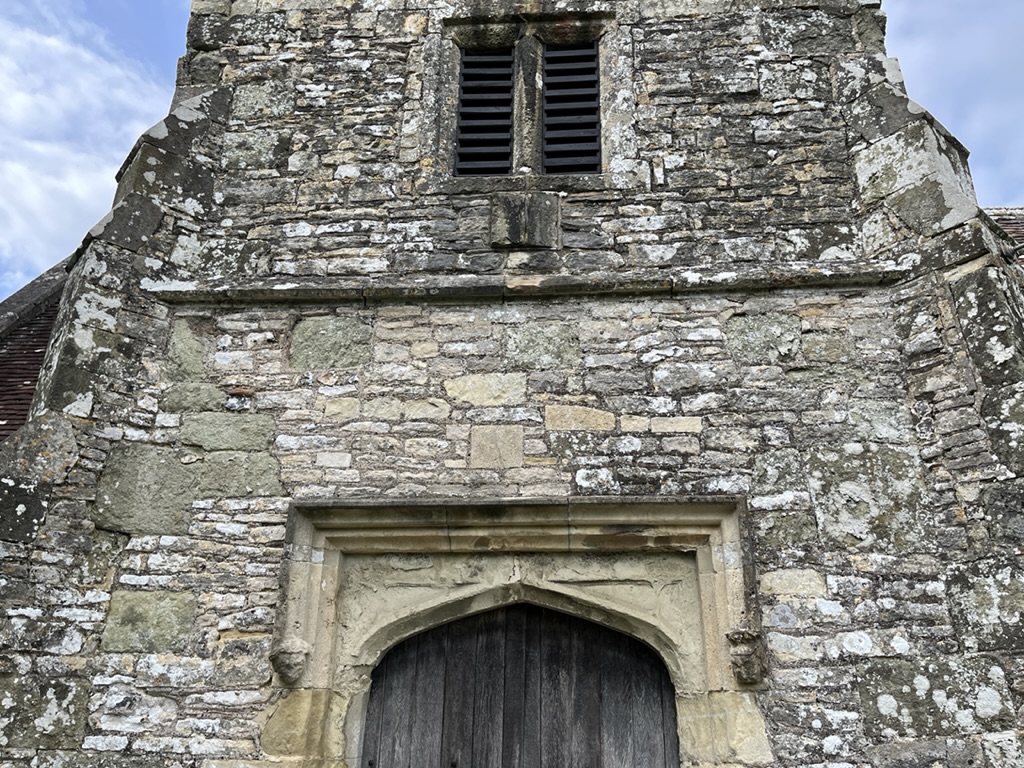
GRADE I C13 origin; tower rebuilt and alterations C15 . Modern (C20) restorations. Early C13 font. Unusual appearance with pleasing matched roof-lines. BHO notes On S.E. buttress of S. transept—scratch dial*. 3m SE of Crewkerne. 50.8571 /  -2.7514 / ST472066

DIAL
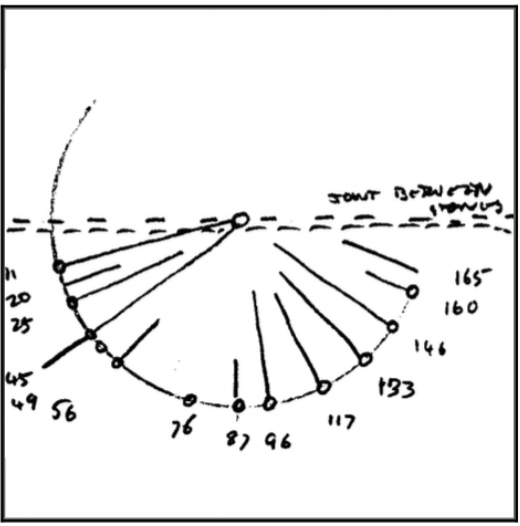
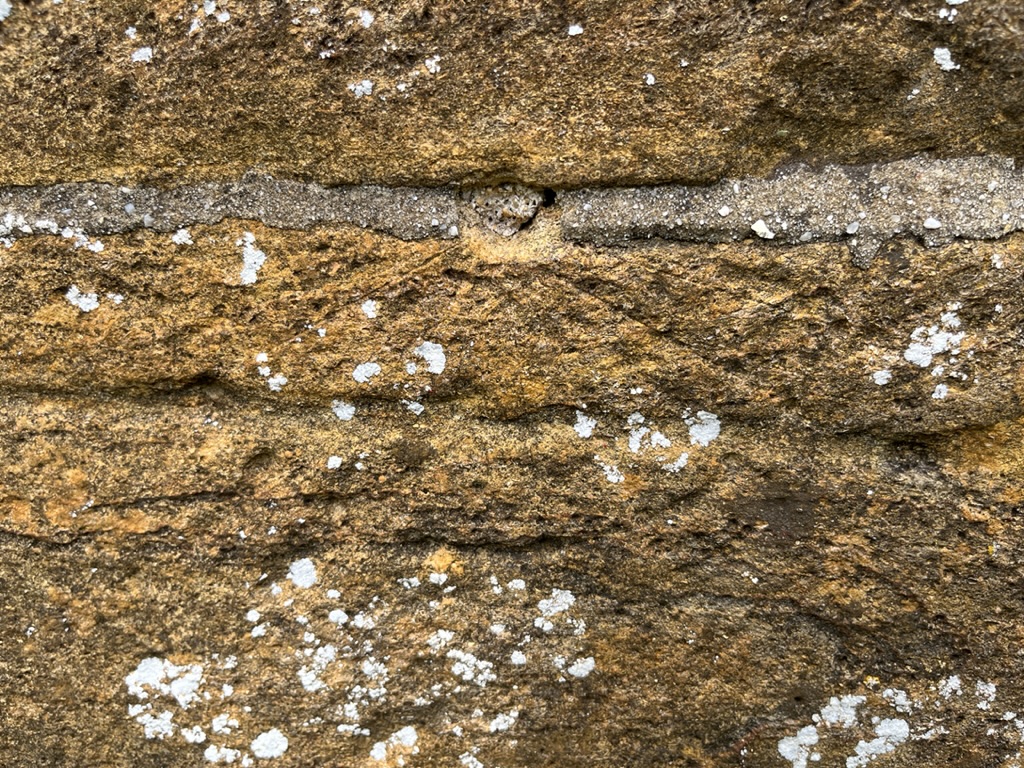
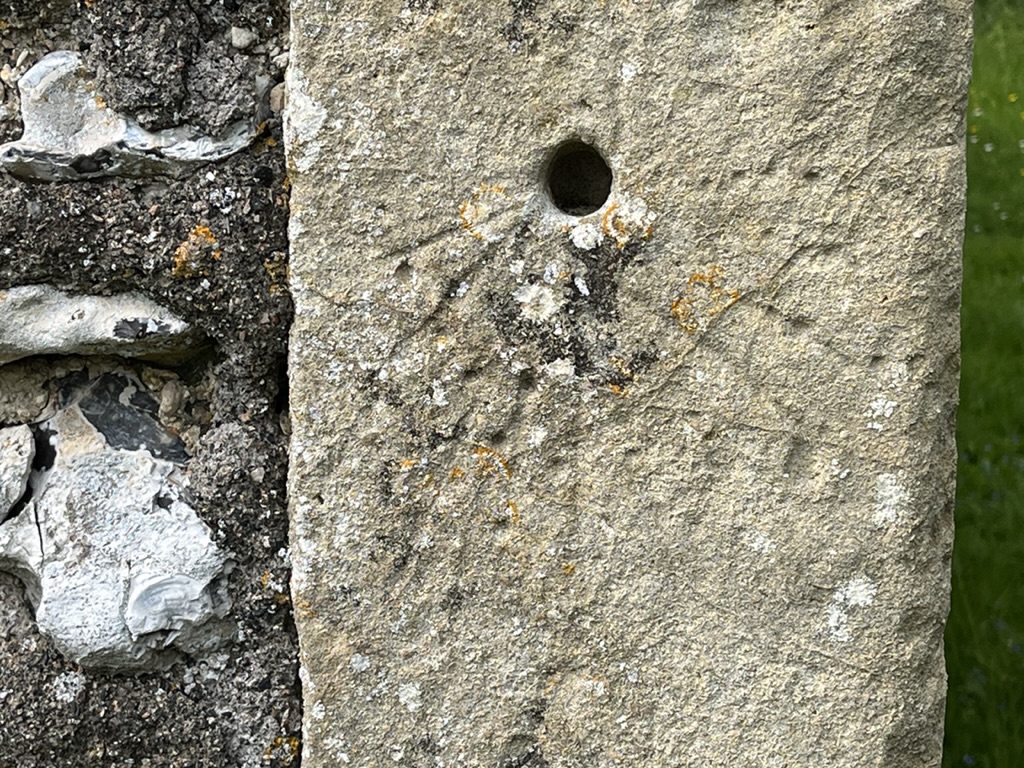
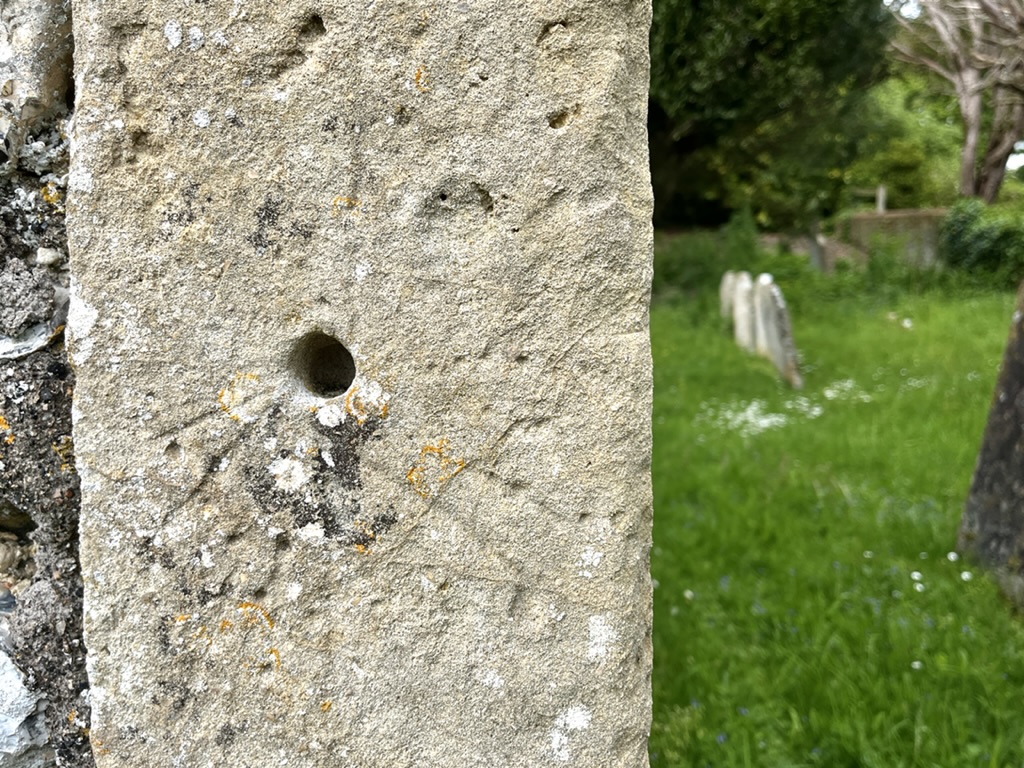
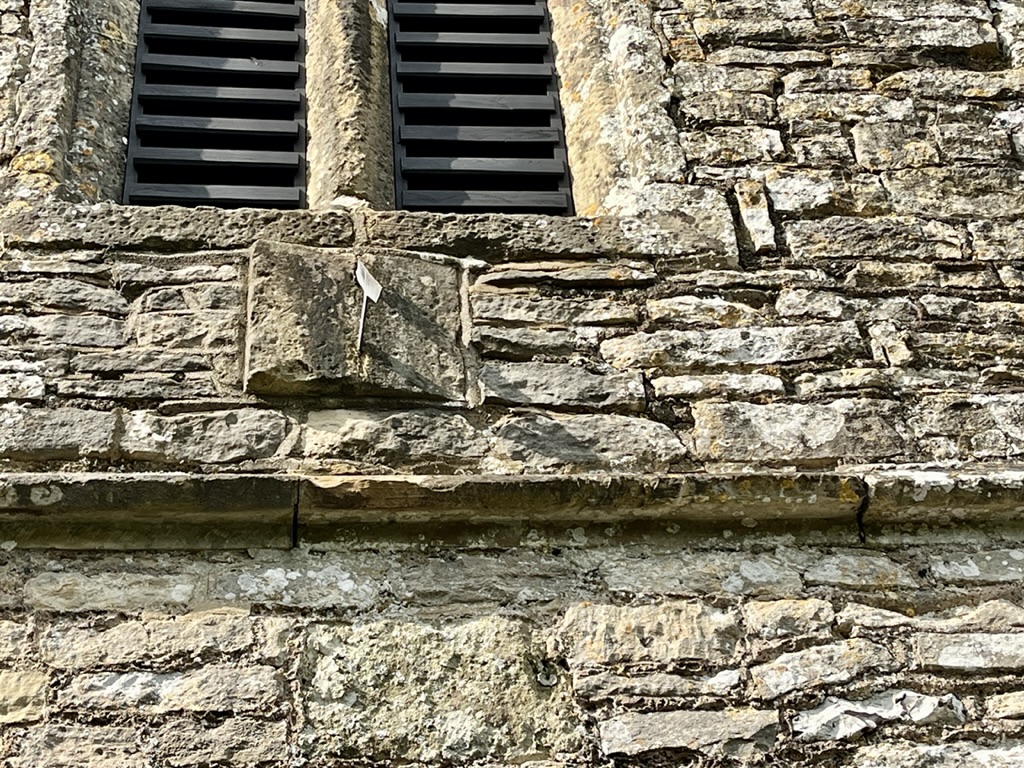
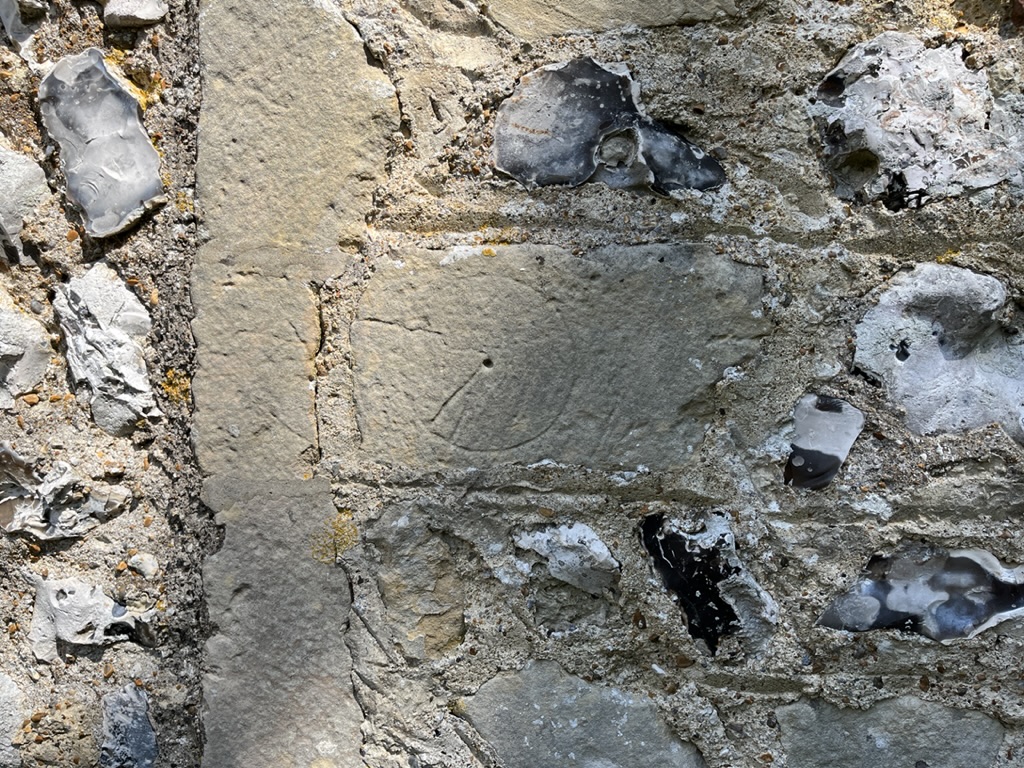
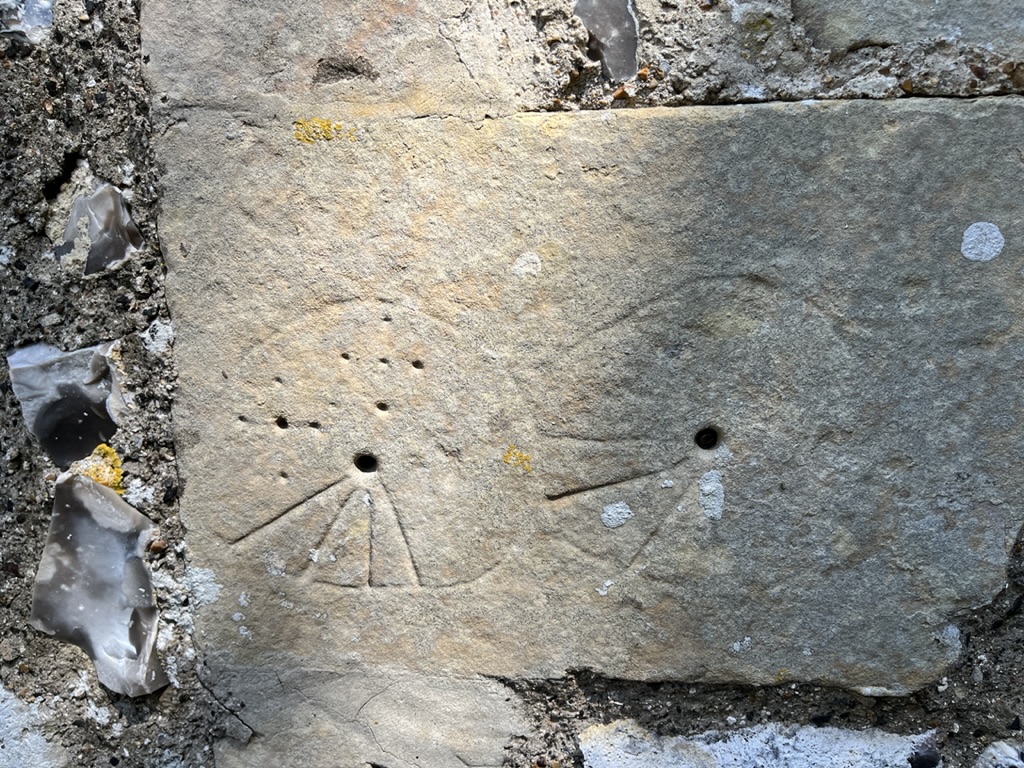
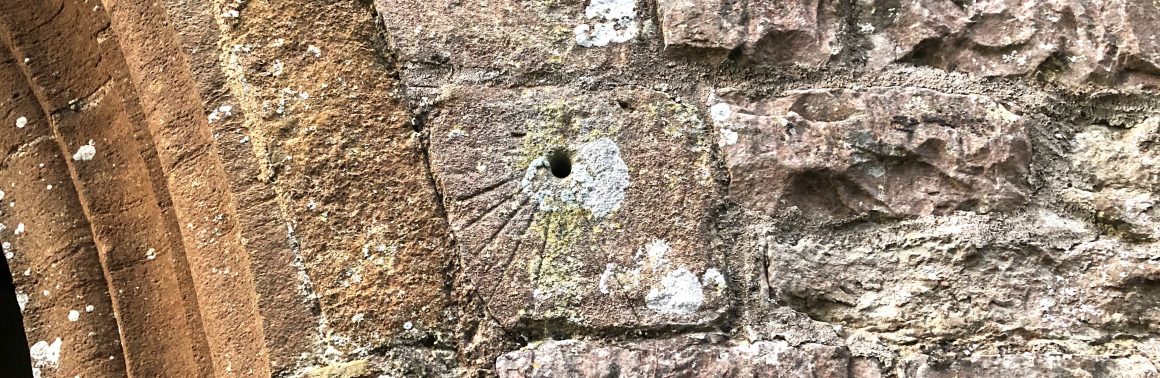
A conundrum. BBS records (1997) show a complex dial, part-encircled and with 10 lines (one extended) and 12 distinct pocks. GLP notes that the continuation of the circumference onto the stone above indicates that the dial is in its original location. He suggests that it may be the remains of a LHS half-circle (cf HOLWELL and HERMITAGE).

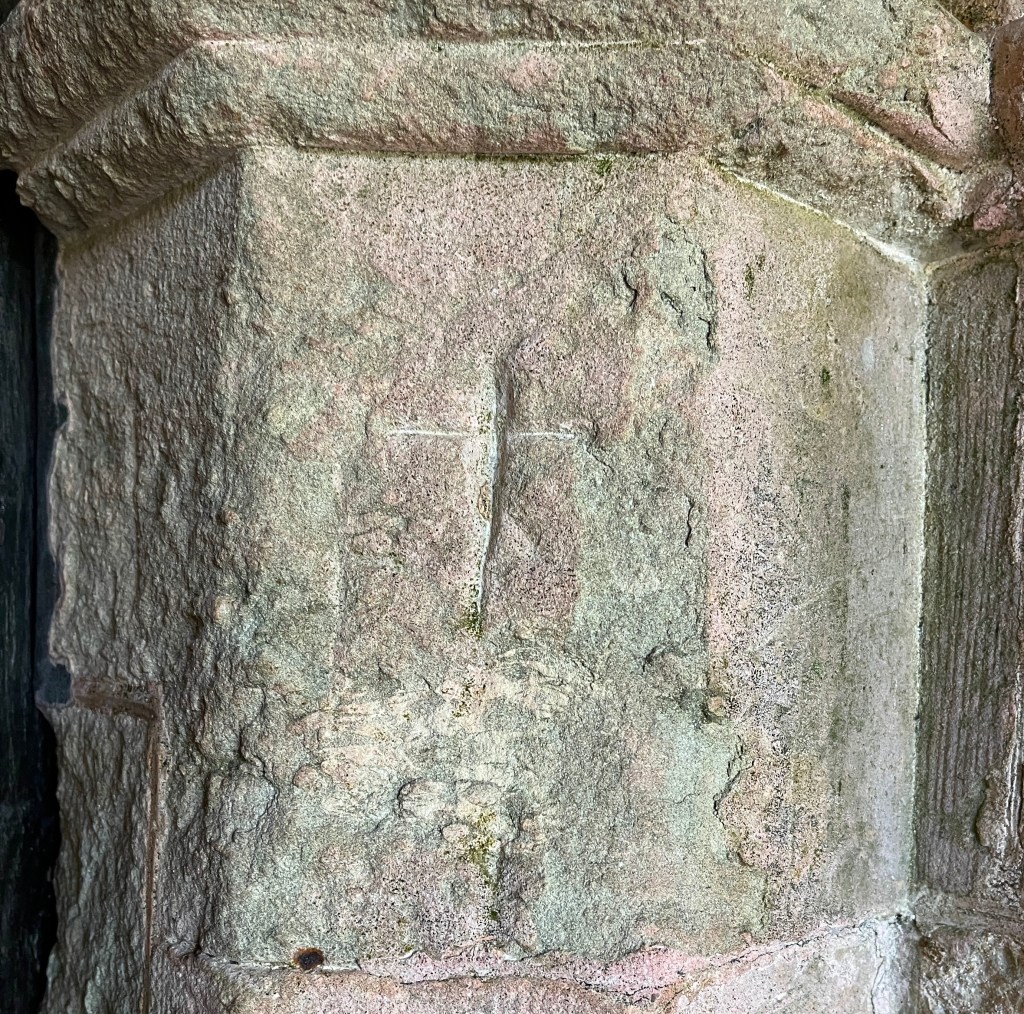
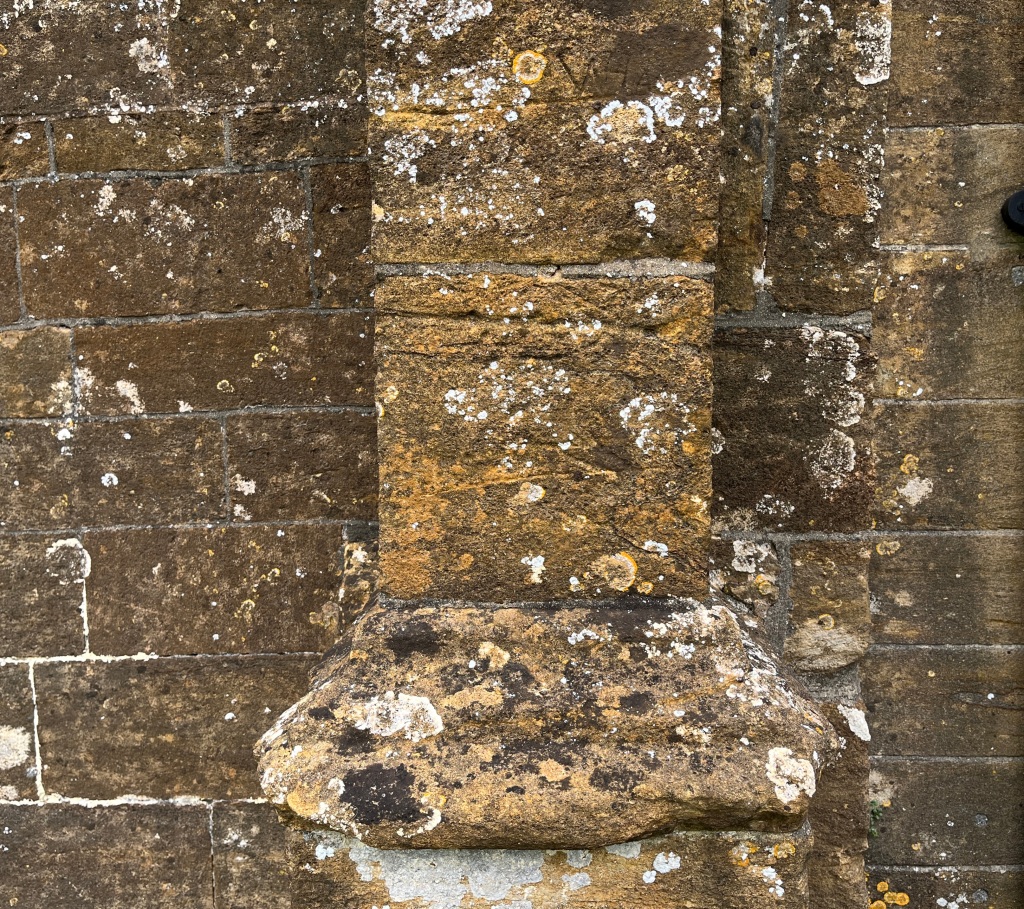
GLP also points out disapprovingly an attempted ‘restoration’ with thin lines scratched along some of the original lines and part of the circumference line… and most of the holes ‘cleaned up’. These lines can be seen in the images below.

However, although a close shot shows the recently added lines, the dial did not reveal the considerable detail shown in the diagram. I am equipped with a camera and a pair of eyes, but (as an amateur) I could not read the S Perrott dial as I had hoped to.
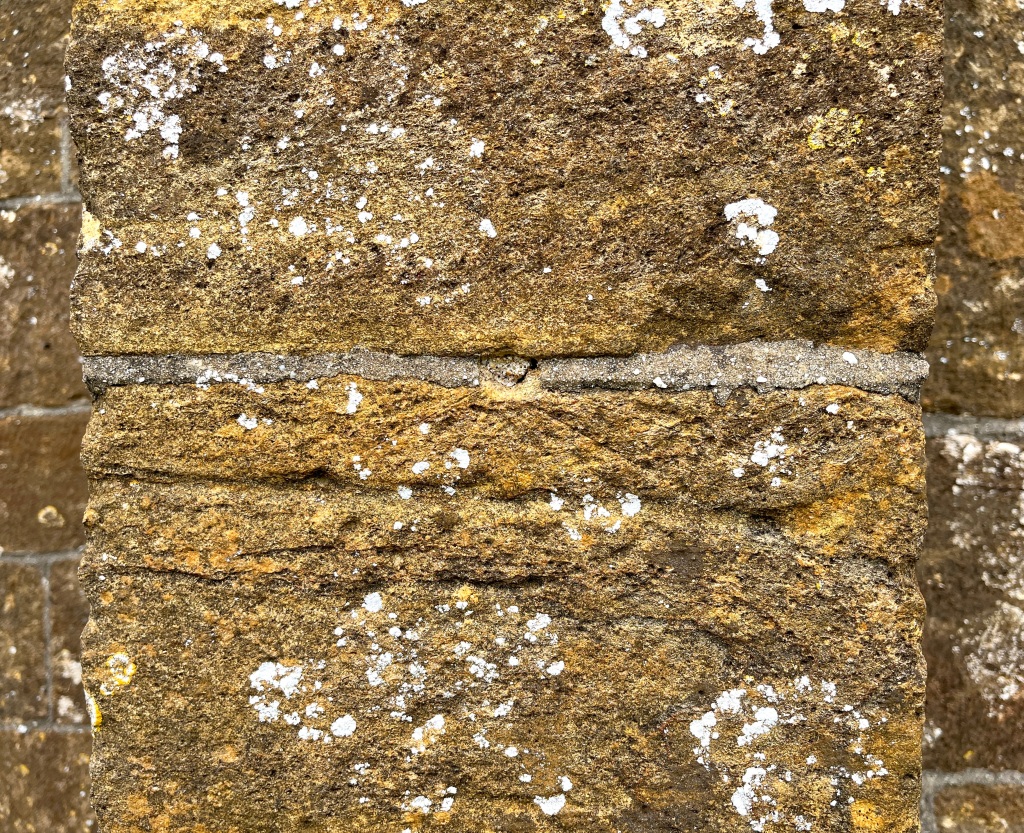
Details of a dial can sometimes be seen more clearly in a B&W photo. It works to a limited extent here, but not enough to bring out, in 2023, the overall design as recorded in the past.
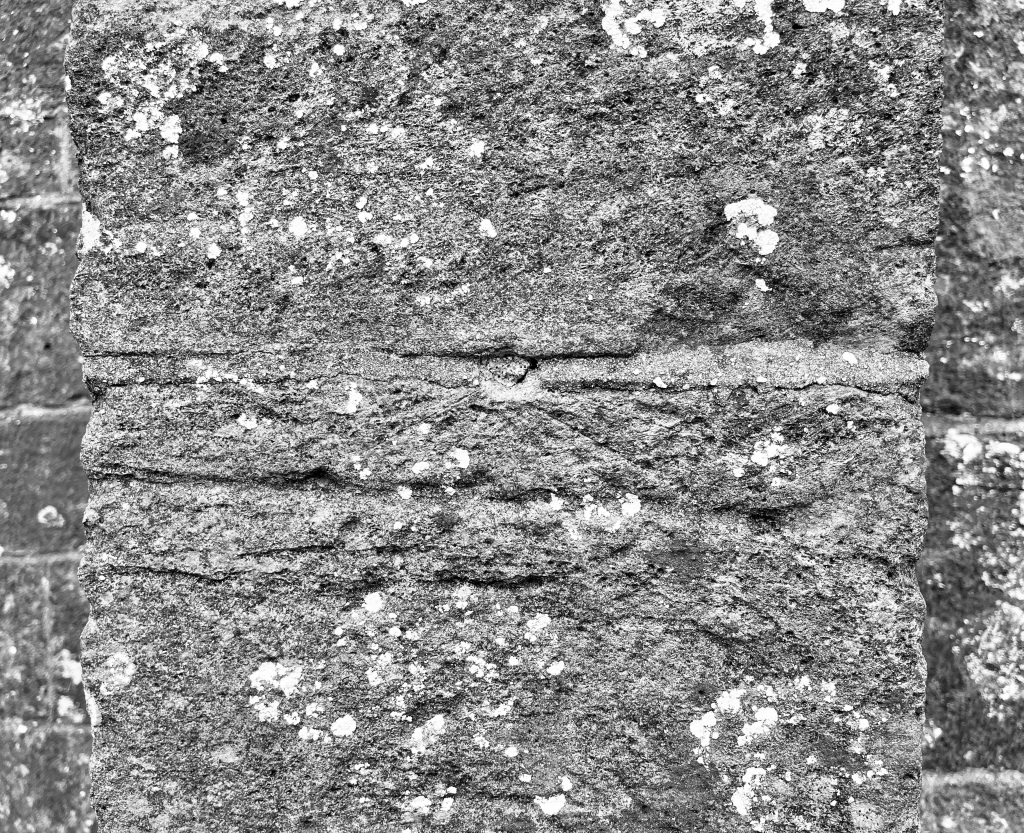
*It is slightly unusual for sources such as BHO, HE, BLB, to acknowledge scratch dials

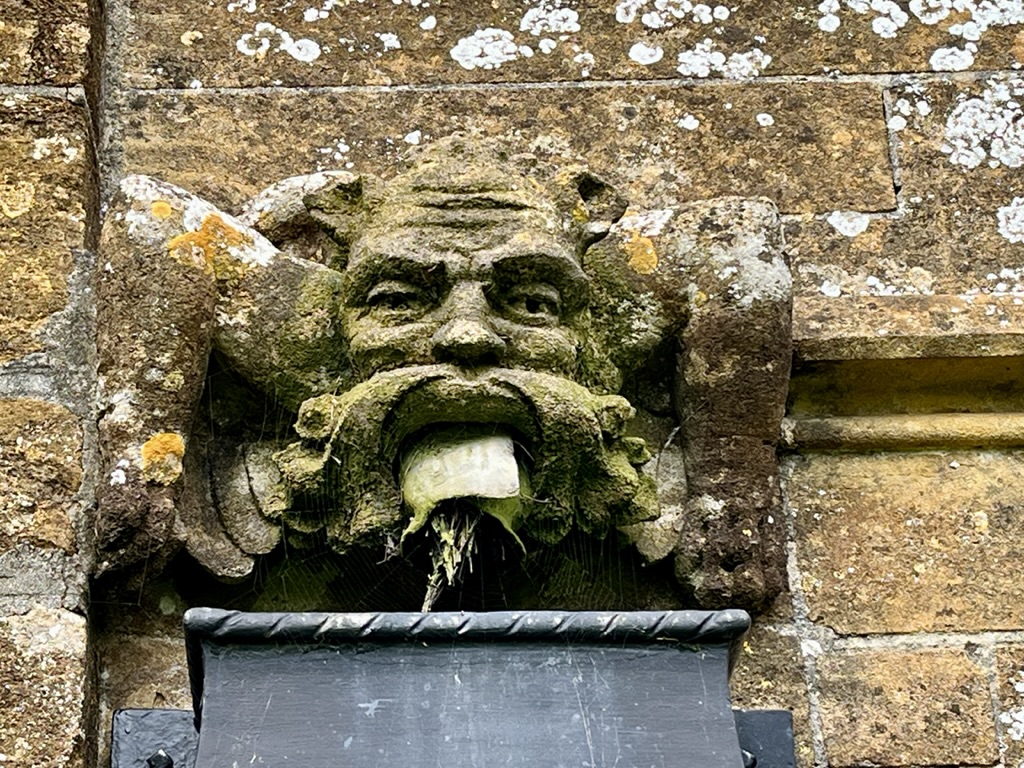
GSS Category: Scratch Dial; Gargoyle

All photos: Keith Salvesen
BURCOMBE . WILTS . ST JOHN – Scratch Dial; Vertical Dial

St John . Burcombe . Wilts

ST JOHN . BURCOMBE WITHOUT (N Burcome) . WILTS

GRADE II* Saxon origins (vestiges still visible); C13, C15; rebuilt tower 1667 (unusually, lower than the nave roof-line); restorations (Wyatt). Split from Burcombe village (S Burcombe) by A30 and hard to find. St John is the sole remnant of N Burcombe. Declared redundant 2005. I could not gain entry. 5m W of Salisbury. 51.0798 / 1.8971 / SU073311

DIAL

St John . Burcombe . Wilts – Scratch Dial

The Burcombe dial is a slight secret, mentioned in TWC‘s Wiltshire dial list but not elsewhere that I can see. St John is also hard to find: check the location carefully before you try. This is a pretty dial, a messy mix of lines and pocks below the horizontal. The noon line – usually an eye-catcher – is upstaged by lines with varying degrees of curve and pocking. It’s hard to interpret, but the two ‘raking light’ photos add a bit of perspective.

St John . Burcombe . Wilts – Scratch Dial

VERTICAL DIAL

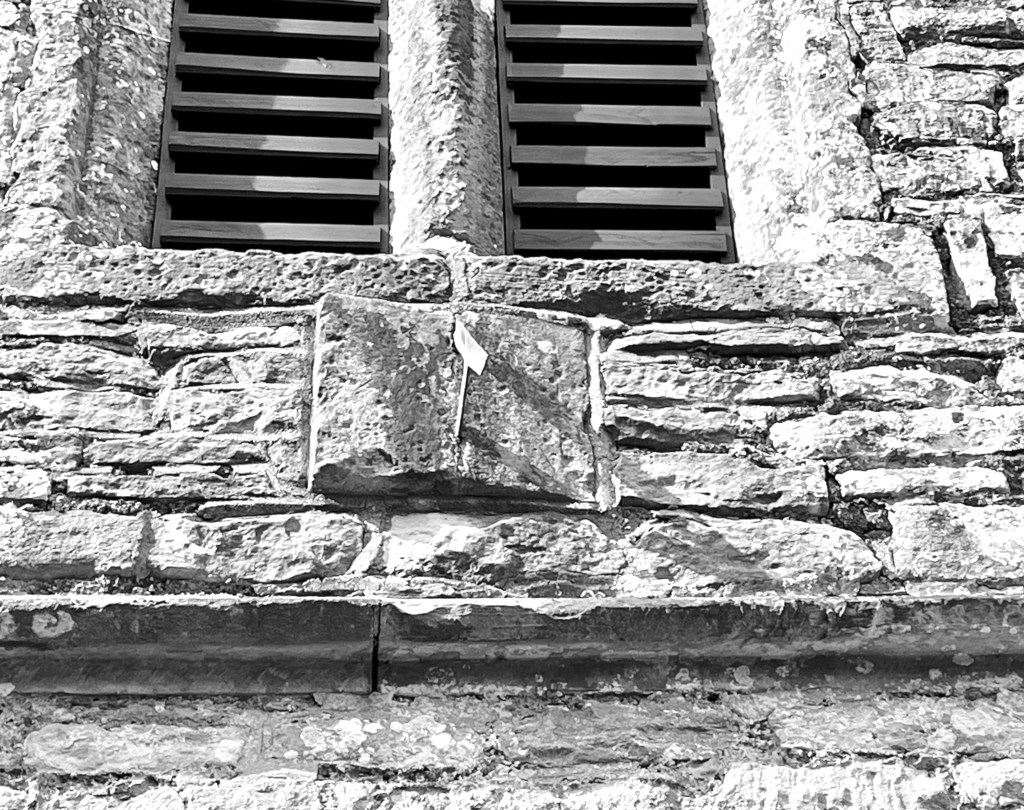
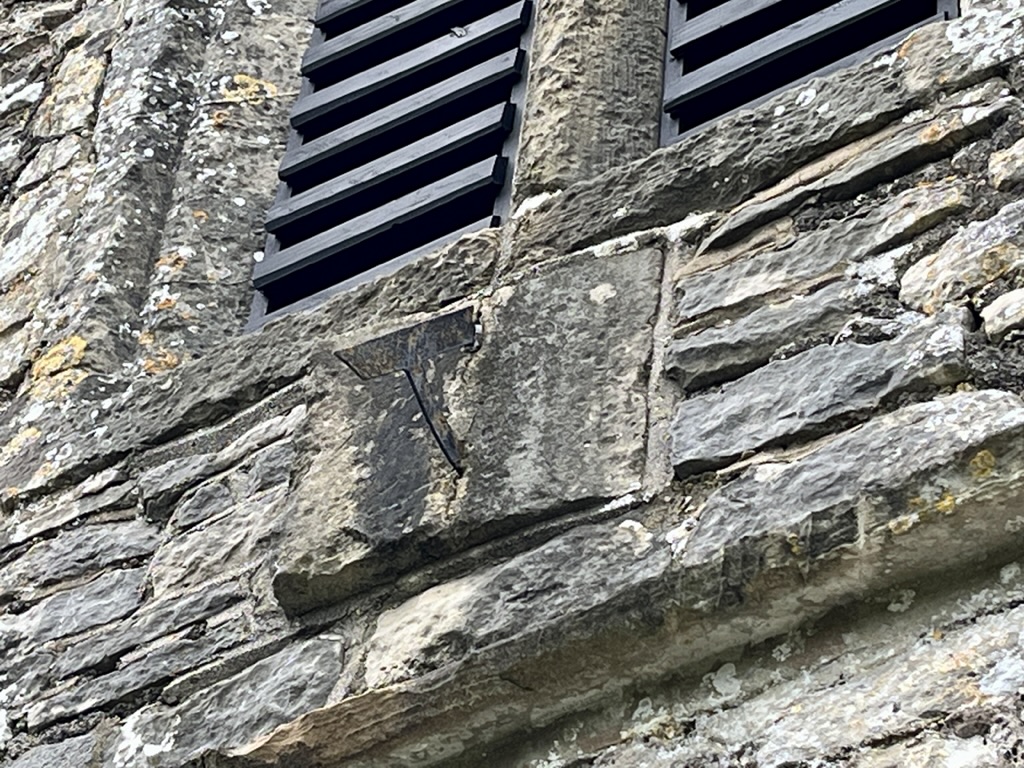
St John . Burcombe . Wilts – Vertical Dial

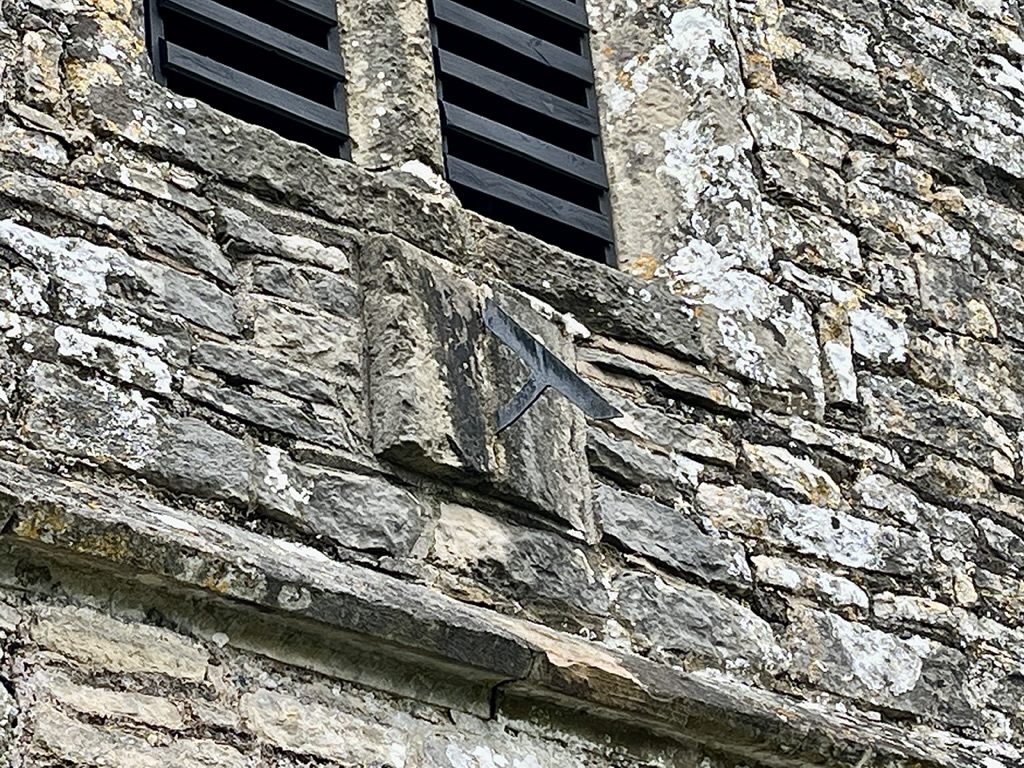
St John also has a canted vertical dial above the porch, with a pleasingly robust gnomon. It fits in with the stonework around it and looks old. However any details on the dial face have been eroded. Unfortunately I didn’t have a proper camera with me to check closely for lines etc. but I wouldn’t expect revelations.

Quaere placename – a mapping mistake

In the early 17th century, when John Speed prepared a map of Wiltshire he copied a version by Christopher Saxton, which showed but did not name North Burcombe. On his own map, Speed labelled the village Quaere (Latin for query), presumably because he intended to check the name later, but never did, and his engraver copied the annotation as if it were the village’s name. Later map printers in turn copied Speed’s map and ‘Quaere’ appeared on maps of Wiltshire for 145 years until Emanuel Bowen corrected the mistake in his 1755 map of the county. (WIKI)

GSS Category: Scratch Dial; Vertical Dial

All photos: Keith Salvesen
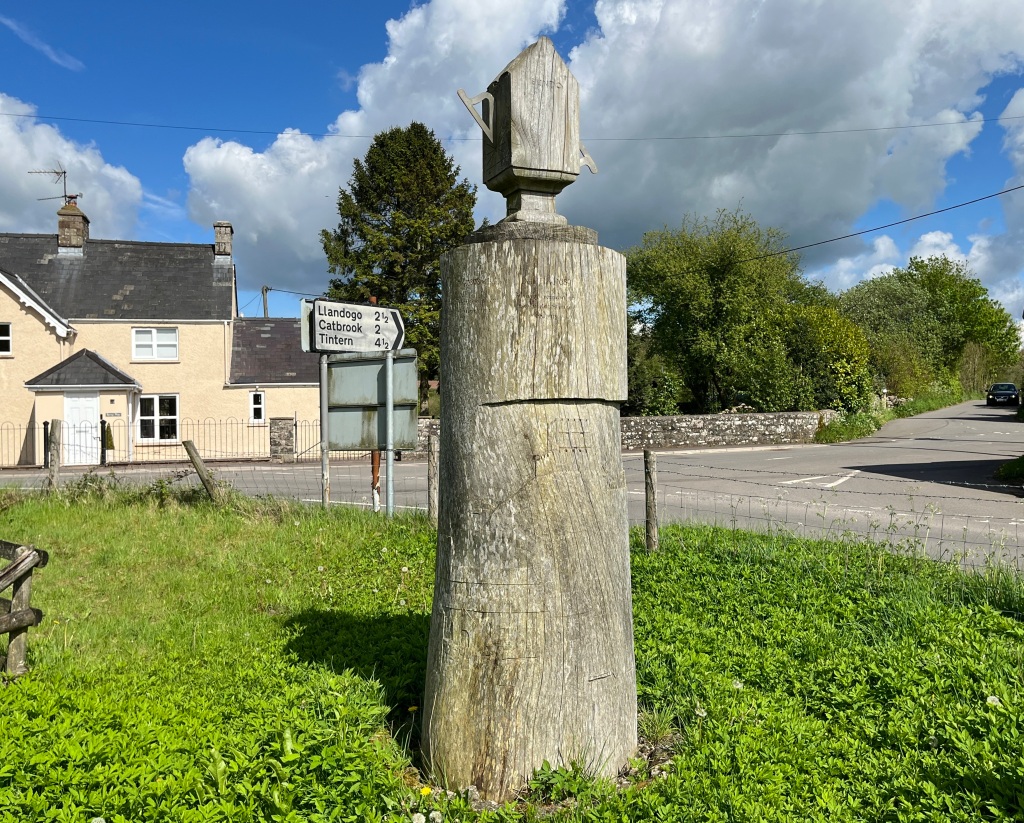
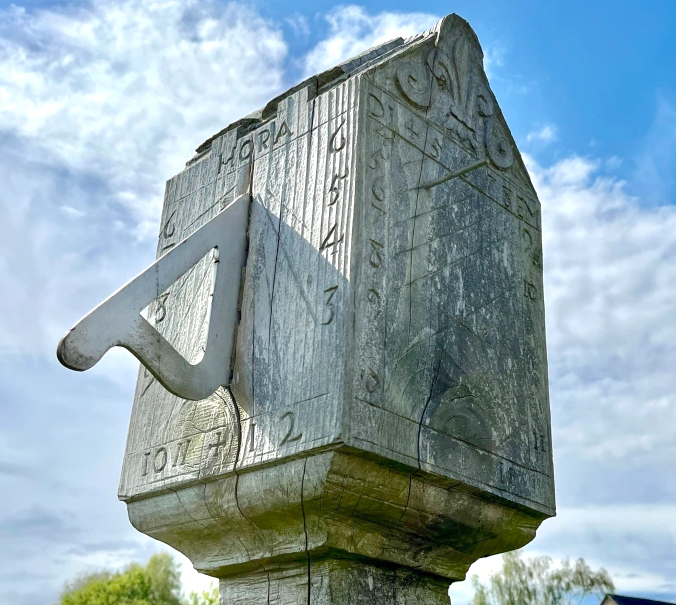
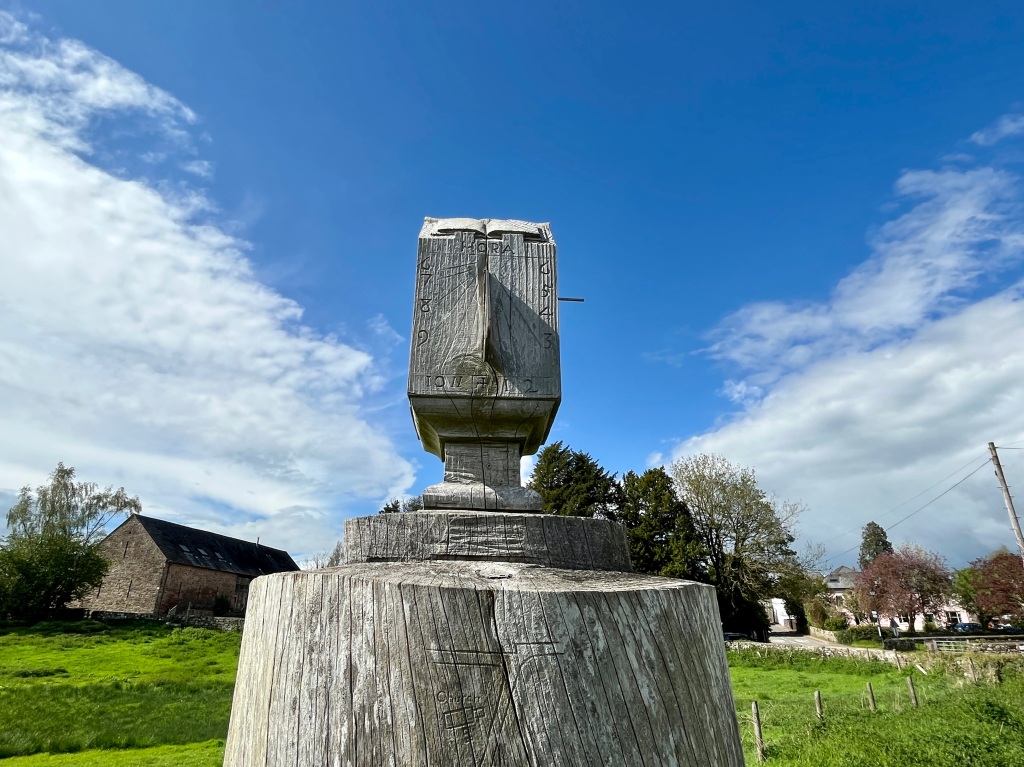
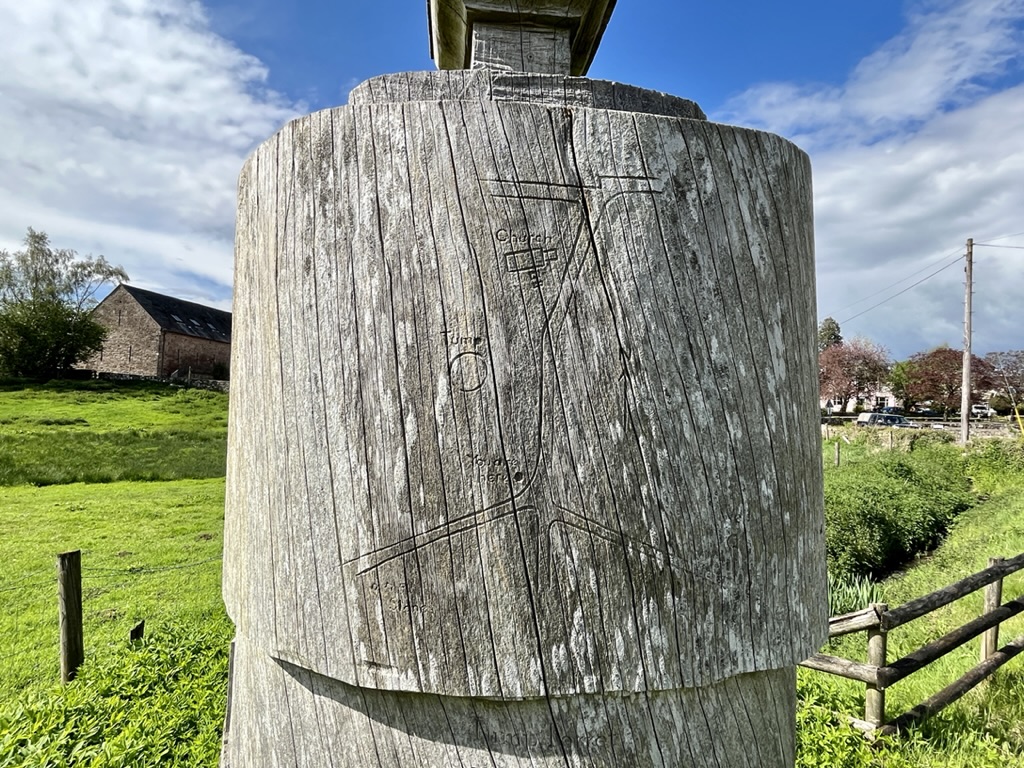
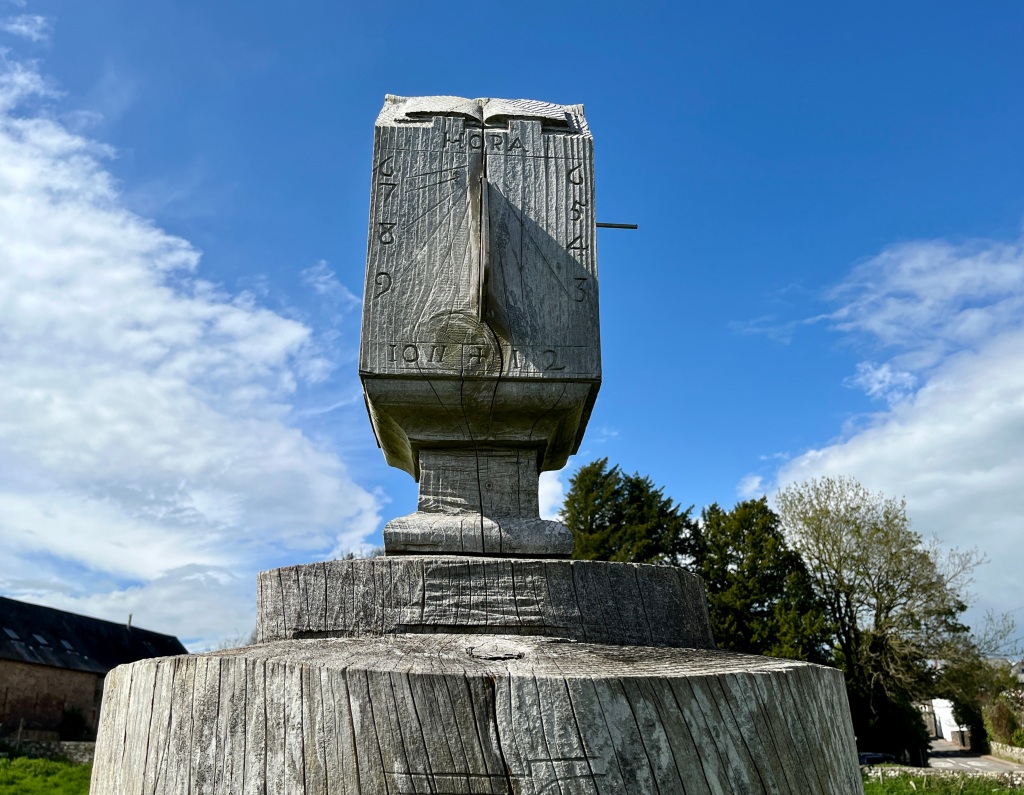
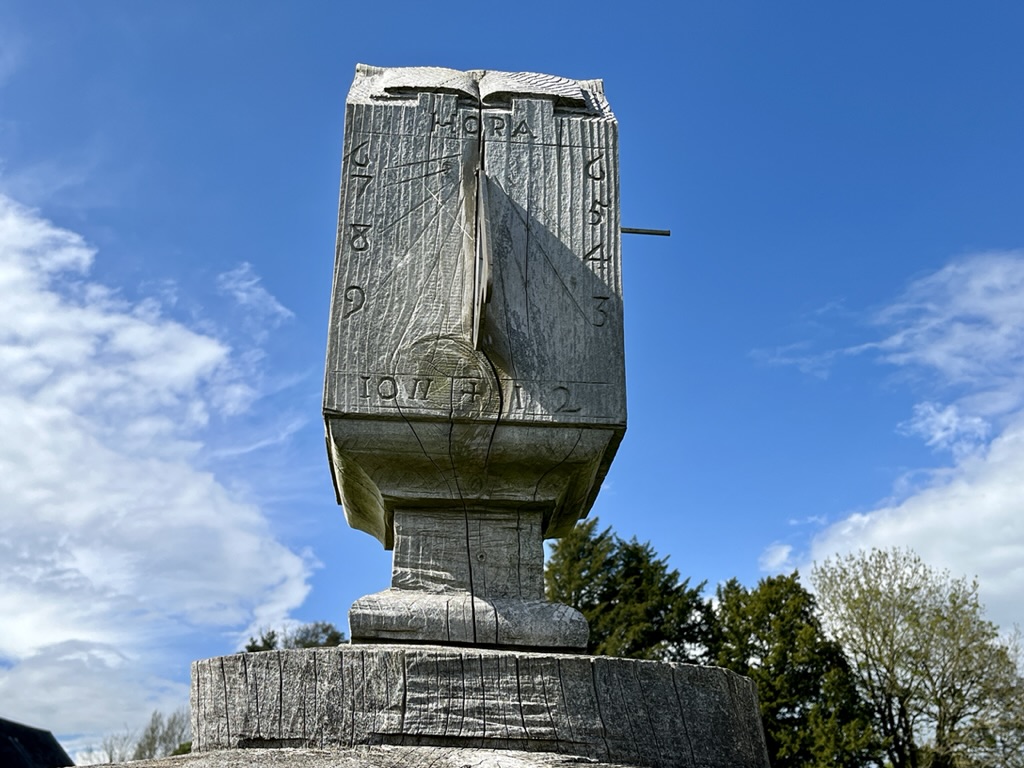
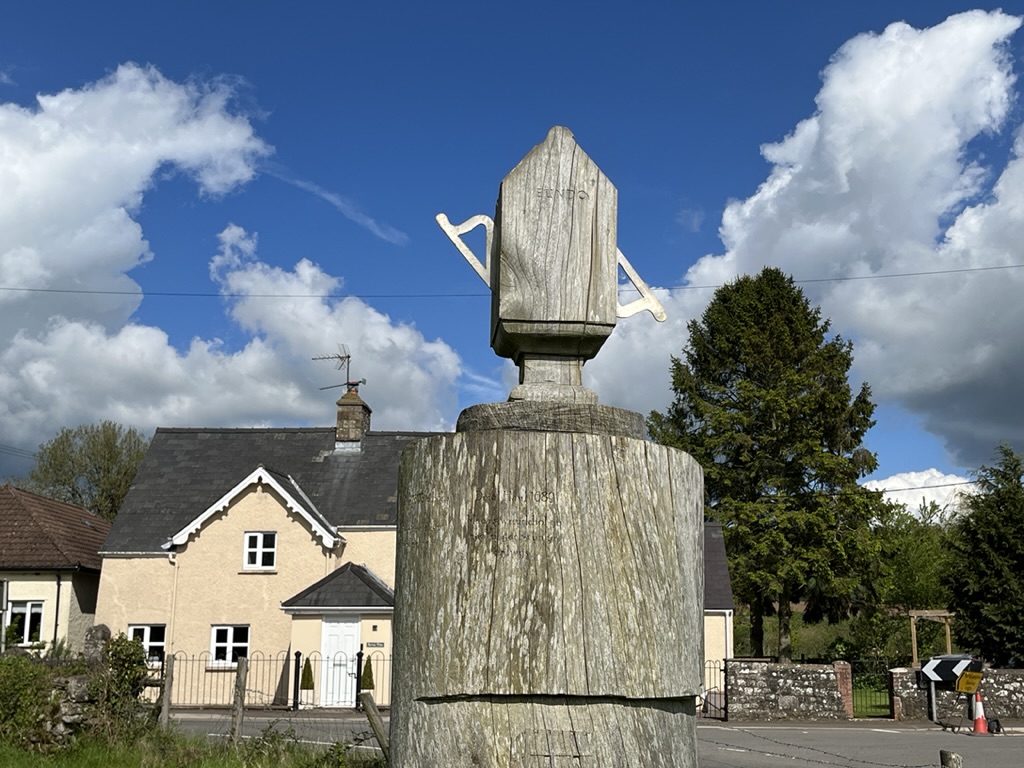
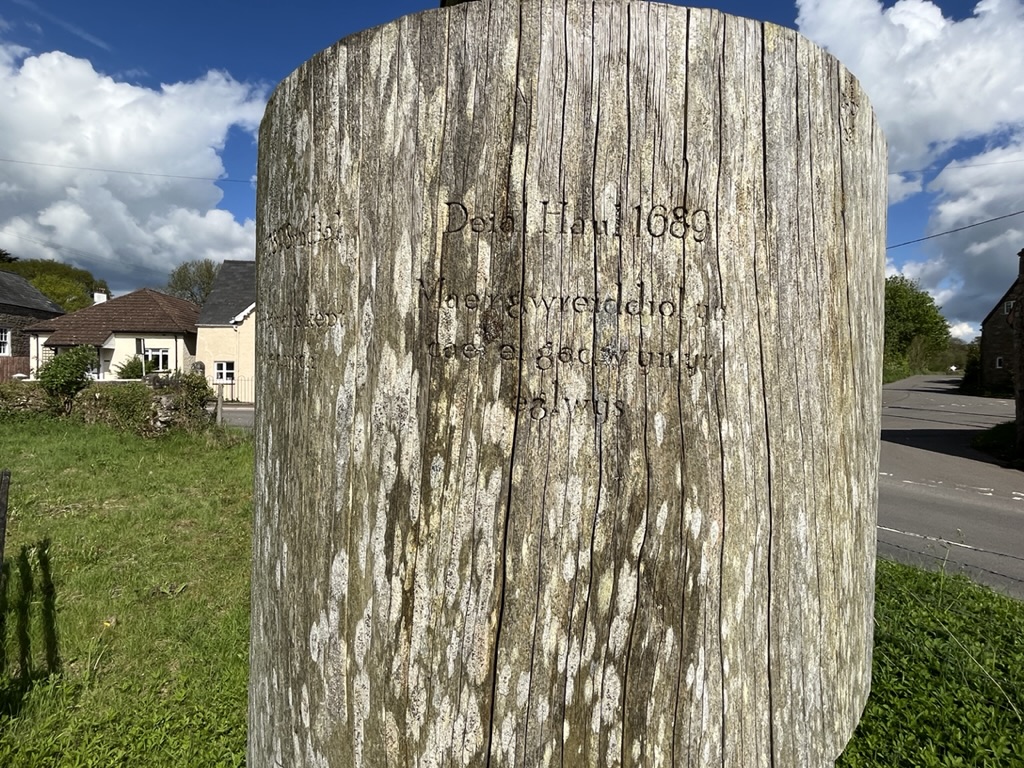
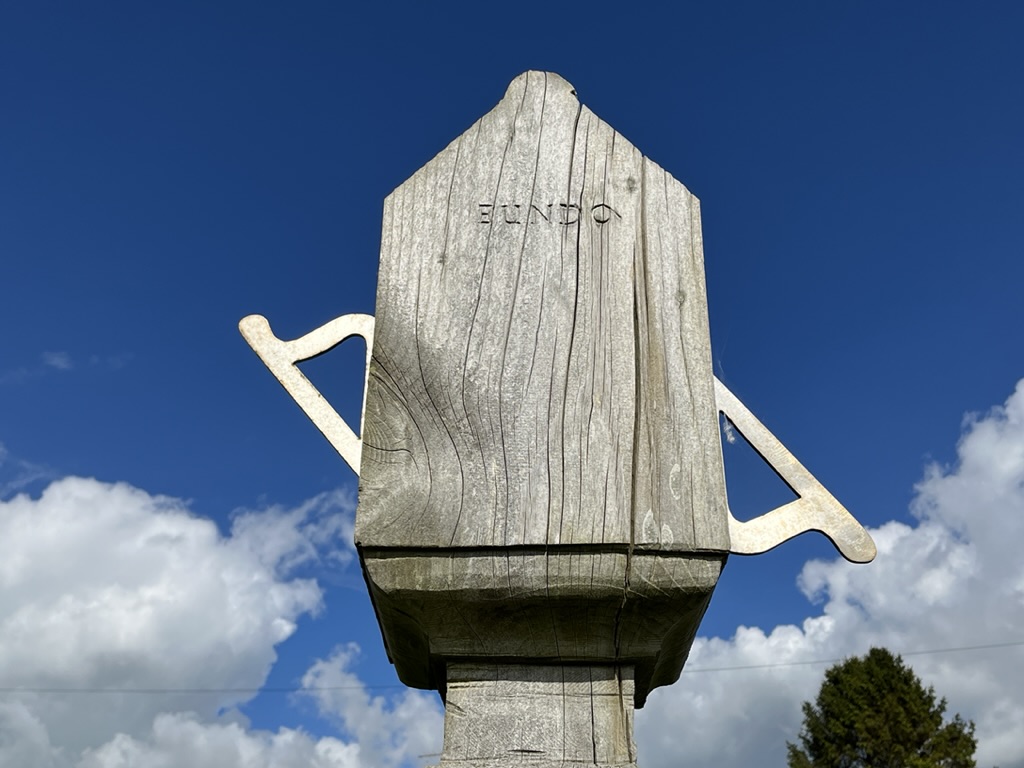
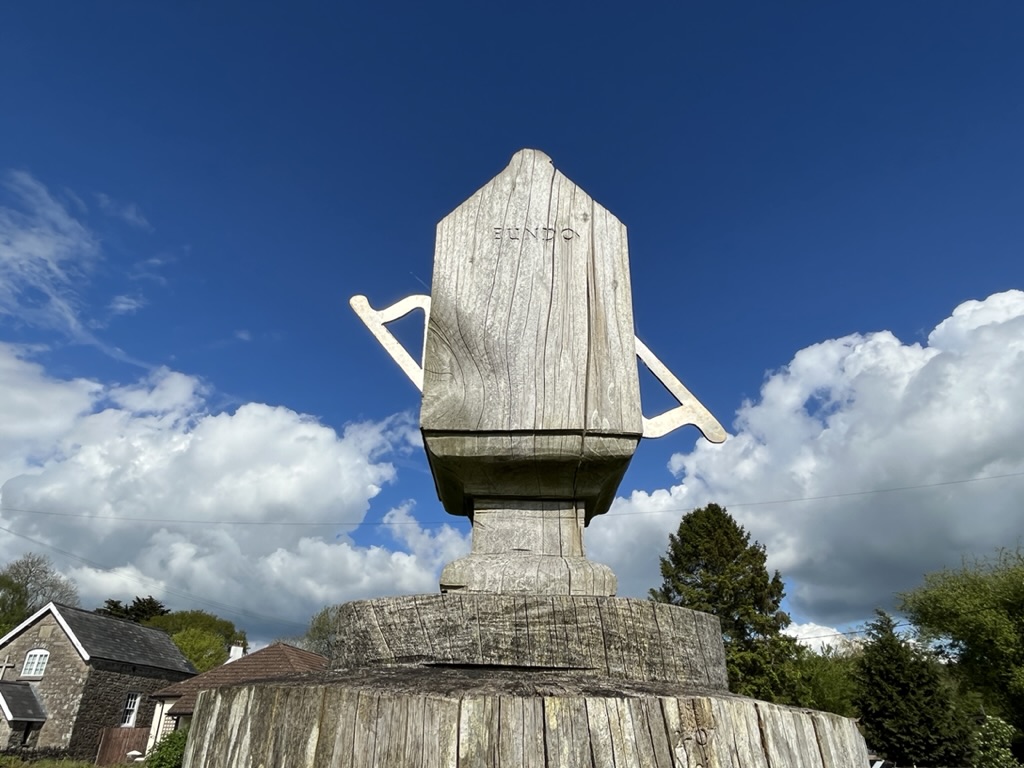
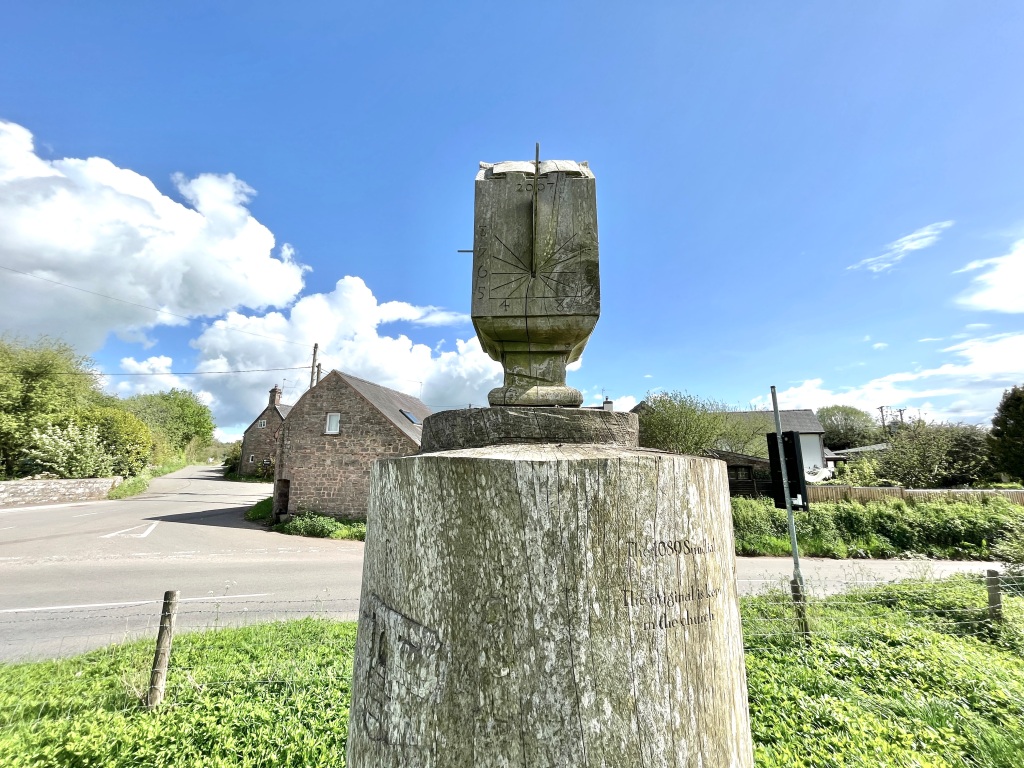
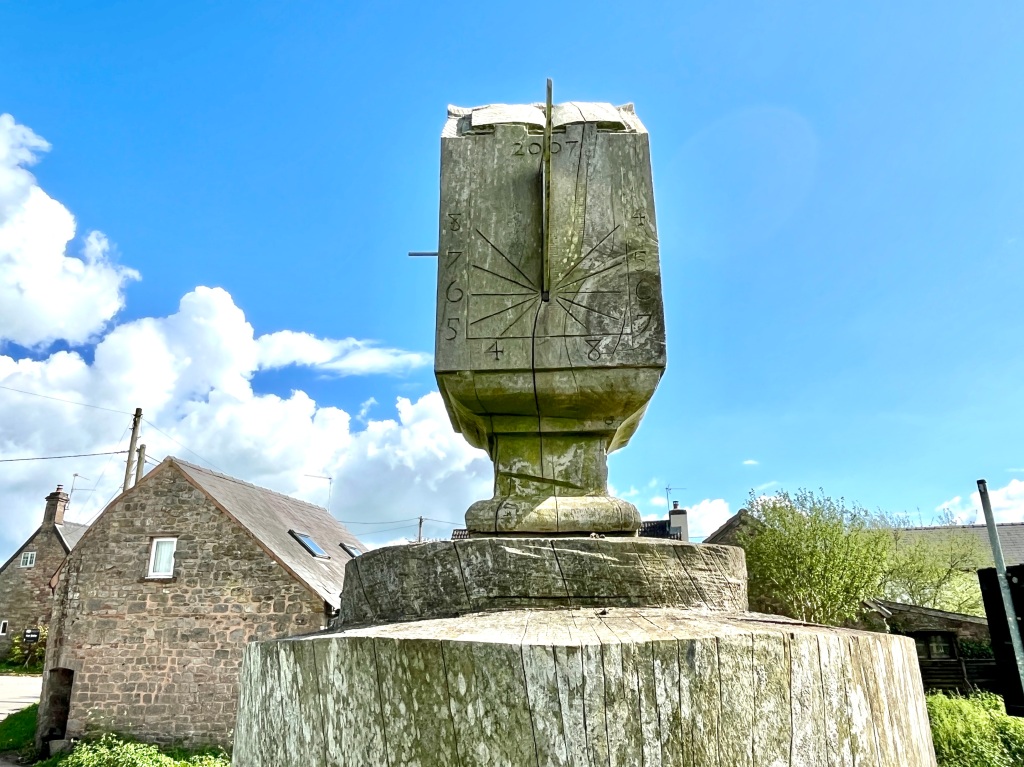
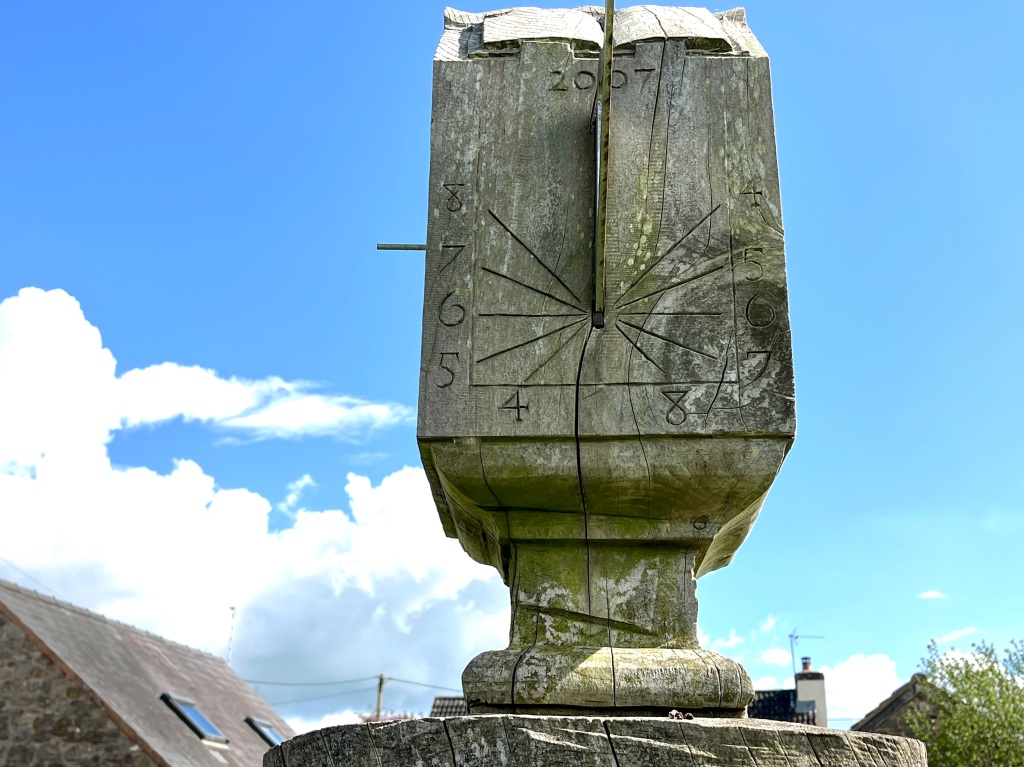
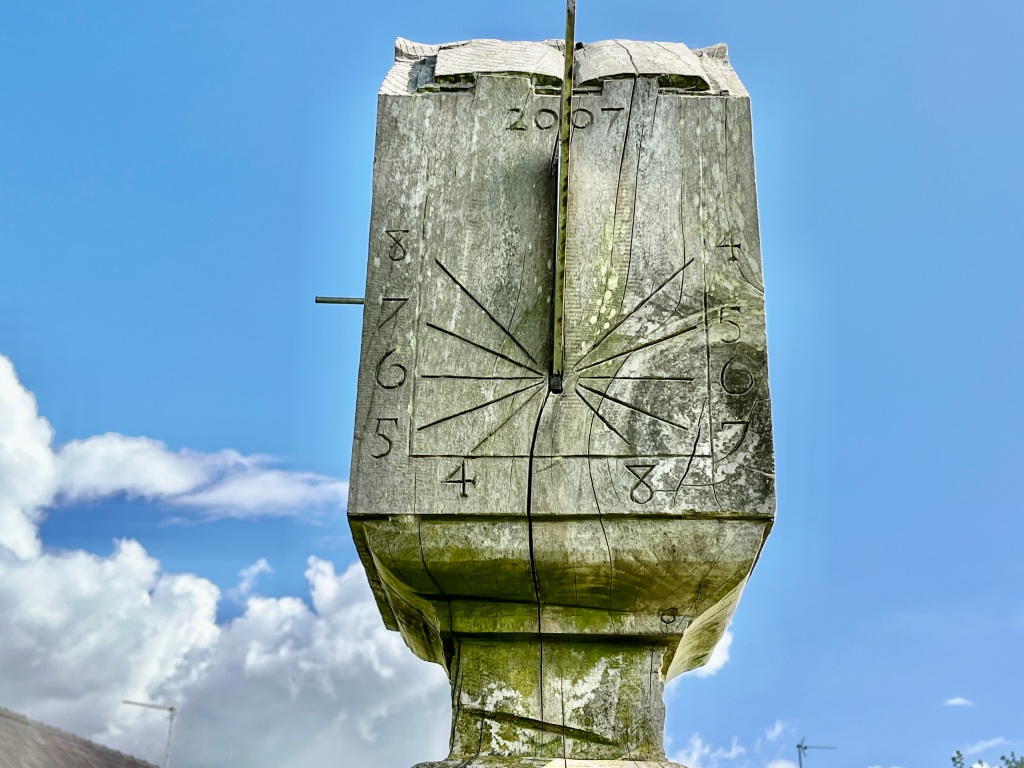
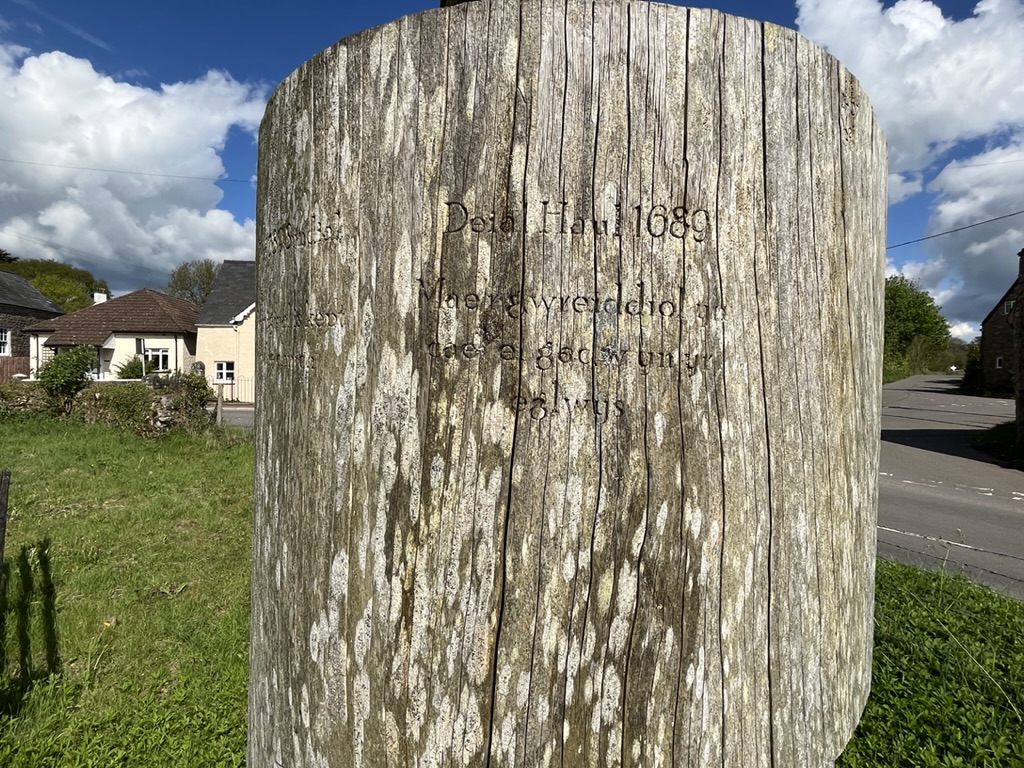
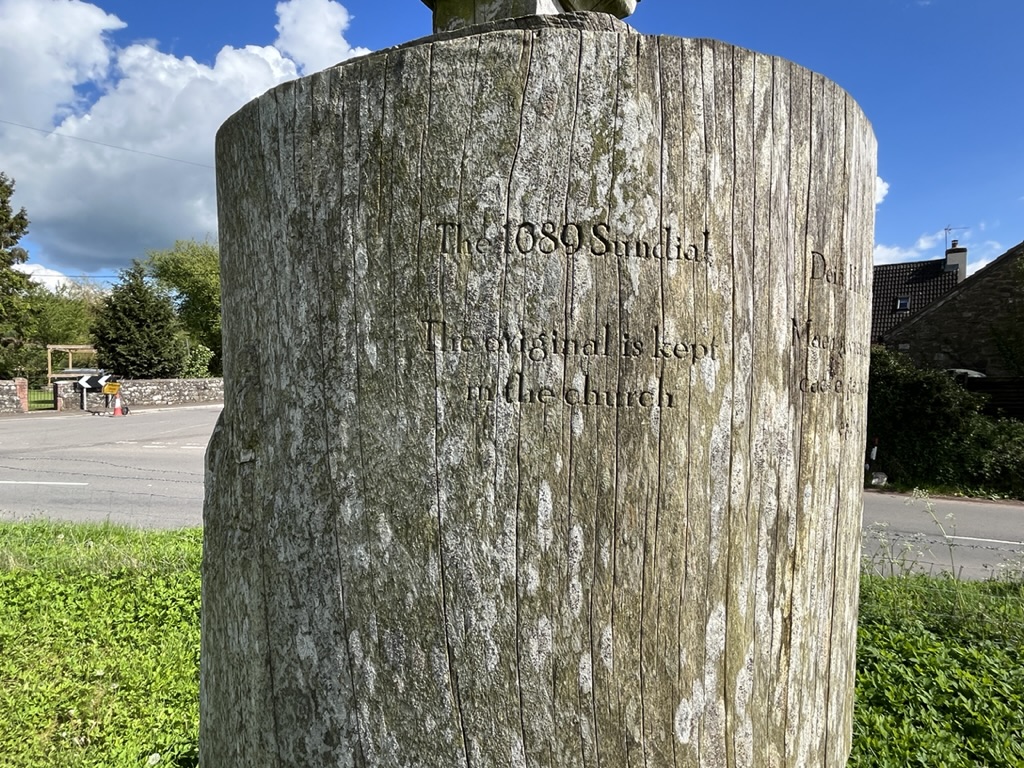
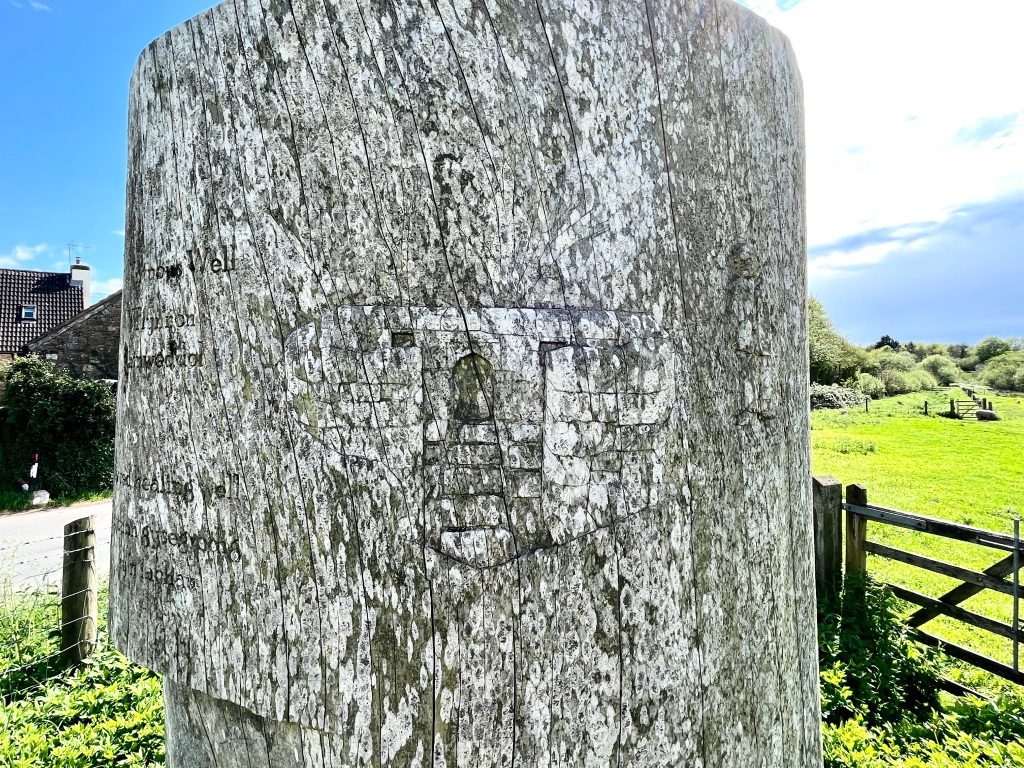
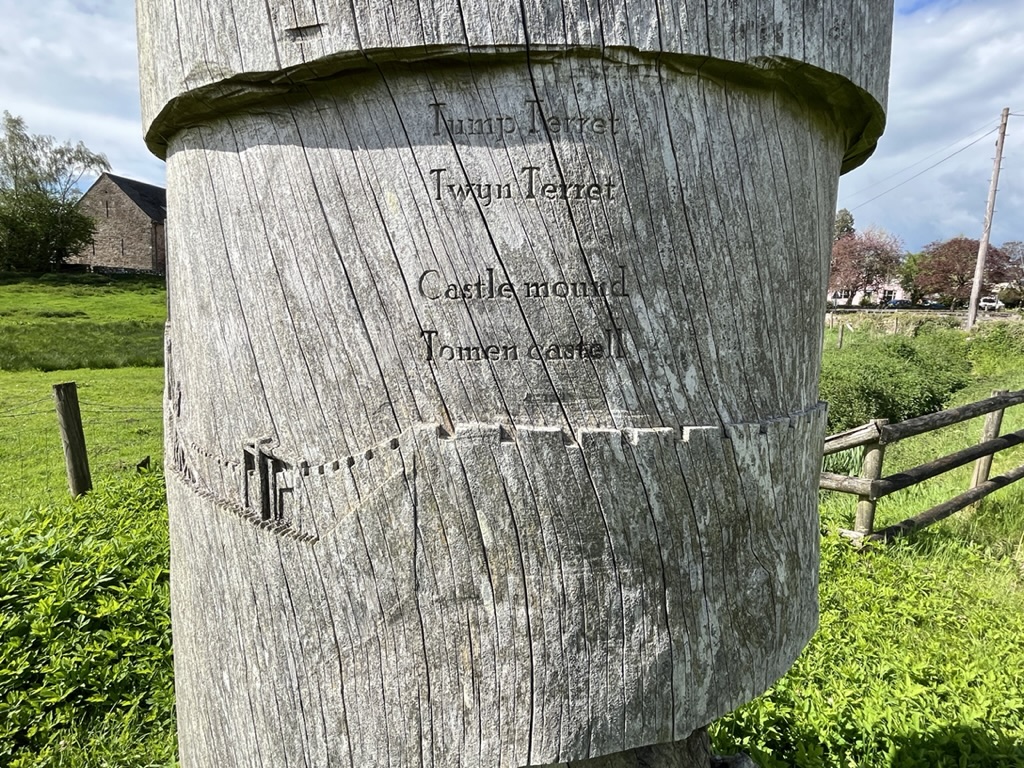
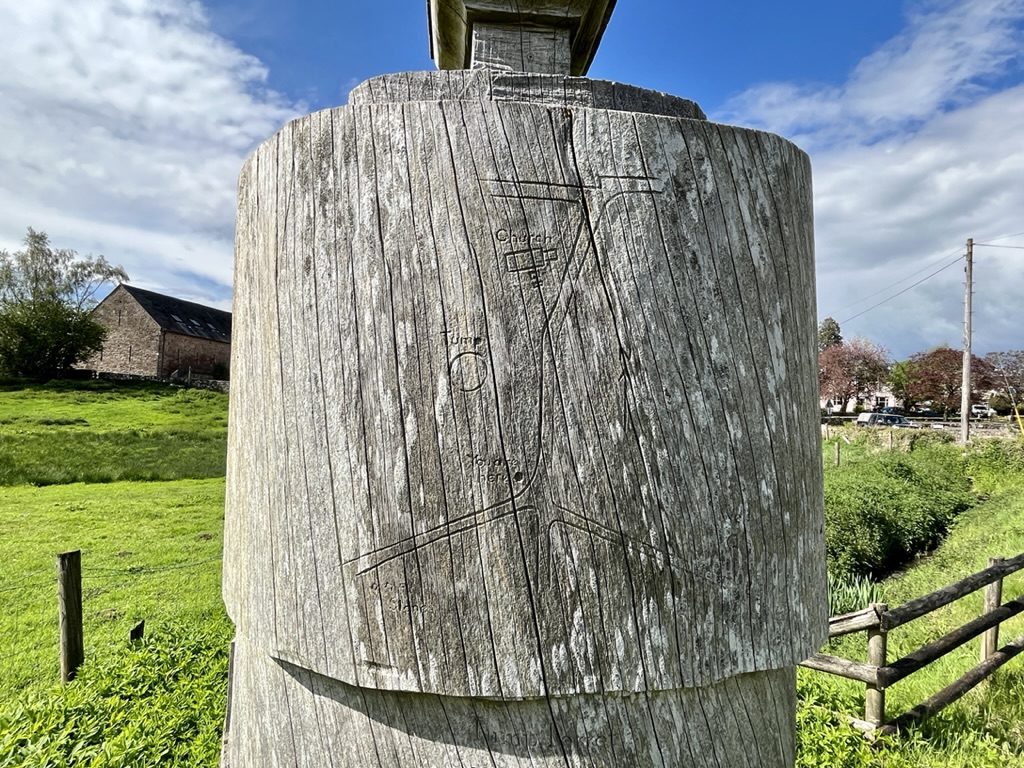
TRELLECH . MON . ST NICHOLAS – Lady Probert’s dial 1689 (pt 2): a fine wooden replica (2007)

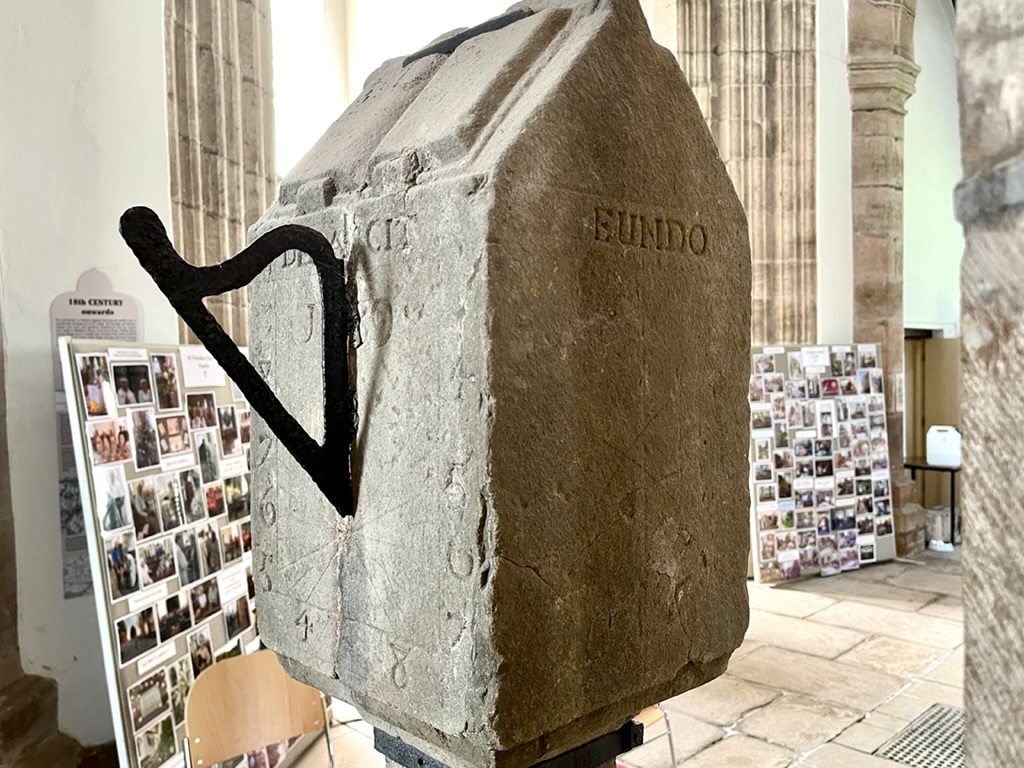
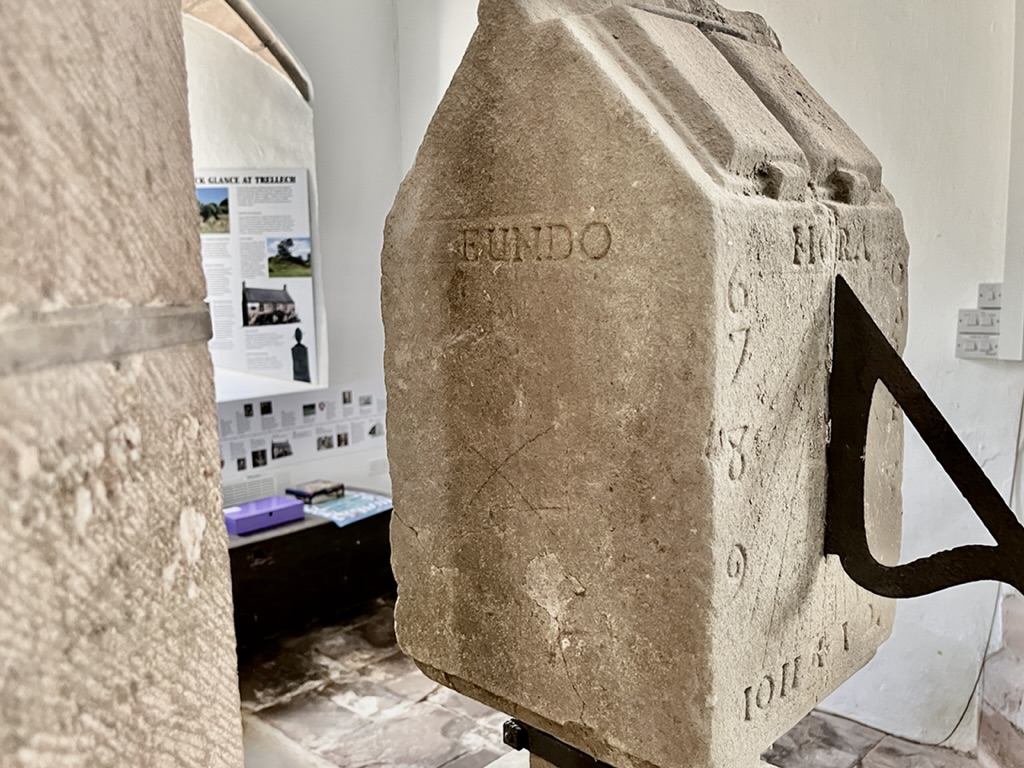
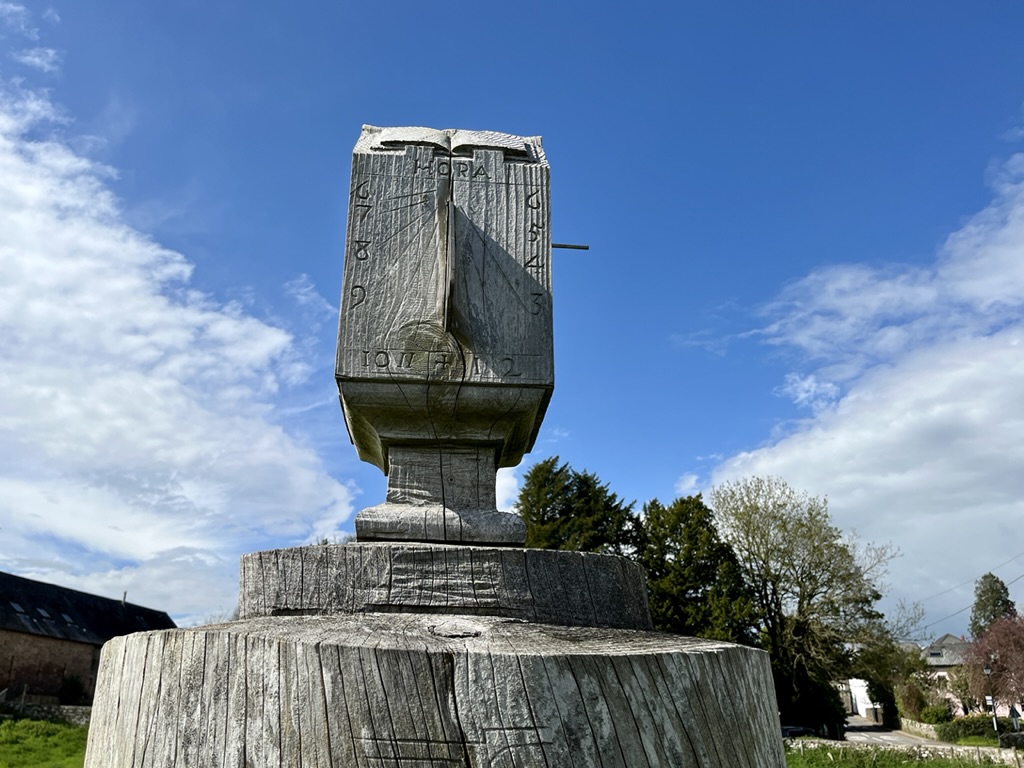
St Nicholas . Trellech . Mon – Cube Multidial

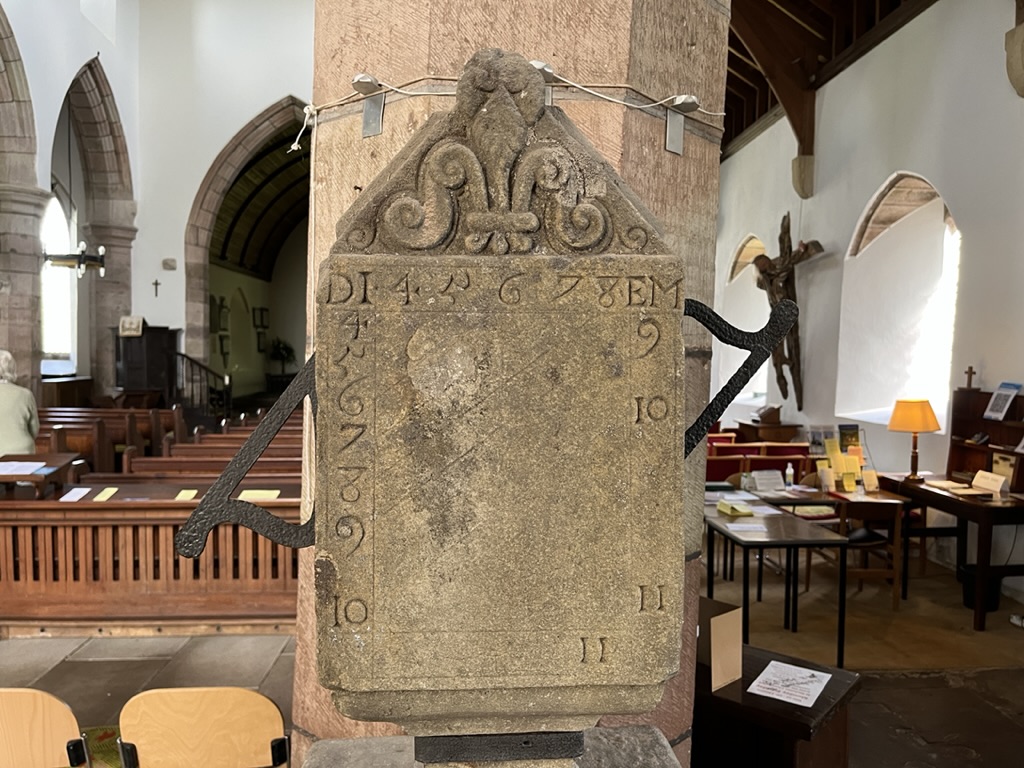
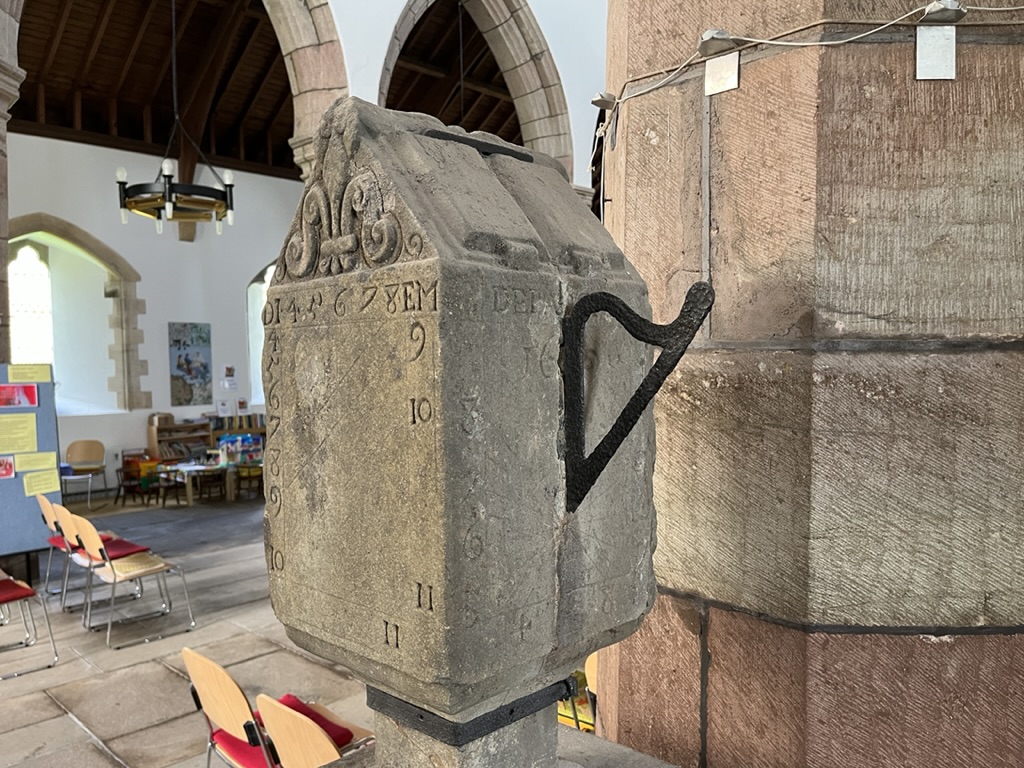
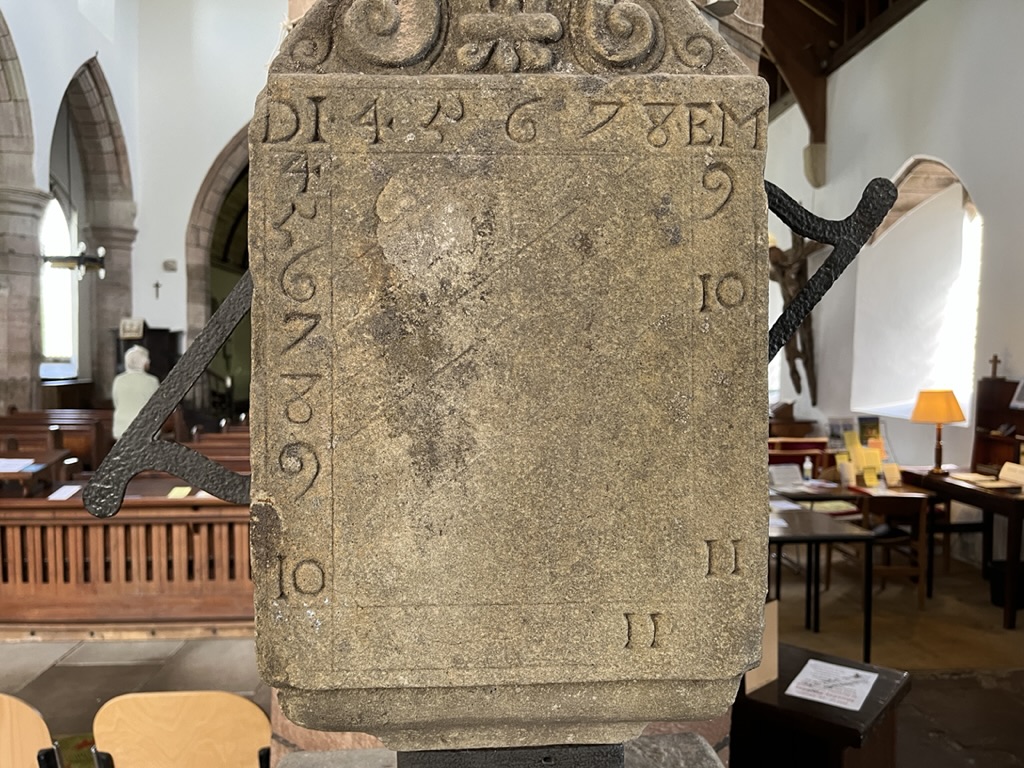
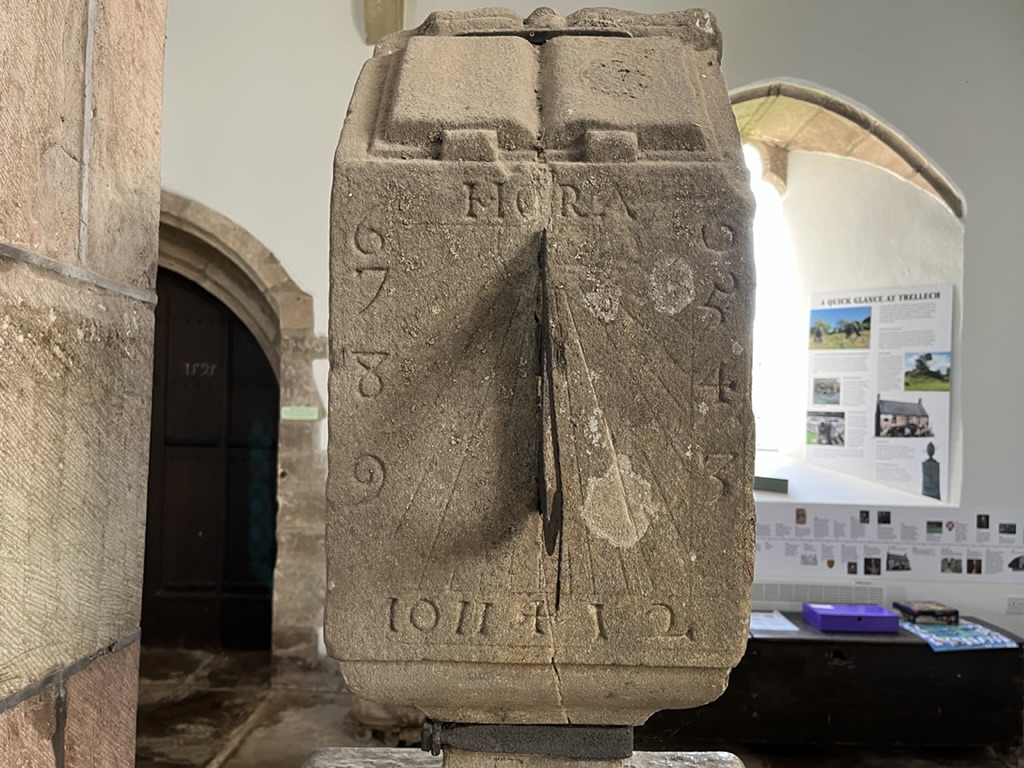
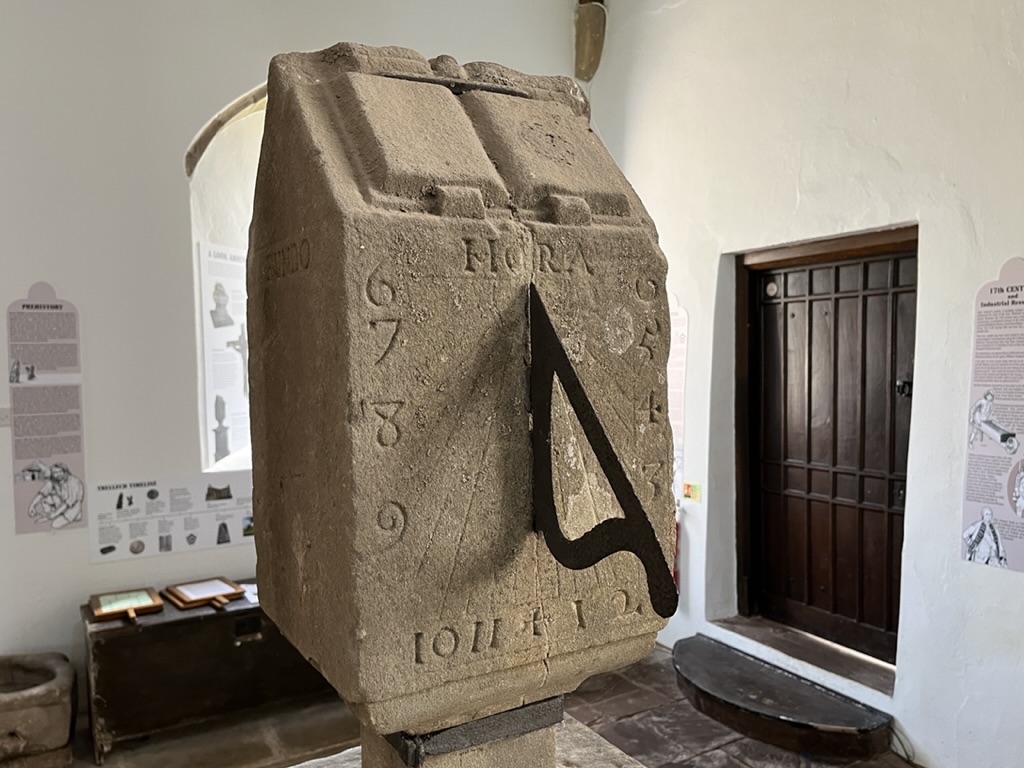
This post relates directly to its companion in Pt 1. Both articles feature the remarkable cube dial dated 1689, now preserved inside the Grade I listed church of St Nicholas, Trellech, Monmouth – the original and a fine recent (2007) wooden replica. You can find images of the original dial and each of its faces, with detailed descriptions, HERE. The location is 5m S of Monmouth 51.7459 / -2.725 / SO500054

DIAL . 2007

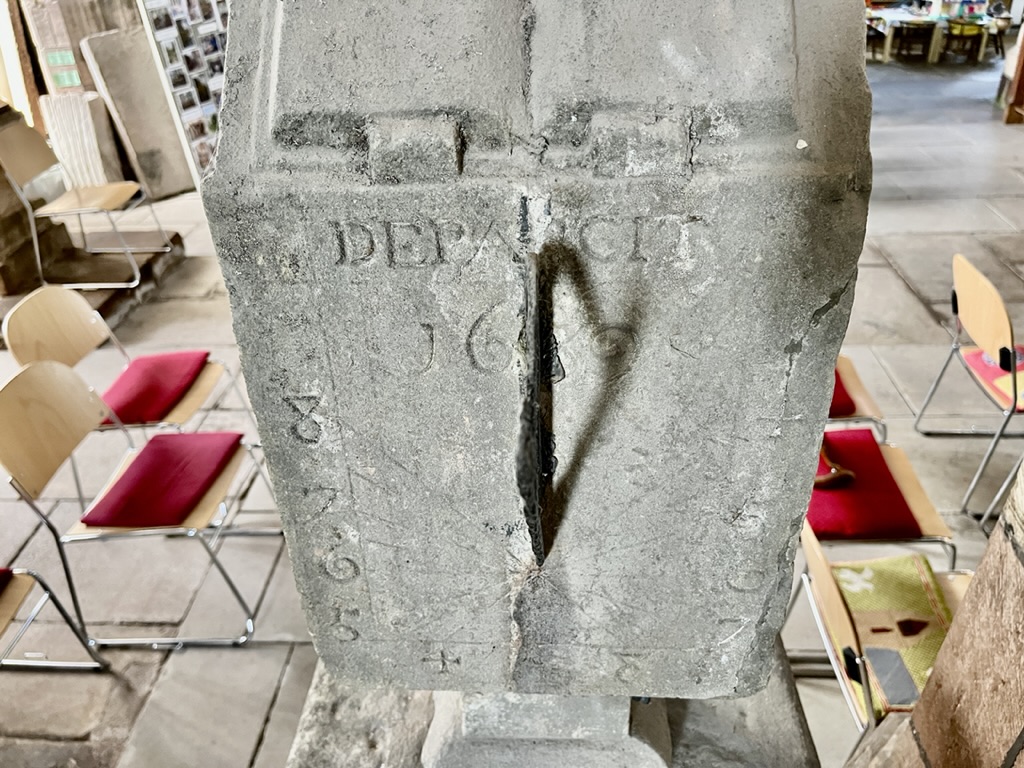
The images of Face 4 below illustrate a frequent experience with cube dials. Invariably, prevailing conditions preclude more than 3 faces being properly photographed. One face will always frustrate all attempts to get a decent photo. Furthermore, it is very difficult to improve a poor photo – it just becomes a different kind of poor. Quite often the only answer is to make the image B&W to catch detail .With apologies, this is what has emerged from the darkroom.

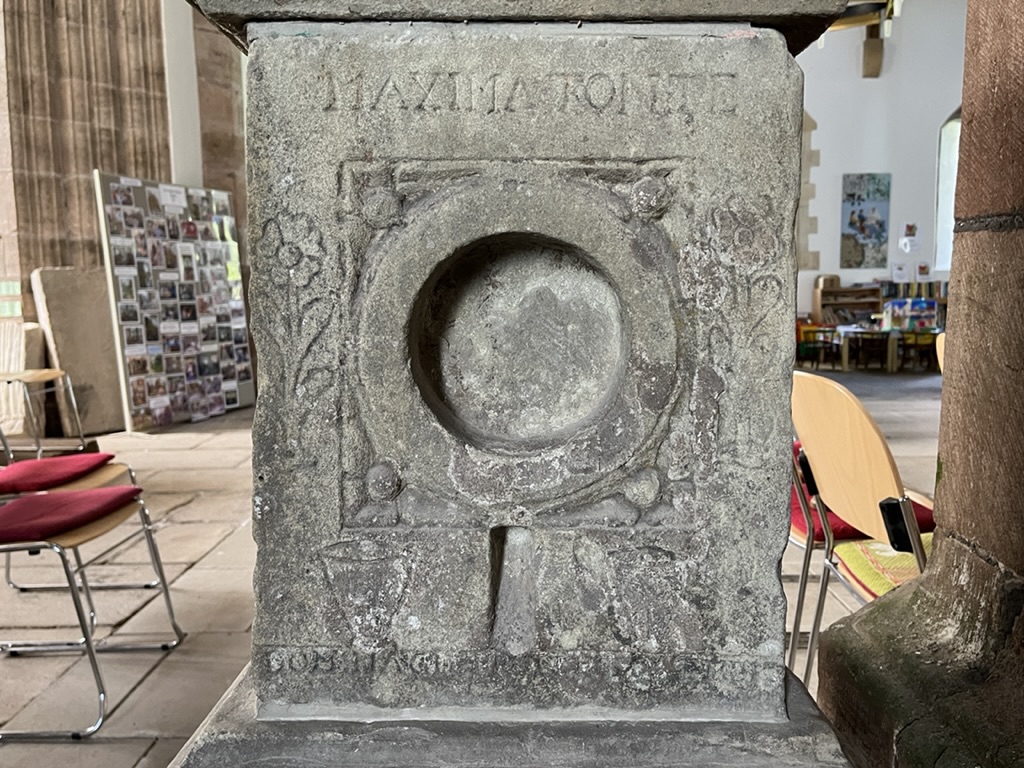
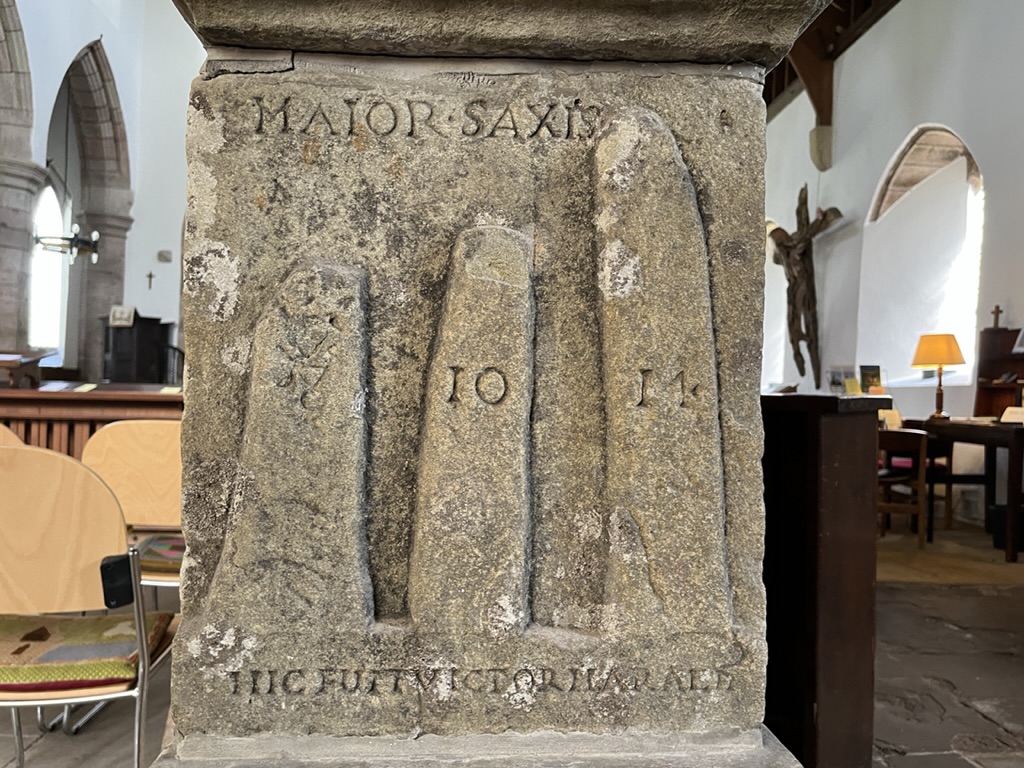
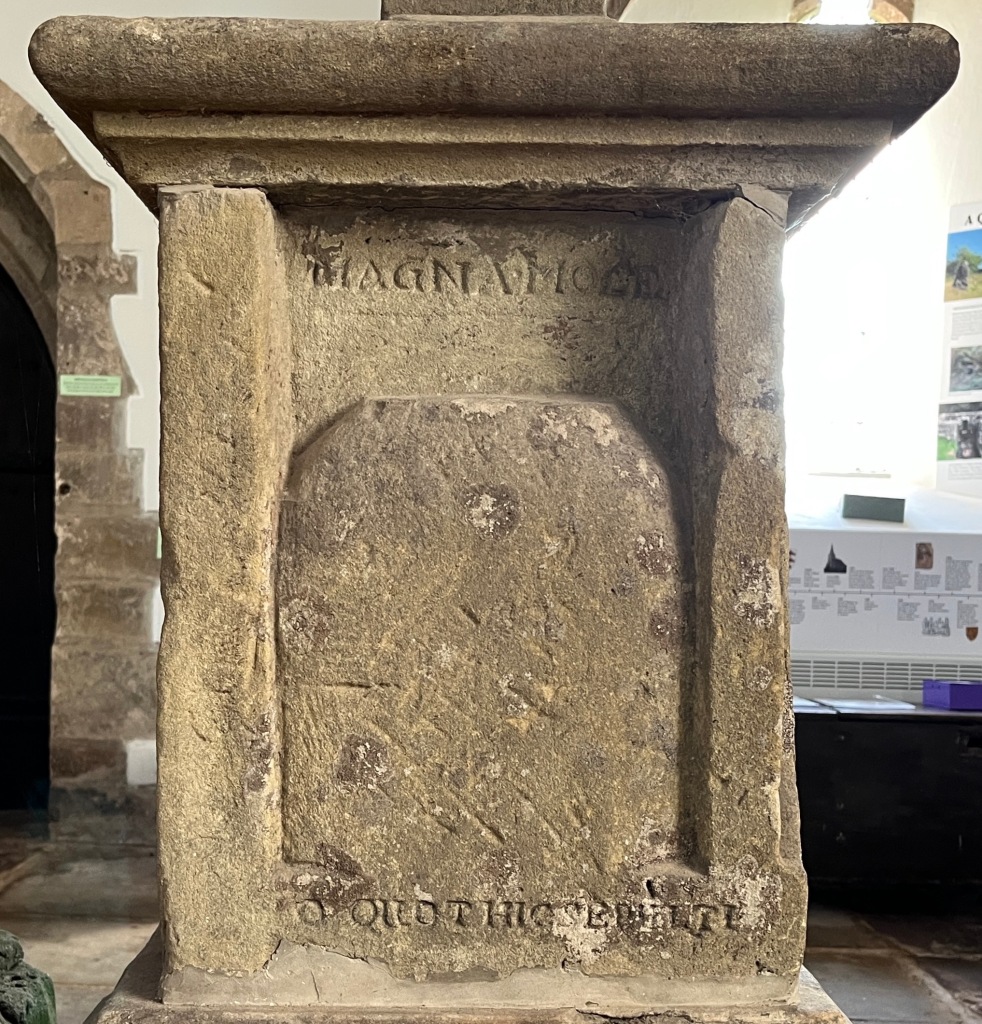
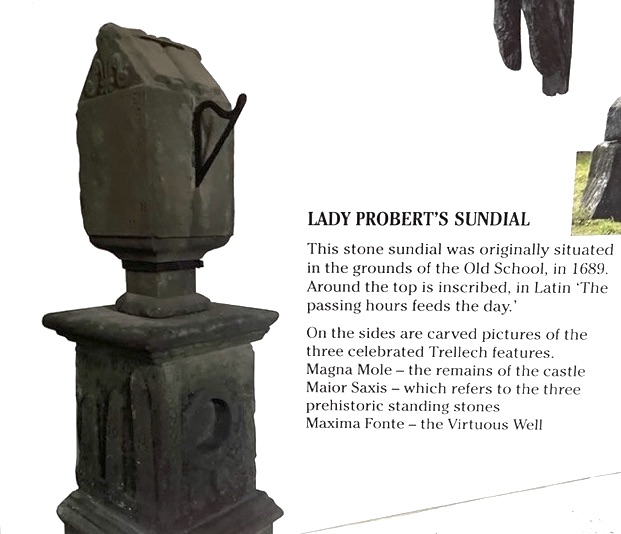
Below the dial are inscriptions on the substantial columns, with carvings that relate to the 3 features of historical importance to the village and its community: Tump Terret; Harold’s Stones; and Virtuous Well.

LINK TO PT 1 HERE.

GSS Category: Cube Dial; Multiple Dial

All photos Keith Salvesen; Pevsner extract Gwent & Monmouthshire; BSS records

TRELLECH . MON . ST NICHOLAS – Lady Probert’s dial 1689 (pt 1): Interior

St Nicholas . Trellech . Mon – Cube Multidial

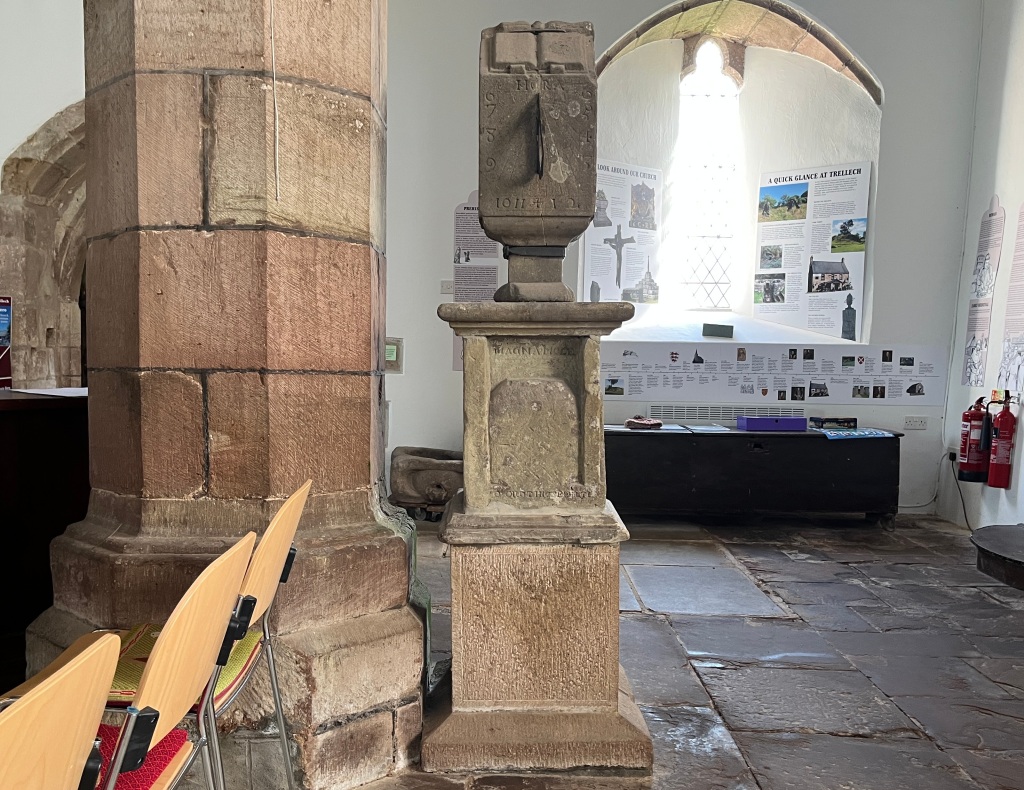
GRADE I Early C14 with earlier origins; reconstruction & restorations 1890s. An exceptionally fine and well preserved medieval church (Cadw); One of the finest churches in the county (PEV).  Coat-of-Arms of Charles II dated 1683. Weathercock of 1792. You need no further recommendation. 5m S of Monmouth. 51.7459 / -2.725 / SO500054

DIAL

St Nicholas . Trellech . Mon – Cube Multidial

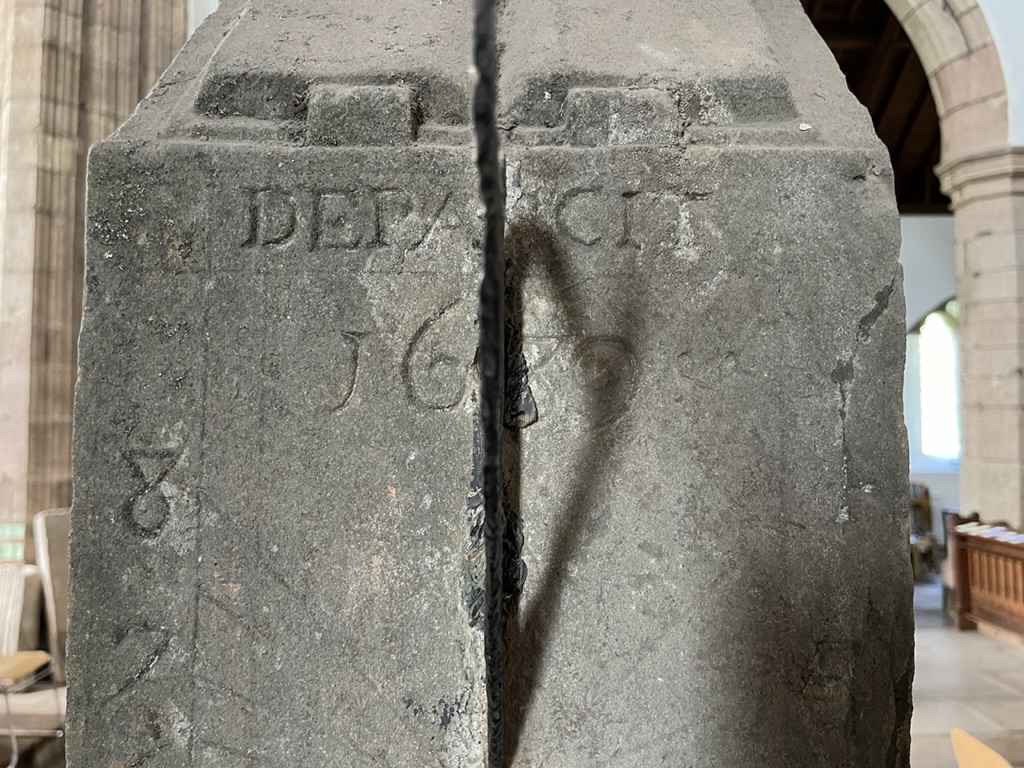
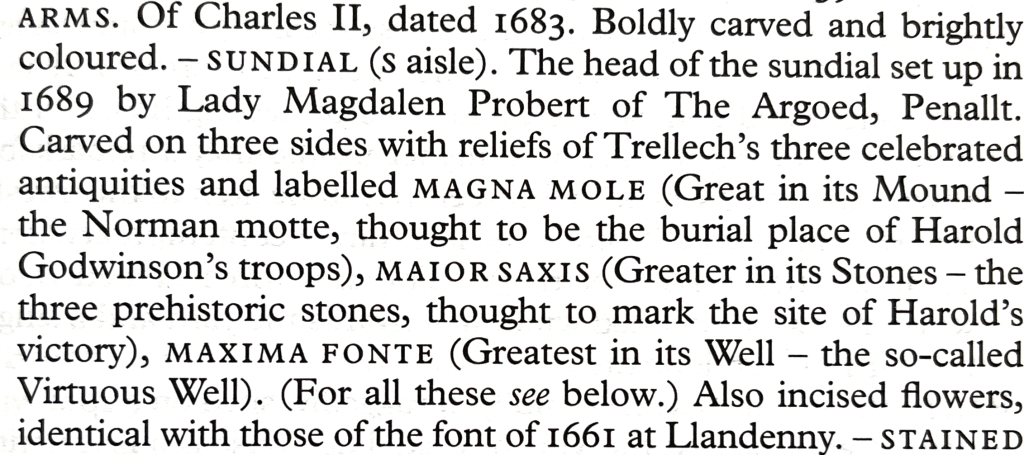
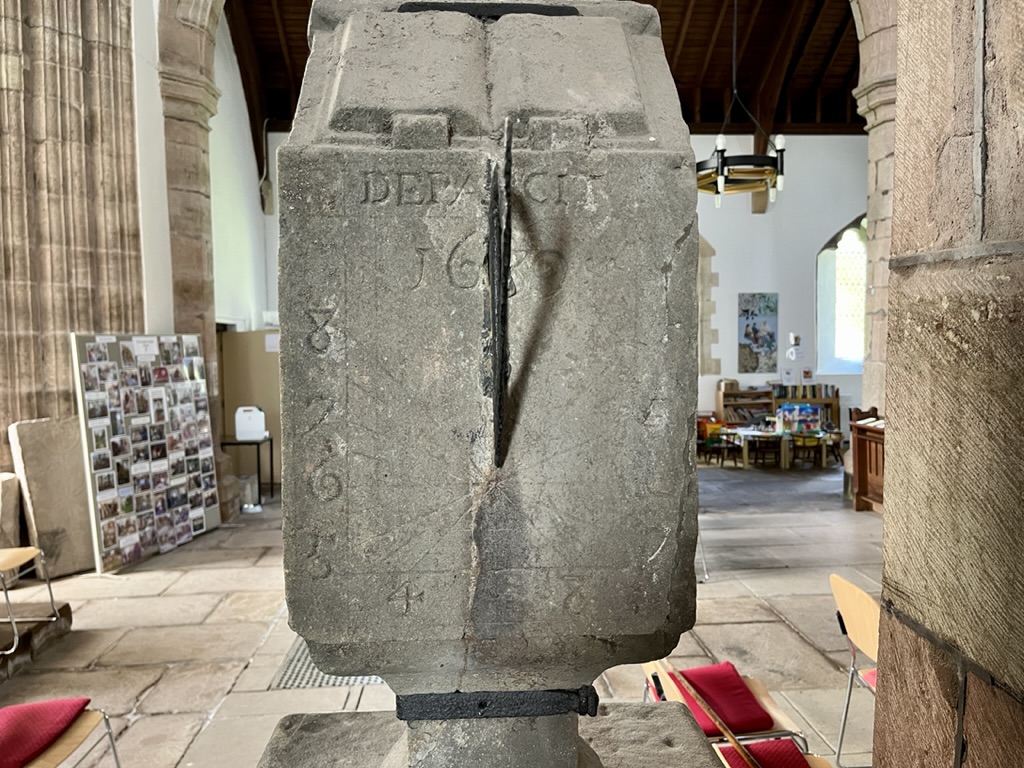
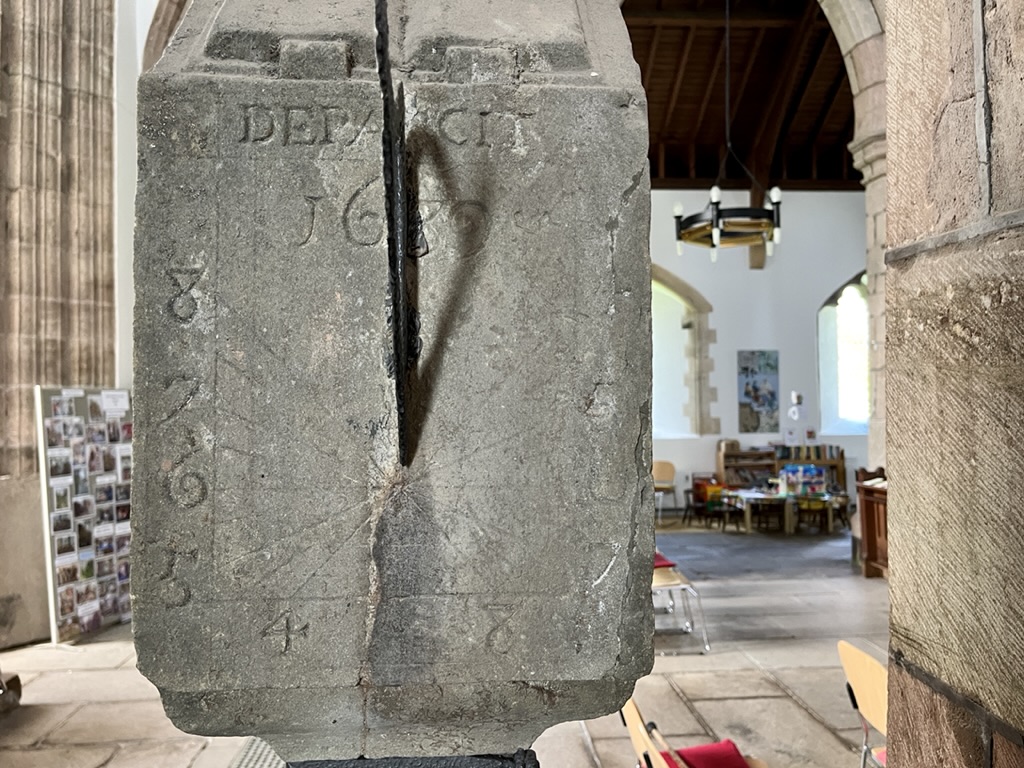
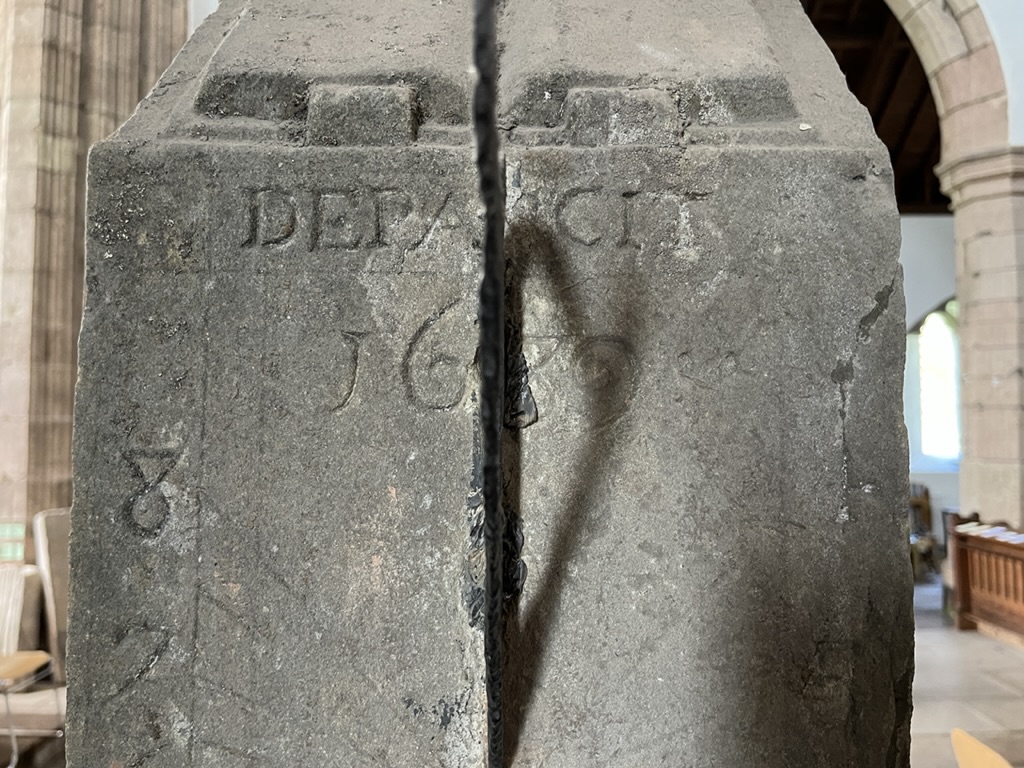
A wonderful C18 cube dial dated 1689, the gift of Lady Probert. Once, it stood in the village near the school. It was moved in 1895 and one source suggests that a concrete cast was made. The Latin inscriptions on the dial are descriptive of 3 features that are of historical importance to the village: Tump Terret; Harold’s Stones; and Virtuous Well. The details (PEV) are:

The detailed BSS record adds further details, including the full Latin motto on S, N & E faces: EUNDO HORA . DI…EM . DEPASCIT (The Hour Itself Consumes the Day).

Also included are the inscriptions on the square stone below the dial: 1. Terret Tump – O QUOT HIC SEPULTI (O How Many Buried Here); 2. Harold’s Stones – HIC FUIT VITOR HAROLD (Here was Harold Victorious); 3. DOM MAGD PROBERT OSTENDIT (Lady Maud Probert set this out to view).

DIAL DETAILS

SOUTH FACE

WEST FACE

NORTH FACE

EAST FACE

PART 2 will examine the excellent modern wooden replica (out)standing in a small field by a crossroads. It has been beautifully designed and is a dial of distinction in its own right.

GSS Category: Cube Dial; Multiple Dial

All photos Keith Salvesen; Pevsner extract Gwent & Monmouthshire; BSS records; church noticeboard

ALCISTON CHURCH . W SUSSEX . NO DEDICATION – 4 Scratch Dials

Alciston Church . E Sussex

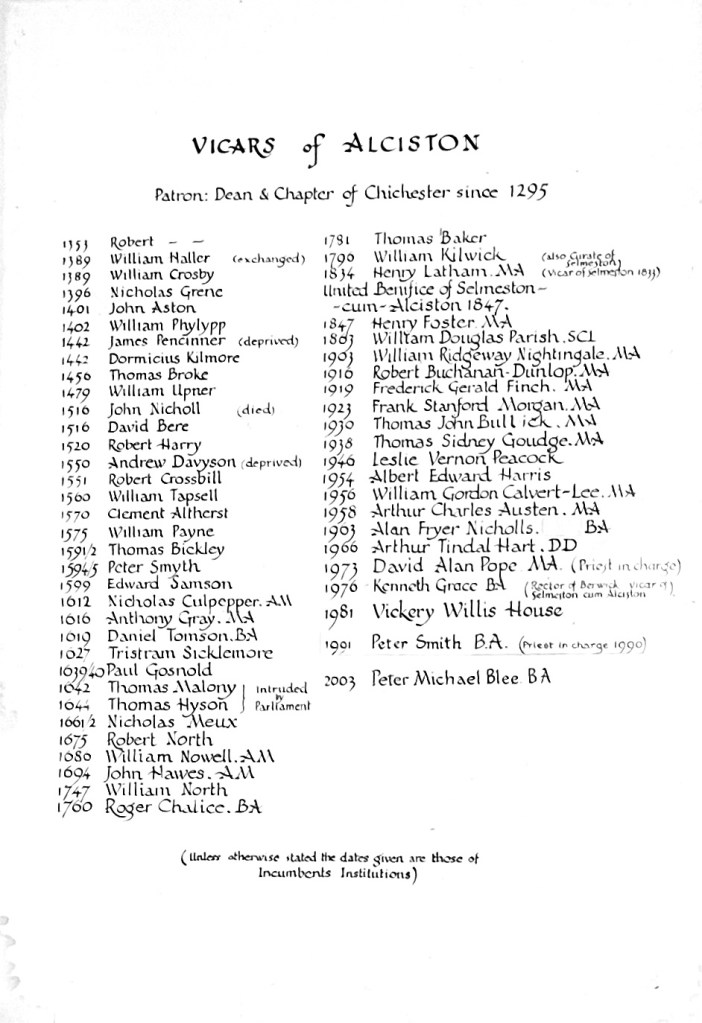
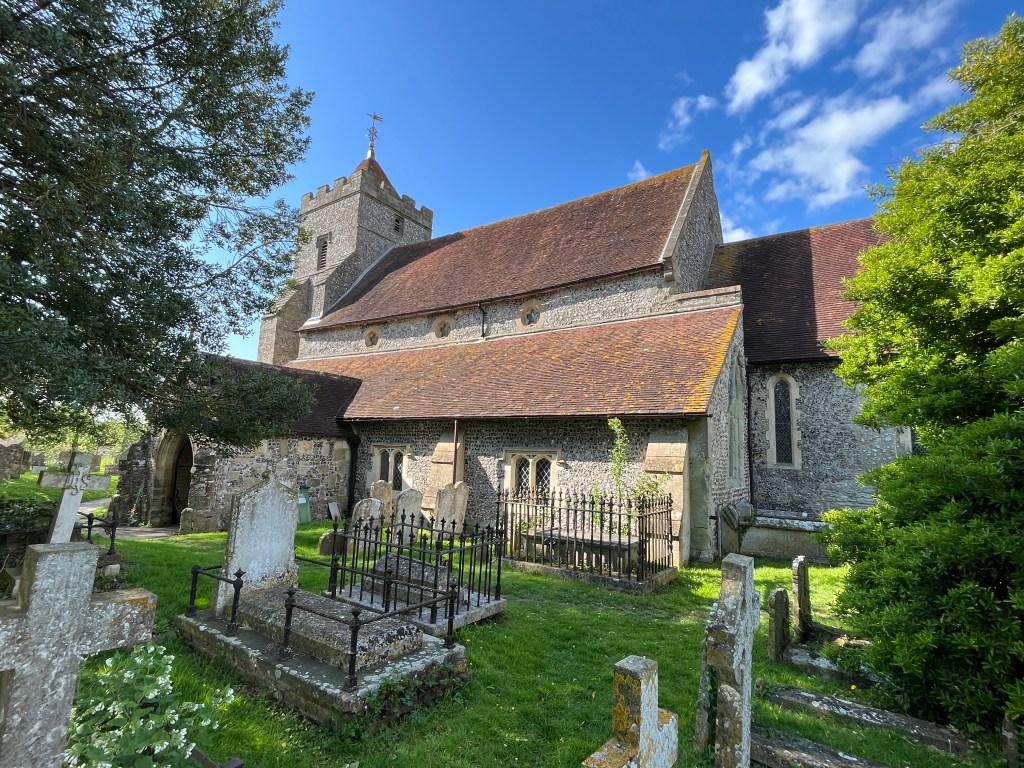
GRADE I Saxon origins; DB as Aelfsige. Dedication unknown. Dated to C14 (BLB notes C13 chancel & porch). C19 restoration. Incumbents recorded from 1353. In a most attractive setting down a long path, and grouped with a large medieval tithe barn, dovecote &co. 8m E of Lewes, 6m W of Polegate. 50.8299 / 0.1369 /  TQ505055

DIALS

All 4 dials are cut on either side of the blocked S doorway of the nave. 1 LHS and 3 RHS, of which an adjacent pair are low down, almost at ground level.

DIAL 1

On the L jamb of the blocked doorway, the most advanced and clearest of the 4 dials. Mid-C15? Encircled, with a full cross of vertical (12-12) and horizontal (6-6) lines emphasised by deeper incision. The lower half has 6 additional lines (and hints of a couple more). A single line UR quadrant divides it fairly accurately. The gnomon hole is (now) rather large for the size of the dial but that may have happened in the course of its history.

DIAL 2

RHS of the doorway, the same height as Dial 1. A much simpler dial with 2 lines only. The worn circle contains just 2 lines LLQ, one faint and the other deeper cut. Possibly the faint line was originally the marker for Mass, and was superseded by a more visible line (hand-cut without a rule, it would seem).

Alciston Church . E Sussex – Scratch Dial 2

DIALS 3 & 4

Just above ground level are 2 enjoyable dials on the same stone, presumably re-sited from a more visible position. However the stone sits comfortably with the overall design of the doorway, so I wonder whether all the dials (or those RHS) were moved to their present position when the doorway was blocked / during restoration?

The dials are adjacent – in fact, contiguous. Both circles are endearingly wonky, though the lines are cleanly cut. Dial 3 has been more carefully incised, with some attention paid to accuracy. Dial 4 probably came first and the more sophisticated Dial 3 later replaced it.

Dial 3 has 2 small dotted crosses within its circumference, also suggesting a later date than Dial 4. One cross consists of 4 separate dots; the other has the dots connected by lines (the vertical is very faint).

Alciston Church . E Sussex – Scratch Dial 3 & 4

DIALS 2, 3, and 4 as a group

Alciston is one of several rewarding churches in the area for a visit. You could combine it with climbing Firle Beacon which, at a height of 217m, counts as a Marilyn.

 Frederick Barrett – Sussex Archaeological Collections 100 1962

GSS Category: Scratch Dial; Mass Dial; Medieval Sundial; Dotted Cross graffiti

Photos: Keith Salvesen except as shown; Church Information appreciated

FIRLE . E SUSSEX . ST PETER – 2 Scratch Dials

St Peter . Firle . E Sussex

ST PETER . FIRLE . E SUSSEX

GRADE I C12 with earlier origins; chancel & tower C13. Spiritual home of the Gage family of Firle Place, with fine memorials to the family; also close connections with the Charleston set. Good brasses, work by modern artists. St Peter has 2 dials. 5m E of Lewes. 50.845 / 0.0884 / TQ471071

DIAL 1

This dial was recorded (1993) as located on a quoin stone on the W side of the N porch and repositioned at some time in its history. Since then, in 2018, the N door has been incorporated in an extension for a loo and related purposes. It is very well done but from the outside there is now no access to the old doorway. The dial must be reached from inside the church, where in the new annex the dial can be seen RHS of the original N door. Commendably, the dial is behind a small perspex screen to protect it, but not directly over it – a thoughtful way to display and conserve a small piece of history.

BSS notes the dial as repositioned, eroded, damaged and it was deemed a rudimentary (Norman) dial. The only marks detectable now are the faint remnants of a circle among the blotches of lichen.

St Peter . Firle . E Sussex – Scratch Dial 1

DIAL 2

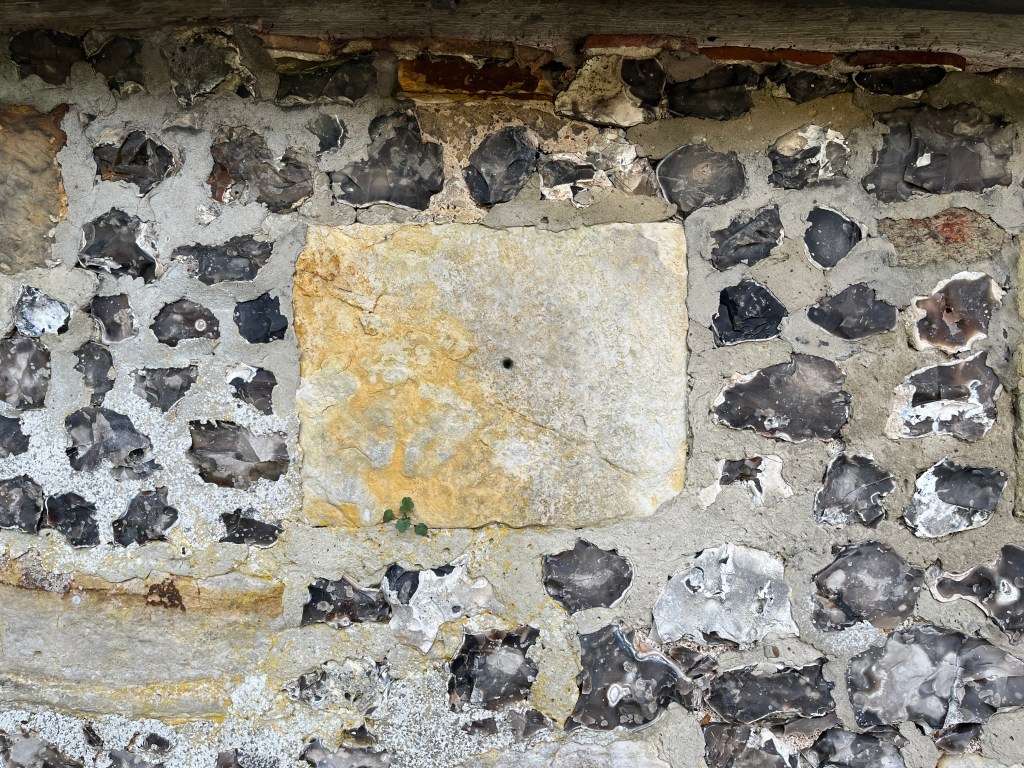
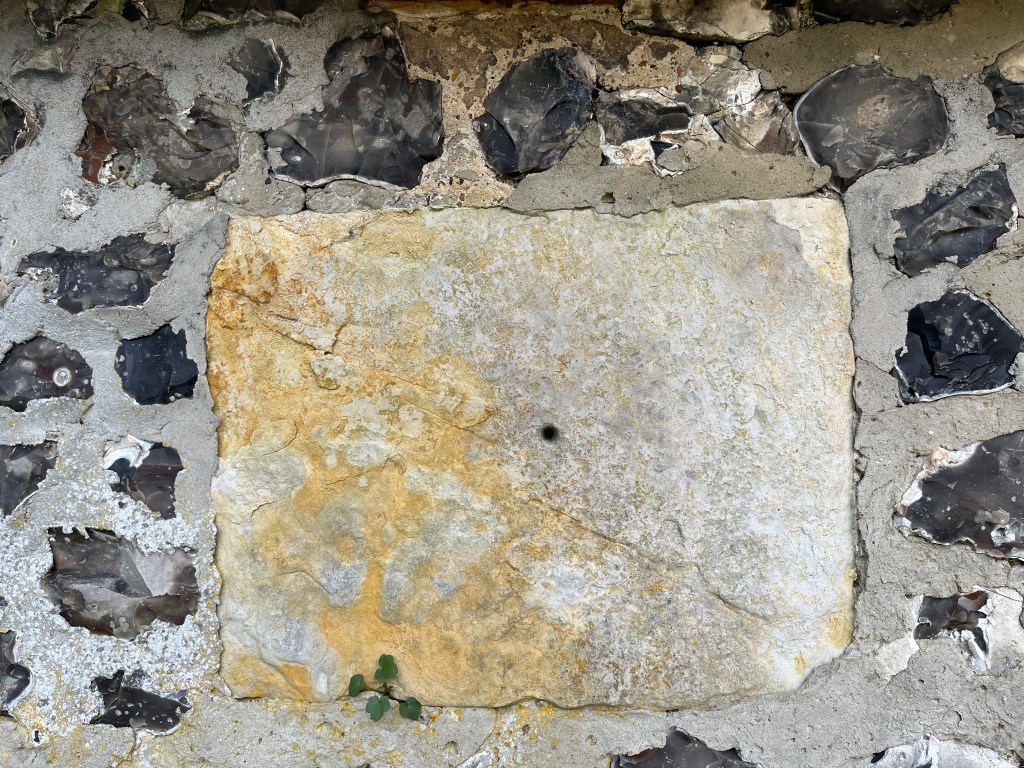
Located on the E-facing wall of the S doorway, and obviously re-sited at some stage to be of any use. A clean straight hole in the centre of the stone but even close to, no lines or dots now visible. I am pretty certain it is / was a dial, but some might call it doubtful. The stone is quite frangible amid the flint, and erosion over the centuries was perhaps inevitable.

GSS Category: Scratch Dial

All photos: Keith Salvesen
Pilgrim Cross