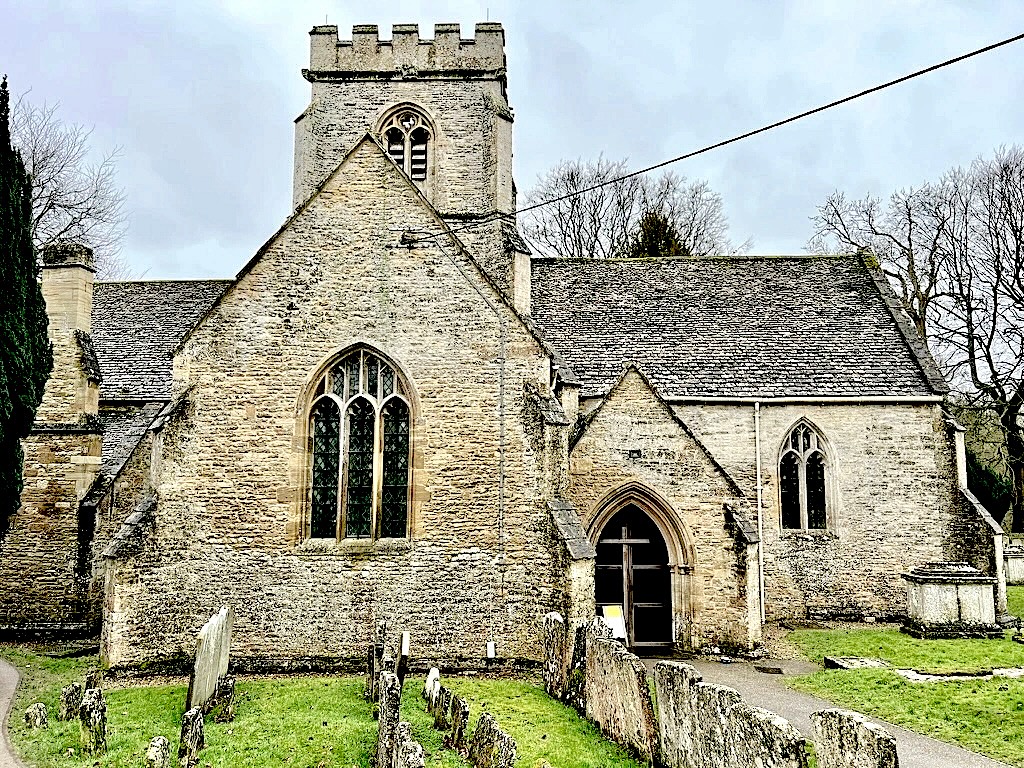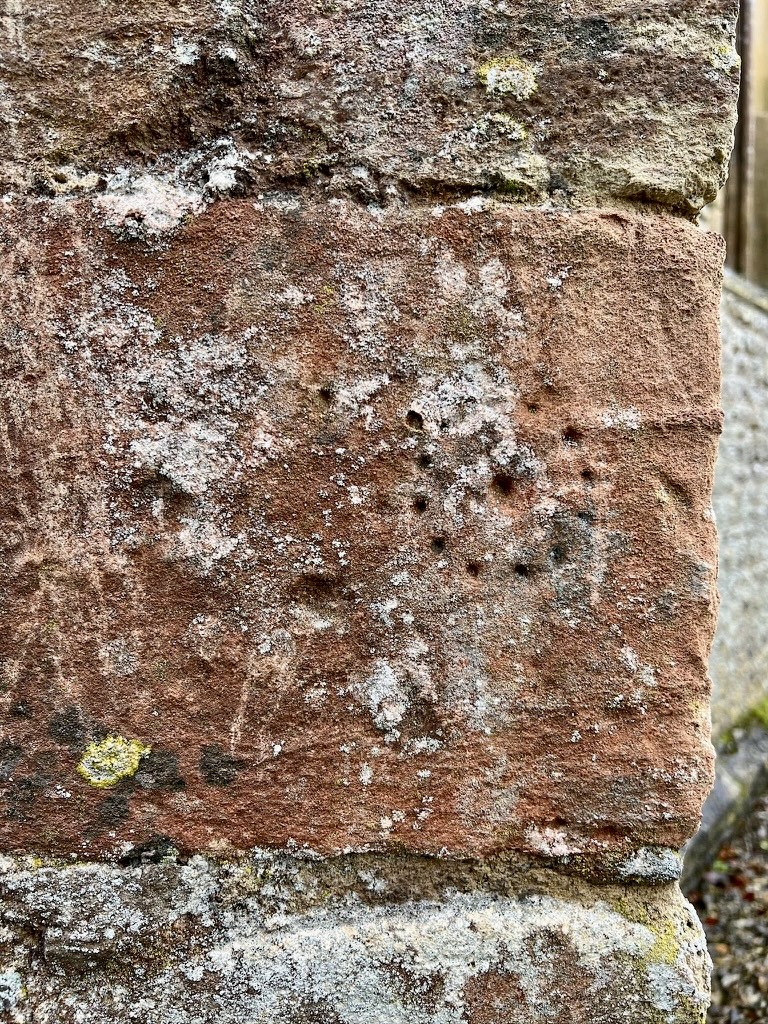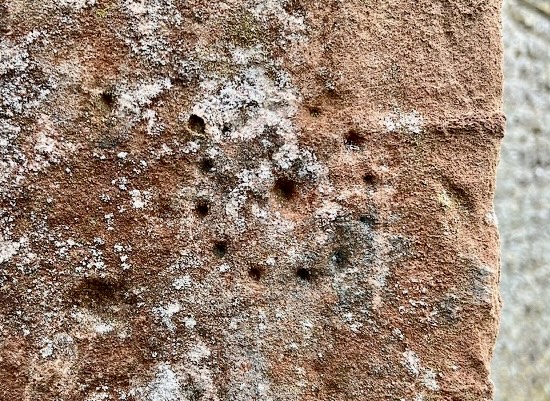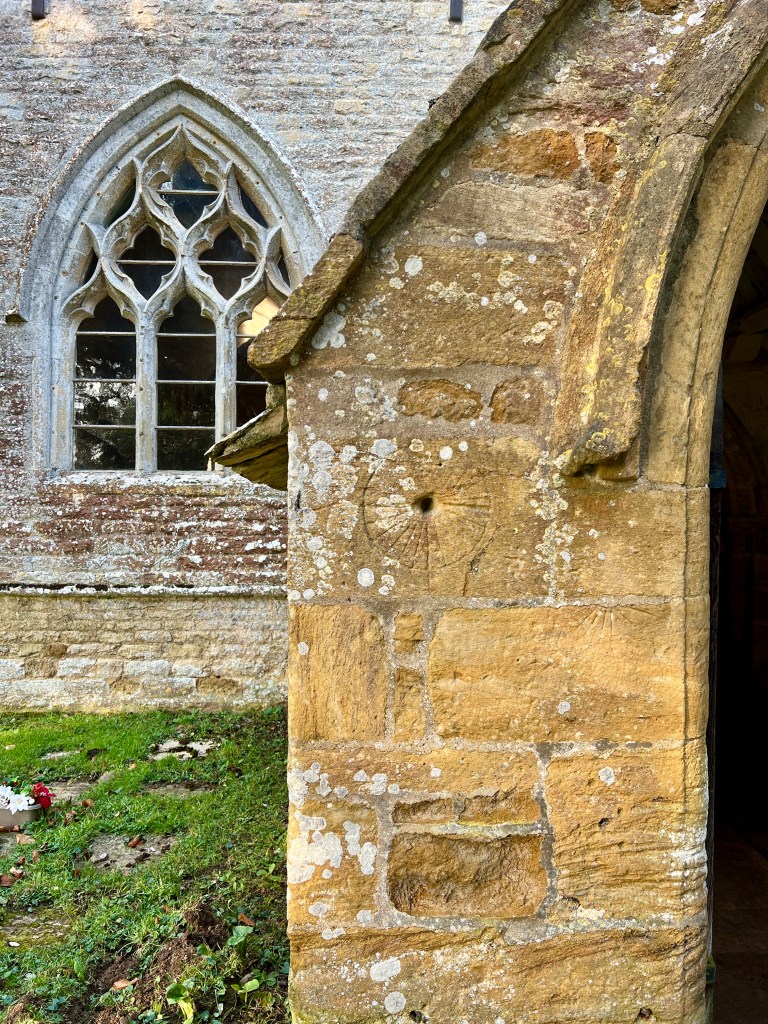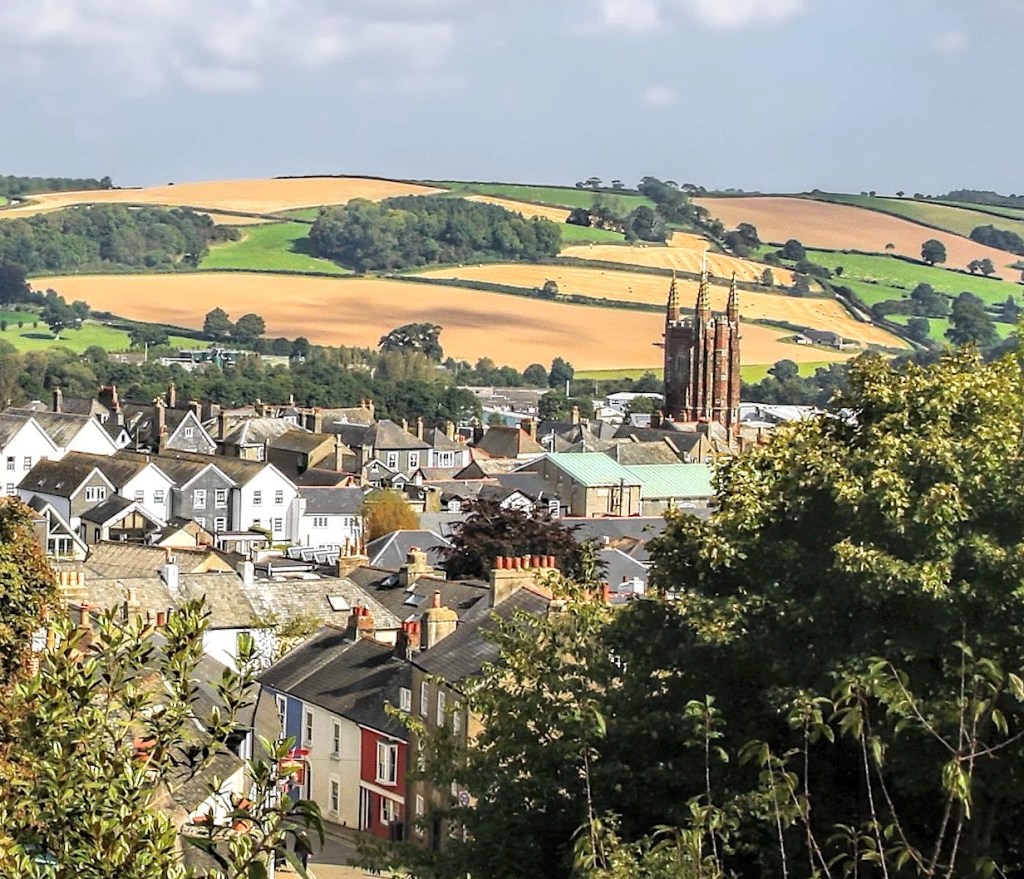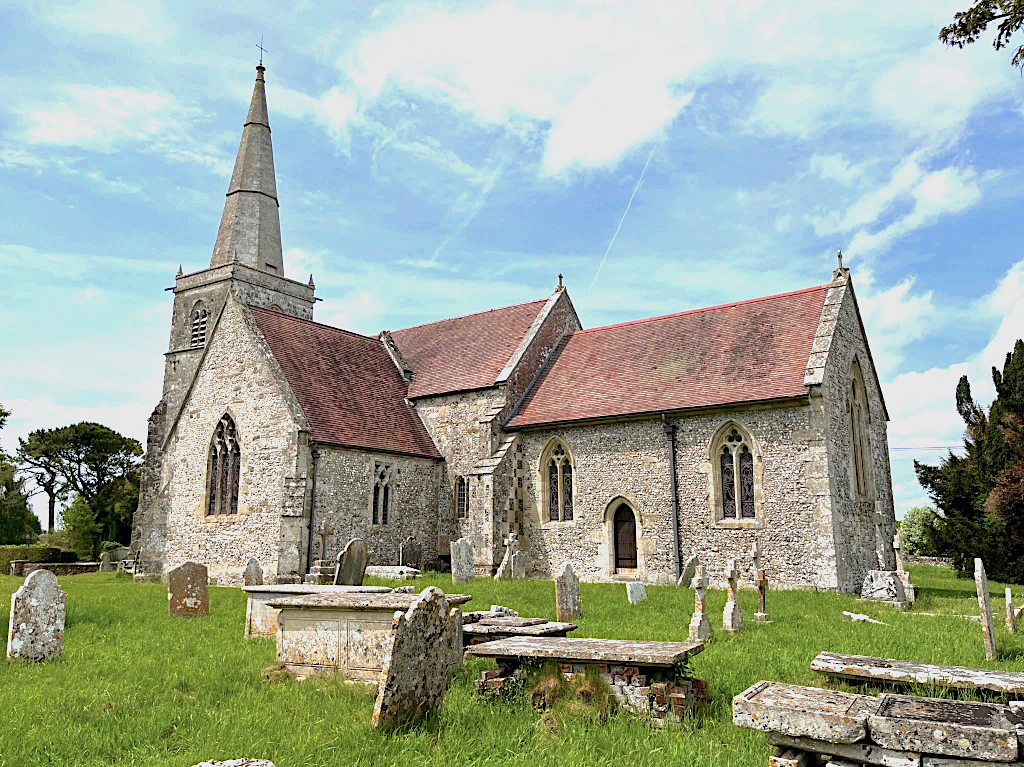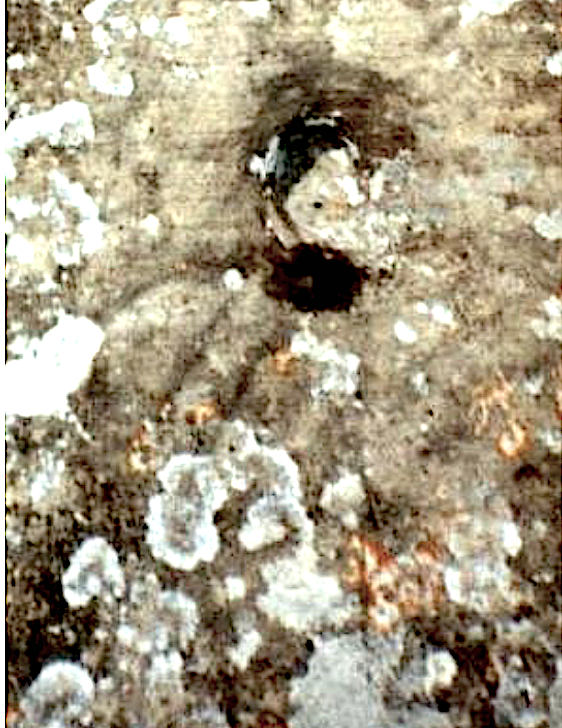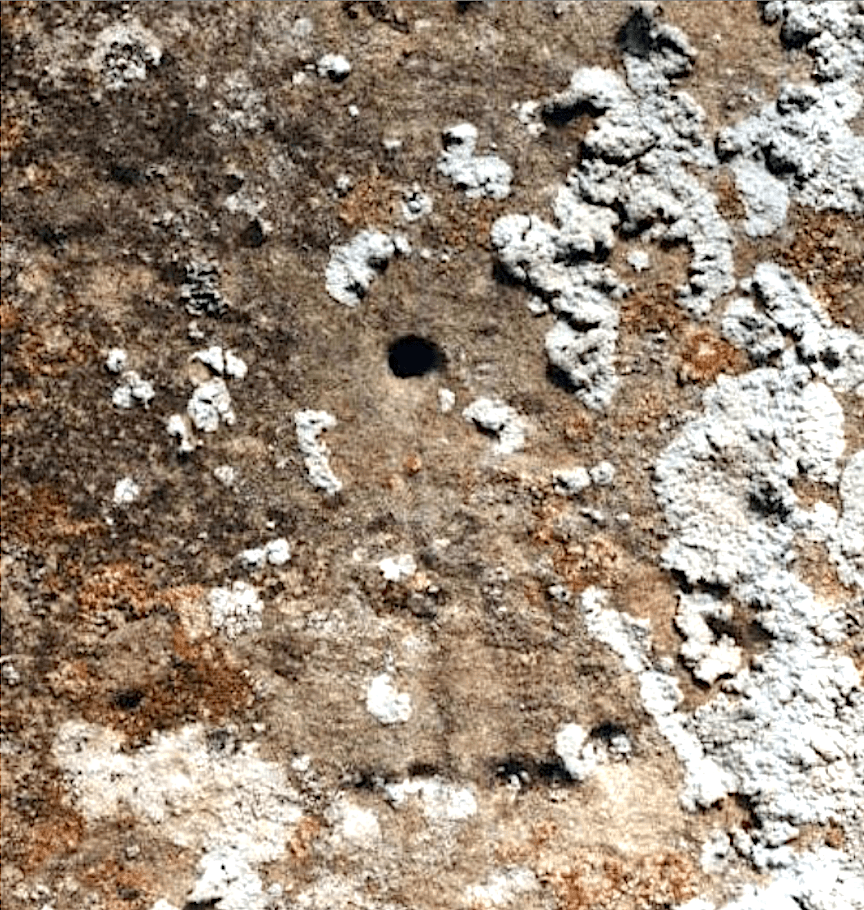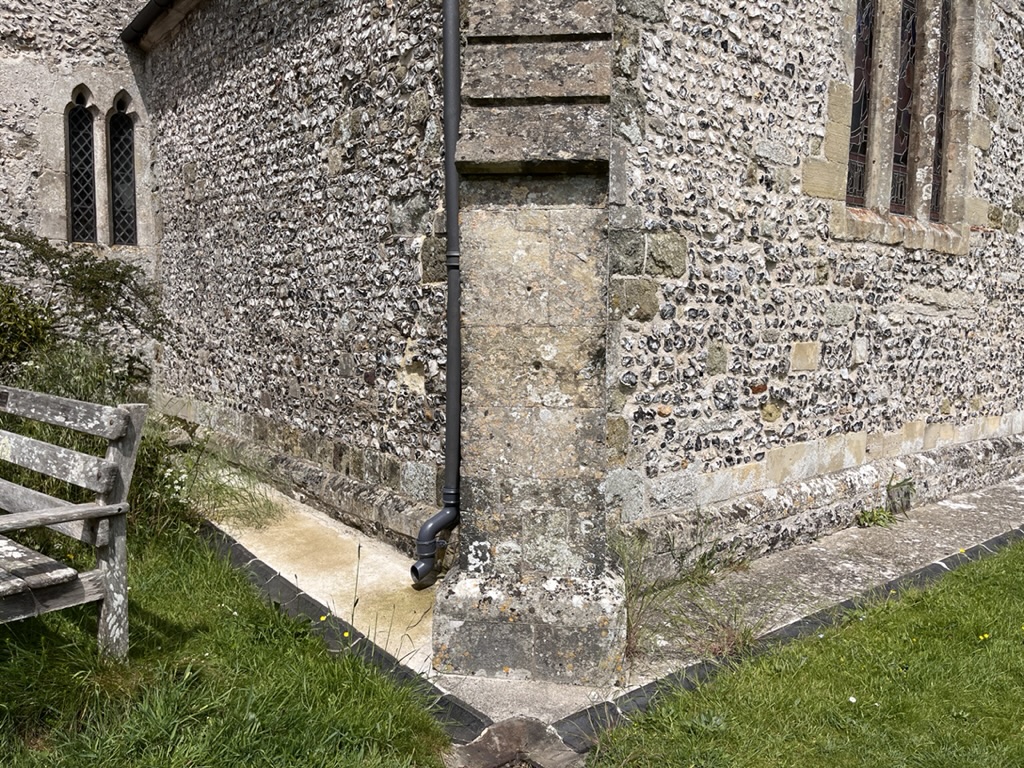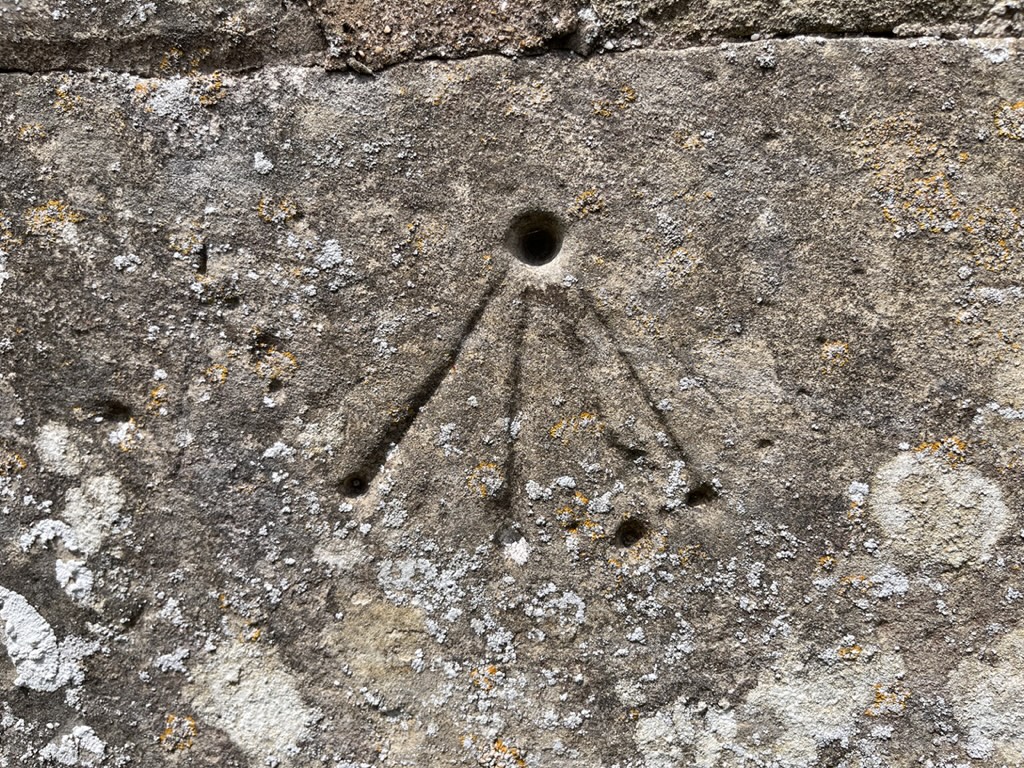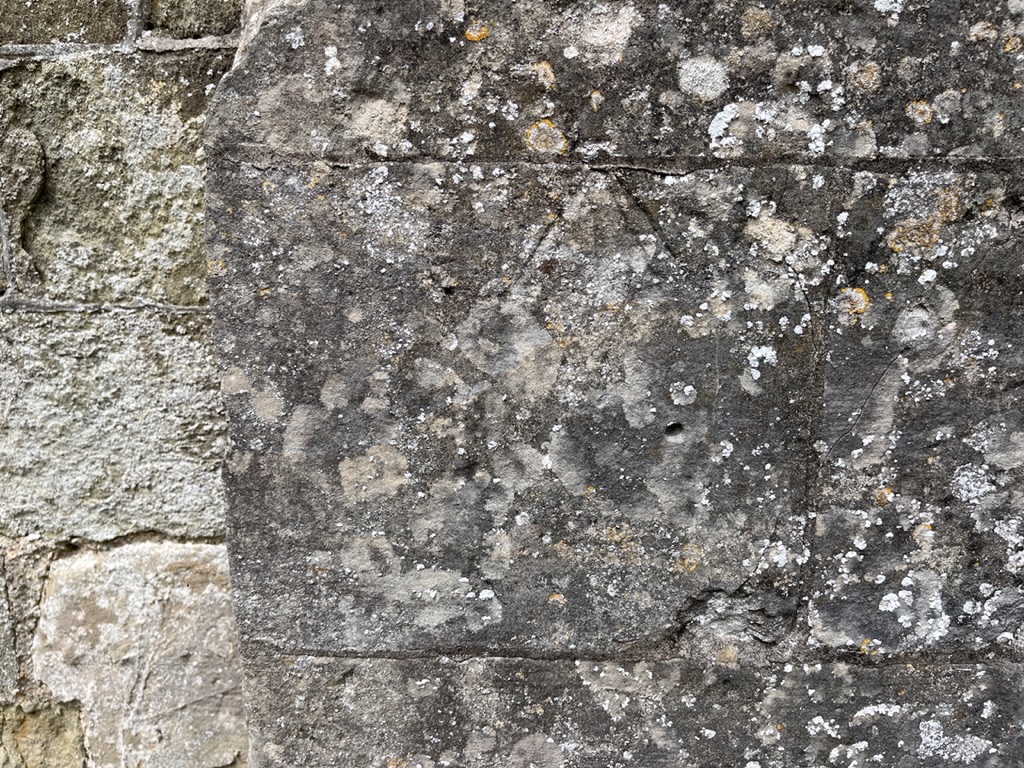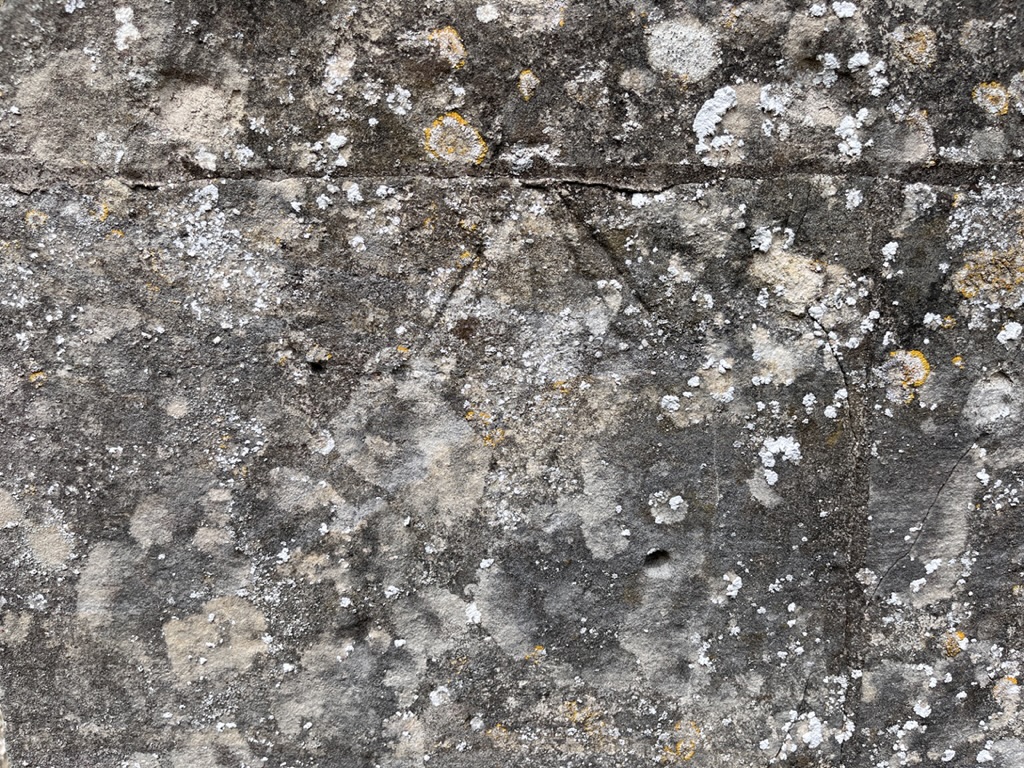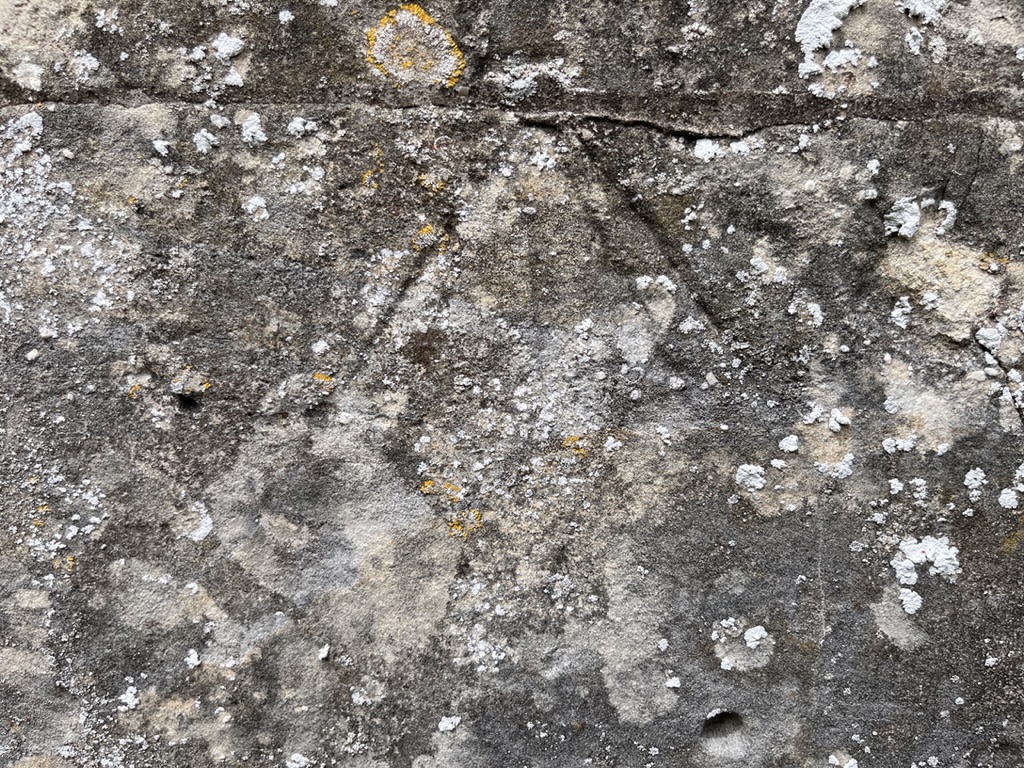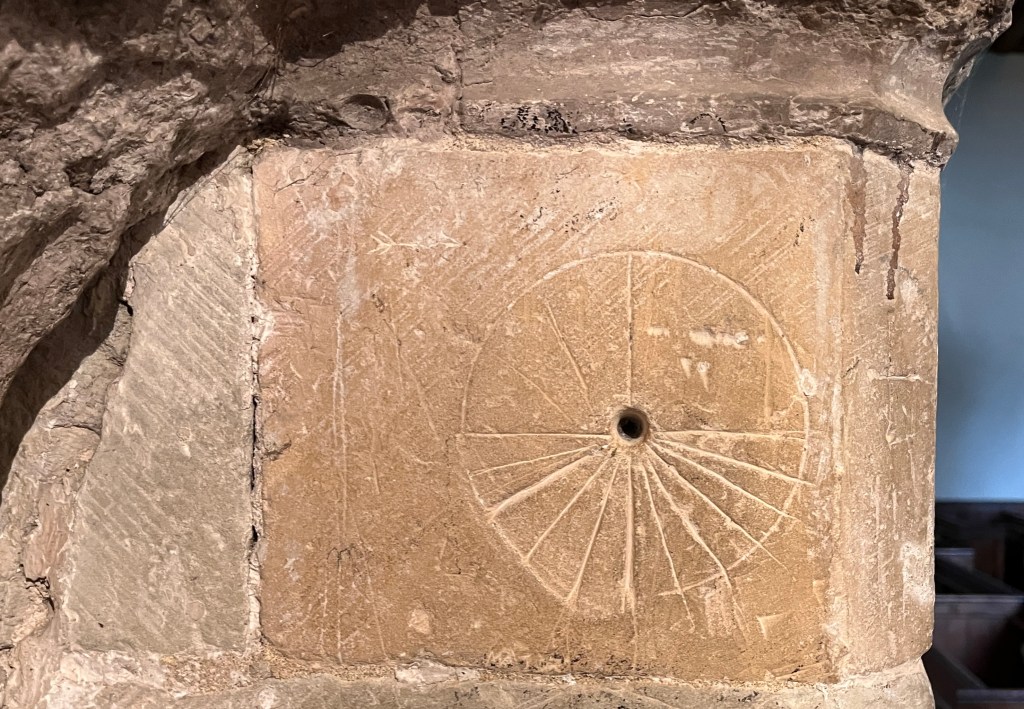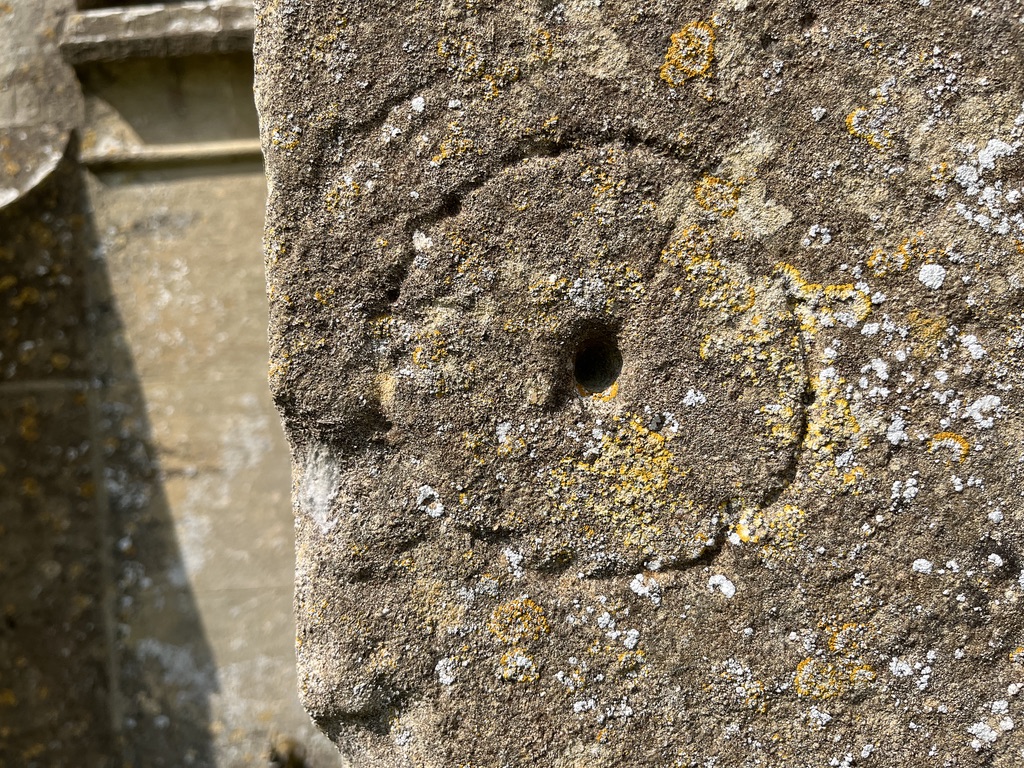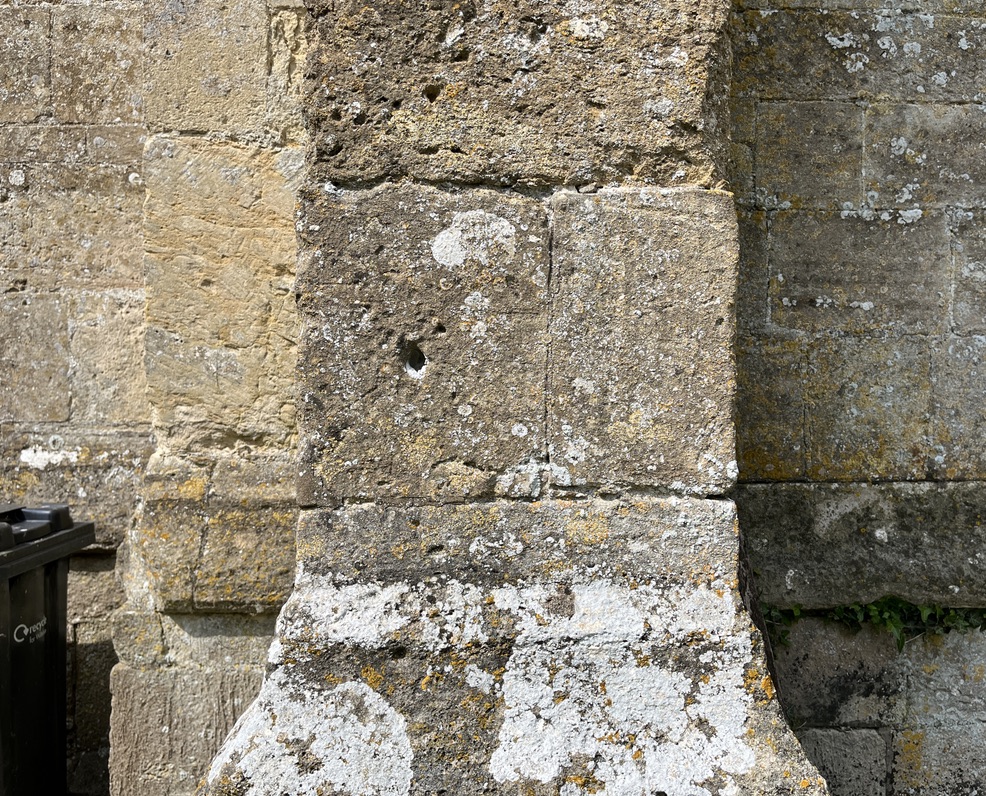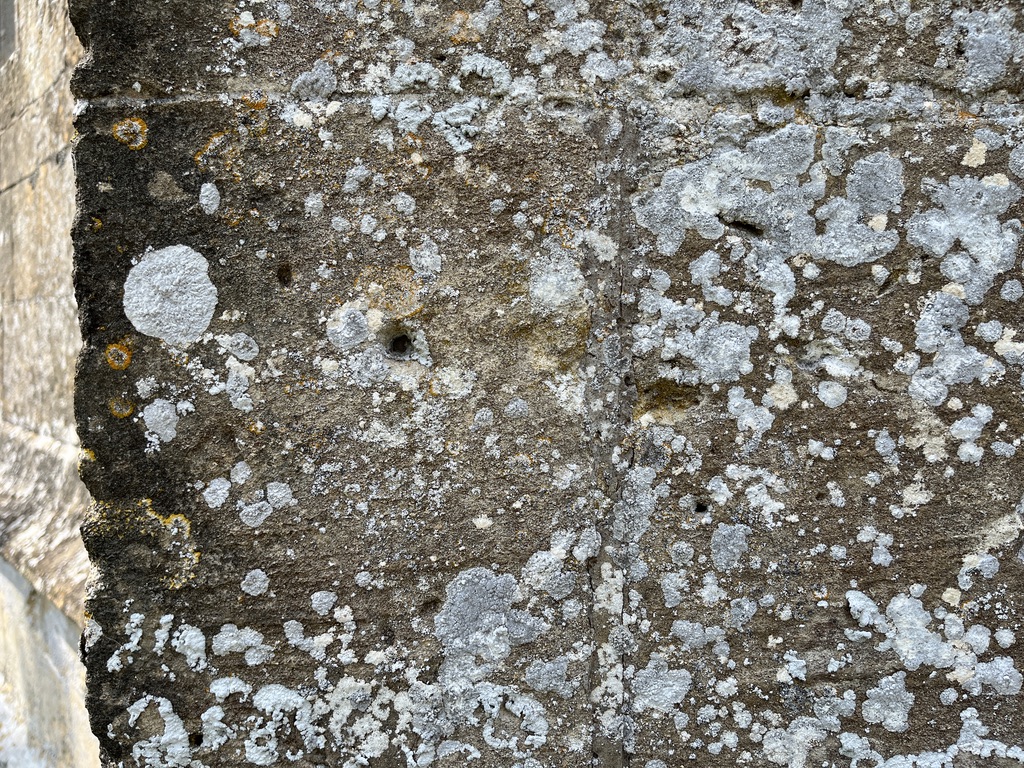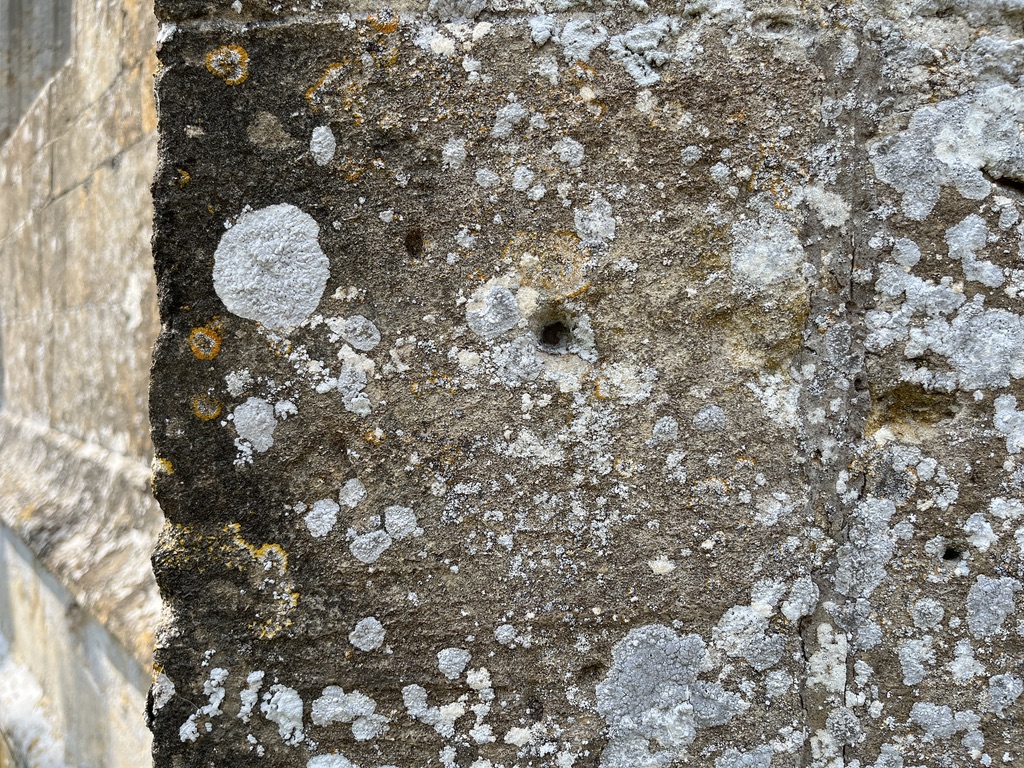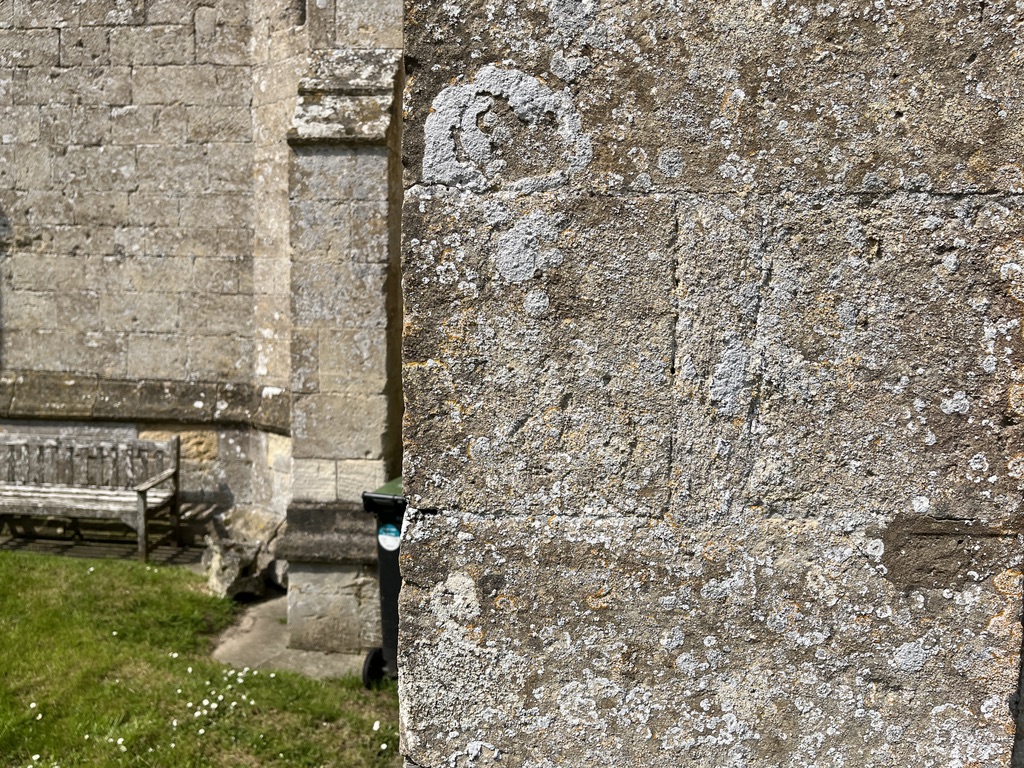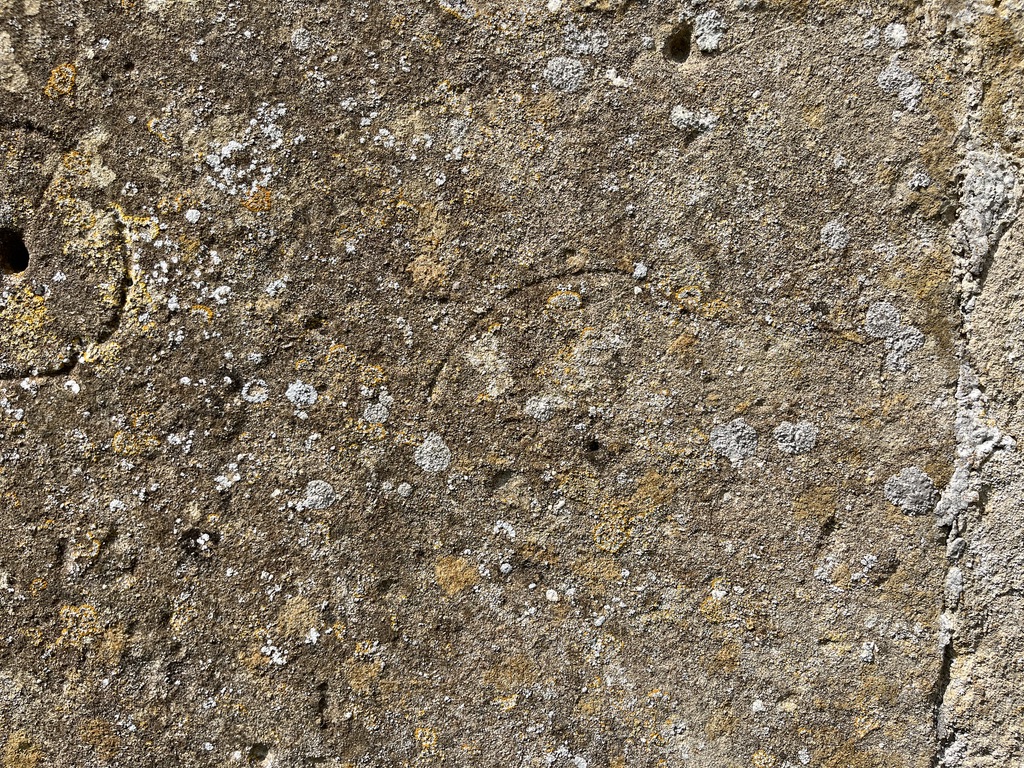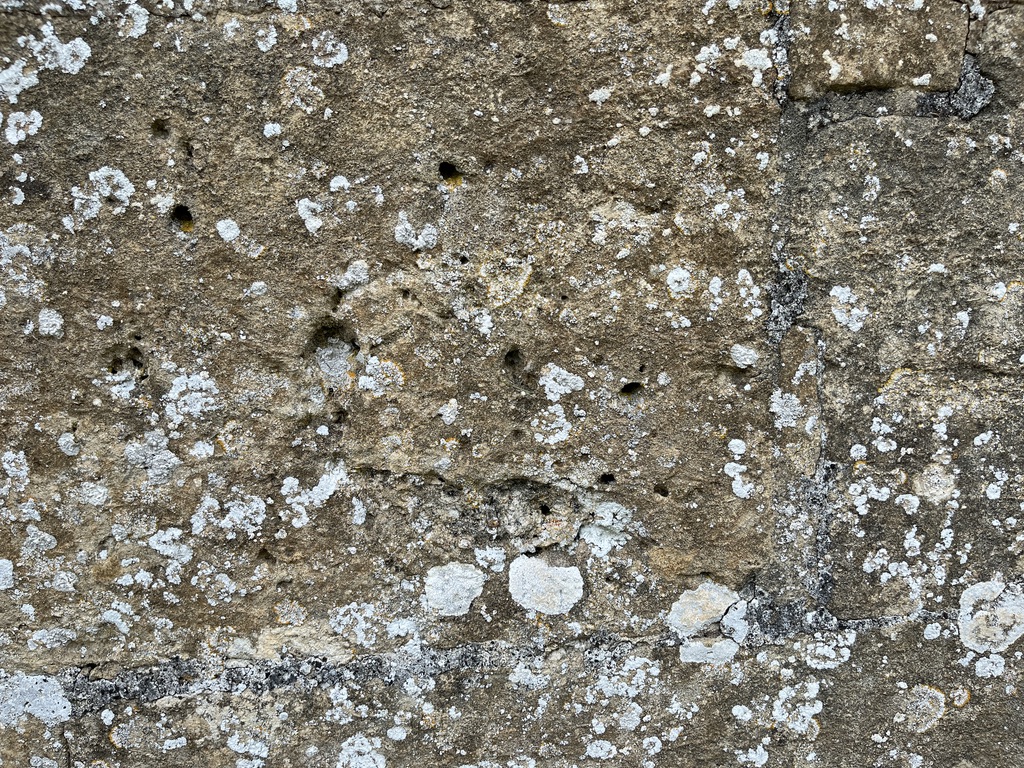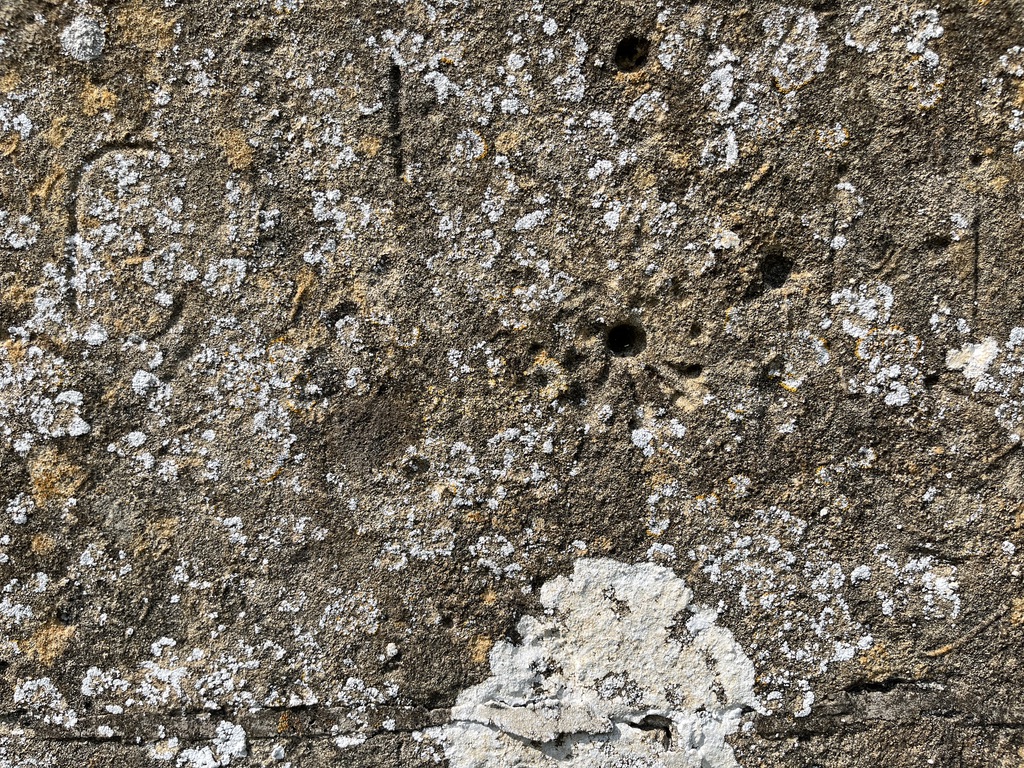
GRADE I † Early C12 origins; C13 chancel, tower; C14 / C15 transepts; other works then & later inc C18 spire, C19 restorations. A striking building in a small village just off the A354 Salisbury – Blandford Forum. Clock installed in honour of Winston Churchill 50.9754 / -1.9009 / SU070195
DIALS
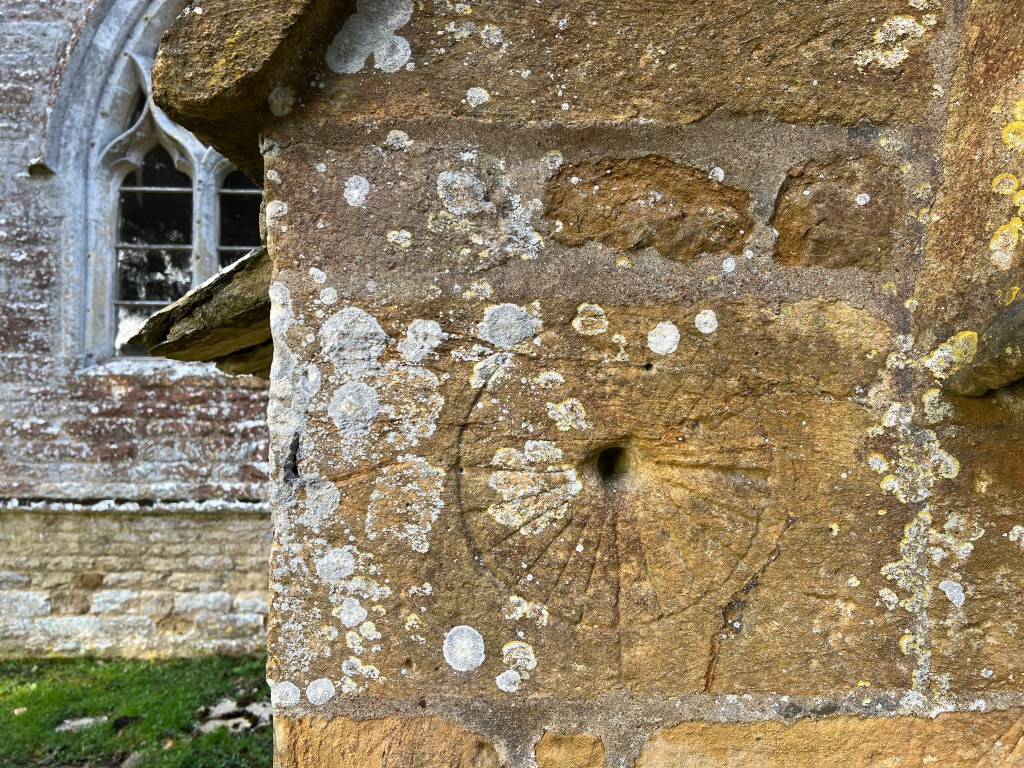
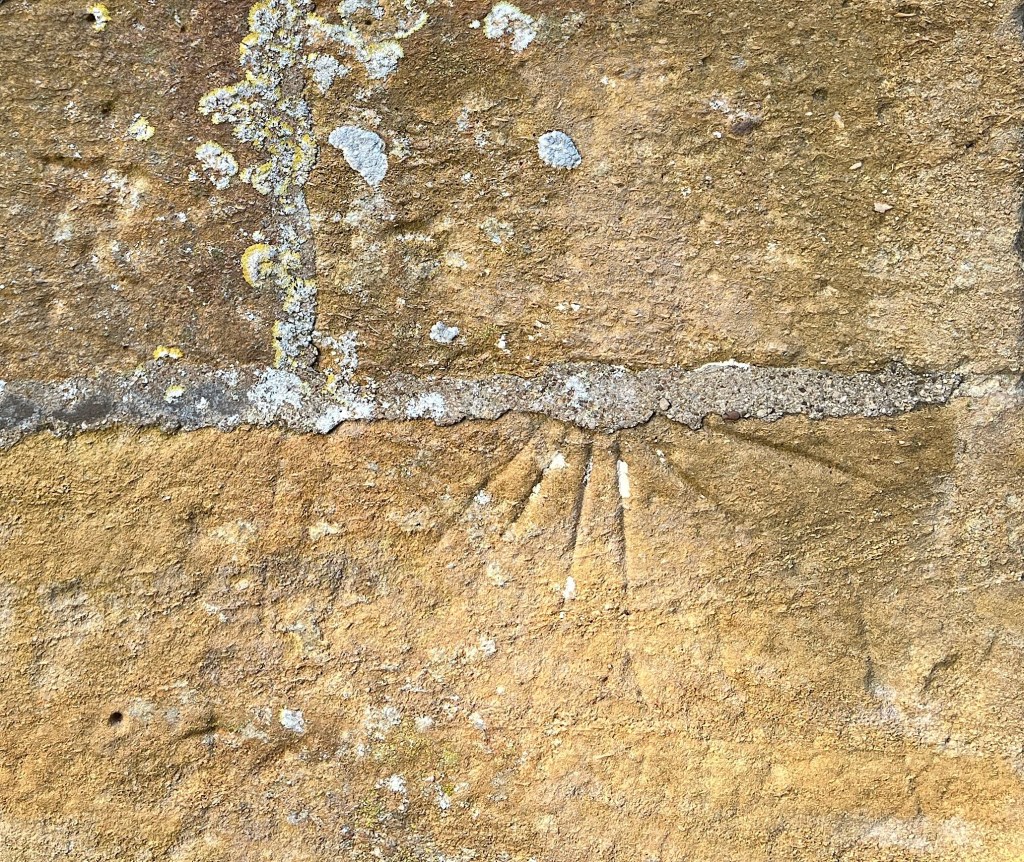
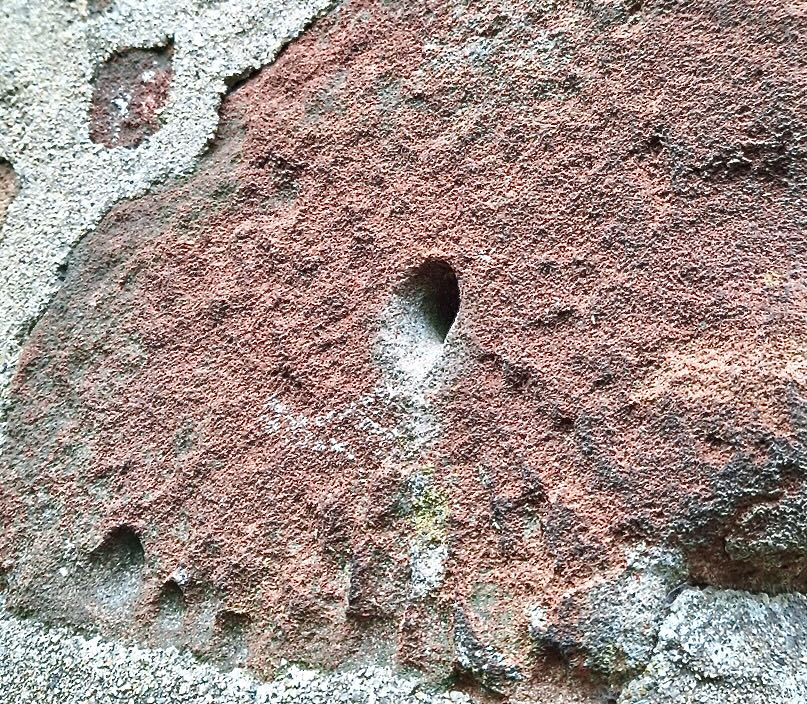
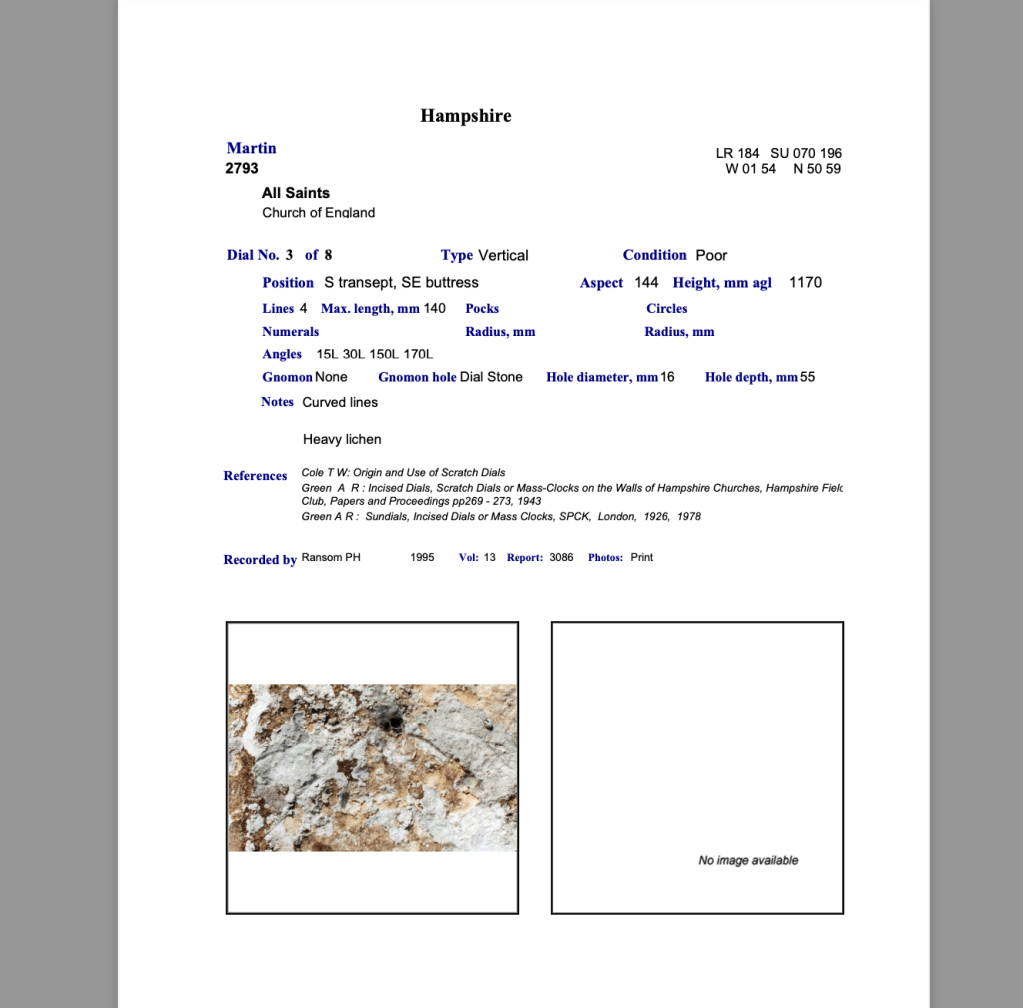
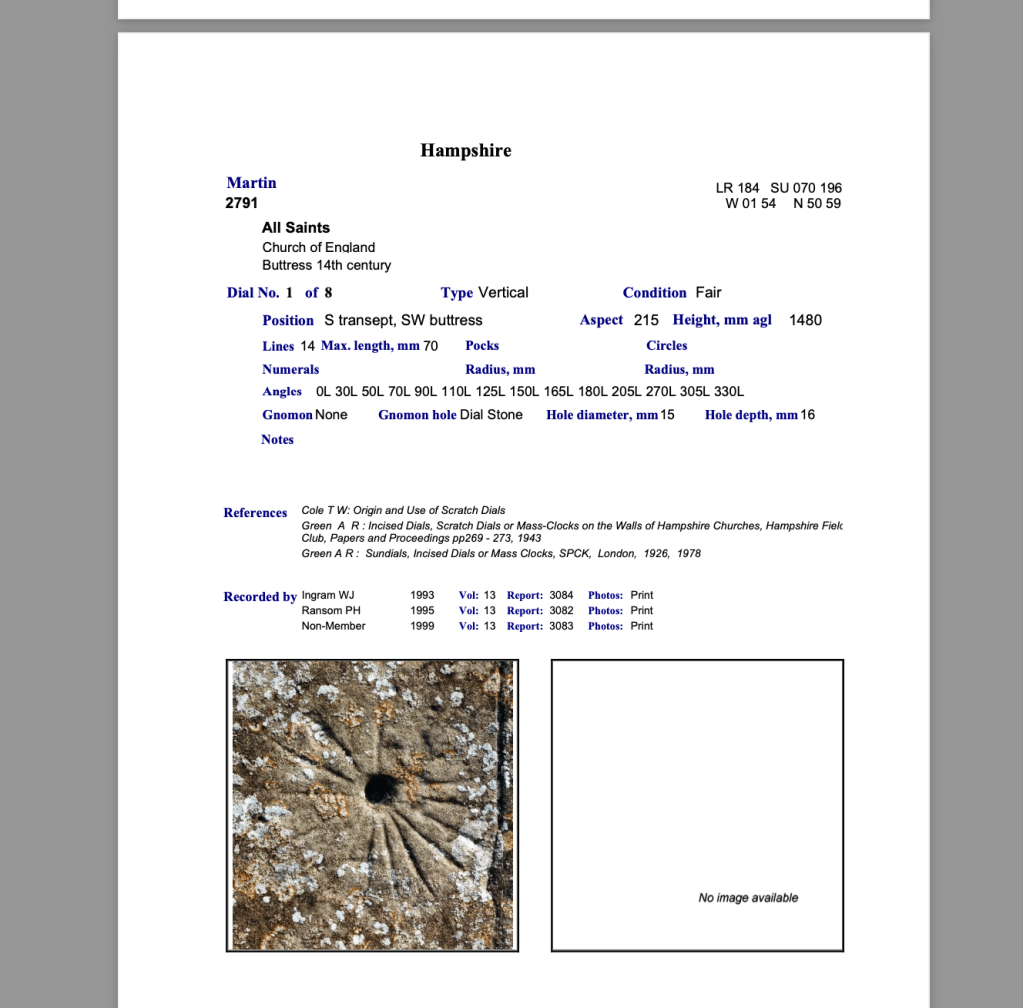
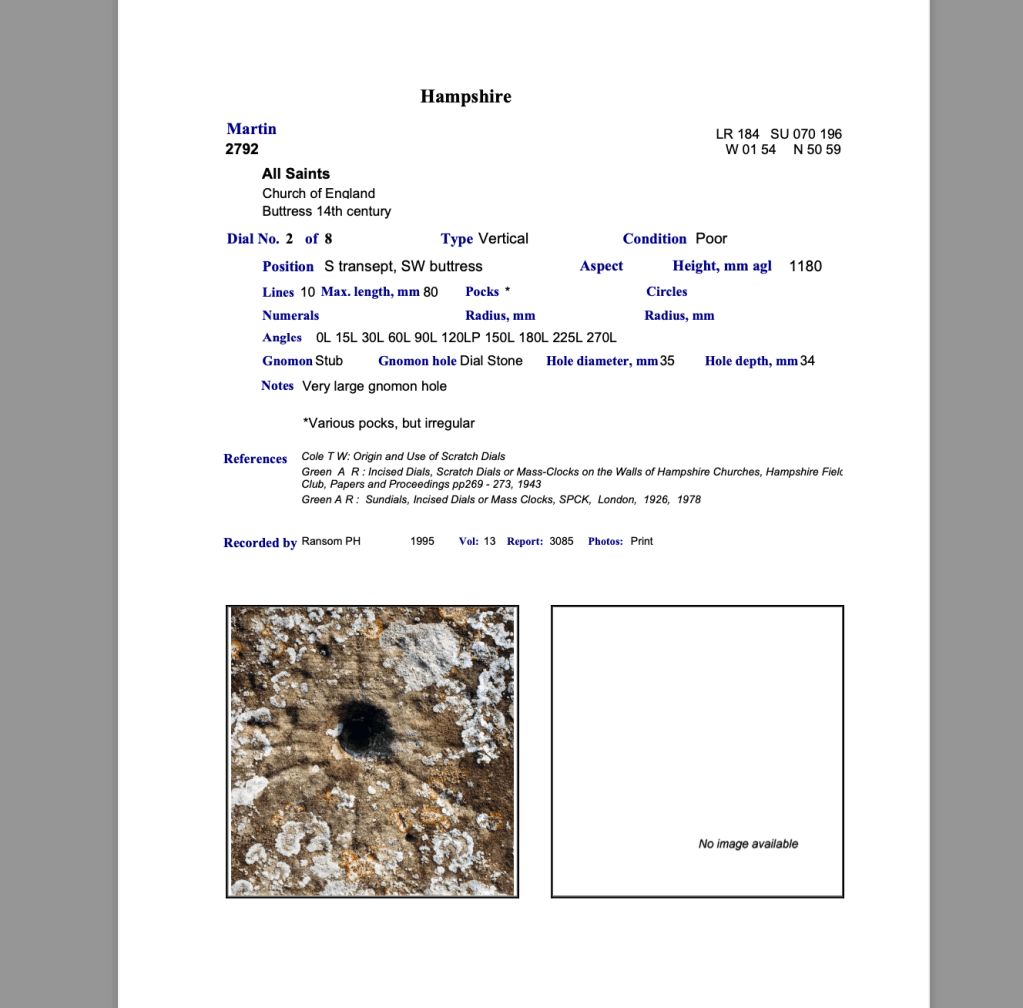
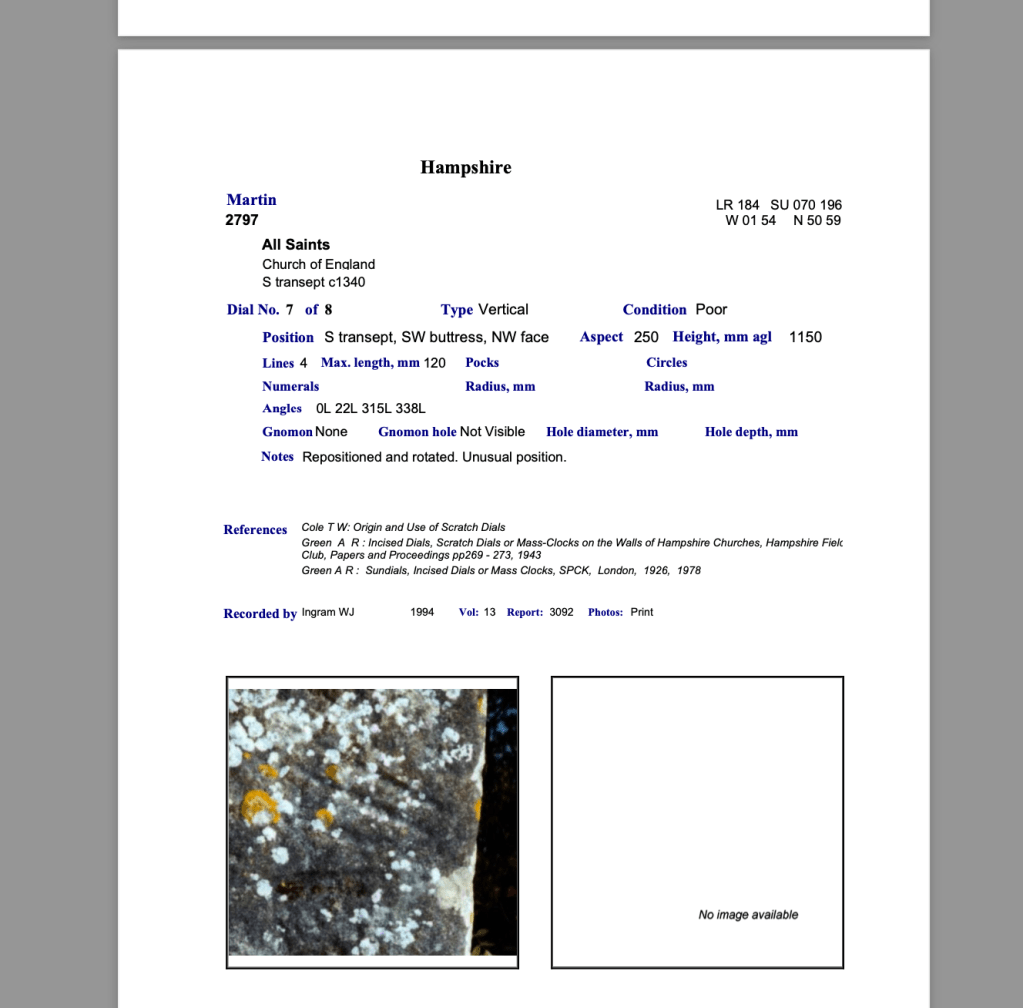
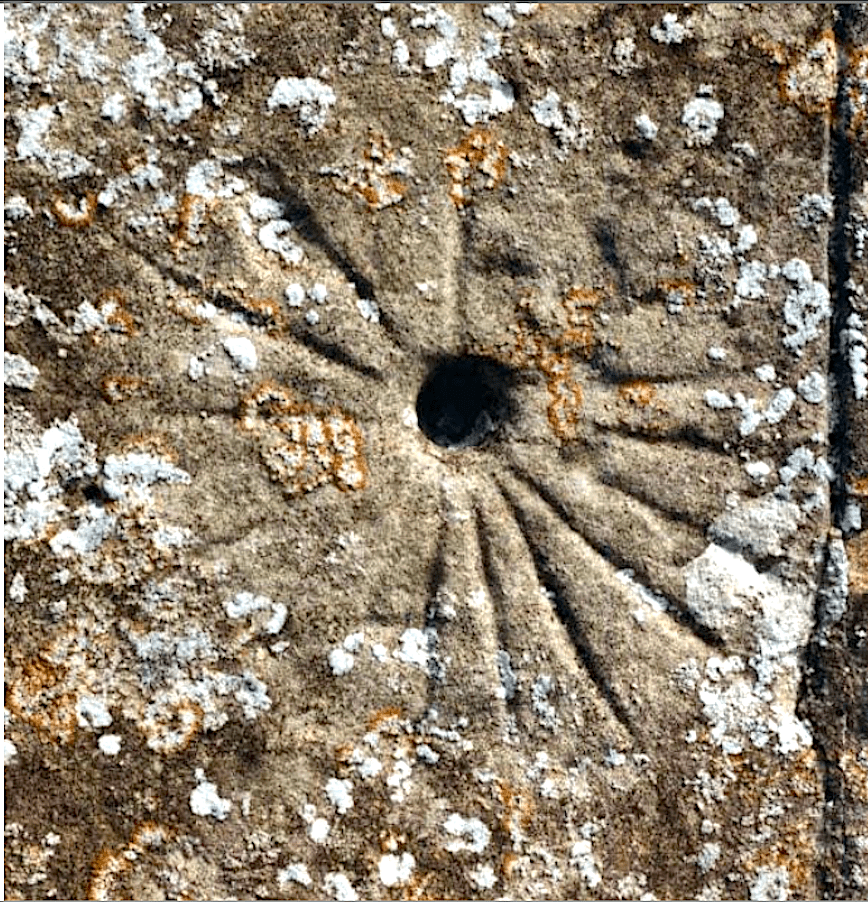
All Saints is a multiple dial church, with 8 listed in the BSS records. My dial count is 9. It’s a fine church, and dial-hunting was an easy pleasure. I have decided to let the dials speak for themselves without undue commentary on individual characteristics unless called for. Below the dials is an excellent article by the Hampshire Field Club that analyses all you need to know about each dial, and in particular the locations (for which I lost my notes).
BSS RECORDS
GALLERY OF 8 + 1 DIALS
DETAILED IMAGES
DIAL 1
DIAL 2
DIAL 3
DIAL 4
DIAL 5
DIAL 6
DIAL 7
DIAL 8
DIAL 9
This dial is included in the BSS records (bottom row LHS)
Volume VII Part I.pdf
Proceedings of the Hampshire Field Club, XV , Pt. 3, p. 27a.
GRADE I ❖ C12 Norman tower and north nave wall; C13 south aisle and chapel; C14 enlargement, chancel; restorations 1895 by S. Weatherley. Fine C13 font. Most unusual C14 Anchorite cell, definitely in use. Excellent graffiti, in particular several shields. Approved by PEV. Midway between Guildford and Dorking. 51.2191 / -0.463 / TQ074477
DIALS
As with many multiple scratch dial churches, there are differing estimates of the number of dials, in this case of between 7 and 11. Sources vary, as do the eras when researches were carried out: Victoria County History Surrey (1911); D Renn 1986 (detailed survey); BSS 2000 (images – Lester); 2008 (drawings – Wood). I have decided to lead with 8 dials that are (I think) indisputably the real thing. Each is headed by the relevant BSS diagram and all are close to the pre-porch doorway. The close-up photos say as much about each dial than I could usefully describe.
DIAL 1
DIAL 2
DIAL 3
DIAL 4
Unusually, this dial has 3 circles, and incorporates decorative compass work to form 2 petals.
DIAL 5
DIAL 6
DIAL 7
DIAL 8
A simple deeply-scored dial that cuts into a quatrefoil ‘4-leaf cover’ compass design, presumably apotropaic. The church has a great many protection marks of all kinds, together with several shields. I may feature a selection in due course.
DIALOGRAM
The 8 blue-ringed designs below are all dials. The arrowed 9th, LHS, is debatable – see below The arrows RHS indicate (1) probably one of many crosses; and (2) a mystery, see below.
DIAL 9?
Renn’s count of 10 dials includes this ‘lamda’ incision. When I photographed dial 7, only the top of the scar was included. I am a confirmed dial optimist, but it didn’t occur to me to photograph it separately / include it as a dial..
DIAL 10?
Perplexing. An afternoon dial. Noted in Renn’s survey, on which BSS record is based. Described as Inside church (inside S porch). E face of W jamb. Behind door frame. Lines 4. I didn’t find it. Unlike the impressive array of forward- facing dials in the porch, this one must be small, cut on an angle as Renn indicates, and of little use for marking the passage of the day.
ANNOTATED DRAWING
The green circles mark the uncertainties. There is also a suggestion that there were once 2 other dials, now extant (S chancel wall, E pilaster buttress).
REFERENCES
Victoria County History, Surrey, 3 (1911), 120
Renn DF: Scratch Dials in Surrey, Surrey Archaeological Collections, vol 77, 1986
LISTING II* ❖ C13, C15 and early C16, good Victorian and later restorations. A link to the well-presented history of the church and its context in the village is given below. One bell is of particular historical interest. A multiple scratch dial church: BSS records 7 from a 1994 survey. I feature 9 candidates below, of which 2 are probably not-a-dials, leaving 7. But are they the same 7, I wonder? 6m E of Trowbridge. 51.3209 / -2.1195 / ST917579
GSS Category: Scratch Dial; Mass Dial; Multiple Scratch Dial Church
All photos: Keith Salvesen [
I am beginning to find my own photos borrowed for online use. I don’t really mind, especially for this sort of niche interest, but a link to this project might be good]
Spetisbury Church as drawn by Thomas Rackett for the 2nd edition of Hutchings’ History of Dorset
ST JOHN THE BAPTIST . SPETISBURY . DORSET
GRADE 1 ✣ Late C12 / early C13 origins; west tower late C15 / early C16. Major mid C19 restorations from 1858 by T H Wyatt, and later works. 3m SE of Blandford Forum. 50.8258 / -2.13 / ST909029
TWO PROXIMATE DIAL-LIKE DESIGNS
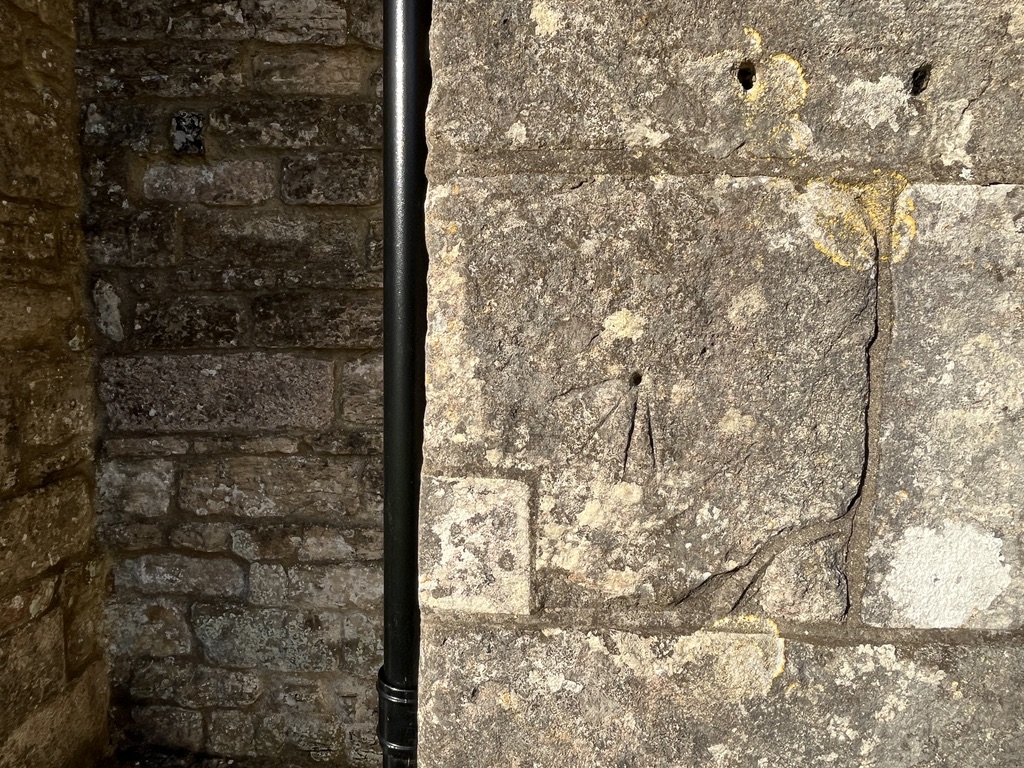
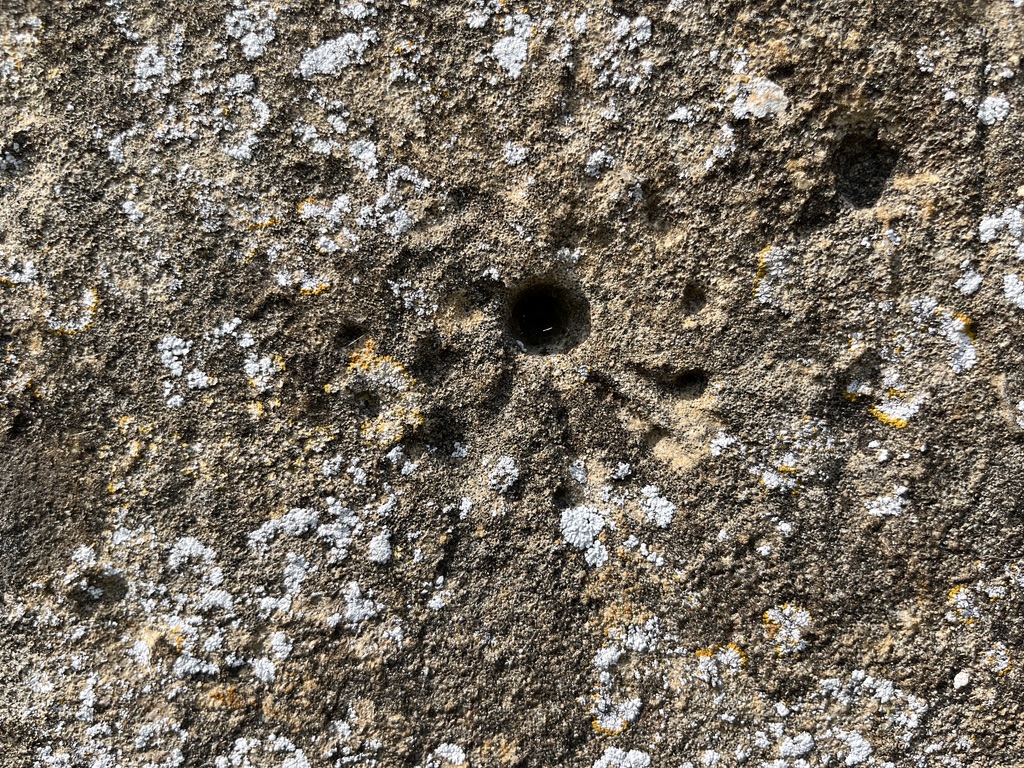
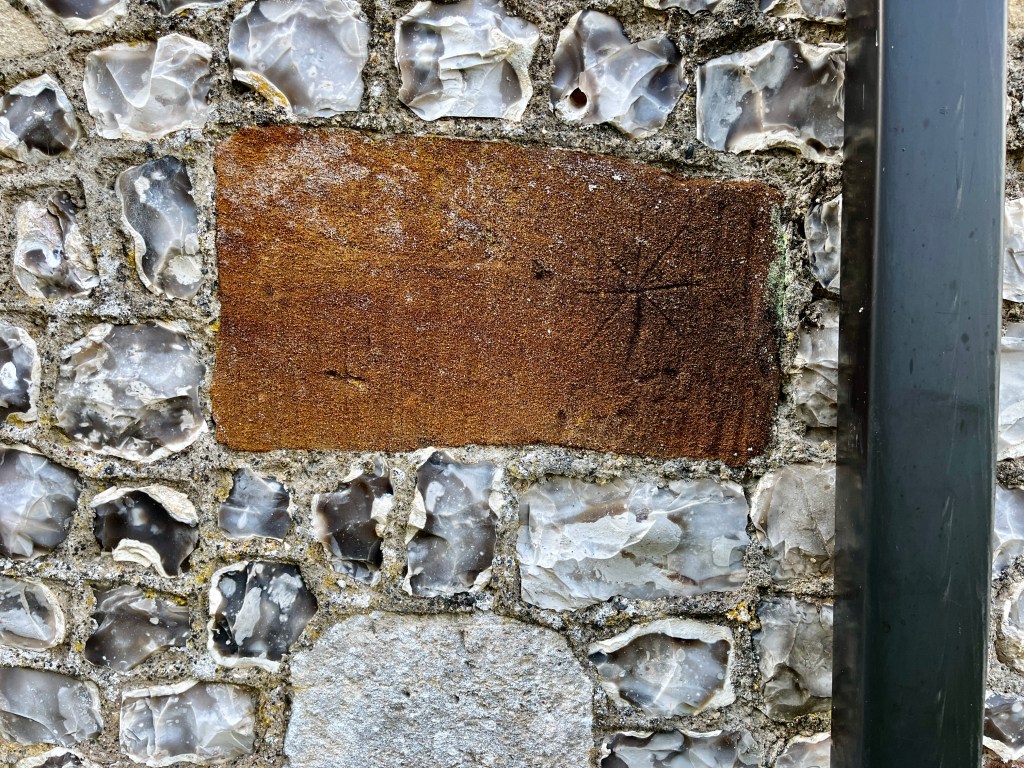
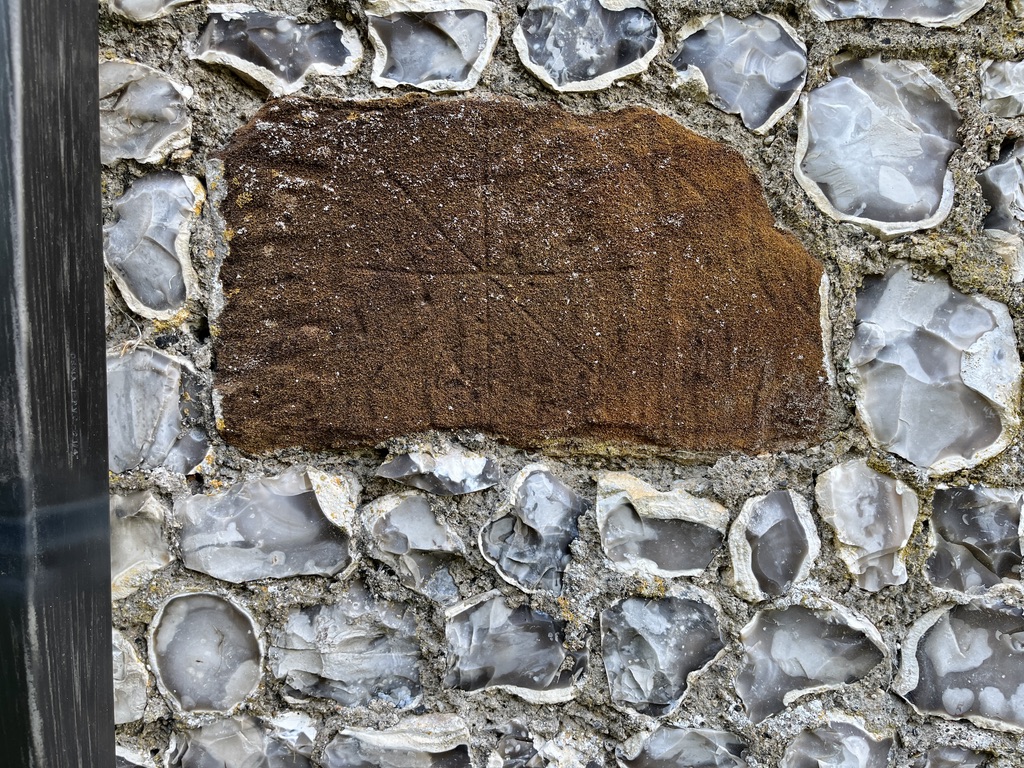
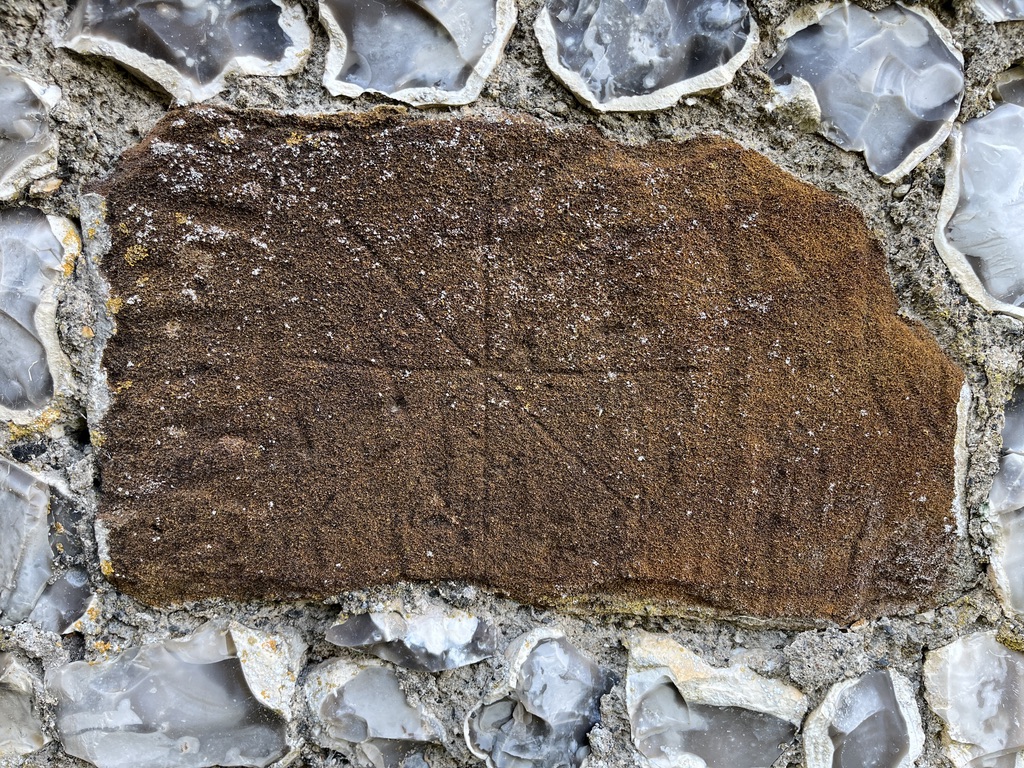
The two incised stones are located either side of the drainpipe on S wall of the chancel. Both have 8 segments (as with a Saxon / Tide Dial). A gnomon hole is conspicuously absent from both. There’s no trace of filling. There are one or two pocks on each, but random and with no specific relation to the overall designs.
GLP in his comprehensive survey of Dorset church scratch dials concluded that the dials “…are just graffiti of unknown date”. He explains that he has included these near-matching designs since otherwise “they might be mistaken for genuine dials”.
Apotropaic symbols? These don’t conform to any mainstream style of protection mark. And they are not in a location that Evil would naturally choose to gain entry.
My own theory is that these 2 designs were scratched on adjacent dark stones during the lengthy C19 restoration period. Perhaps there was a small competition between 2 apprentice masons engaged on the work, or bored by it.
DIAL 1
The cruder of the two, with bent lines and an awkwardly gouged curving ‘noon line’.
DIAL 2
More carefully designed and executed than Dial 1, and with the hint of circle round it.
GSS Category: Scratch Dial; Mass Dial; Church Graffiti circular pattern; False scratch dials
LISTING Grade I ✣ C12 origins with abbey links; C12 chancel; C13 nave and refenestration, porch; C15, tower. An astonishing church beyond the scope of this project. Besides the building itself, there are wonderful early C14 wall paintings to admire, also C16 wagon roof & C13 coffin lids. Major restoration in 1911. A very unspoilt church retaining many medieval features PEV. In the care of CCT. 5m SE of Blandford Forum 50.8307 / -2.1107 / ST922034
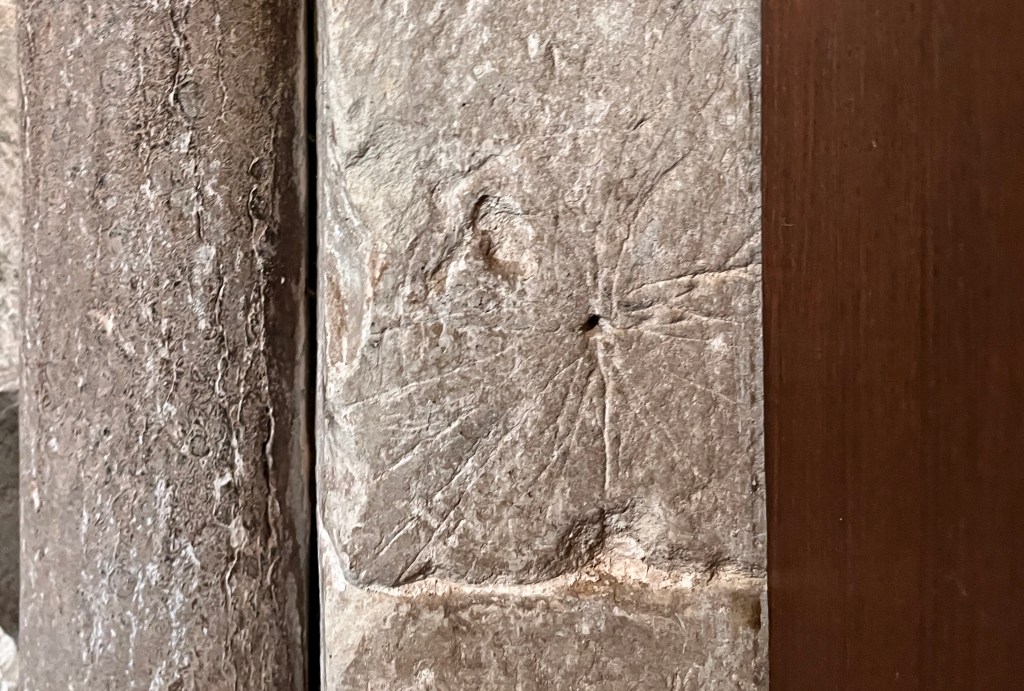
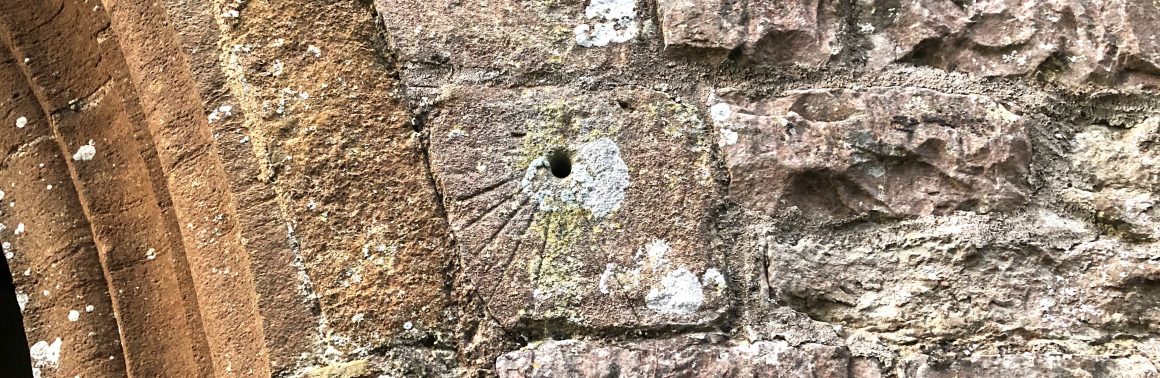
DIAL
A number of features make this dial rather special. It is inside an intriguing church; it is cut into the architrave of a (historically) relocated doorway; and the design is endearingly haphazard. There are 5 radials from the gnomon hole, mainly LLQ from (roughly) Terce to just past midday. The lines are uneven in length, depth, spacing and straightness ,not least because of the oddly squarish perimeter. One can’t tell what lies behind the cement repair, but it doesn’t seem that the perimeter continues beyond what one can see.
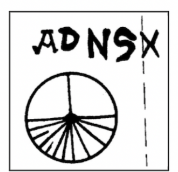
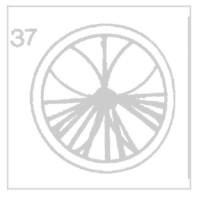
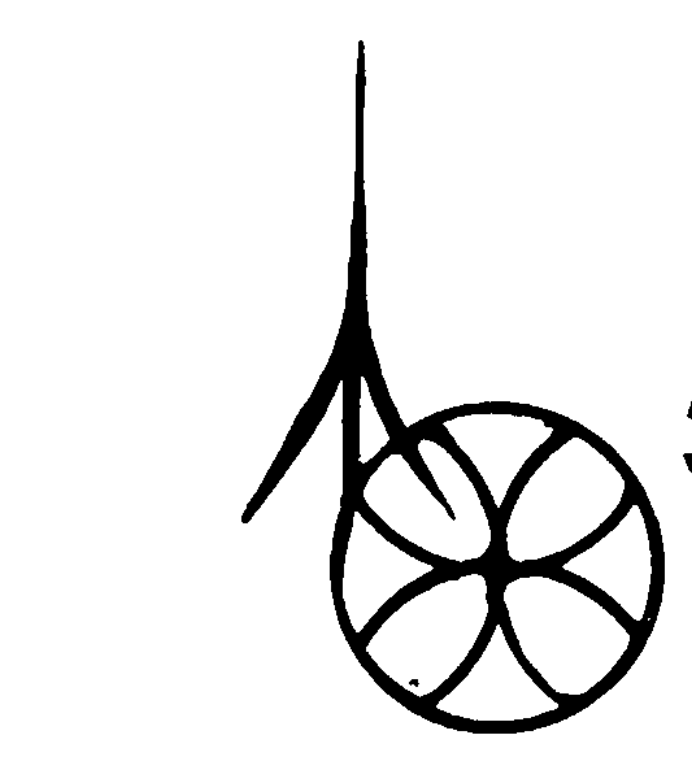
BSS Diagrams
APOTROPAIC CIRCLES
There are two circles cut into one of the window jamb, the lowest with a dot in the centre. These are a simple form of protection symbol, repelling evil and preventing it from entering the church. Some theorise that these and more complex designs (eg ‘daisy wheels’) trapped evil within the circle – so-called demon traps.
GSS Category: Scratch Dial; Mass Dial; Protection Mark, Apotropaic Symbol
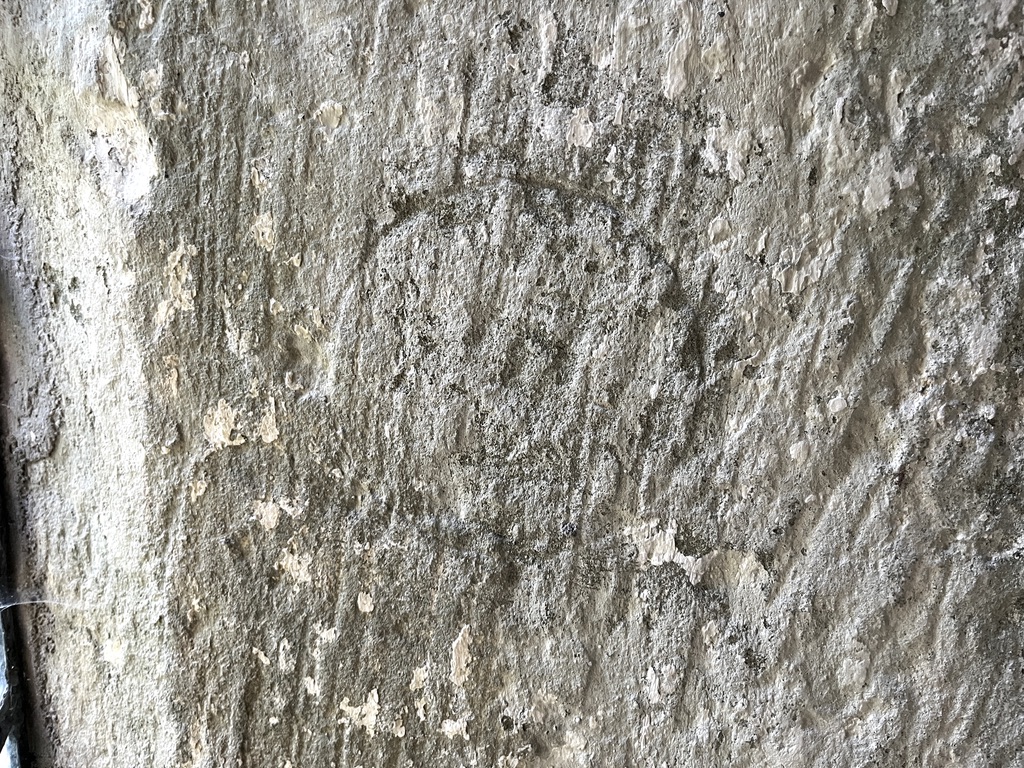
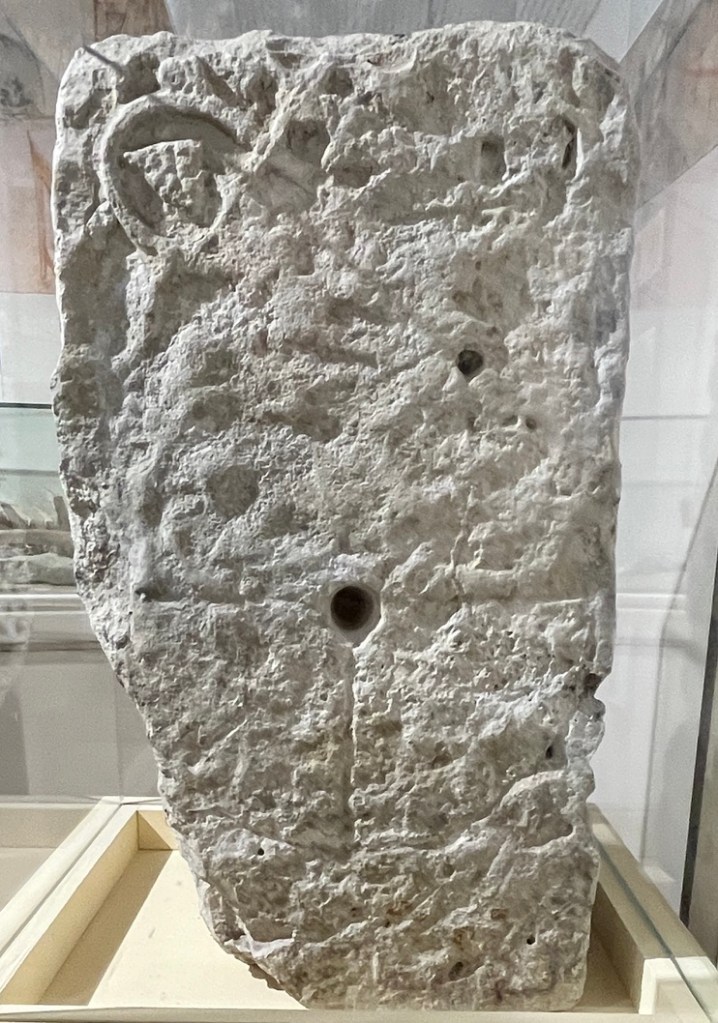
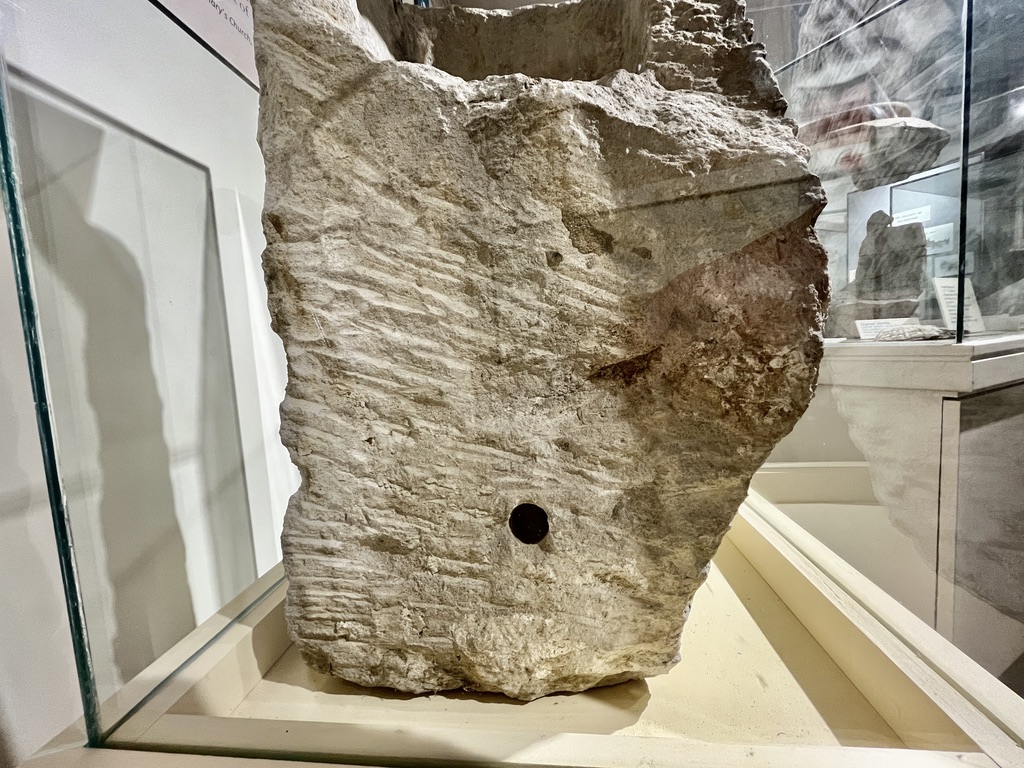
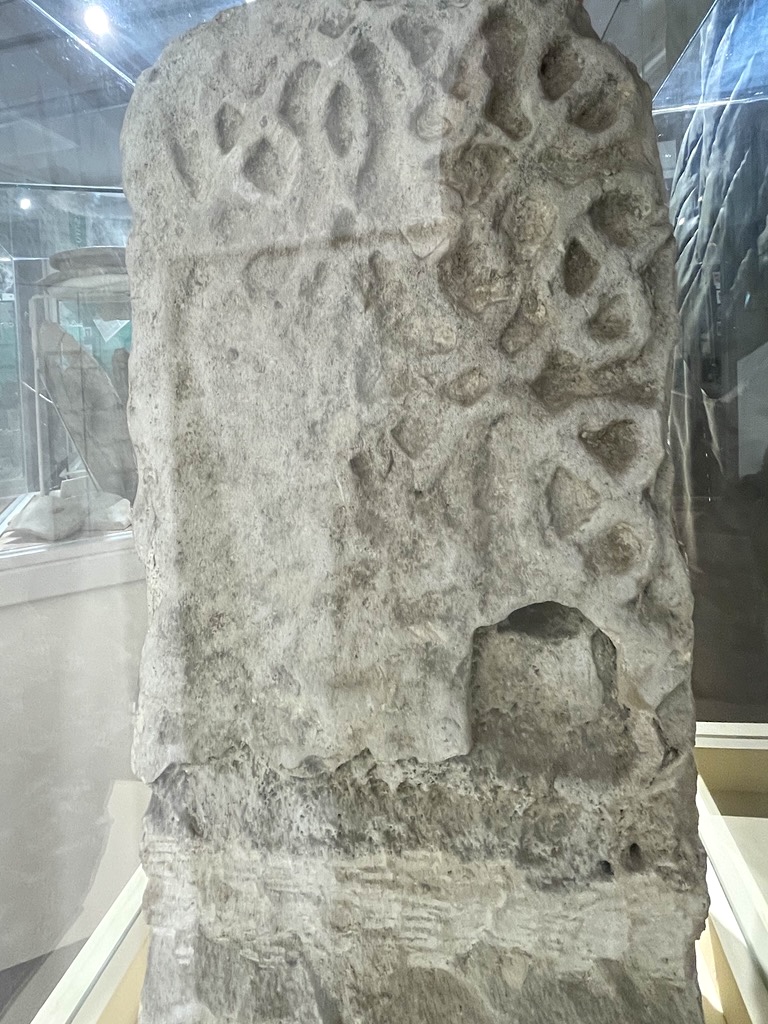
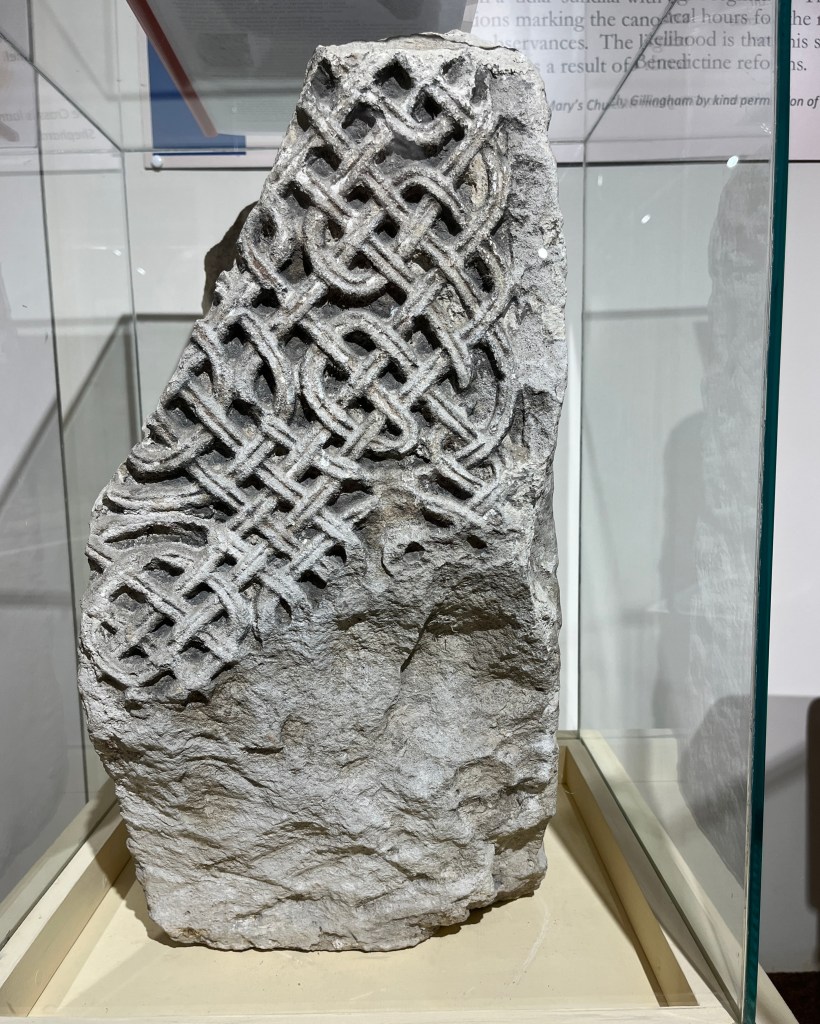
GILLINGHAM in Dorset has a well-curated Museum spanning prehistory to our lifetime. The many and varied displays include a very special one, a handsome carved fragment of an Anglo-Saxon standing cross. Below are images of all four sides of this wonderful stone. It is enhanced by the later addition of an early dial – a Tide dial.
TIDE DIAL
The dial has a complete horizontal (‘6-to-6’) line, an emphatic noon line, and a short deep line corresponding to the canonical Terce, marking the significant part of the day for observance. An arc of circumference is below; there is no hint of a complete circle.
✣
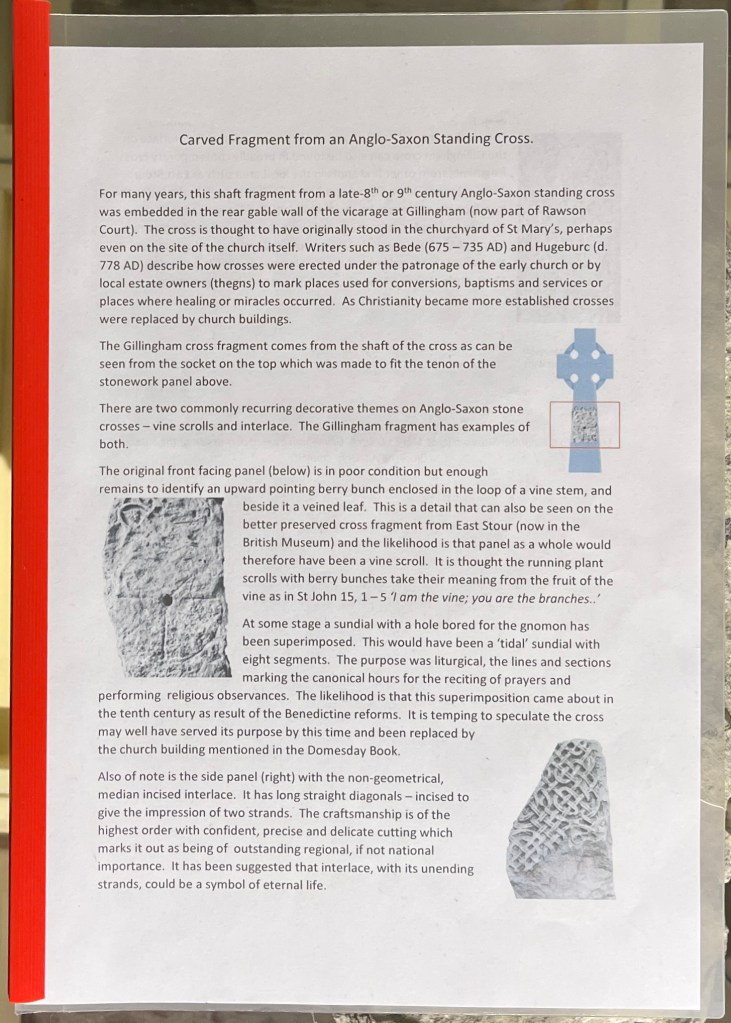
MUSEUM INFORMATION SHEET
✣
DIAL TWO?
Above right on the stone is a smaller hole with (from some angles) 3 very faint lines radiating from it. Very doubtful, but mentioned for completeness. Possibly an imitative attempt by a bored sacristan.
Second Dial above right?
✣
THE OTHER THREE SIDES
Gillingham Museum, where the stone is on loan from the Church of St Mary the Virgin, Gillingham.
Dr John Shepherd: Shephard J F (2023) – Carved fragment from an Anglo-Saxon standing cross and the arrival of Christianity in Gillingham in Annual Report and Review, Dorset Historic Churches Trust18, 6-7.
David Lloyd – Gillingham Local History Society
Images courtesy Tom Wickson (Dorset Historic Churches Trust)
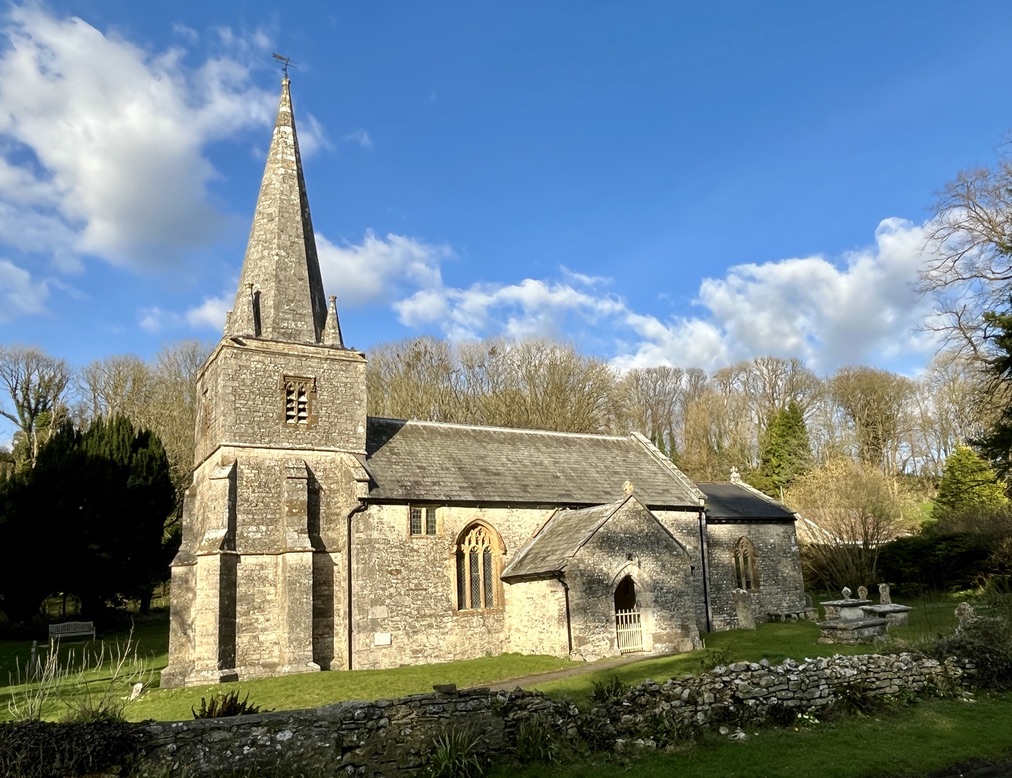
LISTING II* ✣ Early C12 origin; nave extended late C12; early C14 chancel, transepts, squat tower; C15 porch; C19 north vestry and restoration. 3 squints (‘hagioscopes’, as I have recently discovered). 4m E of Blandford forum, nestled in a valley with several other Tarrants. 50.854 / -2.0902 / ST937060
DIAL
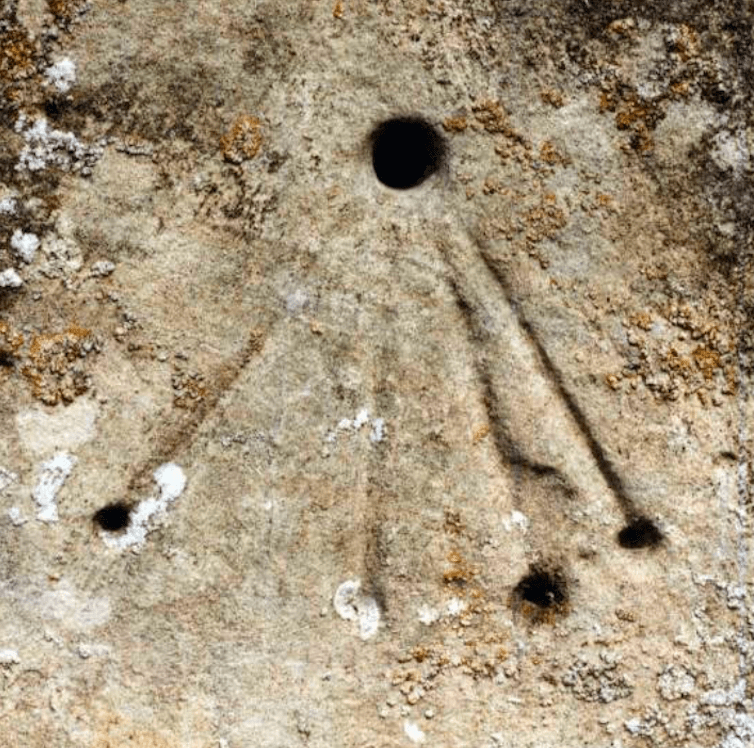
An attractively simple dial set in flint, perhaps not its original location. There are 6 lines LHS from the horizontal (6) down to to 11. Two are very faint. A morning dial, with 2 slightly deeper cut / longer lines suggesting Nones as the main time for observation. The absence of an obvious gnomon hole – open or filled – is a puzzle. There is a slightly paler area where the radials converge, perhaps marking the site of a gnomon hole filled centuries ago, now worn to a smooth patch
GSS Category: Scratch Dial; Mass Dial; Medieval Sundial Dorset
LISTING: II* . C12, C13 (of which remnants); C14, C15, 1868 restoration by G. G. Scott. C14 door. Good C14 stained glass. 53.3234 / -0.368 / TF088819
DIAL
Located within later porch, LHS of entrance door. 7 clear lines; probably one upper LHS, very faint. Deep gnomon hole. Noon line perhaps marked with a pock 2″ below? Of interest, the 2 deeper and longer cut lines LHS of the vertical. These suggest that the main time of day for observance was Terce, or (as cut) somewhere between that and midday.
Unrecorded by BSS. I am grateful to Keith Freeman for contacting me about this dial, and for his excellent photos
GSS Category: Scratch Dial; Mass Dial; Scratch Dial within porch
A fine Romanesque church (C11 / 12) in the far NW of the Cotentin peninsular. From its elevated position in the coastal landscape, the sea can be seen on both sides. Of several good dials in the area (other posts will follow), this is the one that is closest to being a scratch dial, being cut directly into the gnomon stone. Other church dials in the region are vertical dials on, rather than cut into, their location.
DIAL
The dial is high up on the E buttress. Seen from the ground, the dial stone blends with the surrounding stones. Seen close to, the awkward setting – shaped angled top with filling around it – suggests relocation. Wherever originally positioned, the height of the dial on the buttress must have been an effective way to use the church’s prominent position to mark passage of the day for the local community.
The dial face has a layout similar to other dials in the area, 12 lines inside a double circle containing the numerals. A possible noon hole on the inner circle; possible noon line extending below it. The short pointed gnomon is a much later addition. LLQ is badly damaged. Beneath the angled top is an eroded inscription, the clearest letter being E. ‘RIEN’?
Finally, this photo from the excellent Michel Lalos french sundial site. I’m not sure when it was taken, but I expect within the last 20 years or so. It graphically shows how degraded and damaged the dial has come during a mere couple of decades. Sadly, LLQ is falling apart.
GRADE I ❖. C11 – evidenced from 1078, probably on site of a wooden church. C14, C17, mid-C18 alterations / additions. Major restoration 1874-76 (Butterfield). One of several excellent and varied Wylye valley churches with dials (eg Stockton (18); Heytesbury; Chitterne; Sutton Veny). Wonderful C11 / Saxon tympanum. 3m SE of Warminster. 51.1755 / 2.0908 / ST937418
DIAL
The dial is in a privileged position high on a quoin stone next to the tympanum. It is in fact the LRQ of a complete dial that must have been divided during restorations.This quarter includes the noon line.
TYMPANUM
The dial is LHS at tympanum height, just visible behind the elder
GSS Category: Scratch Dial; Mass Dial; Wiltshire Sundials