WINTERBOURNE STEEPLETON . DORSET . ST MICHAEL – Scratch Dials (revisited)

ST MICHAEL . WINTERBOURNE STEEPLETON . DORSET

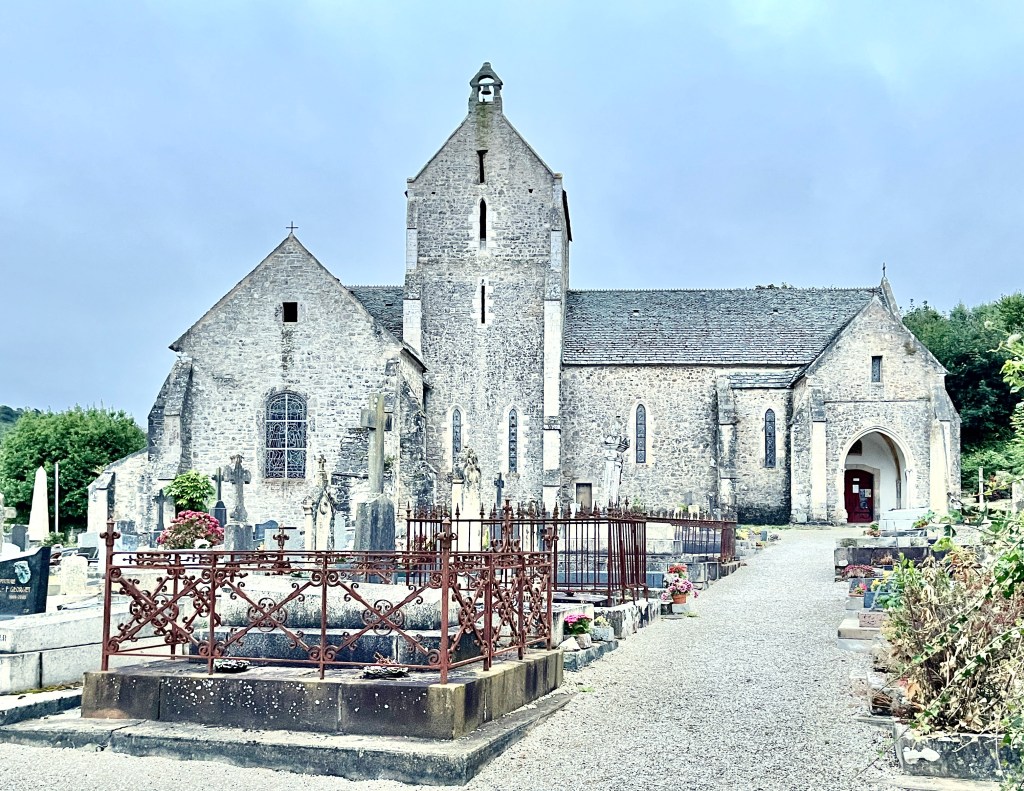
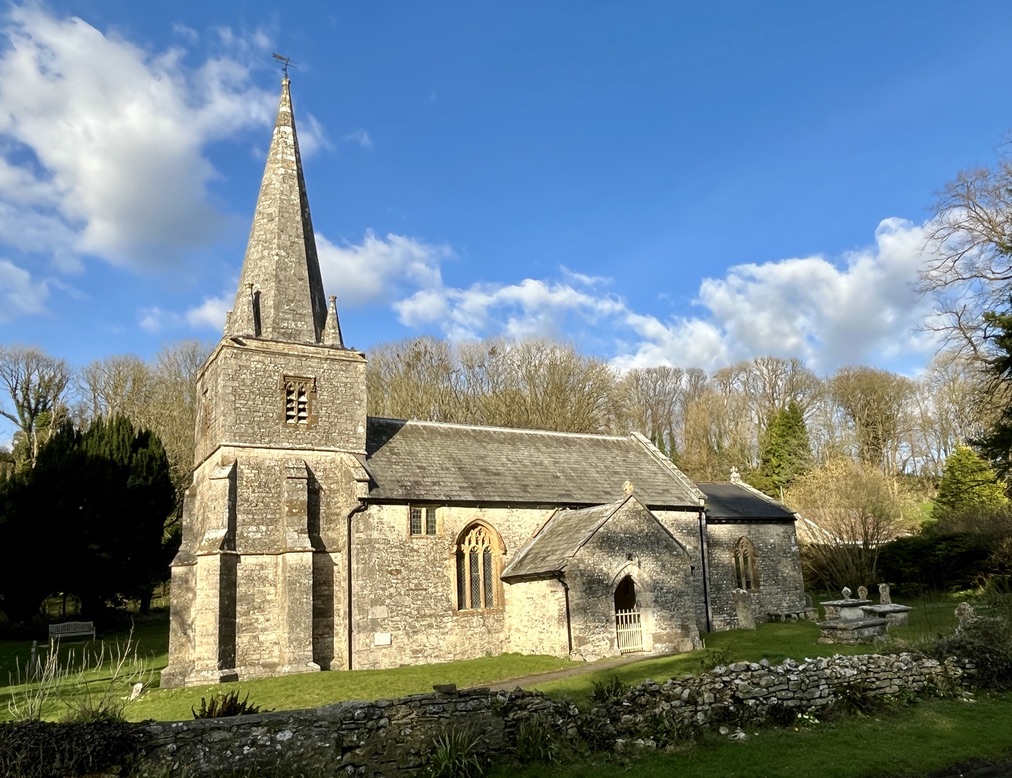
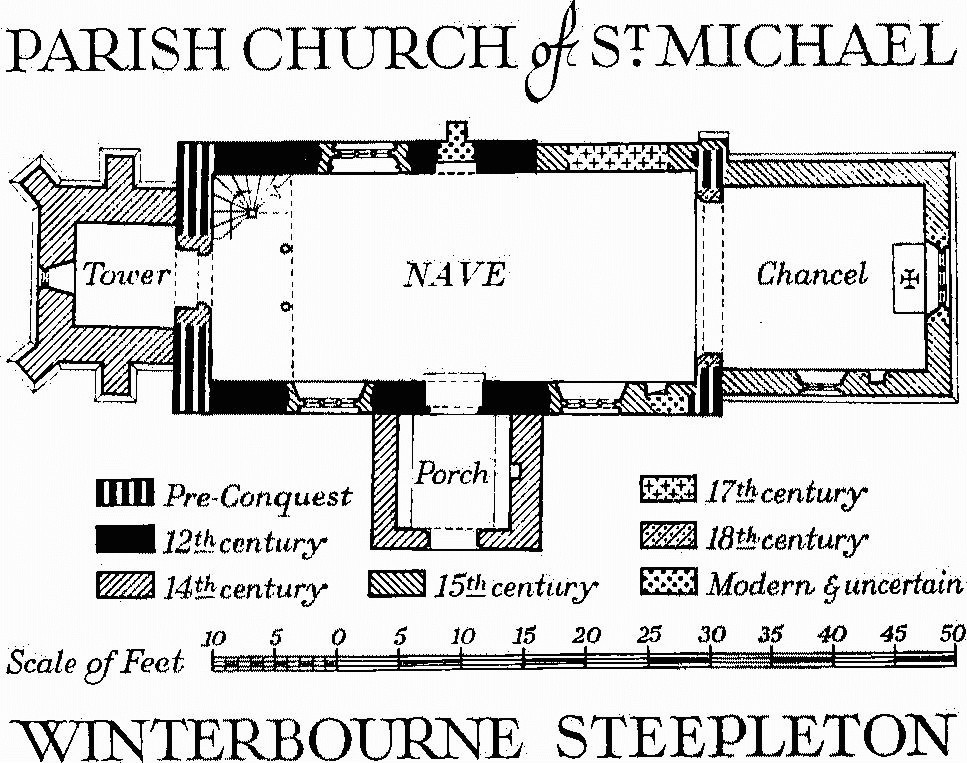
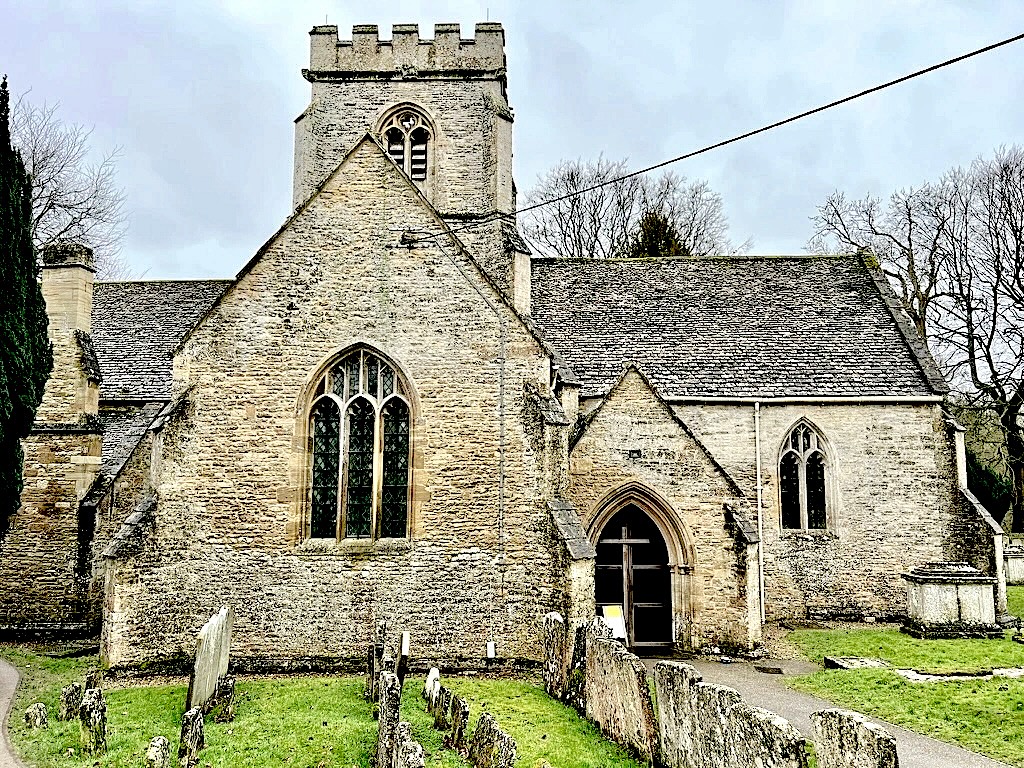
GRADE I A fine early church in a lovely setting. C11 quoins to nave; C12 nave rebuilt; C14 3-stage W tower, porch; C15 chancel. Later alterations, restorations. Just W of Dorchester, yet seeming miles away in its peaceful valley. Visit Winterbourne Monkton while you are there (2 perhaps 3 dials). 50.7067 /  -2.5266 / SY629898

DIALS

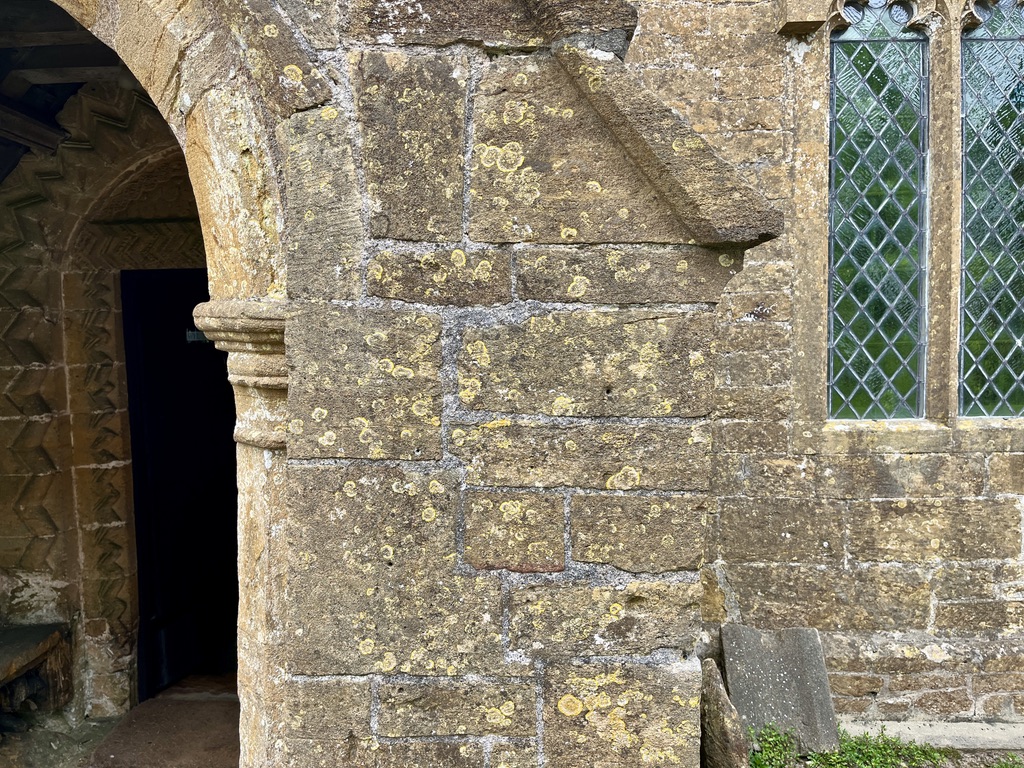
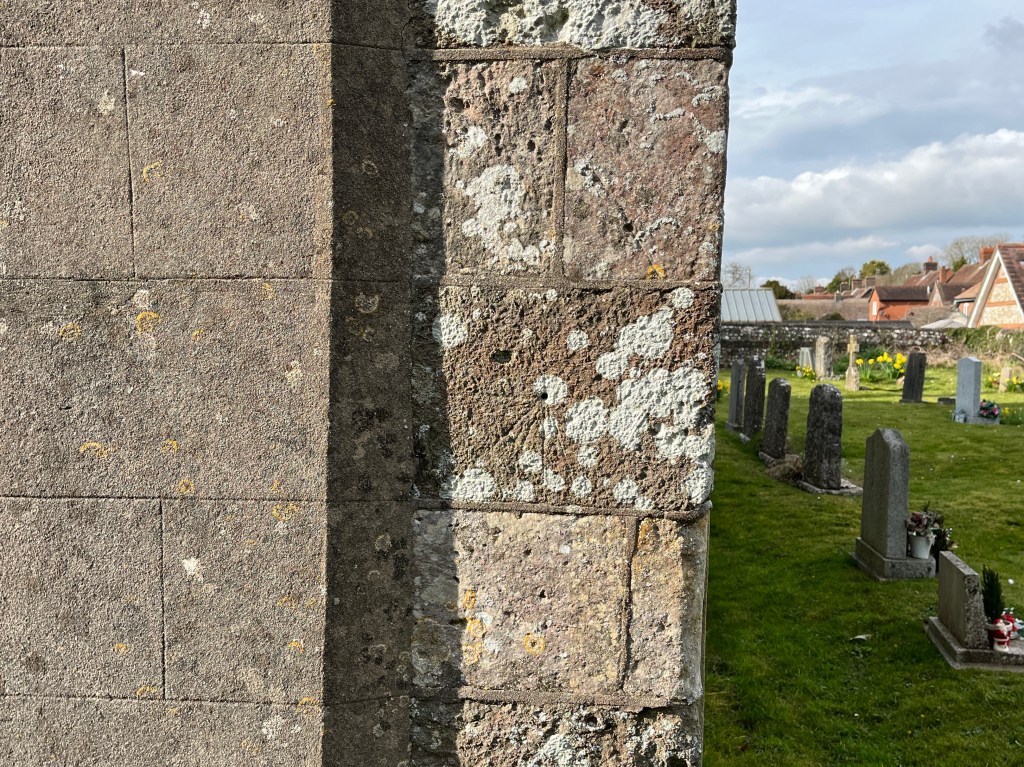
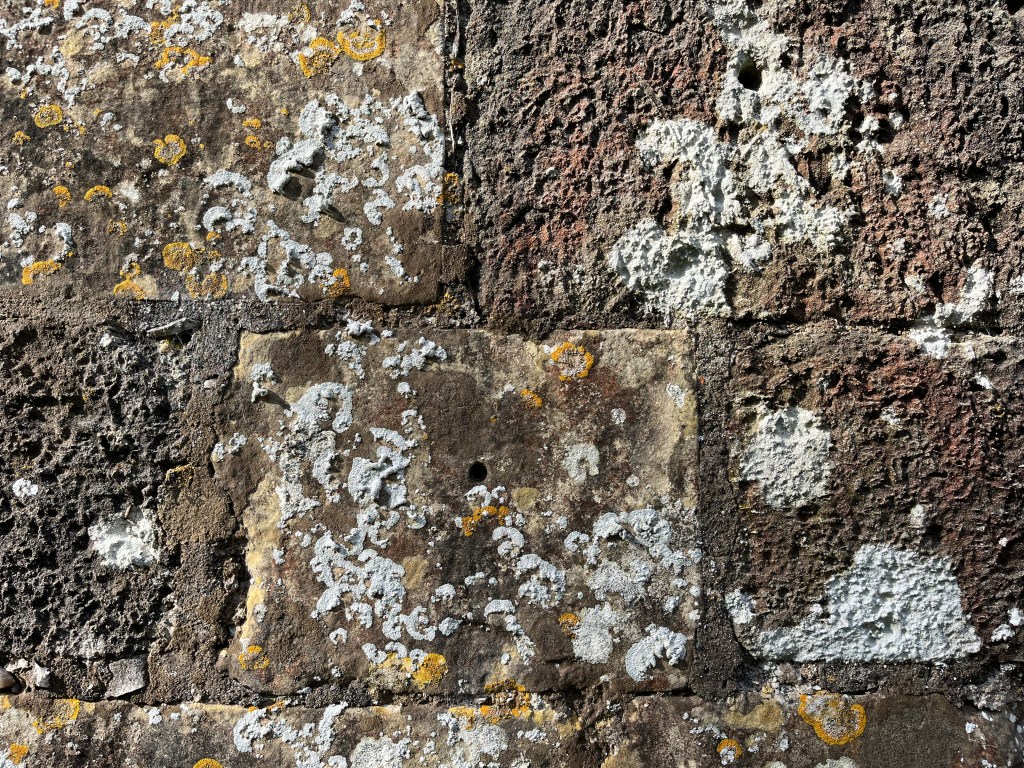
Two dials are recorded. I last visited this church more than 2 years ago, in early evening sunshine but with shadows on the church. I have recently been back in better light to re-photograph the main dial; and to check for another rudimentary dial noted on the S buttress of the tower in a 1997 survey. I didn’t find it on my first visit.

DIAL 1

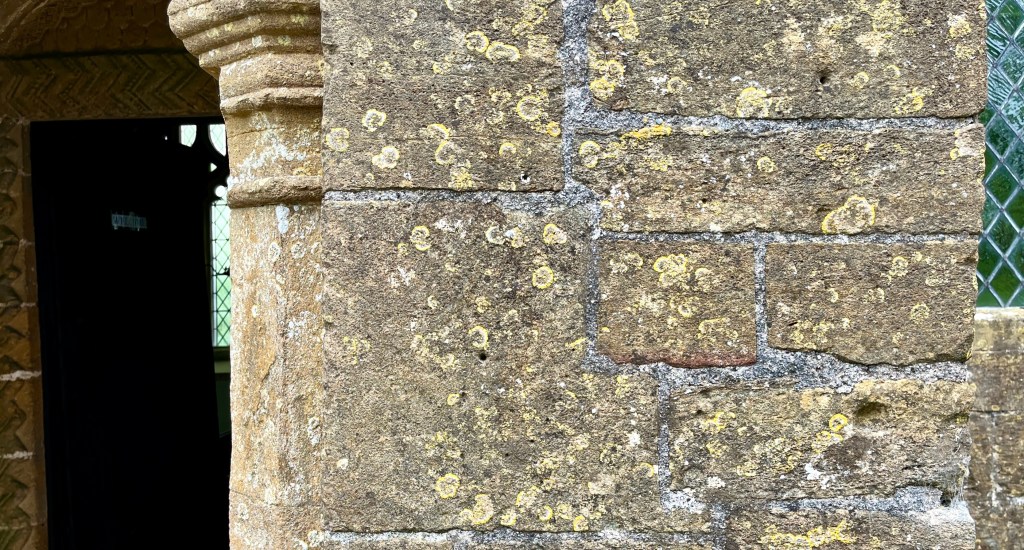
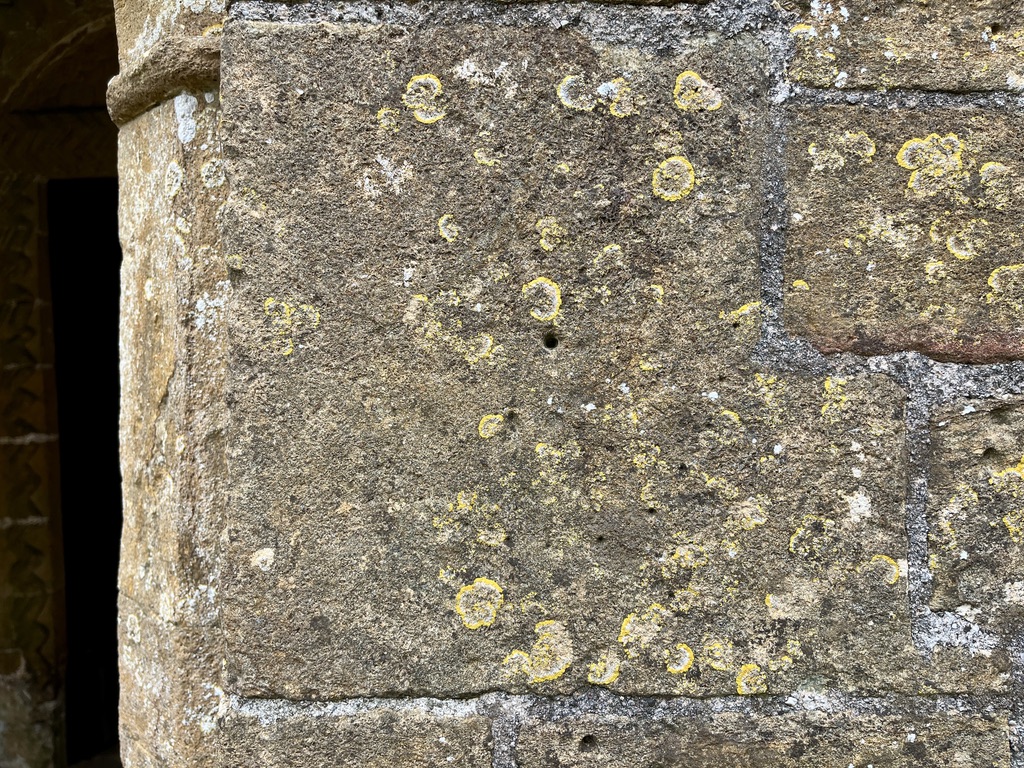
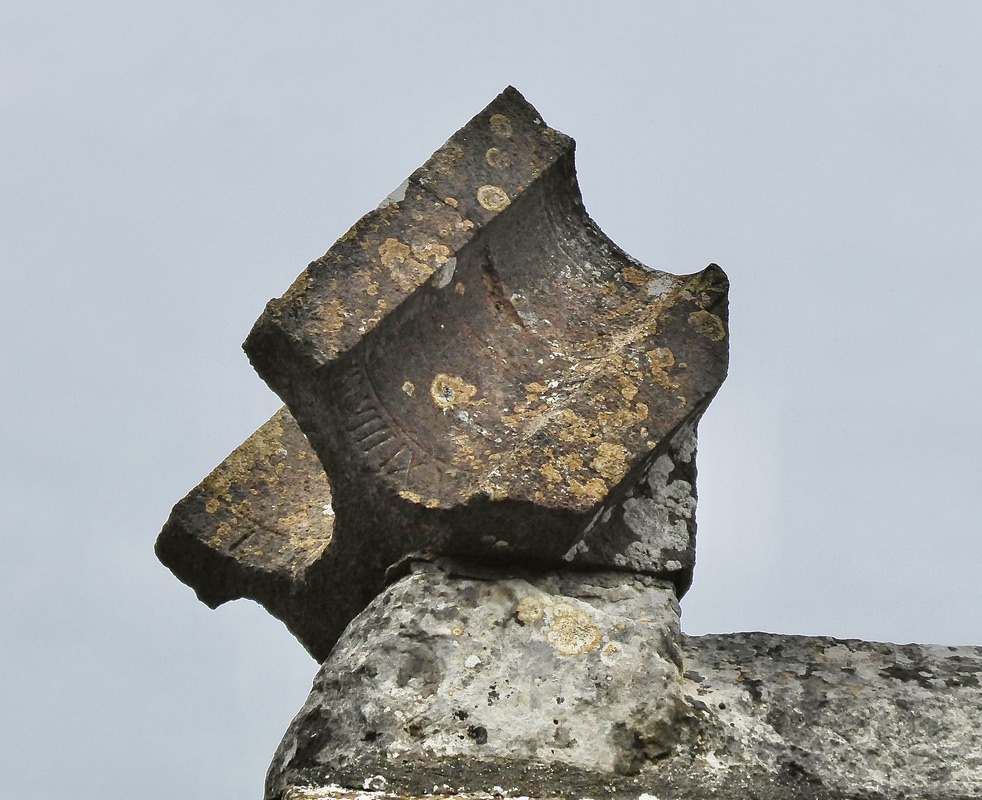
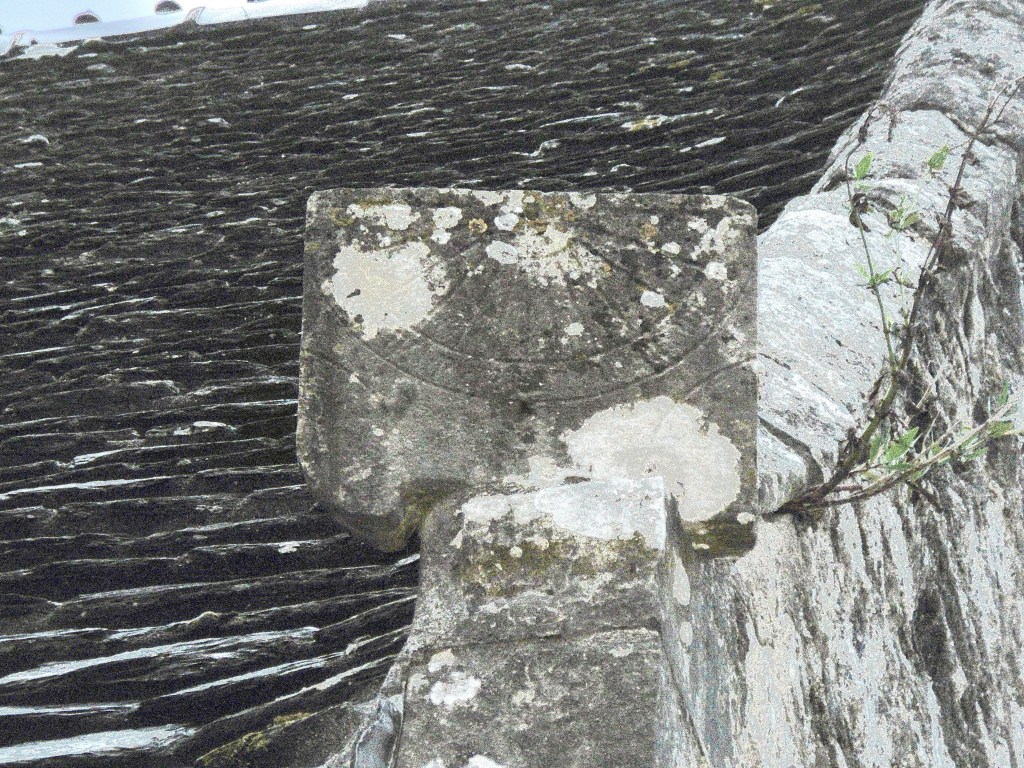
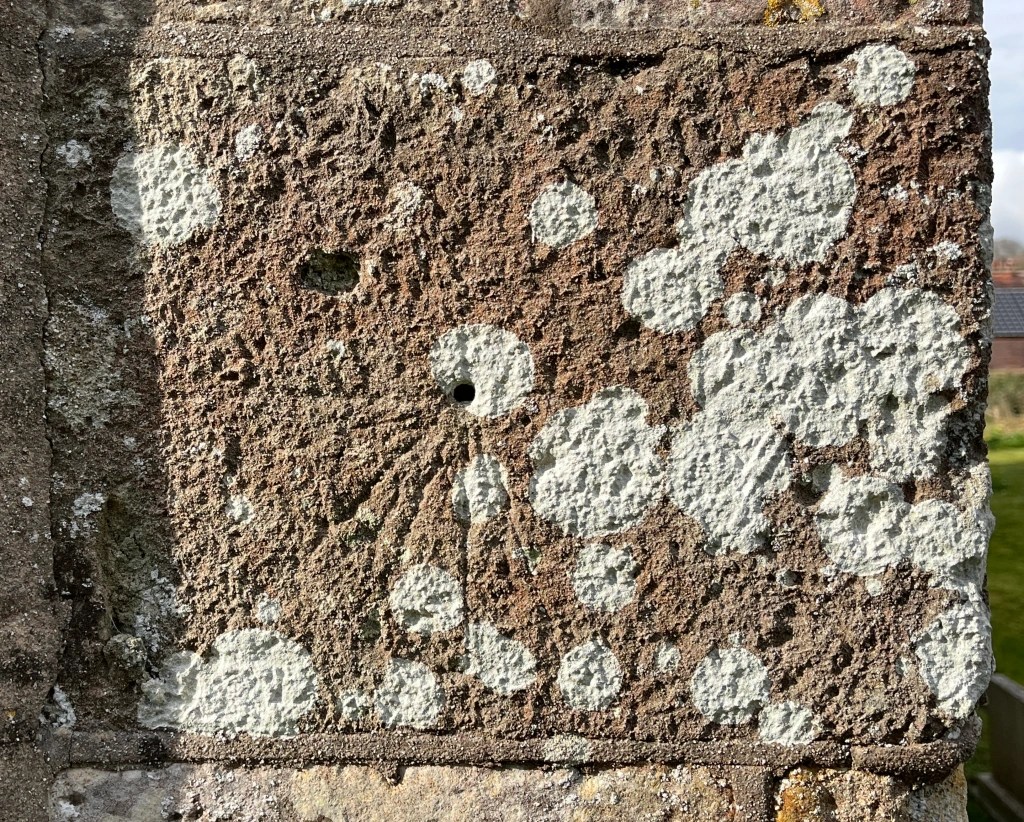
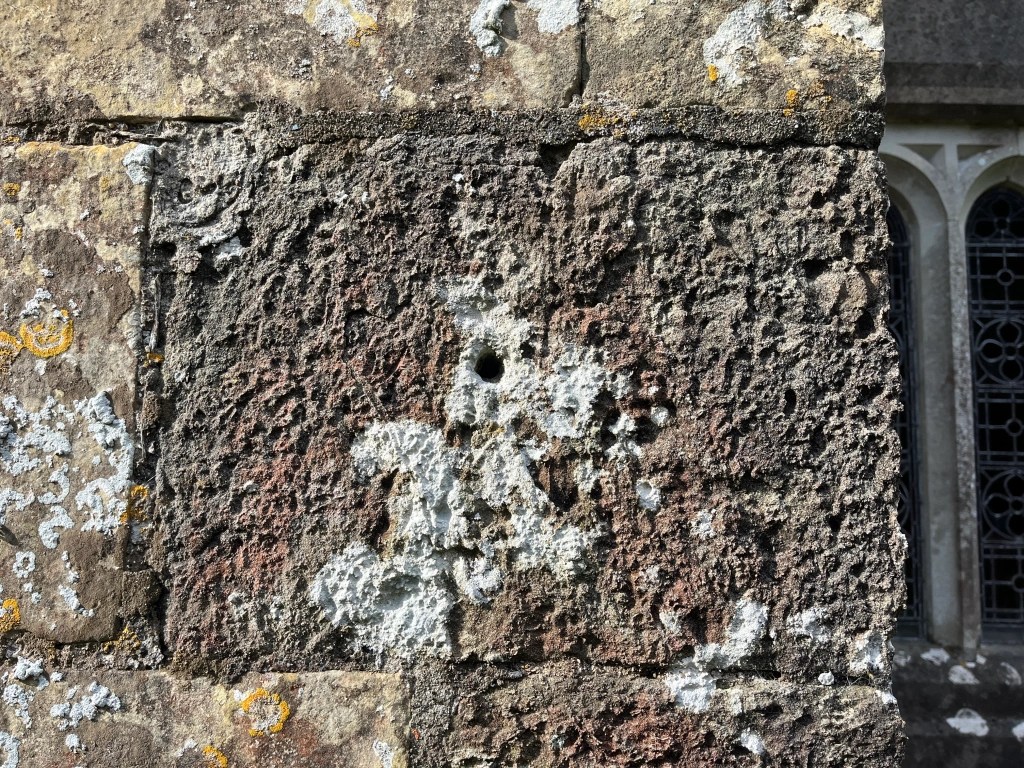
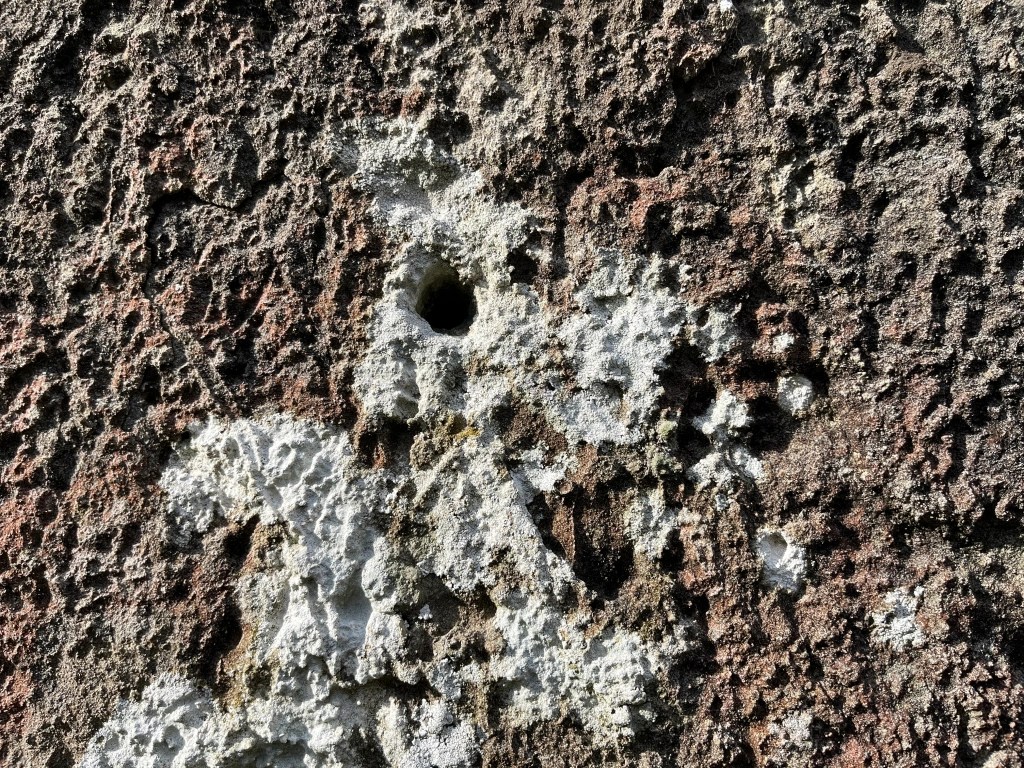
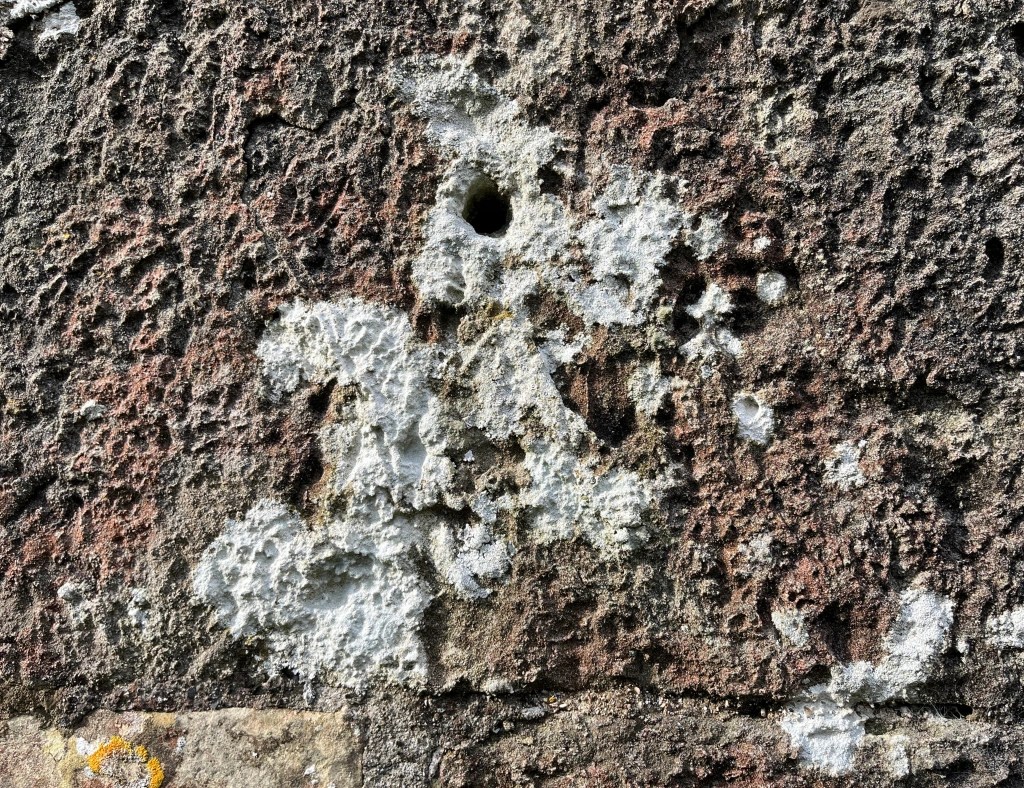
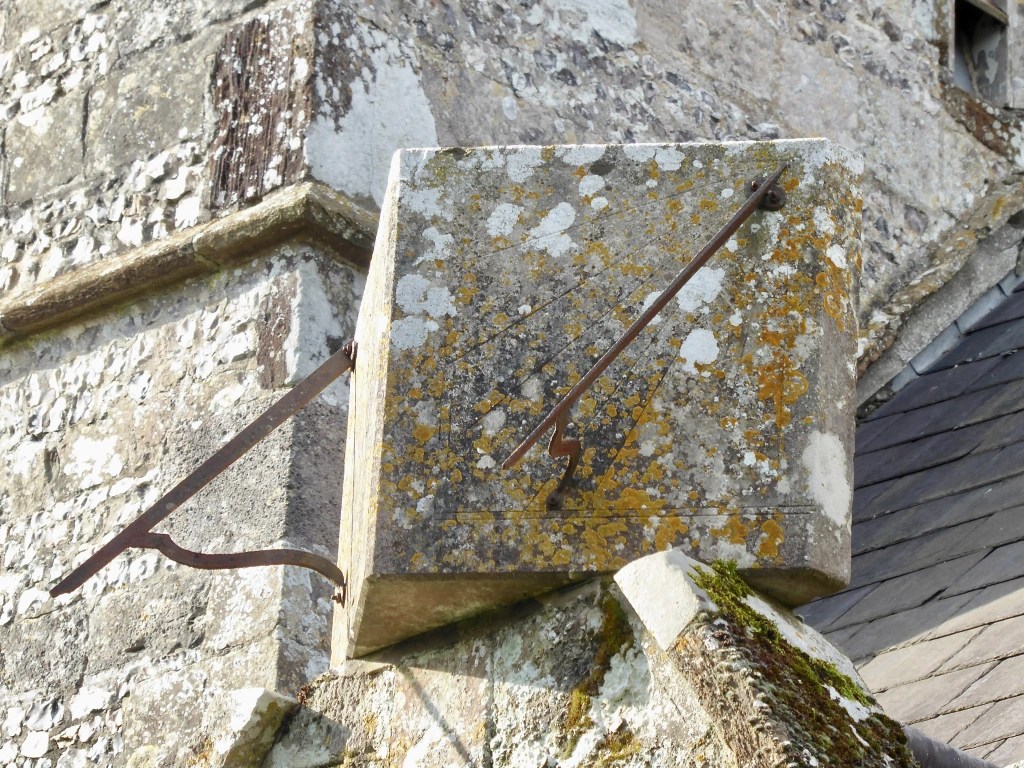
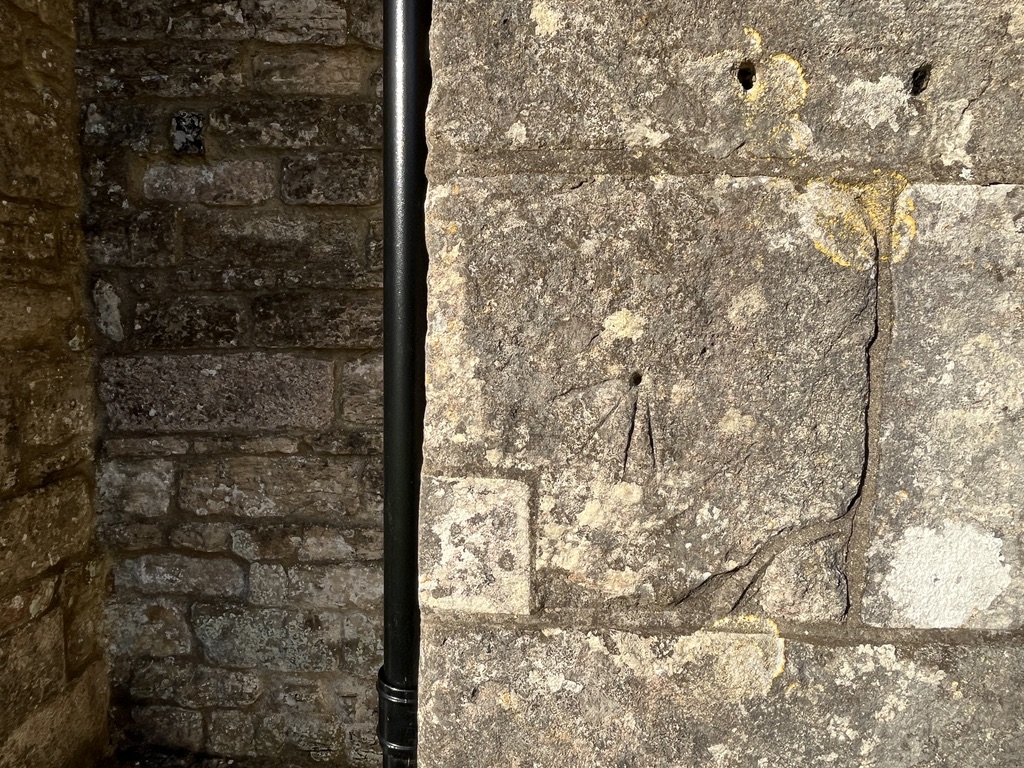
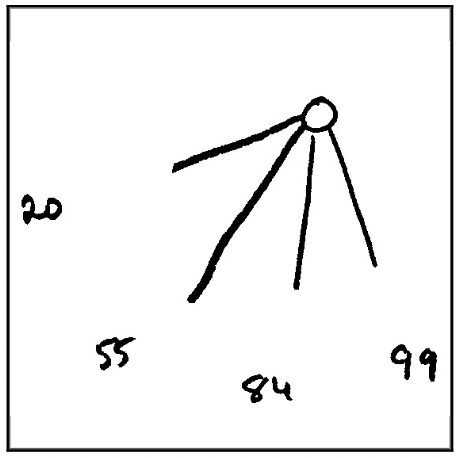
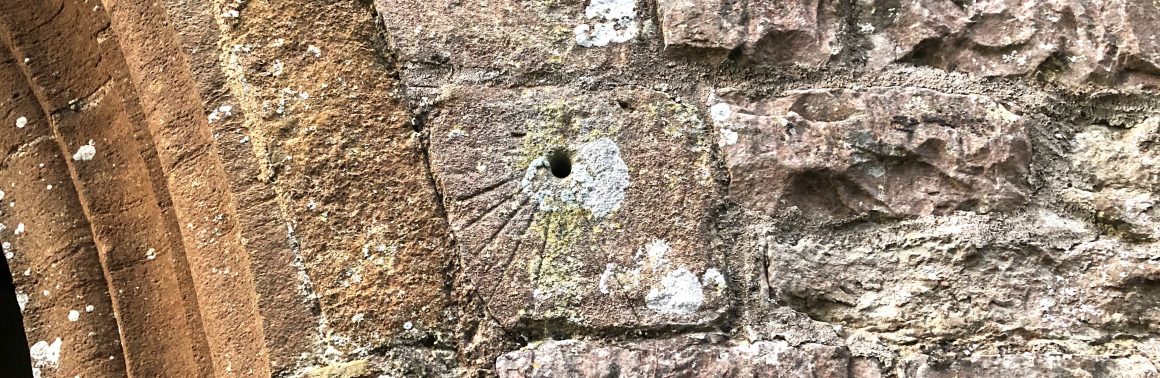
Dial 1 is located on a SW quoin stone of the nave. When examined in the 1990’s it was noted to be ‘behind a drainpipe’, which is no longer the case. By strange coincidence, when I revisited, the rest of the drainpipes were being repaired and repainted.

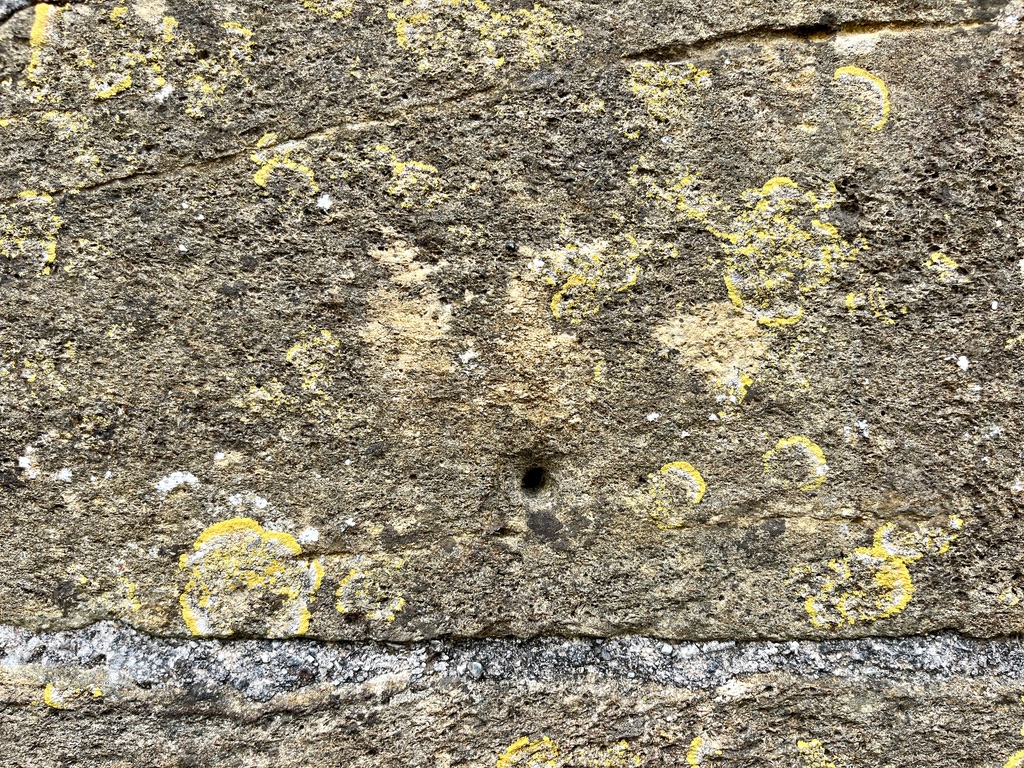
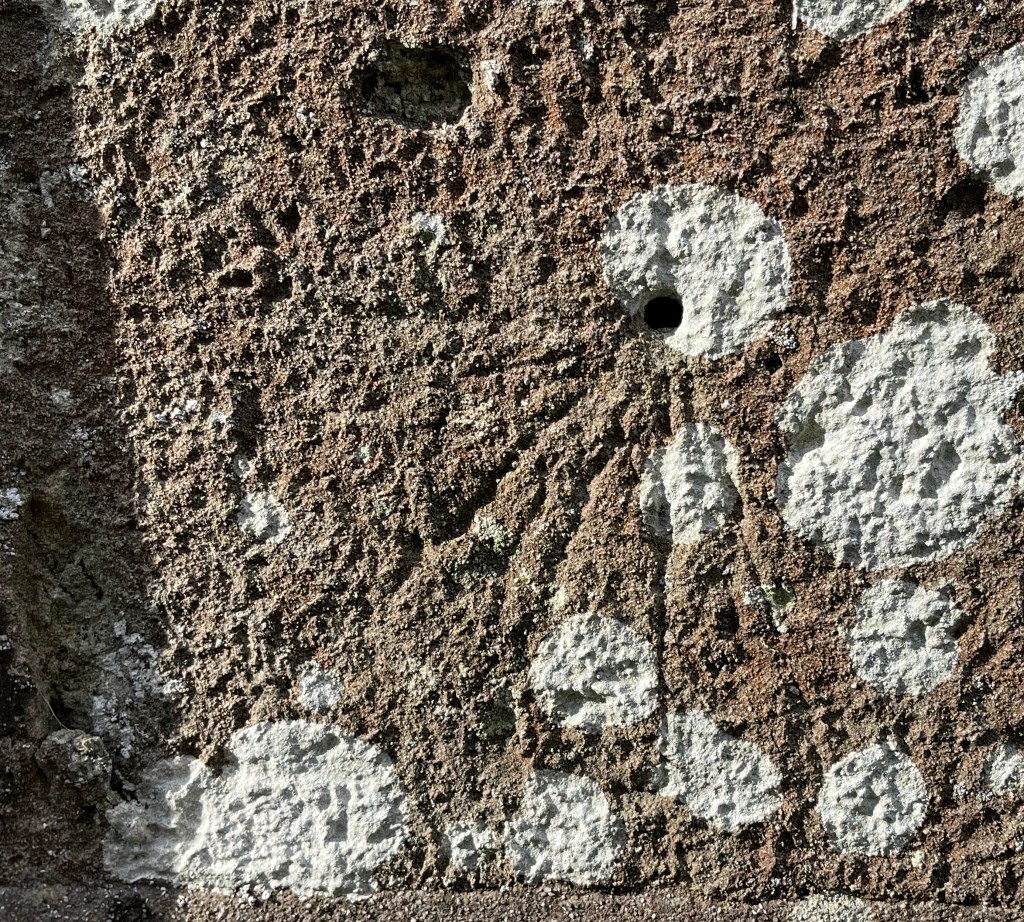
This is a straightforward 4-line morning dial with a pleasingly casual approach to straight lines. The two deeper incised lines suggest that late morning was the significant time of the day for observance.

DIAL 2

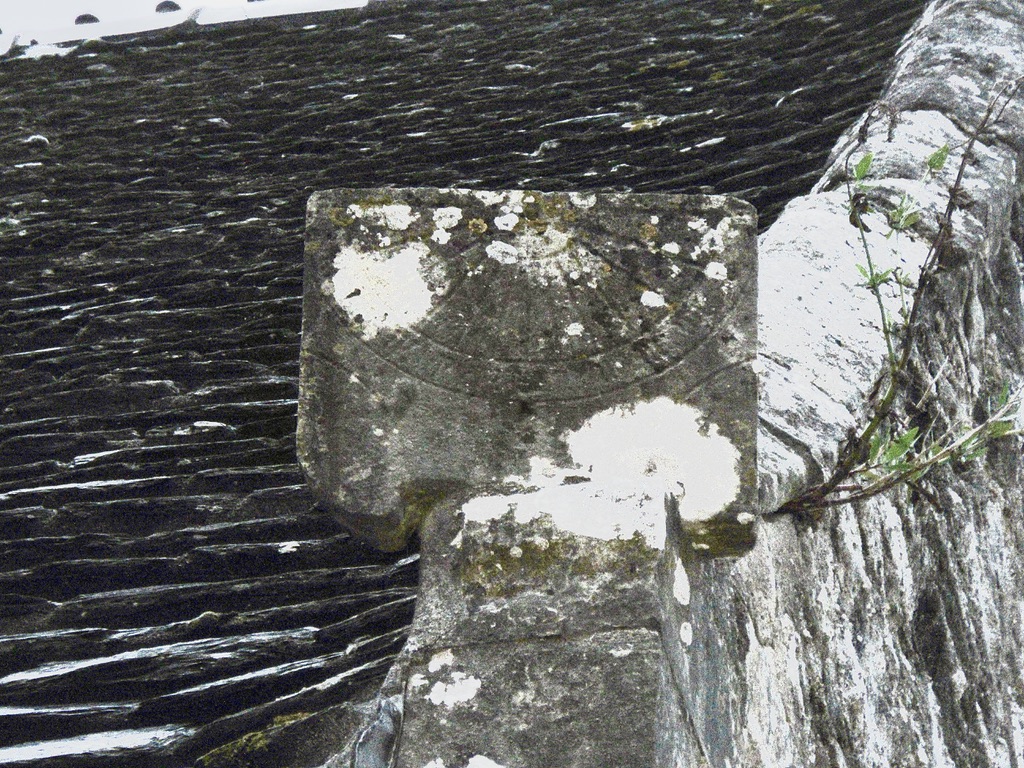
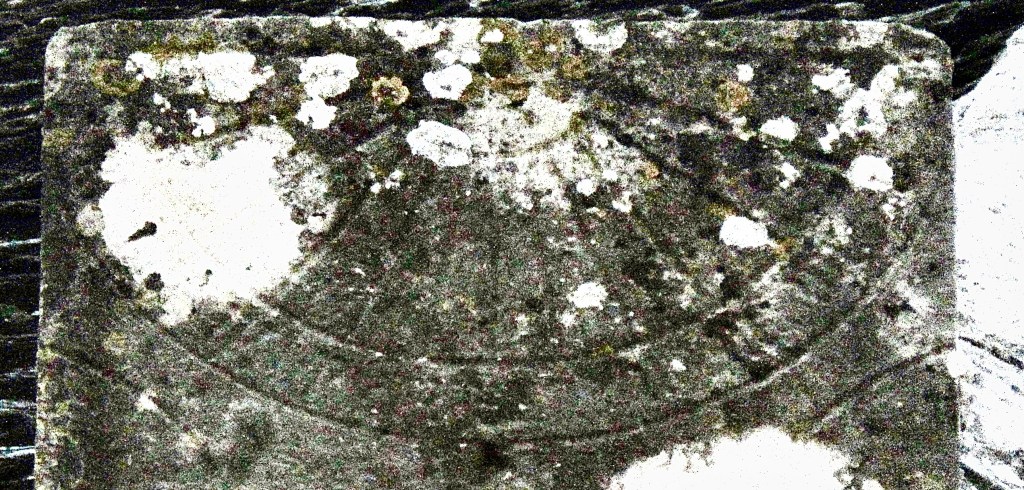
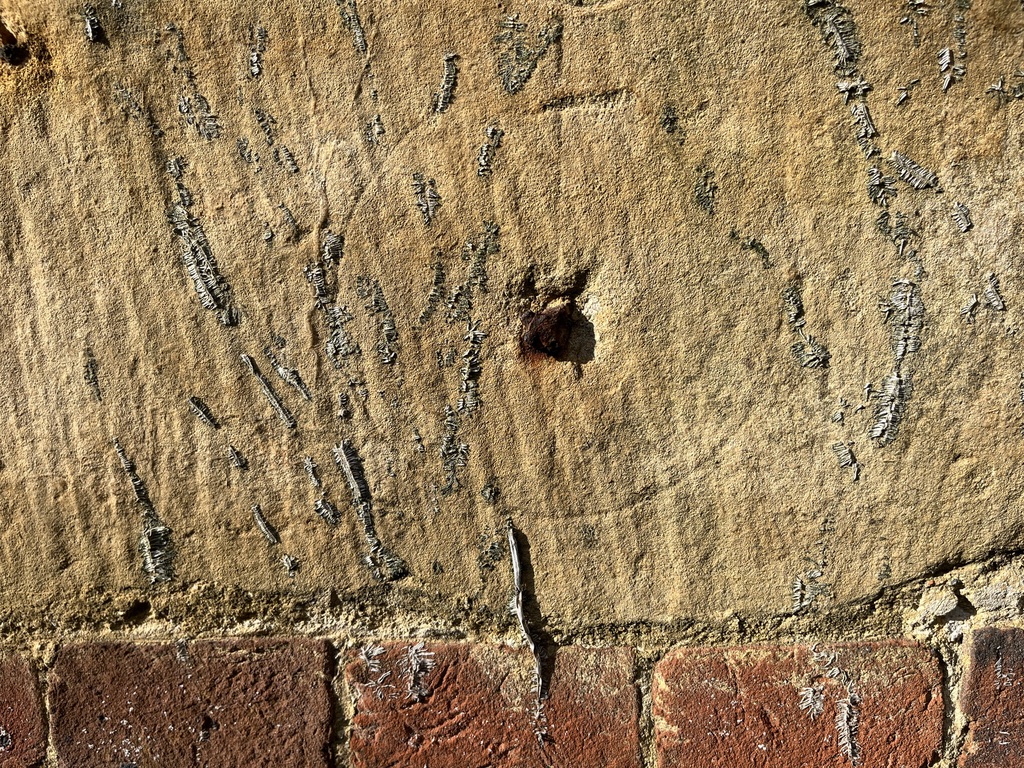
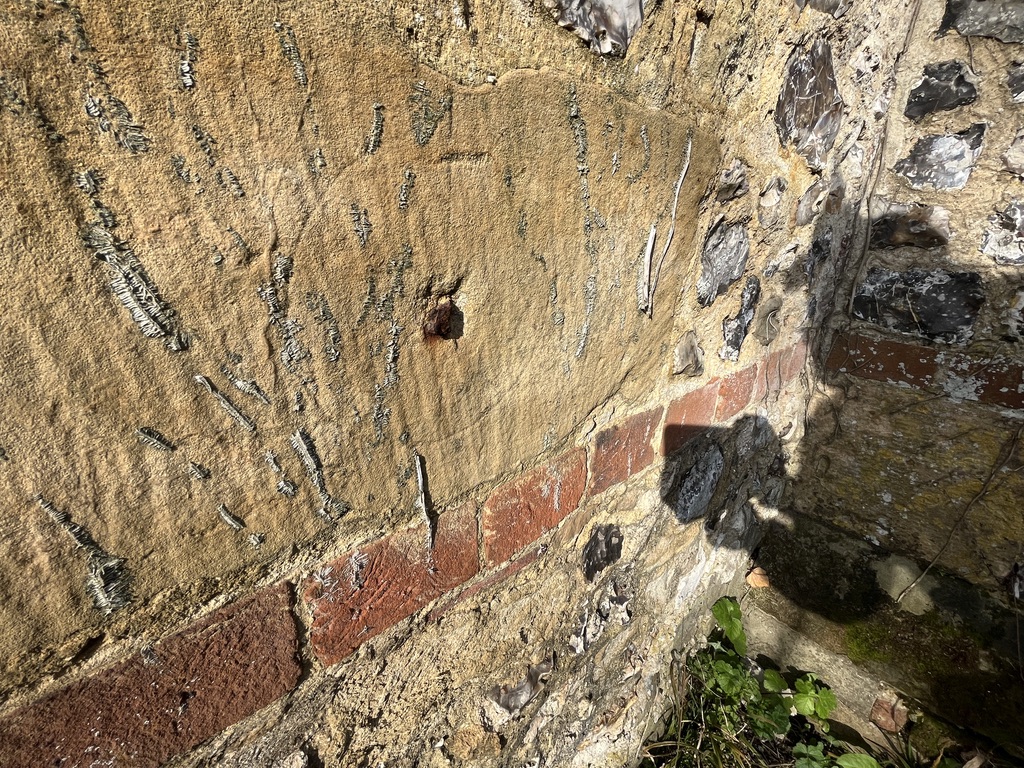
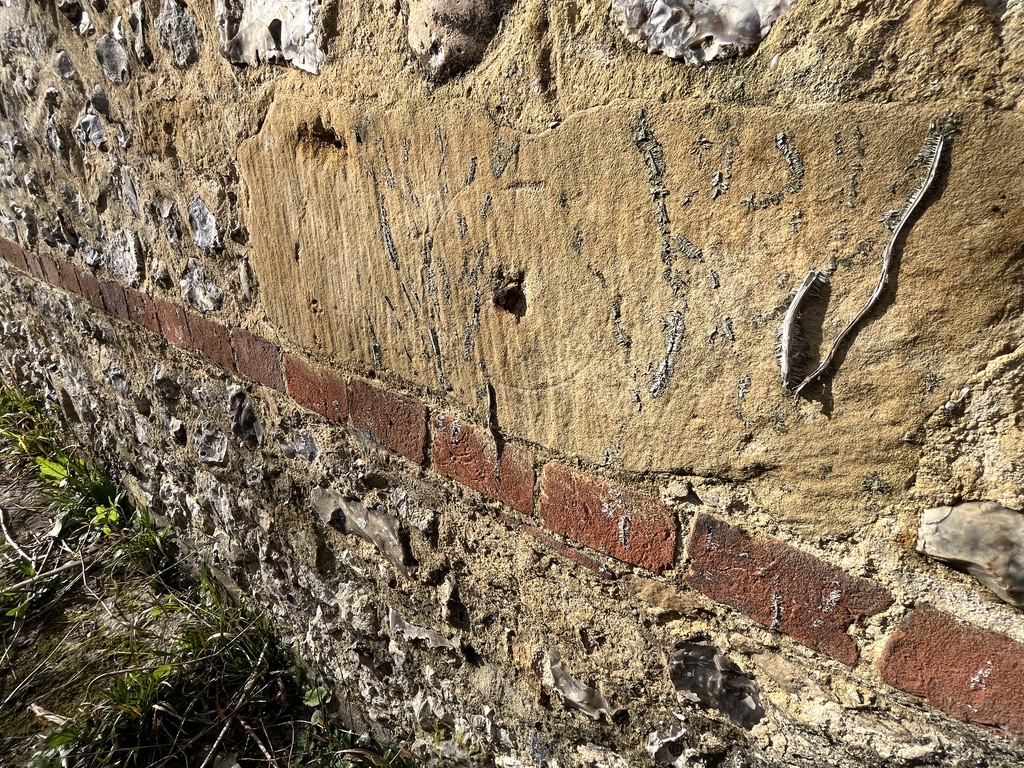
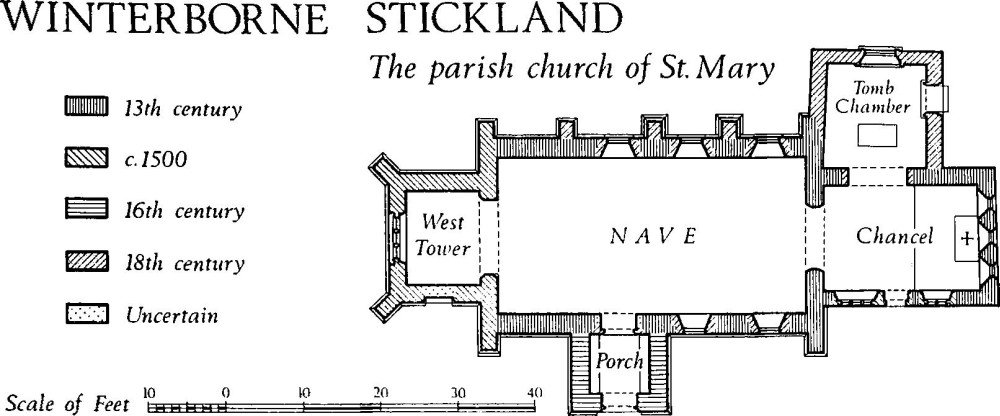
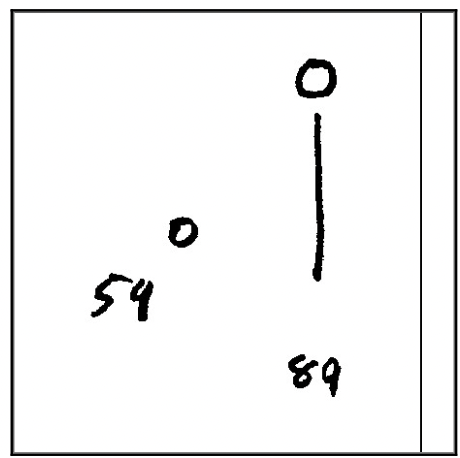
Dial 2 is so simple that I cannot claim to have discovered it this time round. It was recorded as being on S buttress of the tower, with 1 line a mere 45mm long, a small gnomon hole, and a pock LLQ . It was noted in 1997 as ‘very faint’. Although Dial 1 is mentioned in several places (eg BHO), I have found no additional reference to this tiny time marker. So for the second time I failed to find it, even in sunlight. However, a drawing was made and is all I can offer.

Do see the Saxon statue mentioned in the notice below (there is a similar one in Bradford on Avon), and indeed spend some time inside this interesting church.

GSS Category: Scratch Dial; Mass Dial; Eroded Dial

All photos Keith Salvesen; diagrams BSS

MINSTER LOVELL . OXON . ST KENELM – Scratch Dial

St Kenelm . Minster Lovell . John Renner

ST KENELM . MINSTER LOVELL . OXON

GRADE I ✣ Entirely rebuilt in the mid-15th century, incorporating earlier foundations and materials. C15 font and pews. Other details of the interior at BLB. Behind the church are ruins of its predecessor. 51.8001 / -1.5315 / SP324113

St Kenelm . Minster Lovell . ACNY cc/os

DIAL

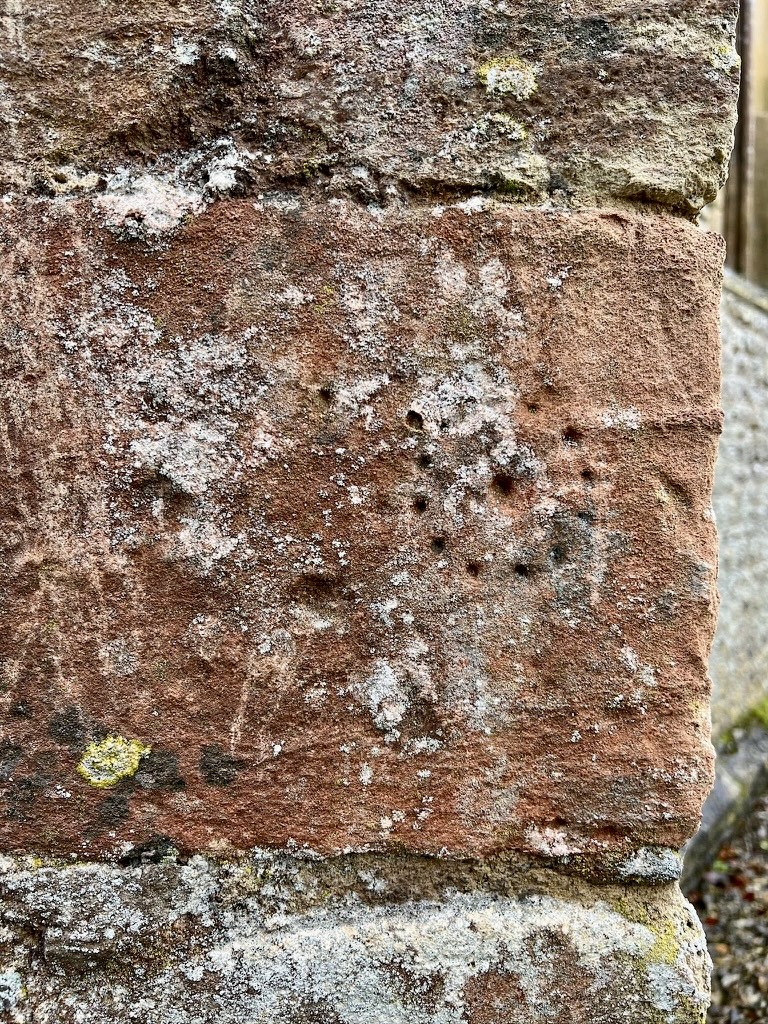
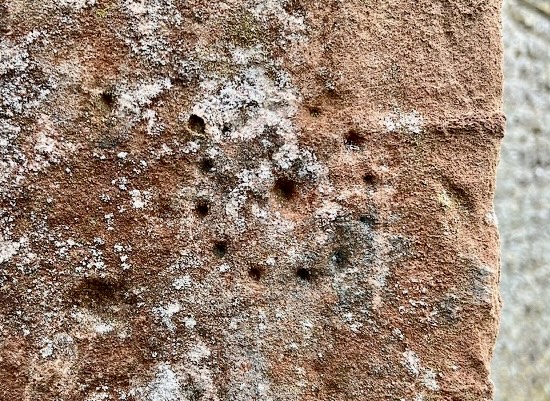
The dial consists of an incomplete circle of 9 holes, and no radials. There are a couple of eroded marks at the top that might have been linked to the design. A pleasingly small, neat dial.

LOCATION

The dial is on the buttress on L corner of N transept chapel, to the left of entrance porch. It was obviously repositioned at some time, given its orientation and the dissimilarity of the stone to those around it.

GSS Category: Scratch Dial; Mass Dial; Relocated Dial

Photos: John Renner with thanks, except 2 ACNY cc/os

ODDINGTON . GLOS . ST NICHOLAS – 3 Scratch Dials

Mike Baldwin Geo cc

ODDINGTON . GLOS . ST NICHOLAS

Grade I ✣ C12 origin; gradual expansion to C15 (see BHO diagram); C19 restorations. Much of interest within, esp vast mid-C14 Doom wall painting on north wall of nave. Of note: stone bench seats within porch with incised lines where yeomen are reputed to have sharpened their arrows (cf Gnosall Staffs). In 1291 the rectory was valued at £14 13s. 4d. The extremely informative Evenlode Churches website is recommended – a model of its kind. 51.928 /  -1.6598 /  SP234255

John Renner

DIALS

There are 3 dials in a cluster on W face of the porch. The first is very visible and detailed, undoubtedly the latest. The second is a semi-circle type, fanned out beneath the mortar line. The third is little more than a trace between the two, perhaps a test scratching or passing whim.

John Renner

DIAL 1

John Renner

DIAL 1 has a sizable gnomon hole, enlarged over tIme. The noon line is emphasised by being cut beyond the circle boundary; it also marks Sext. The emphatic horizontal incision RHS suggests that sunset (nocturns; compline) was a significant hour for observance. There are 4, possibly 5, faint lines URQ – probably rustic knife / nail scratchings rather than part of the original dial.

DIALS 2 and 3

John Renner

DIAL 2 has 6 lines radiating from the mortar line. The discrepancy between the line spacing LLQ and LRQ was perhaps an attempt to correct the shadow-fall angle of the sun in the later part of the day.

DIAL 3 is as close to not being a dial as it could be. However, there is a badly cut line at approximately noon; and (anticlockwise) a line approximately at None. There’s also a hint that a gnomon might have been in the vertical mortar line above the horizontal.

John Renner

GSS Category: Scratch Dial; Mass Dial; Dial Cluster; Medieval Doom Painting

CREDITS: All main photos, John Renner; header Mike Baldwin Geo cc

TOTNES . DEVON . ST MARY – Scratch Dial

wigulf . wiki . cc / os

TOTNES . DEVON . ST MARY

GRADE 1 ✣ A fine Perpendicular church on the site of Benedictine Priory, standing proudly near the centre of the town and visible from some distance away. Mainly built mid C15 using much red sandstone. The Grade denotes the importance of the building, and the interior offers much for the visitor. Also, see the splendid Norman motte and bailey castle nearby. 50.4319 / -3.6878 / SX802604

From the Parish website

SCRATCH DIAL

The dial is in a poor state, and tucked away on a buttress at E end of the church. It was clearly relocated from the sunny side at some time, thereafter serving a decorative function at best.

There are ±8 lines radiating from a large or enlarged gnomon hole. Unusually, they terminate in large pocks that are graduated down in size to noon and (as far as one can tell now) upwards LRQ from the noon line. At some stage the lowest holes and the bottom right corner were badly damaged but despite the remedial mortar, it is just possible to see that there were ‘afternoon holes’.

GSS Category: Scratch Dial; Dial in unusual position; Devon Scratch Dial

Credits: Erika Clarkson, for her detailed photos of the dial; wigulf . wiki . cc / os for the header image; Parish website for the view of Totnes and the church

OXFORD . HISTORY of SCIENCE MUSEUM – GRAFFITI, SYMBOLS & SCRATCHINGS

OXFORD HISTORY OF SCIENCE MUSEUM

OXFORD . HISTORY of SCIENCE MUSEUM – GRAFFITI, SYMBOLS, & SCRATCHINGS

The History of Science Museum in Broad Street, Oxford, has a wonderful collection of scientific instruments dating from the Middle Ages to C19. There is a rich hoard to be investigated. As you enter, you will see an outstanding display of the many instruments that over the ages have been used to measure the passage of time. A superb pair of armillary spheres is / are featured HERE. Only the Museo Galileo in Florence has given me such pleasure.

GRAFFITI, SYMBOLS, & SCRATCHINGS

On each side jamb of the entrance to the Museum, there is a fine collection of graffiti of several kinds. Below is a selection of the marks from either side, left first. These include names and dates, with a Bull (1753) on one side, and a later Bull (1891) on the other; and a couple of probable mason’s marks, together with random scratchings accumulated over time.

MARIAN MARKS and PROTECTION (APOTROPAIC) SYMBOLS

By C17 the concept of thwarting evil by means of incised marks on churches and other buildings (eg the TITHE BARN Bradford-on-Avon) was weakening, yet superstition and the fear of evil lingered on. This building – the original Ashmolean – dates to the late C17. By this time, many medieval incised devices – eg scratch dials – had become things of the past. However, to some extent the comfort of cutting marks to ward off evil persisted. This would explain the various Marian marks VV (Virgo Virginum) on the jambs.

There is also a good collection of compass-drawn circles of varying completeness, accuracy, and depth. In medieval times these were the simplest form of demon trap, luring evil inside a circle from which it could not escape. The principle continued in later centuries.

LEFT SIDE

RIGHT SIDE

GSS Category: Apotropaic marks; Marian marks; Protection marks; Demon Traps; Compass-drawn circles; Graffiti on public buildings;

Reference: History of Science Museum – Oxford; Matthew Champion – Medieval Graffiti

All photos: Keith Salvesen / Rolling Harbour

TOTNES . DEVON . ST MARY – Vertical Dial

wigulf . wiki . cc / os

TOTNES . DEVON . ST MARY

GRADE 1 ✣ A fine Perpendicular church on the site of Benedictine Priory, standing proudly near the centre of the town and visible from some distance away. Mainly built mid-C15 using much red sandstone. The Grade denotes the importance of the building, and the interior offers much for the visitor. Also, see the splendid Norman motte and bailey castle nearby. 50.4319 / -3.6878 / SX802604

VERTICAL DIAL

St Mary online

On the south wall of the church near the porch is a slate dial set in a stone frame. It declines west and shows the hours VII – VI divided into halves and quarters. Across the top is an inscription which reads In memoriam TWW 1903. Below it are the coordinates Lat 5020 ; Long 0340 W. Across the bottom of the dial is the quite common motto Ut Hora Sic Vita (Life is as an Hour).

The gnomon has a pierced nodus which causes a spot of light to appear on the dial plate. In my amateur experience, this is a relatively uncommon addition to a sundial’s capabilities.

GSS Category: Vertical Dial; Sundial with Nodus; Vertical Sundial Motto; Memorial Vertical Sundial

Photos: header, wigulf . wiki . cc / os; dial location, St Mary’s online; dial close-ups, BSS Bridol

Thanks to Erika Clarkson for giving me the details from a visit to St Mary’s, where she had found a scratch dial. I have written it up separately, being completely different in type and time.

DALI DIAL [anag.] . PARIS . CADRAN SOLAIRE

‘Derrick’ . Sticky Mango Rice . A fine artist captures the essence of Paris mingled with a surreal addition – link below

SALVADOR DALI’S SUNDIAL (1966) . PARIS . 27 Rue St Jacques

Unassumingly sited and not easily visible to passers-by unless walking north on the eastern trottoir, is a splendid sundial designed by Salvador Dali (1904-1989). Those who do notice it might well be entertained by the Daliesque appearance, but because of the dial’s position they may not see the artist’s signature and the date 1966**

‘Derrick’: a rather beautiful close-up depiction of the Dial

IRL

Ken Eckert Wiki

DIAL DETAILS

Pierre Guernier at French Moments

Pierre Guernier of French Moments notes that the Dali dial, cast in concrete, was a gift to friends who had a nearby boutique. The clue to the shell motif lies in the name of the street which forms part of the Pilgrimage route across Paris. The fiery eyebrows represent the sun; and the lower part of the dial obviously references the famous moustache.

DALI SHADOWS

GAUME – WikiMedia 2010

ATLAS OBSCURA

This excellent resource includes unusual and off-beat finds. It describes Dali’s dial, and notes the accompanying excitement when it was inaugurated on 15 November 1966 at a ceremony with pomp and large media coverage. Dali was no shrinking violet.

We can probably conclude that Dali’s forays into horology were relatively successful with his Parisian sundial. But for its poor positioning, it might function well or adequately. Less accurate were his more ambitious blueprints for timepieces, all being woefully deficient in design and immensely challenging in construction.

** It’s fair to say that for the English, the important ’66 dates are confined to the Battle of Hastings; the Great Fire of London; and the World Cup.

CREDITS

Derrick – Sticky Mango Rice (check out his other work)

https://www.instagram.com/derrick_sketches/?hl=en

© French Moments and pierre@frenchmoments.com with thanks

Atlas Obscura

RUSTIC ALPINE SUNDIAL . FRENCH ALPS

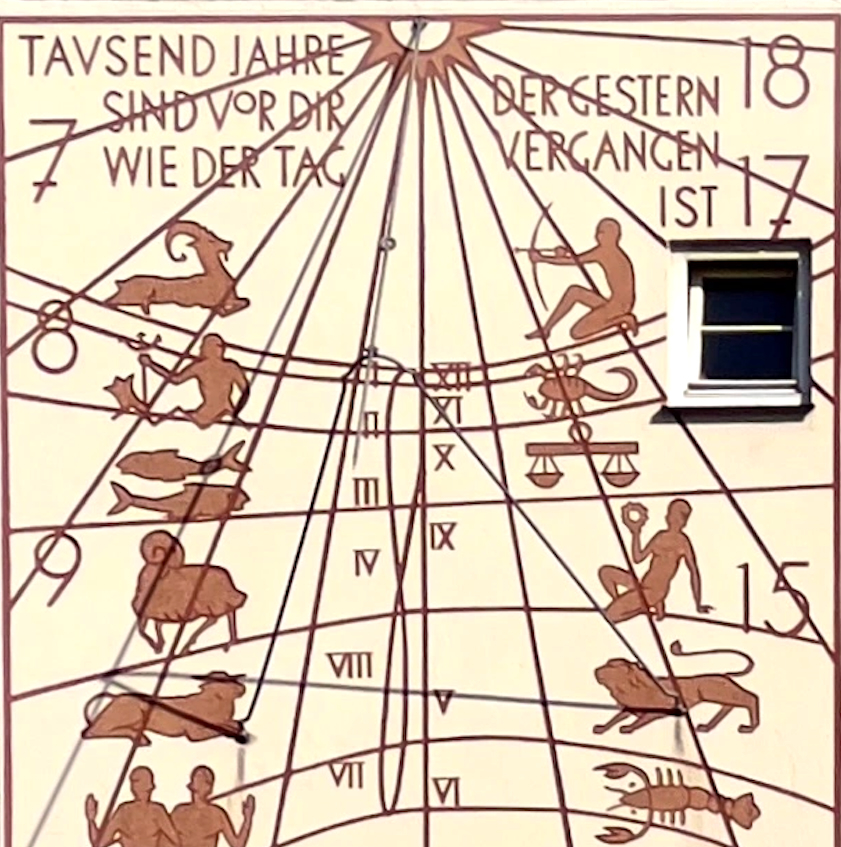
A chance find in a tiny hamlet on the French / Italian border: this rather lovely home-crafted sundial. In a simple unshowy way, it is designed with care and lends enchantment to its overall purpose. I enjoyed seeing the passage of (part of) the day being marked by this dial.

The inclusion of notably cheerful signs of the Zodiac adds to the charm.

The pretty gnomon has an ingenious simplicity. Altogether a delightful find.

GSS Category: Vertical Dial; Rustic Dial; Semi-circle dial; Sundial France

All photos: Keith Salvesen
HORIZONTAL DIAL 1597 – Mystery Provenance, Uncertain Date?

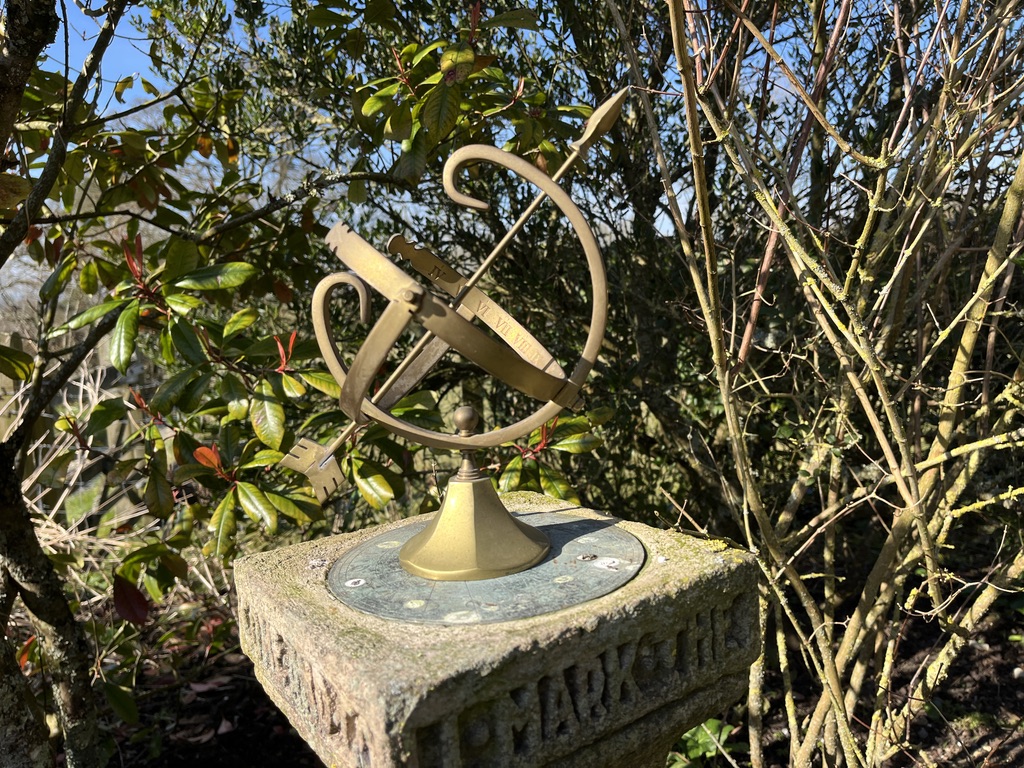
I recently met someone at a gathering of mutual friends, and we discussed sundials. He mentioned that he had an old dial in his garden, dated 1597 (the year of the first performance of The Merry Wives of Windsor). This was definitely a lead to take up.

PROVENANCE: The dial was bought in the 1950s in (probably) an antique shop in (possibly) Amersham. It was put on the pillar of an old birdbath, and remains in the same garden.

The dial is small, 4.25″ square. The photograph of the whole dial is just about clear enough to zero in on some of the details. I am hoping that the available clues will lead to ID of Tho. the maker and / or of Morris; and to the conclusion that the date is accurate [I do have in mind the generic chunky ‘genuine c17’ dials on eBay that in fact date from a rather more recent era].

I’d be pleased to have any information, advice, reaction, interpretation, wonderment or perplexity in relation to this dial. My email is sundials@gaudiumsubsole.org; or add a comment.

On the perimeter: Tho W S fecit (?) 1597

Nearer the centre: Morris and a word or name that starts or ends with W and S depending how one looks at it.

GSS Category: Horizontal Dial; Dial Date; C16 Horizontal Sundial

CHÂTEAU de VAUVILLE . COTENTIN . JARDIN BOTANIQUE – Armillary Sphere

Tripadvisor

CHÂTEAU de VAUVILLE . CONTENTIN . JARDIN BOTANIQUE

The Château dates from mid-C12. Thereafter – like many similar large houses in the region – it suffered many changes in fortune over the centuries. It has been described as ‘one of the finest examples of fortified architecture in the Nord-Cotentin‘. It is still in the ownership of the same family. During WW2 the house was pillaged and severely damaged. Restorations since then have resulted in a very fine building in lovely surroundings.

The splended gardens were created after the war by Eric Pellerin and feature a huge variety of the semi-tropical plants and trees that thrive on the western edge of the Cotentin coast.

ARMILLARY SPHERE

The sphere seems (to me, anyway) fairly complex, and rather than trying to interpret it I think that high resolution images taken from a number of angles is more useful. There is an engraved inscription that girdles the dial and includes personal tributes to Pellerin and others.

All photos: Keith Salvesen / Rolling Harbour or OS online

GSS Category: Armillary Sphere; French Sundial; Normandy Sundial; Botanical Garden Dial