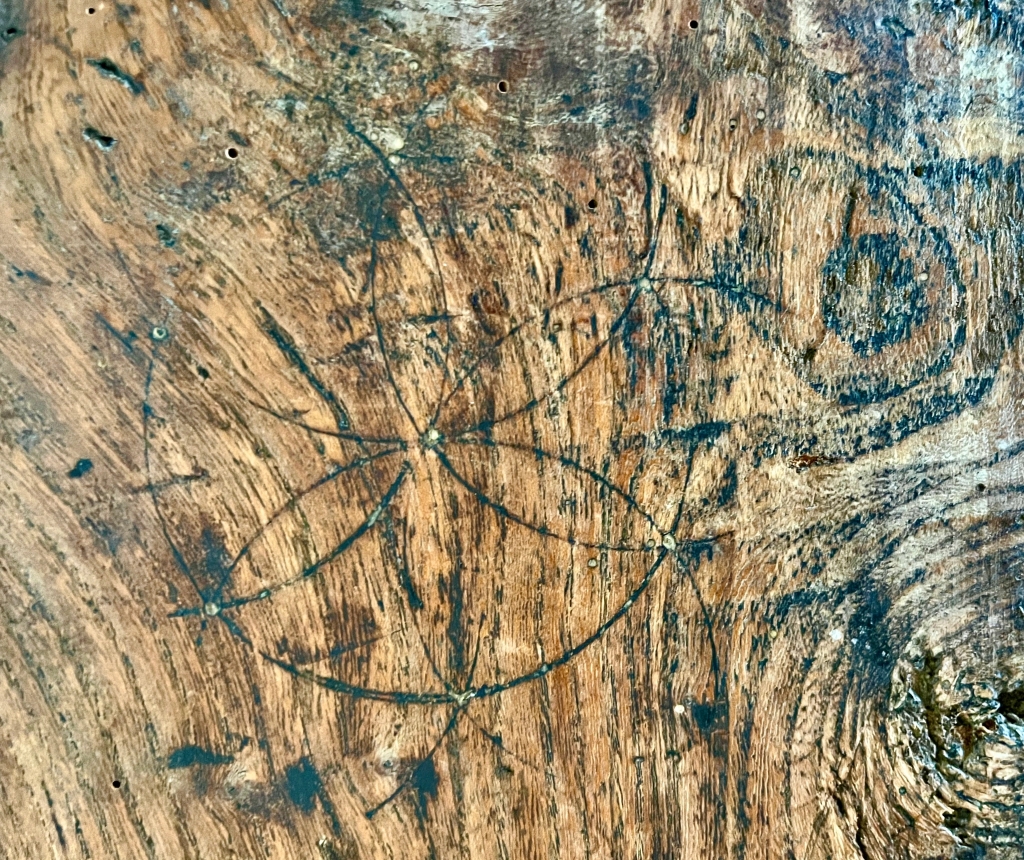
EVERCREECH . SOMERSET – St Peter

Evercreech – St Peter

ST PETER . EVERCREECH

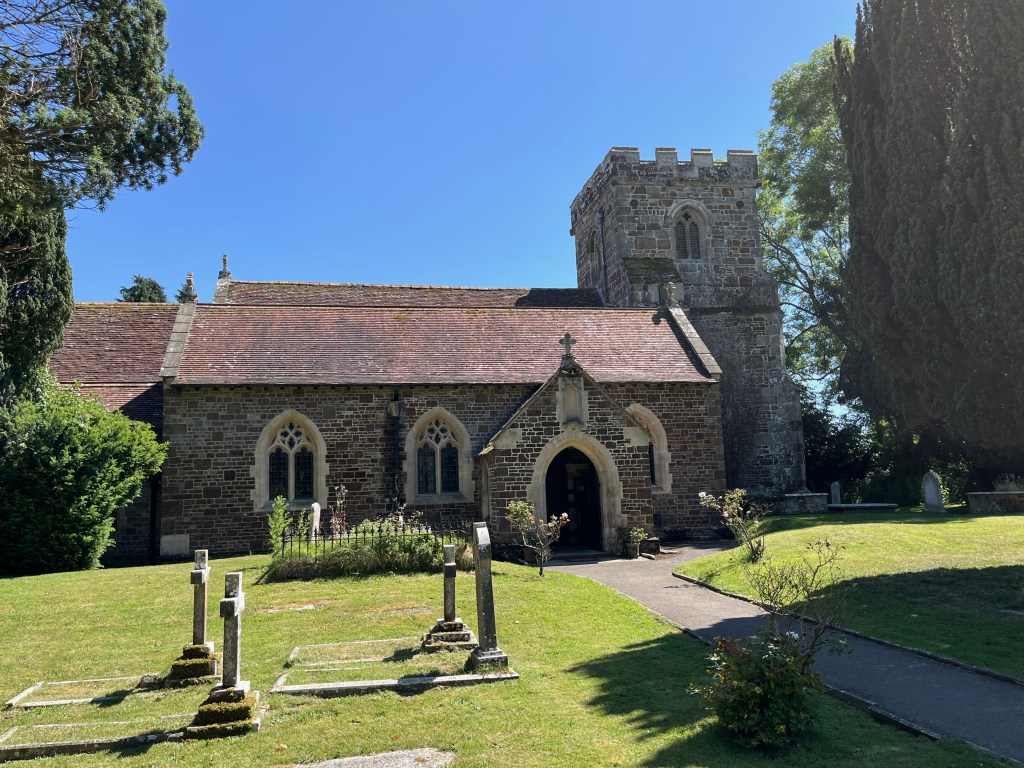
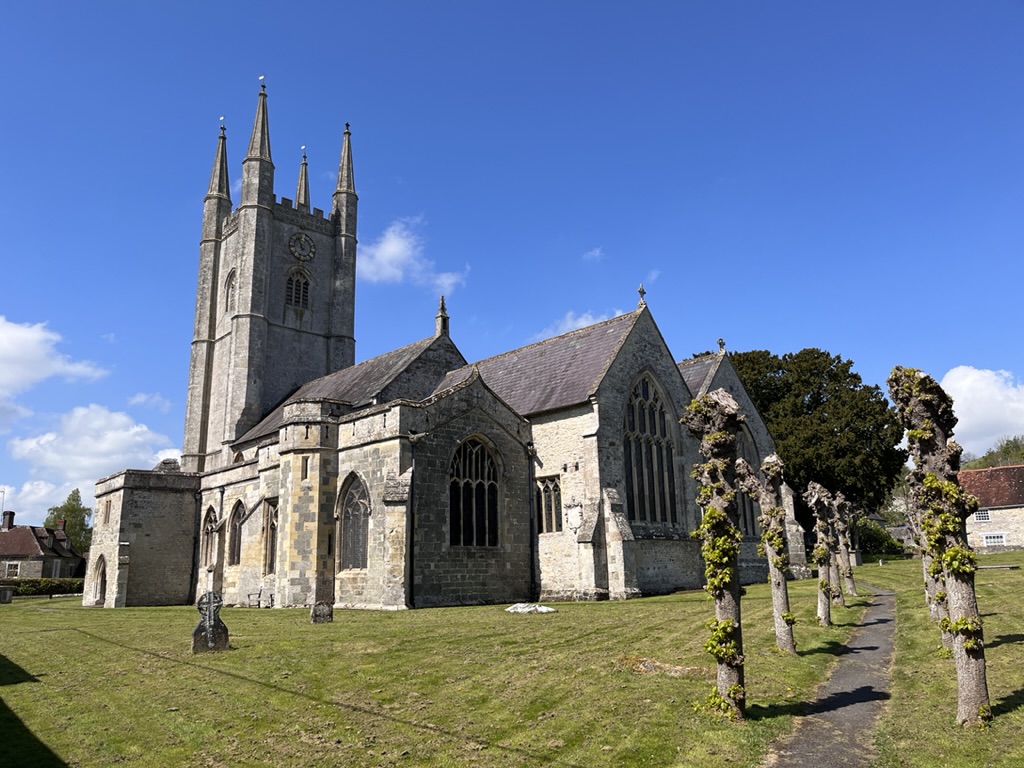
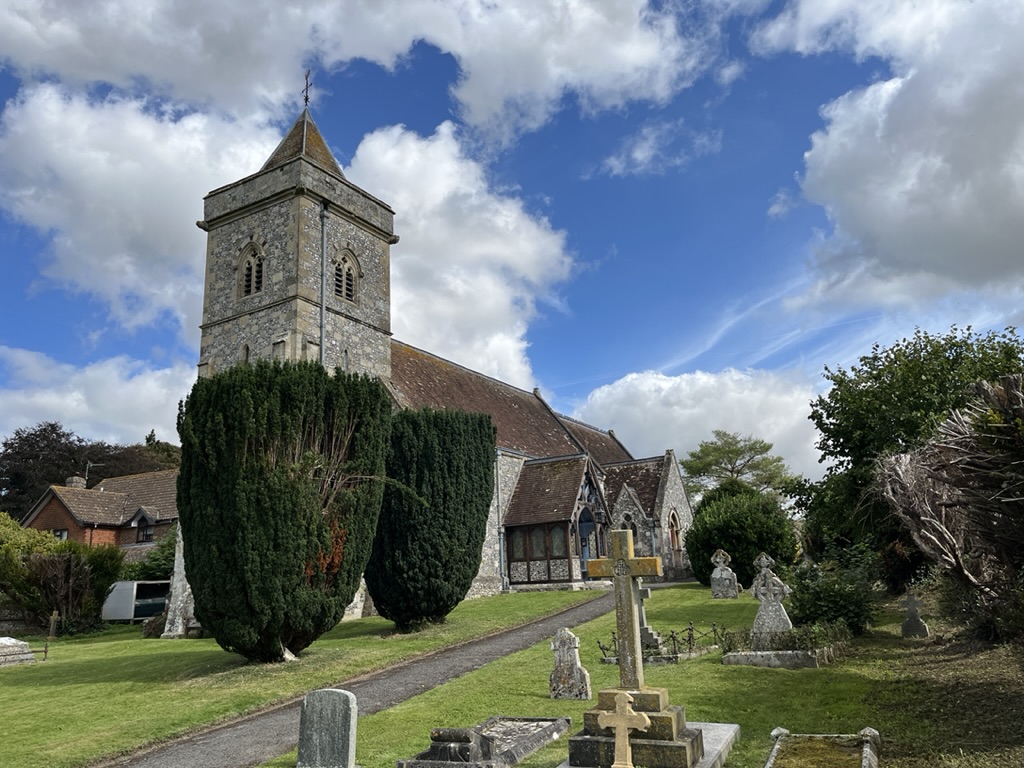
GRADE 1 ❖ C14, C15, restored 1825 by Jesse Gane of Evercreech; further in 1843; late C19 work. Very tall 3-stage ‘Mendip-type’ tower, visible from some distance. Worthwhile interior. Town prosperity partly from silk and enhanced by railway in 1862 – axed by Beeching in 1966 despite intervention by John Betjeman. 51.1463 / -2.5026 / ST649386

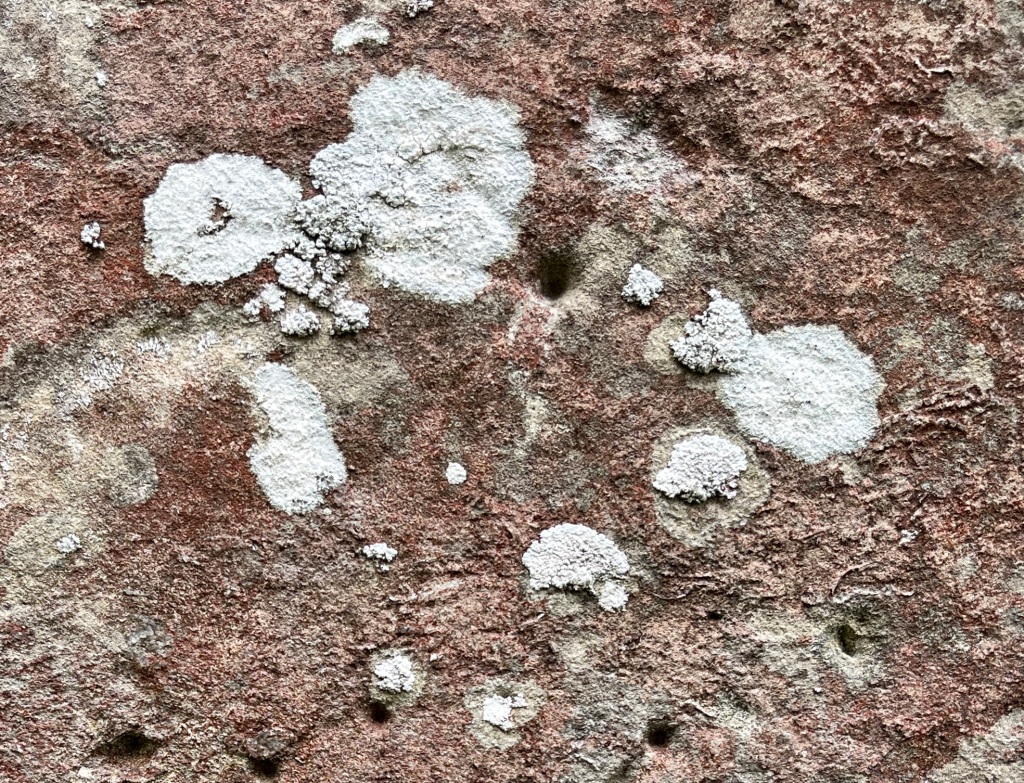
UPDATE: Yesterday I wrote dismissively of the St Peter’s dial, based on camera photos. Now that I have seen my iPhone photos (almost always the best option for close-up shots but I had nearly run out of battery) I have changed my tune a bit…

DIAL

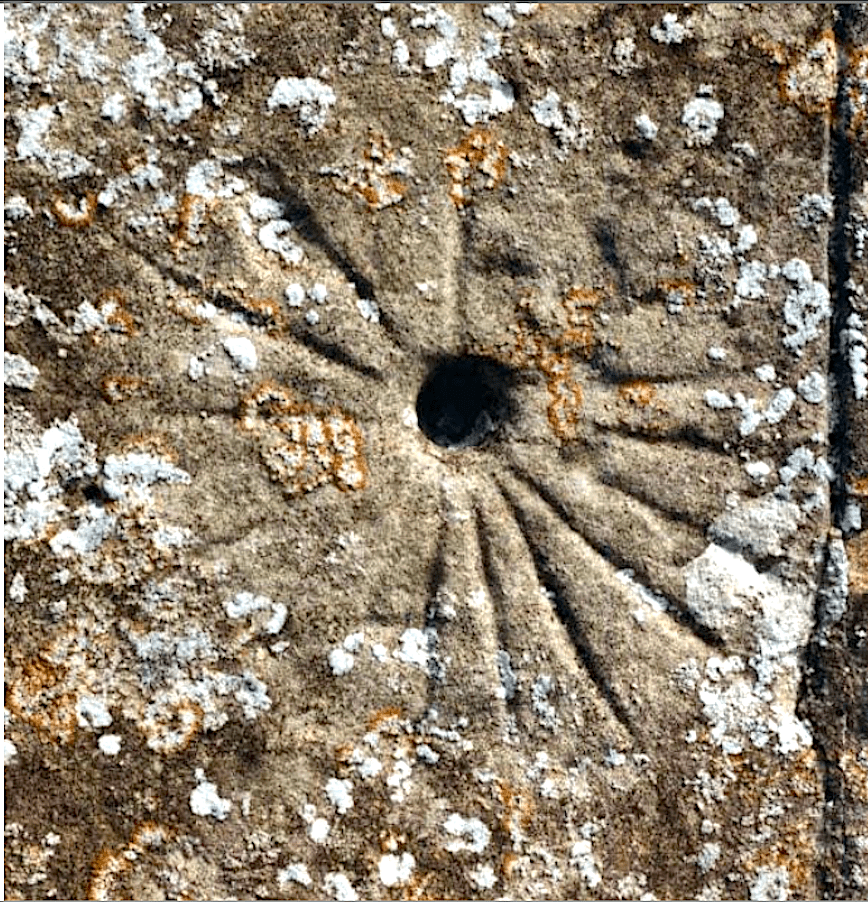
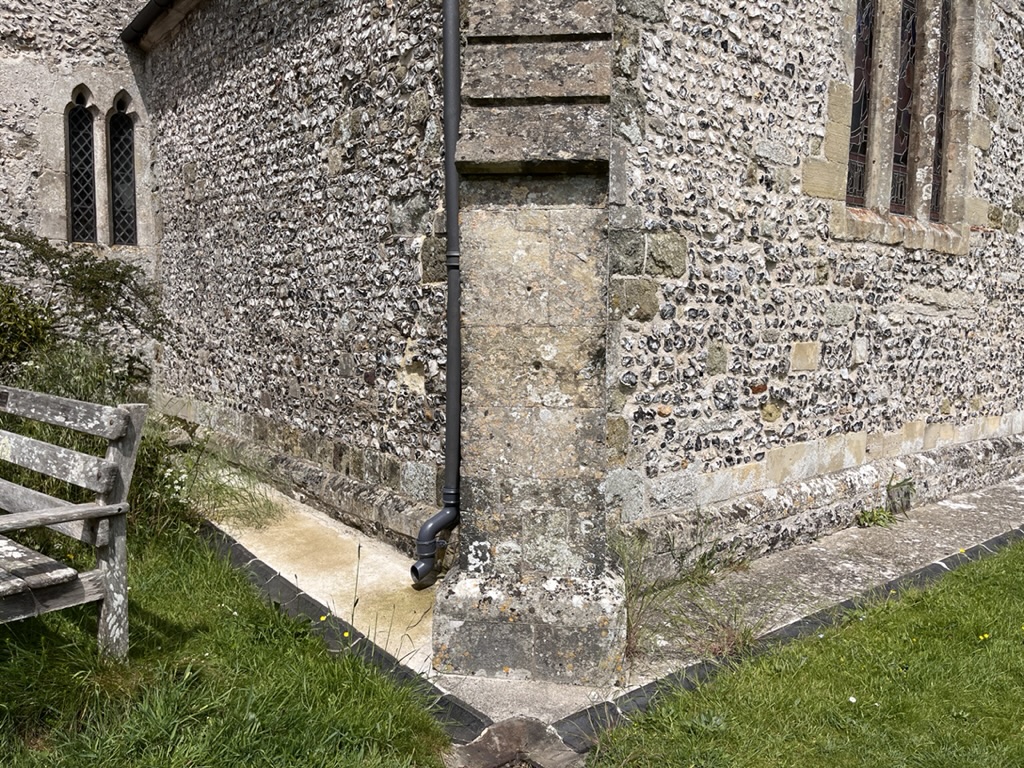
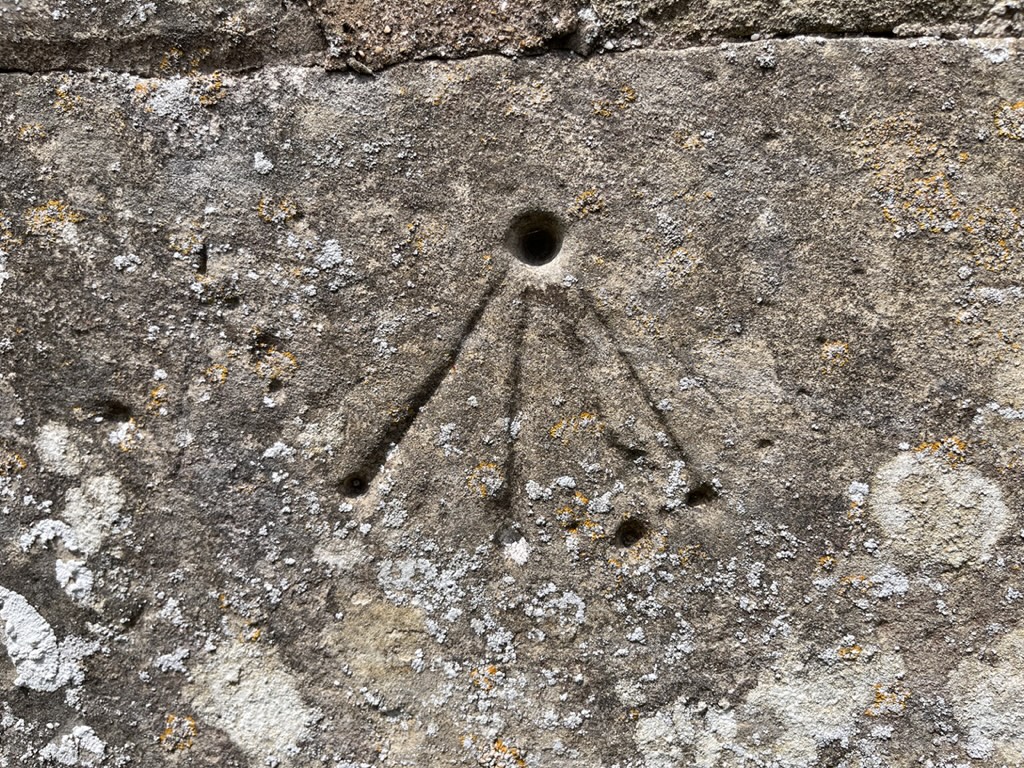
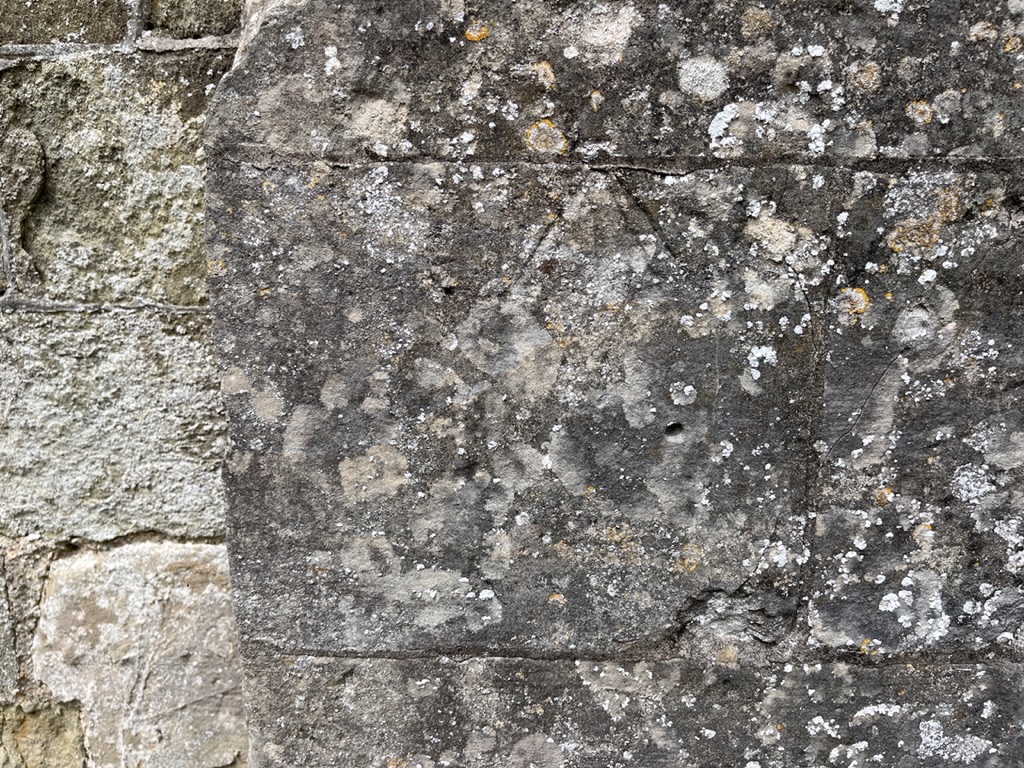
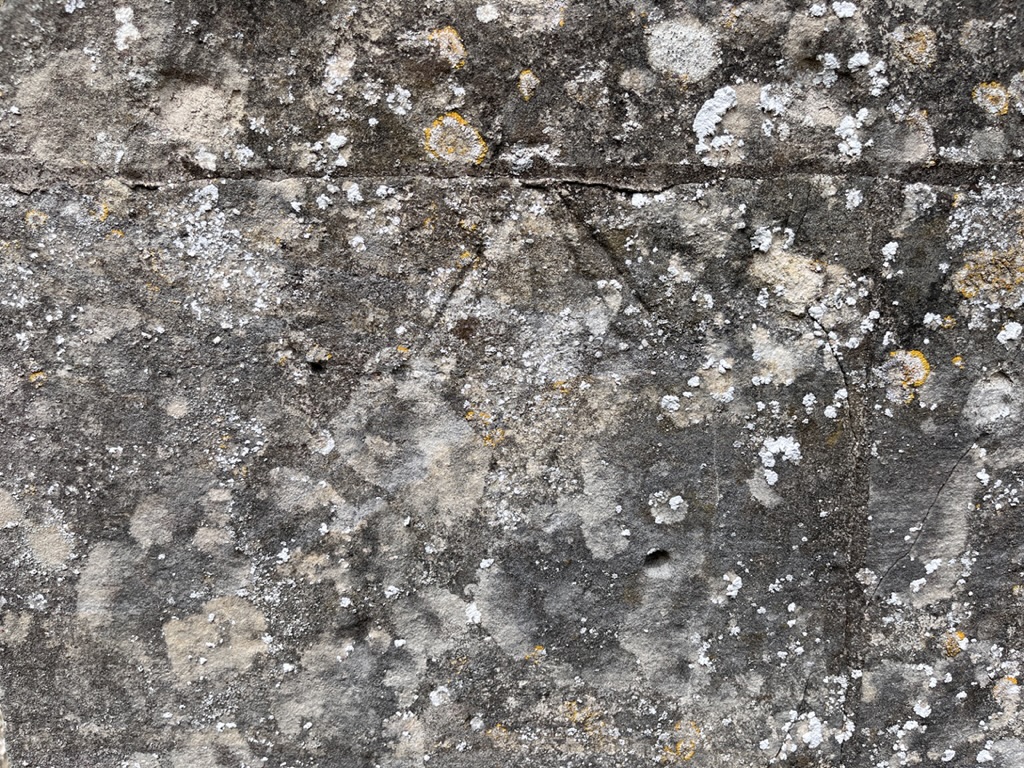
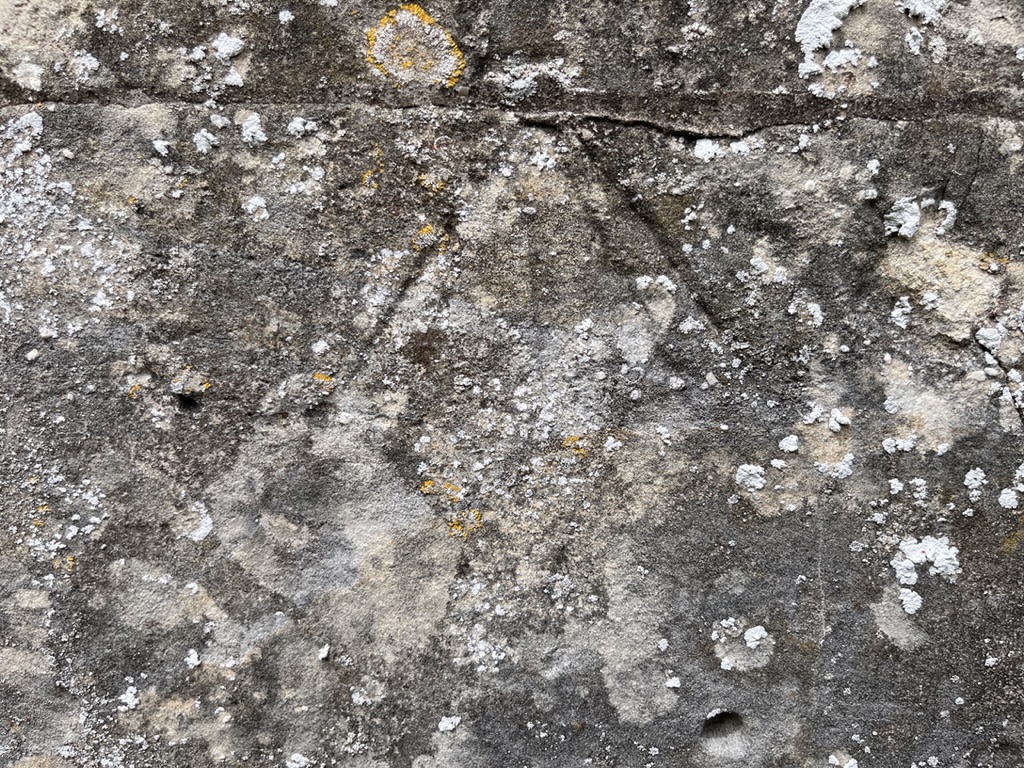
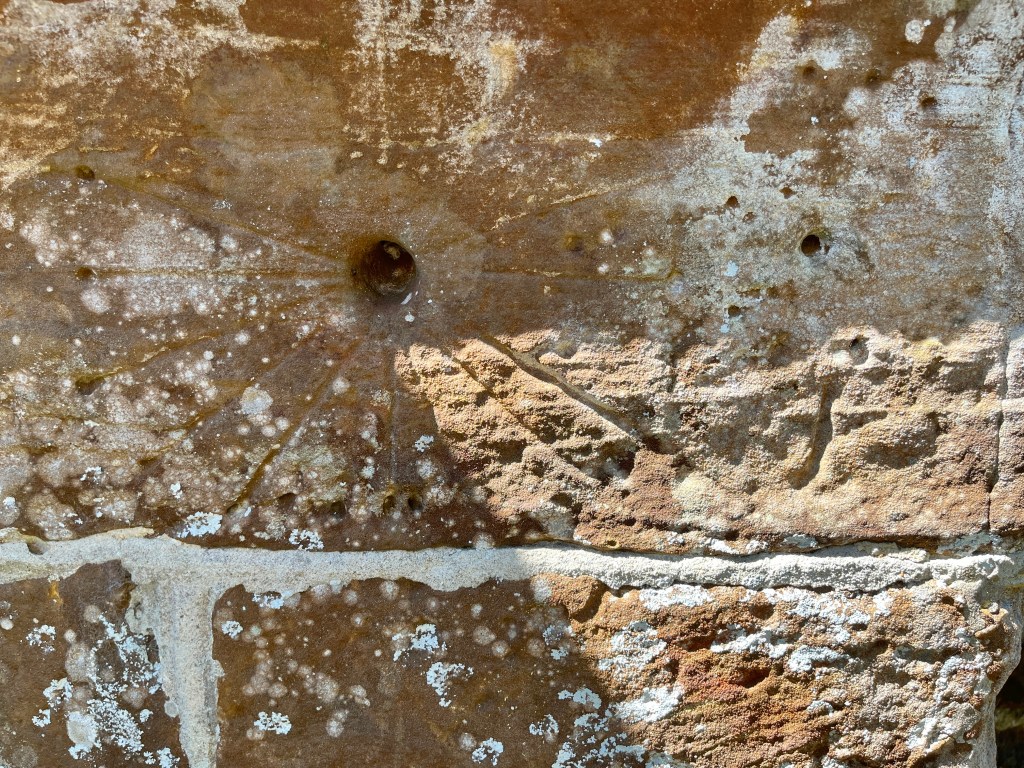
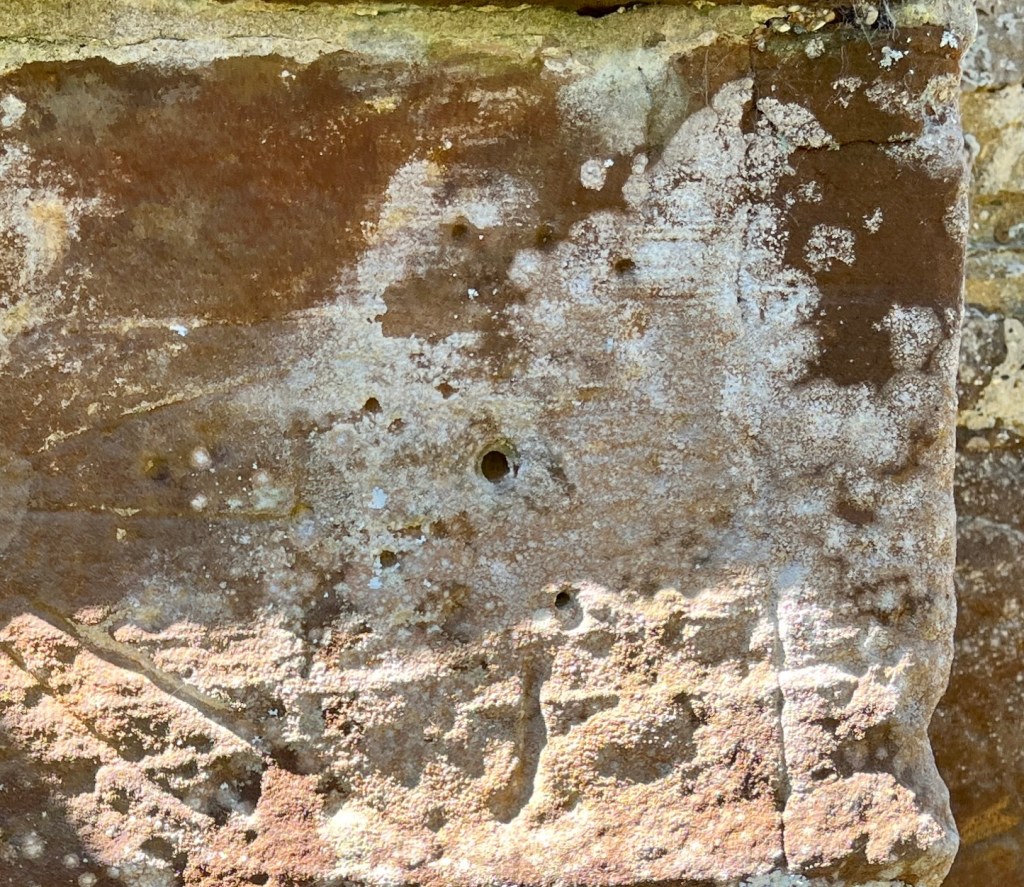
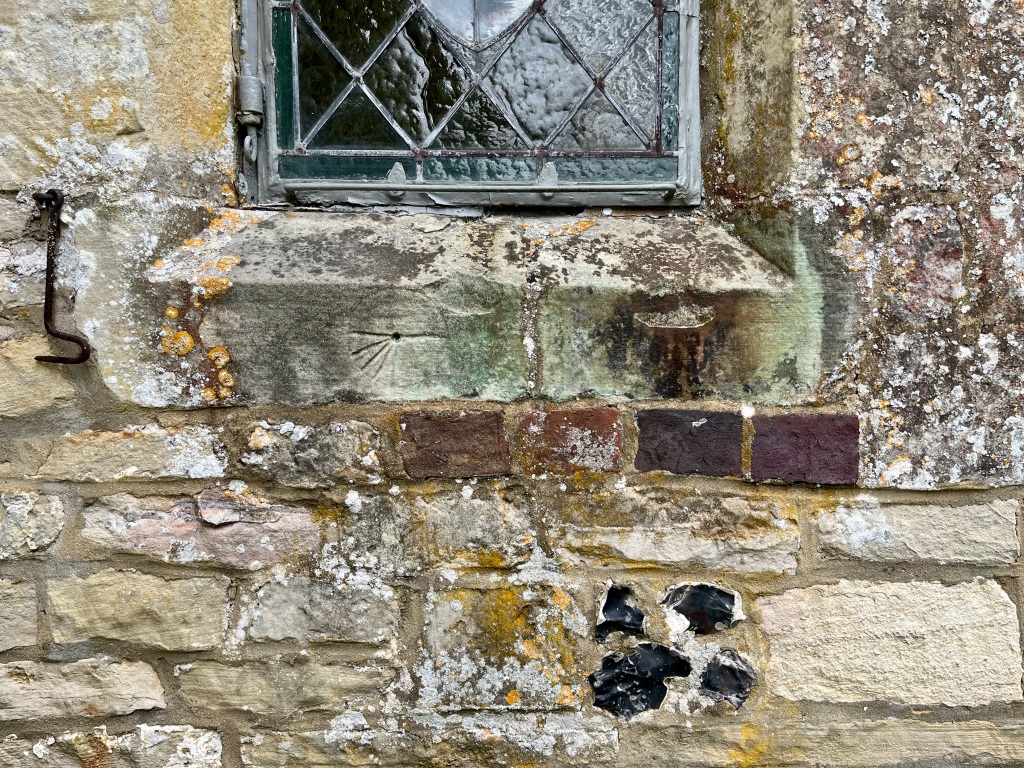
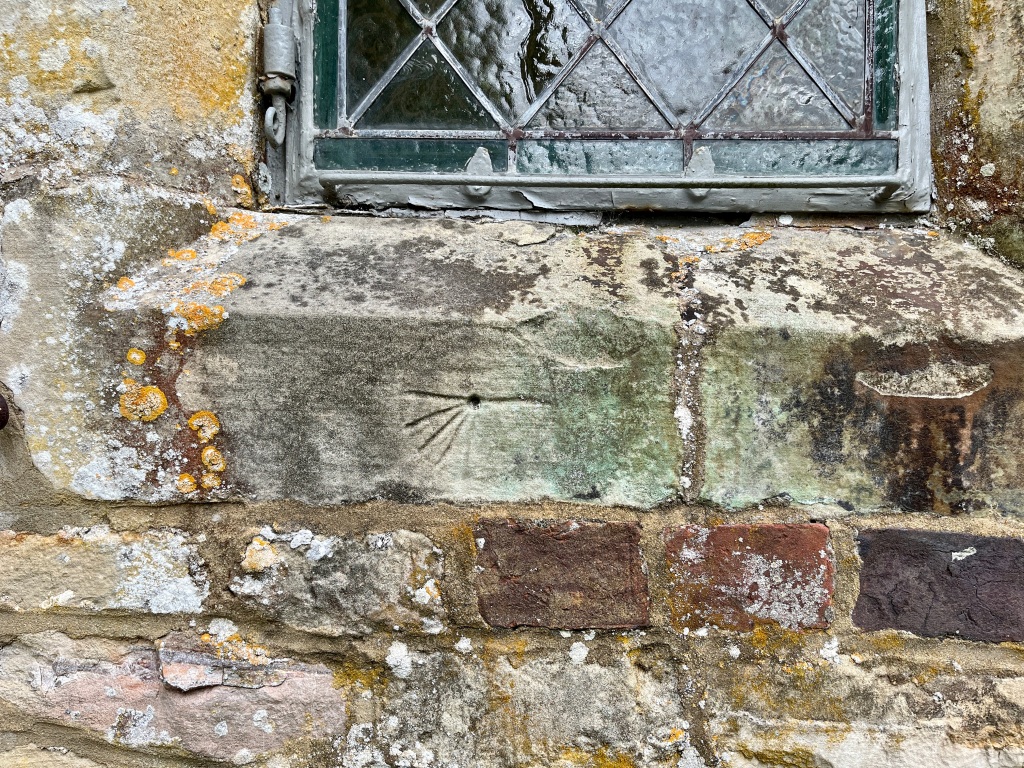
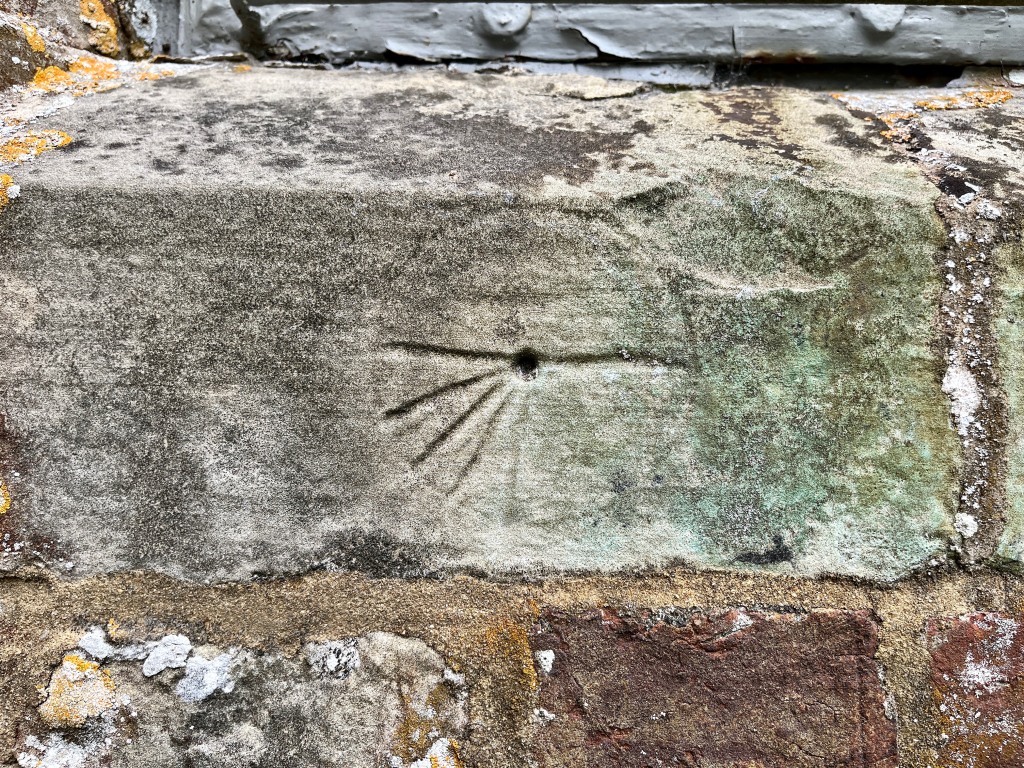
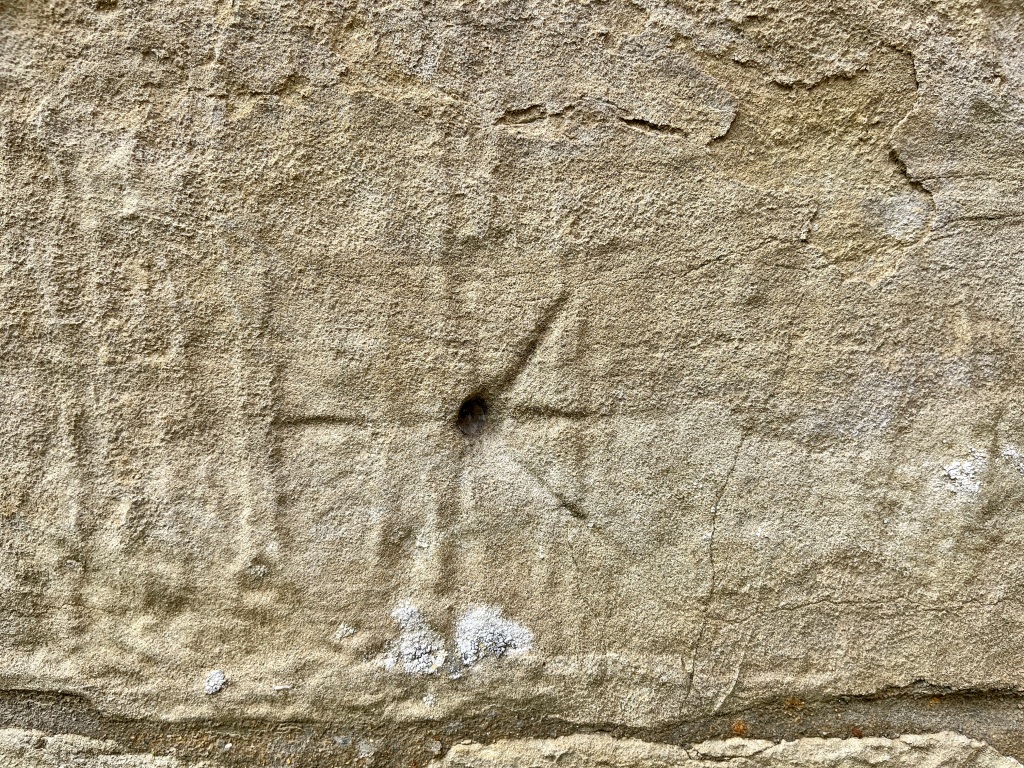
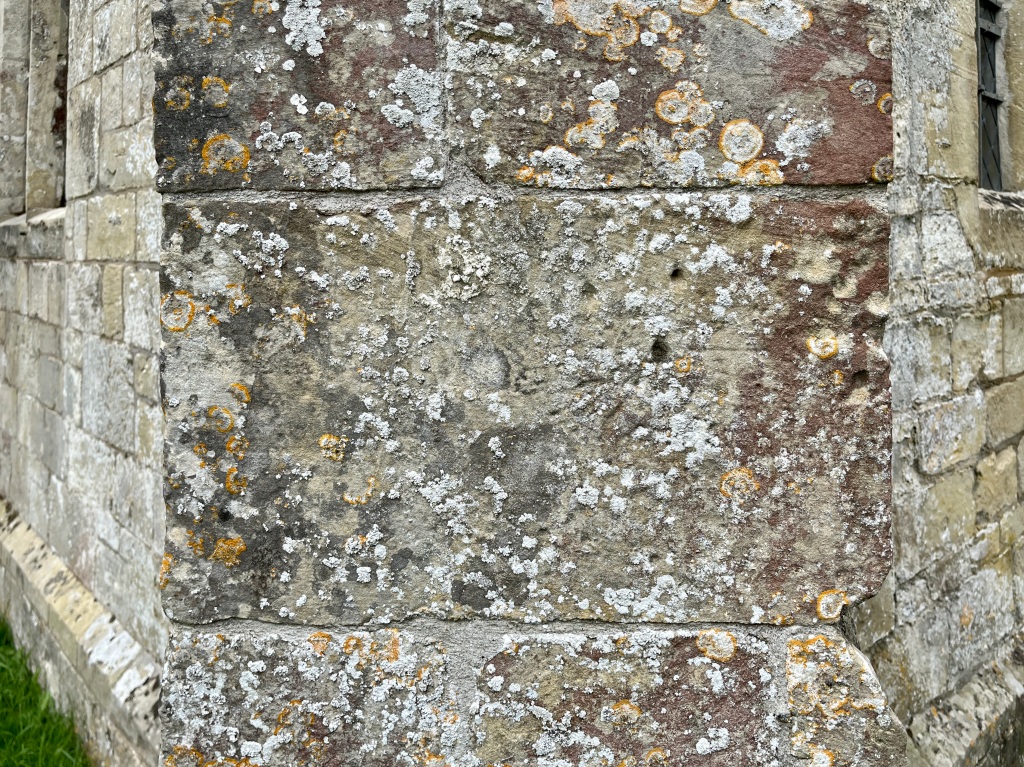
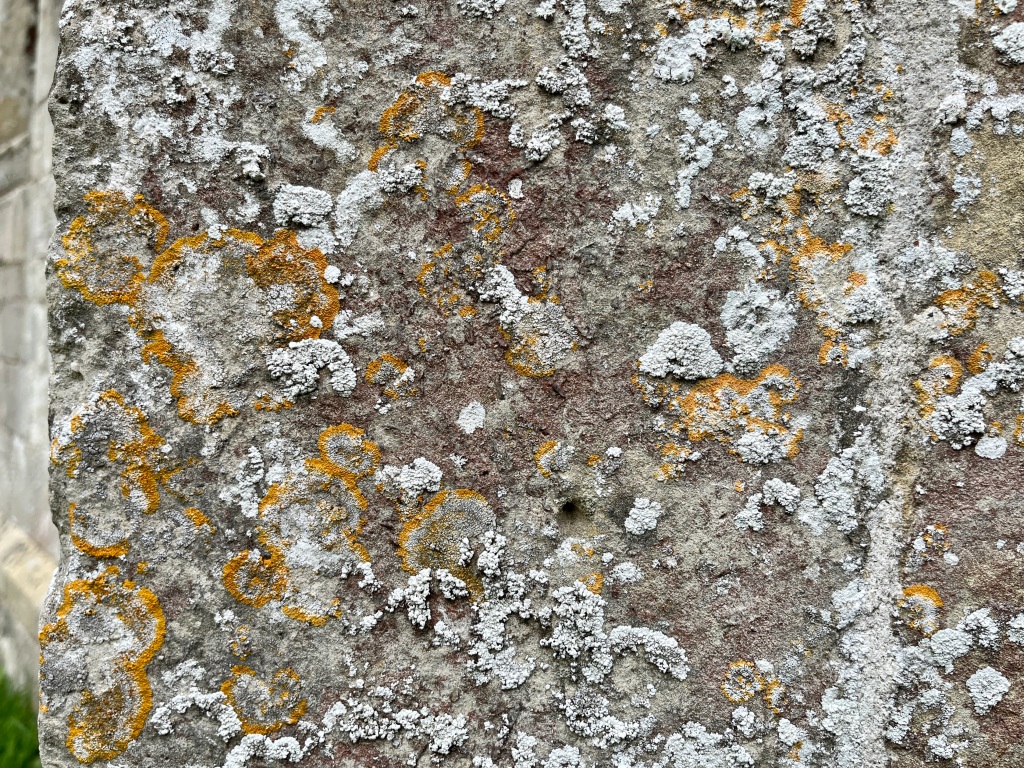
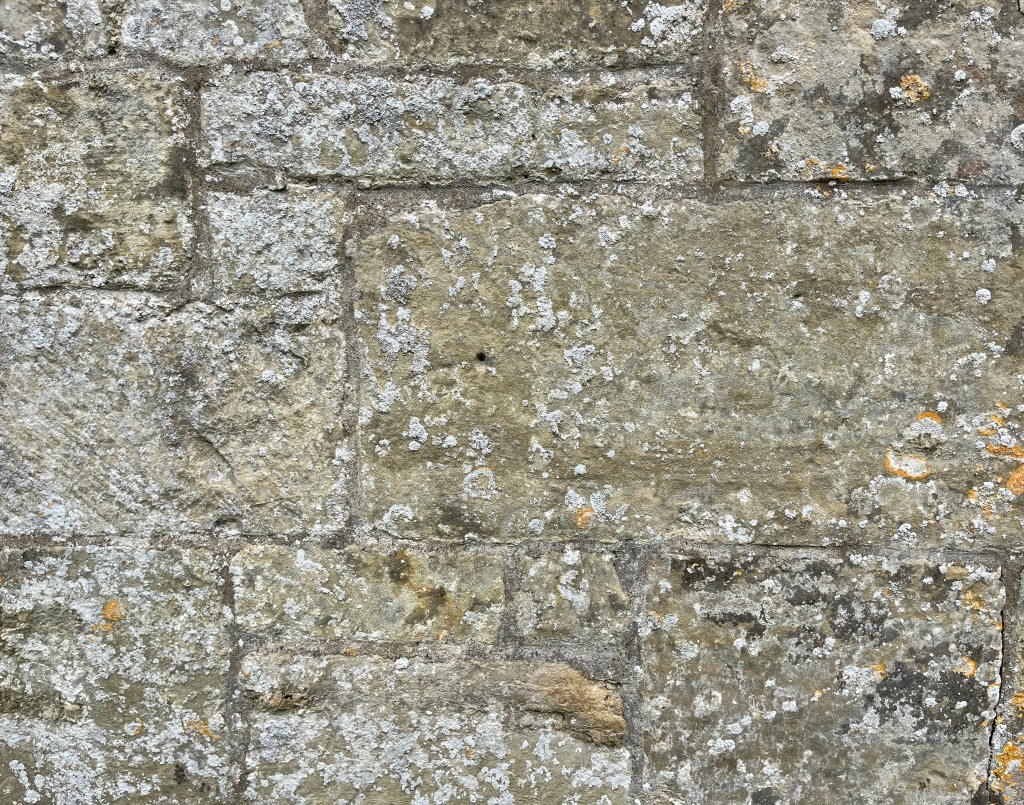
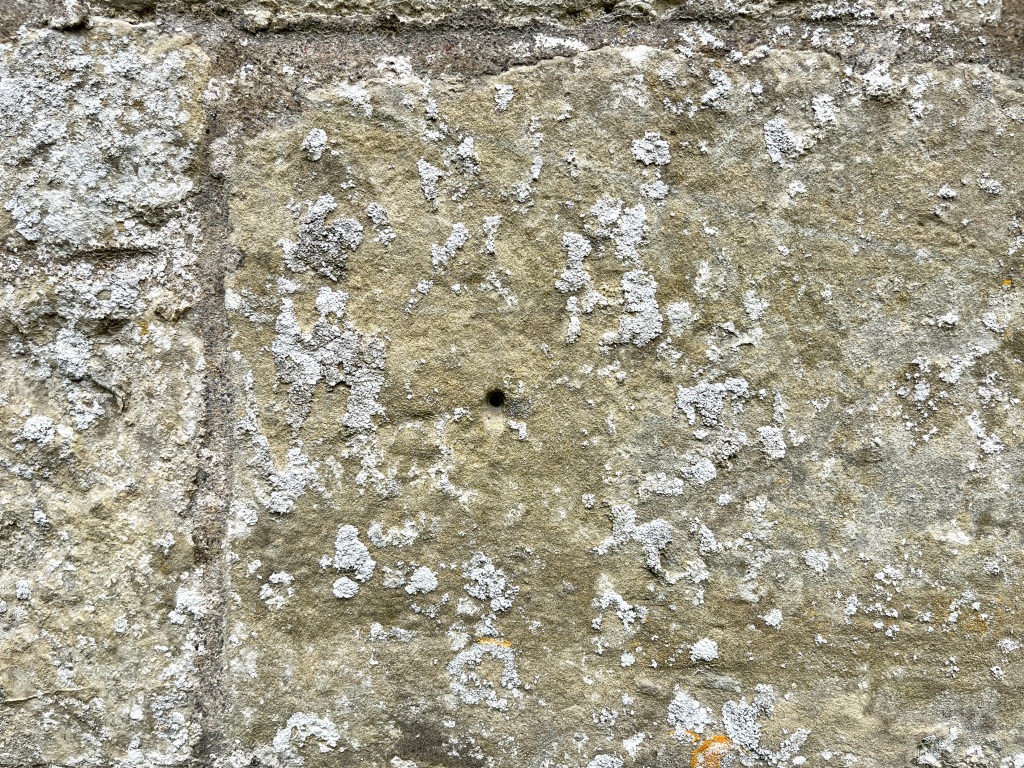
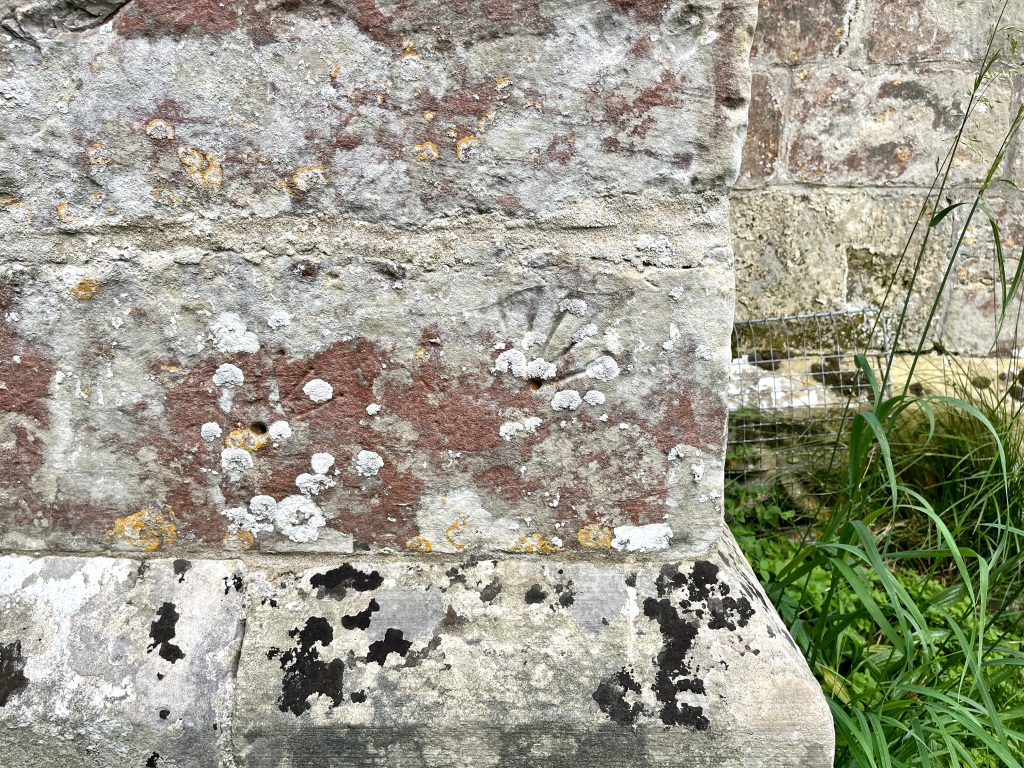
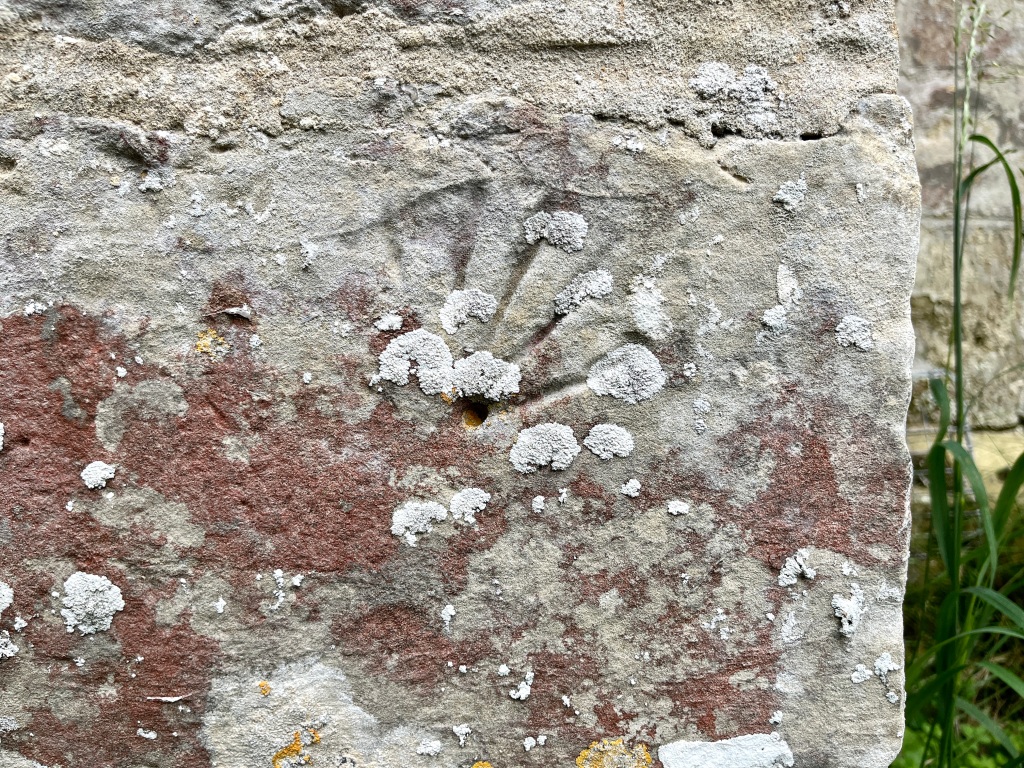
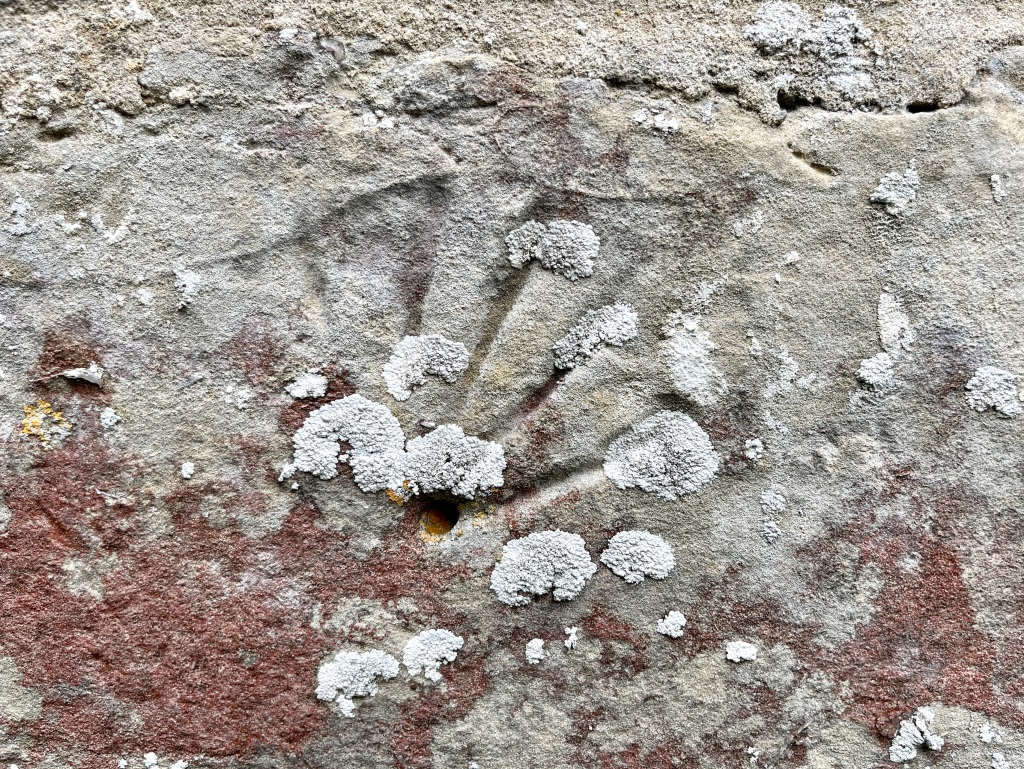
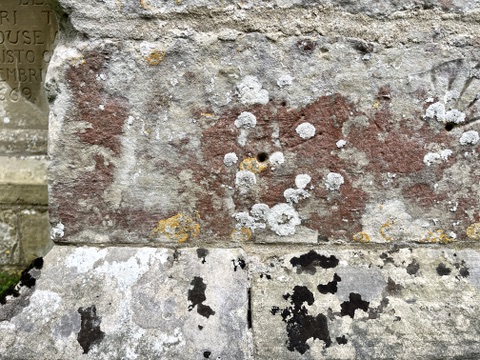
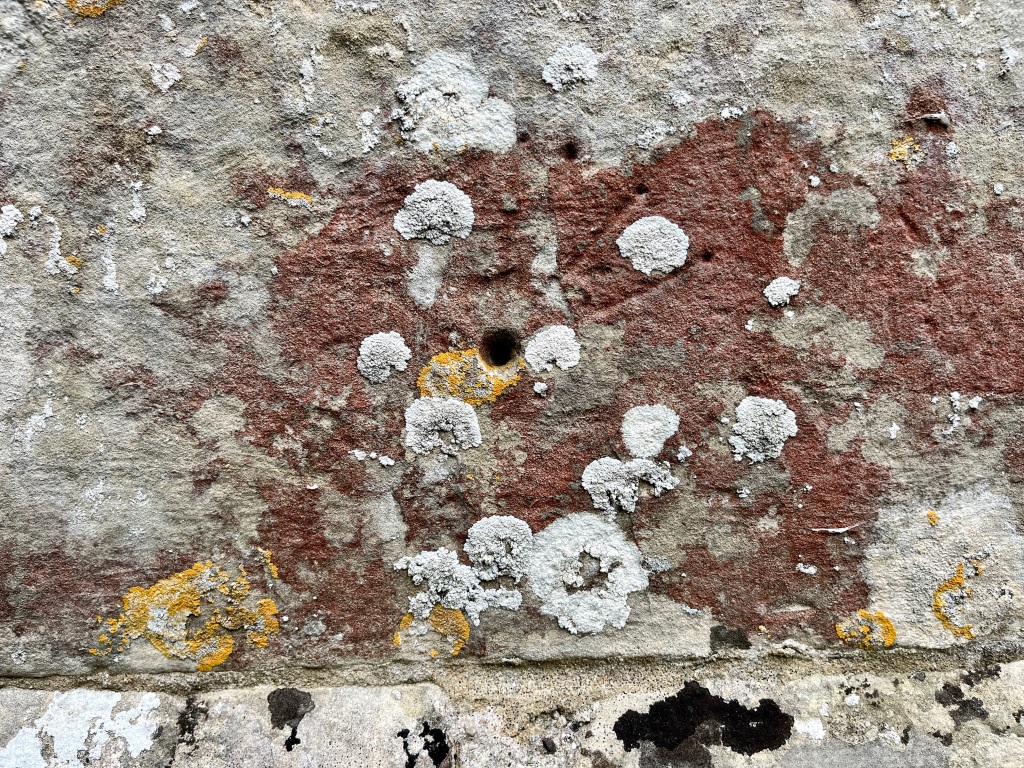
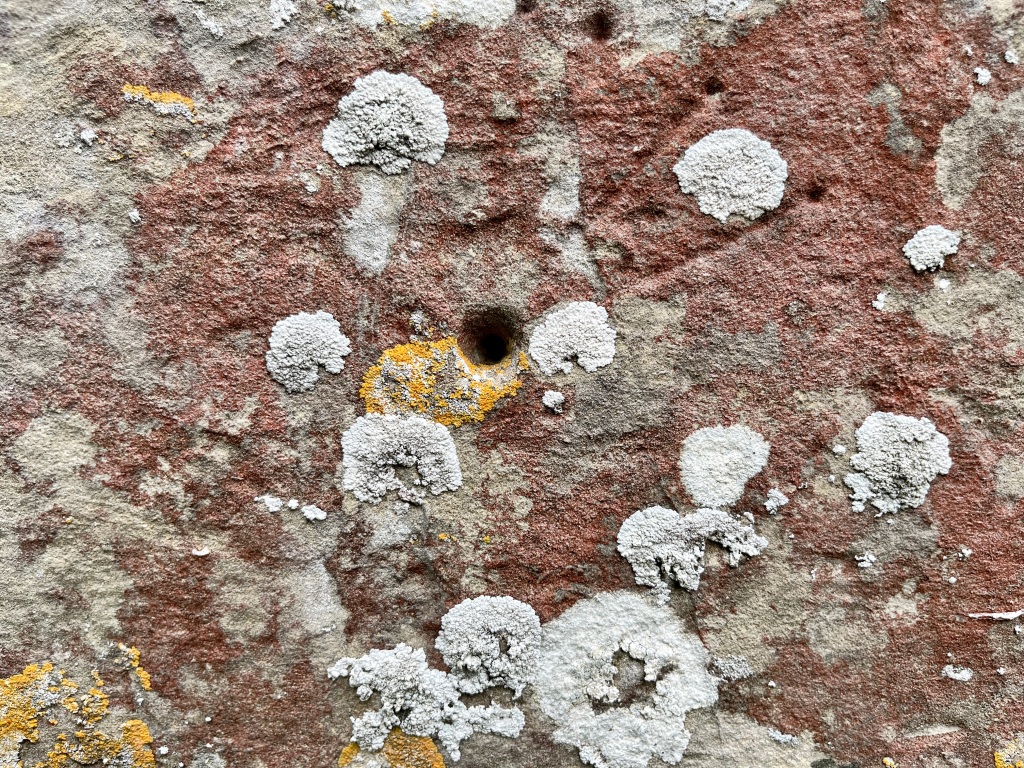
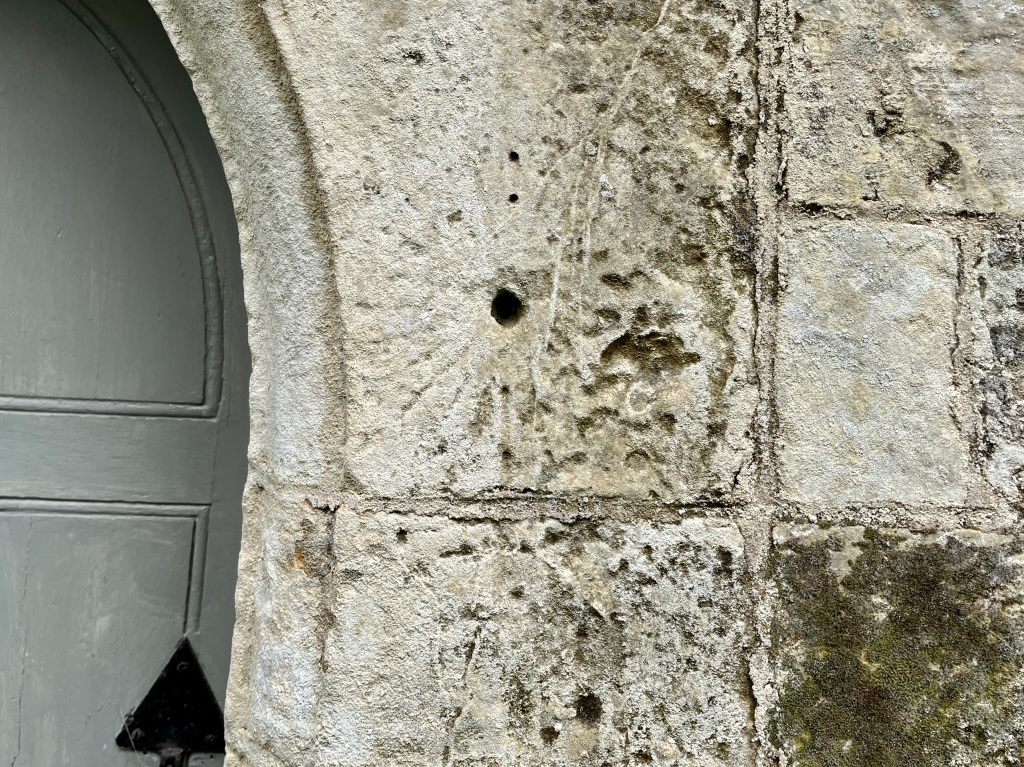
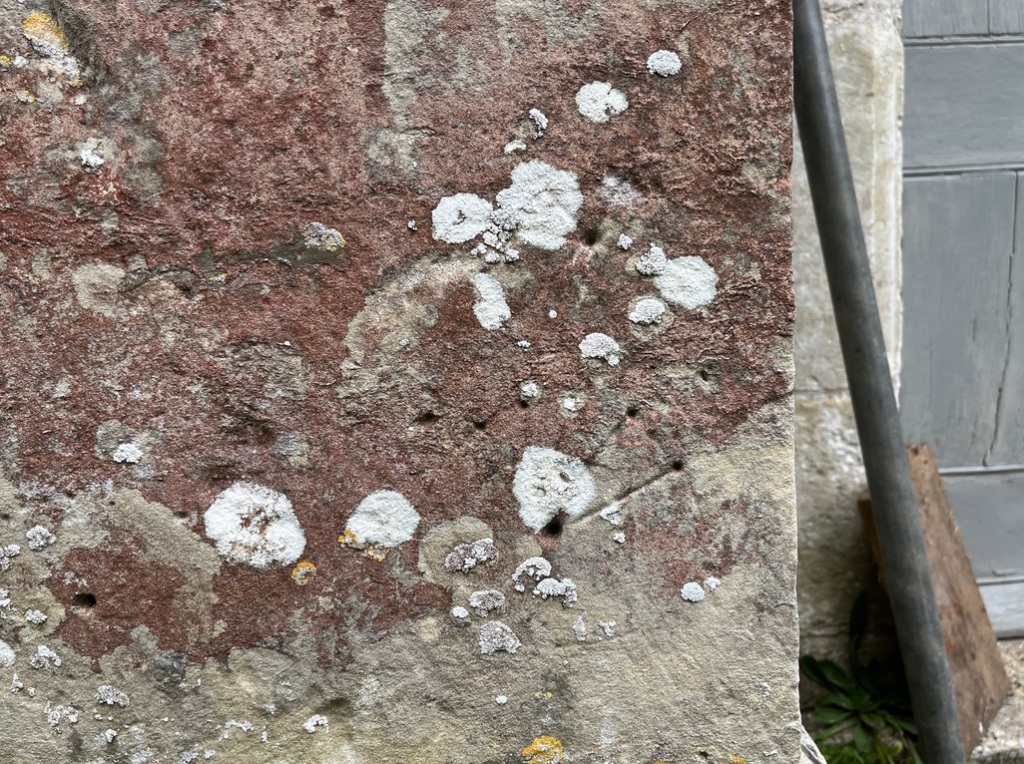
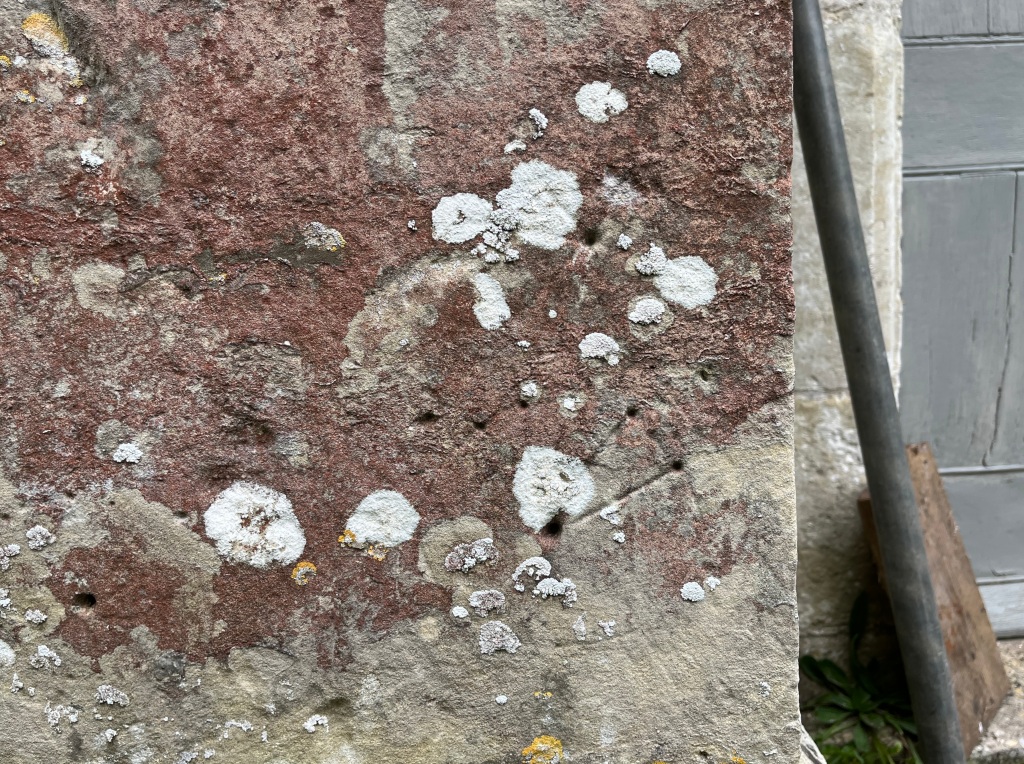
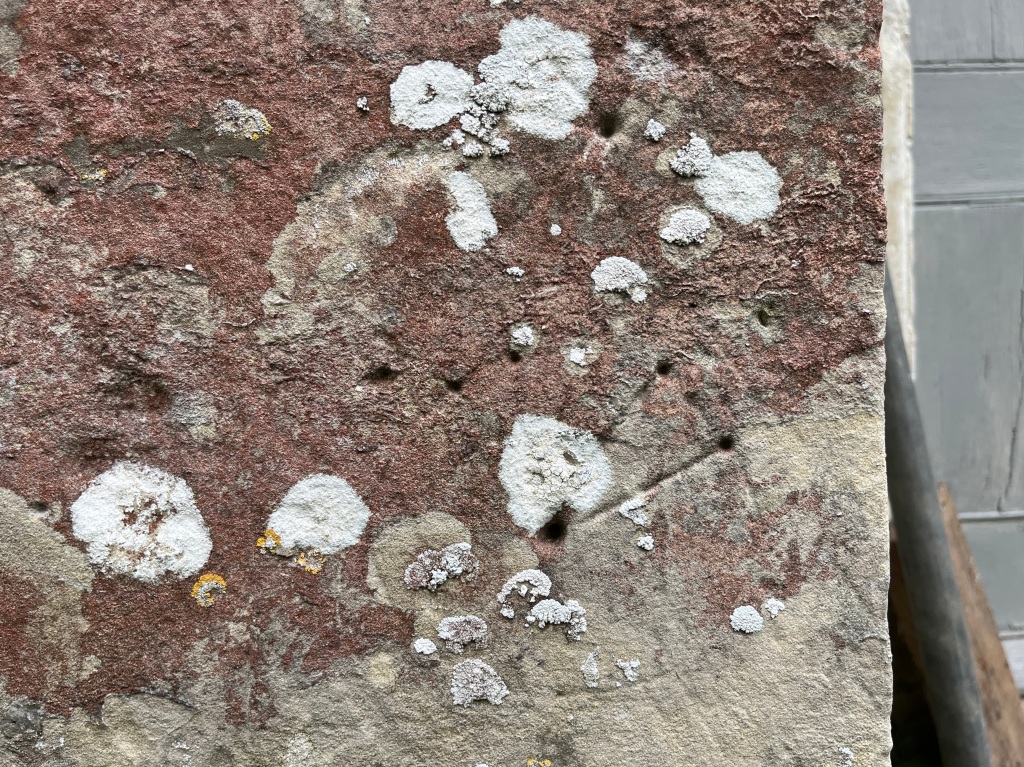
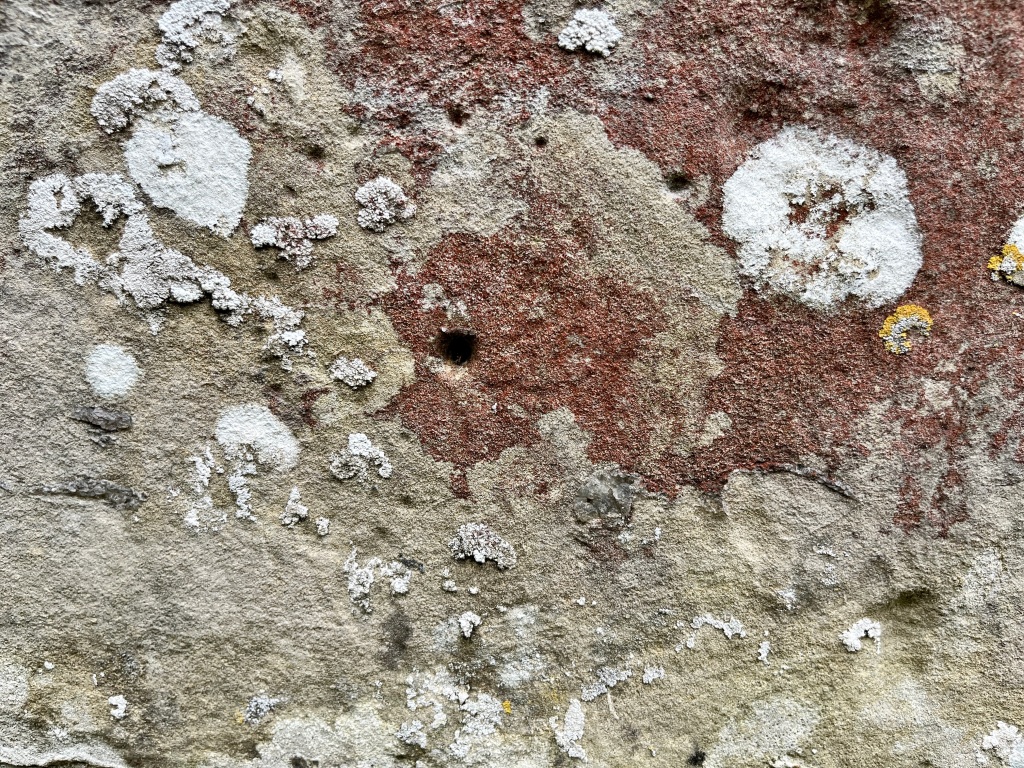
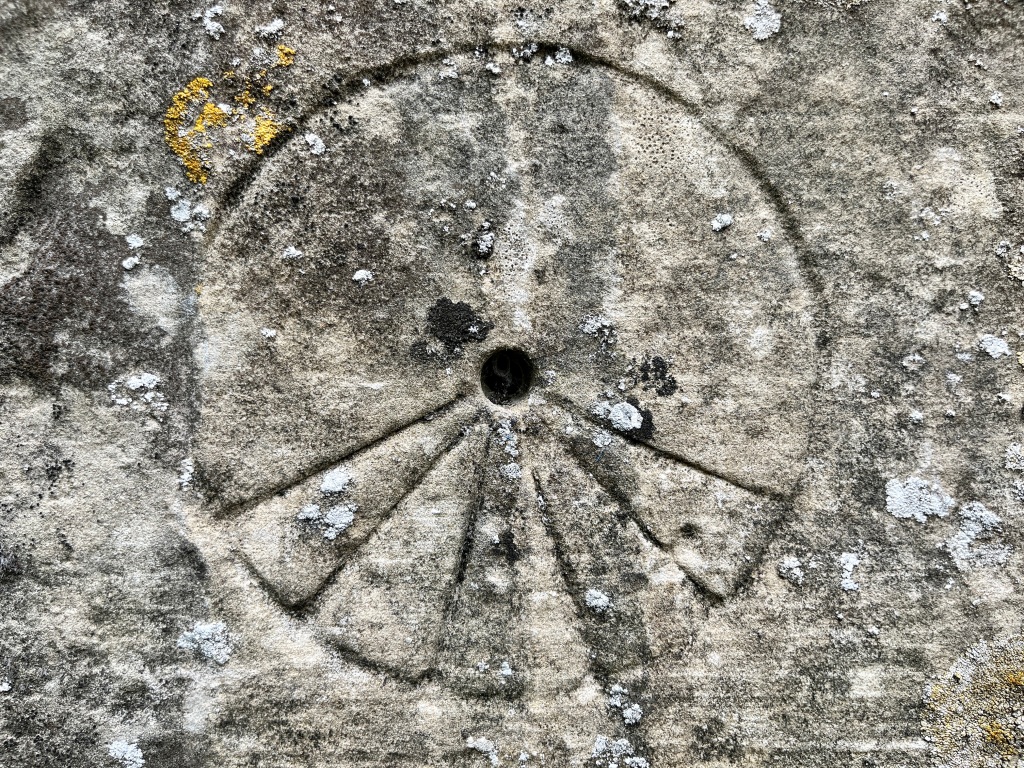
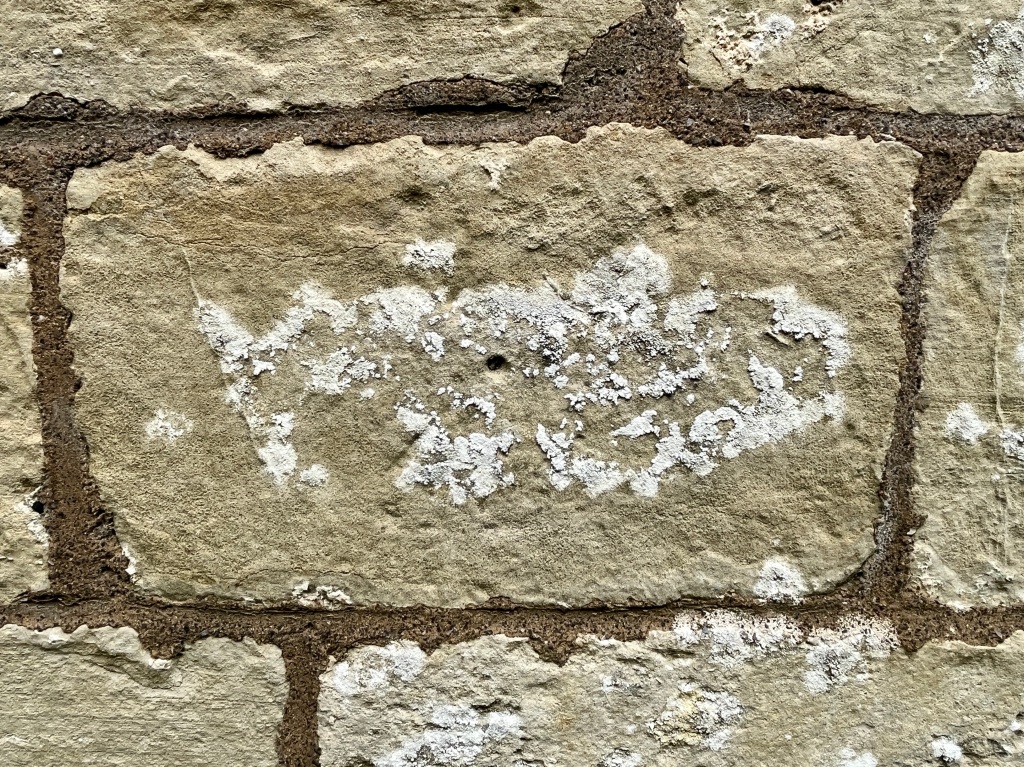
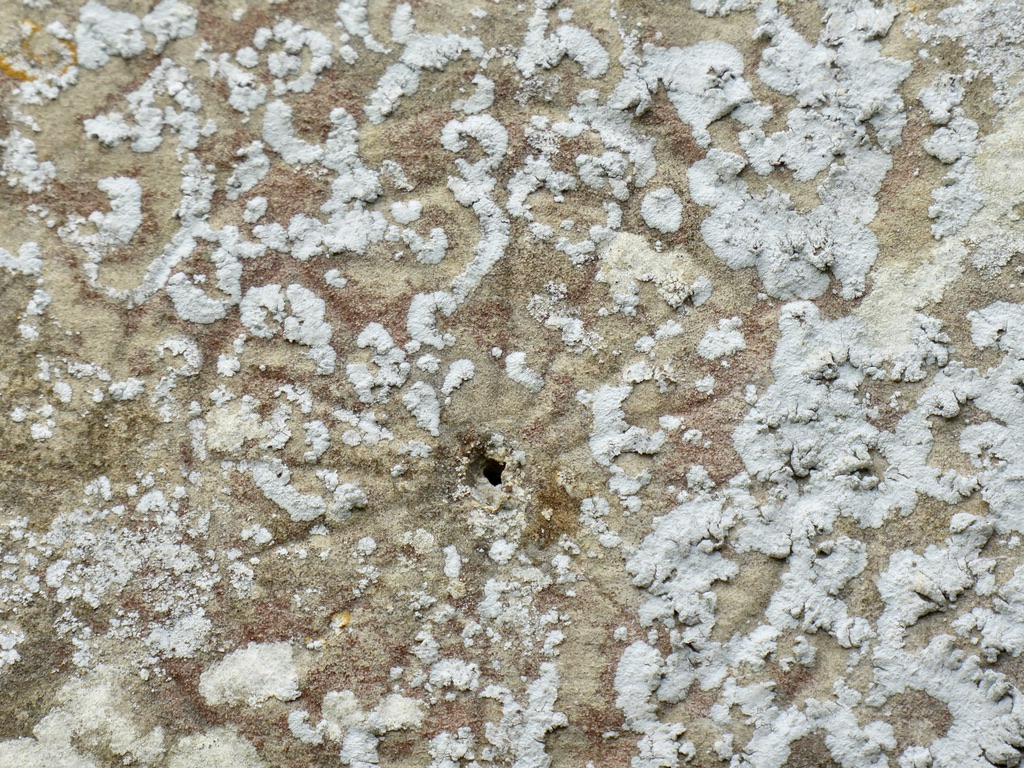
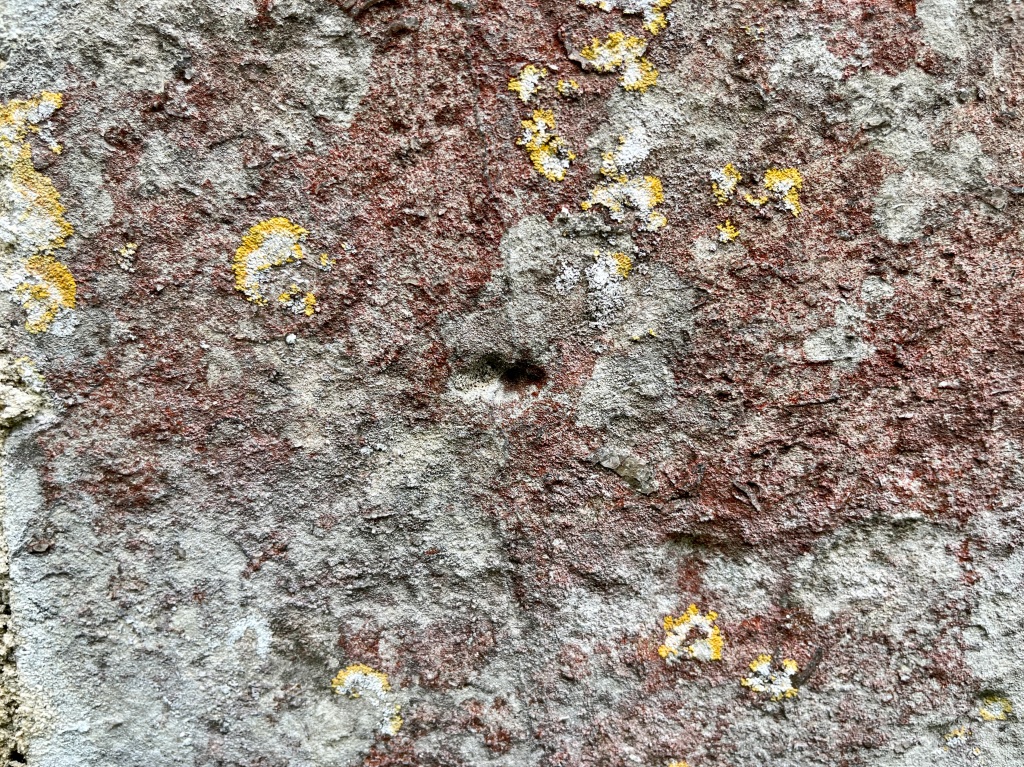
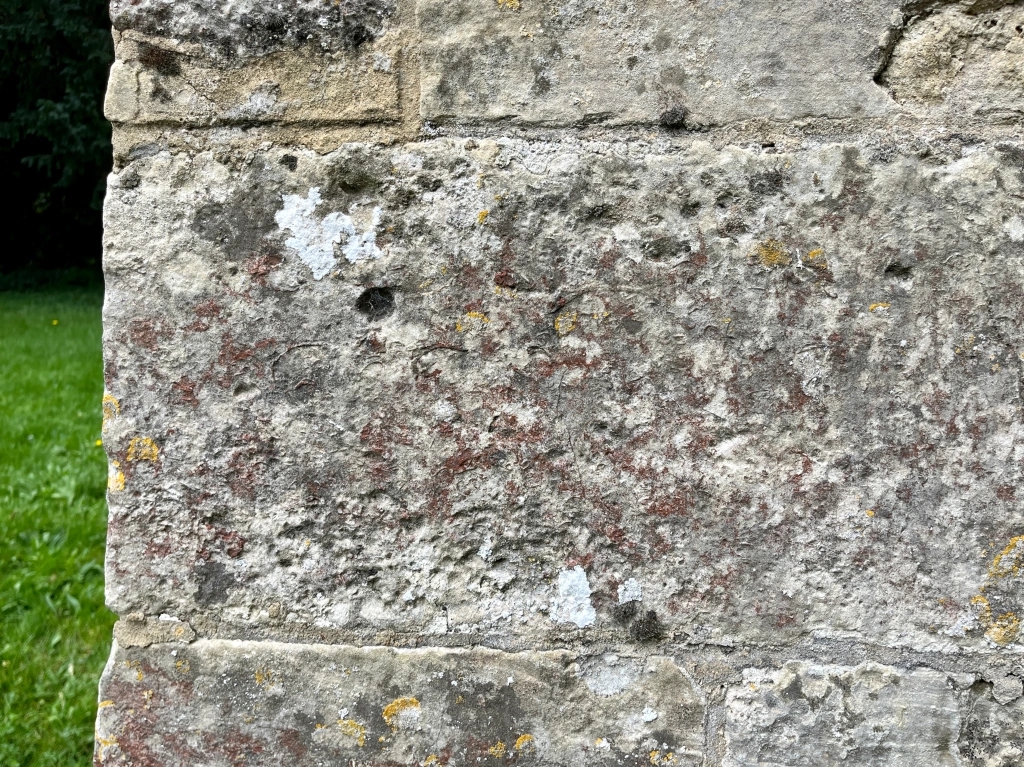
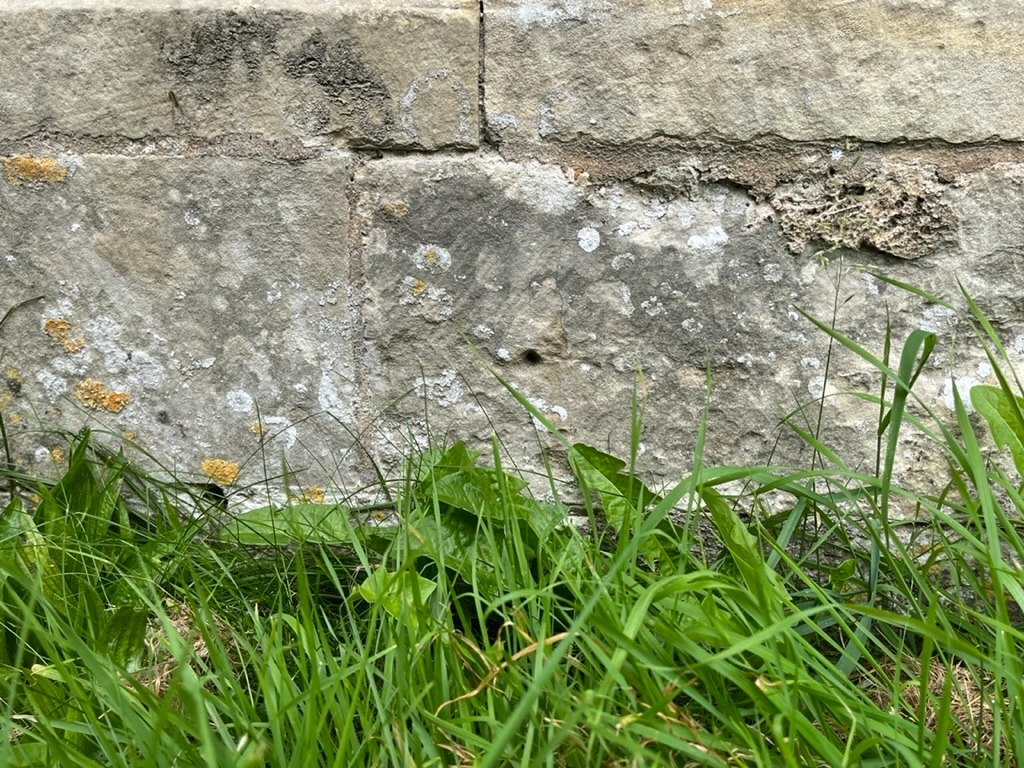
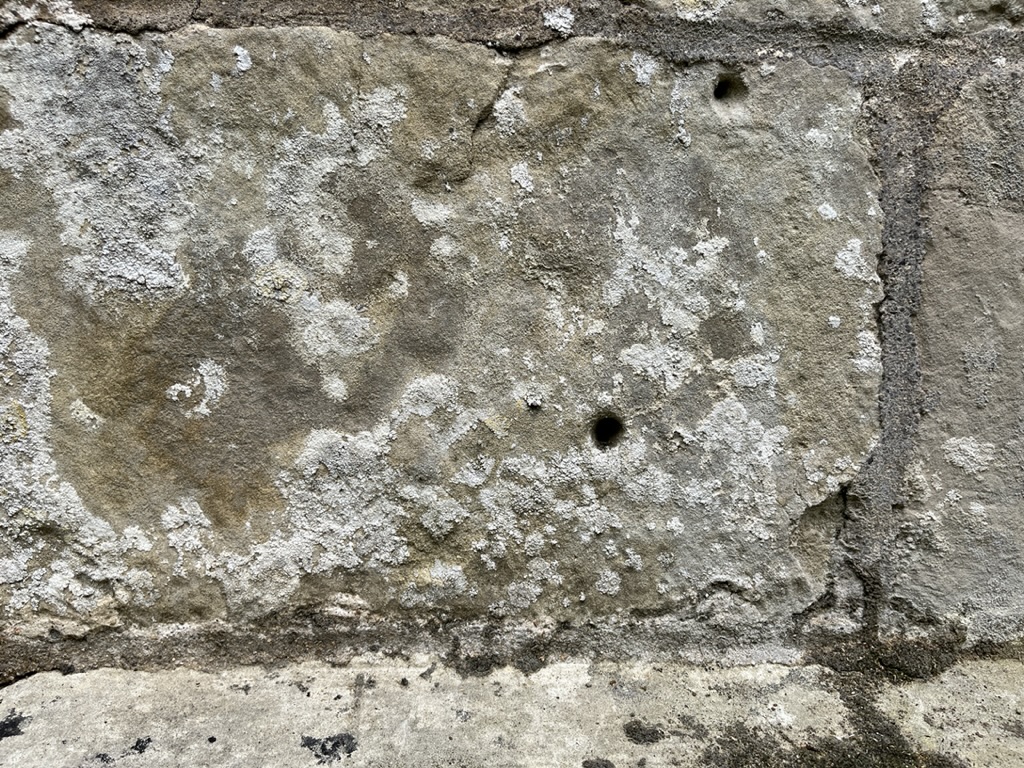
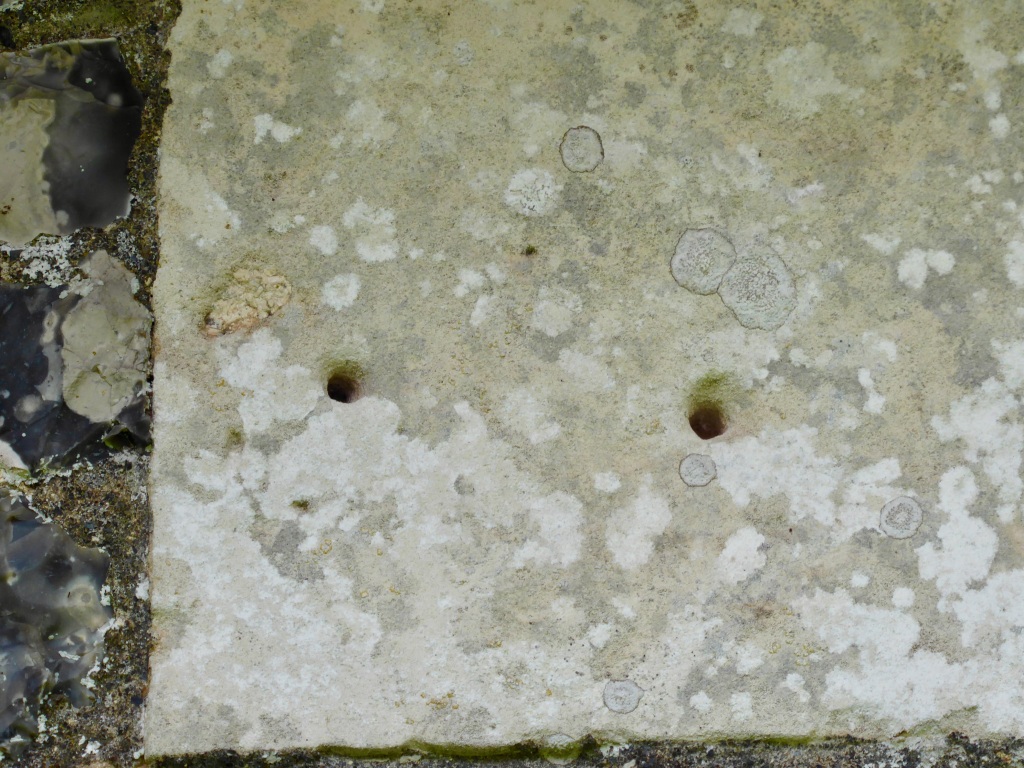
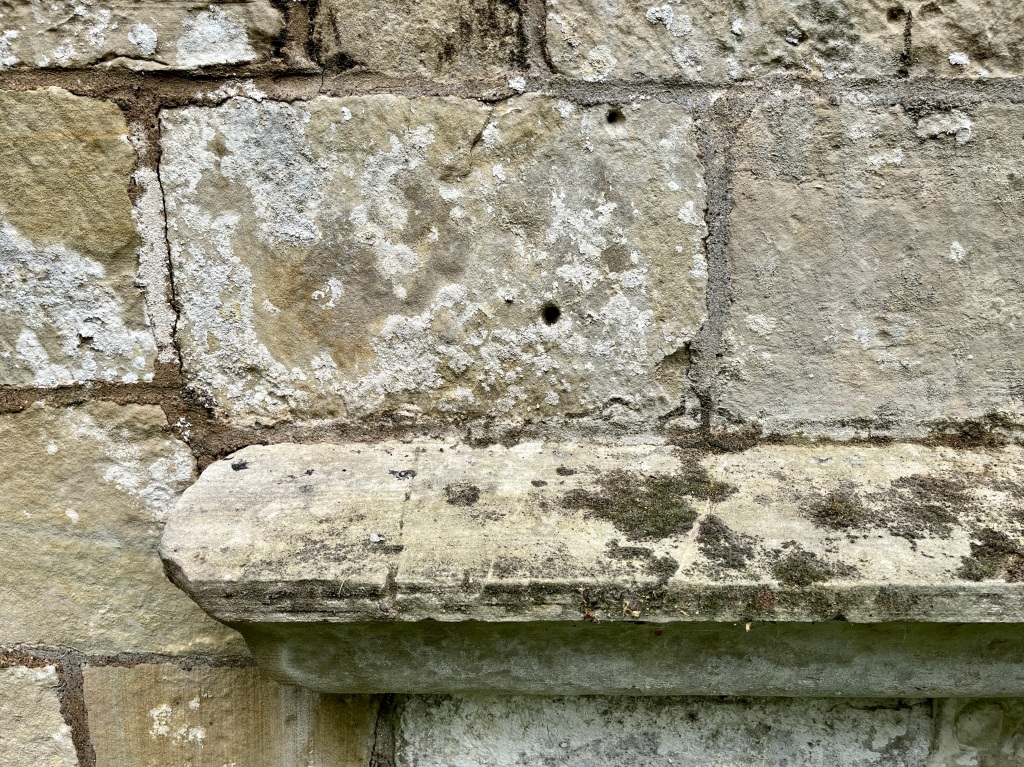
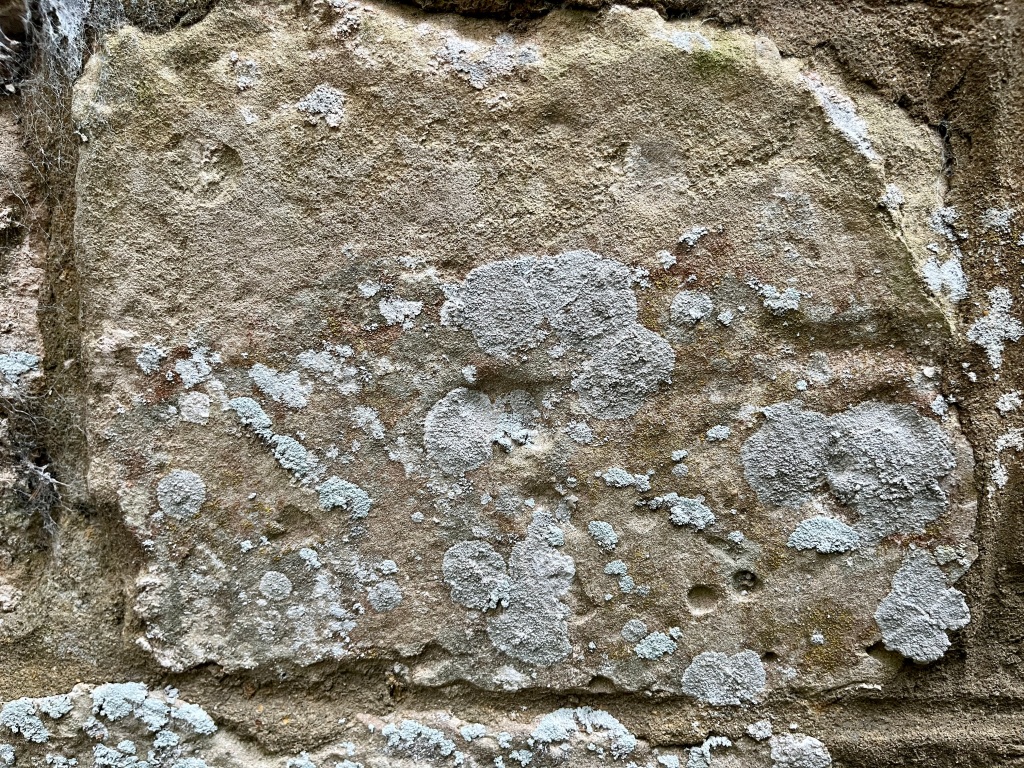
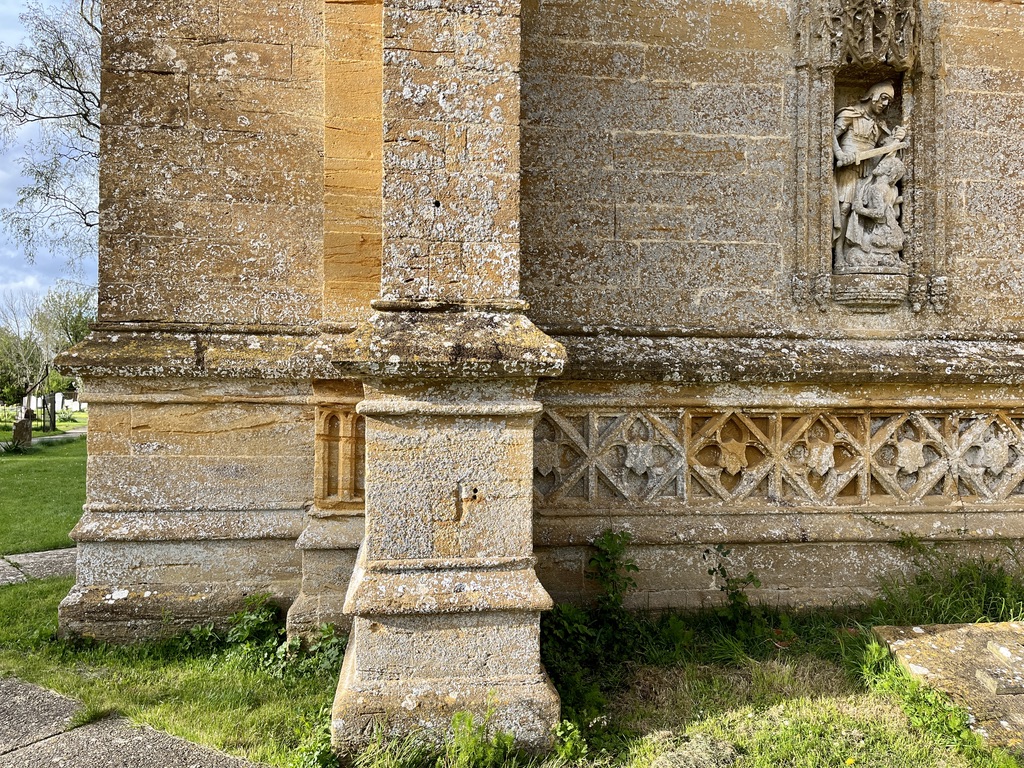
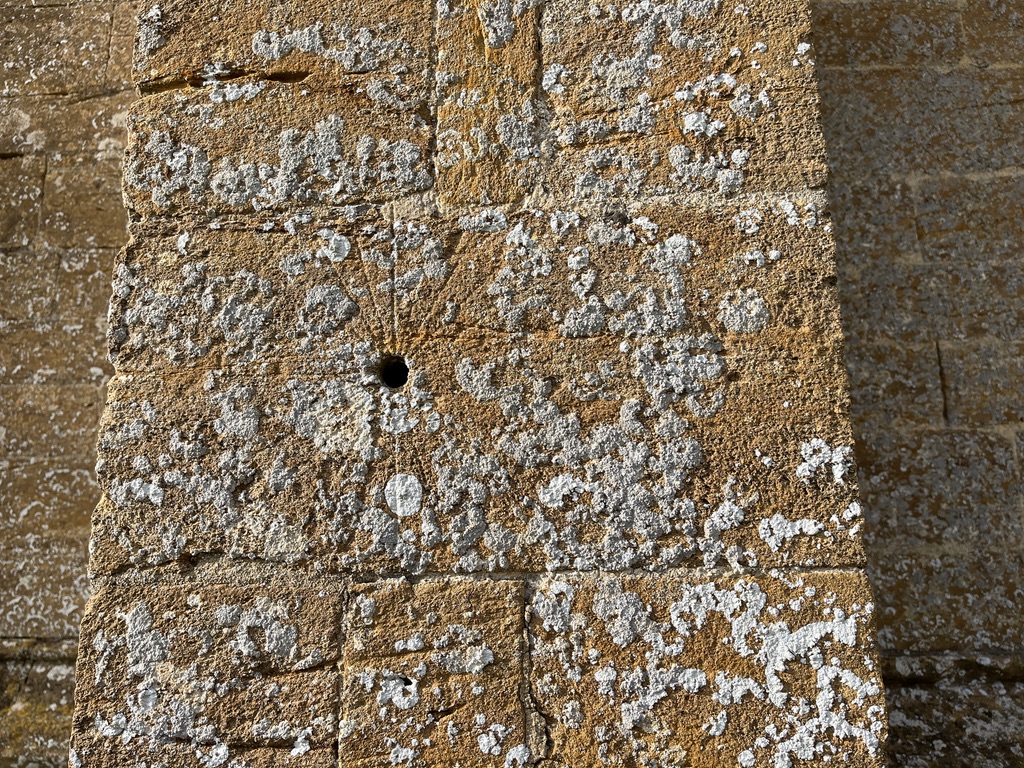
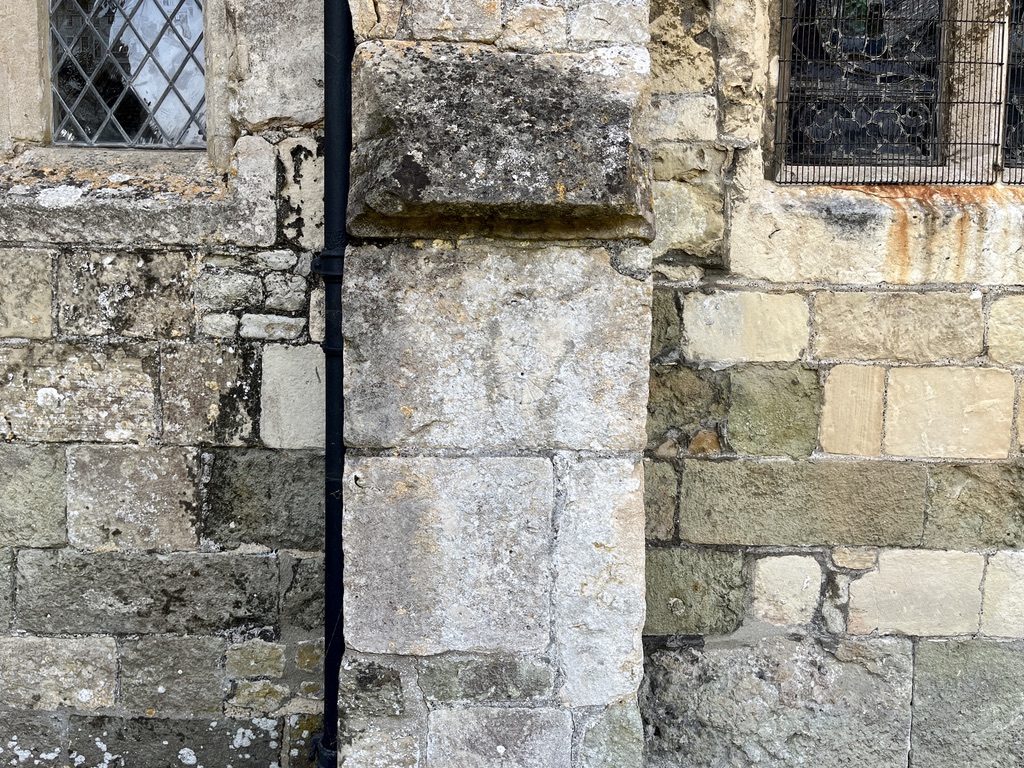
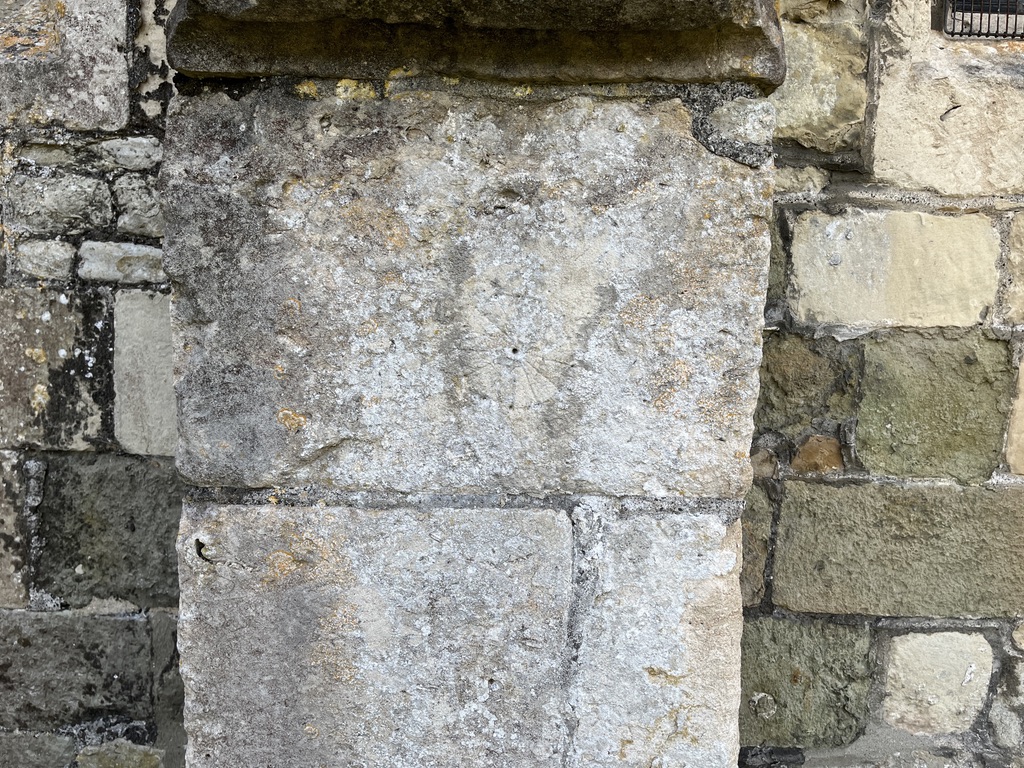
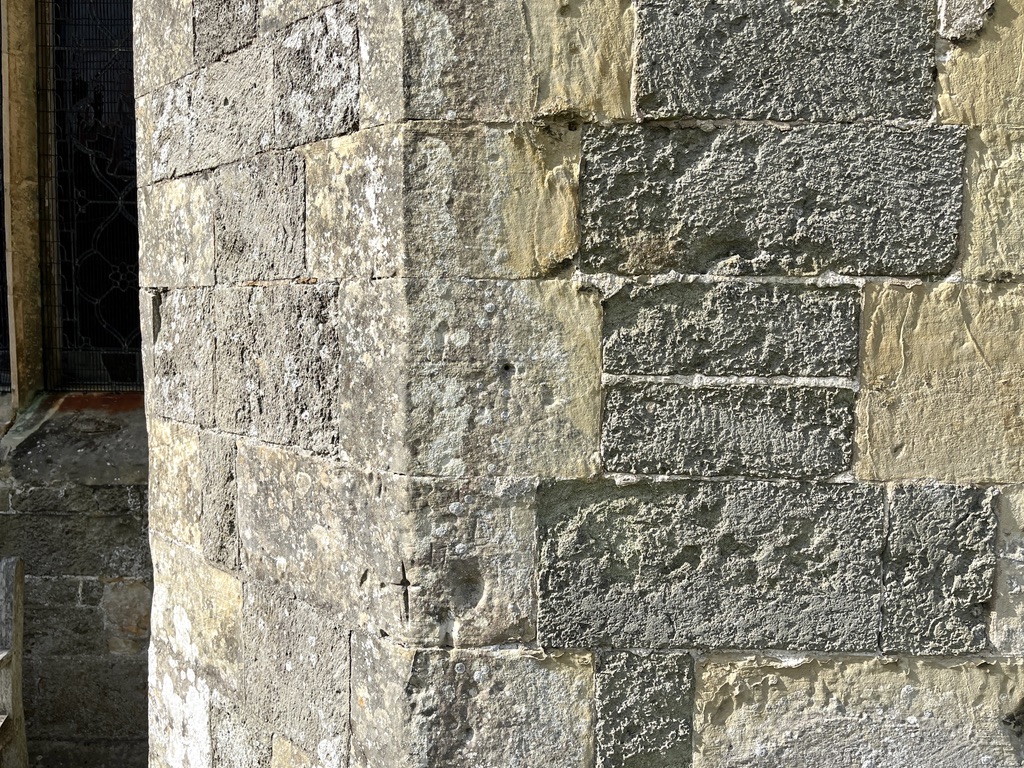
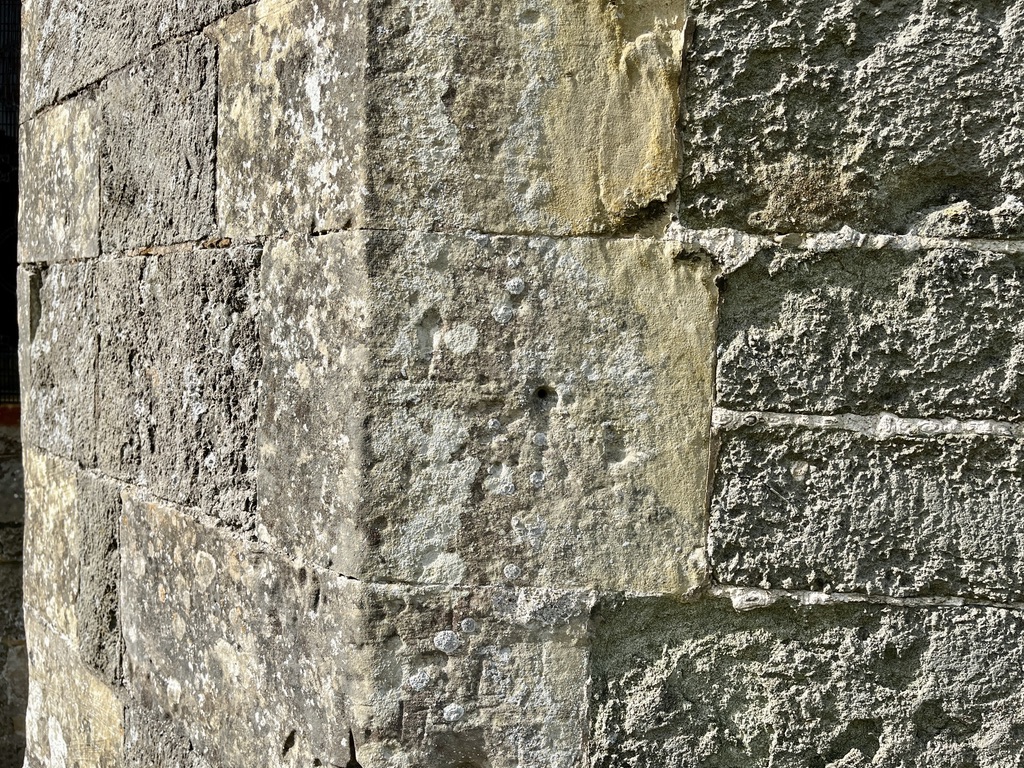
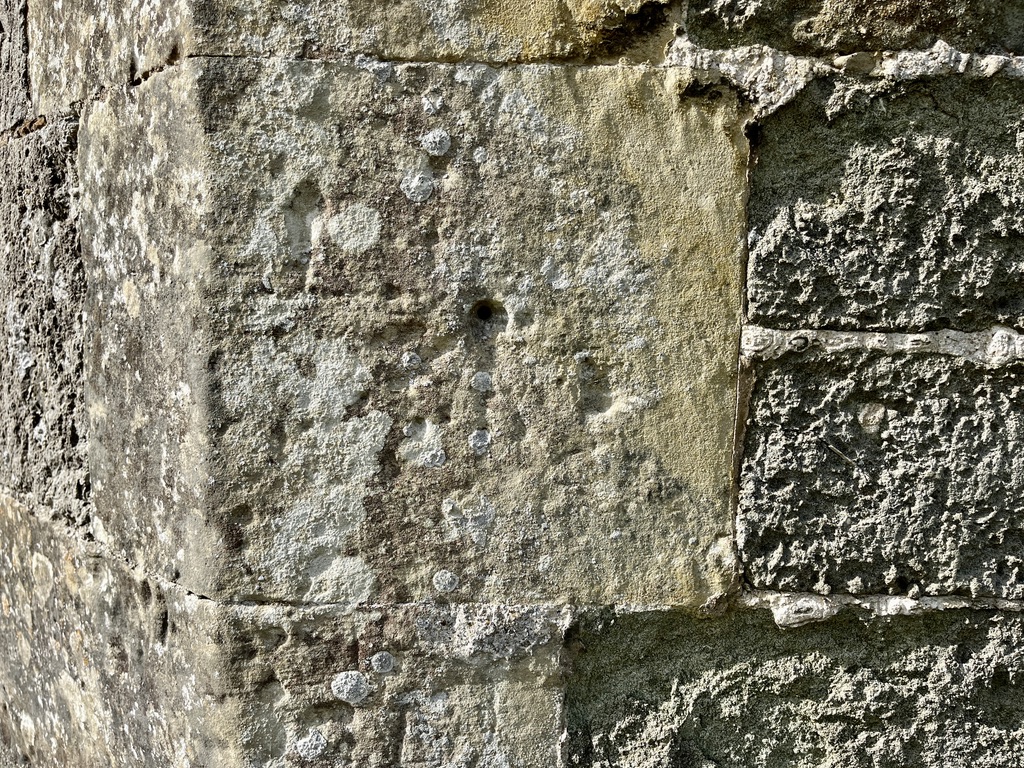
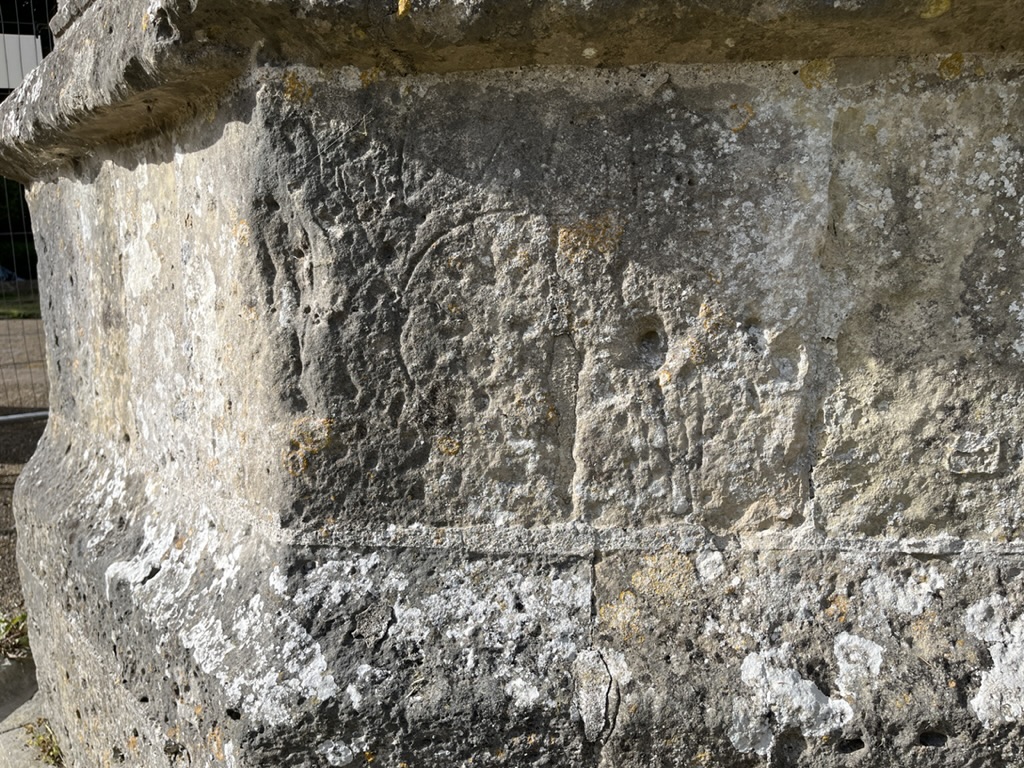
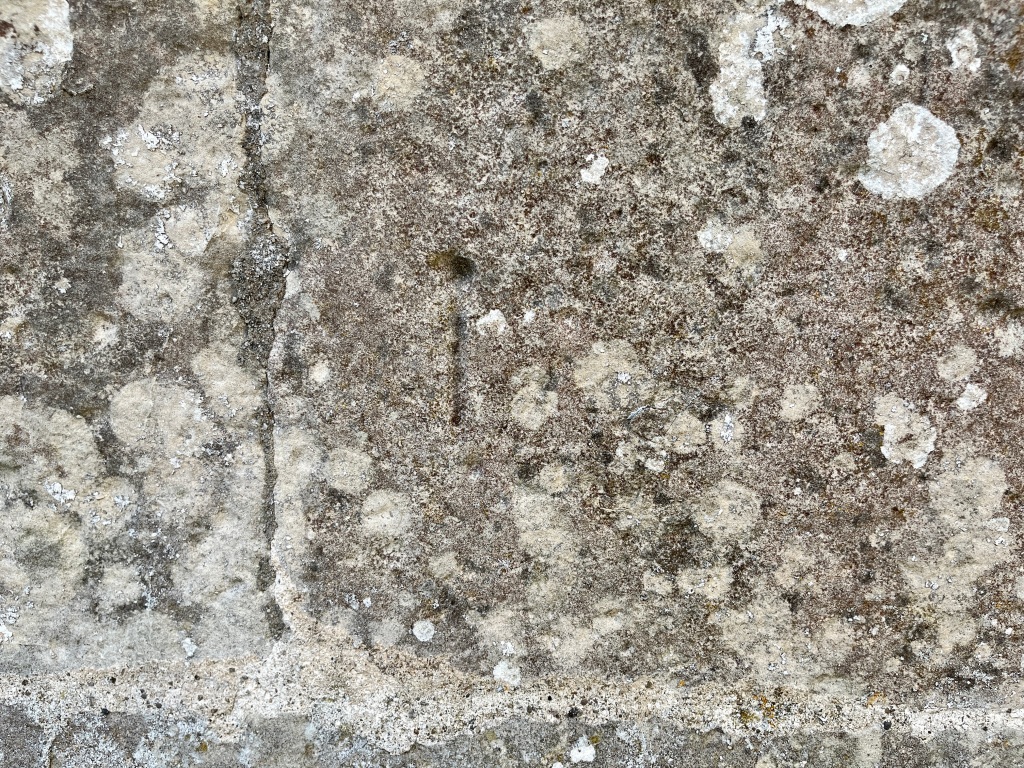
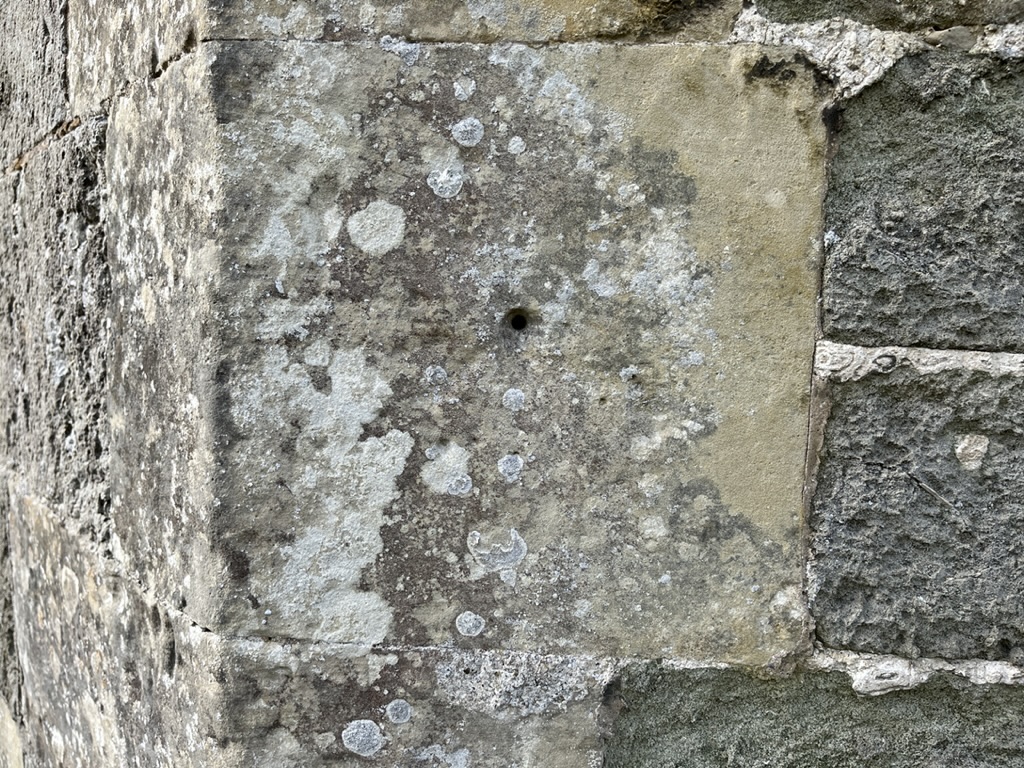
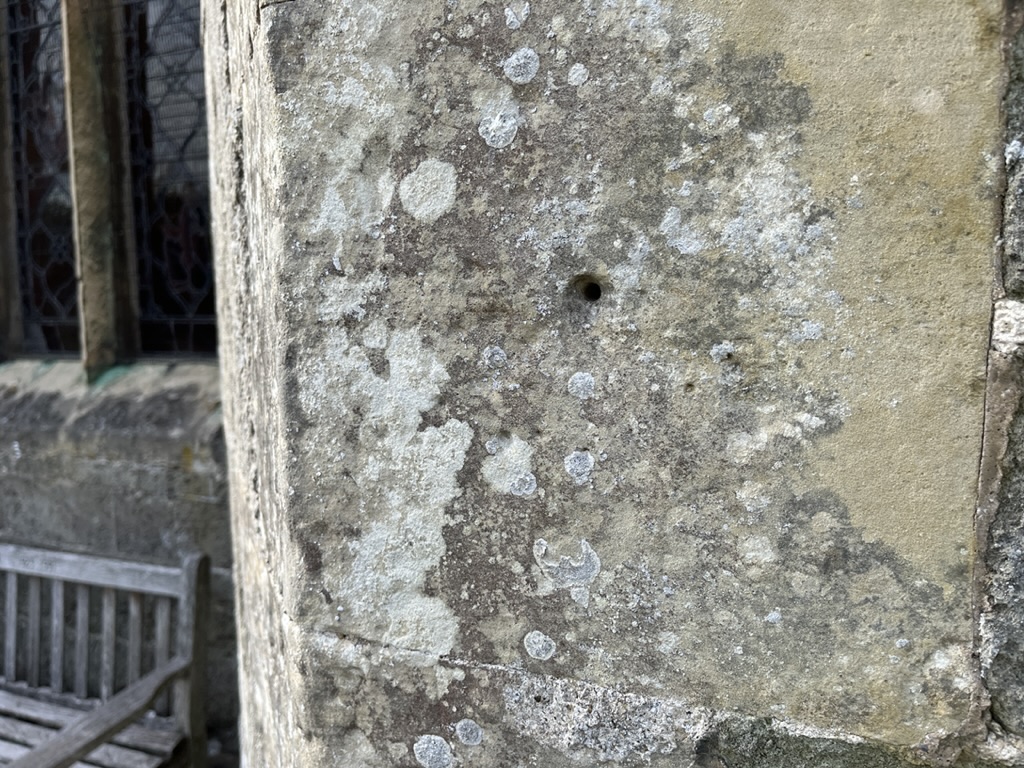
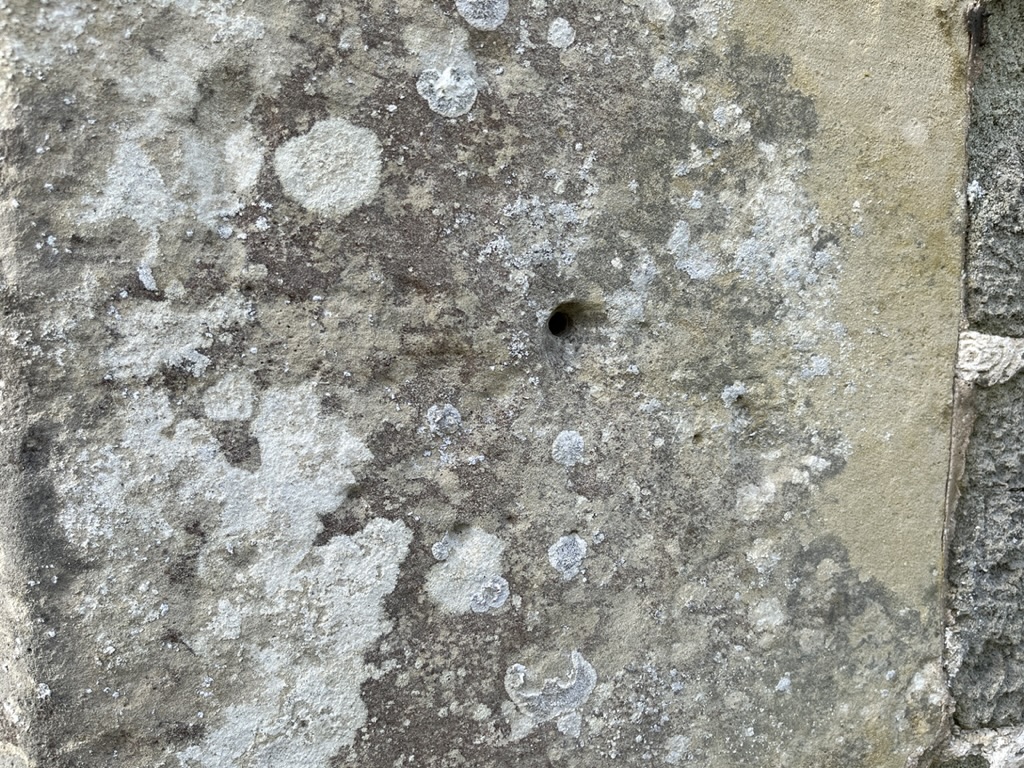
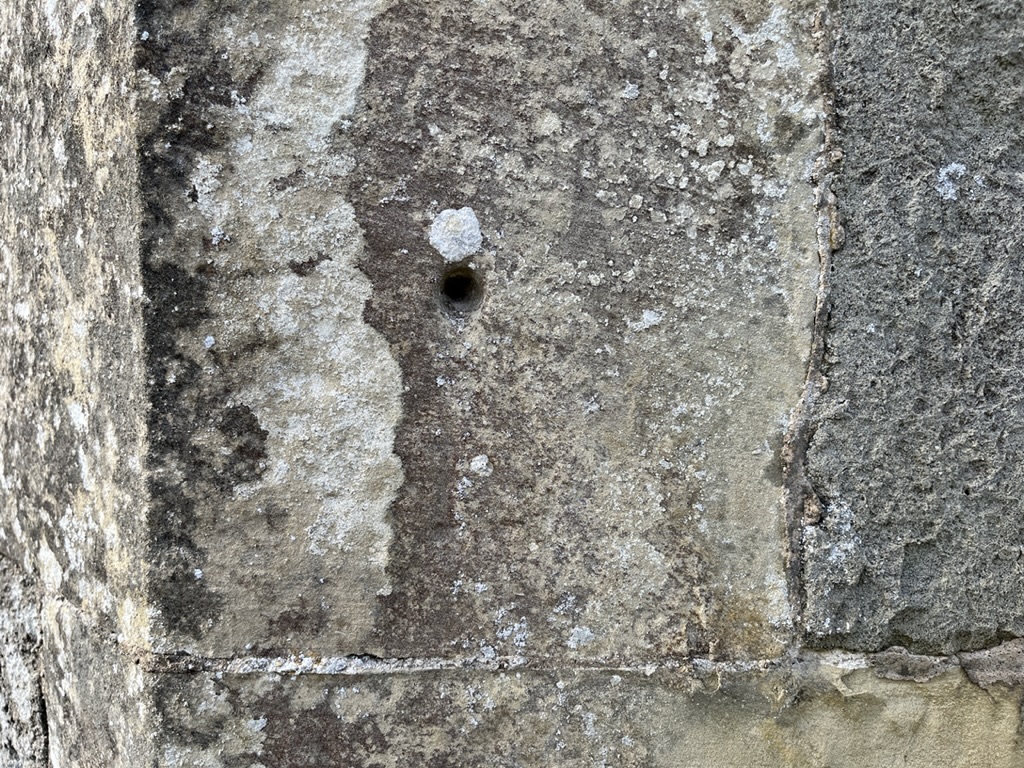
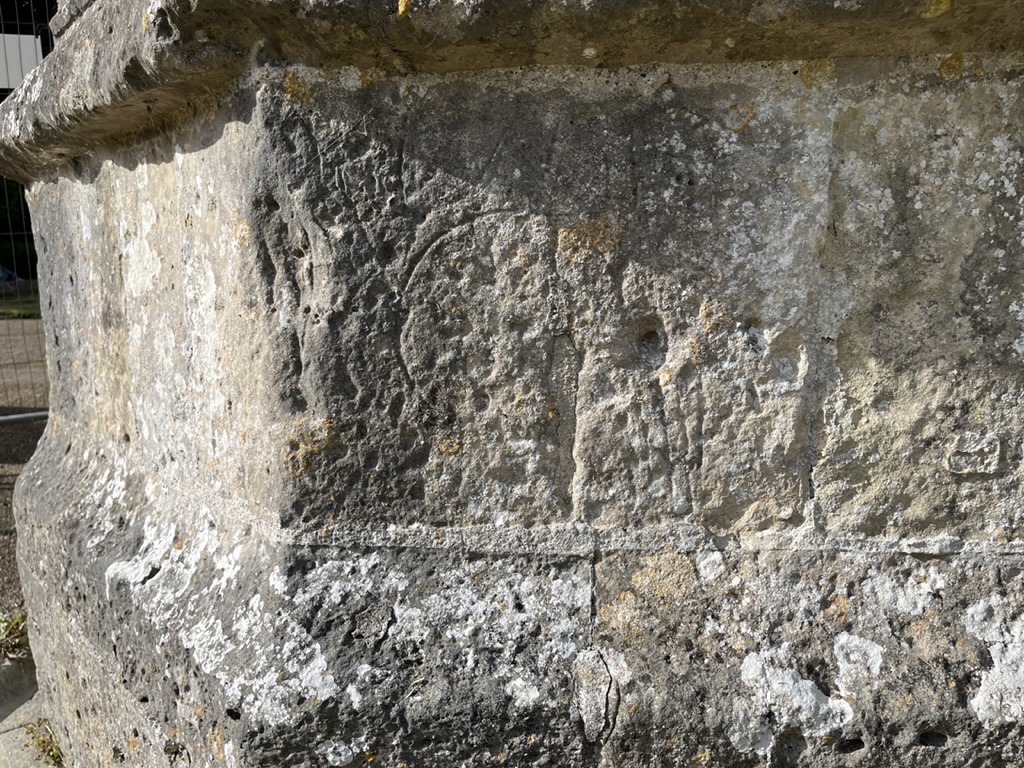
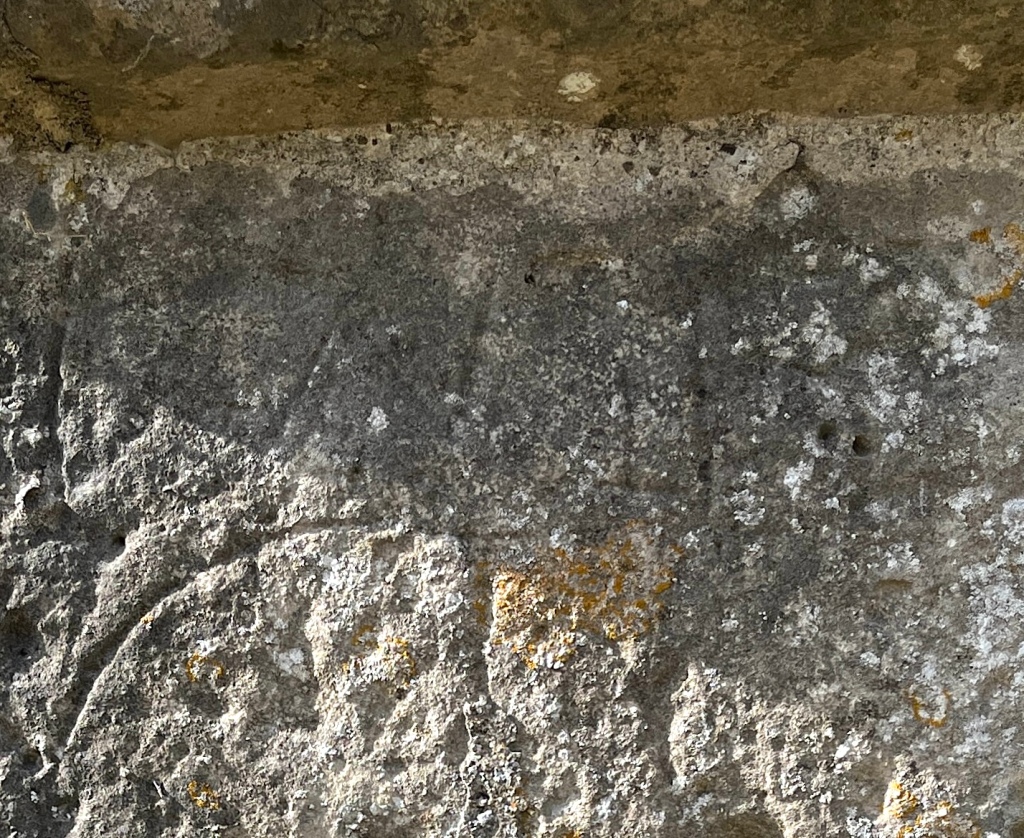
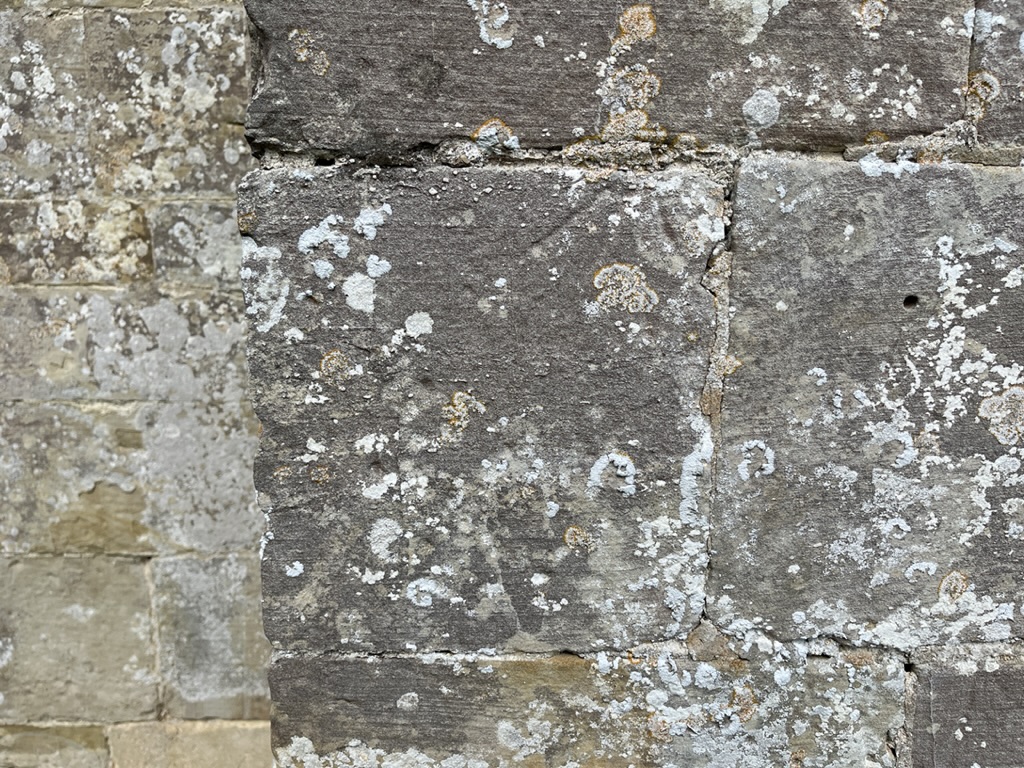
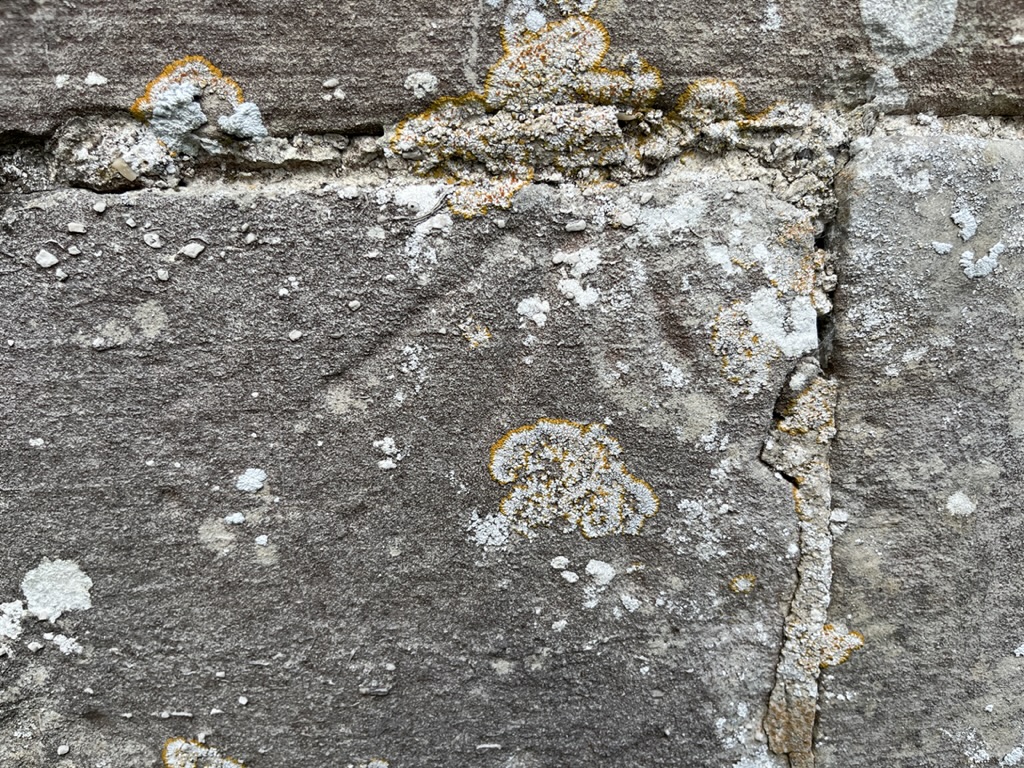
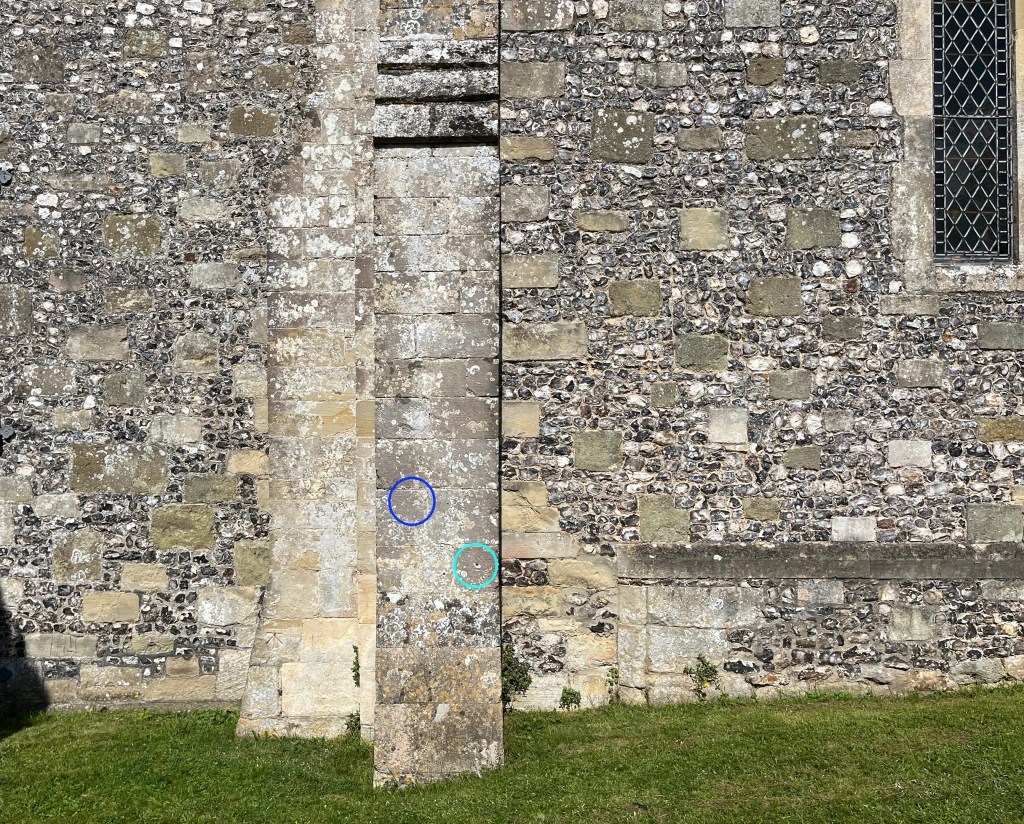
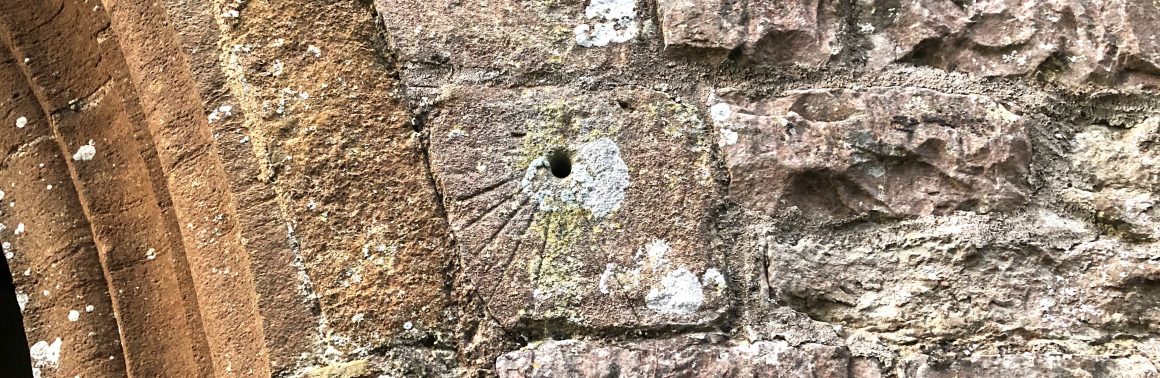
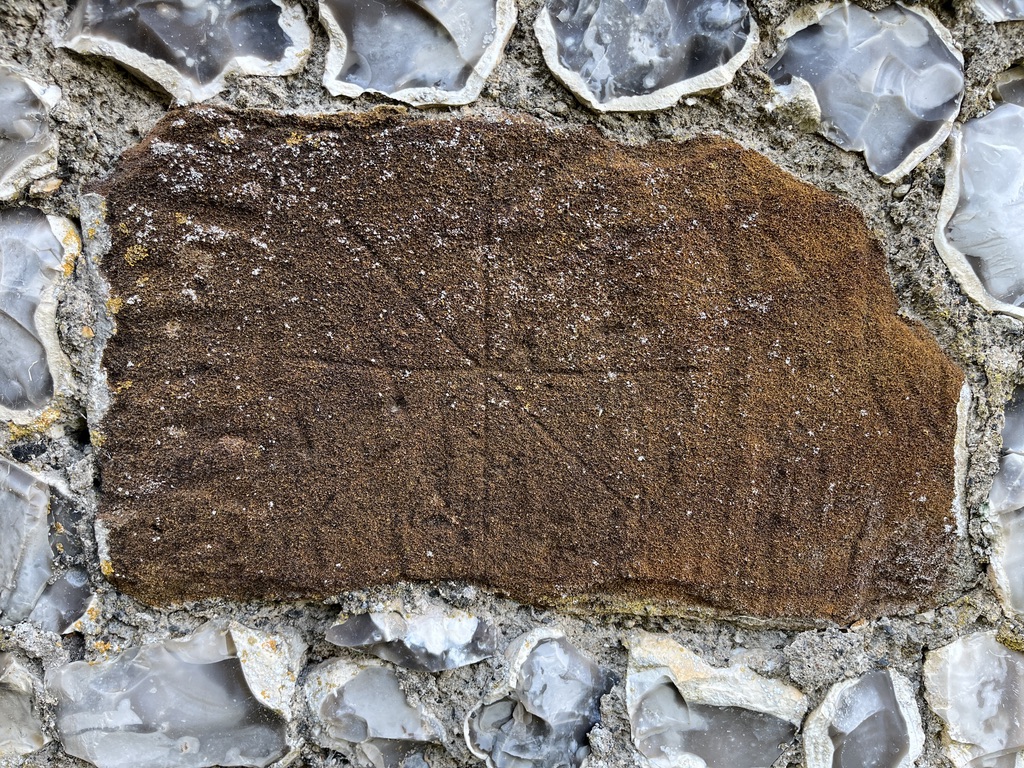
Emphatically not vaux le voyage, and included here mainly because in 1913 DEH counted it as a dial [85] when compiling his exhaustive record of Somerset scratch dials. On SE buttress of the tower he found a ‘quite clear’ circle with a shallow style hole, but without any lines. He put the design in his Doubtful category.

Keith Salvesen

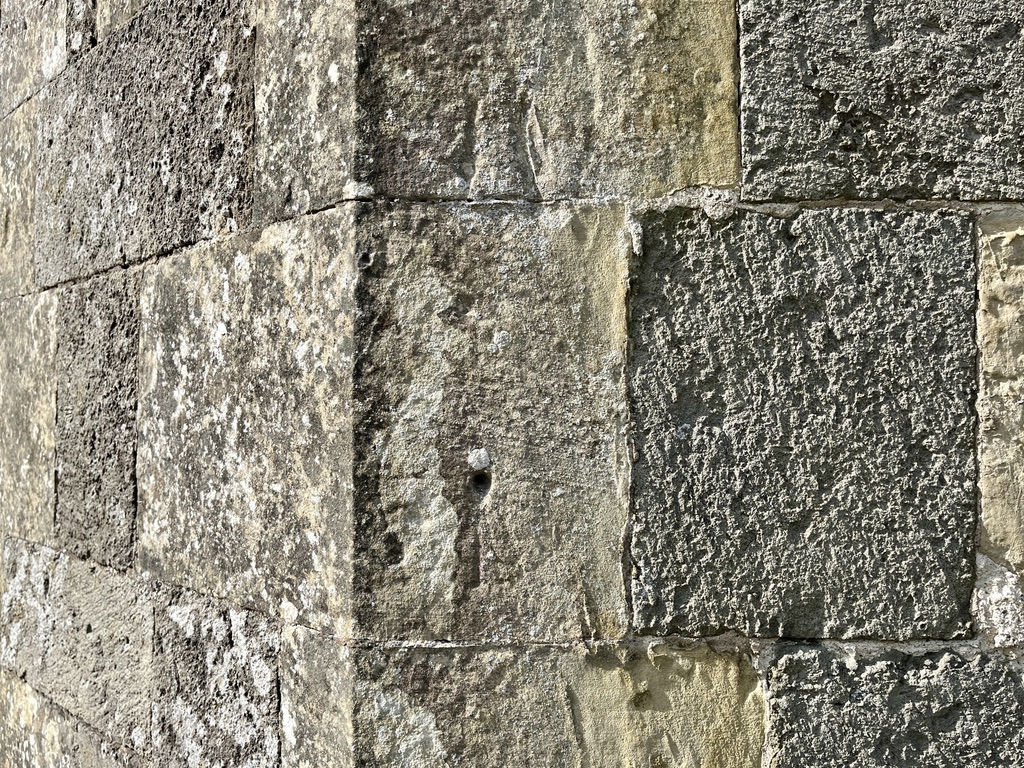
100 + years since the record was made, the circle has eroded away and the hole is not shallow. I had decided to demote this to the not-a-dial category. However, looked at closely and at an angle, it appears that what was once DEH’s ‘shallow hole’ has more recently been neatly drilled deeper into the stone (in fact, a dial would now be workable using a rod or stick). So I conclude that there is evidence of dialishness, though doubtful.

Keith Salvesen

GSS Category: Scratch Dial; Somerset Scratch Dial; Dom Ethelbert Horne

Credits: photos and research – Keith Salvesen (Nov 2025)
MARTIN . HANTS . ALL SAINTS

ALL SAINTS . MARTIN . WILTS

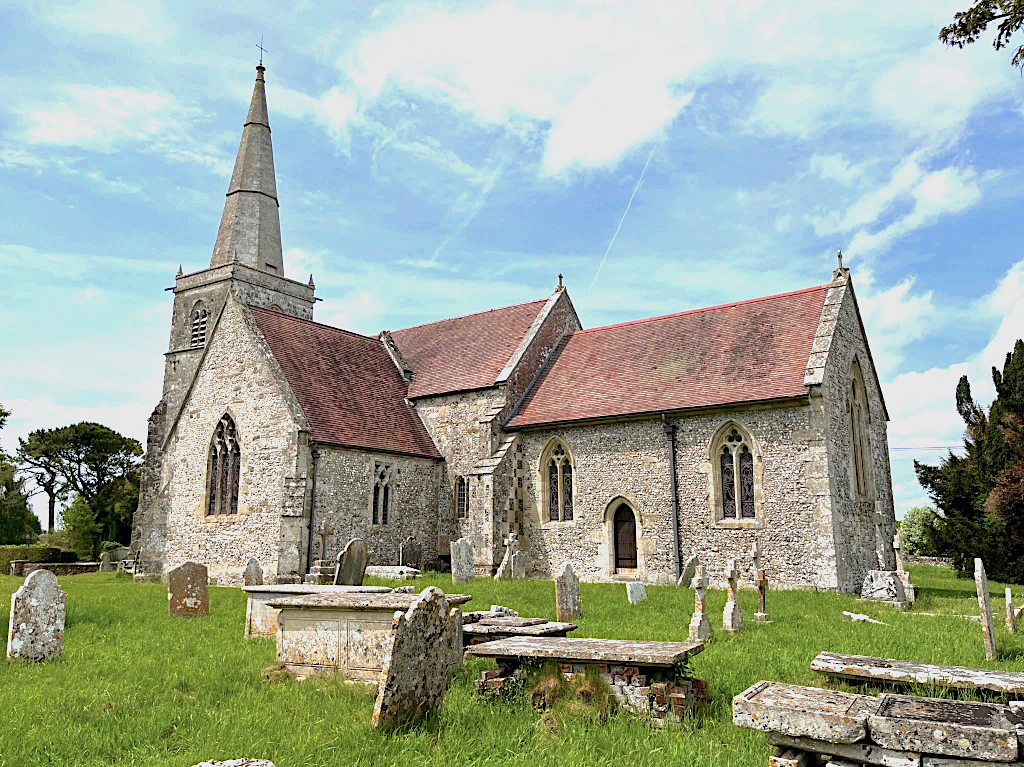
GRADE I † Early C12 origins; C13 chancel, tower; C14 / C15 transepts; other works then & later inc C18 spire, C19 restorations. A striking building in a small village just off the A354 Salisbury – Blandford Forum. Clock installed in honour of Winston Churchill 50.9754 / -1.9009 /  SU070195

DIALS

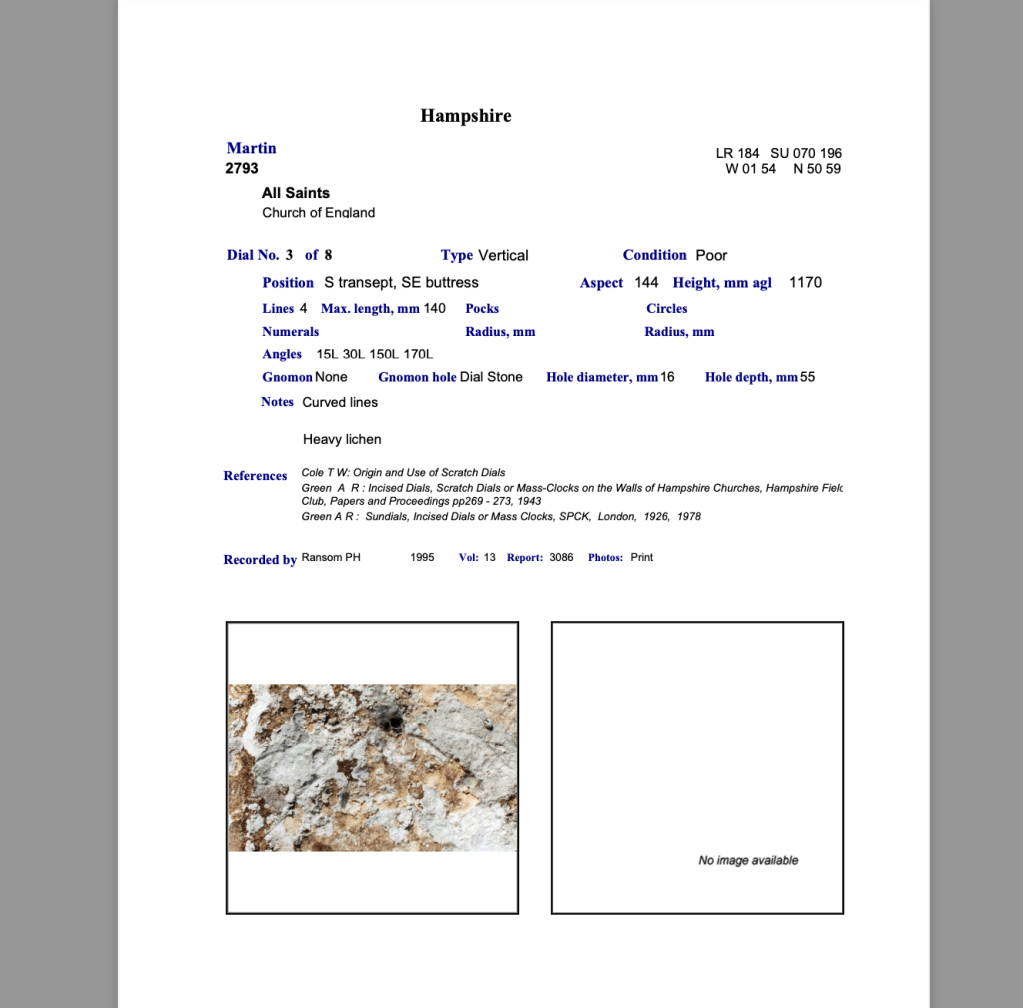
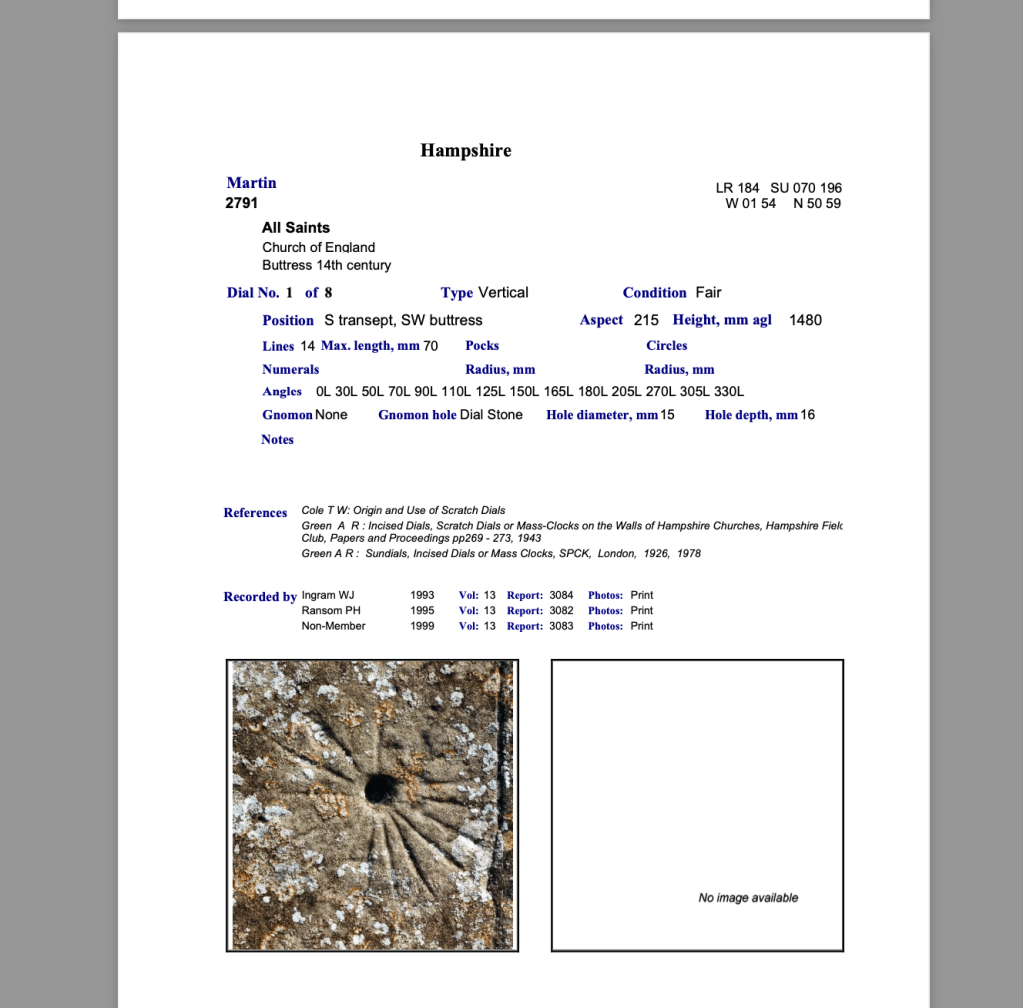
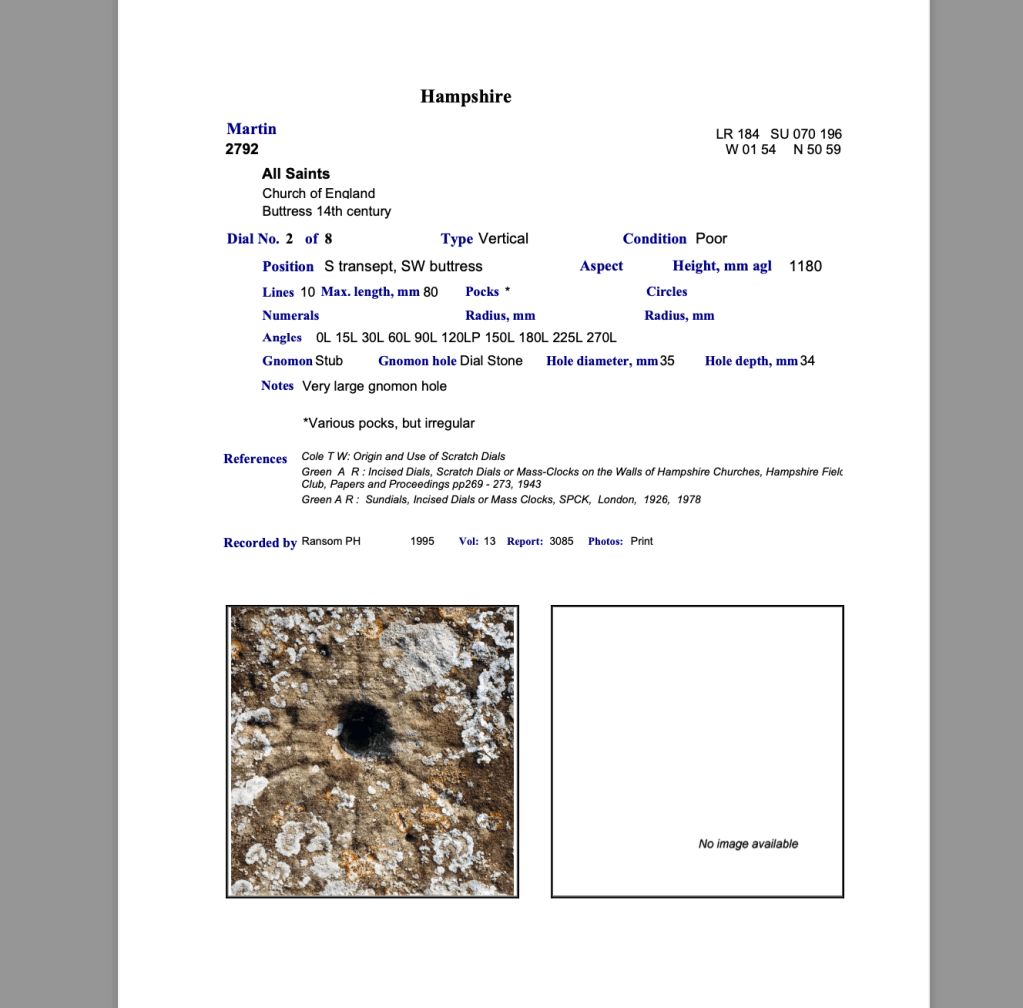
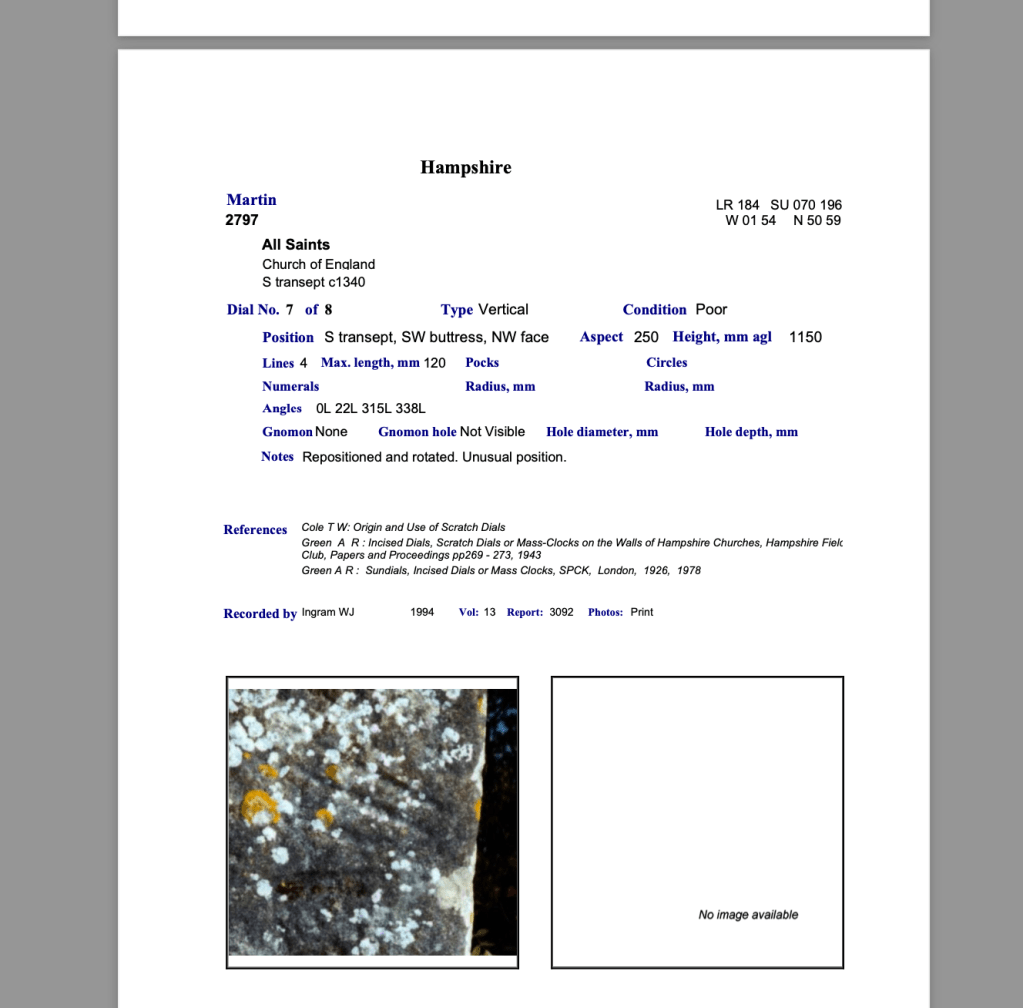
All Saints is a multiple dial church, with 8 listed in the BSS records. My dial count is 9. It’s a fine church, and dial-hunting was an easy pleasure. I have decided to let the dials speak for themselves without undue commentary on individual characteristics unless called for. Below the dials is an excellent article by the Hampshire Field Club that analyses all you need to know about each dial, and in particular the locations (for which I lost my notes).

BSS RECORDS

GALLERY OF 8 + 1 DIALS

DETAILED IMAGES

DIAL 1

DIAL 2

DIAL 3

DIAL 4

DIAL 5

DIAL 6

DIAL 7

DIAL 8

DIAL 9

This dial is included in the BSS records (bottom row LHS)
Volume VII Part I.pdf

Proceedings of the Hampshire Field Club, XV , Pt. 3, p. 27a.

GSS Category: Scratch Dial; Multiple Scratch Dial Church

SPETISBURY . DORSET . ST JOHN THE BAPTIST – TWO SCRATCH DIALS (?)

Spetisbury Church as drawn by Thomas Rackett for the 2nd edition of Hutchings’ History of Dorset

ST JOHN THE BAPTIST . SPETISBURY . DORSET

GRADE 1 ✣ Late C12 / early C13 origins; west tower late C15 / early C16. Major mid C19 restorations from 1858 by T H Wyatt, and later works. 3m SE of Blandford Forum. 50.8258 / -2.13 / ST909029

TWO PROXIMATE DIAL-LIKE DESIGNS

The two incised stones are located either side of the drainpipe on S wall of the chancel. Both have 8 segments (as with a Saxon / Tide Dial). A gnomon hole is conspicuously absent from both. There’s no trace of filling. There are one or two pocks on each, but random and with no specific relation to the overall designs.

GLP in his comprehensive survey of Dorset church scratch dials concluded that the dials “…are just graffiti of unknown date”. He explains that he has included these near-matching designs since otherwise “they might be mistaken for genuine dials”.

Apotropaic symbols? These don’t conform to any mainstream style of protection mark. And they are not in a location that Evil would naturally choose to gain entry.

My own theory is that these 2 designs were scratched on adjacent dark stones during the lengthy C19 restoration period. Perhaps there was a small competition between 2 apprentice masons engaged on the work, or bored by it.

DIAL 1

The cruder of the two, with bent lines and an awkwardly gouged curving ‘noon line’.

DIAL 2

More carefully designed and executed than Dial 1, and with the hint of circle round it.

GSS Category: Scratch Dial; Mass Dial; Church Graffiti circular pattern; False scratch dials

All photos: Keith Salvesen; Rackett print OS

TARRANT RUSHTON . DORSET . ST MARY – Scratch Dial

ST MARY . TARRANT RUSHTON . DORSET

LISTING II* ✣ Early C12 origin; nave extended late C12; early C14 chancel,
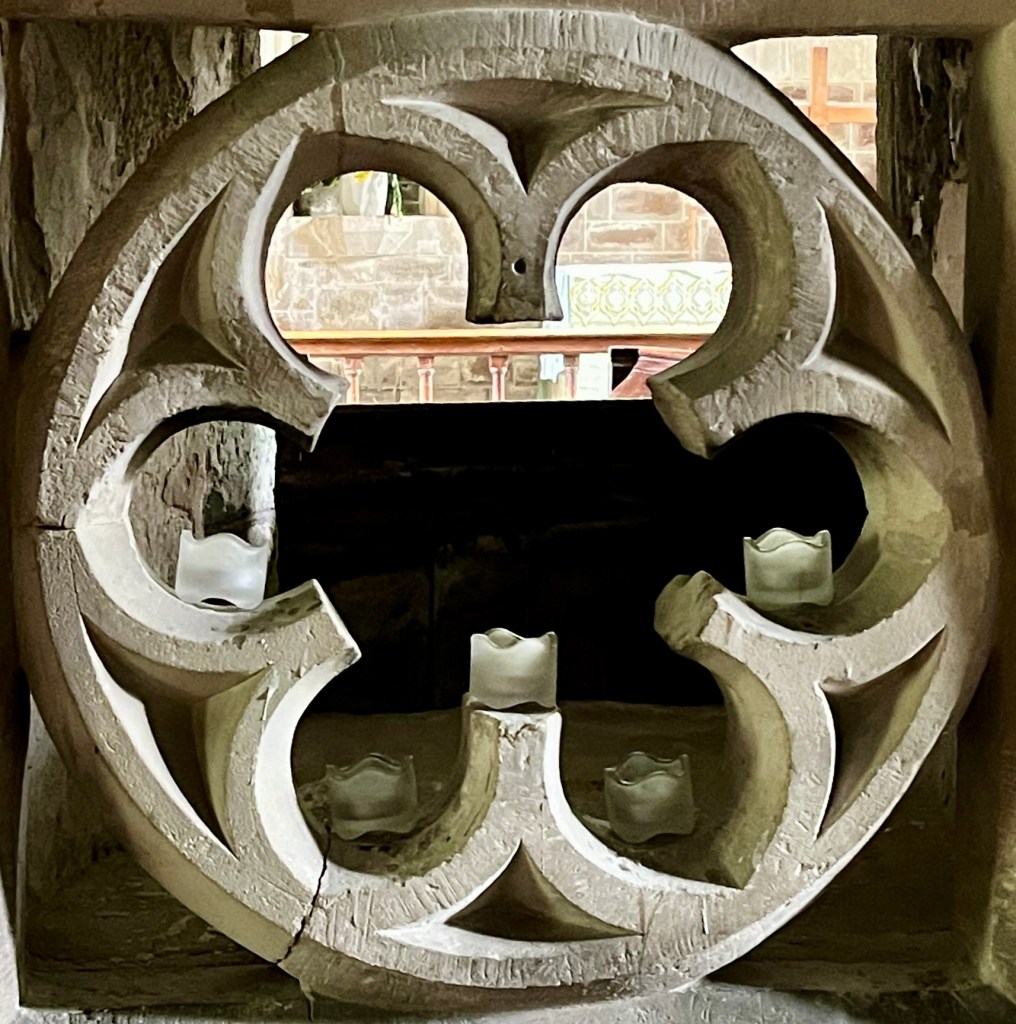
transepts, squat tower; C15 porch; C19 north vestry and restoration. 3 squints (‘hagioscopes’, as I have recently discovered). 4m E of Blandford forum, nestled in a valley with several other Tarrants. 50.854 / -2.0902 /  ST937060

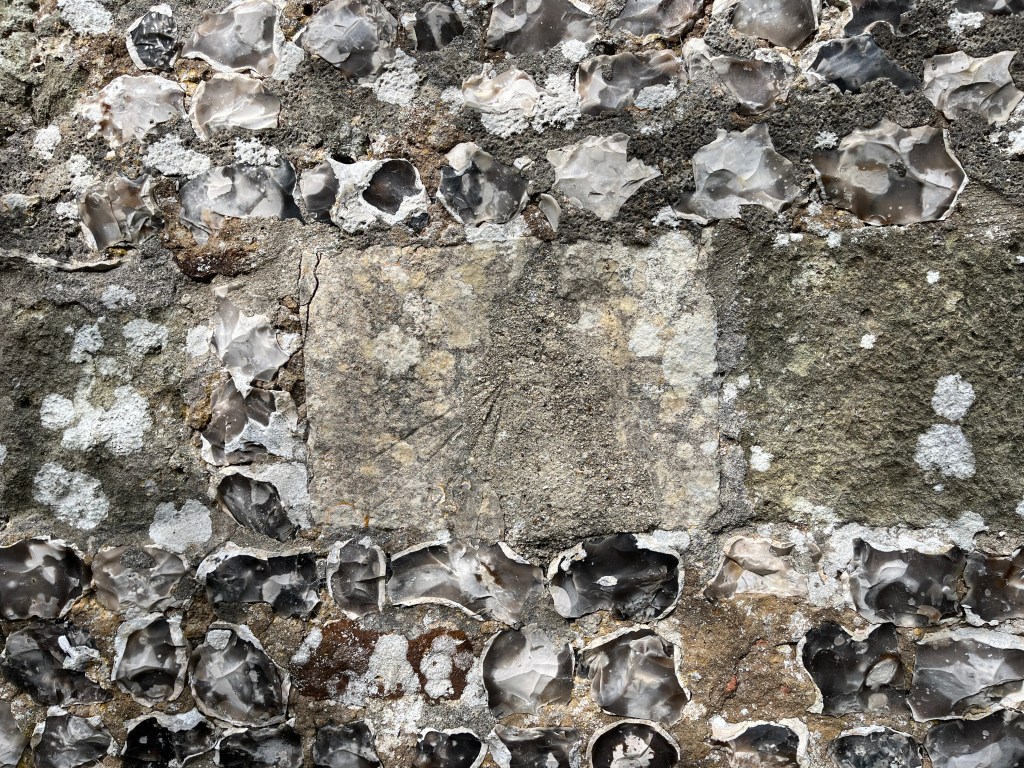
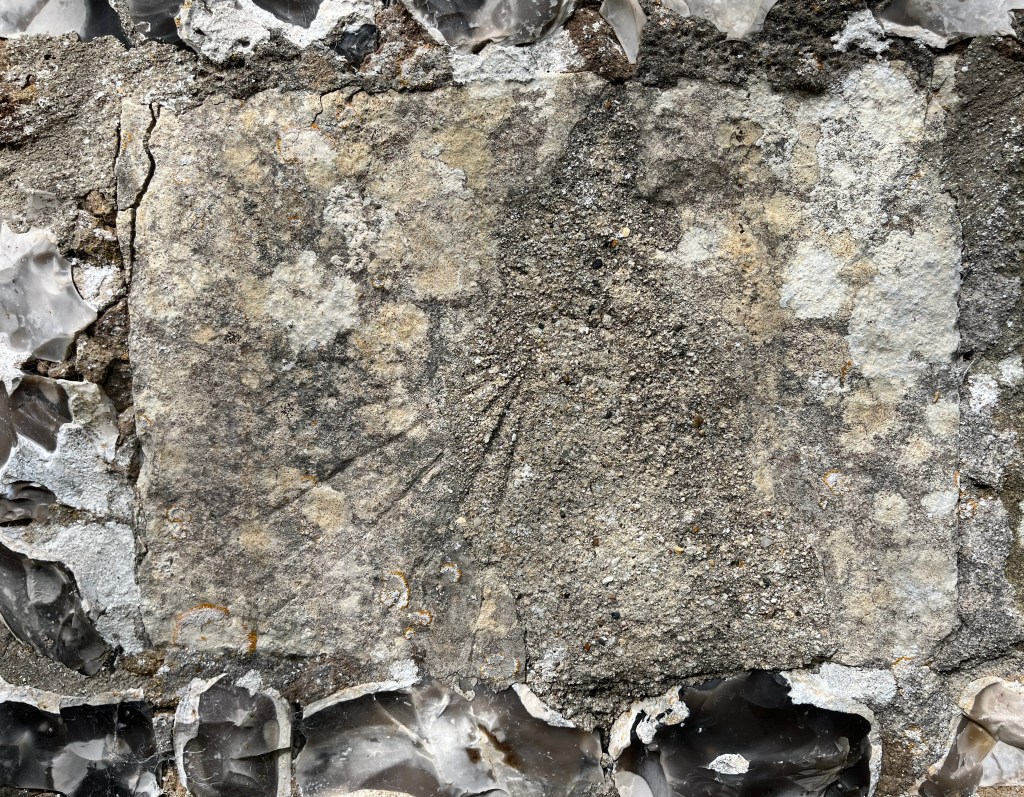
DIAL

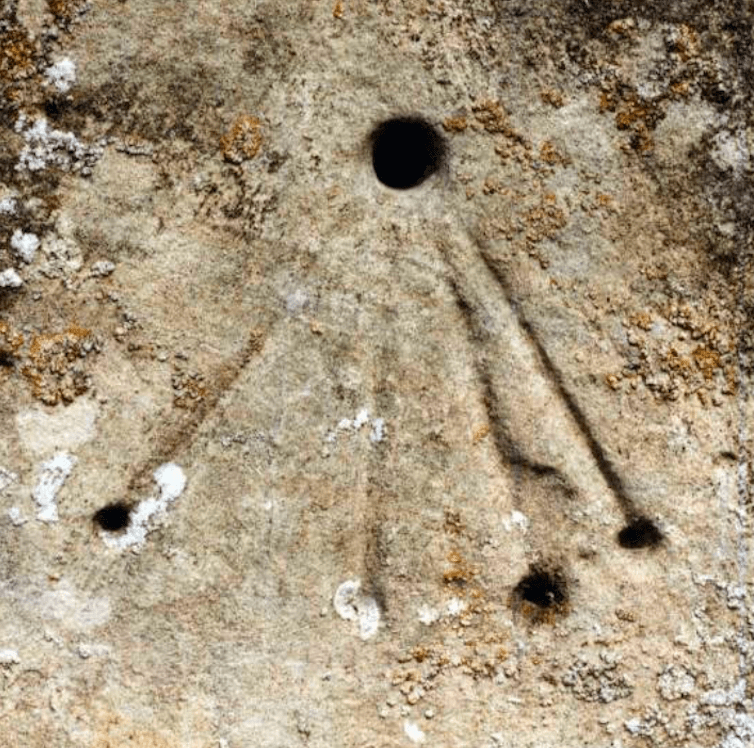
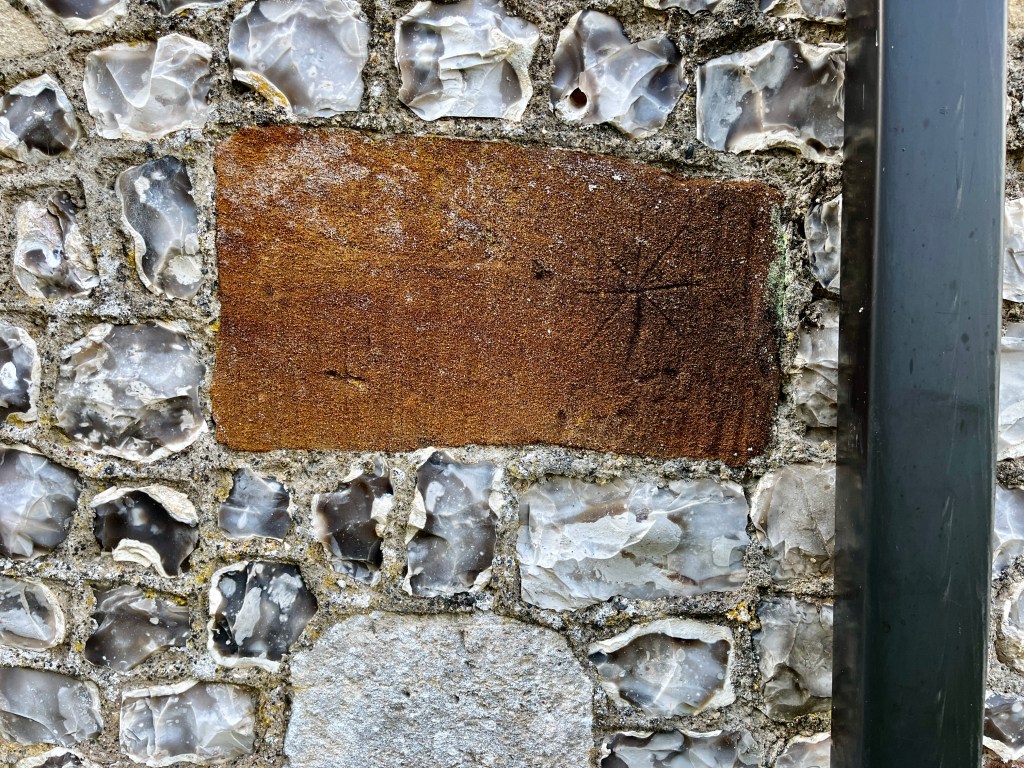
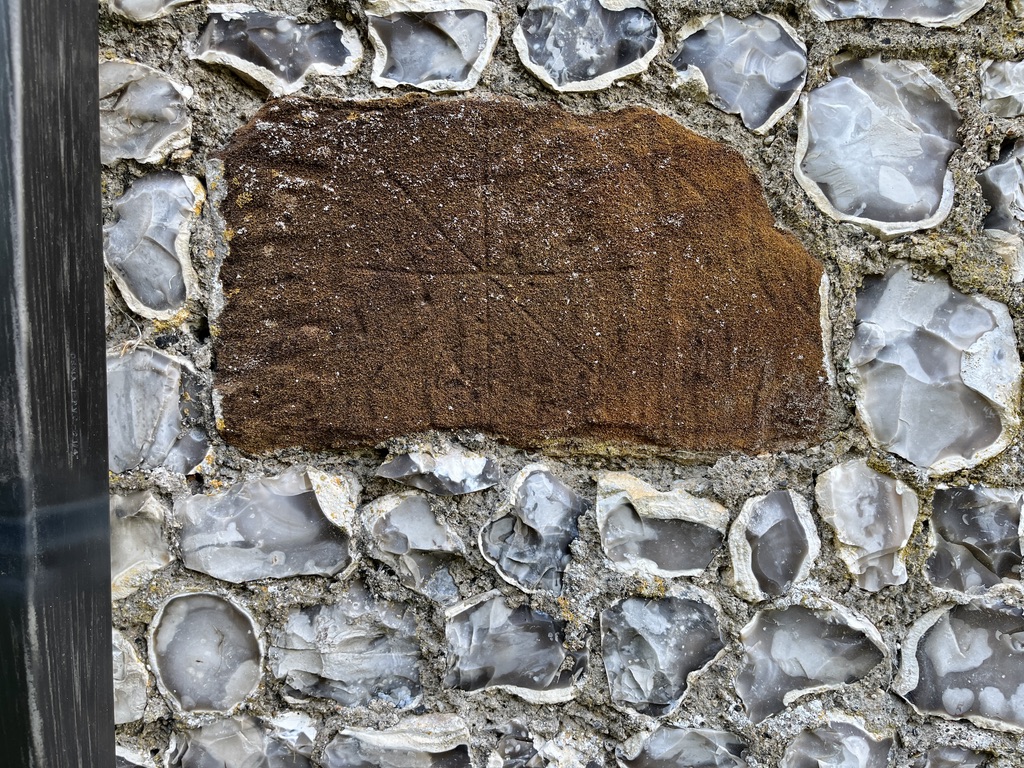
An attractively simple dial set in flint, perhaps not its original location. There are 6 lines LHS from the horizontal (6) down to to 11. Two are very faint. A morning dial, with 2 slightly deeper cut / longer lines suggesting Nones as the main time for observation. The absence of an obvious gnomon hole – open or filled – is a puzzle. There is a slightly paler area where the radials converge, perhaps marking the site of a gnomon hole filled centuries ago, now worn to a smooth patch

GSS Category: Scratch Dial; Mass Dial; Medieval Sundial Dorset

All photos: Keith Salvesen

HAMPRESTON . DORSET . ALL SAINTS – Scratch Dial

ALL SAINTS . HAMPRESTON . DORSET

GRADE II* ❖ Norman origins on Saxon site; 1261 first Rector; C14 chancel and Tower. Victorian additions and restoration. Royal Coat of Arms of George II 1754. DHCT rates as fabulously interesting. Secluded within the New Forest. 50.7888 / -1.9231 /  SZ055988

DIALS

All Saints has two adjacent dials low down on the same stone of a small buttress at the E end. One is elaborate; the other is rustic.

DIAL 1

There are 17 lines and 7 pocks within an incomplete circle. Noon seems to be indicated by 3 pocks under a shorter line. The longer line no doubt indicates the main time of observance as None.

DIAL 2

This simple dial has 2 sets of 3 pocks. The lower set would work for mid-morning to early afternoon, presumably to emphasise the main daily Mass. The upper set can only be ‘decorative’, perhaps the work of a bored sacristan practising symmetry.

GSS Category: Scratch Dial; Mass Dial; Medieval Sundial

All photos: Keith Salvesen

STOCKTON . WILTS . ST JOHN THE BAPTIST – Multiple Scratch Dials

ST JOHN THE BAPTIST . STOCKTON . WILTS

GRADE I ✣  Late C12, C13, early C14, C15 and C17; restoration 1879. Interior has much of interest, described in detail by PEV. Two squints. One of several fine churches in the Wylye Valley, ranging from ruined Sutton Veny via tiny Tytherington small, medium to large. Most have at least one dial, all are worth a visit. 8m SE of Warminster 51.1433 / 2.0272 / ST981382

DIALS

St John is the supreme multi-dial church in the Wylye valley. BSS lists 17 in its records (some with circumspection). Although locations are noted, there are no drawings / images. It isn’t possible / practical to try to match my photos to the given locations in a helpful way. I have tried to sort indisputable dials from the probable, possible, and ‘not really’. My search started at the E end and mostly went W along the S side. I found 17 dials, from indisputable to some that I think meet the broad criteria.

There are 2 clusters on the ‘red’ buttresses: dials 6 – 9; and dials 11 -13

There are too many dials for detailed comment, with a variety of mostly conventional designs. A few may be rotated / re-sited. I have tried to display photos of the dials informatively and in approximate sequence E to W. A separate section deals with other candidates.

DIAL 1

DIAL 2

DIAL 3

DIAL 4

DIAL 5

DIAL 6

DIAL 7

DIAL 8

DIAL 9

DIAL 10

DIAL 11

DIAL 12

DIAL 13

DIAL 14

DIAL 15

DIAL 16

DIAL 17

❖ ❖ ❖ ❖ ❖ ❖

DEBATABLE DIALS

PLAUSIBLE IN SOME WAY?

UNLIKELY / NOT AT ALL

GSS Category: Scratch Dials; Mass Dials; Multiple Dials; Medieval Church Sundials

All photos: Keith Salvesen

KINGSBURY EPISCOPI . SOM . ST MARTIN (2) – SCRATCH DIAL

ST MARTIN . KINGSBURY EPISCOPI . SOM

GRADE I ♱ C14, C15; C19 restoration. Mainly Perpendicular, with a very impressive 3-stage tower. C14 font. Splendid gargoyles. Very close to MUCHELNEY ABBEY. 9m NW of Yeovil 50.9865 / -2.8042 / ST436210

NOTE This post supplements a previous post written last year HERE. There was poor light with inadequate details of the dial, now remedied in sunlight. The text is much the same.

DIAL

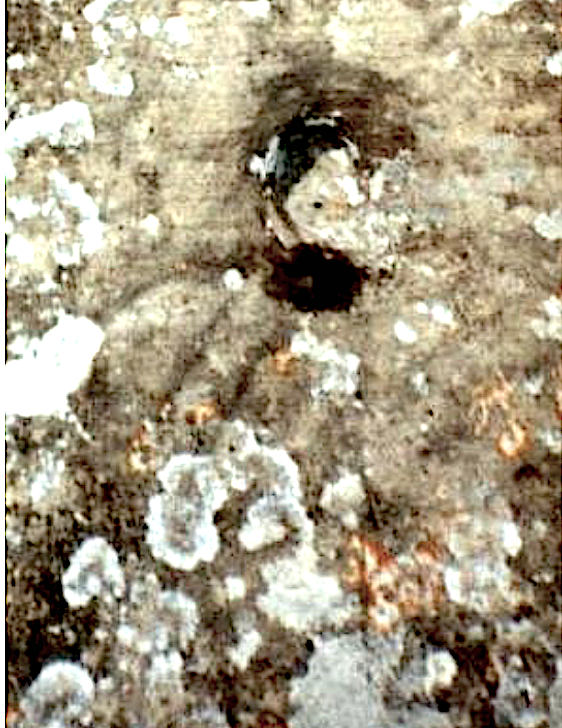
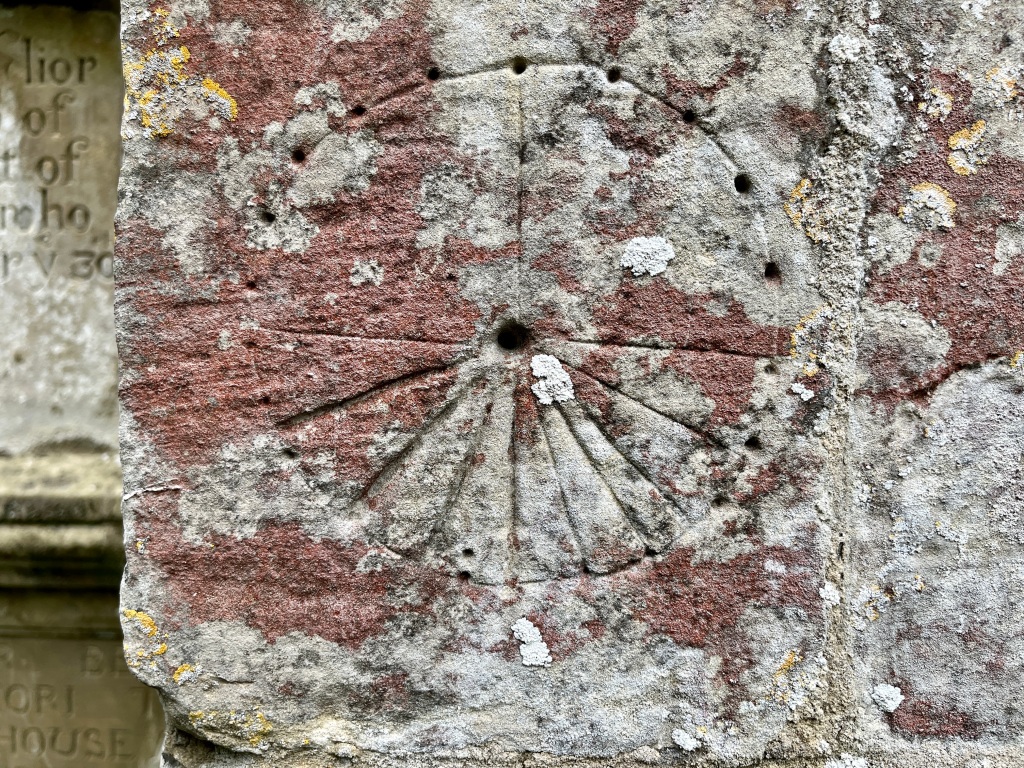
The dial is cut on the W buttress, S side of the tower on a large stone that is the width of the buttress. DEH visited in Sept 2012 – this was one of his early churches, perhaps because of its proximity to Downside Abbey. He describes a large, deep style hole. He counted a full complement of 24 lines: a complete wheel of thin lines without a circle. Nearly 100 years later, the design is not as clear-cut.

DEH also noted that the dial stone may have been moved during restoration of the tower, which might account for its height on the buttress (8 ft).

GSS Category: Scratch Dial; Mass Dial

All photos: Keith Salvesen

MUCHELNEY ABBEY . SOMERSET . Scratch Dial (Rare Example)

✠ 

MUCHELNEY ABBEY . SOMERSET

GRADE I ✠  C7 origins with a long and fascinating history amply covered by many sources. The Wiki entry gives a good brief account. Now only the Abbot’s House and the Lavatorium remain intact. The ruined foundations are all that can be seen of the Abbey buildings and layout.

The Abbot’s House has a number of apotropaic marks including hexfoils and taper burns, noted on the relevant pages here.

✠ 

DIAL

We visited the Abbey knowing approximately what to expect from the Abbot’s House. It is well worth exploring, and there are helpful EH volunteers on hand to give information.

We eventually reached the West Kitchen, which has a door to the S side of the building. It was a great surprise to find a simple and eroded scratch dial between the doorway and the East Kitchen window. It is quite rare to find a scratch dial on a building other than a church. Non-secular dials can occasionally be found on medieval barns. Perhaps the Abbot’s dial was originally part of the original abbey building, and re-sited. I’d prefer to think that a factotum had cut the dial specially for an Abbott so that he could keep track of the important times of the monastic day for which he was responsible.

This is not an easy dial to analyse. Certainly there is a horizontal line ( 6-to-6) that runs through the gnomon hole (very faint RHS). There is a deeper cut noon line that seems to extend above the hole to the mortar line.

As often, a b&w image can assist with finer details. There is a faint 9-line, suggesting that Terce was the primary time for observance. Possibly a further line at 11? No relevant markings LRQ.  Possibly there is a line ULQ just above the horizontal.

It is clear that EH and the guides know about the dial, but I have been unable to find a reference to it elsewhere. Probably a local research group will have recorded it, but otherwise it seems that this unusual dial (for location) is very little known

MUCHELNEY ABBEY . SOUTH FRONT

Muchelney Abbey – Abbot’s House S side showing W kitchen door . Photo by DeFacto OS CC

GSS Category: Scratch Dial; Mass Dial

All photos: Keith Salvesen

MERE . WILTS . ST MICHAEL – Multiple Scratch Dials

ST MICHAEL . MERE . WILTS

GRADE I ✣ Saxon origins, remnants from late C12; Chancel C13, north and south chantries C14, aisles rebuilt late C14, remainder C15. Highly praised *** by SJ: the screen is the best in Wiltshire; excellent stained glass… A small town fortunately by-passed by the dread A303. 51.0893 / -2.2711 / ST 811322

DIALS

St Michael provides plenty of scope for scratch dial sleuths to bicker about. BBS records 6. The Mere Historical Society records show Handwritten notes on green paper by John Ingram to Dr David Longbourne relating to a sundial (scratch dial) on the buttress of St Michael’s Church, Mere, 1990’s. The Church’s helpful info suggests 2 or perhaps 3. I believe there are at least 6 and possibly up to 10 dials in all.

The BSS record of 6 dials gives 1 – 3 in a cluster on buttress 2 E of the porch (see 4, 9 & 10 below); and 4 – 6 grouped further E on buttress 5 / S wall stairway area.

DIAL 1

DIAL 2

DIAL 3

DIAL 4

(and see plausible dials 9 & 10 on same stone))

DIAL 5

DIAL 6

DIAL 7

DIAL 8 (?)

DIALS 4 (above), 9 & 10

Dials 4, 9 and 10 – all different types – are on the same stone and to an extent impinge on each other.

DIAL 9

DIAL 10

CONCLUSION: enthusiasm can be an enemy of accuracy, and there is always some leeway with multiple dial Churches. I haven’t tried to analyse each dial – the array will with any luck elicit some opinions.

GSS Category: Scratch Dial; Multiple Scratch Dials; Scratch Dial Clusters

All photos: Keith Salvesen

SOUTH NEWTON . WILTS . ST ANDREW – Scratch Dial(s)

ST ANDREW . SOUTH NEWTON . WILTS

GRADE II ✣ C12 traces (BHO); then C13 on; C15 tower; Wyatt rebuilding 1860s. A few early features remain. An interesting, well-kept building and churchyard. 6m NW of Salisbury via Wilton. 51.1079 / -1.8758 / SU087342

DIALS

Two scratch dials are recorded with descriptions, with a third mentioned in tentative terms (BSS). When I visited, the only dial I found didn’t match the descriptions nor was it in any location mentioned. There were a few quite plausible gnomon holes but none had any additional dial-ish features, not even eroded traces. Clearly I need to return and try harder next time I’m in the area.

DIAL

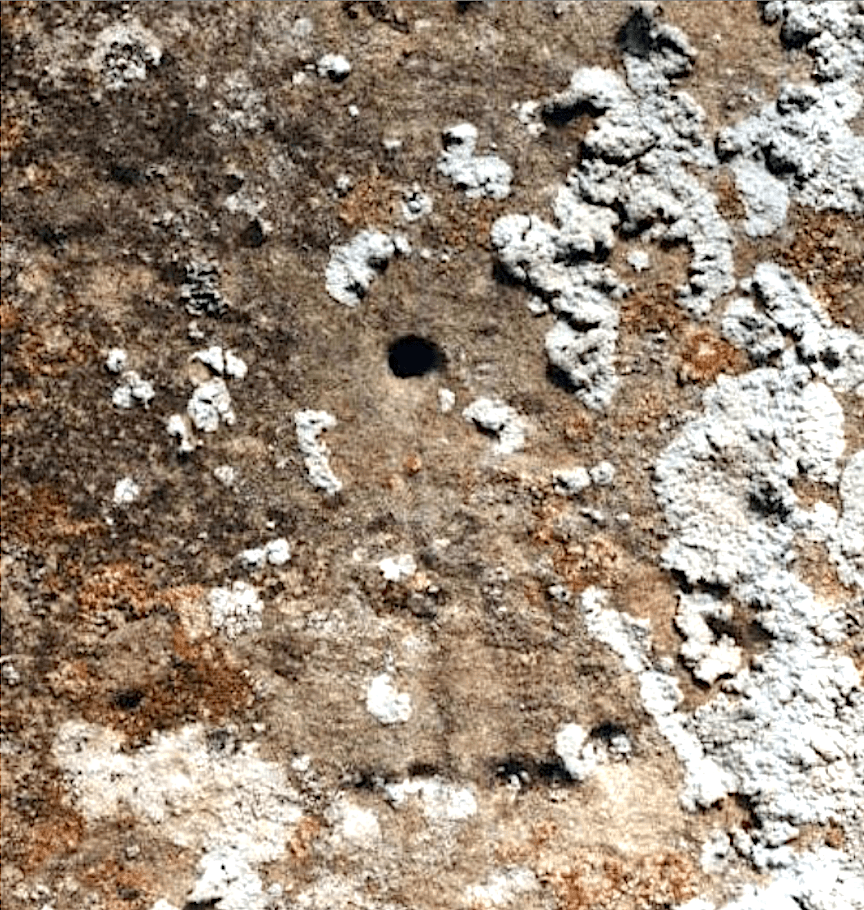
A very basic dial with the gnomon hole in the mortar line. Two clear lines either side of noon, possible terminal pocks (if so, perhaps later additions). LLQ there’s a faint trace of a third line.

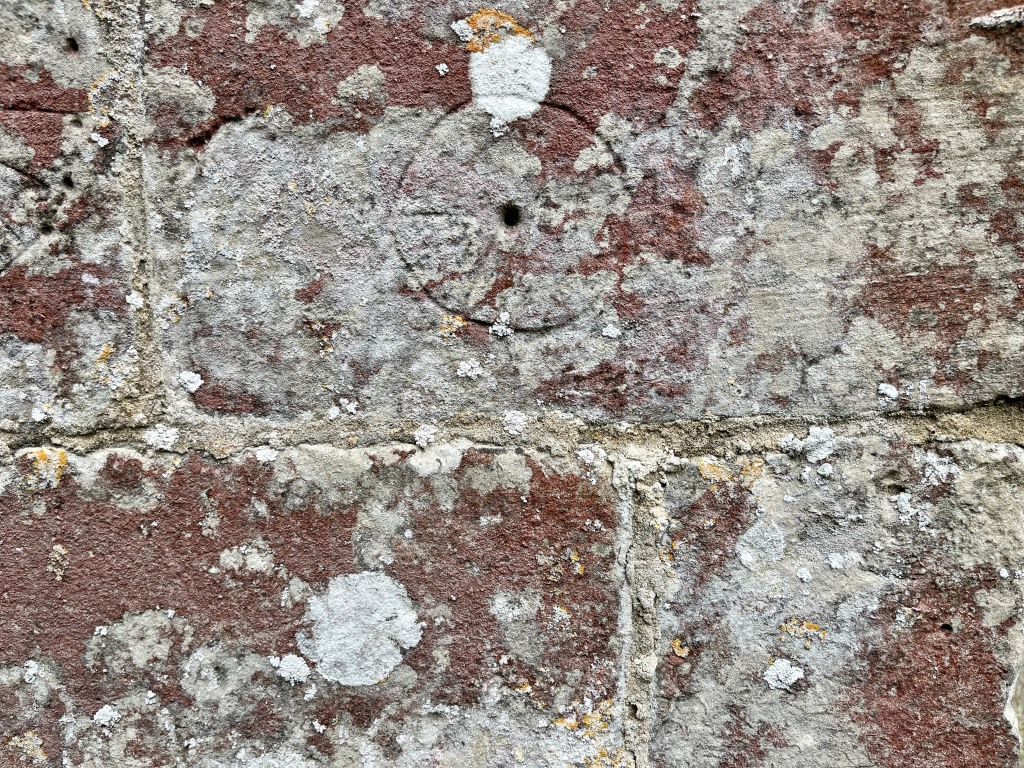
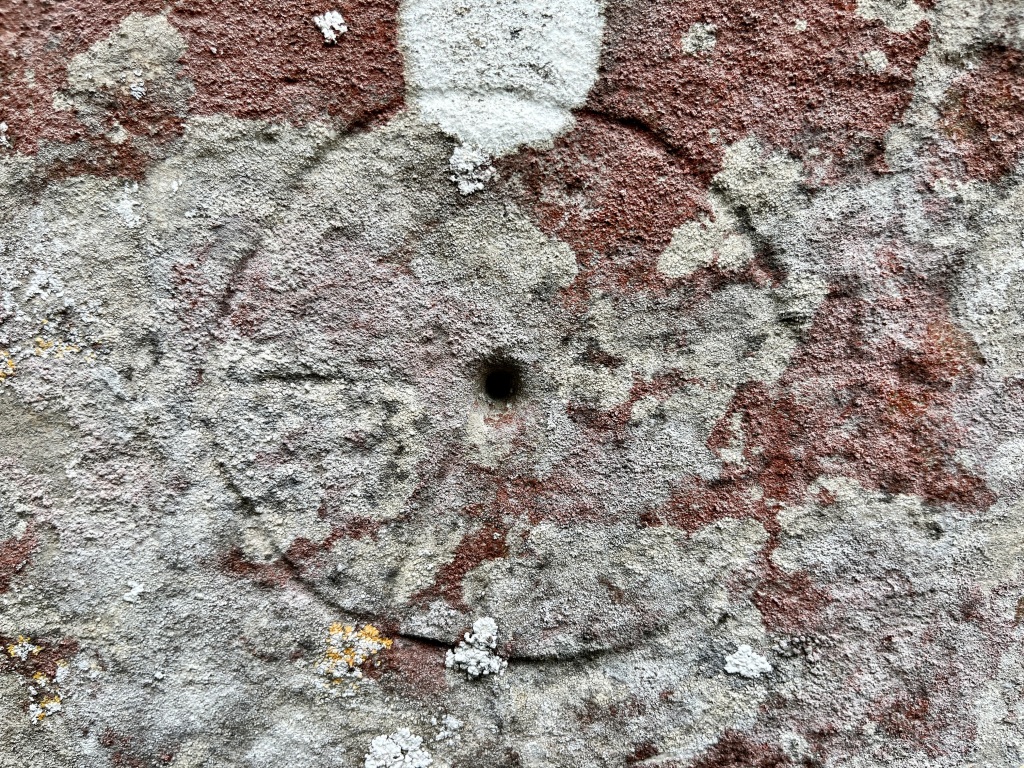
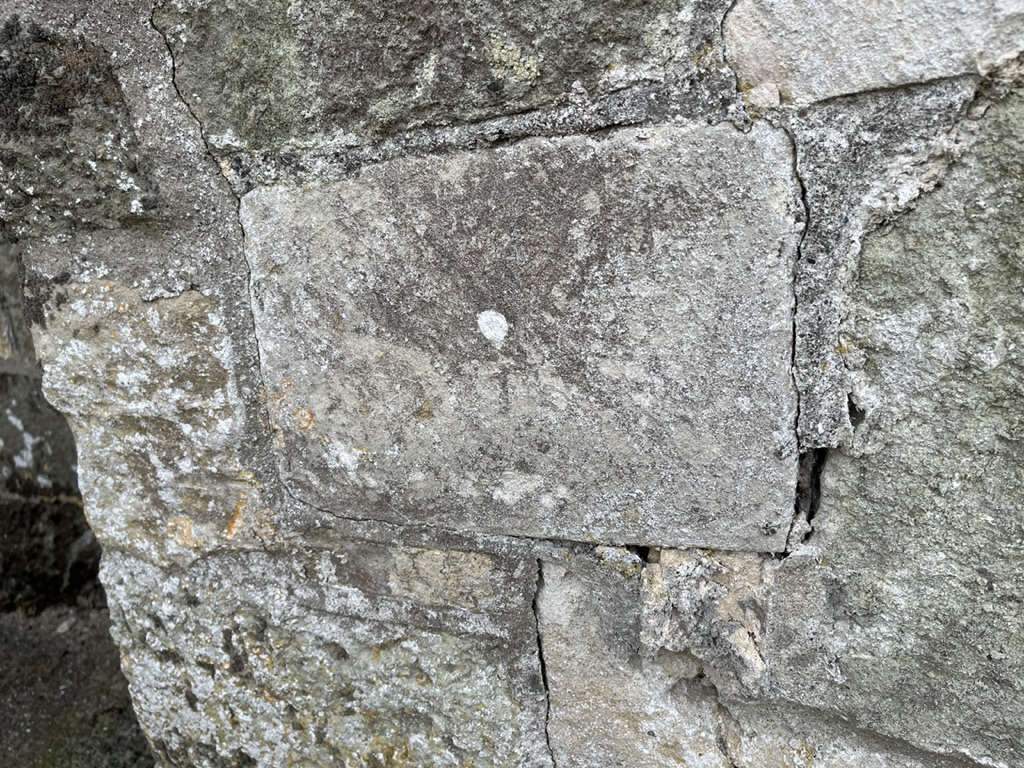
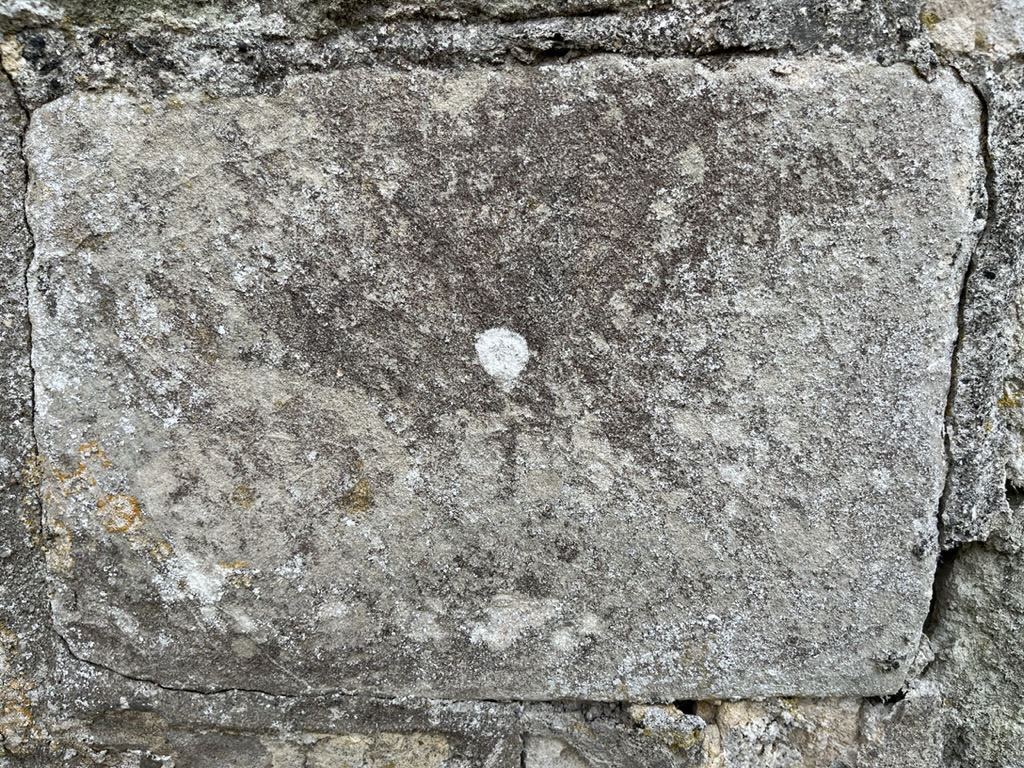
The dark blue circle in image 1 below marks the dial above; the pale blue circle marks image 2. Image 3 is one of several examples that, apart from holes, have no visible dial characteristics.

GSS Category: Scratch Dial

All photos: Keith Salvesen