TIMSBURY. HANTS . ST ANDREW – Scratch Dial & Church Marks

ST ANDREW . TIMSBURY . HANTS

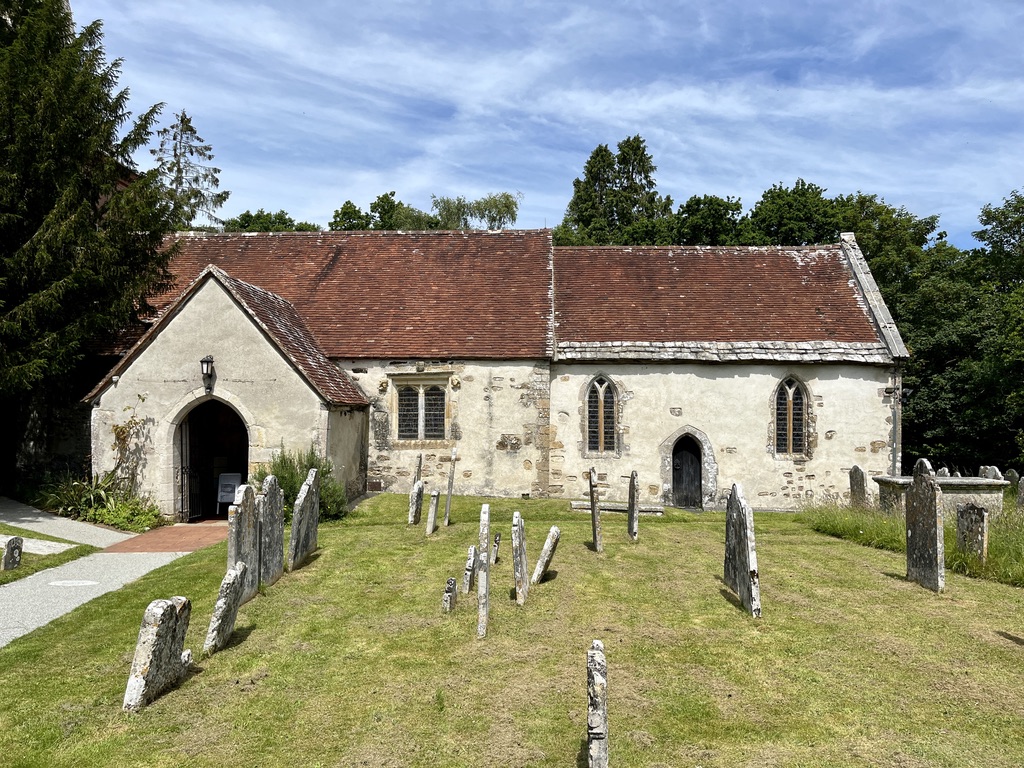
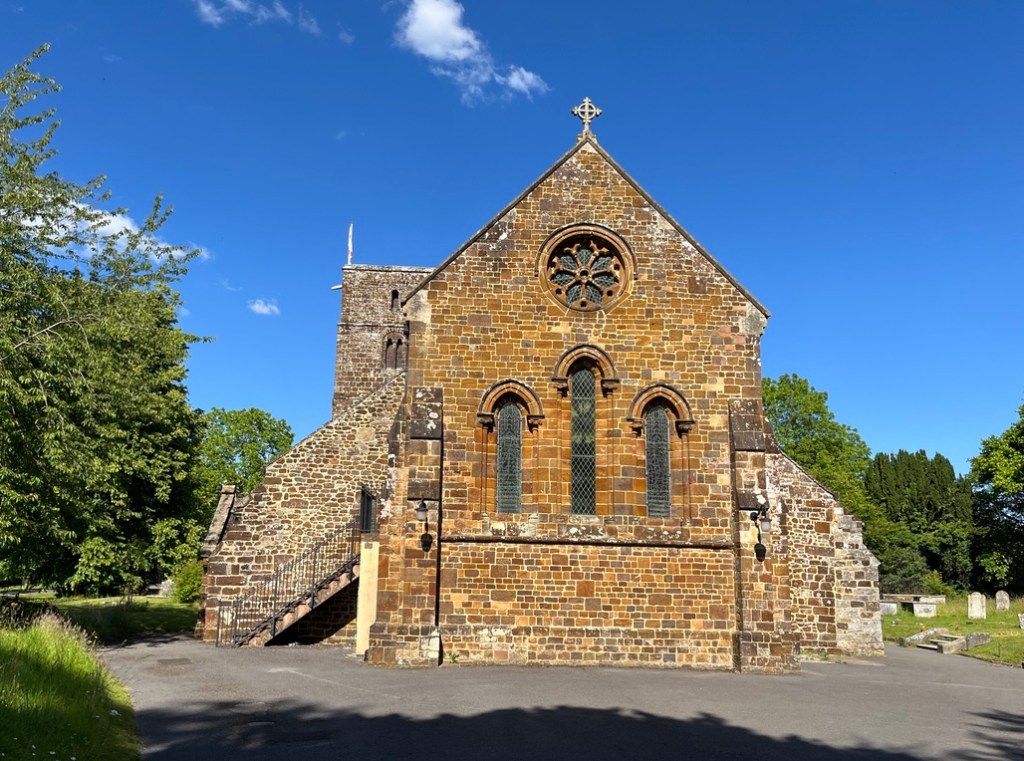
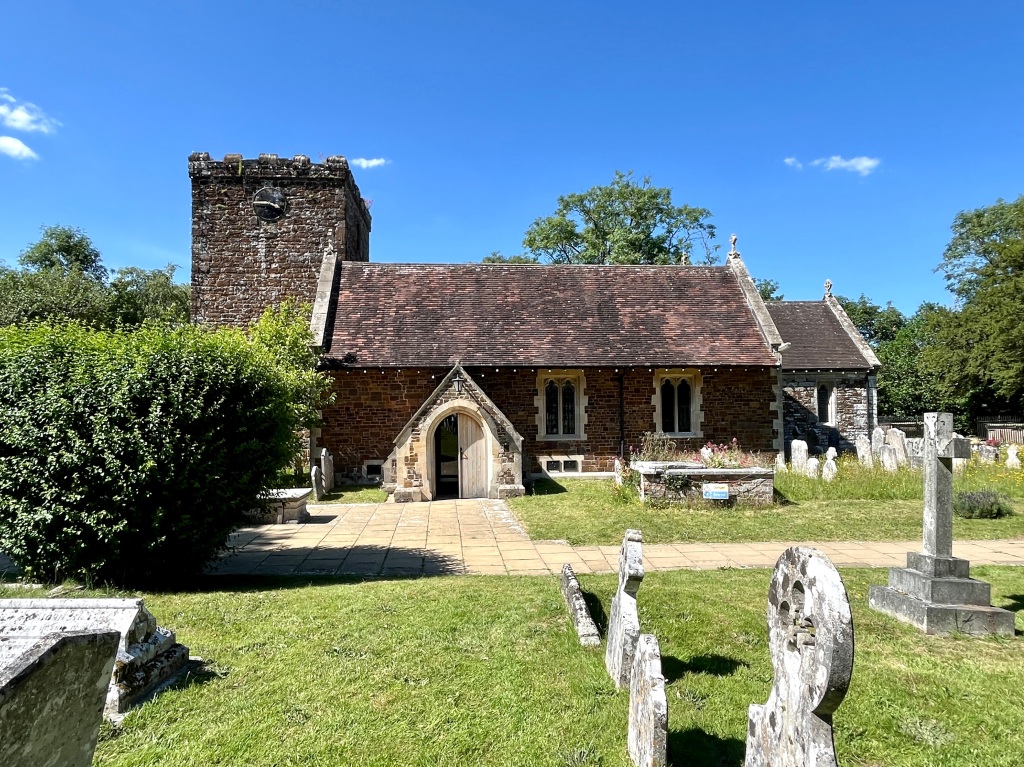
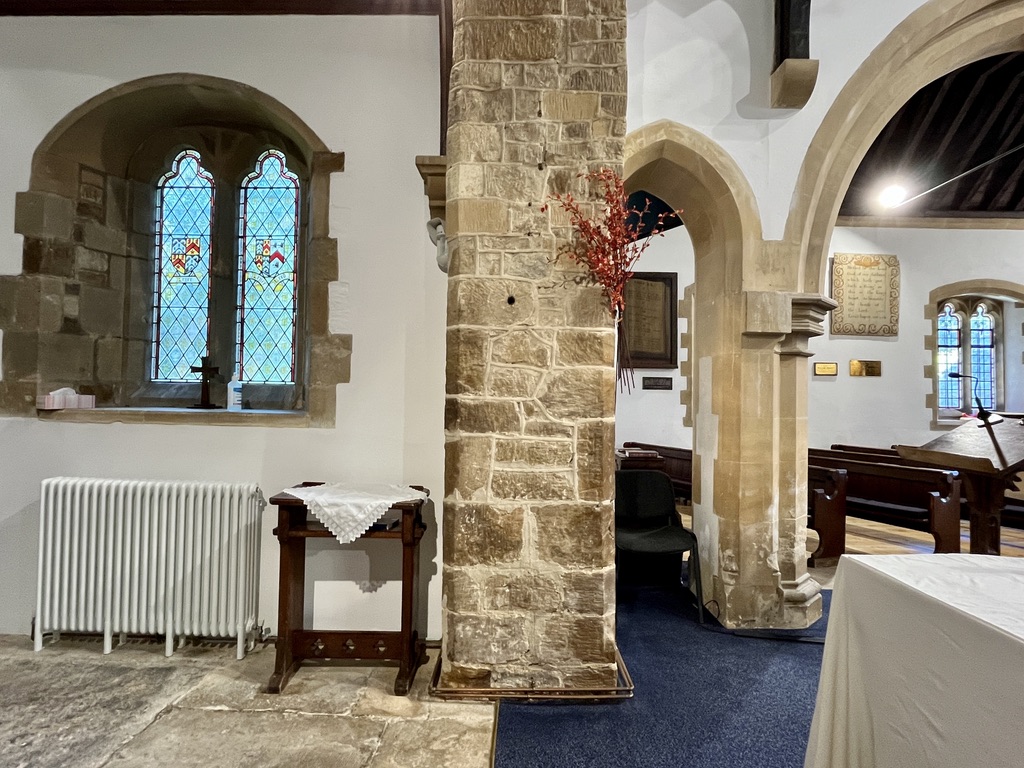
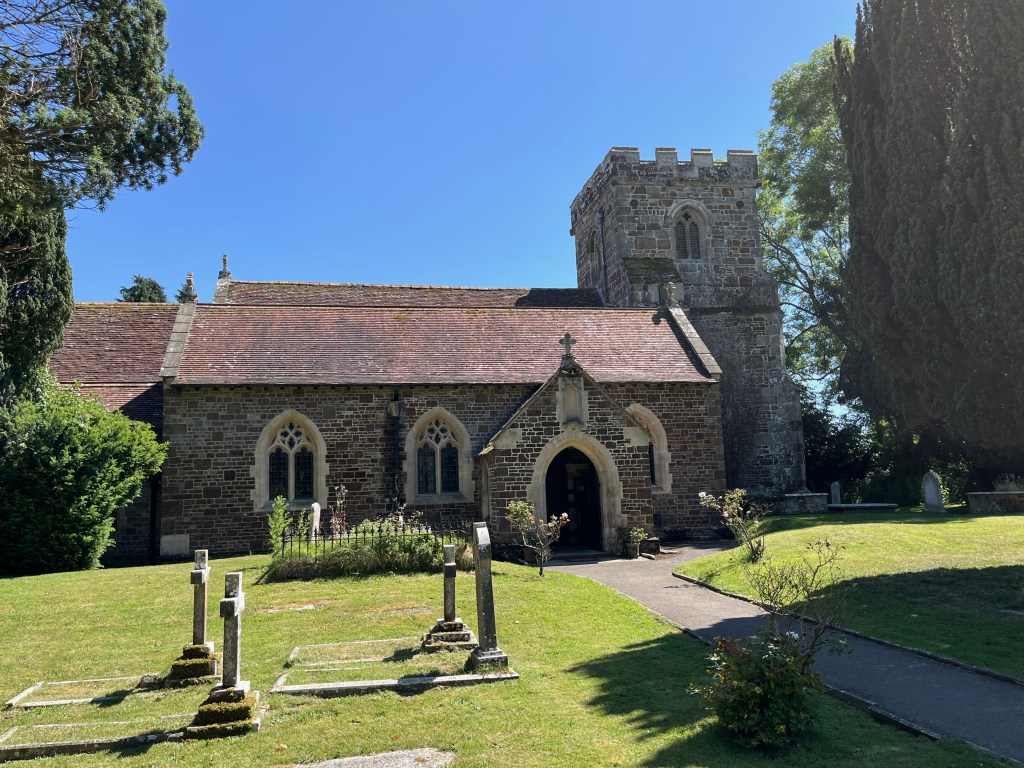
GRADE II* ✣ C13; C15 chancel rebuilt; C16 porch, bell-cote; later restorations esp 1847. A fascinating small church with plenty to offer the visitor besides the look of it including: medieval protection marks and graffiti; remains of wall paintings; tiles; good pew ends; an intriguing porch; a nice memorial horizontal dial in the churchyard; and the grave of Noel Thelwell (beloved pony cartoonist) and his wife. The church information sheets are models of their kind. 3m N of Romsey; 8m S of Stockbridge. 51.0193 / -1.5084 / SU345245

Horizontal Dial in Churchyard HERE

DIAL

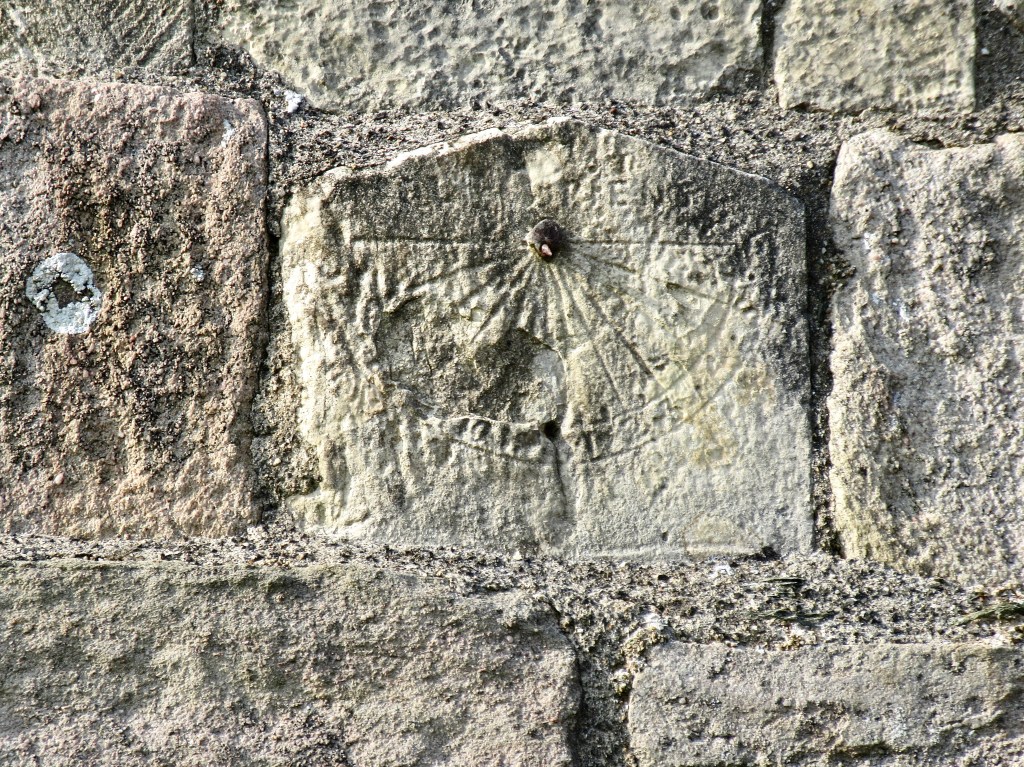
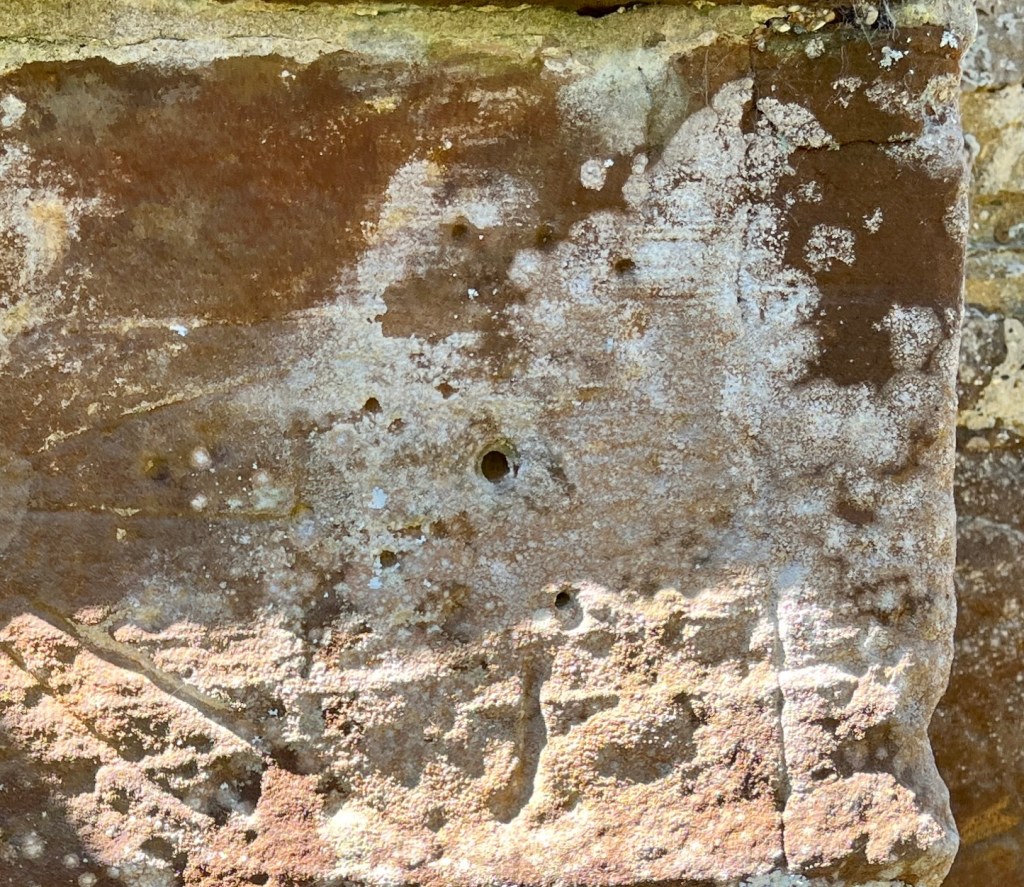
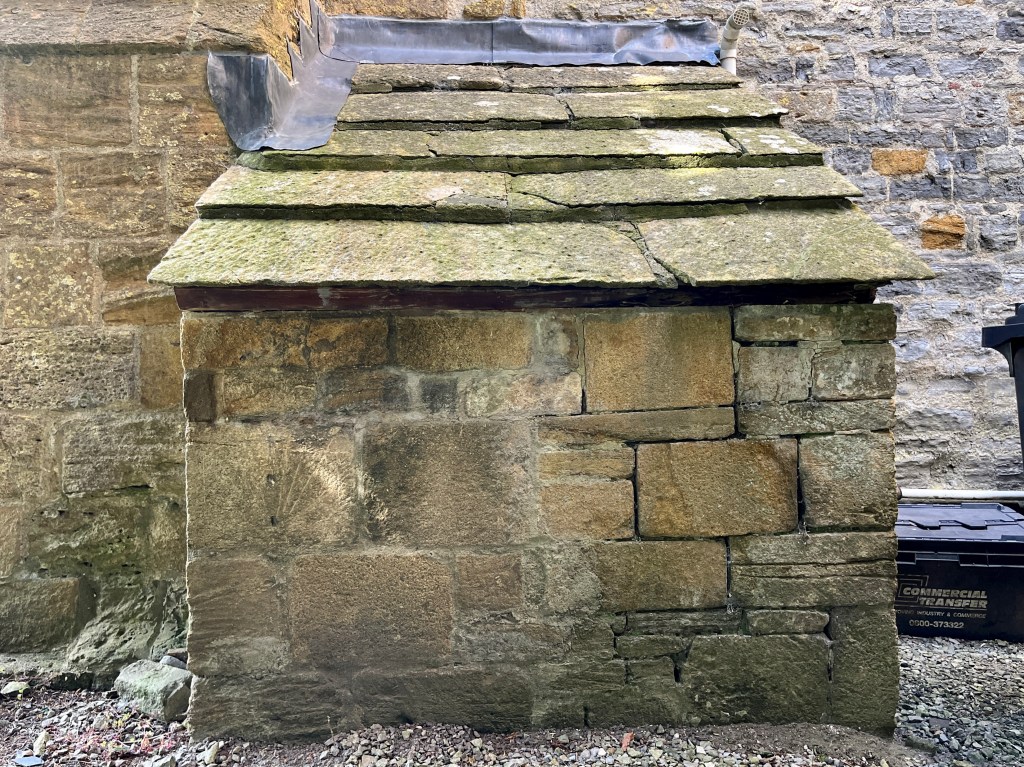
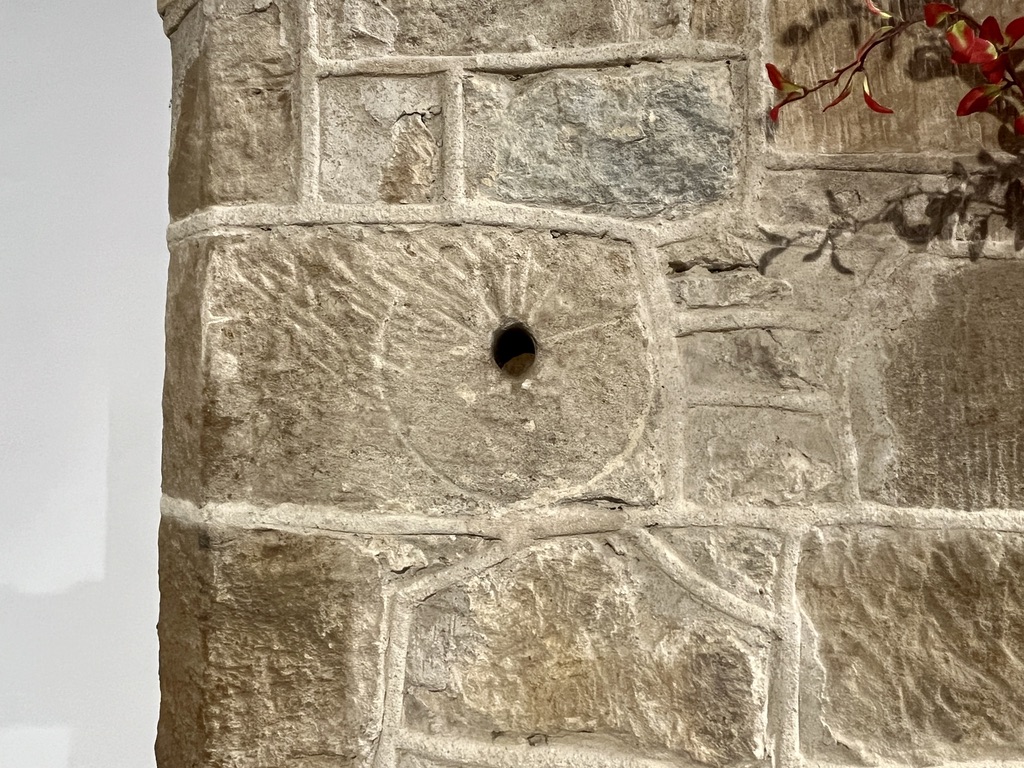
The dial was recorded in April 1922 by ARG, the originator of scratch dial research in Hampshire. He, like pioneer Somerset dial researcher DEH 10 years earlier, was equipped with a camera.

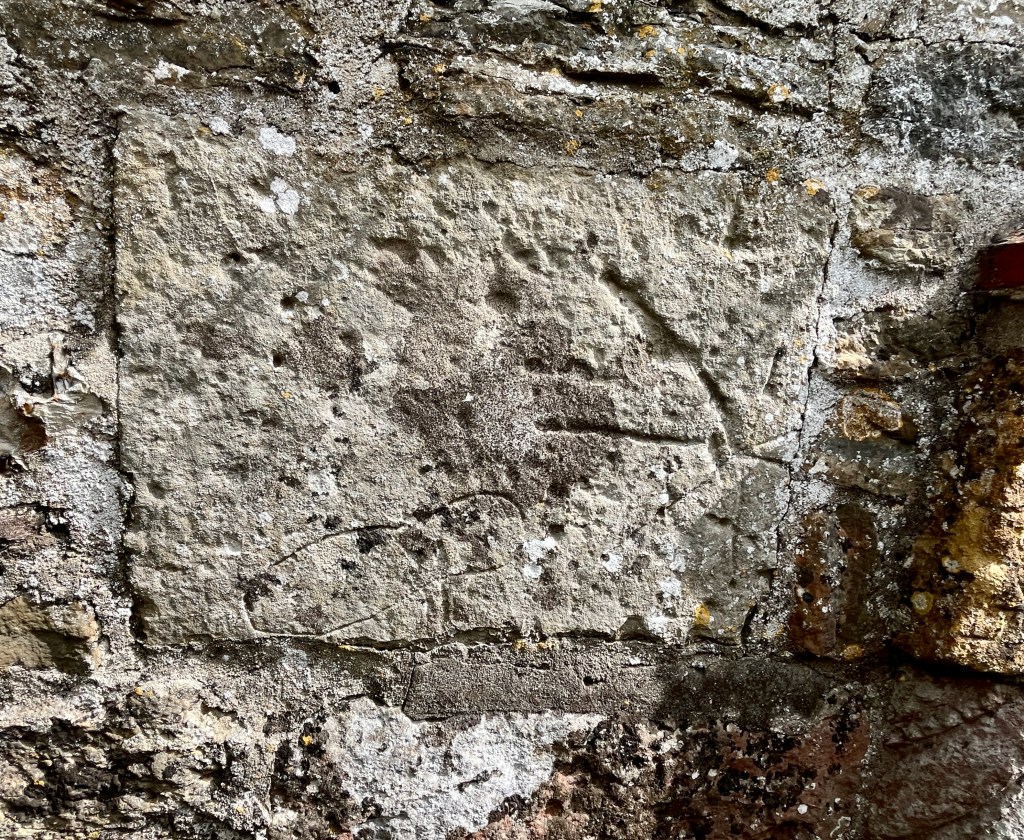
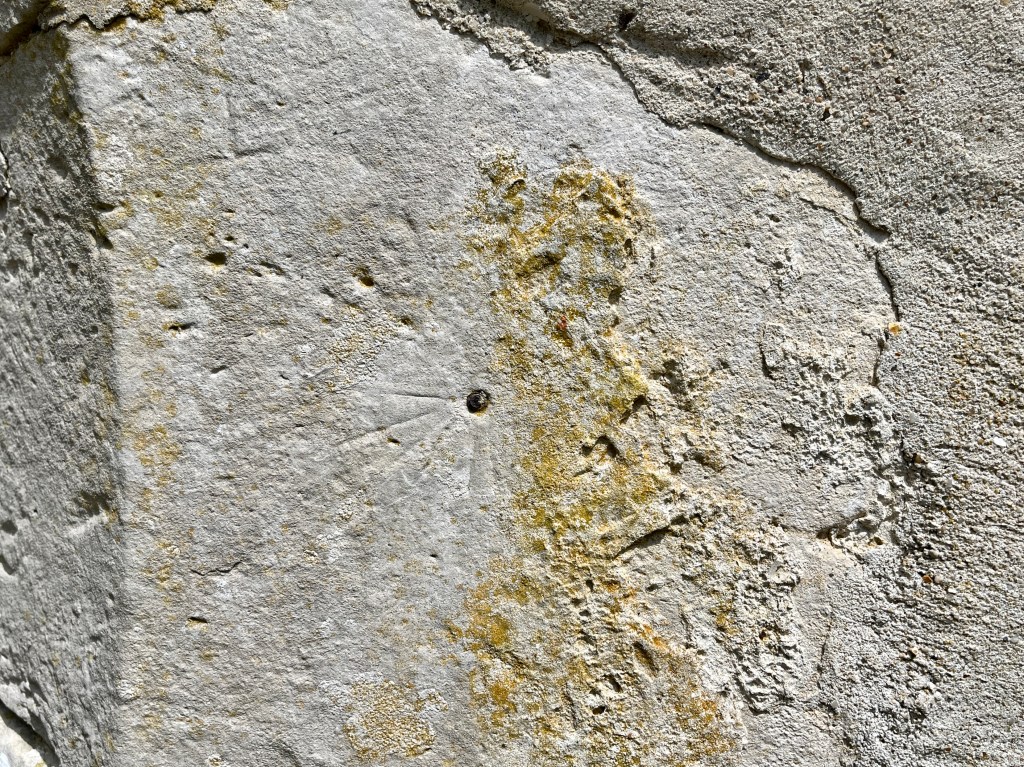
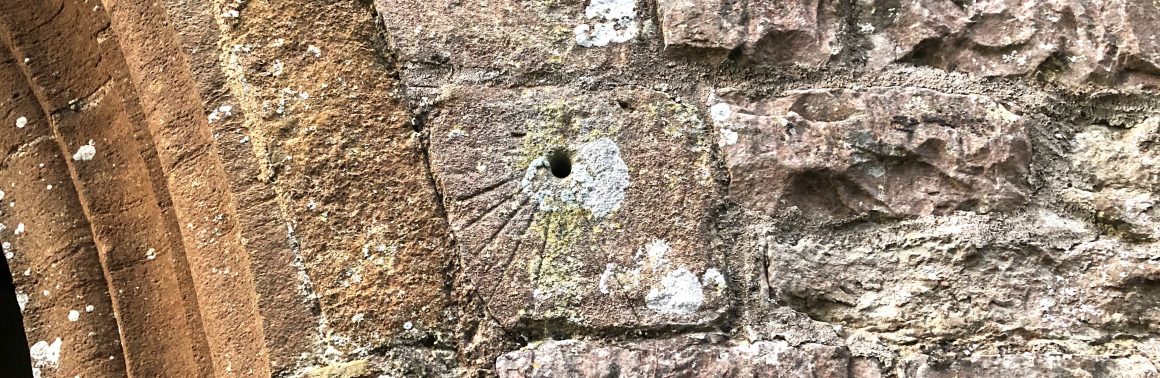
ARG noted 4 definite lines of equal length, perhaps more under the lichen. Located on SE quoin stone of the chancel, facing due S. Style hole about 4 ft high, in mortar line (thus forming the horizontal / 6-to-6 line).

There were several later descriptions of this dial. The last official BSS record (photo below) was made in 1994.

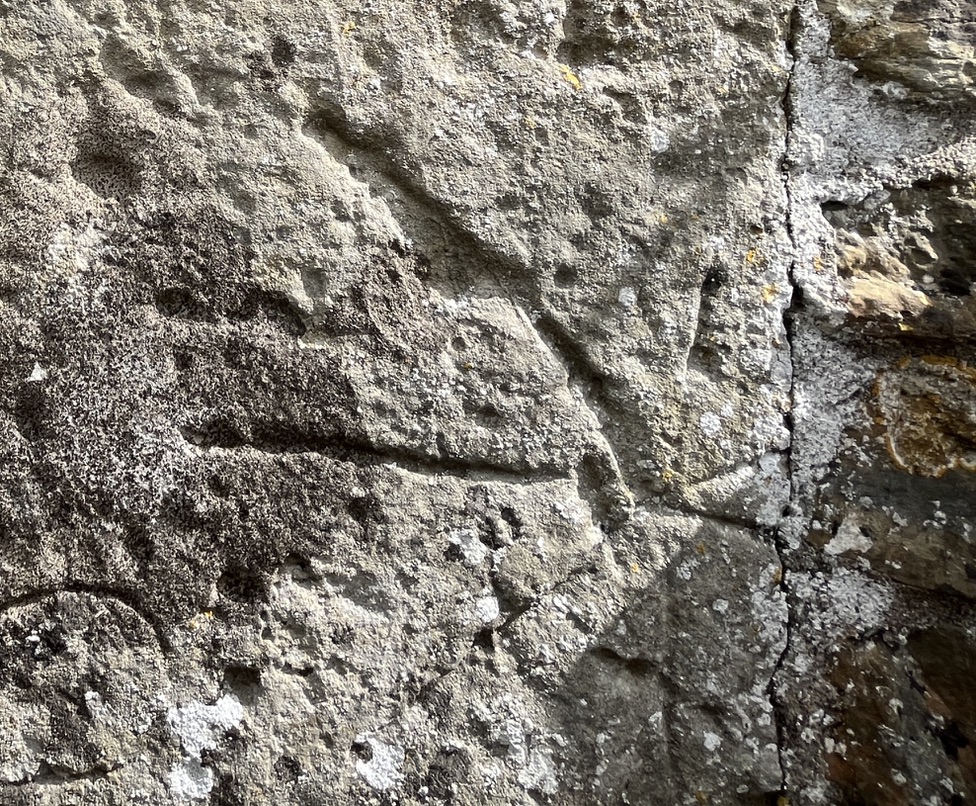
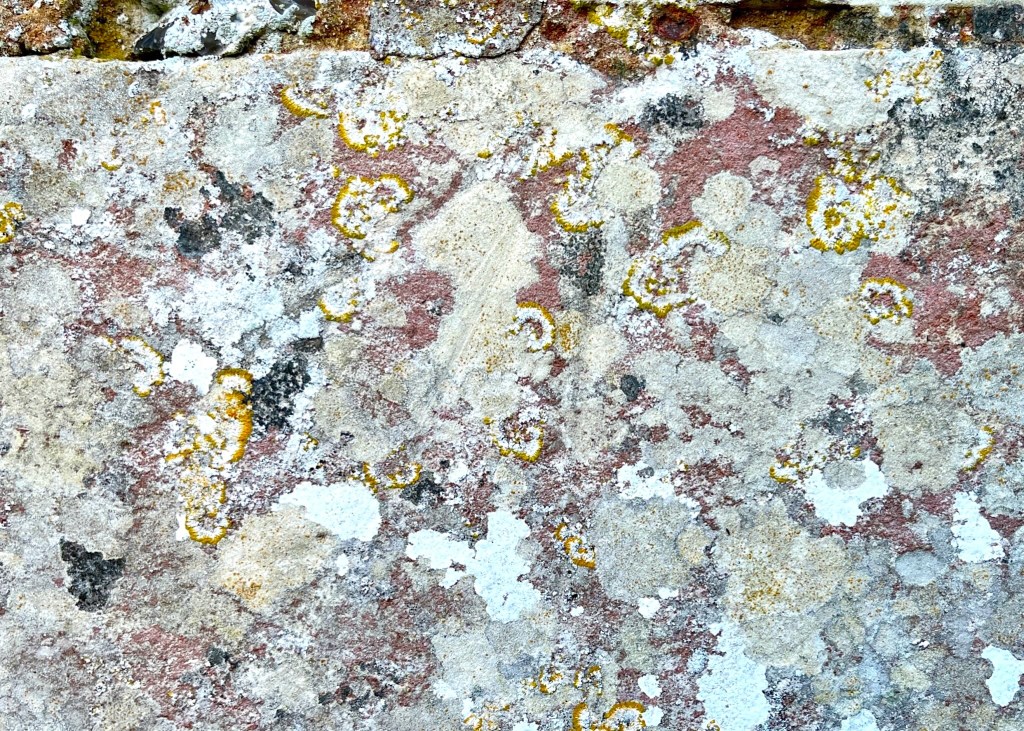
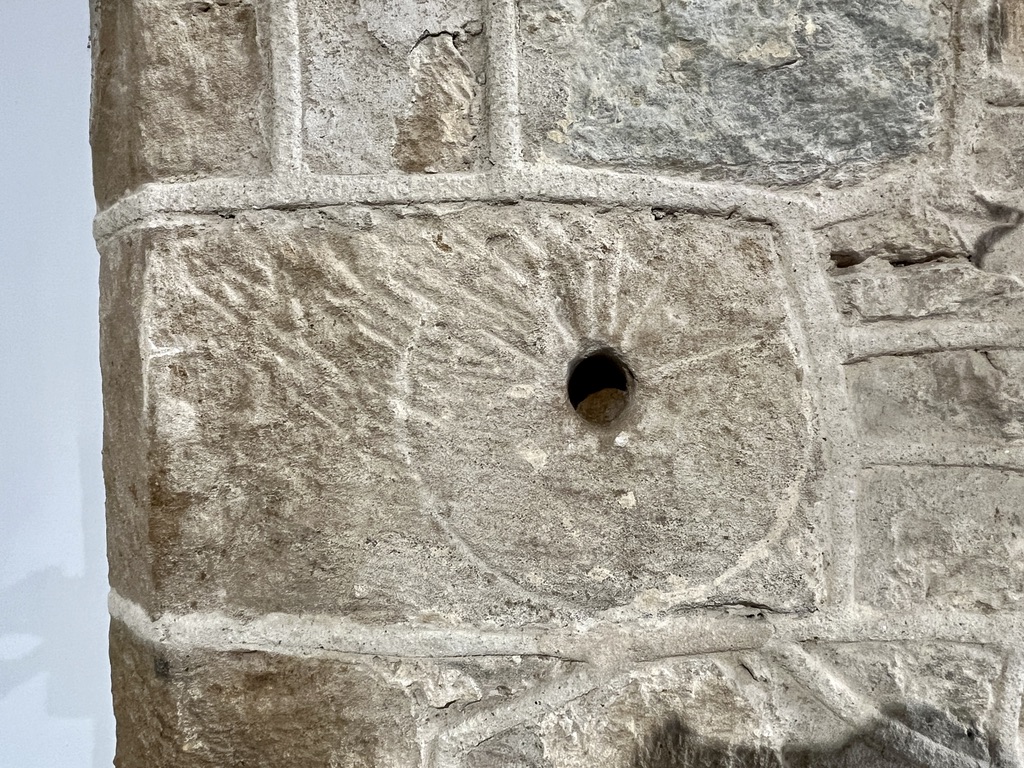
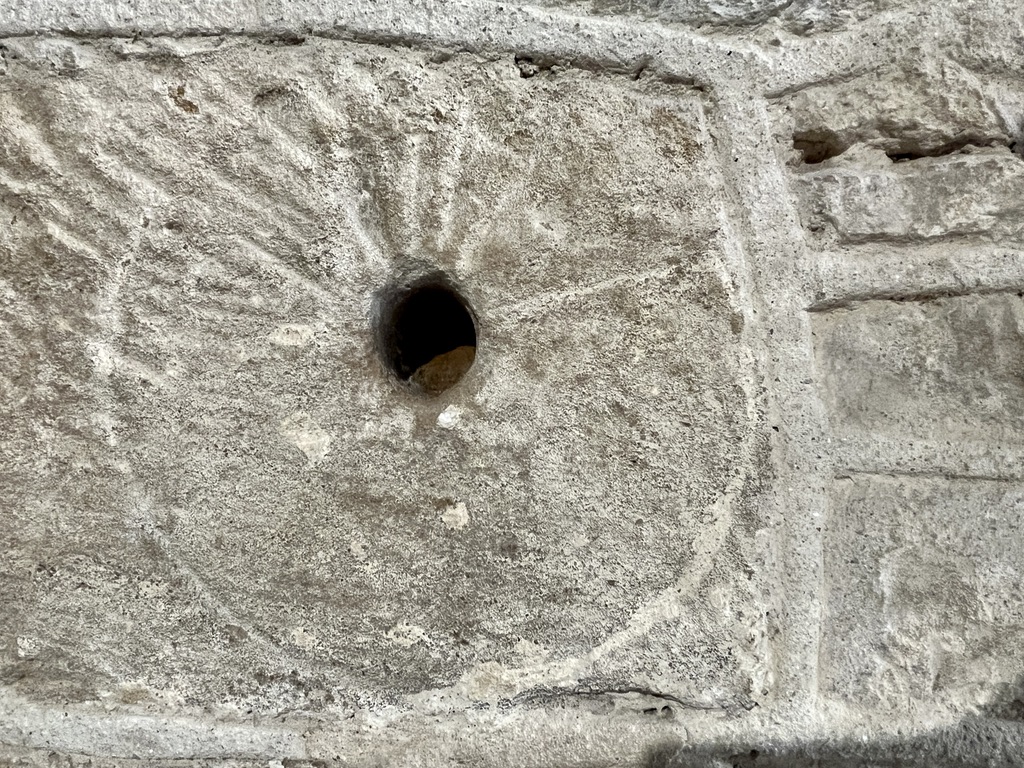
DIAL IN JANUARY 2024

The condition of the dial may have deteriorated from weathering, however the apparent repair work since 1994 may be the reason why the lines are now so indistinct.

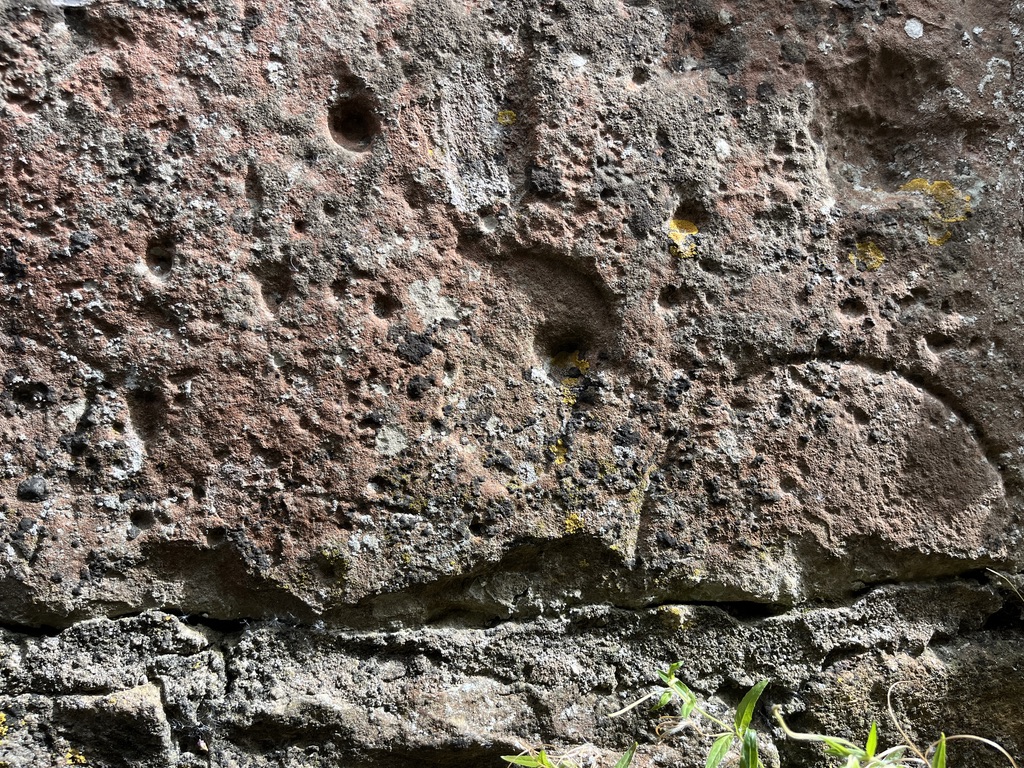
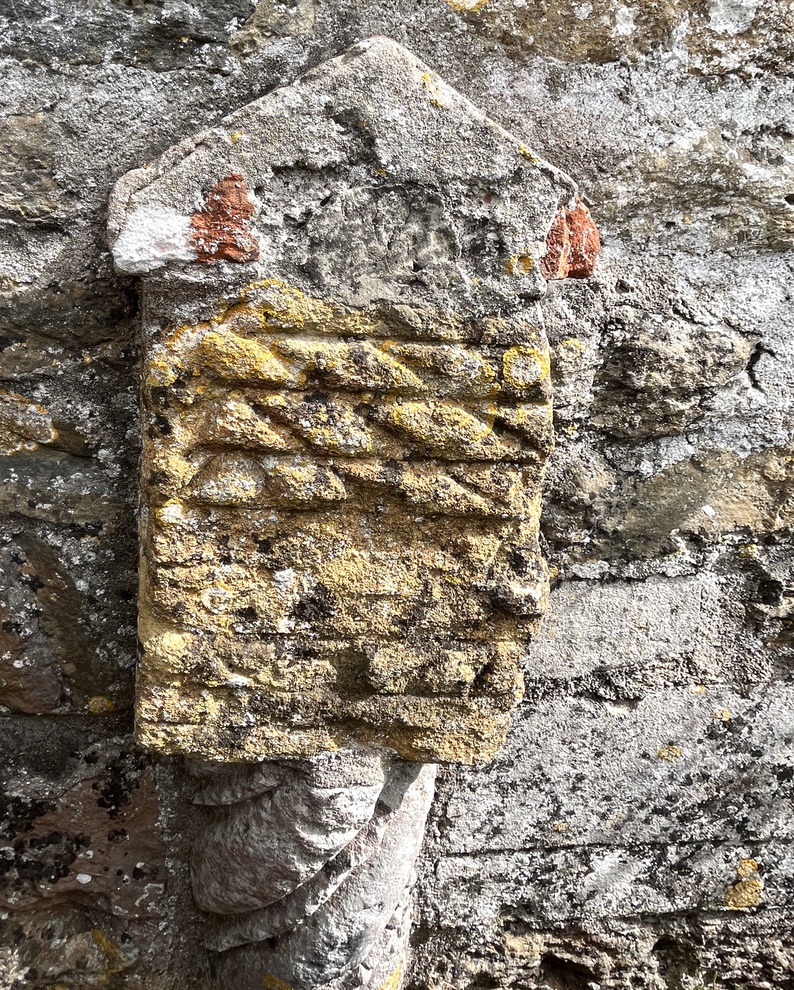
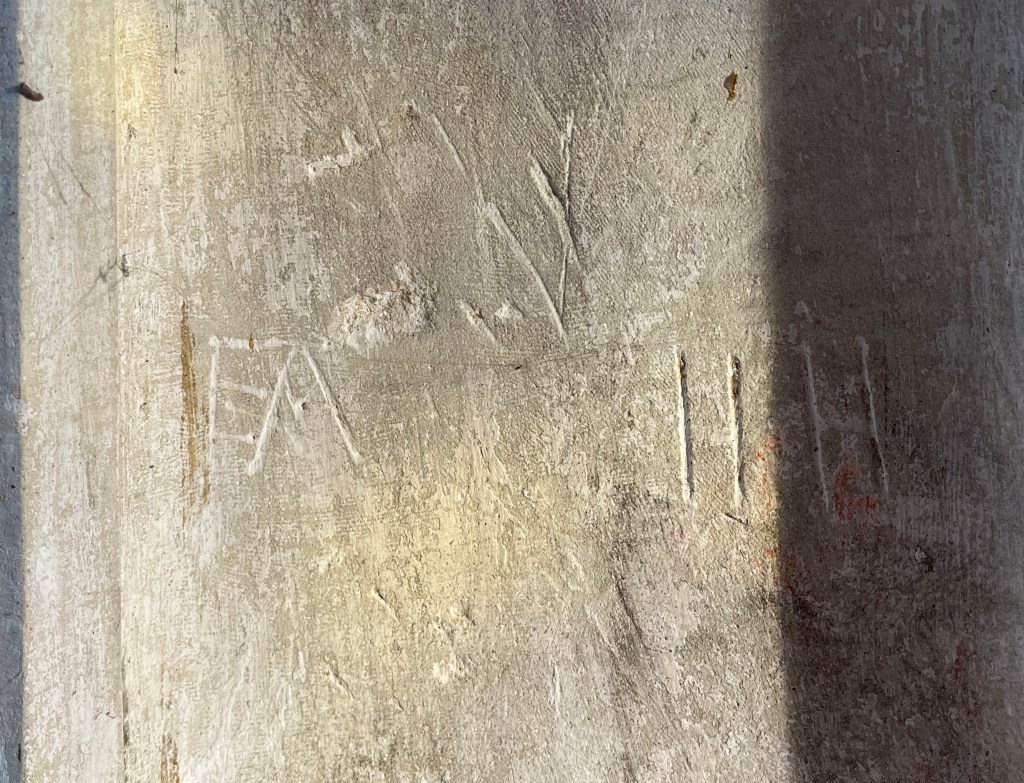
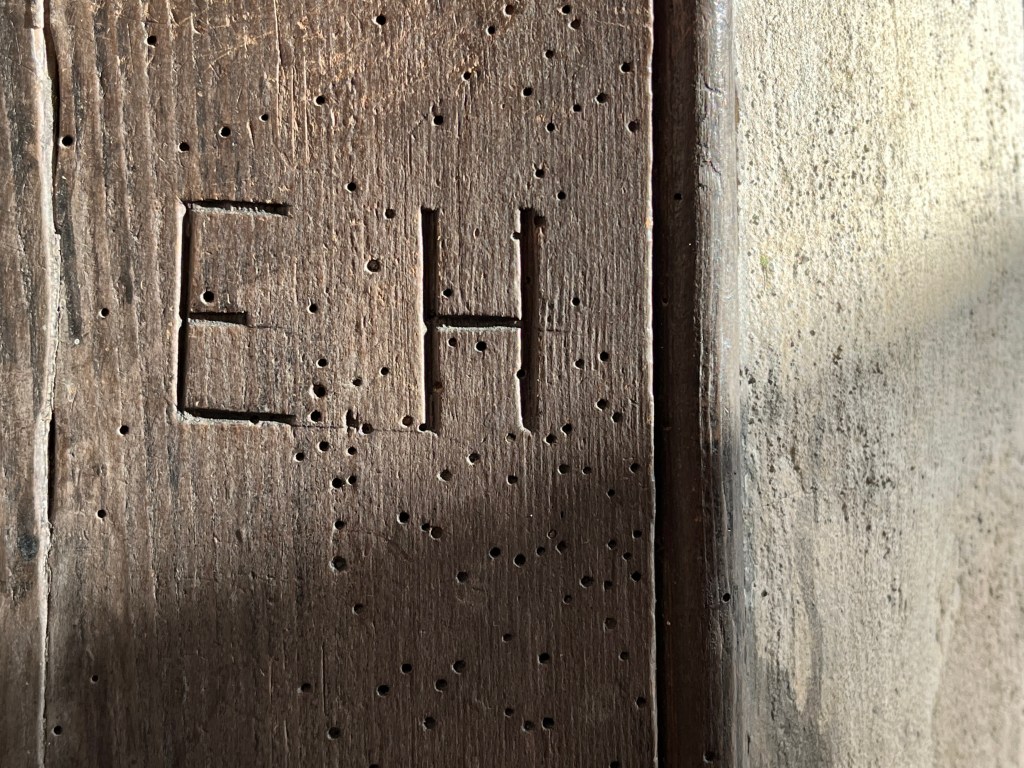
GRAFFITI and PROTECTION MARKS

FUTHER READING

HAMPSHIRE FIELD CLUB & ARCHAEOLOGICAL SOCIETY HERE

GSS Category: Scratch Dial; Mass Dial; Church Graffiti; Protection Mark; Marian Mark

All photos: Keith Salvesen

BROCKENHURST . HANTS . ST NICHOLAS – Scratch Dial

ST NICHOLAS . BROCKENHURST . HANTS

GRADE II* ❖ C12; chancel, porch late C13; enlargements; late C19 / early C20 restorations. Excellent late Norman south door. C12 font. The oldest church in the New Forest. The village and church have great military significance. WW1: a Military Hospital for severe casualties of non-British soldiers. WW2: Divisional HQ for planning D-Day. Large churchyard, commemorative graves, and a fine memorial. The church contains a moving exhibition of the wartime history. Queen Mary visited and seeing that Sikhs were lacking turbans, supplied them; and seeing broom handles being used as crutches, supplied walking sticks. 50.8146 / -1.5681 / SU305017

DIAL

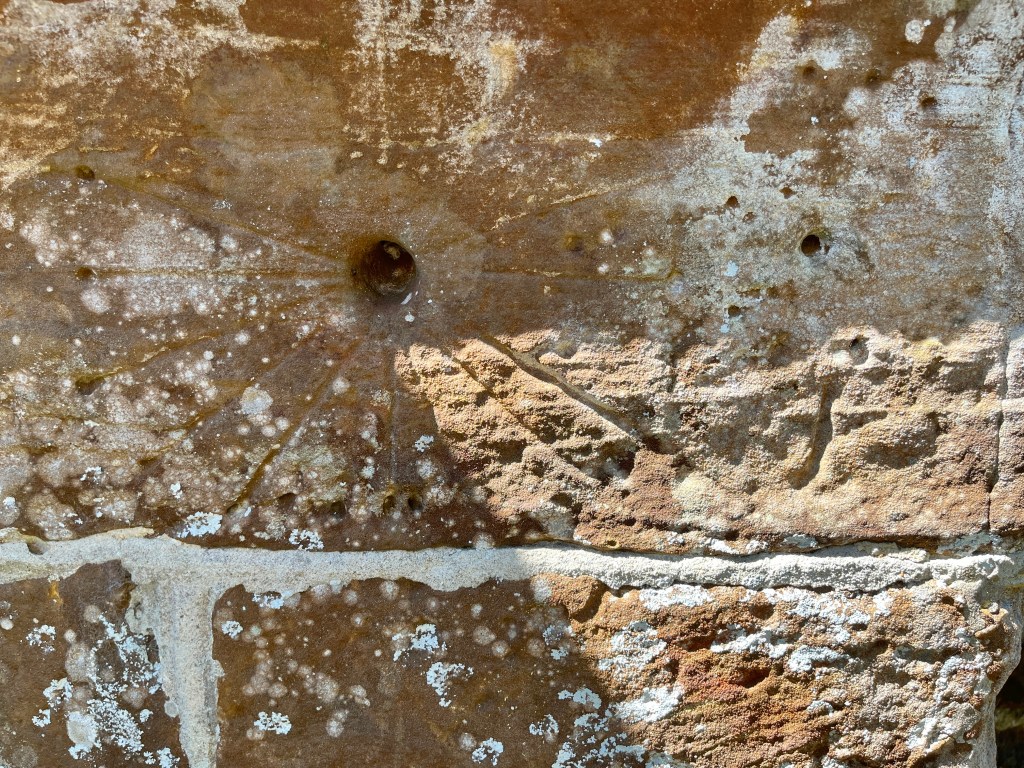
The dial is on E jamb of S Porch, late C13. The right side is concealed by render of some sort. Despite erosion, it is possible to make out 8 lines. Iron gnomon remnant protruding.

ARG visited in June 1924. He detected part of an indistinct circle, but 100 years later there is no trace. He noted that the style-hole retains its metal gnomon, broken off and projecting very slightly. The original? It is rare enough to find remnants of metal in a gnomon hole, let alone (if ever) to be able to identify one as pre-1600.

Amusingly innovative metal gnomon. Clungungford . Salop

A special gravestone

GSS Category: Scratch Dial; Mass Dial; Dial with gnomon remnant

All photos: Keith Salvesen

UZERCHE . CORRÈZE . ABBATIALE ST PIERRE – Early Scratch / Mass Dial

Wiki . OS

ABBATIALE ST PIERRE . UZERCHE . CORRÈZE

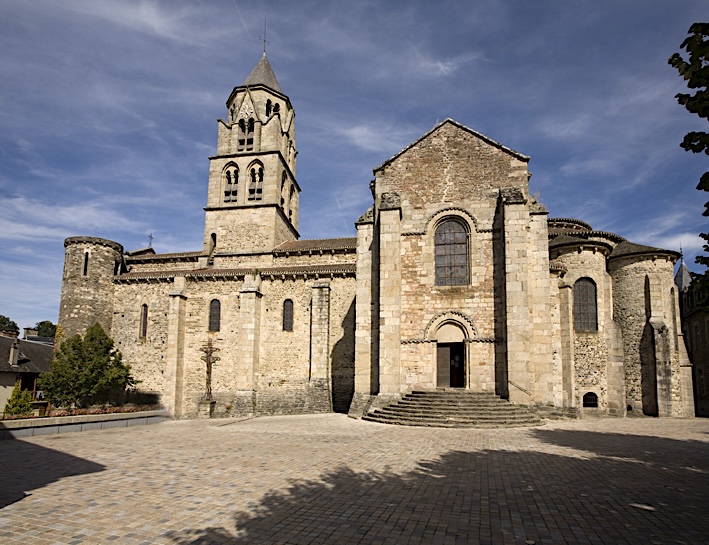
Records of a ‘primitive building’ on this site date from C6. Subsequent monastic development followed. The present building dates from C11 (chancel, N transept); C12 (nave); C13 (expansion). Later in its long history the Abbey survived turbulent times during the many uprisings and downfalls in France. The Abbey was restored in the early C20. There is a saying ‘He who owns a house in Uzerche has a castle in the Limousin

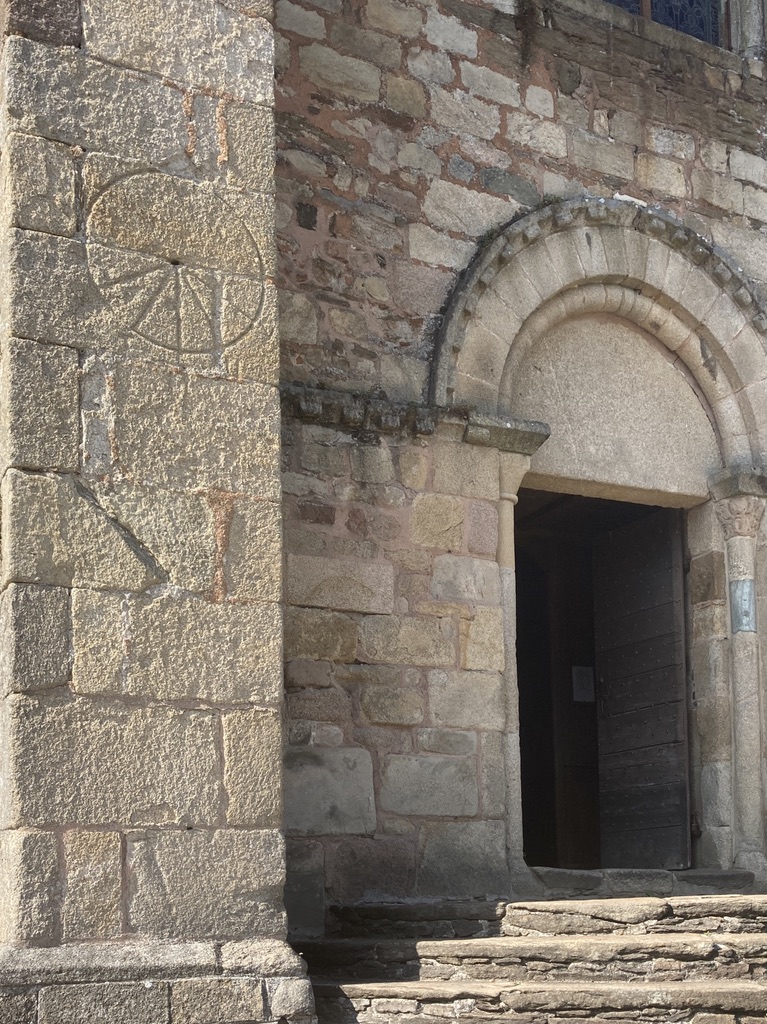
This unusually large dial is cut on the SW buttress of the imposing entrance doorway. It is too grand to be given the normal designation ‘scratch dial’. The much less used description ‘Mass dial’ seems more appropriate in this case. It is accurately cut , and within the circle the 5 radials form 6 segments in the lower half of the dial. It is in remarkably good condition apart from the damage to the lower right quadrant. Further research is needed to find a plausible date-span for the dial’s construction.

Photography: Plaxy Arthur, with many thanks; Jacques Mossot os / cc
HAMPRESTON . DORSET . ALL SAINTS – Scratch Dial

ALL SAINTS . HAMPRESTON . DORSET

GRADE II* ❖ Norman origins on Saxon site; 1261 first Rector; C14 chancel and Tower. Victorian additions and restoration. Royal Coat of Arms of George II 1754. DHCT rates as fabulously interesting. Secluded within the New Forest. 50.7888 / -1.9231 /  SZ055988
DIALS

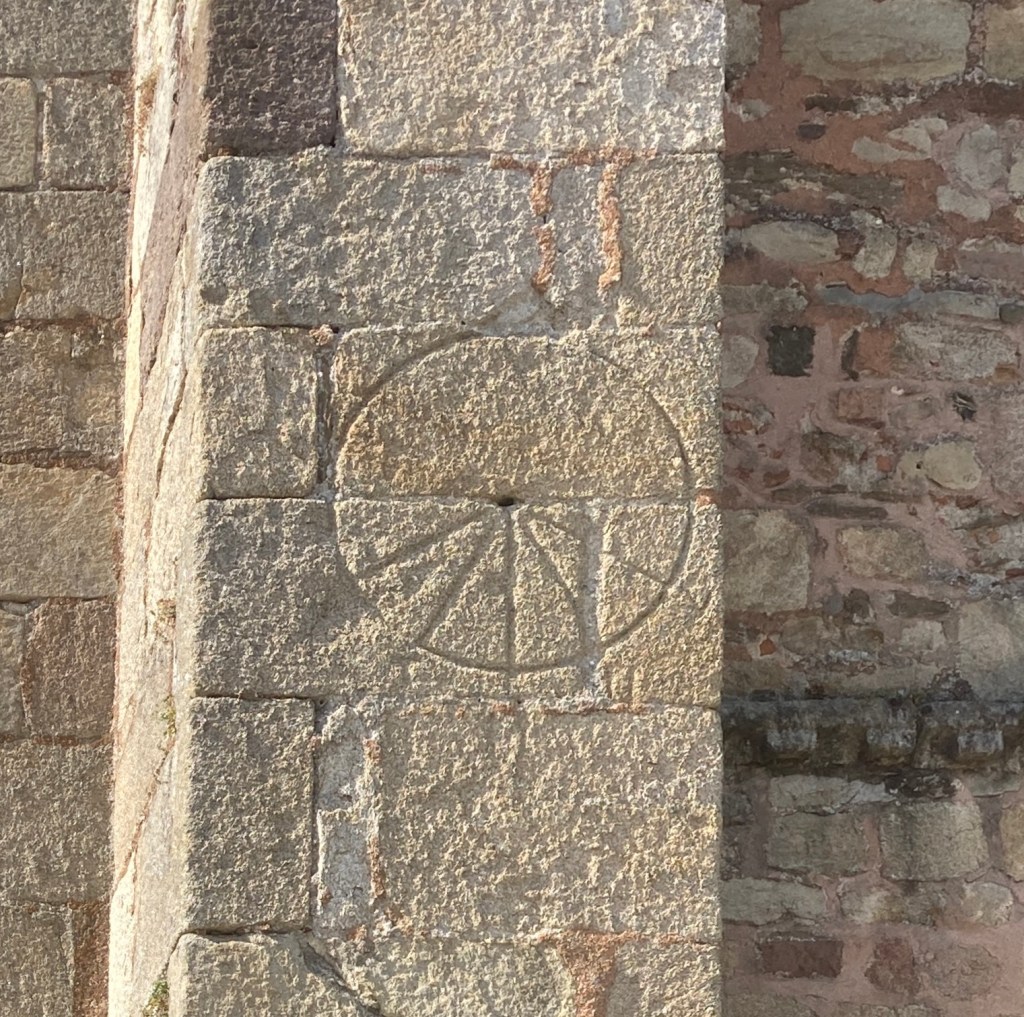
All Saints has two adjacent dials low down on the same stone of a small buttress at the E end. One is elaborate; the other is rustic.

DIAL 1

There are 17 lines and 7 pocks within an incomplete circle. Noon seems to be indicated by 3 pocks under a shorter line. The longer line no doubt indicates the main time of observance as None.

DIAL 2

This simple dial has 2 sets of 3 pocks. The lower set would work for mid-morning to early afternoon, presumably to emphasise the main daily Mass. The upper set can only be ‘decorative’, perhaps the work of a bored sacristan practising symmetry.

GSS Category: Scratch Dial; Mass Dial; Medieval Sundial

All photos: Keith Salvesen

CANFORD MAGNA . DORSET . Scratch Dial

CANFORD MAGNA CHURCH . DORSET

GRADE I ❖ Saxon origins as cruciform chapel. Tower added c1180. Expansion C13, C14; C15 additions; C19 alterations. No dedication. A very fine and interesting church, the late Saxon work being of major importance HE. Without any doubt one of the most interesting churches in Dorset PEV. 50.7889 /  -1.956 / SZ031988

See Canford’s Vertical Dial HERE

DIAL

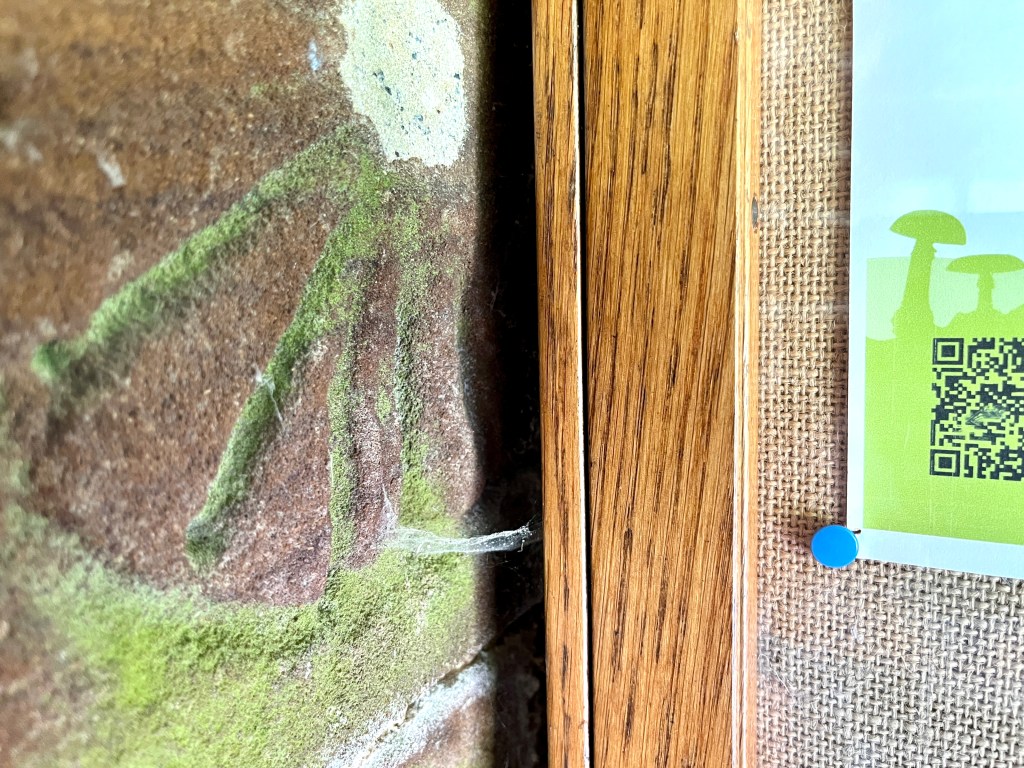
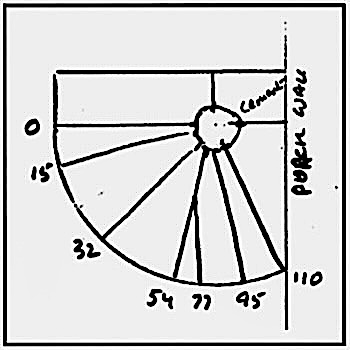
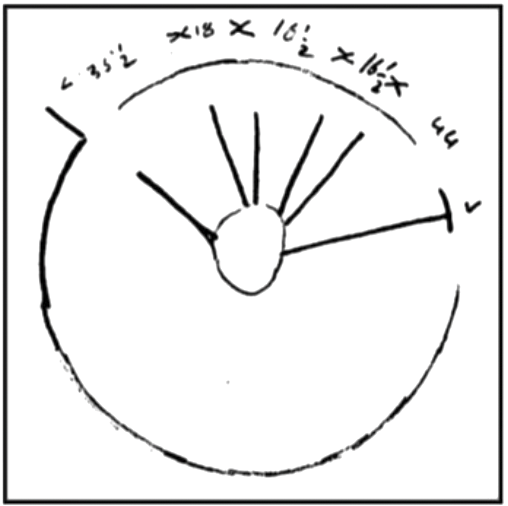
The dial is within the porch, RHS of the door and partially obscured by a noticeboard. The original BSS record (2006) notes a filled gnomon hole with 8 radials, encircled [see diagram]. Four irregular moss-filled lines are clearly visible; a couple more are just detectable. The noticeboard stymies the sort of hopeful slantwise photo behind an obstruction that can occasionally be revealing.

BSS Diagram

Although this is a Parish Church, it lies within the grounds of Canford School. There are some unsurprising visiting restrictions. If you have an interest in early churches, you will want to spend some time investigating the interior and working out the gradual development. See PEV DORSET p171 and ff.

There is quite a lot of graffiti, much of it old but with later pupil initials etc. As a bonus, there is a good vertical dial on the apex at the E end, which will be written up separately.

GSS Category: Scratch Dial; Mass Dial; Scratch Dial within porch; Vertical Dial

All photos: Keith Salvesen

ILCHESTER . SOMERSET . ST MARY – Scratch Dial

ST MARY MAJOR . ILCHESTER . SOMERSET

GRADE II* ❖ C13 and later, south aisle added 1870s. Three stage octagonal tower, a feature of this area of Somerset (see Barrington, Stoke St Gregory, North Curry, Podimore and Weston Bamfylde). Close by is a fine market cross with a cube dial, also found in other towns and villages locally (eg Martock, Ilchester) – separate post in due course. 51.0009 / -2.6818 / ST522226

DIAL

Without guidance, it would be easy to overlook the dial. DEH does not mention it. I only discovered it from the very informative church leaflet. Despite the clues to its position, it still took me a while to find the relocated and inverted dial, barely 2ft off the ground.

Dial details – Church Leaflet

.

REVERSION

With relocated dials, especially inverted ones, it’s often worth seeing how they originally looked. This dial takes on a different appearance when righted.

The two dark areas are almost certainly the footings for a vertical sundial. The slight alignment to the right of vertical suggests a calculated angle. The leaflet note that the dial used to be high on the south wall of the nave definitely suggests a vertical dial rather than a scratch dial (which would be pointless in a high position). Seeing it in its original location, I might have described it as an inverted vertical dial with a damaged surround and erosion evident, especially RHS where faint lines can just be detected.

So, without being didactic, I can’t be sure that this is a scratch dial as opposed to a later vertical dial. All comments welcome.

GSS Category: Scratch Dial; Mass Dial; Octagonal Church Tower Somerset; Vertical Dial

All photos: Keith Salvesen

KINSON . DORSET . ST ANDREW – Scratch Dial

ST ANDREW . KINSON . DORSET

GRADE II* ❖ C13, little altered until rebuilt 1870s (chancel) & 1890s (nave & aisles). A fine, squat Norman tower. A rare interior dial, relocated to the chancel arch. Church now within the outer fringes of N Bournemouth yet happily just off the many beaten tracks that now surround it. 50.7719 / -1.905 / SZ067969

DIAL

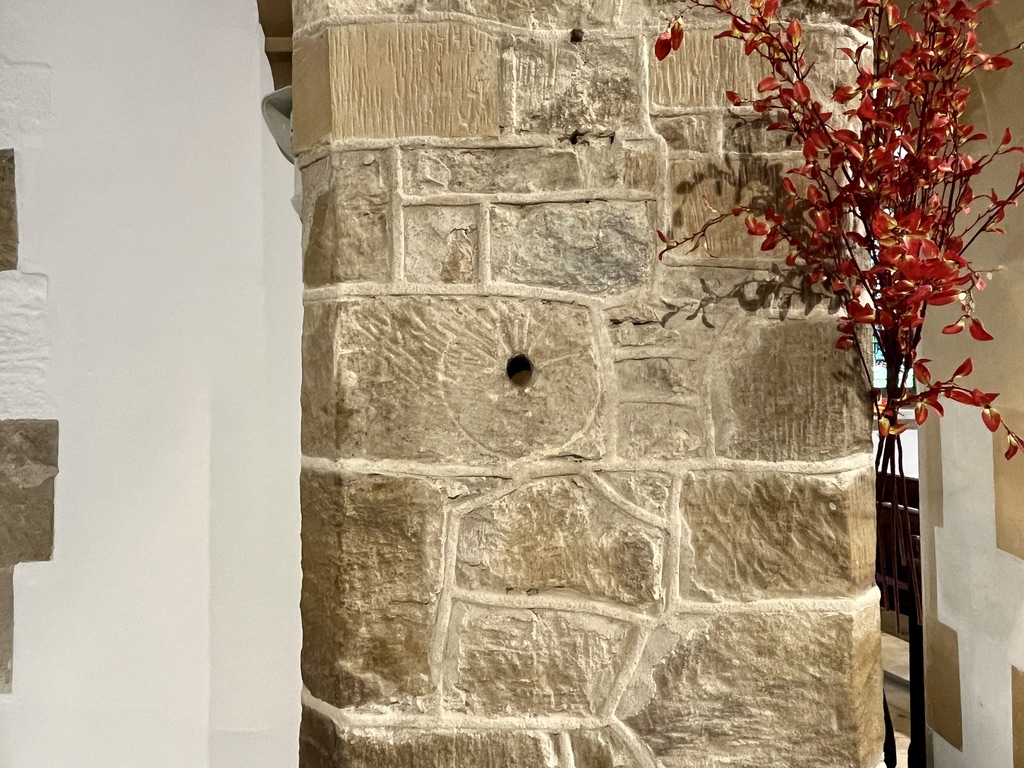
The dial, repositioned and inverted, is located on the S chancel arch. There are 6 encircled lines, one going beyond the ring. GLP notes that the circumference line is poorly drawn and does not form a circle; and he suggests that the re-siting within the church would probably have been during the 1875 rebuild. I wondered if URQ also shows damage from fitting the dial in its new position.

The gnomon hole is both large and deep, though almost certainly not so originally.

INTERIOR DIALS

Scratch dials within a church are relatively rare. Included in these pages are Thornford Dorset; Stoke St Gregory Somerset; Firle Sussex; and W Clandon Surrey (3).

GSS Category: Scratch Dial; Mass Dial; Internal Scratch Dial; Internal Church Sundial

All photos Keith Salvesen; drawing from HE archive

LYDEARD ST LAWRENCE . SOMERSET – Scratch Dial; Vertical Dial 1653

ST LAWRENCE . LYDEARD ST LAWRENCE . SOMERSET

GRADE 1 ❖ Saxon / Norman origins. Chancel and nave c1350, rest C15, restorations 1869 and late C20. A fine example of a Somerset church, most rewarding to visit. Early C16 screen, bench ends of note. Jacobean inverted font. Splendid doors that look entirely original. A bier and an interesting clock (not openly accessible). 10m NW of Taunton. 51.0819 / -3.2461 / ST128321

SCRATCH DIAL

The dial is easily seen on W side of the priest’s door. It is a pleasingly straightforward quarter dial marking 6 to noon. The line spacing is somewhat random, and there is some confusion around noon, with faint lines detectable.

DEH visited St Lawrence on Sep 27th 1913, one of his early expeditions. He noted: The stylehole is large and oval, and may have been made so in efforts to extract the style. It is hard to see why this should be done with no new style added; but it does show that the removal of the gnomon was more than a century ago, and not a recent act of vandalism.

VERTICAL DIAL 1653

BSS Record: The hours use XII for noon and IIII for four pm, and VI, VII and VIII am are written backwards (round the clock’), as is not uncommon. Around the gnomon are carved I HT S / WARDNES / 1653, the W of WARDNES being superimposed Vs, and the letters NE being conjoined, both presumably to save space.

The gnomon is an iron bar with a hooked tip, and the straight support has a curled spur on the upper side and its own hook at the top.

GSS Category: Scratch Dial; Mass Dial; Vertical Dial; Dated Dial

All photos: Keith Salvesen

STOCKTON . WILTS . ST JOHN THE BAPTIST – Multiple Scratch Dials

ST JOHN THE BAPTIST . STOCKTON . WILTS

GRADE I ✣  Late C12, C13, early C14, C15 and C17; restoration 1879. Interior has much of interest, described in detail by PEV. Two squints. One of several fine churches in the Wylye Valley, ranging from ruined Sutton Veny via tiny Tytherington small, medium to large. Most have at least one dial, all are worth a visit. 8m SE of Warminster 51.1433 / 2.0272 / ST981382

DIALS

St John is the supreme multi-dial church in the Wylye valley. BSS lists 17 in its records (some with circumspection). Although locations are noted, there are no drawings / images. It isn’t possible / practical to try to match my photos to the given locations in a helpful way. I have tried to sort indisputable dials from the probable, possible, and ‘not really’. My search started at the E end and mostly went W along the S side. I found 17 dials, from indisputable to some that I think meet the broad criteria.

There are 2 clusters on the ‘red’ buttresses: dials 6 – 9; and dials 11 -13

There are too many dials for detailed comment, with a variety of mostly conventional designs. A few may be rotated / re-sited. I have tried to display photos of the dials informatively and in approximate sequence E to W. A separate section deals with other candidates.

DIAL 1

DIAL 2

DIAL 3

DIAL 4

DIAL 5

DIAL 6

DIAL 7

DIAL 8

DIAL 9

DIAL 10

DIAL 11

DIAL 12

DIAL 13

DIAL 14

DIAL 15

DIAL 16

DIAL 17

❖ ❖ ❖ ❖ ❖ ❖

DEBATABLE DIALS

PLAUSIBLE IN SOME WAY?

UNLIKELY / NOT AT ALL

GSS Category: Scratch Dials; Mass Dials; Multiple Dials; Medieval Church Sundials

All photos: Keith Salvesen

BRADFORD-ON-AVON . WILTS . TITHE BARN – Scratch Dial

TITHE BARN . BRADFORD-ON-AVON . WILTS

GRADE I ✣ The huge tithe barn is dated to the 1330s, replacing an older barn. Even allowing for restoration and maintenance over the centuries, the barn very much retains the feel of a building unchanged for several hundred years. Its situation right by – and lower than – the K&A canal adds to the pleasure of the general surroundings.

DIAL

Scratch dials on buildings other than churches are rare. TWC mentions only 4 in his (admittedly dated) list of non-church dials, one of which is a tithe barn. Featured in this project are KENILWORTH ABBEY which has a dial on a barn that is a small part of the whole; and MUCHELNEY ABBEY which has one on the S wall of the Abbot’s Lodging. Neither can be regarded as entirely secular.

The Bradford dial is located on the S wall on a buttress quoin stone near the entrance of the large E doorway. It is considerably eroded and damaged. I can’t see any trace of a dial above the horizontal and I take it to be a semicircle. There are ± 8 visible lines – impossible to be sure. The noon line is deeper cut and 9 (terce) seems more sharply incised, suggesting the main hour of observance. I am almost certain there there are terminal pocks on several lines, an impression taken more from the photos than from direct observation.

PROTECTION MARKS AND GRAFFITI

Unsurprisingly for such a magnificent medieval structure, there is a vast omnium-gatherum of graffiti and protection marks, mainly at or close to the great entrances as one might expect. Anyone remotely interested in such marks will have a field day. Here is a small gallery.

ENGLISH HERITAGE

BRADFORD-ON-AVON MUSEUM

GSS Category: Scratch Dial; Scratch Dial on Barn; Secular Mass Dials; Protection Marks; Medieval Graffiti

All photos: Keith Salvesen. Please ask for specific use permission to use any of these. Normally I am relaxed, but these images relate to parallel research.