EVERCREECH . SOMERSET – St Peter
Evercreech – St Peter

ST PETER . EVERCREECH

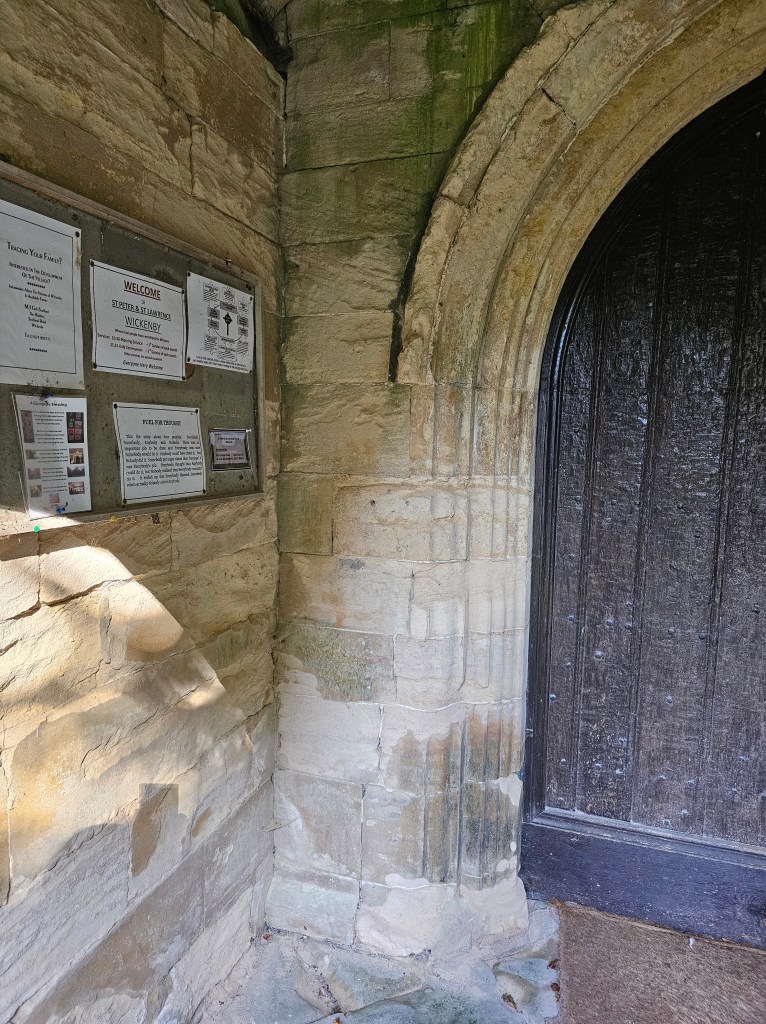
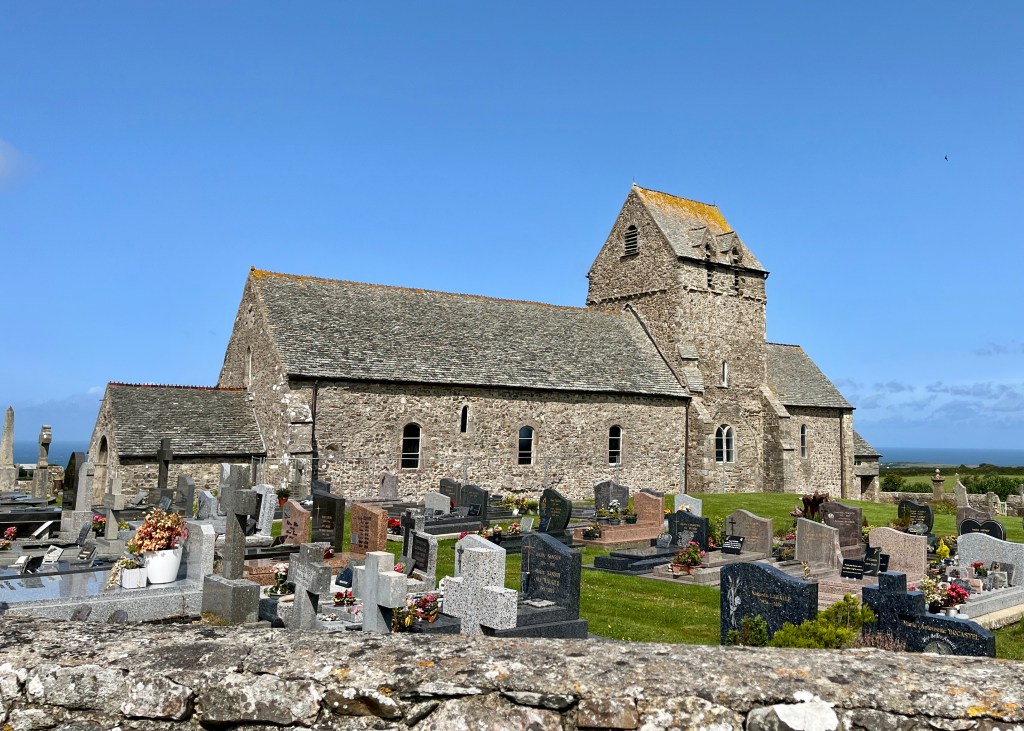
GRADE 1 ❖ C14, C15, restored 1825 by Jesse Gane of Evercreech; further in 1843; late C19 work. Very tall 3-stage ‘Mendip-type’ tower, visible from some distance. Worthwhile interior. Town prosperity partly from silk and enhanced by railway in 1862 – axed by Beeching in 1966 despite intervention by John Betjeman. 51.1463 / -2.5026 / ST649386

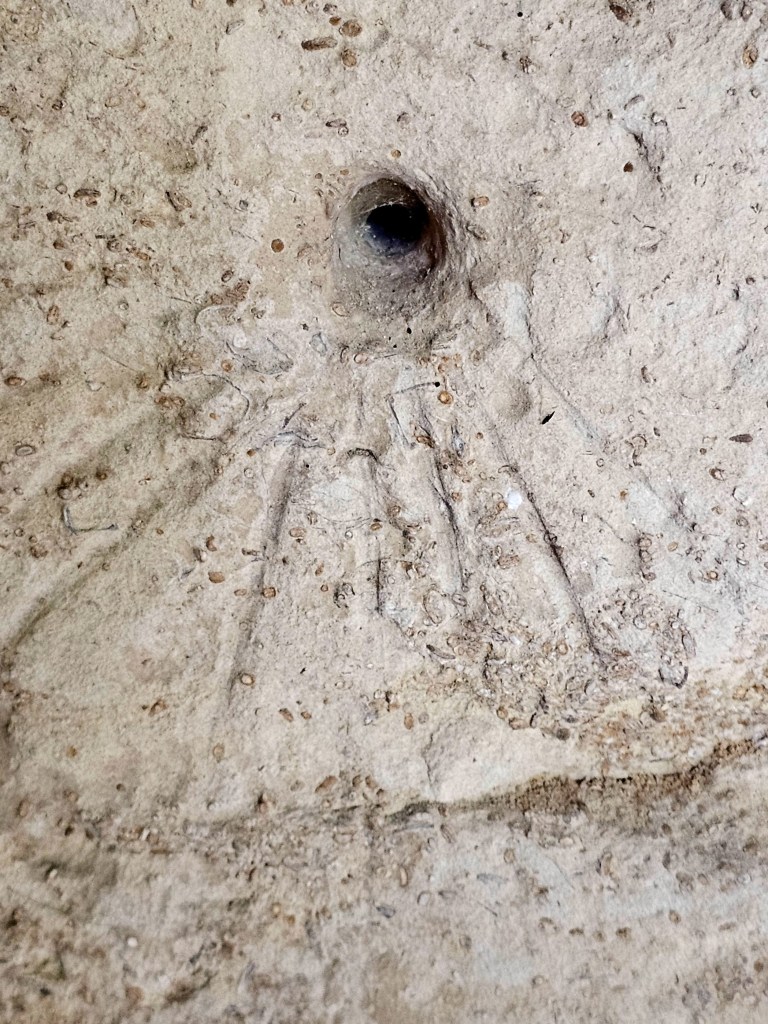
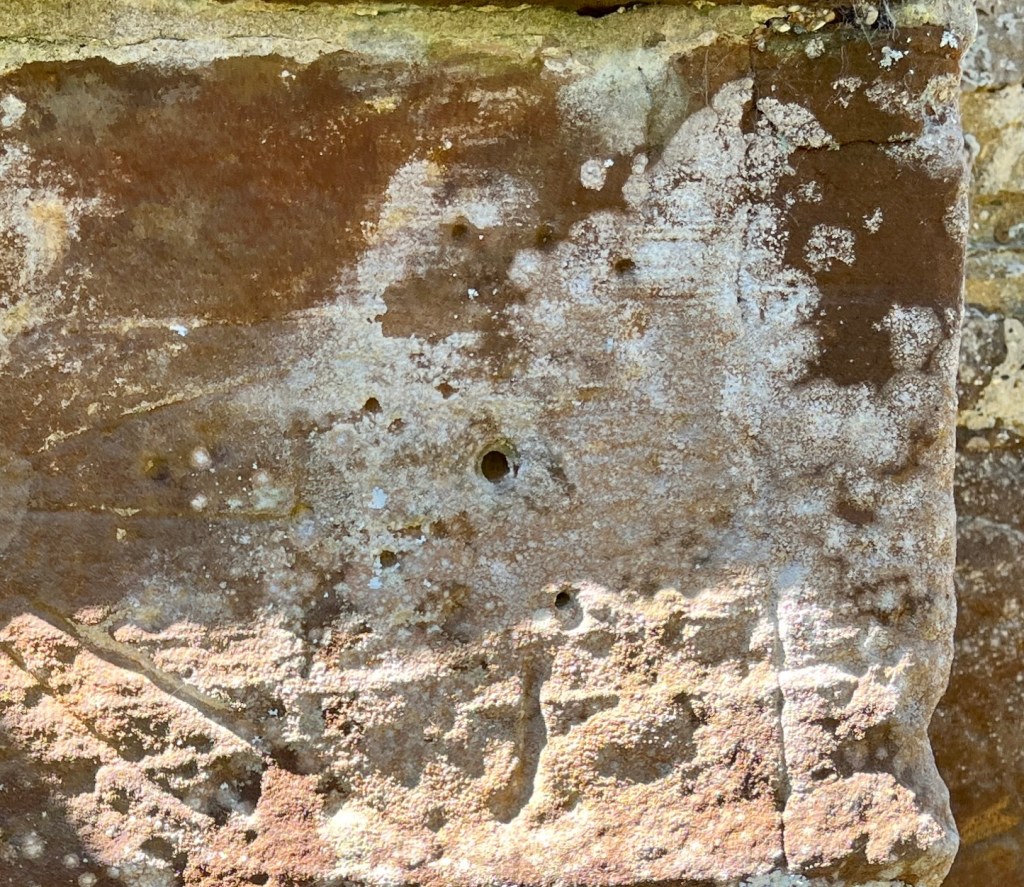
UPDATE: Yesterday I wrote dismissively of the St Peter’s dial, based on camera photos. Now that I have seen my iPhone photos (almost always the best option for close-up shots but I had nearly run out of battery) I have changed my tune a bit…

DIAL

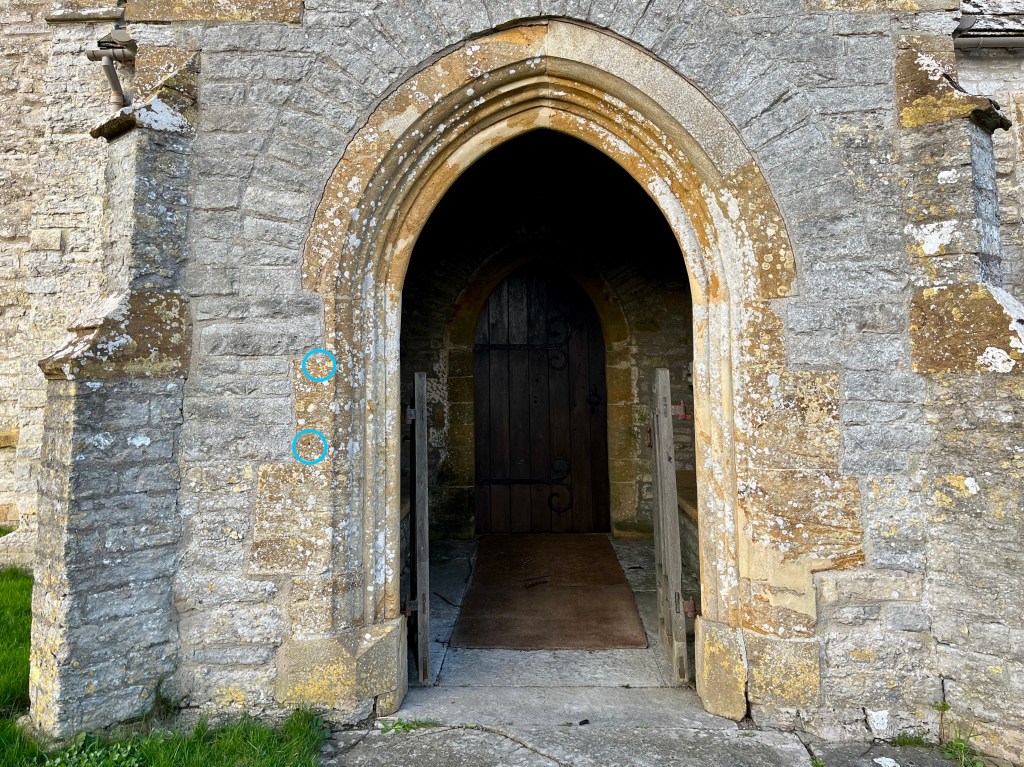
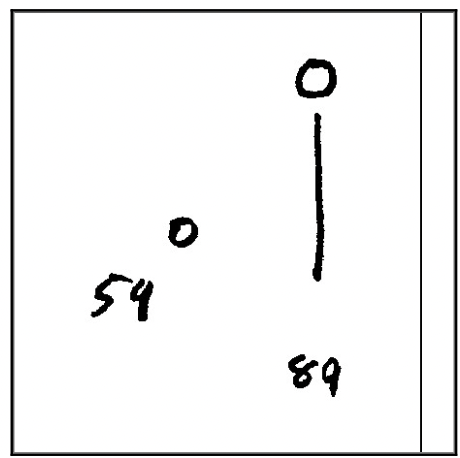
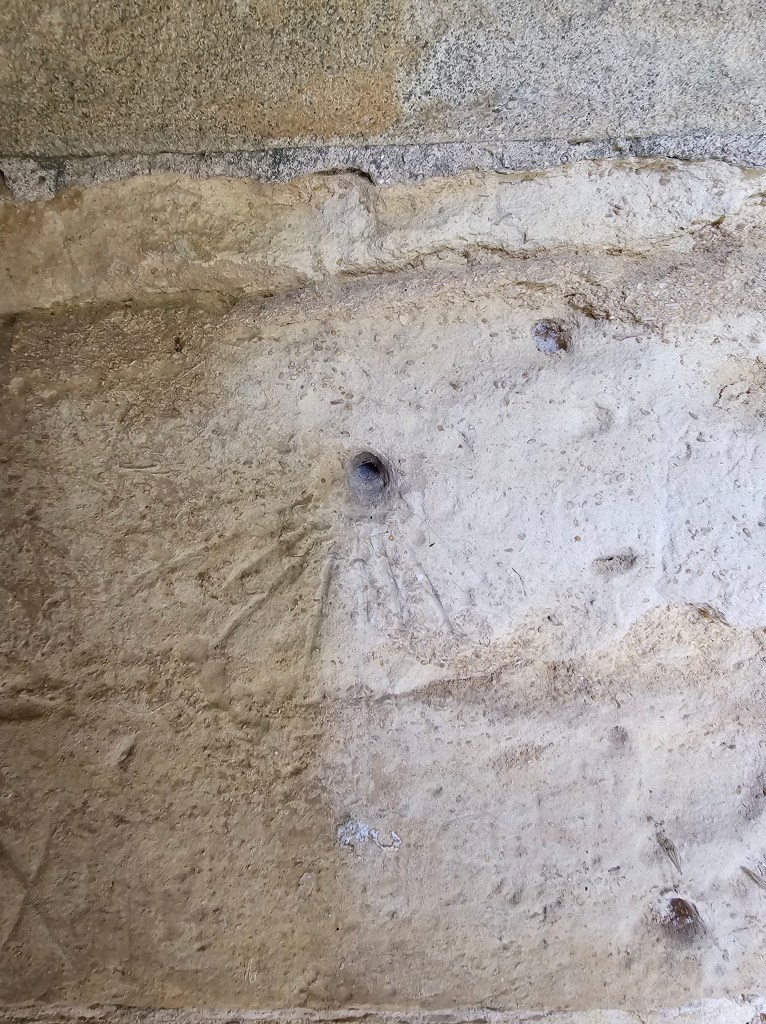
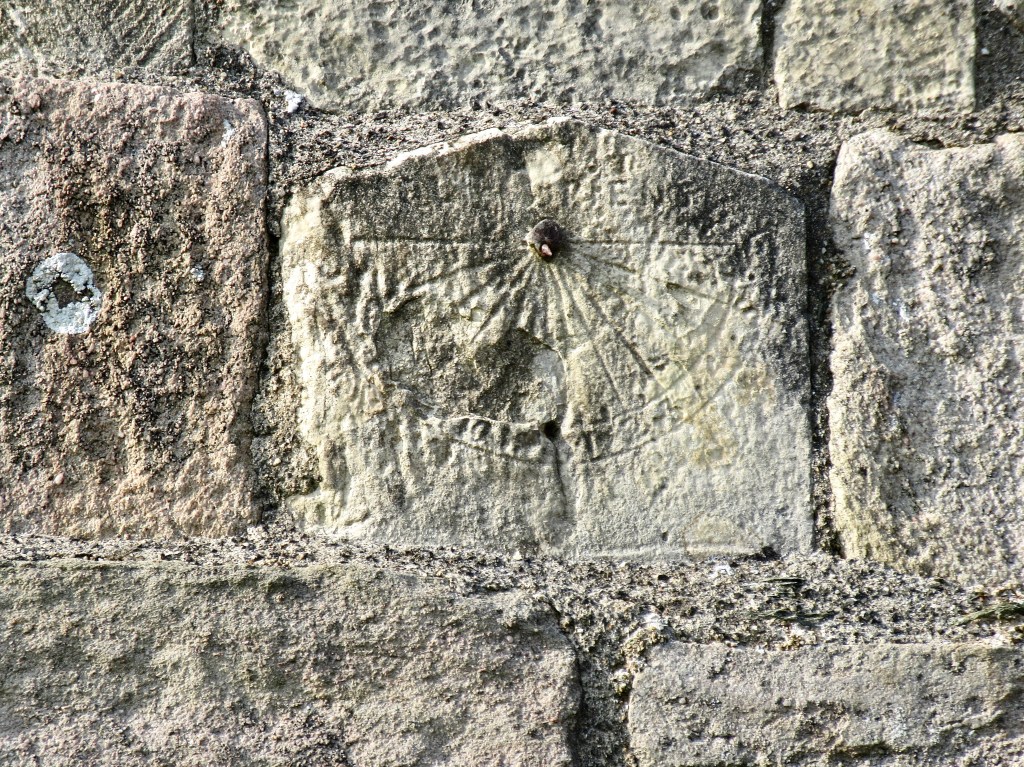
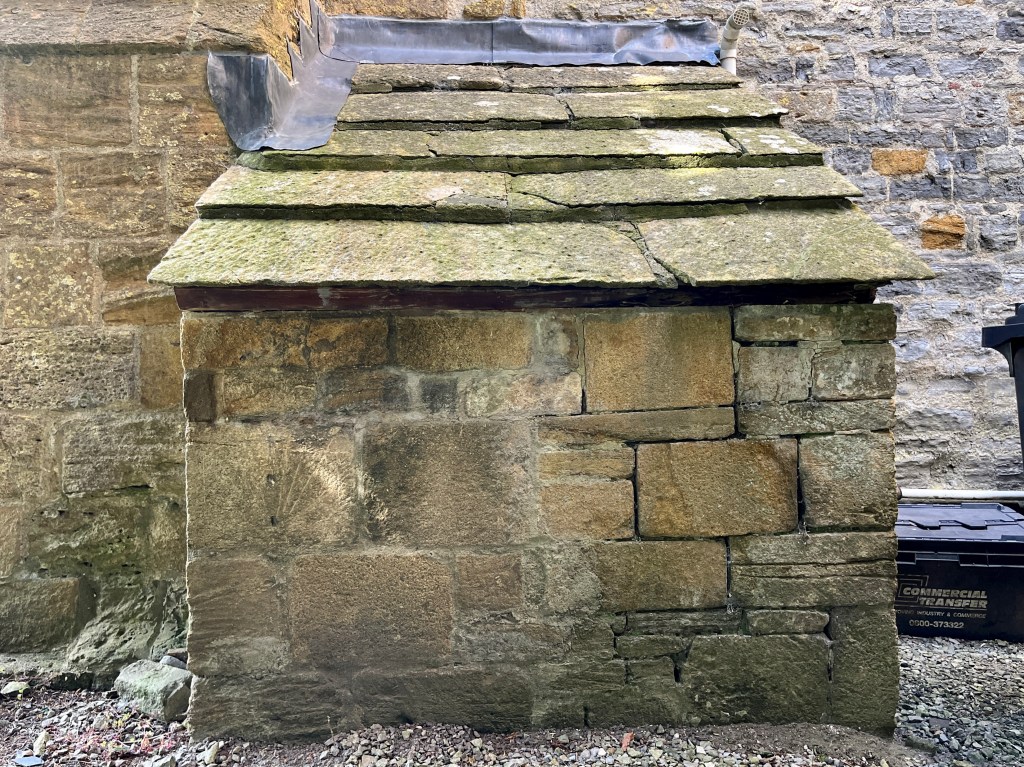
Emphatically not vaux le voyage, and included here mainly because in 1913 DEH counted it as a dial [85] when compiling his exhaustive record of Somerset scratch dials. On SE buttress of the tower he found a ‘quite clear’ circle with a shallow style hole, but without any lines. He put the design in his Doubtful category.

Keith Salvesen

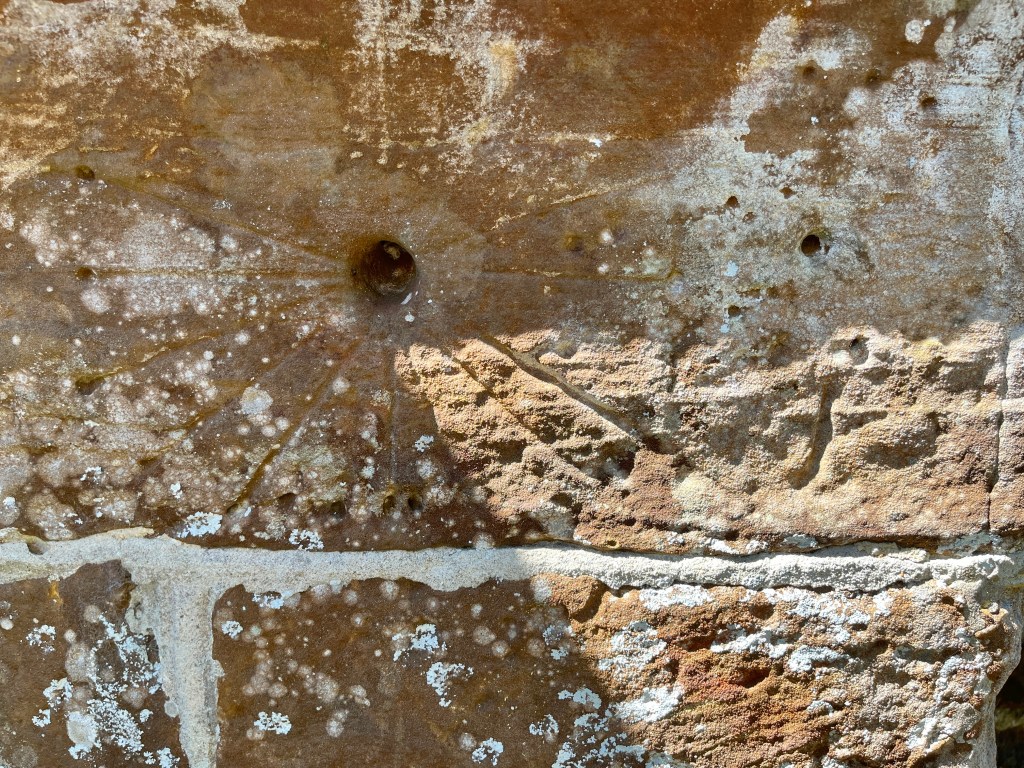
100 + years since the record was made, the circle has eroded away and the hole is not shallow. I had decided to demote this to the not-a-dial category. However, looked at closely and at an angle, it appears that what was once DEH’s ‘shallow hole’ has more recently been neatly drilled deeper into the stone (in fact, a dial would now be workable using a rod or stick). So I conclude that there is evidence of dialishness, though doubtful.

Keith Salvesen

GSS Category: Scratch Dial; Somerset Scratch Dial; Dom Ethelbert Horne

Credits: photos and research – Keith Salvesen (Nov 2025)

HORTON . GLOS . ST JAMES THE ELDER – Vertical Dial

Benefice Photograph

ST JAMES THE ELDER . HORTON . GLOS

GRADE I ❖ C12 origins; rebuilt C14; subsequent alterations C15/16; restoration 1865. Fine S porch with a splendid collection of carvings; interesting monuments within. On the Cotswold Way NE of Chipping Sodbury. 51°33’49″N   2°20’20″W ST766850

VERTICAL DIAL

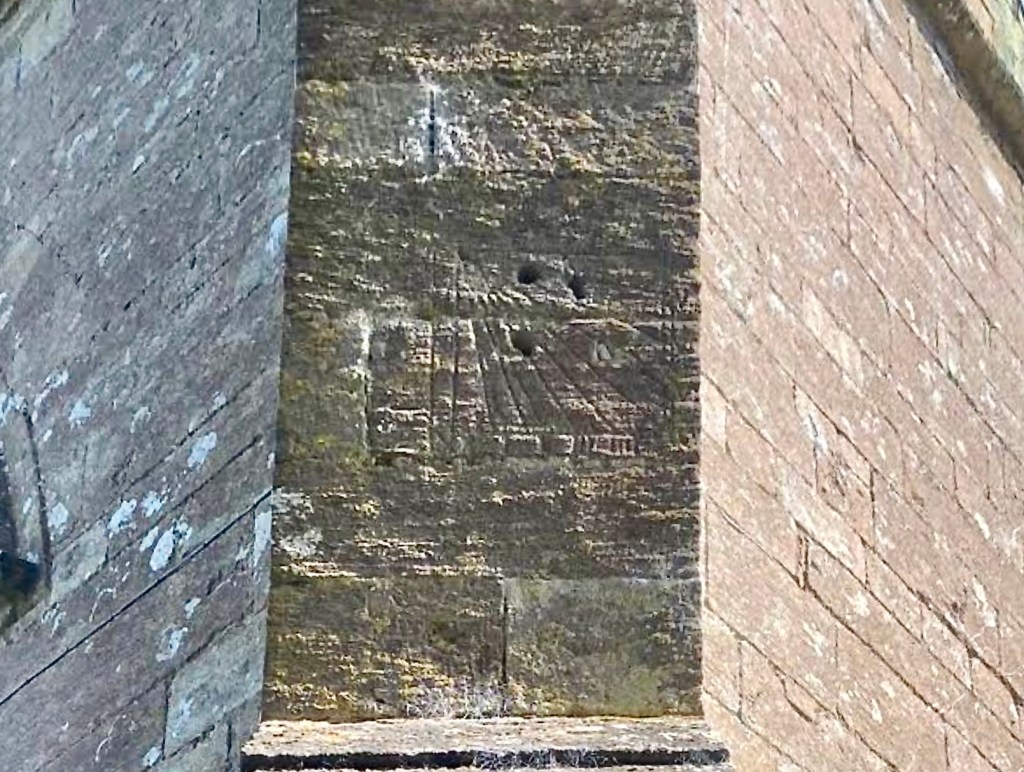
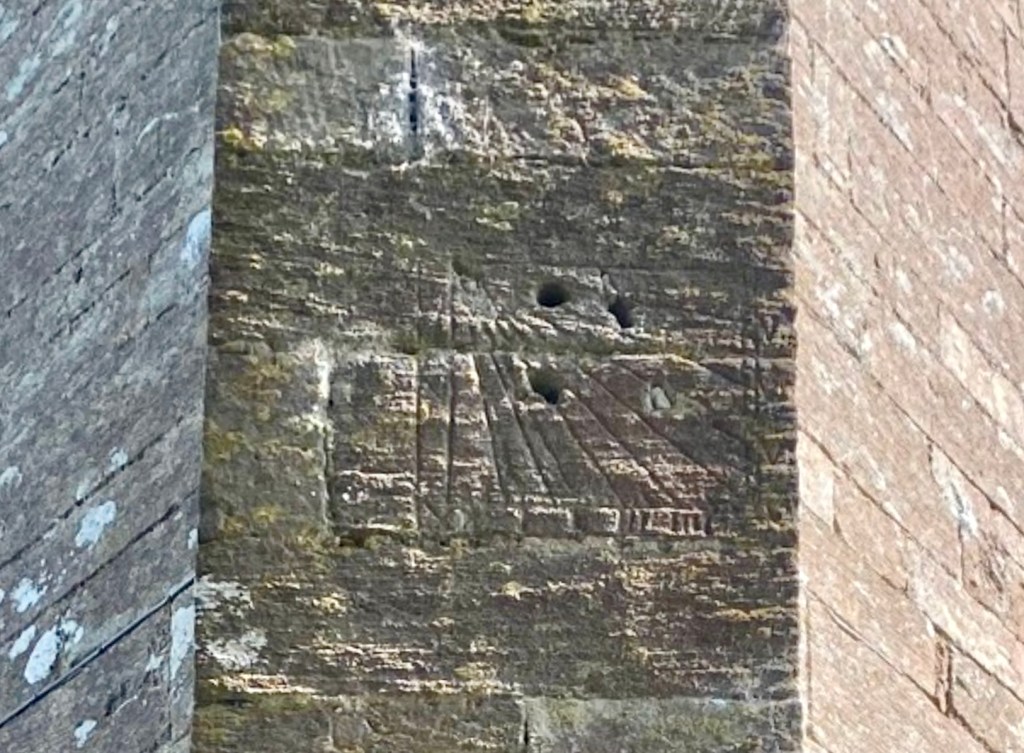
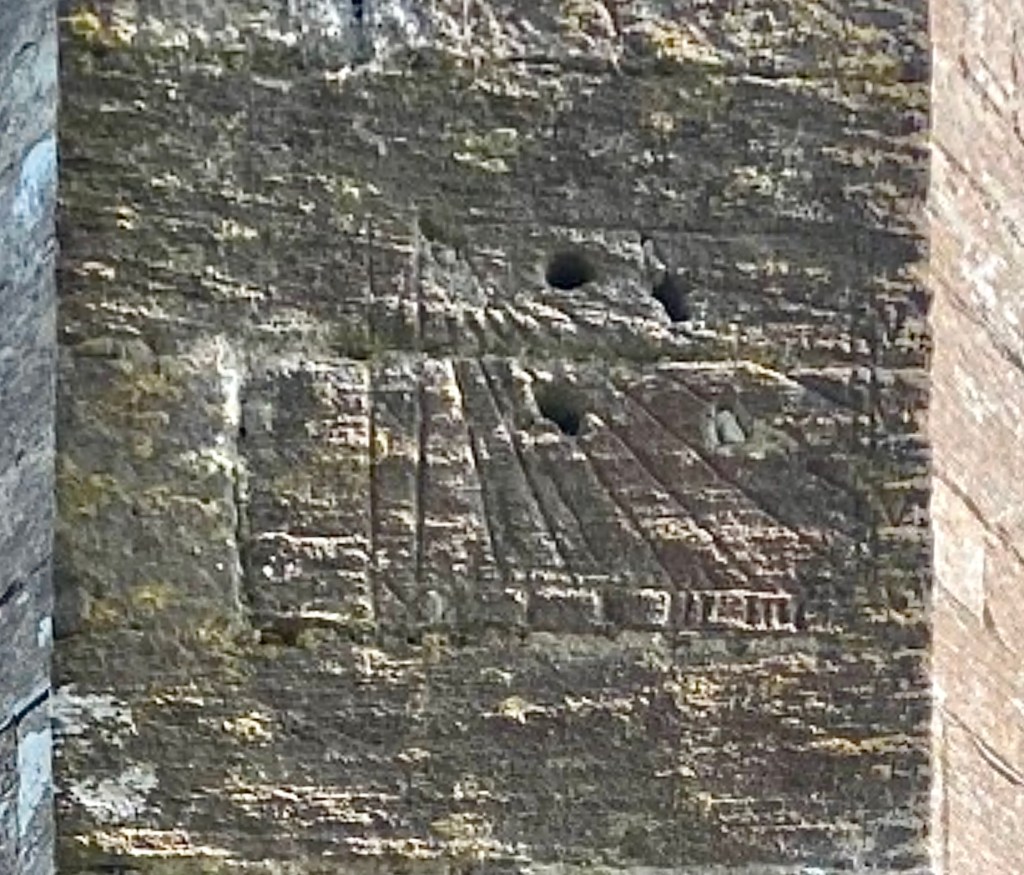
This rather splendid dial, cut high on a buttress, is somewhat rustic for its exalted position. It faces SW, which explains why the lines radiate from a corner, rather than top centre or central to the dial stone. The randomness of the radials and the gaps between them suggests difficulty matching them with the positions of the roman numerals along the base and RHS of the dial.

BRITISH SUNDIAL SOCIETY RECORD 1998

GSS Category: Vertical Dial; Dial on Church

CREDIT: Martin May, with thanks for contacting me and for the excellent photos of this interesting dial

WINTERBOURNE STEEPLETON . DORSET . ST MICHAEL – Scratch Dials (revisited)

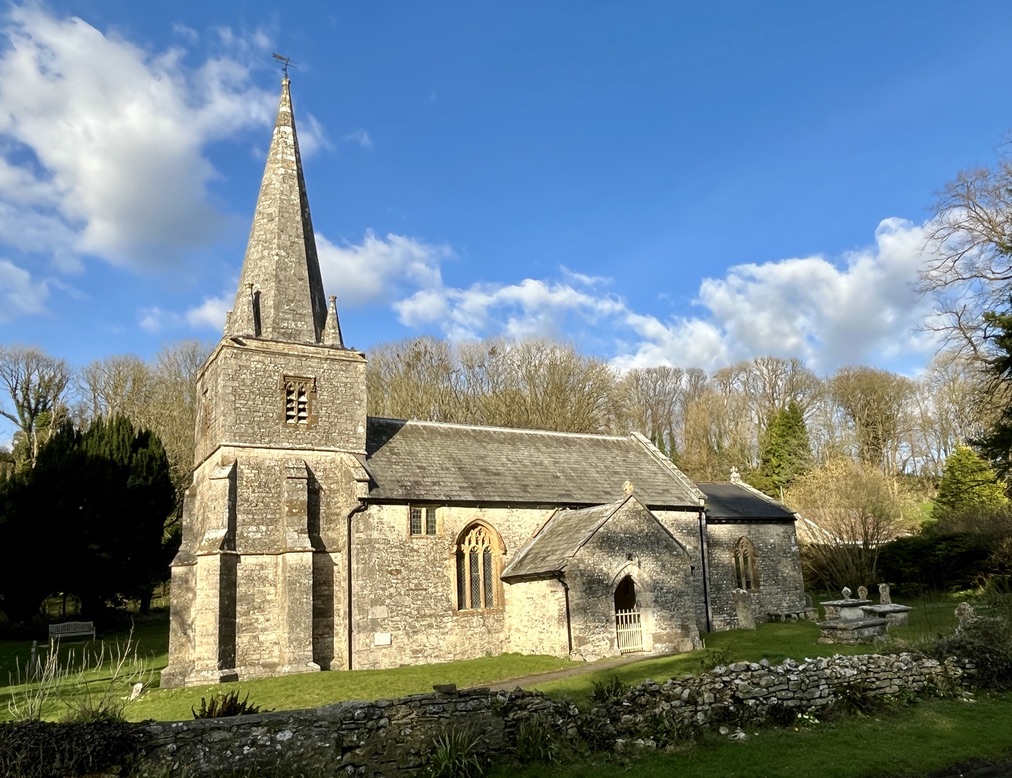
ST MICHAEL . WINTERBOURNE STEEPLETON . DORSET

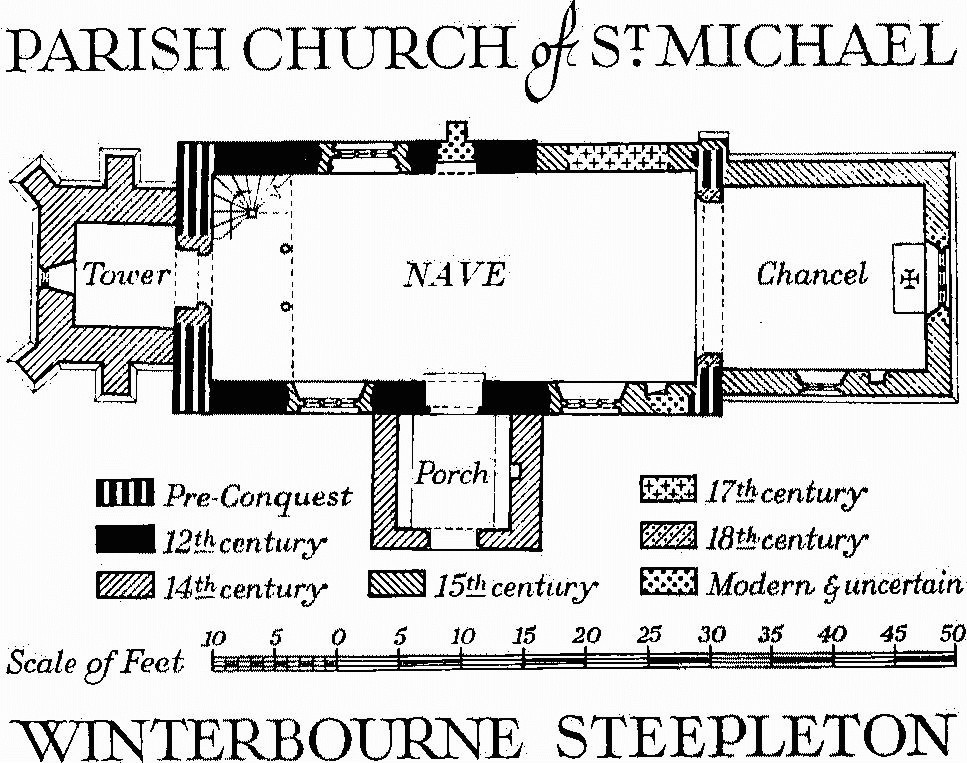
GRADE I A fine early church in a lovely setting. C11 quoins to nave; C12 nave rebuilt; C14 3-stage W tower, porch; C15 chancel. Later alterations, restorations. Just W of Dorchester, yet seeming miles away in its peaceful valley. Visit Winterbourne Monkton while you are there (2 perhaps 3 dials). 50.7067 /  -2.5266 / SY629898

DIALS

Two dials are recorded. I last visited this church more than 2 years ago, in early evening sunshine but with shadows on the church. I have recently been back in better light to re-photograph the main dial; and to check for another rudimentary dial noted on the S buttress of the tower in a 1997 survey. I didn’t find it on my first visit.

DIAL 1

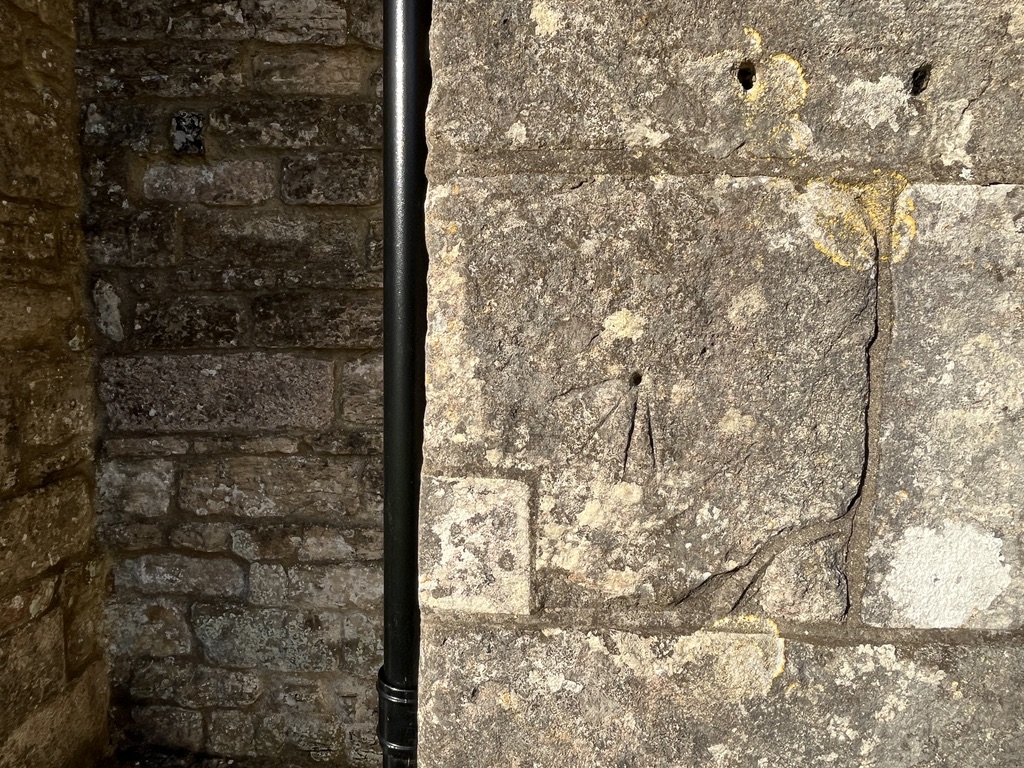
Dial 1 is located on a SW quoin stone of the nave. When examined in the 1990’s it was noted to be ‘behind a drainpipe’, which is no longer the case. By strange coincidence, when I revisited, the rest of the drainpipes were being repaired and repainted.

This is a straightforward 4-line morning dial with a pleasingly casual approach to straight lines. The two deeper incised lines suggest that late morning was the significant time of the day for observance.

DIAL 2

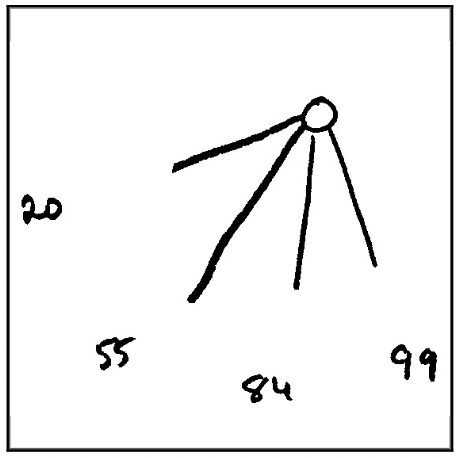
Dial 2 is so simple that I cannot claim to have discovered it this time round. It was recorded as being on S buttress of the tower, with 1 line a mere 45mm long, a small gnomon hole, and a pock LLQ . It was noted in 1997 as ‘very faint’. Although Dial 1 is mentioned in several places (eg BHO), I have found no additional reference to this tiny time marker. So for the second time I failed to find it, even in sunlight. However, a drawing was made and is all I can offer.

Do see the Saxon statue mentioned in the notice below (there is a similar one in Bradford on Avon), and indeed spend some time inside this interesting church.

GSS Category: Scratch Dial; Mass Dial; Eroded Dial

All photos Keith Salvesen; diagrams BSS

WICKENBY . LINCS . ST PETER & ST LAWRENCE – Scratch Dial

ST PETER & ST LAWRENCE . WICKENBY . LINCS

LISTING: II* . C12, C13 (of which remnants); C14, C15, 1868 restoration by G. G. Scott. C14 door. Good C14 stained glass. 53.3234 / -0.368 / TF088819

DIAL

Located within later porch, LHS of entrance door. 7 clear lines; probably one upper LHS, very faint. Deep gnomon hole. Noon line perhaps marked with a pock 2″ below? Of interest, the 2 deeper and longer cut lines LHS of the vertical. These suggest that the main time of day for observance was Terce, or (as cut) somewhere between that and midday.

Unrecorded by BSS. I am grateful to Keith Freeman for contacting me about this dial, and for his excellent photos

GSS Category: Scratch Dial; Mass Dial; Scratch Dial within porch

All photos: Keith Freeman, with thanks

JOBOURG . NORMANDY . NOTRE DAME – Scratch Dial

NOTRE-DAME . JOBOURG . NORMANDY

A fine Romanesque church (C11 / 12) in the far NW of the Cotentin peninsular. From its elevated position in the coastal landscape, the sea can be seen on both sides. Of several good dials in the area (other posts will follow), this is the one that is closest to being a scratch dial, being cut directly into the gnomon stone. Other church dials in the region are vertical dials on, rather than cut into, their location.

DIAL

The dial is high up on the E buttress. Seen from the ground, the dial stone blends with the surrounding stones. Seen close to, the awkward setting – shaped angled top with filling around it – suggests relocation. Wherever originally positioned, the height of the dial on the buttress must have been an effective way to use the church’s prominent position to mark passage of the day for the local community.

The dial face has a layout similar to other dials in the area, 12 lines inside a double circle containing the numerals. A possible noon hole on the inner circle; possible noon line extending below it. The short pointed gnomon is a much later addition. LLQ is badly damaged. Beneath the angled top is an eroded inscription, the clearest letter being E. ‘RIEN’?

Finally, this photo from the excellent Michel Lalos french sundial site. I’m not sure when it was taken, but I expect within the last 20 years or so. It graphically shows how degraded and damaged the dial has come during a mere couple of decades. Sadly, LLQ is falling apart.

Cadran Solaire . Jobourg . Notre Dame (Michel Lalos)

GSS Category: Scratch Dial; Mass Dial; Sundial France; Vertical Dial

All photos: Keith Salvesen except final, Michel Lalos

KNOOK . WILTS . ST MARGARET of ANTIOCH – Scratch Dial

ST MARGARET OF ANTIOCH . KNOOK . WILTS


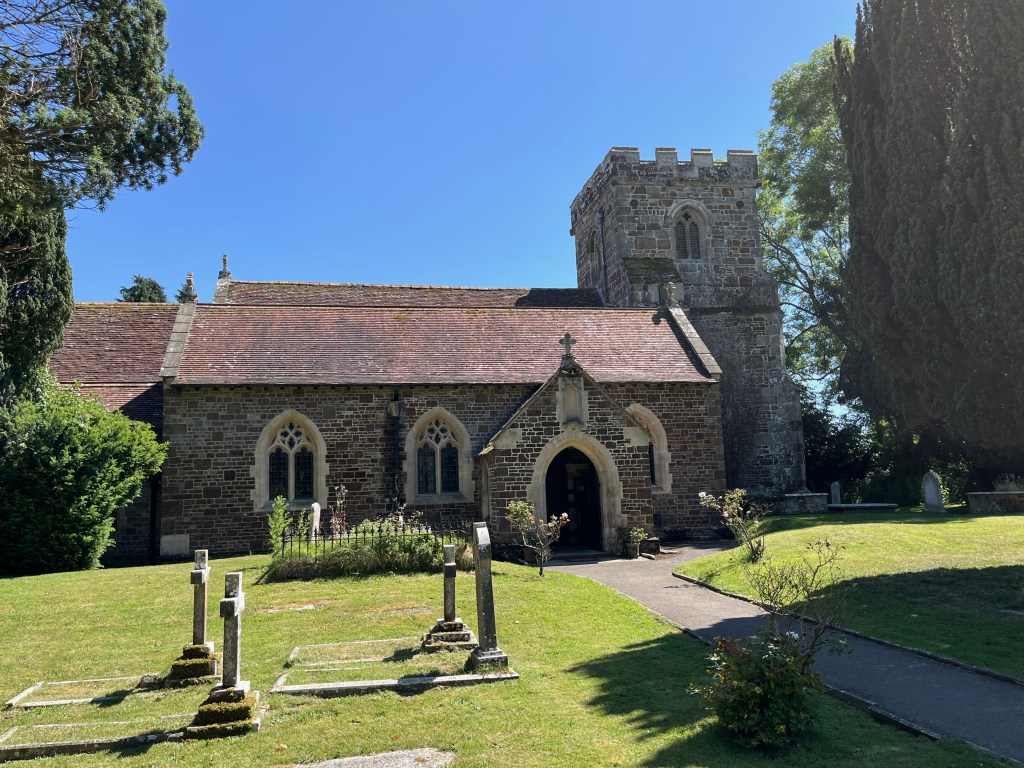
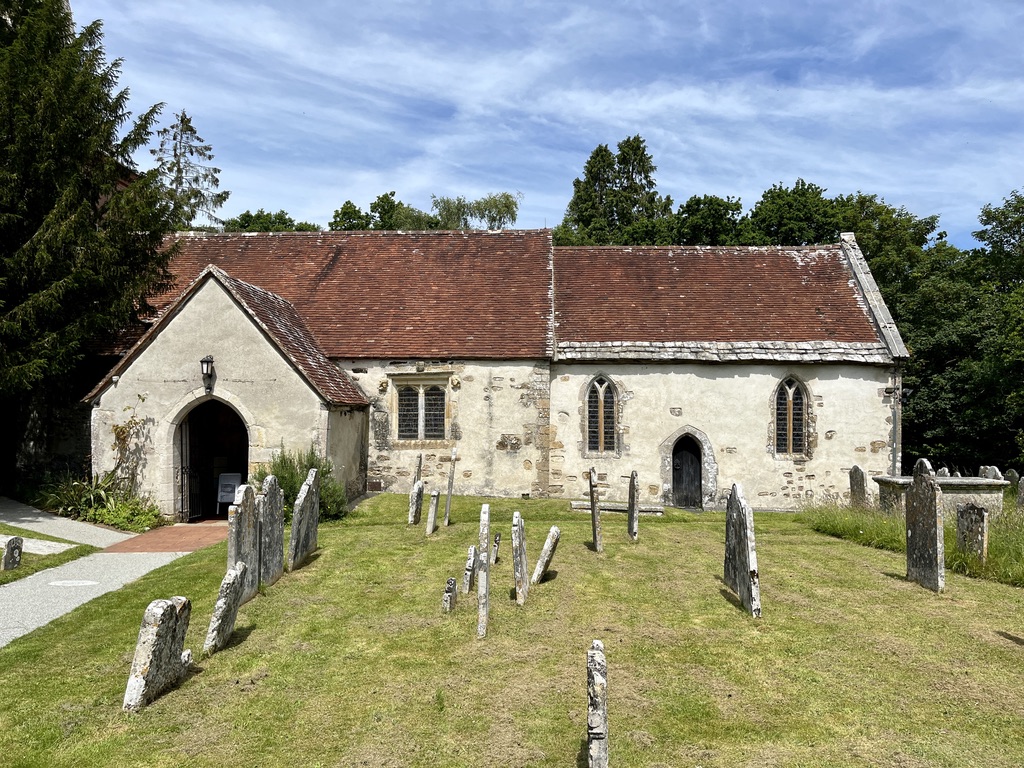
GRADE I ❖. C11 – evidenced from 1078, probably on site of a wooden church. C14, C17, mid-C18 alterations / additions. Major restoration 1874-76 (Butterfield). One of several excellent and varied Wylye valley churches with dials (eg Stockton (18); Heytesbury; Chitterne; Sutton Veny).  Wonderful C11 / Saxon tympanum. 3m SE of Warminster. 51.1755 / 2.0908 / ST937418

DIAL

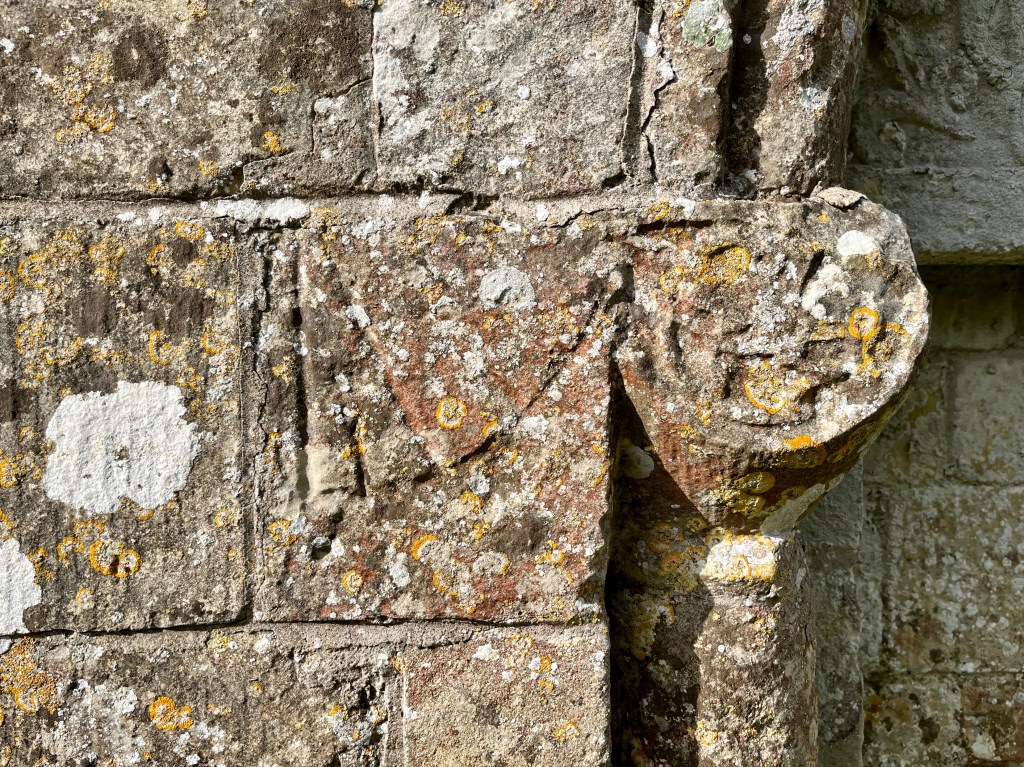
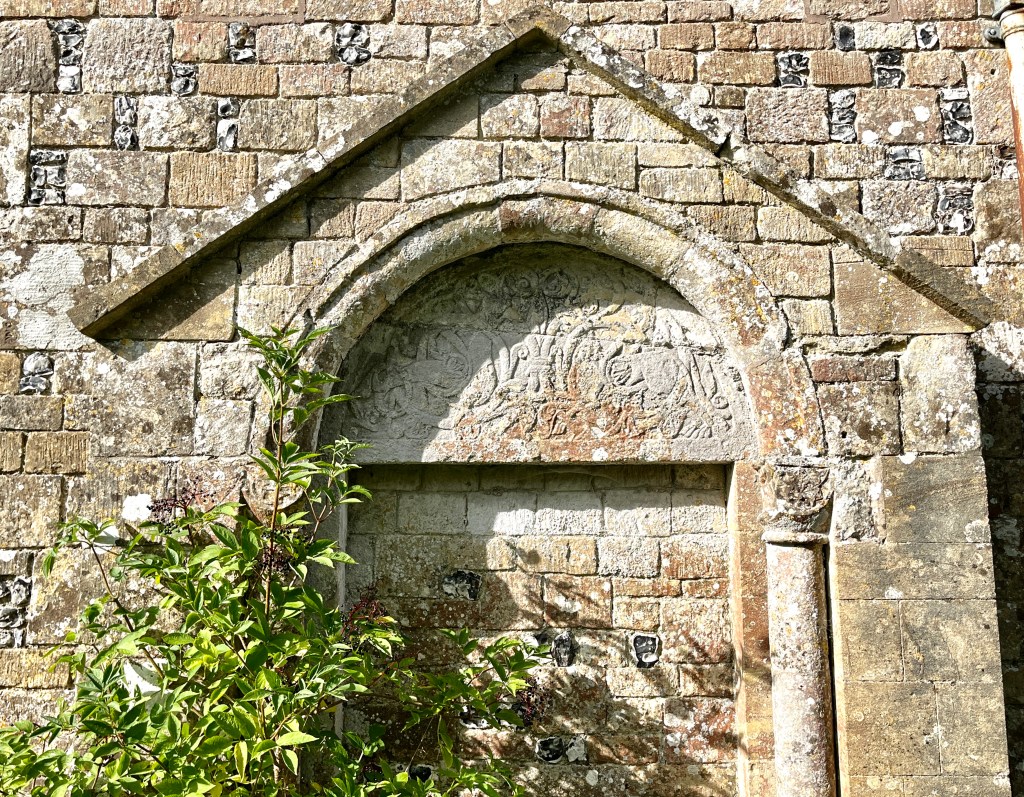
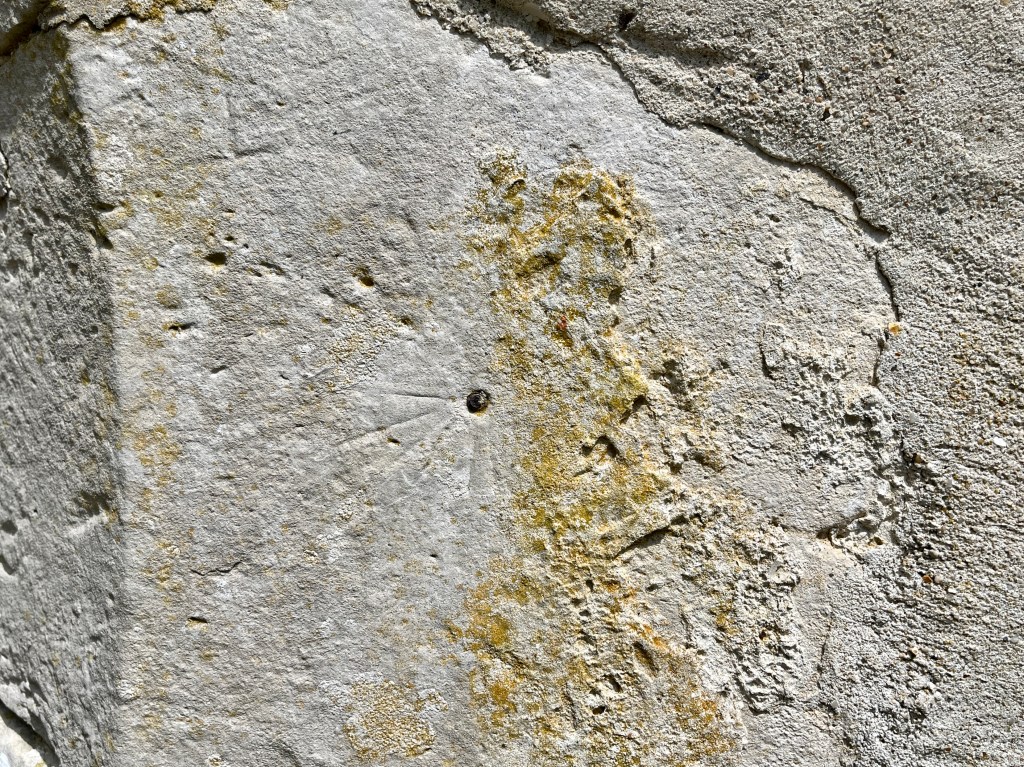
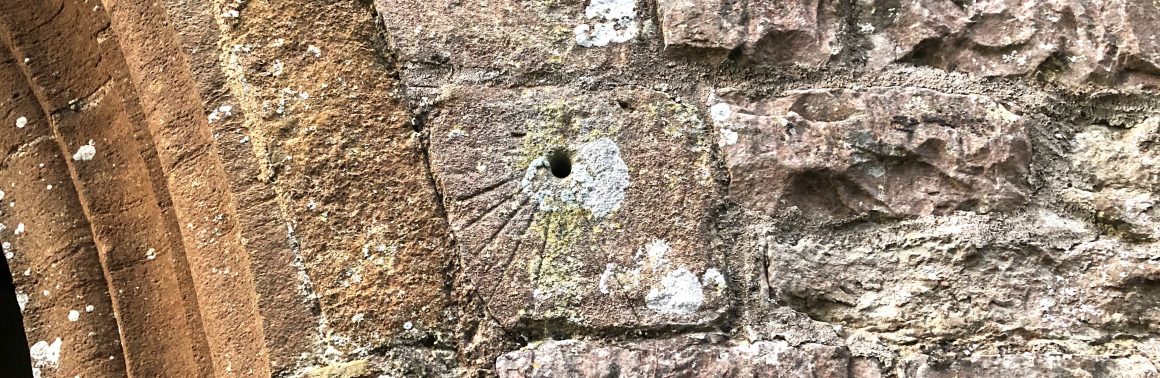
The dial is in a privileged position high on a quoin stone next to the tympanum. It is in fact the LRQ of a complete dial that must have been divided during restorations.This quarter includes the noon line.

TYMPANUM

The dial is LHS at tympanum height, just visible behind the elder

GSS Category: Scratch Dial; Mass Dial; Wiltshire Sundials

All photos: Keith Salvesen

BROCKENHURST . HANTS . ST NICHOLAS – Scratch Dial

ST NICHOLAS . BROCKENHURST . HANTS

GRADE II* ❖ C12; chancel, porch late C13; enlargements; late C19 / early C20 restorations. Excellent late Norman south door. C12 font. The oldest church in the New Forest. The village and church have great military significance. WW1: a Military Hospital for severe casualties of non-British soldiers. WW2: Divisional HQ for planning D-Day. Large churchyard, commemorative graves, and a fine memorial. The church contains a moving exhibition of the wartime history. Queen Mary visited and seeing that Sikhs were lacking turbans, supplied them; and seeing broom handles being used as crutches, supplied walking sticks. 50.8146 / -1.5681 / SU305017

DIAL

The dial is on E jamb of S Porch, late C13. The right side is concealed by render of some sort. Despite erosion, it is possible to make out 8 lines. Iron gnomon remnant protruding.

ARG visited in June 1924. He detected part of an indistinct circle, but 100 years later there is no trace. He noted that the style-hole retains its metal gnomon, broken off and projecting very slightly. The original? It is rare enough to find remnants of metal in a gnomon hole, let alone (if ever) to be able to identify one as pre-1600.

Amusingly innovative metal gnomon. Clungungford . Salop

A special gravestone

GSS Category: Scratch Dial; Mass Dial; Dial with gnomon remnant

All photos: Keith Salvesen

HAMPRESTON . DORSET . ALL SAINTS – Scratch Dial

ALL SAINTS . HAMPRESTON . DORSET

GRADE II* ❖ Norman origins on Saxon site; 1261 first Rector; C14 chancel and Tower. Victorian additions and restoration. Royal Coat of Arms of George II 1754. DHCT rates as fabulously interesting. Secluded within the New Forest. 50.7888 / -1.9231 /  SZ055988

DIALS

All Saints has two adjacent dials low down on the same stone of a small buttress at the E end. One is elaborate; the other is rustic.

DIAL 1

There are 17 lines and 7 pocks within an incomplete circle. Noon seems to be indicated by 3 pocks under a shorter line. The longer line no doubt indicates the main time of observance as None.

DIAL 2

This simple dial has 2 sets of 3 pocks. The lower set would work for mid-morning to early afternoon, presumably to emphasise the main daily Mass. The upper set can only be ‘decorative’, perhaps the work of a bored sacristan practising symmetry.

GSS Category: Scratch Dial; Mass Dial; Medieval Sundial

All photos: Keith Salvesen

ILCHESTER . SOMERSET . ST MARY – Scratch Dial

ST MARY MAJOR . ILCHESTER . SOMERSET

GRADE II* ❖ C13 and later, south aisle added 1870s. Three stage octagonal tower, a feature of this area of Somerset (see Barrington, Stoke St Gregory, North Curry, Podimore and Weston Bamfylde). Close by is a fine market cross with a cube dial, also found in other towns and villages locally (eg Martock, Ilchester) – separate post in due course. 51.0009 / -2.6818 / ST522226

DIAL

Without guidance, it would be easy to overlook the dial. DEH does not mention it. I only discovered it from the very informative church leaflet. Despite the clues to its position, it still took me a while to find the relocated and inverted dial, barely 2ft off the ground.

Dial details – Church Leaflet

.

REVERSION

With relocated dials, especially inverted ones, it’s often worth seeing how they originally looked. This dial takes on a different appearance when righted.

The two dark areas are almost certainly the footings for a vertical sundial. The slight alignment to the right of vertical suggests a calculated angle. The leaflet note that the dial used to be high on the south wall of the nave definitely suggests a vertical dial rather than a scratch dial (which would be pointless in a high position). Seeing it in its original location, I might have described it as an inverted vertical dial with a damaged surround and erosion evident, especially RHS where faint lines can just be detected.

So, without being didactic, I can’t be sure that this is a scratch dial as opposed to a later vertical dial. All comments welcome.

GSS Category: Scratch Dial; Mass Dial; Octagonal Church Tower Somerset; Vertical Dial

All photos: Keith Salvesen

KINSON . DORSET . ST ANDREW – Scratch Dial

ST ANDREW . KINSON . DORSET

GRADE II* ❖ C13, little altered until rebuilt 1870s (chancel) & 1890s (nave & aisles). A fine, squat Norman tower. A rare interior dial, relocated to the chancel arch. Church now within the outer fringes of N Bournemouth yet happily just off the many beaten tracks that now surround it. 50.7719 / -1.905 / SZ067969

DIAL

The dial, repositioned and inverted, is located on the S chancel arch. There are 6 encircled lines, one going beyond the ring. GLP notes that the circumference line is poorly drawn and does not form a circle; and he suggests that the re-siting within the church would probably have been during the 1875 rebuild. I wondered if URQ also shows damage from fitting the dial in its new position.

The gnomon hole is both large and deep, though almost certainly not so originally.

INTERIOR DIALS

Scratch dials within a church are relatively rare. Included in these pages are Thornford Dorset; Stoke St Gregory Somerset; Firle Sussex; and W Clandon Surrey (3).

GSS Category: Scratch Dial; Mass Dial; Internal Scratch Dial; Internal Church Sundial

All photos Keith Salvesen; drawing from HE archive