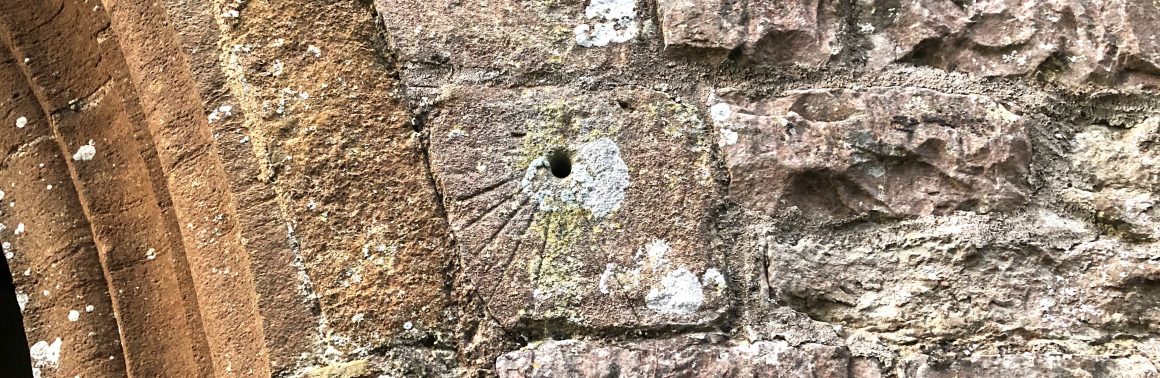
JUMIÈGES ABBEY. NORMANDY – CANONICAL DIAL: ‘Les heures canoniales’

Artistic inspiration led to the installation of an astonishing modern ‘sundial’ in the ruins of the sublime C12 Abbey of Jumièges. This complex time-measurer of the religious day is quite unlike any other I have seen, or expect to see. I have no idea quite how it was conceived or executed. It truly is the interface of Science and Art.
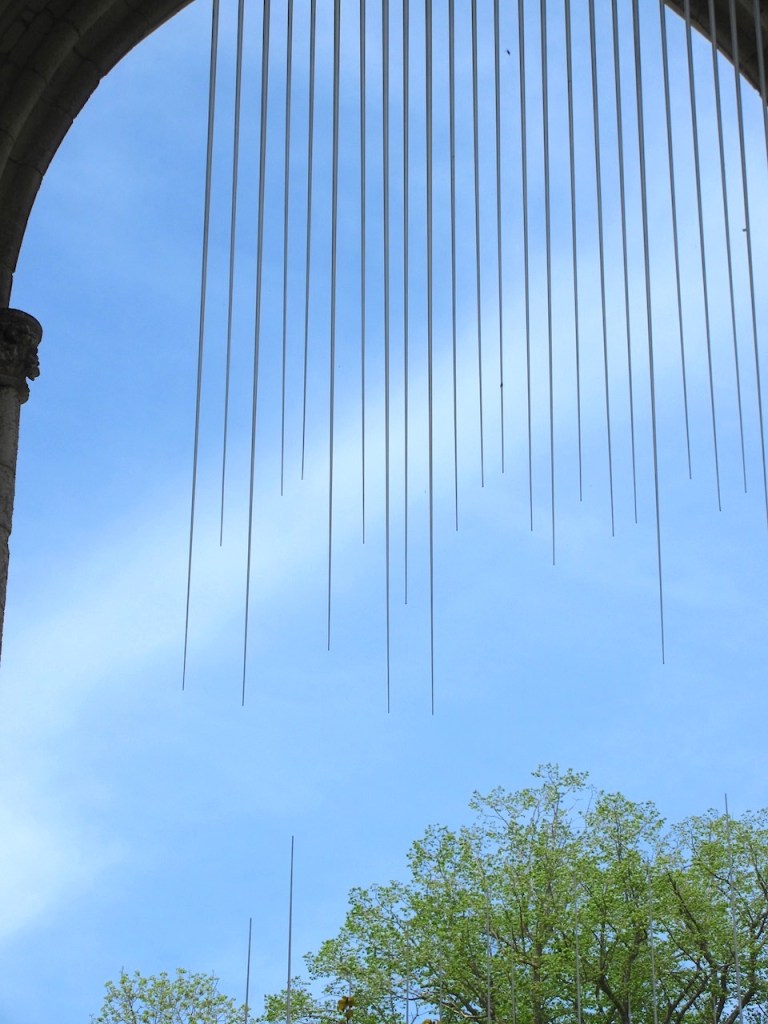
‘The relation between the spiritual elevation of Benedictine monks and celestial radiance’

It is the work of Jacques Leclercq-K (as he designates himself). ‘Les heures canoniales 2016’ is an enormous 10m high / 3m wide structure, yet it succeeds in being extraordinarily delicate.
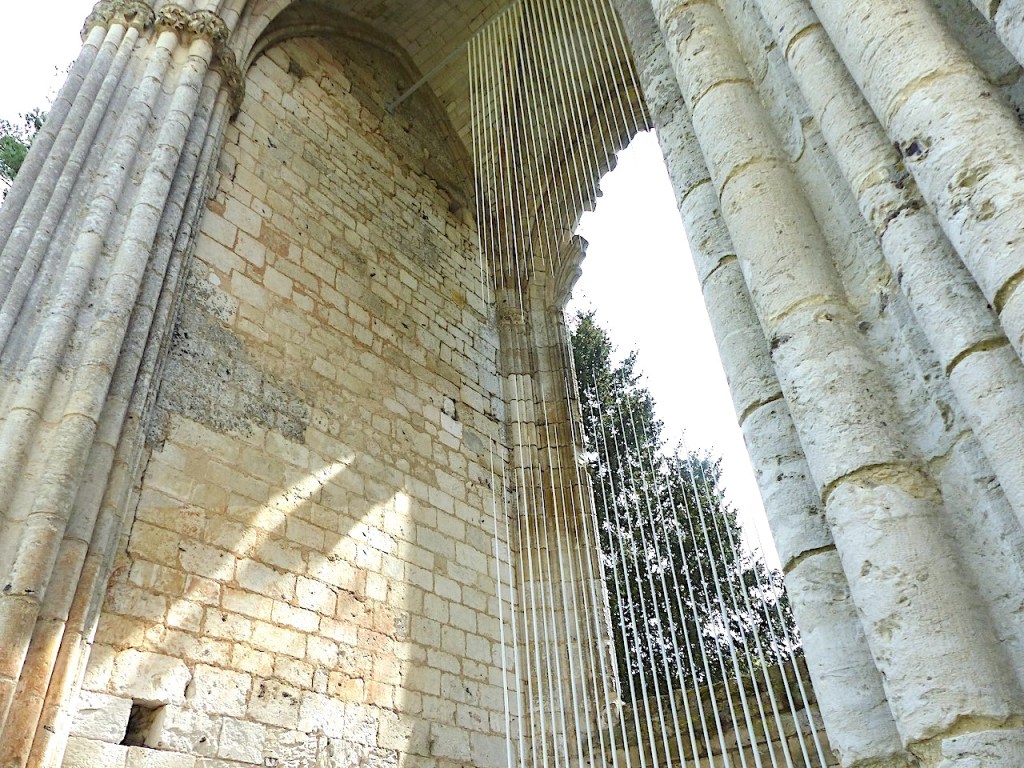
Jumièges Abbey . Normandy . Canonical Sundial

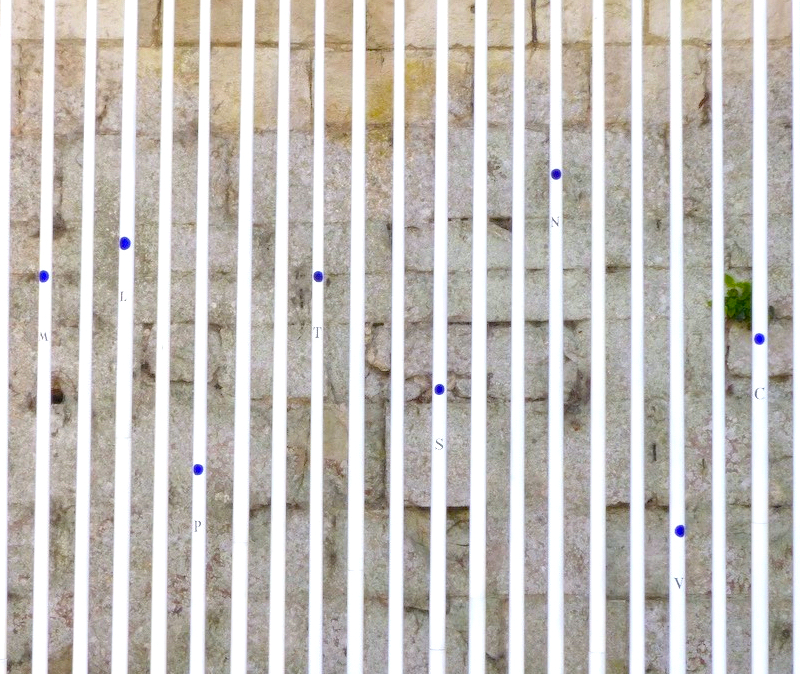
The 48 long sharp needles of these ecclesiastical stalactites and stalagmites form a remarkable screen within their space in the ruins. Each is marked with its own significance in the greater scheme of the hourly divisions and rites of the church.

Jumièges Abbey . Normandy . Canonical Sundial

The subtitle of the work translates as a relation between the elevation of the Benedictine monks and celestial radiance. One surprising feature is the ease with which such a very modern concept works with the ancient structure that frames it, and with the architectural details such as the Piscina (below).

Jumièges Abbey . Normandy . Canonical Sundial

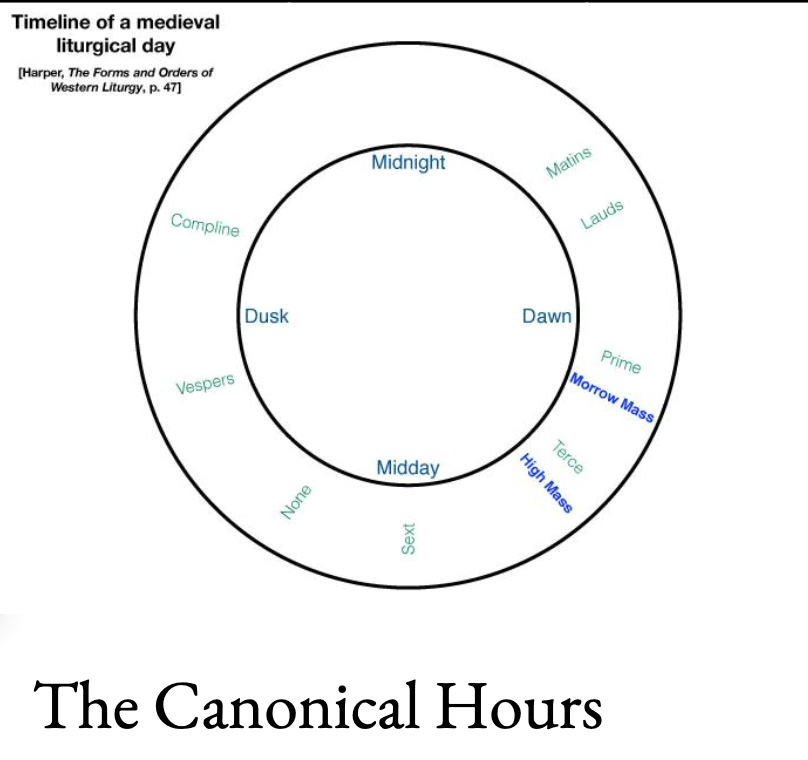
As Leclercq explains, the canonical times of day and night are divided into 8 parts, beginning at midnight, and each announced by a ring of bells. These segments – each with a specific liturgical significance – are Matins, Lauds, Prime, Terce, Sext, None, Vespers and Compline (see diagram). The rod representing each canonical hour is marked with a blue dot and the initial letter of the relevant hour.
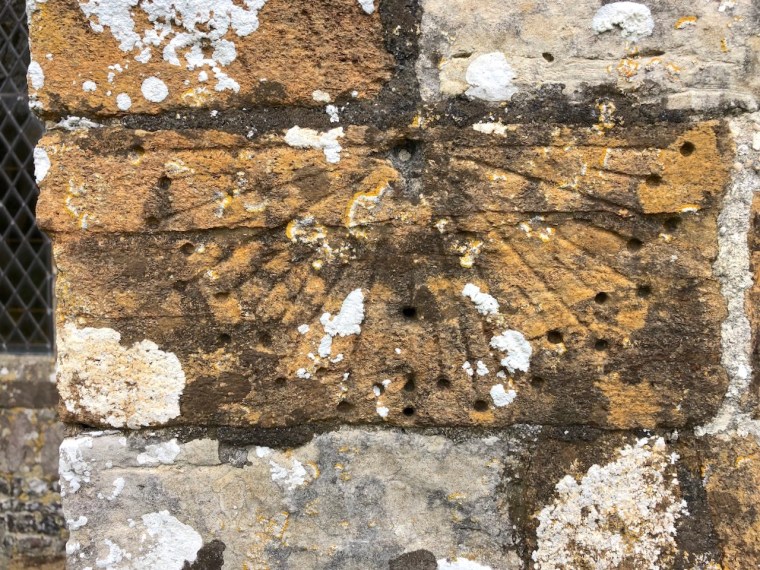
Mass Dial . St Martin . Cheselbourne . Dorset

It is worth noting that many of the medieval mass or scratch dials featured elsewhere in this site are incised (or roughly marked) on the local church for the benefit of the populace, and include the canonical hours as kept in that community. These may be emphasised by being deeper or wider cut, or by being extended, or by having a pock or even a cross at the end of the radials.
Truly, Leclercq’s work is a modern art installation and scientific wonder rolled into one delicate structure. It is Scripture as Sculpture
Jumièges Abbey . Normandy . Canonical Sundial

GSS Category: Miraculous

All photos: Keith Salvesen

ST GEORGES DE BOSCHERVILLE . NORMANDY – VERTICAL DIAL

St Georges de Boscherville . Normandy . Vertical Sundial . Keith Salvesen
St Georges de Boscherville . Normandy . Vertical Sundial

The beautiful C12 Abbey of St Georges de Boscherville in Normandy is very much in the Michelin ‘vaut le voyage’ category. Advantage has been taken of the extensive abbey grounds to display innovative bee-hives and an excellent display of modern sundials. The most complex will feature here in due course. Meanwhile, enjoy this attractive sundial with its cleverly effective gnomon.

St Georges de Boscherville . Normandy . Vertical Sundial . Keith Salvesen
St Georges de Boscherville . Normandy . Vertical Sundial
St Georges de Boscherville . Normandy . Vertical Sundial . Keith Salvesen
St Georges de Boscherville . Normandy . Vertical Sundial

The motto Tant ici passerent le temps passé nous passons means roughly ‘So much past time has passed here; we (also) pass’. It sounds better in the original.

CHAVOT-COURCOURT. ÉPERNAY. FRANCE . CADRAN DE MASSE MÉDIÉVALE

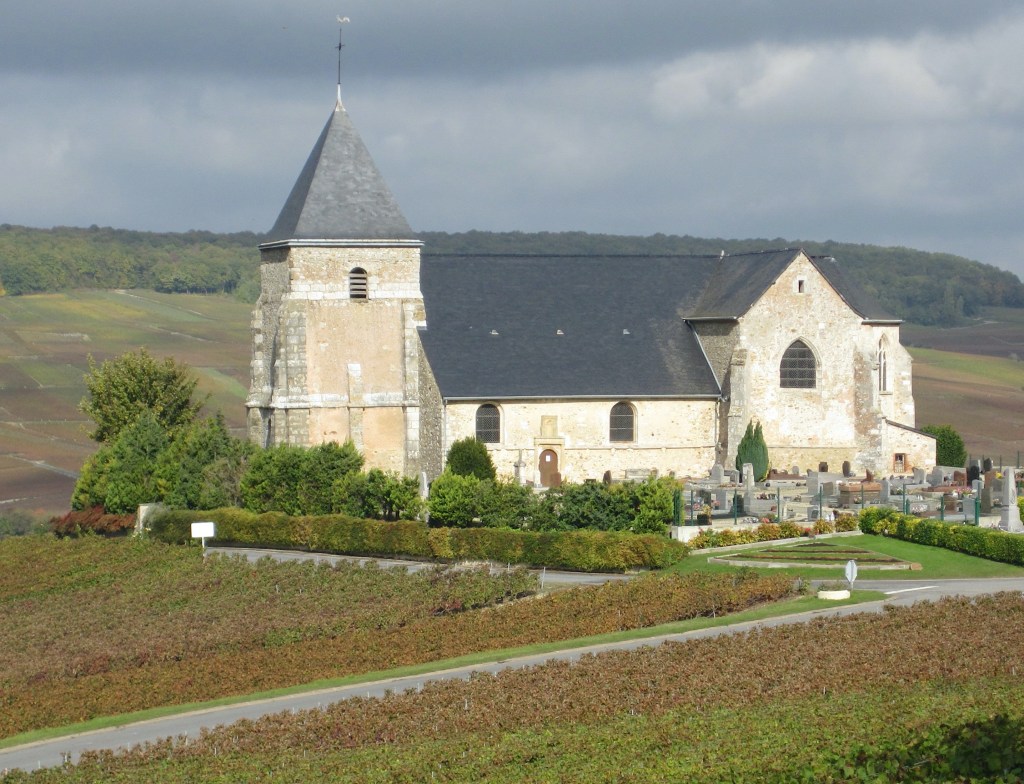
Eglise de Chavot-Courcourt . Epernay . Marne . Scratch Dial

LOCATION This handsome church is set scenically in the middle of extensive vineyards on all sides, a few miles south-east of Épernay. It is a notable distance from the nearest house. The church dates from 1202. The romanesque tower, nave, transept and apse were built later, around 1560. 49°00′16″N  3°55′50″E

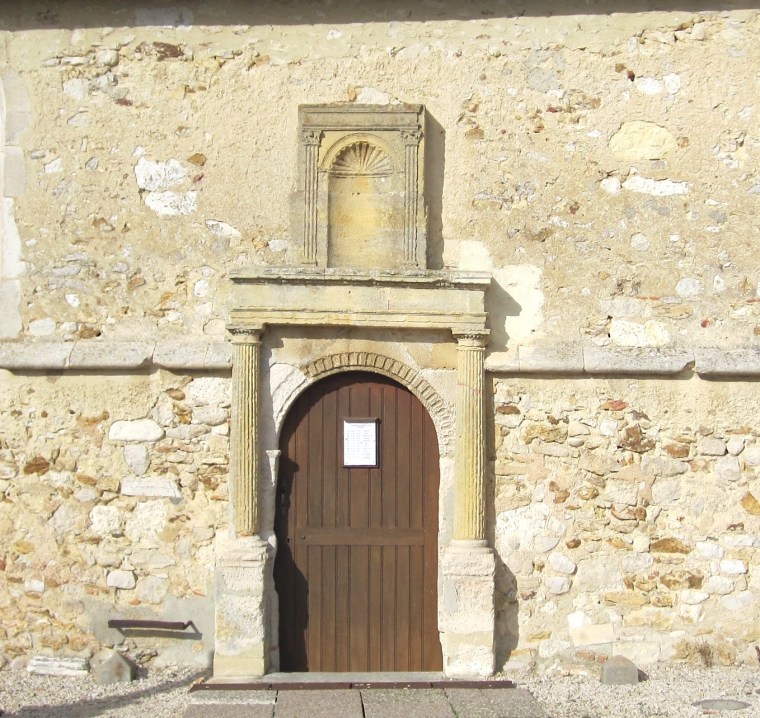
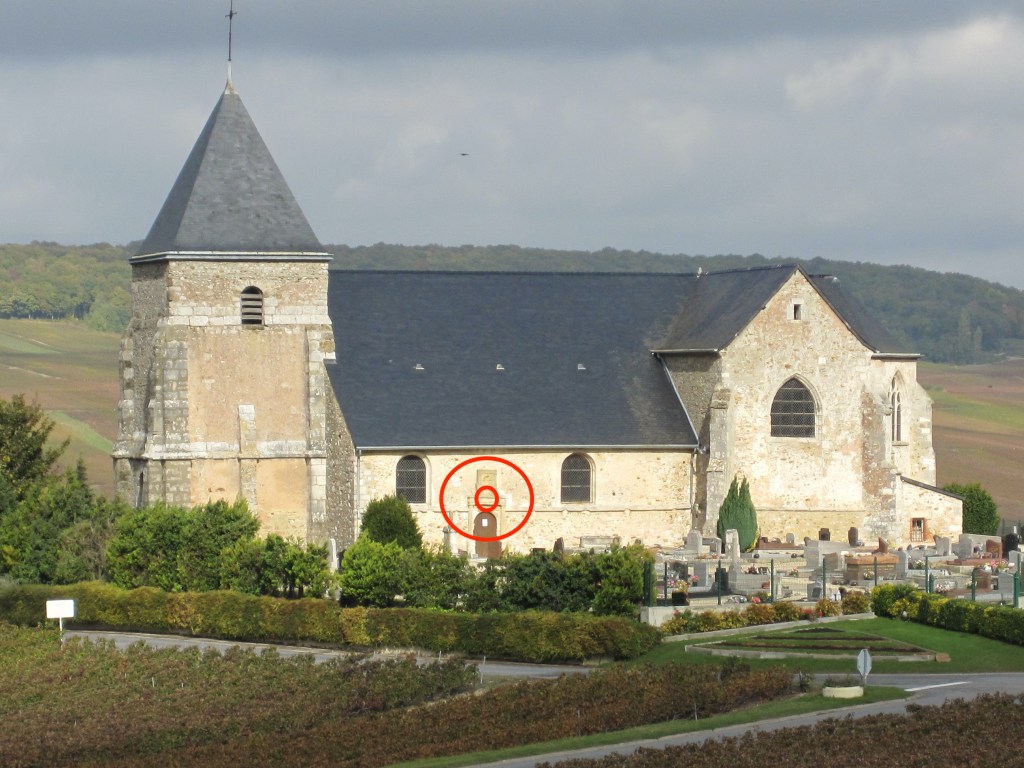
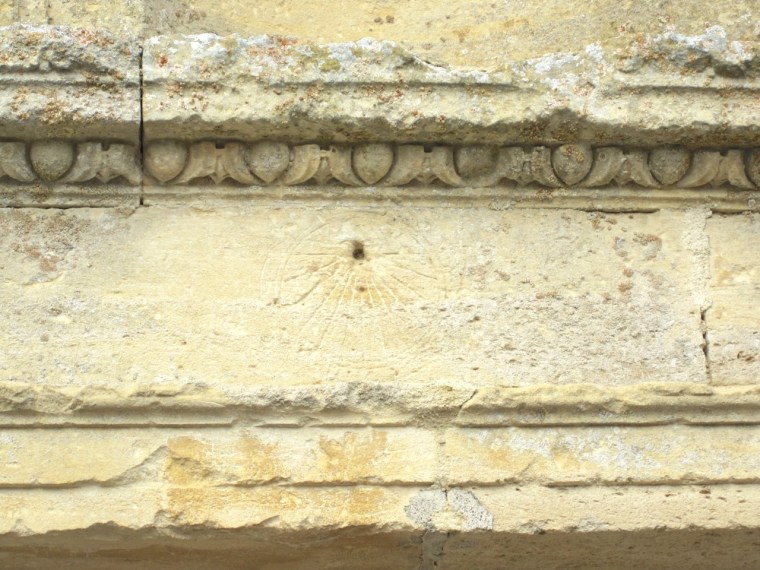
DIAL The dial – which from a distance looks rustic – is in a prominent position carved into the stone lintel above the side-door, a very clear indicator of the progress of the day for the locals working in the fields. It is in excellent condition, perhaps thanks to its high location and to the clean air. The radials are spaced with some precision. A narrow double circle is supplemented by a less clear or eroded wider circle. There are several dots in plausible places; conversely, few if any dots on the rest of the lintel. My amateur guess is that the relative sophistication of the dial suggests that it was cut later than the date of the doorway. Any views on this are welcome – there’s a comment box below.

Eglise de Chavot-Courcourt . Epernay . Marne . Scratch Dial – close-up

GSS Category – Scratch Dial

VILLEFRANCHE-DE-CONFLENT: DOUBLE DIAL

Double sundial, Villefranche-de-Conflent, Pyrénées-Orientales

VILLEFRANCHE-DE-CONFLENT is a small medieval walled town in Catalan country. It is watched over by Fort Liberia, one of VAUBAN‘s massive defensive constructions in this historically strategic area. The town is charming, and additionally famous for being the start of the ‘Train Jaune’, a picturesque narrow-gauge railway that climbs high into the Pyrénées. The amazing altitude rise is from 1250 ft at Villefranche to 5000 ft at the track’s summit just above the village of Mont Louis (which has its own Vauban fort) 

The sundial above is high up on a house in the church square, next to the Mairie with its Catalan flag. It doesn’t exactly draw the eye and would be very easy to miss. Its overall appearance is endearingly wonky.

Villefranche-de-Conflent - Sundial

Villefranche-de-Conflent - Sundial

TWO DIALS IN ONE

The main dial is etched and painted on cement, with roman numerals that mark hours, halves and quarters. The long gnomon is attached beneath a small sculpted head from which sun rays radiate – a simple representation of a solar deity. Above the head can be seen numbers, of which only 11 and 8 can be made out with any certainty. Possibly, it is a date: the dial (which is not ancient) is otherwise undated and it is very hard to guess its age. I can find no explanation for the initials DS (top left, Gothic font) and ER (top right, normal font). 

The small dial-within-a-dial with graduated radials shows the hours only, with arabic numerals. The bent gnomon points straight down. I am unsure of its purpose as a supplementary – and rather overshadowed – dial on the same plane, but the overall effect is pleasing.

Villefranche-de-Conflent - Sundial

INSCRIPTION

The words “COM MES SOL FA MES BE ESCRIC” are Catalan and mean roughly “When it is sunny, I write (show the time) well”. This rather charming inscription was apparently added in around 2000 by the village pastor.

Credit: for information, Michel Lalos, who has compiled a comprehensive illustrated record of the sundials of the Pyrénées-Orientales.