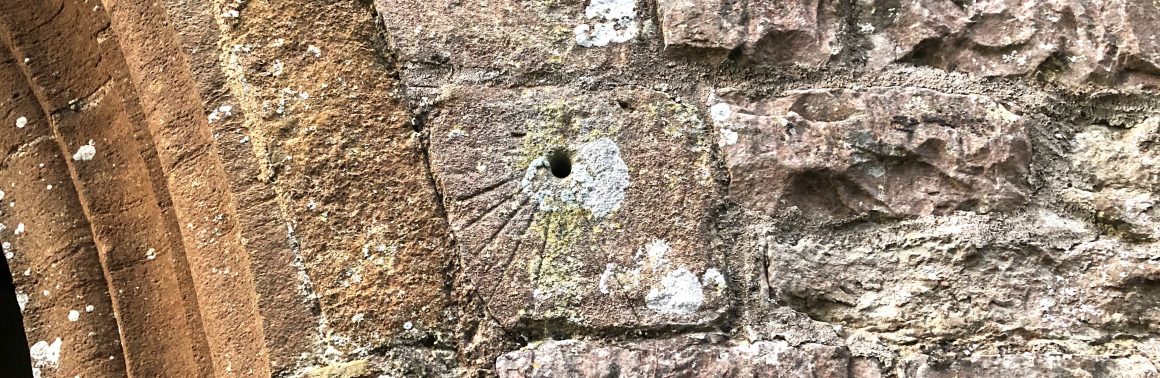
WINTERBORNE HOUGHTON . DORSET . ST ANDREW – Scratch Dial

ST ANDREW . WINTERBORNE HOUGHTON . DORSET

GRADE II ✣ C13 origins. Rebuilt 1860s by T H Wyatt, using original material. Perp style with flint, banded brick, and rubble. C15 font. Loose links with owls and Thomas Hardy. A tiny village off the beaten track from Winterborne Stickland (3 scratch dials). 5m SW of Blandford Forum 50.8388 / -2.2566 / ST820043

DIAL

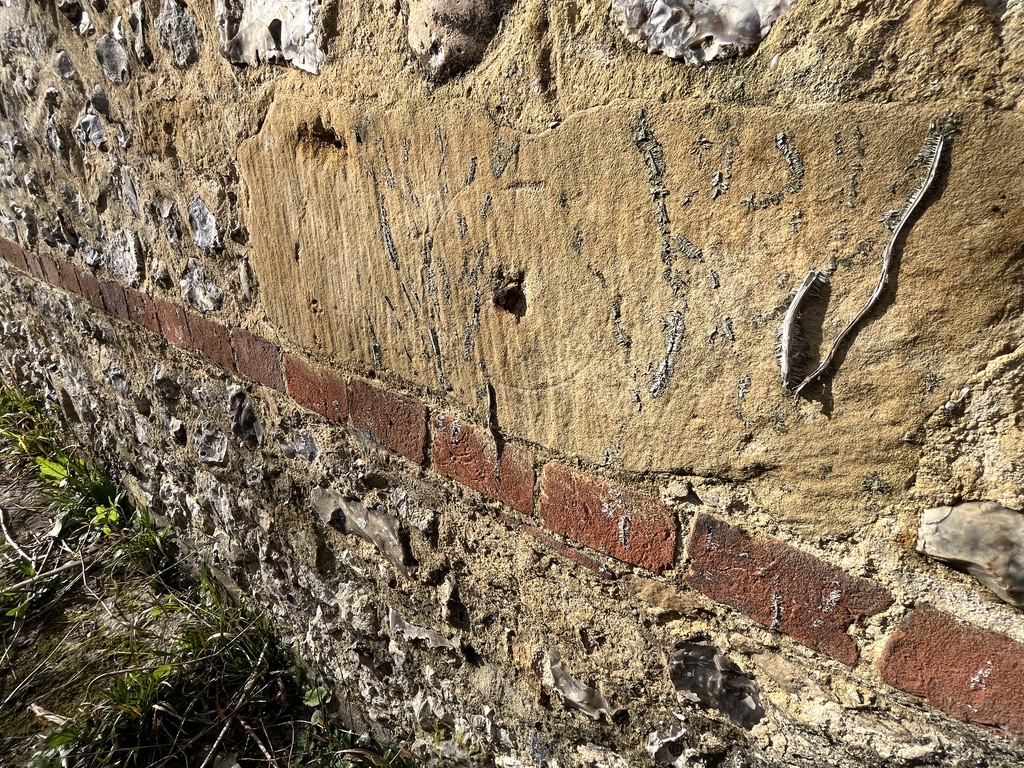
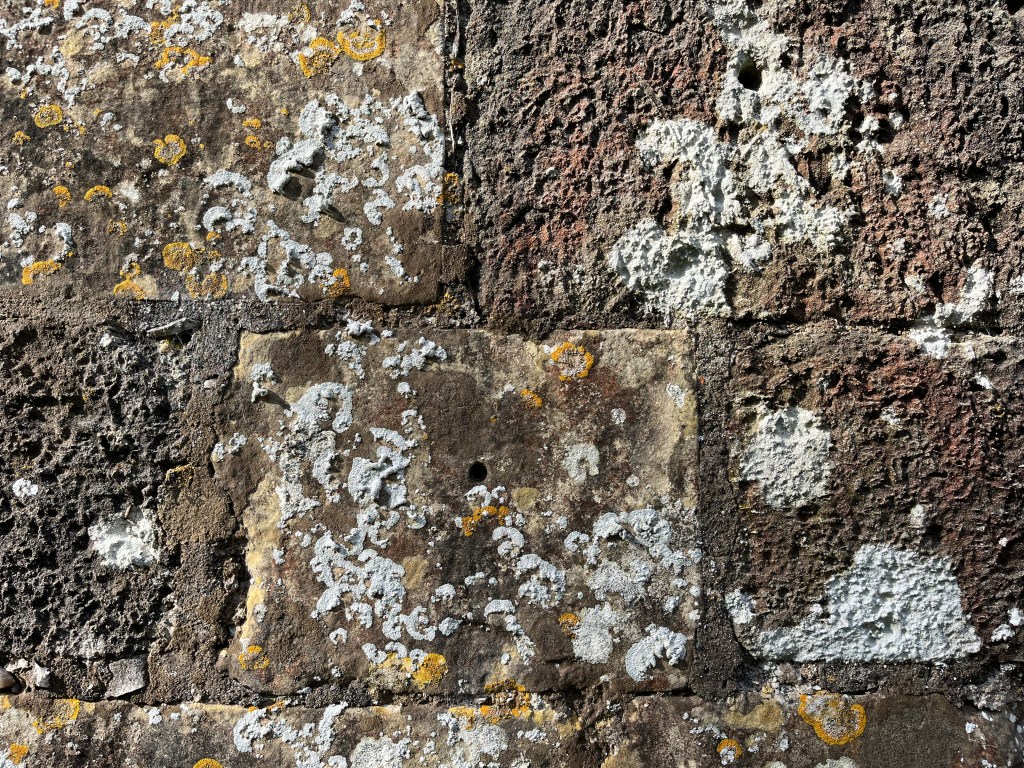
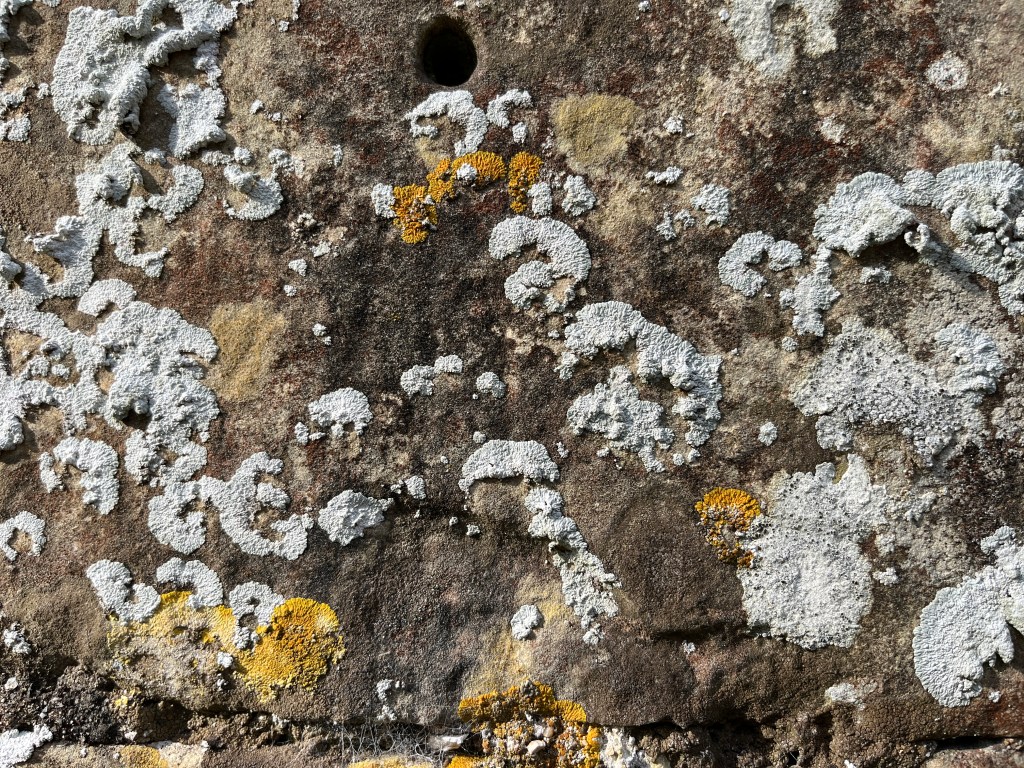
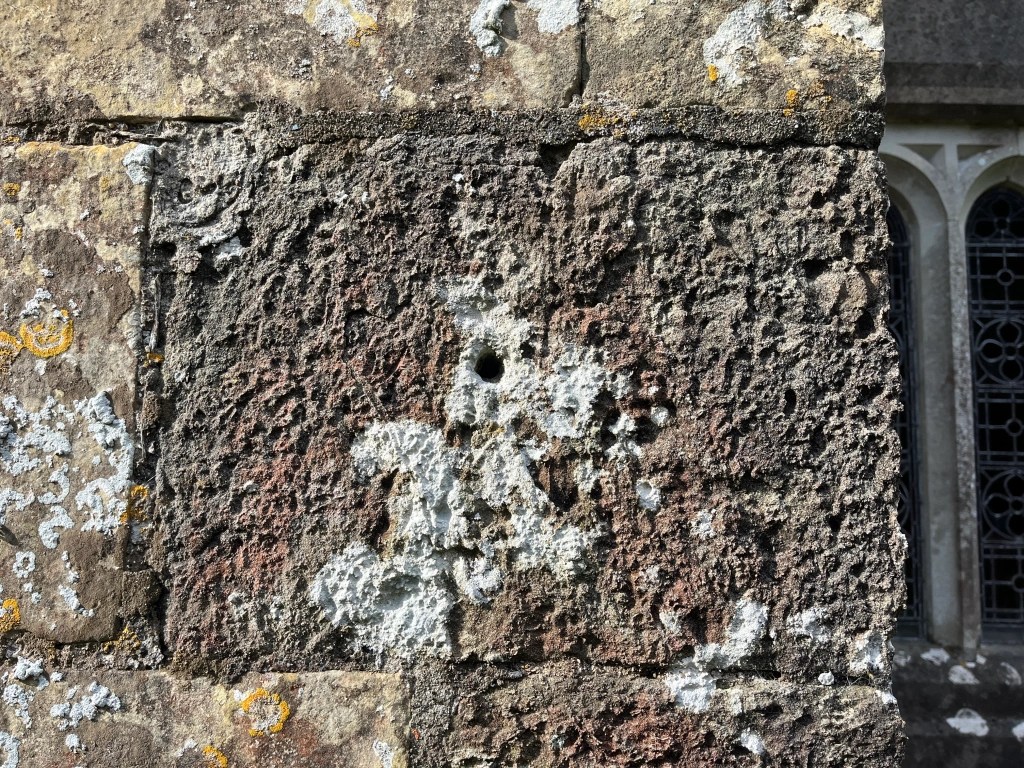
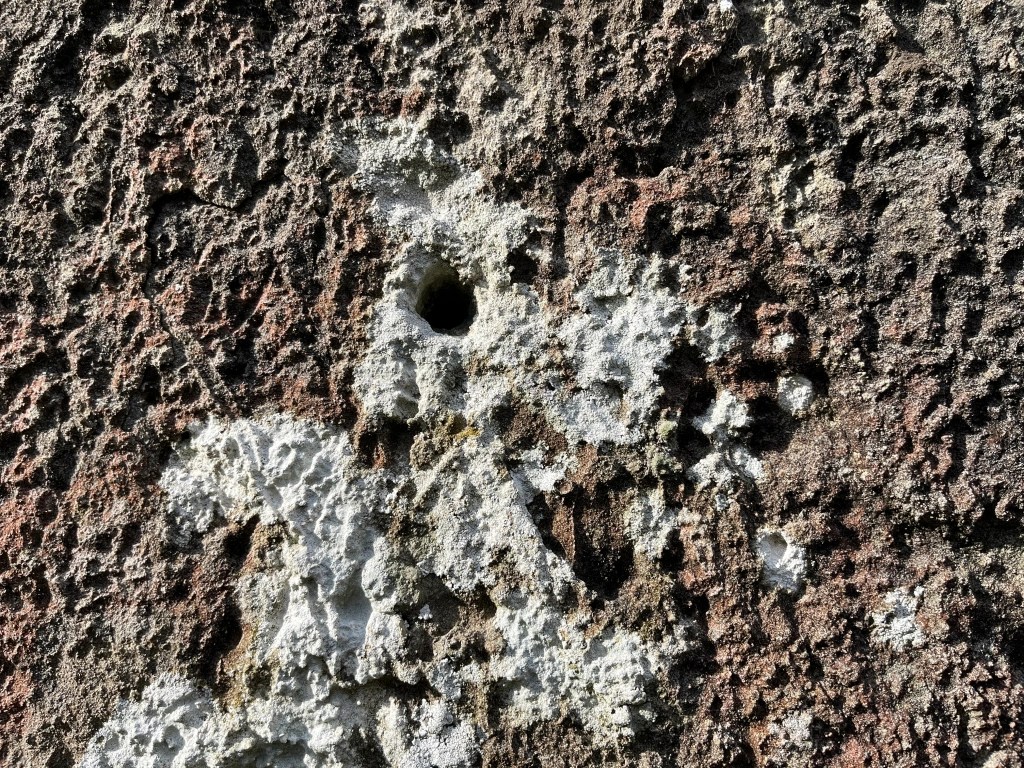
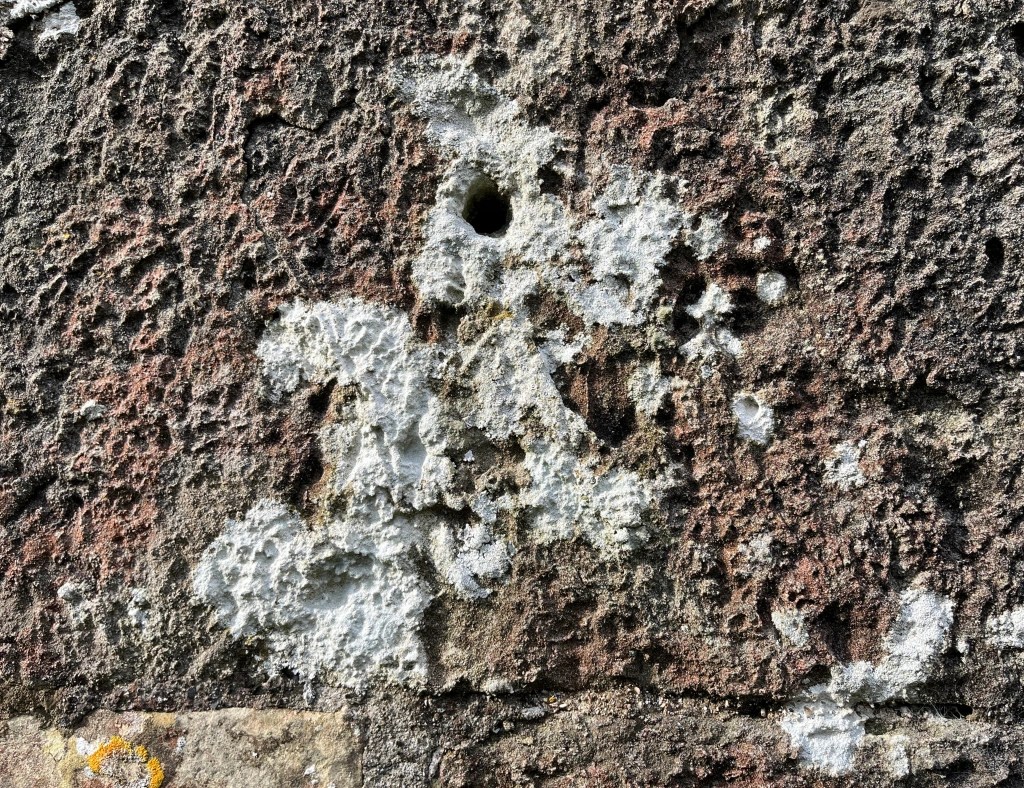
This simple configuration is very close to the category ‘Not-a-Dial’. It is 18″ above ground level, and set into an area of flint. The stone must be a re-sited remnant from the original church or some intermediate restoration. But is it likely ever to have been a marker of the passage of day?

GLP, the expert on the scratch dials of Dorset, puts this dial in the ‘doubtful’ category. He describes the circle with a single line pointing upwards, with a piece of iron (squarish) in the centre. Interestingly, he suggests that the dial might originally have been hand painted rather than having cut lines: there is an example of such a dial at Tolpuddle, quite nearby.
REVERSION

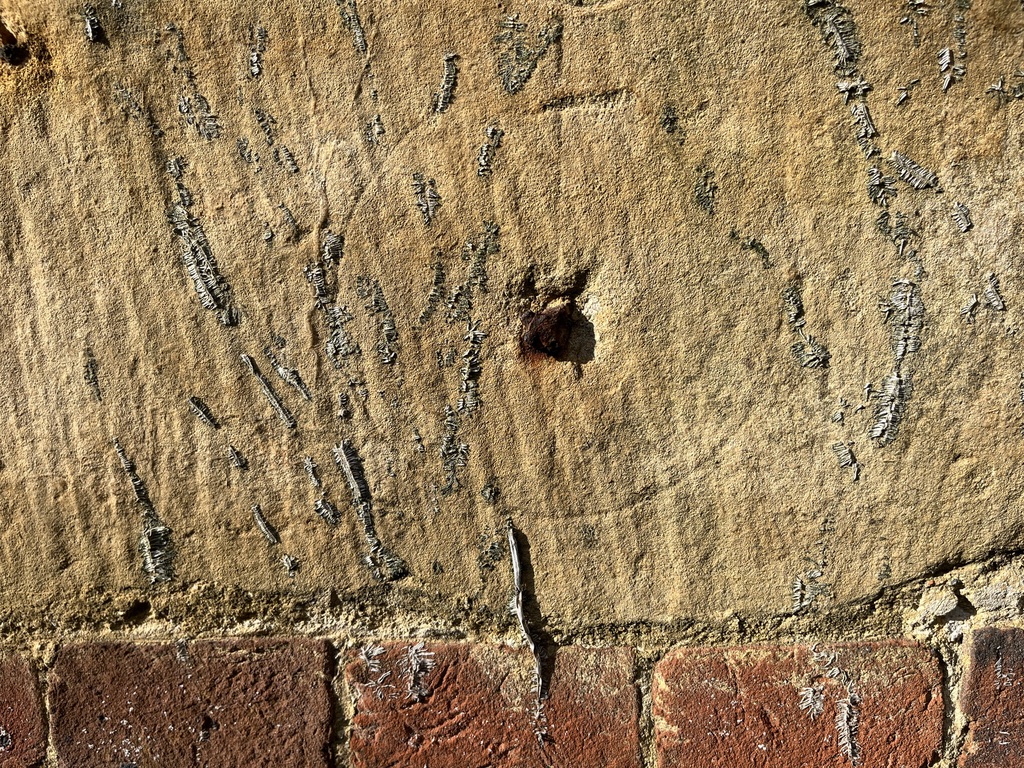
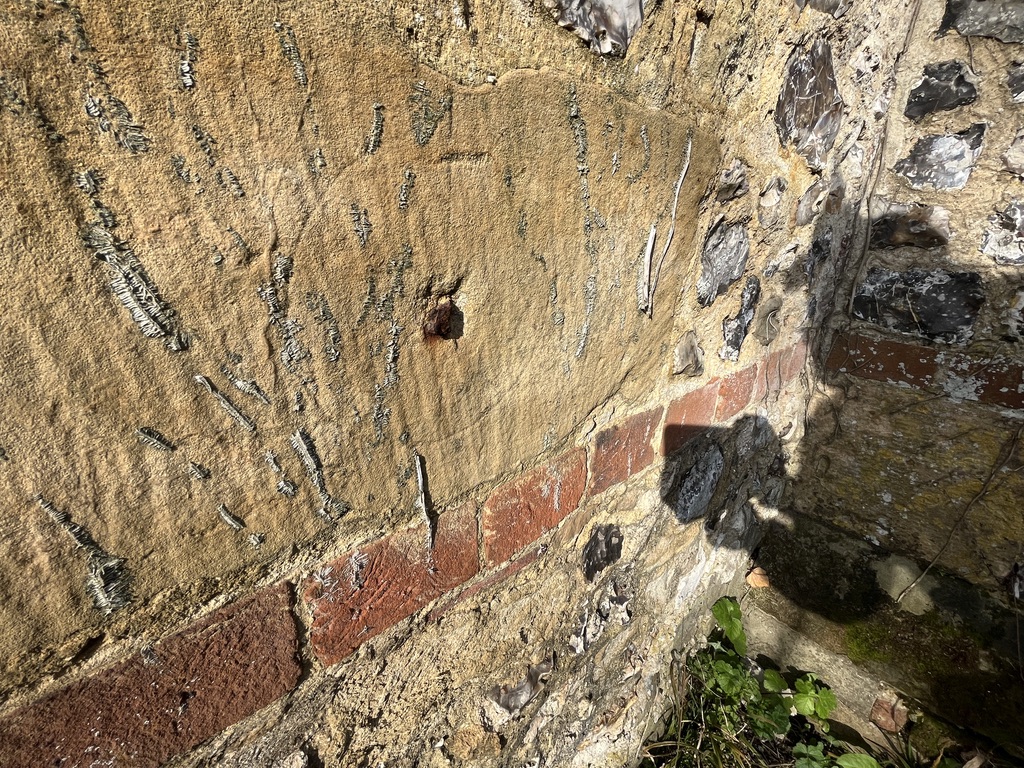
The ‘dial’, reverted, shows that the noon-line extends beyond the circumference, a fairly frequent way of emphasising the importance of that hour. The protruding rusty iron stud is a puzzle. It is accurately centred and perhaps was used to plug a gnomon hole. Possibly it had a purpose as a hook or a hanger now largely rusted away.

GSS Category: Scratch Dial; Dorset Scratch Dial; Mass Dial

All photos: Keith Salvesen / Rolling Harbour

WINTERBORNE STICKLAND . DORSET . ST MARY: 3 Scratch Dials

St Mary . Winterborne Stickland . Dorset

❖ ❖ ❖

ST MARY . WINTERBORNE STICKLAND . DORSET

GRADE 1 ✣ C13 origins; Tower ± 1600; considerable restoration C18. Scratch Dials 3; Graffiti: C17 & 18 initials & dates on responds of tower arch. 5m S of Blandford. 50.8409 / -2.2363 / ST834046

See separate entry DOUBLE-FACET DIAL ABOVE PORCH

❖ ❖ ❖

SCRATCH DIALS

DIAL 1

SE corner of the Chancel. 8 lines with extended noon line. A morning dial, cut in or near LLQ.

❖ ❖ ❖

DIAL 2

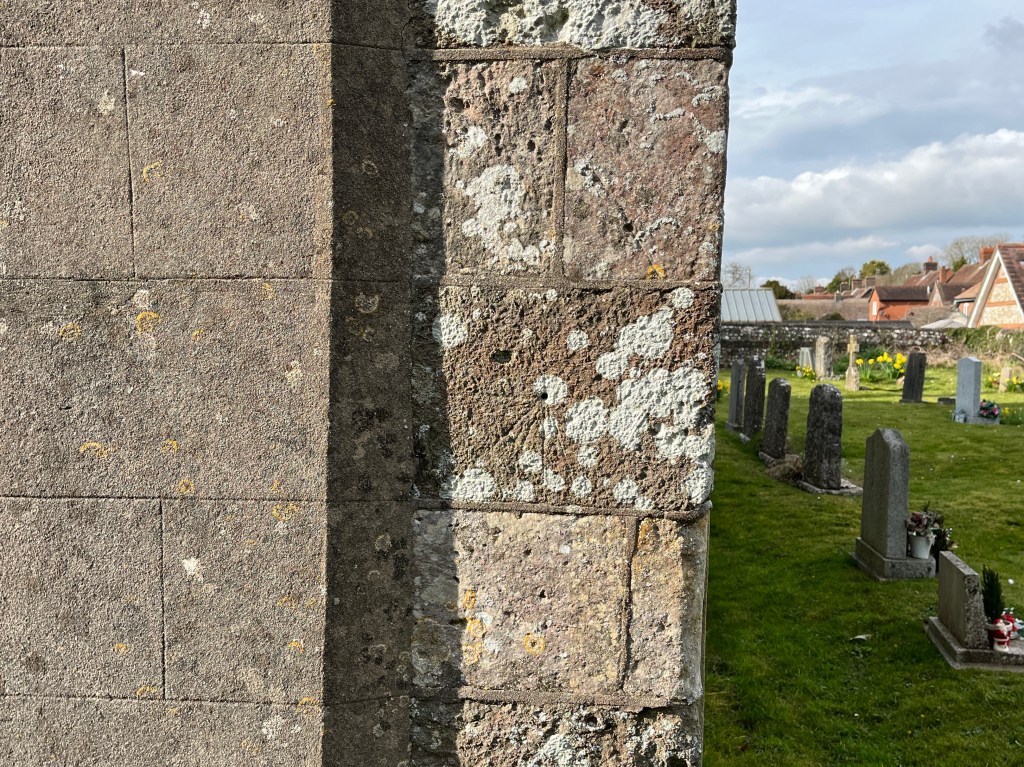
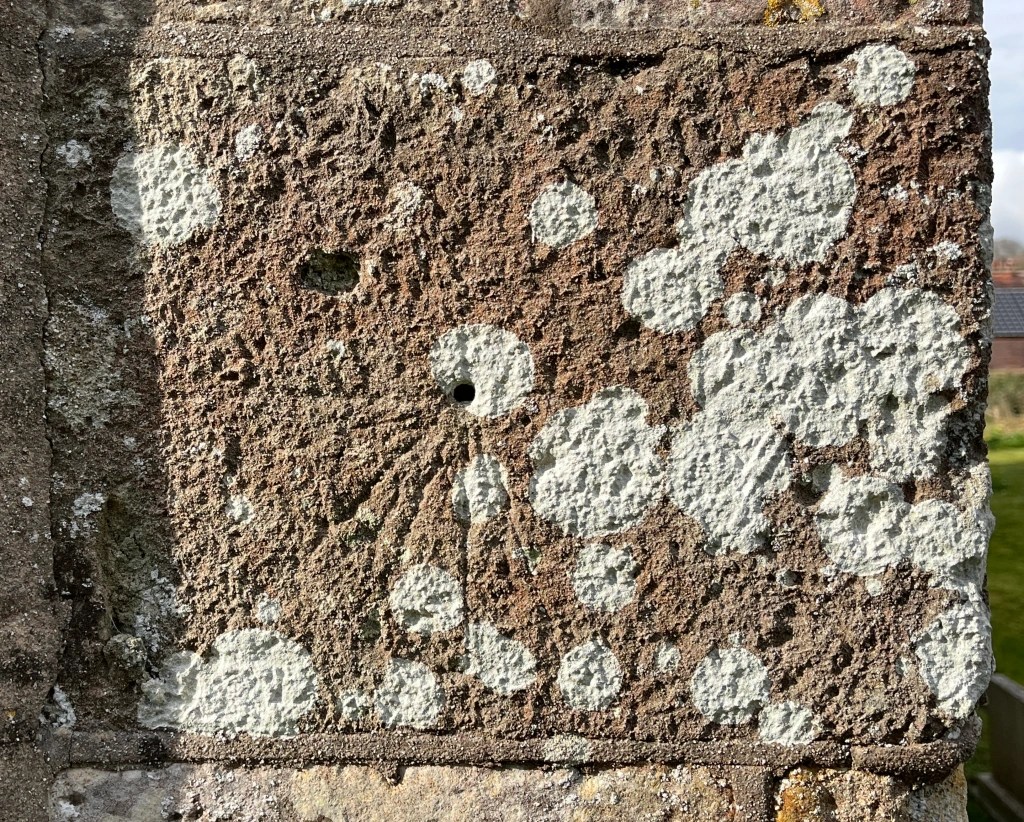
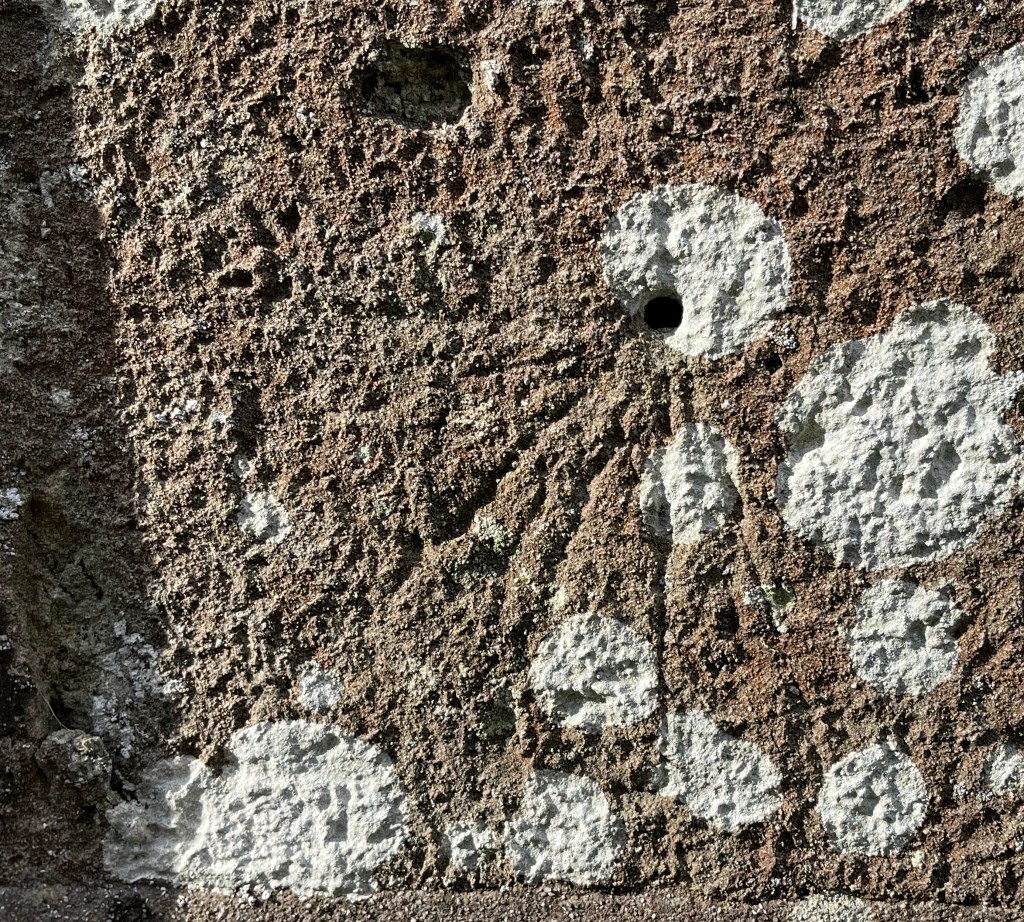
SE corner of nave buttress. Worn and at first sight just a gnomon hole near the centre of the stone. On closer examination and despite the lichen, a number of lines can be detected (GLP suggests 7).

❖ ❖ ❖

\

DIAL 3

SE corner of nave buttress, immediately above Dial 2 but on a larger and different stone type. Very degraded / eroded, but two downward lines are just visible.

NOTE: GLP, in his comprehensive survey of Dorset scratch dials, considers all 3 dials to be C13

GSS Category: Scratch Dials; Mass Dials; Medieval Sundials; Dorset Scratch Dials

All photos Keith Salvesen; Ref. Gordon Le Pard

ARMILLARY SPHERE PUZZLE

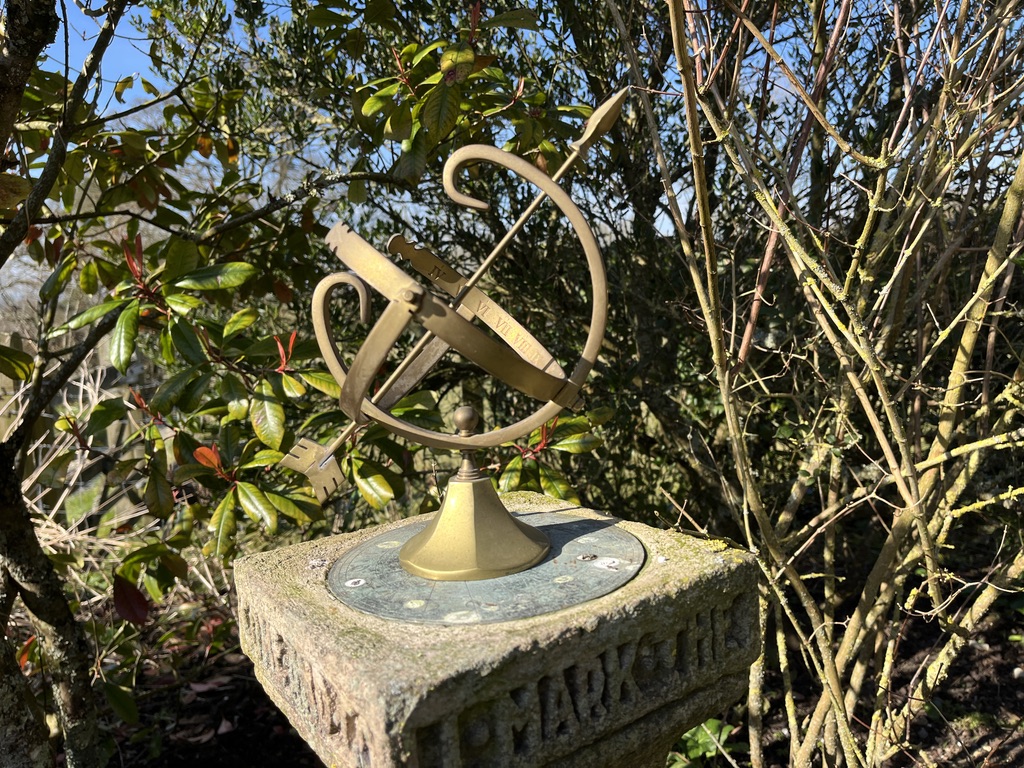
This is a small dial that has recently come into my possession. It stands (temporarily) on our gnomon-less Barker pedestal dial. Is it:

  1. A good example of a small sphere from the 1930s, once owned by an aunt
  2. A find in an old-style antique shop in Oxfordshire in 2003
  3. An impulsive cheapo eBay purchase a few months ago

❖ ❖ ❖

❖ ❖ ❖

THE FRANCIS BARKER ‘LIBERTY’ PEDESTAL

As featured in the BBS Bulletin

MUNICH . LAIM DISTRICT – Modern Noon Dial

NOON DIALS

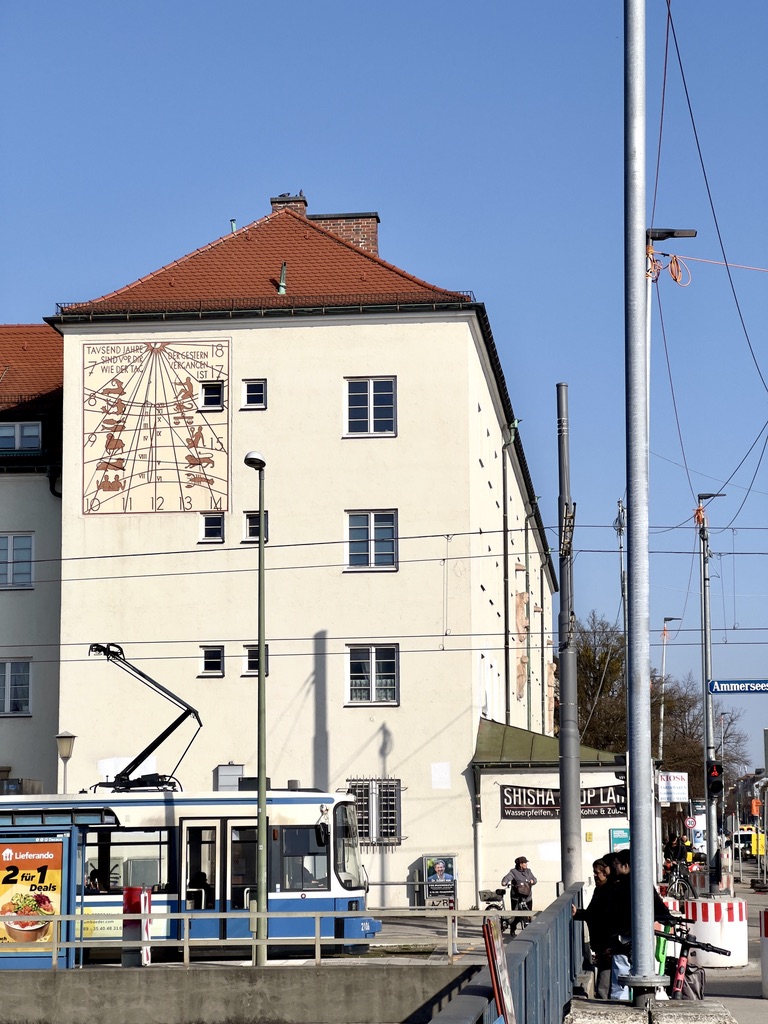
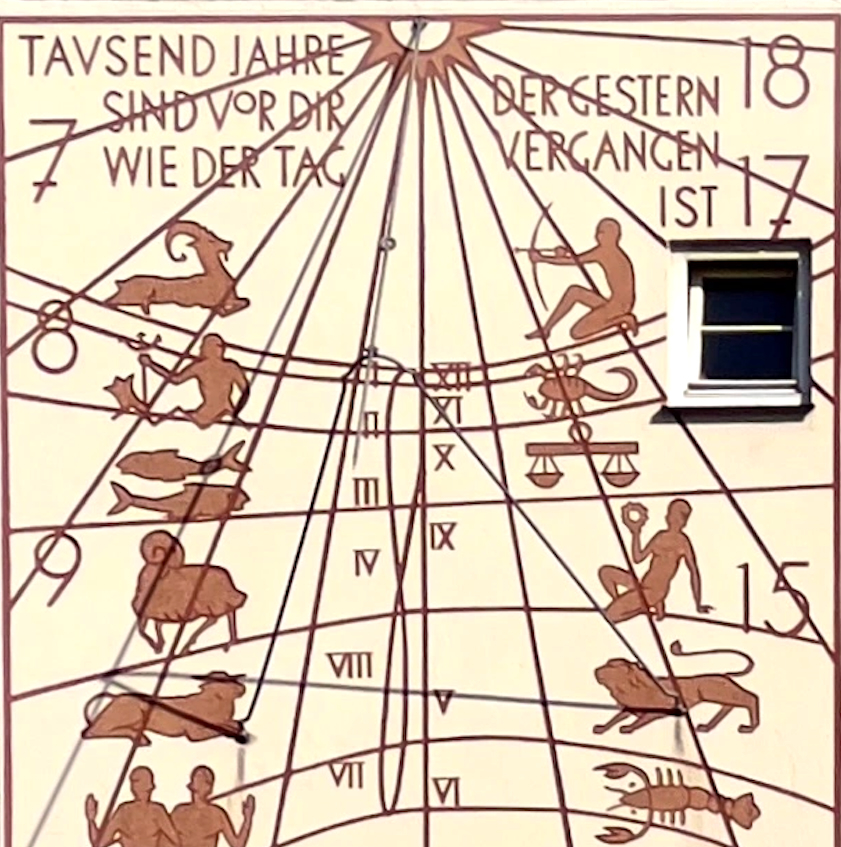
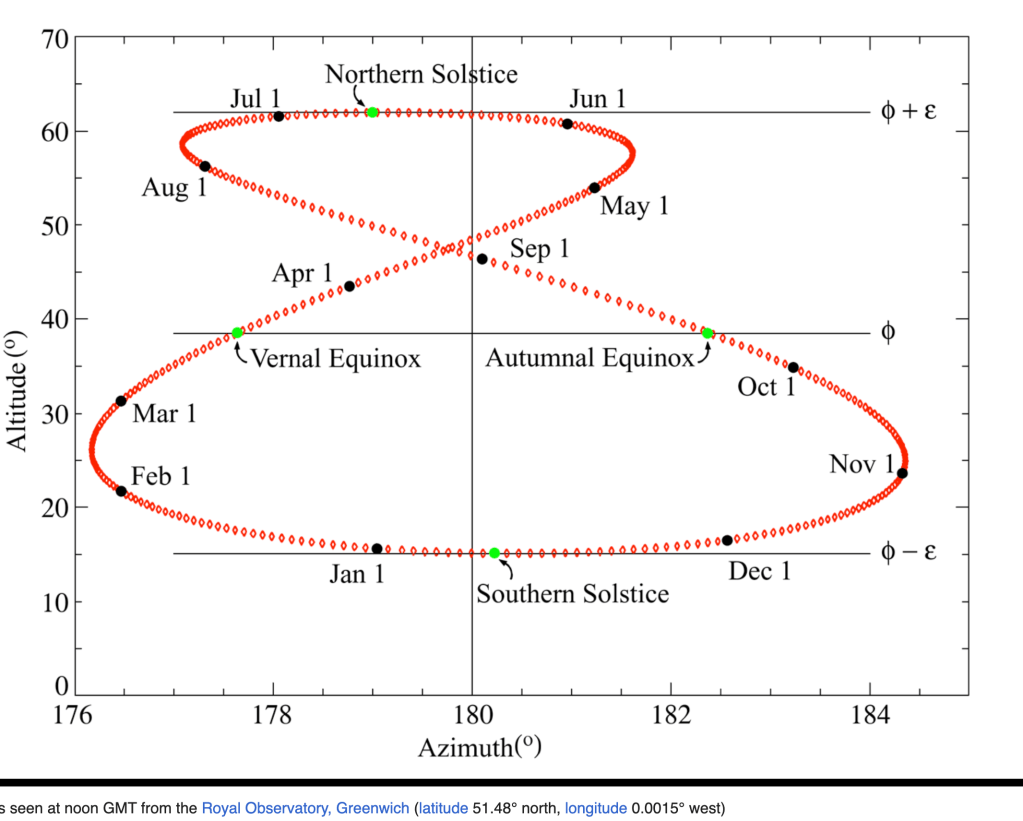
A noon dial / noon mark serves as a method of pinpointing midday, when the sun is at its highest and due south. The origins are ancient. Here, the relevant area is in the centre, flanked by Roman numerals. My maths / science skills are few and I will spare you a rudimentary explanation. The key words are Equation of Time, Analemma, and (my non-technical choice) figure of eight.

This image has an empty alt attribute; its file name is screenshot-2025-03-23-at-12.21.49.png

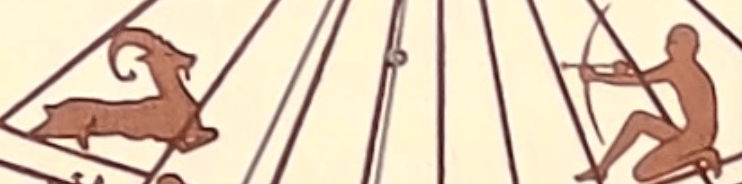
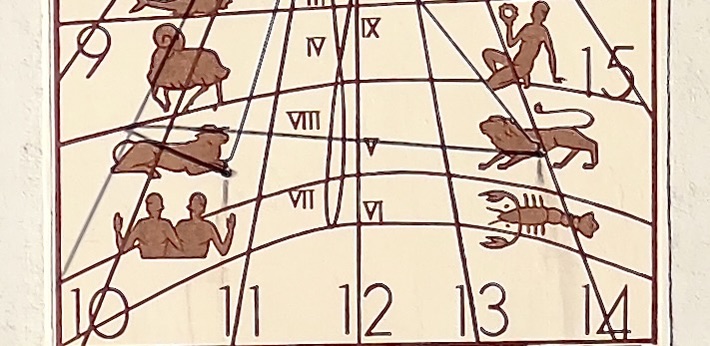
In the centre of the dial is a narrow figure of eight bounded by the numerals. You can just make out the raised bracket that supports a slender gnomon. You can see a small ring through which, at the perfect moment, the sun’s rays strike the face of the dial:

If you want to know more, there is a concise entry at ANALEMMA (Wiki)

This image has an empty alt attribute; its file name is screenshot-2025-03-23-at-12.21.49.png

This image has an empty alt attribute; its file name is screenshot-2025-03-23-at-12.21.49.png

GREEN TEMPLETON COLLEGE OXFORD

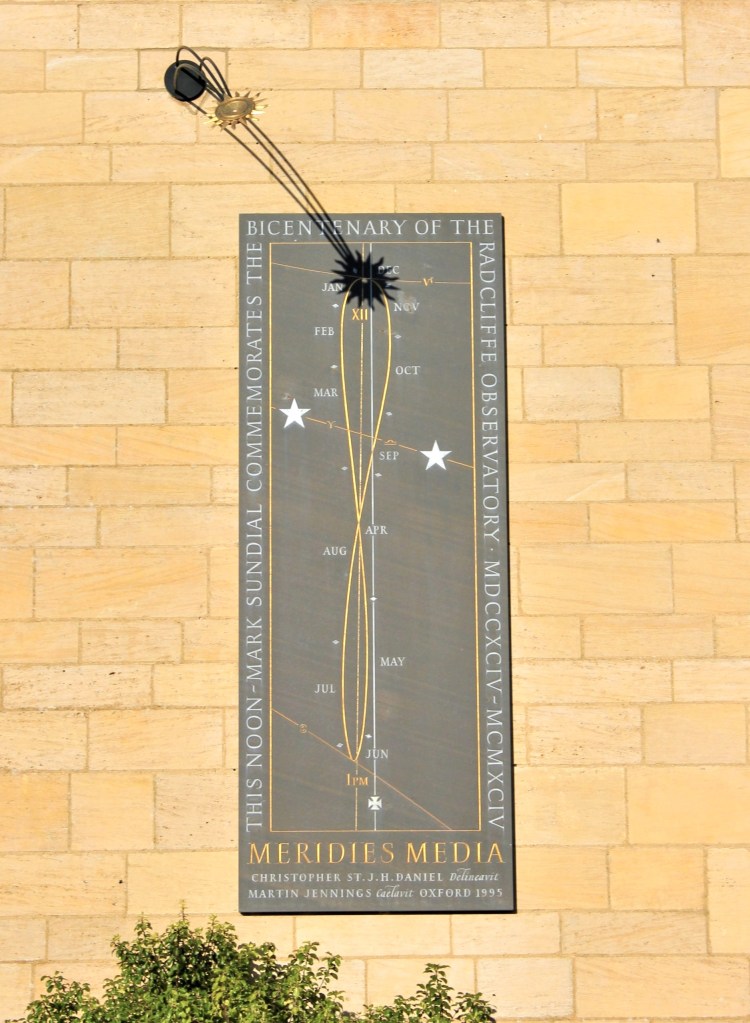
A modern (1995) noon-dial commemorating the Bicentenary of the Radcliffe Observatory, designed by the renowned Christopher Daniel, founder of the British Sundial Society. The critical alignment of the sun’s rays are projected onto the surface of the dial at noon (MERIDIES MEDIA), focused by the small ring.

THE COLLEGE’S NOTES

  • It works by using a spot of light cast by the nodus (the gilded sun with a hole in the middle), falling upon the slate dial-plate and tracking from left to right across it.
  • It is declining because the wall it is attached to does not face due south but ‘declines’ away from the compass point
  • Noon-mark means it gives the point at which the sun at its zenith crosses the Greenwich meridian and the Oxford meridian (the vertical white line down the centre of the dial)
  • Mean-time means you can read clock-time from the dial by following the progress of the year along the figure-of-eight marking, known as an analemma or equation of time correction curve. This makes allowances for the effect of variations in the apparent motion of the sun at different times of year.
Screenshot

GSS Category: Analemma; Equation of Time; Munich Sundial; Nodus; University Sundial

CREDIT: John Renner, for another great find from his travels