JUMIÈGES ABBEY. NORMANDY – CANONICAL DIAL: ‘Les heures canoniales’

Artistic inspiration led to the installation of an astonishing modern ‘sundial’ in the ruins of the sublime C12 Abbey of Jumièges. This complex time-measurer of the religious day is quite unlike any other I have seen, or expect to see. I have no idea quite how it was conceived or executed. It truly is the interface of Science and Art.
‘The relation between the spiritual elevation of Benedictine monks and celestial radiance’

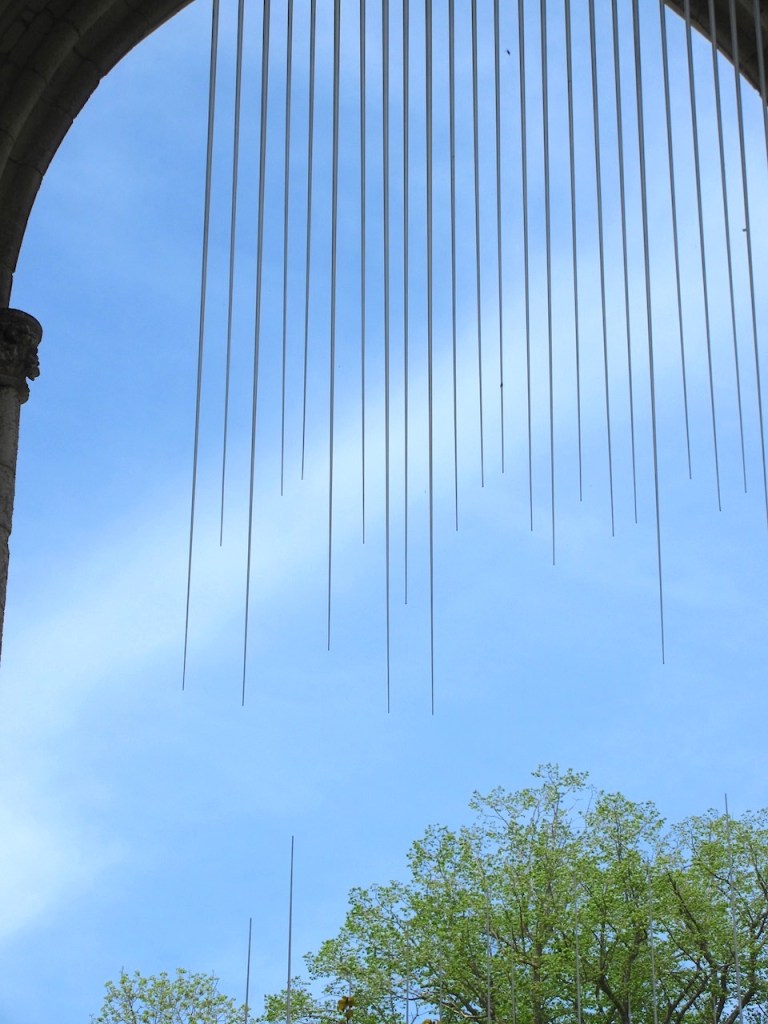
It is the work of Jacques Leclercq-K (as he designates himself). ‘Les heures canoniales 2016’ is an enormous 10m high / 3m wide structure, yet it succeeds in being extraordinarily delicate.
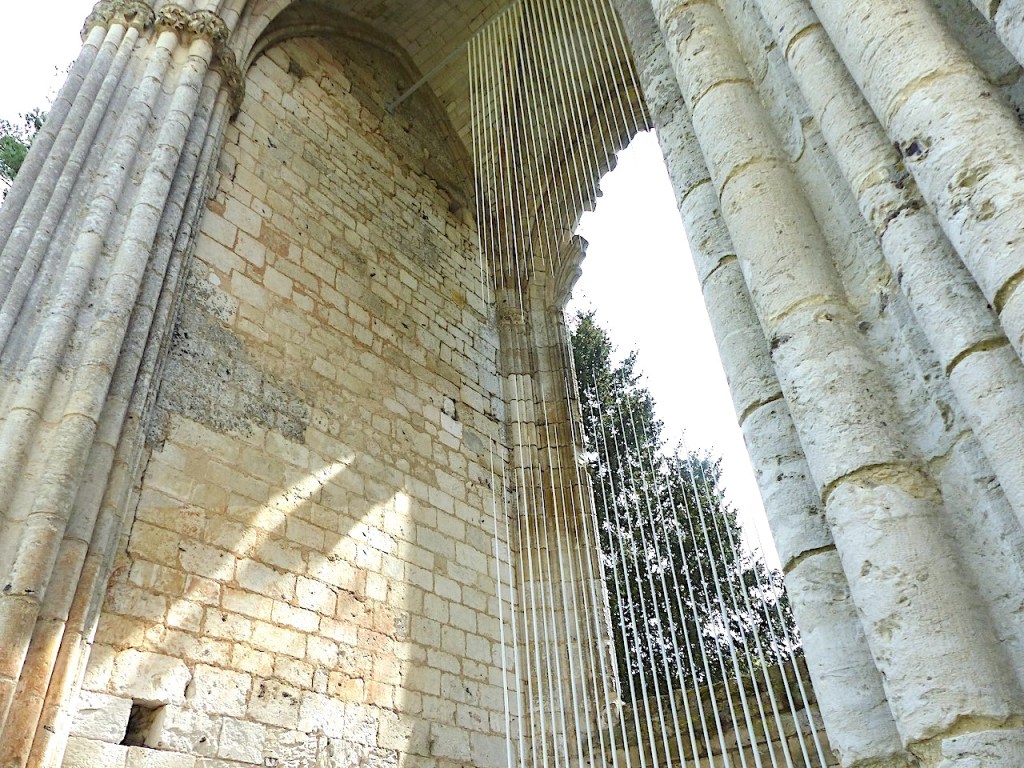
Jumièges Abbey . Normandy . Canonical Sundial

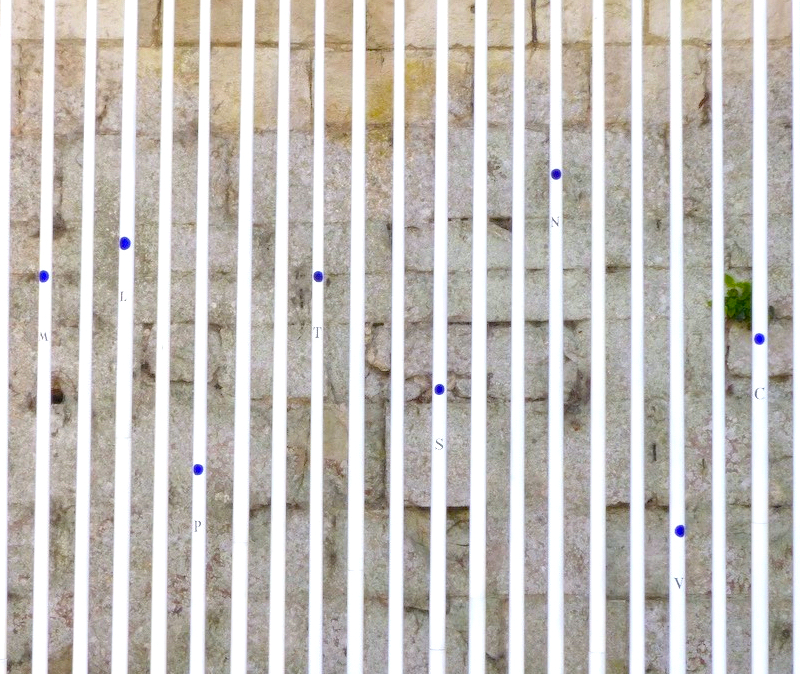
The 48 long sharp needles of these ecclesiastical stalactites and stalagmites form a remarkable screen within their space in the ruins. Each is marked with its own significance in the greater scheme of the hourly divisions and rites of the church.

Jumièges Abbey . Normandy . Canonical Sundial

The subtitle of the work translates as a relation between the elevation of the Benedictine monks and celestial radiance. One surprising feature is the ease with which such a very modern concept works with the ancient structure that frames it, and with the architectural details such as the Piscina (below).

Jumièges Abbey . Normandy . Canonical Sundial

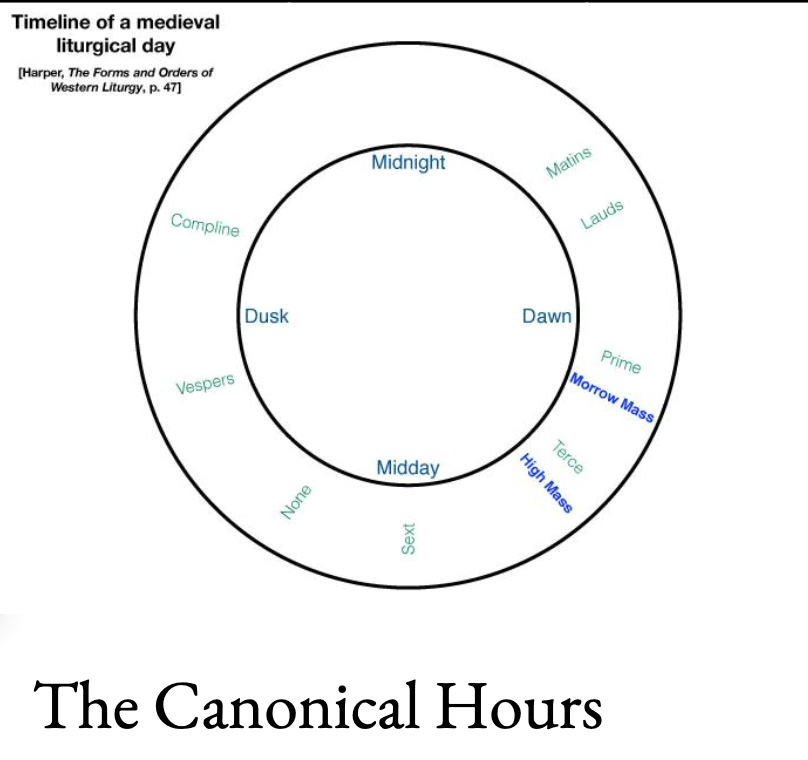
As Leclercq explains, the canonical times of day and night are divided into 8 parts, beginning at midnight, and each announced by a ring of bells. These segments – each with a specific liturgical significance – are Matins, Lauds, Prime, Terce, Sext, None, Vespers and Compline (see diagram). The rod representing each canonical hour is marked with a blue dot and the initial letter of the relevant hour.
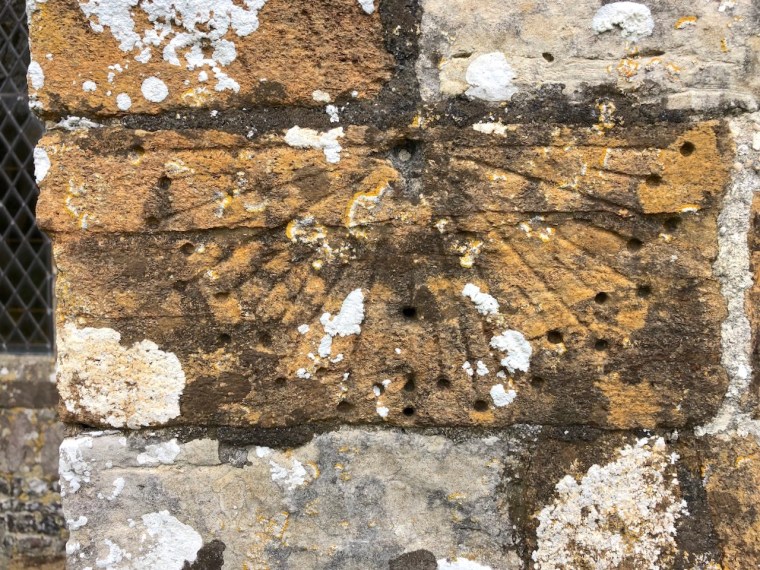
Mass Dial . St Martin . Cheselbourne . Dorset

It is worth noting that many of the medieval mass or scratch dials featured elsewhere in this site are incised (or roughly marked) on the local church for the benefit of the populace, and include the canonical hours as kept in that community. These may be emphasised by being deeper or wider cut, or by being extended, or by having a pock or even a cross at the end of the radials.
Truly, Leclercq’s work is a modern art installation and scientific wonder rolled into one delicate structure. It is Scripture as Sculpture
Jumièges Abbey . Normandy . Canonical Sundial

GSS Category: Miraculous

All photos: Keith Salvesen

MAIDEN NEWTON . DORSET . ST MARY . SCRATCH DIAL

St Mary . Maiden Newton . Dorset

DEDICATION † St Mary. Mid C12 / earlier foundation; main development C15; C19 restoration

LISTING † Grade I

LOCATION † 8 miles NE. of Dorchester, 12 miles SE. of Yeovil, in the valley below the A37 racetrack. Hardy’s ‘Chalknewton’. More of a small town than a village, with a few shops, a garage and a station rather than (as elsewhere locally) a single shop and a halt. 50.7775 2.5727 SY597977

St Mary . Maiden Newton . Dorset . Scratch Dial on Chancel doorway

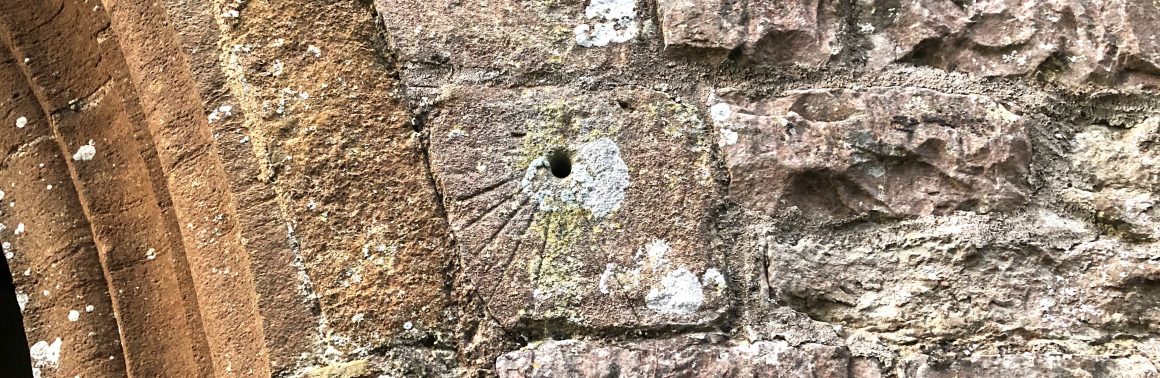
DIAL † On arch stone, E. side of chancel door. GLP dates as early C15, with a ‘rough arc of 5 holes across 2 stones’. I was at a loss to see how this dial could have worked with such a shallow arc and without a style hole. However GLP points out that the arc’s approximate centre lies in a joint between 2 stones, so subsequent repointing presumably covered up the hole

NOTES † There is a fine sundial on S. face of tower, square slab with simple capping, iron gnomon and date 1630 BHO. See OLD DIAL menu LINK

GSS Category: Scratch Dial

All photos : Keith Salvesen

GLANVILLES WOOTTON . DORSET (2) . ST MARY THE VIRGIN . SCRATCH DIAL

Glanvilles Wootton . Dorset . St Mary the Virgin

DEDICATION † ST MARY THE VIRGIN – dated from mid C14, gradual expansion in C15, C18 restoration (Crickmay). The South Chapel is a notable example of 14th-century architecture, well preserved and not greatly altered from its original form BHO.

LISTING † Grade II*

LOCATION † S. of Sherborne, E. of main road to Cerne Abbas. A straggling small village with records dating from C12, approached by lanes rather than roads. The church is set slightly apart from the centre. In 1985 the Parish name was changed from Wootton Glanville for reasons hard to ascertain. A peaceful feel to the community. 50.872 / -2.4558 / 2°27’20″W / ST68008

Glanvilles Wootton . Dorset . St Mary the Virgin – Scratch Dial

DIAL † On W. buttress of S. wall of S. Chapel, 2m high, with (later) iron gnomon* in square style-hole. Last visited in January drizzle, when marks were hard to make out and photo ‘work’ was needed. On a sunny April day, the marks were clear. Pocks (12+) of varied sizes. 8 radials with irregular angles. A notably emphasised noon-line in depth and width, and with additional terminal pock(s). GLP notes that it is 4º from vertical. The 3 larger pocks presumably marked local Mass times (very approx Terce, Sext & None). *Gnomon is iron, 130mm long, rectangular cross section. Modern. BSS

From the time of day indicated by the gnomon’s shadow, I estimated the o’clock time. Checking my watch, the shadow was just 17 minutes fast…

Glanvilles Wootton . Dorset . St Mary the Virgin . Scratch Dial
BSS record of markings – GLP
Glanvilles Wootton . Dorset . St Mary the Virgin . Emphasised noon-line with added pock(s)

NOTES † noted in RCHM / BHO but not BLB / HE / TWC. The village has a fine Manor House. Round Chimneys Farm – once owned by John Churchill Duke of Marlborough – has significant entries in Hutchins, RCHM III Dorset; and good details in BHO LINK.

GSS Category – Scratch Dial

All photos: Keith Salvesen

ALSTONE Glos. – ST MARGARET . SCRATCH DIAL

DEDICATION † ST MARGARET OF ANTIOCH – C12 origin, further building C13, later additions & restoration. The squat timber-framed bell-turret HE is C19.

LISTING † GRADE II*

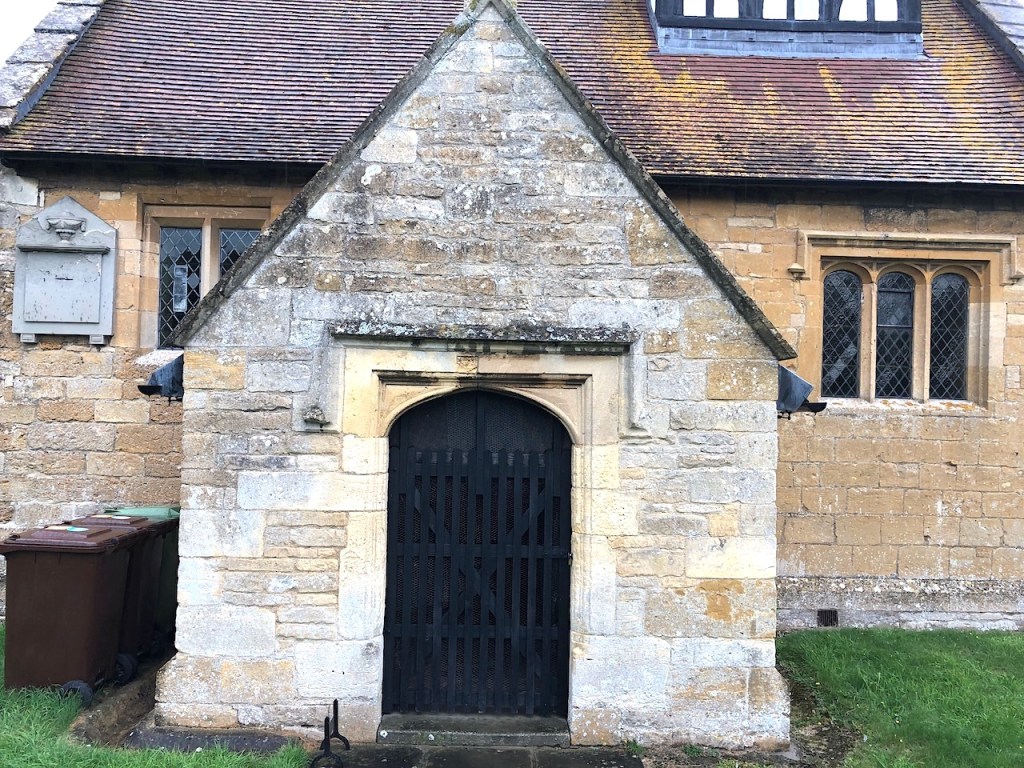
LOCATION † Off the beaten track 5 miles NW. of Winchcombe, 7 miles E. of Tewksbury. One of several ‘dial’ hamlets or villages in the Parish of Overbury BHO LINK, reached by a network of rural lanes. The first sight of St Margaret and its bell-turret was an interesting surprise. 51.9906 / -2.0267 / SO982324

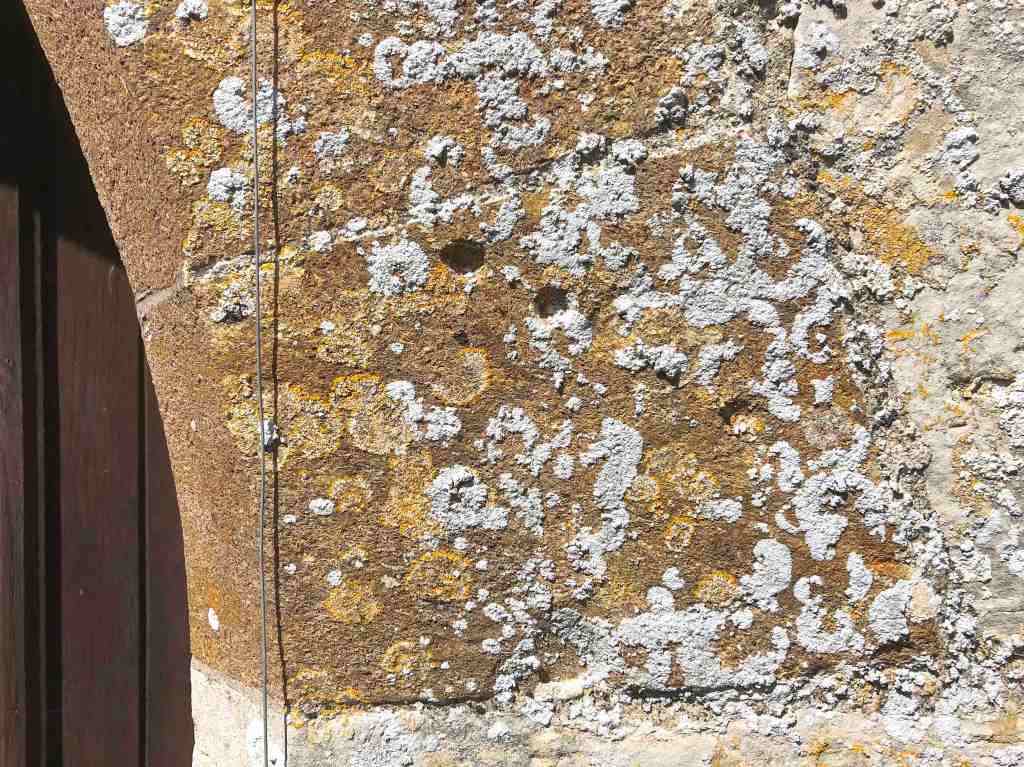
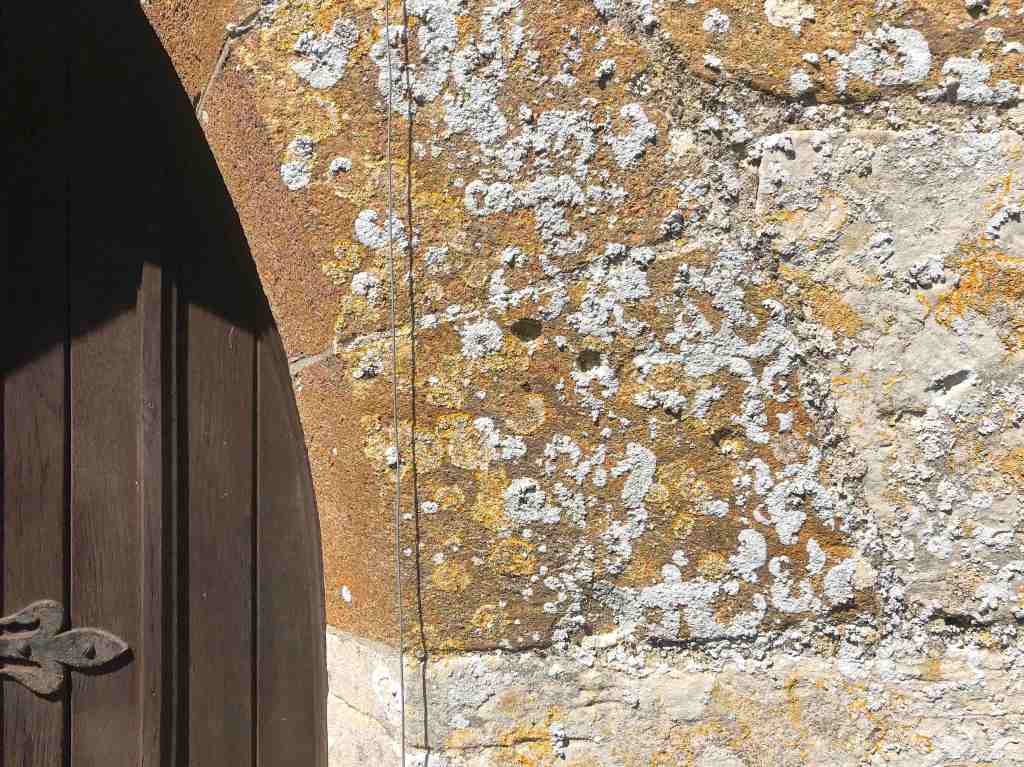
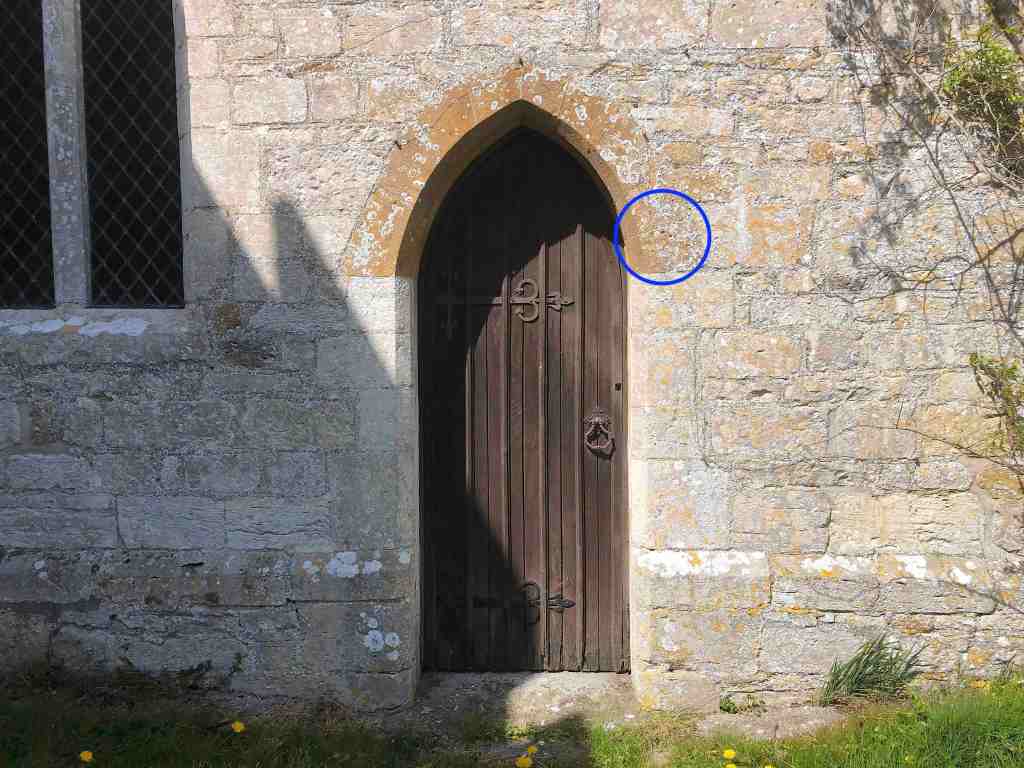
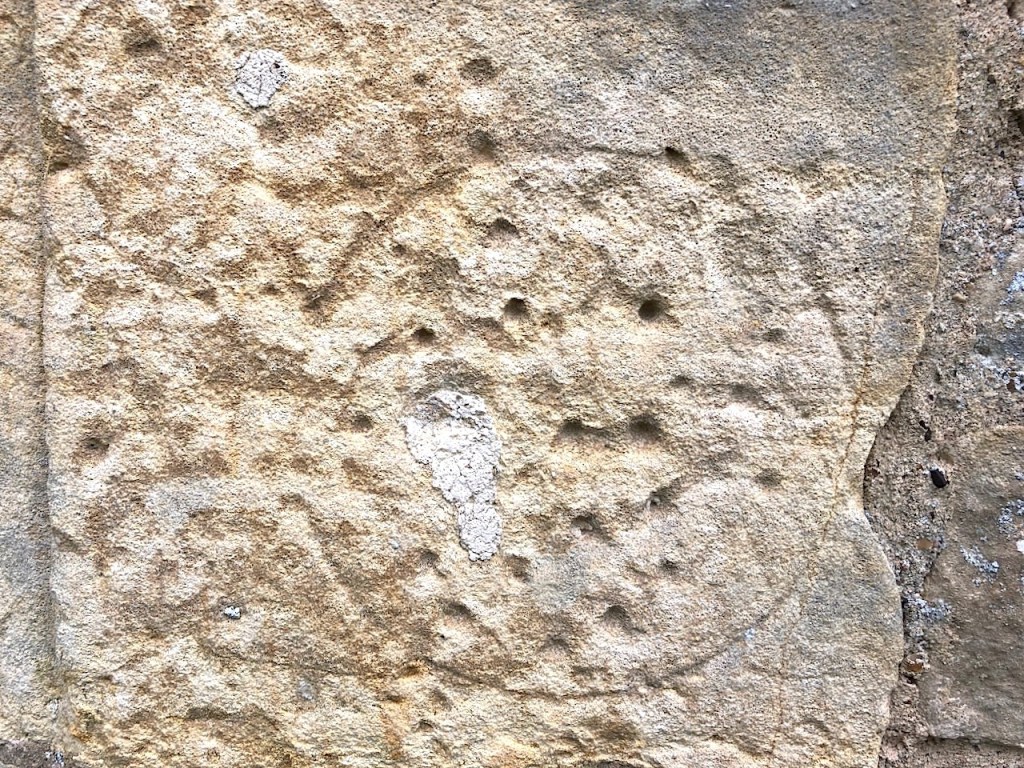
DIAL † W. jamb of the porch door, an encircled and seemingly random collection of pocks of different sizes and depths, some extending outside the circle including what must be the noon-line but marked several degrees to the left. An apparent style hole, mortared, is on roughly the right horizontal line, but way out of the natural vertical line. Very mysterious and impossible for an amateur to interpret. My tentative afterthought is that these anomalies were a way of adapting the dial and the shadow cast to adjust for the orientation of the church.

NOTES † At the time I visited, I was looking only for one dial based on the Glos. list compiled by TW, and this was obviously it. I didn’t anyway have time to investigate further. However, since then I have seen a clue that suggests another, possibly more complex dial. So I need to return one day to find it.

GSS Category: Scratch Dial

All photos: Keith Salvesen

STRATTON, DORSET – ST MARY

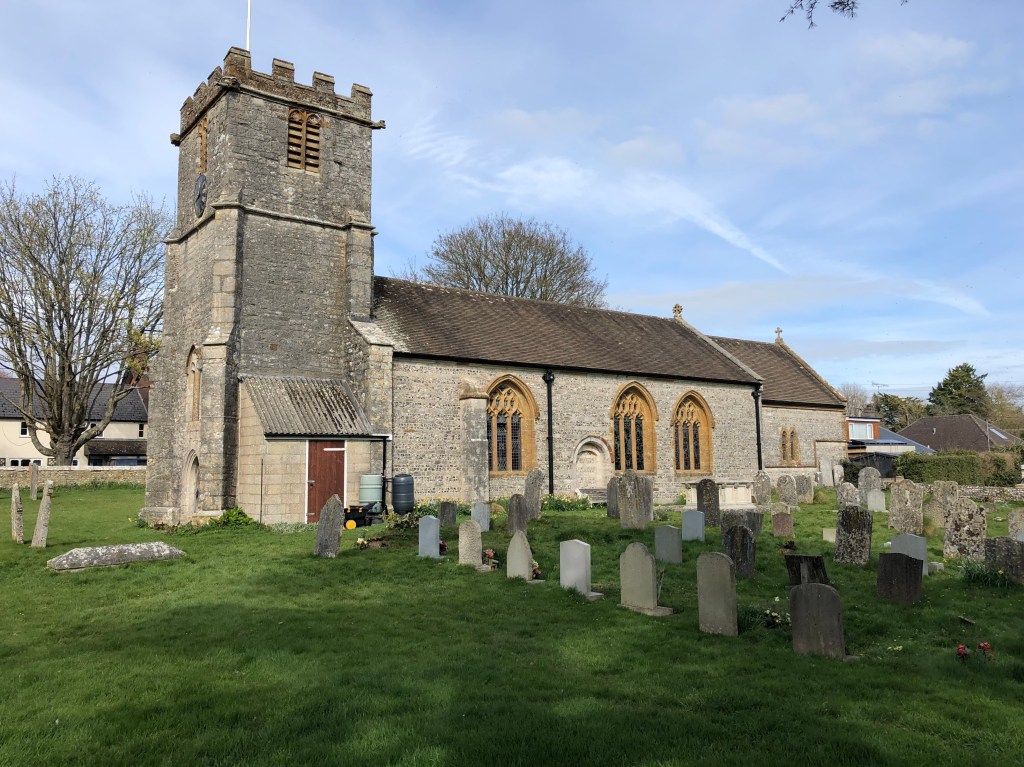
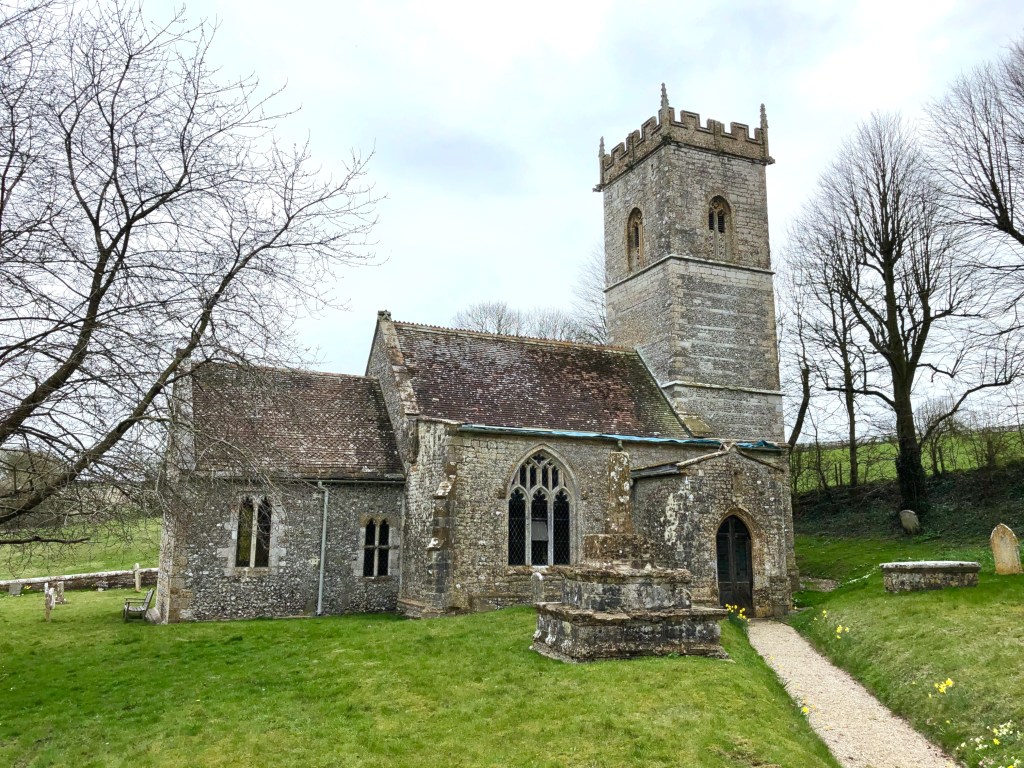
St Mary . Stratton . Dorset

DEDICATION † ST MARY THE VIRGIN C12 origins, re-fenestration & expansion in C15.
West Tower C15. Chancel rebuilt in 1891, north porch added: ‘date of drastic restoration’ BLB

LISTING † GRADE I

LOCATION † 3 miles NW. of Dorchester in the Frome valley, and thankfully set back from the race track of the A37. A charming church, a village green, and an agreeable pub The Saxon are happily contiguous. 50.7425 / -2.4958 / SY651937

St Mary . Stratton . Dorset . Scratch Dial

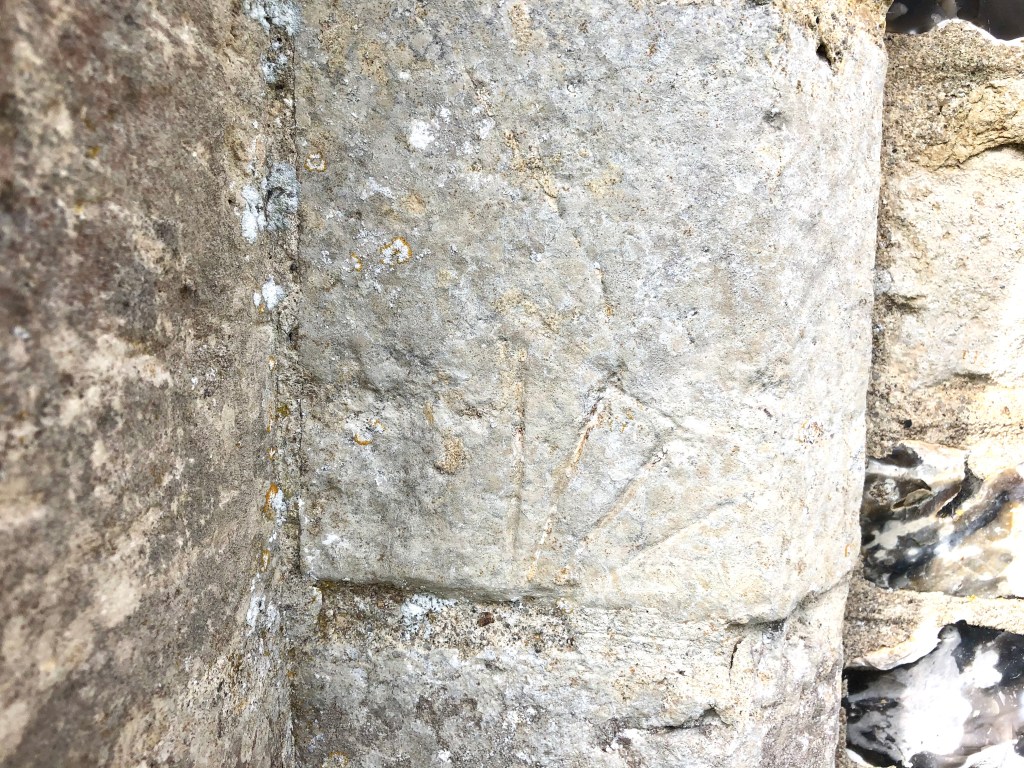
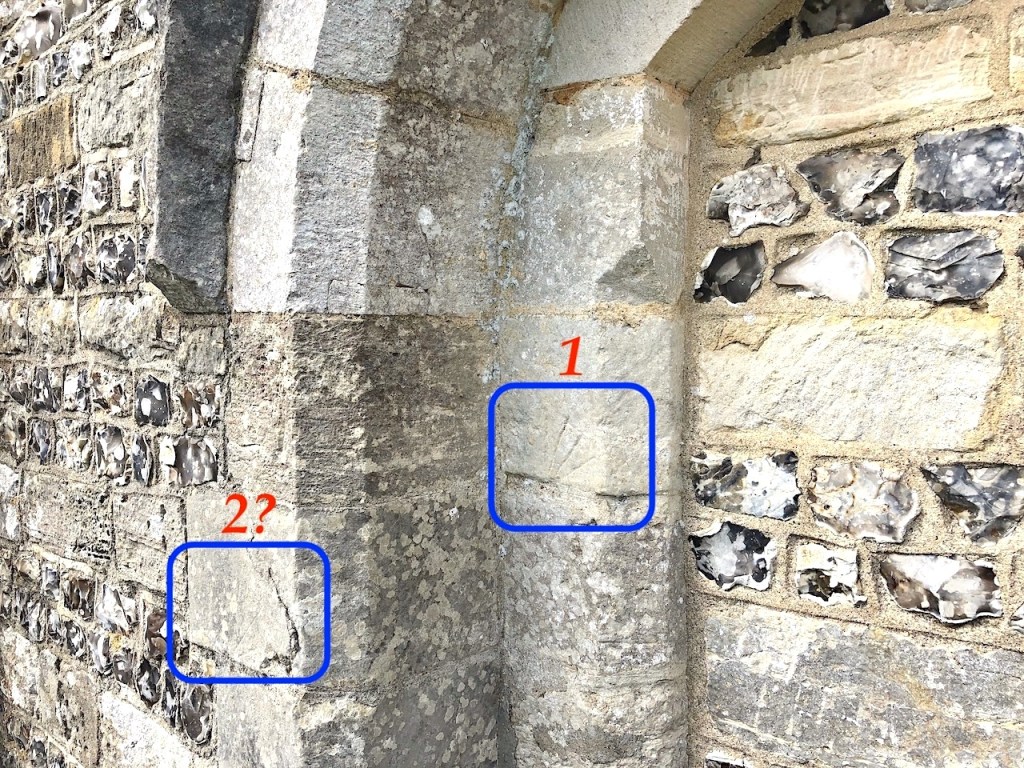
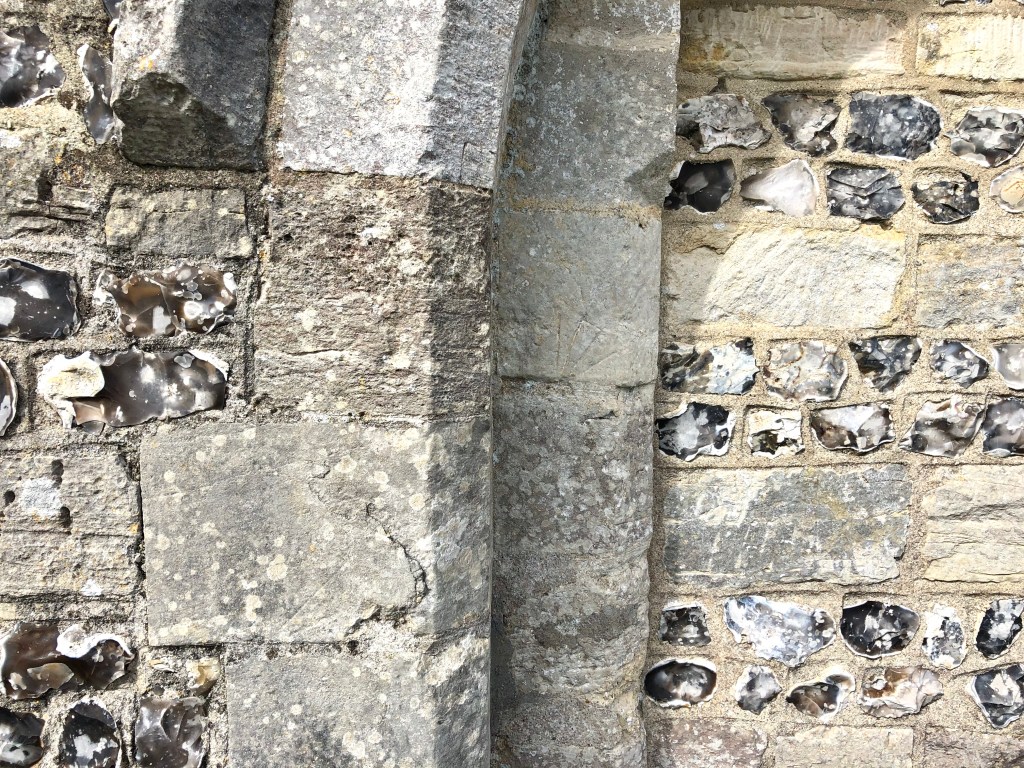
DIAL † W. jamb of the blocked S. door, inverted, and with 4 discernible lines. The muddle of stones in and around the doorway helps to explain repositioning. GLP suggests that the crossing line ‘may be an attempt to mark Tierce’.

Stratton Dial Diagram GLP

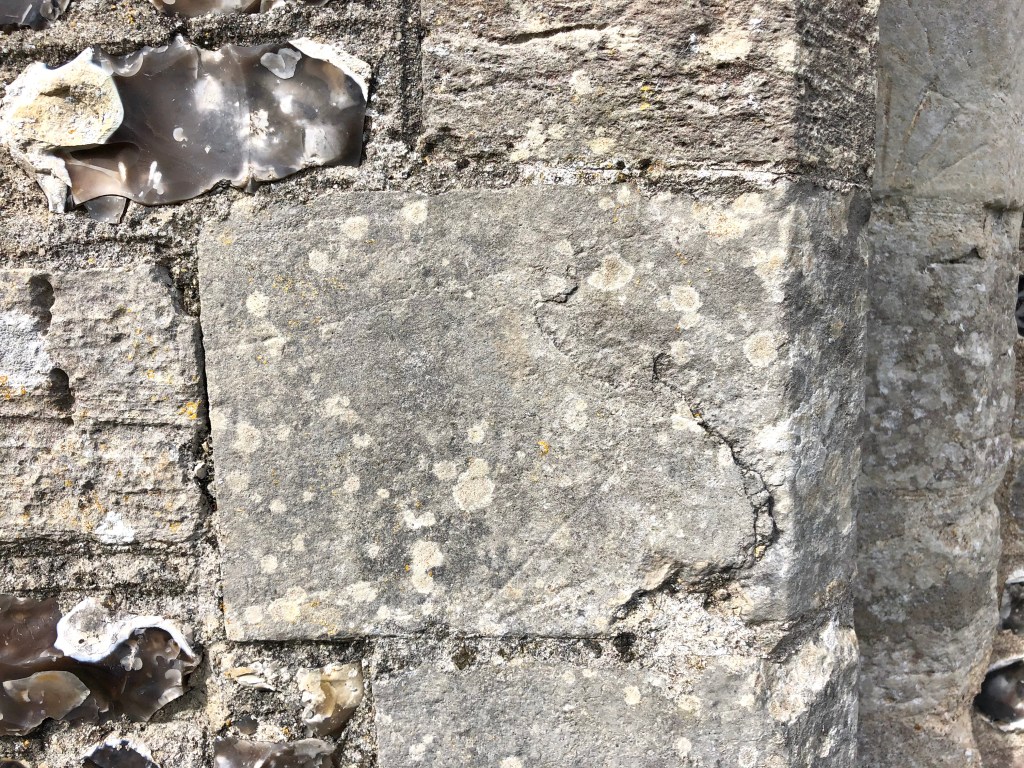
DIAL 2? A POSSIBLE CANDIDATE

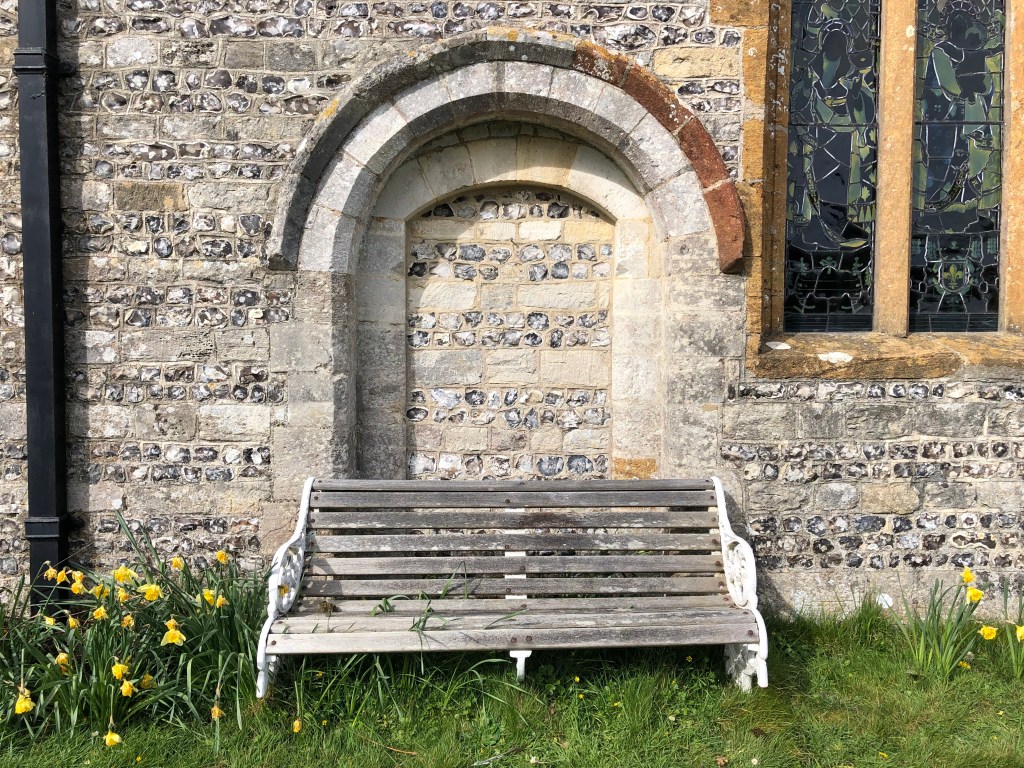
Close to the featured scratch dial recessed inside the blocked doorway, there is a larger stone on the outer jamb with a possible second dial. There are 2 clear radials converging on the mortar line, one long and one shorter. If a second dial, it is also inverted. It seems later than its companion. The amount of obvious reworking of the doorway area over time might explain the move of the dial stone.

The 12th-century S. doorway, now blocked, has chamfered jambs of two orders, a round head to the outer and a rebuilt segmental head to the inner order; the label is chamfered BHO

St Mary . Stratton . Dorset . Scratch Dial
St Mary . Stratton . Dorset . Scratch Dial – possibly….
St Mary . Stratton . Dorset . Scratch Dial (possible, unrecorded)
St Mary . Stratton . Dorset . Scratch Dial – possibly…

NOTES † BHO highlights the bells: five; 1st recast at the Closworth foundry, 1753; 2nd by Thomas Purdue, 1695; 3rd by Thomas Purdue, 1658; 4th by Roger Purdue, 1627; 5th by George Purdue, 1619. C13 font.

GSS Category: Scratch Dial

All photos: Keith Salvesen

CHESELBOURNE . DORSET . ST MARTIN – Scratch Dial, Old Dial (1631)

St Martin . Cheselbourne . Dorset

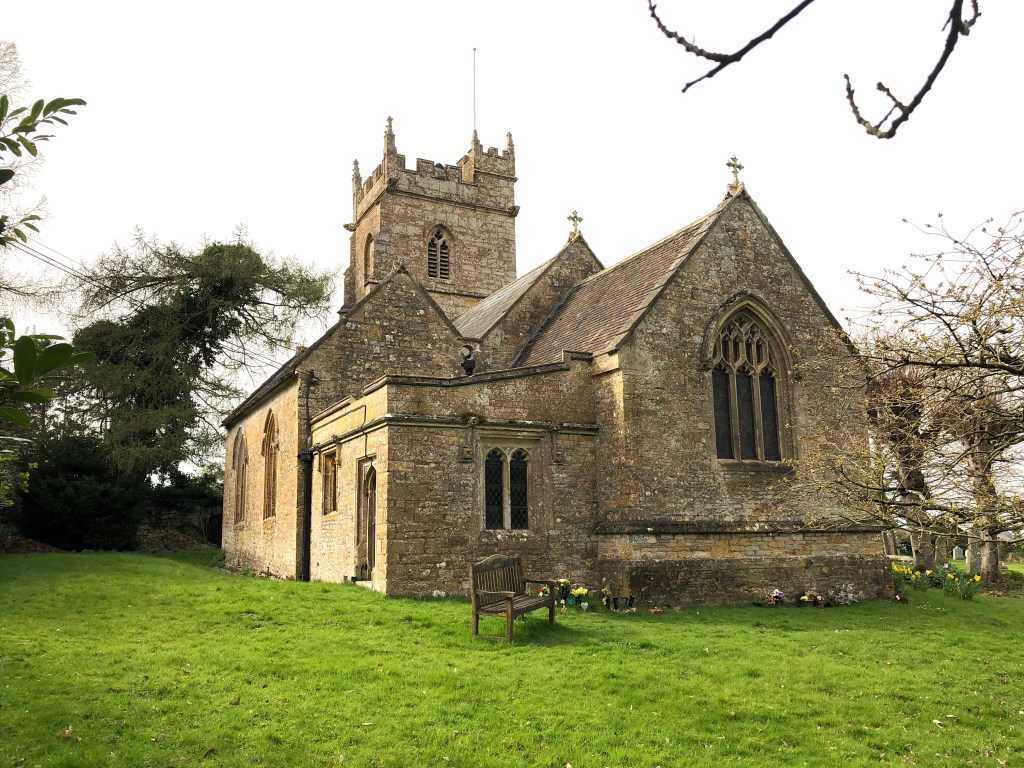
DEDICATION † ST MARTIN . Late C13 / early C14; tower C15. S. porch (dial location) C1500 HE, BLB

LISTING † GRADE I

A WONDERFUL CANONICAL DIAL IN DEEPEST DORSET

St Martin . Cheselbourne . Dorset . Scratch Dial

LOCATION † Seven miles NE. of Dorchester. Hidden in a dip in the remote folds of Dorset’s undulating downs, Cheselbourne (Ceseburne DB) is accessible only by narrow lanes. It is well worthwhile if you can understand the signposts well enough to reach the village. 50.7954 / -2.3388 / SY762995

St Martin . Cheselbourne . Dorset . Scratch Dial

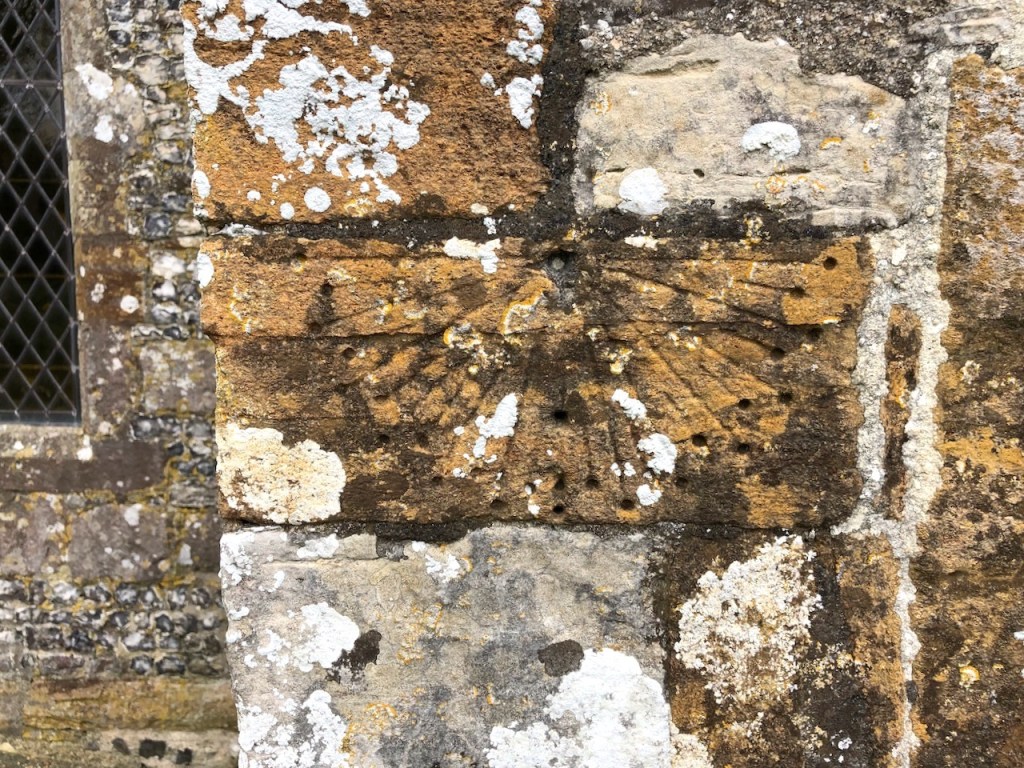
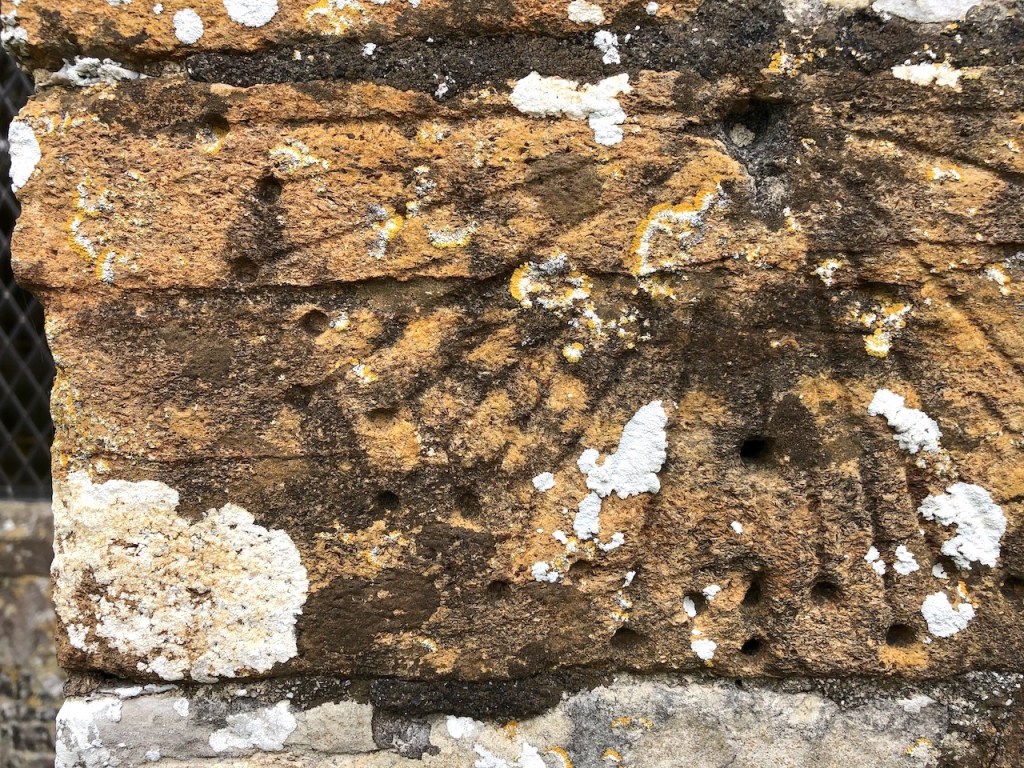
DIAL † A remarkable dial, ‘the most carefully cut and complete specimen of a medieval dial in Dorset’ EEC.

On S. wall, scratch dial.’ BLB – a scant note and considerable understatement. The 1631 sundial on the porch (see below) is better served

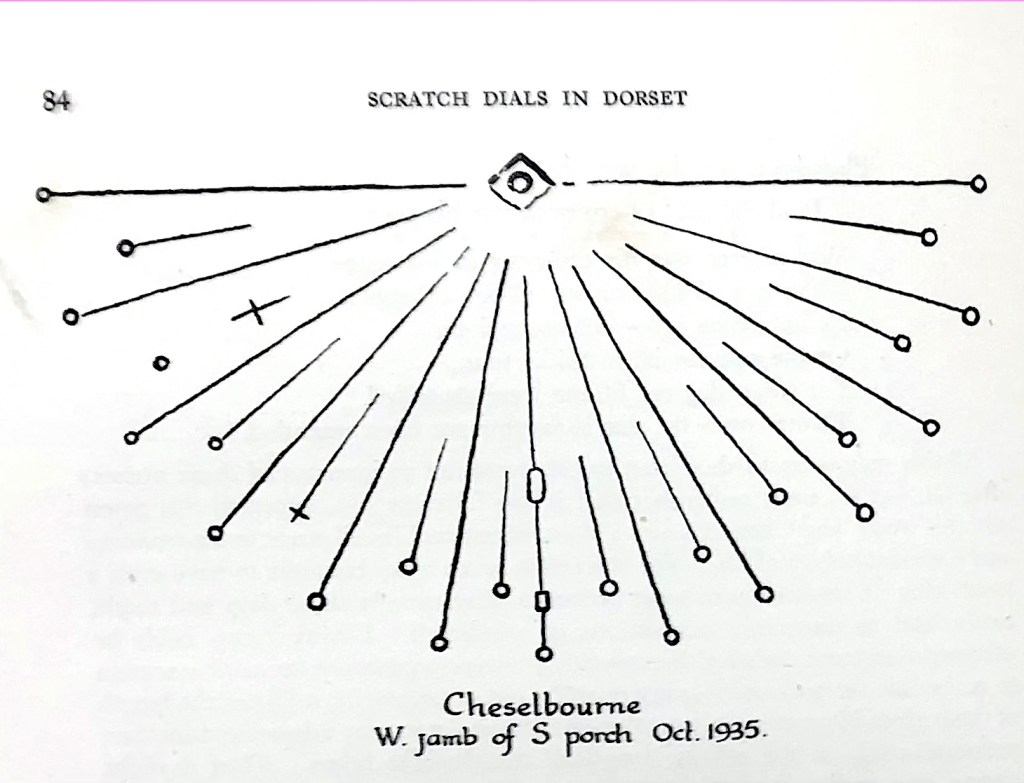
GLP dates this complex dial as late C15 / early C16, with 25 lines & 26 holes. ‘Each line ends in a hole, the vertical line being marked by 2 holes. The lines alternate in length, a long line running to the gnomon hole with a short line fitting in the angle between 2 of the long lines. The long lines accurately measure the hours; the short lines the half hours’.

Chancellor (ECC) noted crosses halfway along 2 lines, shown in his drawing of 1939. GLP could not trace these in 1996.

St Martin . Cheselbourne . Dial Drawing . Chancellor
St Martin . Cheselbourne . Dorset . Scratch Dial – S. Porch and obligatory drainpipe

NOTES † Above south porch arch, rectangular stone slab with Roman numerals, inscribed HC 1631 WM, with wrought iron gnomon (HE, BHO) LINK ; also a fine C15 churchyard cross with limestone 3-step plinth and Ham stone treads RCHM

The dial is flush with the wall above the South porch. There is a flat strip gnomon with ‘S’ supporter. The gnomon angle is 56 degrees to wall. Face very weathered. Shows 6am to 6pm in half hours. Noon numeral or mark worn away as are many hour lines, IIII for 4pm. Few half hour marks visible. Inscription: “HC 1631 WM” (initials of the Church Wardens)

GSS Category: Scratch Dial

All photos – Keith Salvesen

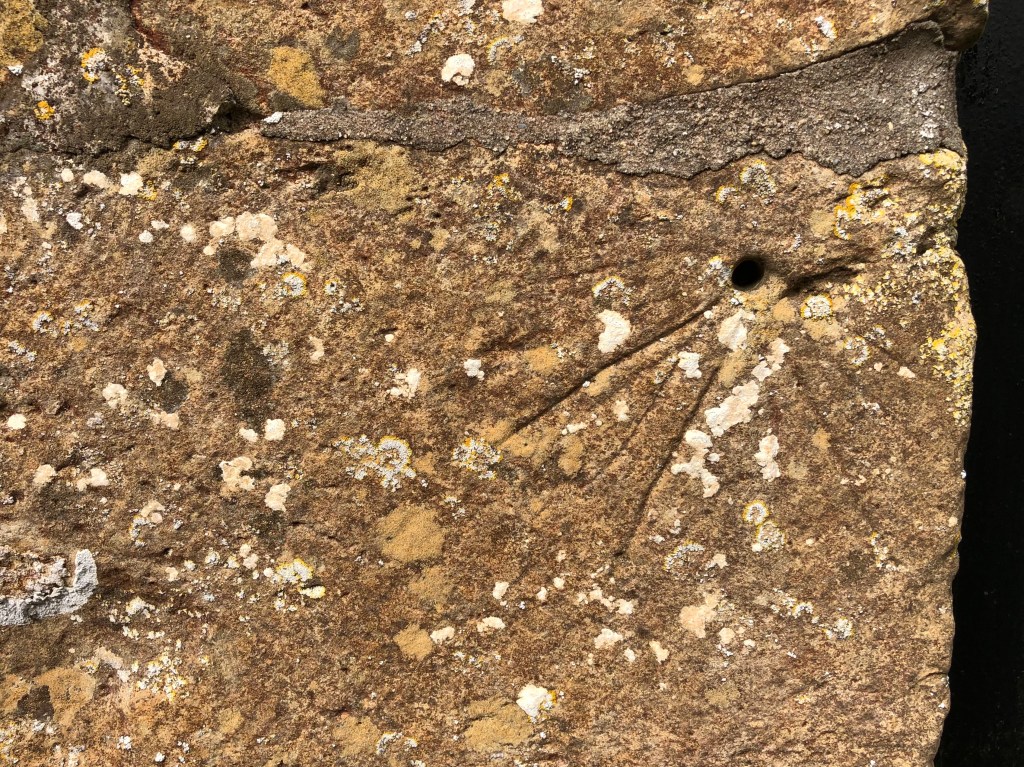
SOUTH CADBURY Som. – ST THOMAS à BECKET

DEDICATION † ST THOMAS à BECKET [also ST THOMAS of CANTERBURY] – earliest religious mention DB 1086; building dates from C13 & C15, with C19 restoration

LISTING † GRADE II*

LOCATION † Six miles N. of Sherborne, six miles W. of Wincanton. One of nine ‘Camelot’ churches; situated close to the steep stone track that leads to the impressive iron-age hill fort Cadbury Castle, with supposed (actual?) links to King Alfred. Serious walking country. 51.0277 / -2.5269 / ST631254

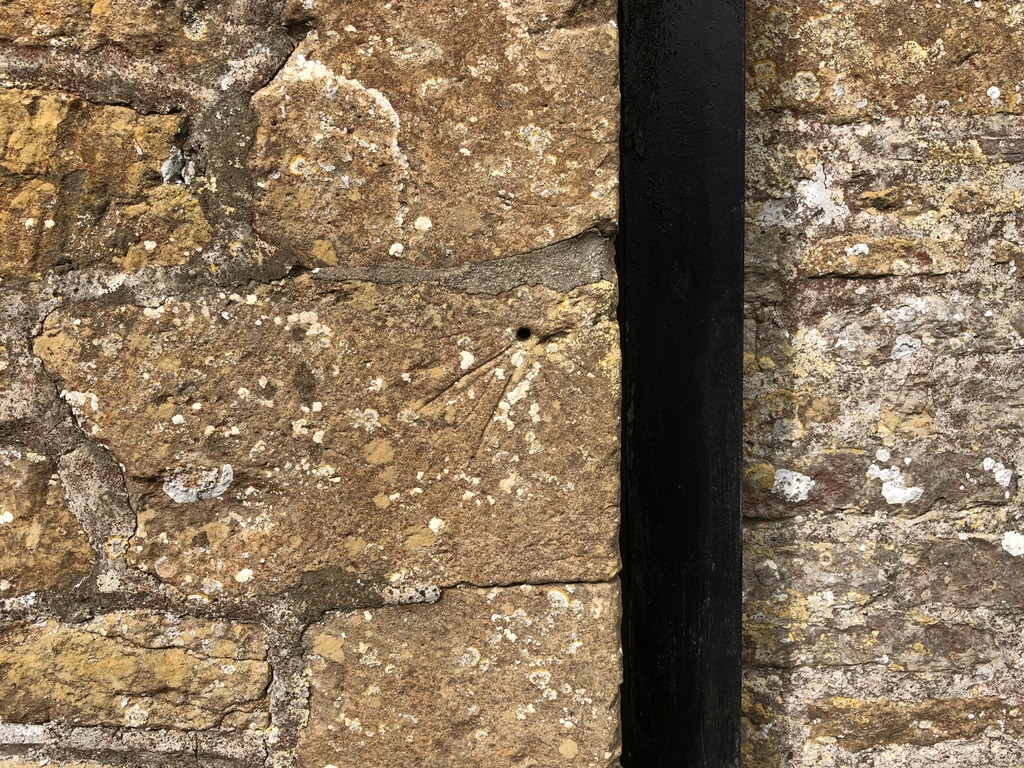
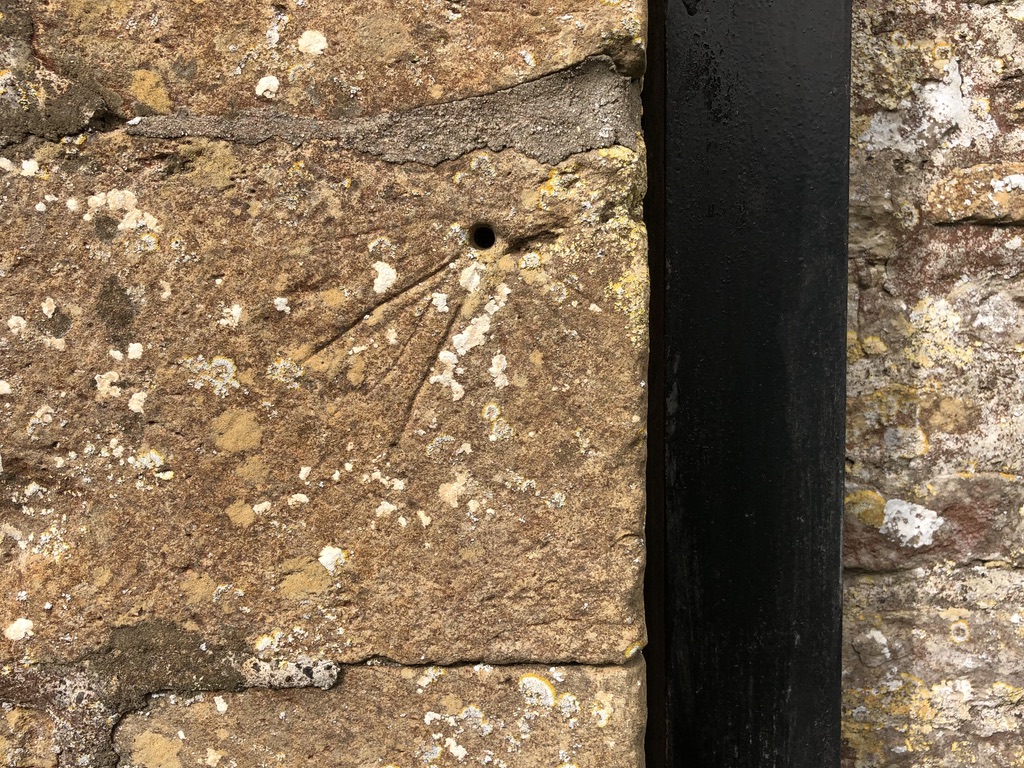
South Cadbury, Som. St Thomas à Becket . Scratch Dial

DIAL † Visited by DEH on April 24th, 1914:

172. This dial is on the s.e. corner of the nave. It is 3 feet 11 inches above the ground, the noonline is 4 inches in length, the stylehole is 7/8 of an inch in depth by 1/2 an inch in diameter, and the aspect is s. by 30° e. Type 3

DEH further notes: ‘the noonline in this dial is considerably out of the perpendicular. This is caused by the stone not facing due s. by as much as 30°’ (see large image in Gallery for the angled pocked noon radial)

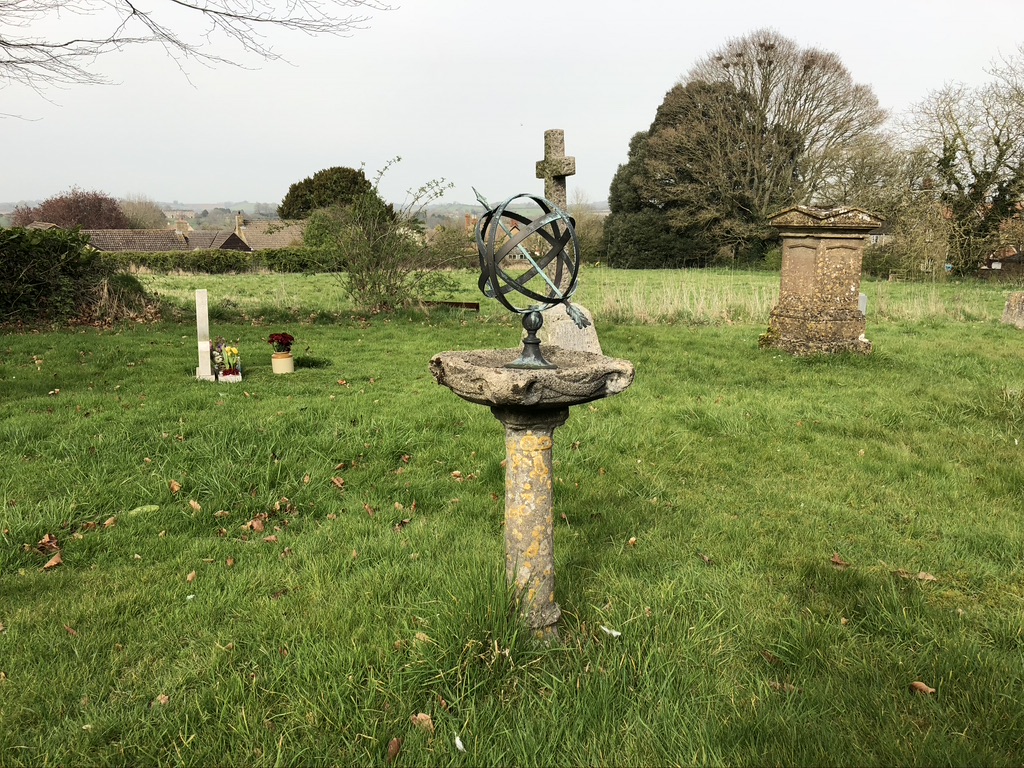
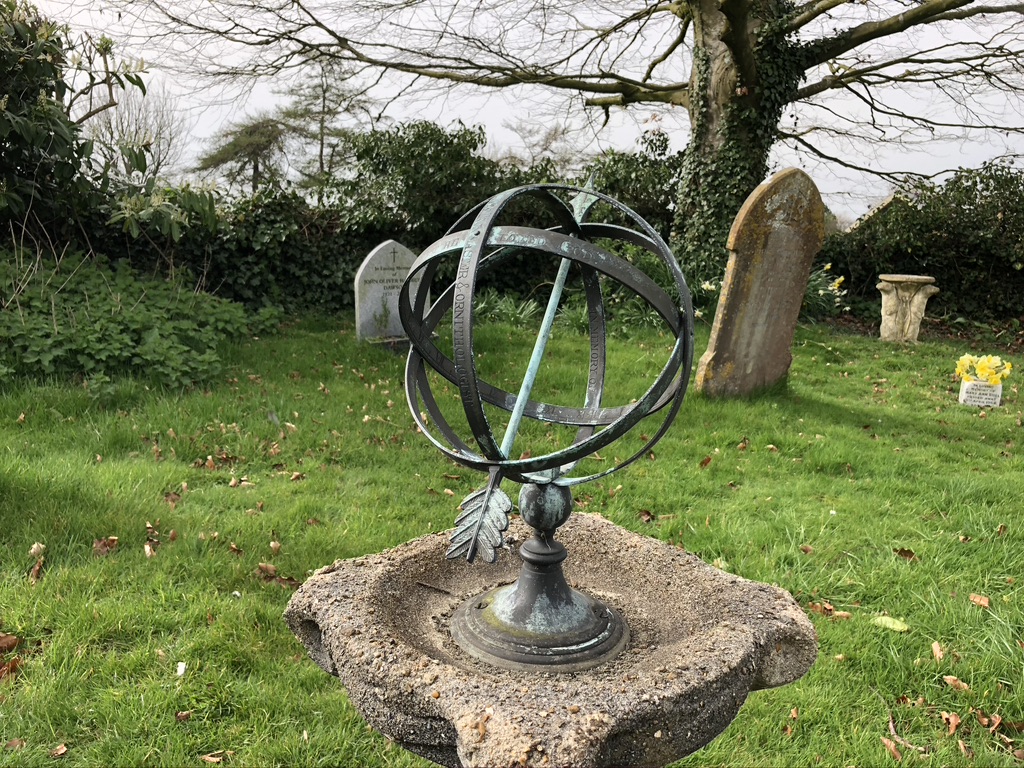
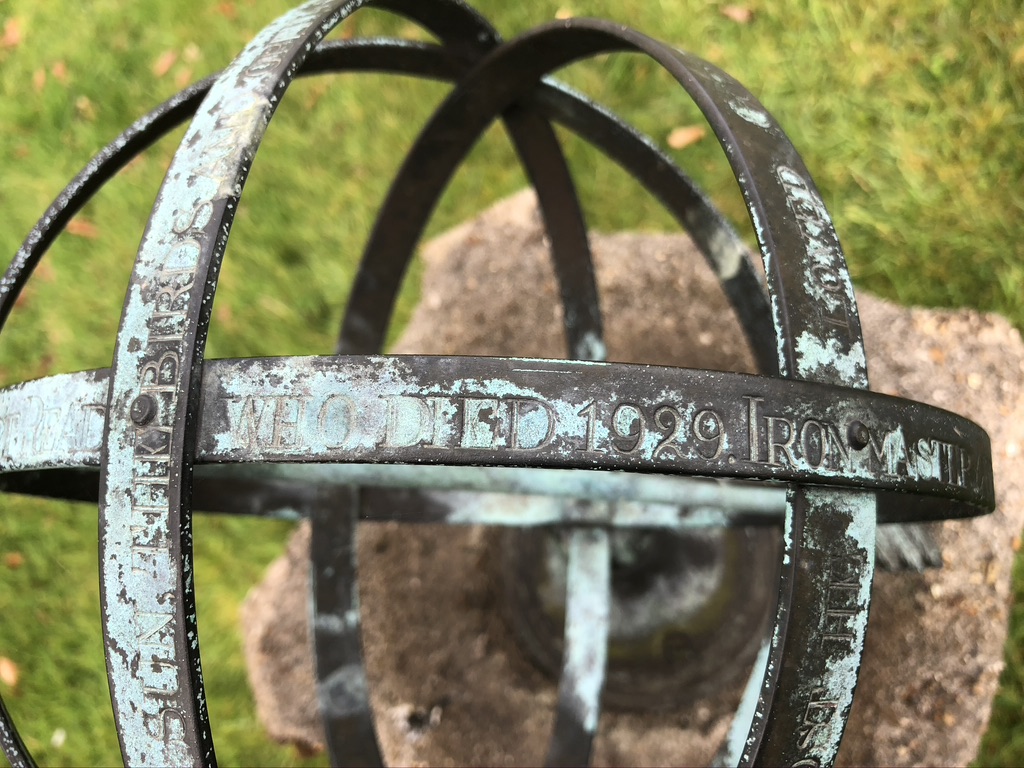
NOTES † In the Churchyard stands a small armillary sphere dated 1929, on a slender column. The memorial inscription relates to Robert Read, ‘Ironmaster and Ornithologist’, with a charming and original dedication that I will post in other pages (armillary spheres, mottos) in due course

GSS Category: Scratch Dial

All photos: Keith Salvesen April 2021